Making the four different clusters of rhombicosidodecahedra seen in the post right before this one was fun, so I decided to make more of them.

There are two different forms of the compound of twenty tetrahedra. To make the polyhedral cluster above, I chose one of them, and then augmented each of its 20(4) = 80 triangular faces with a rhombicosidodecahedron.
For the next of these clusters, I decided to move away from using compounds for the central, hidden figure. Instead, I chose a snub cube, and augmented each of its 32 triangular faces with a rhombicosidodecahedron. Since the snub cube is chiral, this cluster is chiral as well.
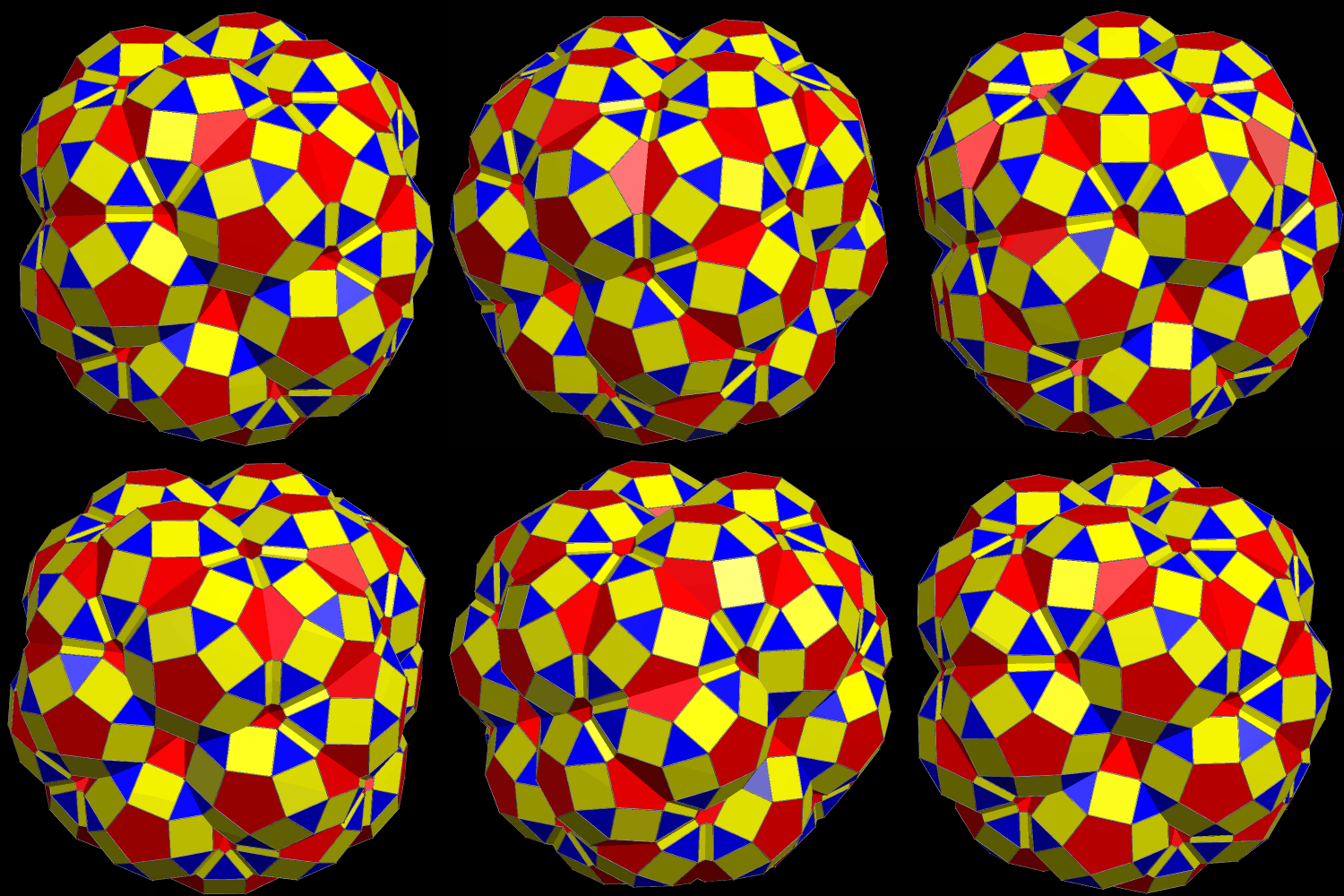
Any chiral polyhedron can be combined with its mirror-image to produce a new compound, and that’s what I did to make this next cluster, which is composed of 64 rhombicosidodecahedra: I simply added the cluster above to its own reflection.
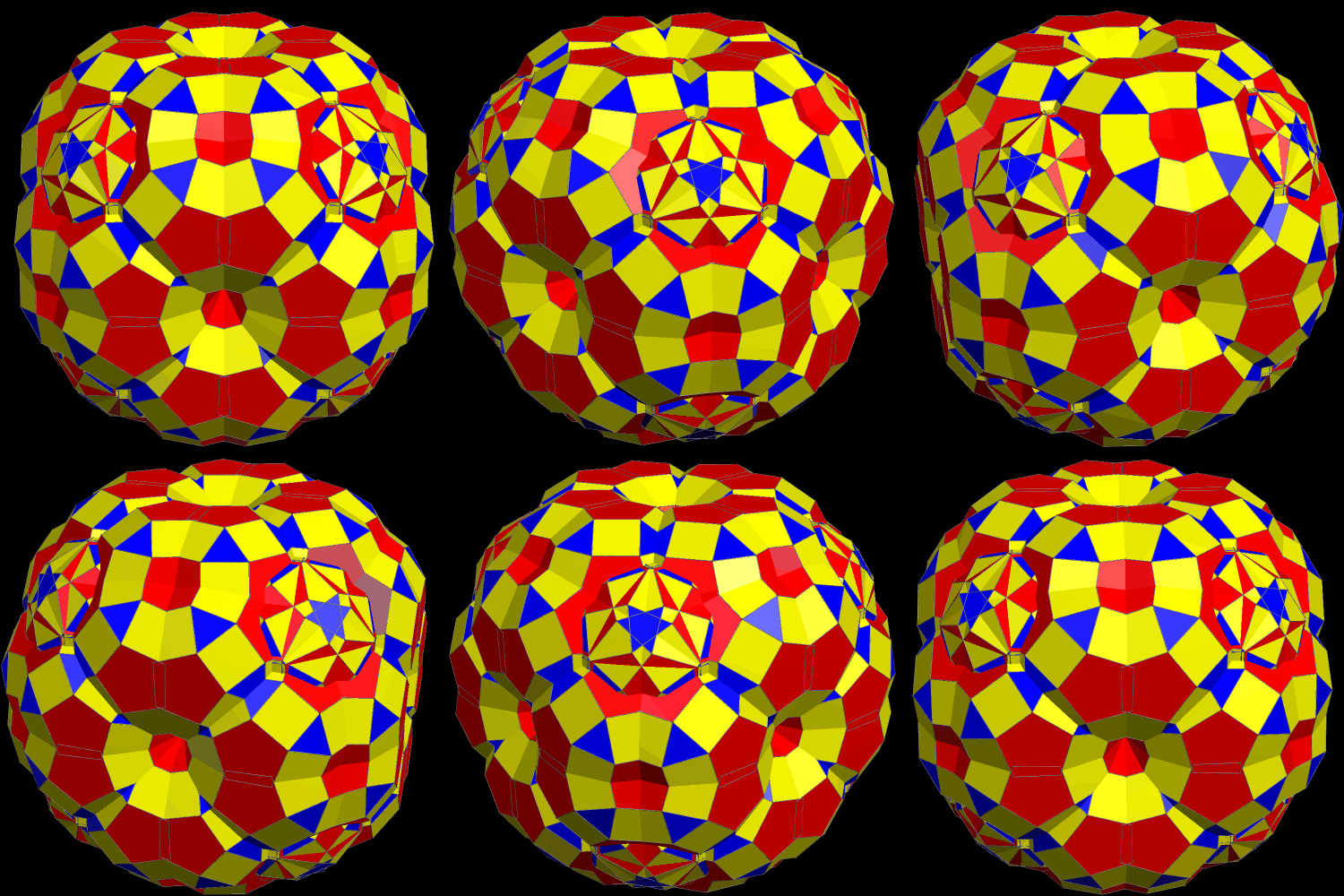
Next, I turned to the snub dodecahedron, also chiral, and with 80 triangular faces. Augmentation of all 80 produced this chiral cluster of 80 rhombicosidodecahedra:

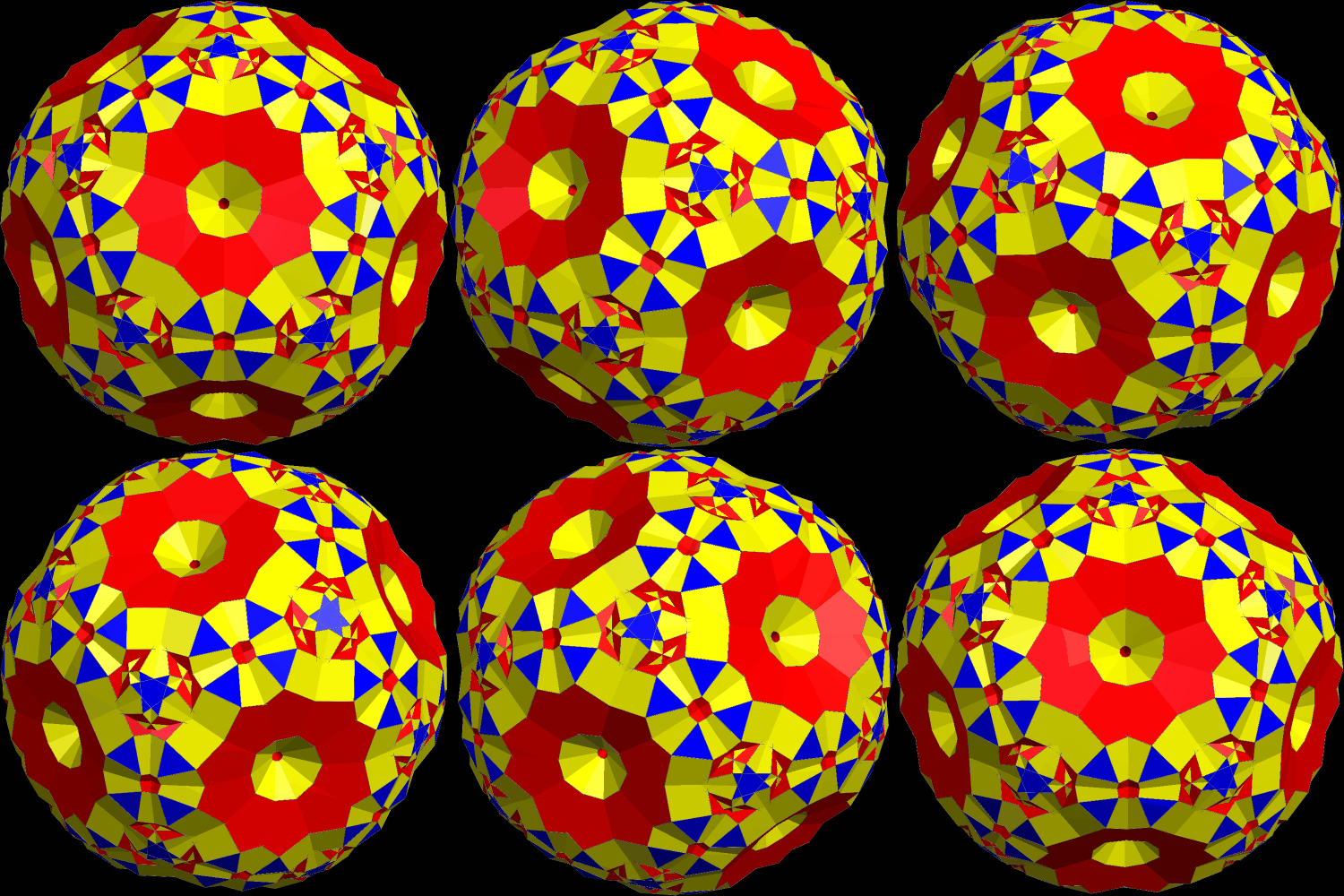
Finally, I added this last cluster to its own mirror-image, producing this symmetrical cluster of 160 rhombicosidodecahedra.
Each of these was created using a program called Stella 4d: Polyhedron Navigator, software you can try for free right here.
 RobertLovesPi.net