Mostly Empty Space

Image

Mostly Empty Space

Ask any chemist or physicist, and they’ll verify that ordinary matter is mostly empty space. (The physicist may then go on to confuse you by explaining how that “empty” space isn’t really empty,  if inspected closely enough, but that’s not my subject here.)

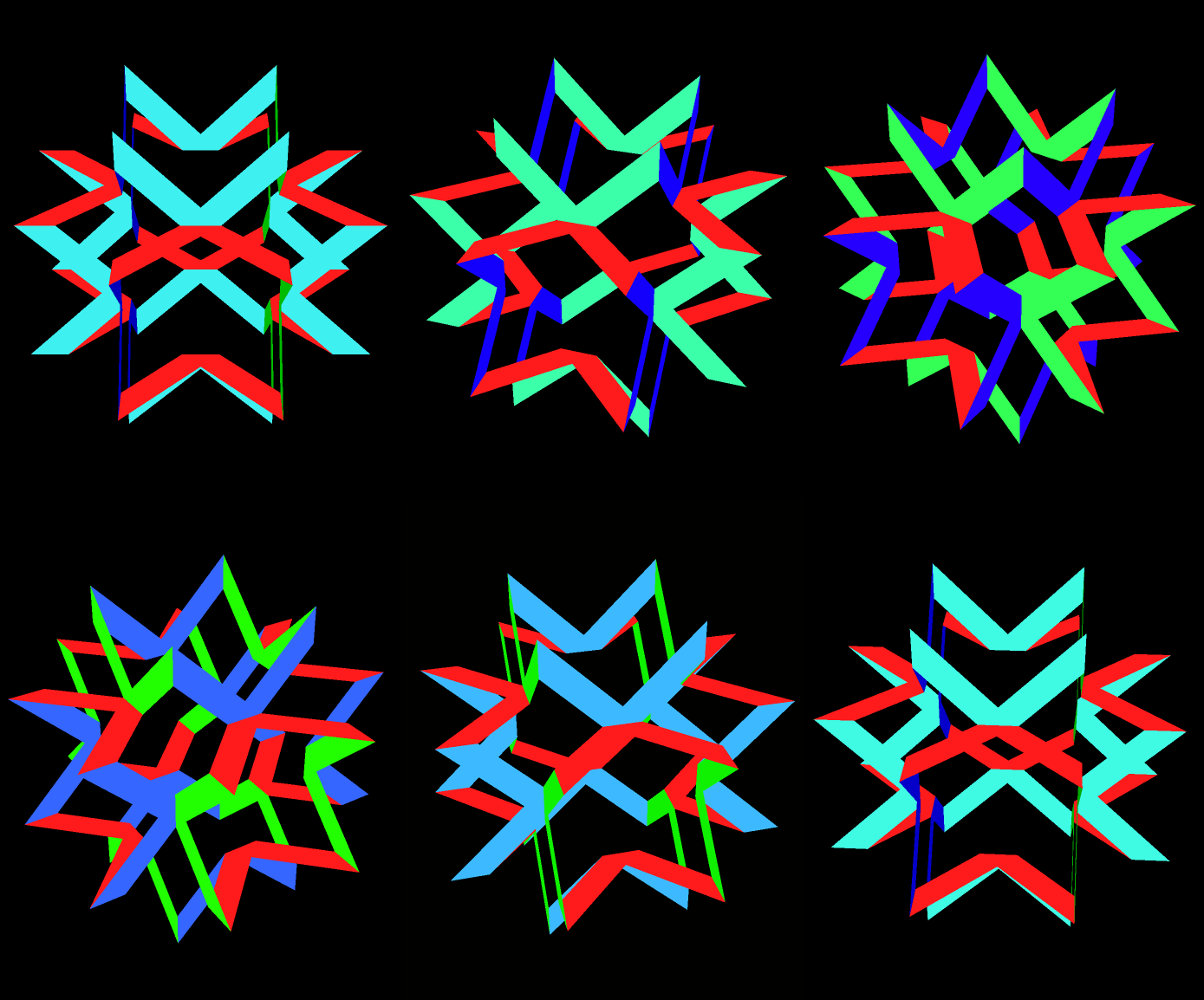
This image, geometrically created, is also mostly empty space. To make it, I started with the polyhedron seen in the last post — itself created by stellation of the post before it — and continued stellating, many more times. By doing so, I stumbled across a polyhedron with these “X” shapes included, plus some other stuff. To finish making this, I simply rendered everything except the “X” shapes invisible, then changed the coloring scheme of the result.

Stella 4d was used to create this image, and you may try it for free at http://www.software3d.com/stella.php.
An Interesting Stellated Polyhedron

Image

An Interesting Stellated Polyhedron

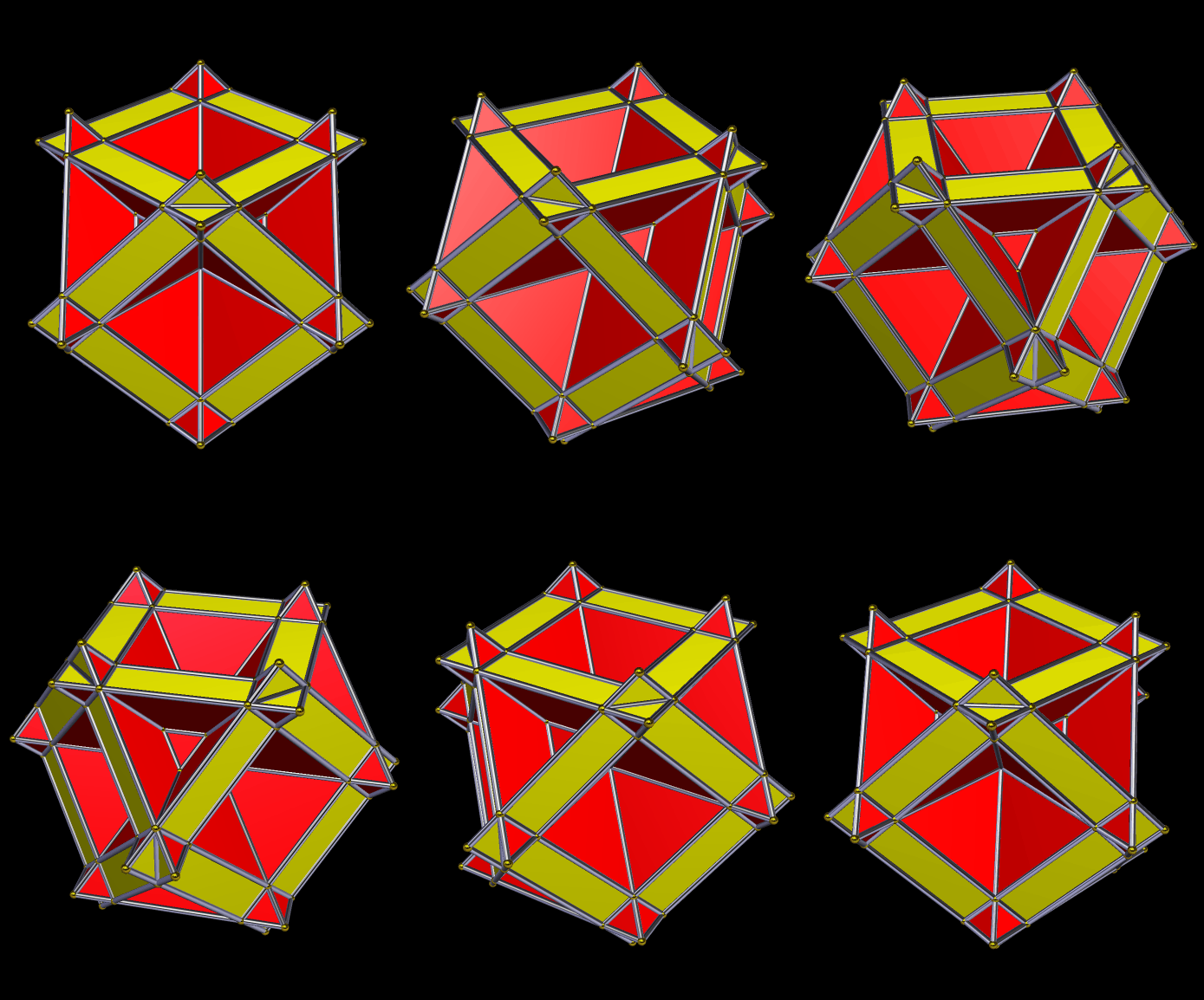
This polyhedron resembles a cuboctahedron, more than any other familiar polyhedra — but cuboctahedra were not used, at all, in its construction. To make it, I started with the cube of eight truncated octahedra seen in the previous post, and then stellated that figure many times. (How many? Enough times that I lost count — that’s how many.)

Stella 4d was used for this, and you may try it for free at http://www.software3d.com/stella.php.

A Cubic Arrangement of Truncated Octahedra

Image

A Cubic Arrangement of Truncated Octahedra

This cubic arrangement of eight truncated octahedra has a hole in the center, and indentations in the center of each face of the cube. What would fit in these gaps? More truncated octahedra of the same size, that’s what. This wouldn’t be true for most polyhedra, but the truncated octahedron is unusual in that it can fill space without leaving gaps — much like hexagons can tile a plane, but in three dimensions.

Stella 4d was used to create this image, and you may try it for free at http://www.software3d.com/stella.php.