
This polyhedron has 60 heptagonal faces, 20 faces which are regular hexagons, and 72 pentagonal faces. I made it using Stella 4d, which you can try for free at http://www.software3d.com/Stella.php.
This polyhedron has 60 heptagonal faces, 20 faces which are regular hexagons, and 72 pentagonal faces. I made it using Stella 4d, which you can try for free at http://www.software3d.com/Stella.php.
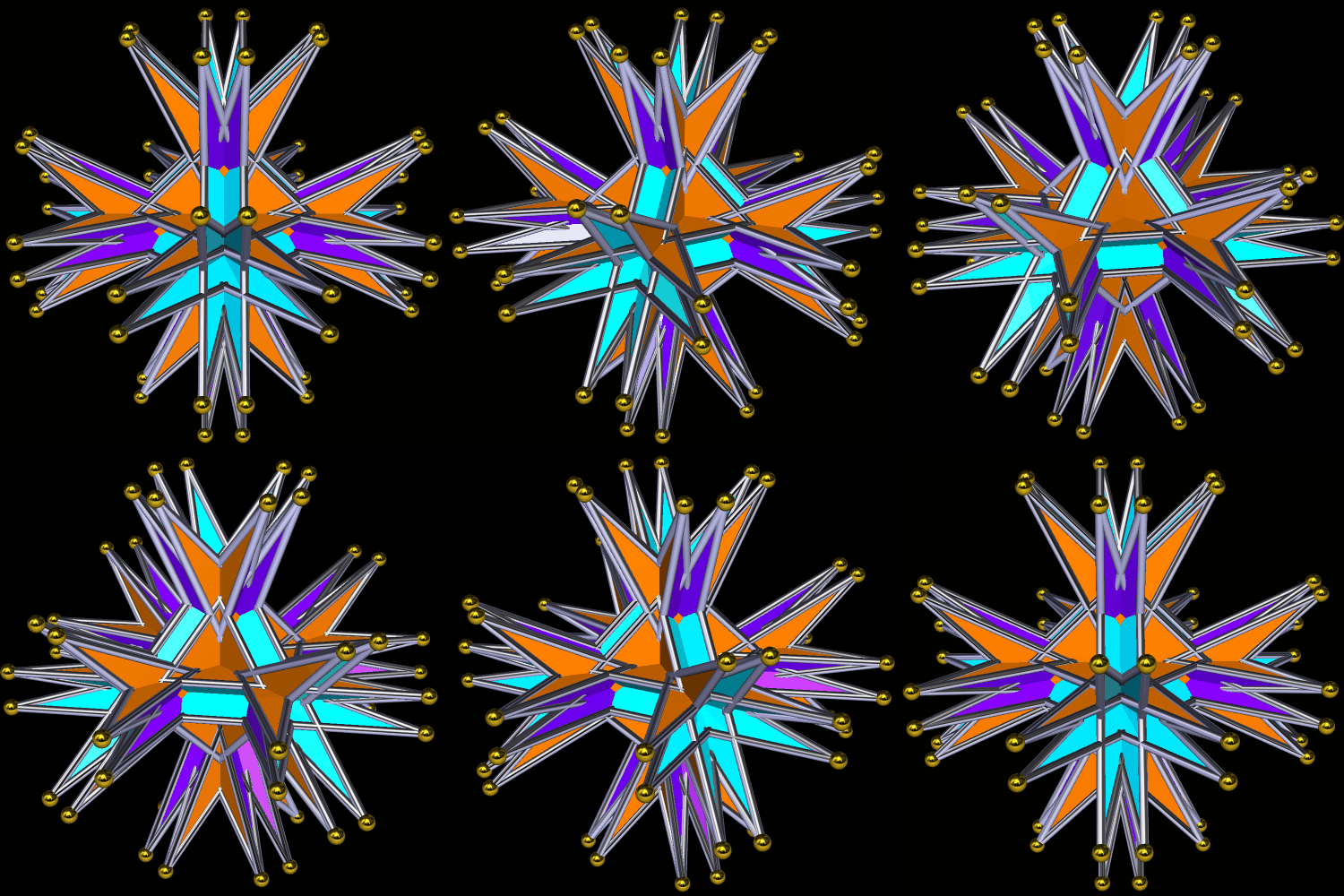

I made both of these while playing around with Stella 4d: Polyhedron Navigator, a program you can try out for free at http://www.software3d.com/Stella.php.
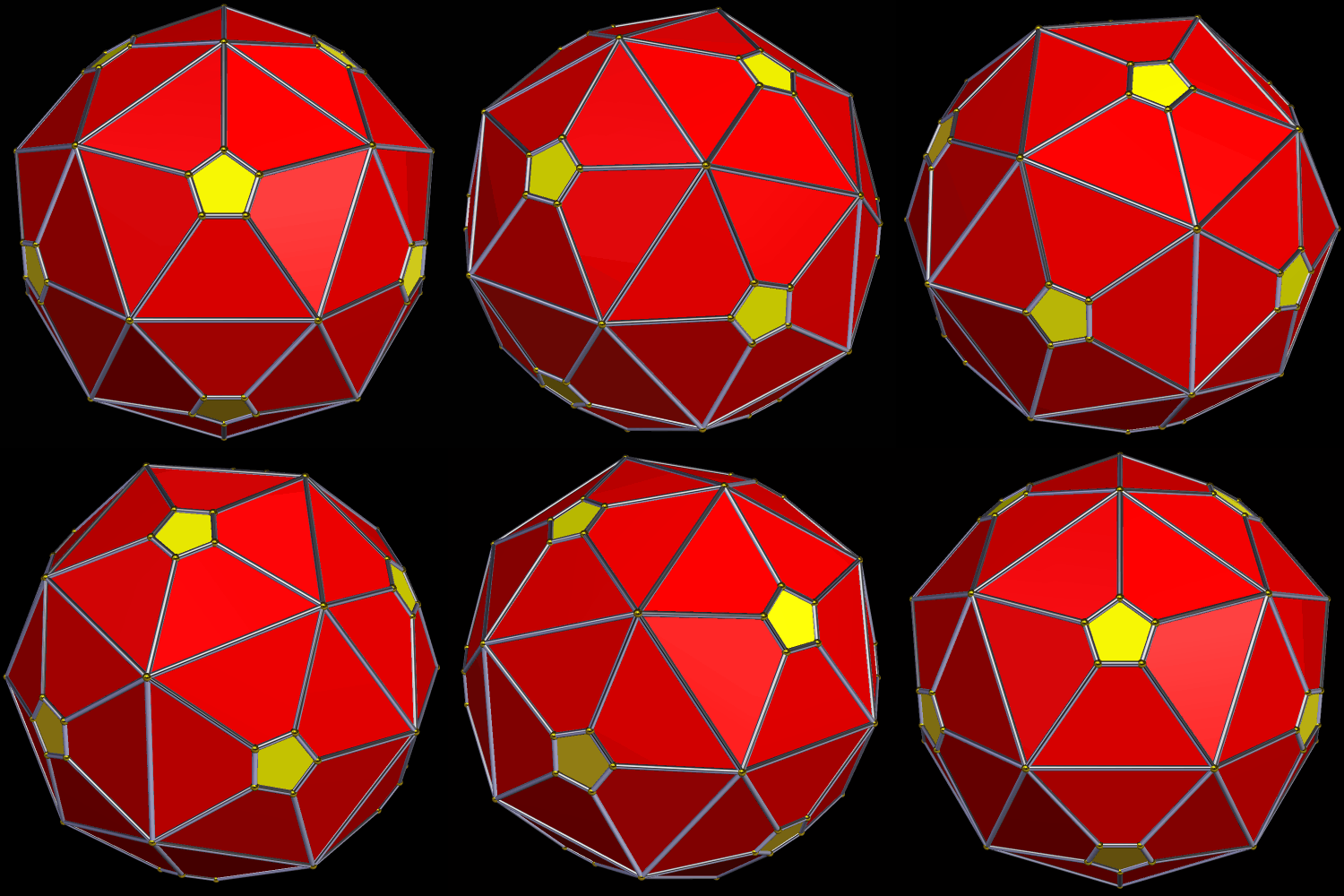
I created this using Stella 4d, which you can try for free at http://www.software3d.com/Stella.php.
These vandalized goggles were found in my science lab at school yesterday. When I tried them on, they literally had me seeing red.


I created this using Stella 4d, which you can try for free at http://www.software3d.com/Stella.php. Starting with the Platonic dodecahedron, I dropped the symmetry of the model down from icosahedral to tetrahedral, then stellated it six times. I also put the resulting polyhedron into “rainbow color mode” before making this .gif image.
Here’s a net for this solid. To build it, you’ll need six copies of this net.

I was born 51 years ago today. To mark the occasion, here’s a 51-pointed star. It’s made of {17/7} heptadecagrams repeated 3 times, and with their edges extended as lines, in three different colors. This works because 51 = (17)(3).

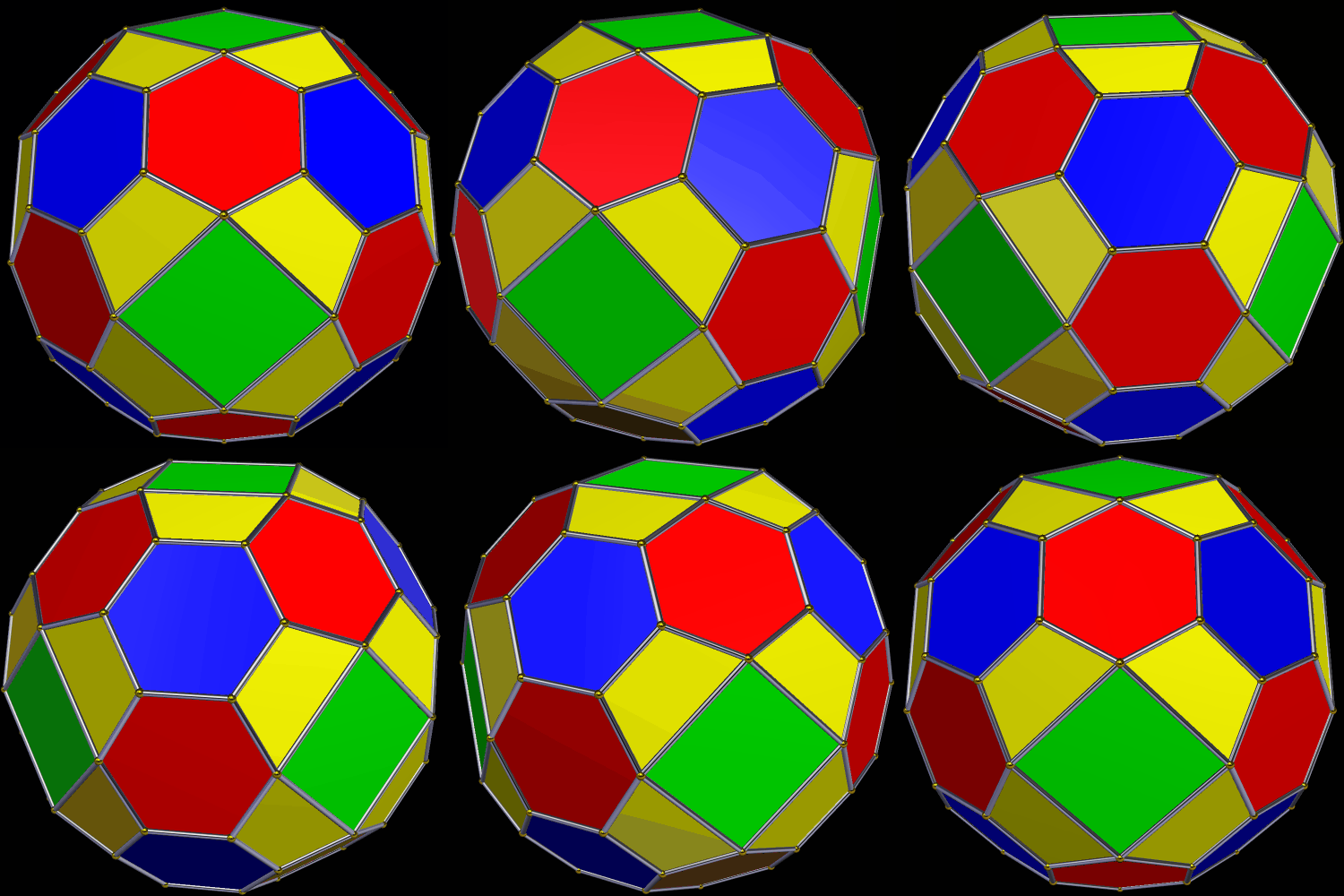
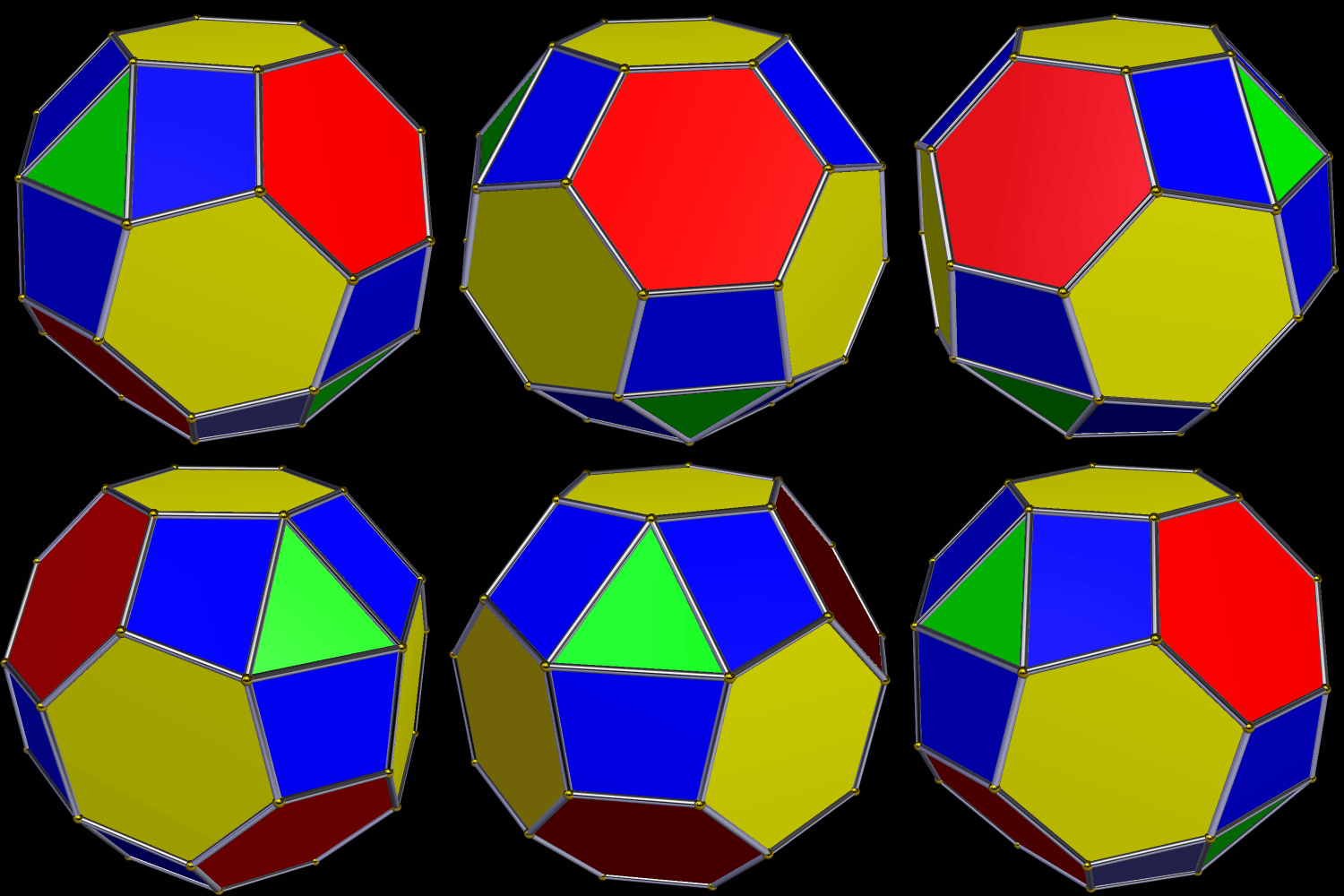
In this symmetrohedron, the red, blue, and green faces are regular polygons. Only the yellow isosceles trapezoids are irregular.
Here’s a pentagonal dipyramid. It’s one of the Johnson solids.
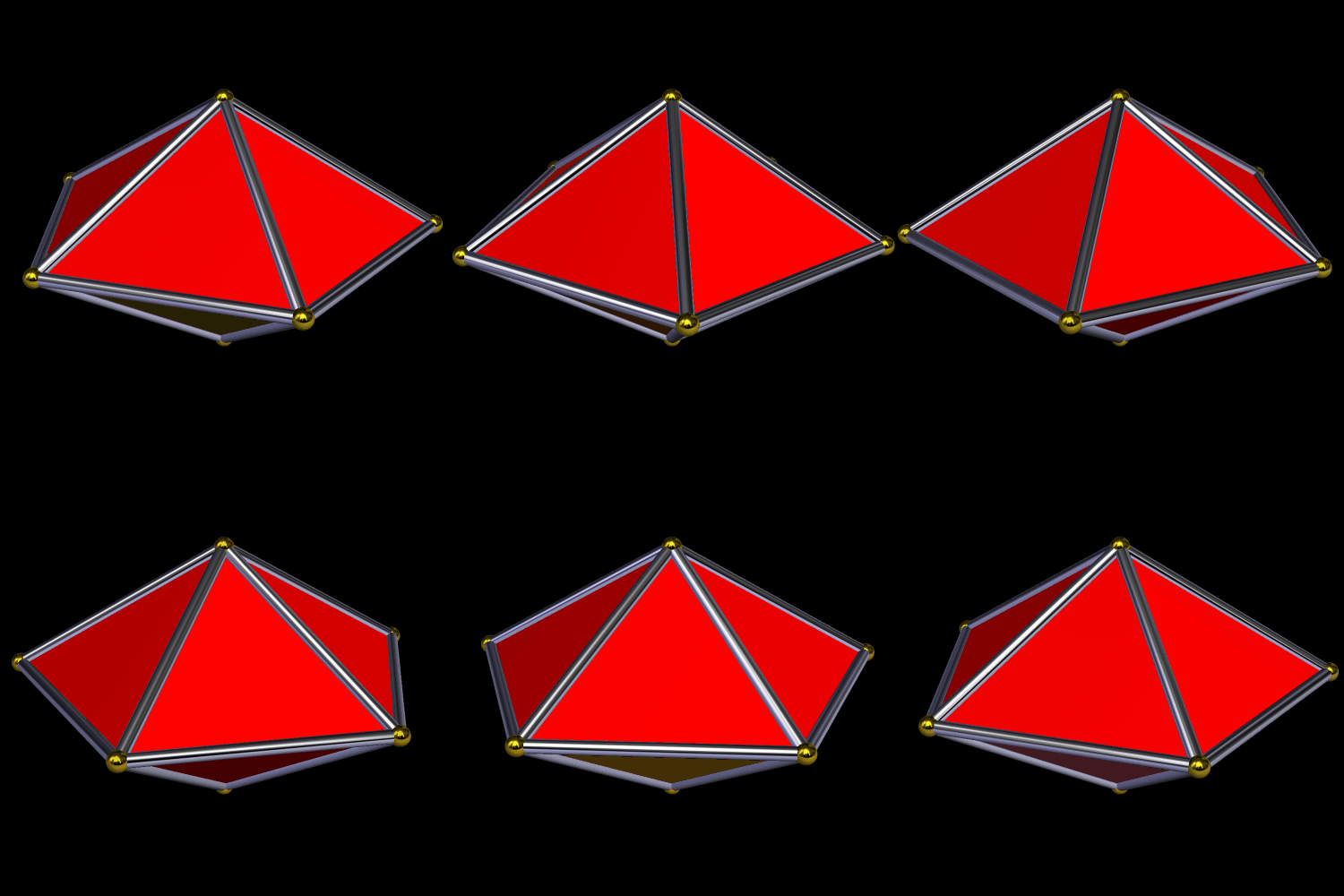
The polyhedra-manipulation software I use, Stella 4d (available as a free trial download right here), lets the user make zonohedra from various “seed” polyhedra. When I made one with zones based on the vertices of the pentagonal dipyramid, a decagonal prism was the result. This surprised me; I wasn’t expecting to see a familiar polyhedron.
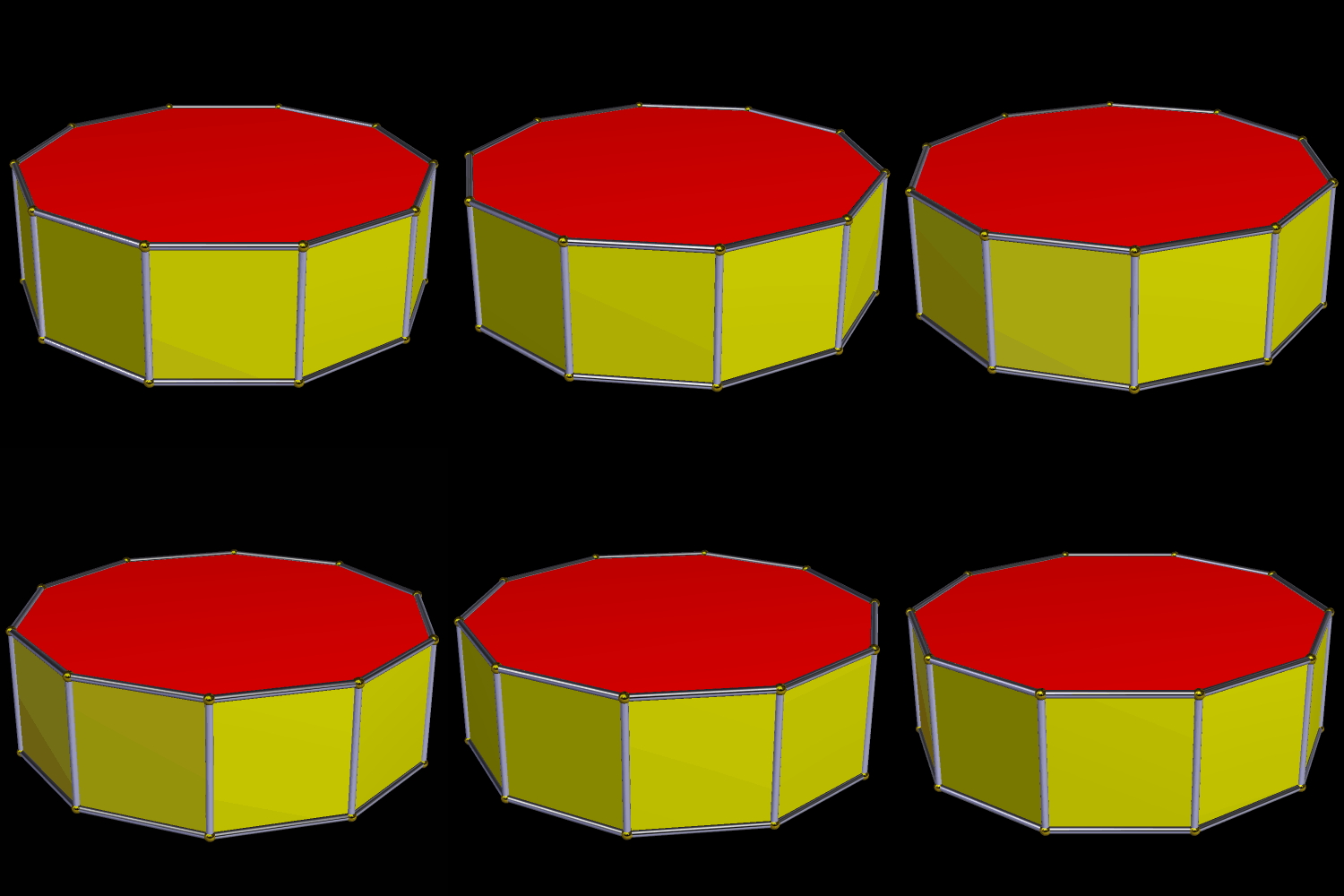
Other selections gave me the results I expected: polar zonohedra I had never seen before. Here’s the one based on the edges of the pentagonal dipyramid.
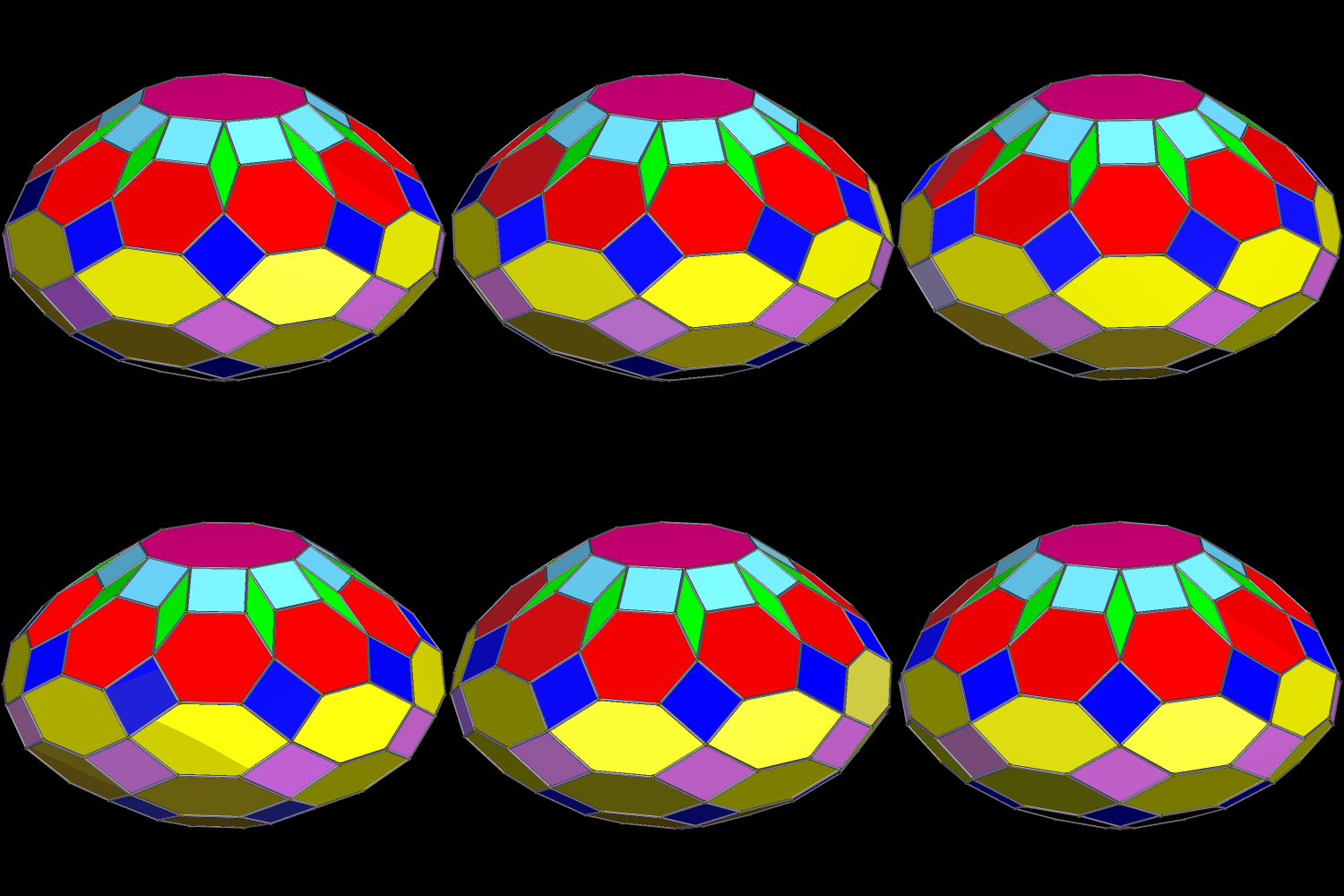
The next one is based on the pentagonal dipyramid’s faces.

Here’s one based on vertices and edges:
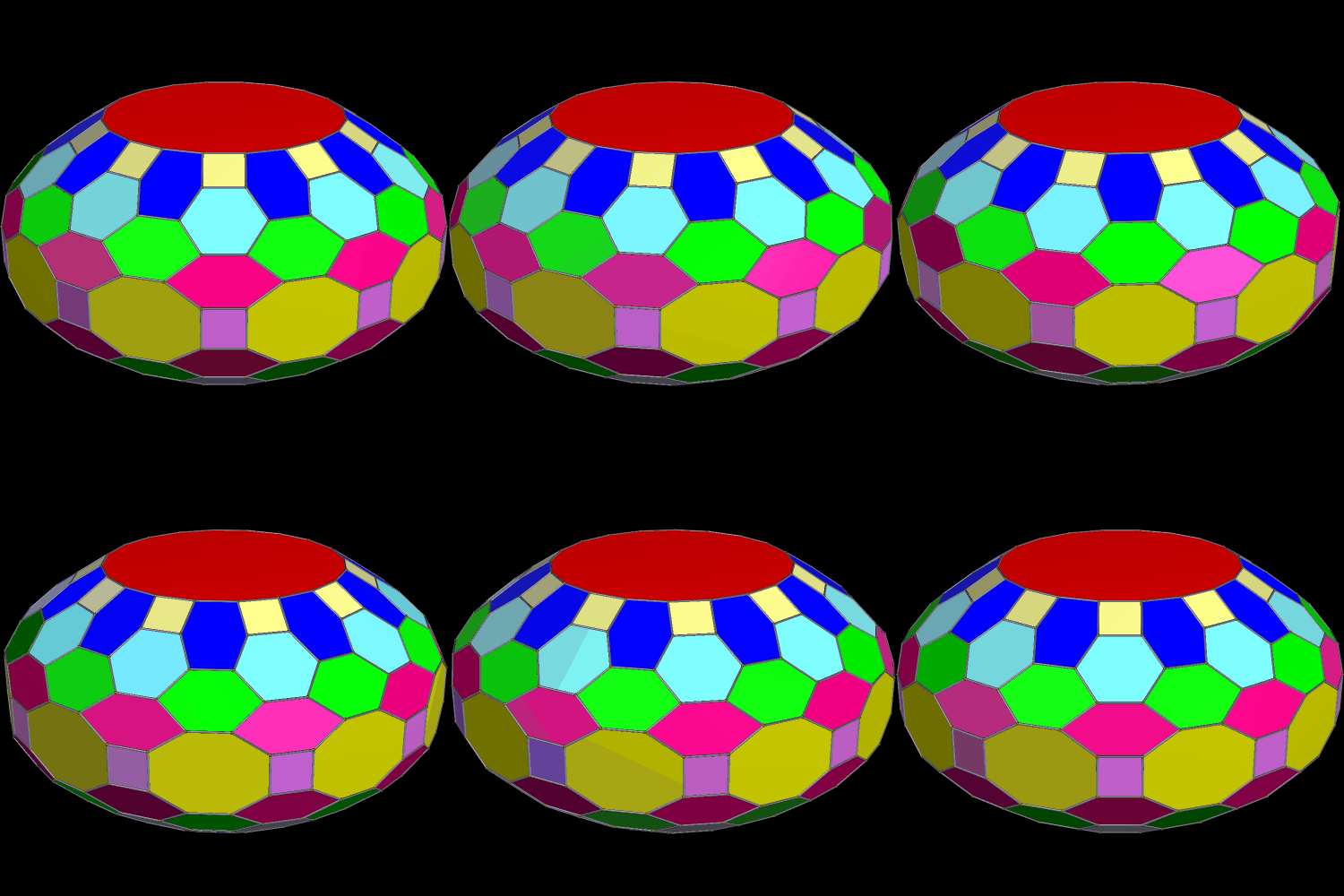
This next one is based on vertices and faces.
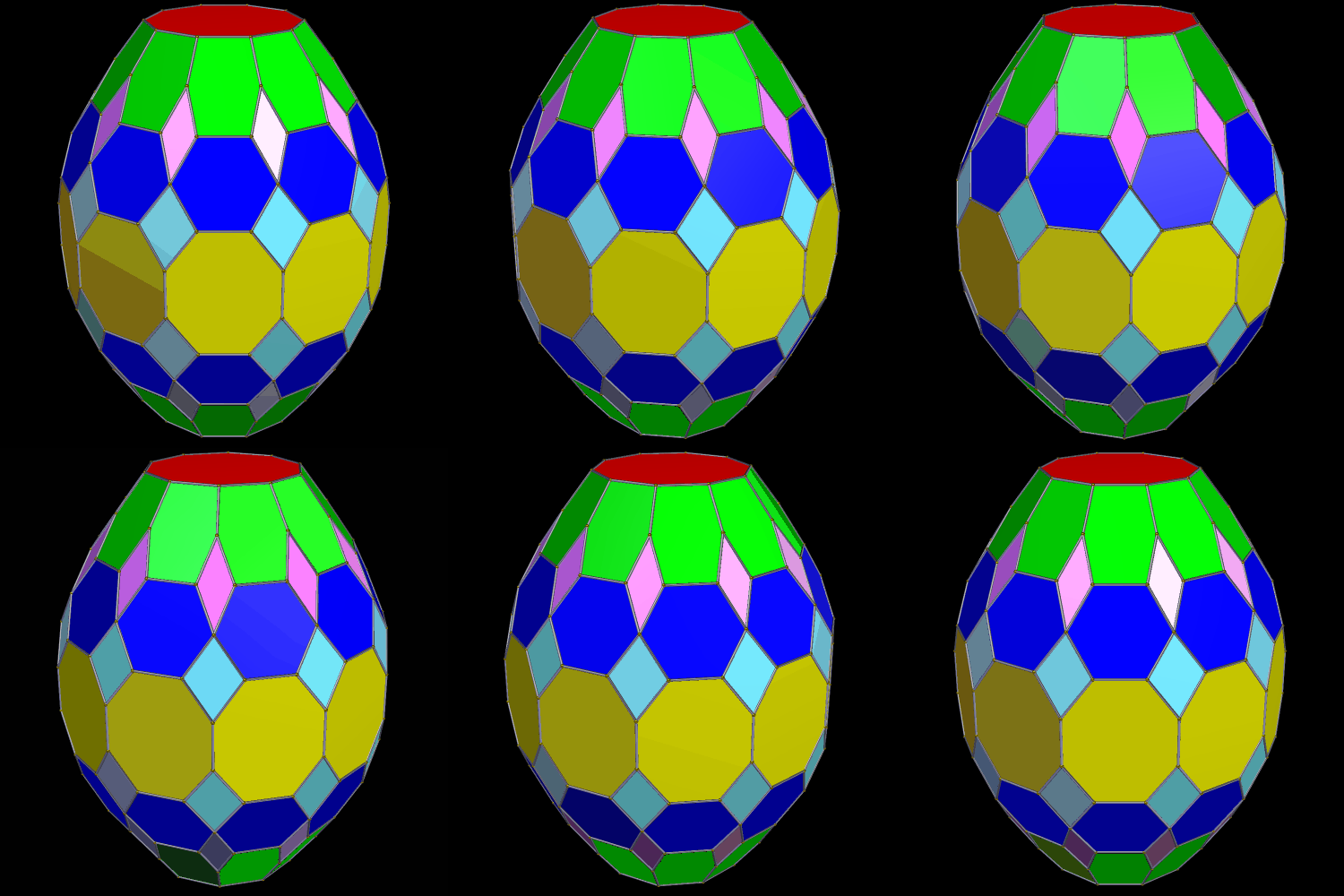
The next one is based on edges and faces.
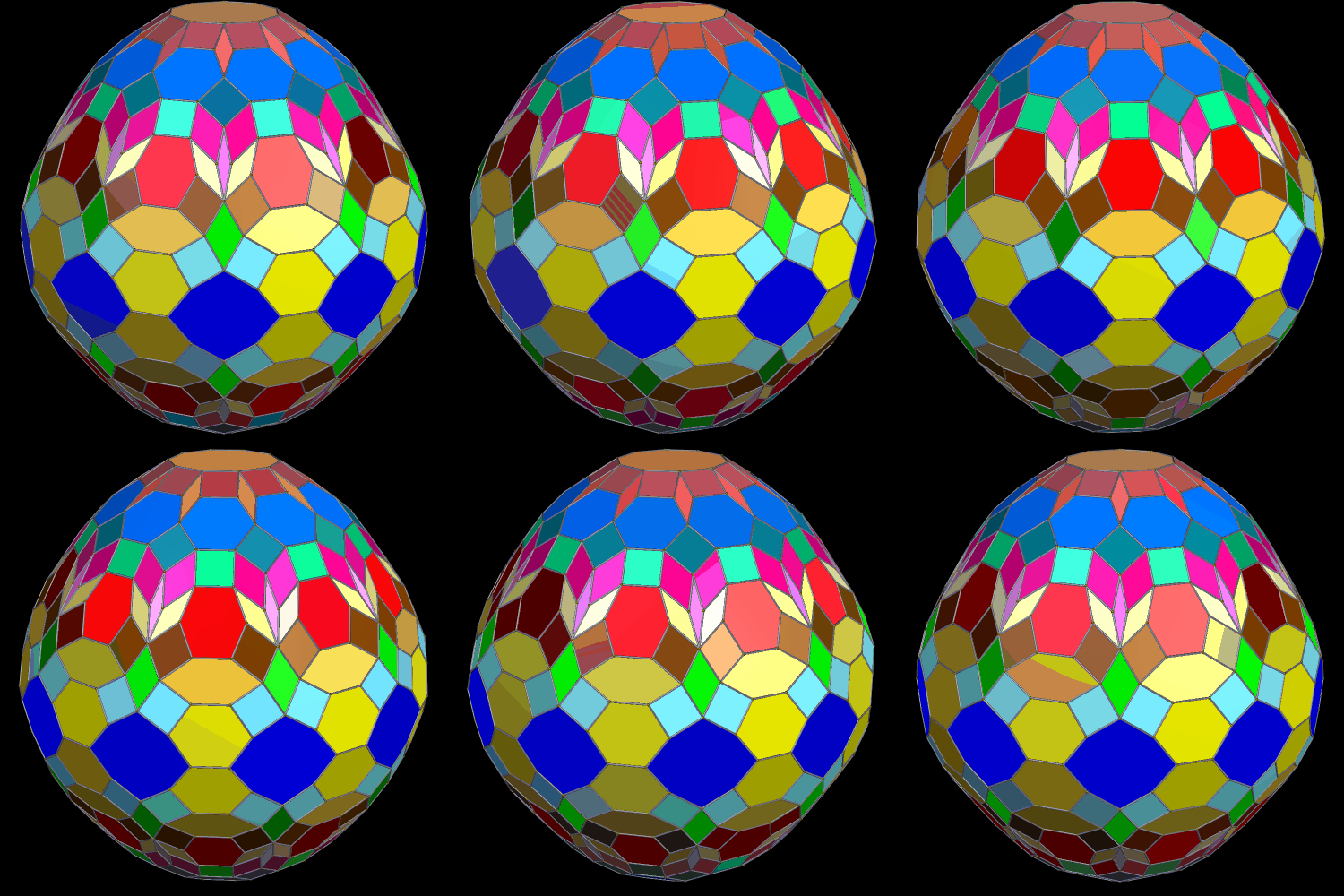
Finally, here’s the last one, with zones based on the faces, edges, and vertices of a pentagonal dipyramid.
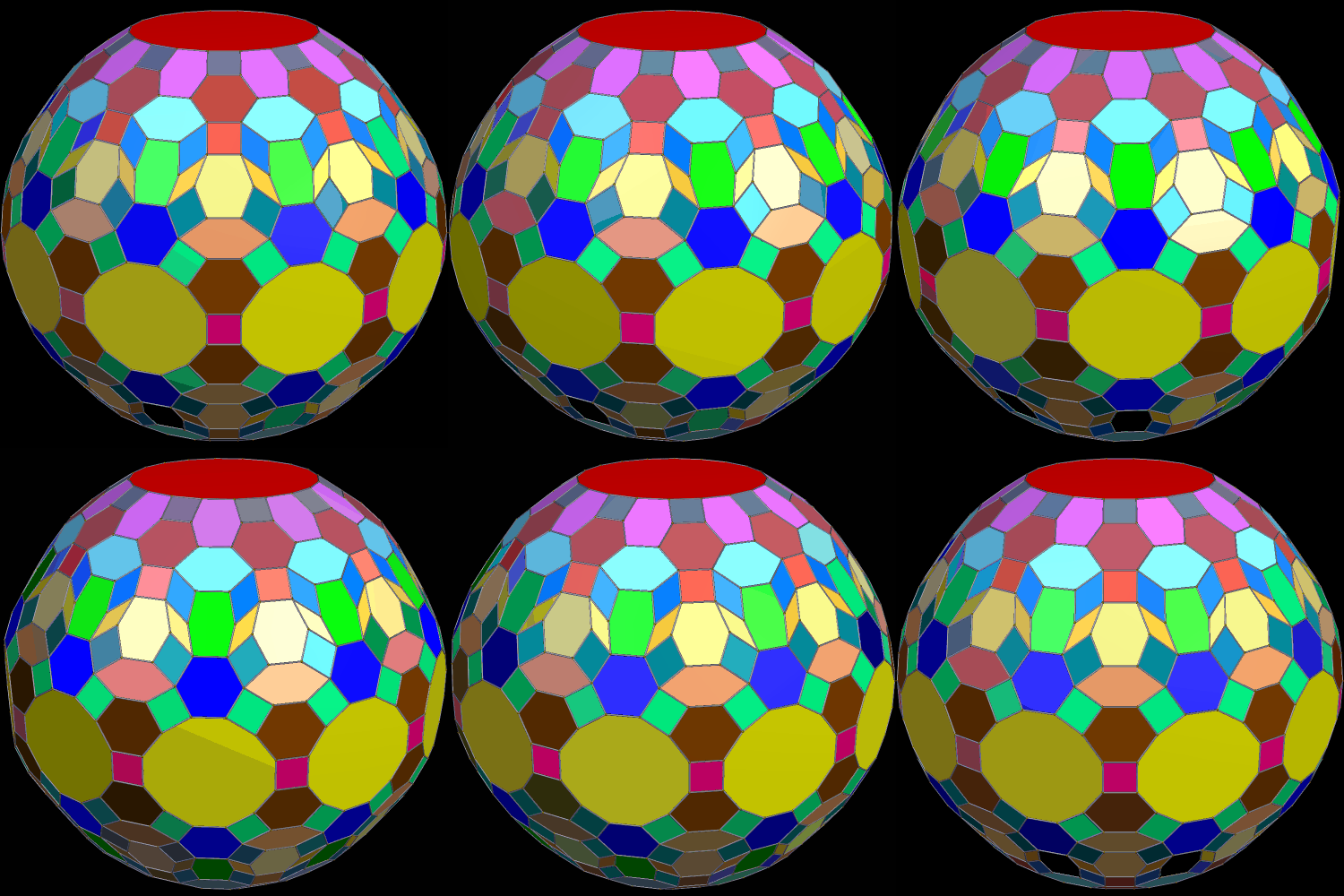
Symmetrohedra are symmetrical, convex polyhedra which contain many faces (not necessarily all) which are regular polygons. In this symmetrohedron, the hexagons and triangles are regular, while the quadrilaterals are isosceles trapezoids. I made this symmetrohedron using Stella 4d, a program you can try for free at this website.
 RobertLovesPi.net