
This, like “Dark Stars” before it, was based on previous posts. I stellated the post two posts ago, several more times. Software credit: http://www.software3d.com/stella.php
This, like “Dark Stars” before it, was based on previous posts. I stellated the post two posts ago, several more times. Software credit: http://www.software3d.com/stella.php

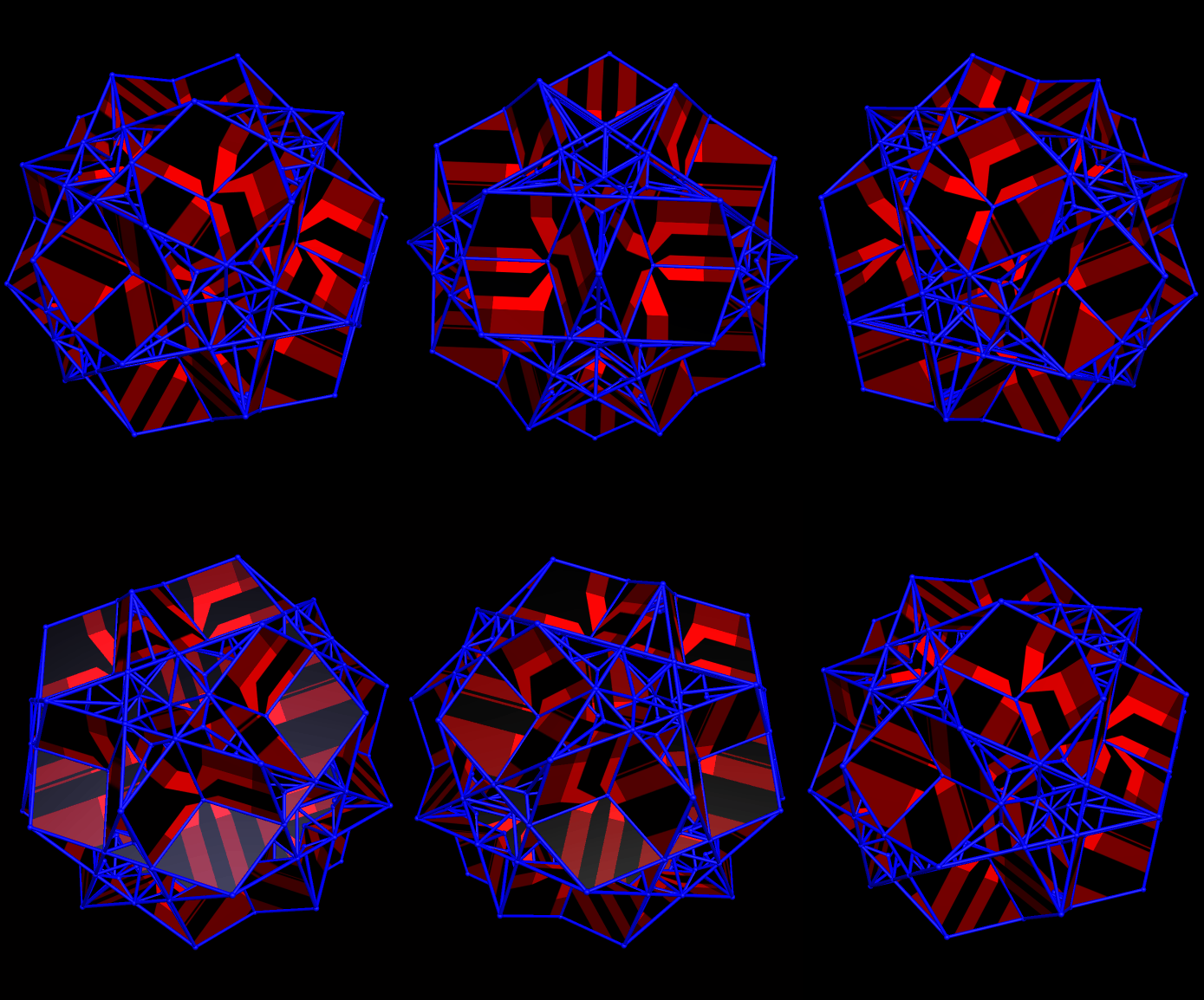
This was created by stellating the polyhedron seen in the previous post several times.
Software credit: http://www.software3d.com/stella.php.
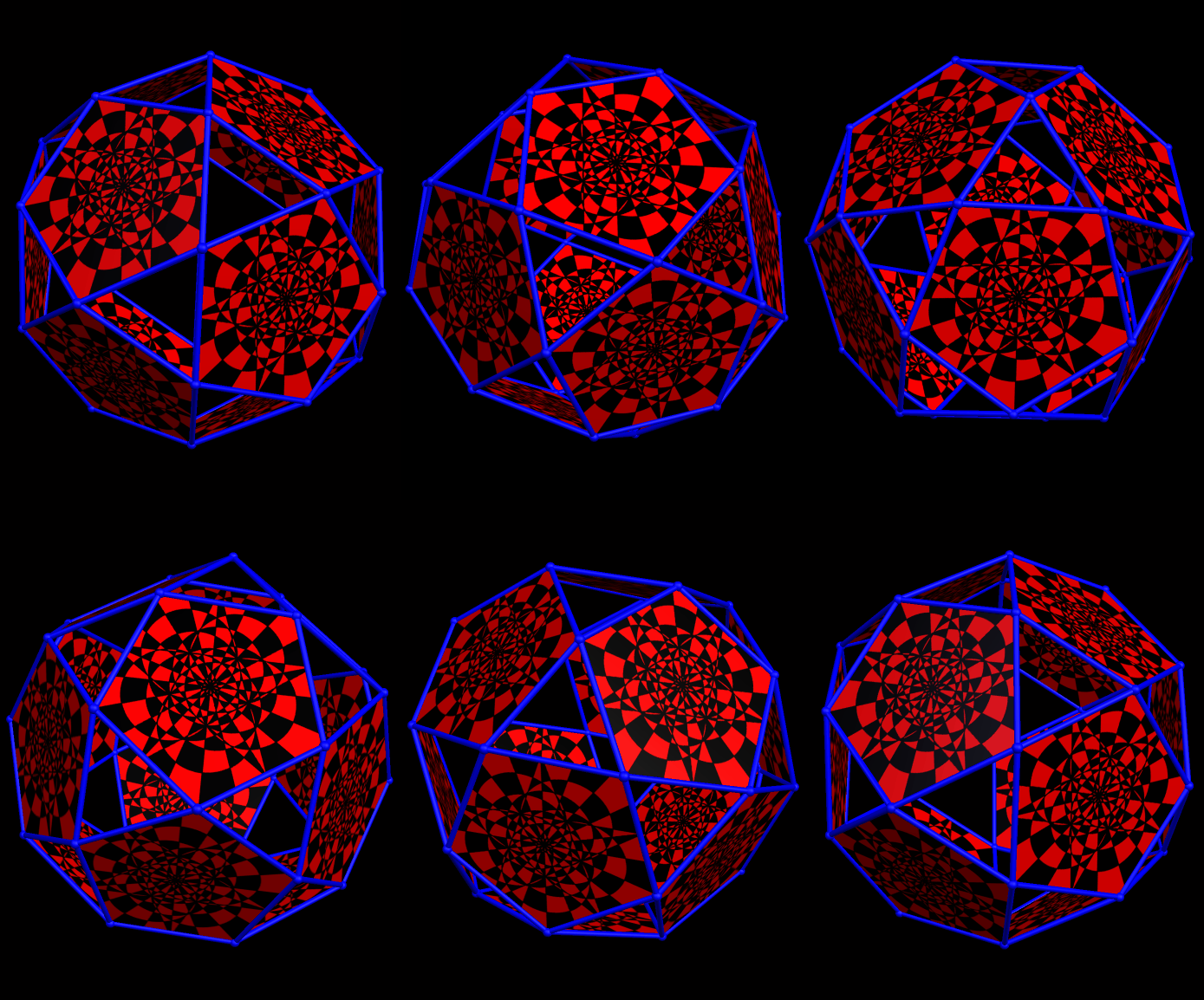
The image on the pentagons was created using Geometer’s Sketchpad and MS-Paint. The polyhedron was then assembled using Stella 4d, available at http://www.software3d.com/stella.php.


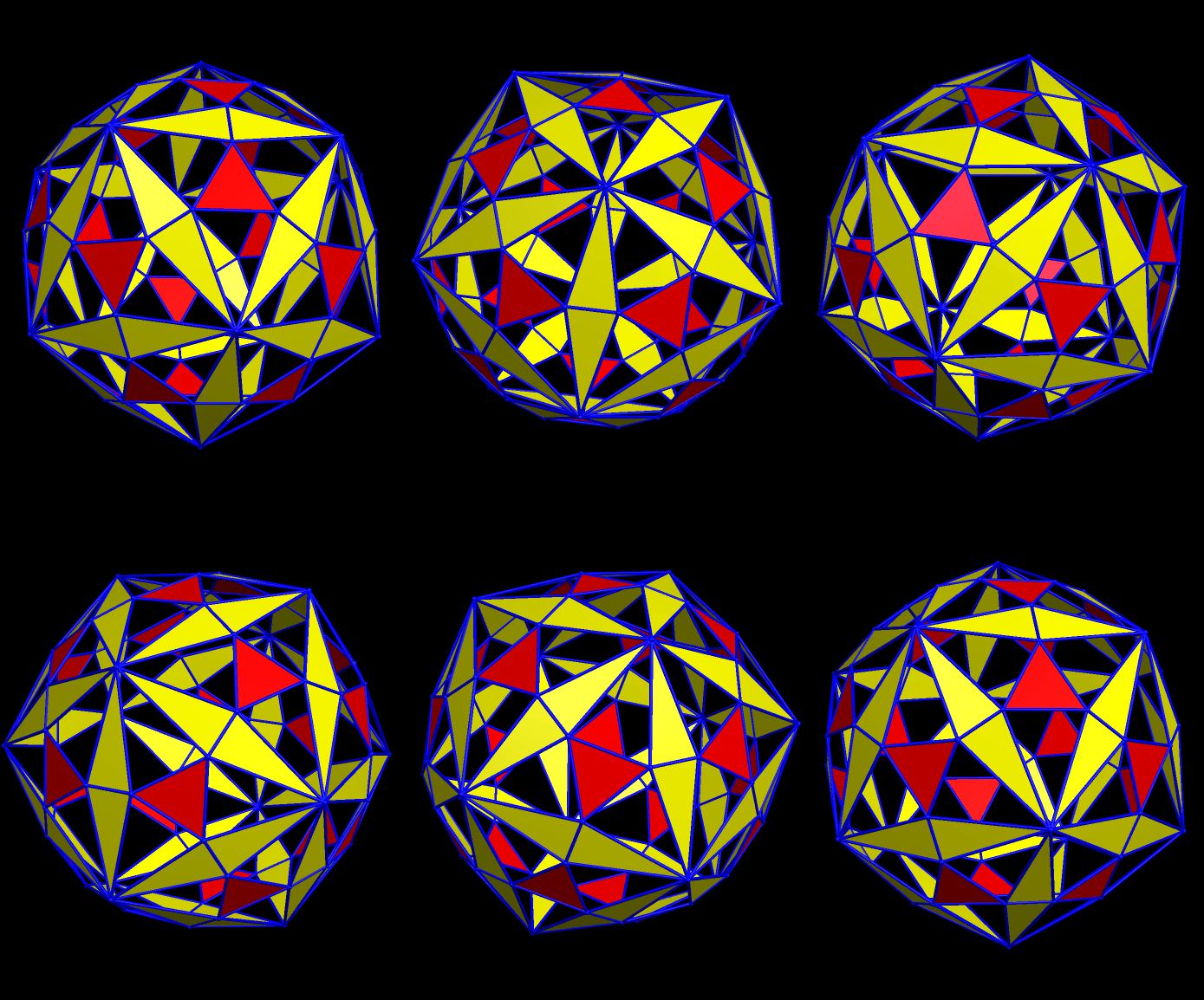
This is a polyhedron with 140 faces, all triangles. There are:
Software credit: http://www.software3d.com/stella.php
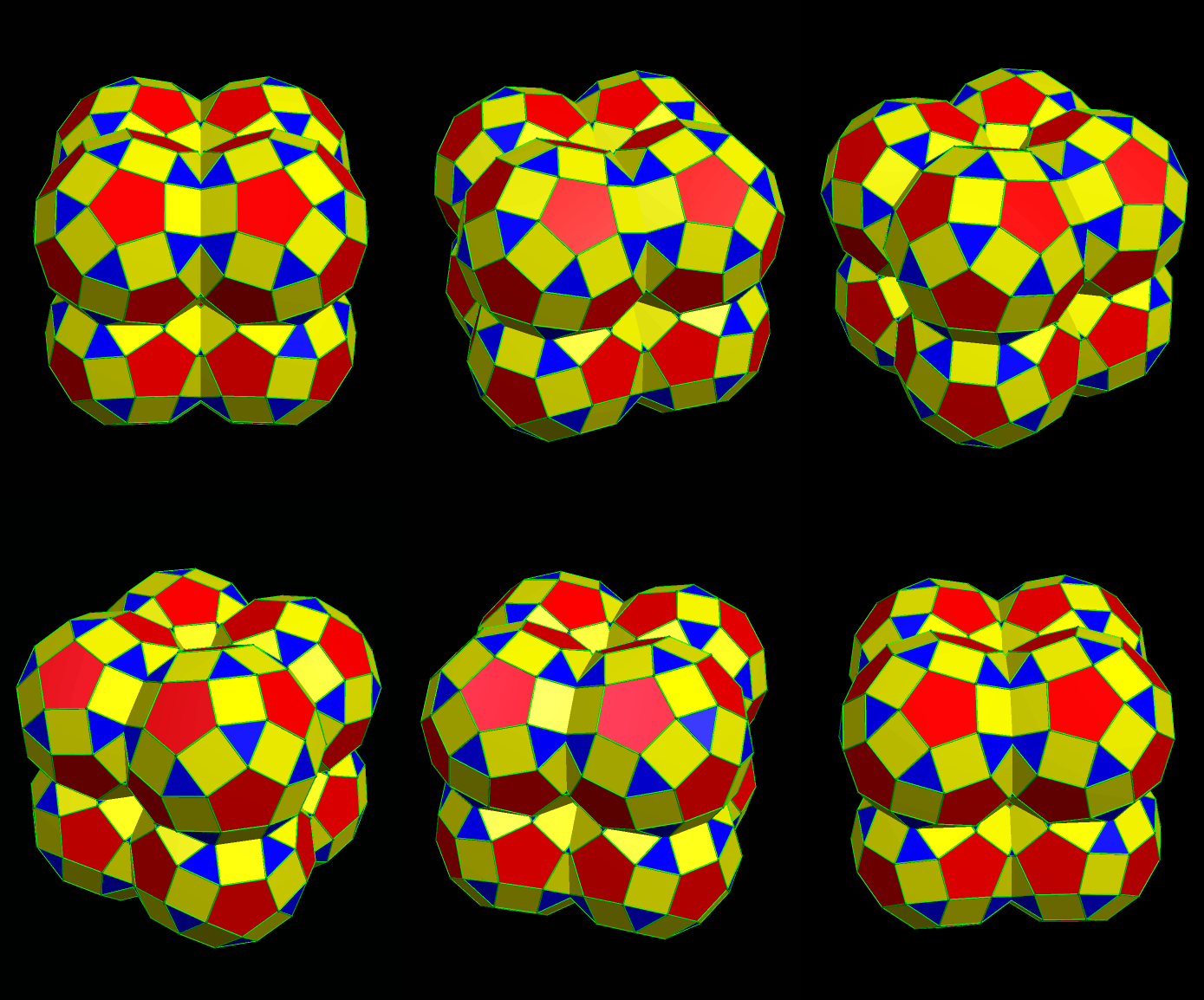
To make this “cube,” I started with an octahedron, and then augmented all eight of its faces with rhombicosidodecahedra. Such polyhedral manipulations are quick and easy with Stella 4d, available at http://www.software3d.com/stella.php.
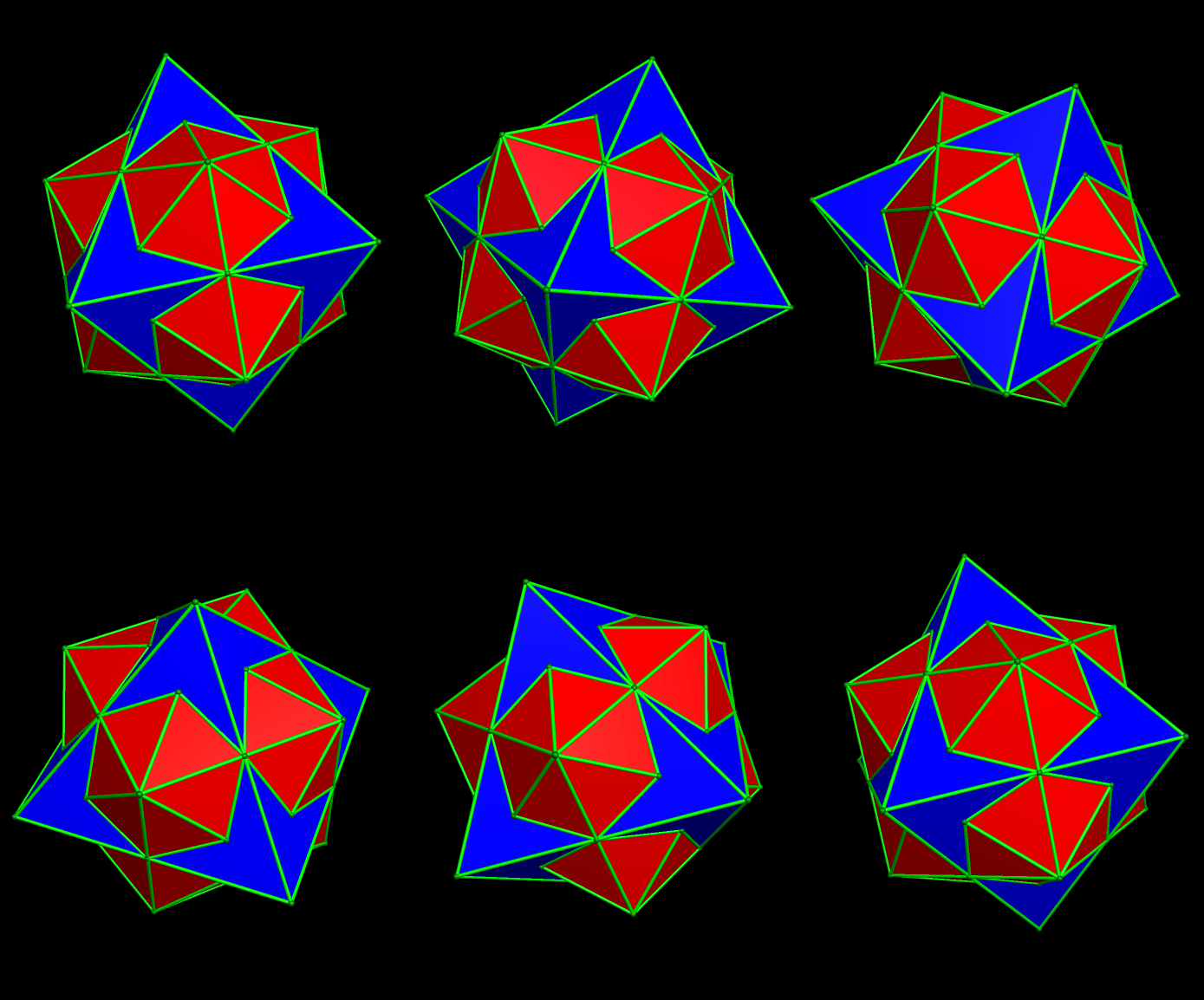
This polyhedral compound was found by repeatedly-stellating the 38-faced polyhedron featured in the last post.
Software credit: http://www.software3d.com/stella.php
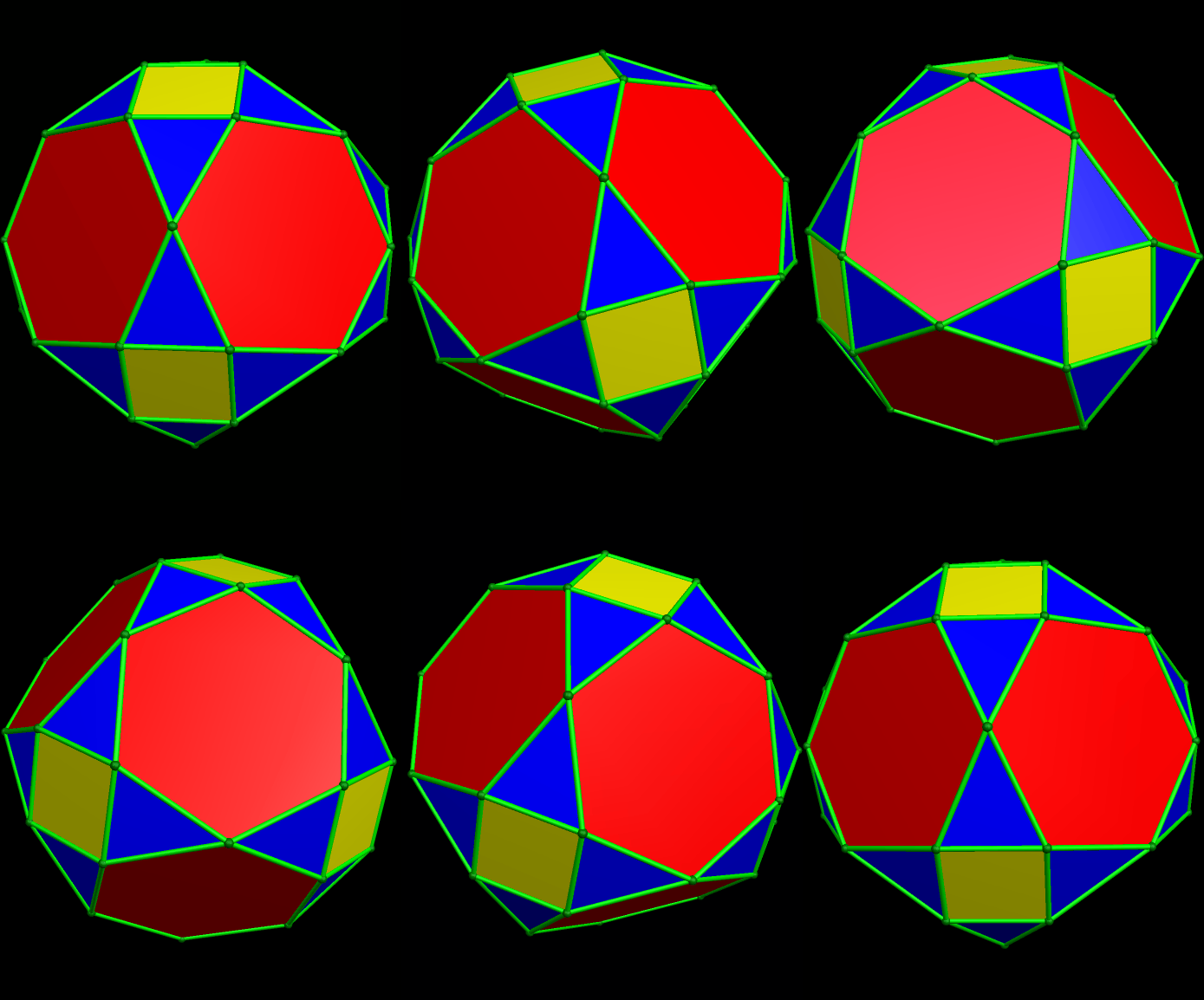
The 38 faces are:
This polyhedron also has an interesting dual, which features 24 kites and twelve rhombi as faces (click on it to see it rotate):

I discovered these while “surfing” the universe of polyhedra using software called Stella 4d. You may try this software as a free trial download at http://www.software3d.com/stella.php.
Update: It turns out that this was previously found by the formidable polyhedra-researching team of Craig S. Kaplan and George W. Hart, as you can see at http://www.cgl.uwaterloo.ca/~csk/papers/kaplan_hart_bridges2001.pdf. Finding polyhedra no one has found before is no easy task, and, often, one thinks it has been done, only to find out later that one has already been beaten to the proverbial punch. When I discover that I’ve merely re-discovered what others have found before me, I always give credit to the previous researchers. That’s part of the prevailing etiquette within the polyhedra-research community, and I think it’s an important principle, on ethical grounds.
 RobertLovesPi.net