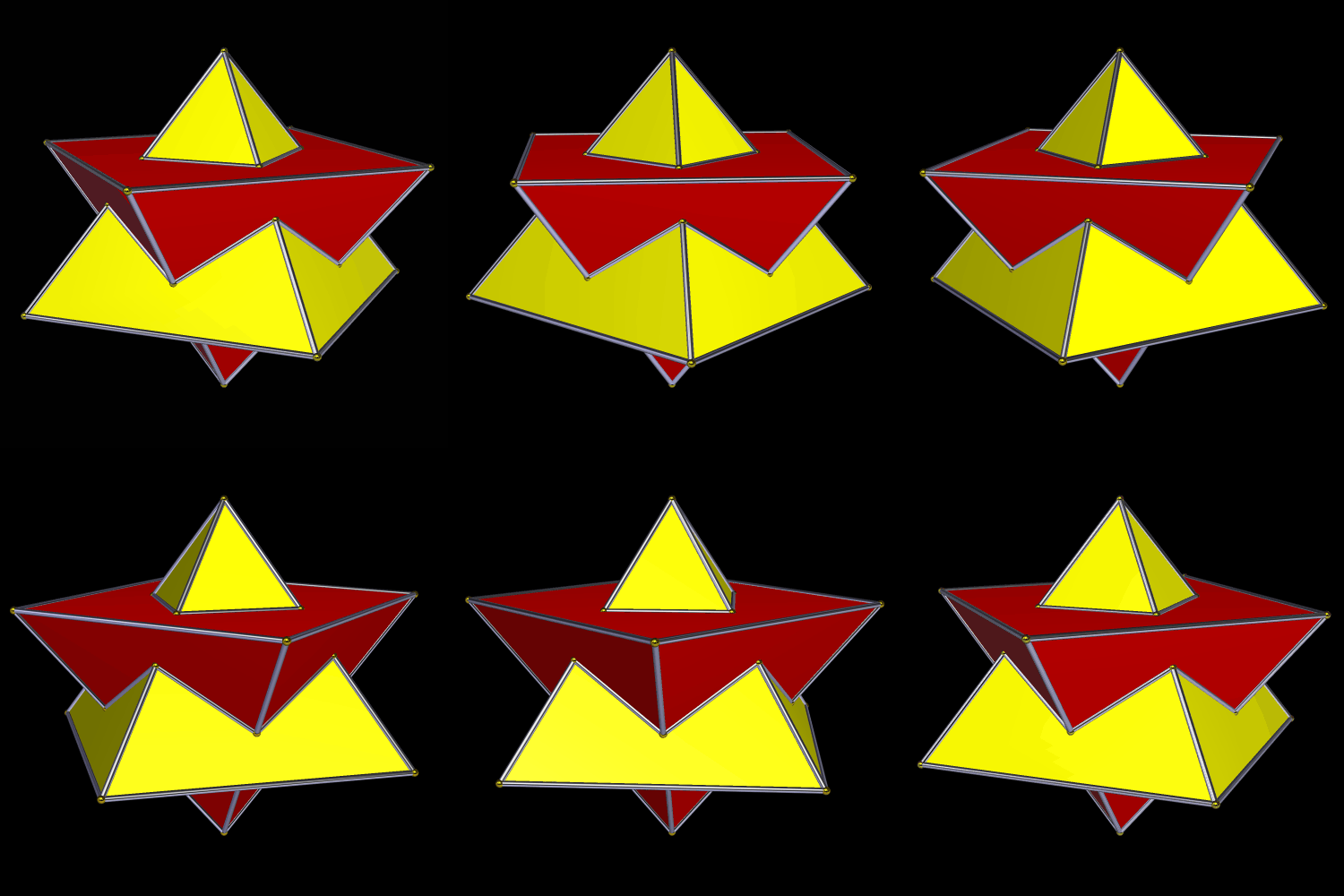
A Compound of Two Square-Based Pyramids

I made this using Stella 4d, which you can try for free at http://www.software3d.com/Stella.php.

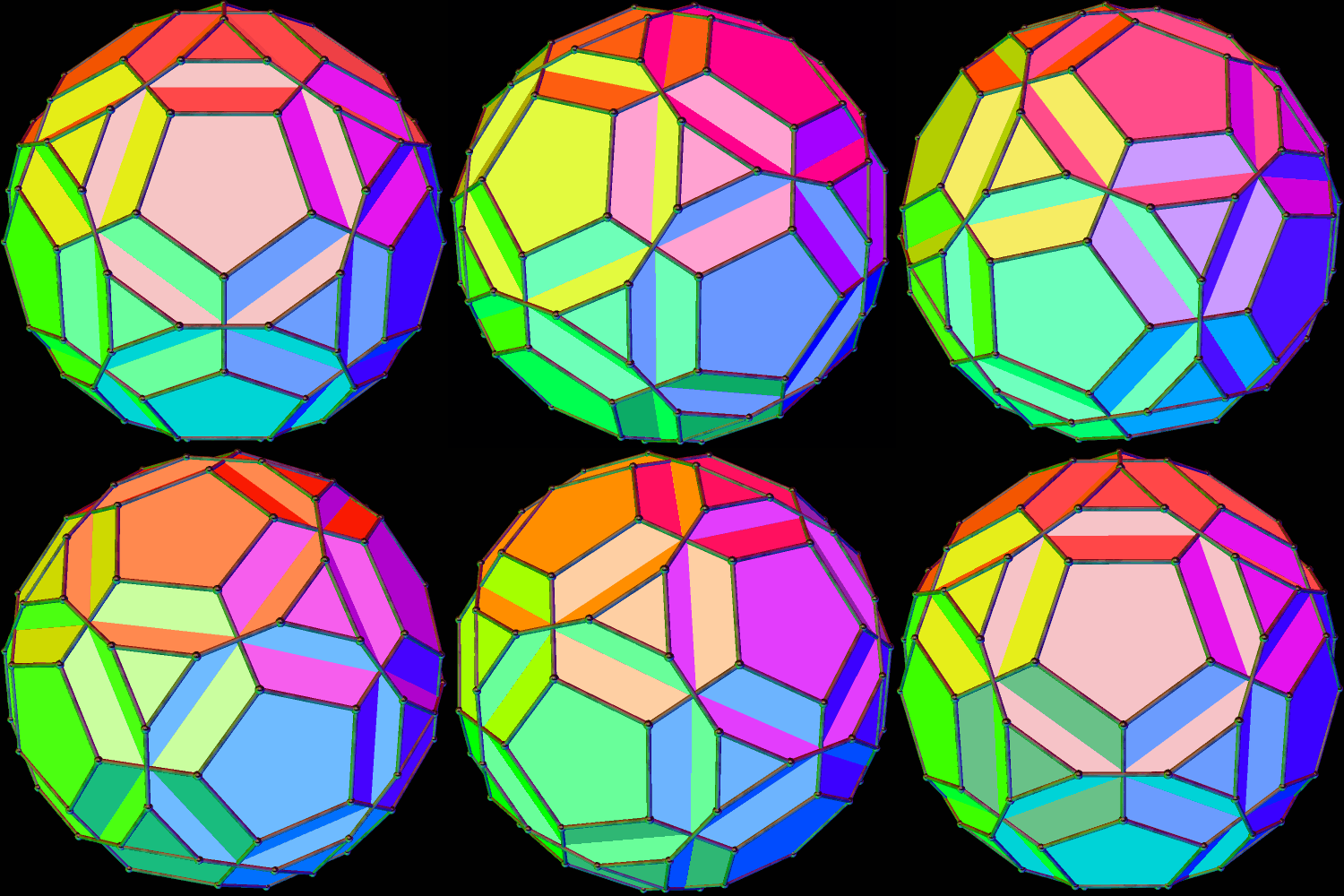
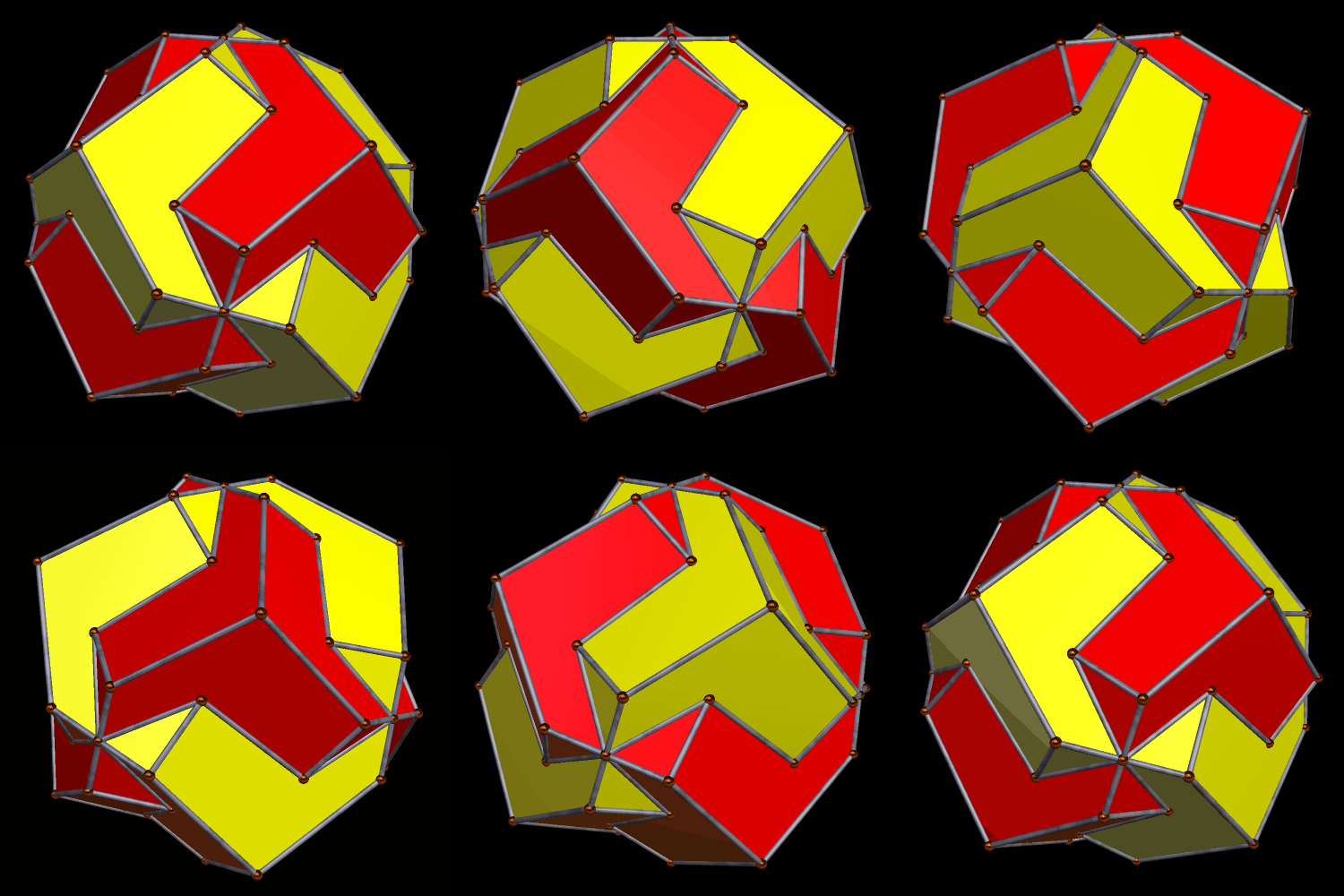
Five Views of the Compound of the Truncated Dodecahedron and the Truncated Icosahedron

When I let Stella 4d (a program you can try for free right here) choose the colors of this compound, here’s what I was shown.

Next, I chose “color as a compound.”

For the third view, I chose “color by face type,” which yields four colors instead of two.

The fourth model shown here shows this compound in “rainbow color mode.”

Finally, the fifth coloring-scheme I tried was “color by face, unless parallel.”

Which one do you like best? My favorite is the third one shown.

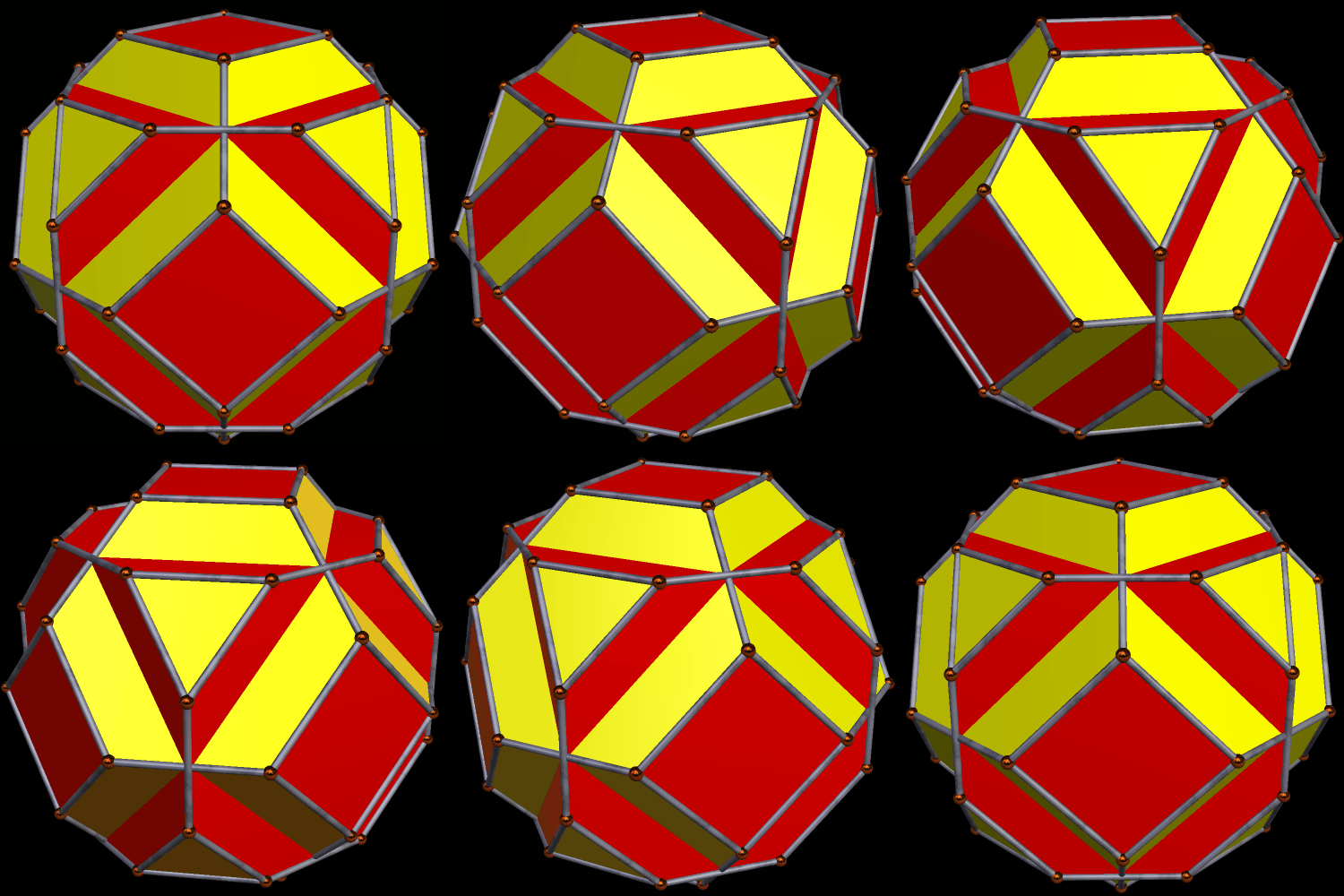
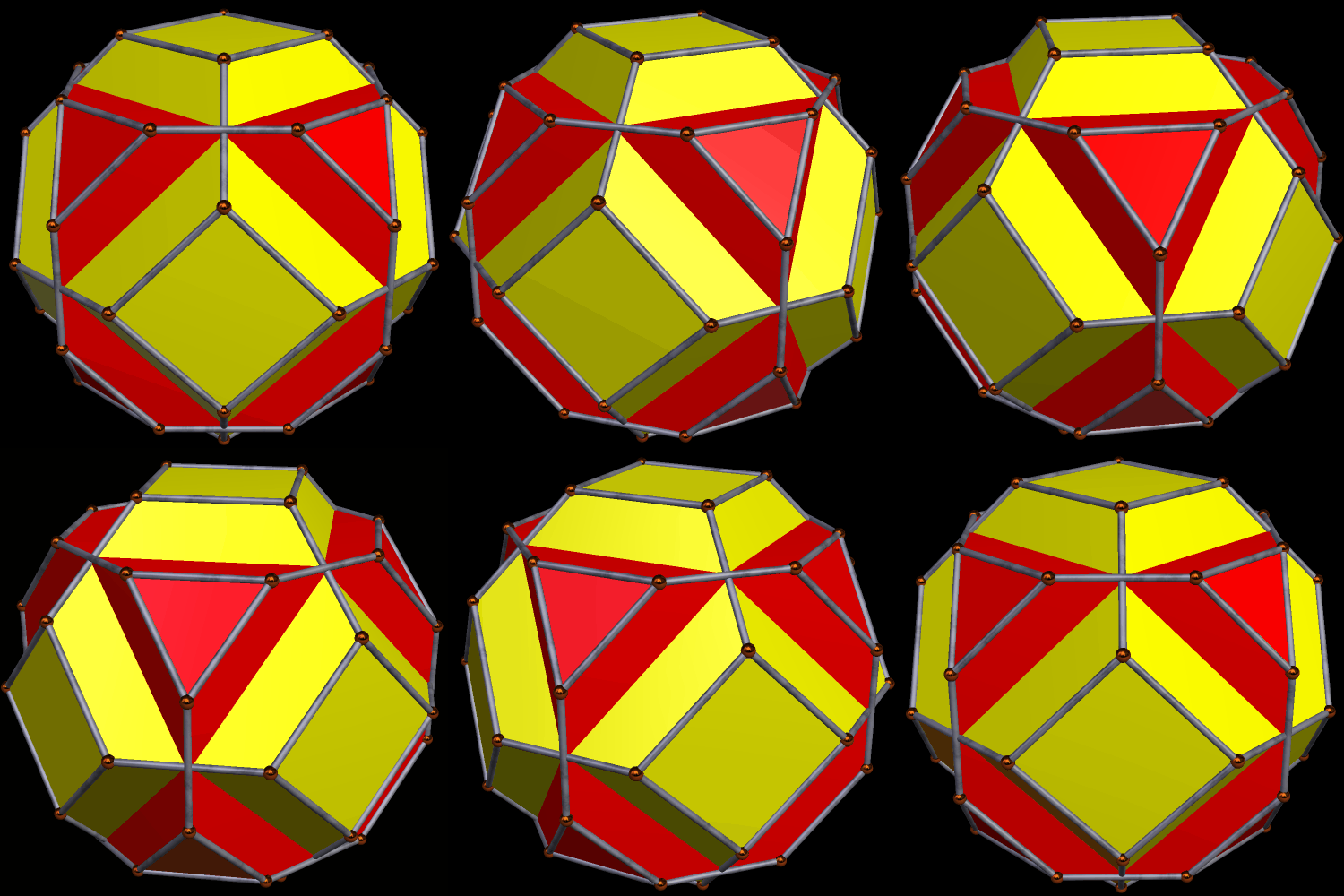
Five Views of the Compound of the Truncated Cube and the Truncated Octahedron

When I first made this compound using Stella 4d (available here), these are the colors the software automatically selected.

I wanted to find a better coloring-scheme, so I told Stella to color the model as a compound. Here’s what I got.

Next, I tried “color by face type.” This yields four colors, instead of just two.

I then tried “rainbow color mode,” with this result.

One more try (color by face, unless the faces are parallel) gave me my favorite color scheme for this compound.

Which one do you like best?

The Compound of the Cuboctahedron and Its Dual, the Rhombic Dodecahedron

Created with Stella 4d, which you can try for free here.

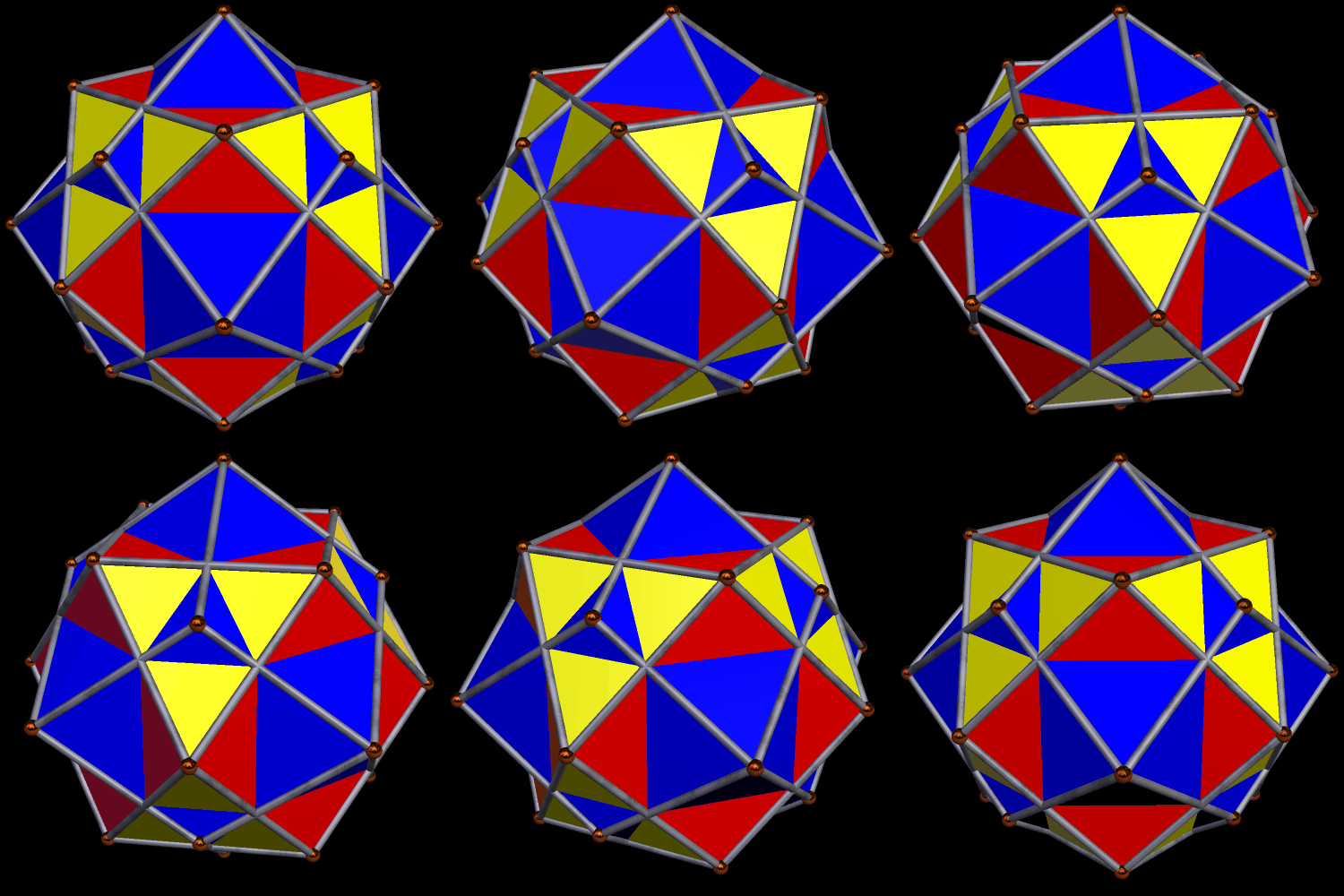
A Cube, Held Prisoner by a Stella Octangula

I made this three-part compound using Stella 4d (available here) to repeatedly tetstell a truncated octahedron.

A Three-Part Compound Derived From the Rhombic Triacontahedron

I made this using Stella 4d, which you can try for free right here. It’s a continuation of the post immediately before this one.

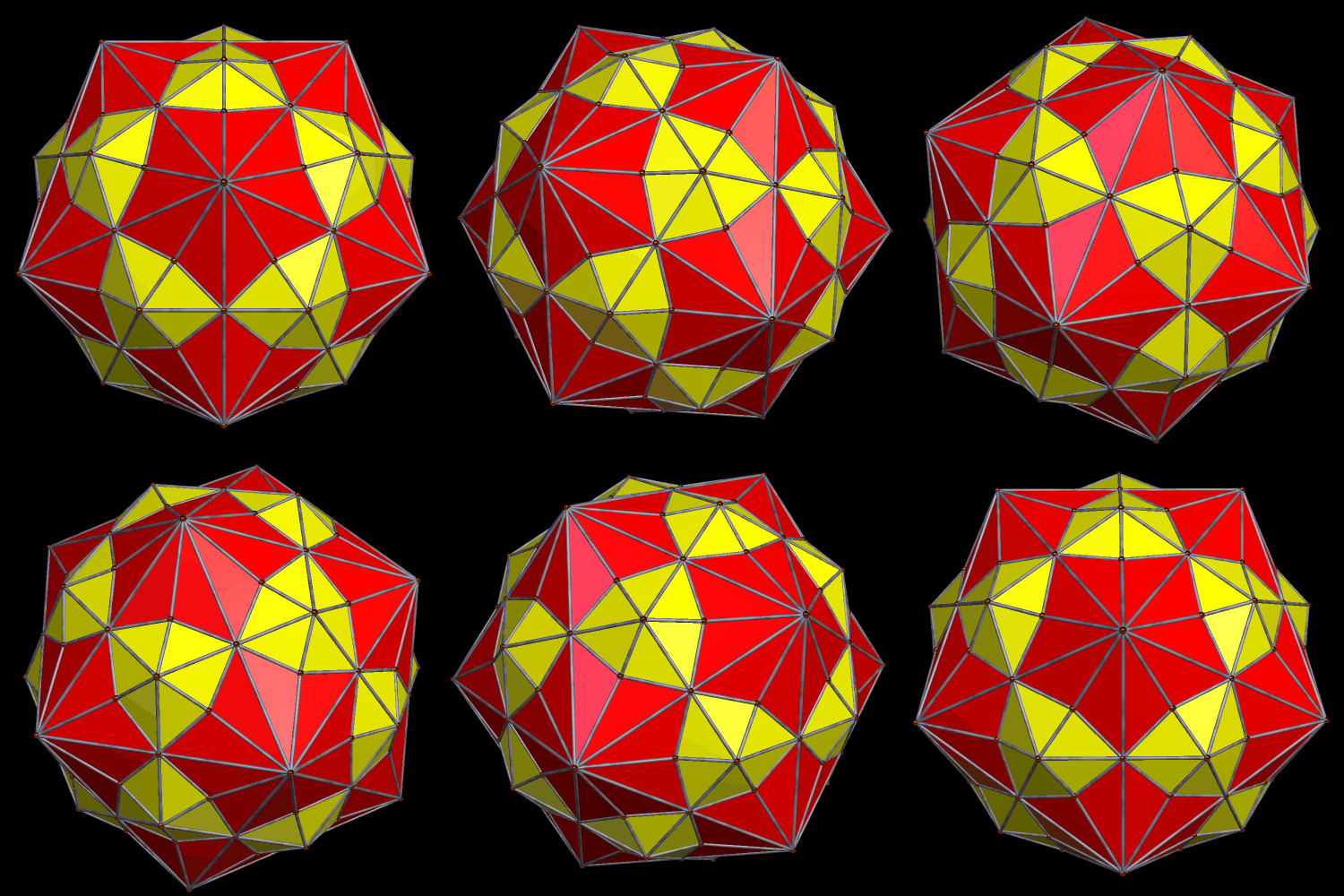
A Two-Part Compound, Derived From the Rhombicosidodecahedron

This is the familiar compound of the icosahedron and dodecahedron, except with both of those solids augmented on each face with short pyramids. I made it using Stella 4d, which you can try at this website.

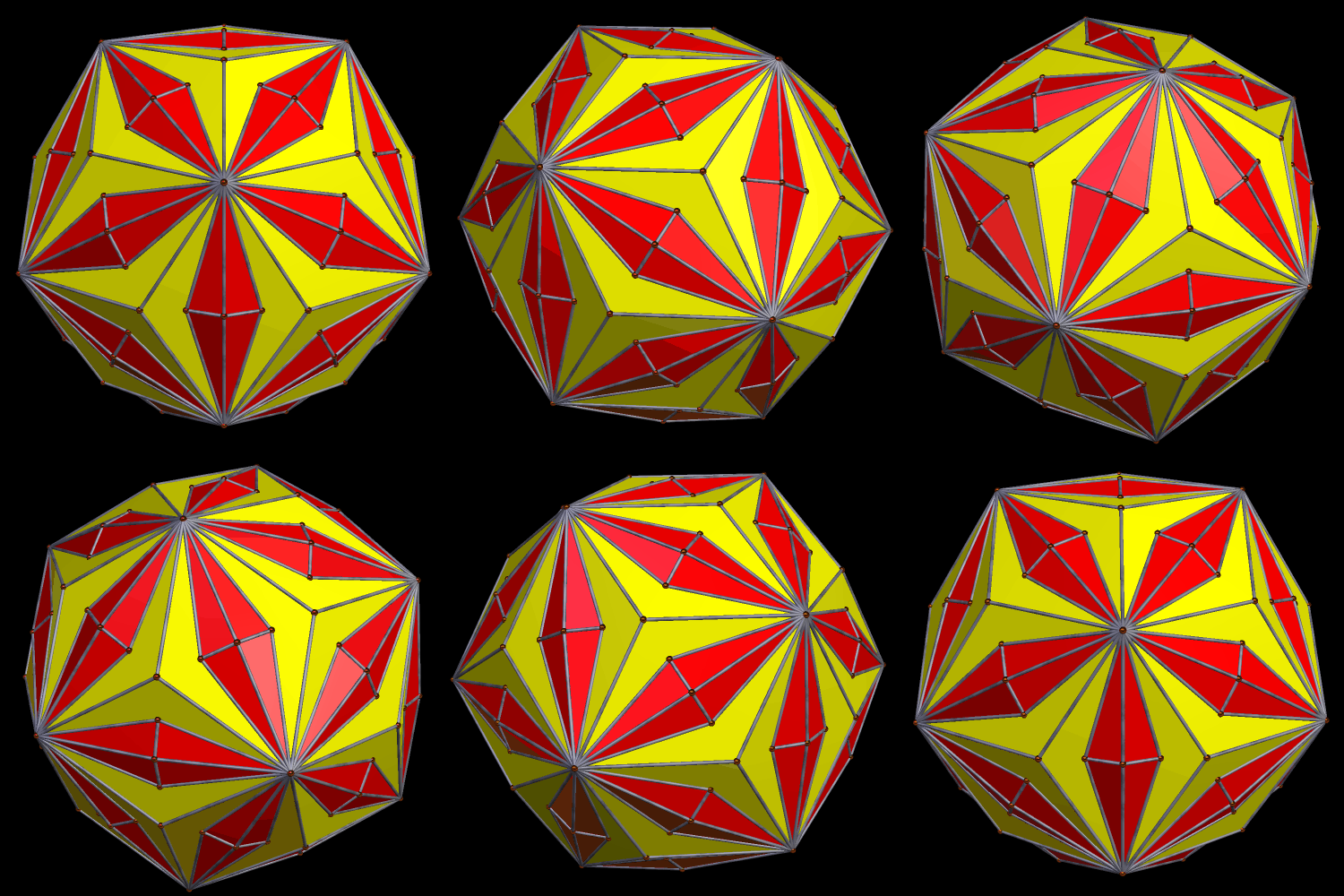
A Two-Part Polyhedral Compound

The yellow component of this compound is a rhombic triacontahedron, while the red component is a slightly-stretched version of the strombic hexecontahedron (the dual of the rhombicosidodecahedron). The compound is derived from the truncated dodecahedron, and I made it using Stella 4d, which you can try for free right here.

Two Compounds Derived From the Snub Archimedeans

The dual of the snub cube is the pentagonal icositetrahedron. Both solids are chiral, so it is possible to make compounds out of each solid and its mirror-image. The polyhedron shown below is a compound of an enantiomorphic pair of pentagonal icositetrahedra.

The next solid shown was formed in the same way, except I started with the snub dodecahedron. This is the compound of an enantiomorphic pair of pentagonal hexecontahedra.

I did these polyhedron-transformations, as well as making these rotating .gifs, using Stella 4d: Polyhedron Navigator. You can try this program for free at http://www.software3d.com/Stella.php.

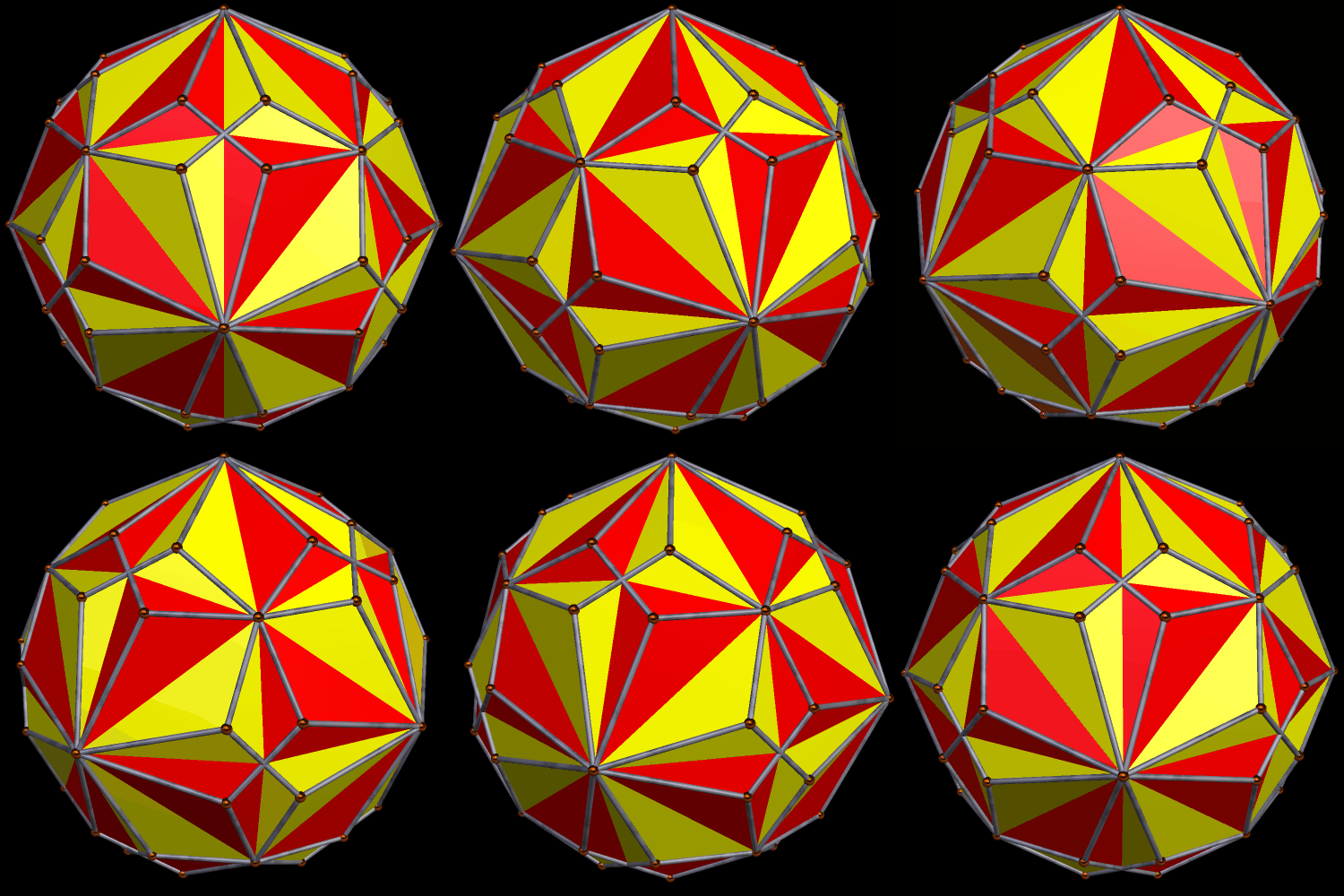
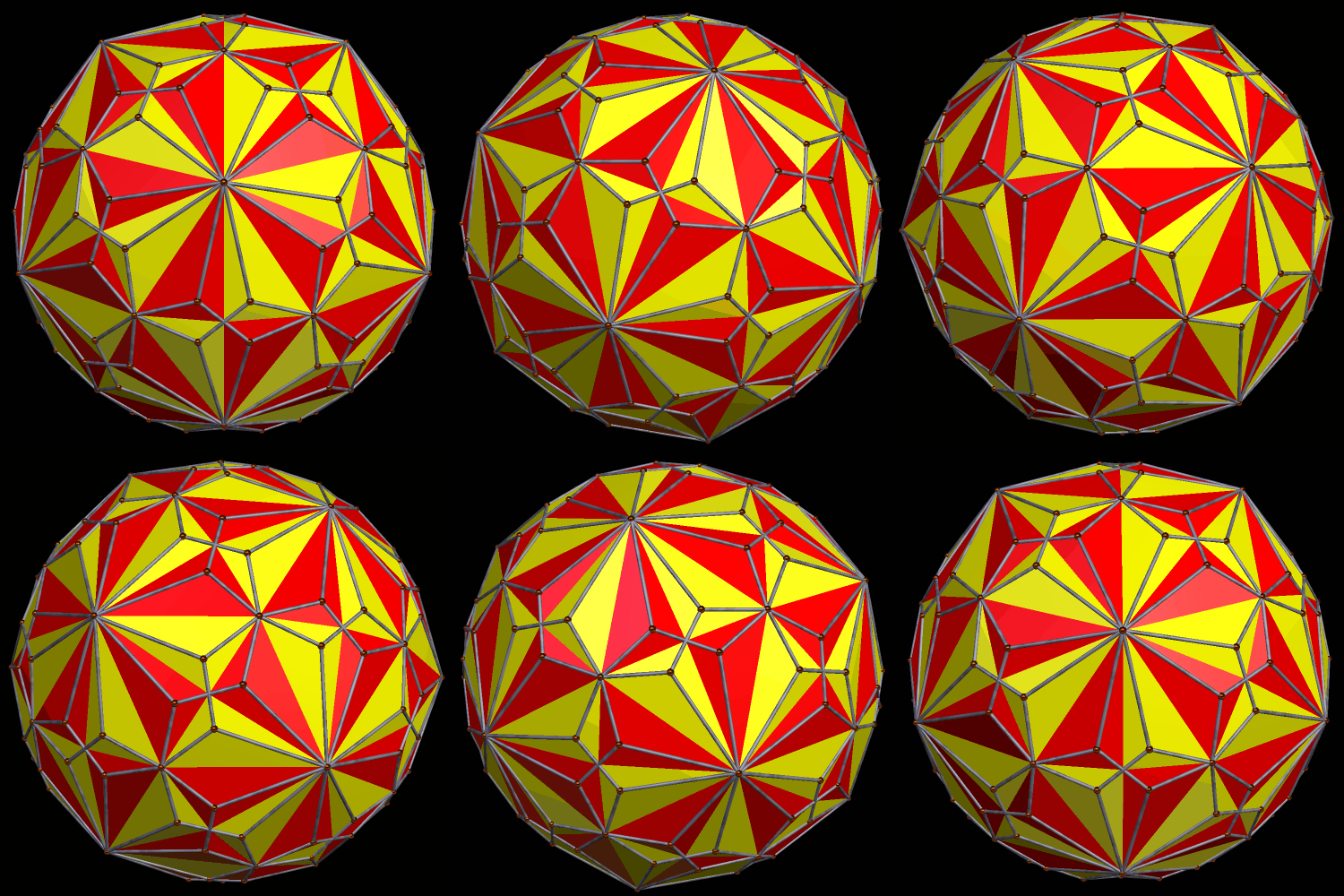
Two Compounds Derived From the Snub Cube

After stellating the snub cube many times (so many that I lost count), I ran into this two-part compound of irregular dodecahedra.

Like the snub cube this is derived from, this compound is chiral. Because of this, a four-part compound can be formed by combining this polyhedral compound with its mirror image.

I did all of this using a program called Stella 4d, which you can try for free at http://www.software3d.com/Stella.php.