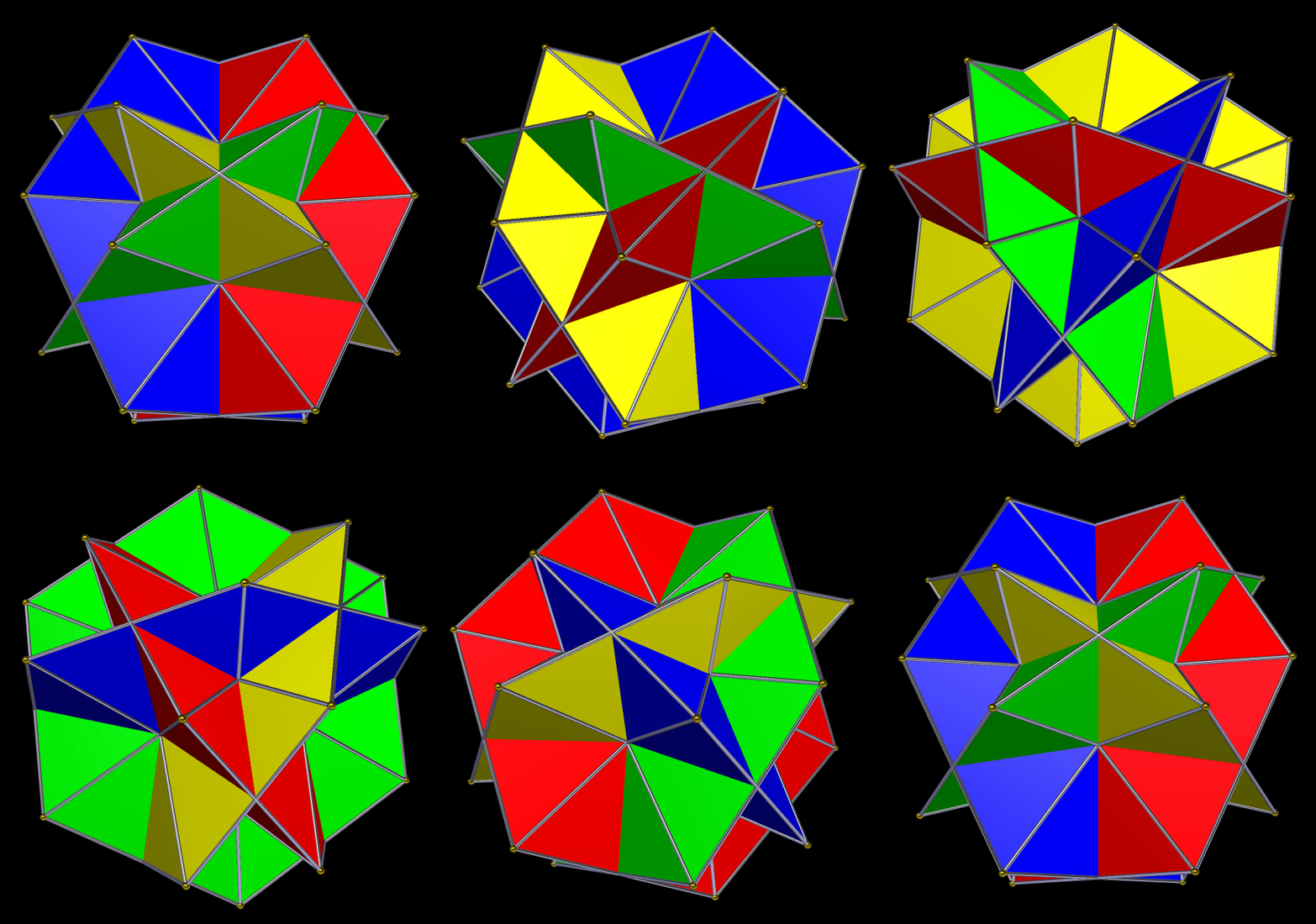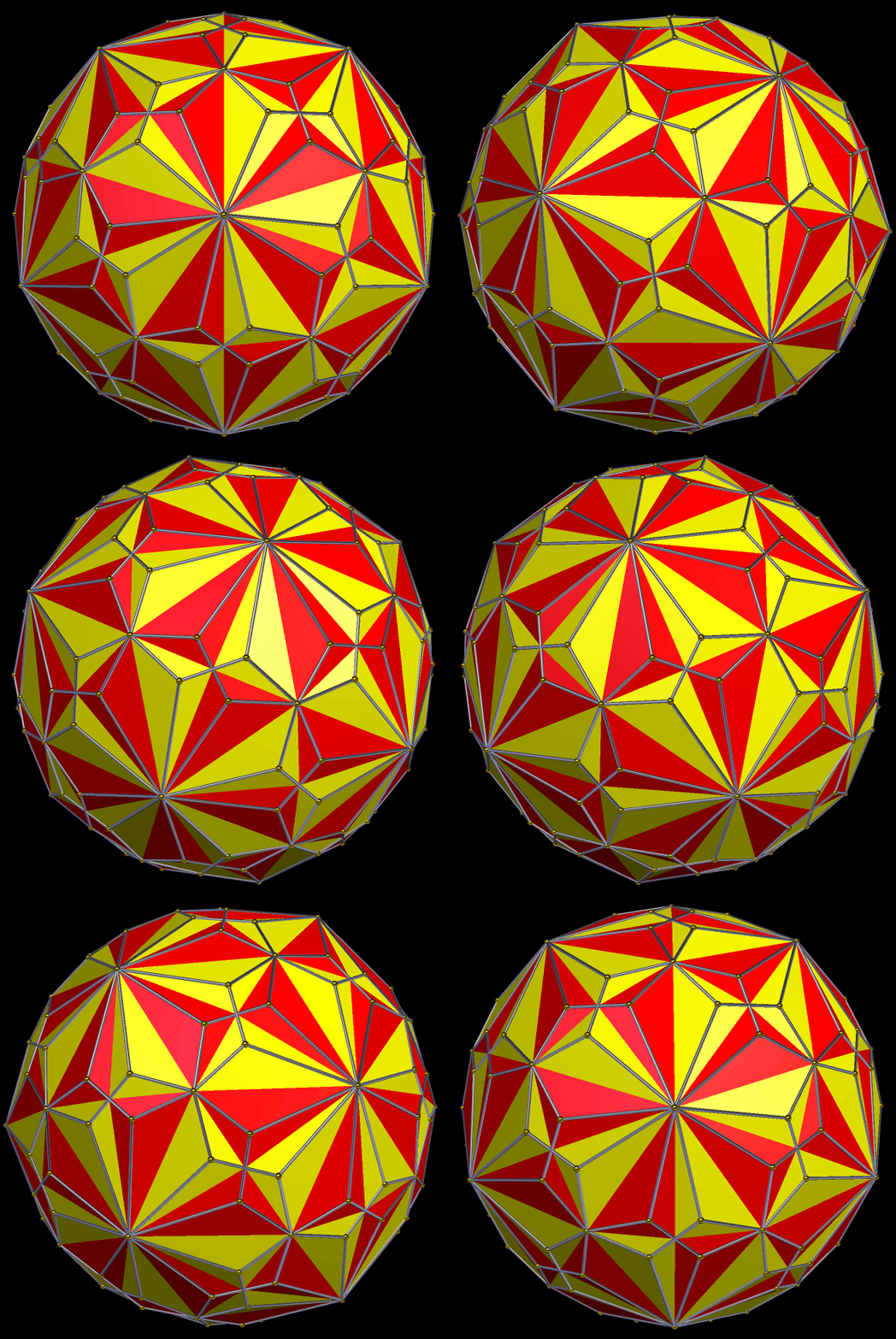
A Compound of the Pentagonal Hexecontahedron and Its Mirror Image

This is a compound of left- and right-handed versions of the chiral Catalan solid known as the pentagonal hexecontahedron, which is the dual of the snub dodecahedron. I made it using Stella 4d, which you can try for free at http://www.software3d.com/Stella.php.

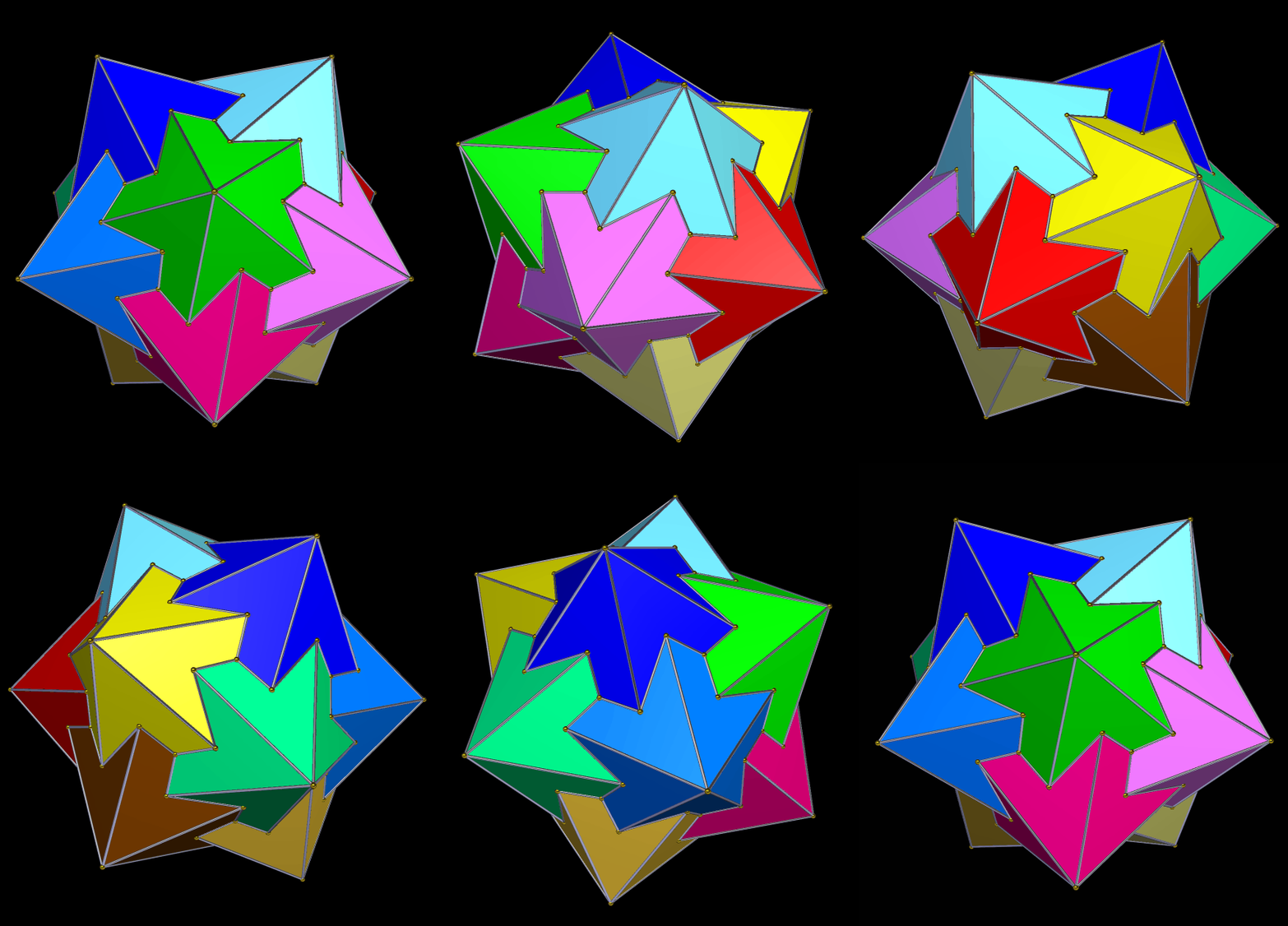
A Compound of the Pentagonal Icositetrahedron and Its Mirror Image

This is a compound of left- and right-handed versions of the chiral Catalan solid known as the pentagonal icositetrahedron, which is the dual of the snub cube. I made it using Stella 4d, which you can try for free at http://www.software3d.com/Stella.php.

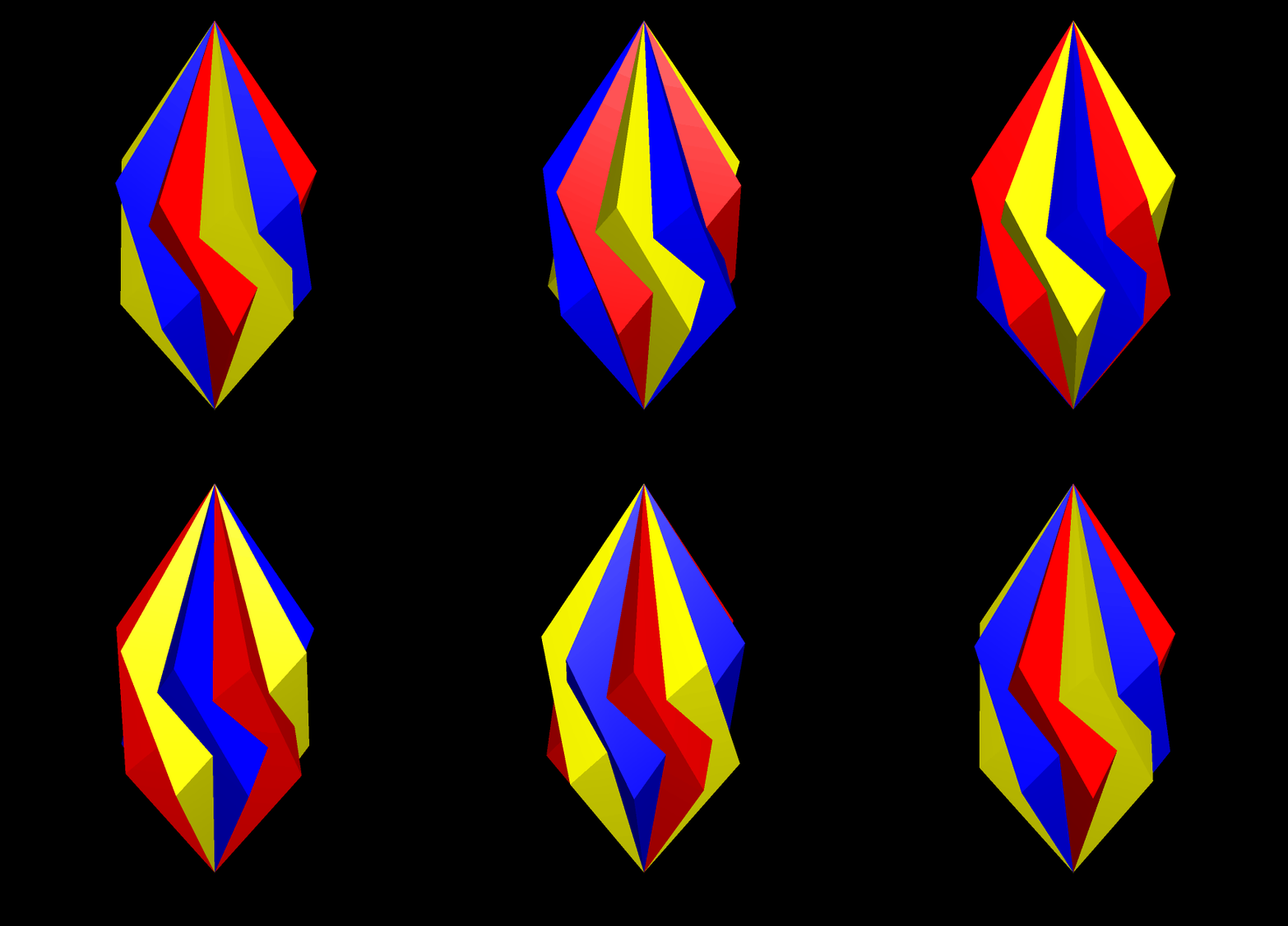
A Compound of Four Flattened Rhombohedra

I made this using Stella 4d, a program you can try for free at http://www.software3d.com/Stella.php.
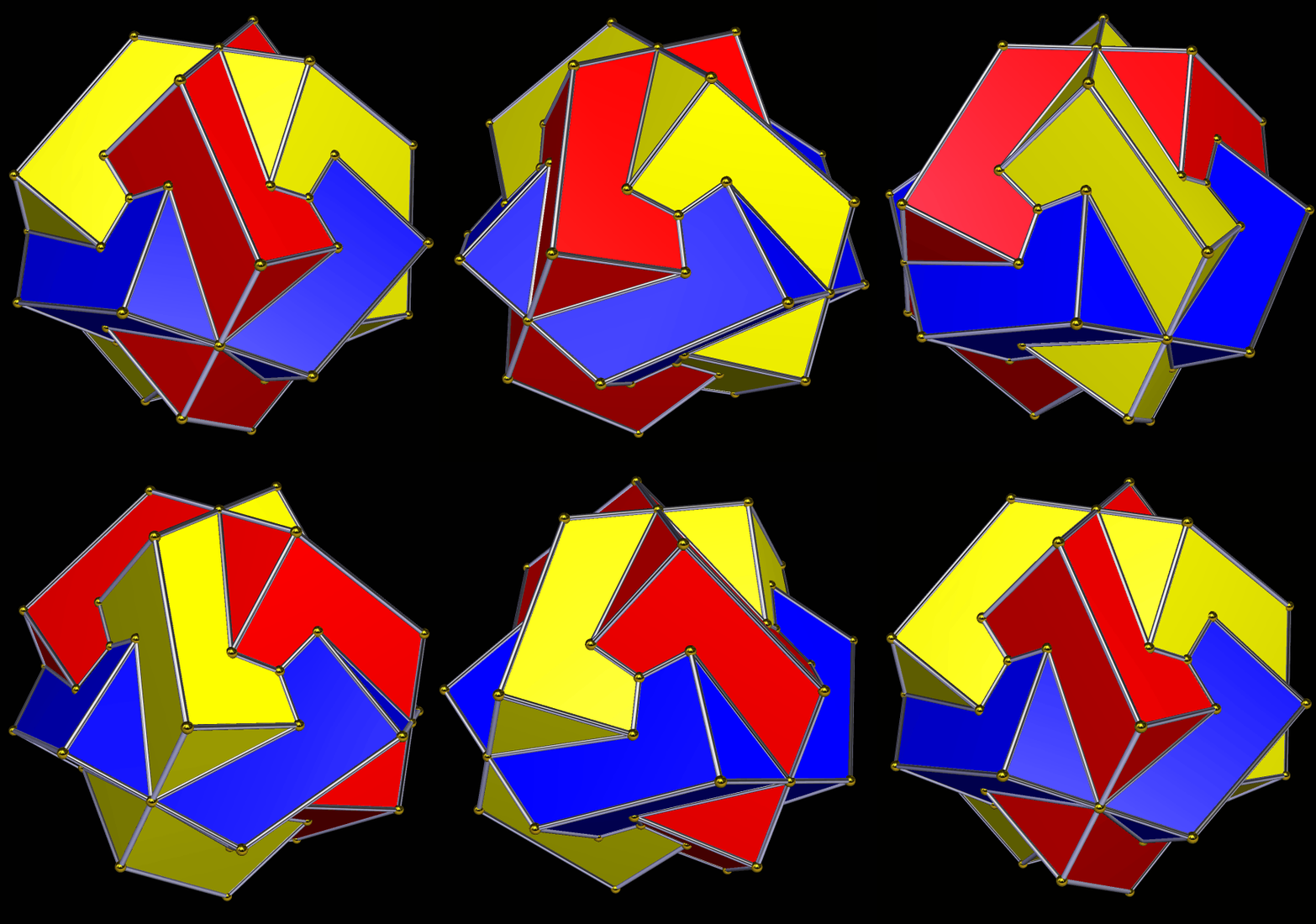
Three Compounds from the Stellation-Series of the Triakis Octahedron

The first solid below is the sixth stellation of the triakis octahedron, one of the Catalan solids. It’s also a compound of three square trapezohedra.

The next solid is the 8th stellation of the triakis octahedron, and it’s also a four-part compound of partial cubes.

Finally, here’s the 18th stellation of the triakis octahedron, which is also a compound of six square-based pyramids.

A Compound of Four Hexagonal Prisms

I made this by faceting a great rhombicuboctahedron, using Stella 4d, a program you may try for free at this website: http://www.software3d.com/Stella.php.

A Compound of Four Hexagonal Dipyramids

I made this using Stella 4d, which you can try for free at http://www.software3d.com/Stella.php.
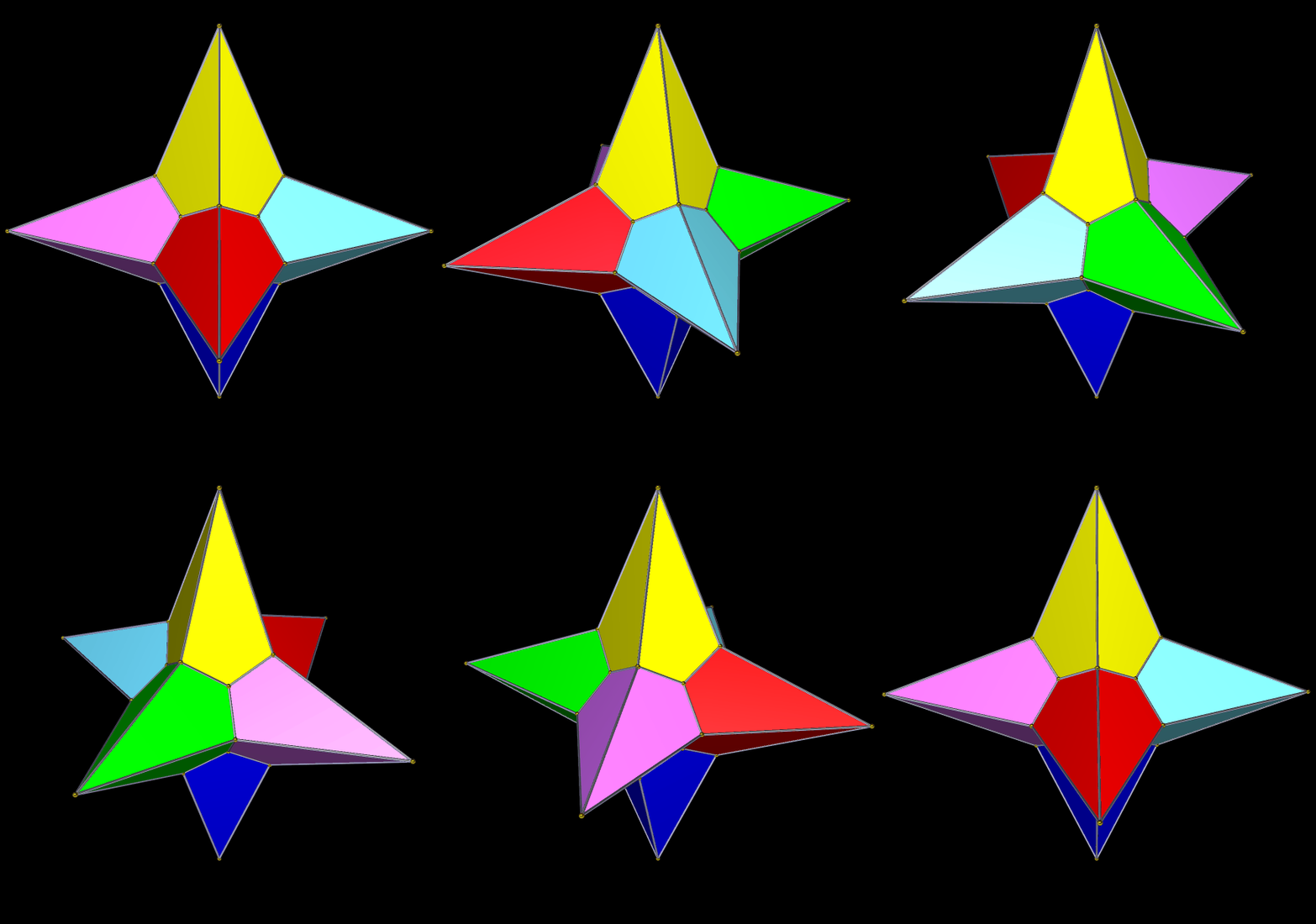
Eight Different Two-Part Polyhedral Compounds

All of these were made using Stella 4d, which you can try for free at http://www.software3d.com/Stella.php.

Three Compounds of Pyramids

This first two compounds here are of twelve pentagonal pyramids.

The next one is a compound of six square-based pyramids.

Two Views of the Compound of the Great Dodecahedron and the Platonic Dodecahedron

I made this using Stella 4d, which you can try for free right here. In the image above, the two components of this compound are given separate colors. In the second picture, below, the coloring is per face, except for parallel faces, which have the same color.

A Three-Part Polyhedral Compound Derived From an Enneagonal Prism

I made this using Stella 4d, which you can try for free at this website.