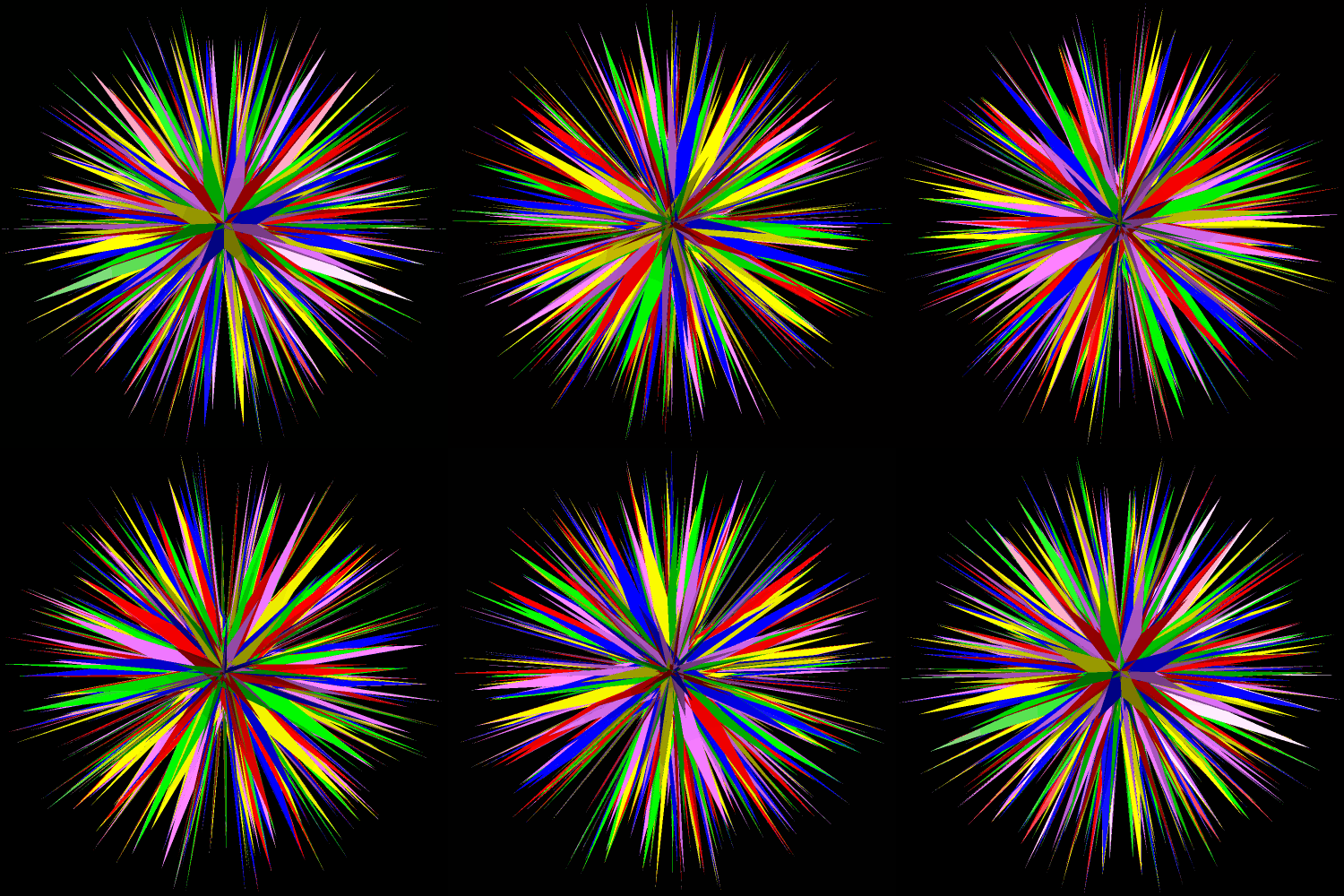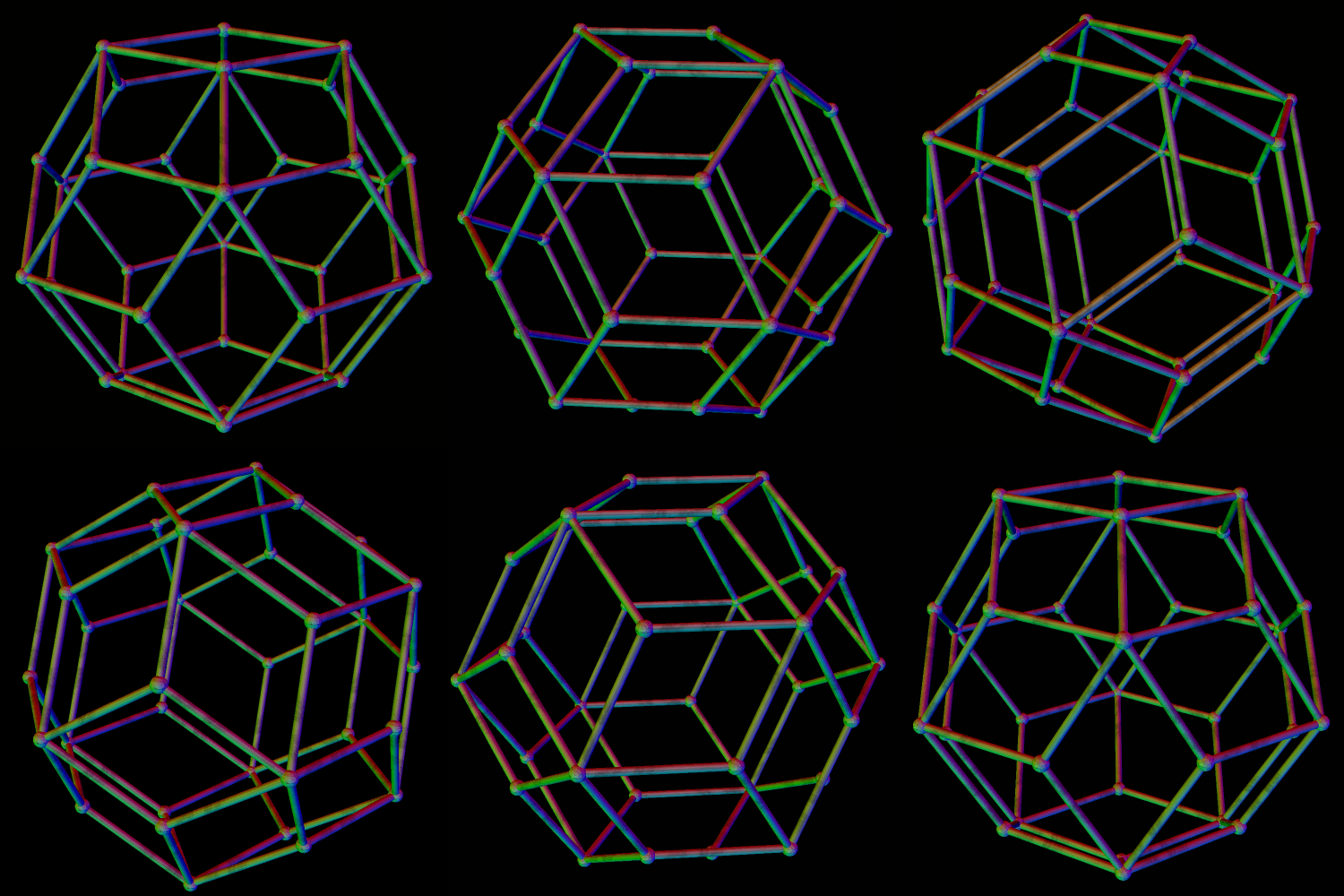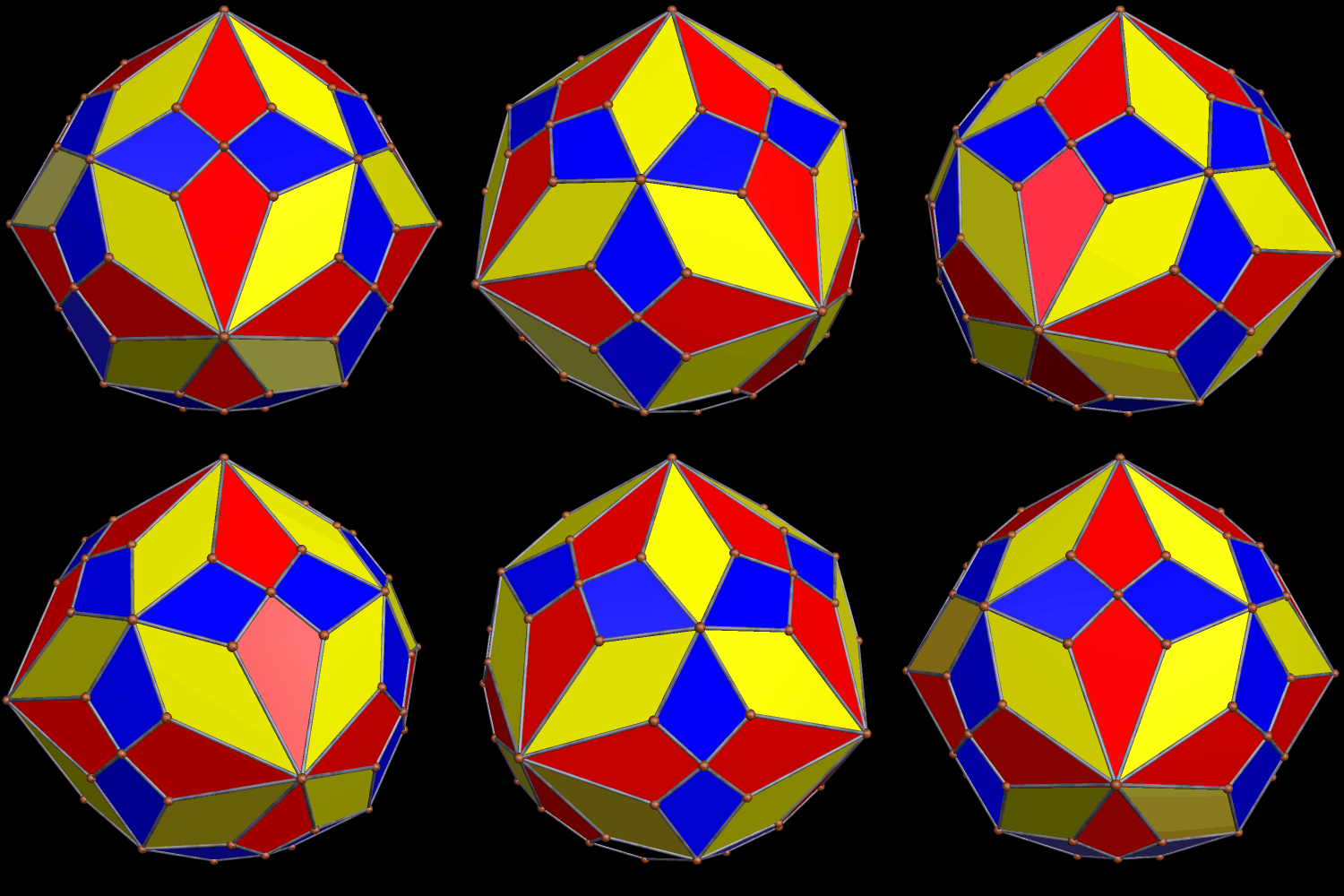
Two Dozen Kites Each, in Three Sets, as Faces of a Polyhedron

3-sets-of-two-dozen-kites-per-type

This was created using Stella 4d, a program you can buy, or try for free, at http://www.software3d.com/Stella.php.

Icosahedral Cluster

augmented-great-icosa

The great icosahedron, one of the Kepler-Poinsot solids, is hidden from view at the center of this cluster. Each of its faces is augmented with a Platonic icosahedron, producing what you see here. Stella 4d is the software I used; more information about that program may be found here.

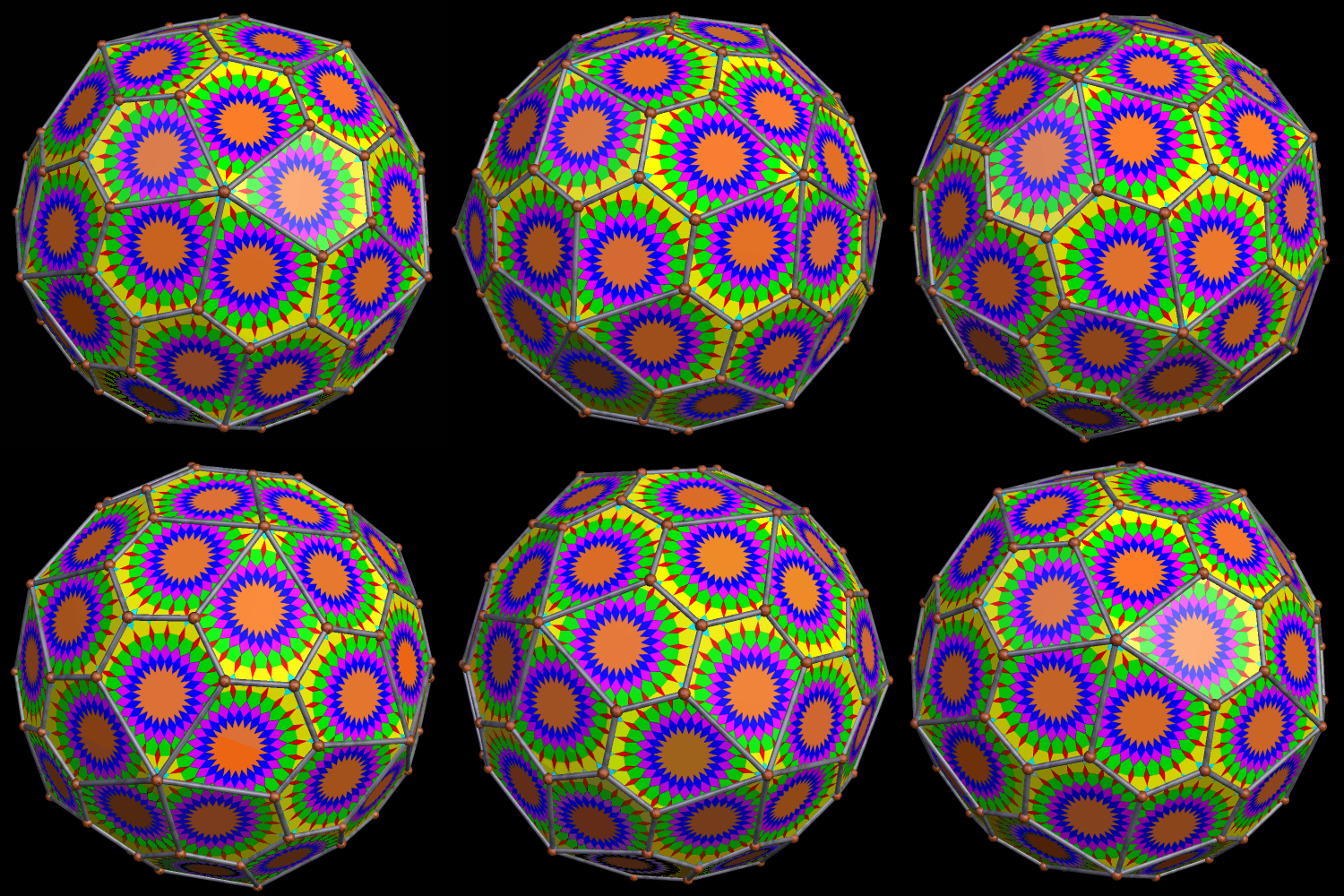
A Decorated Pentagonal Hexacontahedron, with Three of Its Stellations

penta-hexeconta

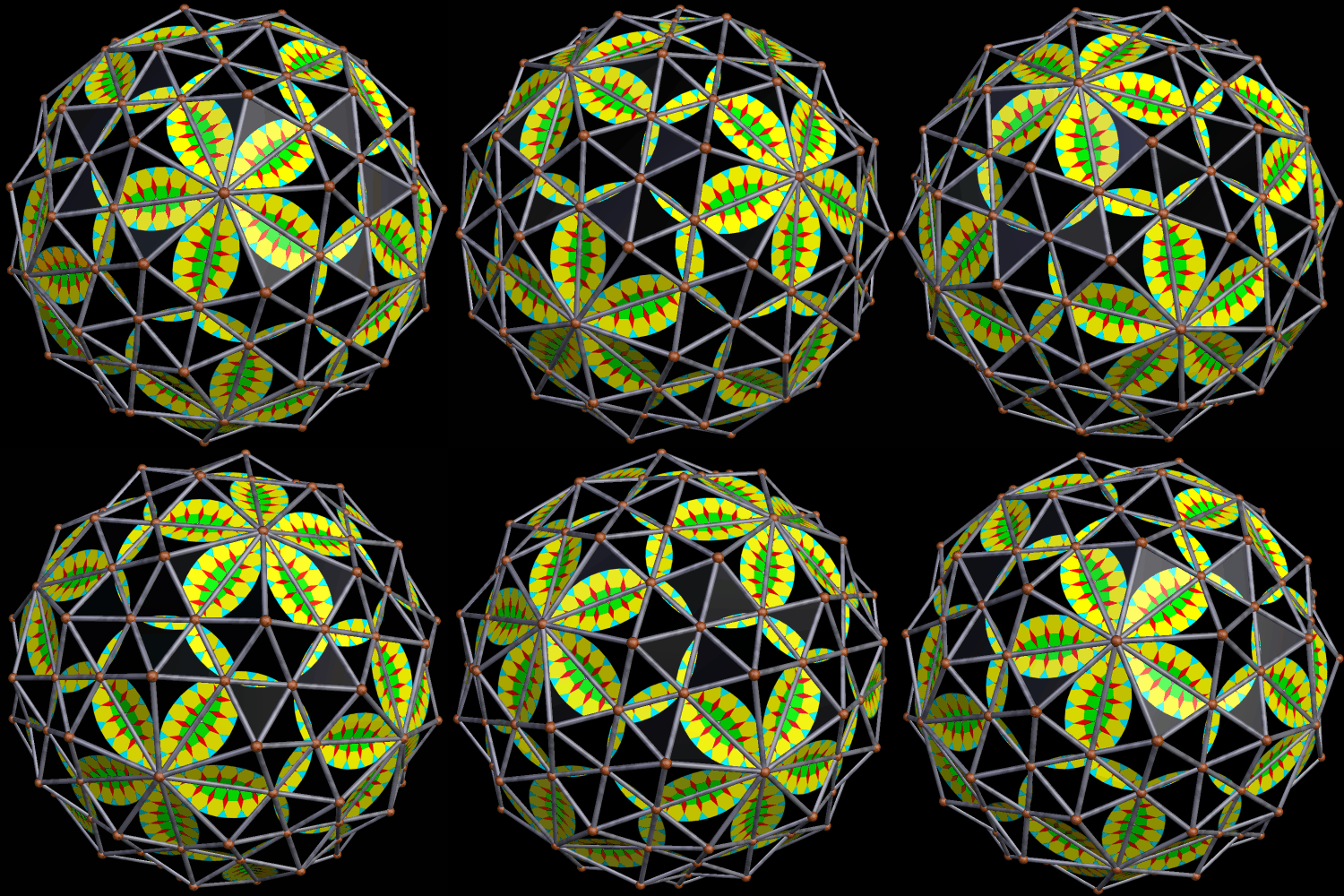
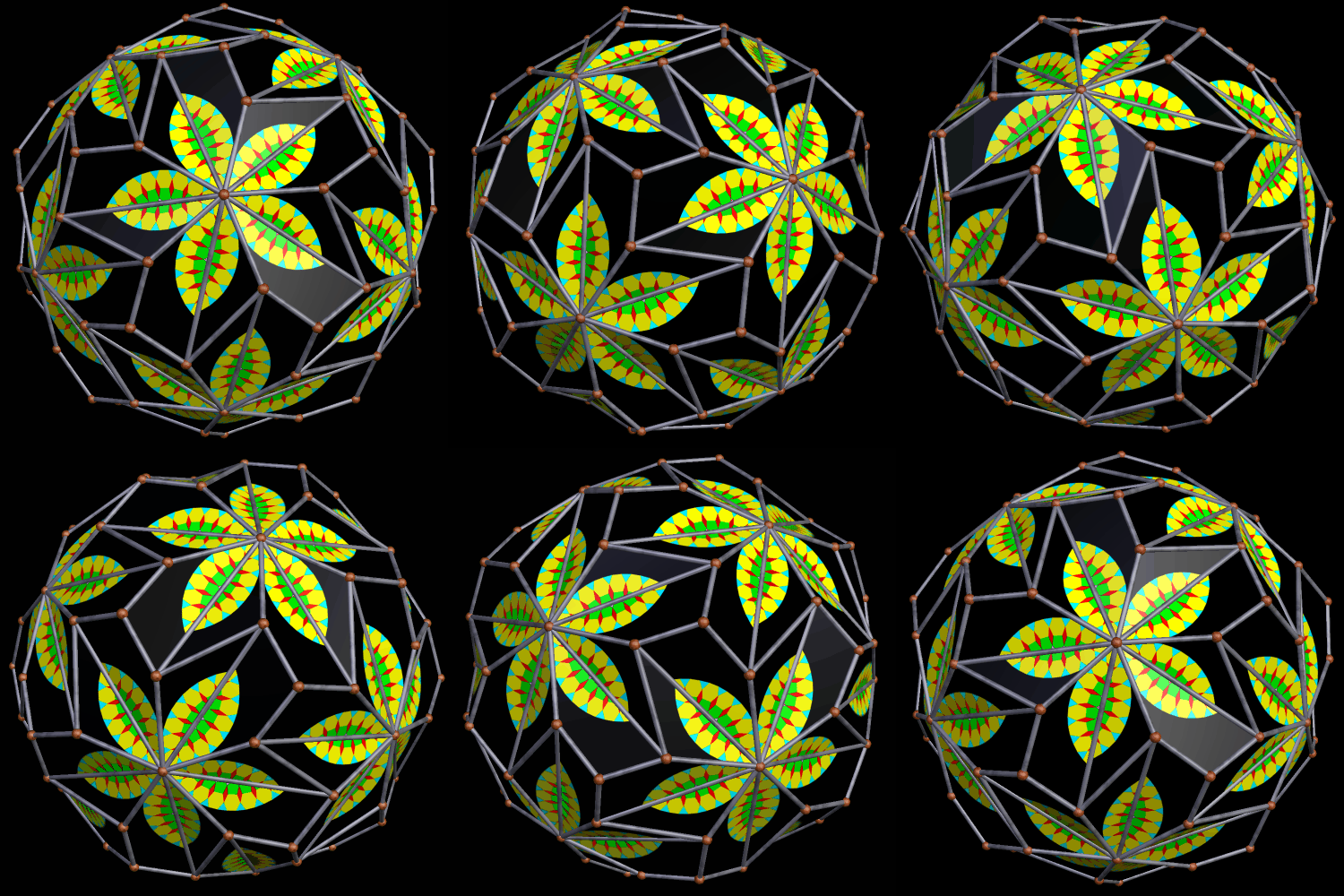
This is a pentagonal hexacontahedron, the dual of the snub dodecahedron. It’s decorated with mandalas of the the type I blogged here, two posts ago. The mandalas do interesting things when this polyhedron is stellated, as you can see below.

penta-hexeconta-stel-1

That was the first stellation, and here is the second:

penta-hexeconta-stel-2

The sixth stellation was the last one I found interesting enough to post.

penta-hexeconta-stel-6

All four polyhedral images above were created using Stella 4d: Polyhedron Navigator, software you may buy, or try for free, at this website.

Mandala Based on the Number 48

Image

explode

The Triangles of a Snub Dodecahedron

snub-dodeca

The snub dodecahedron, one of the Archimedean solids, has eighty faces which are triangles, and twelve pentagonal faces as well. In the view above, the pentagons are rendered invisible, allowing the interior to be viewed as the solid rotates.

The eighty triangles are of two types: the sixty yellow ones share an edge with a pentagon, and the twenty blue ones do not. If the blue triangles are also hidden, the “transparency” of this solid becomes even greater, as seen below.

snub-dodeca

Both of these images were created using Stella 4d, software you may try for free at this website.

Building a “Polyhedral Porcupine”

This is the icosahedron, followed by its first stellation.

The first stellation of the icosahedron can be stellated again, and again, and so on. The “final stellation” of the icosahedron is the one right before the stellation-series “wraps around,” back to where it started:

icosa-stellation-final-60-spikes

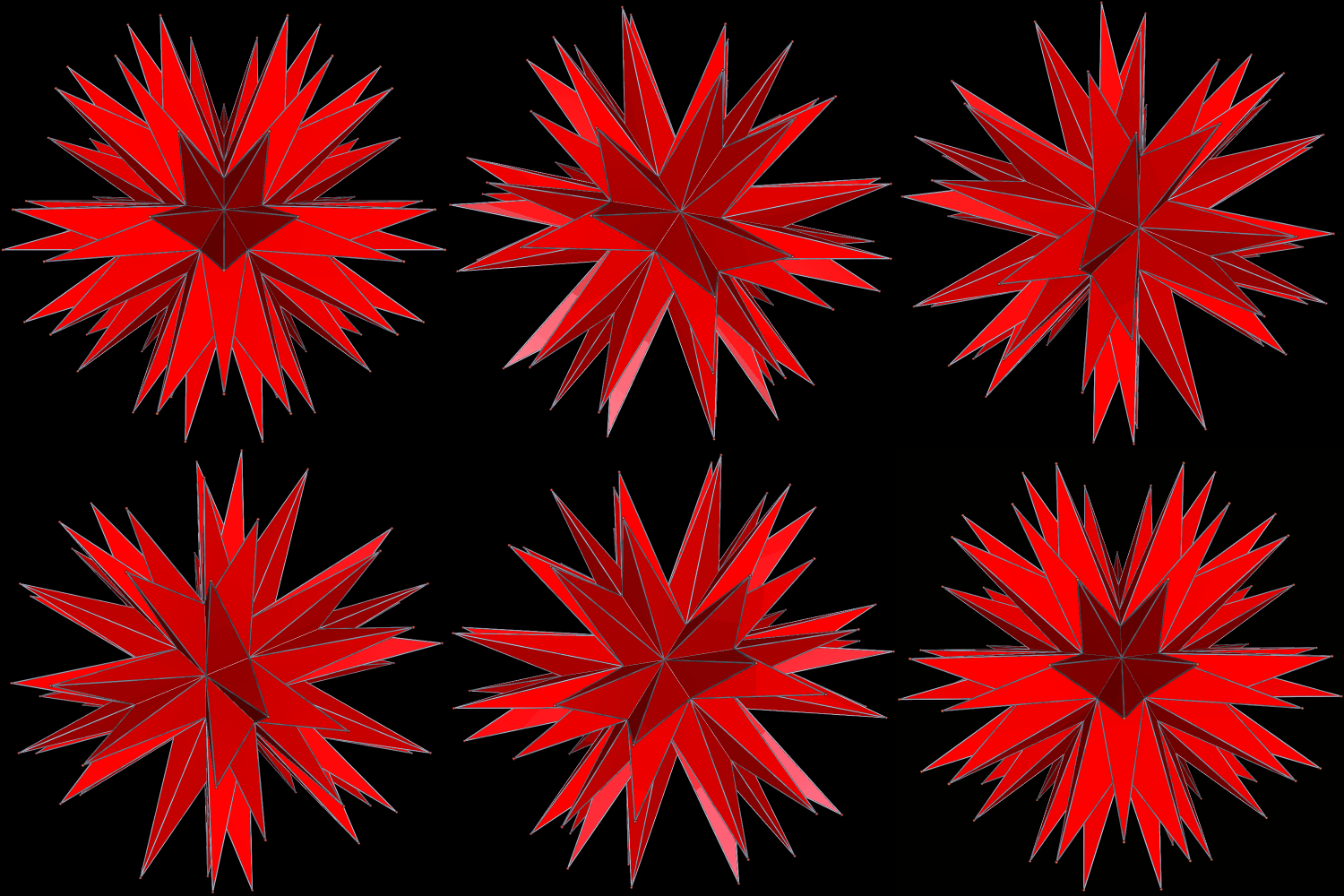
This final stellation of the icosahedron would serve pretty well as a “polyhedral porcupine,” but I was seeking something even better, so I turned my attention to polyhedral compounds. This is the compound of five icosahedra:

icosahedra-5

The program I use to manipulate these solids is called Stella 4d: Polyhedron Navigator (free trial download available here). My next move, using Stella, was to create the final stellation of this five-icosahedron compound . . . and, when I saw it, I knew I had found my “polyhedral porcupine.”

icosahedra-5-final-stellation

A Faceted Great Rhombcuboctahedron

faceted-trunc-cubocta

Some prefer to call the great rhombcuboctahedron the “truncated cuboctahedron,” instead. Whichever term you prefer, this is a faceted version of that Archimedean solid. I made it using Stella 4d: Polyhedron Navigator, software you may find here.

Compound of Two Tetrahedral Wedges

compound-of-two-wedges

I made this with Stella 4d, a program you can try for yourself right here.

The 12th, and Final, Stellation of the Cuboctahedron

12th and final Cubocta stellation

Created using Stella 4d: Polyhedron Navigator, available at http://www.software3d.com/Stella.php.

A Transparent Rhombic Triacontahedron

Rhombic Triaconta

I made this using Stella 4d: Polyhedron Navigator. You may try this software, for free, at http://www.software3d.com/Stella.php.