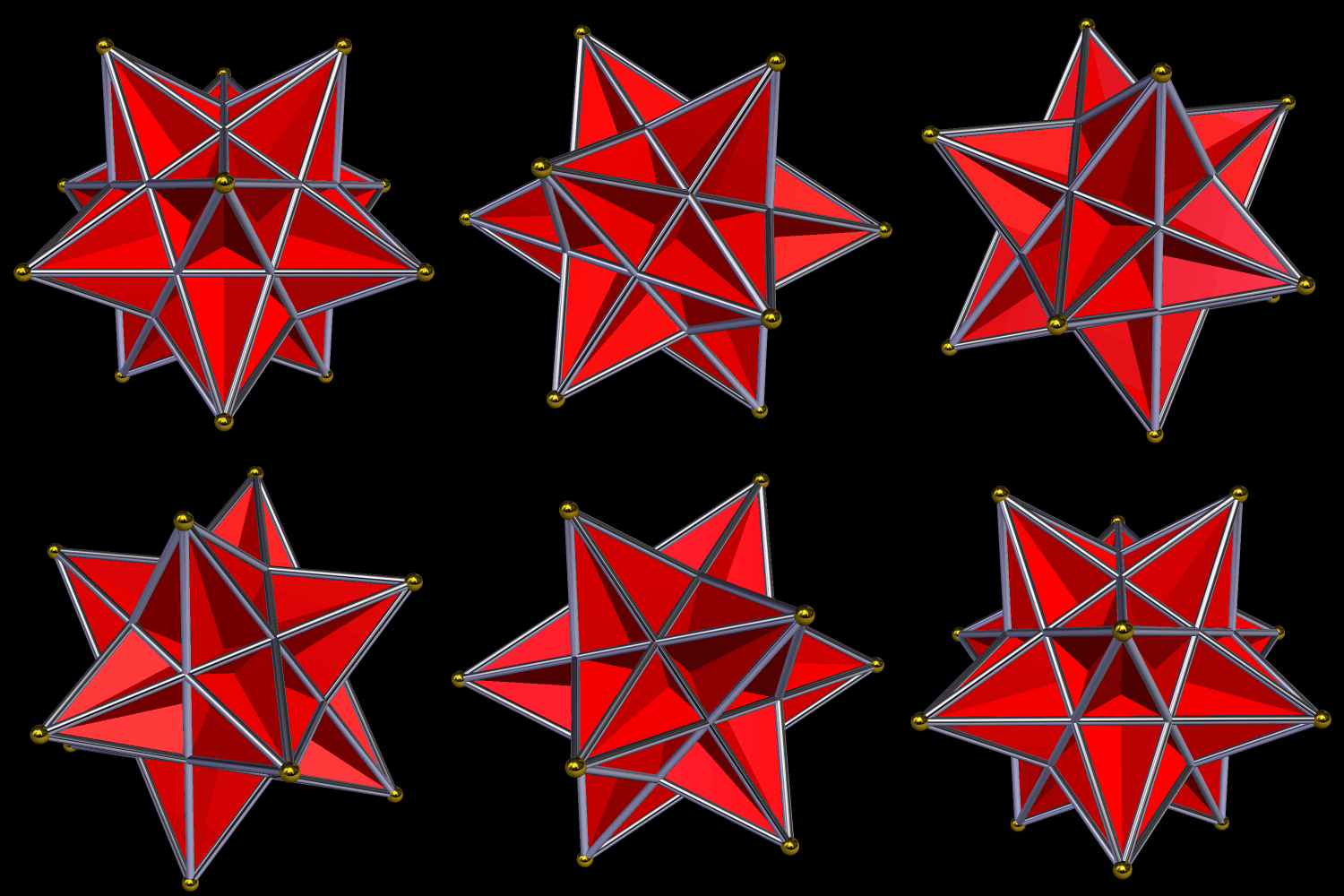
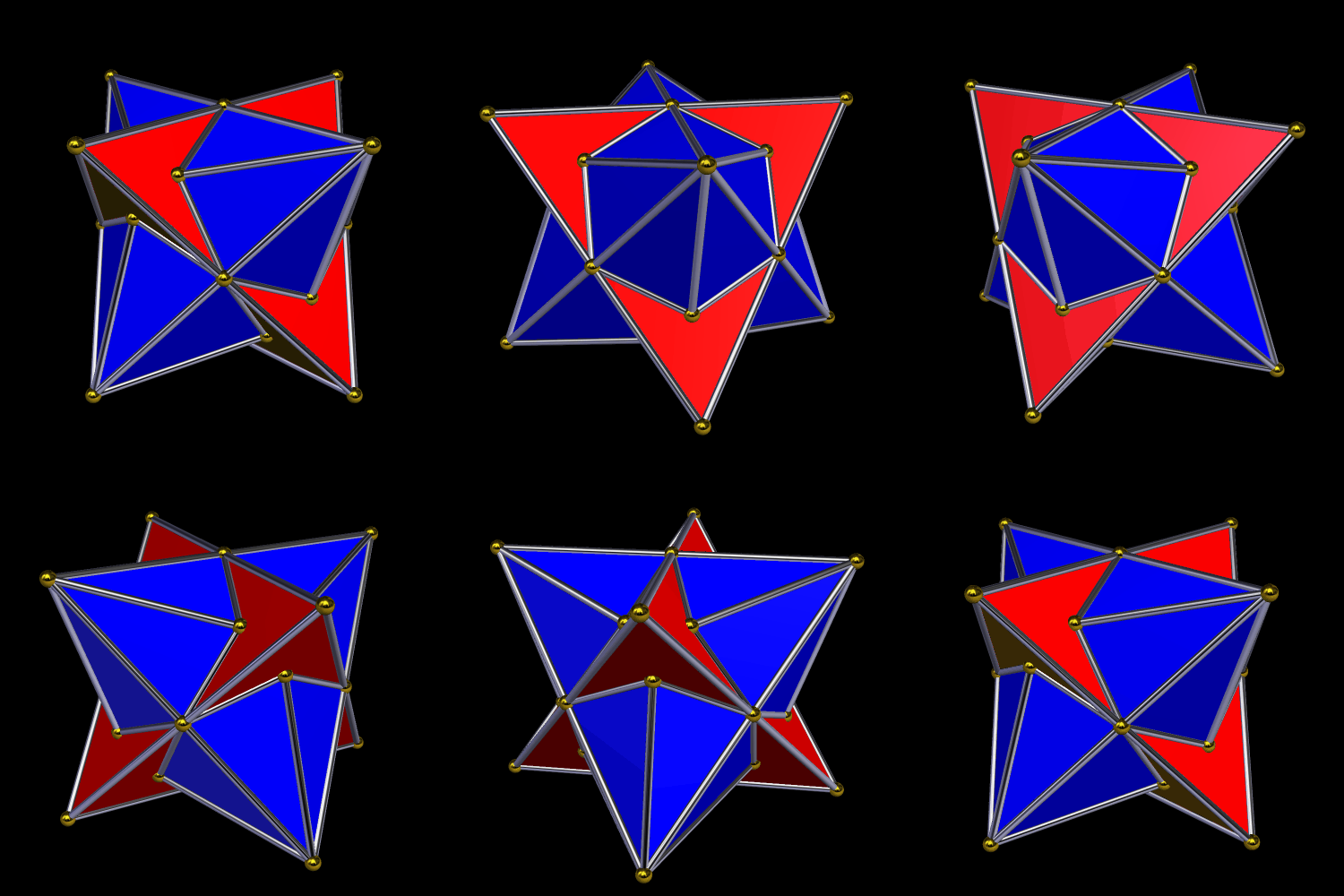
This is the great icosahedron, which is one of the Kepler-Poinsot solids.
All twenty of the faces of the great icosahedron are equilateral triangles. They interpenetrate, so they can be a little difficult to see. Here’s a still view, with one face highlighted.
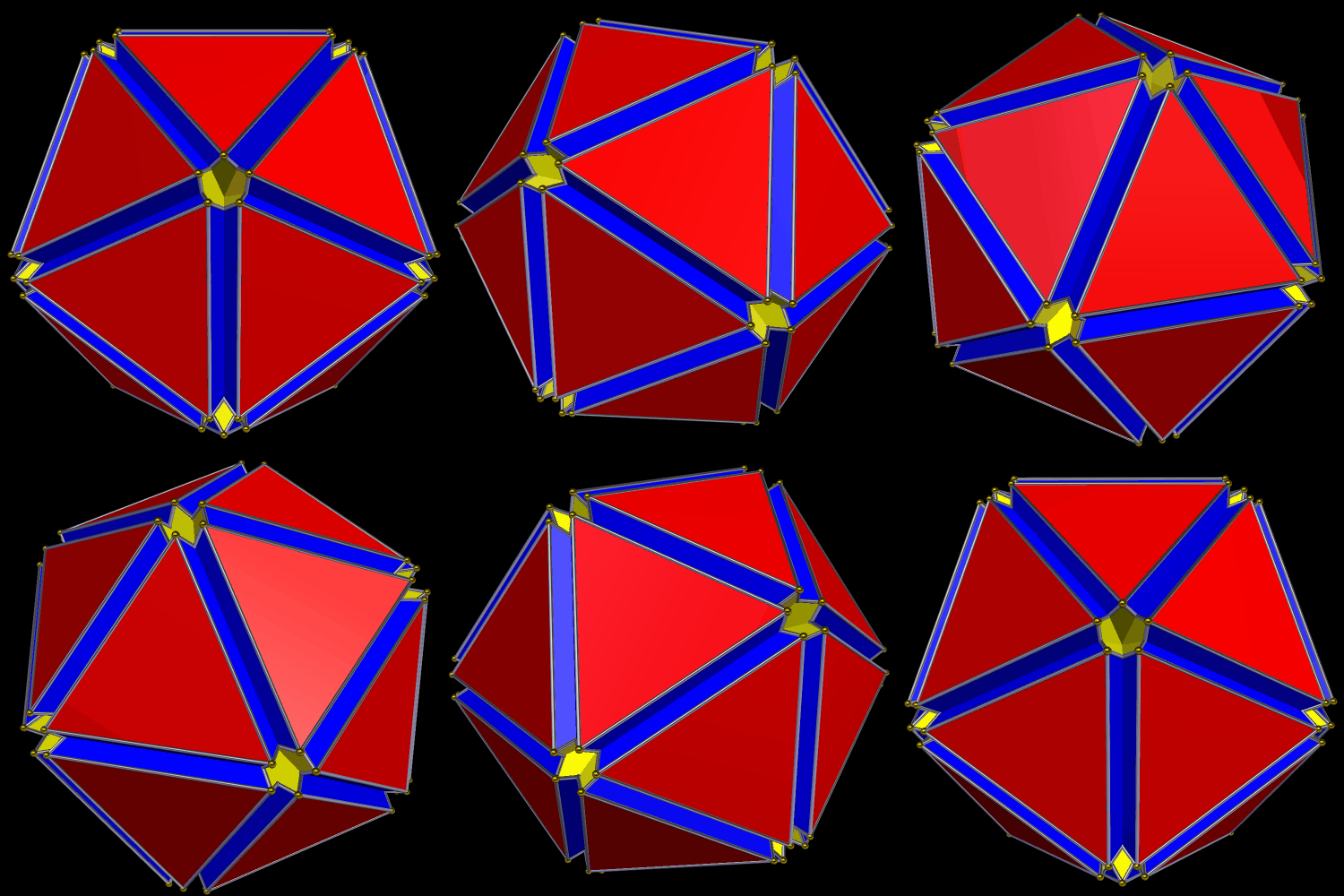
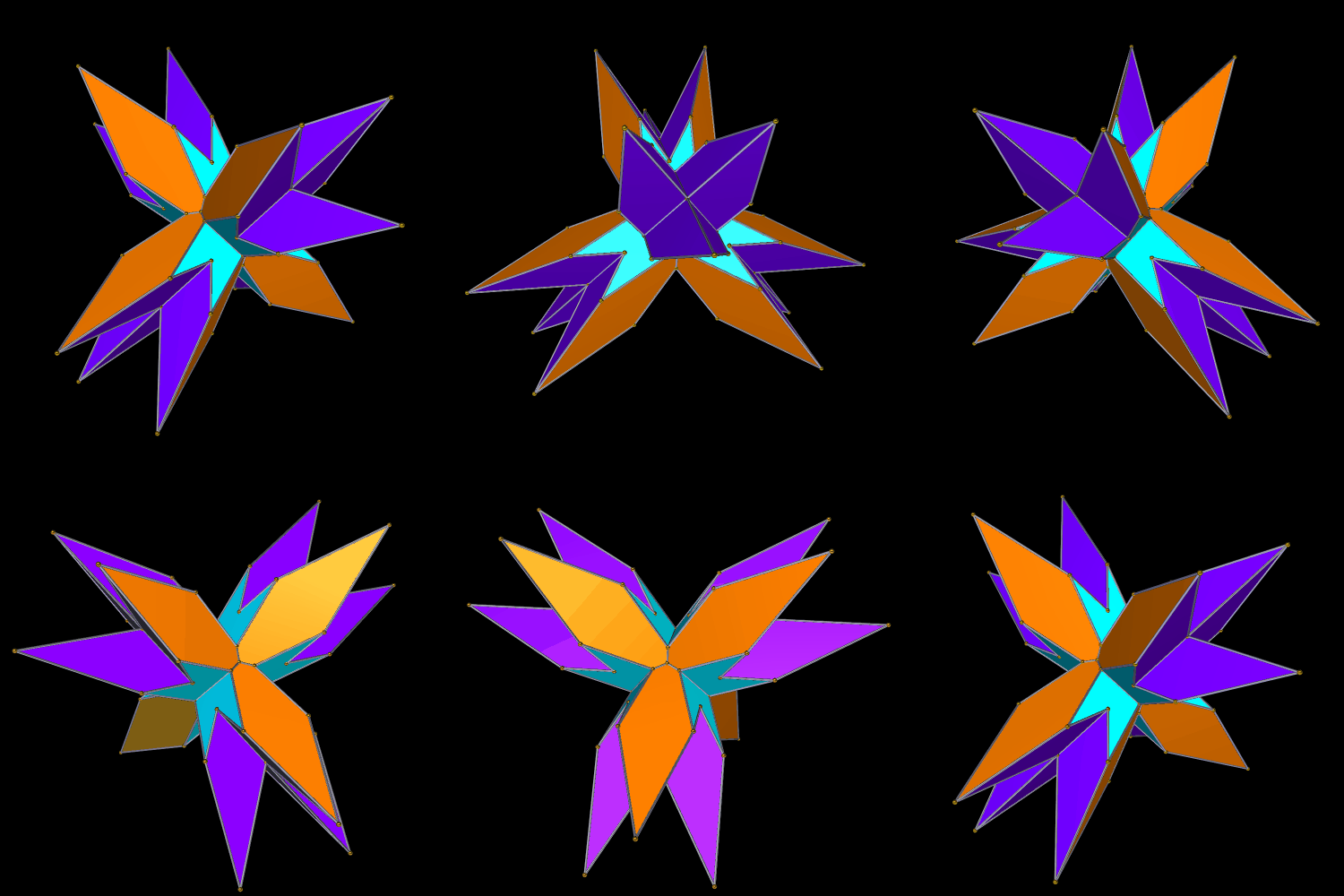
If each of these twenty faces is augmented by a regular triangular antiprism (also known as the Platonic octahedron), here is the result — a variant of the Platonic icosahedron.
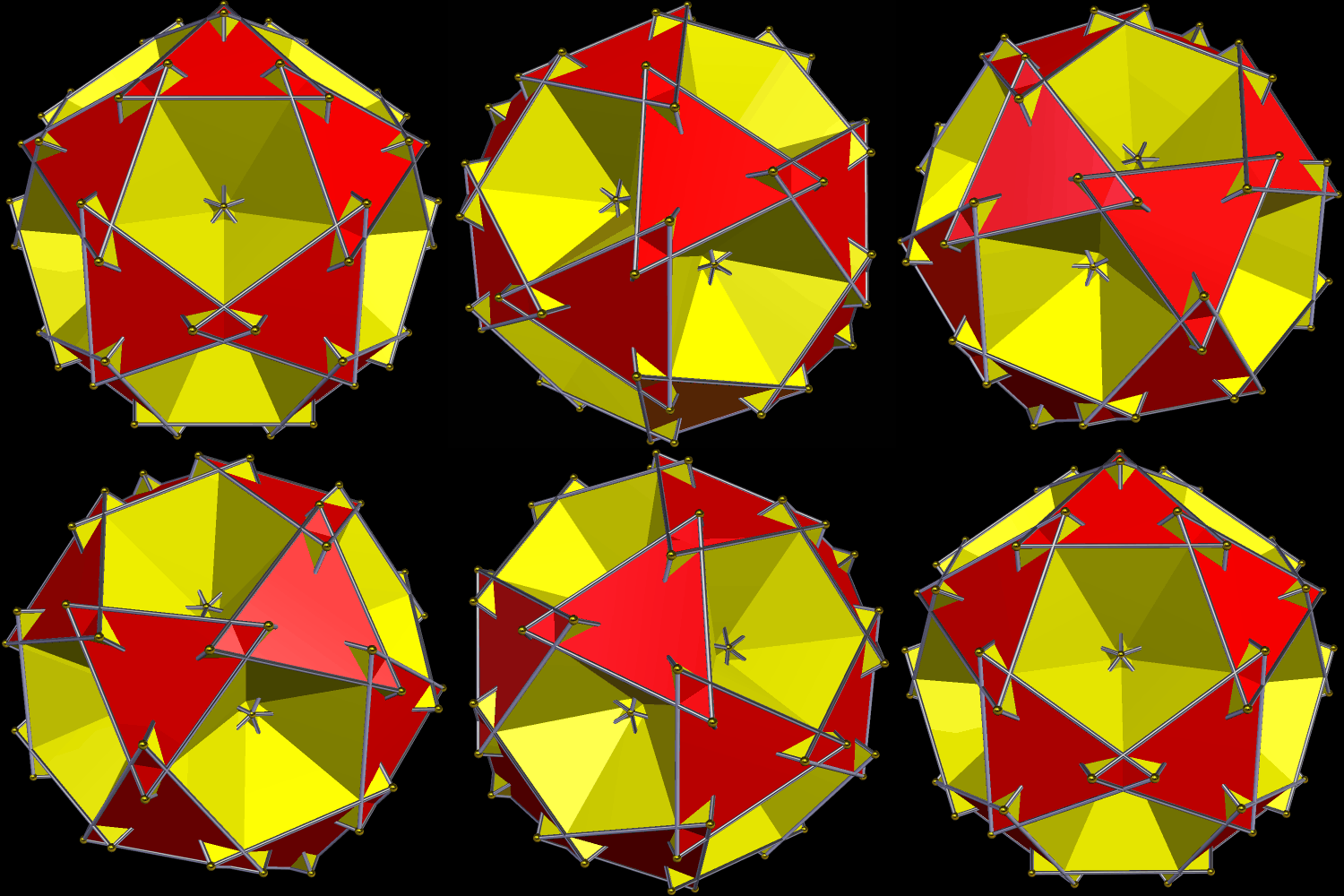
I also tried augmenting the great icosahedron with prisms, and this is the result — a variant of the Archimedean icosidodecahedron.
I made these images using Stella 4d: Polyhedron Navigator, which you can try for free at this website.
I made these videos using my cell phone and a magnetic ball-and-stick polyhedron building system which my wife bought for me. It’s the sticks that have magnets in them, not the steel balls. First, a triangular dipyramid (n = 3). This is the simplest of the dipyramids.
Next, a square dipyramid, also known as an octahedron (n = 4).
Next, for n = 5, the pentagonal dipyramid.
If you limit yourself to dipyramids that have equilateral triangles for faces, that’s the complete set. Here’s what happens when you try n = 6 — the dipyramid has zero height, and collapses into a pair of isosceles trapezoids when lifted.
To get this to work, you’d need to use isosceles triangles, not equilateral ones. The same is true for n = 7 and greater numbers.
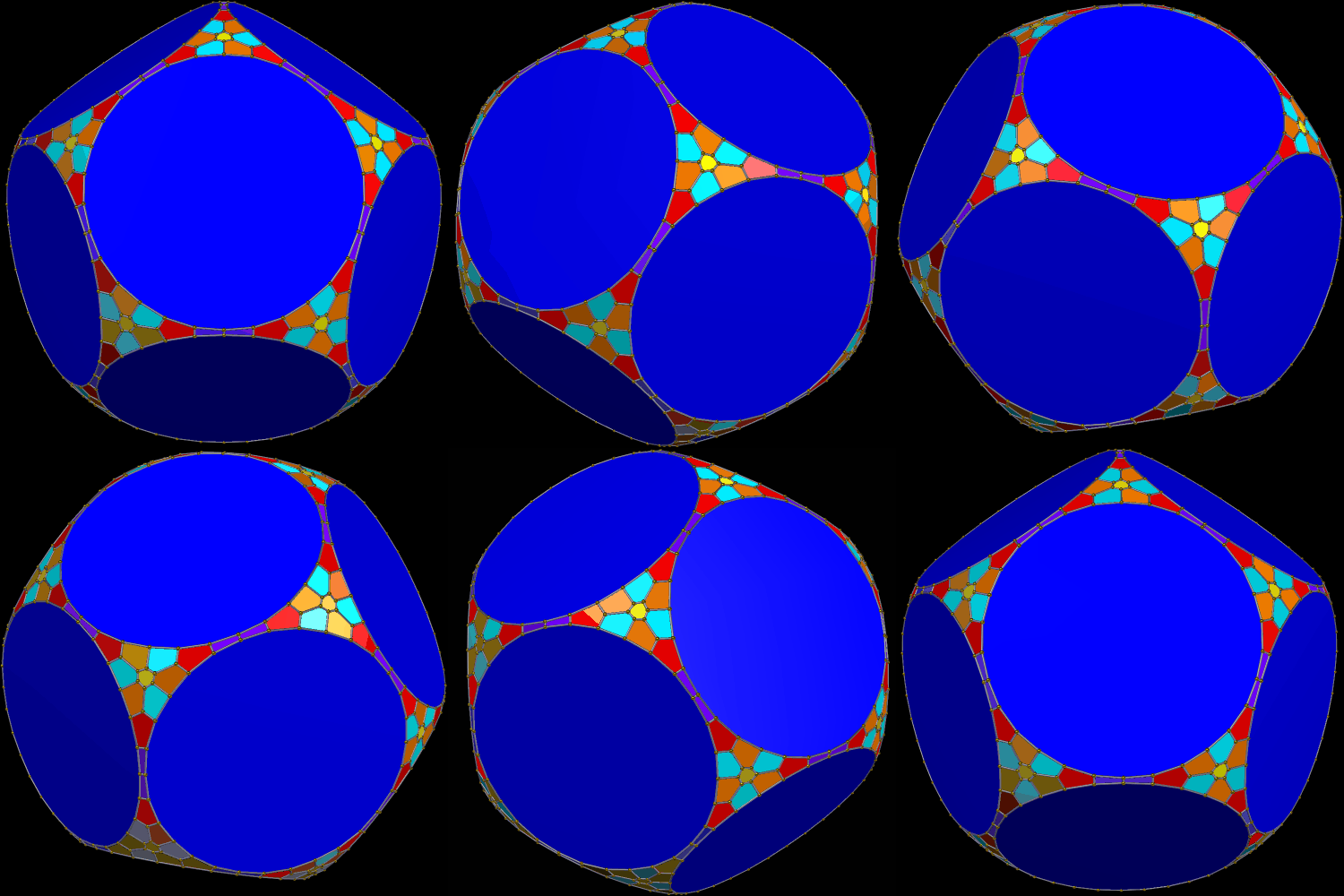
I made this from the Archimedean Great Rhombicosidodecahedron, using a program called Stella 4d. If you’d like to try Stella for yourself, you can do so, for free, at this website: http://www.software3.com/Stella.php.
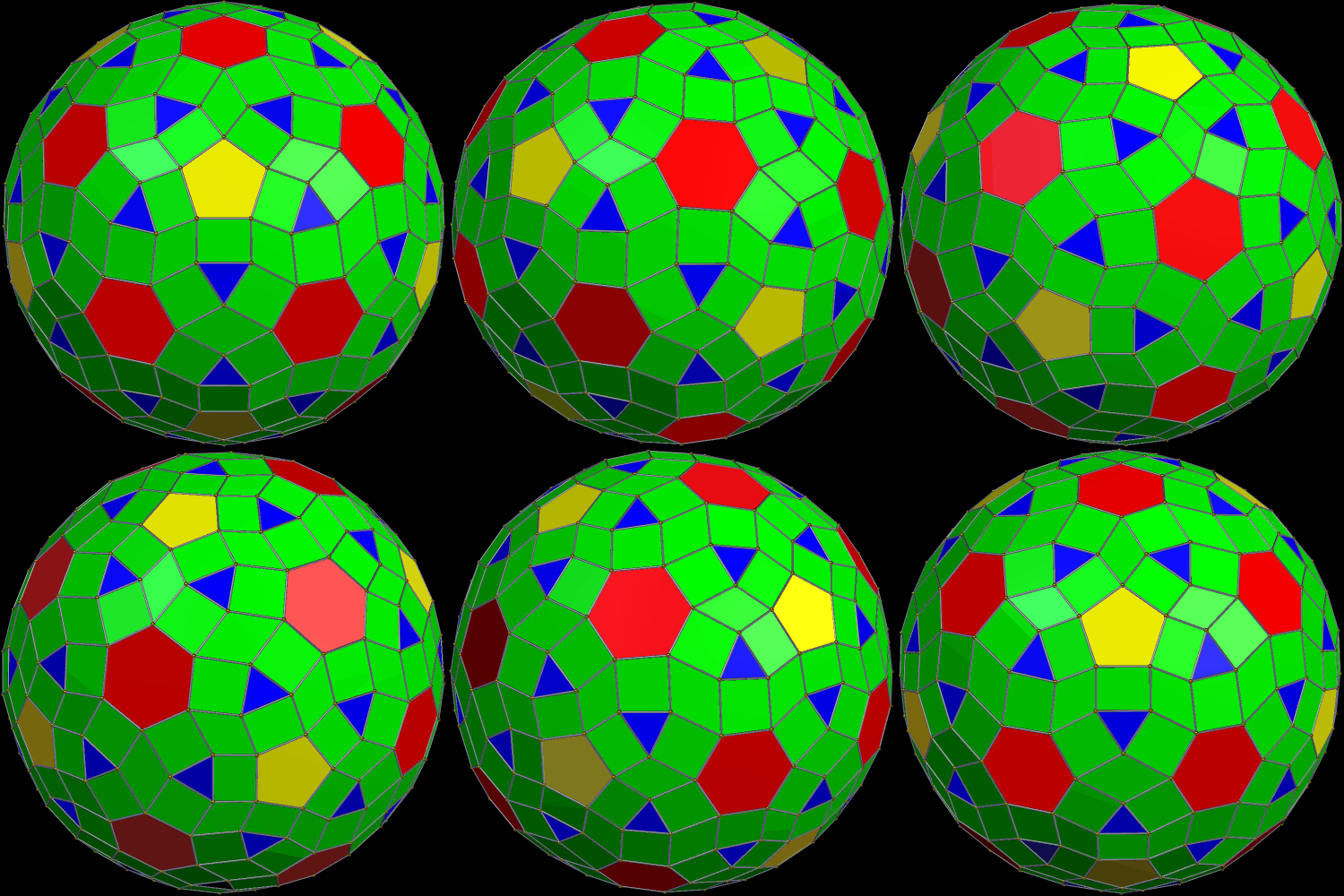
This solid has, as faces, 12 regular pentagons, 20 regular hexagons, and 60 isosceles triangles, along with a bunch of quadrilaterals of various types. I made it using Stella 4d, which you can try for free at this website.




 RobertLovesPi.net