
Another accidental discovery made while manipulating polyhedra with Stella 4d, which you can try for free at http://www.software3d.com/stella.php.
Another accidental discovery made while manipulating polyhedra with Stella 4d, which you can try for free at http://www.software3d.com/stella.php.
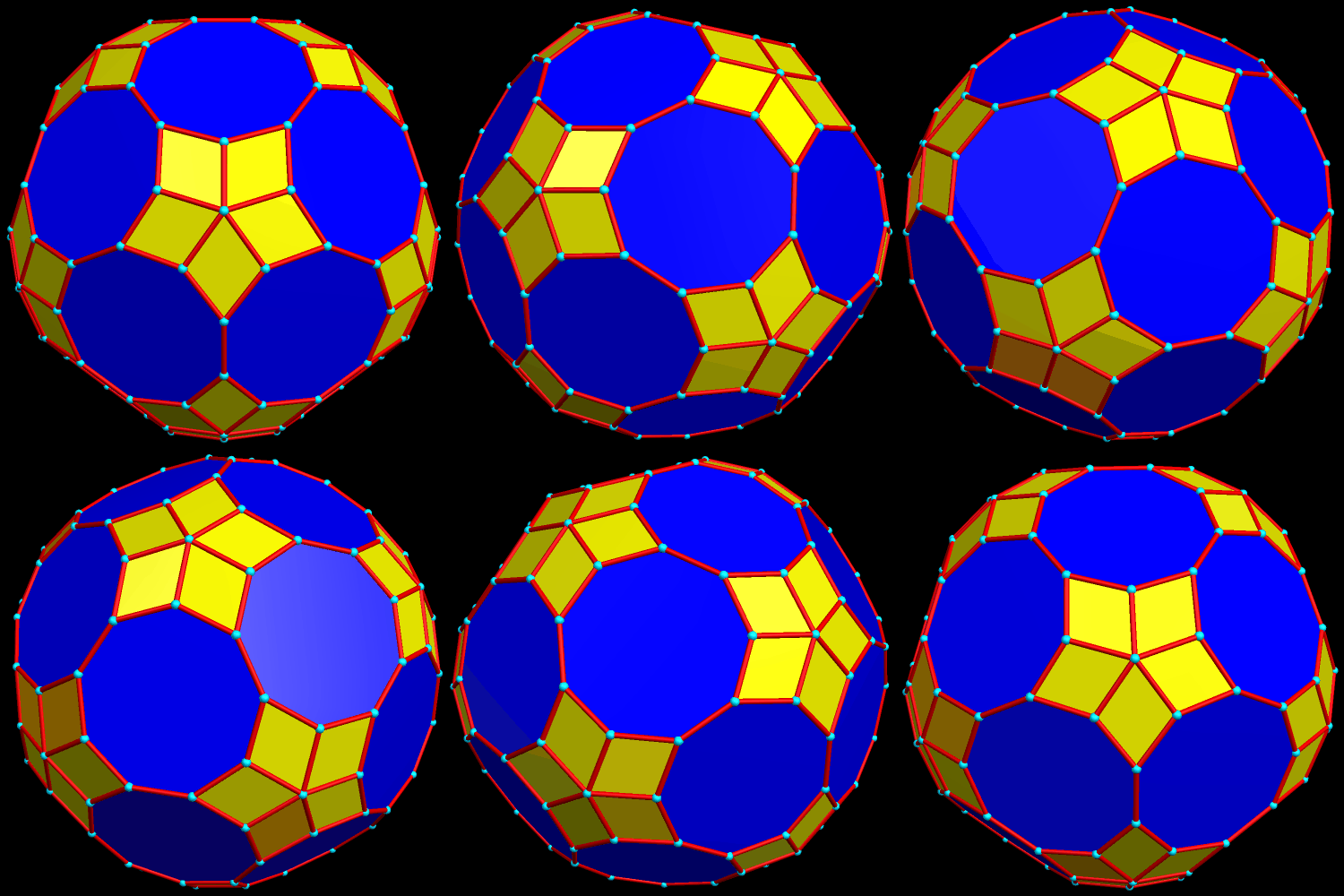
I stumbled across this while manipulating polyhedra with Stella 4d, which you can try for free at http://www.software3d.com/stella.php.
I don’t think the nonagons are quite regular, and the yellow figures may be near-rhomboidal kites, rather than true rhombi. Nevertheless, I find it an interesting figure, and am posting it here so I can find it for further investigations later.
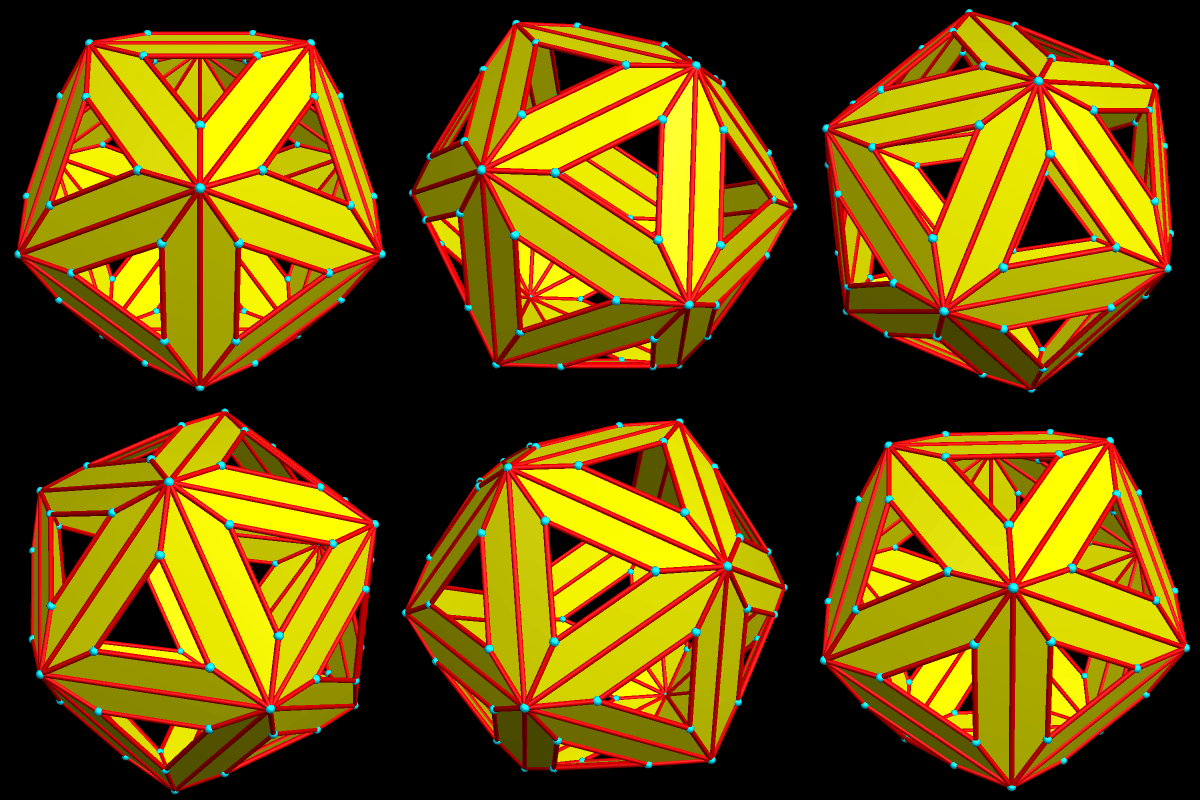
This was created with Stella 4d, software you can try for free at http://www.software3d.com/stella.php.
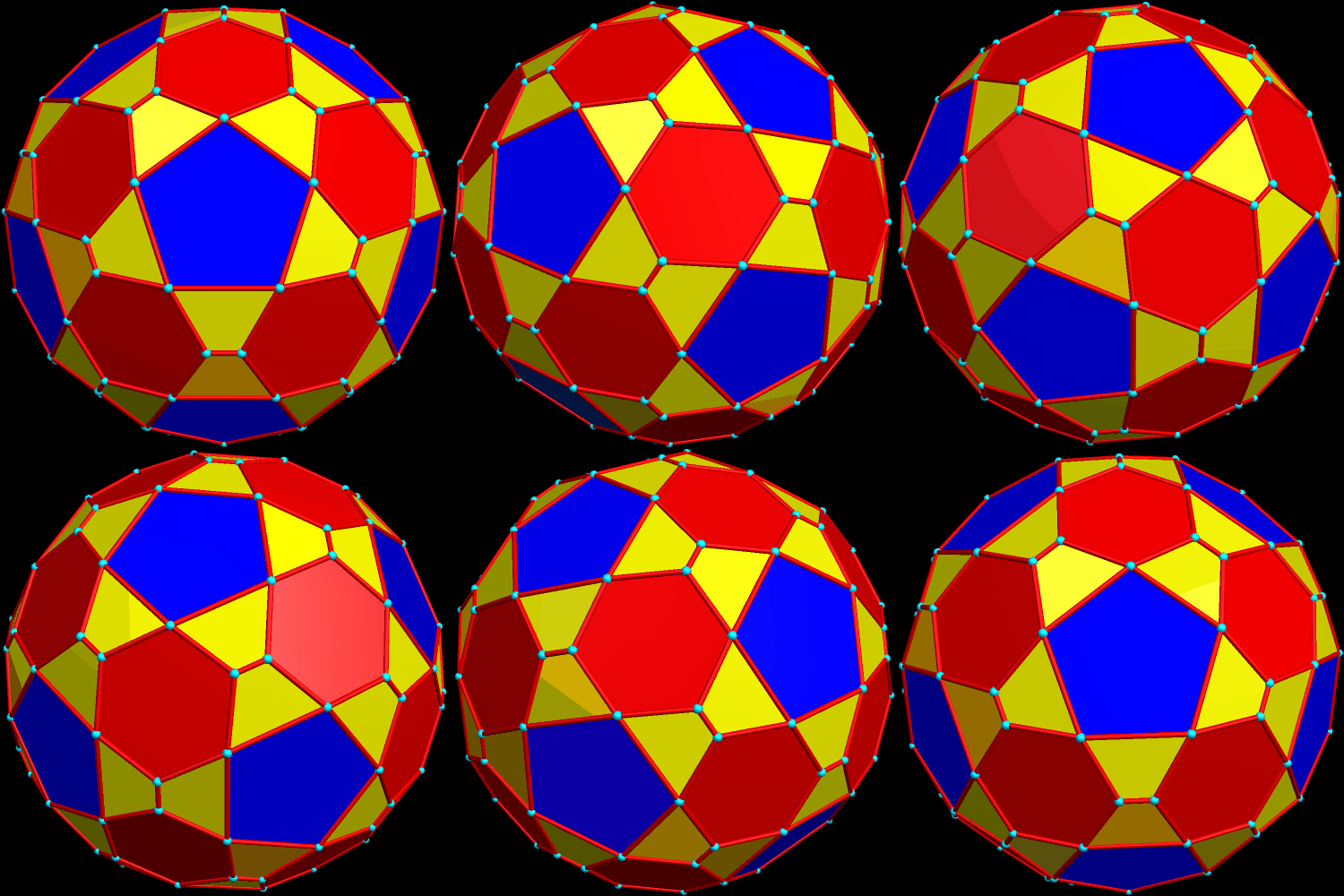
This has the twelve regular pentagons and twenty regular hexagons of a truncated icosahedron (most familiar to the world as the shape upon which most soccer balls are based), but also has pairs of trapezoids in “bowtie” configurations. I discovered this polyhedron using Stella 4d, which you can try for free at http://www.software3d.com/stella.php.
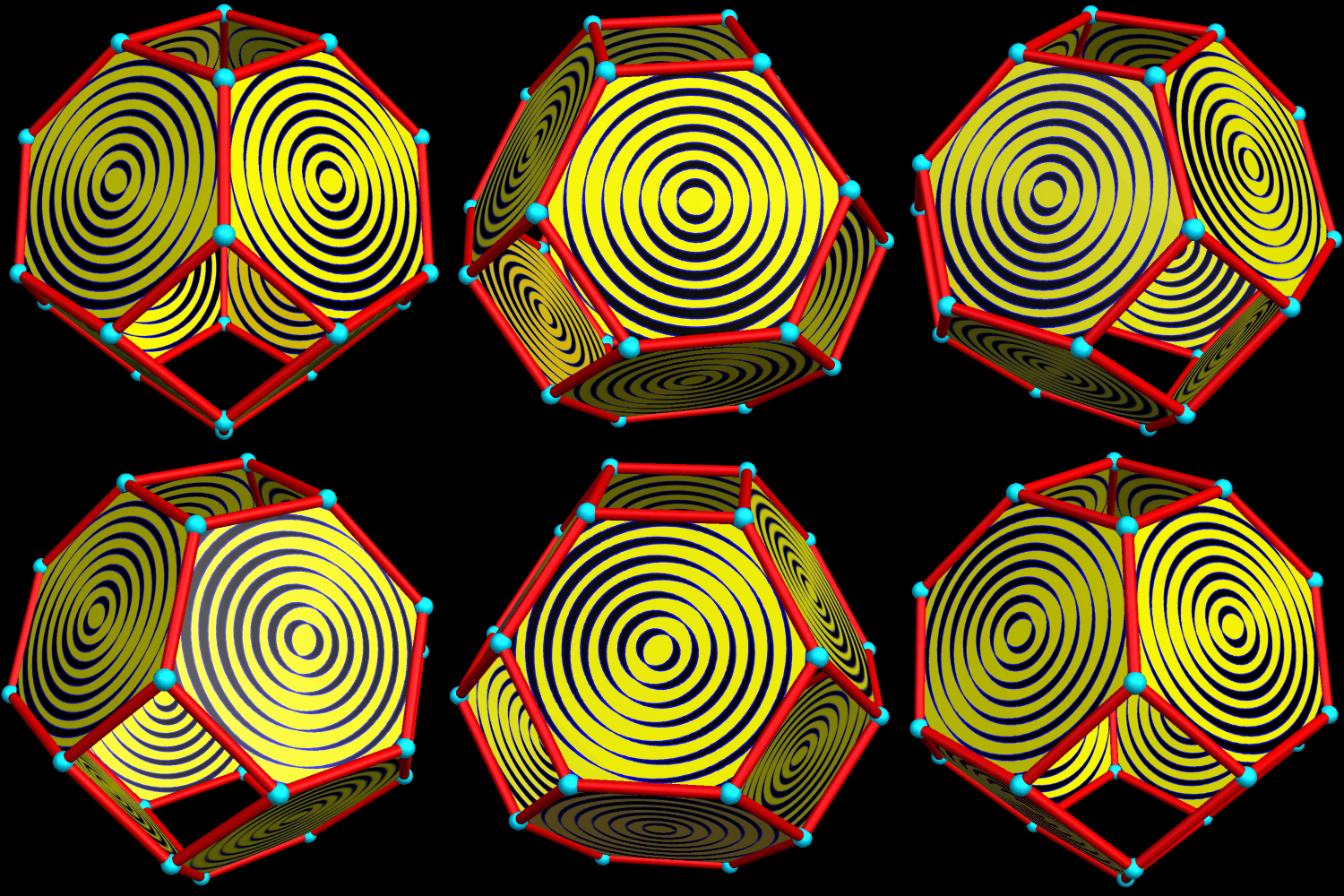
Stella 4d (polyhedral manipulation software) was used to place the image in the previous post on each hexagonal face of a truncated octahedron, and the square faces were hidden. The program can do many other things as well — and you may try it for free at http://www.software3d.com/stella.php.

The rhombic enneacontahedron has ninety faces. In this image, the sixty of them which are wide rhombi are decorated with the mandala, 22, from my last post. The narrow rhombi, of which there are thirty, are colored light blue.
This was created using Stella 4d, which you can try for yourself at http://www.software3d.com/stella.php.
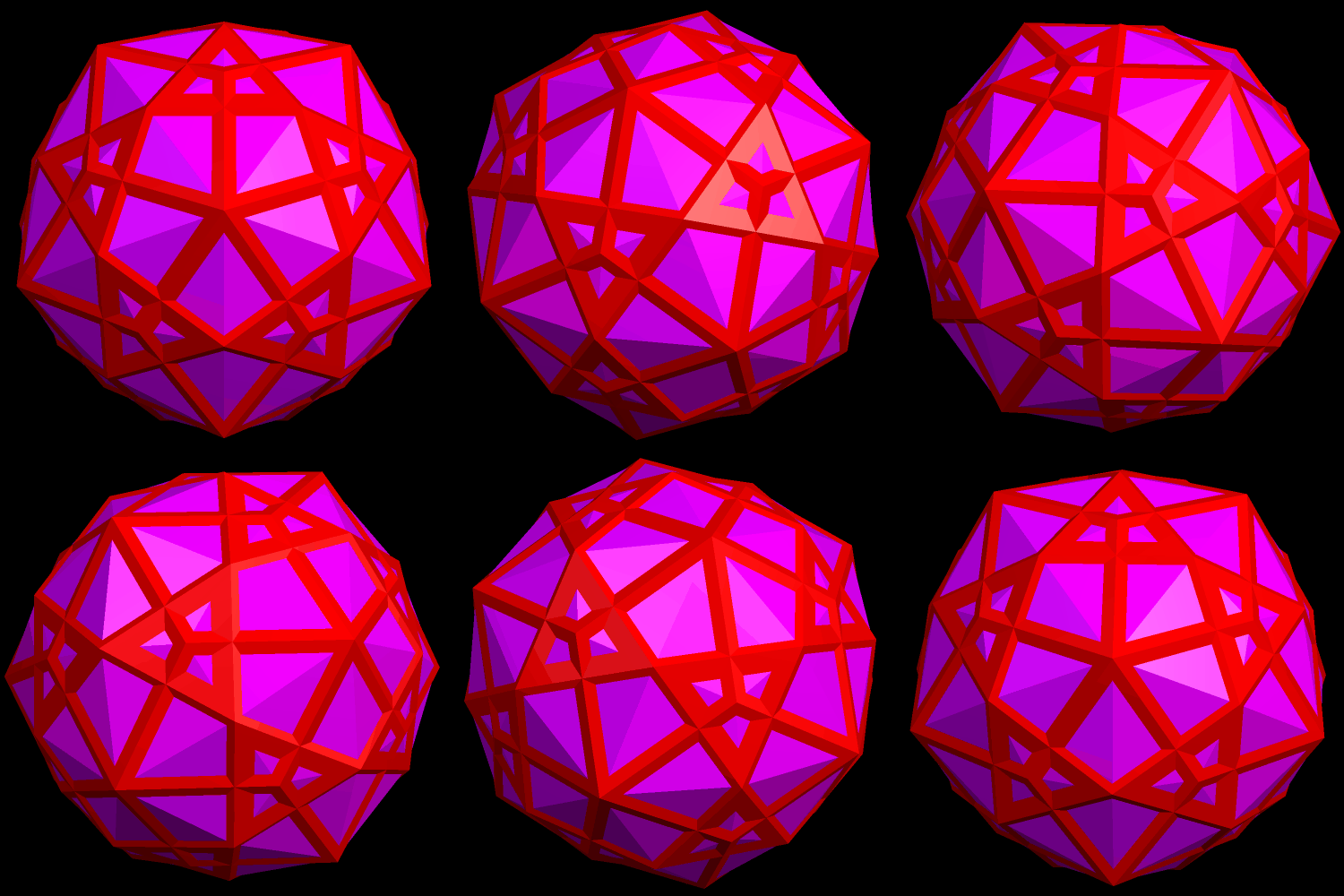
The icosidodecahedron and the rhombic triacontahedron, duals to each other, are the shapes with red edges showing. I made this using Stella 4d, which you may try for free at http://www.software3d.com/stella.php.

To create this using Stella 4d (see http://www.software3d.com/stella.php for free trial demo), I started with a snub cube, added it to its own mirror image, stellated it several times, and then rendered the square faces invisible.
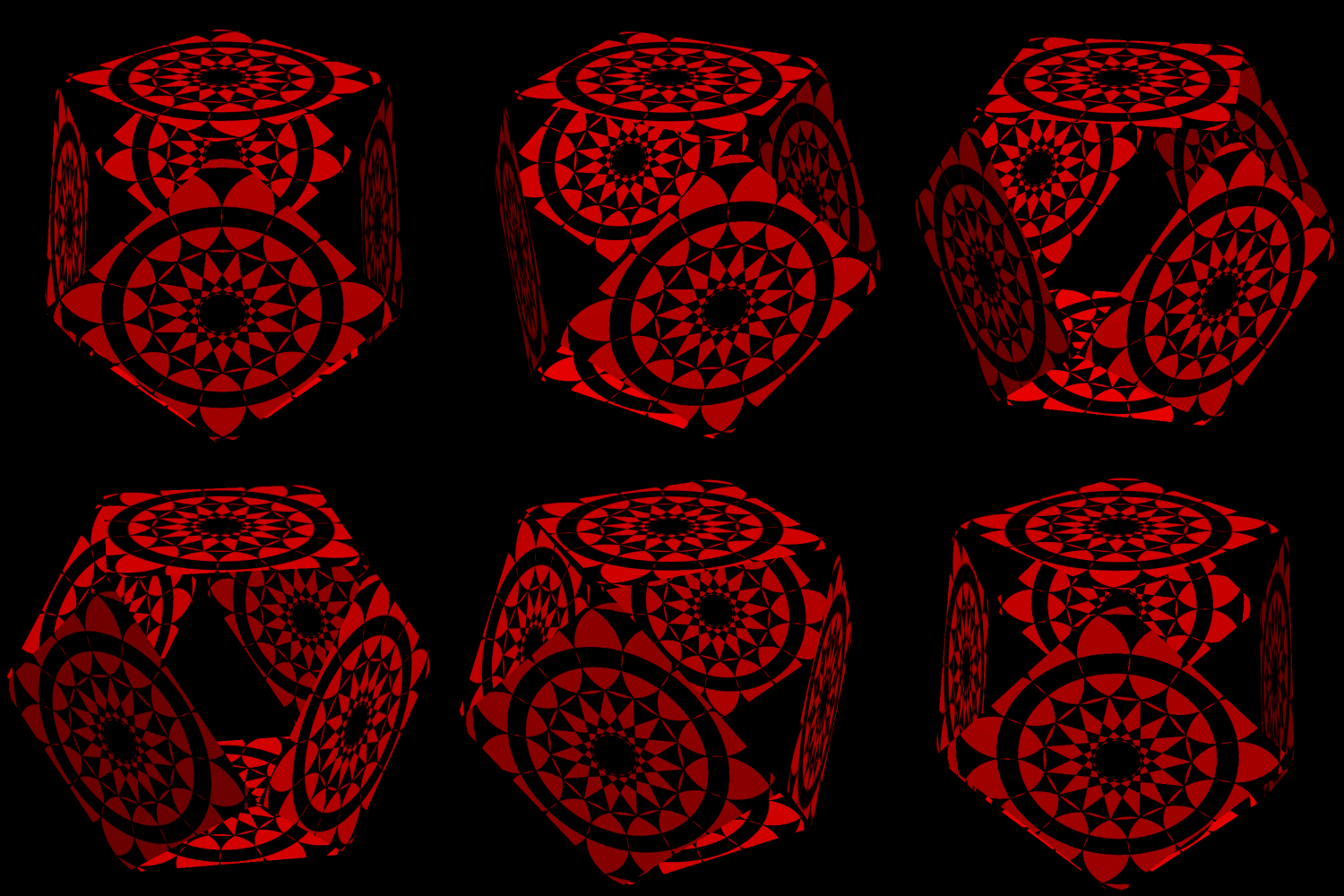
Stella 4d, a program you may try for free at http://www.software3d.com/stella.php, was used to create this rotating image.
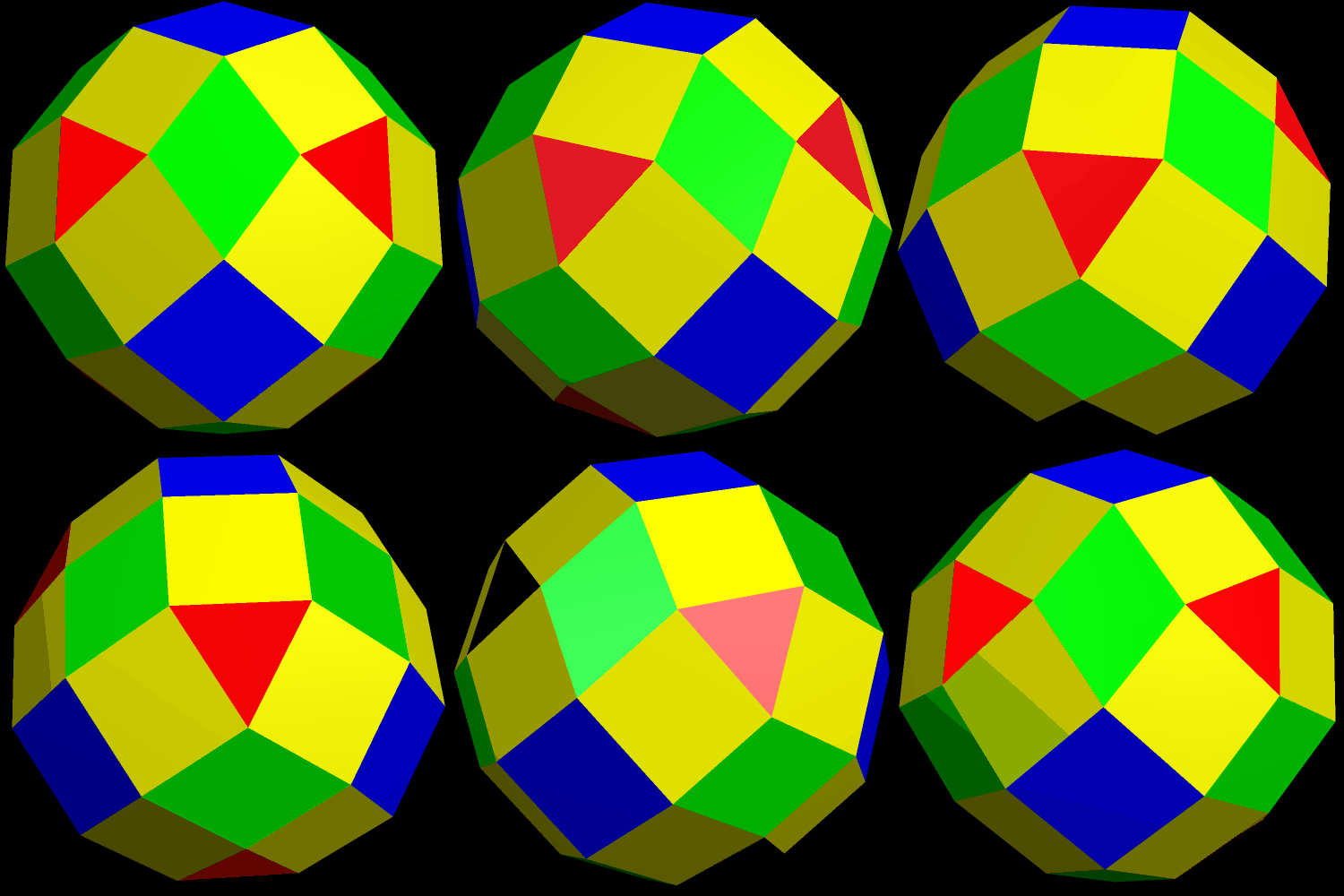
There are many ways to make intermediate forms between dual polyhedra. This was made using the expansion method. The faces of the cuboctahedron (red and blue) were moved outward, as were the green faces of the rhombic dodecahedron, until the meeting of all possible vertices. The yellow rectangles were the spaces created between faces by this expansion.
(Software credit: see http://www.software3d.com/stella.php)
 RobertLovesPi.net