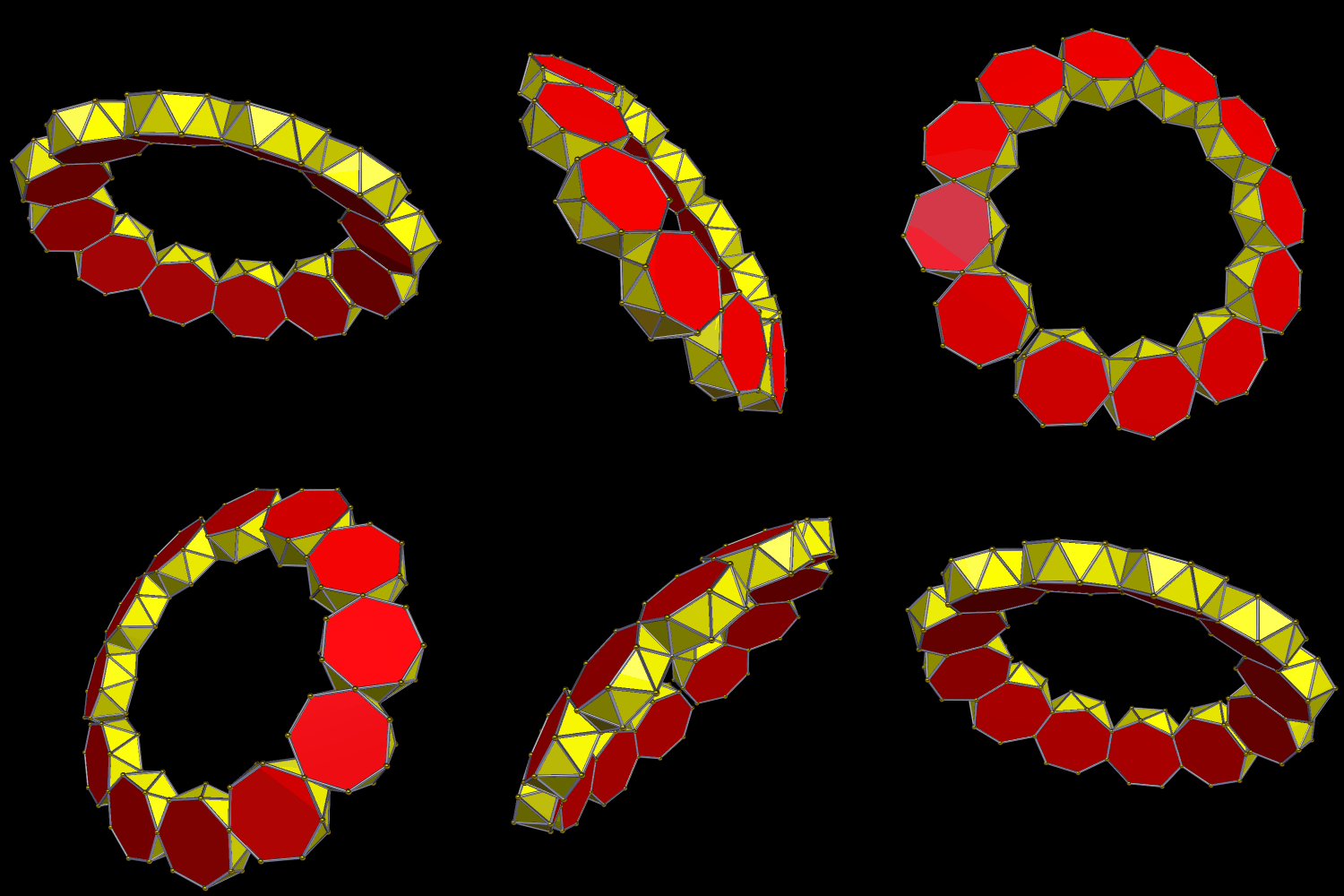
Twelve heptagonal antiprisms, meeting at triangular faces, can make a ring with only a small gap remaining. It’s a “near miss,” made using Stella 4d, which you can try for free right here.
Twelve heptagonal antiprisms, meeting at triangular faces, can make a ring with only a small gap remaining. It’s a “near miss,” made using Stella 4d, which you can try for free right here.
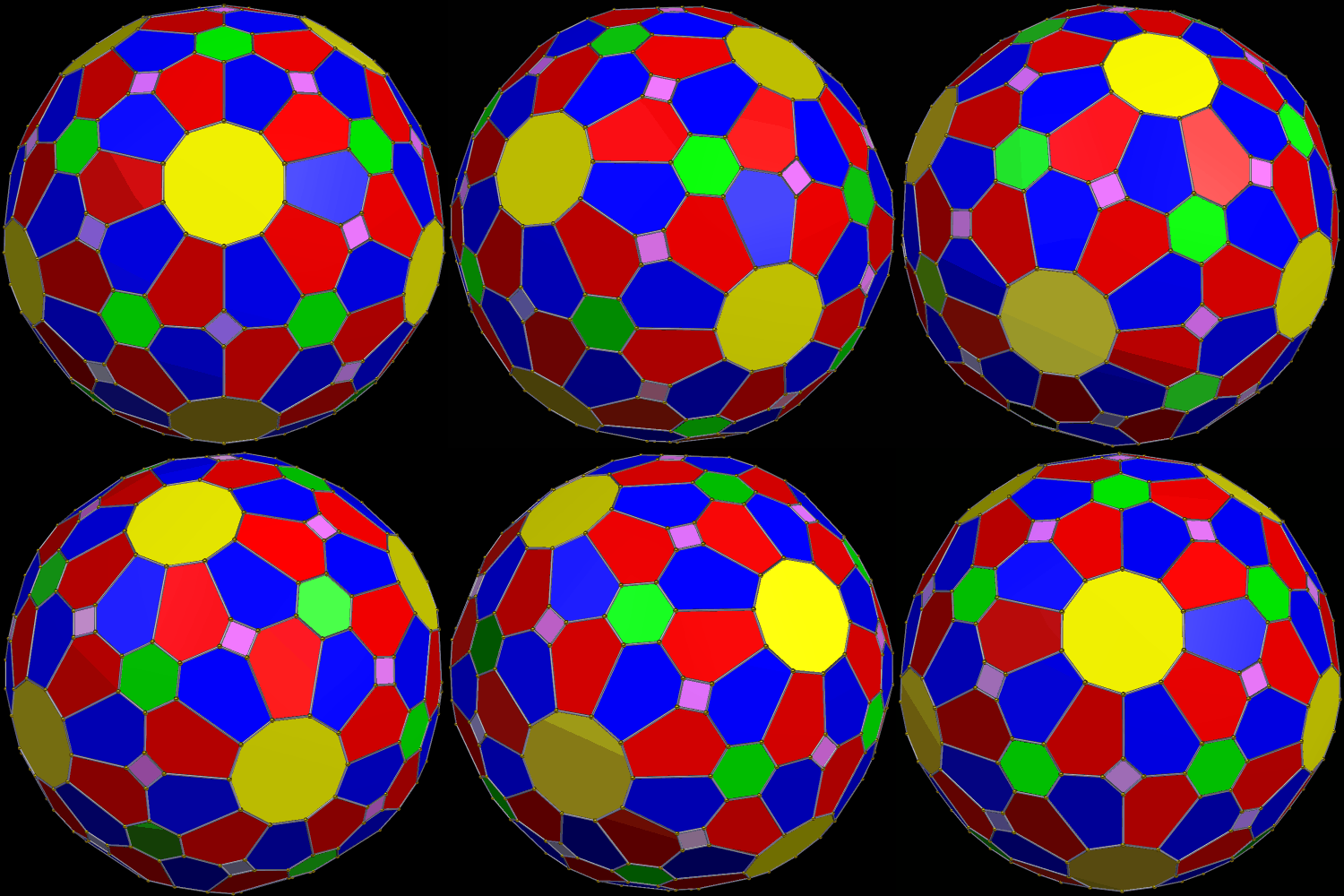
This polyhedron contains, as faces, 12 regular decagons, 20 regular hexagons, 30 squares, and 120 irregular hexagons. I made it using Stella 4d, which you can try for free at this website.

This symmetrohedron has four faces which are regular hexagons, 24 which are regular pentagons, and four which are equilateral triangles. It also has twelve faces which are acute isosceles triangles, as well as twelve more which are obtuse isosceles triangles. I made it using Stella 4d, which you can try for free here.
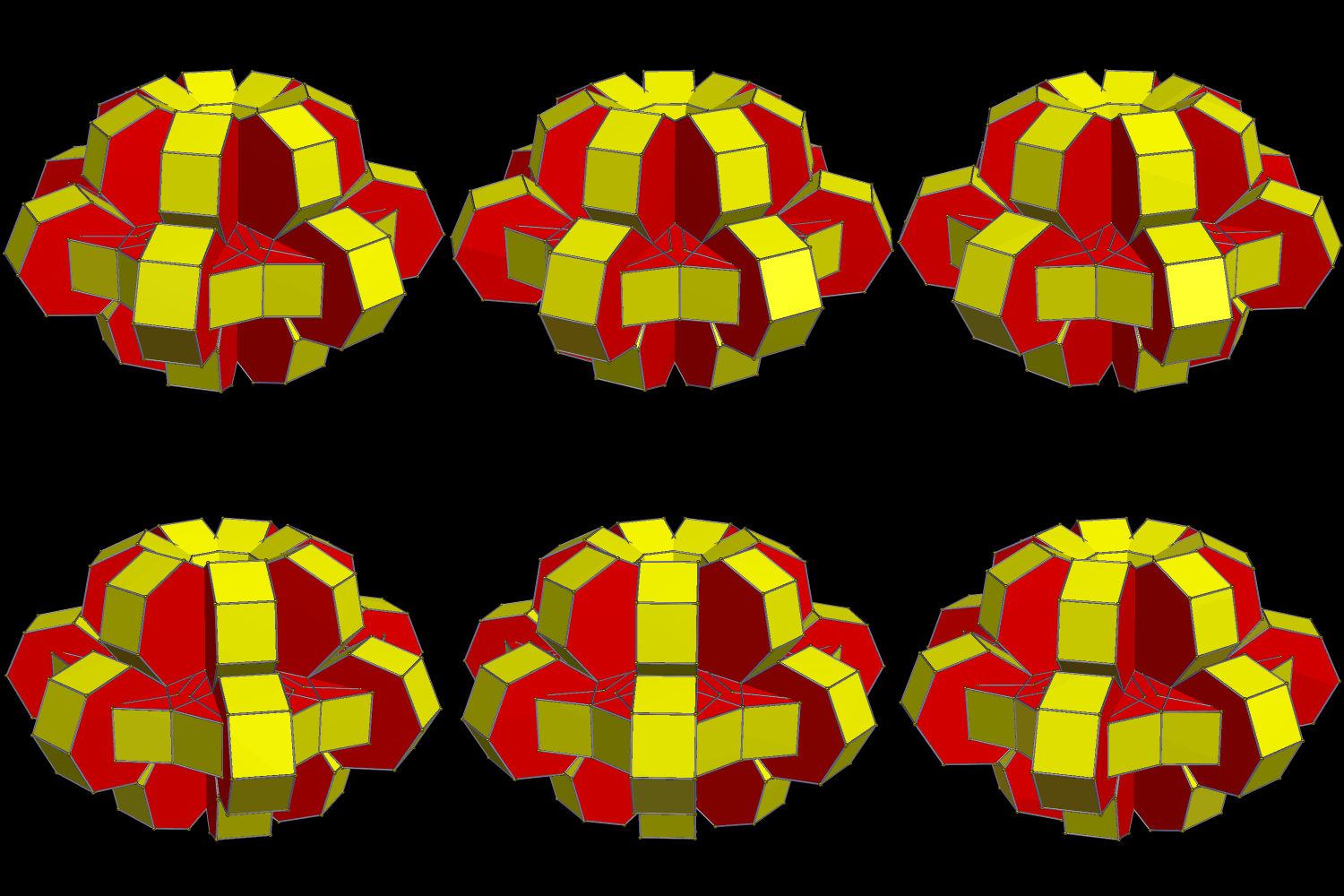
Here is its dual.

I made these using Stella 4d: Polyhedron Navigator, a program you may try for free at http://www.software3d.com/Stella.php.
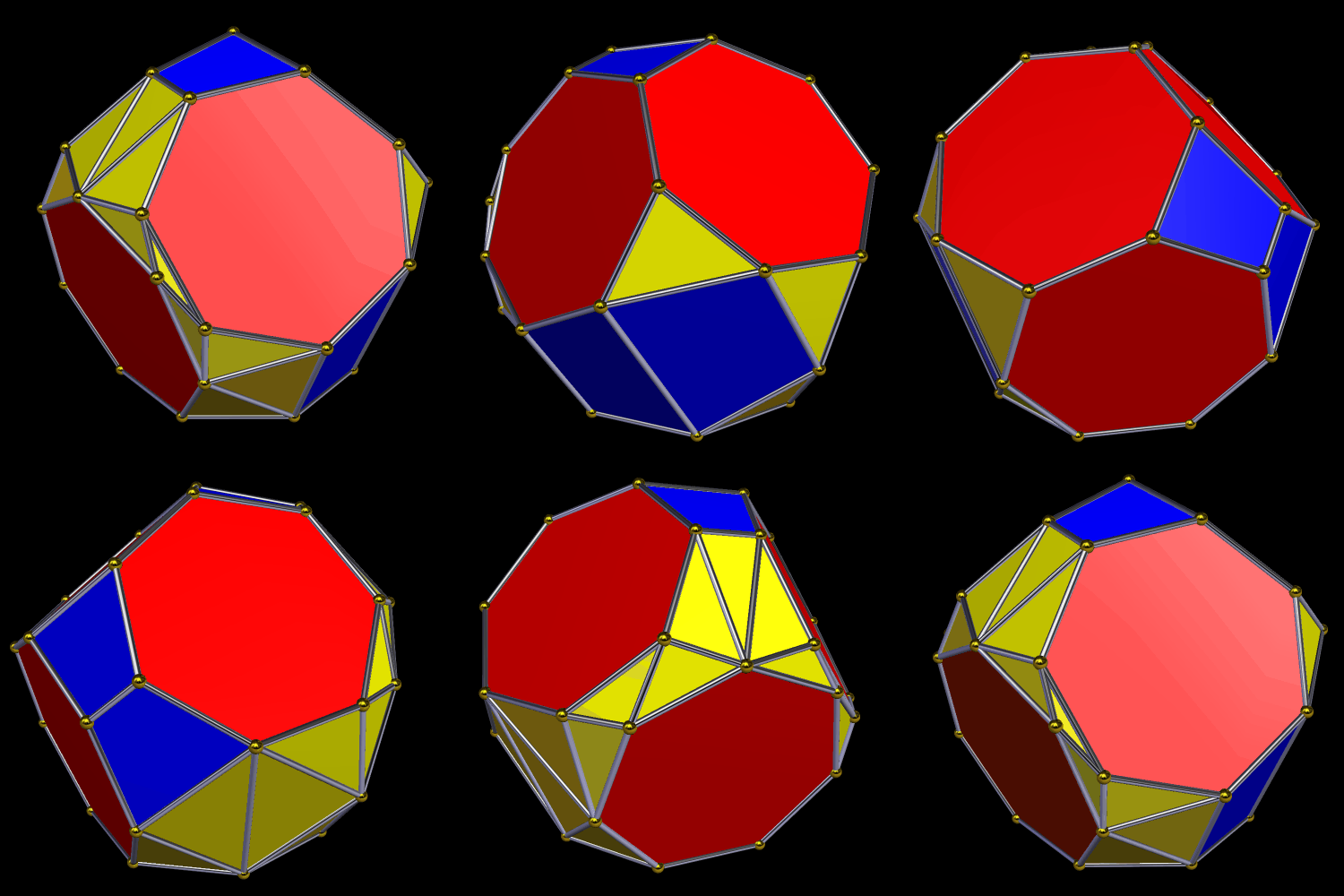
This 31-faced polyhedron is unusual in that it features six regular heptagons as faces. I made it using Stella 4d, which you can try for free at this website.
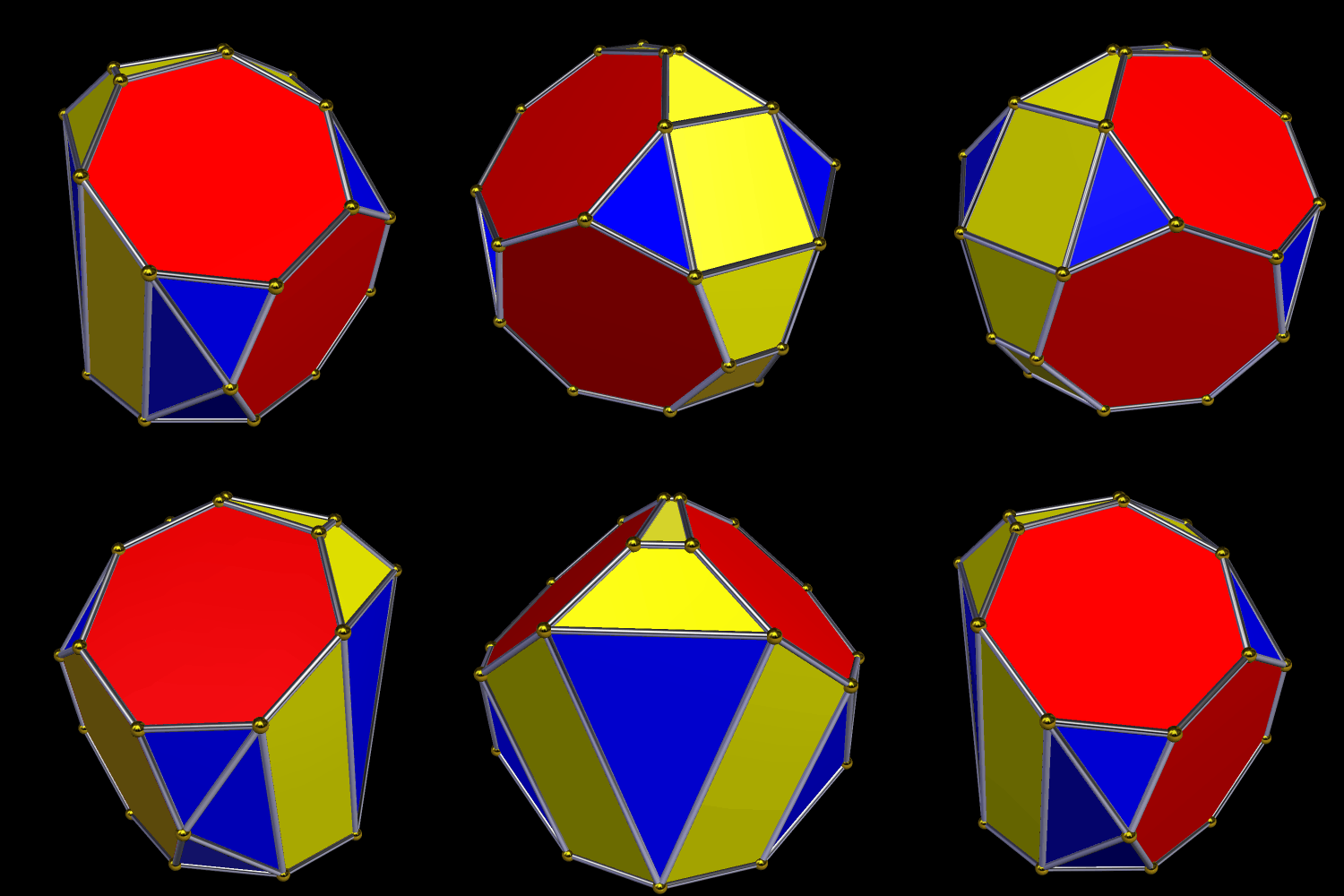
This polyhedron is unusual in that it has five regular heptagons as faces. It has twenty-two faces in all. It was created using Stella 4d, software you can try for free right here.

To make this, I started with a dodecahedron, dropped the symmetry of the model from icosahedral to tetrahedral, then stellated it five times. Finally, I chose “color as a compound” for the color-settings. I did this using Stella 4d, software you can try for free right here: http://www.software3d.com/Stella.php.

To make this symmetrohedron, I augmented the faces of a rhombic dodecahedron with prisms, then formed the convex hull of the result. All faces except for the red rhombi are regular. This was made using Stella 4d, which you can try for free here.
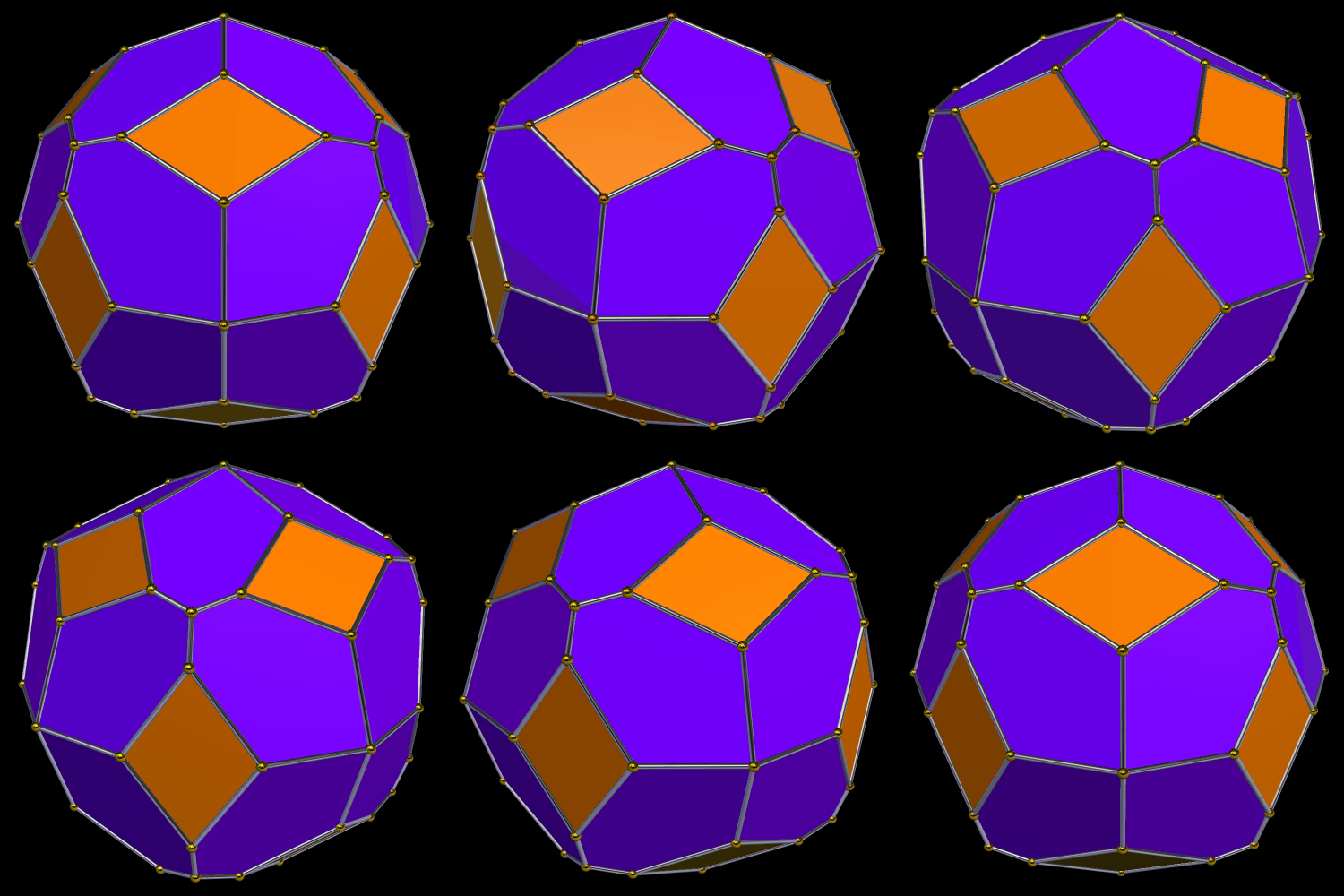
Of the 36 faces of this polyhedron, 12 are rhombi, while the other 24 are irregular hexagons. I made it using Stella 4d, which you can try for free right here.
In the two posts right before this one, I’ve been exploring simple structures made of modified rhombicosidodecahedra, and today I’m going to post a much larger, more complex one. Here’s the rhombicosidodecahedron — the original Archimedean solid which started all of this:

The modified forms of this polyhedron which I’m using as building-blocks are all among the 92 Johnson solids. Here are the two which have already appeared in the last two posts on this blog: the diminished rhombicosidodecahedron (J76) and the parabidiminished rhombicosidodecahedron (J80).
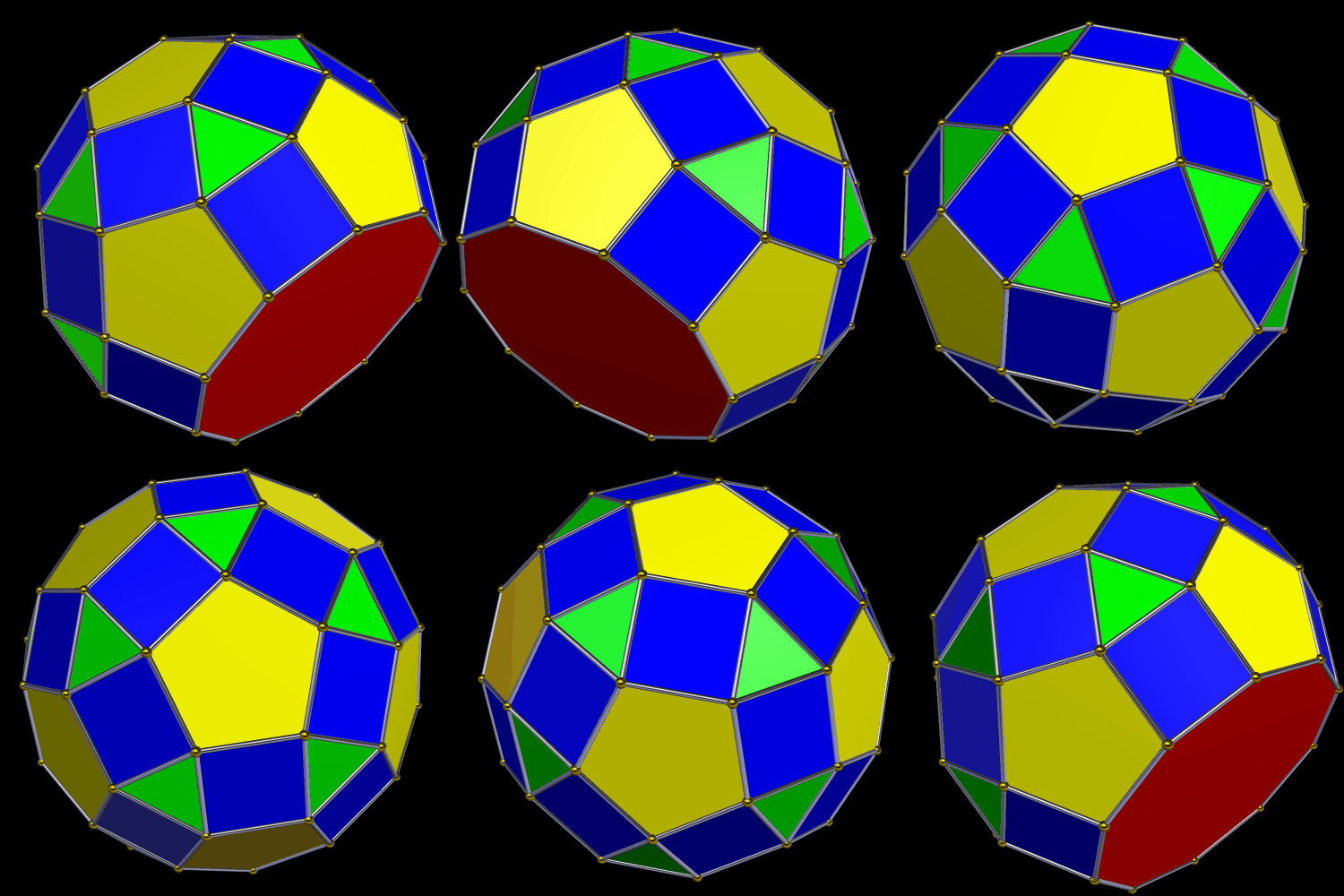

For this new, more ambitious construction, I’m going to need some more pieces, starting with the metabidiminished rhombicosidodecahedron (J81), which will be useful to make angles.

The Johnson solid called the tridiminished rhombicosidodecahedron (J83) can be used to make three-valent vertices.
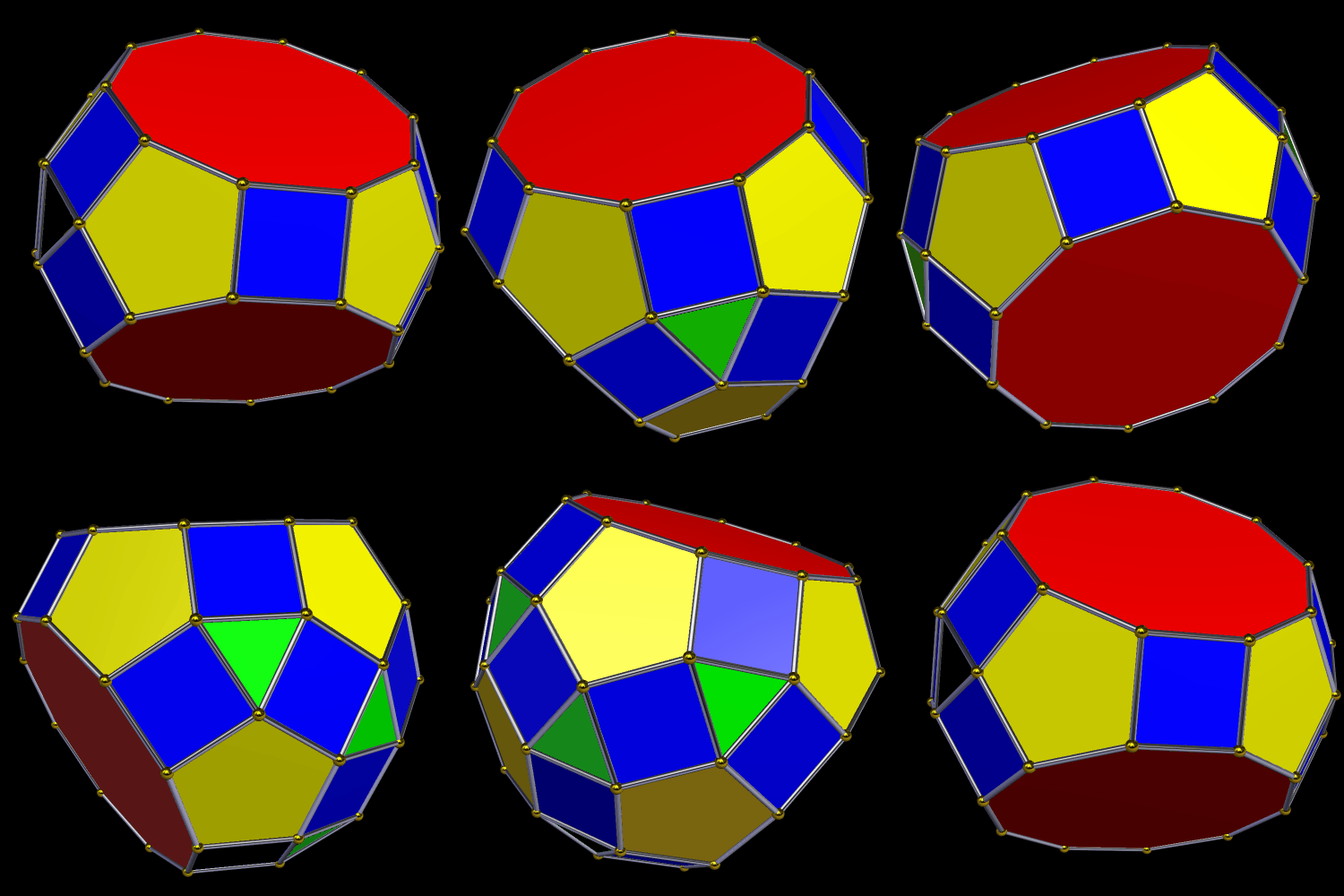
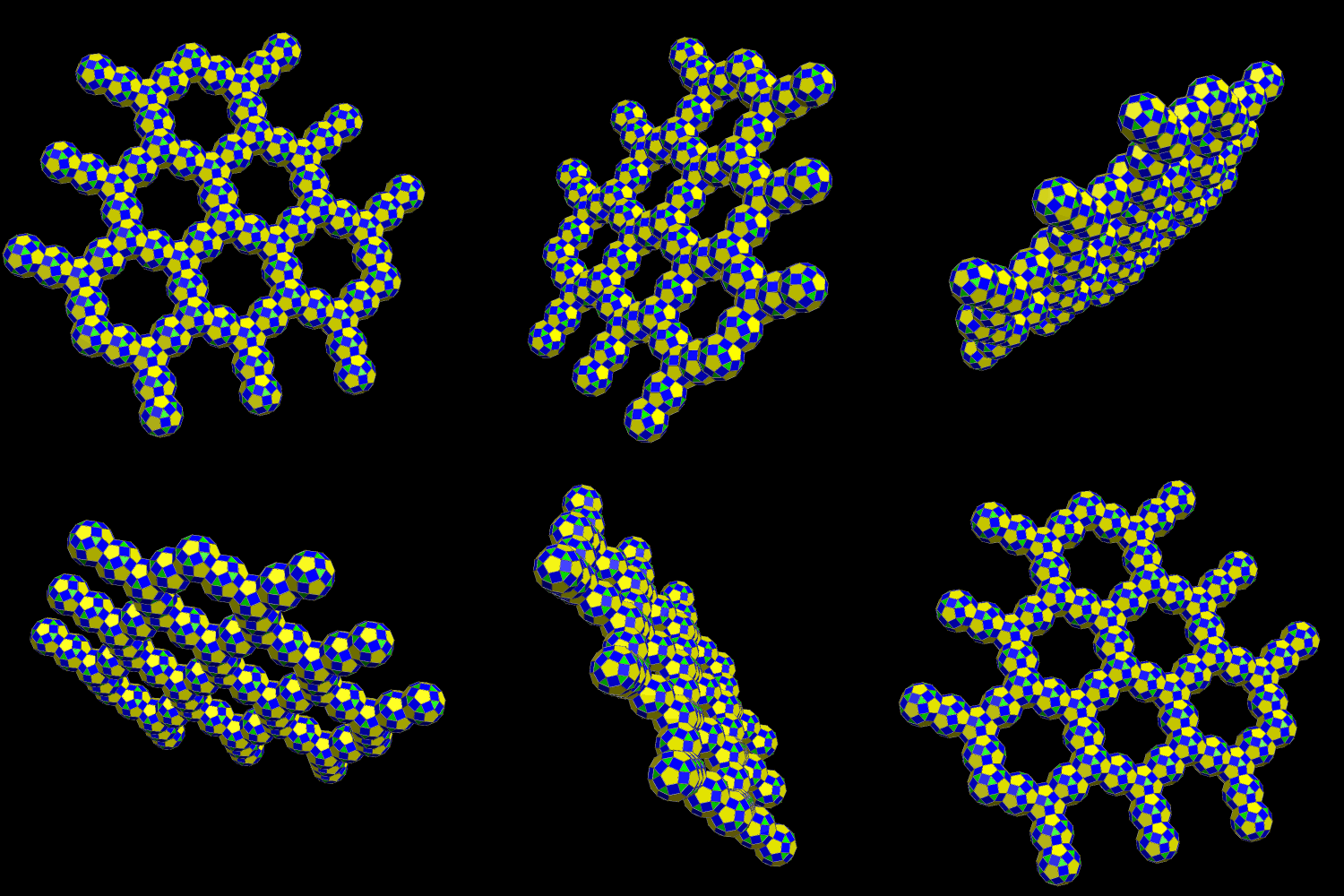
Finally, here’s the more complex structure for which I needed all these pieces. It could be extended outwards indefinitely, in a manner similar to the tessellation of the plane with regular hexagons.
To make these polyhedral images, I use a program called Stella 4d. If you’d like to give it a try, for free, please visit this website.
 RobertLovesPi.net