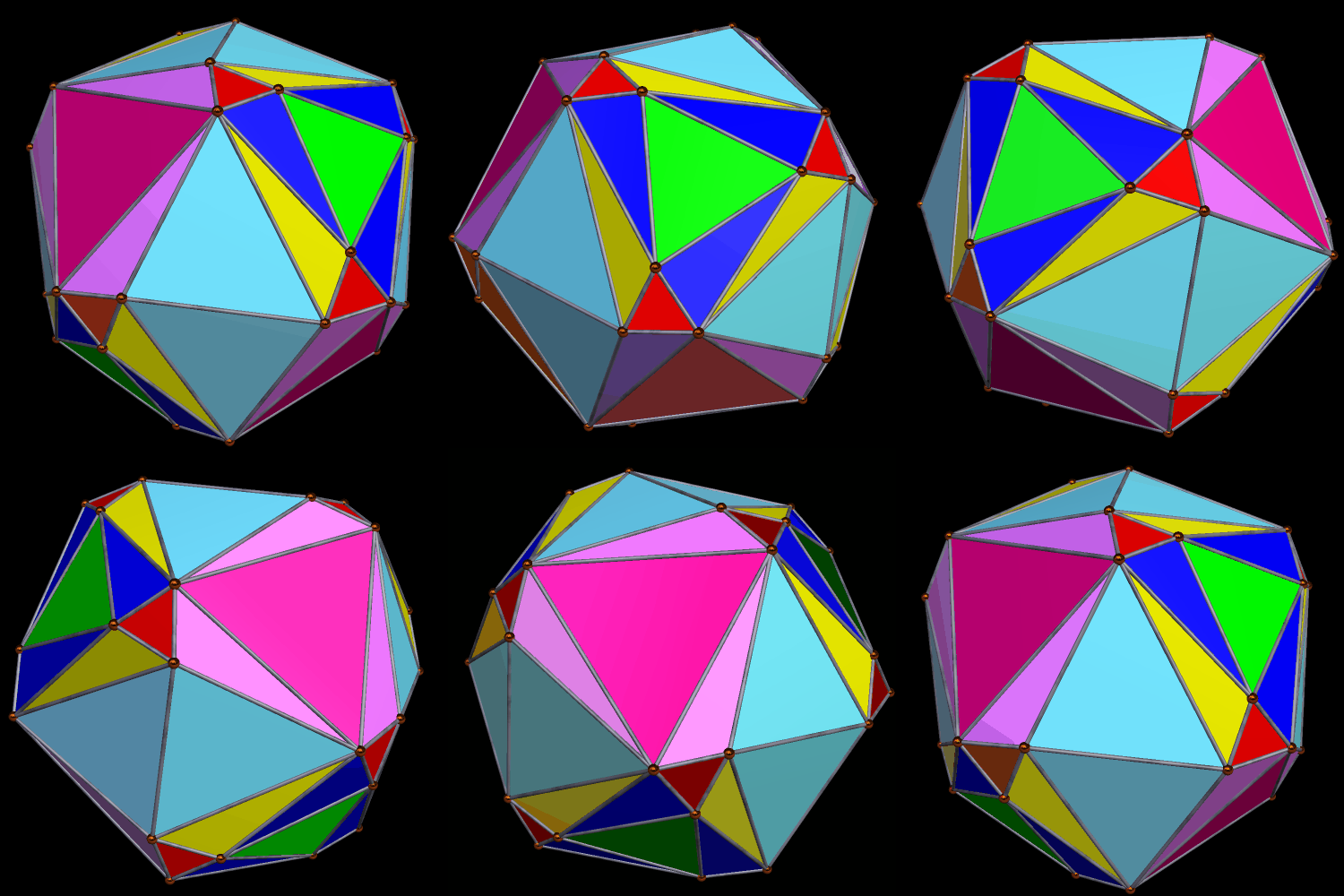
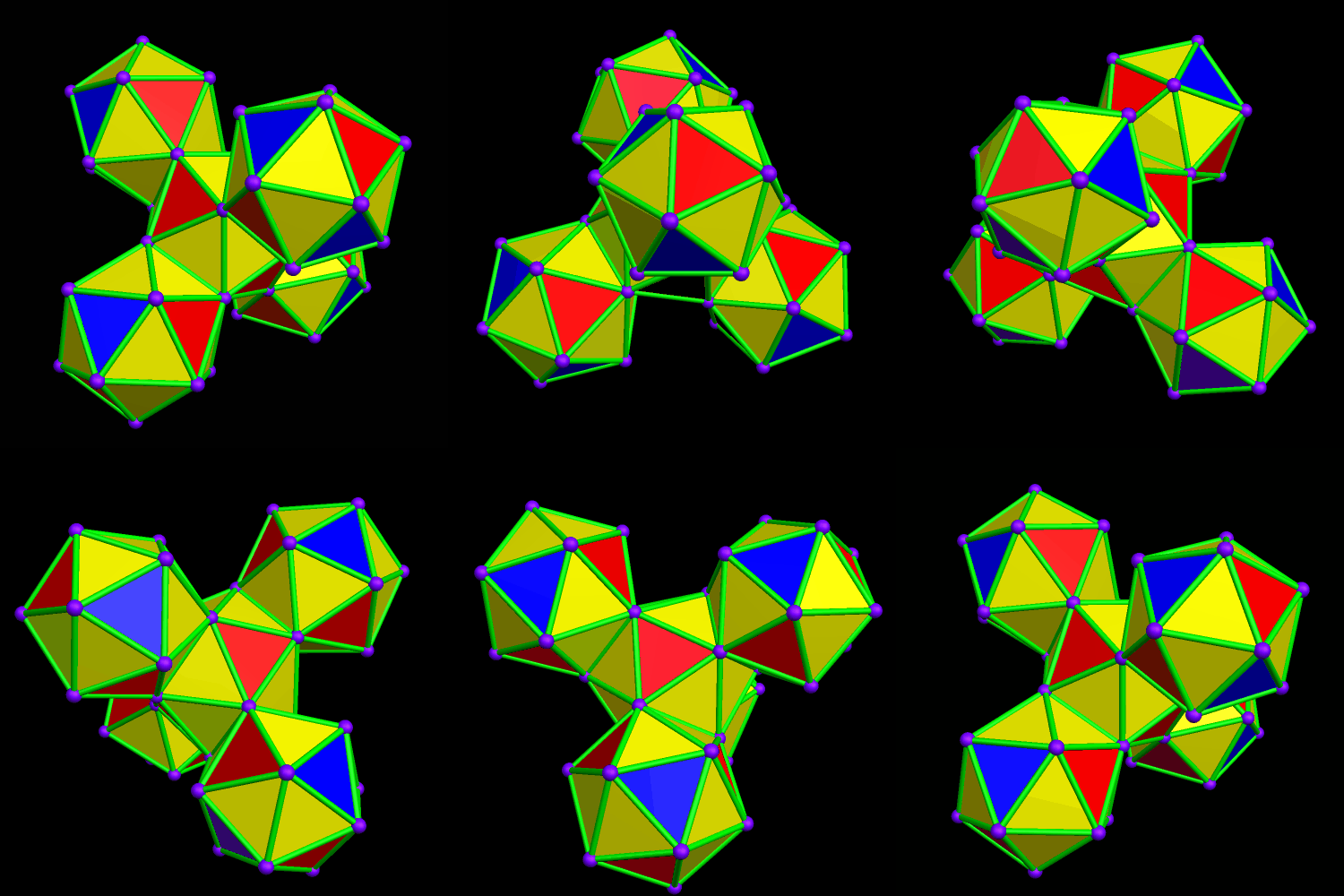
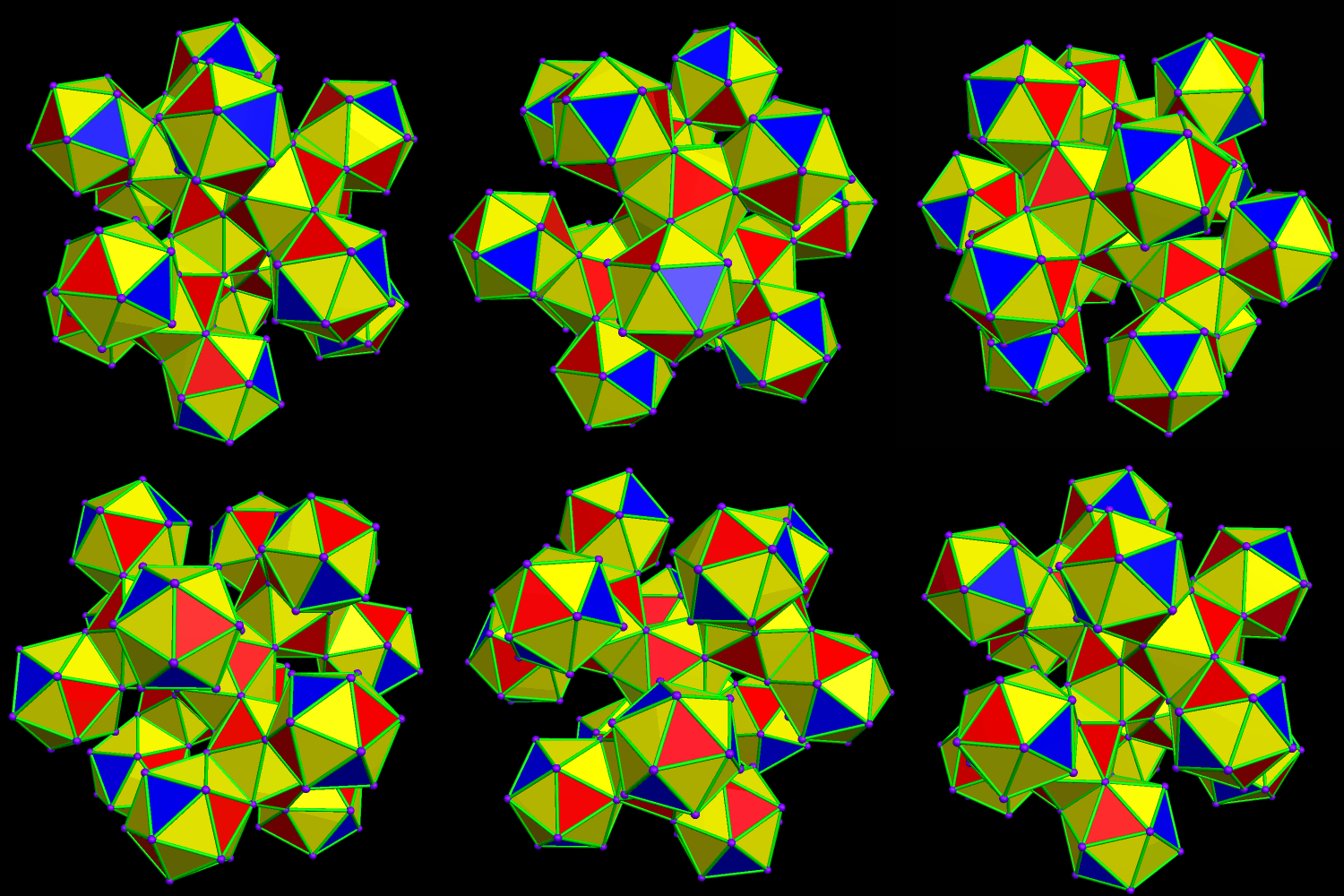
In the post directly before this one, the third image was an icosahedral cluster of icosahedra. Curious about what its convex hull would look like, I made it, and thereby saw the first polyhedron I have encountered which has 68 triangular faces.

Still curious, I next examined this polyhedron’s dual. The result was an unusual 36-faced polyhedron, with a dozen irregular heptagons, and two different sets of a dozen irregular pentagons.

Stella 4d (the program I used to make all these images), which is available at http://www.software3d.com/Stella.php, has a “try to make faces regular” function, and I tried to use it on this 36-faced polyhedron. When making the faces regular is not possible, as was the case this time, it sometimes produce surprising results — and this turned out to be one of these times.
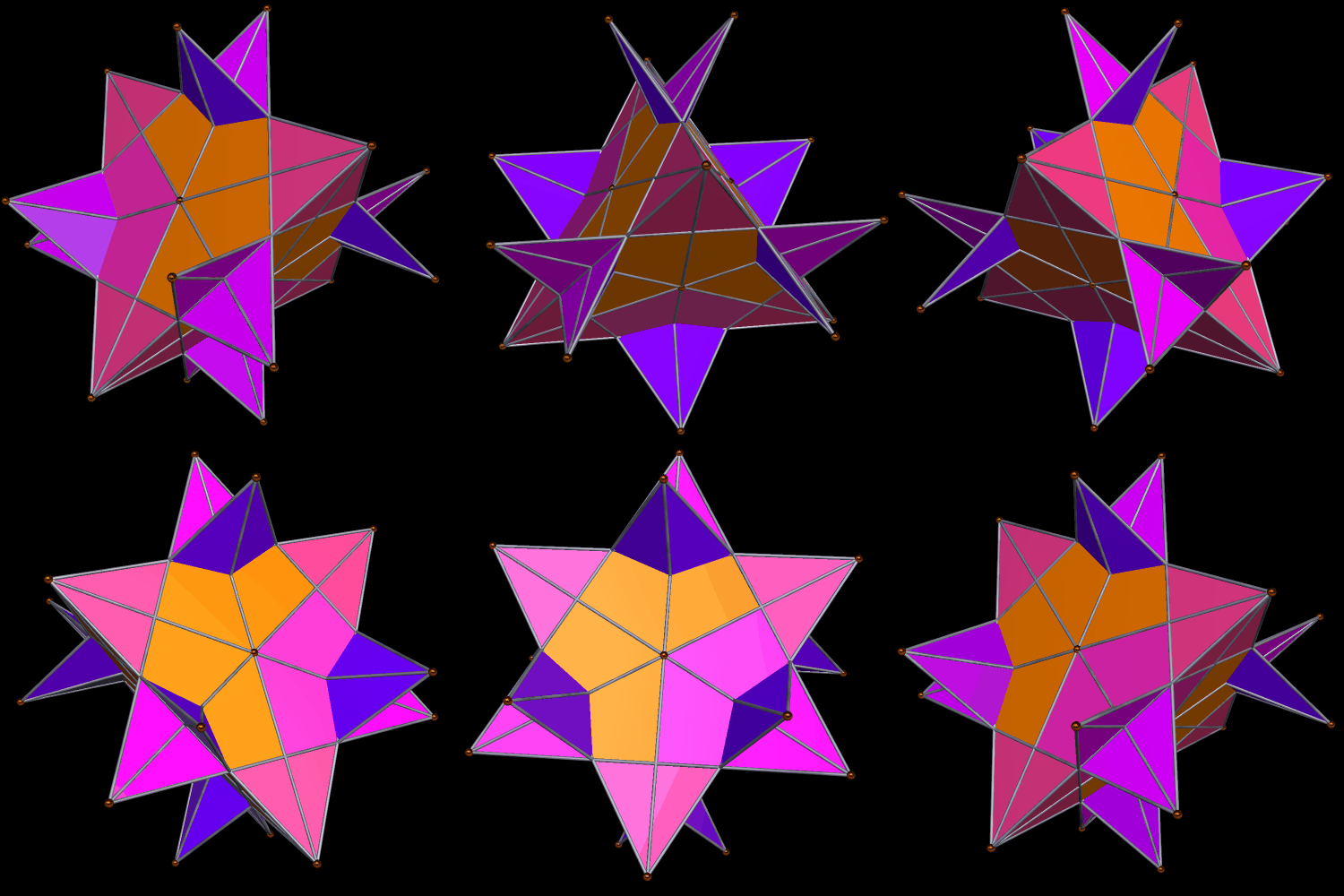
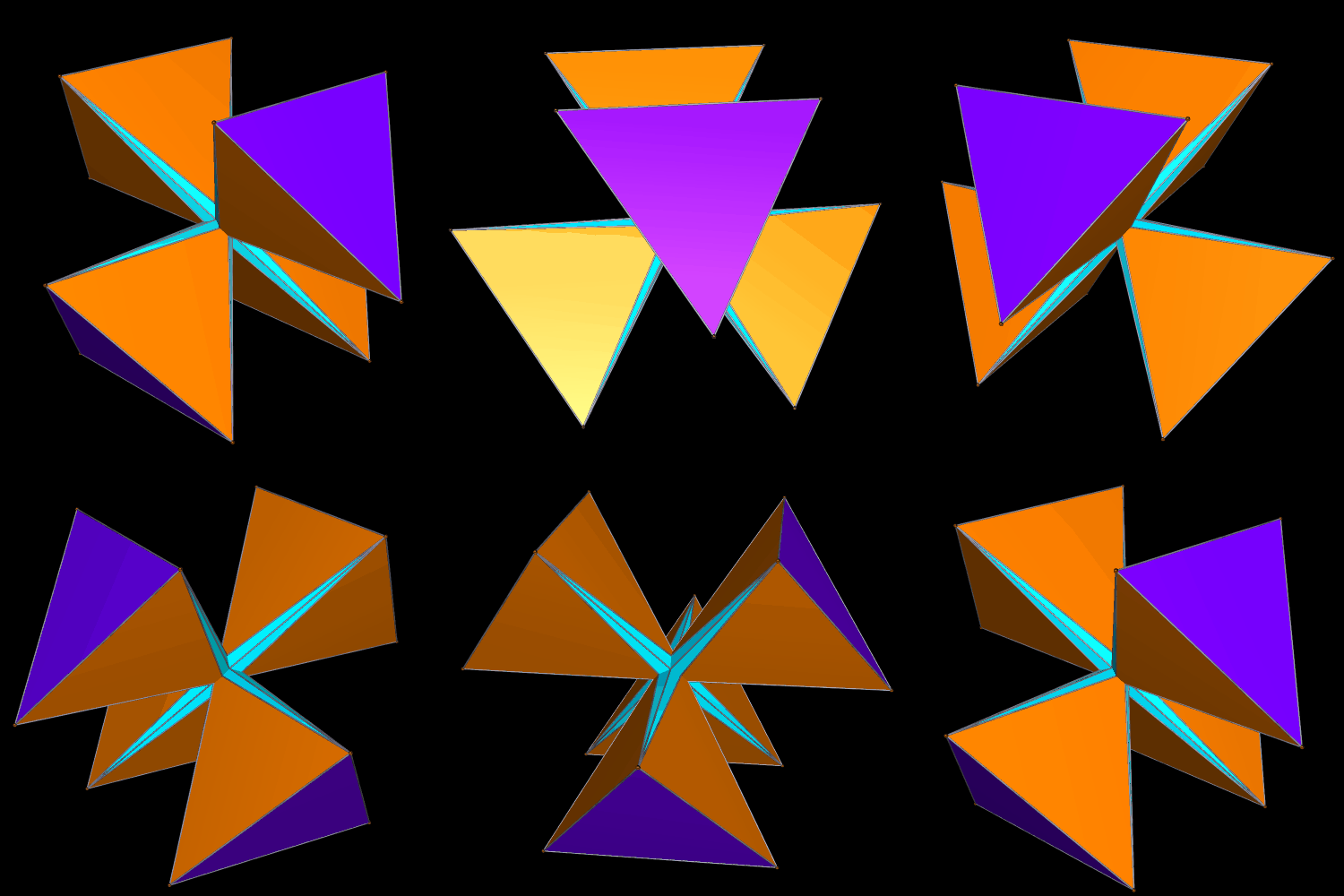
The next thing I did was to examine the dual of this latest polyhedron. The result, a cluster of tetrahedra and triangles, was completely unexpected.
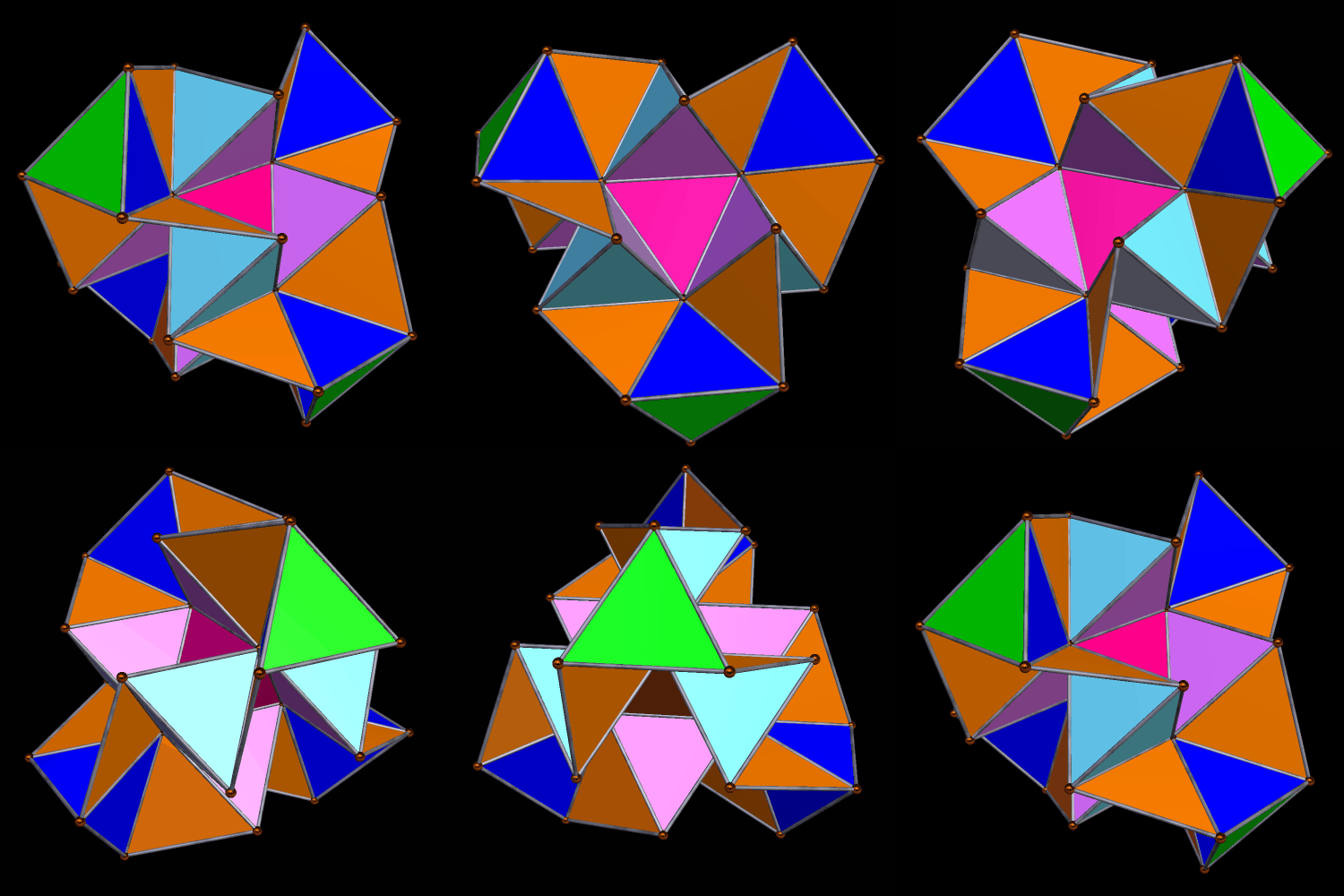
The next alteration I performed was to create the convex hull of this cluster of triangles and tetrahedra.
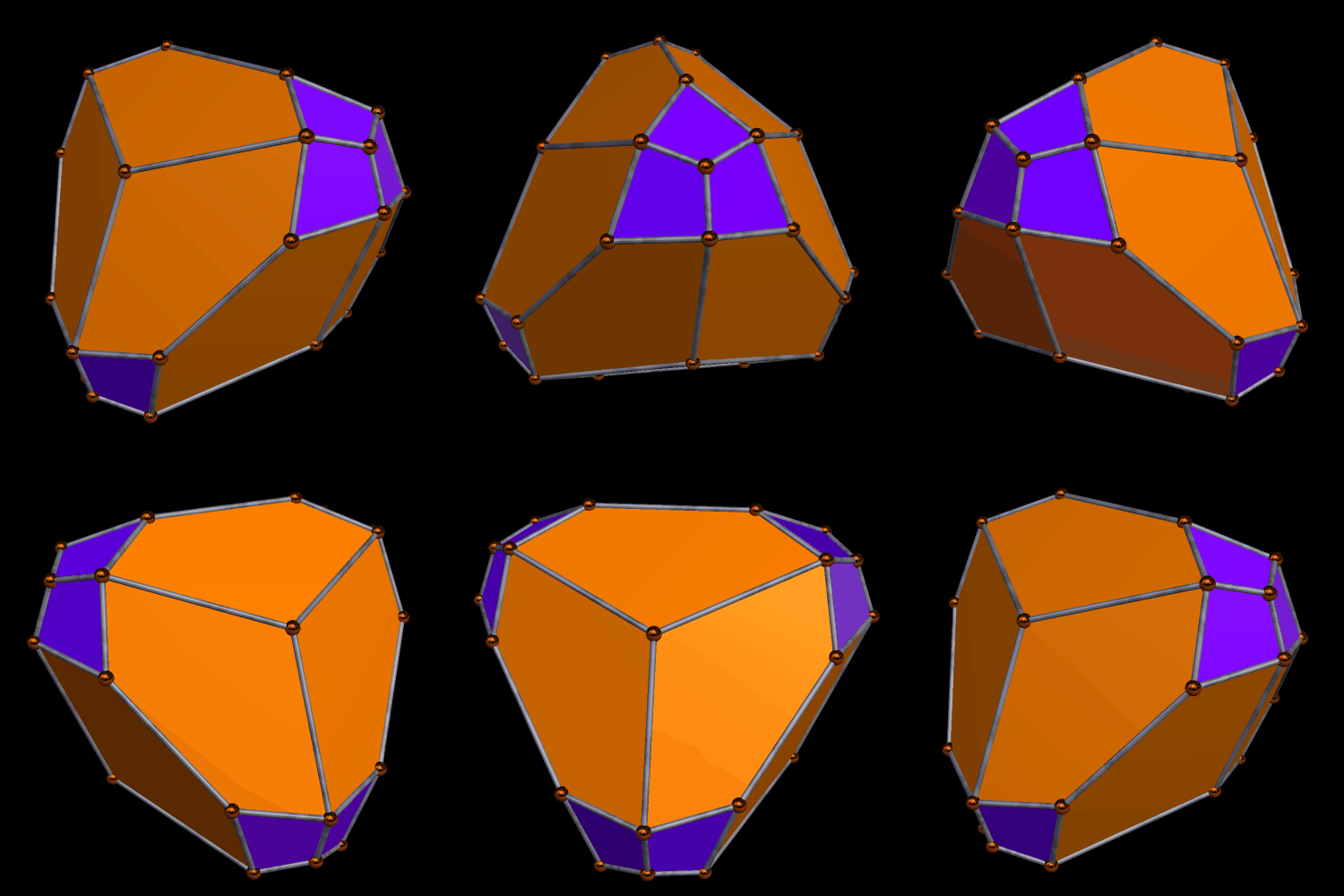
Having seen that, I wanted to see its dual, so I made it. It turned out to have a dozen faces which are kites, plus another dozen which are irregular pentagons.

Next, I tried the “try to make faces regular” function again — and, once more, was surprised by the result.
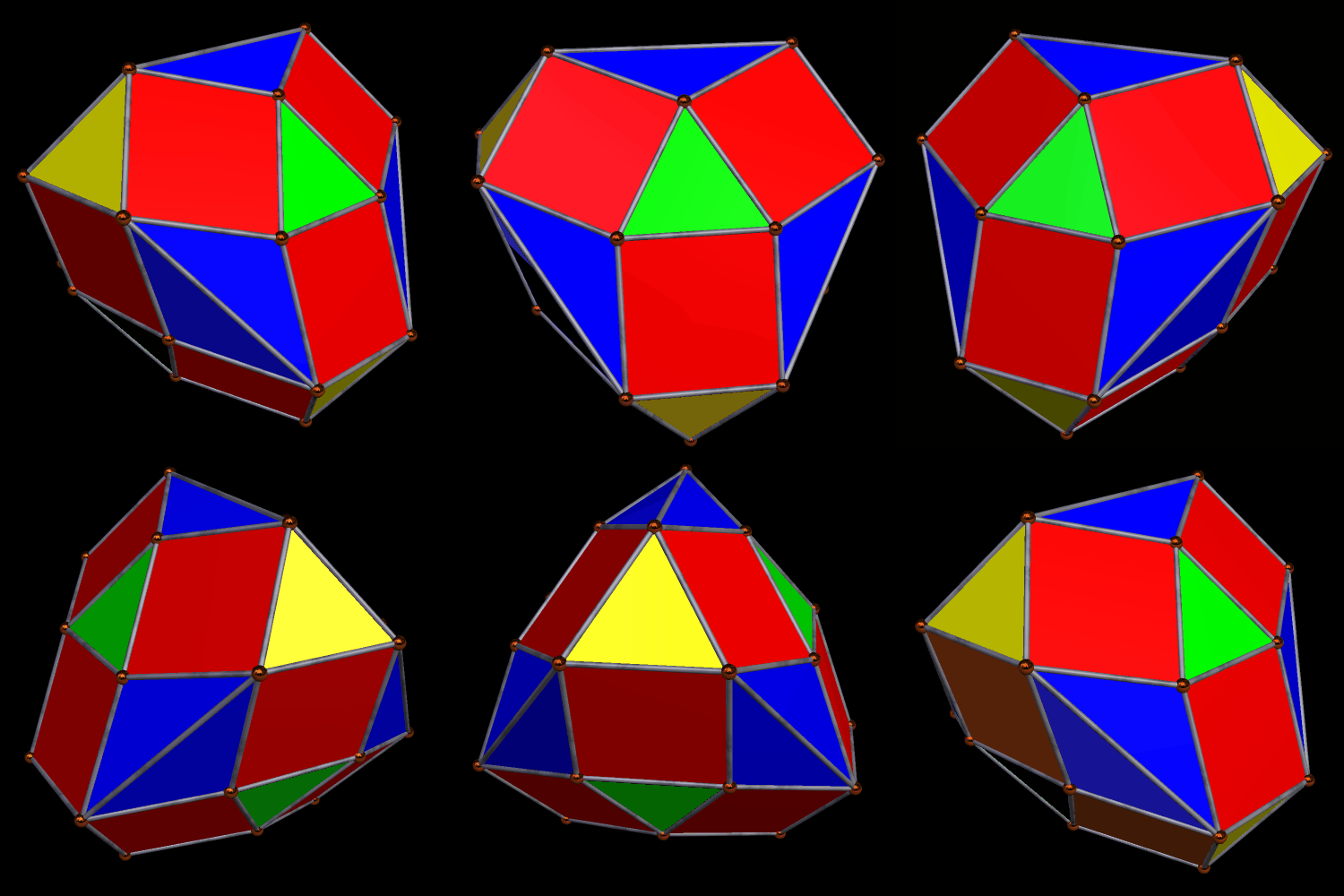
Out of curiosity, I then created this latest polyhedron’s convex hull. It turned out to have four faces which are equilateral triangles, a dozen other faces which are isosceles triangles, and a dozen faces which are irregular pentagons.

Next, I created the dual of this polyhedron, and it turns out to have faces which, while not identical, can be described the same way: four equilateral triangles, a dozen other isosceles triangles, and a dozen irregular pentagons — again. To find such similarity between a polyhedron and its dual is quite uncommon.
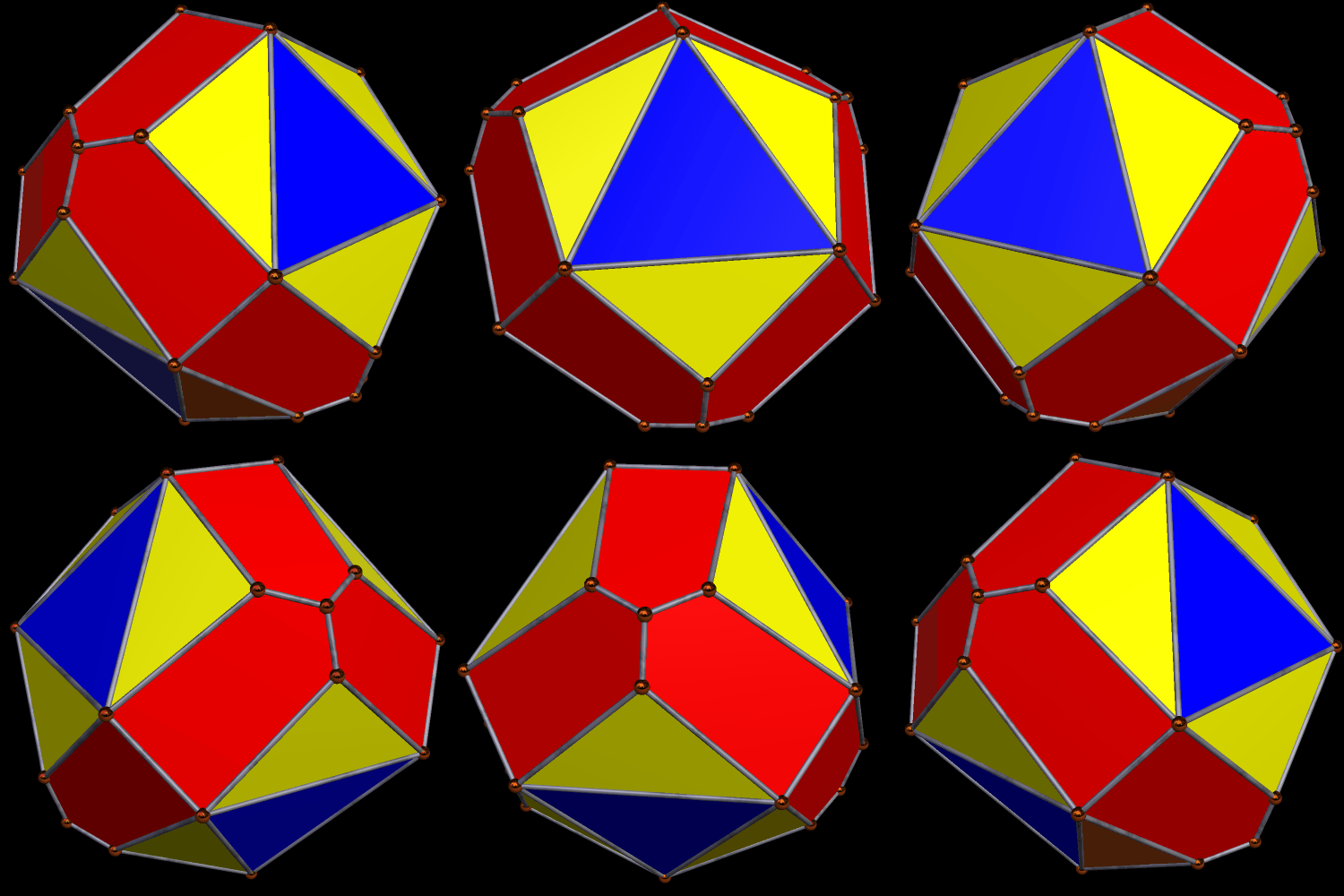
I next attempted the “try to make faces regular” function, once more. Stella 4d, this time, was able to make the pentagons regular, and the triangles which were already regular stayed that way, as well. However, to accomplish this, the twelve other isosceles triangles not only changed shape a bit, but also shifted their orientation inward, making the overall result a non-convex polyhedron.
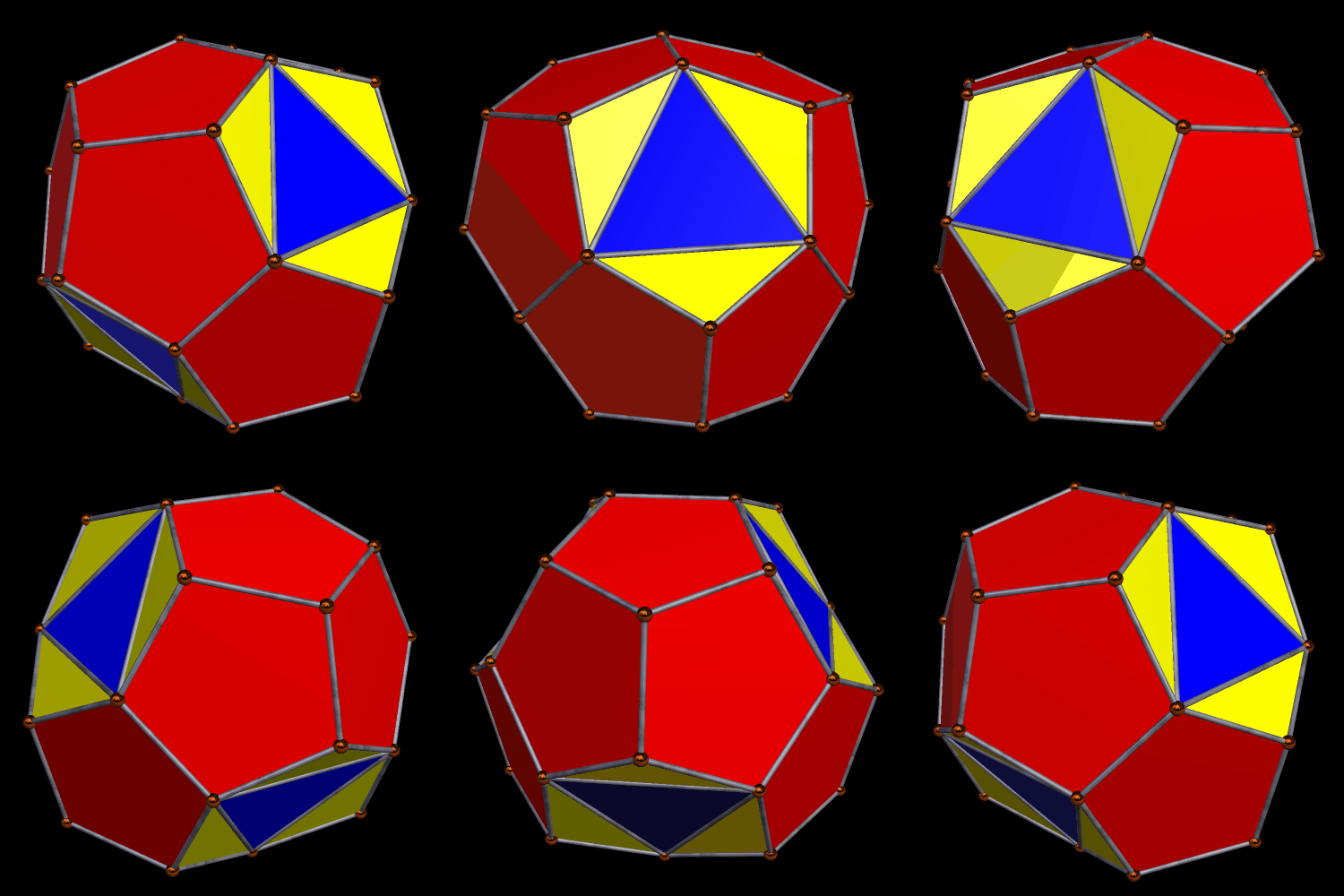
Having a non-convex polyhedron on my hands, the next step was obvious: create its convex hull. One more, I saw a polyhedron with faces which were four equilateral triangles, a dozen other isosceles triangles, and a dozen regular pentagons.

I then created the dual of this polyhedron, and, again, found myself looking at a polyhedron with, as faces, a dozen irregular pentagons, a dozen identical isosceles triangles, and four regular triangles. However, the arrangement of these faces was noticeably different than before.
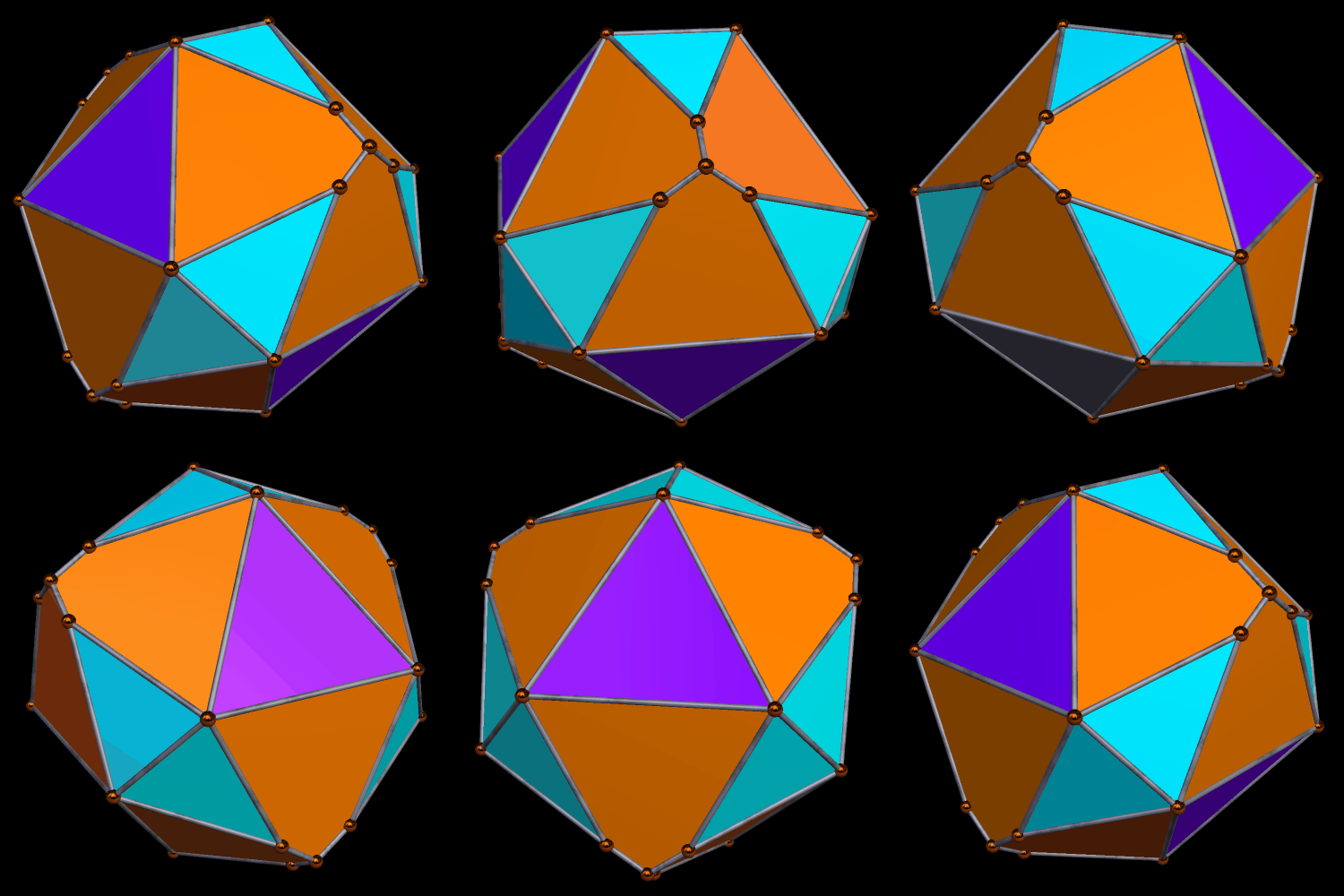
Given this difference in face-arrangement, I decided, once more, to use the “try to make faces regular” function of Stella 4d. The results were, as before, unexpected.

Next, I created this latest polyhedron’s dual.

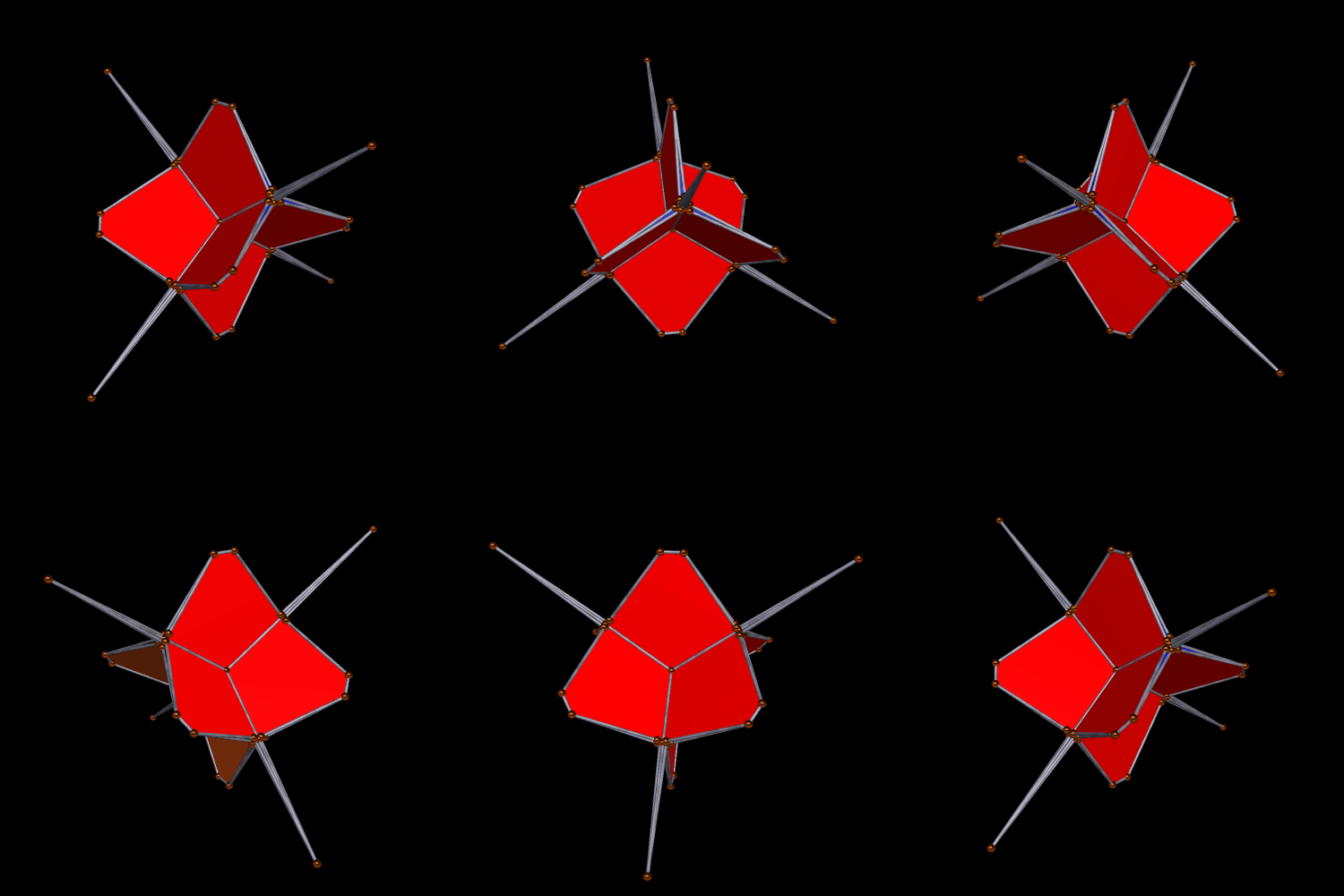
At no point in this particular “polyhedral journey,” as I call them, had I used stellation — so I decided to make that my next step. After stellating this last polyhedron 109 times, I found this:

I then created the dual of this polyhedron. The result, unexpectedly, had a cuboctahedral appearance.
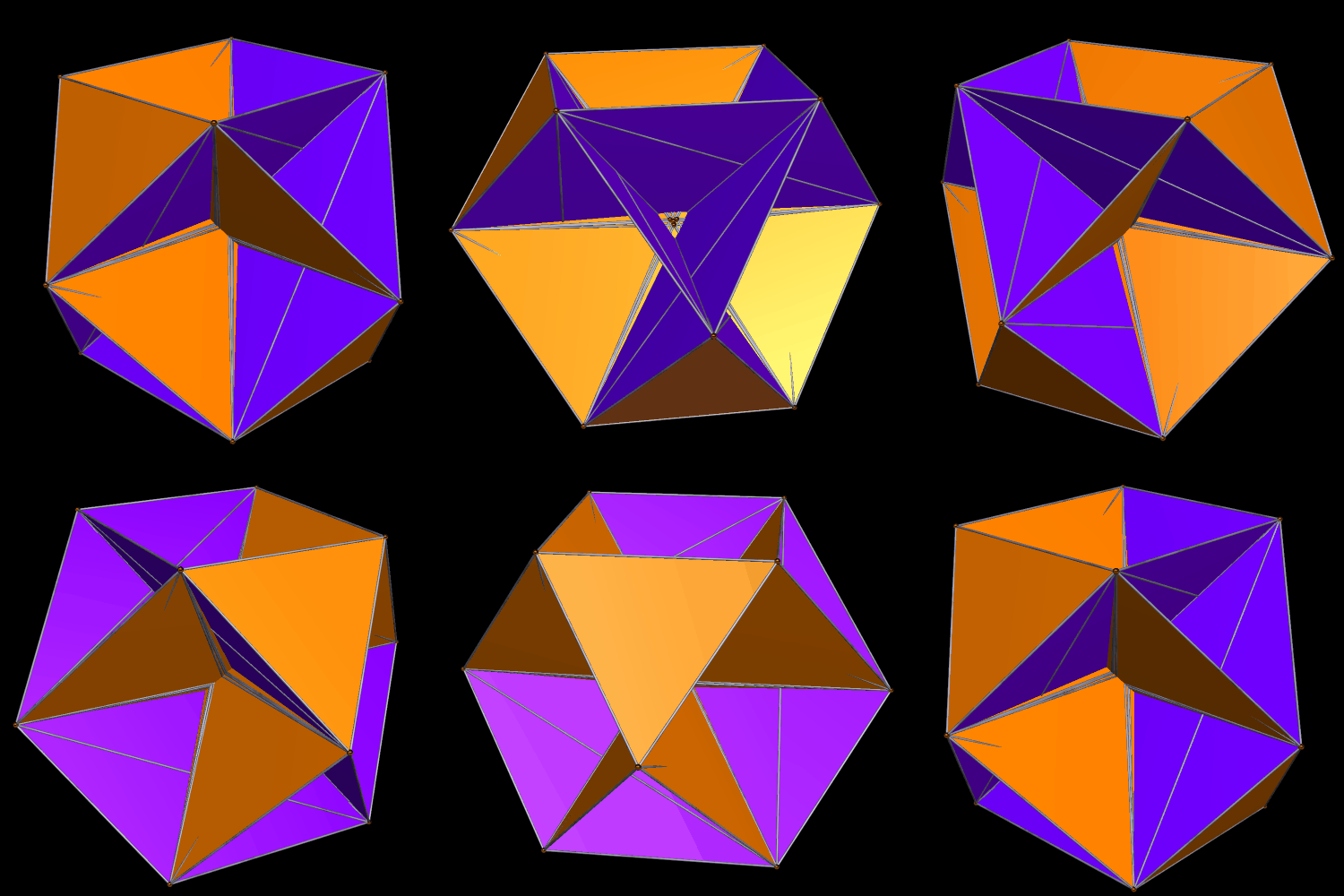
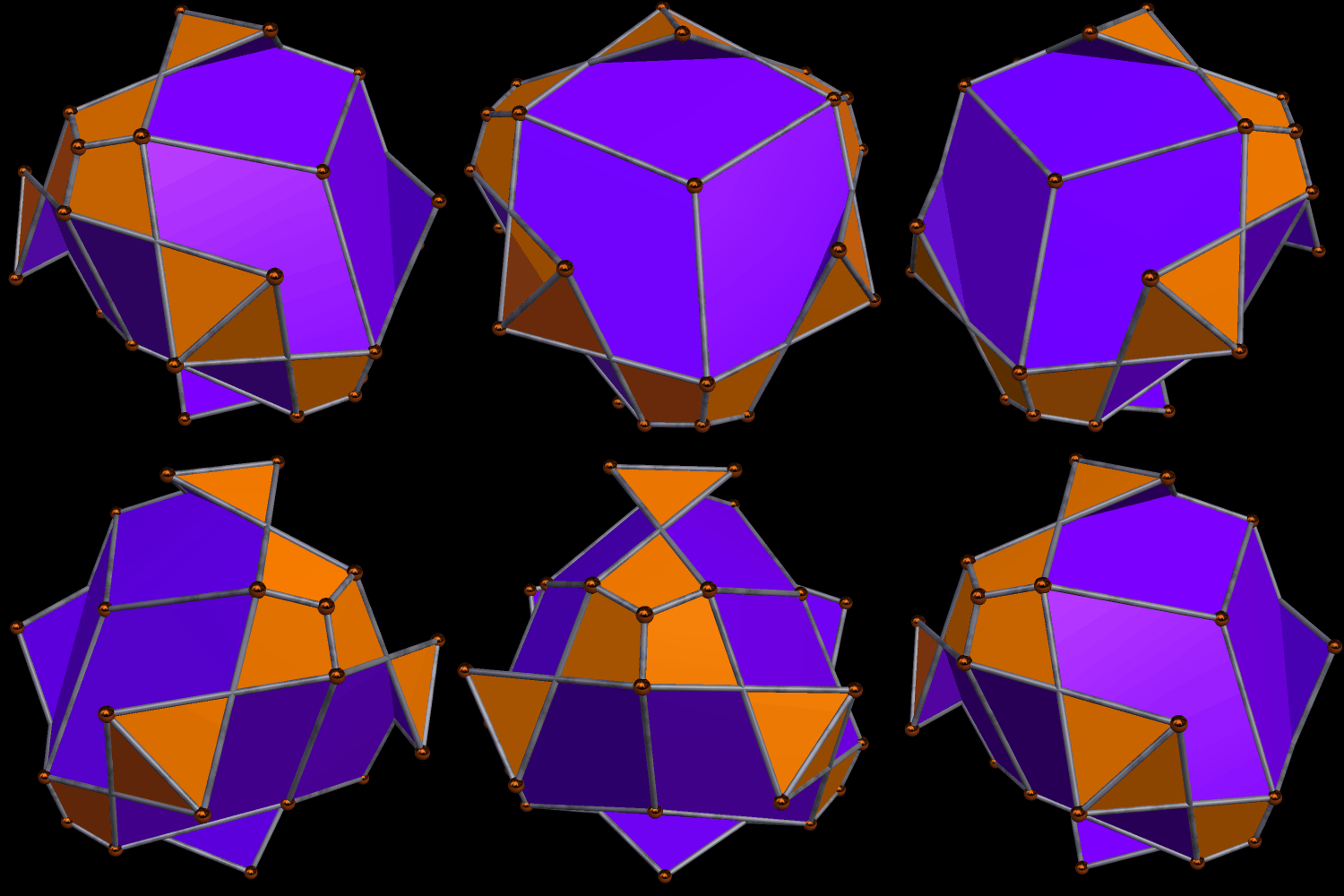
A single stellation of this latest polyhedron radically altered its appearance.
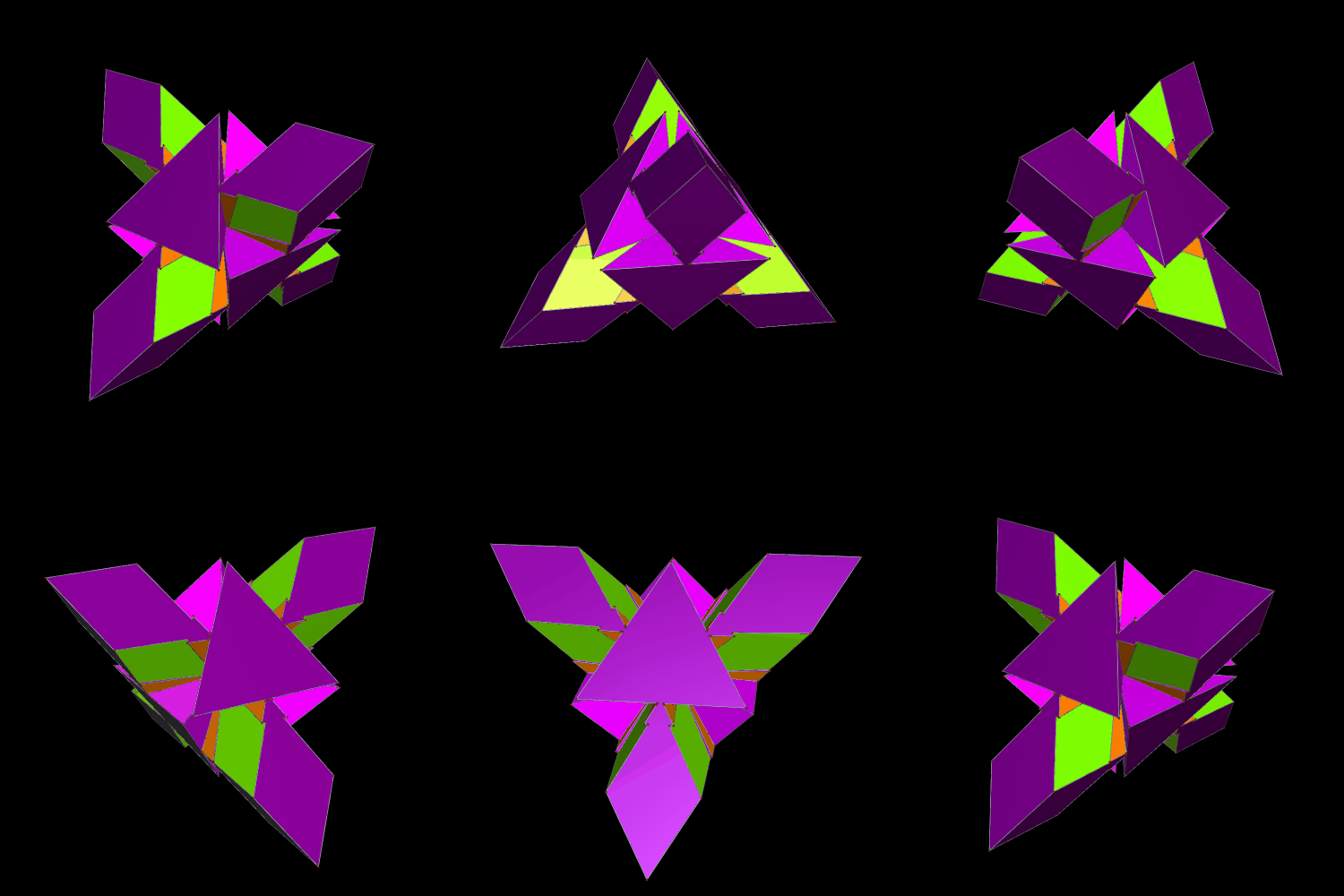
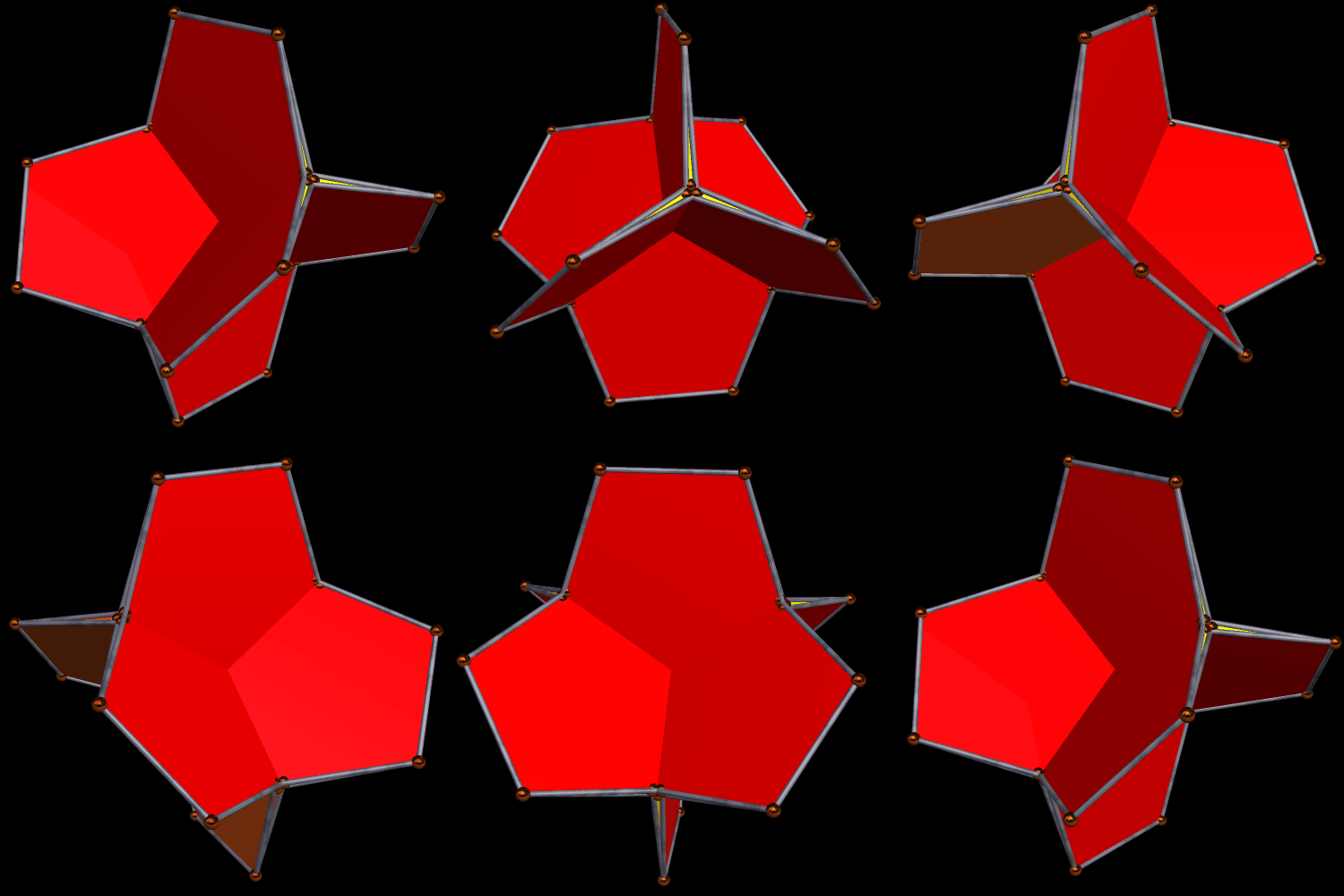
My next step was to create the dual of this polyhedron.
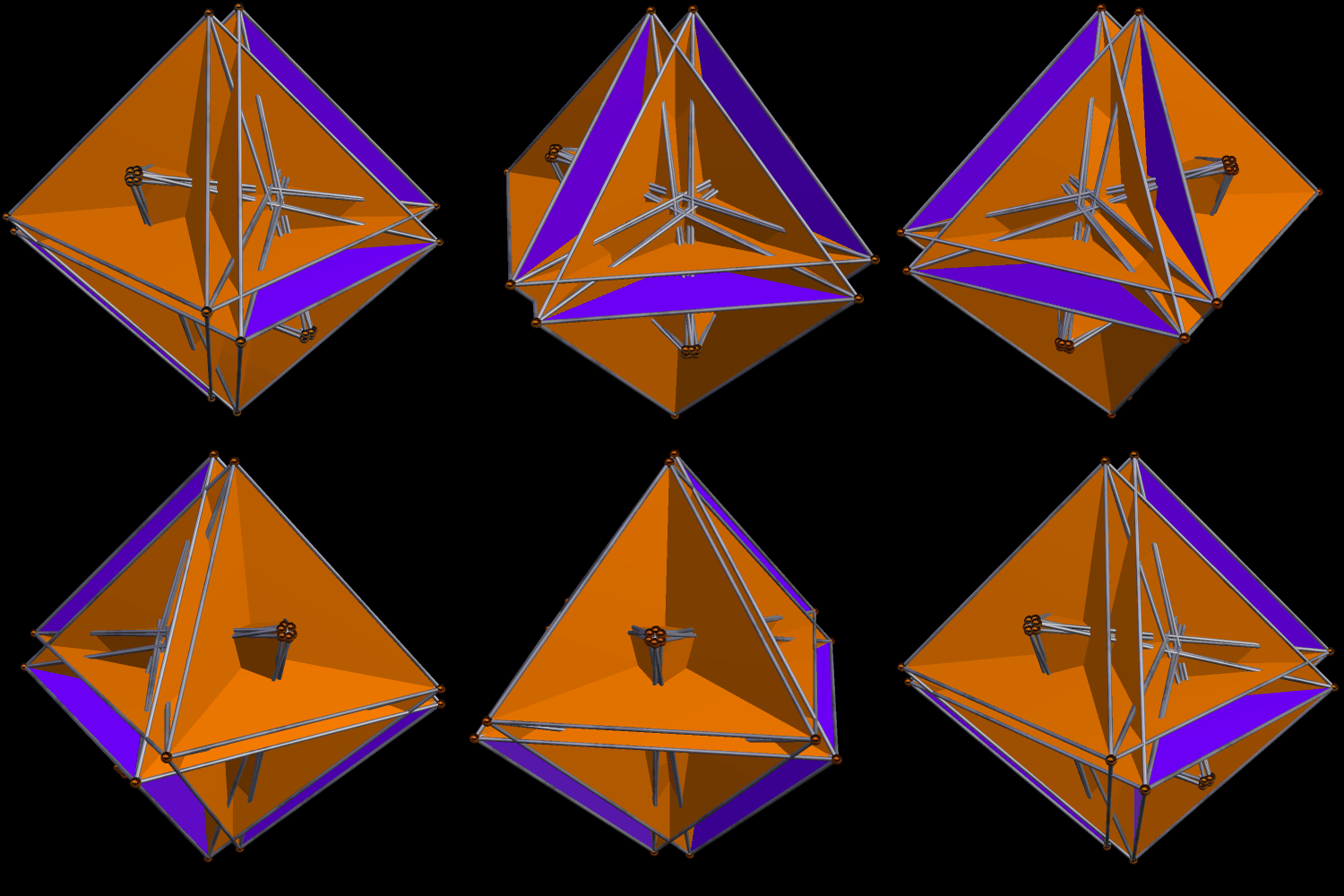
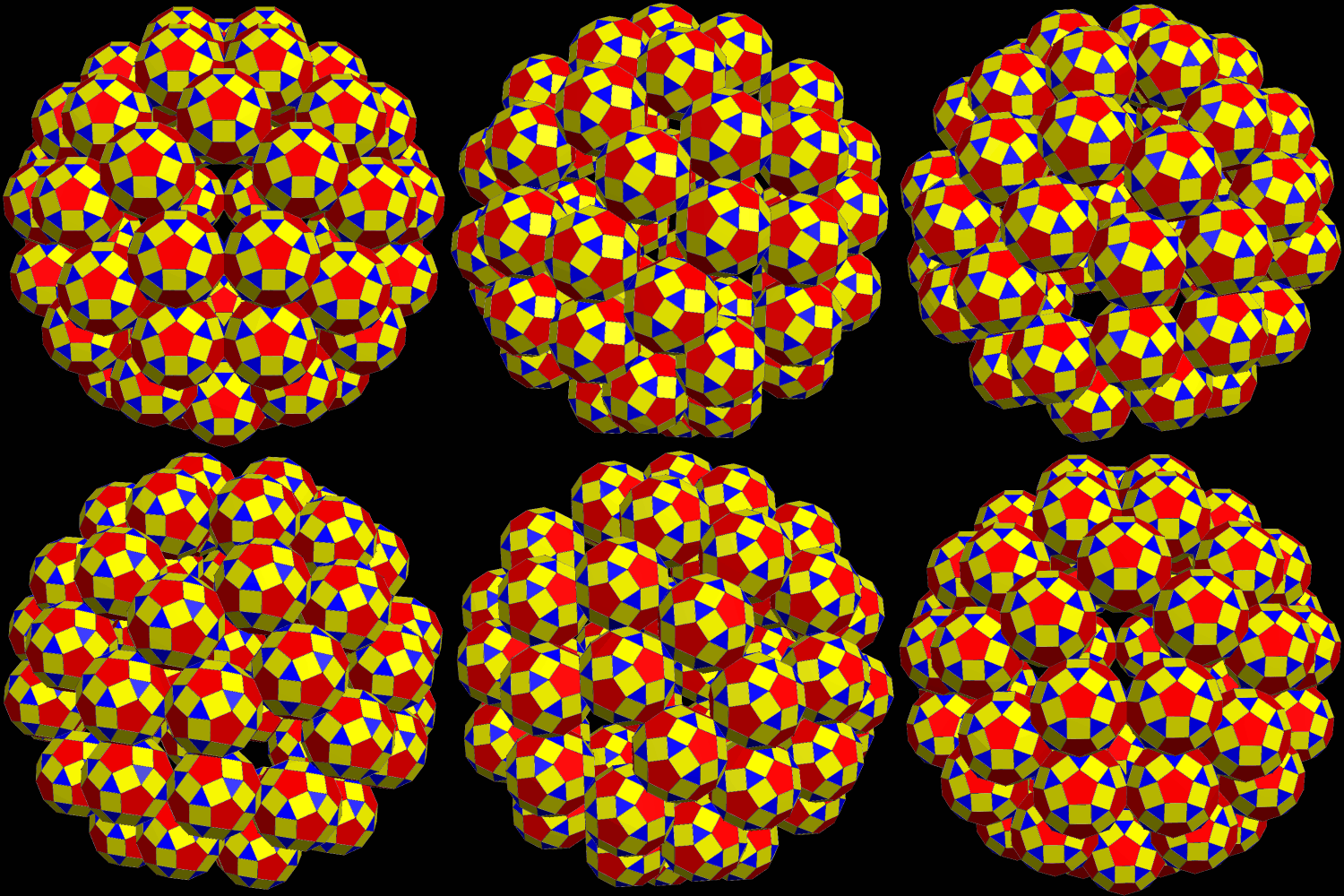
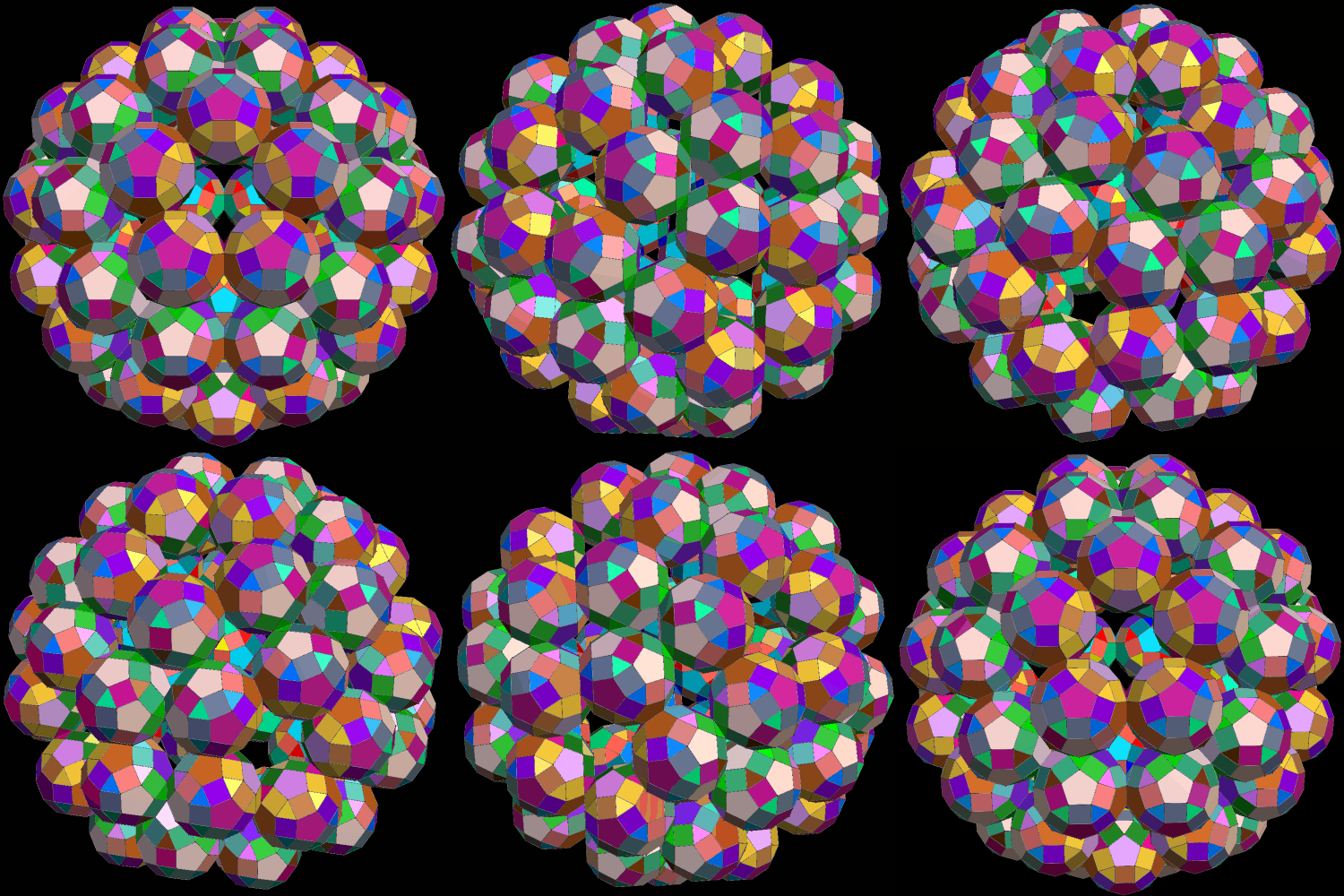
This seemed like a good place to stop, and so I did.









 RobertLovesPi.net