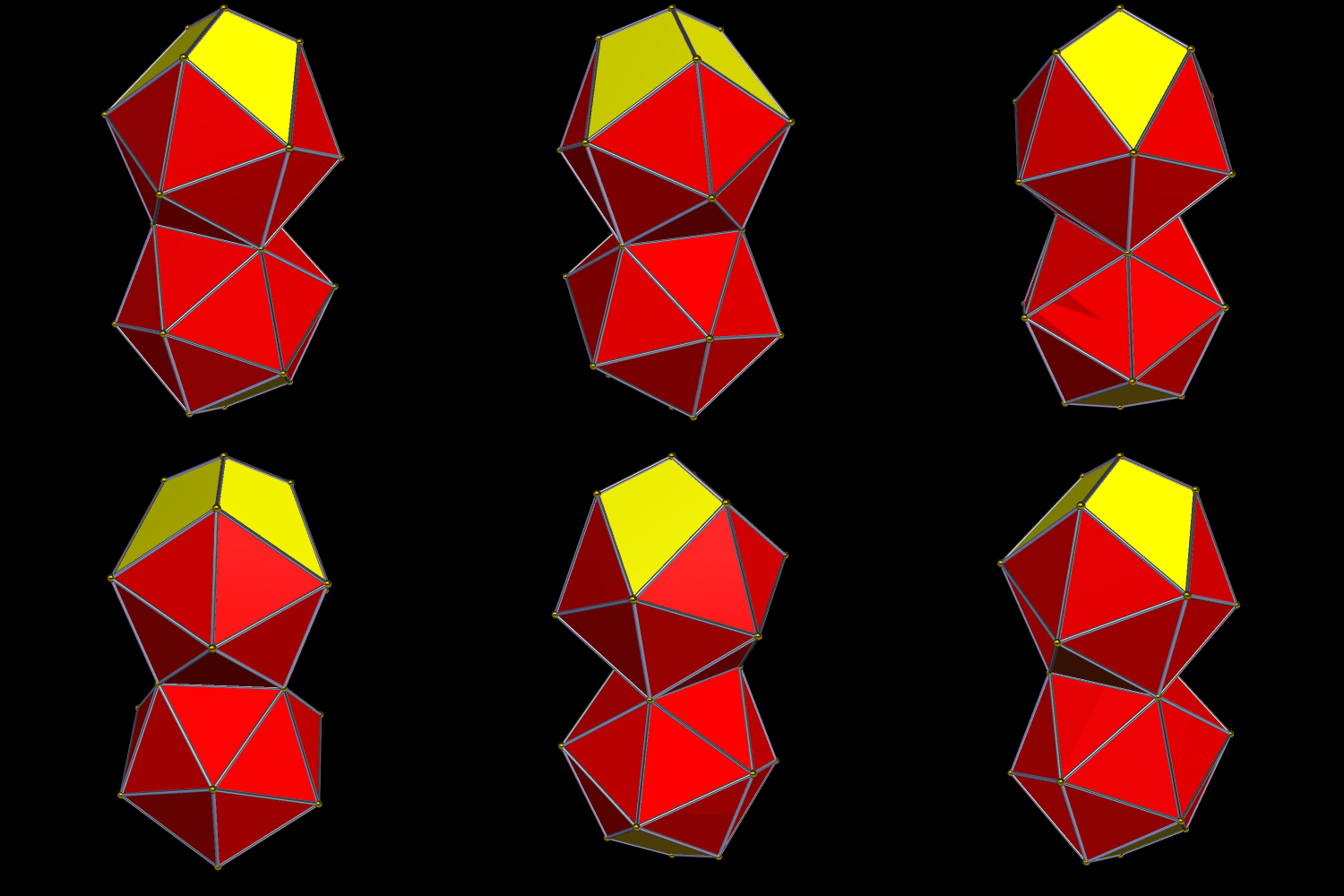
The double icosahedron is simply an icosahedron, augmented on a single face by a second icosahedron. I thought it might be interesting to explore some transformations of this solid, using Stella 4d: Polyhedron Navigator (available here), and I was not disappointed. I used Stella to produce all the images in this post.

It is well-known that the dual of the icosahedron is another Platonic solid, the dodecahedron. Naturally, I wanted to see the double icosahedron’s dual, and here it is — a simple operation for Stella. This dual resembles a dodecahedron in its center, but gets more unusual-looking as one moves further out from its core.
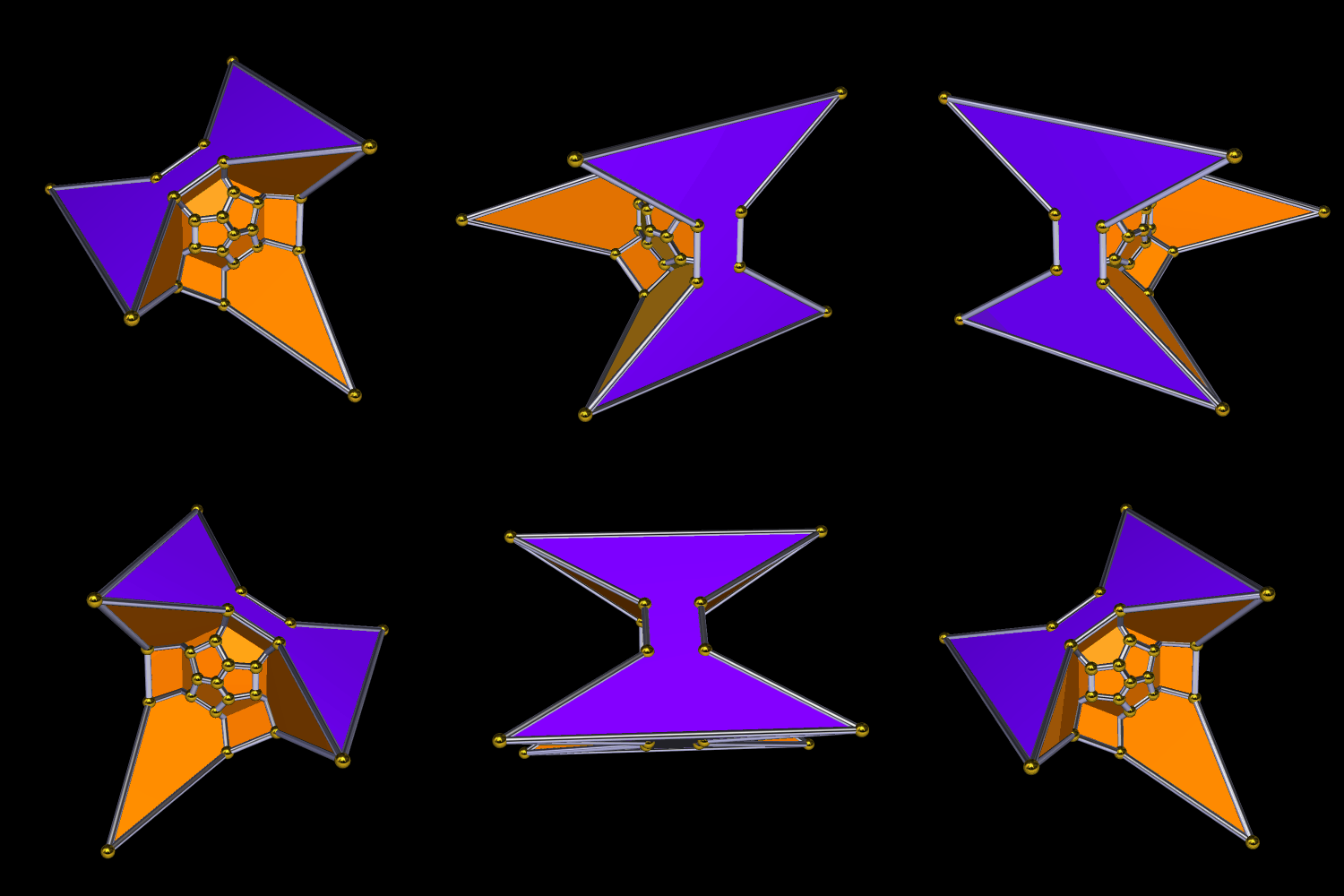
I next examined stellations of the double icosahedron, but did not find any which seemed attractive enough to post, until I saw its sixteenth stellation, which features six kites as faces, in sets of three, on opposite sides of the solid.
What proved most fruitful was my examination of various zonohedra based on the double icosahedron. Here’s what I found for the zonohedron based on the faces of the double icosahedron: a large number of rhombic faces, with Northern and Southern “hemispheres” separated by an “equator” of hexagonal zonogons.

The next image is the zonohedron based on the edges of the double icosahedron.

The next zonohedron shown is based on the vertices of the double icosahedron.
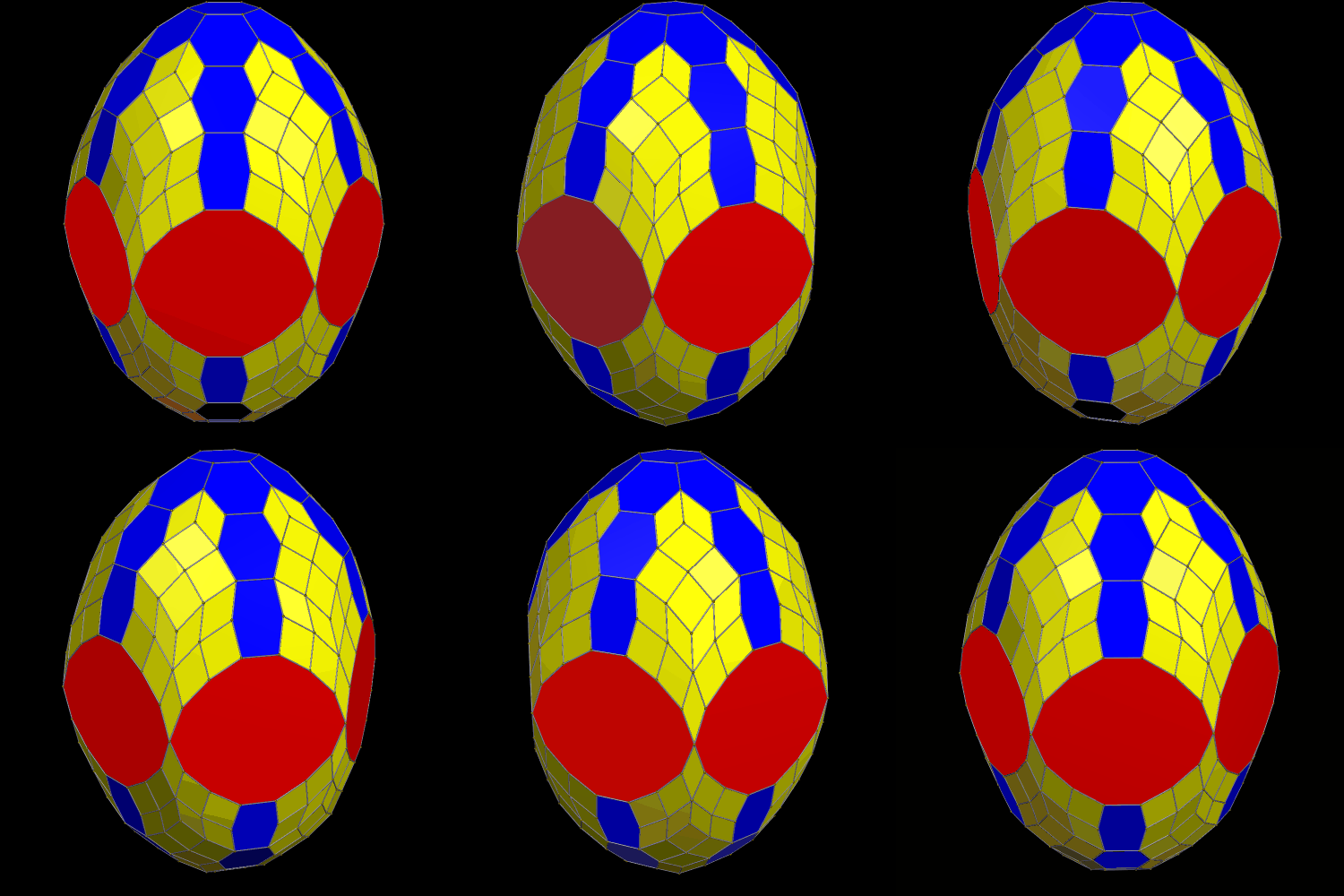
All of these zonohedra have 6-fold dihedral symmetry, while the double icosahedron itself has 3-fold dihedral symmetry. The next image shows the zonohedron based on both the vertices and edges of the double icosahedron.

Zonohedrification based on vertices and faces produces the next zonohedron shown here.

The next logical step was to create a zonohedron based on the double icosahedron’s edges and faces.

Finally, here is the zonohedron based on all three characteristics: the vertices, edges, and faces of the double icosahedron.

 RobertLovesPi.net