I go by RobertLovesPi on-line, and am interested in many things, a large portion of which are geometrical. Welcome to my own little slice of the Internet.
The viewpoints and opinions expressed on this website are my own. They should not be confused with those of my employer, nor any other organization, nor institution, of any kind.
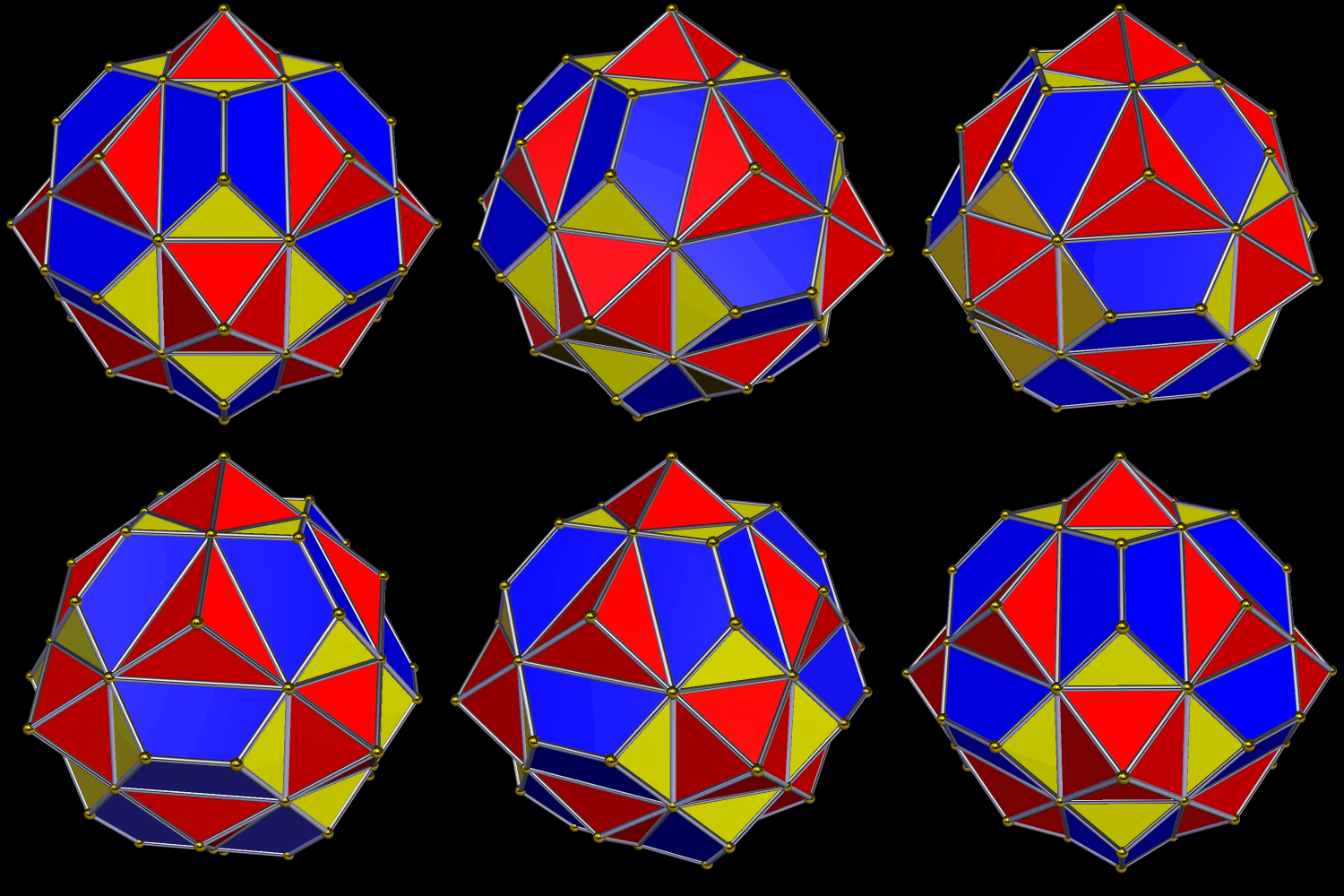
To make this symmetrohedron, I augmented the faces of a rhombic dodecahedron with prisms, then formed the convex hull of the result. All faces except for the red rhombi are regular. This was made using Stella 4d, which you can try for free here.
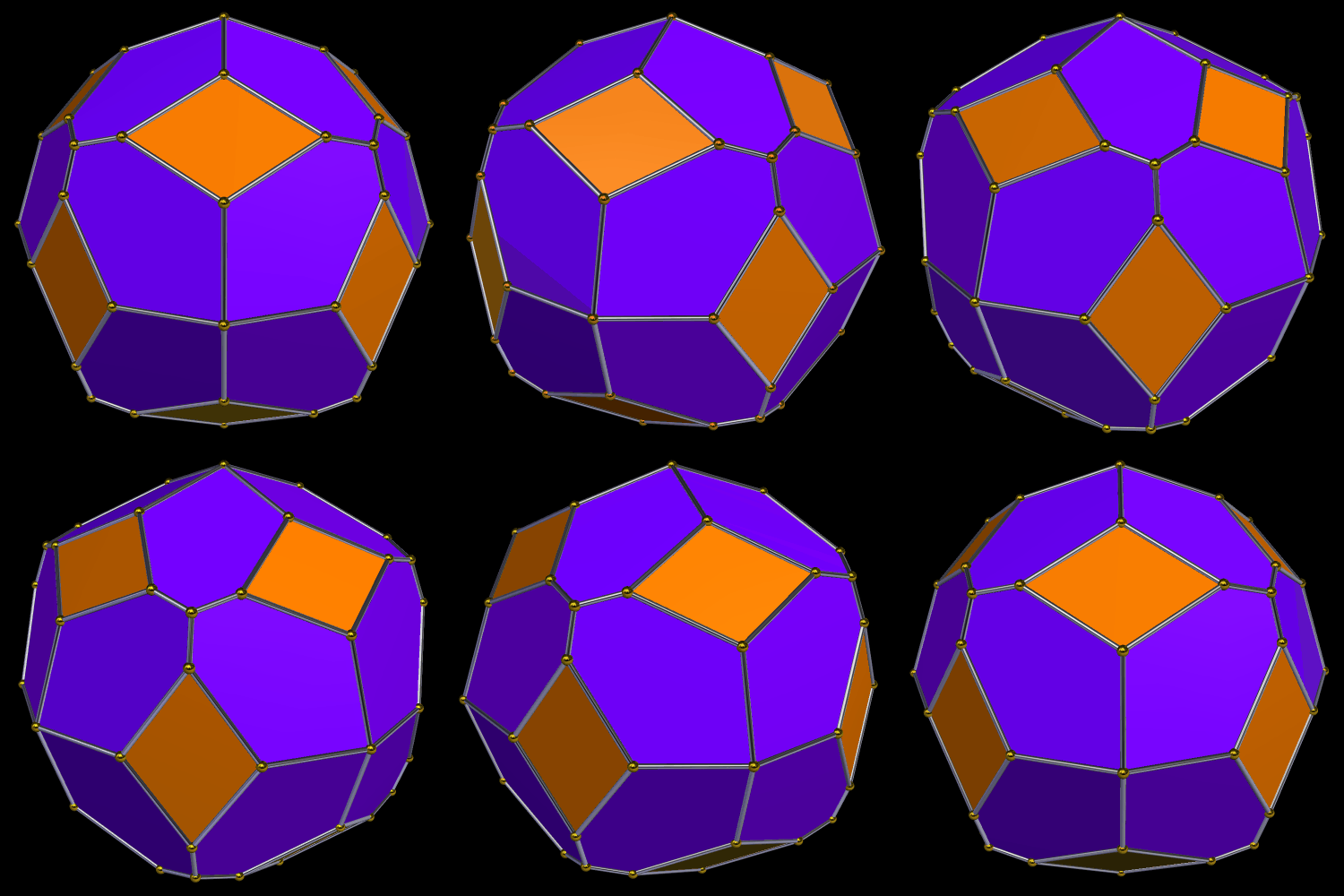
Of the 36 faces of this polyhedron, 12 are rhombi, while the other 24 are irregular hexagons. I made it using Stella 4d, which you can try for free right here.
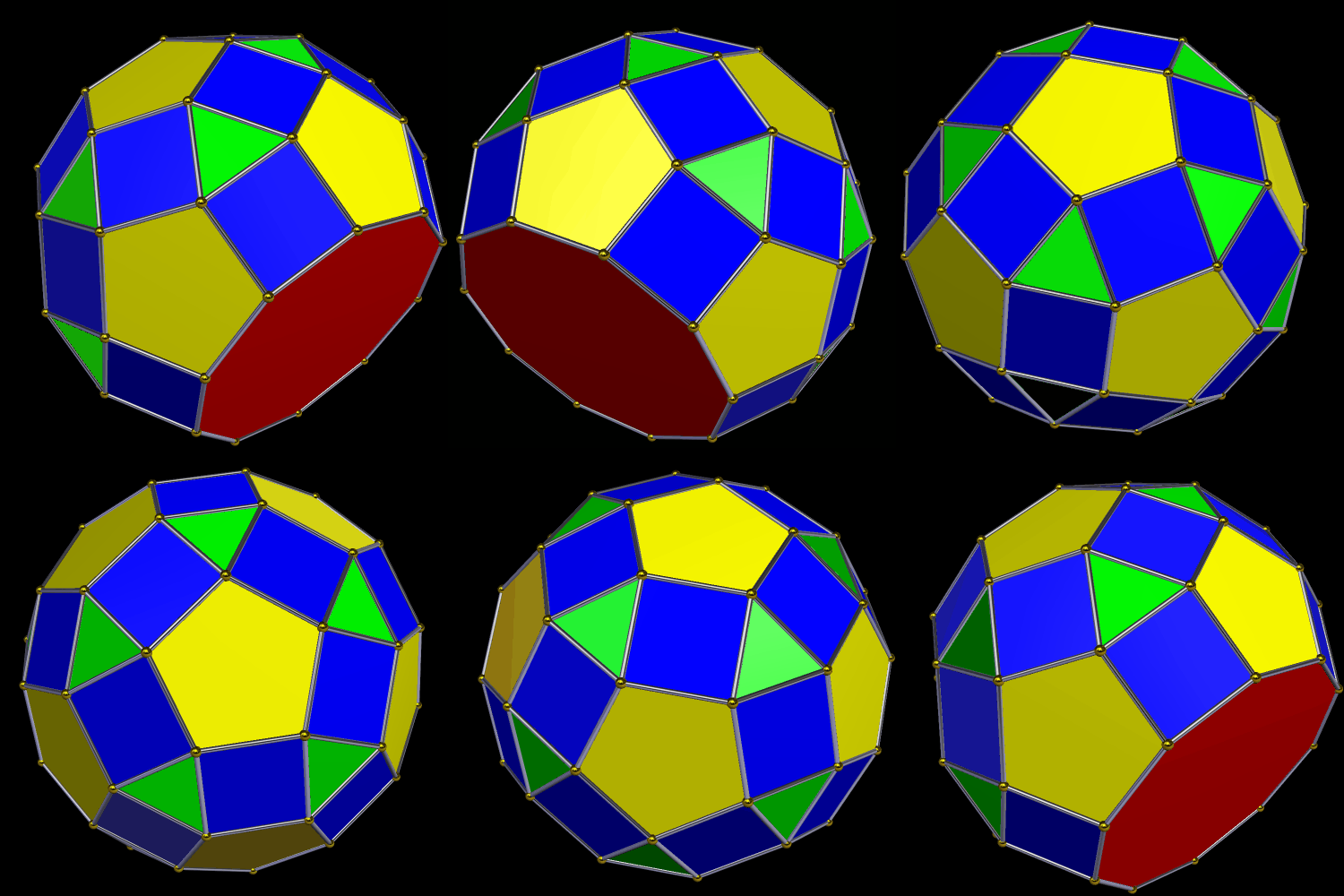
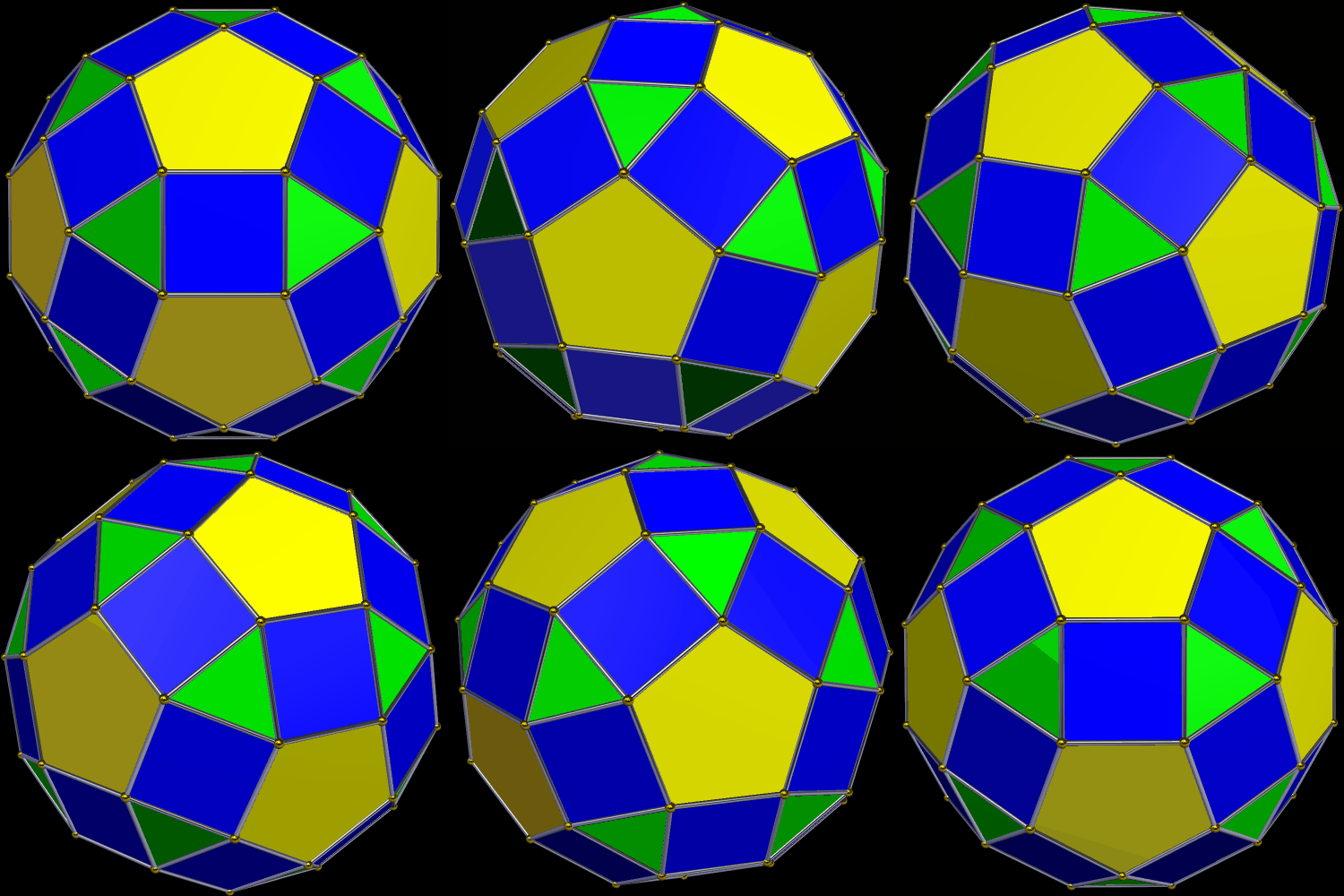
In the two posts right before this one, I’ve been exploring simple structures made of modified rhombicosidodecahedra, and today I’m going to post a much larger, more complex one. Here’s the rhombicosidodecahedron — the original Archimedean solid which started all of this:
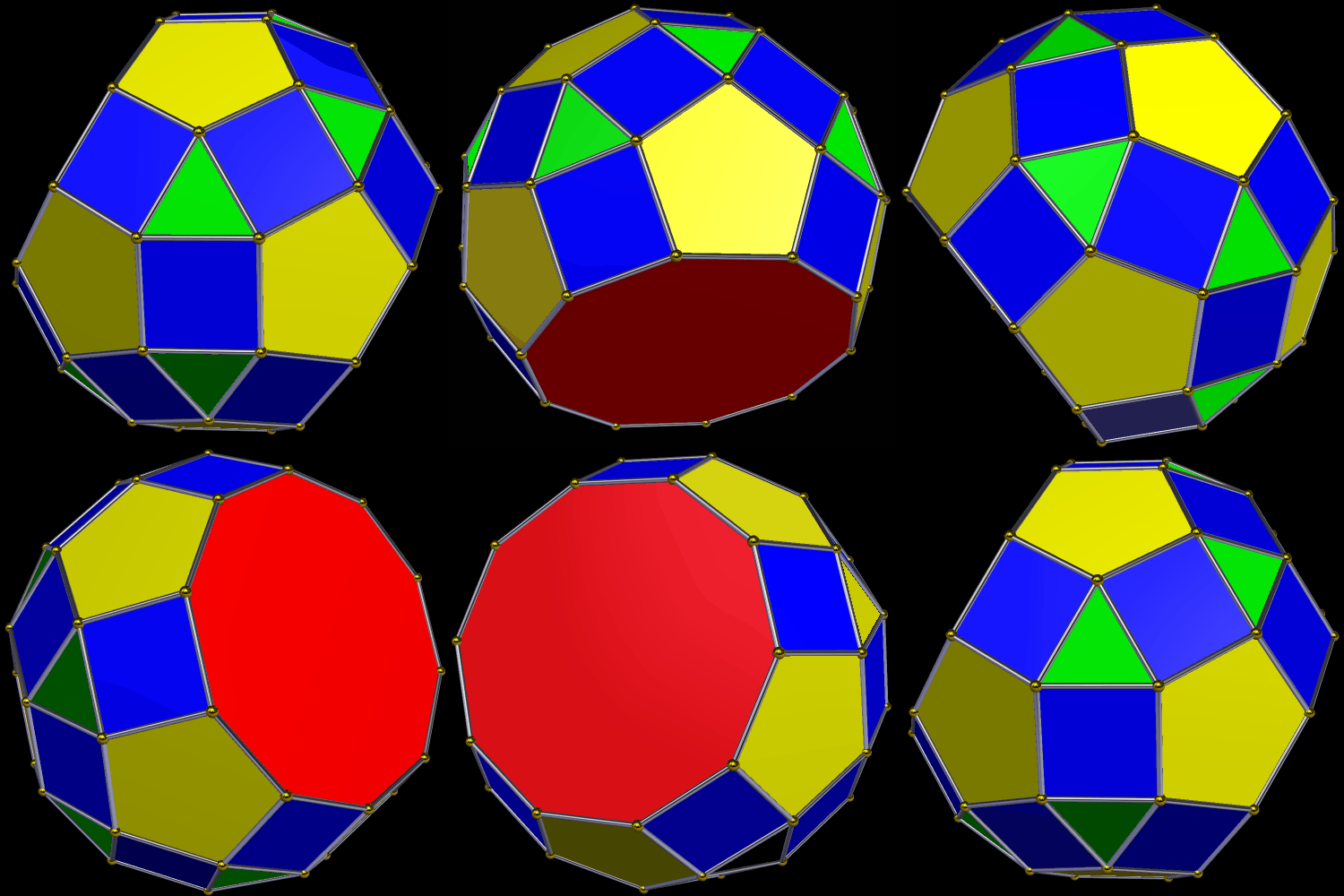
The modified forms of this polyhedron which I’m using as building-blocks are all among the 92 Johnson solids. Here are the two which have already appeared in the last two posts on this blog: the diminished rhombicosidodecahedron (J76) and the parabidiminished rhombicosidodecahedron (J80).
J76
J80
For this new, more ambitious construction, I’m going to need some more pieces, starting with the metabidiminished rhombicosidodecahedron (J81), which will be useful to make angles.
J81
The Johnson solid called the tridiminished rhombicosidodecahedron (J83) can be used to make three-valent vertices.
J83
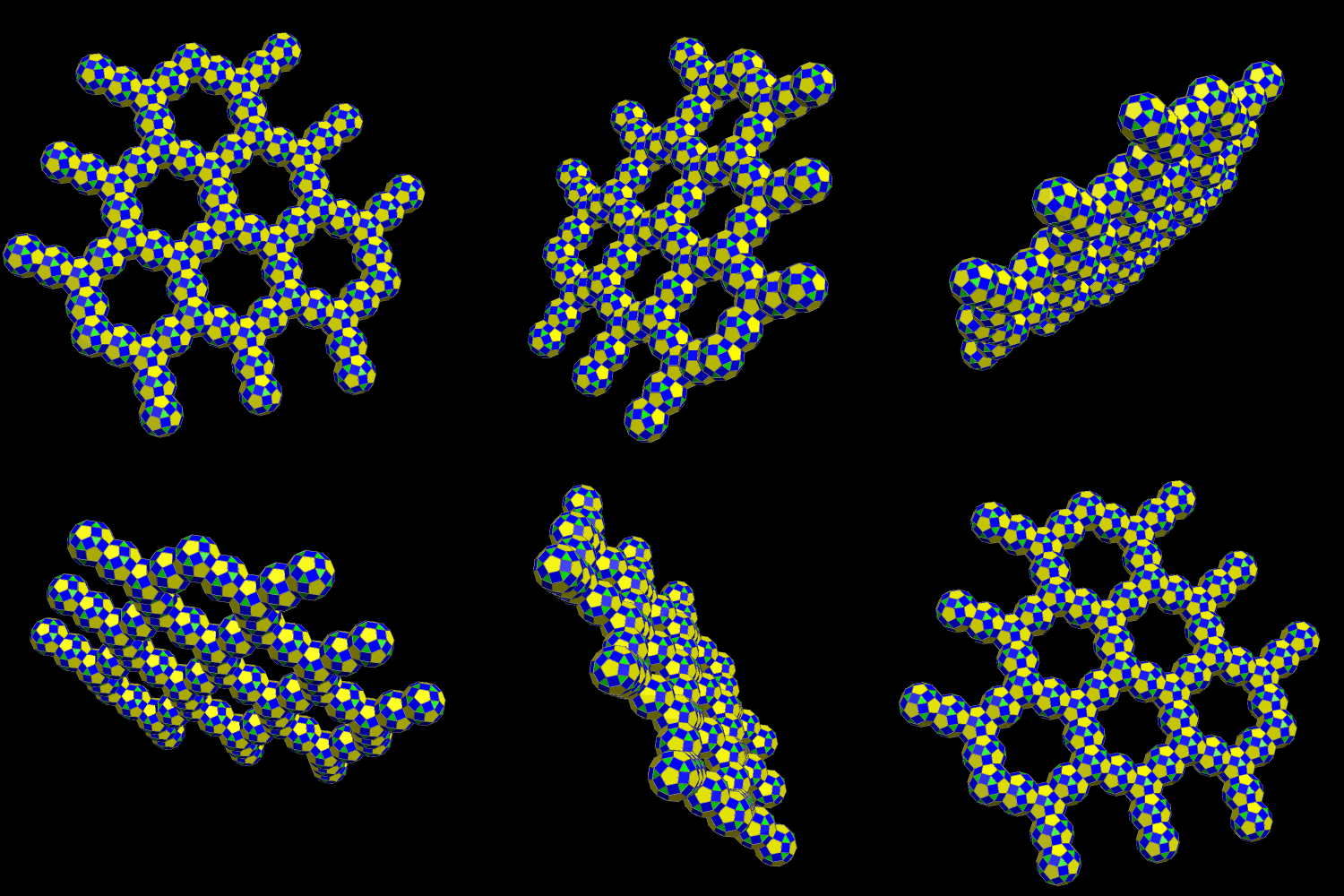
Finally, here’s the more complex structure for which I needed all these pieces. It could be extended outwards indefinitely, in a manner similar to the tessellation of the plane with regular hexagons.
To make these polyhedral images, I use a program called Stella 4d. If you’d like to give it a try, for free, please visit this website.
This is the rhombicosidodecahedron, one of the thirteen Archimedean solids.
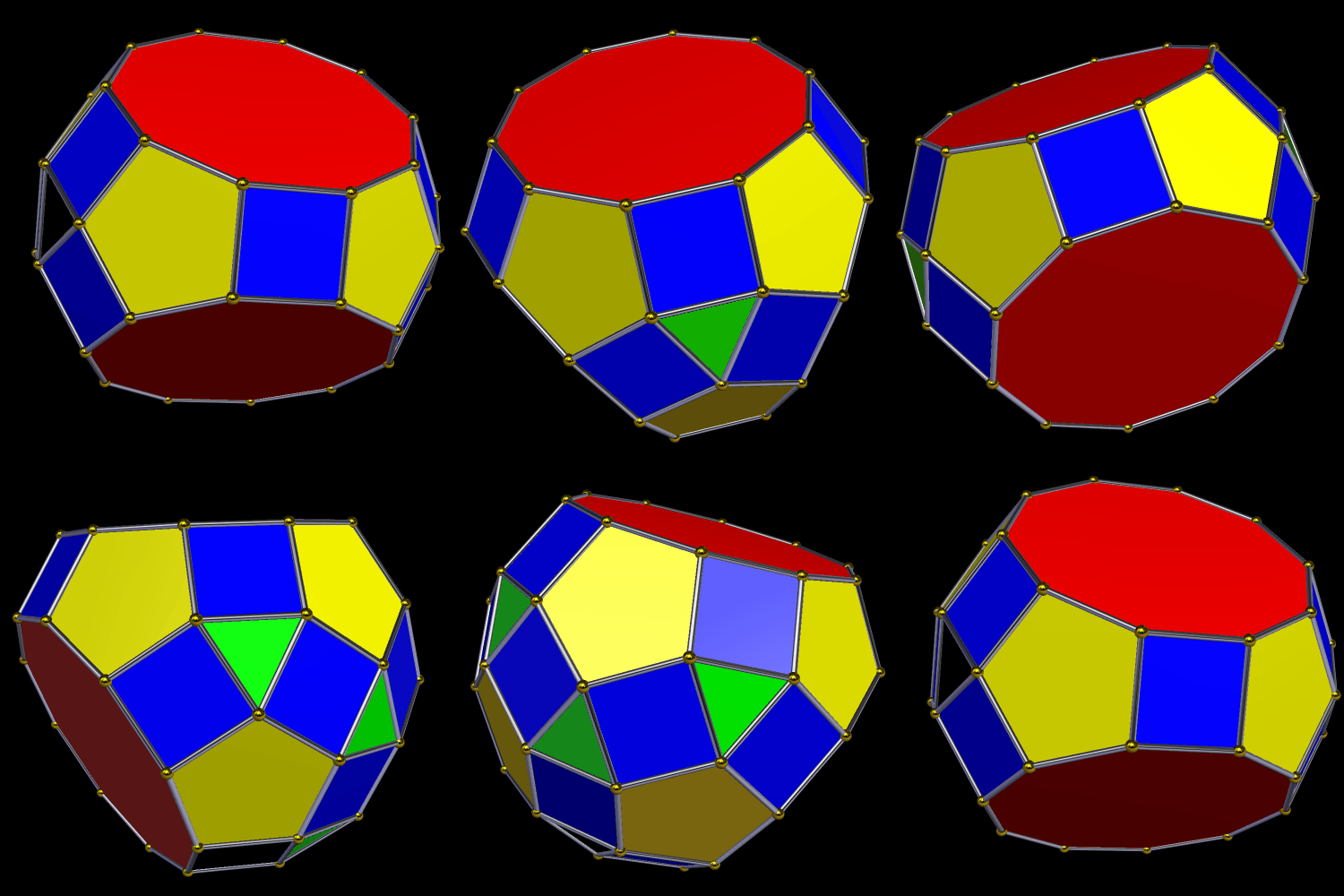
Several of the 92 Johnson solids are modified forms of this polyhedron, such as J76, the diminished rhombicosidodecahedron (shown below). It is formed by removal of a pentagonal cupola from a rhombicosidodecahedron, exposing a decagonal face.
Another variant of this Archimedean solid may be created by removing two pentagonal cupolas, exposing decagons on opposite sides of the figure. This solid, J80, is called the parabidiminished rhombicosidodecahedron.
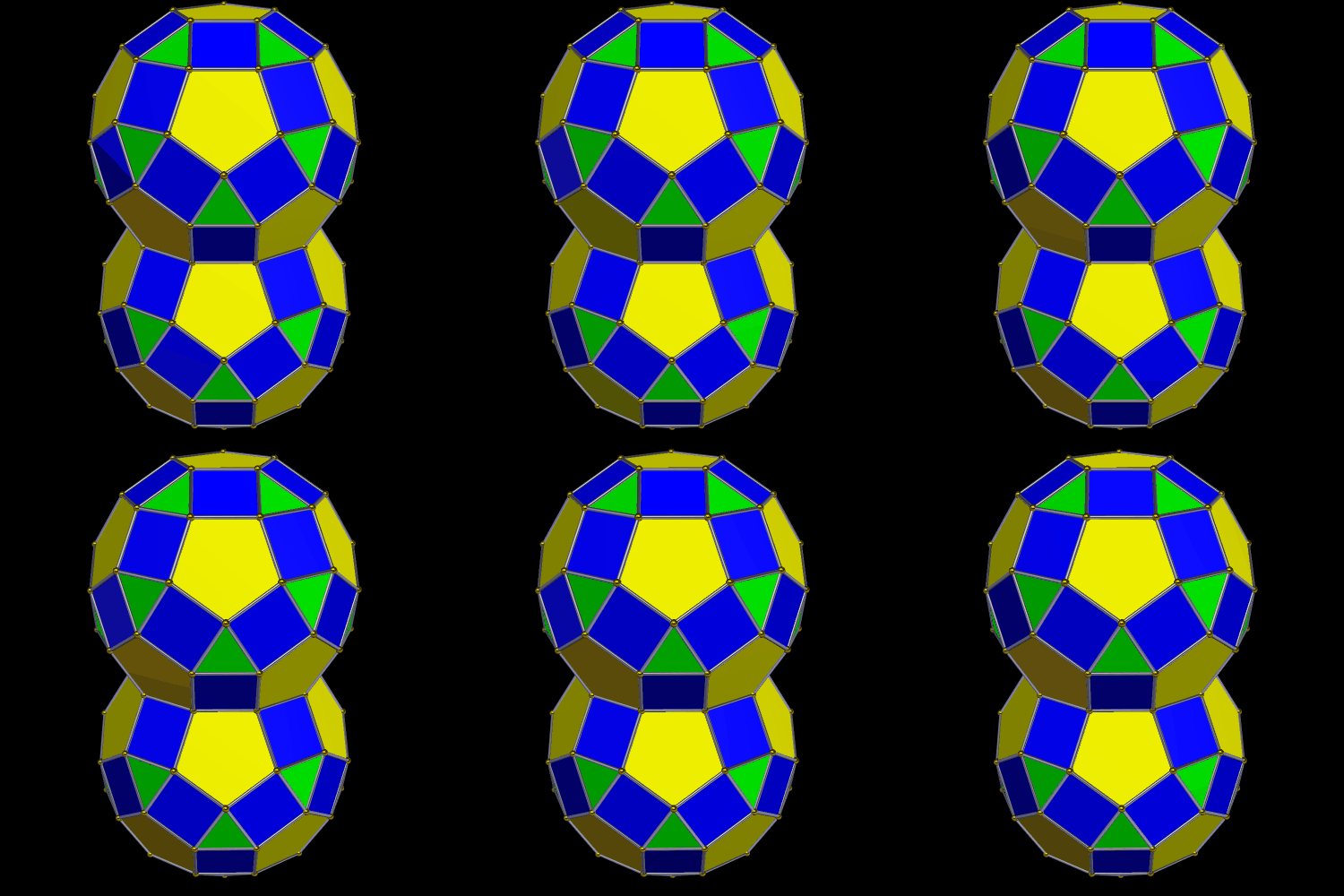
Two J76s and one J80 can then be joined together, at their decagonal faces, to form this: the triple rhombicosidodecahedron.
I made these using Stella 4d, a program you can try for free at this website.
This is a rhombicosidodecahedron, one of the Archimedean solids.
If one pentagonal cupola is removed from this polyhedron, the result is the diminished rhombicosidodecahedron, which is one of the Johnson solids (J76).
The next step is to take another J76, and attach it to the first one, so that their decagonal faces meet.
I’m calling the result the “double rhombicosidodecahedron.”
I did these manipulations of polyhedra and their images with a program called Stella 4d: Polyhedron Navigator. There’s a free trial download available, if you’d like to try the program for yourself, and it’s at this website.
I made this polyhedron by creating a zonohedron based on the edges and faces of the truncated tetrahedron. Only the blue hexagons are irregular. Stella 4d was used in its creation, and you may try this program for free at http://www.software3d.com/Stella.php.










 RobertLovesPi.net