I’ve posted polyhedral cages before — it simply never occurred to me to call such objects by that term. I often tag them as art / geometrical art, rather than mathematics, for they are not true polyhedra, by the generally accepted definition, where edges must involve faces meeting in pairs. Polyhedral cages do not follow this rule, so calling them mathematics causes problems. To do mathematics, after all, is to play games with numbers, and other ideas, according to the rules, with these rules being discovered as we discover new theorems. The rules are respected for one reason alone: we know they work. If one breaks these rules with, say, a geometric figure, on aesthetic grounds, one is crossing the boundary between mathematics and geometrical art.
The reason for hiding faces of polyhedra is usually aesthetic, not mathematical. I use software called Stella 4d, available at www.software3d.com/Stella.php, to manipulate polyhedra in numerous different ways, trying to discover “new” polyhedra — new, that is, in the sense that these discoveries (not inventions) were never seen before I saw them on my computer screen. When you see a rotating geometrical picture on this blog, such as any of the ones at the bottom of this post, it was created using Stella.
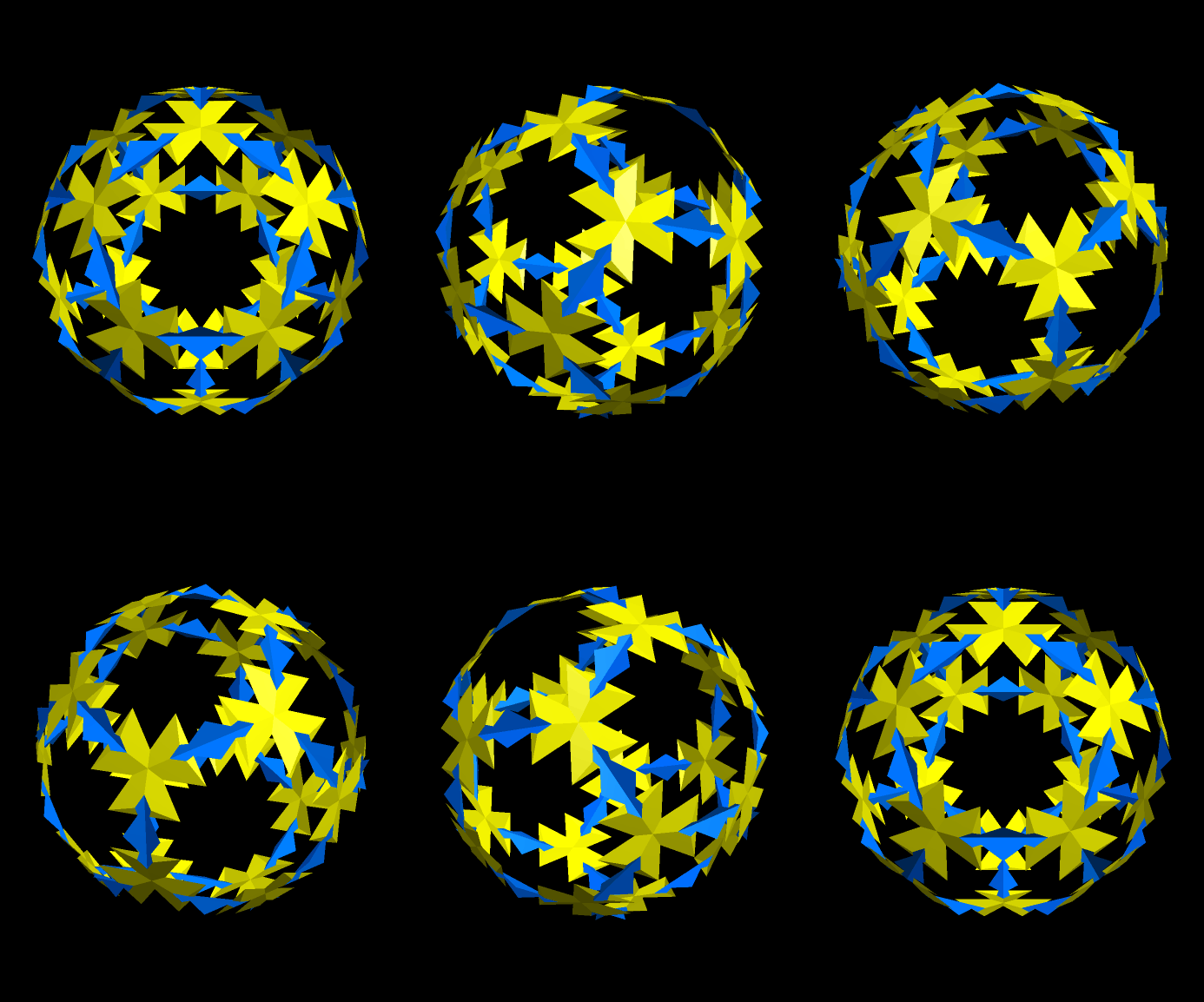
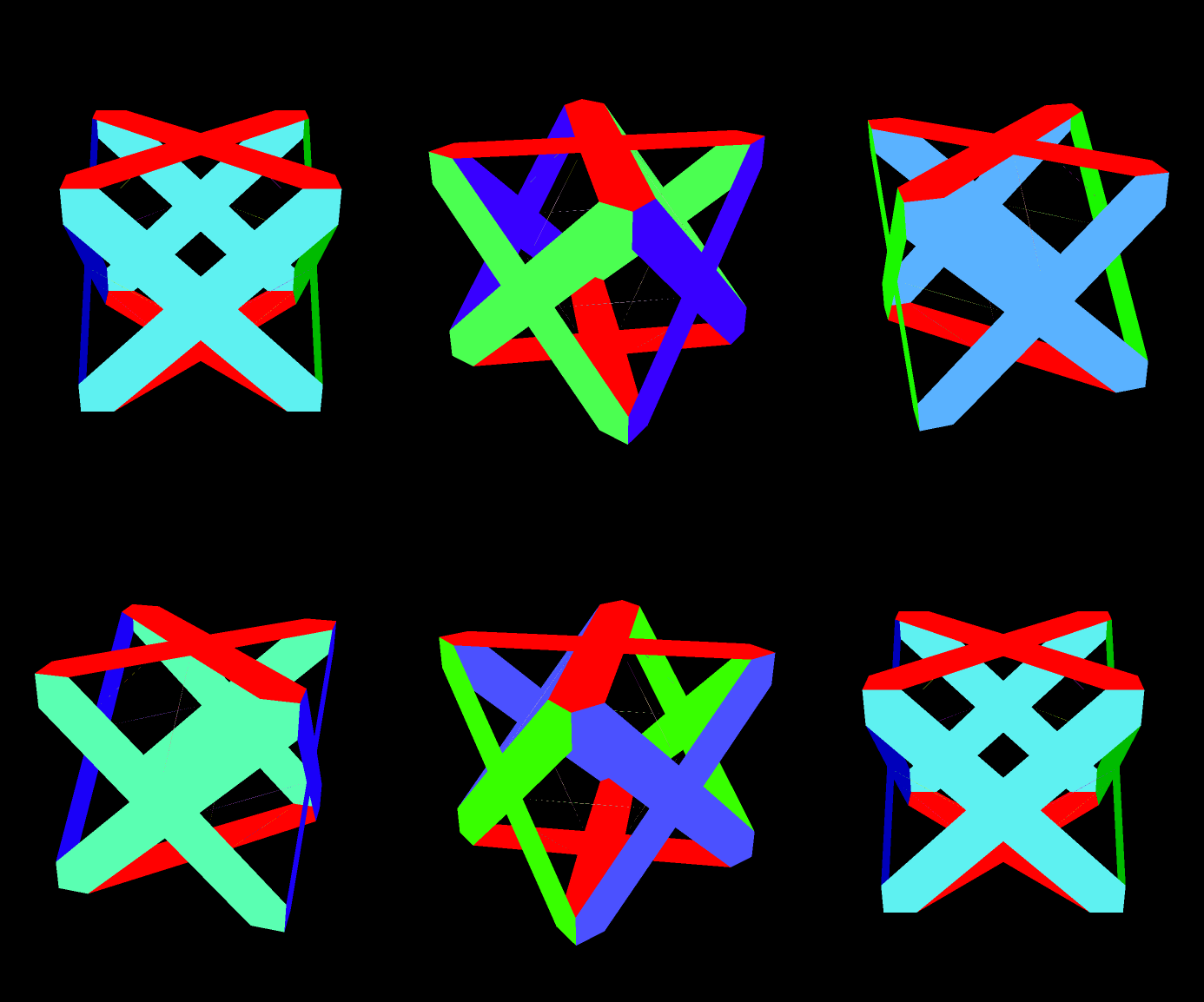
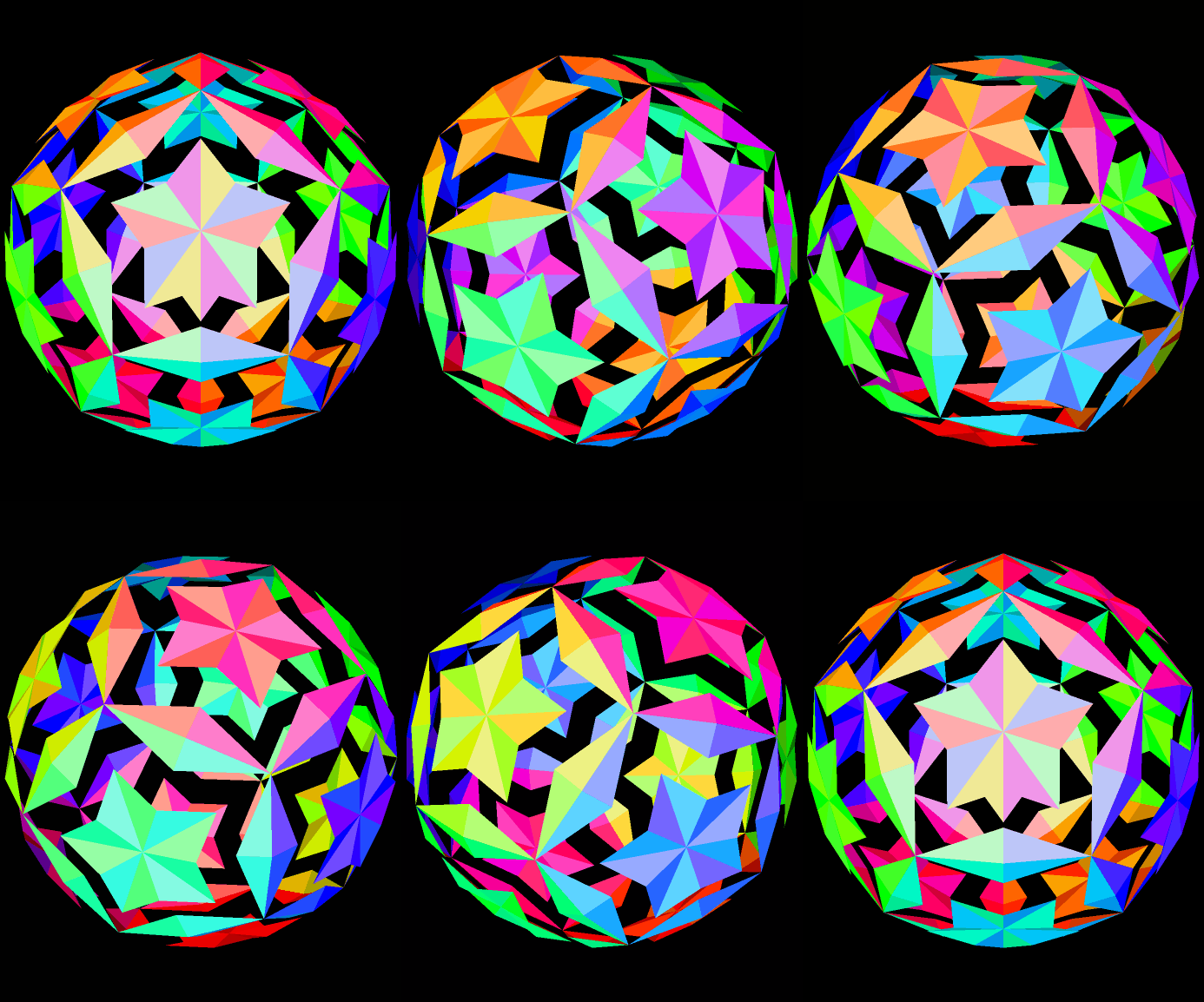
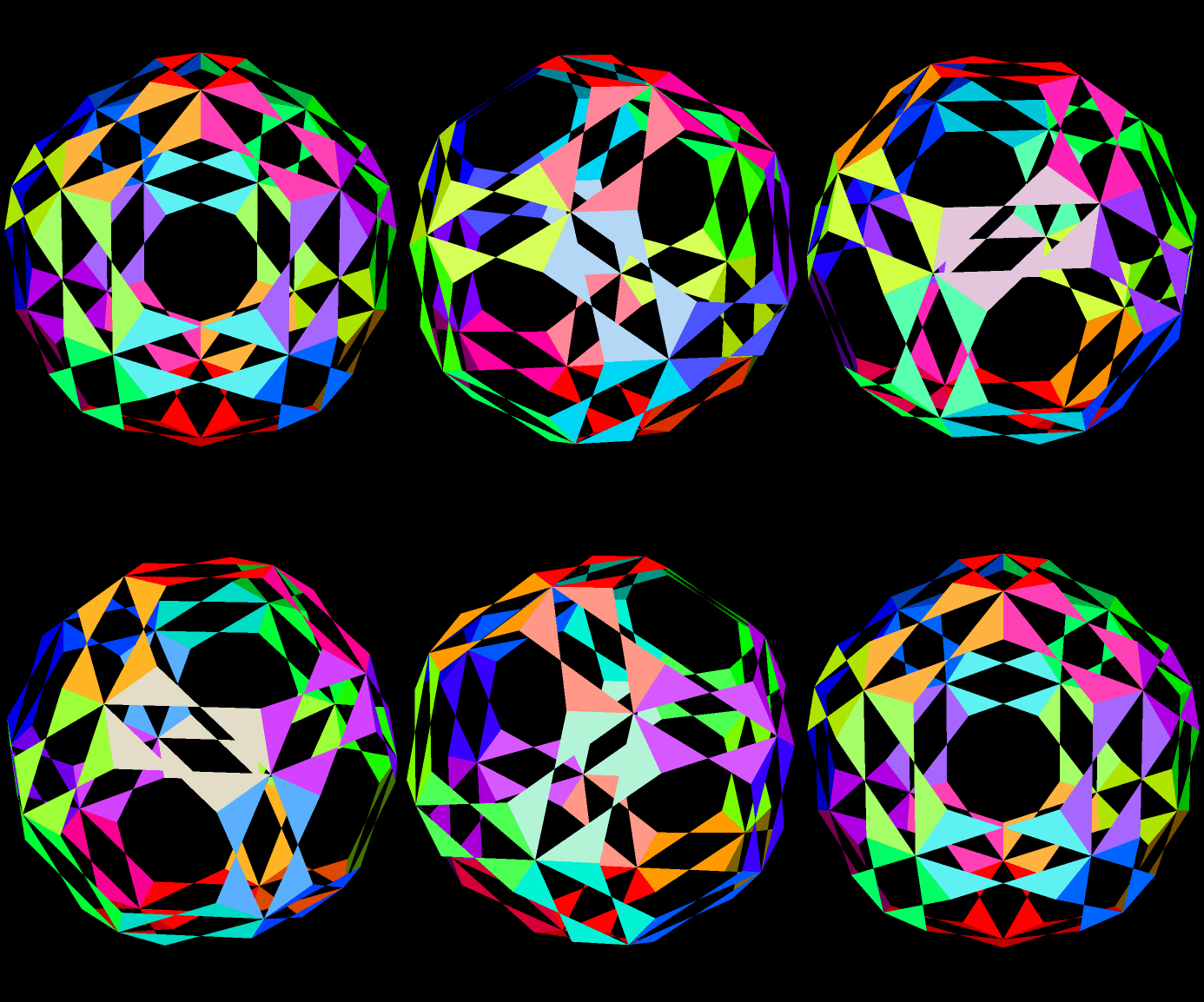
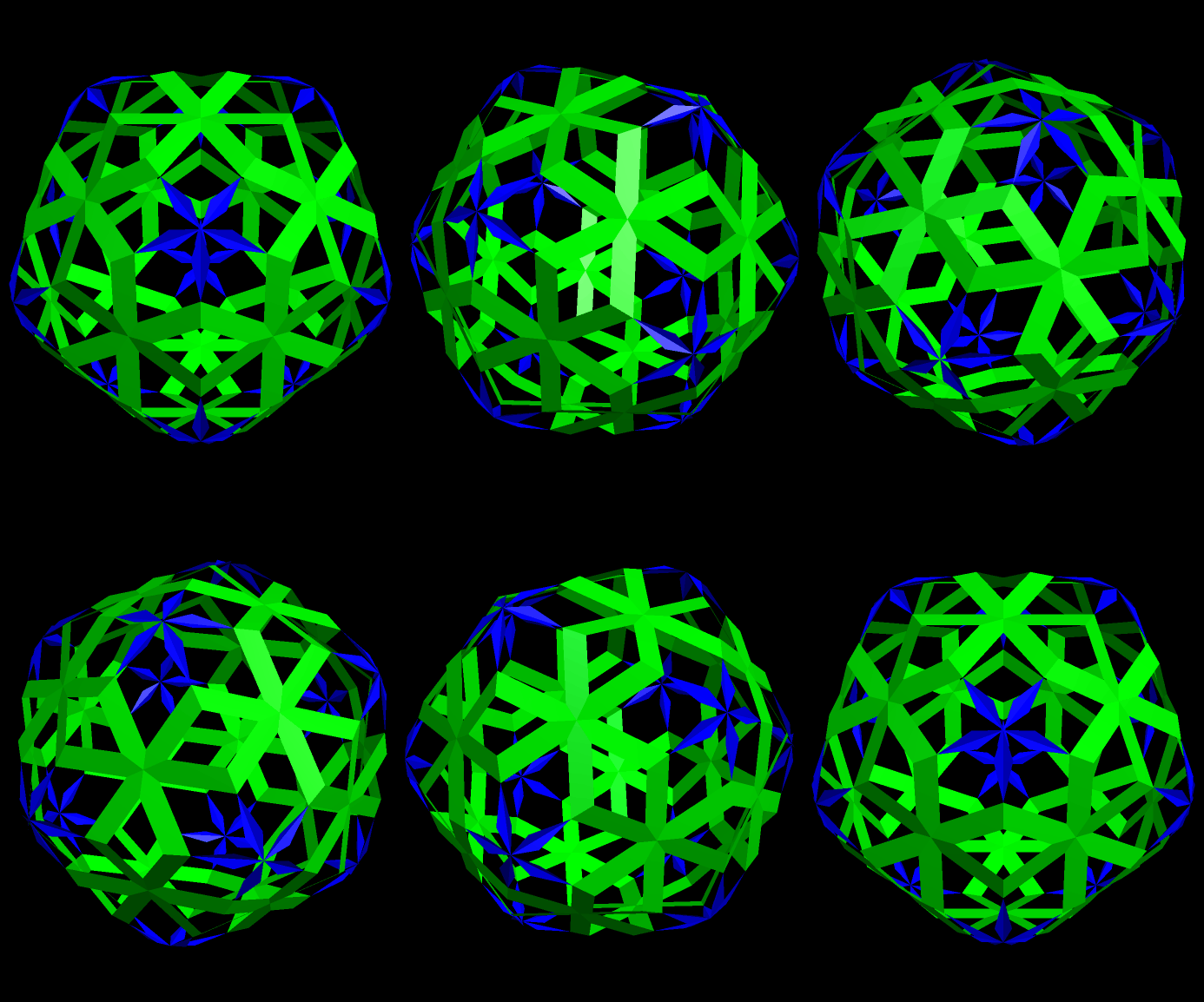
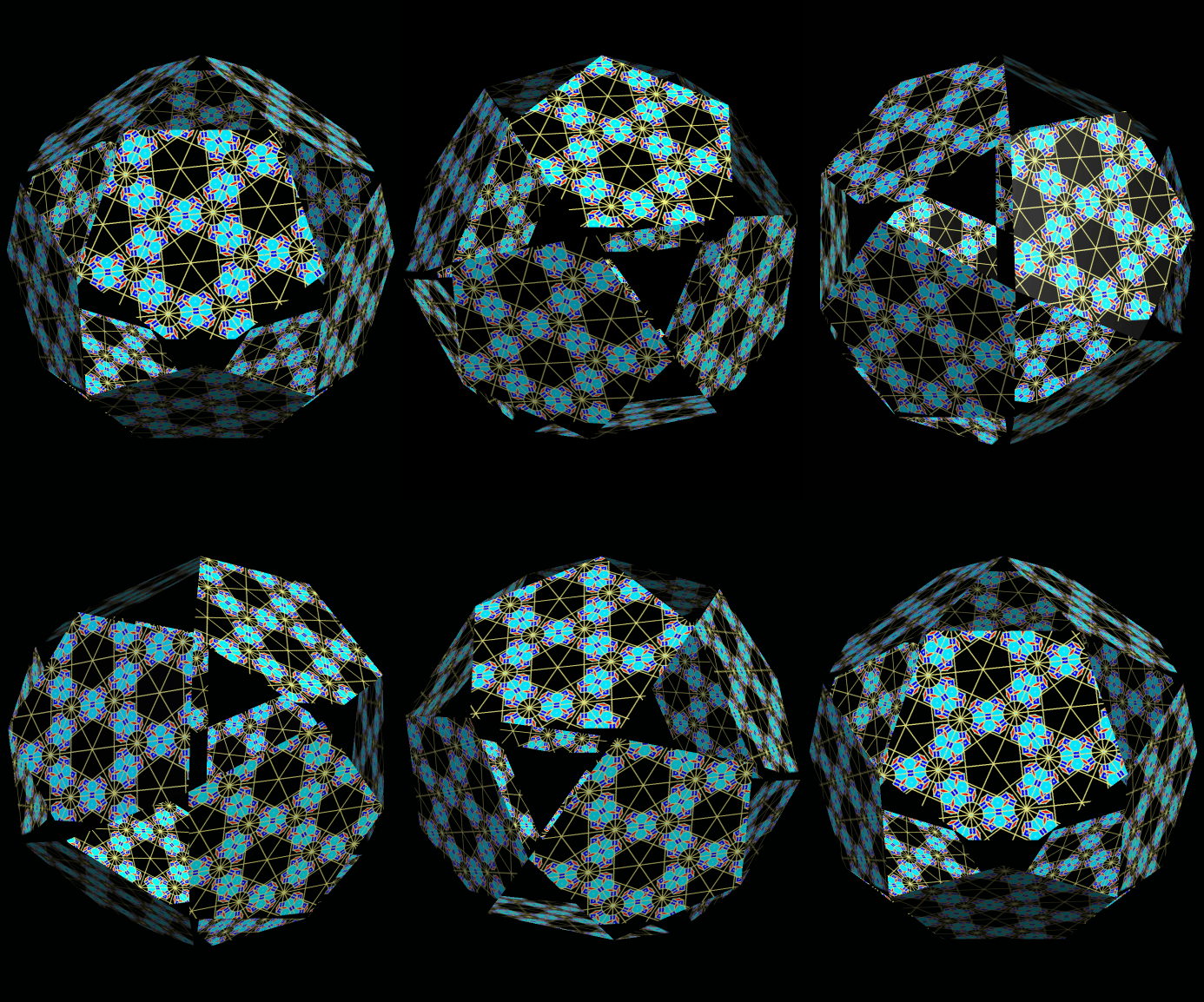
Every now and then, I stumble upon a polyhedron which would look better if selected faces were simply made to disappear — and with Stella, that’s easy. They still exist in the polyhedron, in Stella‘s “mind,” but are rendered invisible in the on-screen image, thus creating the appearance of holes in the polyhedron’s surface. If these holes are regarded as real — “real” in the somewhat confusing sense that there’s nothing where the holes are, holes being absences of what surrounds them — then the former polyhedron is now a polyhedral cage. Here are several examples.






 RobertLovesPi.net