A Polyhedral Journey, Beginning with the Snub Cube / Pentagonal Isositetrahedron Base/Dual Compound

The snub cube and its dual make an attractive compound. Since the snub cube is chiral, its chirality is preserved in this compound.
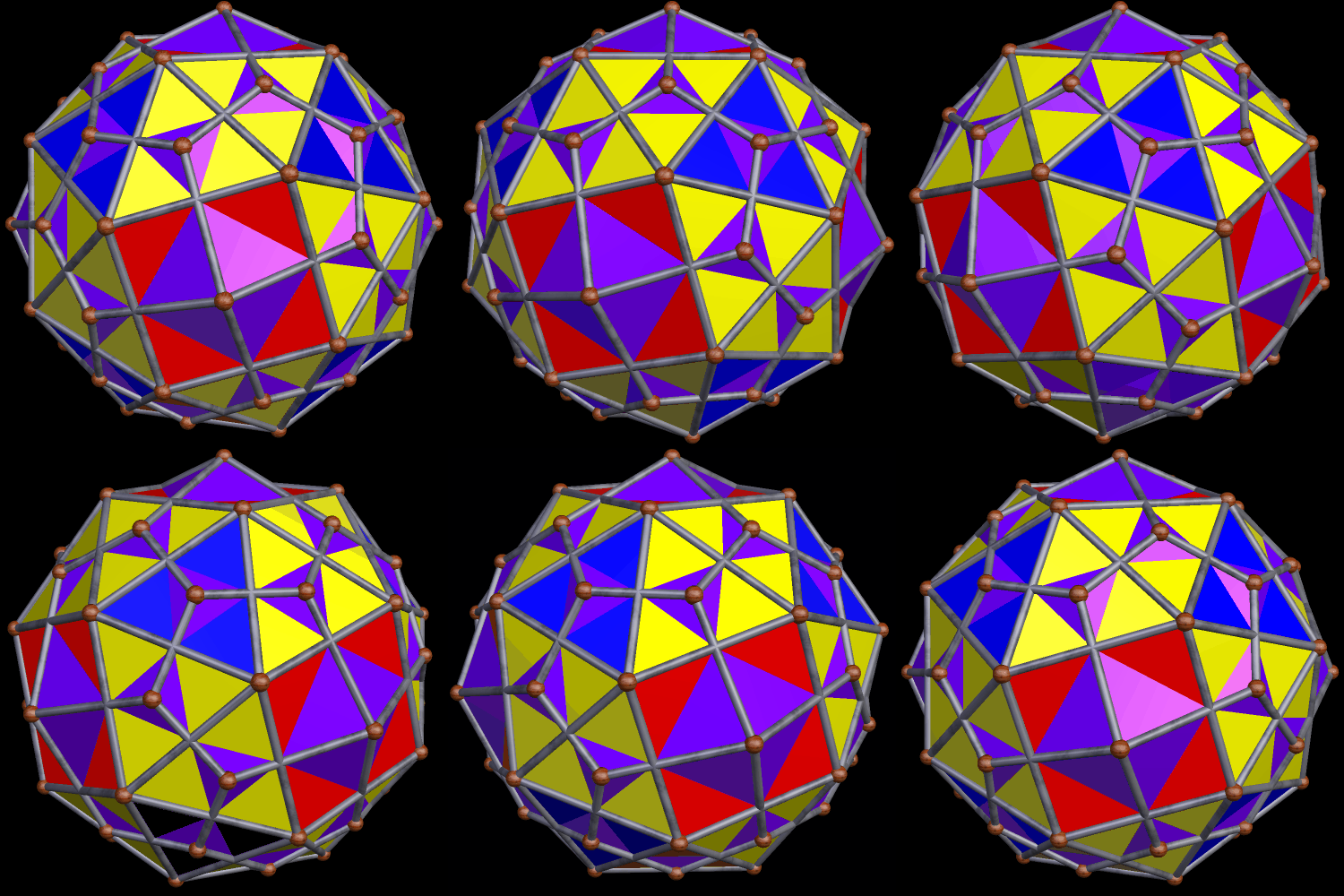
Penta Icositetra & snub cube compound

If you examine the convex hull of this compound, you will find it to be chiral as well.

Convex hull of snub cube& dual compound

Here is the mirror image of that convex hull:

Convex hull mirror image

These two convex hulls, of course, have twin, chiral, duals:
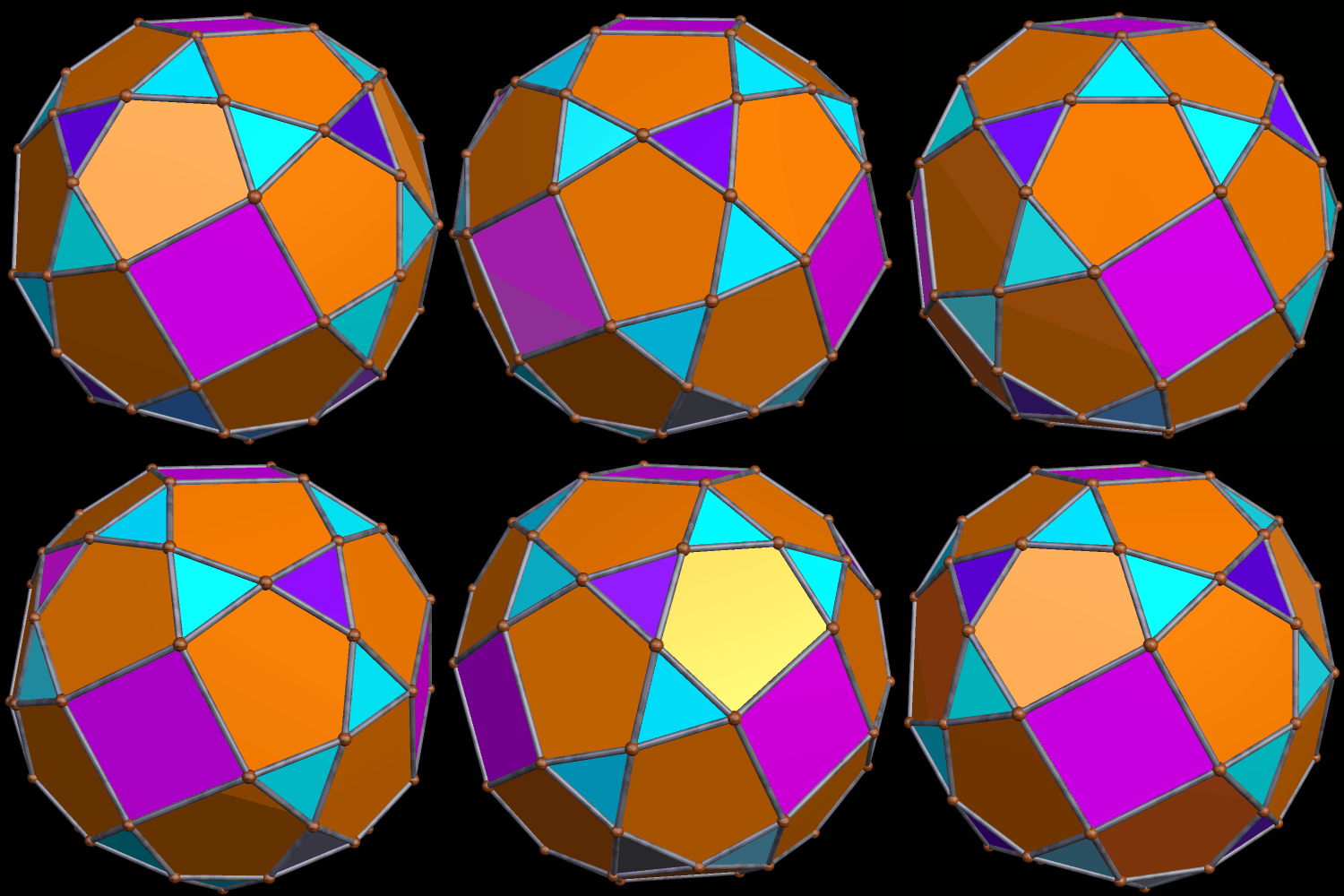
dual of Convex hull of snub cube& dual compound

Dual of Convex hull mirror image

The two chiral convex hulls above (the red, blue, and yellow ones), made an interesting compound, as well.
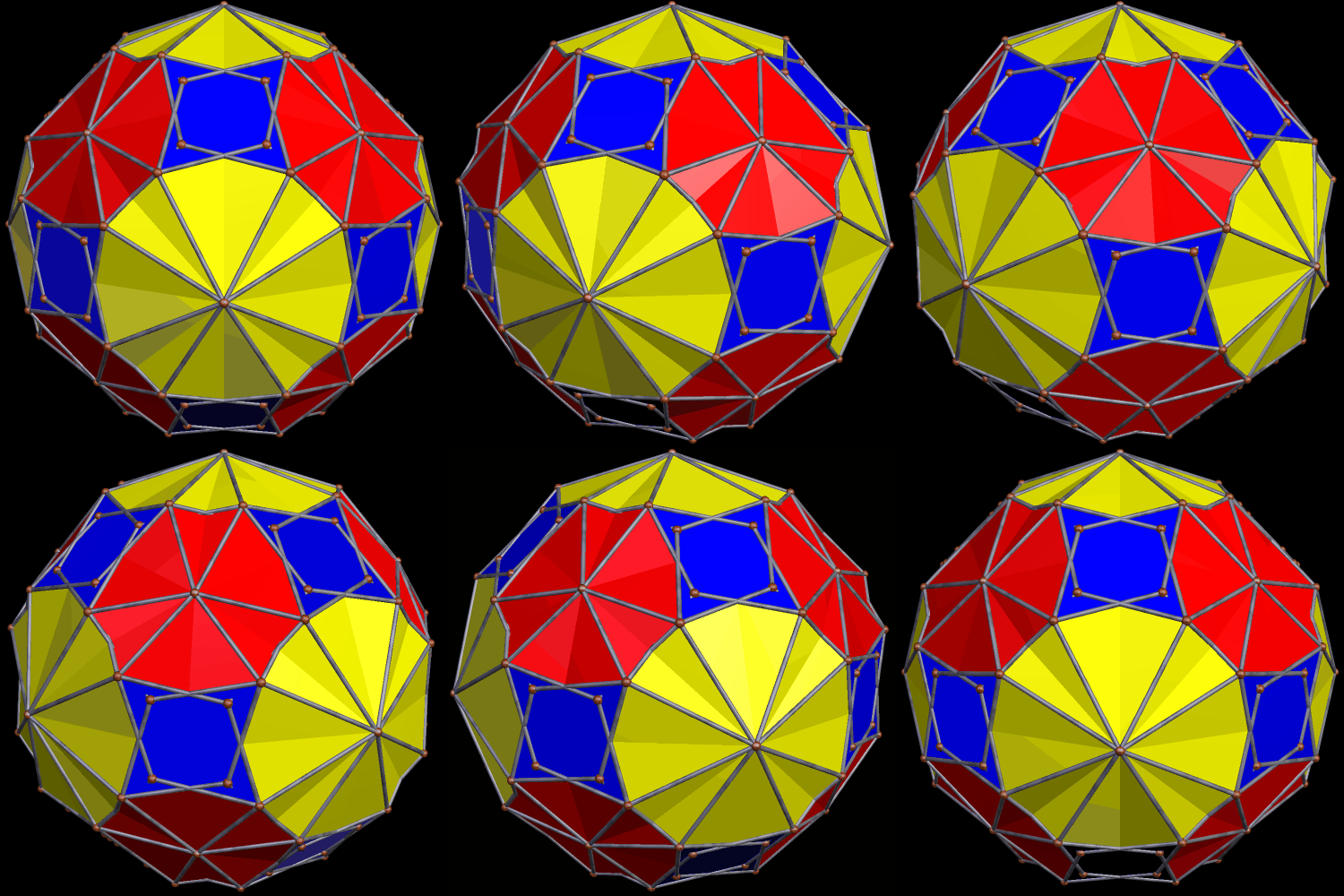
Compound of enantiomorphic pair not dual

This is also true of their chiral duals:

Compound of enantiomorphic pair

I next stellated this last figure numerous times (I stopped counting at ~200), to obtain this polyhedron:
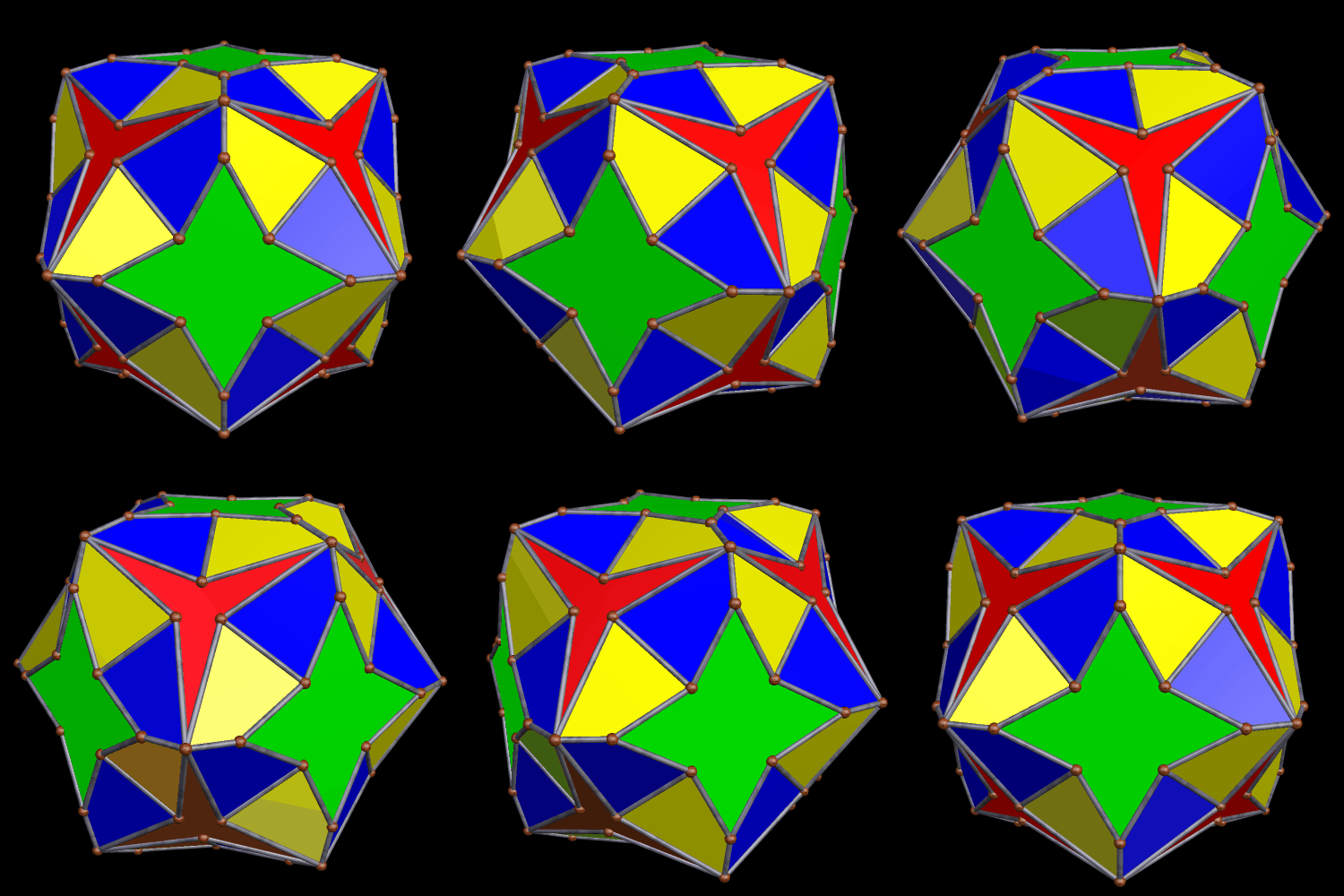
Stellated Compound of enantiomorphic pair dual

After seeing this, I wanted to know what its dual would look like — and it was a nice polyhedron on which to end this particular polyhedral journey.
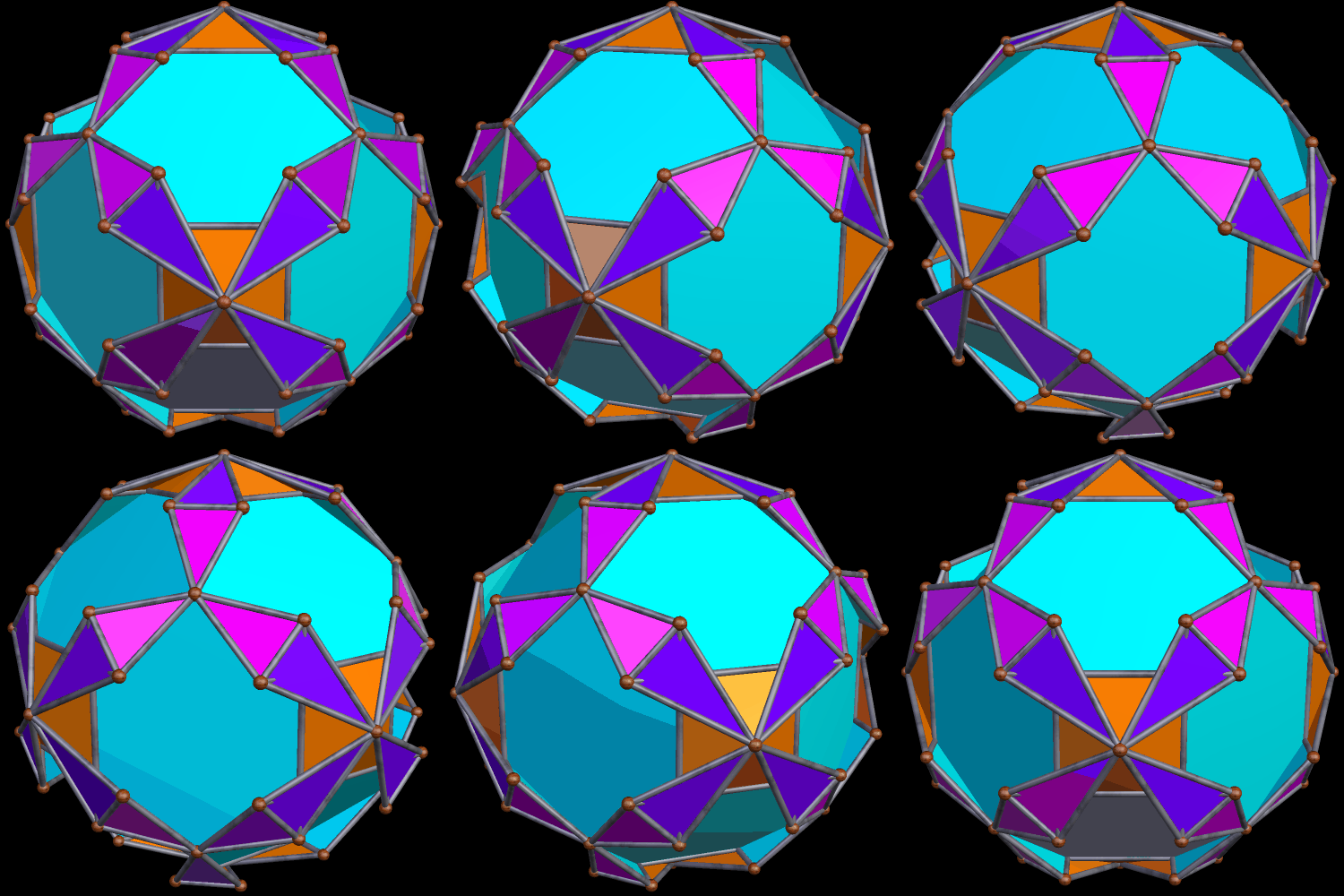
dual of Stellated Compound of enantiomorphic pair dual

I  make these transformations of polyhedra, and create these virtual models, using a program called Stella 4d. It may be purchased, or tried for free, at http://www.software3d.com/Stella.php.

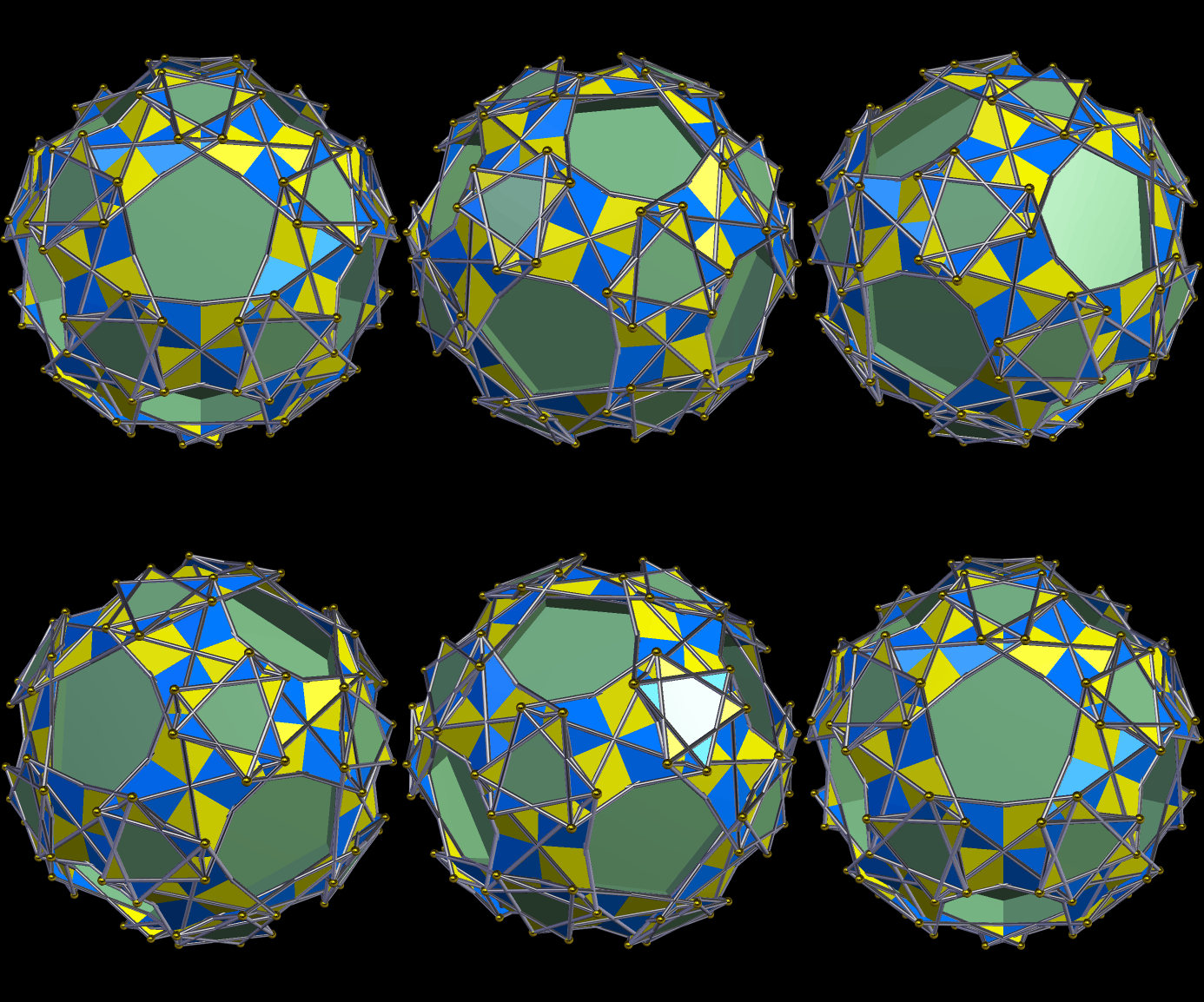
A Faceting of the Snub Dodecahedron

The snub dodecahedron is chiral, meaning it appears in left- and right-handed forms. This faceted version, where the same set of vertices is connected in different ways (compared to the original), possesses the same property.

Faceted Snub Dodeca

Chiral polyhedra can always be tranformed into interesting polyhedral compounds by combining them with their own mirror-images. If this is done with the polyhedron above, you get this result, presented with a different coloring-scheme.

Compound of enantiomorphic pair

Both of these images were created using Stella 4d:  Polyhedron Navigator, and you may try it at www.software3d.com/Stella.php.


Two Chiral Polyhedra

Image

Two Chiral Polyhedra

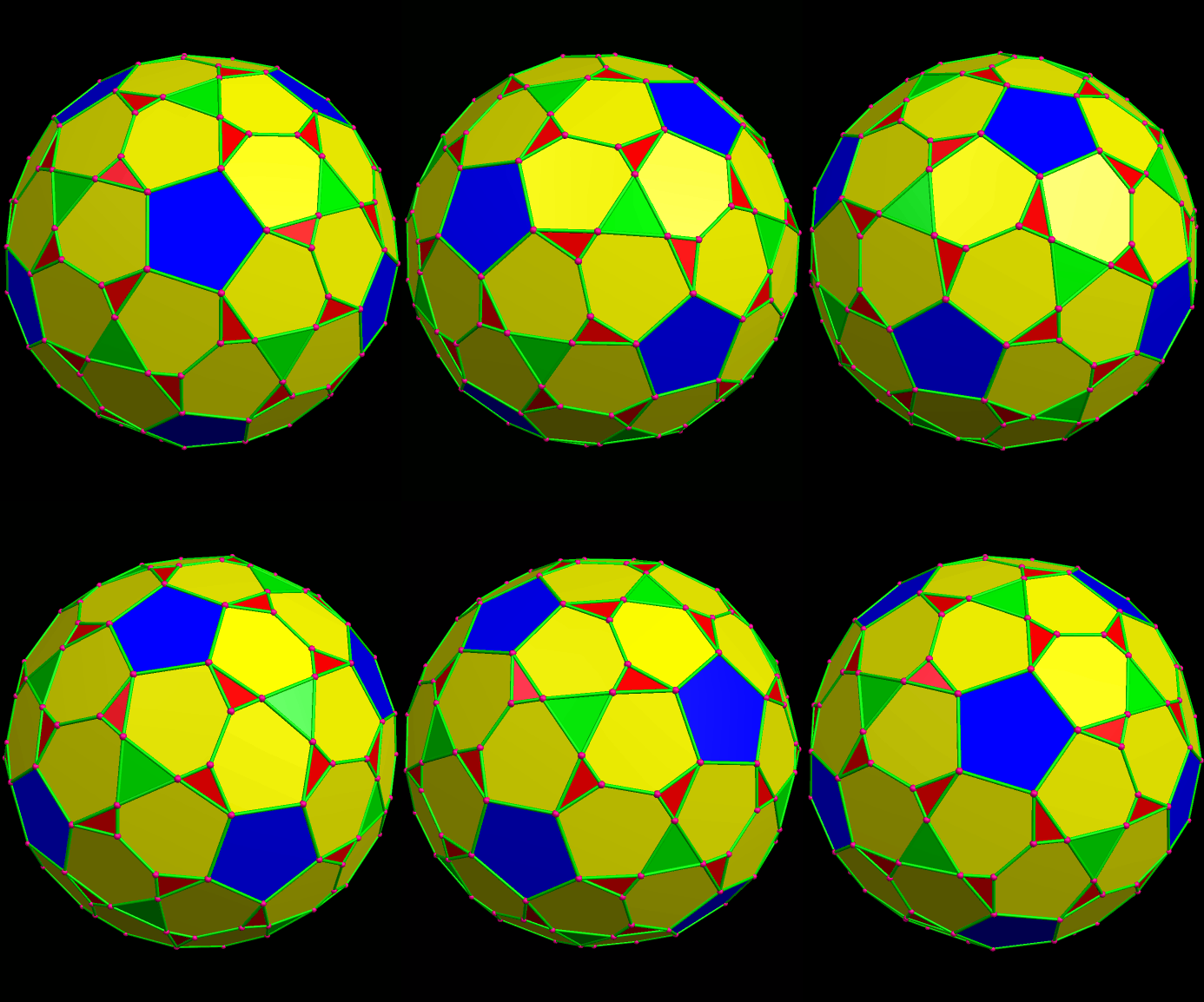
To make this, I started with the dual of the great rhombicosidodecahedron, a polyhedron known as the dysdyakis triacontahedron. I then augmented half of its faces with tall prisms (thereby creating the chirality in this polyhedron), and took the convex hull of the result. The sixty red triangles are the tops of the augmentation-prisms.

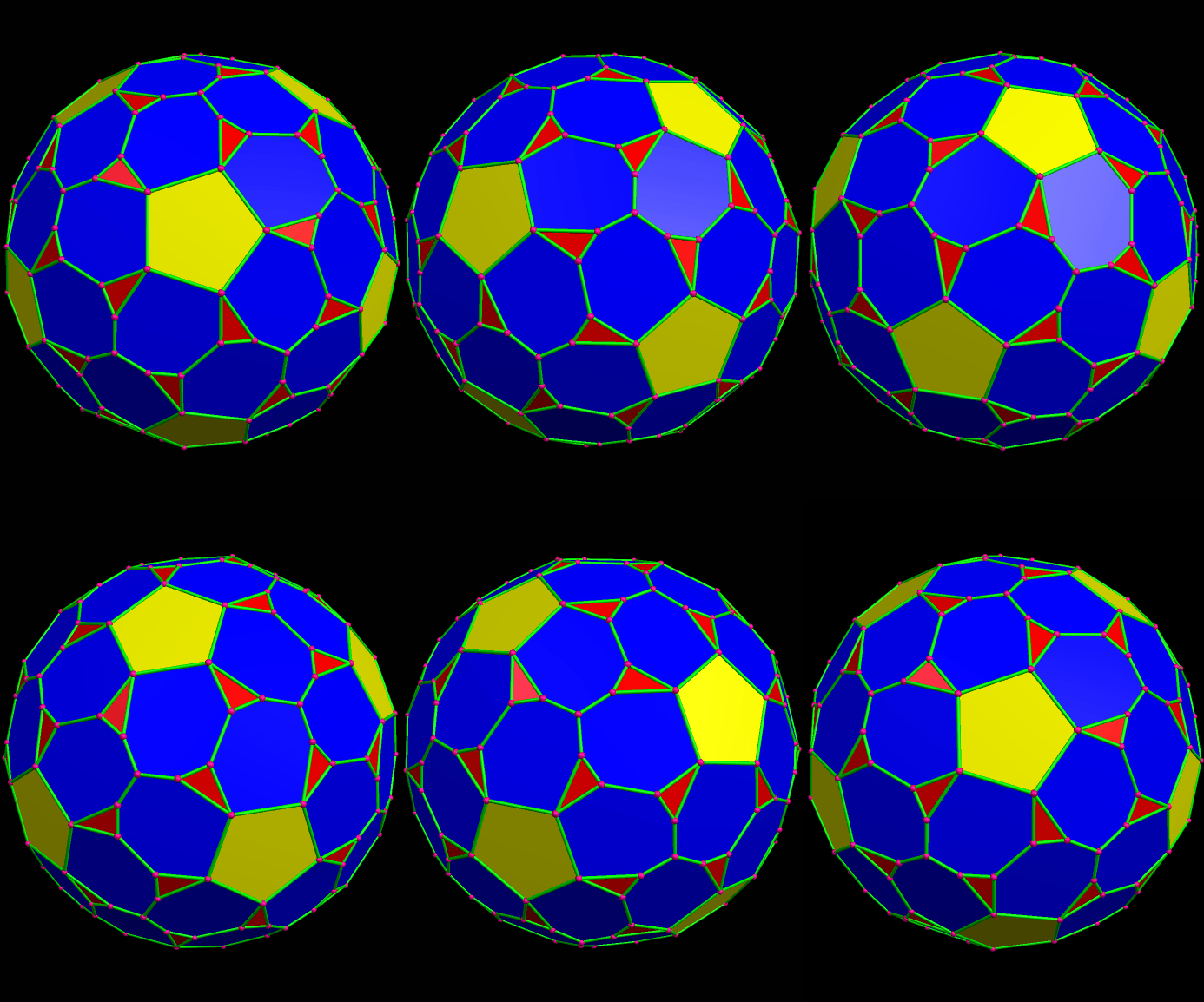
A stellation of the above polyhedron, and a color-change, produced this result, also chiral. It may be enlarged with a click.

Stellated Convex hull based on expanded RTC

These polyhedra were created using Stella 4d, a program which you may buy — or try for free, as a trial download — at http://www.software3d.com/Stella.php.