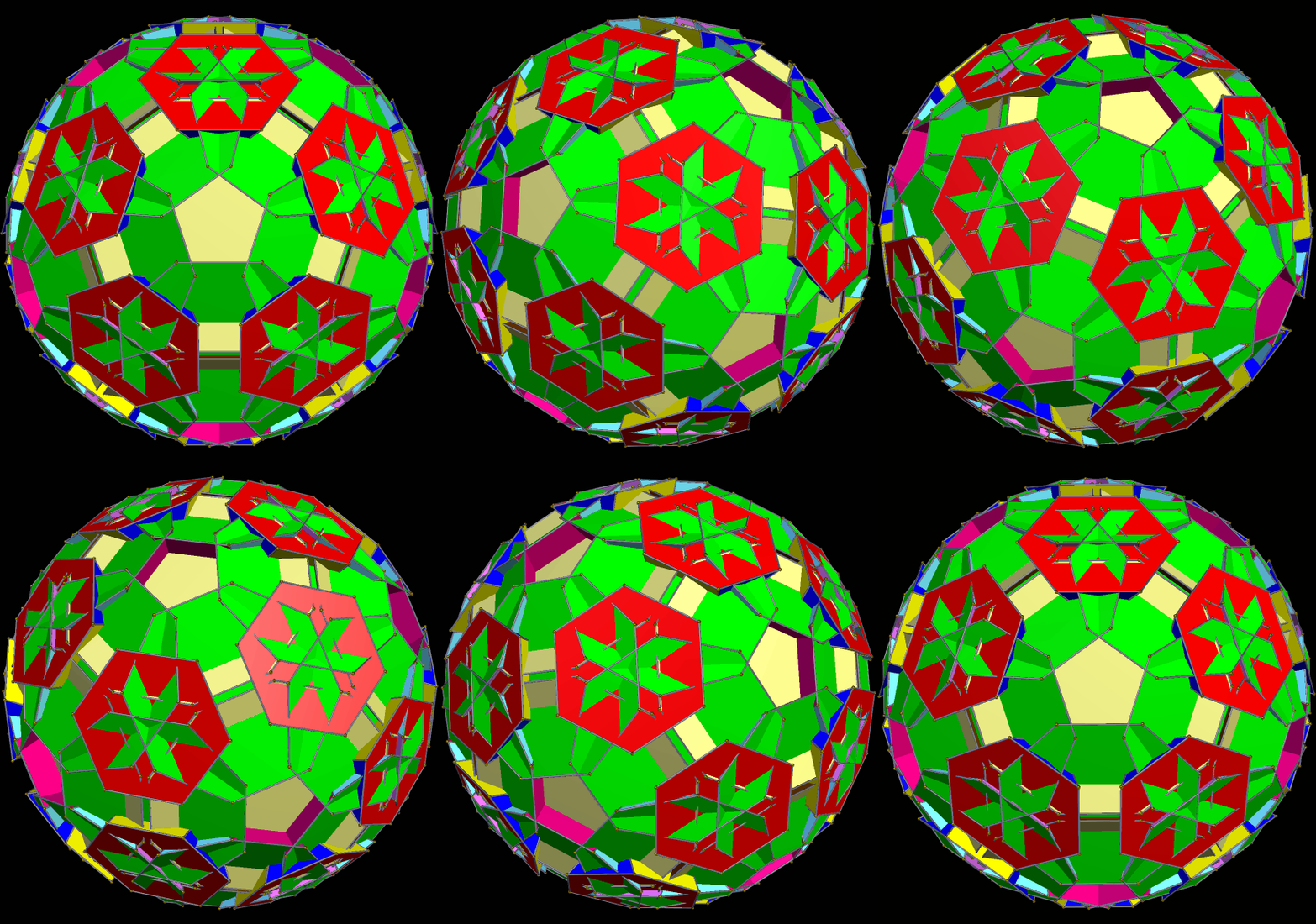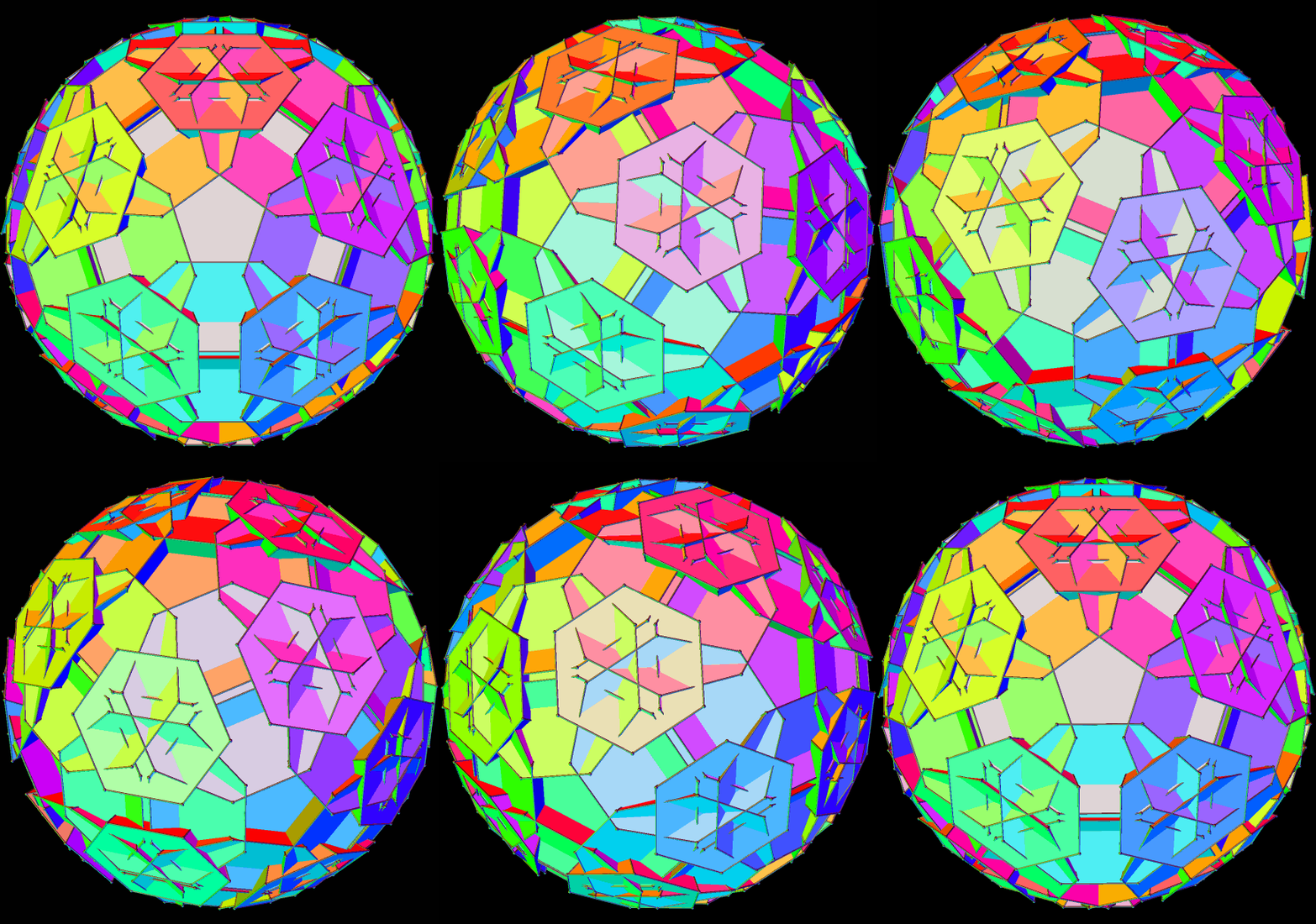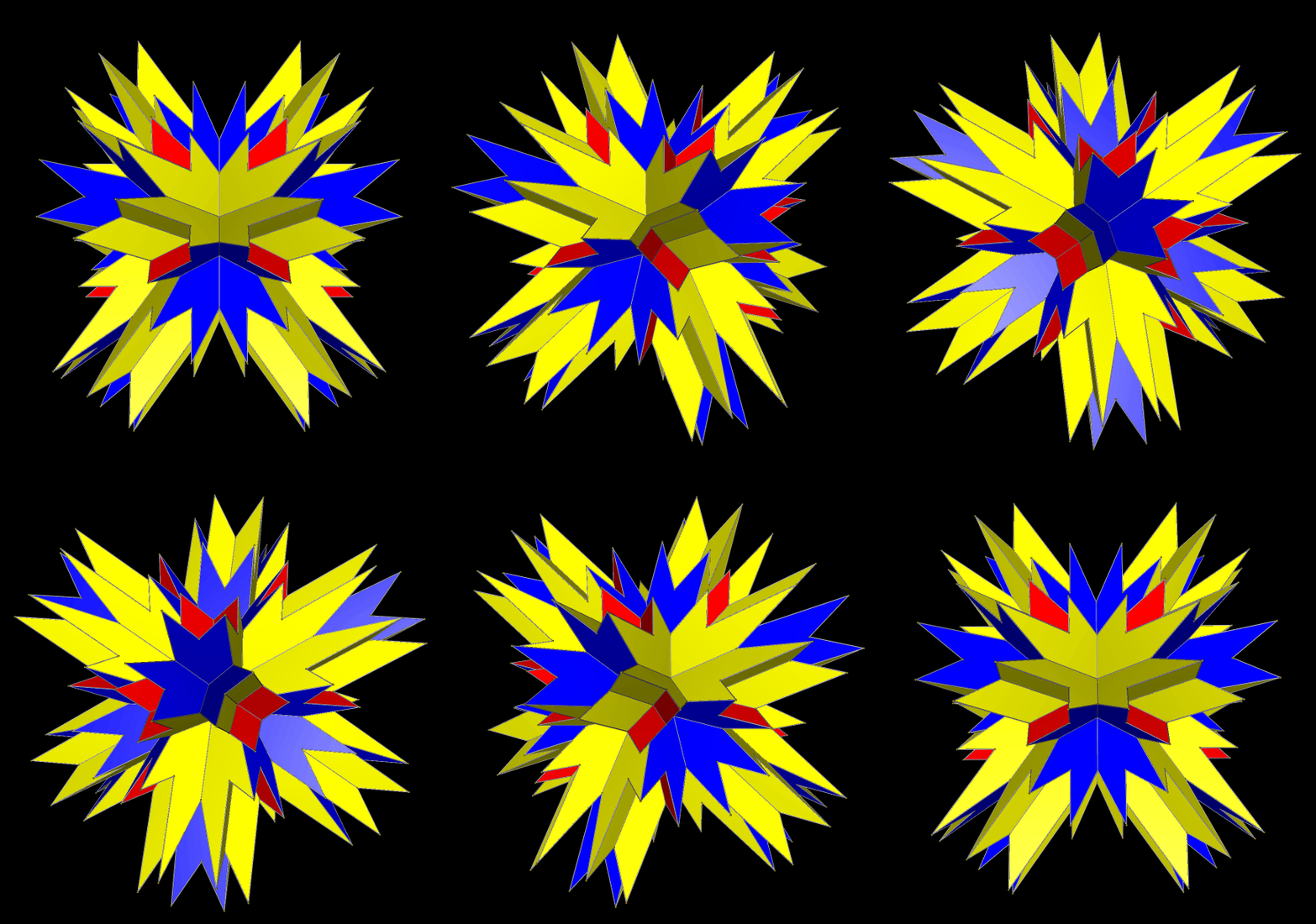
The Final Stellation of the Rhombicuboctahedron

I made this using Stella 4d, which you can try for free at http://www.software3d.com/Stella.php.

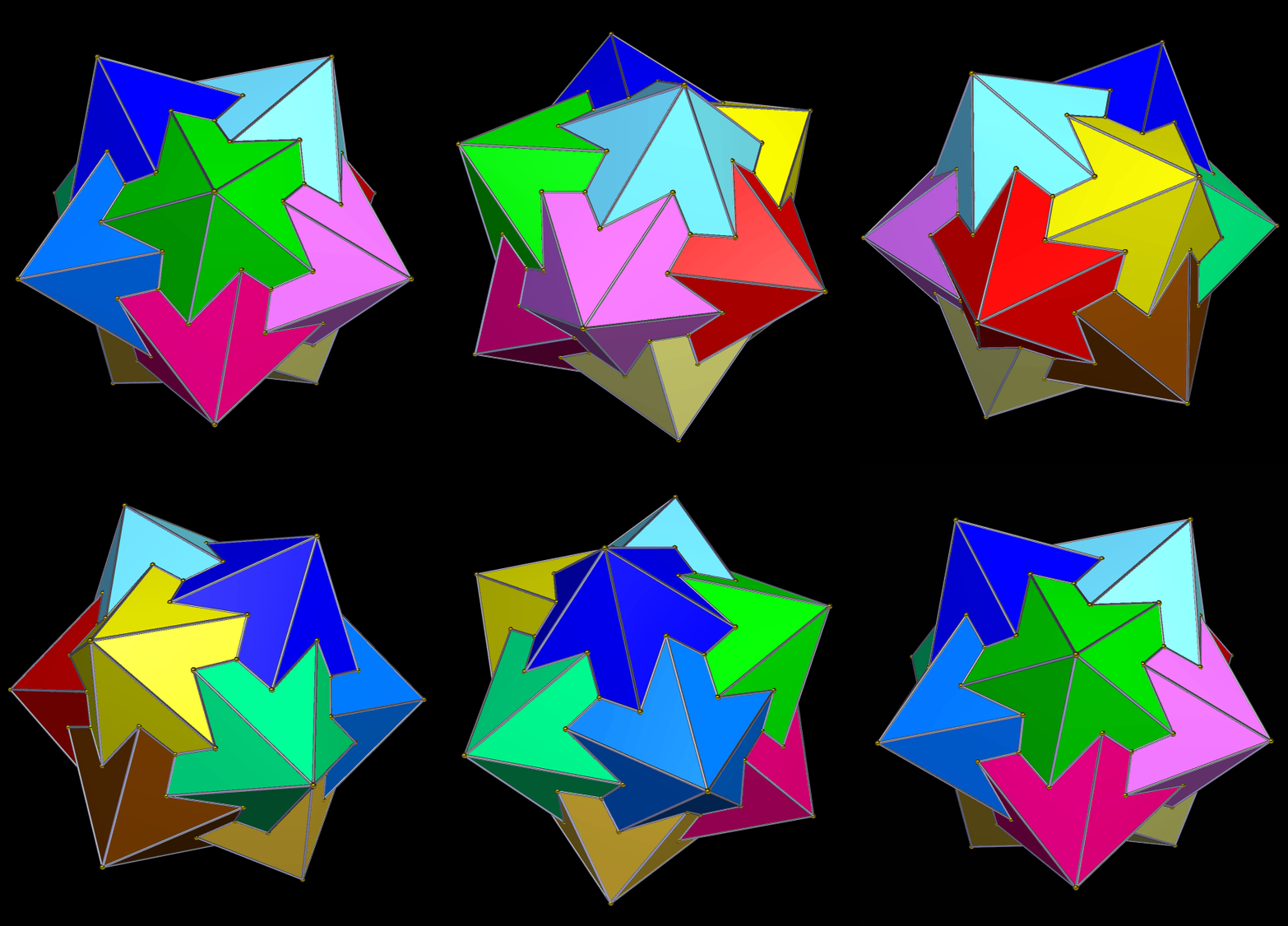
A Chiral Compound of Six Square-Based Pyramids

This is a stellation of the pentagonal icositetrahedron. I made it using Stella 4d: Polyhedron Navigator, which you can try for free at http://www.software3d.com/Stella.php.

Three Compounds of Pyramids

This first two compounds here are of twelve pentagonal pyramids.

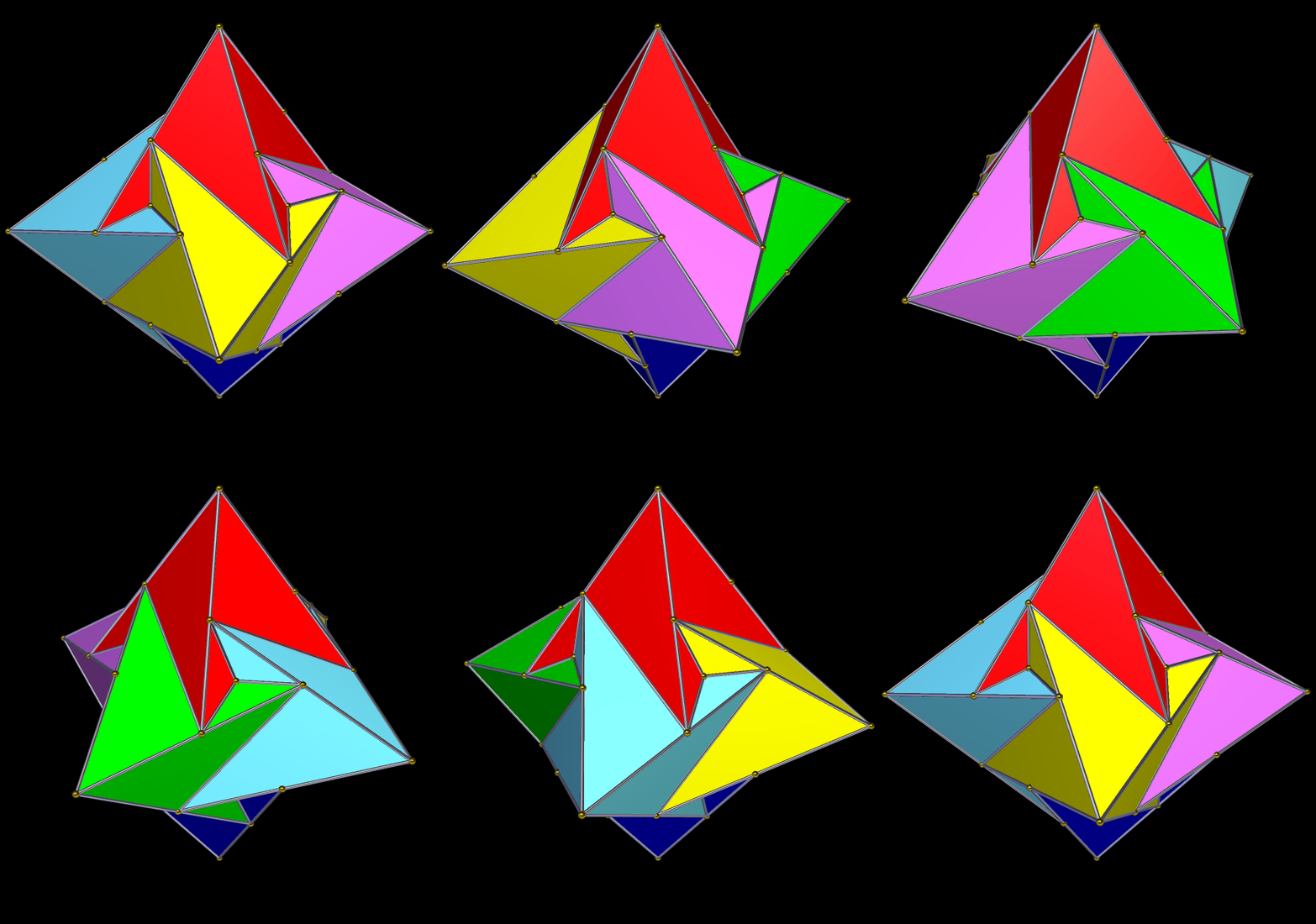
The next one is a compound of six square-based pyramids.

A Tessellation Featuring Regular Enneagons and Triangles, as Well as Non-Convex Octagons and Dodecagons

Image

A Tessellation Featuring Regular Enneagons, Regular Hexagons, Squares, and Isosceles Trapezoids

Image

Two Black, Stellated Polyhedra, Rotating in the Dark

The polyhedron shown above is the final stellation of the icosahedron, while the one below is the rhombic triacontahedron’s final stellation. I made these using Stella 4d, which you can try for free at http://www.software3d.com/Stella.php.

A Symmetrohedron Featuring Twenty Equilateral Triangles, Twelve Regular Decagons, and Sixty Isosceles Triangles

I made this using Stella 4d, which you can try for free right here: http://www.software3d.com/Stella.php.

An Augmented and Excavated Icosidodecahedron

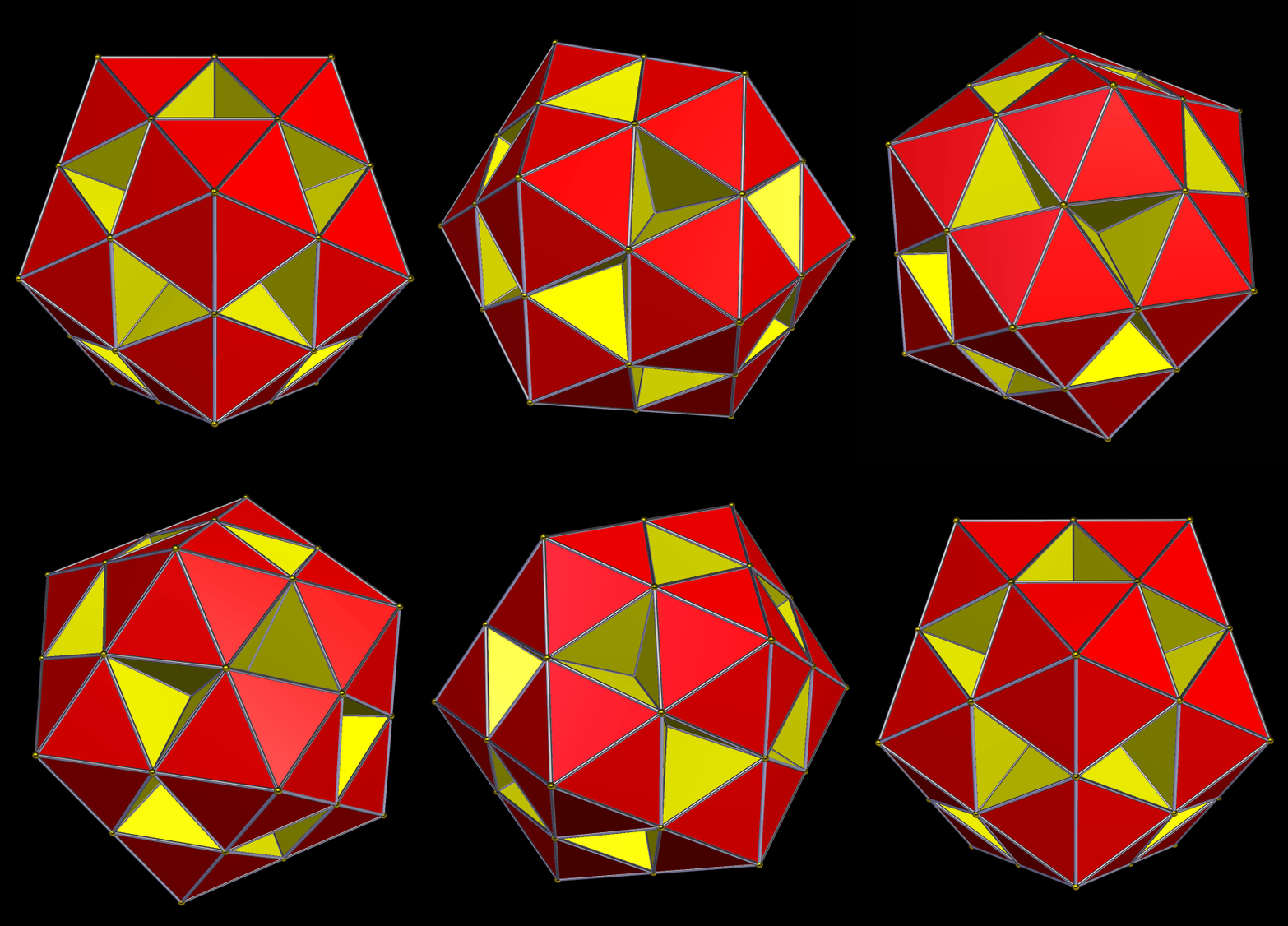
To make this, I augmented the pentagonal faces of an icosidodecahedron with pyramids, while the triangular faces of this icosidodecahedron had pyramids excavated from them. The result, as you can see, looks like an icosahedron with tetrahedral indentations is the middle of each face. I made it using Stella 4d, which you can try for free at http://www.robertlovespi.net/Stella.php.

A Rhombicosidodecahedron, With Its Faces Augmented by Inverted Cupolae

Here’s a second view, in “rainbow color mode.”

I made these using Stella 4d: Polyhedron Navigator, which you can try for free at http://www.software3d.com/Stella.php.

A “Near Near-Miss” With 152 Faces

This isn’t quite a near-miss to the Johnson solids, so I’m calling it a “near near-miss.” It could also be classified as a symmetrohedron. The pentagons and triangles are regular, but the red triangles have edges which are about 12% longer than those of the yellow triangles. The blue faces are isoceles trapezoids.

I found it while playing around with the great rhombicosidedcahedron using Stella 4d, which you can try for free right here.