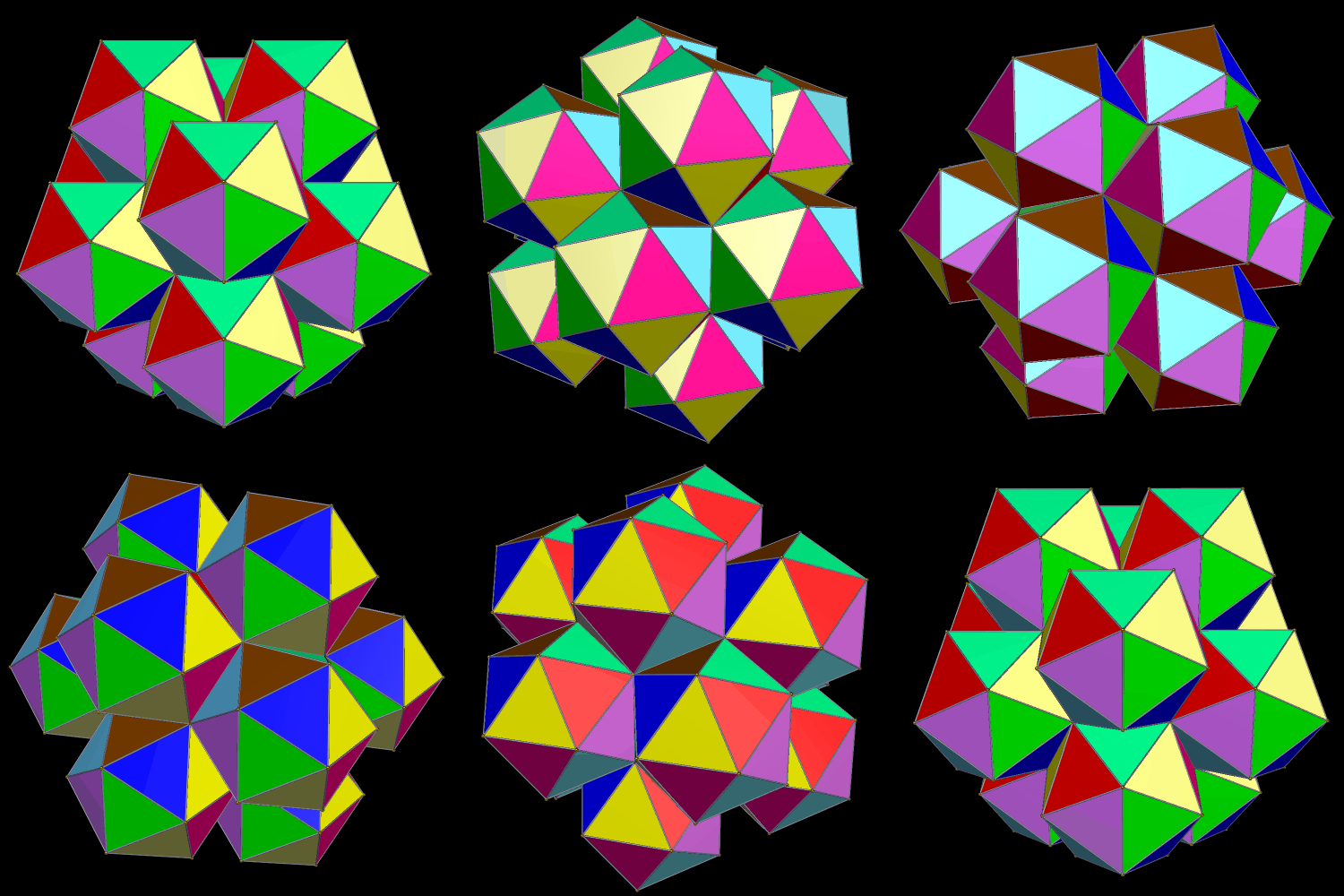
In the picture above, each component of this compound has its own color. In the one below, each set of parallel faces is given a color of its own.

These images were made using Stella 4d, software you may try for yourself at this website.
In the picture above, each component of this compound has its own color. In the one below, each set of parallel faces is given a color of its own.
These images were made using Stella 4d, software you may try for yourself at this website.
I made this using Stella 4d, software you can try for yourself right here.
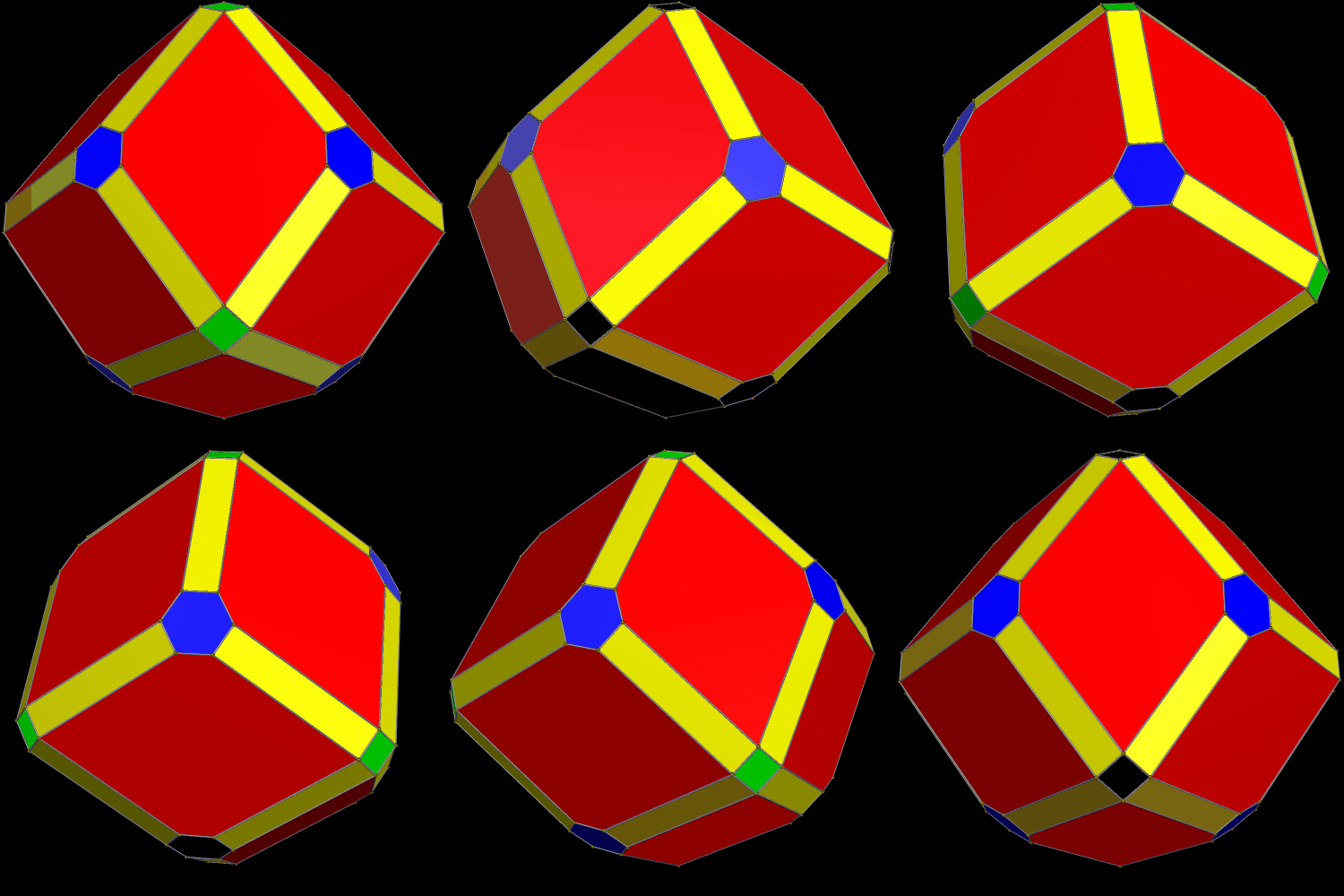
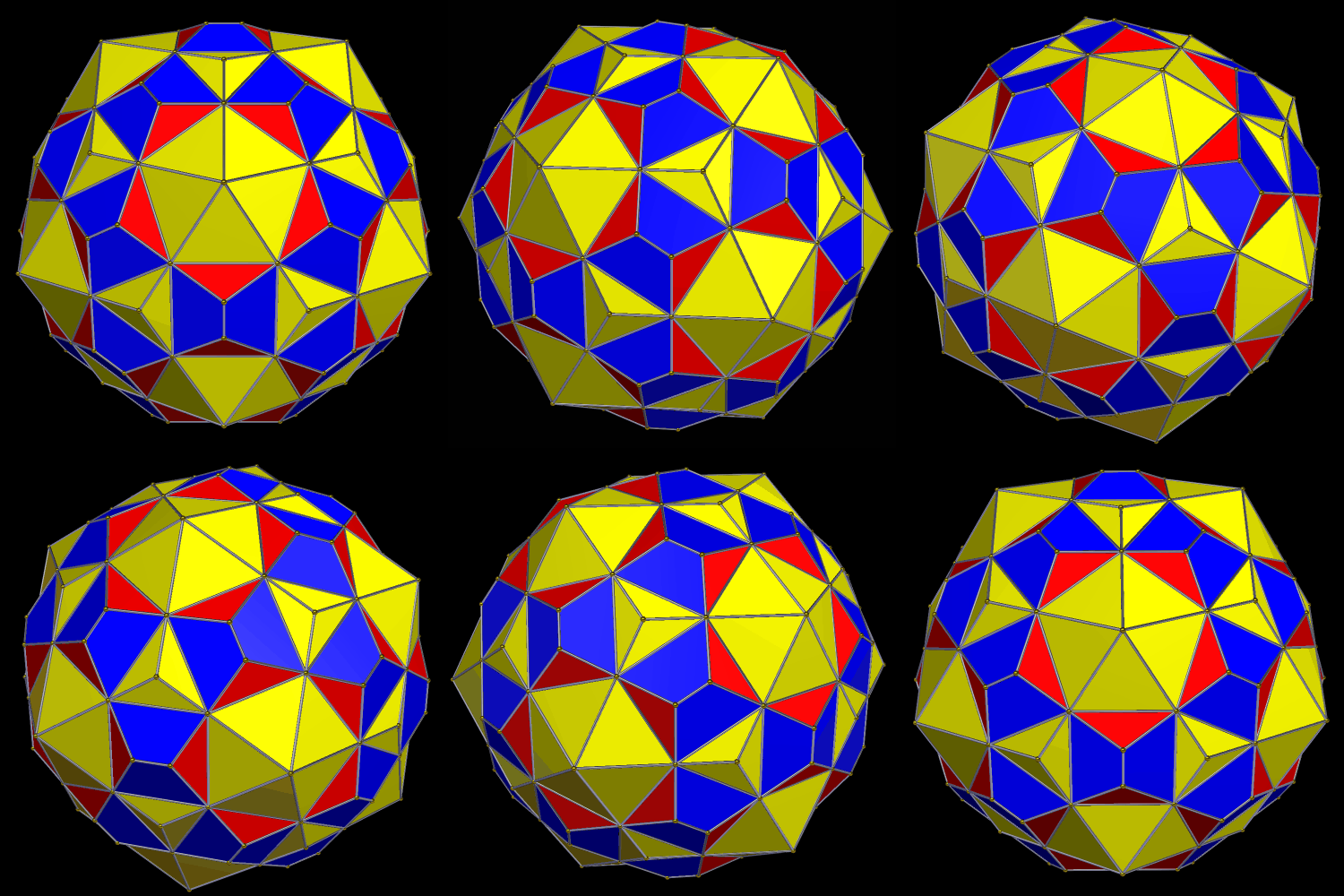
This zonohedron was formed from zones based on the faces, edges, and vertices of a rhombicosidodecahedron. The first image shows it colored by face type.

The second image has the faces colored by number of sides.

Finally, here’s one in “rainbow color mode.”

These images were all formed using Stella 4d: Polyhedron Navigator, which you can try for free right here.
I came across this little beauty while exploring stellations of the triakis octahedron, which is the dual of the truncated cube. Its three components are each eight-faced trapezohedra, and it showed up as the sixth in that stellation-series.

Stella 4d: Polyhedron Navigator was used to make this rotating image. You may try it for free right here.
The truncated octahedron is well-known as the only Archimedean solid which can fill space, by itself, without leaving any gaps. The cluster below shows this, and has the overall shape of a rhombic dodecahedron.

It’s easier to see the rhombic dodecahedral shape of this cluster when looking at its convex hull:
Both images here were made using Stella 4d, which you can try for free right here.
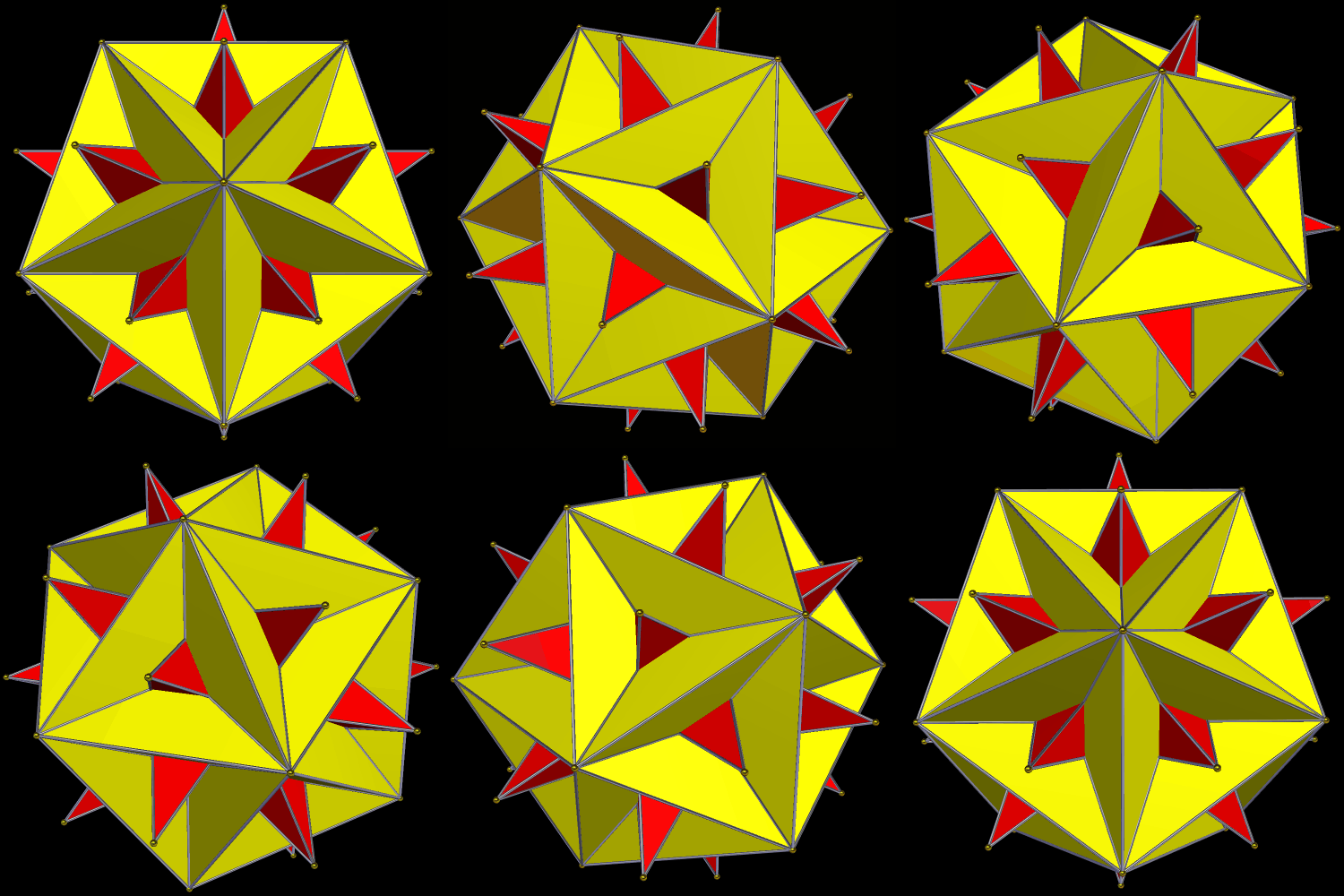
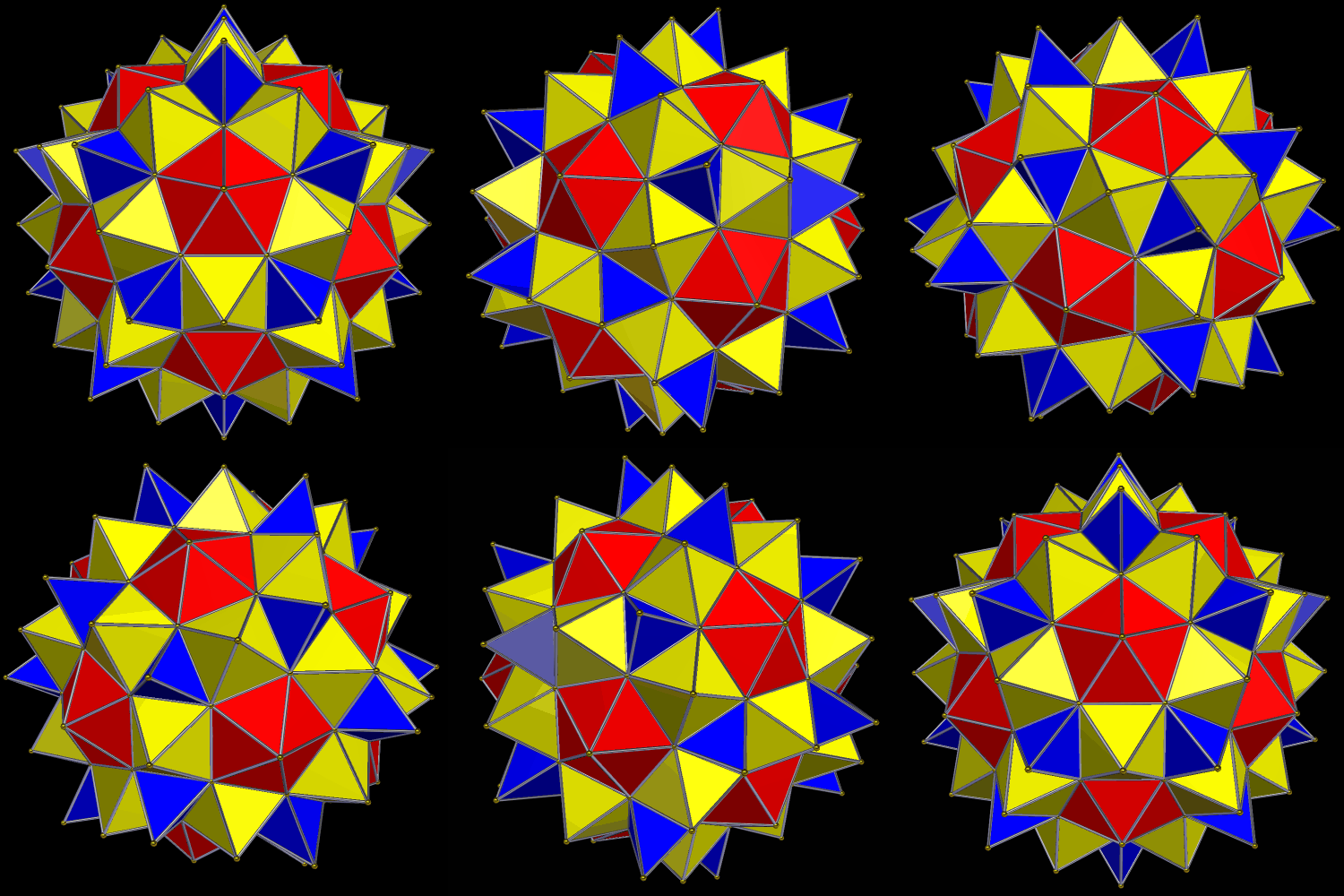
In the first version of this compound shown here, the great stellated dodecahedron is shown in yellow, while the small stellated dodecahedron is shown in red.

In the next version, each face has its own color, except for those in parallel planes, which have the same color.

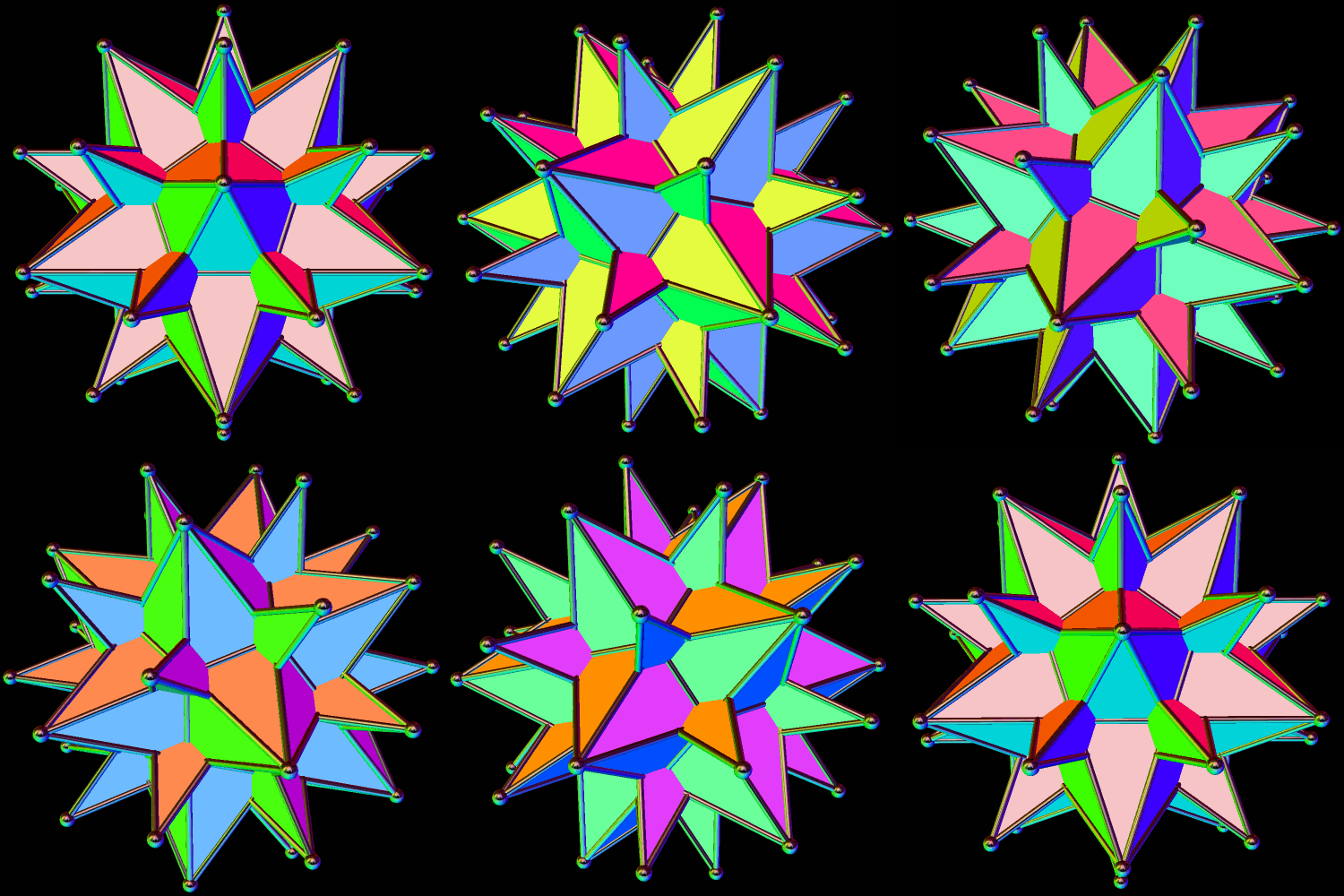
Finally, the third version is shown in “rainbow color mode.”
All three of these images were created using Stella 4d: Polyhedron Navigator, software you can try for free right here.
This is the truncated cube, which is one of the Archimedean solids.

To make a faceted version of this solid, one must connect at least some of the vertices in different ways. Doing that creates new faces.
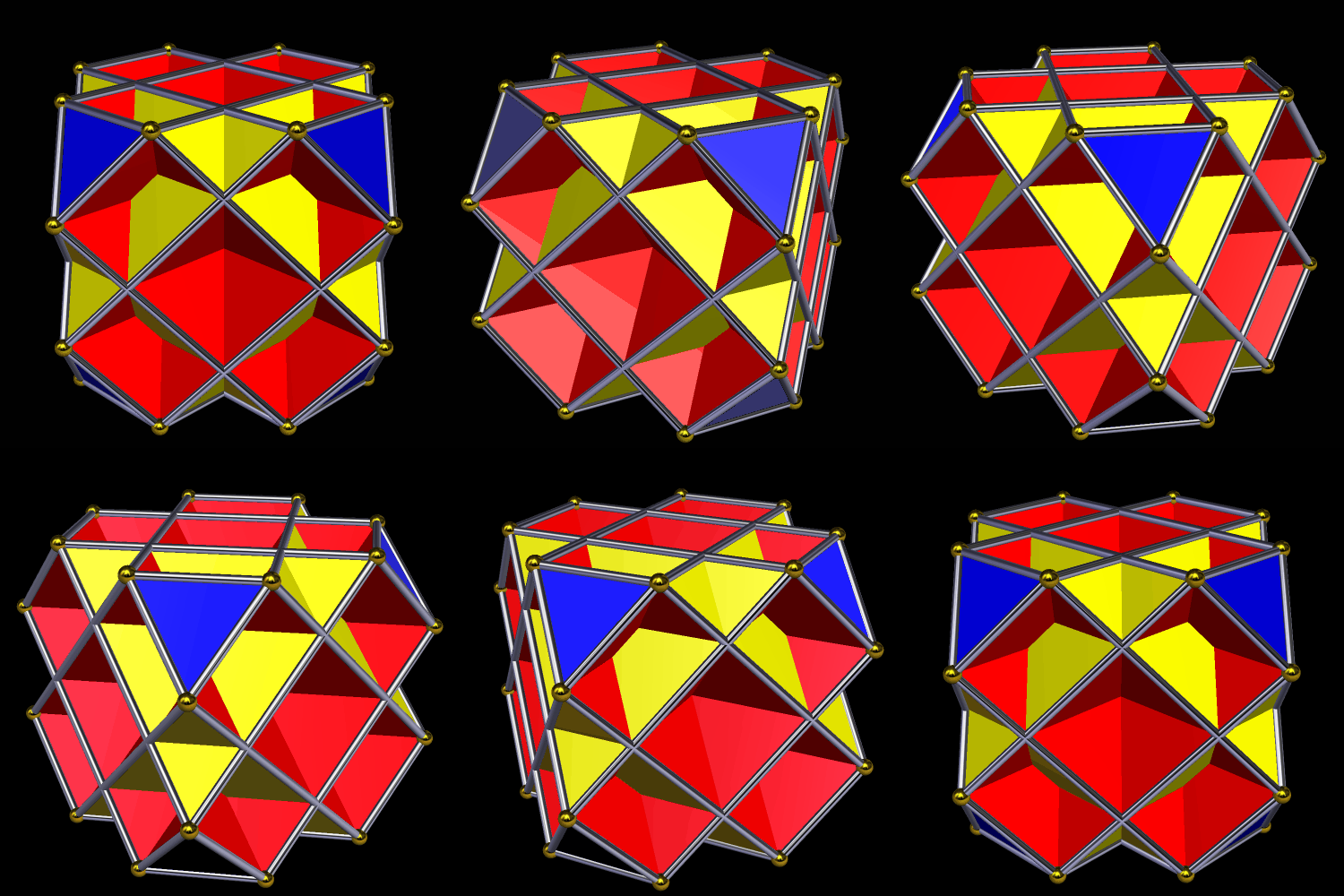
This faceted version of the truncated cube includes eight blue equilateral triangles, eight larger, yellow equilateral triangles, and eight irregular, red hexagons. It’s easy to spot the yellow and blue triangles, but seeing the red hexagons is harder. In the final picture here, I have hidden all faces except for three of the hexagons, so that their positions can be more easily seen.
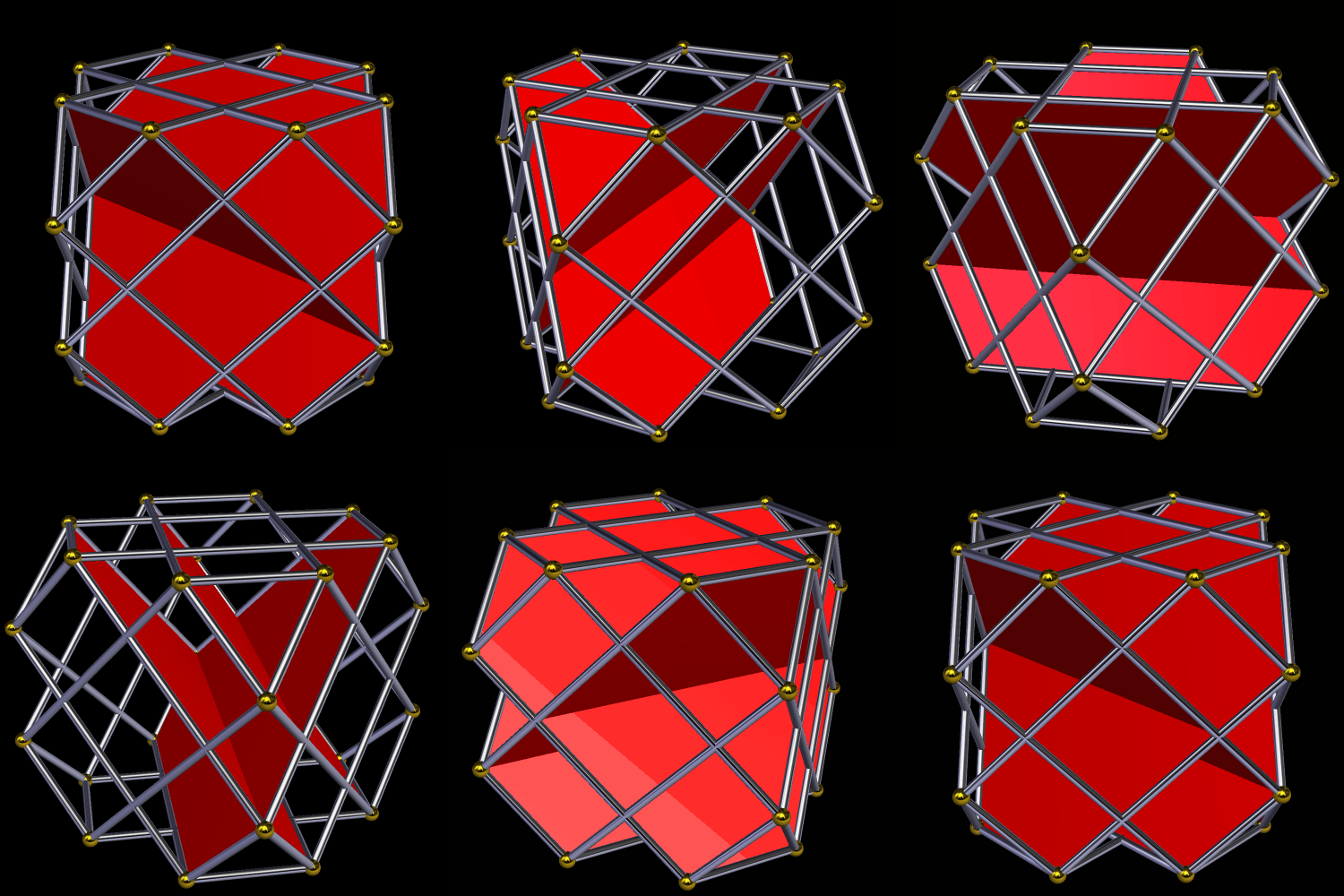
I made all three of these images using Robert Webb’s program called Stella 4d: Polyhedron Navigator. It is available for purchase, or as a free trial download, at http://www.software3d.com/Stella.php.
The 18th stellation of the rhombicosidodecahedron, shown above, is also an interesting compound. The yellow component of this compound is the rhombic triacontahedron, and the blue-and-red component is a “stretched” form of the truncated icosahedron.
This was made using Stella 4d, which you can try for free right here.
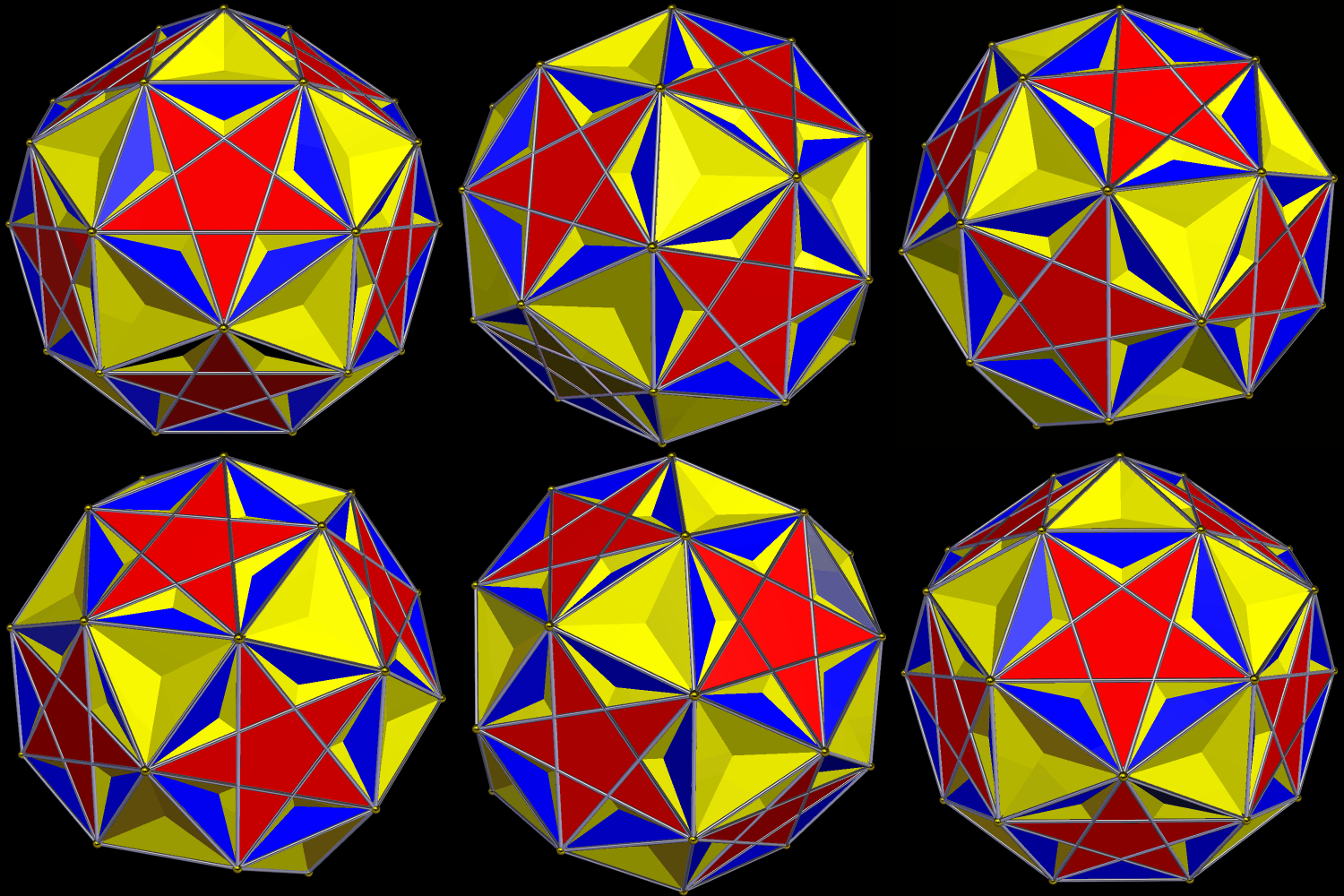
The only difference between these two images is that the lower one is in “rainbow color mode.” Both were created using Stella 4d, which you can try for free at this website.
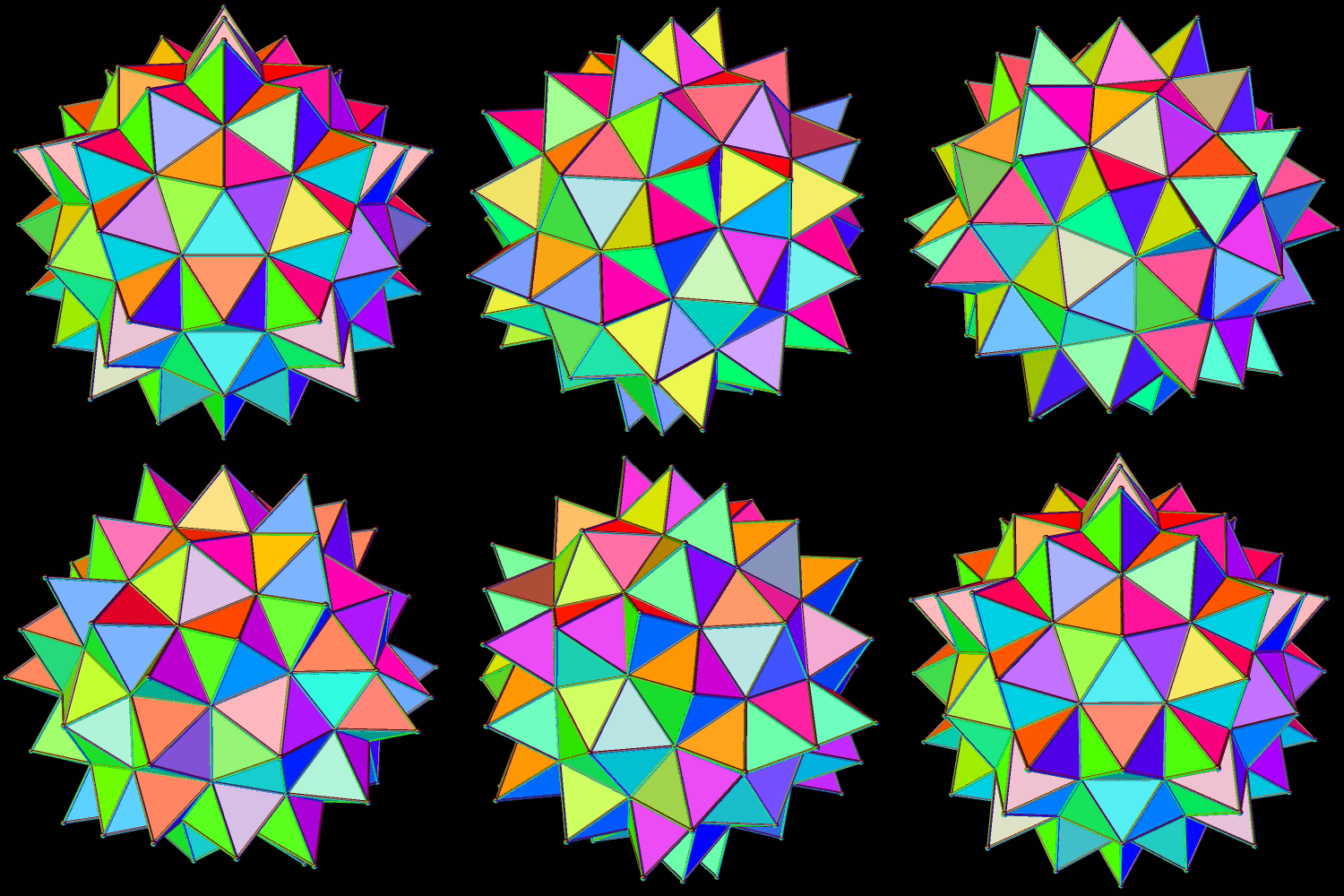
I once made a physical model of this thing, when I was still new to the study of polyhedra. I wish I still had it, but it was lost many years ago.


 RobertLovesPi.net