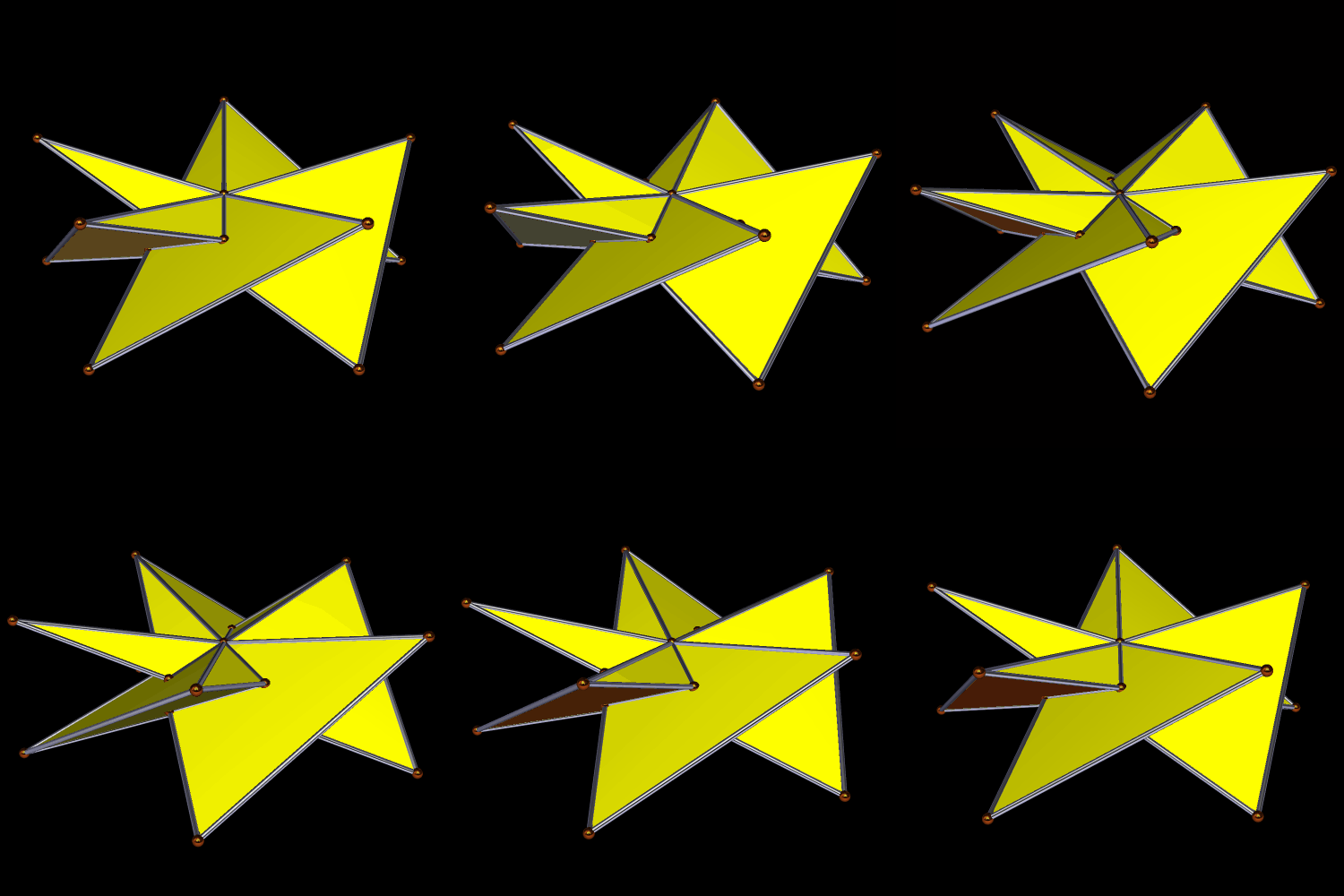
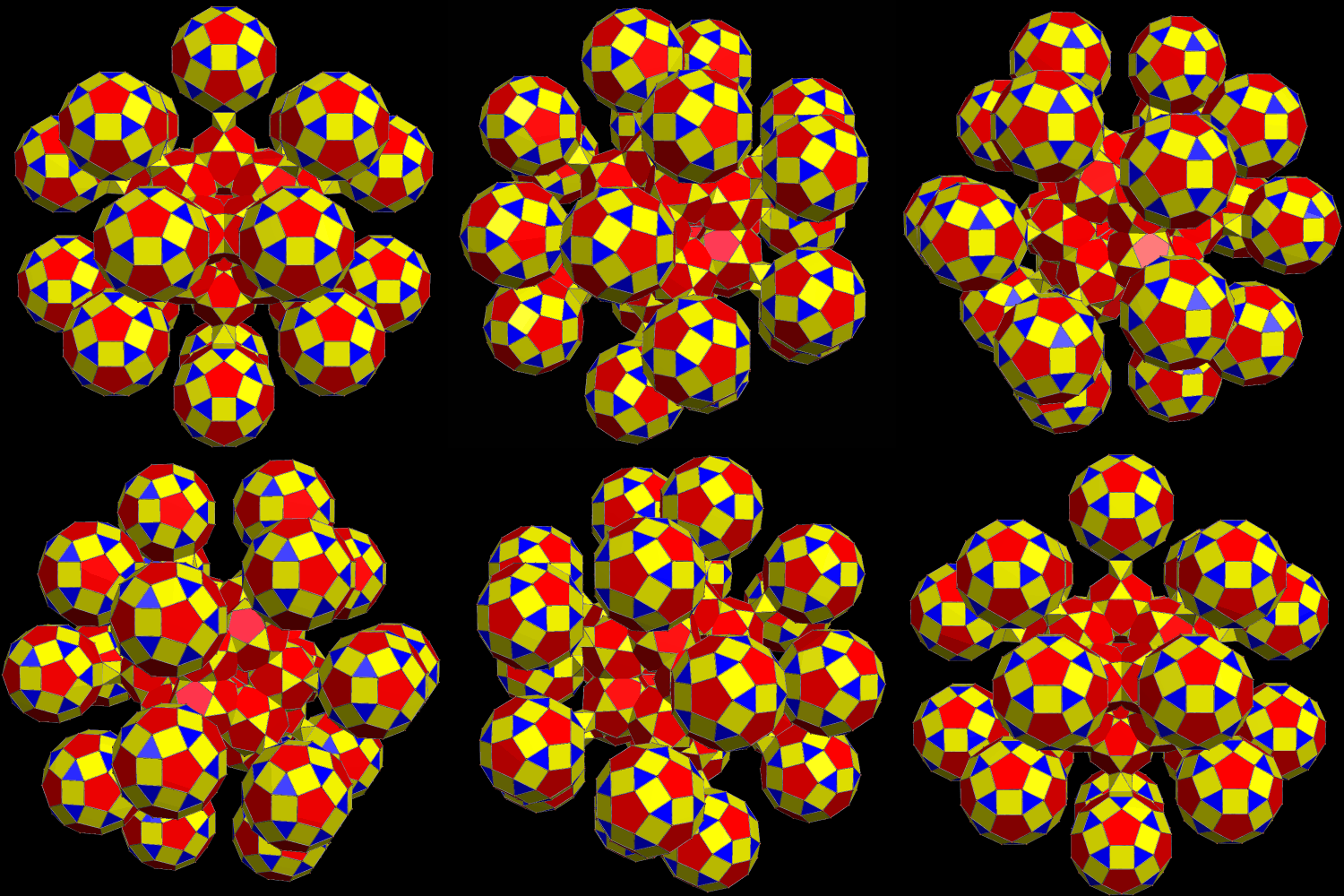
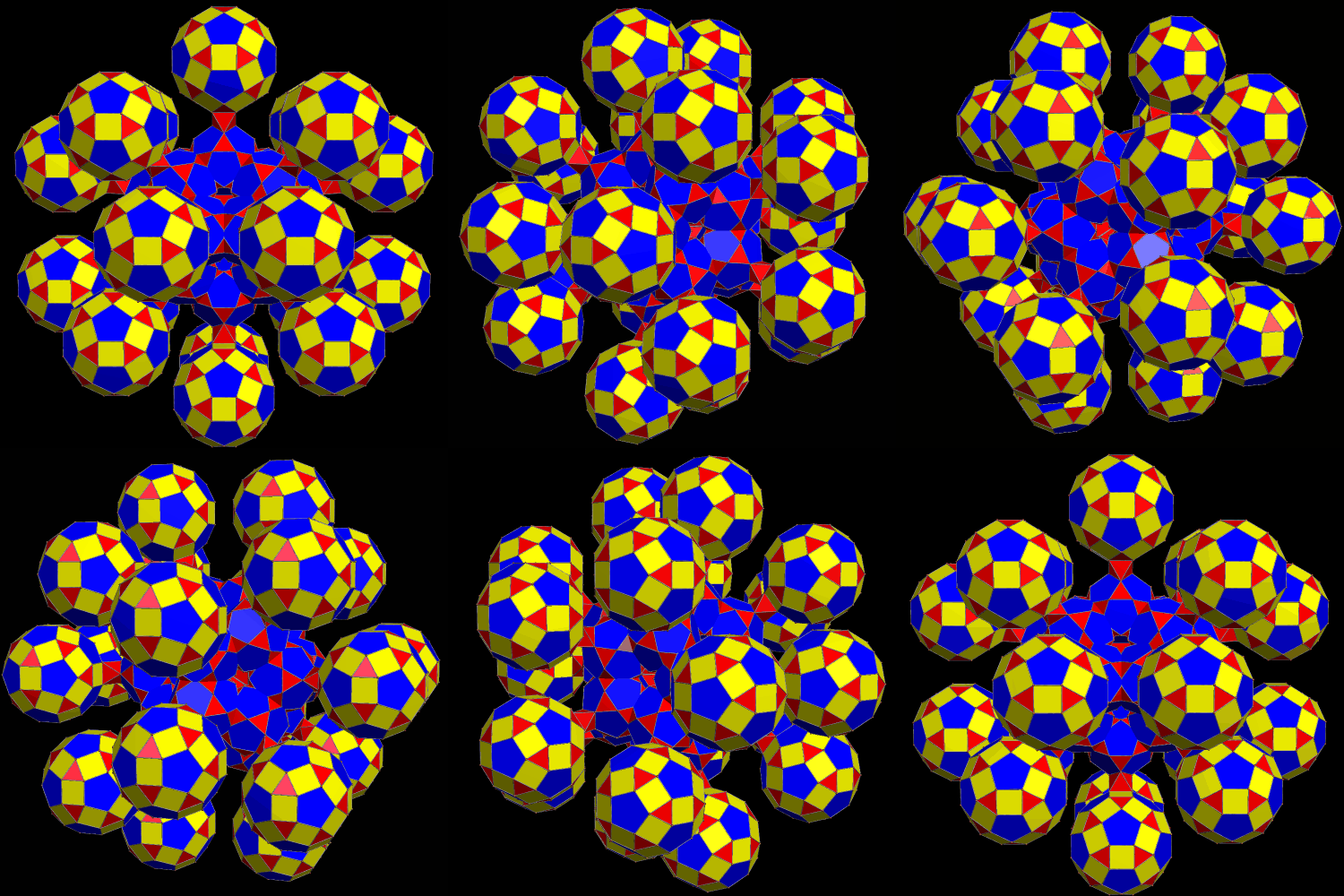
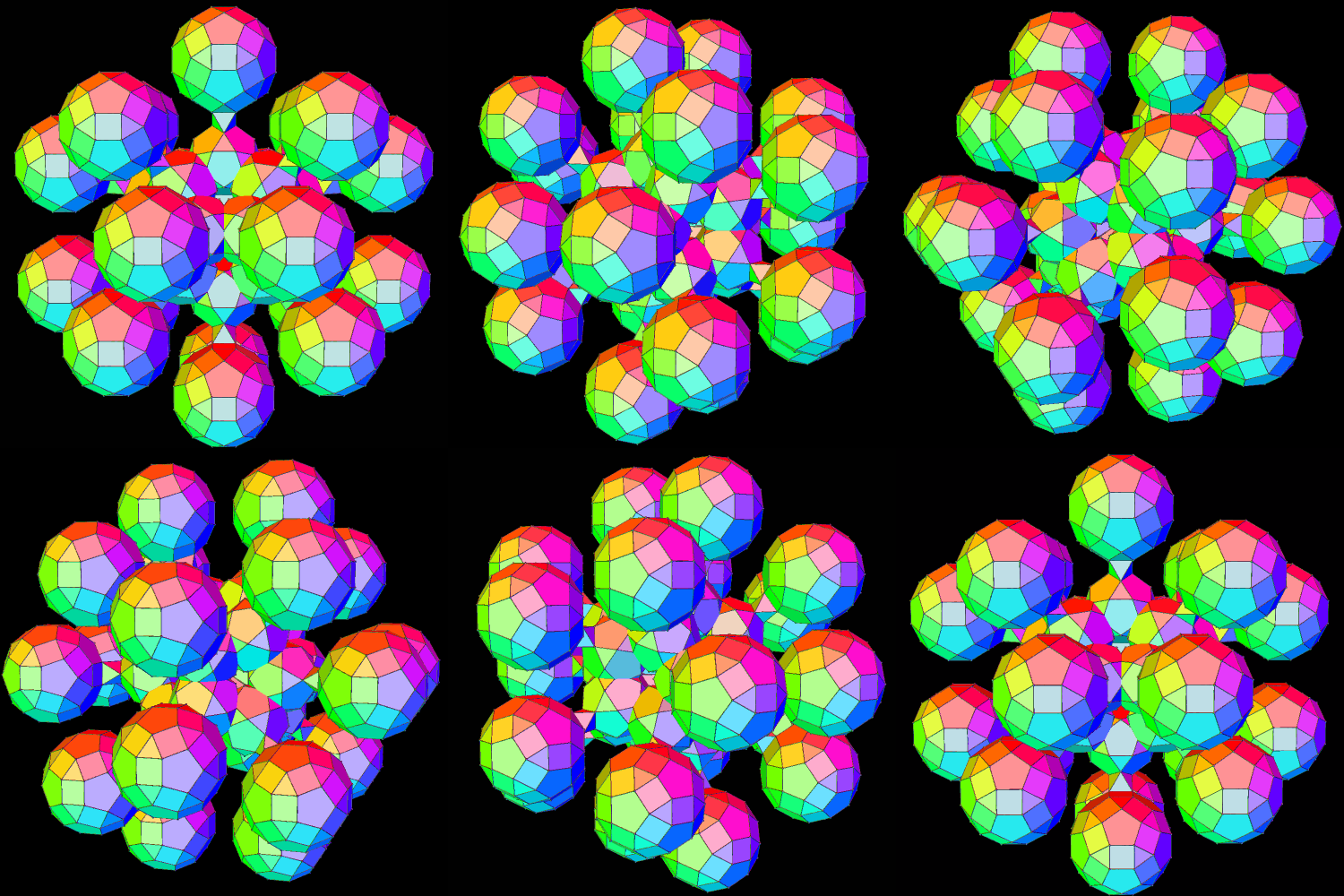
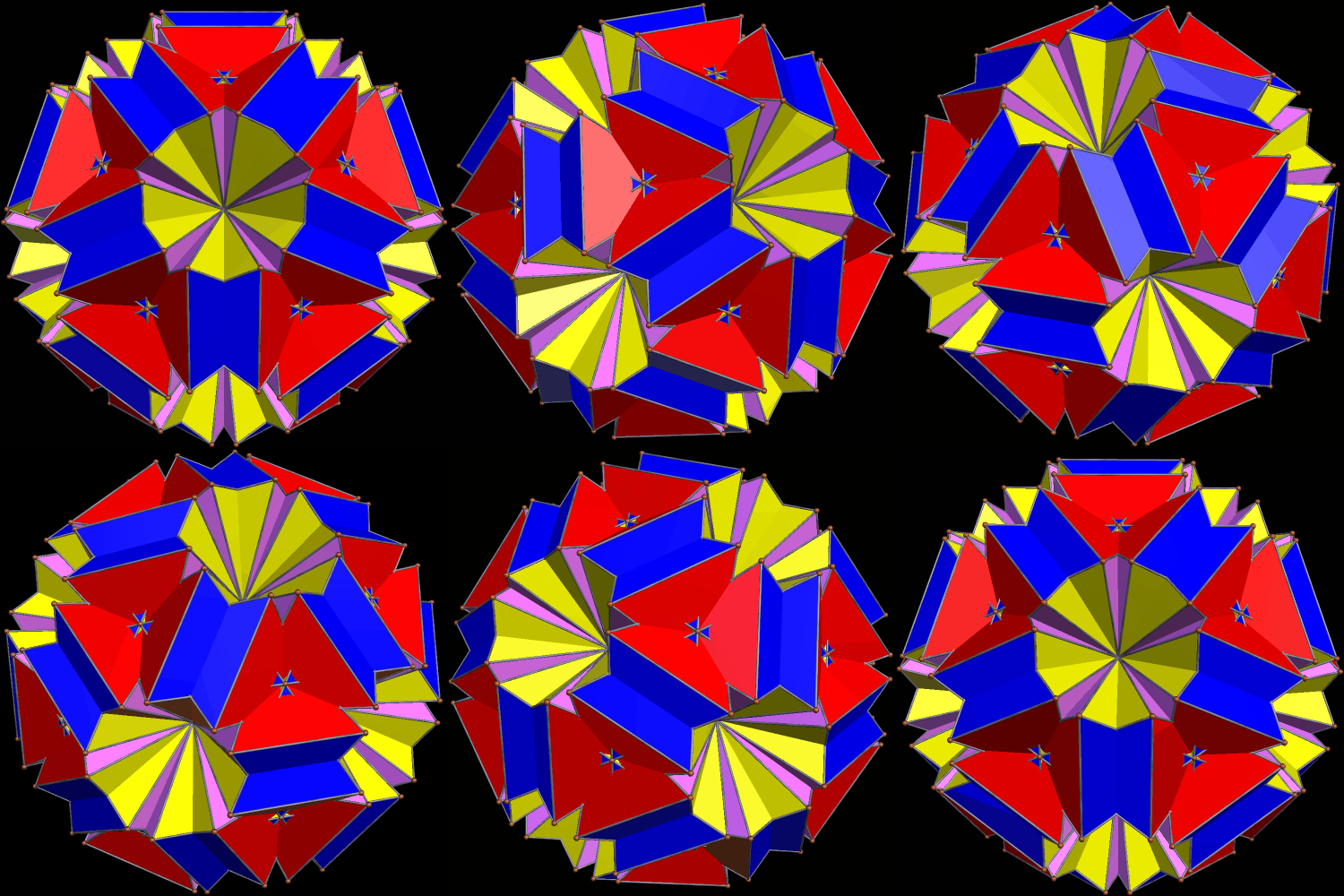
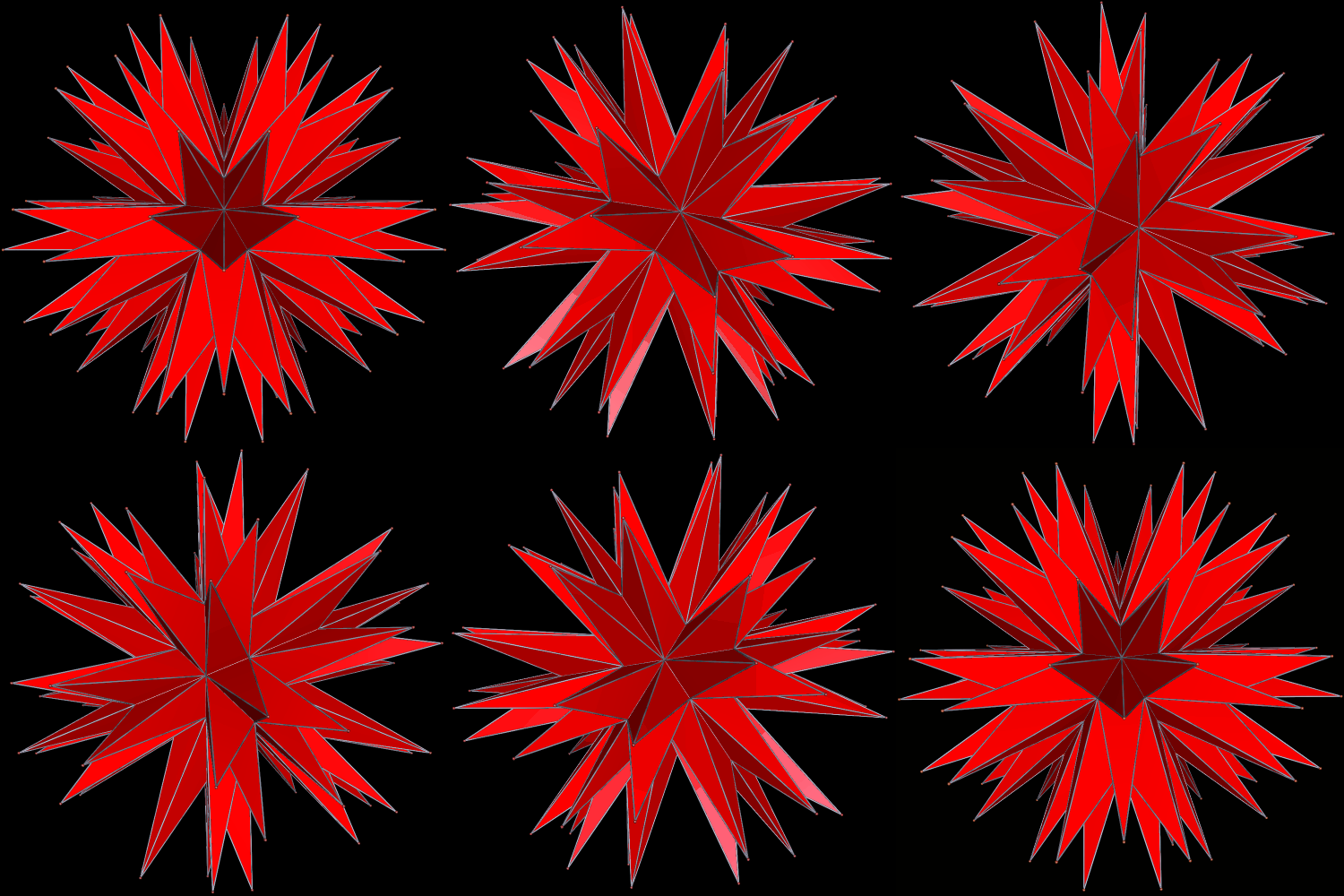
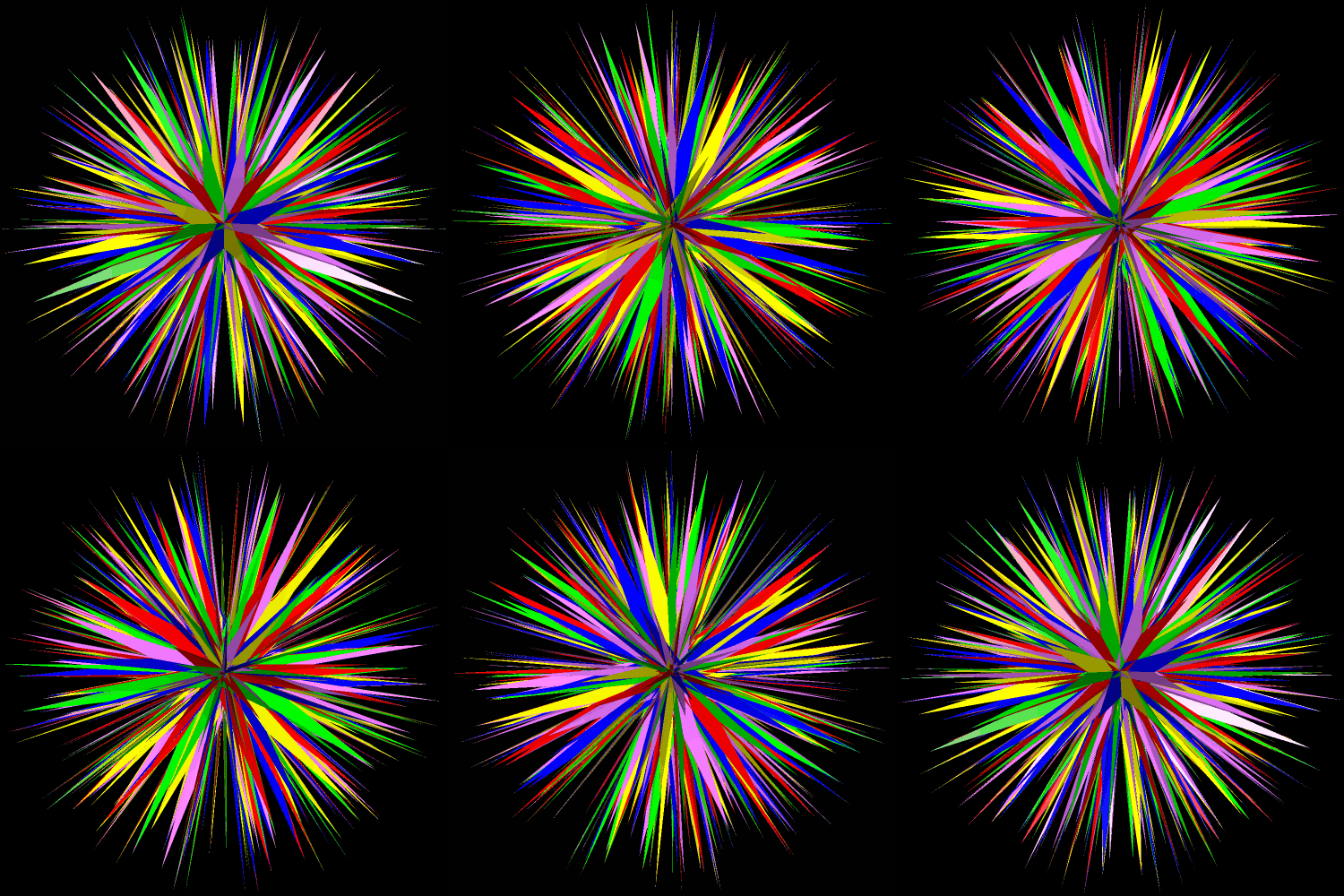
Twisted Polyhedral Compound

twist5

I used Stella 4d to make this. You may try this program for free at http://wwwsoftware3d.com/Stella.php.

A Tetrahedrally-Symmetric Polyhedron Featuring Heptagons

46-faces-12-of-them-heptagons

Created using Stella 4d: Polyhedron  Navigator; see this website to try it for yourself!

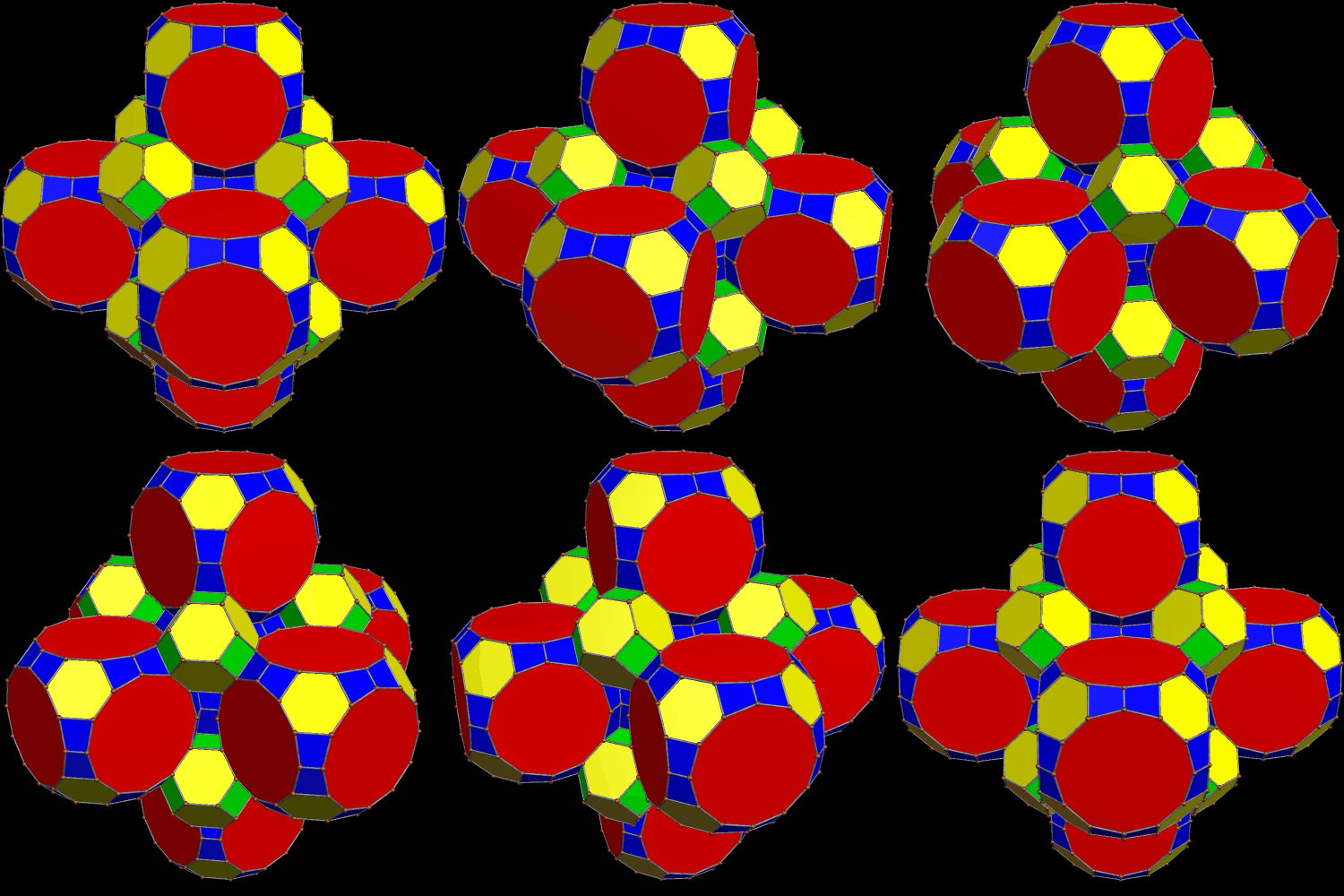
Bowtie Cubes in a Polyhedral Honeycomb

unnamed

This polyhedron has been described here as a “bowtie cube.” It is possible to augment its six dodecagonal faces with additional bowtie cubes. Also, the bowtie cube’s hexagonal faces may be augmented by truncated octahedra.

bizarre

These two polyhedra “tessellate” space, together which square pyramidal bifrustrums, meeting in pairs, which fill the blue-and-green “holes” seen above. This last image shows more of the “honeycomb” produced after yet more of these same polyhedra have been added.

bizarrer

This pattern may be expanded into space without limit. I discovered it while playing with Stella 4d, software you may try for free at this website.  


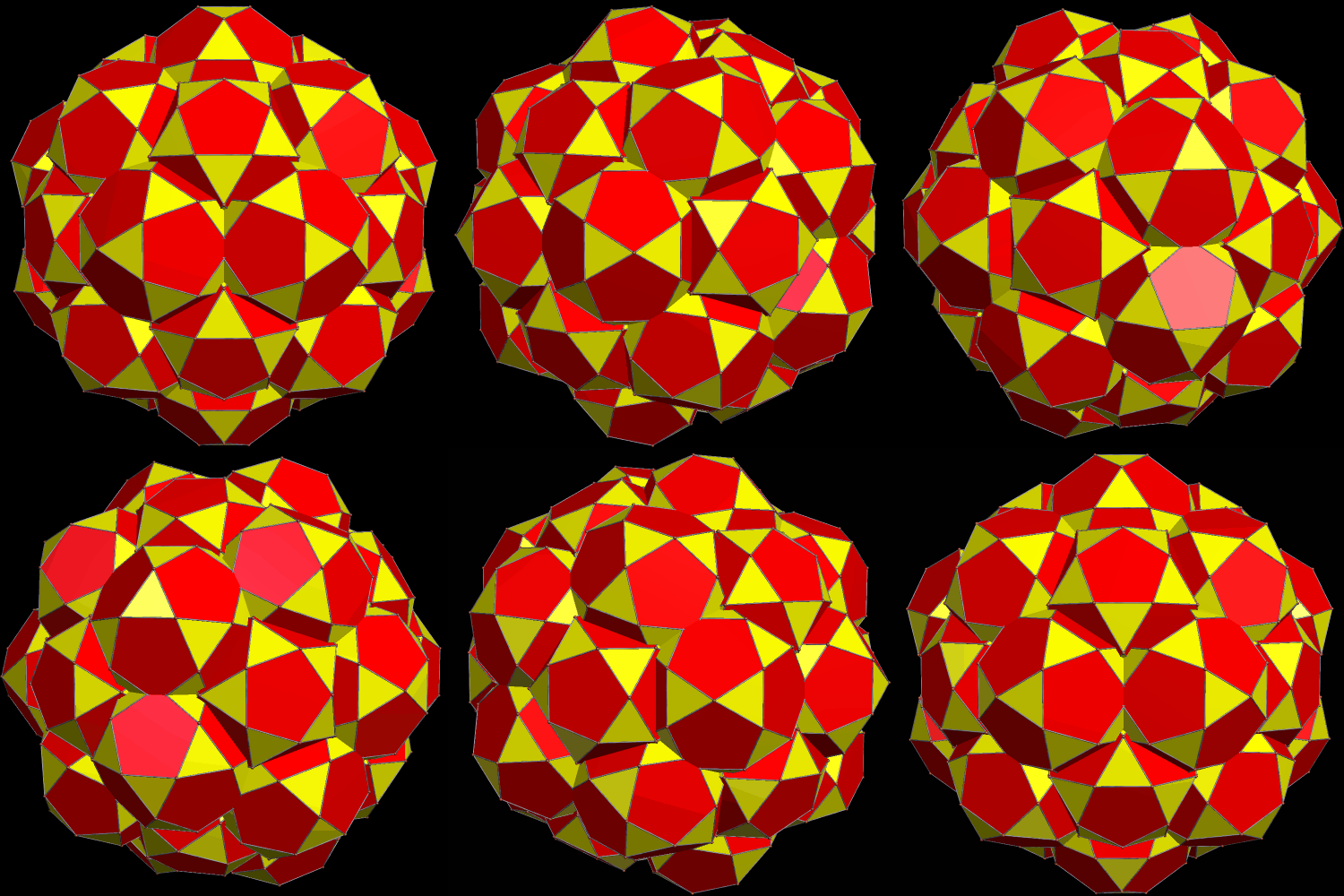
Three Views of a Rotating Cluster of 33 Icosidodecahedra

33-icosidodeca

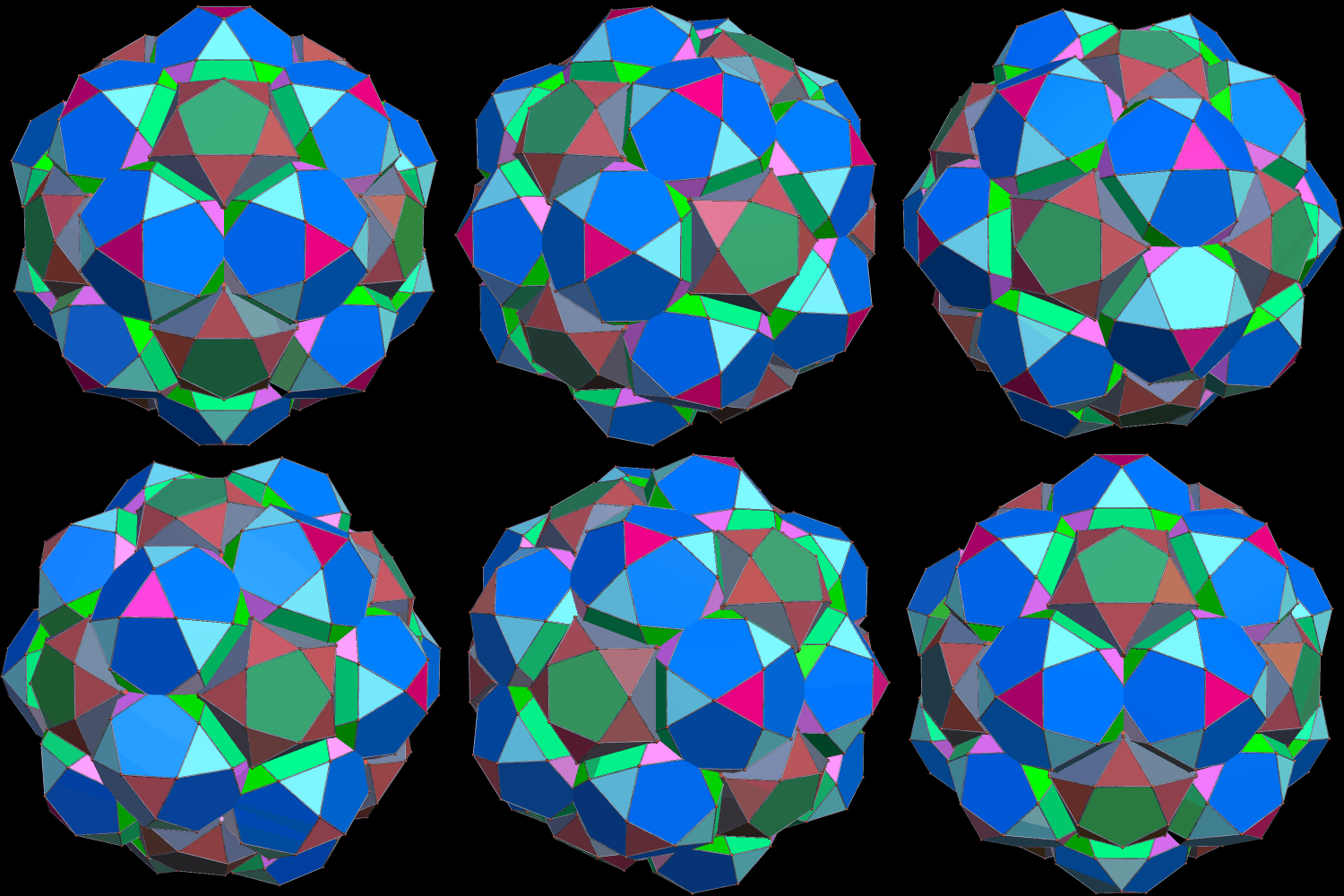
To make these three rotating cluster-polyhedra, I started with one icosidodecahedron in the center, then augmented each of its 32 faces with overlapping, additional icosidodecahedra, for a total of 33 icosidodecahedra per cluster. In the first image, only two colors are used: one for the triangular faces, and another for the pentagons. The second version, however, has the colors assigned by face-type, which is determined by each face’s placement in the overall cluster.

33-icosidodeca-ft

For the third version, I simply put Stella 4d (the program I use to make these images) into “rainbow color mode.” If you’d like to give Stella 4d a try, you can do so for free at this website.

33-icosidodeca-rc


An Open Cluster of Polyhedra

augmented-icosa

From the center to the outside, this cluster contains one icosahedron, twenty octahedra, twenty icosidodecahedra, twenty more octahedra, and, finally, twenty rhombicosidodecahedra.

augmented-icosa-dc

All three of the images here were created using Stella 4d, a program you may try, free, at this website.

augmented-icosa-rc


A Festive Cluster of Polyhedra

augmented-icosa-with-tet-then-octahedra

This is what you get if you start with an icosahedron, augment each of its faces with tetrahedra, and then augment the tetrahedral faces with octahedra. I made it using Stella 4d, a program you may try for free at http://www.software3d.com/Stella.php.

Icosahedral Cluster

augmented-great-icosa

The great icosahedron, one of the Kepler-Poinsot solids, is hidden from view at the center of this cluster. Each of its faces is augmented with a Platonic icosahedron, producing what you see here. Stella 4d is the software I used; more information about that program may be found here.

Building a “Polyhedral Porcupine”

This is the icosahedron, followed by its first stellation.

The first stellation of the icosahedron can be stellated again, and again, and so on. The “final stellation” of the icosahedron is the one right before the stellation-series “wraps around,” back to where it started:

icosa-stellation-final-60-spikes

This final stellation of the icosahedron would serve pretty well as a “polyhedral porcupine,” but I was seeking something even better, so I turned my attention to polyhedral compounds. This is the compound of five icosahedra:

icosahedra-5

The program I use to manipulate these solids is called Stella 4d: Polyhedron Navigator (free trial download available here). My next move, using Stella, was to create the final stellation of this five-icosahedron compound . . . and, when I saw it, I knew I had found my “polyhedral porcupine.”

icosahedra-5-final-stellation

Compound of Two Tetrahedral Wedges

compound-of-two-wedges

I made this with Stella 4d, a program you can try for yourself right here.

494 Circles, Each, Adorning Two Great Rhombcuboctahedra, with Different (Apparent) Levels of Anxiety


Trunc Cubocta

The design on each face of these great rhombcuboctahedra is made from 19 circles, and was created using both Geometer’s Sketchpad and MS-Paint. I then used a third program, Stella 4d (available here), to project this image on each of a great rhombcuboctahedron’s 26 faces, creating the image above.

If you watch carefully, you should notice an odd “jumping” effect on the red, octagonal faces in the polyhedron above, almost as if this polyhedron is suffering from an anxiety disorder, but trying to conceal it. Since I like that effect, I’m leaving it in the picture above, and then creating a new image, below, with no “jumpiness.” Bragging rights go to the first person who, in a comment to this post, figures out how I eliminated this anxiety-mimicking effect, and what caused it in the first place. 
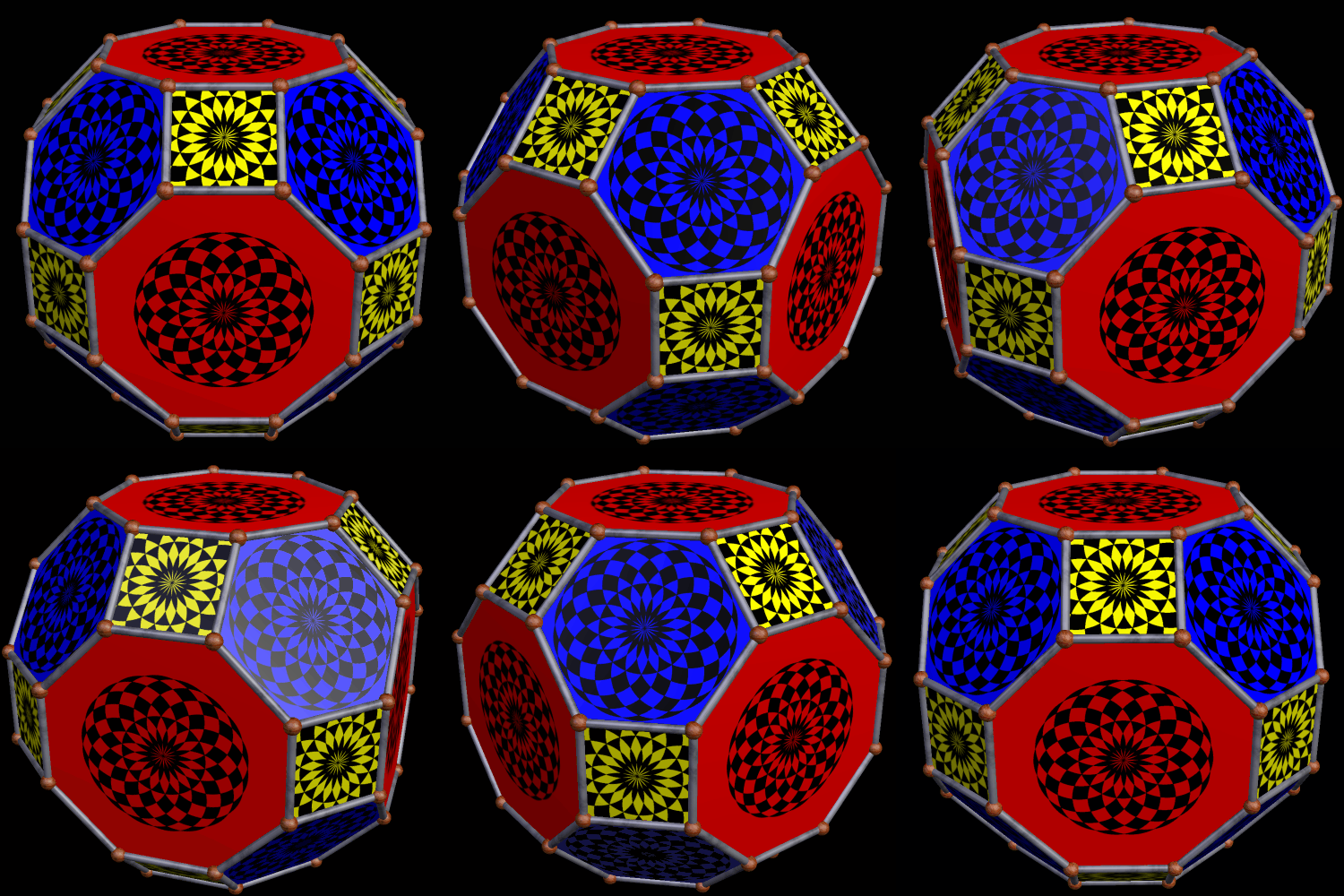
Trunc Cubocta

Your first hint is that no anti-anxiety medications were used. After all, these polyhedra do not have prescriptions for anything. How does one “calm down” an “anxious” great rhombcuboctahedron, then?

On a related note, it is amazing, to me, that simply writing about anxiety serves the purpose of reducing my own anxiety-levels. It is an effect I’ve noticed before, so I call it “therapeutic writing.” That helped me, as it has helped me before. (It is, of course, no substitute for getting therapy from a licensed therapist, and following that therapist.) However, therapeutic writing can’t explain how this “anxious polyhedron” was helped, for polyhedra can’t write.

For a second hint, see below.

.

.

[Scroll down….]

.

.

Second hint: the second image uses approximately twice as much memory-storage space as the first image used.