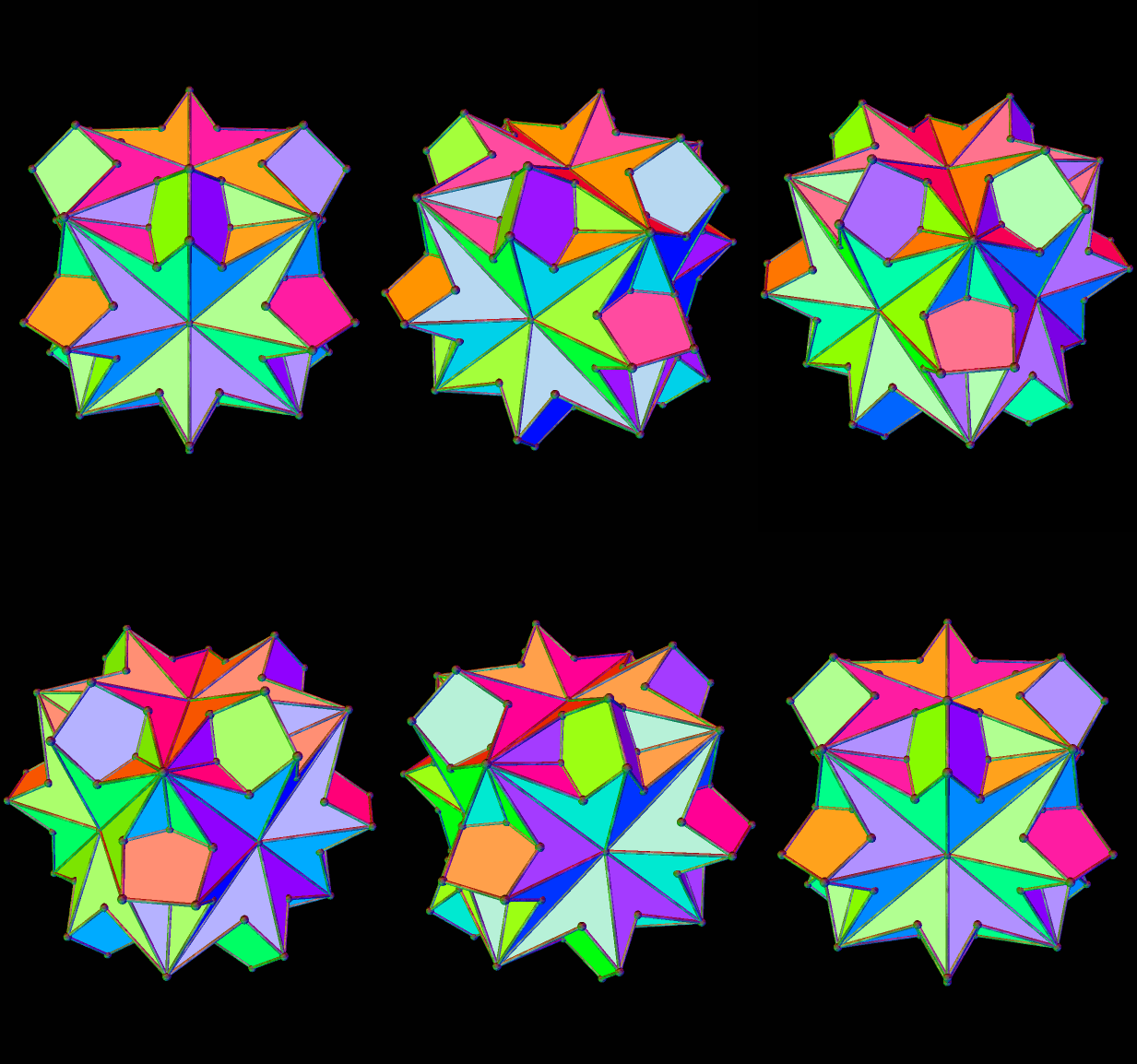
A Partially-Invisible Rhombicosidodecahedron, and One of Its Stellations

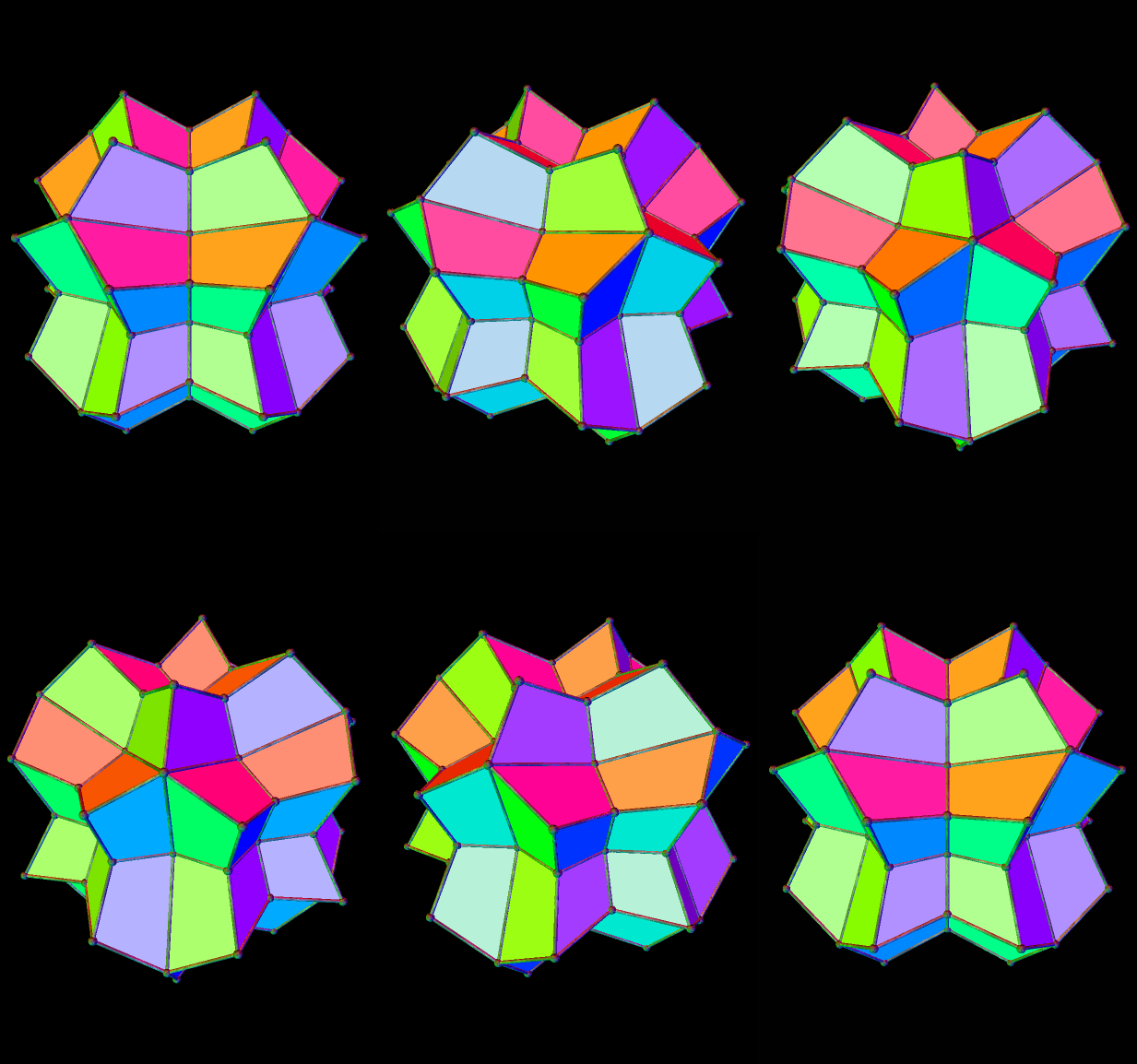
Rhombicosidodeca

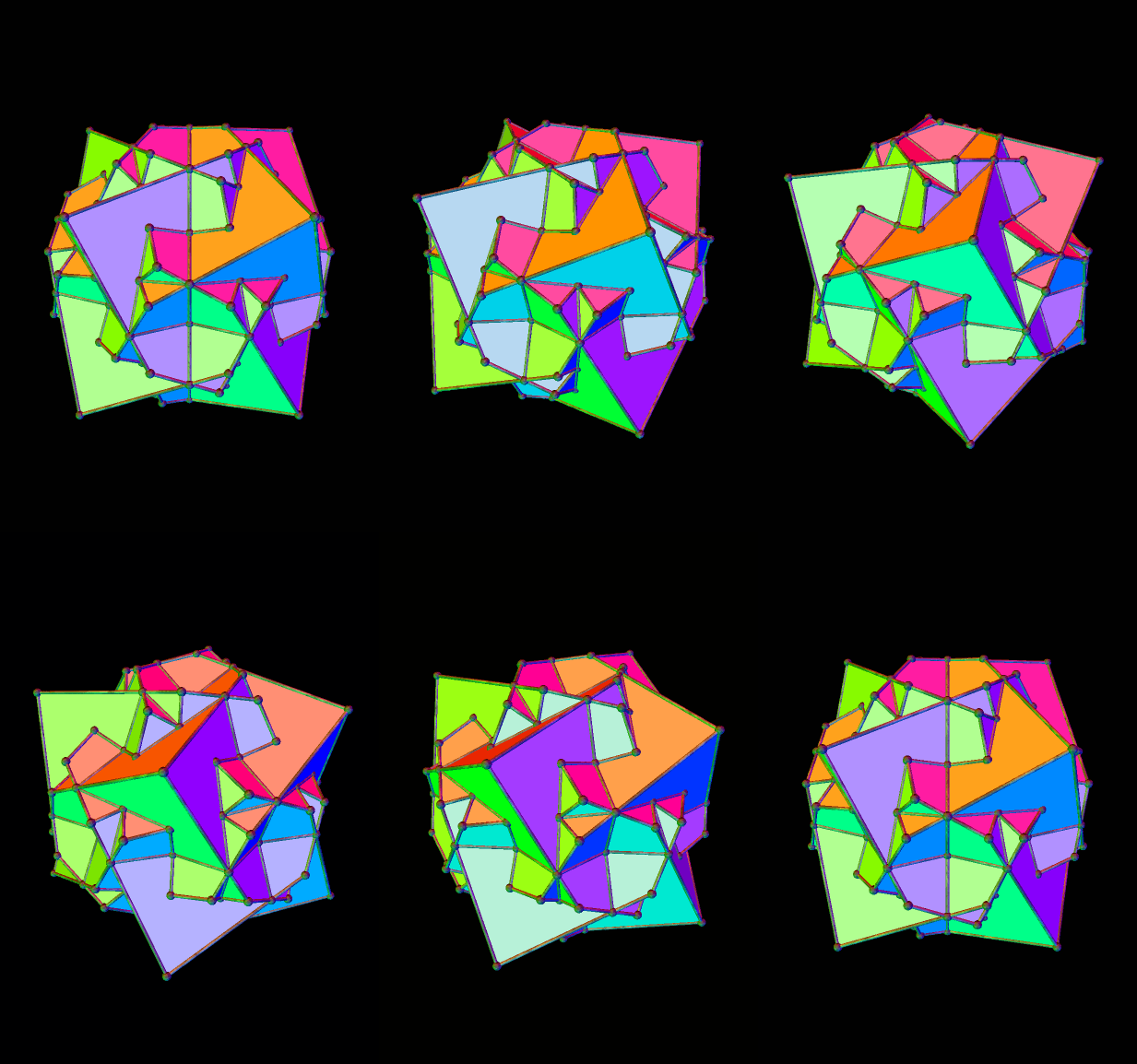
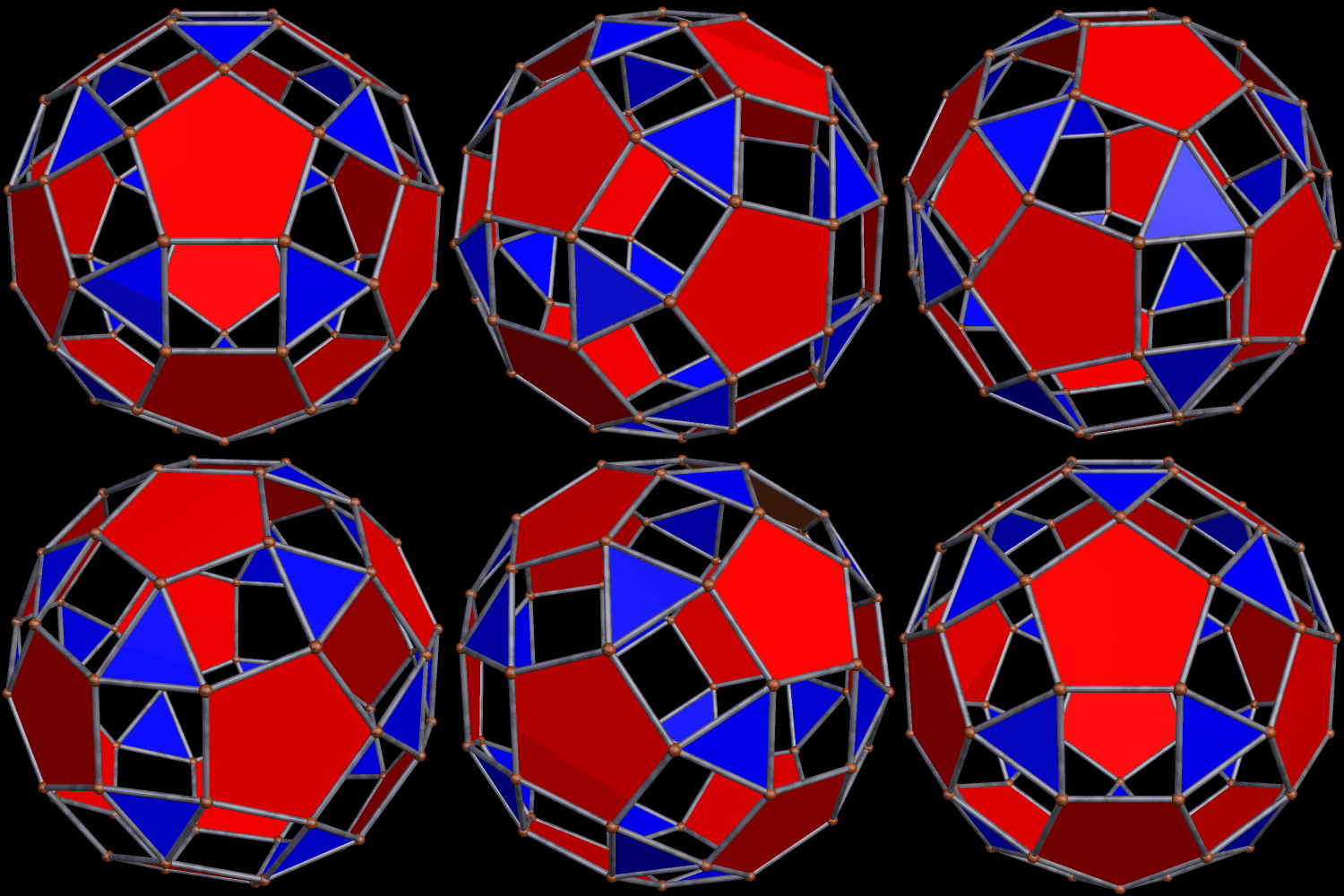
The polyhedron above originally had thirty yellow square faces, but I rendered them invisible so that the interior structure of this polyhedron could be seen.

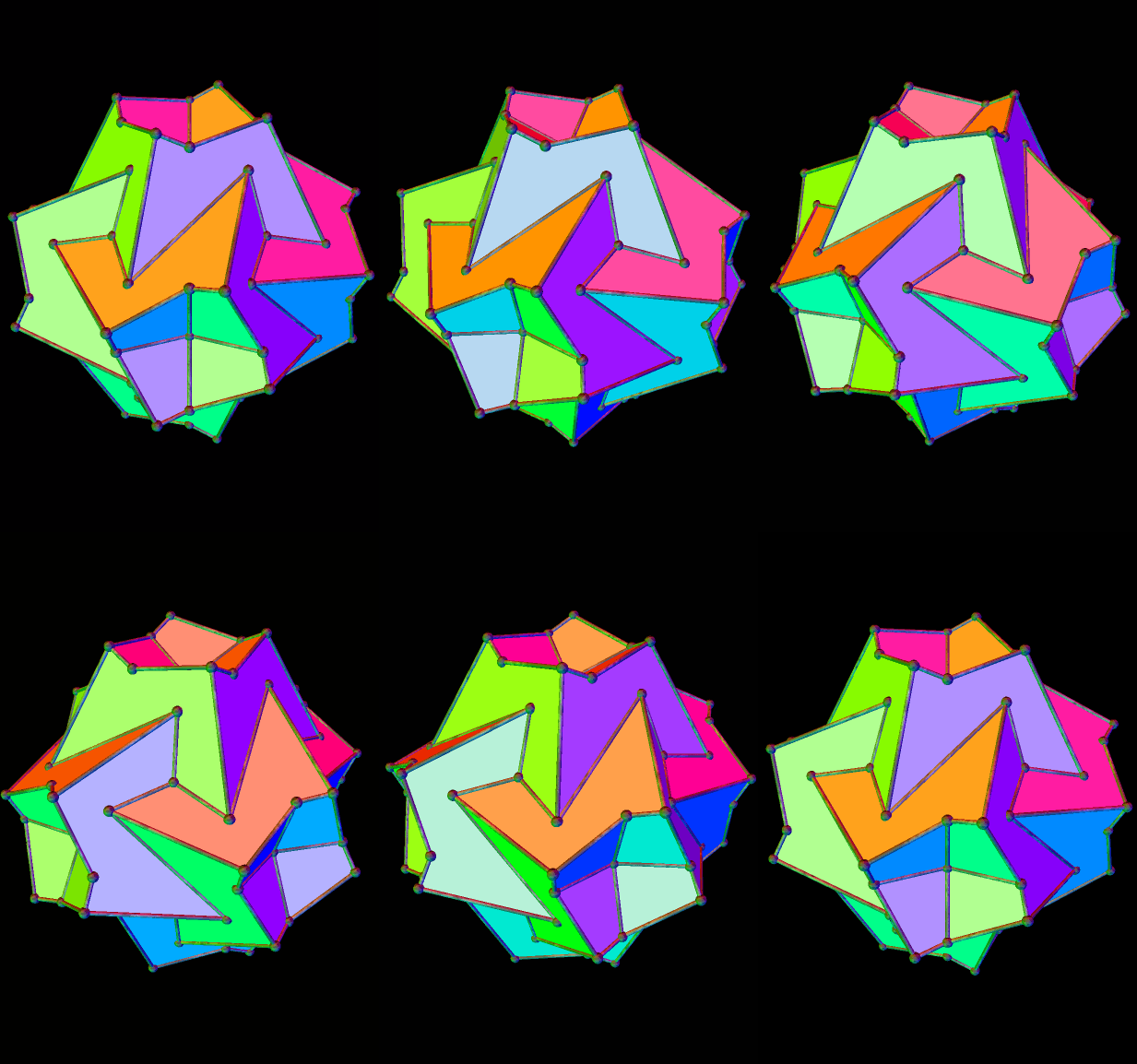
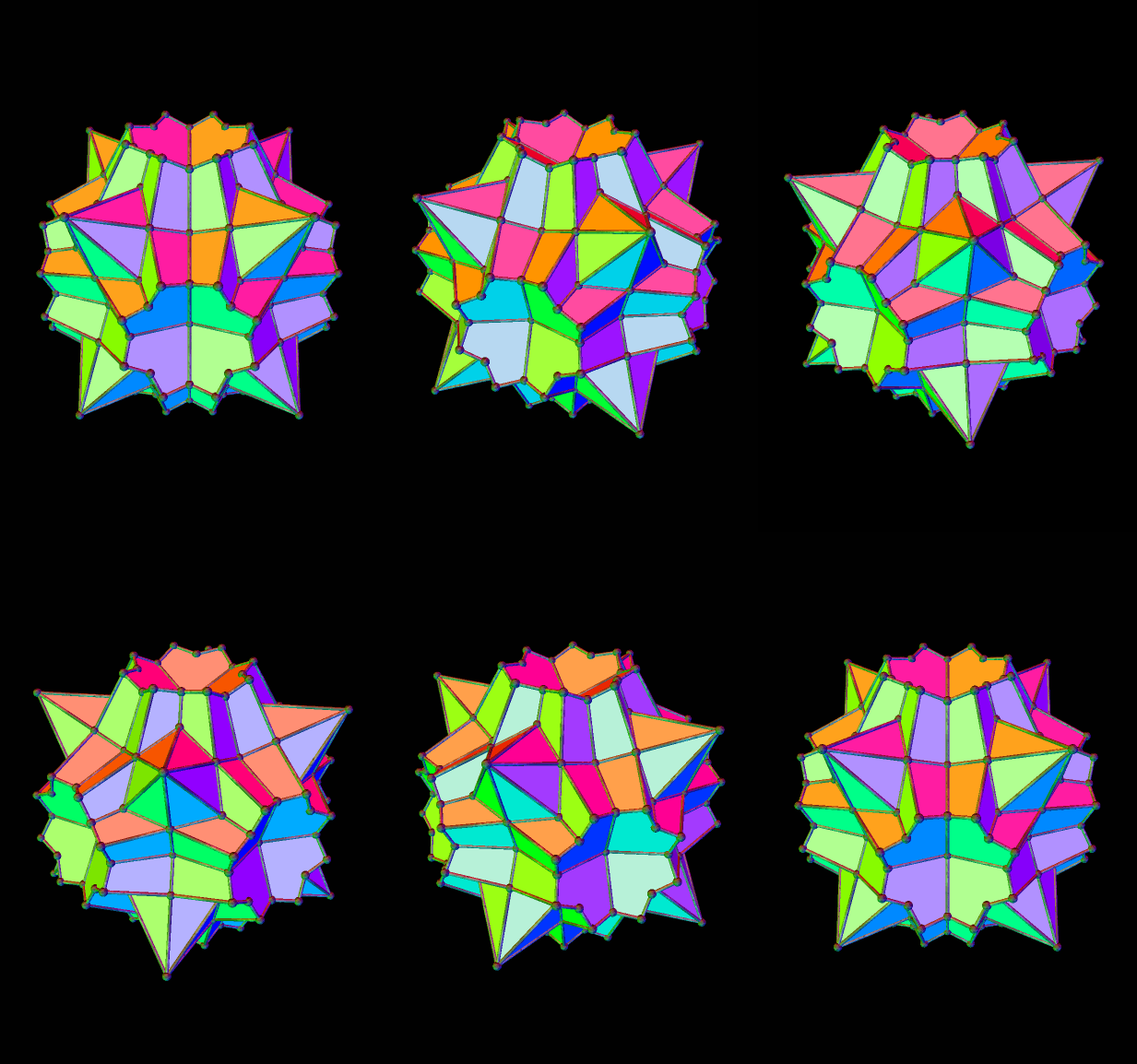
When stellating such a partially-invisible figure, the new faces “inherited” from the “parent polyhedron” are either visible or invisible, depending on which type of face they are derived from. This makes for a very unusual look for some stellations, such as this, the rhombicosidodecahedron’s 50th:

Rhombicosidodeca w inv squares 50th stellations

I created these images using a program called Stella 4d: Polyhedron Navigator. You may try it for yourself at http://www.software3d.com/Stella.php.

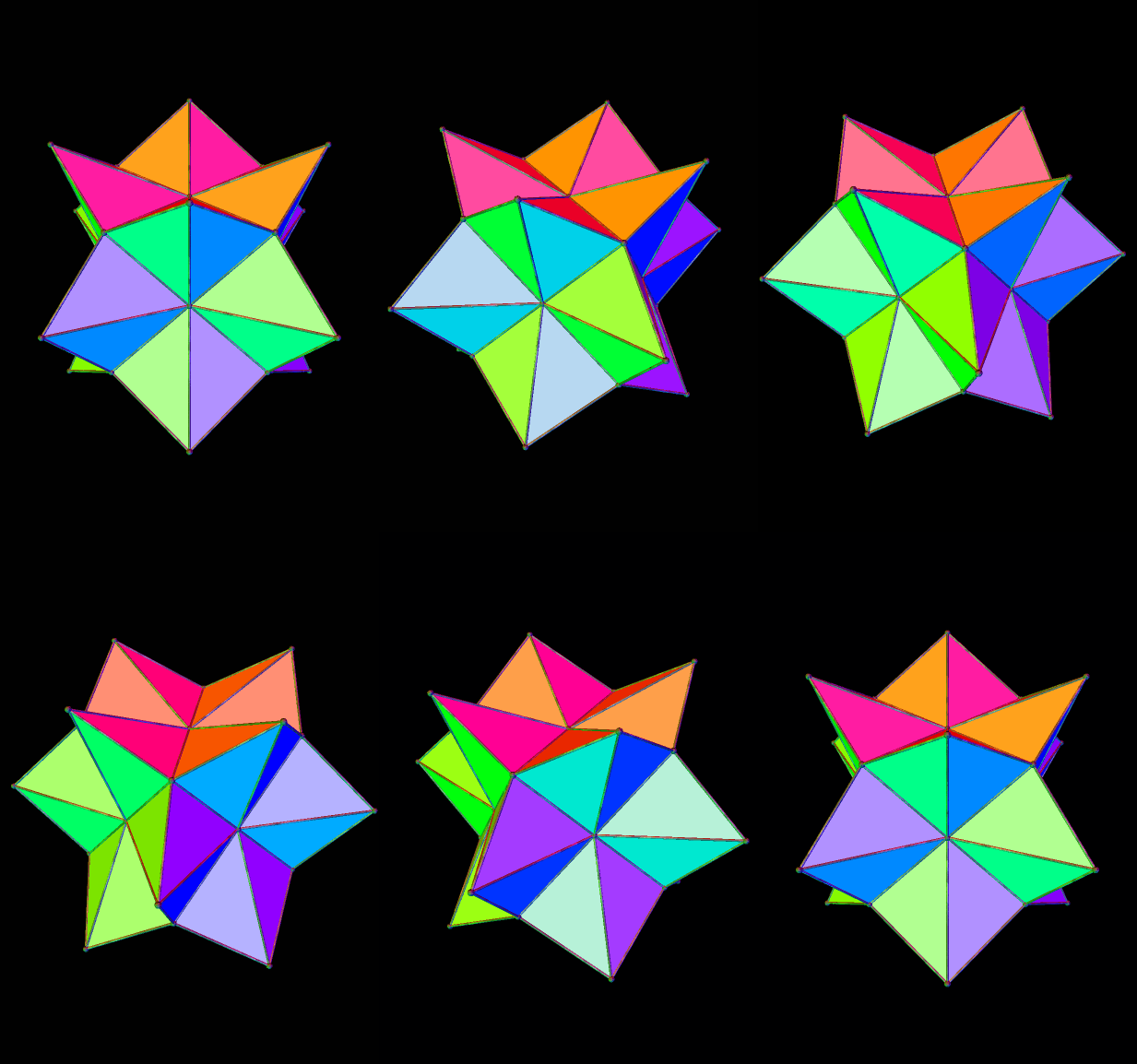
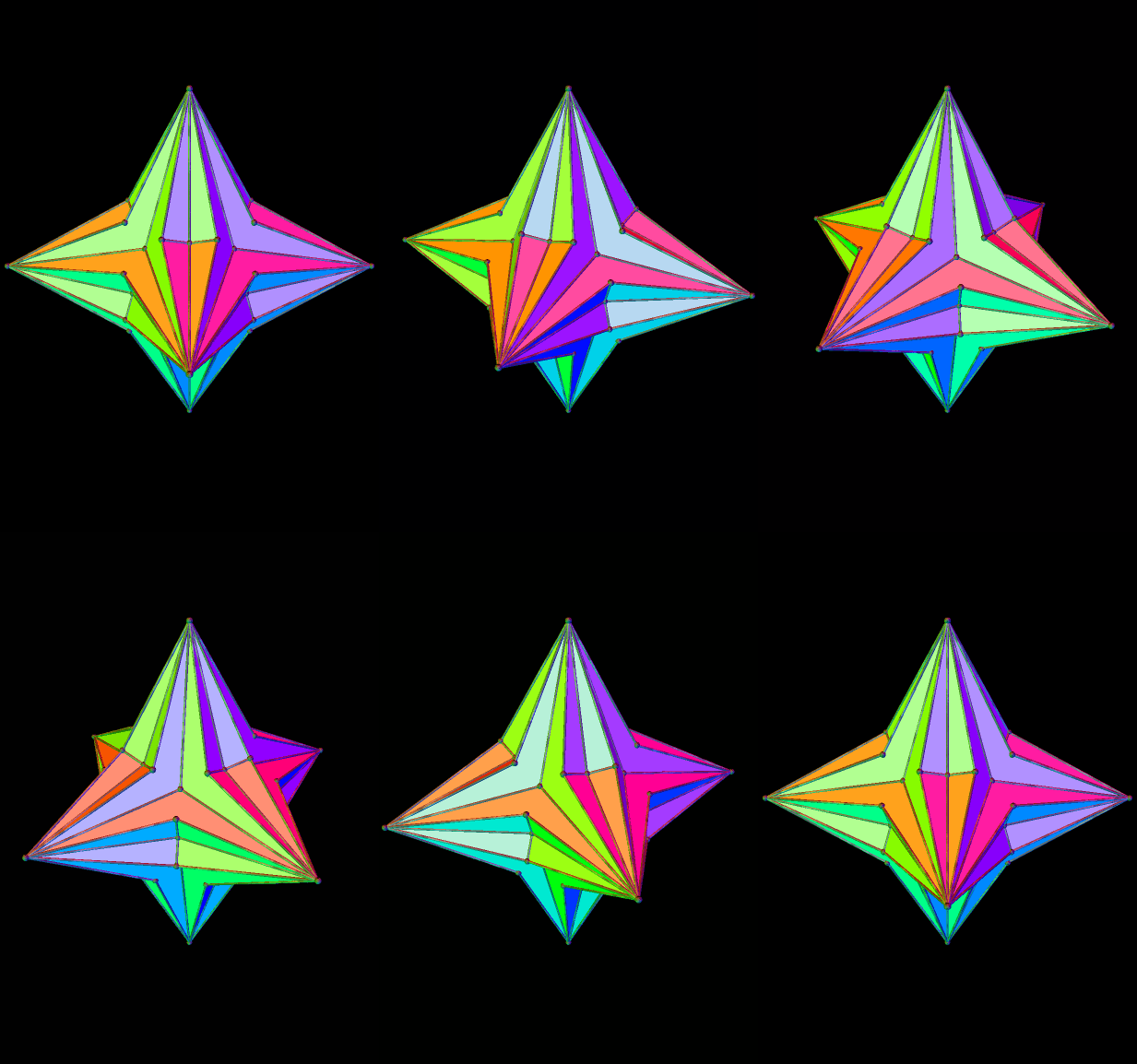
The 109th Stellation of the Triakis Icosahedron

109th stellation of Triakis icosa

Created using Stella 4d:  Polyhedron Navigator, available here.

Selections from the Stellation-Series of the Strombic Icositetrahedron, Including Some Polyhedral Compounds

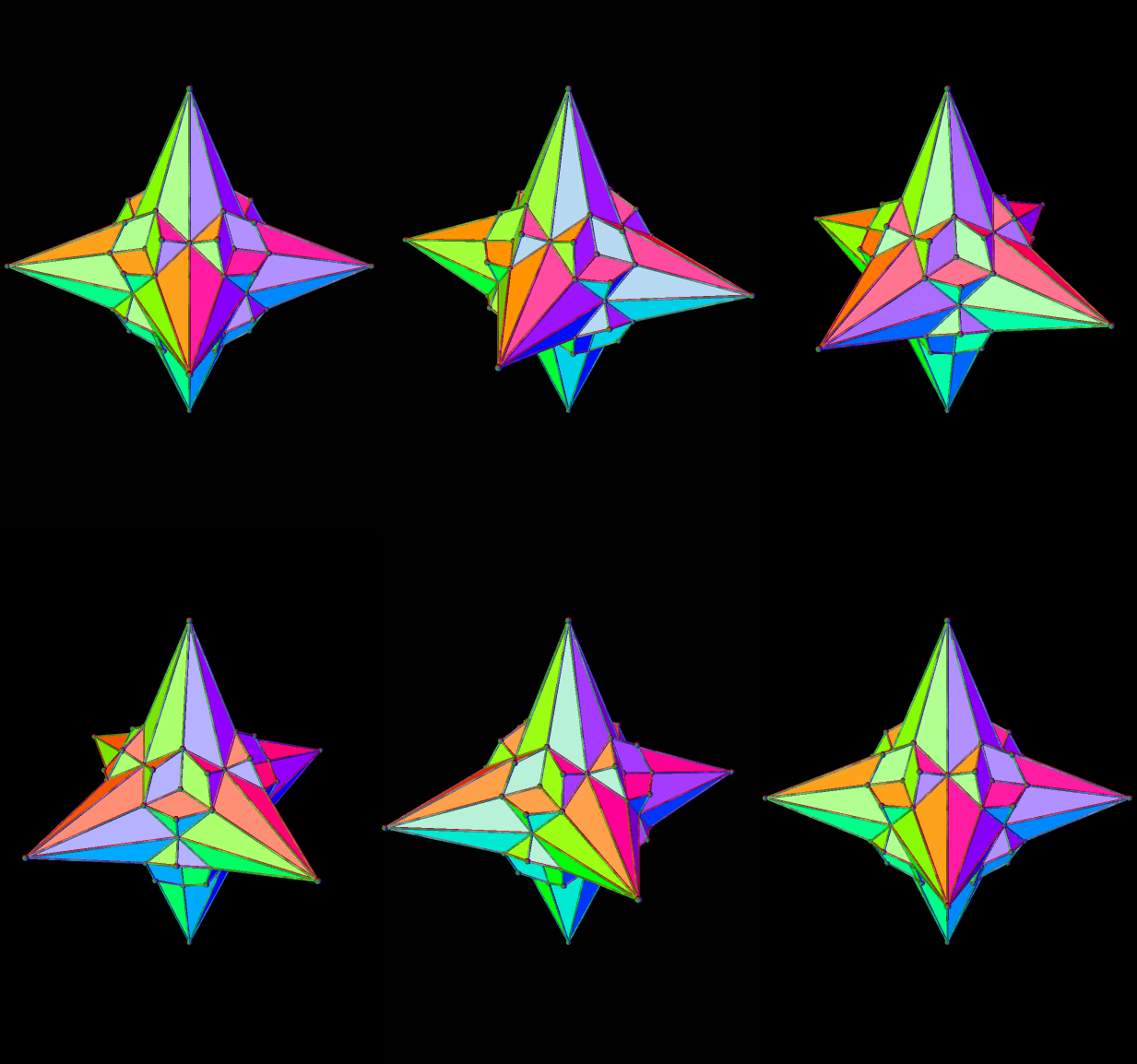
The strombic icositetrahedron is the dual of the rhombcuboctahedron, and has many interesting polyhedra in its stellation-series. Here are a few of them, starting with the 10th stellation.

10th stellation of Strombic Icositetra

Here’s the strombic icositetrahedron’s 16th stellation:
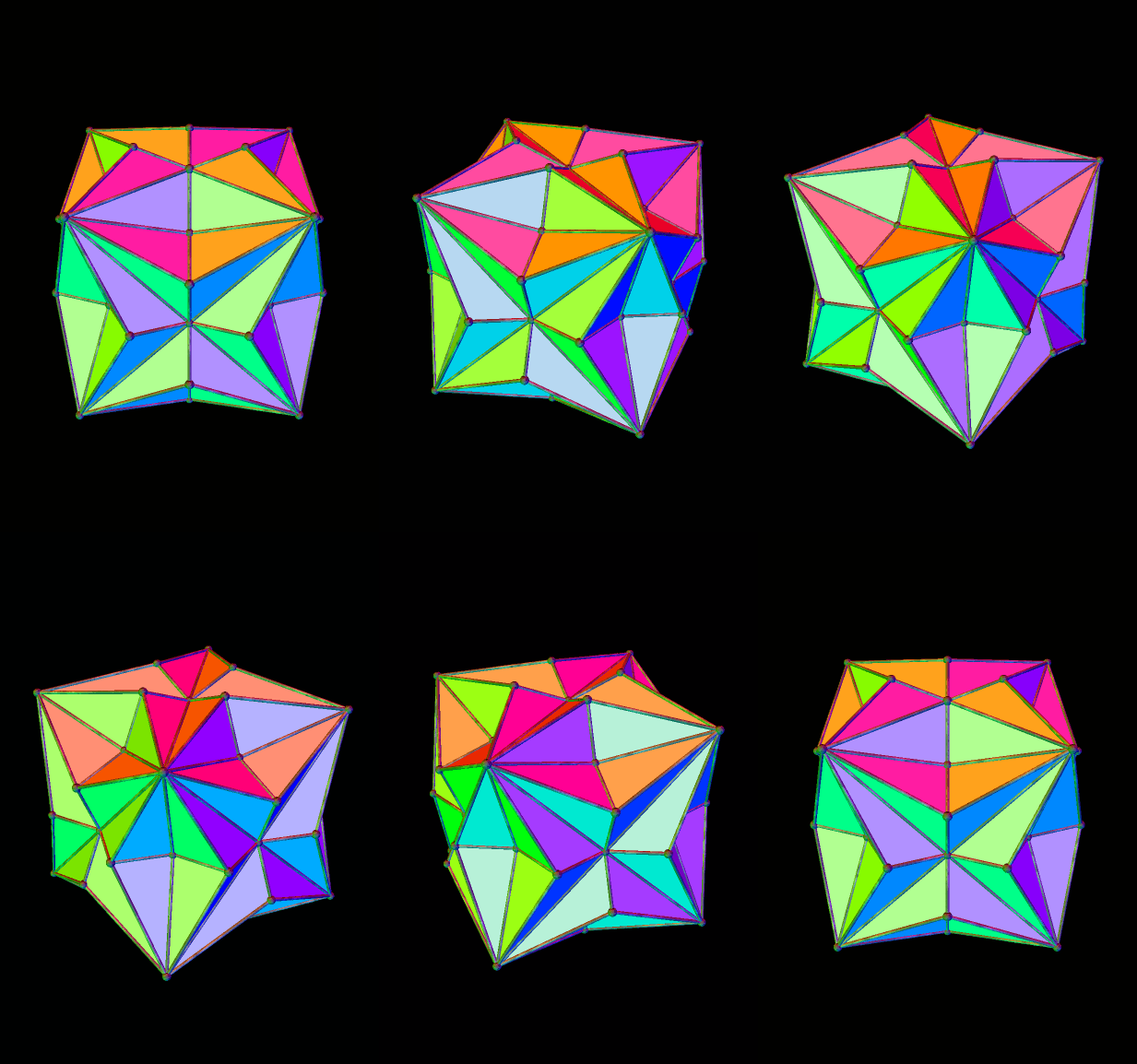
16th stellation of Strombic Icositetra

And the 19th:

19th stellation of Strombic IcositetraAnd the 21st:

21st stellation of Strombic Icositetra

And the 23rd:

23rd stellation of Strombic Icositetra

And the 25th:

25th stellation of Strombic Icositetra

And the 26th:

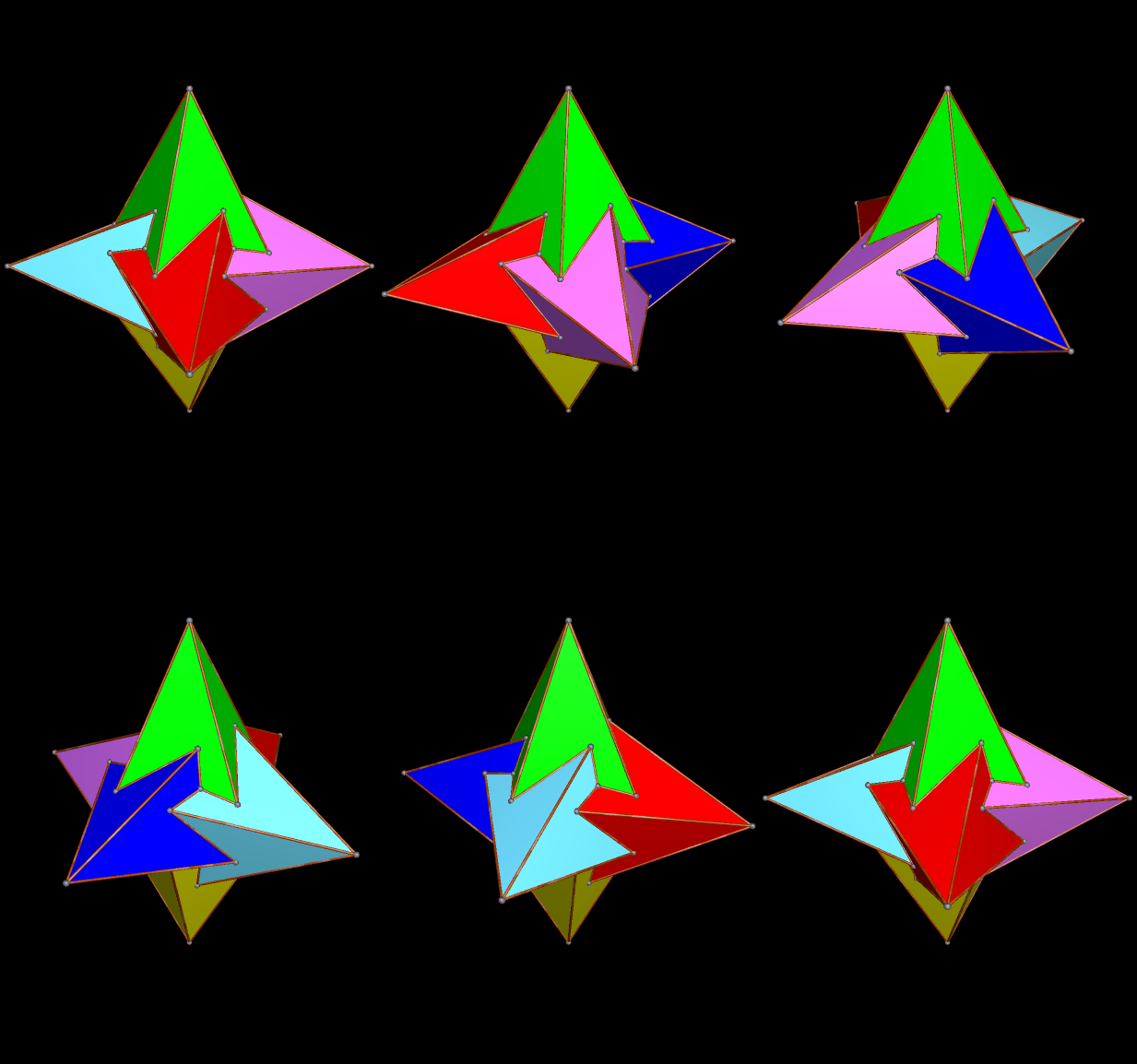
26th stellation of Strombic IcositetraNext, the 28th stellation. It isn’t colored as the other stellations above are colored, simply because it is also a compound of six off-center square-based pyramids.

28th stellation of Strombic Icositetra

The 34th stellation is even more interesting. It’s a symmetrical four-part compound, but the component polyhedra have irregular faces, and are much less symmetrical than the compound itself.
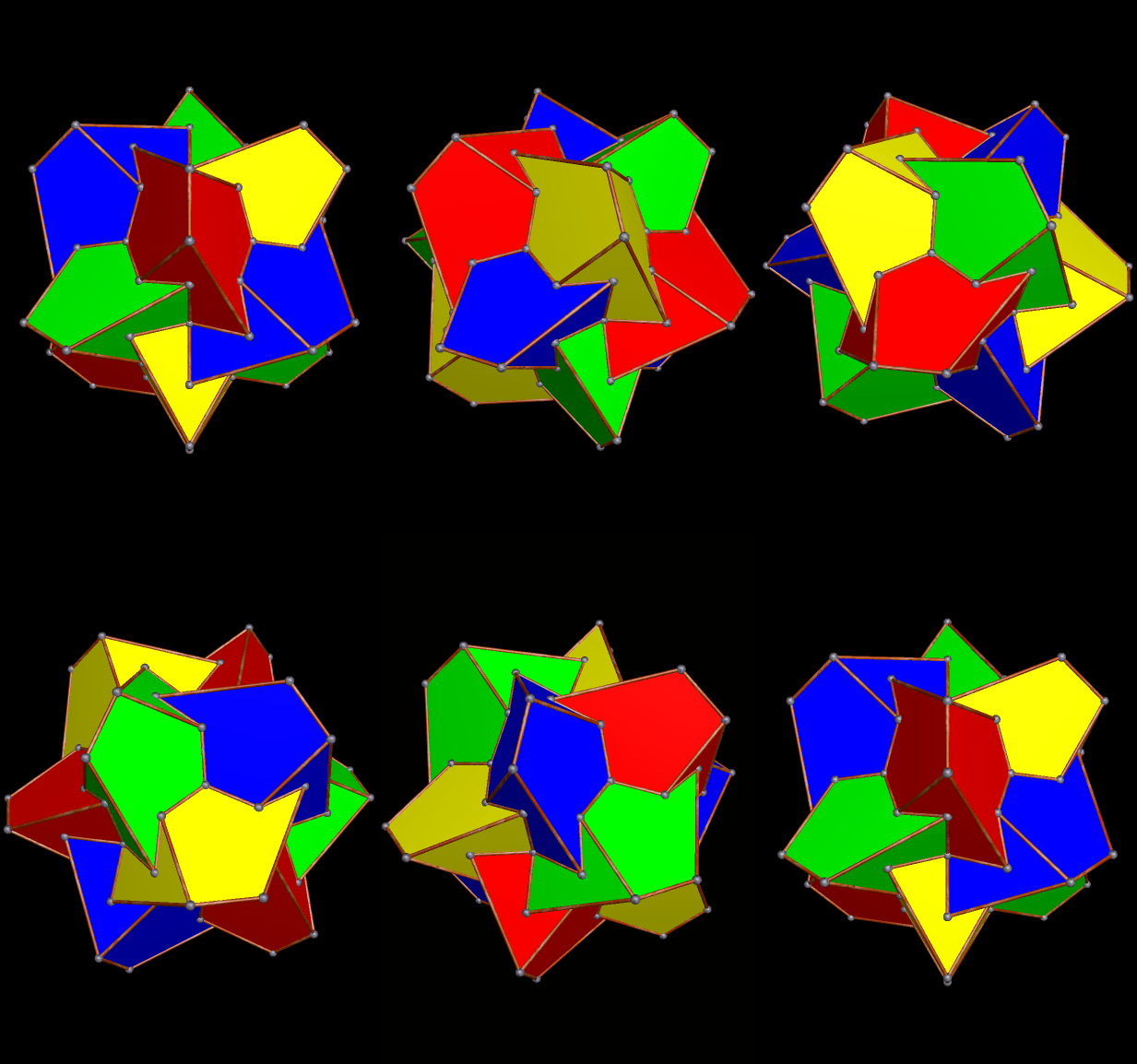
34th stellation of Strombic Icositetra

Here is the 37th stellation in this series:
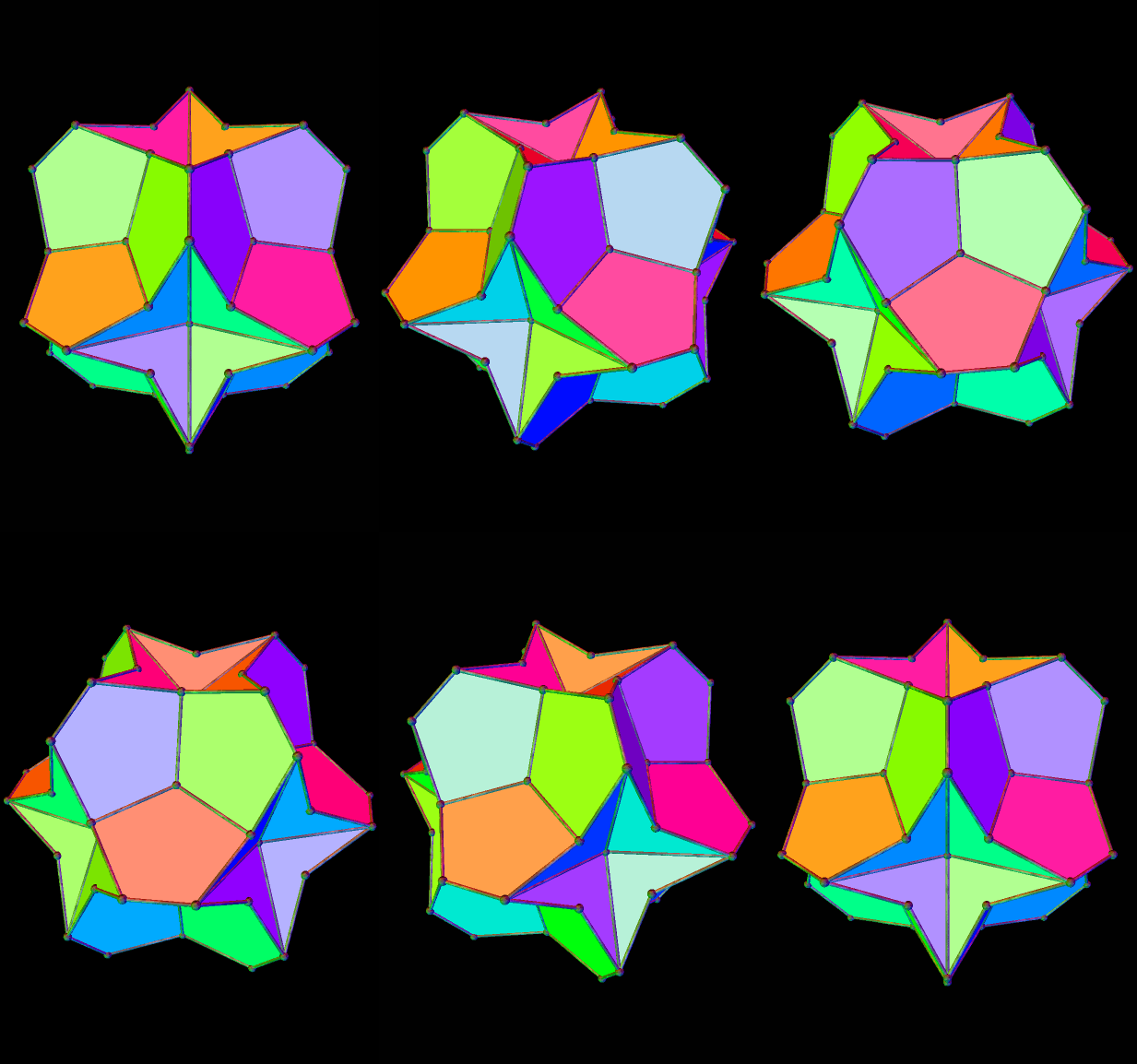
37th stellation of Strombic Icositetra

And the 43rd:

43rd stellation of Strombic Icositetra

And the 44th:

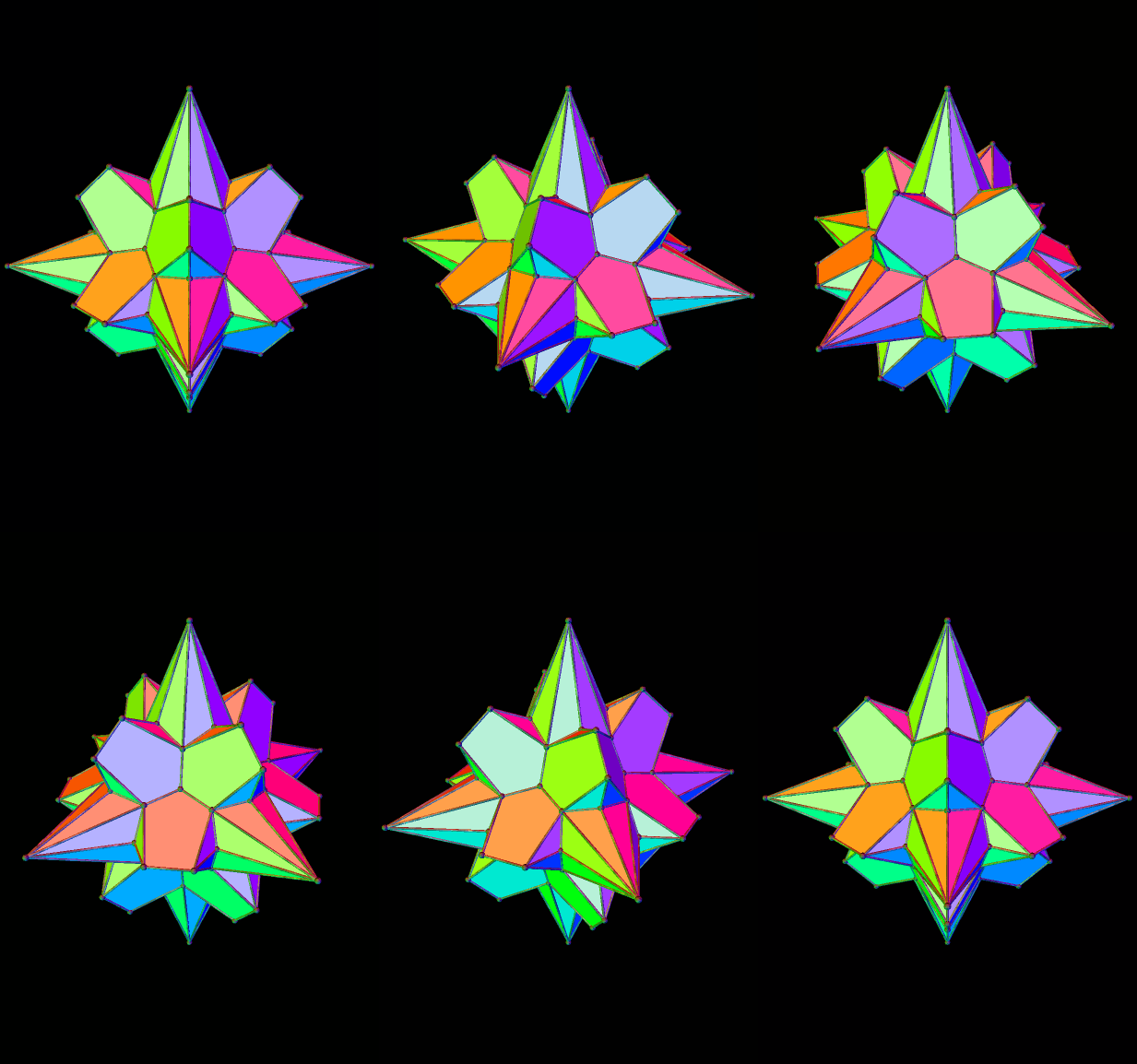
44th stellation of Strombic IcositetraThe 59th stellation in this series is an octahedron, with each face excavated by short, triangle-based pyramids. It can also be seen as a compound of three shortened square-based dipyramids, but coloring it as a compound proved difficult, so it is presented here in rainbow-color mode:

59th stellation of Strombic Icositetra

Here’s the 61st stellation:

61st stellation of Strombic Icositetra

And the 68th:

68th stellation of Strombic Icositetra

And the 71st:

71st stellation of Strombic Icositetra

And the (quite different from the 71st) 72nd stellation:
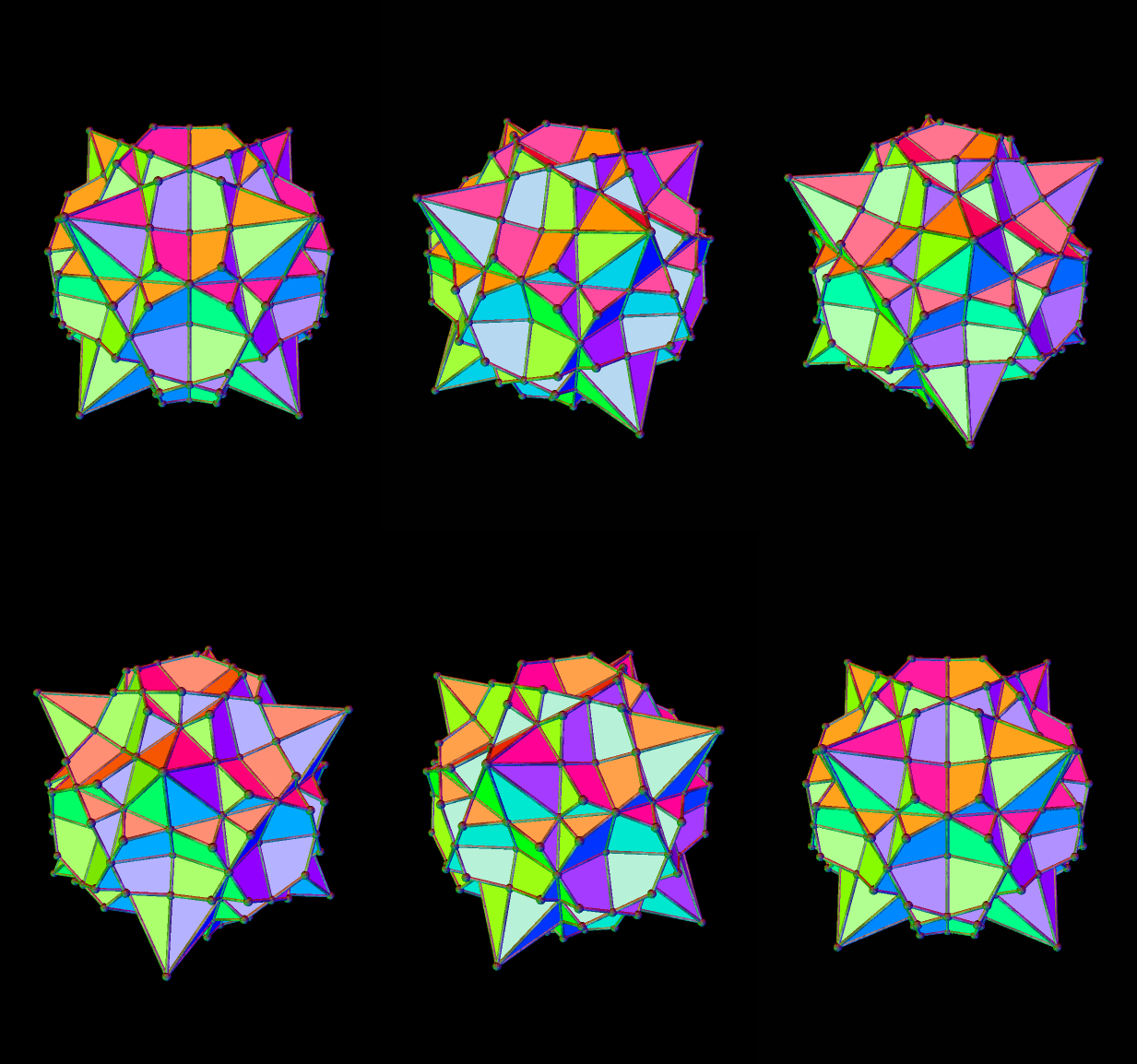
72nd stellation of Strombic Icositetra

And the 73rd:

73rd stellation of Strombic Icositetra

And, finally, the 74th, which is an interesting two-part compound.
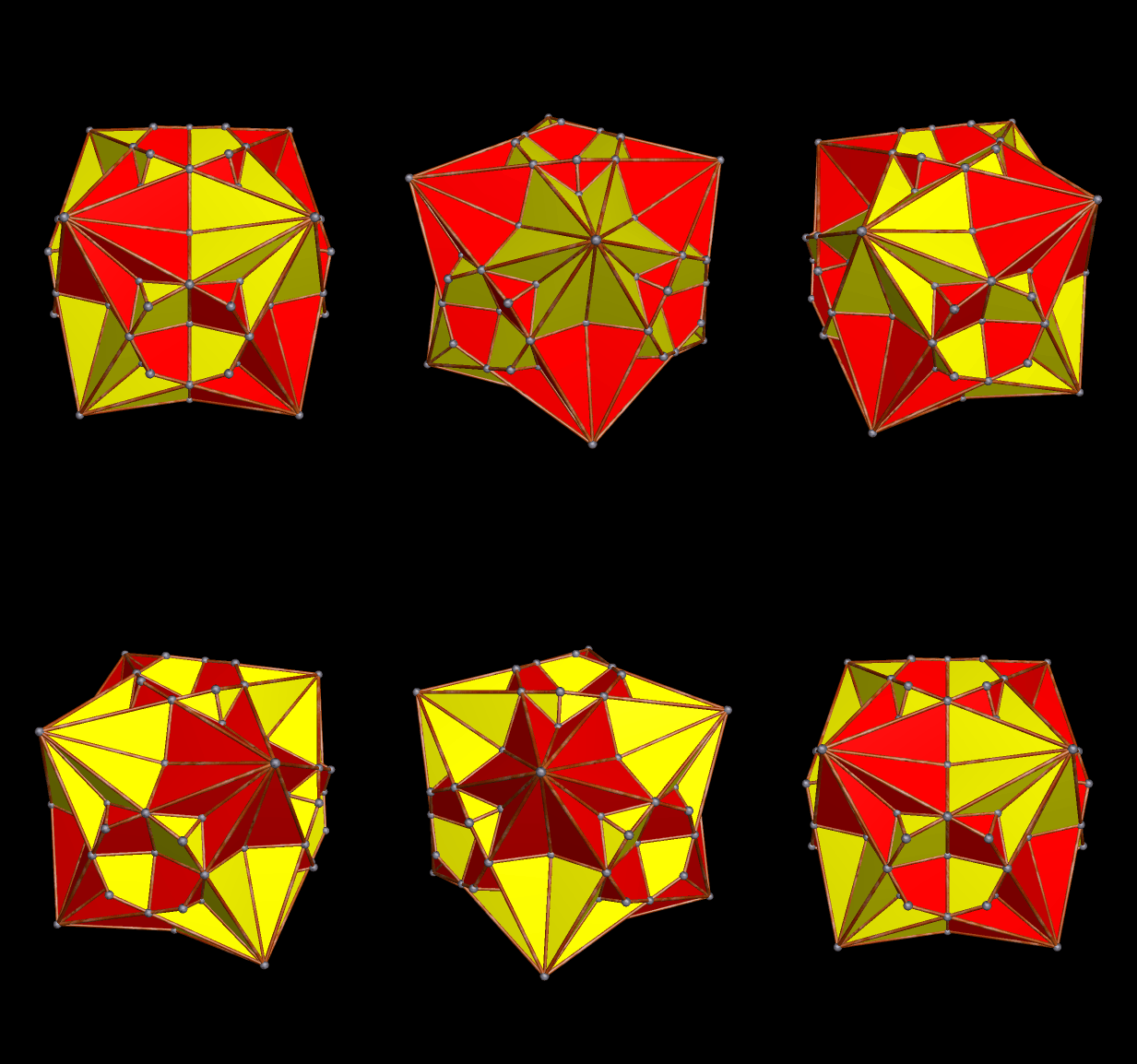
74th stellation of Strombic Icositetra

And the 79th:

79th stellation of Strombic Icositetra

And the 82nd stellation:

82nd stellation of Strombic Icositetra

The last one I’m showing here is the 93rd stellation, another four-part compound.

93rd stellation of Strombic Icositetra

All these images were created using Stella 4d:  Polyhedron Navigator, which you may try for yourself at http://www.software3d.com/Stella.php.
Three Different Stellations of the Rhombic Triacontahedron

Rhombic Triaconta stellation

These polyhedra are selected from the the (long) stellation-series of the rhombic triacontahedron. Stellating polyhedra, and manipulating them in other ways, is easy with Stella 4d, which you may try, as a free trial download, here:   www.software3d.com/Stella.php.

stellated RTC one of many

stellated RTC another of many

Four Stellations of the Truncated Icosahedron

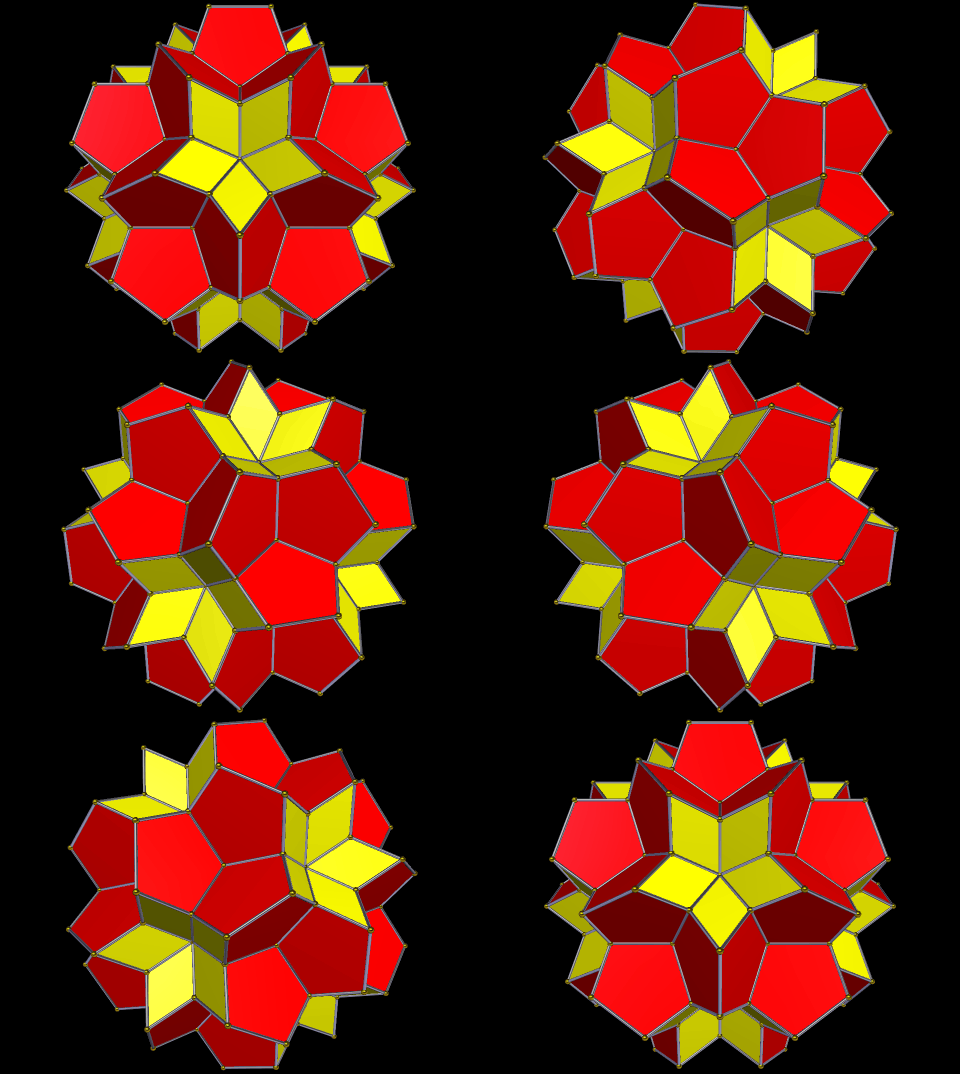
The truncated isocahedron has an interesting (and long) stellation series. Here are some of the stellated forms of this polyhedron which I find particularly interesting and attractive, starting with its 41st stellation.

41st stellation Trunc Icosa

This one is the 42nd stellation:

42nd stellation Trunc Icosa

Jumping far ahead in the series, this is the 126th stellation:

126th stellation Trunc Icosa

And, finally, the 148th stellation.

148th stellation Trunc Icosa

All four images were produced using Stella 4d:  Polyhedron Navigator. You can try this program for yourself at www.software3d.com/Stella.php.


Two Rotating Polyhedral Stellations

3rd stellation of Triamond Pentagonal Bifrustum

These are the third (above) and fifth (below) stellations of the triamond pentagonal bifrustrum, which I previously posted here: https://robertlovespi.wordpress.com/2014/07/30/my-lost-discovery-from-2006-the-triamond-pentagonal-bifrustrum/. These rotating images are made with Stella 4d, a program available at www.software3d.com/Stella.php.

5th stellation of Triamond Pentagonal Bifrustum

The Rhombic Dodecahedron and Its First Stellation, Decorated in Three Colors

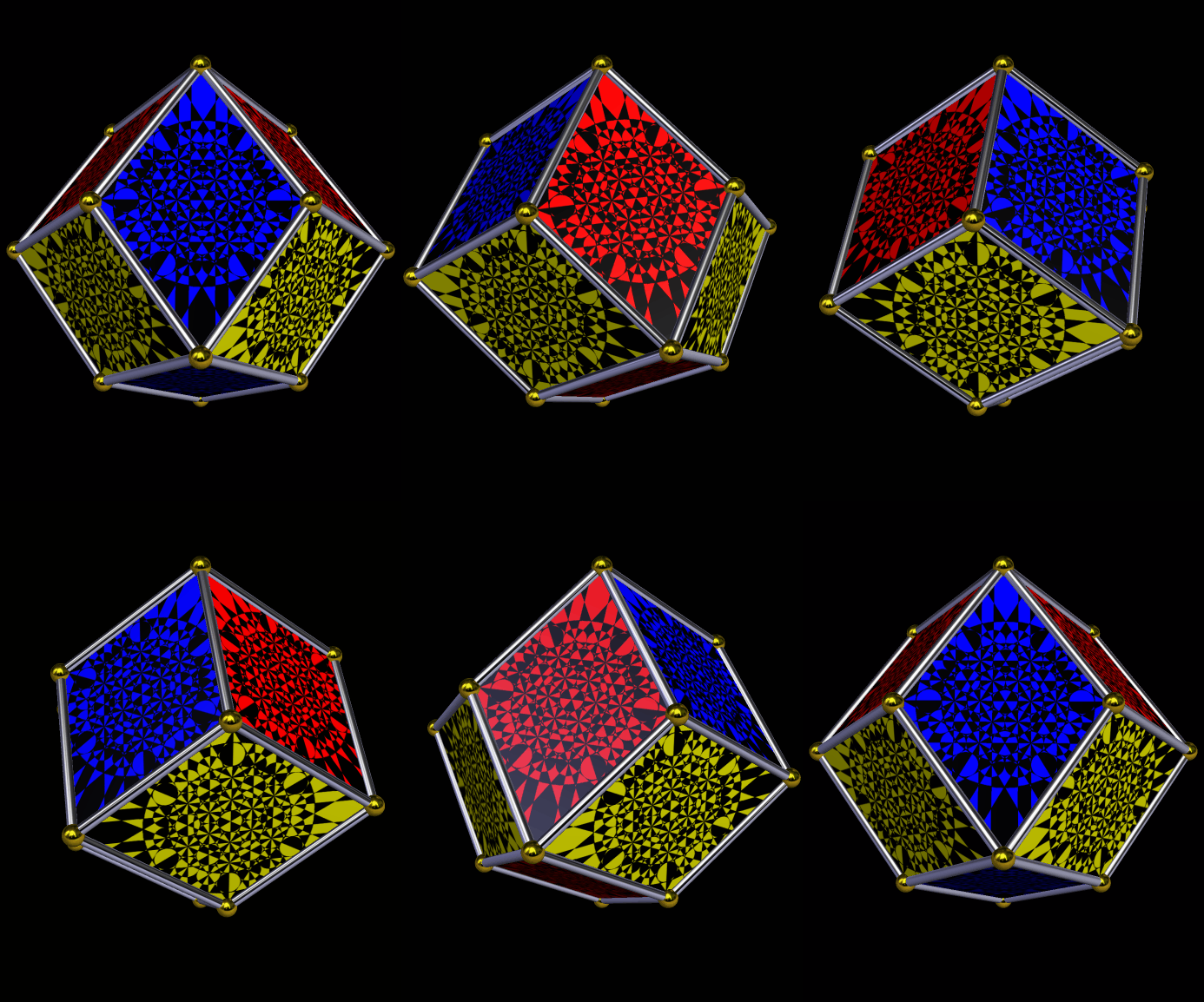
Rhombic Dodeca

The image on the faces of these polyhedra appeared, in black and white form, in the last post here. I used Geometer’s Sketchpad and MS-Paint to make it. It took a third program, Stella 4d, to project the image onto each face of a rhombic dodecahedron (as seen above), as well as the rhombic dodecahedron’s first stellation (below), and then generate these rotating .gif images. You can try Stella for free, as a trial download, at www.software3d.com/Stella.php.

First Stellation Rhombic Dodeca

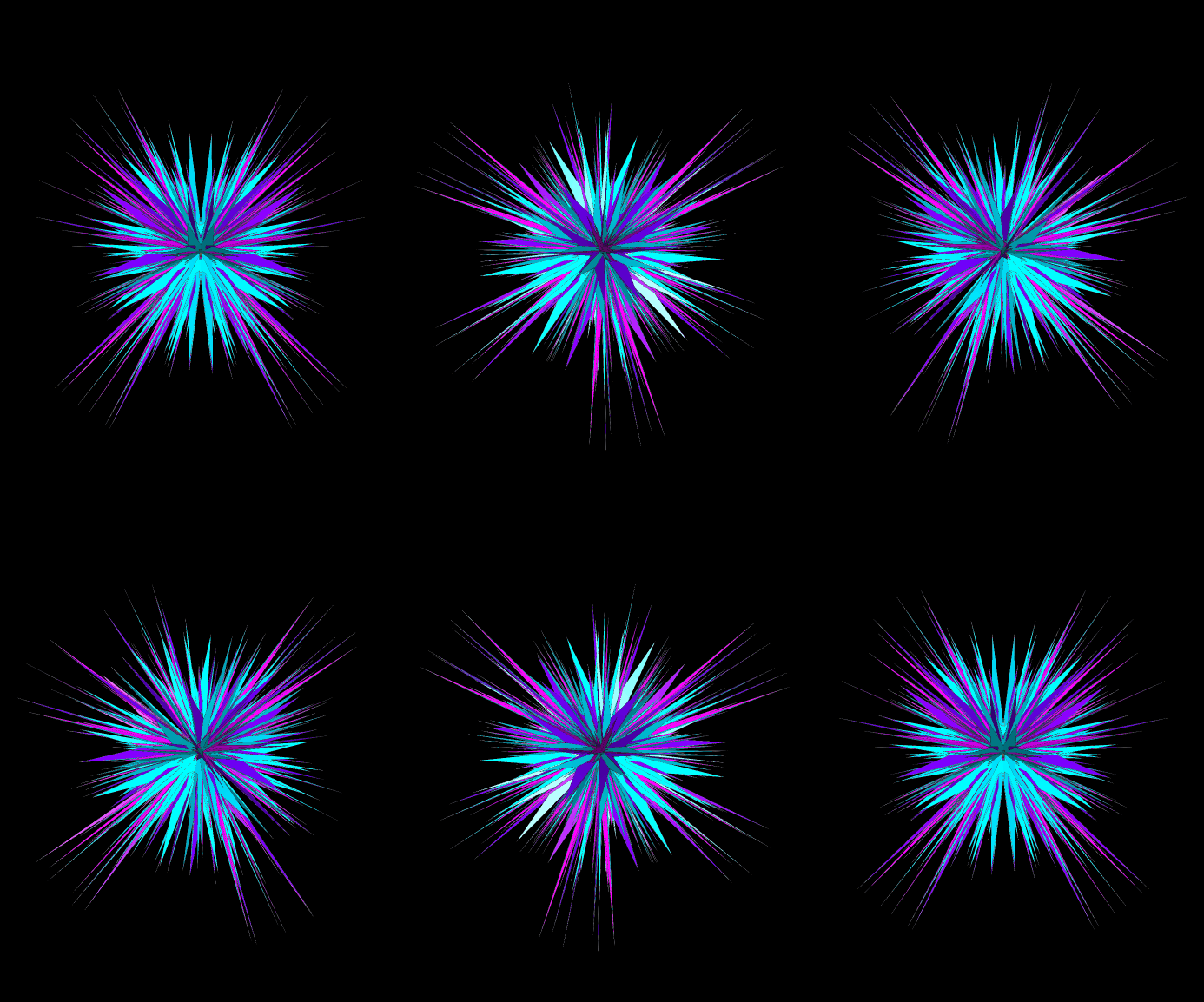
Polyhedral Porcupine

Image

Polyhedral Porcupine

I made this using Stella 4d, which you can try at http://www.software3d.com/Stella.php.

The Rhombic Dodecahedron’s Third Stellation

Image

The Rhombic Dodecahedron's Third Stellation

Above is this polyhedral stellation in three colors. If every face is given its own color, though, except for parallel faces, it looks like this (click to enlarge):

RD stellation 3rd colors b

I made both images using Stella 4d, a program you can find at http://www.software3d.com/Stella.php.

Starry Dual Polyhedron

Image

Starry Dual Polyhedron

This is the dual of the polyhedron seen as the second image in the last post on this blog. If colored differently, so that only parallel faces have the same color, it looks like this (click to enlarge):

Augmented Convex hull

I used Stella 4d to make these images, and you can find that program at http://www.software3d.com/Stella.php.