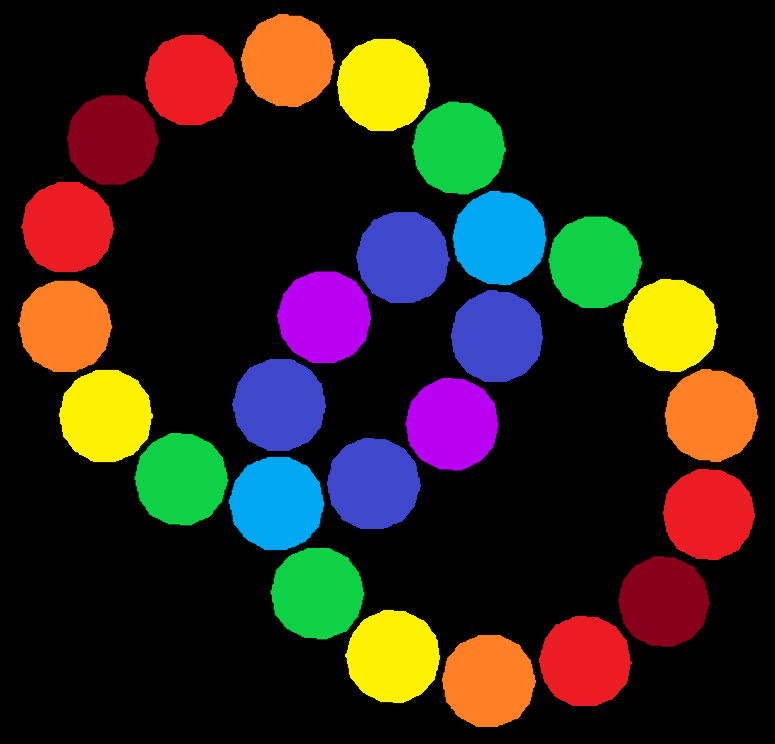
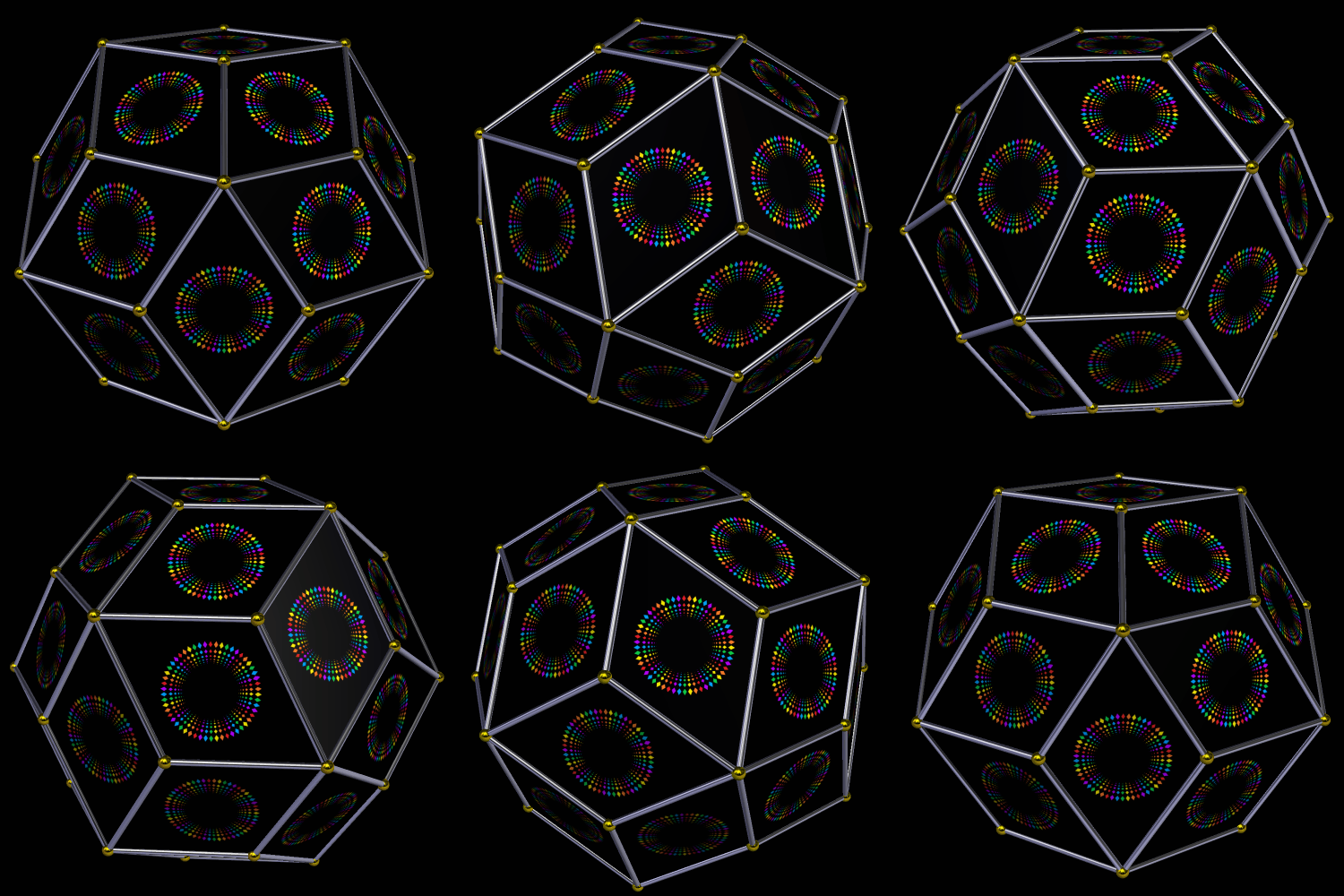
The Double Rhombicosidodecahedron

This is a rhombicosidodecahedron, one of the Archimedean solids.
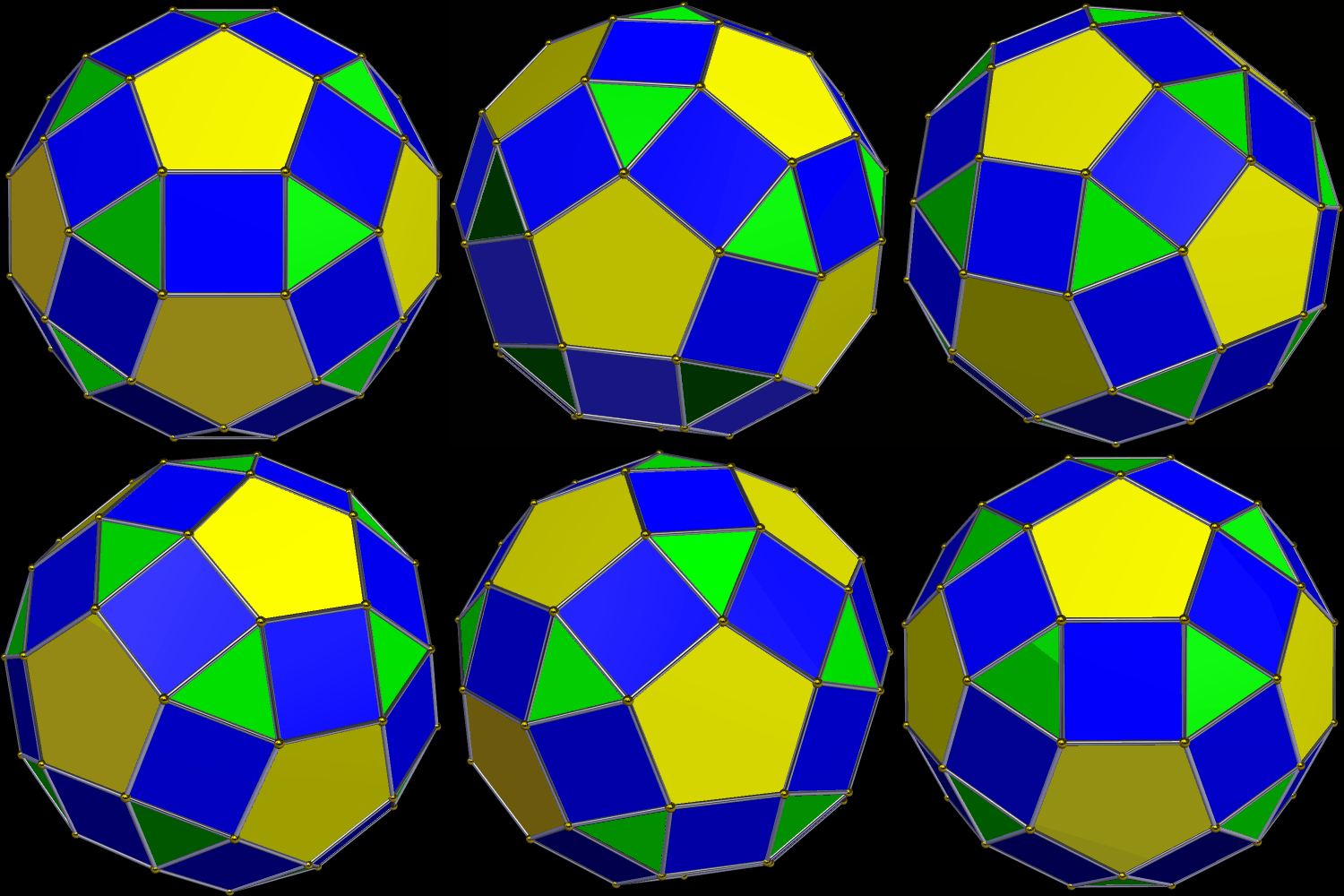
If one pentagonal cupola is removed from this polyhedron, the result is the diminished rhombicosidodecahedron, which is one of the Johnson solids (J76).
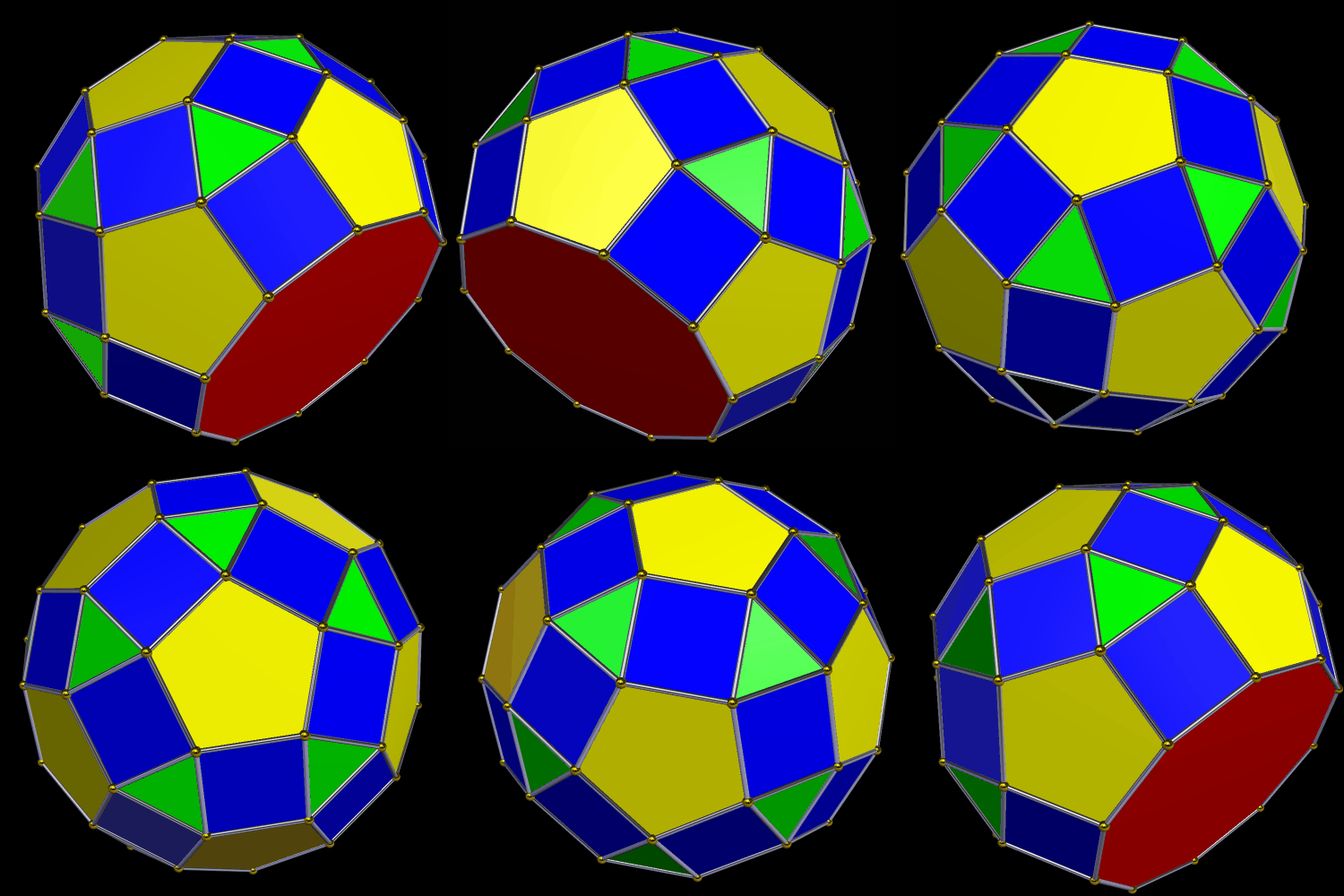
The next step is to take another J76, and attach it to the first one, so that their decagonal faces meet.
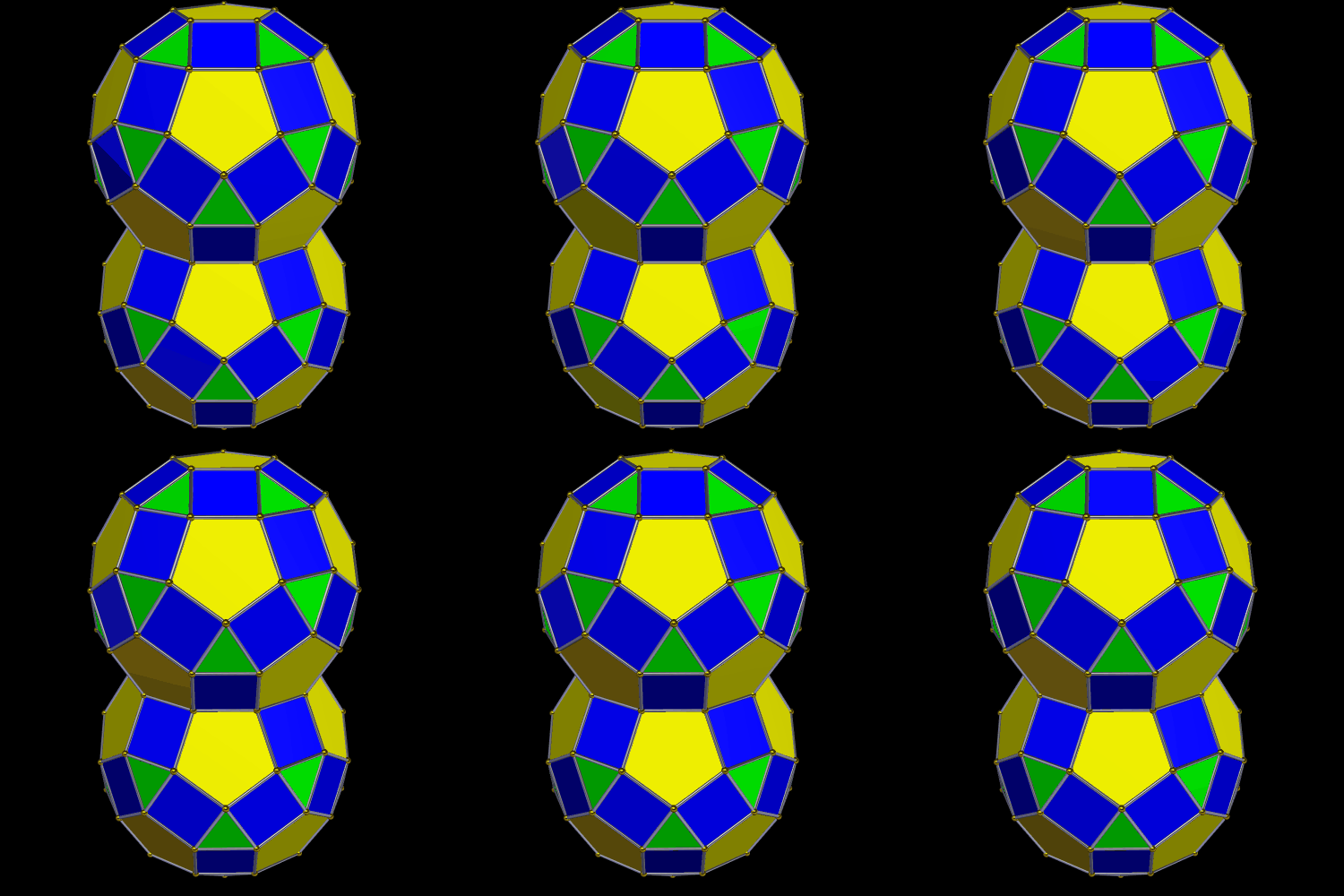
I’m calling the result the “double rhombicosidodecahedron.”

I did these manipulations of polyhedra and their images with a program called Stella 4d: Polyhedron Navigator. There’s a free trial download available, if you’d like to try the program for yourself, and it’s at this website.
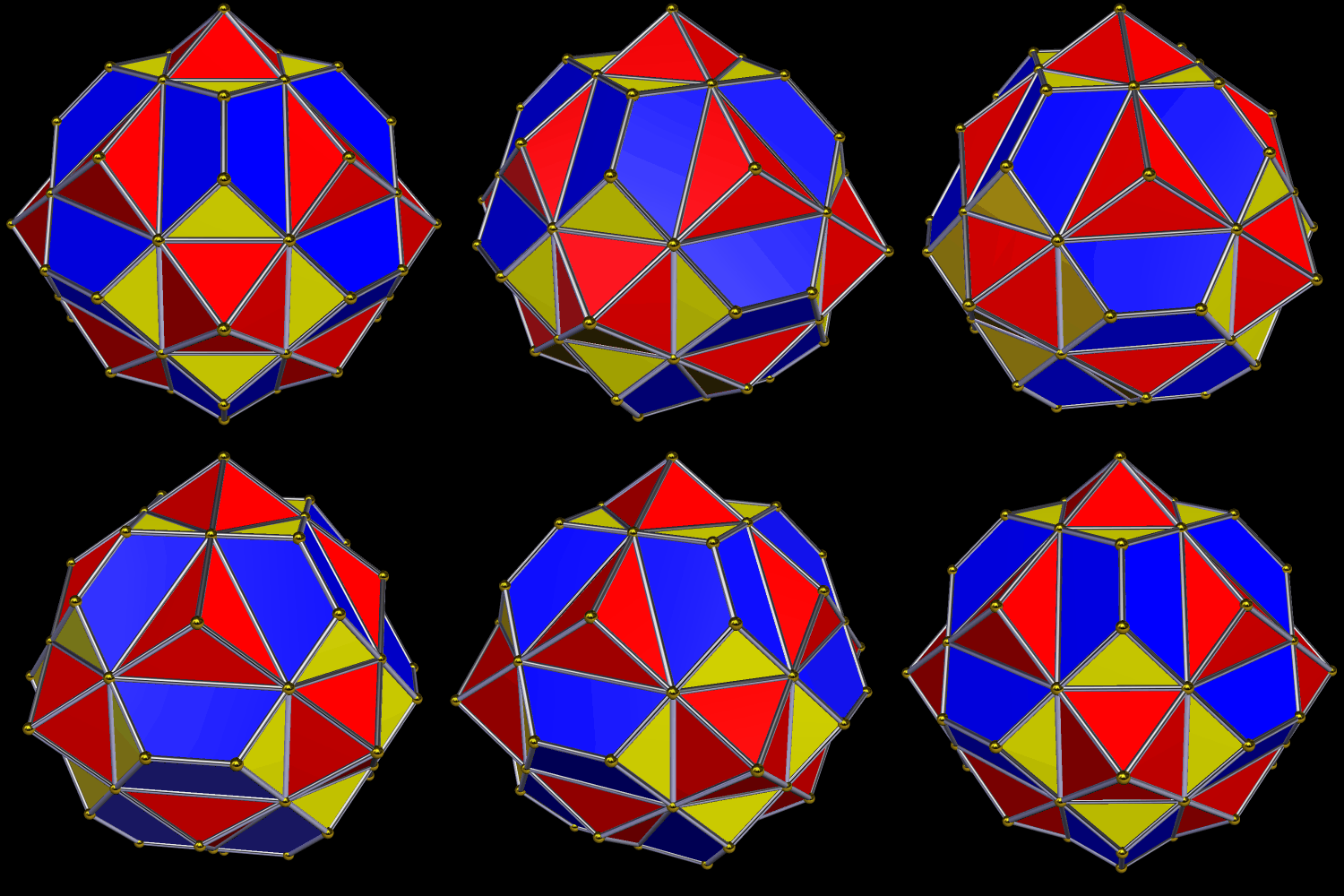
A Compound of the Rhombic Dodecahedron and a Truncation of the Octahedron

I made this using Stella 4d, which you can try for free at this website.

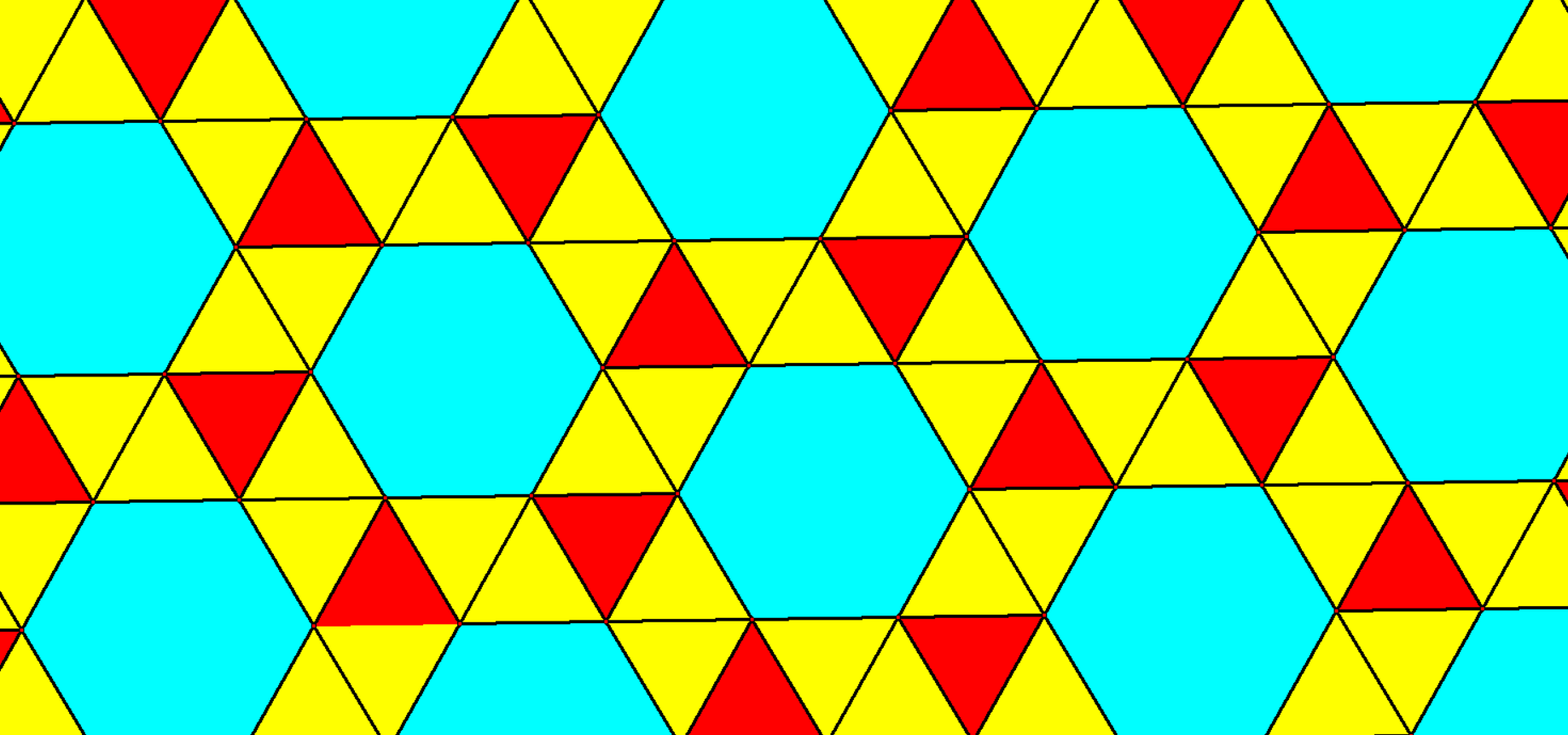
Snub Hexagonal Tessellation

Image

A 50-Faced Symmetrohedron Which Is Also a Zonohedron

I made this polyhedron by creating a zonohedron based on the edges and faces of the truncated tetrahedron. Only the blue hexagons are irregular. Stella 4d was used in its creation, and you may try this program for free at http://www.software3d.com/Stella.php.

A Butterfly Made of Hexadecagons

Image

A Zonohedron with 170 Faces

This zonohedron was made using the edges and vertices of the truncated tetrahedron.

I made this using Stella 4d: Polyhedron Navigator, which you can try for free right here.

26 Tetradecagons

Image

Two Rhombic Triacontahedra, Each Decorated with Birthday Stars

In yesterday’s post, I unveiled my annual birthday star for my new age, 54. Today, I’m placing that 54-pointed star on each of the thirty faces of a rhombic triacontahedron. I use a program called Stella 4d (free trial available right here) to do this, and it allows images on polyhedron-faces to either be placed inside the face, or around the face. Here’s the “inside” version:

And here is the “around each face” version:

Which one do you like better?

My Birthday Star for 2022

I turn 54 years old today, so here is a 54-pointed star to mark the occasion. The nine repetitions of the six colors of the spectrum work because (6)(9) = 54.

A 38-Faced Symmetrohedron

This symmetrohedron includes, as faces, eight regular hexagons, six squares, and 24 isosceles triangles. I made it using Stella 4d, which you can try for free at this website.