This icosagon, with its diagonals showing, first appeared here. I then used Stella 4d to make the cube. You can try Stella for yourself at this website.
The 150 faces of this polyhedron include 30 convex octagons, as well as two sets of sixty elongated pentagons each. I made it using Stella 4d, which you can try for free at this website.
The first polyhedron shown here is also a symmetrohedron. 42 of its faces are regular decagons, and twenty are equilateral triangles. There are also sixty each of two types of isosceles trapezoids. That’s 182 faces in all.
The second polyhedron shown, below, also has 42 regular decagons as faces, along with twenty equiangular hexagons, sixty isosceles triangles, sixty almost-square isosceles trapezoids, and 120 of another kind of isosceles trapezoid. That’s a total of 302 faces.
The third one I found, shown below, has 42 decagons, sixty convex hexagons, twenty equilateral triangles, sixty rectangles, and sixty isosceles trapezoids, for a total of 242 faces.
I made all three of these polyhedra using Stella 4d: Polyhedron Navigator, which you can try for yourself, free, at http://www.software3d.com/Stella.php.
I made this using Stella 4d. If you’d like to try Stella yourself, the website to visit for a free trial download is http://www.software3d.com/Stella.php.
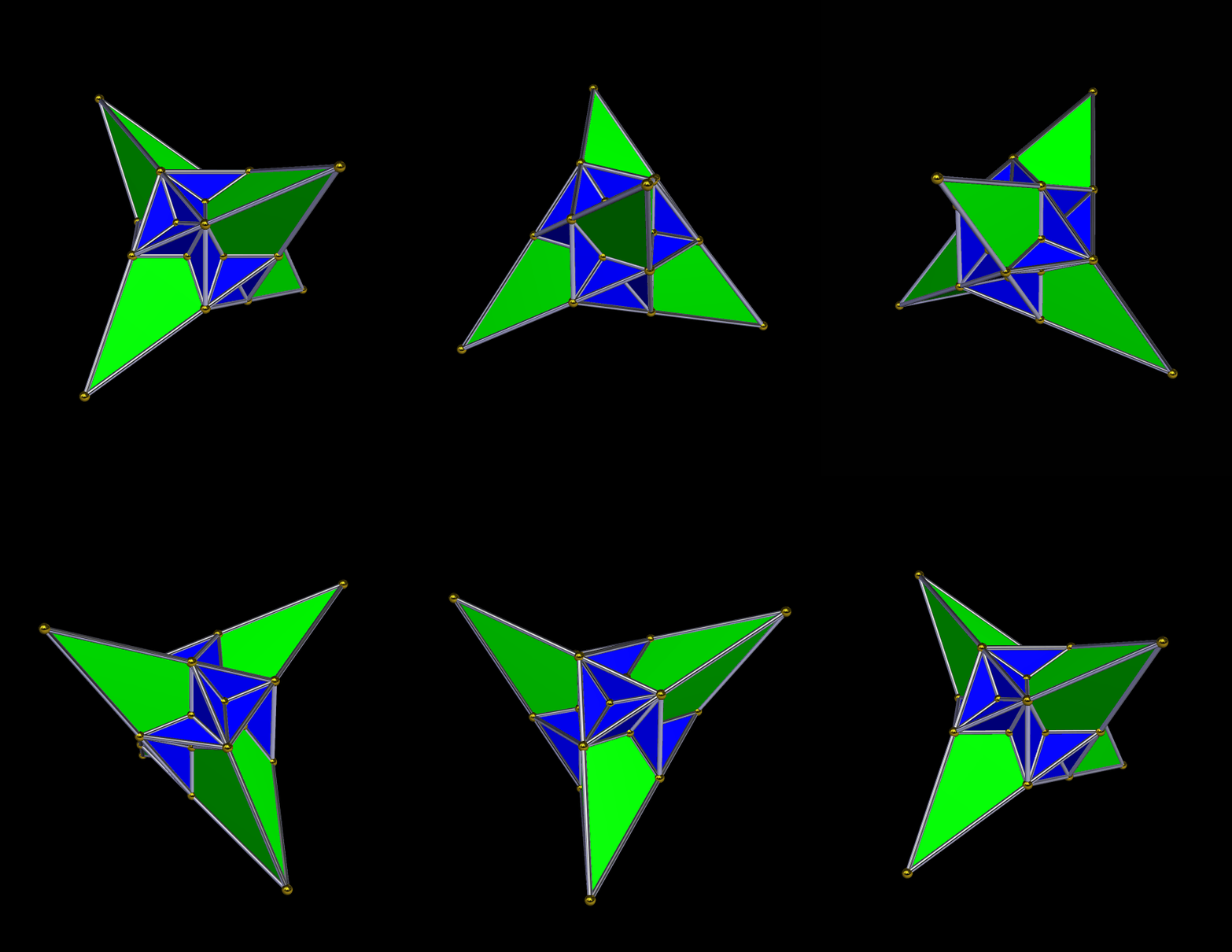
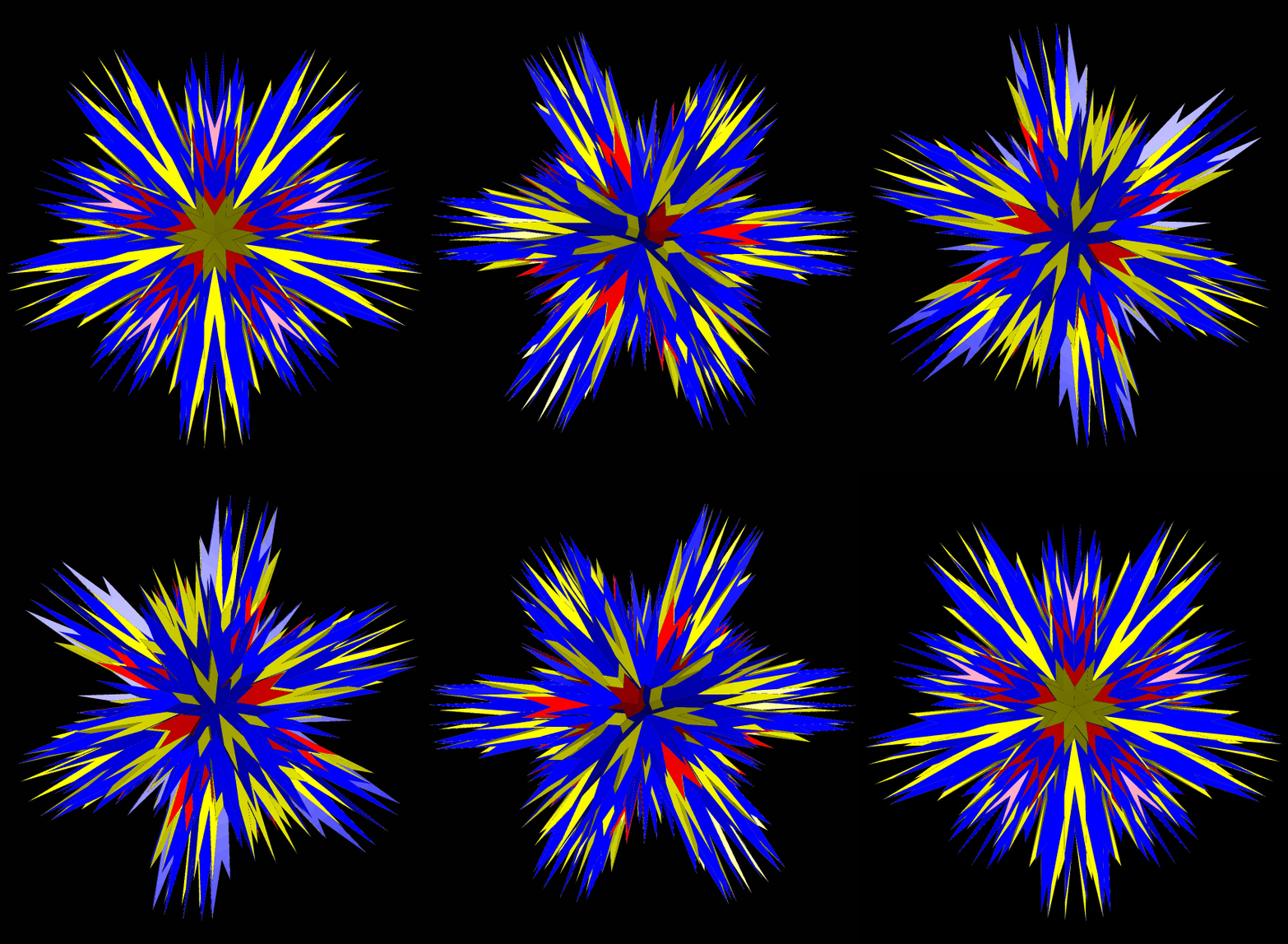
Here’s a compound I stumbled across tonight, while playing around with Stella 4d, a program you can try for free at this website. Trapezohedra have kites as faces, and each of the six components of this compound has a different color.
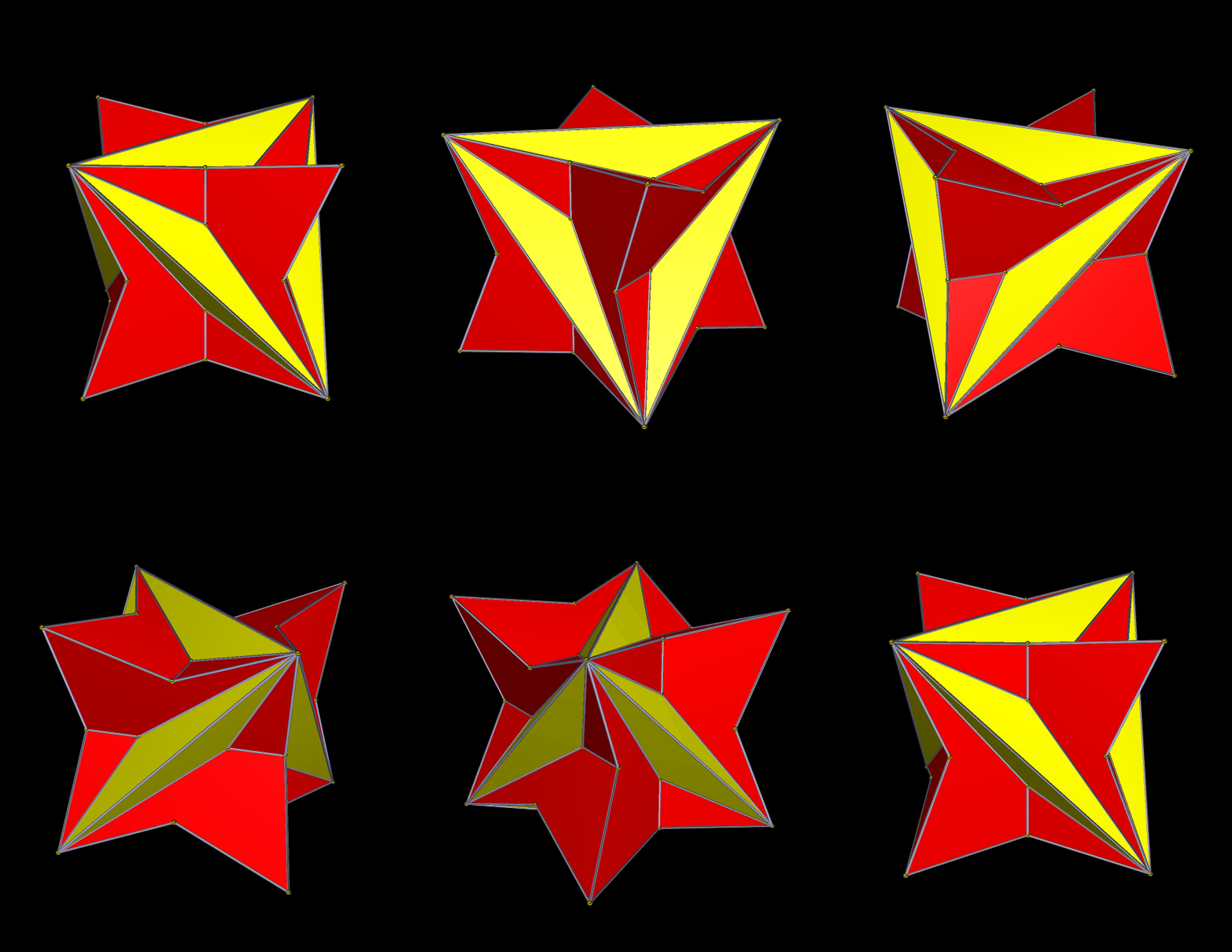
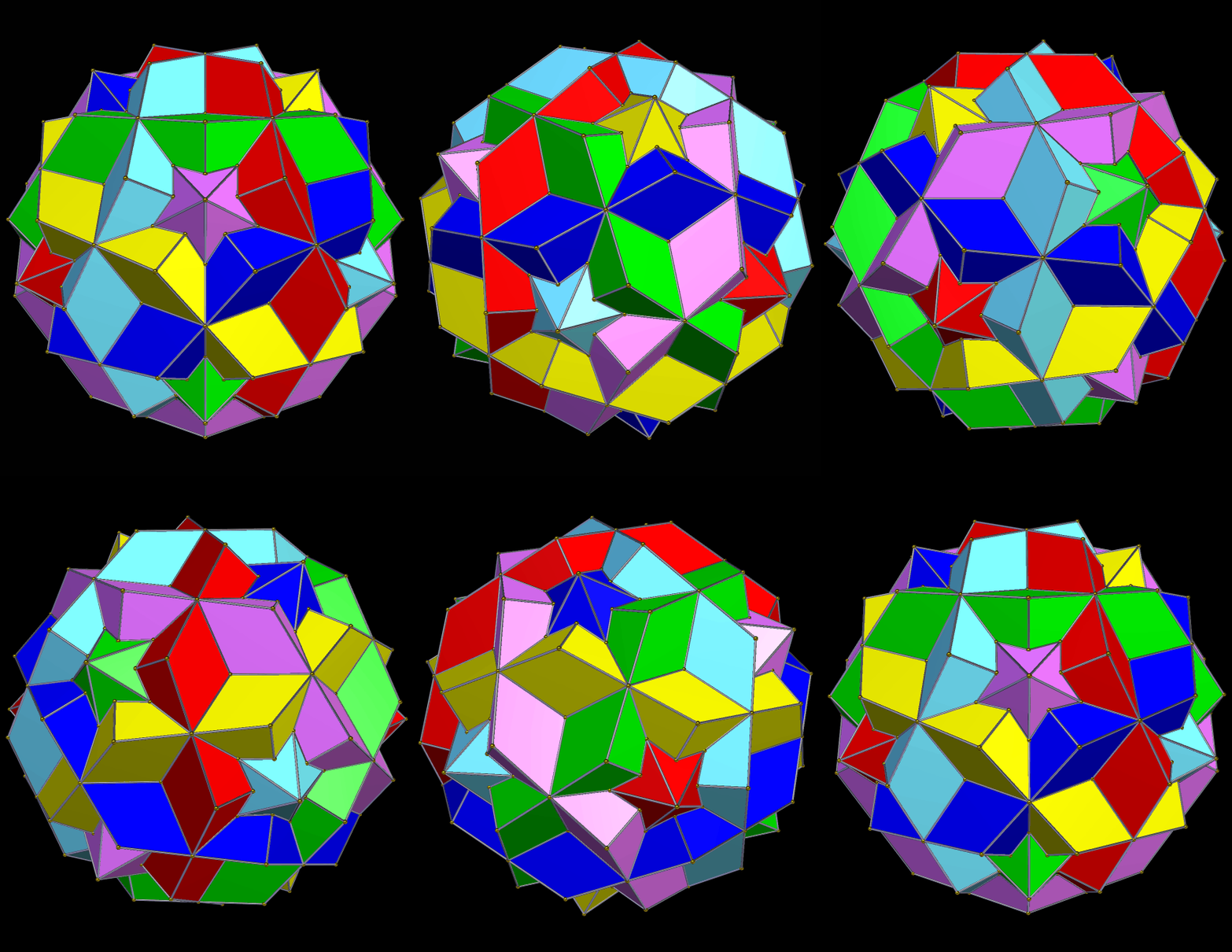
After finding the compound above, I used Stella to create this compound’s dual. Since trapezohedra are the duals of antiprisms, I expected to see a compound of six pentagonal antiprisms — but that’s not what I found. Instead, I saw this:
My initial reaction to this polyhedron was puzzlement. It’s pretty, and it’s interesting, but it’s not a dual of six antiprisms, at least as far as I can tell. I found the first polyhedron by using a lot of stellations, as well as other functions, for a long enough time that I couldn’t even remember what I started with. Faceting is the dual process to stellation, so this second polyhedron should be a faceted polyhedron — which it is.
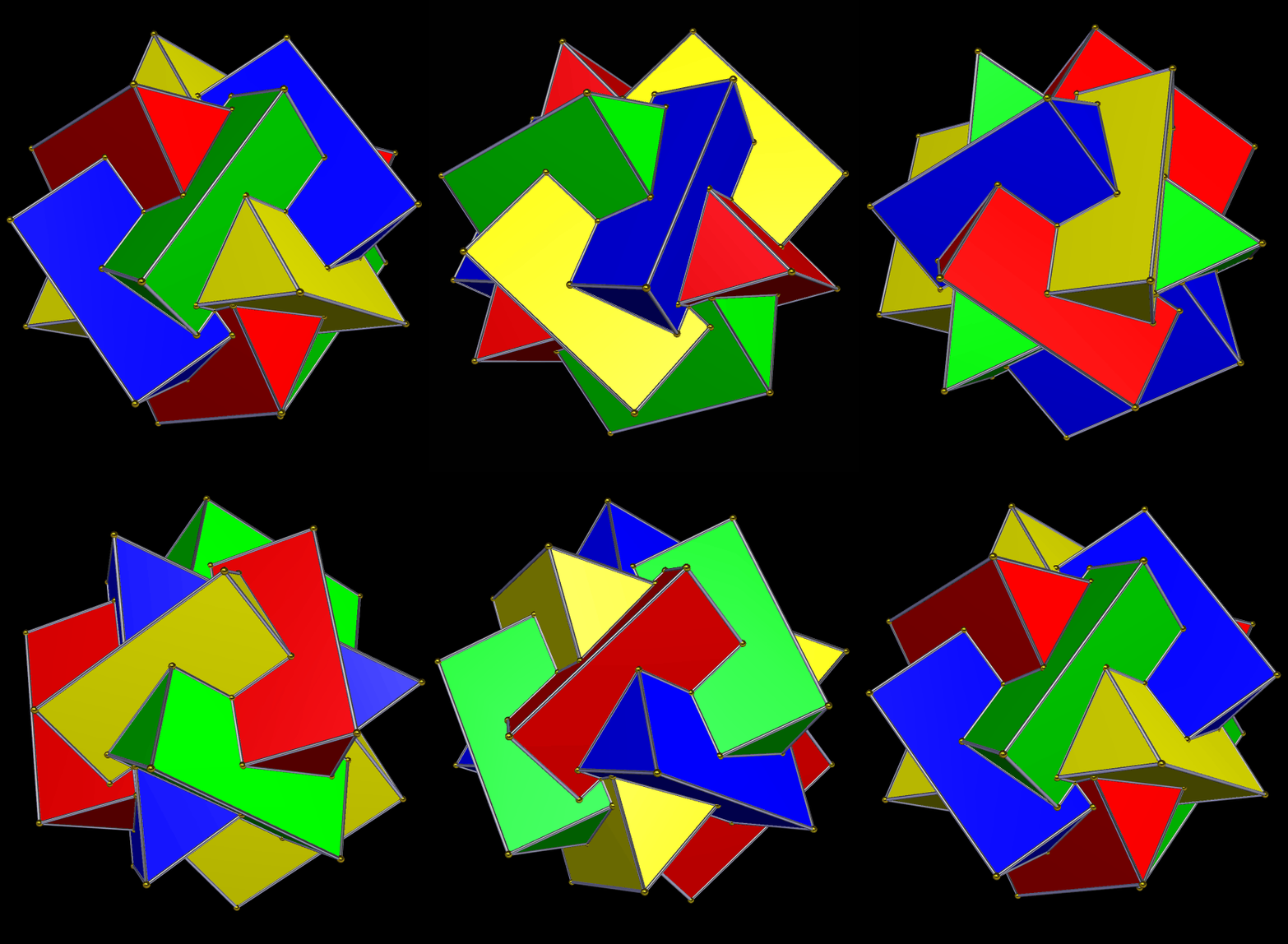
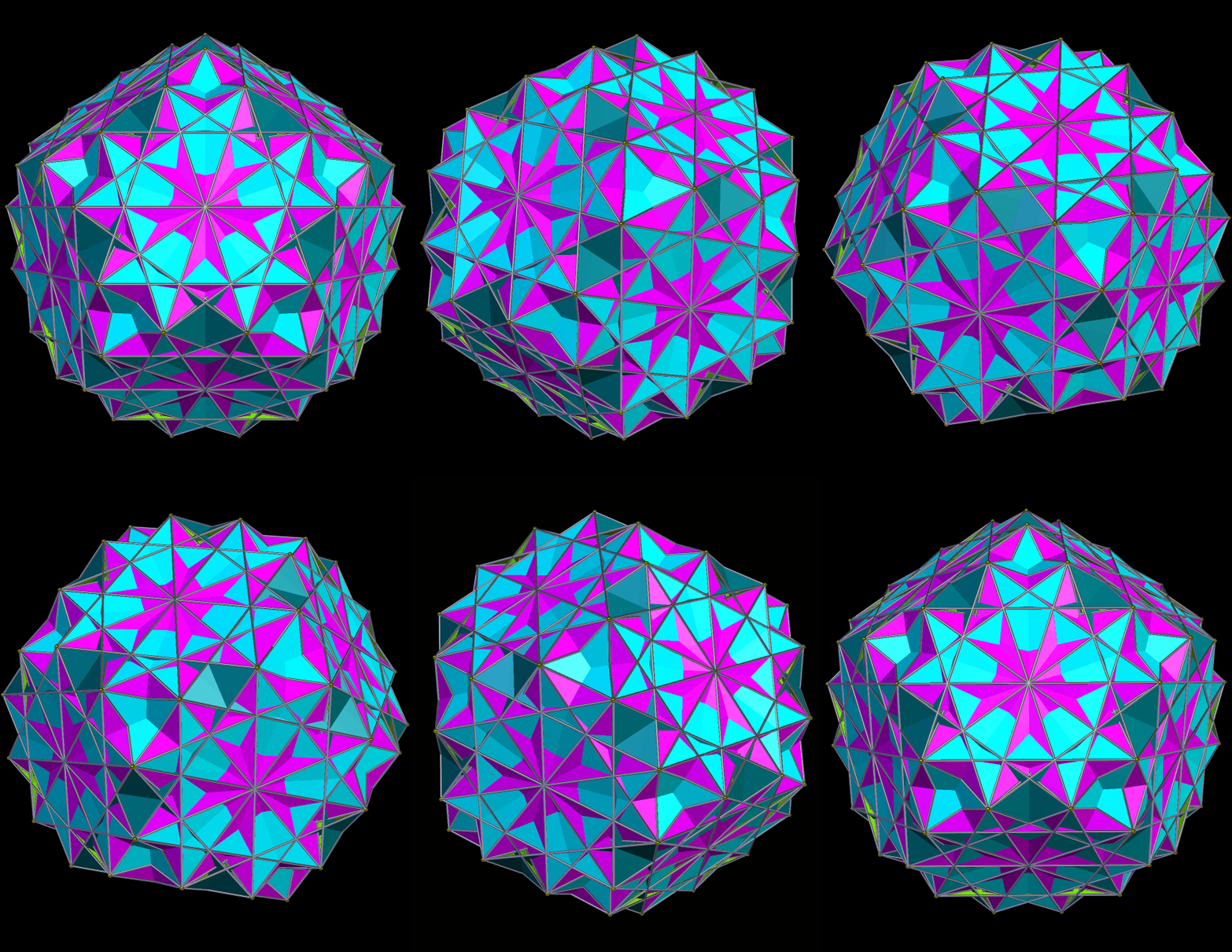
What about the antiprisms I expected, though? Stella has a large built-in library of polyhedra, including compounds, so I looked up the compound of six regular pentagonal antiprisms, which is the next model shown.
Next, I created the dual of this antiprism-compound, and found myself looking at a compound of six trapezohedra which is quite different from the one at the top of this post.
As the dual of the regular-antiprism compound, this fourth image shows the “canonical” compound of six pentagonal trapezohedra, and it has more elongated kites for faces than the first one has. What I originally found with all of my stellations, etc., shown in the first image above, was a compound of six pentagonal trapezohedra, not the compound of six pentagonal trapezohedra. As for the non-compound dual solid shown in the second image above, it is unusual because it had an unusual origin — my long series of stellations and other transformations of polyhedra. Beyond that, I haven’t yet figured it out.
No matter how much you study geometry, there’s always more to learn.






 RobertLovesPi.net