Each of these has a tetrahedron hidden from view in the center.
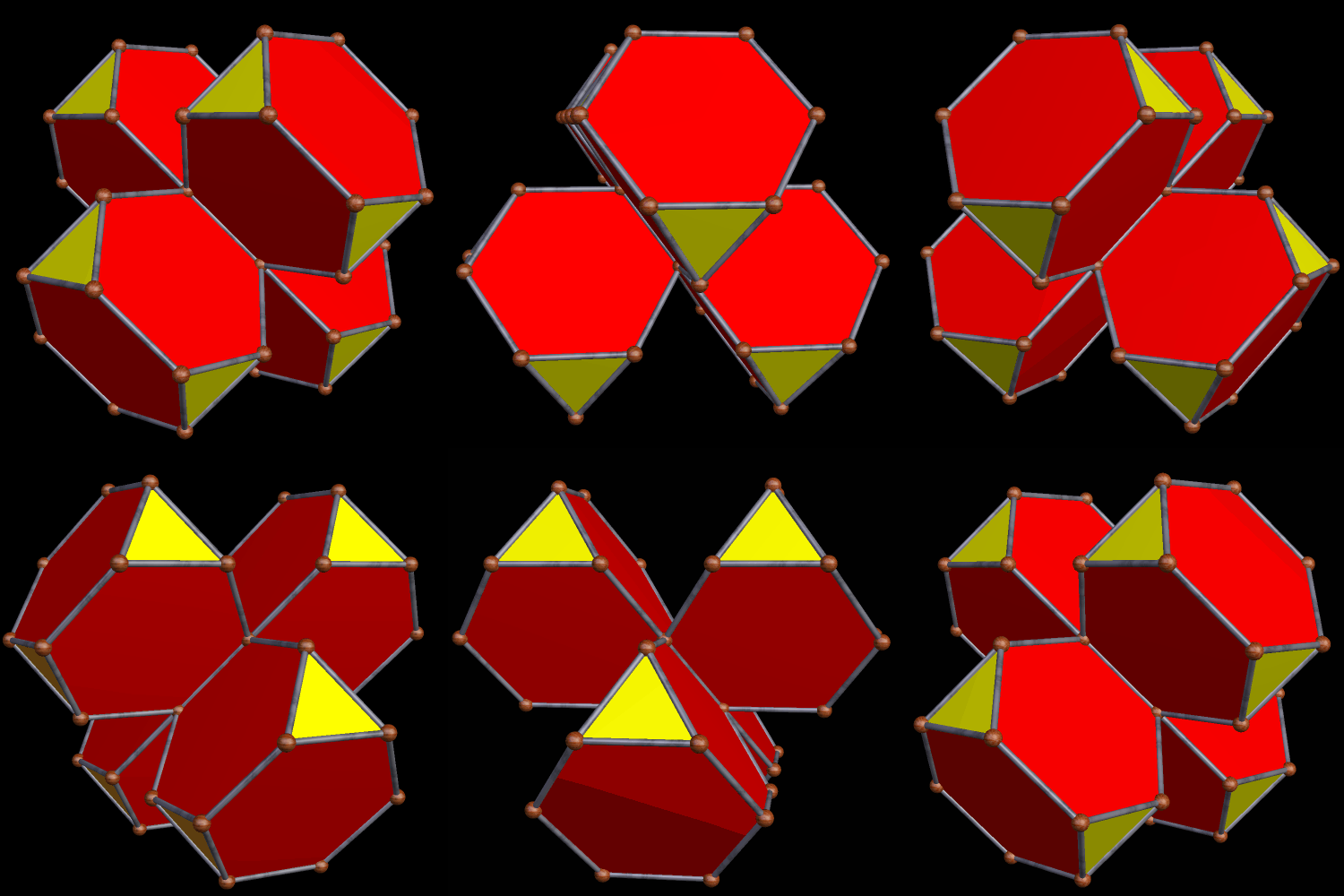
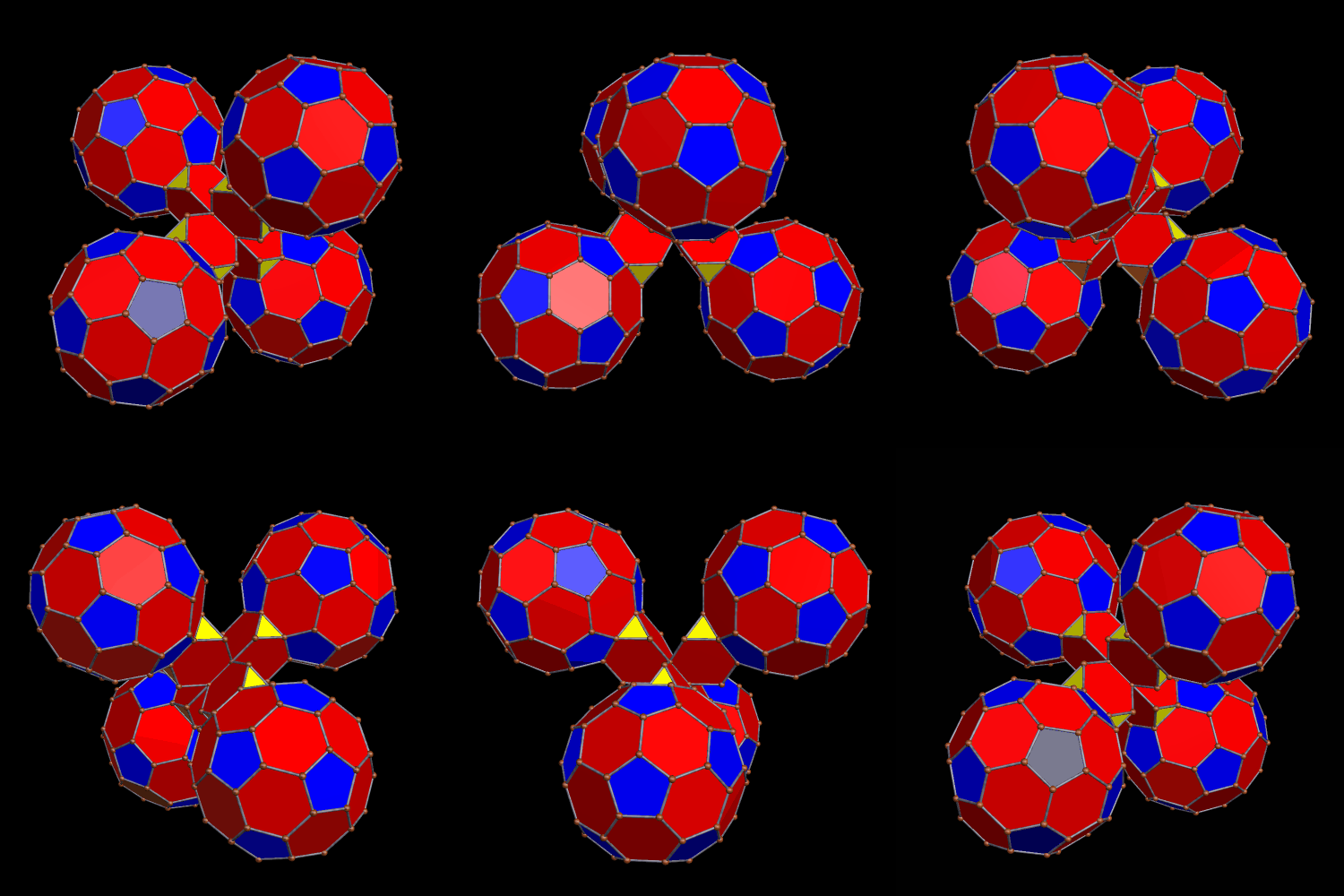
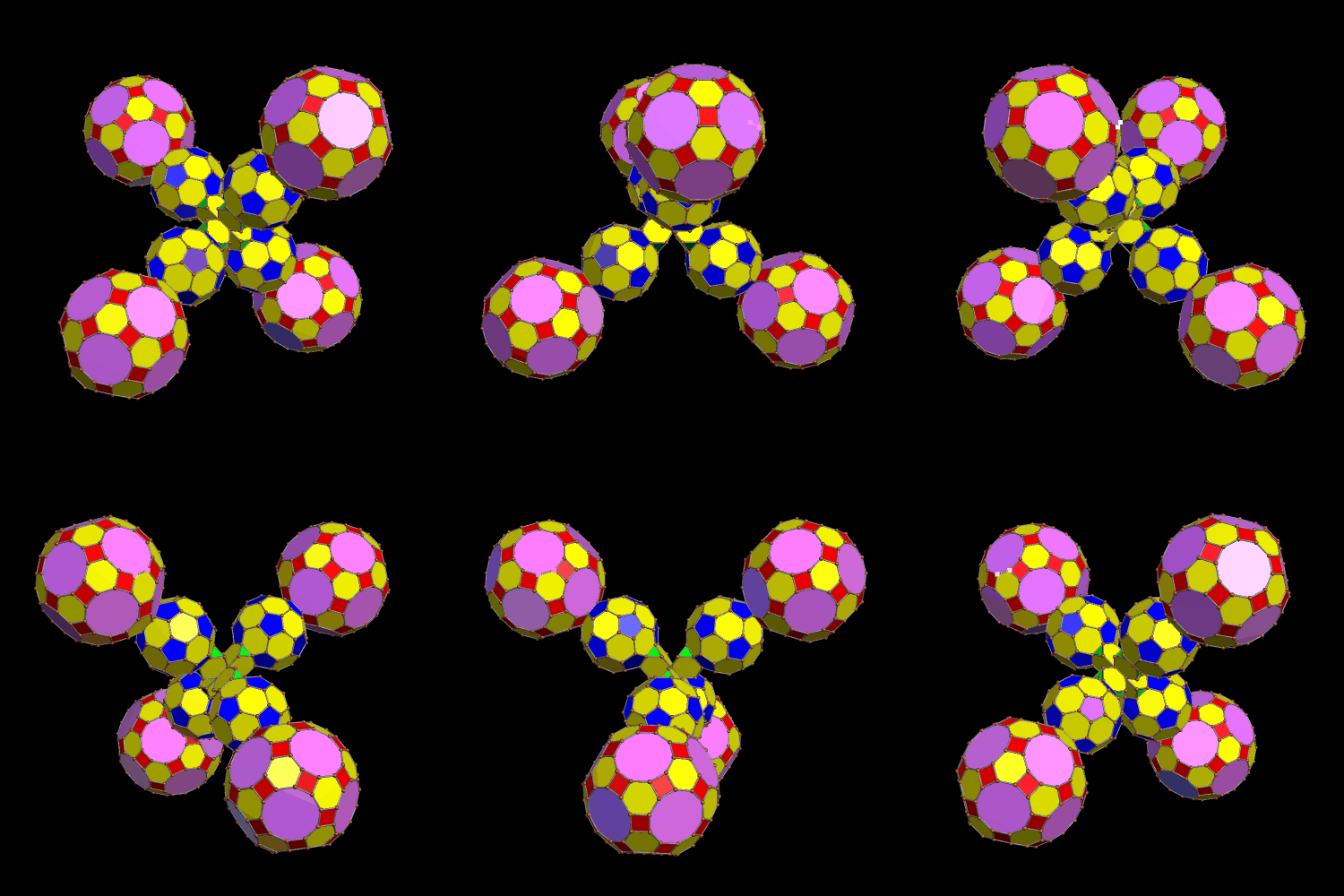
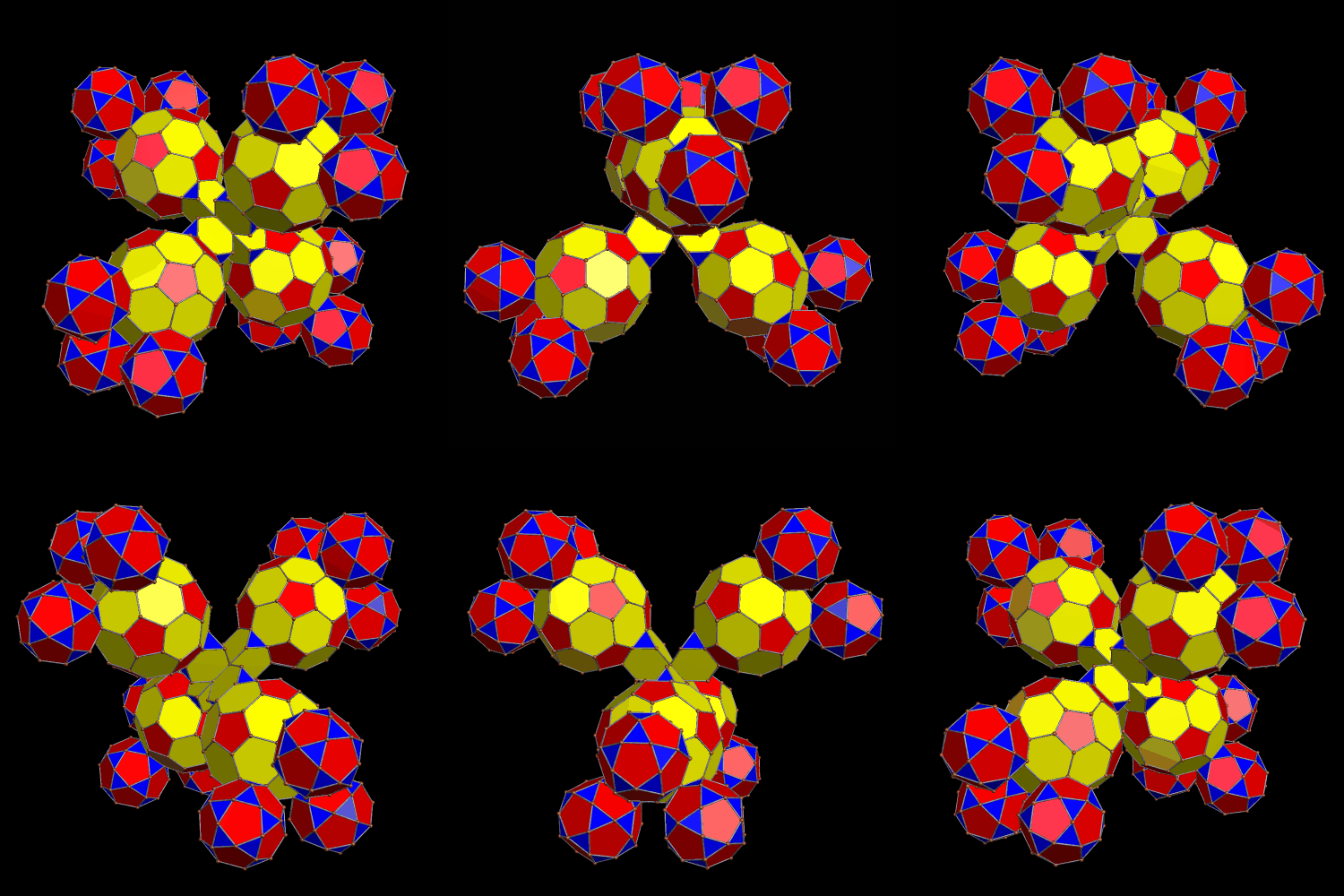
These were made using Stella 4d, which you may try for yourself here.

Each of these has a tetrahedron hidden from view in the center.
These were made using Stella 4d, which you may try for yourself here.
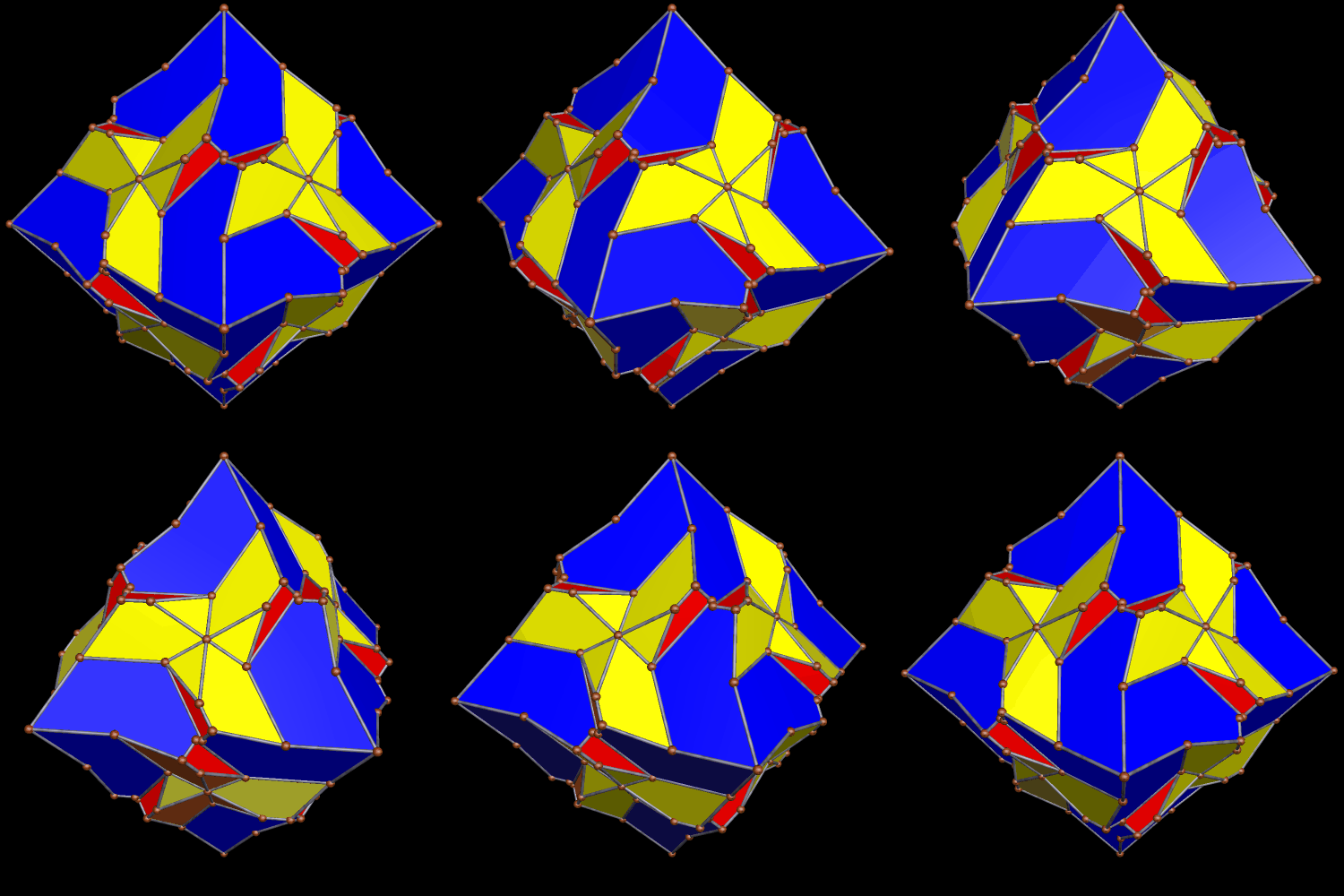
“Crinkled” is merely descriptive; I offer no mathematical definition of the term. This was a polyhedron I stumbled along while doing random-walk polyhedral manipulations with Stella 4d, available at this website.

I used Stella 4d to make this polyhedral compound, and this program may be tried for free at this website.


The polyhedra at the vertices are rhombic triacontahedra, and the yellow edges are elongated rhombic prisms. This was made using Stella 4d, software you may try for free at this website.
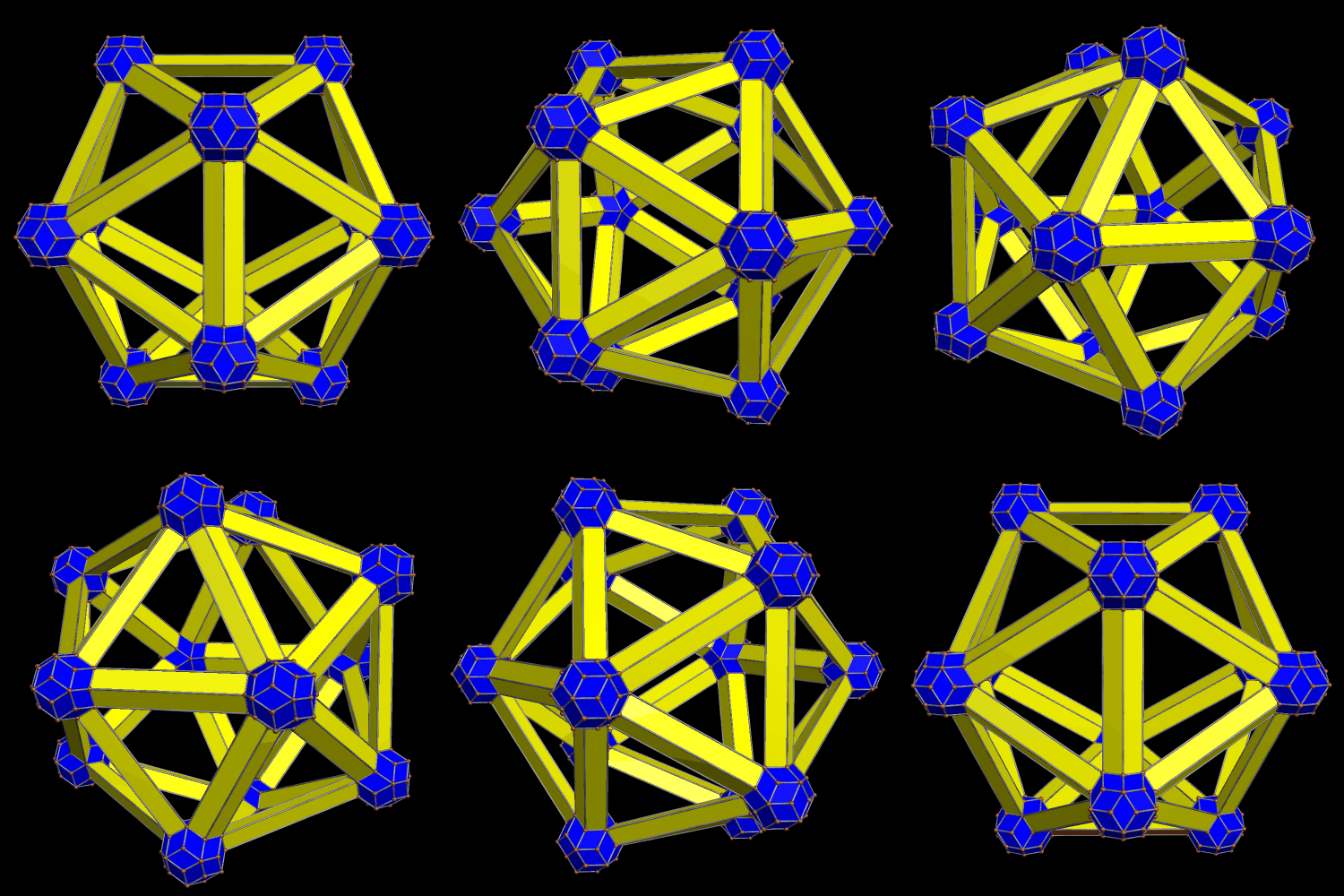
The polyhedra at the vertices are rhombic triacontahedra, and the yellow edges are elongated rhombic prisms. This was made using Stella 4d, software you may try for free at this website.
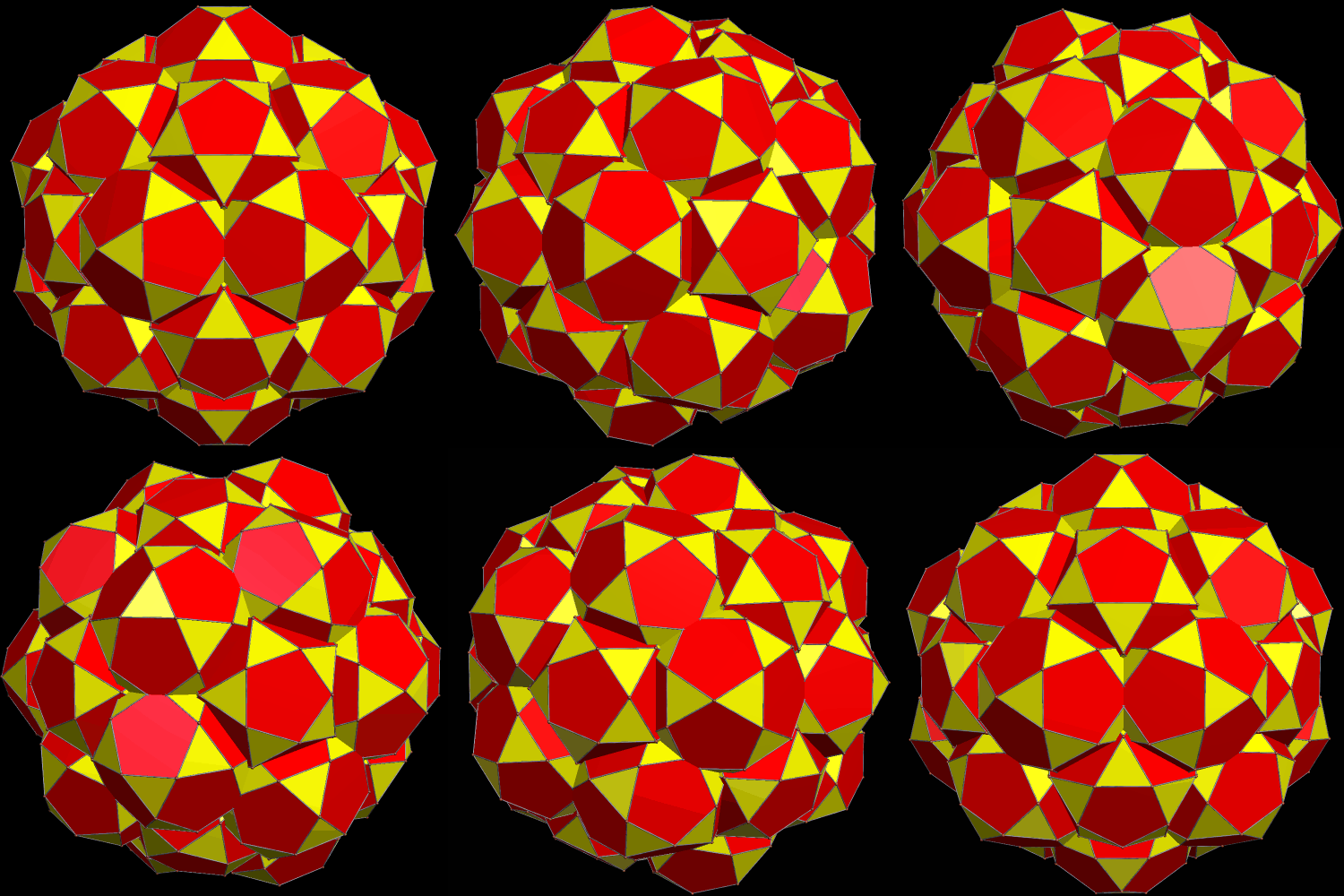
To make these three rotating cluster-polyhedra, I started with one icosidodecahedron in the center, then augmented each of its 32 faces with overlapping, additional icosidodecahedra, for a total of 33 icosidodecahedra per cluster. In the first image, only two colors are used: one for the triangular faces, and another for the pentagons. The second version, however, has the colors assigned by face-type, which is determined by each face’s placement in the overall cluster.
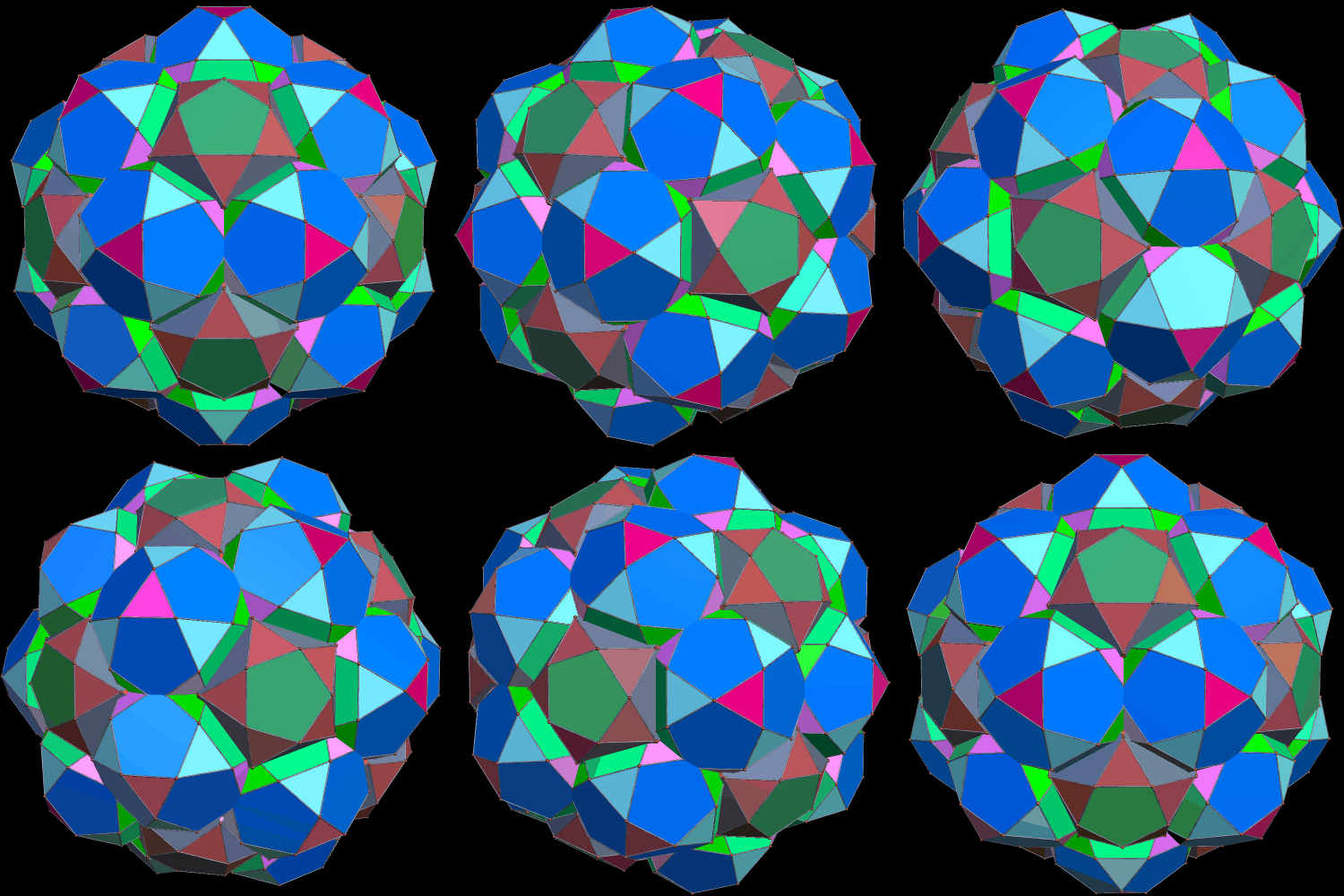
For the third version, I simply put Stella 4d (the program I use to make these images) into “rainbow color mode.” If you’d like to give Stella 4d a try, you can do so for free at this website.



 RobertLovesPi.net