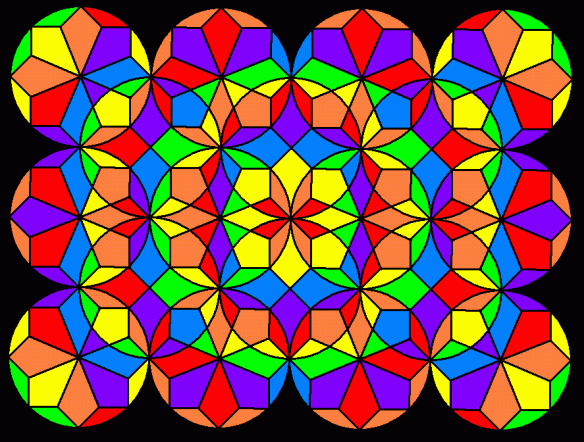
This is based on a picture I found of the ceiling of the Hampton Court Palace, with variations of my own.
As a self-distraction attempt, however, I wish it were working better.
This is based on a picture I found of the ceiling of the Hampton Court Palace, with variations of my own.
As a self-distraction attempt, however, I wish it were working better.

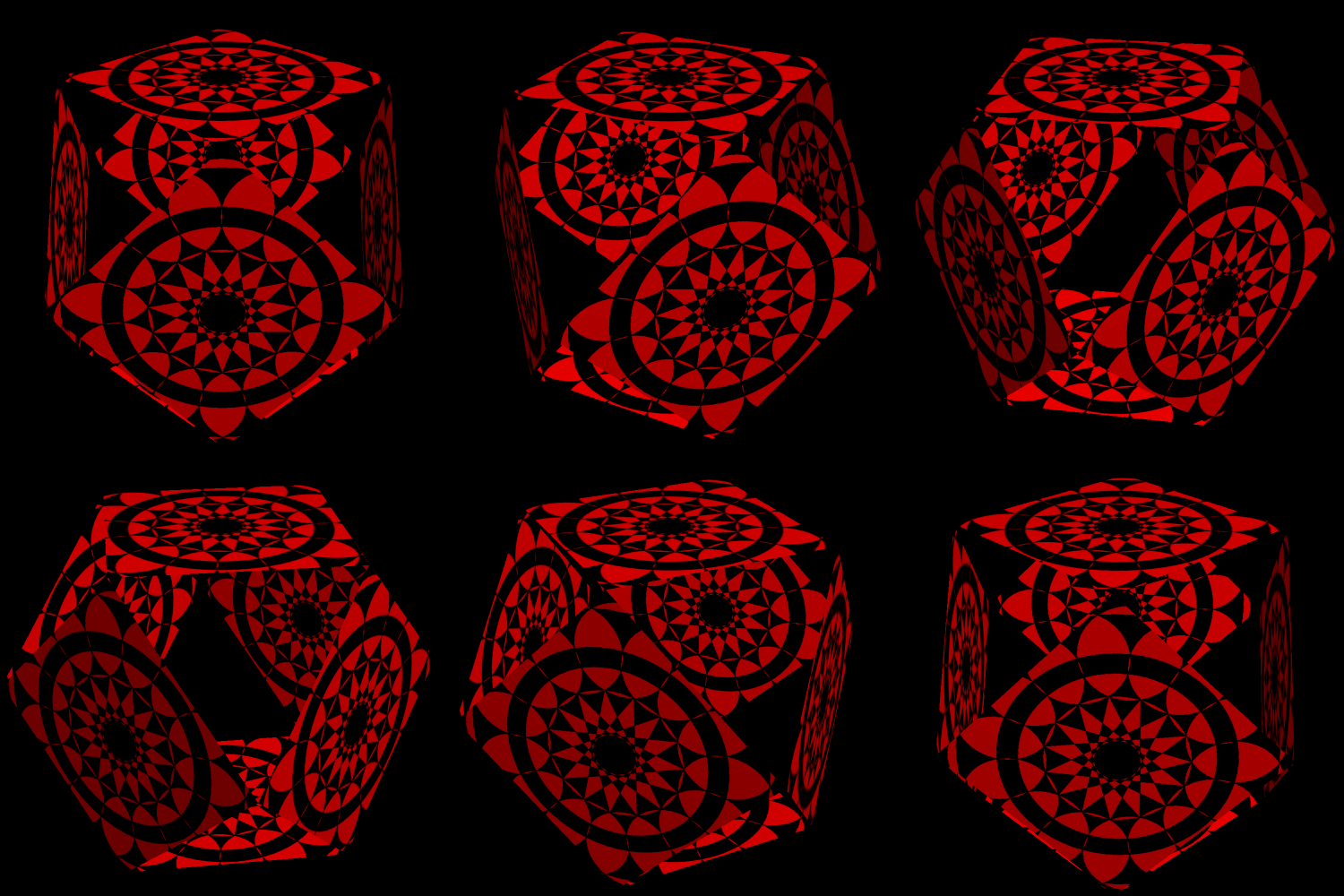
Stella 4d, a program you may try for free at http://www.software3d.com/stella.php, was used to create this rotating image.

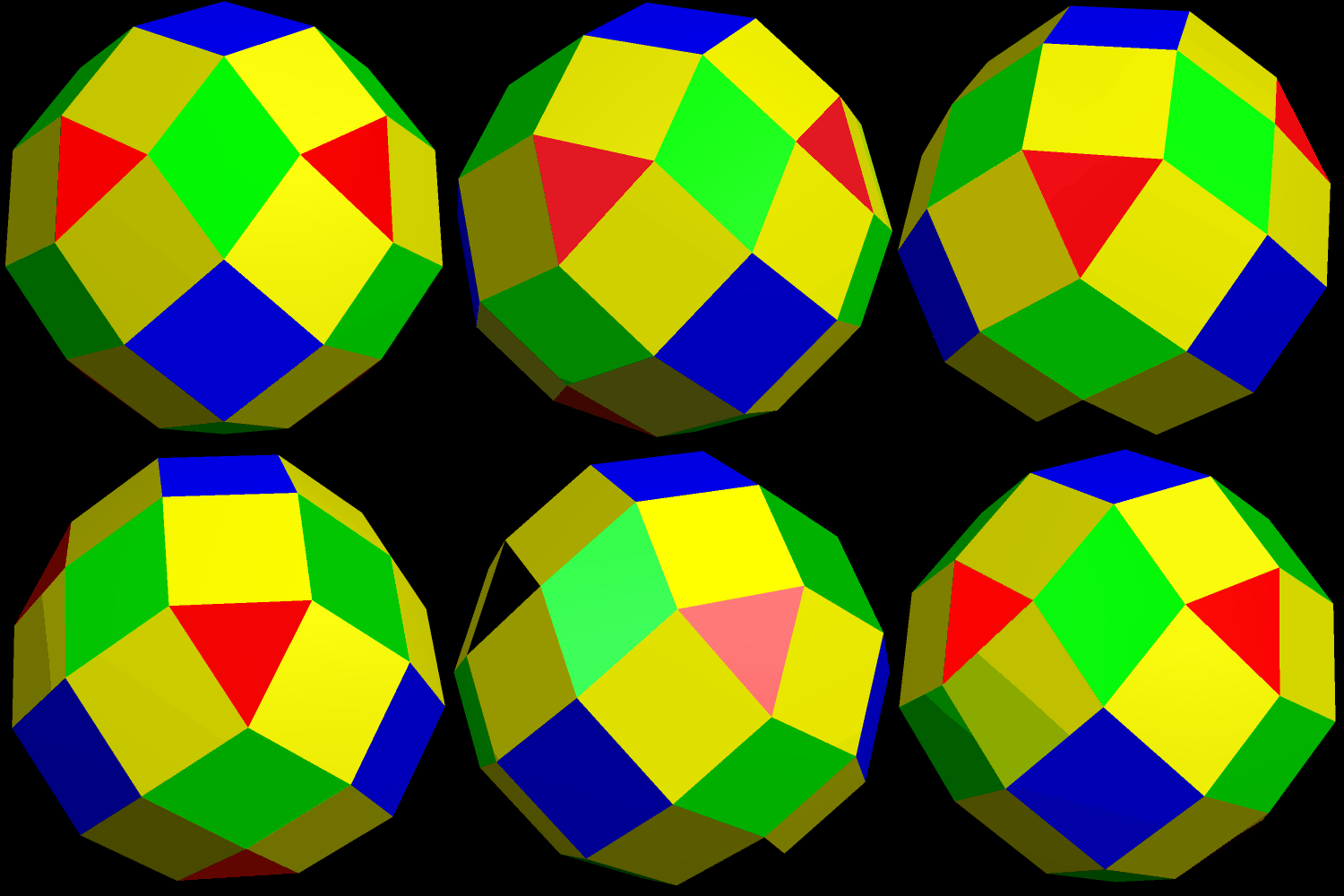
There are many ways to make intermediate forms between dual polyhedra. This was made using the expansion method. The faces of the cuboctahedron (red and blue) were moved outward, as were the green faces of the rhombic dodecahedron, until the meeting of all possible vertices. The yellow rectangles were the spaces created between faces by this expansion.
(Software credit: see http://www.software3d.com/stella.php)
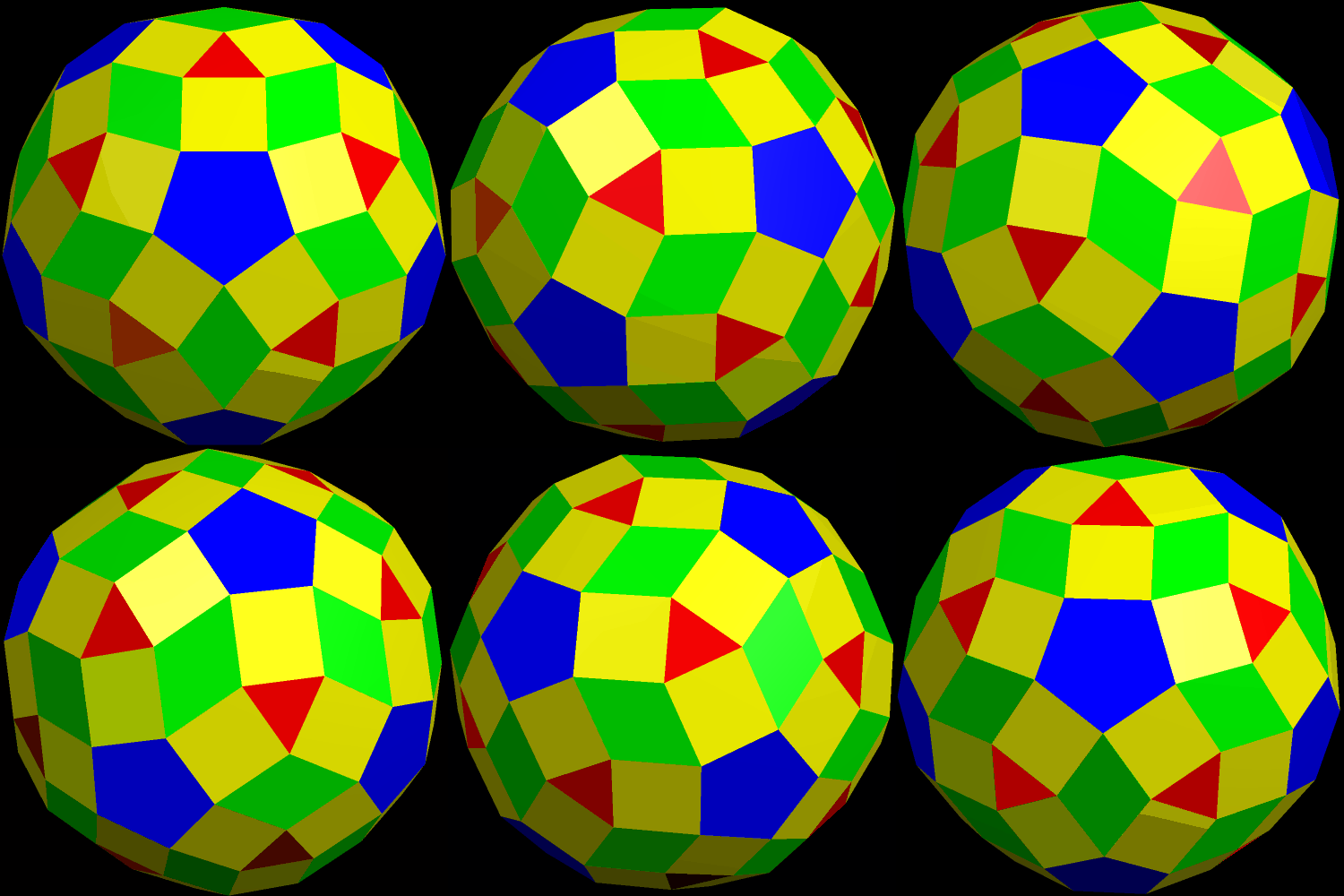
There are many ways to make intermediate forms between dual polyhedra. This was made using the expansion method. The faces of the icosidodecahedron (red and blue) were moved outward, as were the green faces of the rhombic triacontahedron, until the meeting of all possible vertices. The yellow rectangles were the spaces created between faces by this expansion.
(Software credit: see http://www.software3d.com/stella.php)
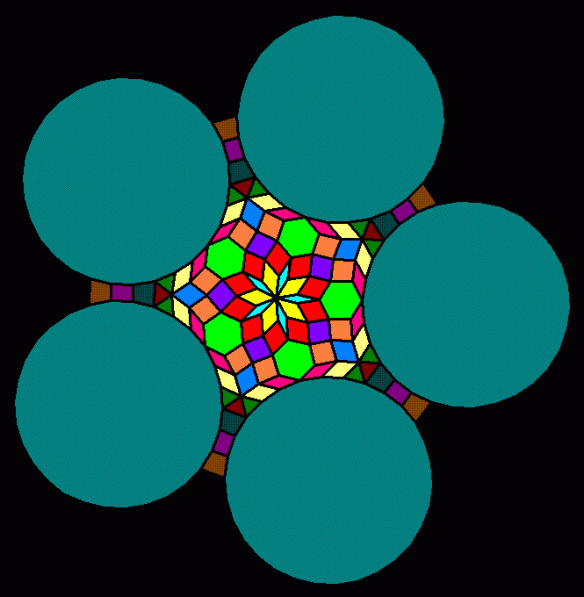
Those big round things aren’t circles. They are regular thirty-sided polygons, or triacontagons.

I found this using software you can try for free at http://www.software3d.com/stella.php. It’s one of the many stellations of the dual of the truncated octahedron.


As you can see, this can be continued indefinitely from the center.
 RobertLovesPi.net