Banks, the U.S. bond market, and the U.S. Post Office will all be closed on John Lennon’s birthday this year (Monday, October 9th).
Monday’s Holiday
Reply
Banks, the U.S. bond market, and the U.S. Post Office will all be closed on John Lennon’s birthday this year (Monday, October 9th).

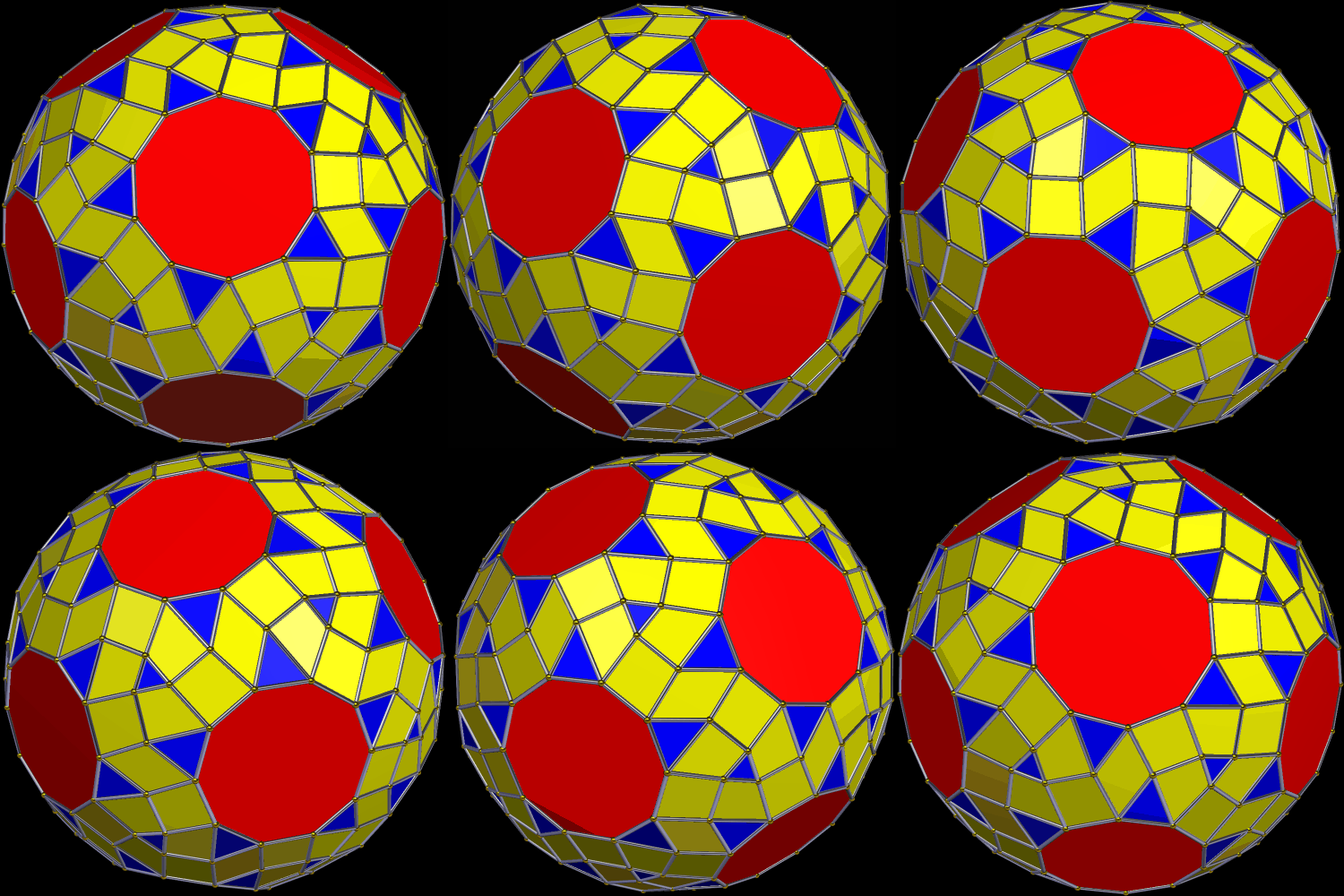
To make the polyhedron shown above, I started with a snub cube, then augmented all the triangular faces with prisms. Next, I formed this augmented solid’s convex hull, and, finally, I used the “try to make faces regular” function of the software I use to manipulate polyhedra (Stella 4d, which you can try here). The regular faces are the octagons and the small triangles.
I used the same process to make the polyhedron below, except that I started with the snub dodecahedron.
Here’s a rhombic triacontahedron, possibly the most well-known of the Catalan solids. It’s thirty faces are all golden rhombi (rhombi with their diagonals in the golden ratio).

Here’s what you get if you augment each face with another rhombic triacontahedron:

Coloring this cluster-polyhedron by face type has this result:

So what happens if each face of this cluster-polyhedron is augmented by another rhombic triacontahedron? This does:

Here’s another view of that, in “rainbow color mode”:
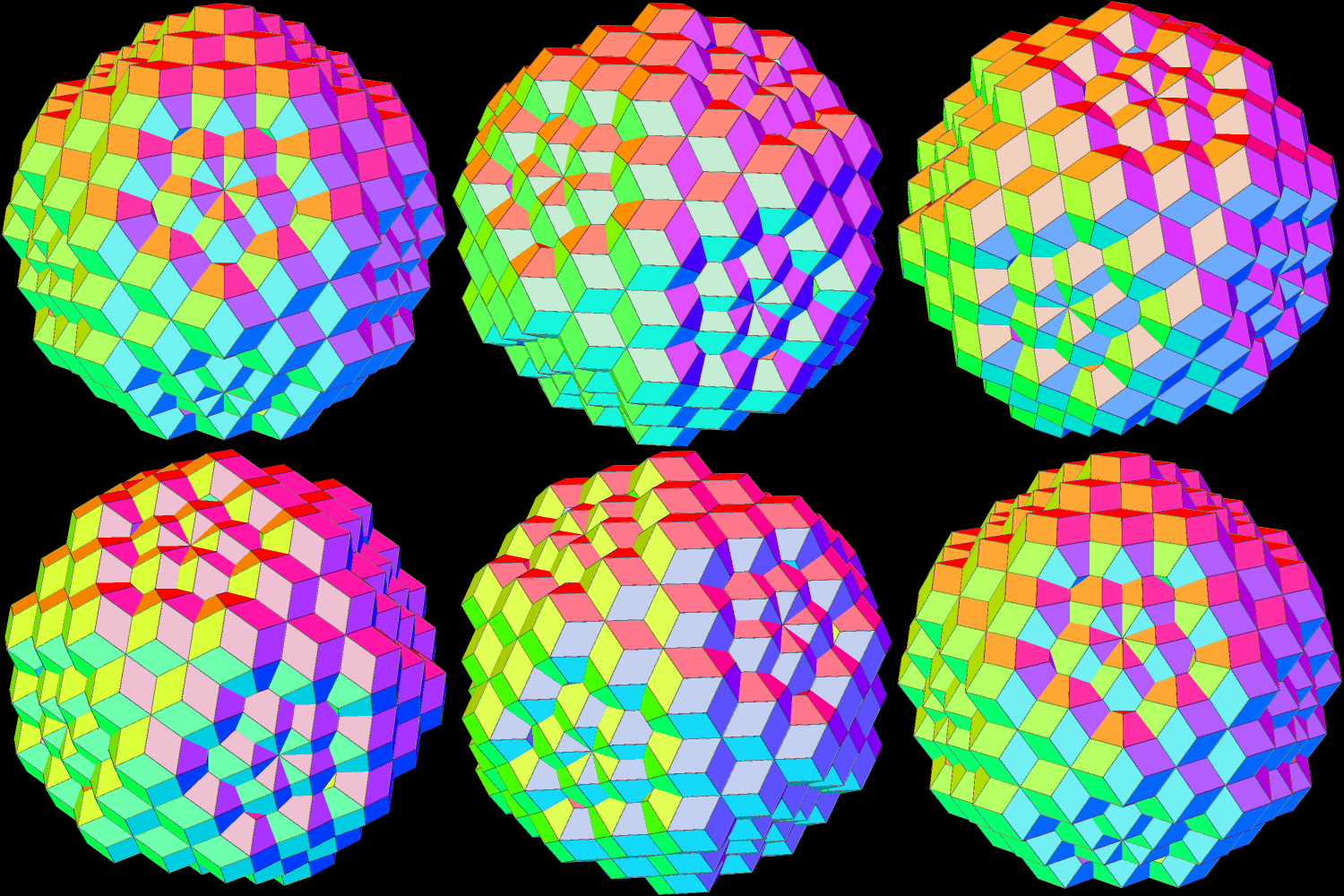
I made these virtual models with Stella 4d: Polyhedron Navigator. If you’d like to try this software for free, the website to visit is http://www.software3d.com/Stella.php.
To make the image above, using Stella 4d (available here), I started with a uniform polyhedron called the octahemioctahedron, and then made the triangular faces of it invisible. Here’s what this polyhedron looks like without its triangles hidden:

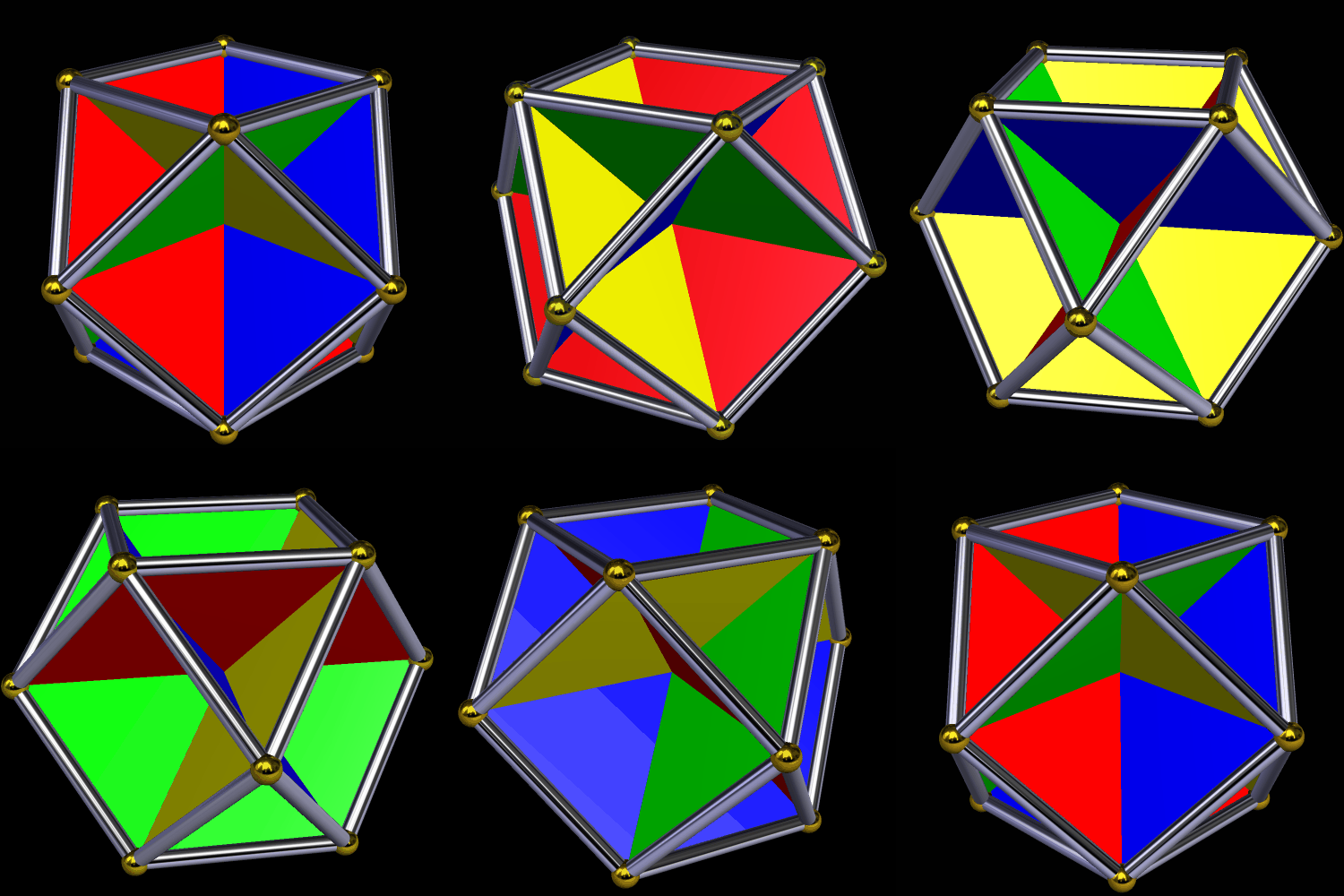
The convex hull of either of these figures is a cuboctahedron, which is shown below.


To make the image above, using Stella 4d (available here), I started with a uniform polyhedron called the small icosihemidodecahedron, and then made the triangular faces of it invisible. Here’s what this polyhedron looks like without its triangles hidden:

The convex hull of either of these figures is an icosidodecahedron, which is shown below.

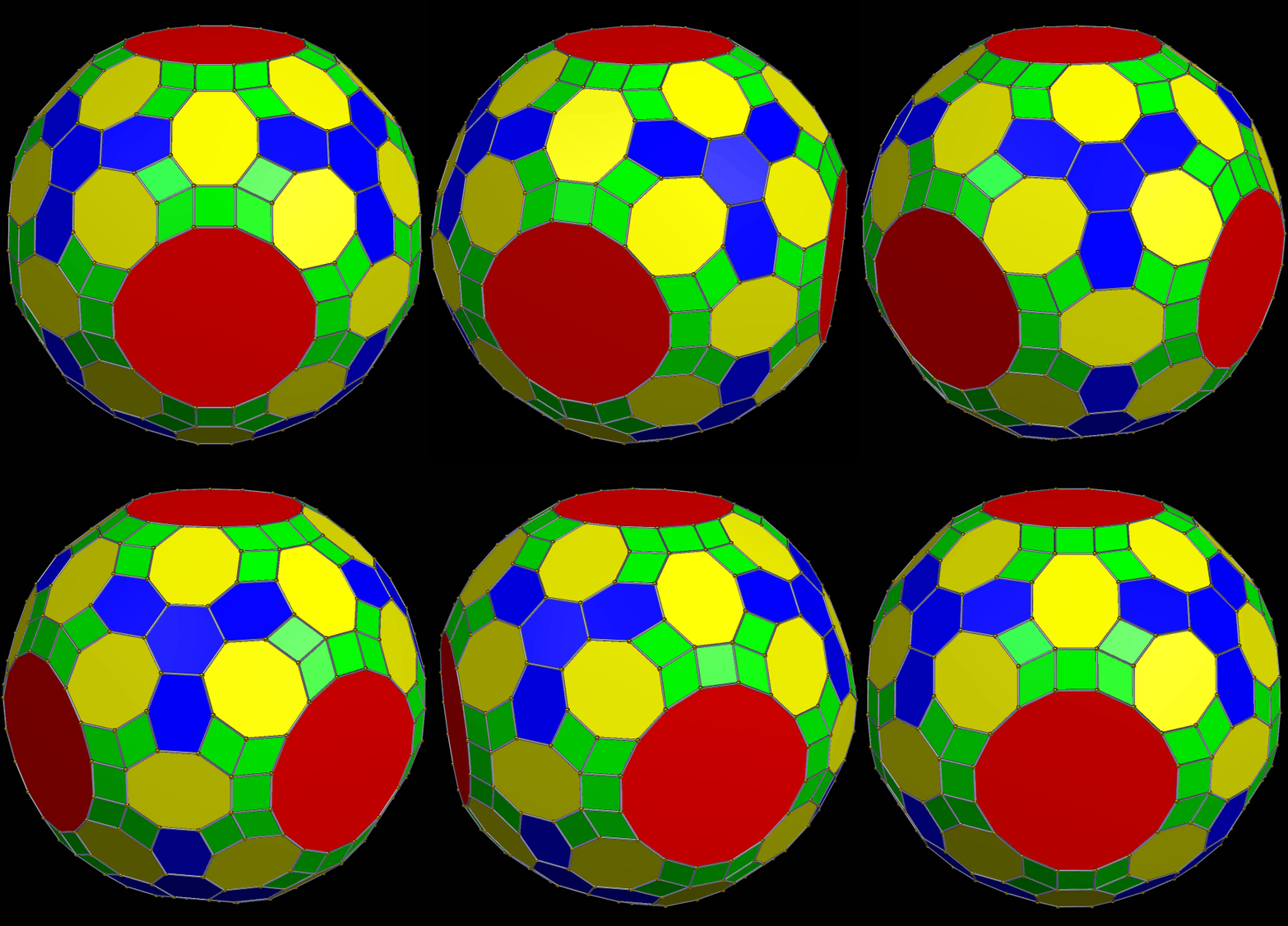
This zonohedron is made from the truncated octahedron’s vertices, edges, and faces. I made it using Stella 4d, which you can try for free at http://www.software3d.com/Stella.php.
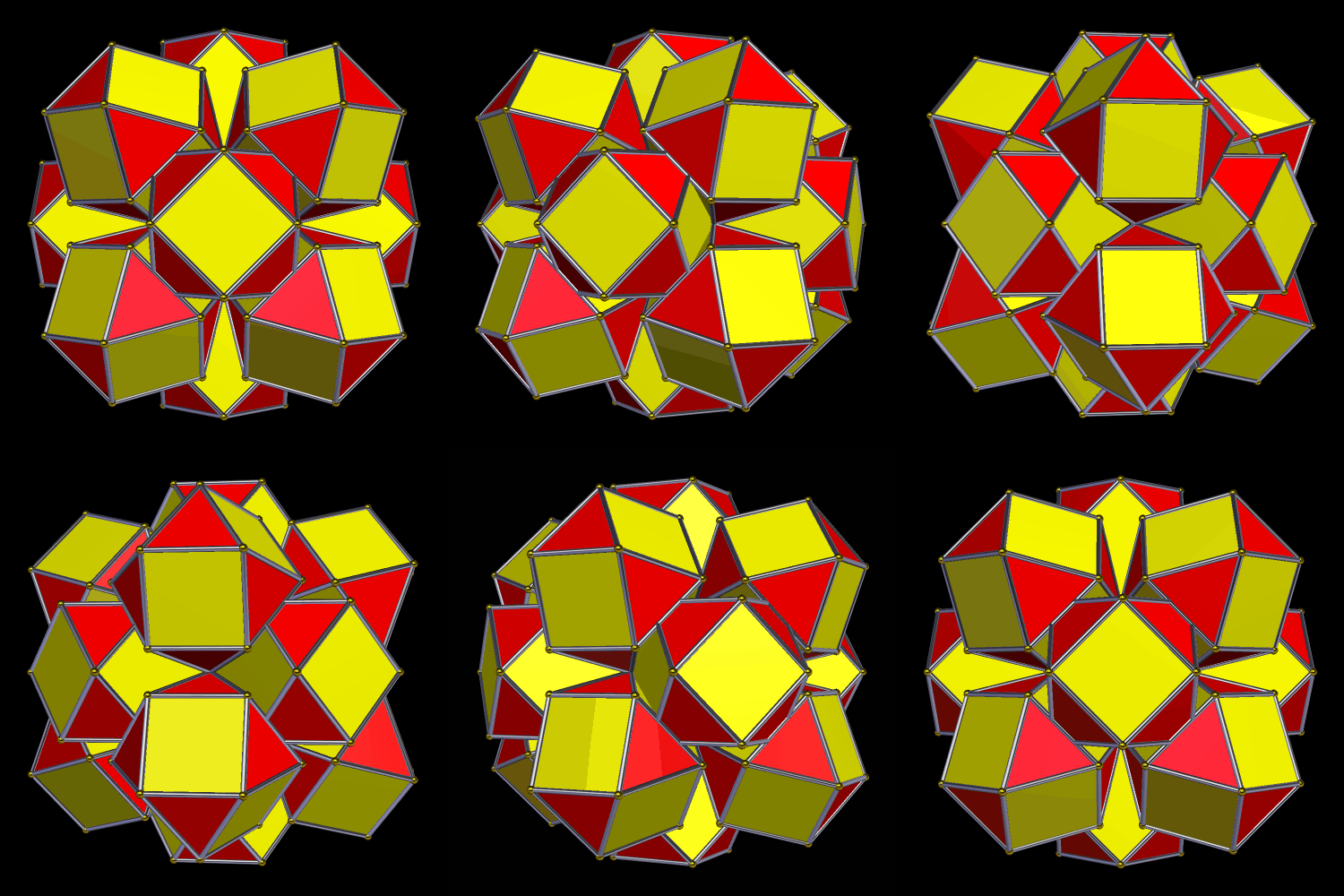
There’s one cuboctahedron in the center of this cluster, with each of its fourteen faces augmented by another cuboctahedron. The image below uses coloring of each face by its number of sides, while the next one is in “rainbow color mode.”
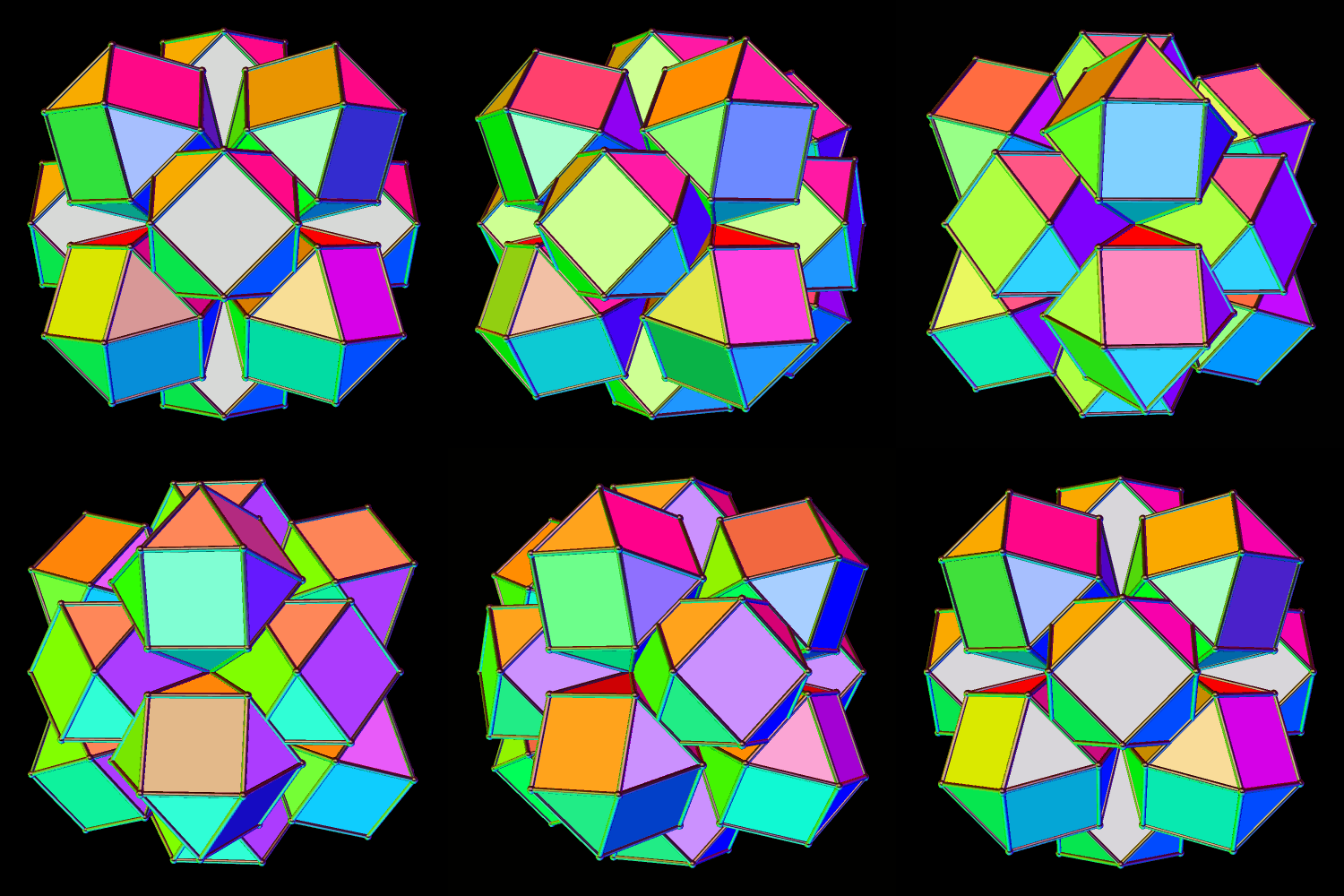
I made these images using Stella 4d, which you can try for free at http://www.software3d.com/Stella.php.

I made this using Stella 4d, which you can try for yourself, free, at this website: http://www.software3d.com/Stella.php.

I found this compound by repeatedly stellating the small hexacronic icositetrahedron, which is the dual of the small cubicuboctahedron, one of the uniform solids. I used Stella 4d: Polyhedron Navigator to do this, and you can try this program, as a free trial download, at http://www.software3d.com/Stella.php.

 RobertLovesPi.net