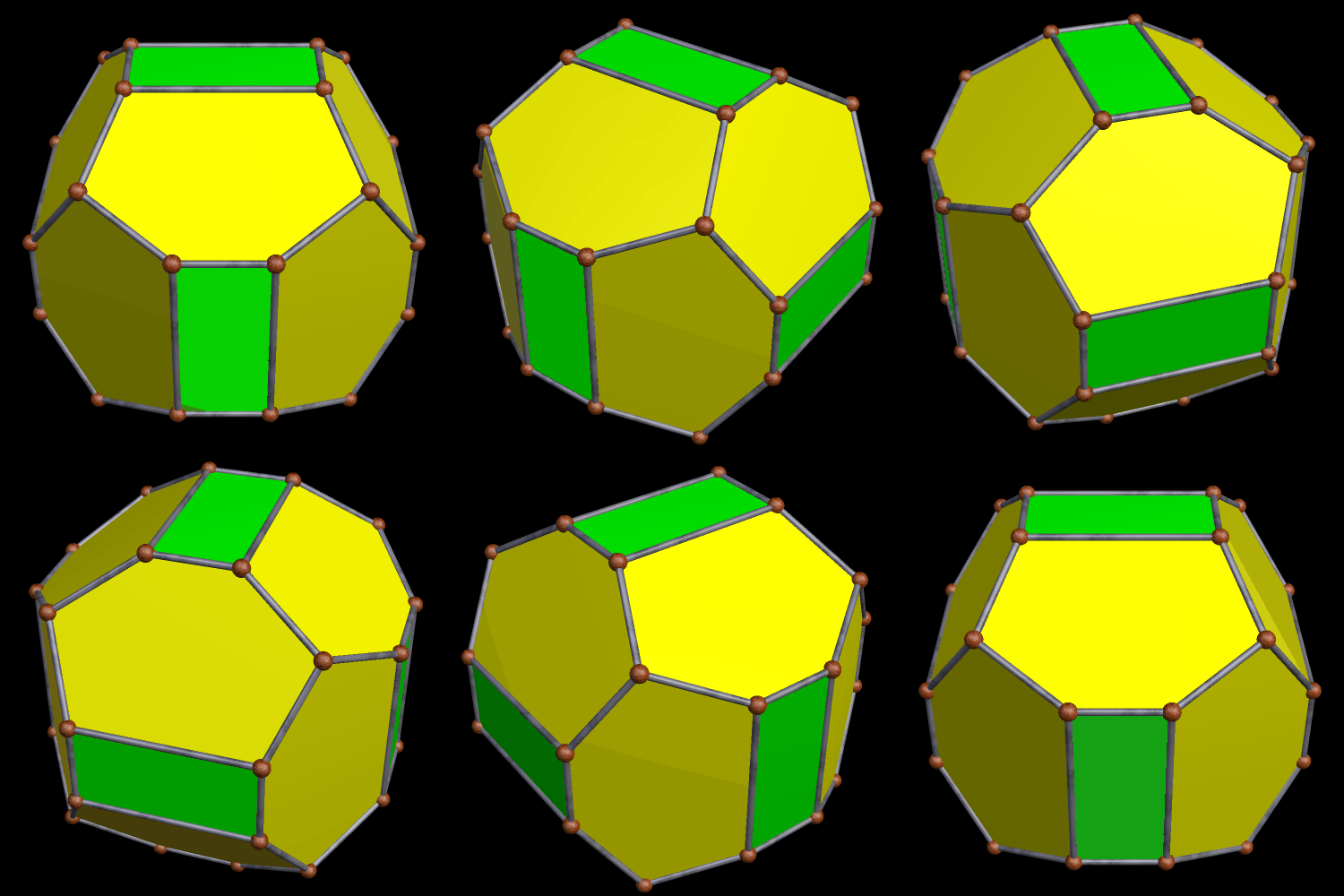
To enlarge any individual image, simply click on it.
These polyhedral images were created using Stella 4d: Polyhedron Navigator, a program you can find at http://www.software3d.com/Stella.php, with a free trial download available.
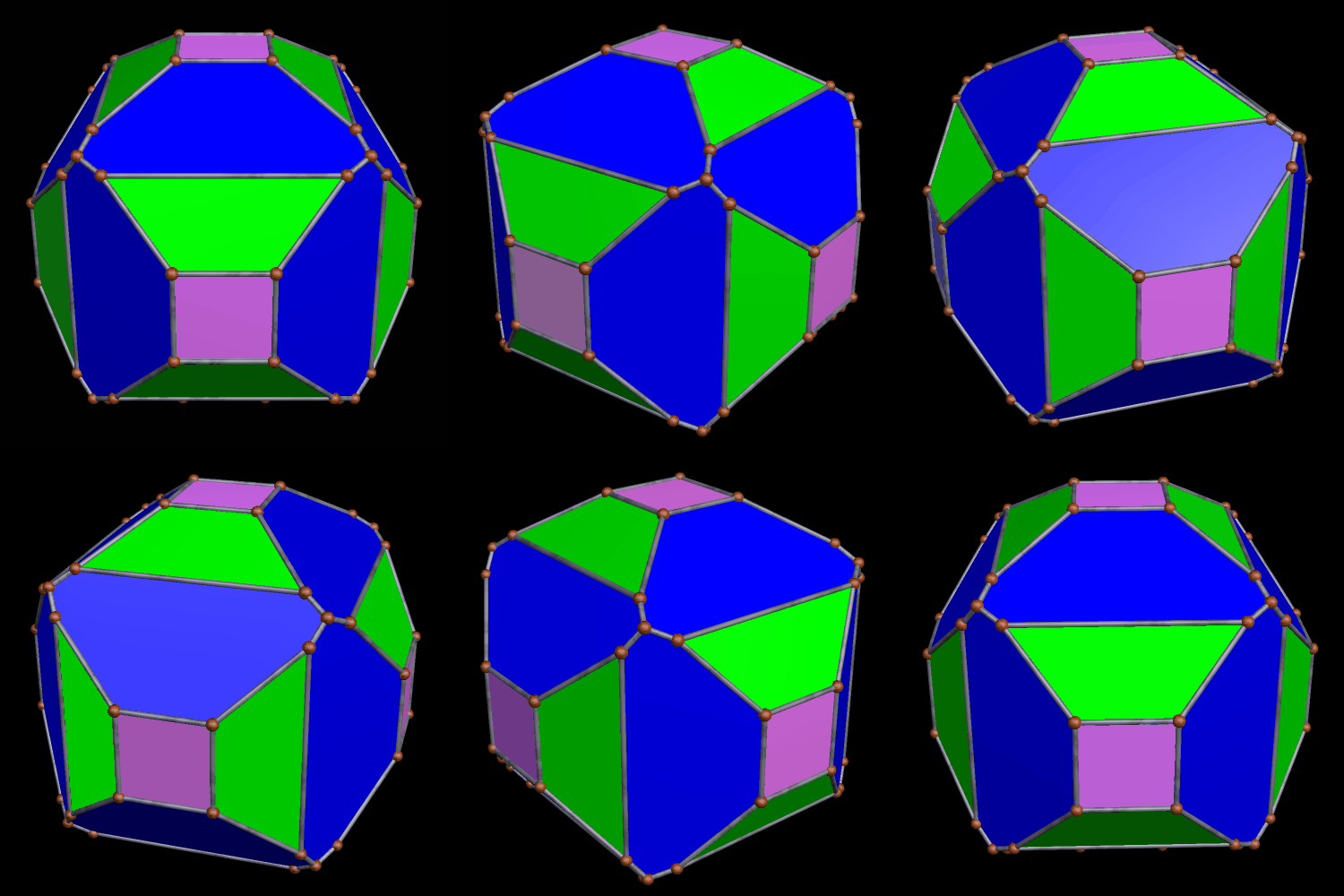
To enlarge any individual image, simply click on it.
These polyhedral images were created using Stella 4d: Polyhedron Navigator, a program you can find at http://www.software3d.com/Stella.php, with a free trial download available.

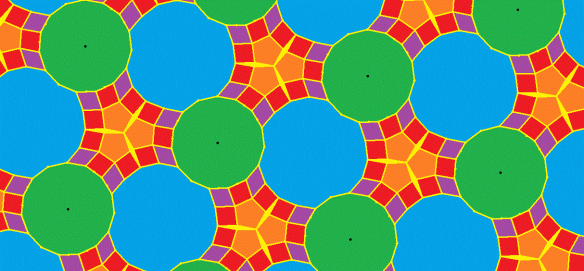
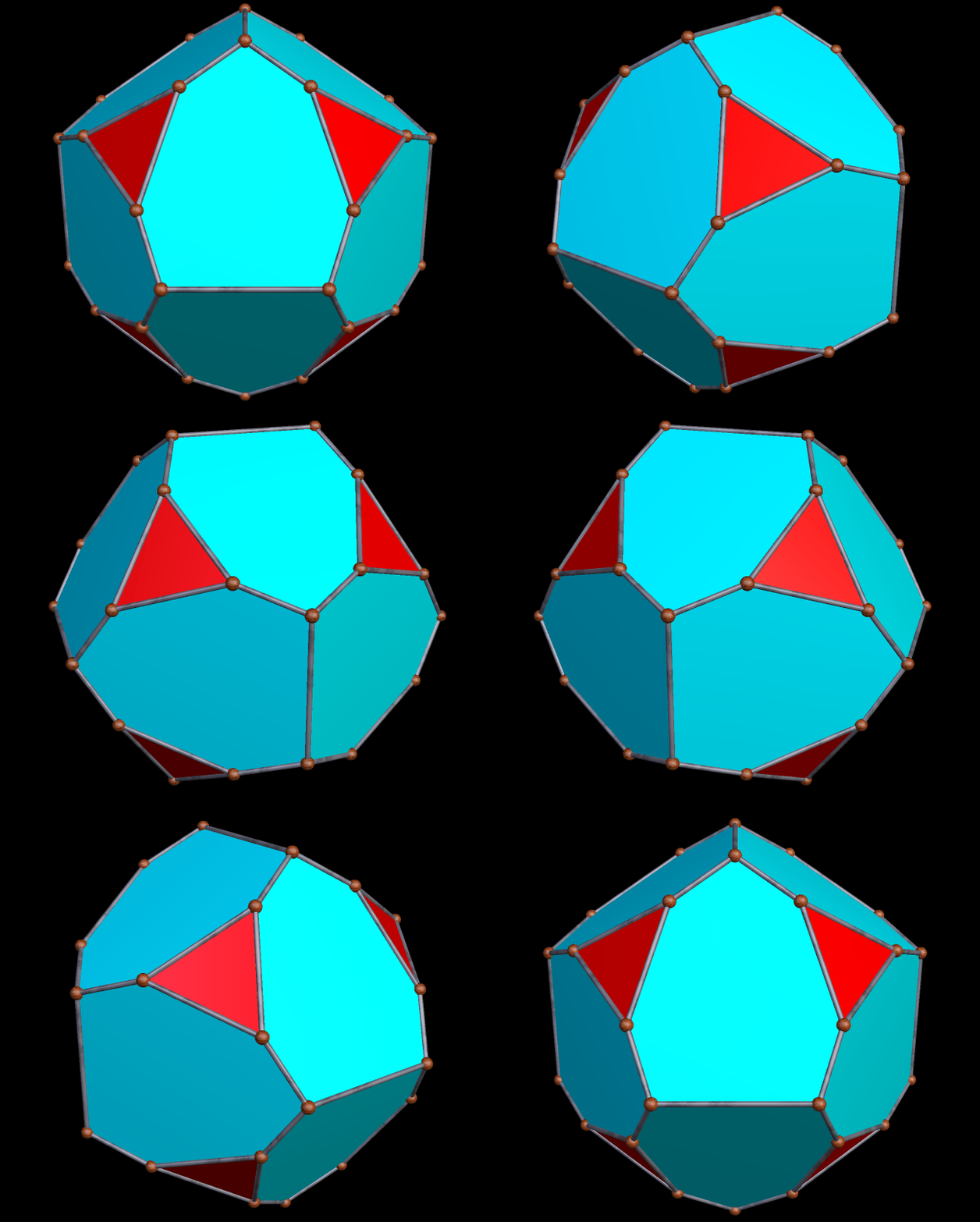
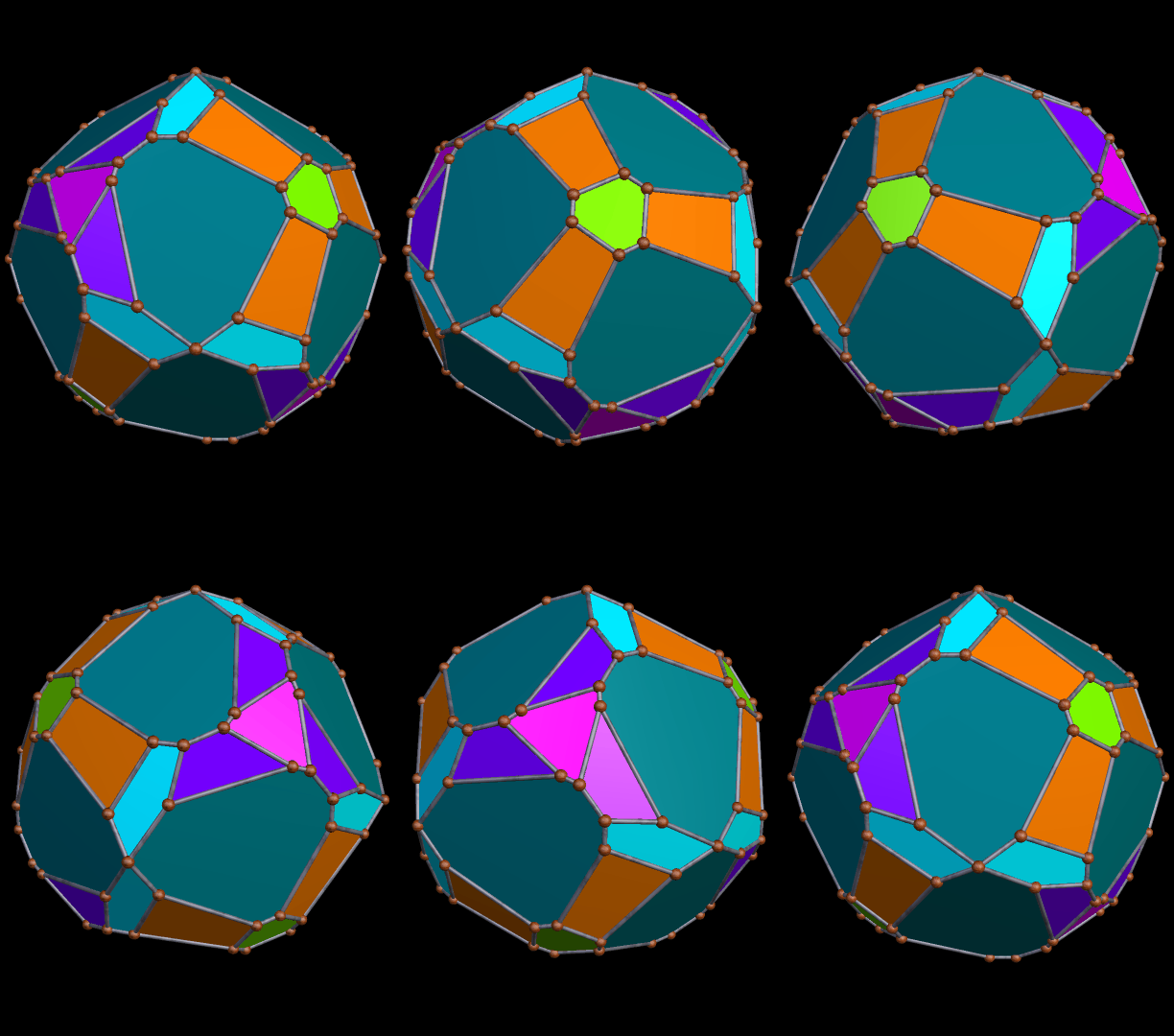
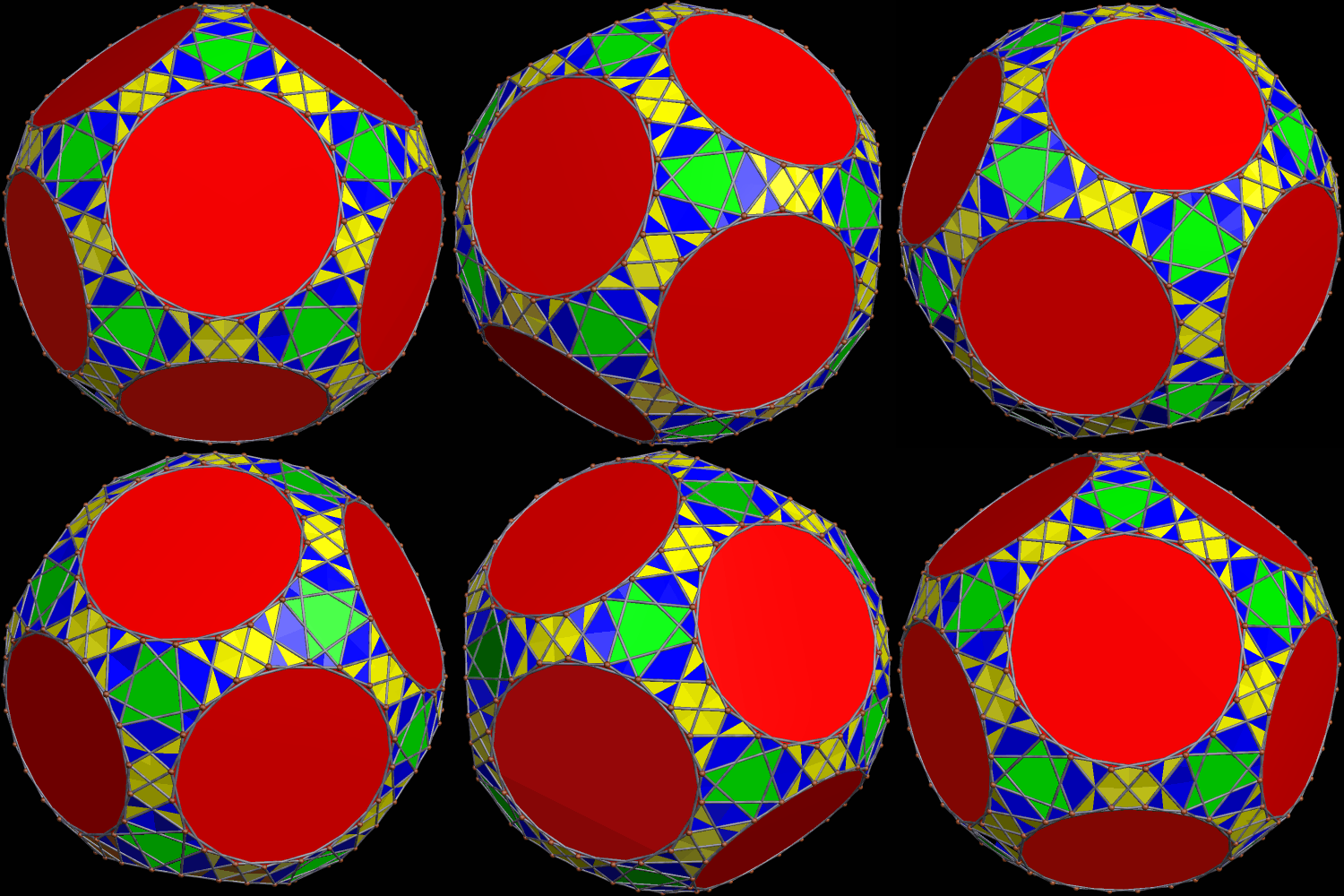
Other polygons included in this tessellation include several types of rhombi, as well as triconcave octadecagons. The pattern is chiral, but the chirality is subtle. (Hint: look near the pentagons.)
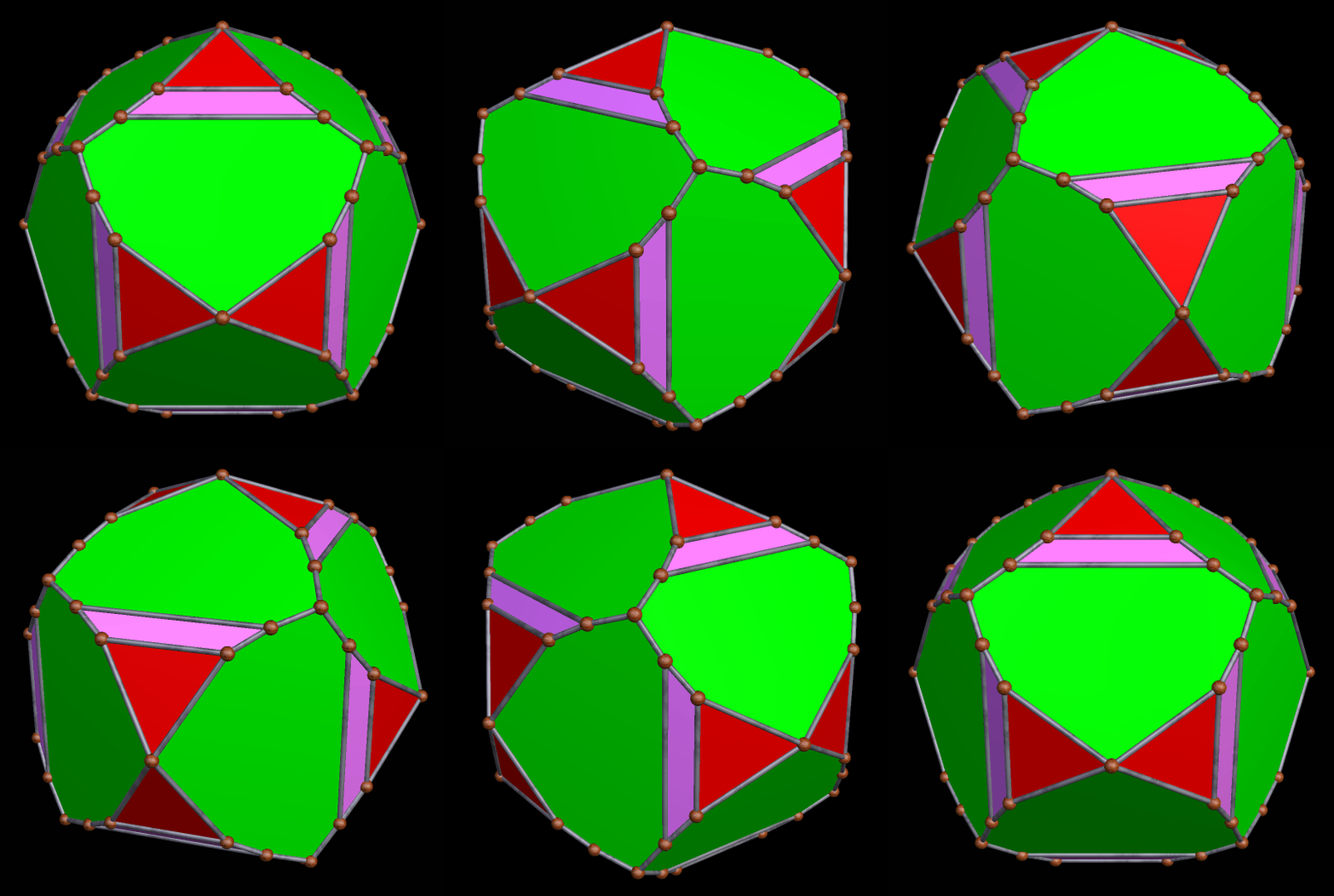
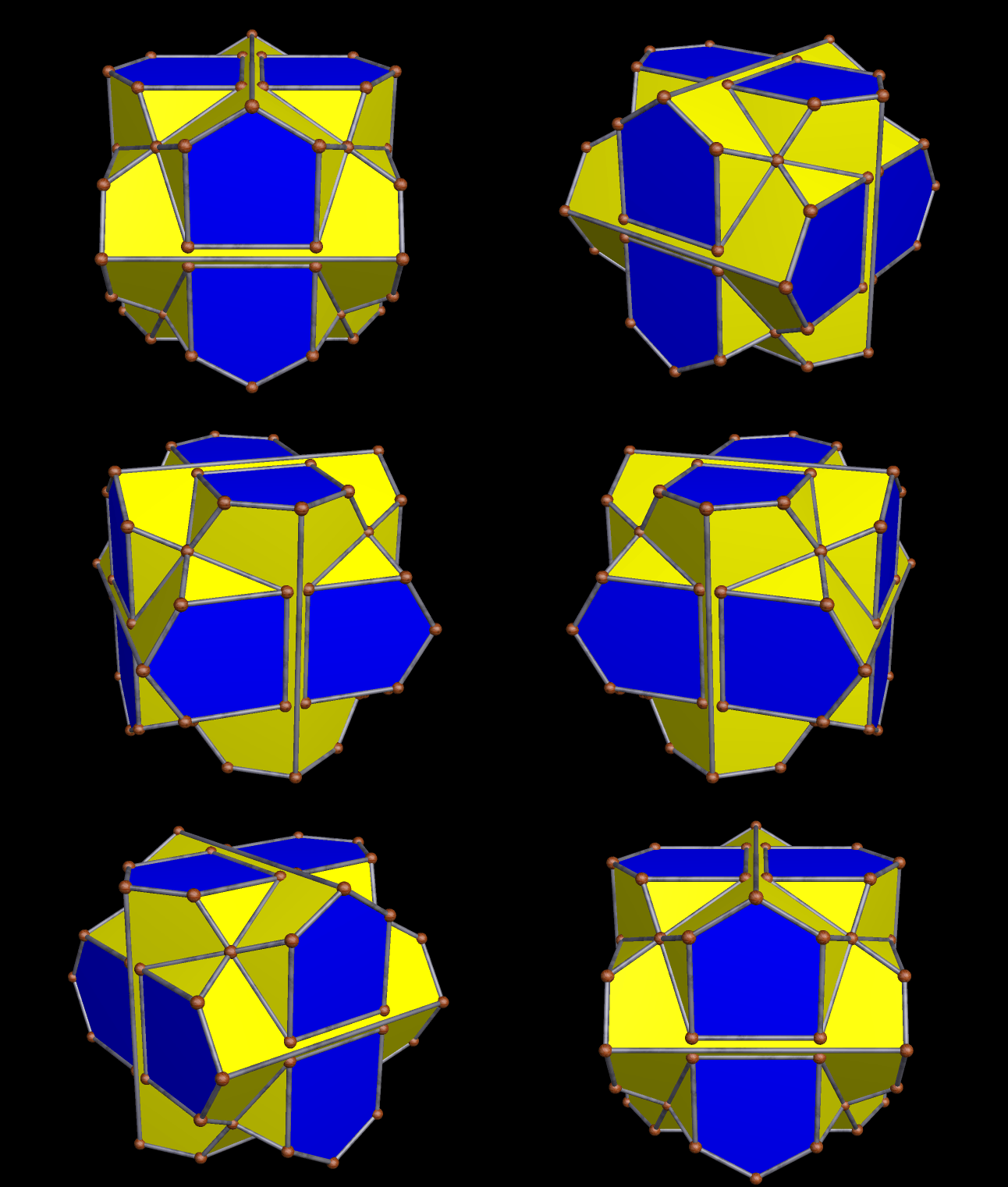
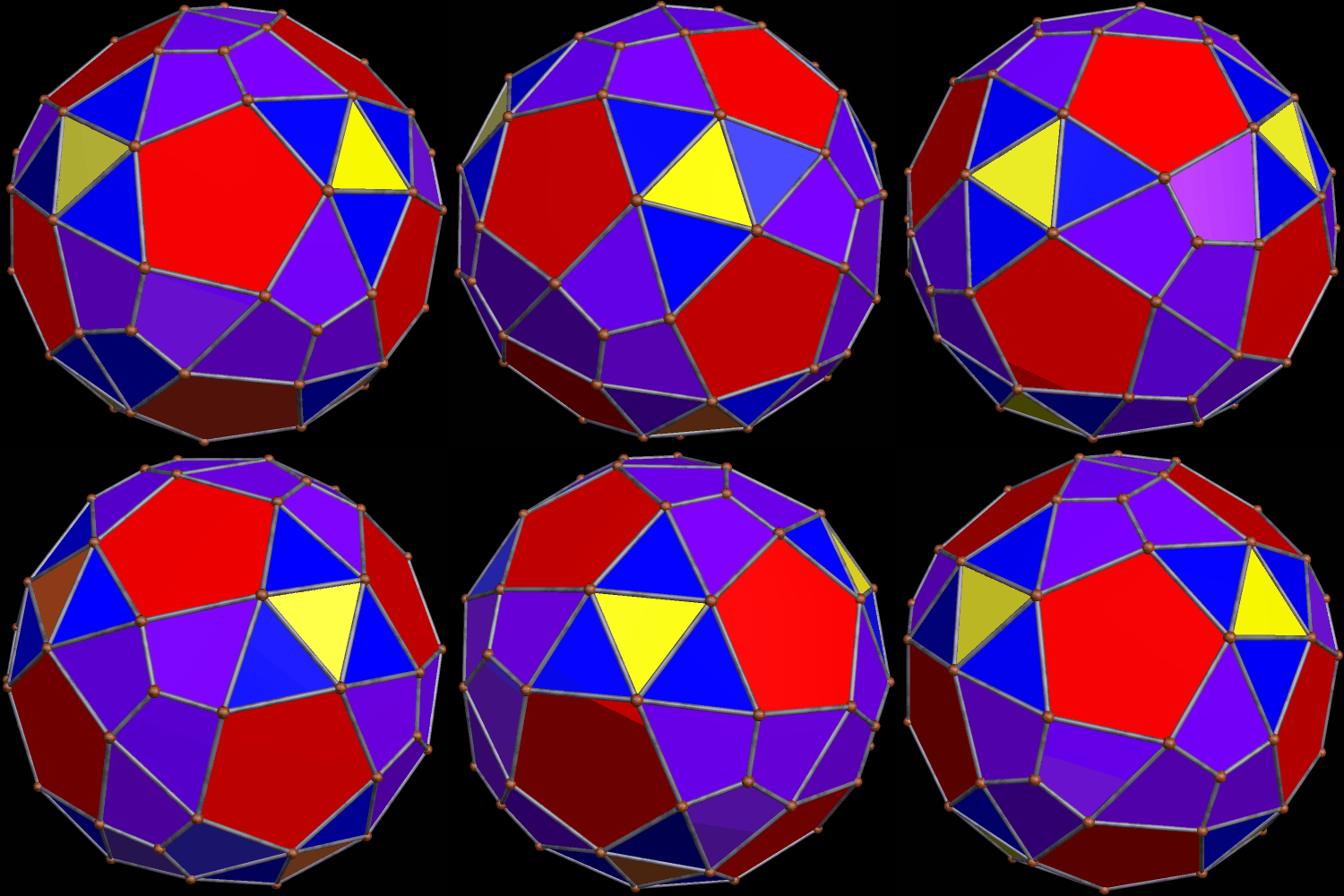
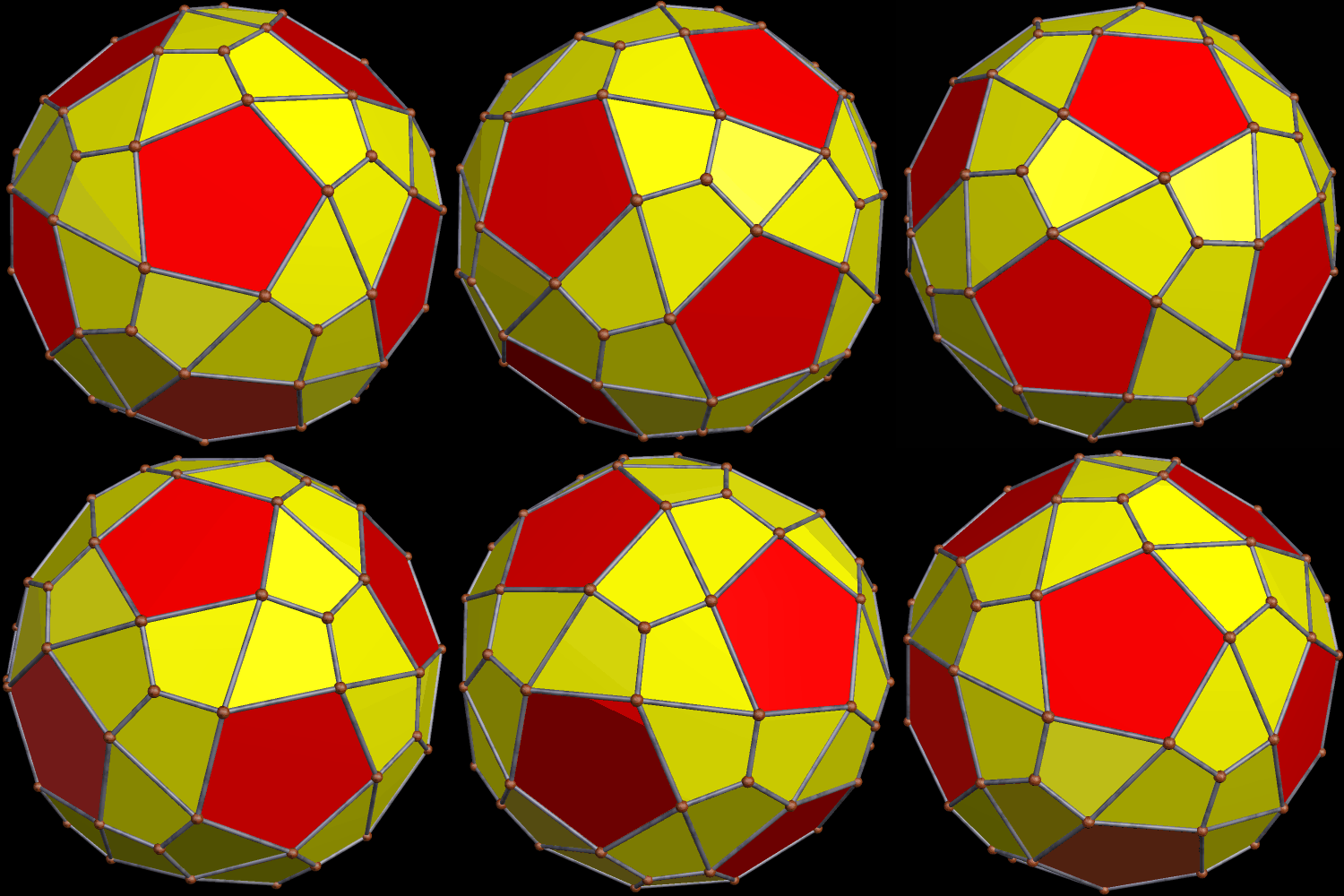
It’s quite an informal way to define it, but pyritohedral symmetry is the symmetry-type of a standard volleyball. These images of pyritohedral polyhedra were made using Stella 4d, software available at http://software3d.com/Stella.php.
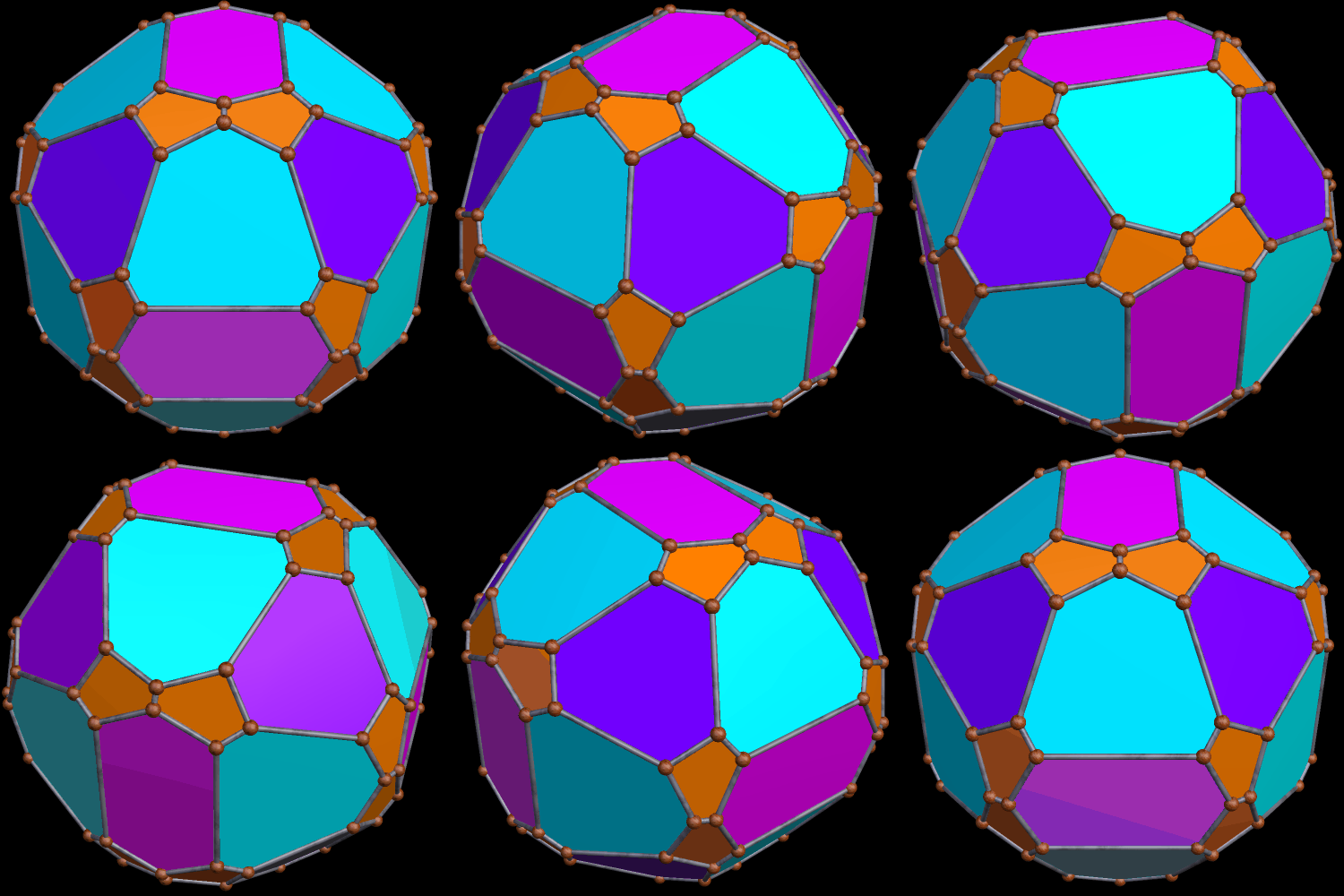
In this chiral polyhedron, sixty faces are the small, purple pentagons, while the other sixty are the larger, orange pentagons. The next image shows its dual.
Both images were created with Stella 4d, a program you can buy, or try for free, at this website: http://www.software3d.com/Stella.php.
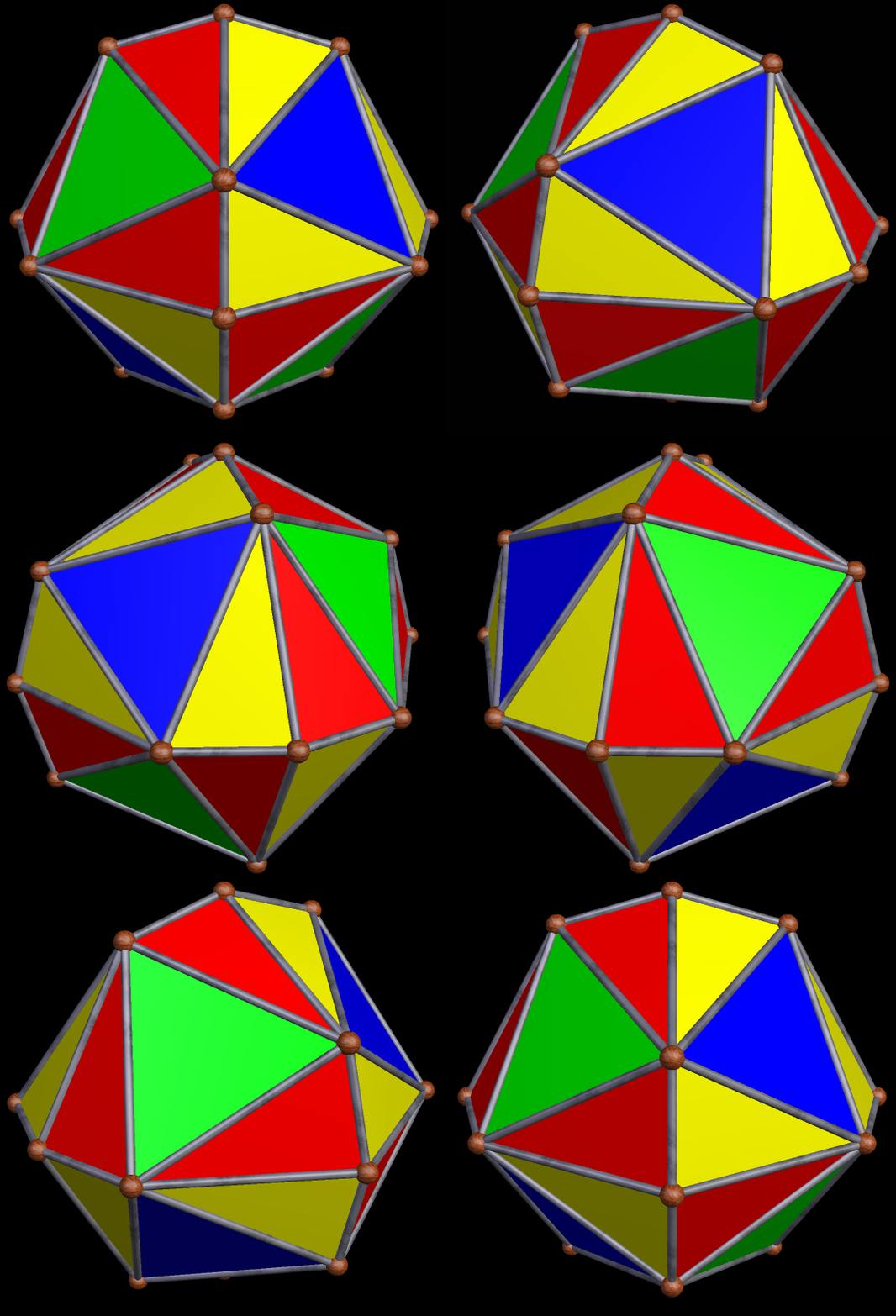
Because the snub dodecahedron is chiral, the polyhedral cluster, above, is also chiral, as only one enantiomer of the snub dodecahedron was used when augmenting the single icosahedron, which is hidden at the center of the cluster.
As is the case with all chiral polyhedra, this cluster can be used to make a compound of itself, and its own enantiomer (or “mirror-image”):
The image above uses the same coloring-scheme as the first image shown in this post. If, however, the two enantiomorphic components are each given a different overall color, this second cluster looks quite different:
All three of these virtual models were created using Stella 4d, software available at this website.
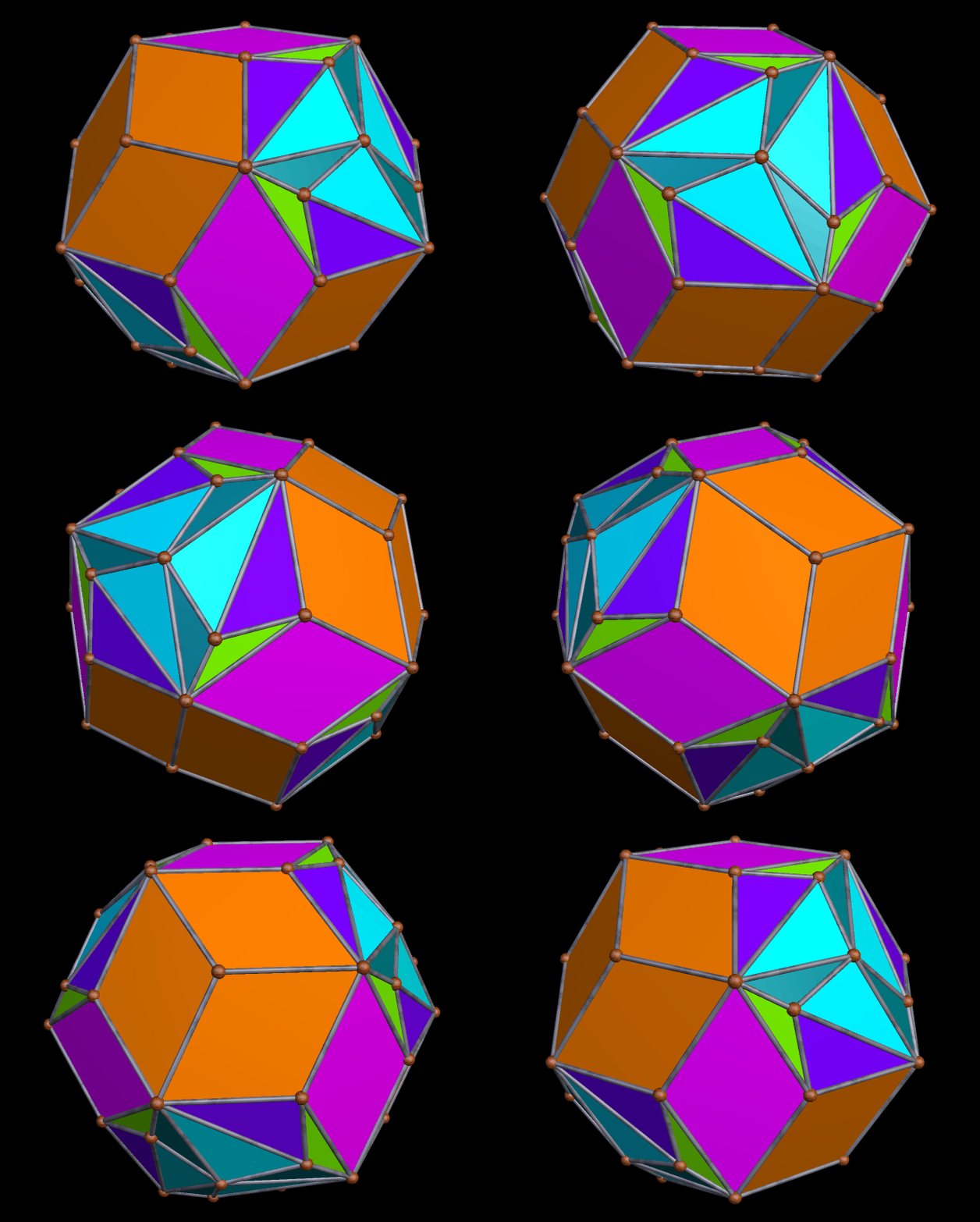
This polyhedron is chiral, meaning that (unlike many well-known polyhedra) it exists in “left-handed” and “right-handed” forms — reflections of each other. These “reflections” are also called enantiomers. I call this polyhedron “sixty and sixty” because there are sixty faces which are irregular, purple quadrilaterals, as well as sixty faces which are irregular, orange pentagons.
I stumbled upon this polyhedron while playing around with Stella 4d: Polyhedron Navigator, software you can try right here. For those who research polyhedra, I know of no better tool.
To see the other enantiomer, there is a simple way — just hold a mirror in front of your computer screen, with it showing the image above, and look in the mirror!
With any chiral polyhedron, it is possible to make a compound out of the two enantiomers. Here is what the compound looks like, for this “sixty and sixty” polyhedron cannot be seen this way, so here is an image of it, also created using Stella 4d.
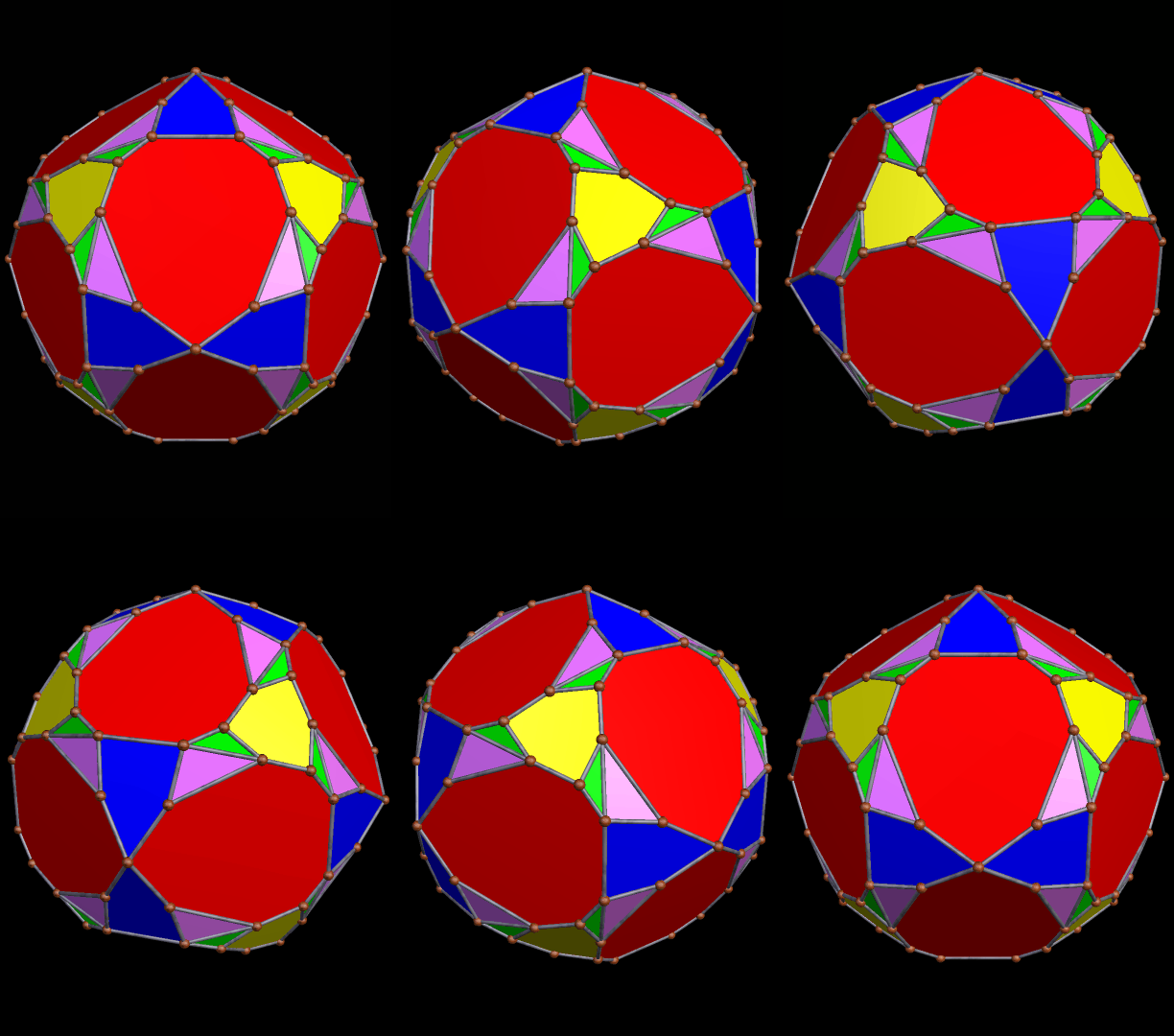
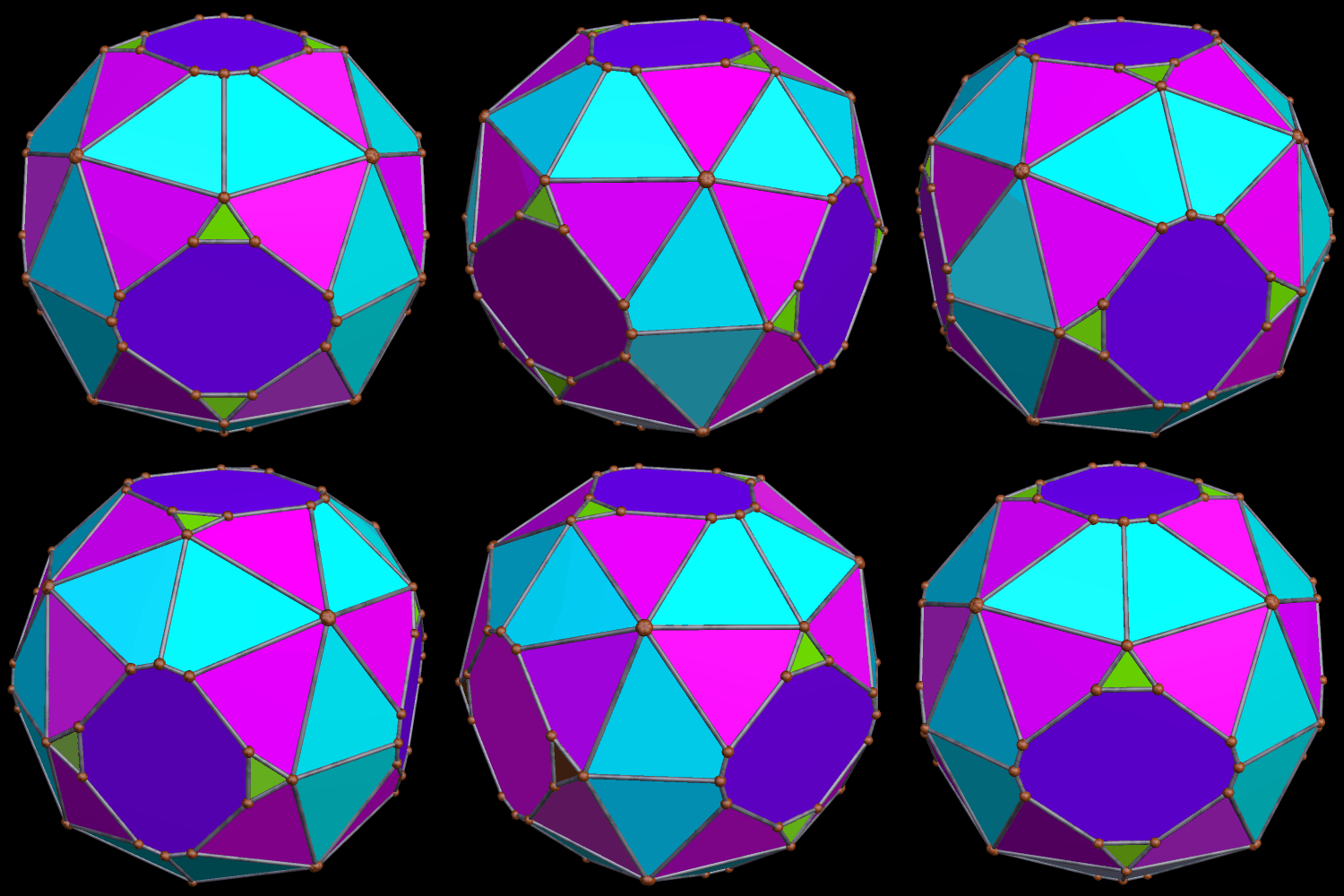
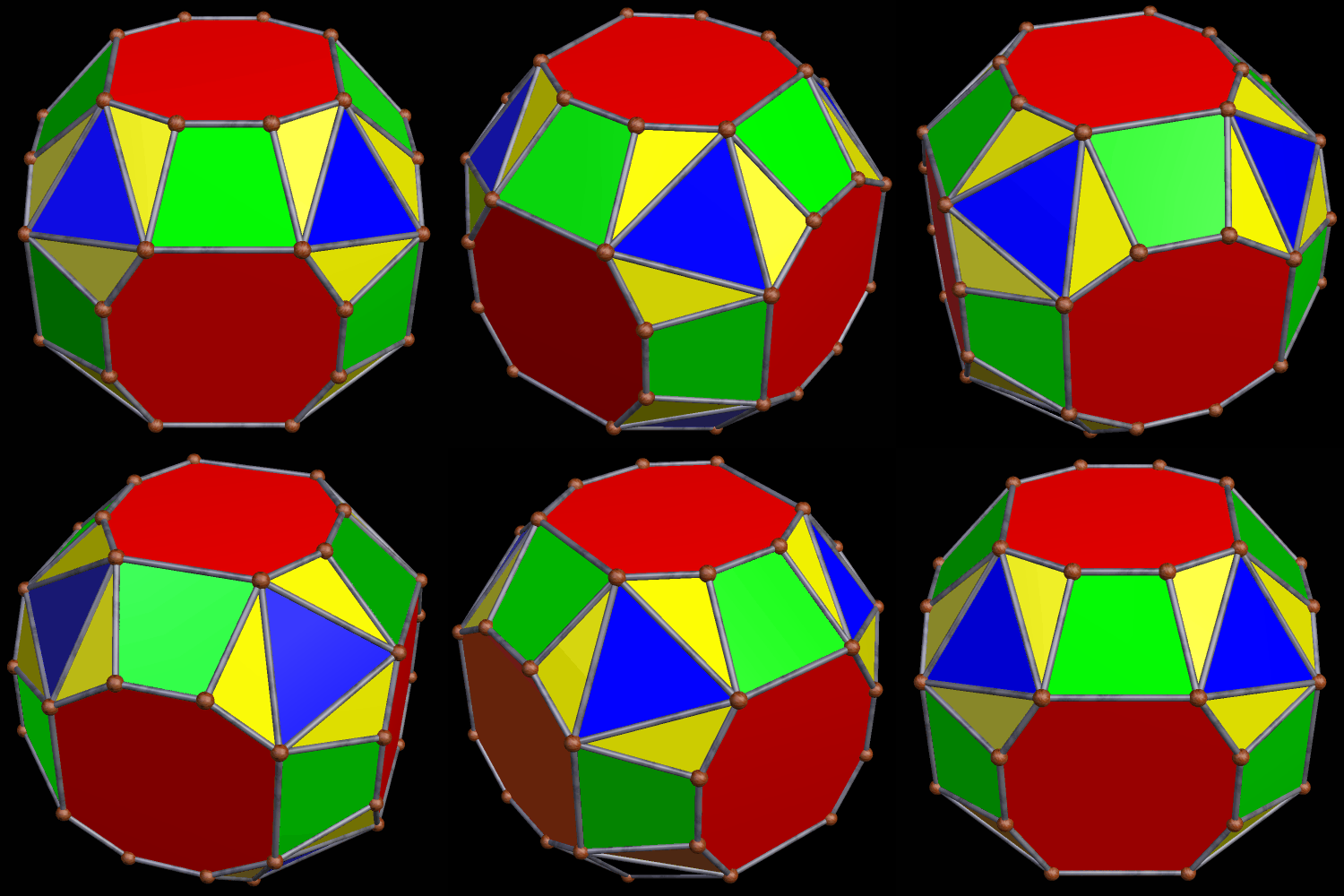
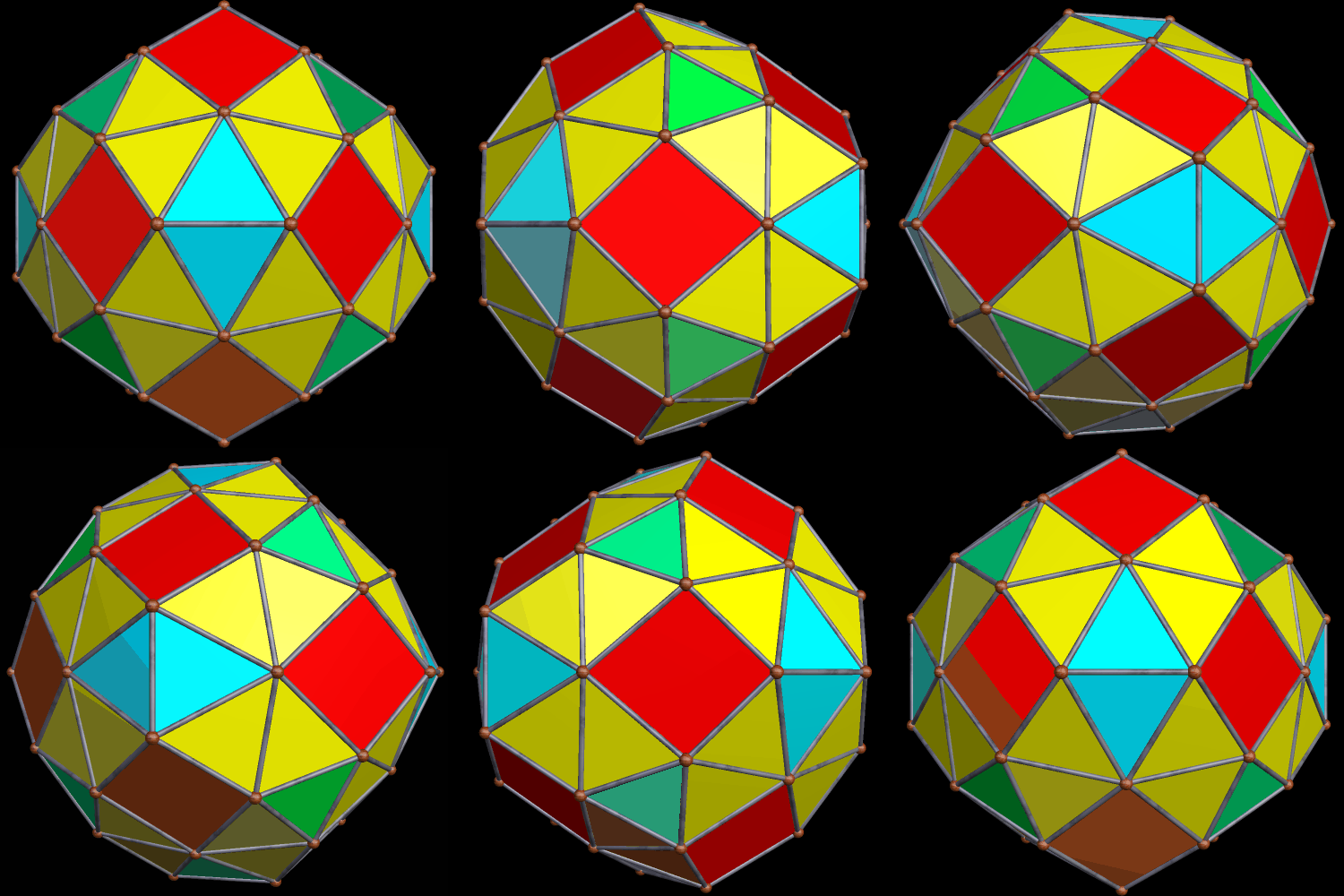
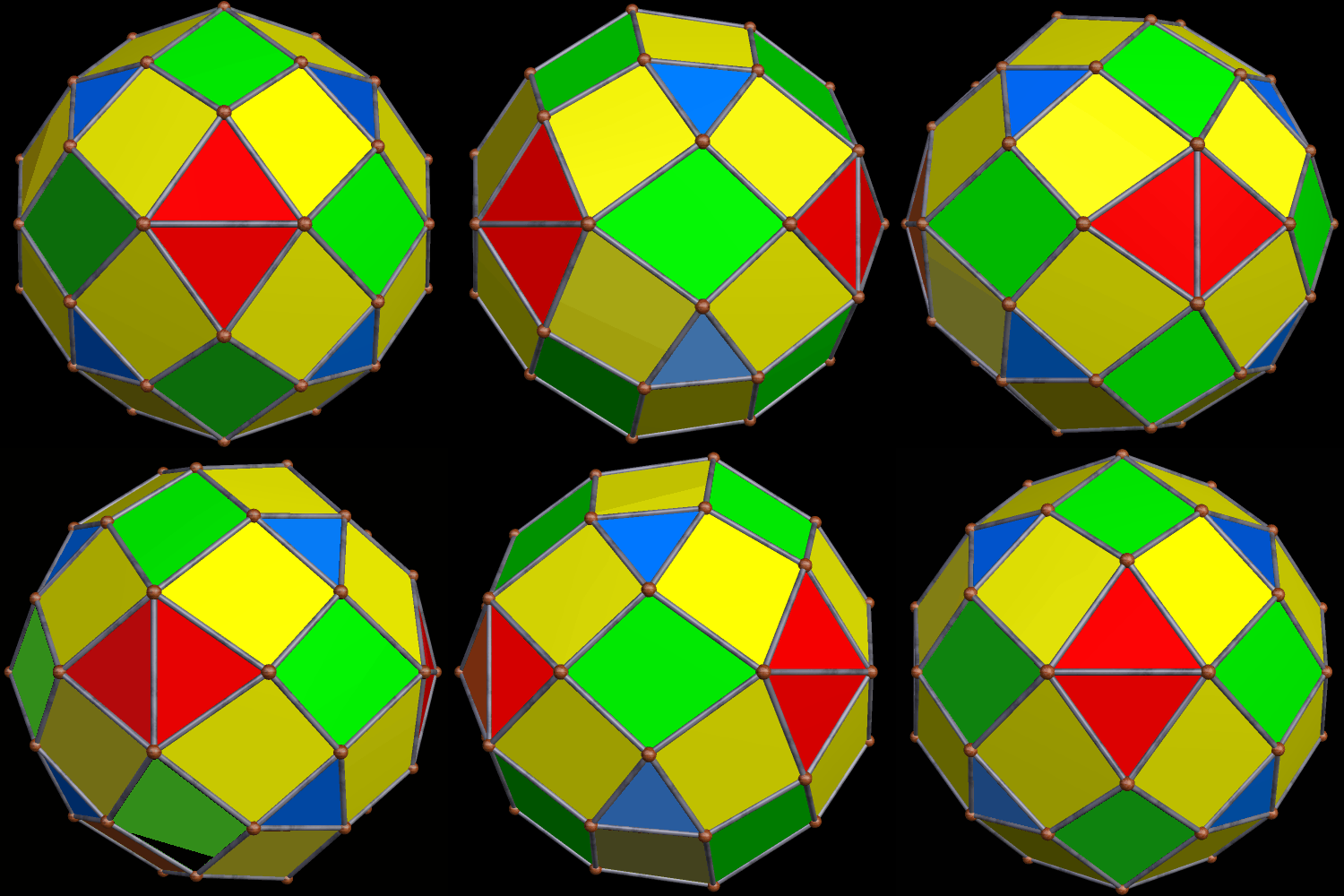
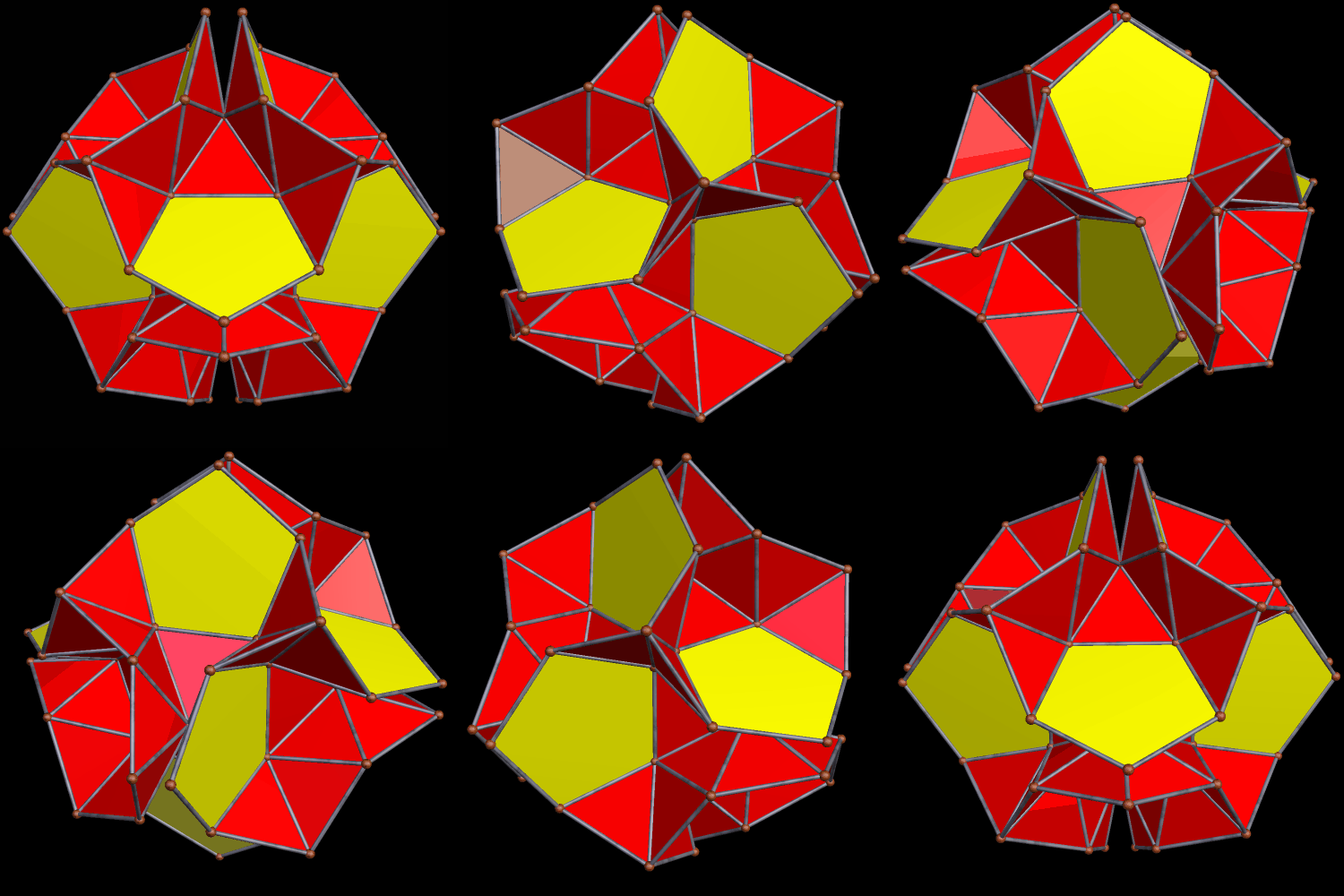
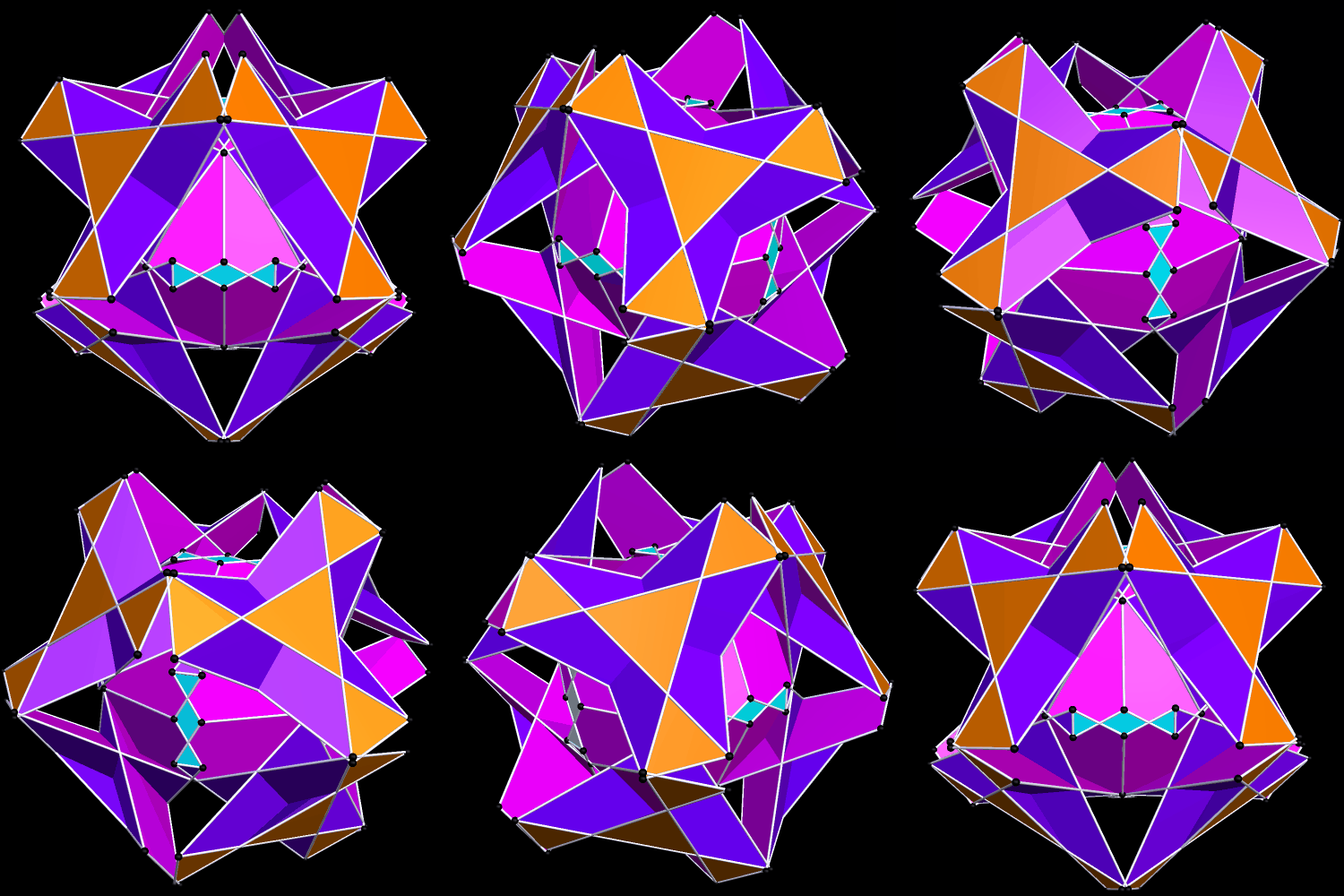
The snub dodecahedron, one of the Archimedean solids, can be expanded in multiple ways, two of which are shown below. In each of these expanded versions, regular decagons replace each of the twelve regular pentagons of a snub dodecahedron.
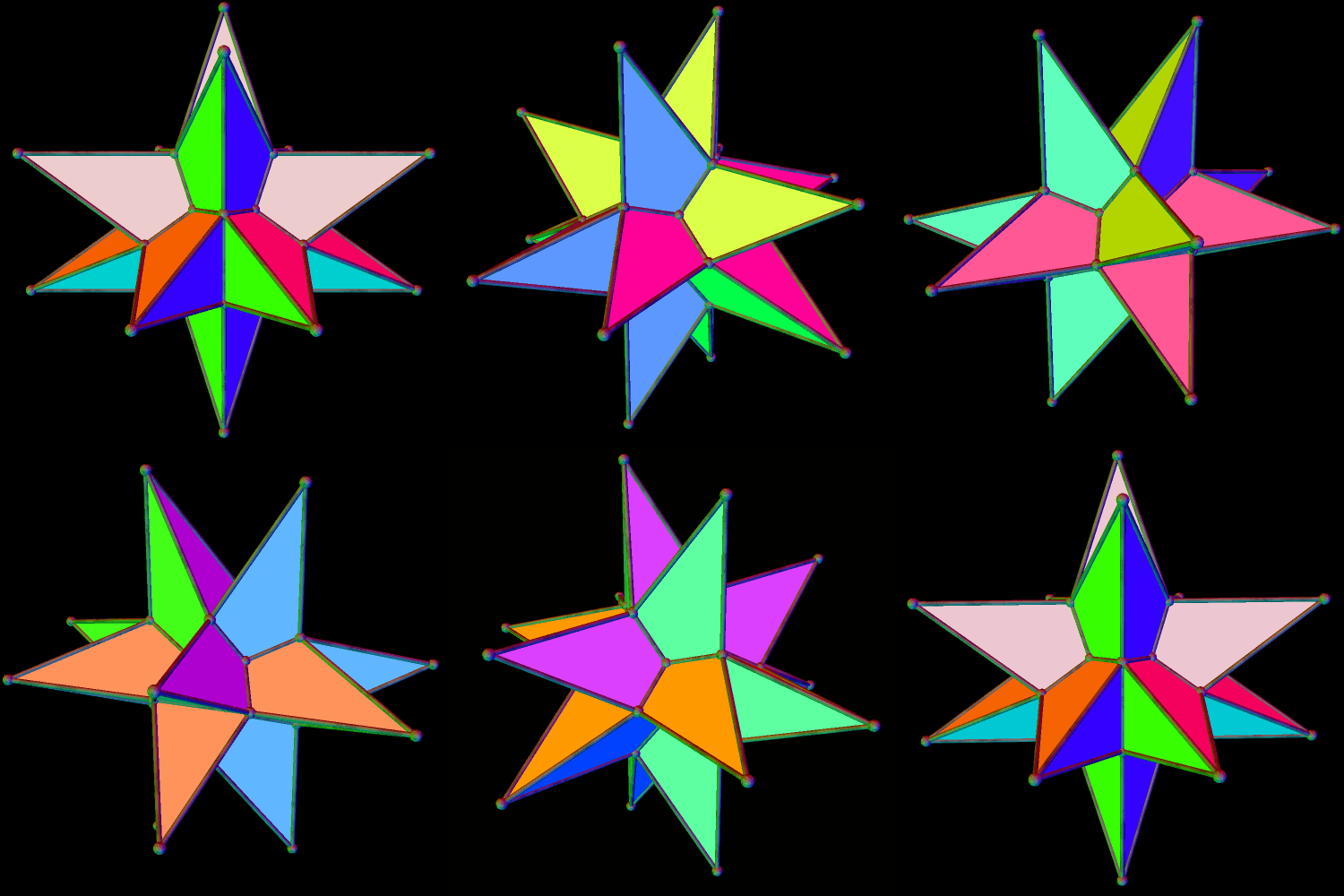
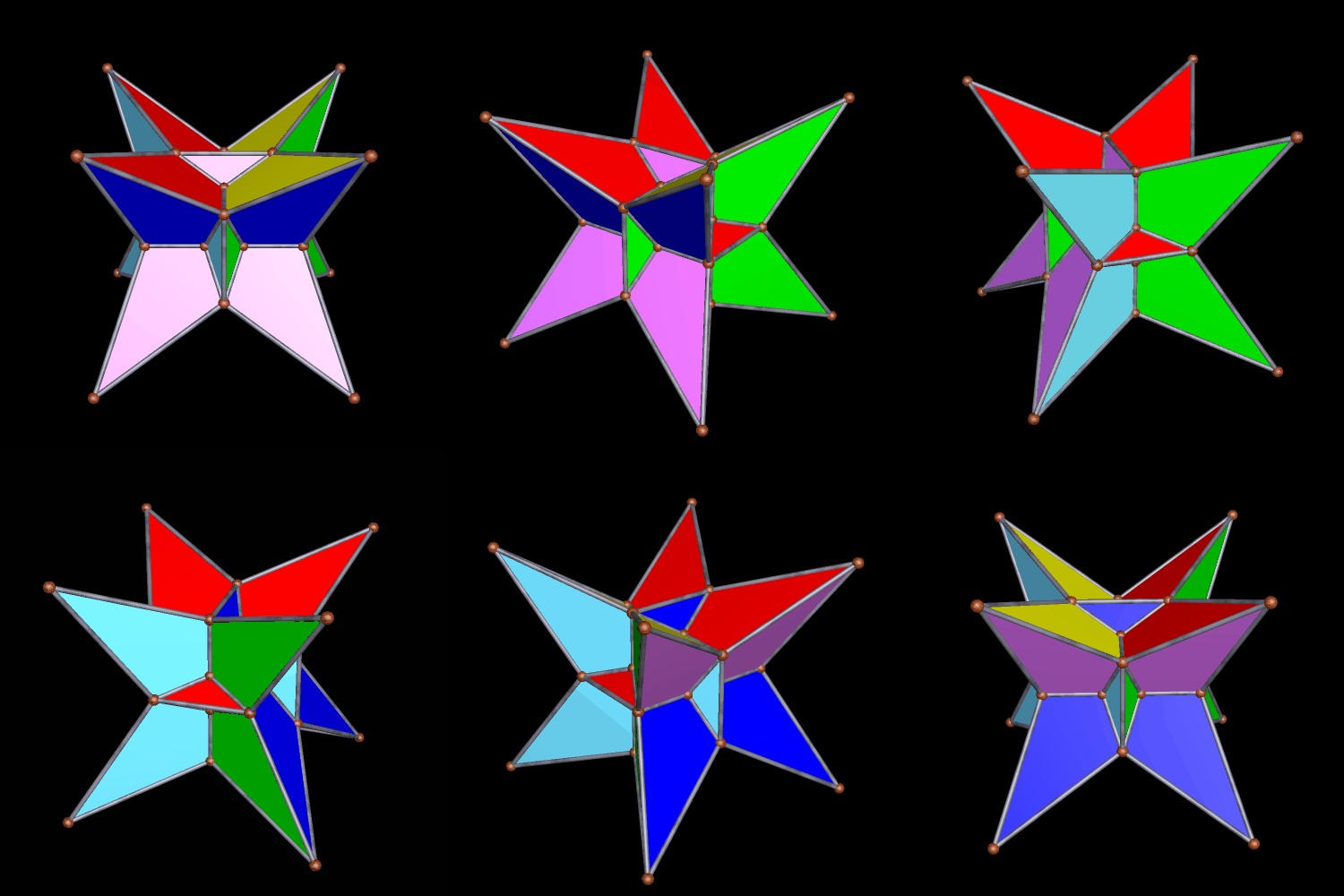
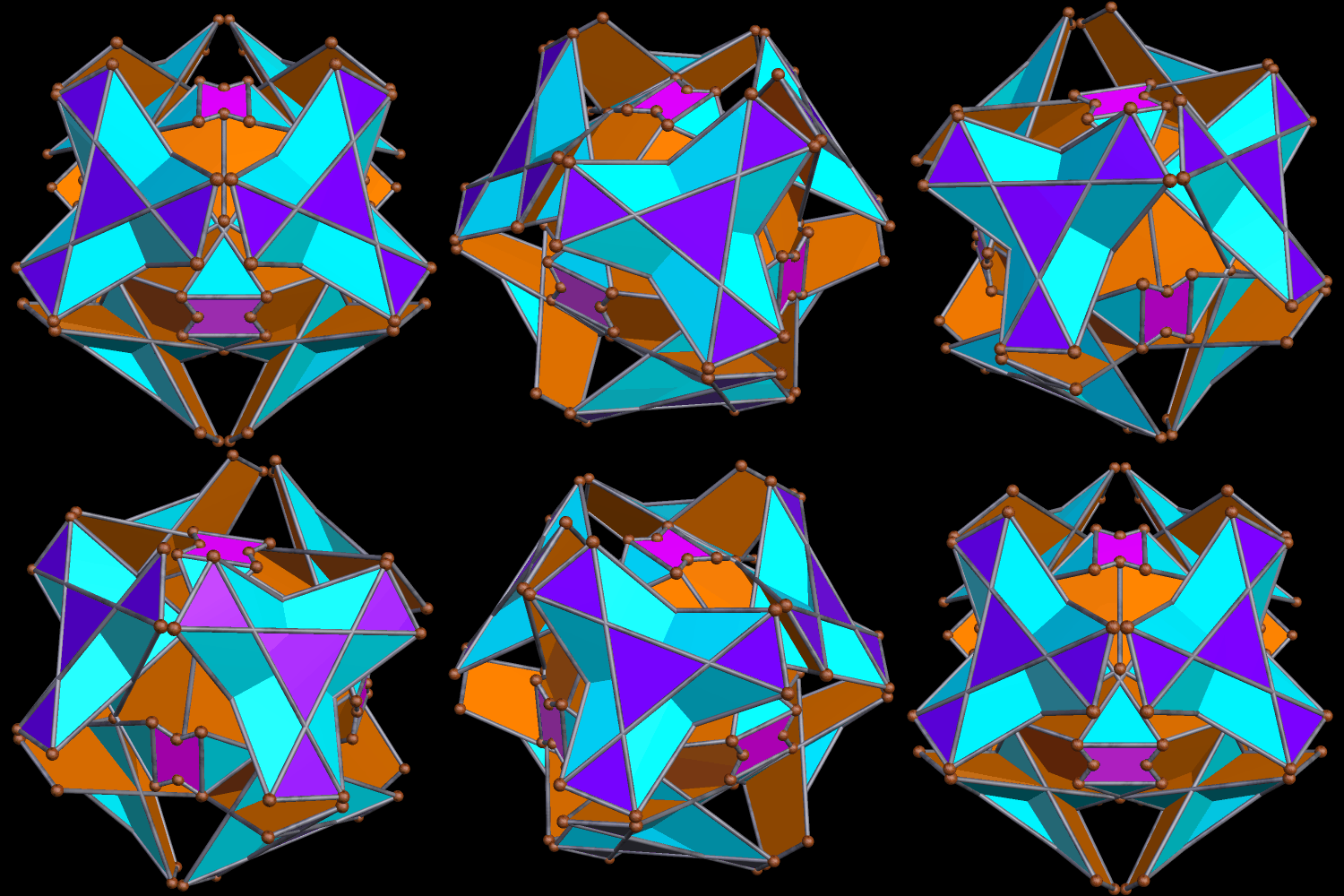
Like the snub dodecahedron itself, both of these polyhedra are chiral, and any chiral polyhedron can be used to create a compound of itself and its own mirror-image, Below, you’ll find these enantiomorphic-pair compounds, each made from one of the two polyhedra above, together with its own reflection.
All four of these images were created using Stella 4d: Polyhedron Navigator, software available (including a free trial download) at this website.
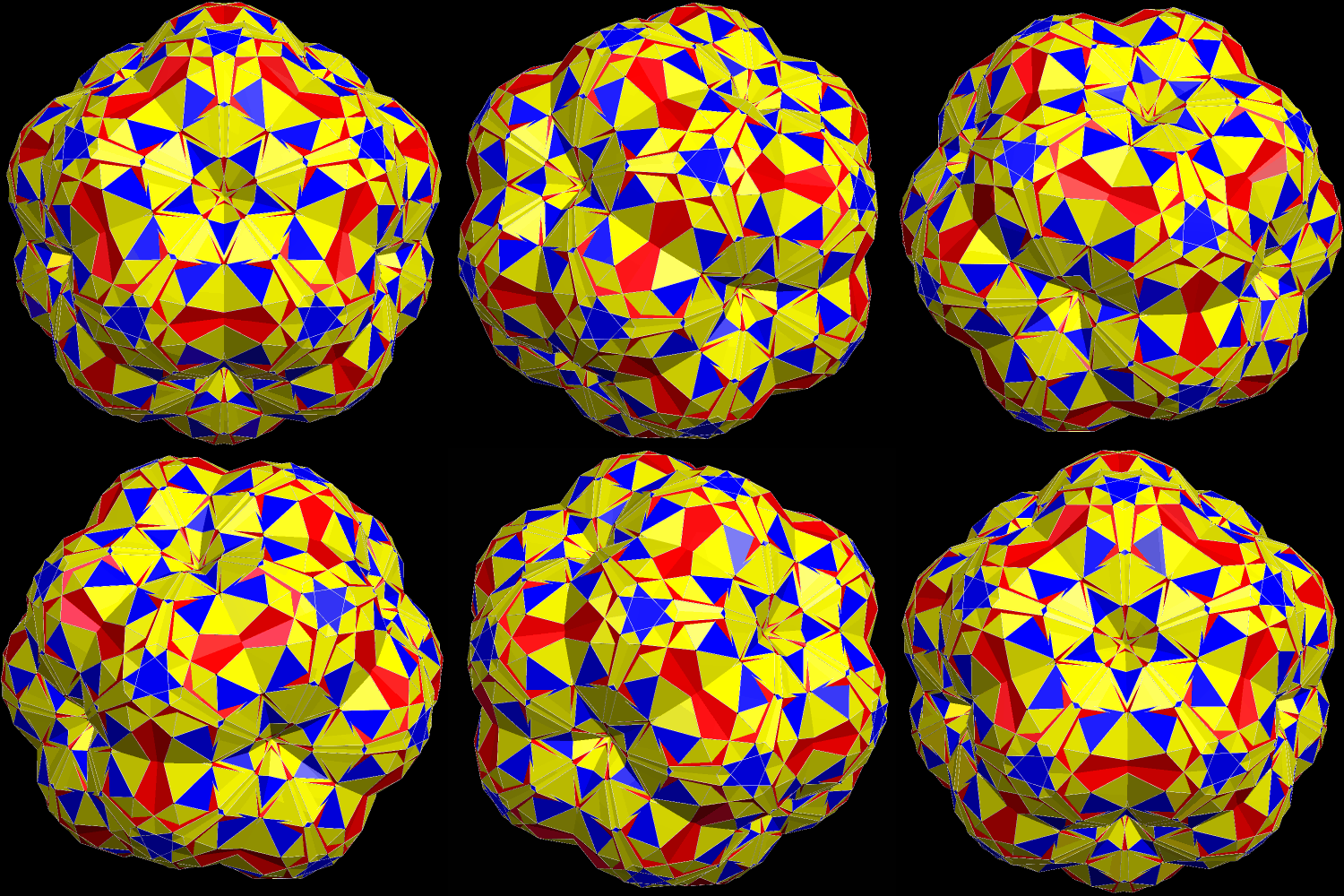
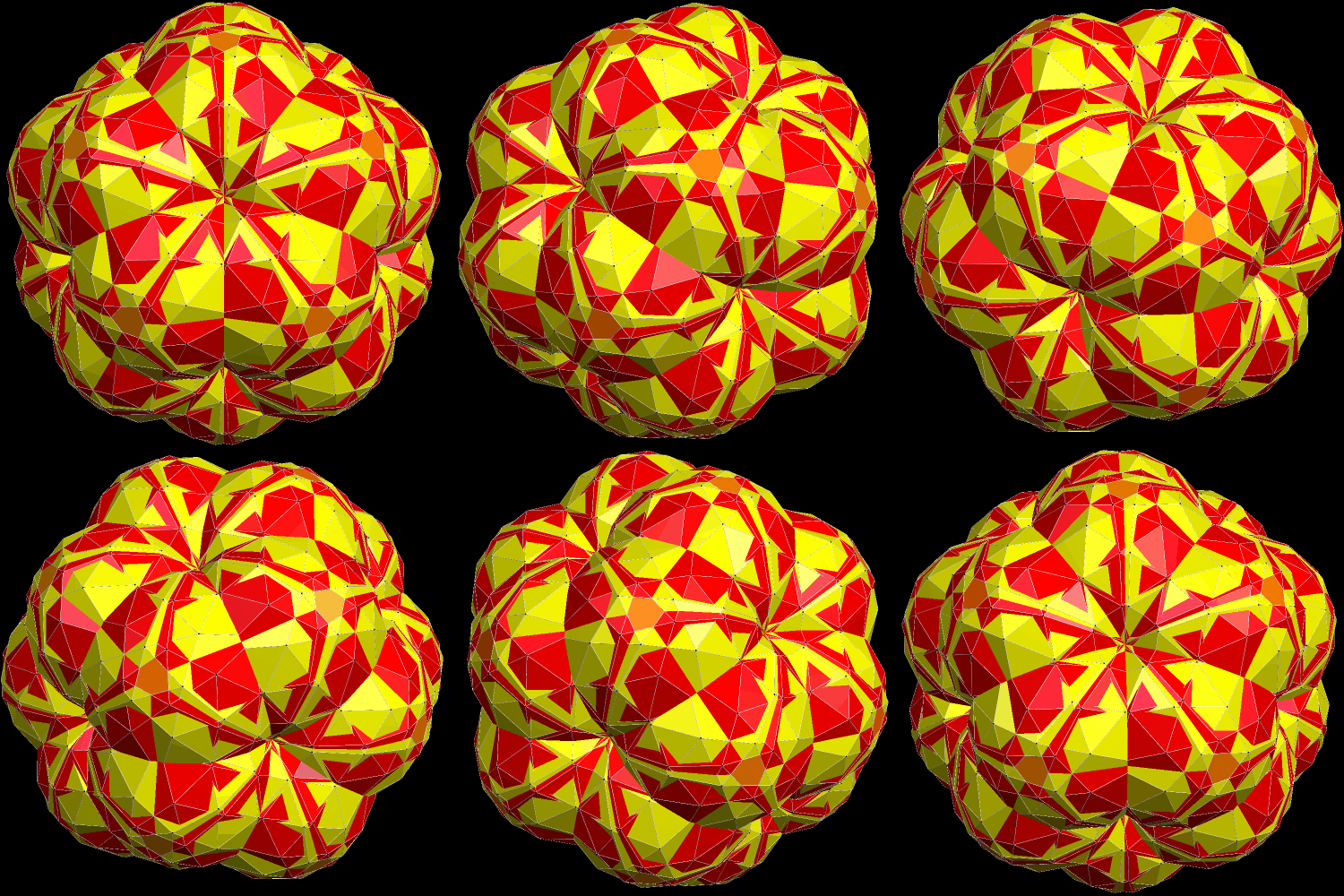
I’ve been shown, by the program’s creator, a function of Stella 4d which was previously unknown to me, and I’ve been having fun playing around with it. It works like this: you start with a polyhedron with, say, icosidodecahedral symmetry, set the program to view it as a figure with only tetrahedral symmetry (that’s the part which is new to me), and then stellate the polyhedron repeatedly. (Note: you can try a free trial download of this program here.) Several recent posts here have featured polyhedra created using this method. For this one, I started with the snub dodecahedron, one of two Archimedean solids which is chiral.
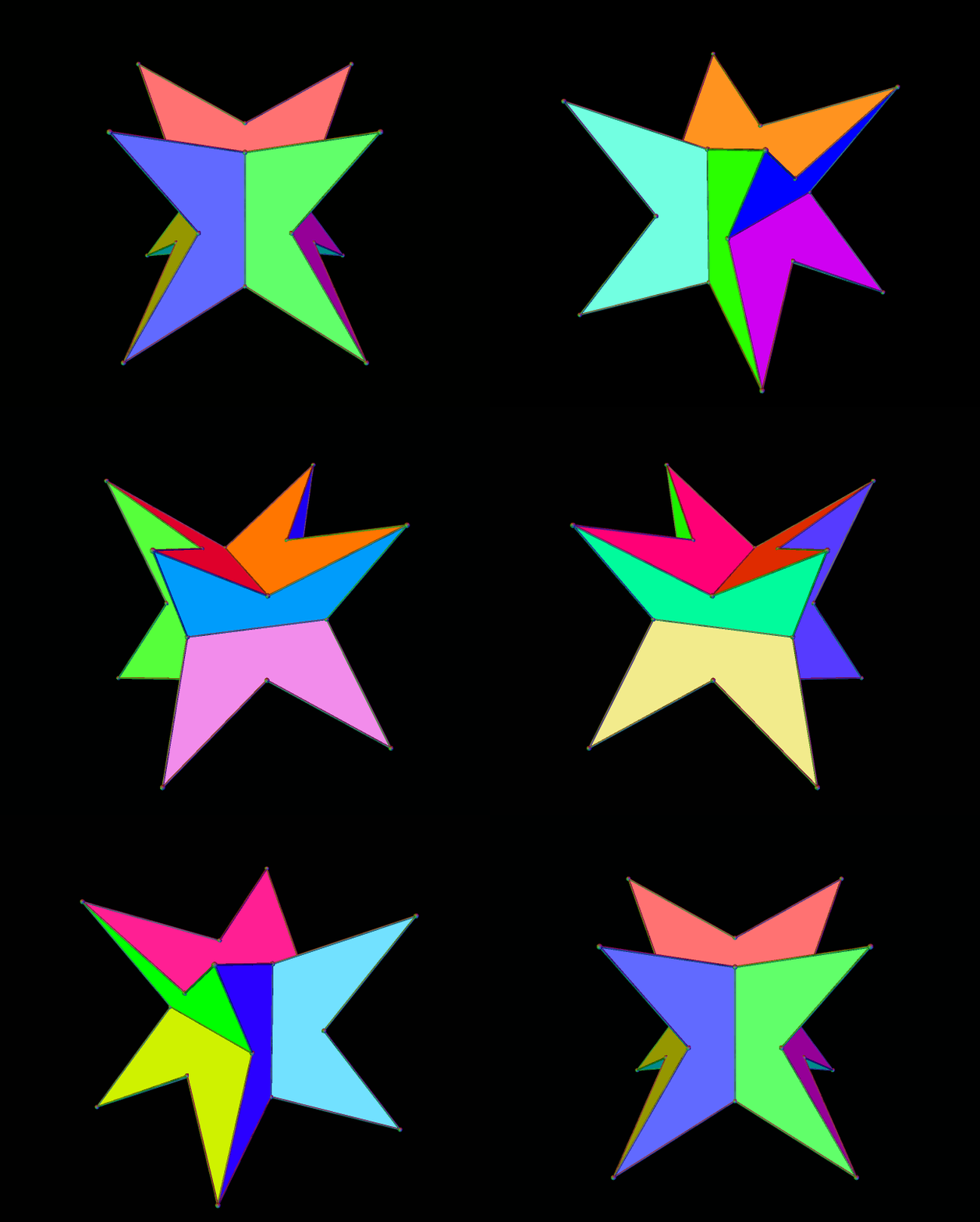
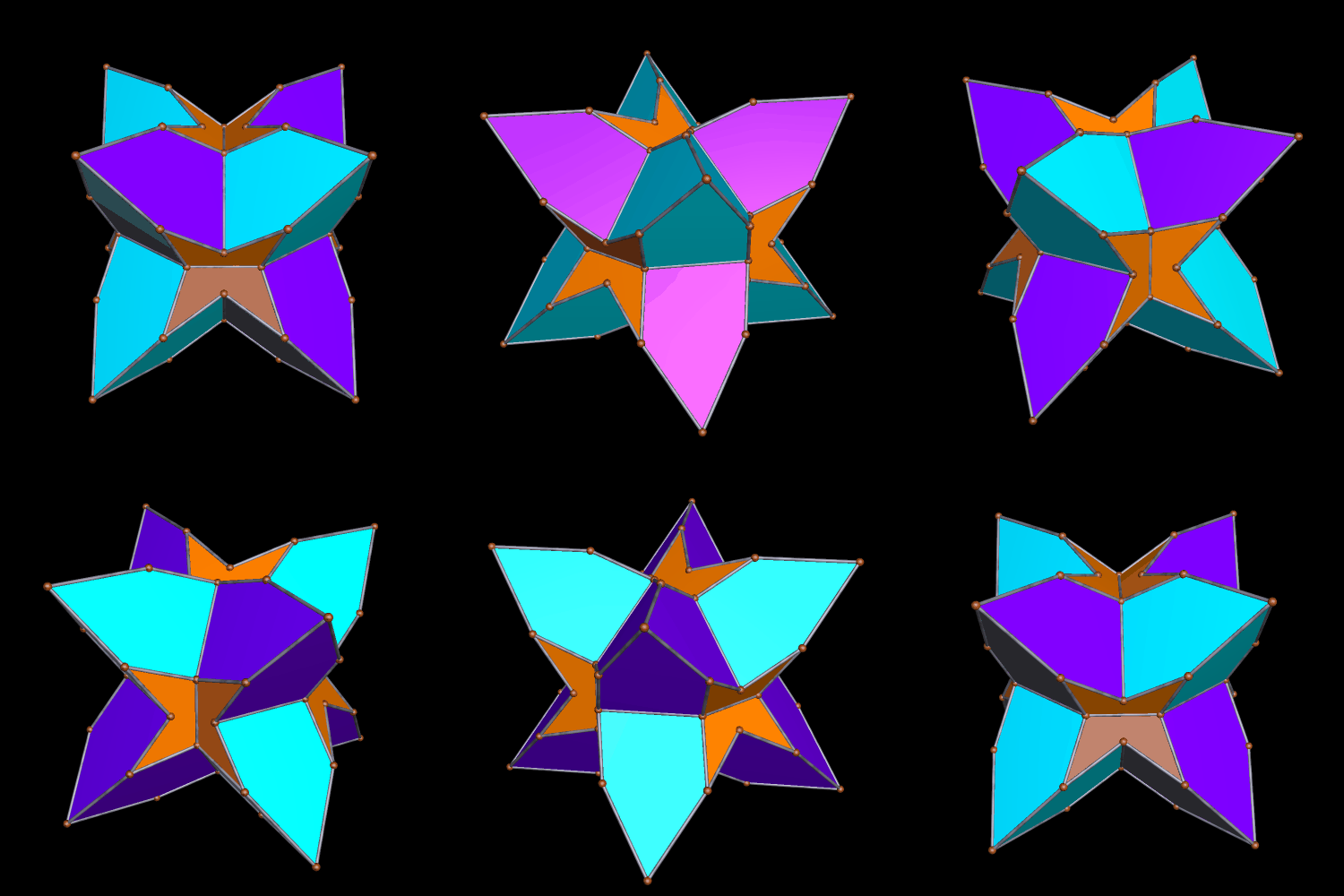
Using typical stellation (as opposed to this new variety), stellating the snub dodecahedron once turns all of the yellow triangles in the figure above into kites, covering each of the red triangles in the process. With “tetrahedral stellation,” though, this can be done in stages, producing a greater variety of snub-dodecahedron variants which feature kites. As it turns out, the kites appear twelve at a time, in four sets of three, with positions corresponding to the vertices (or the faces) of a tetrahedron. Here’s the first one, featuring one dozen kites.
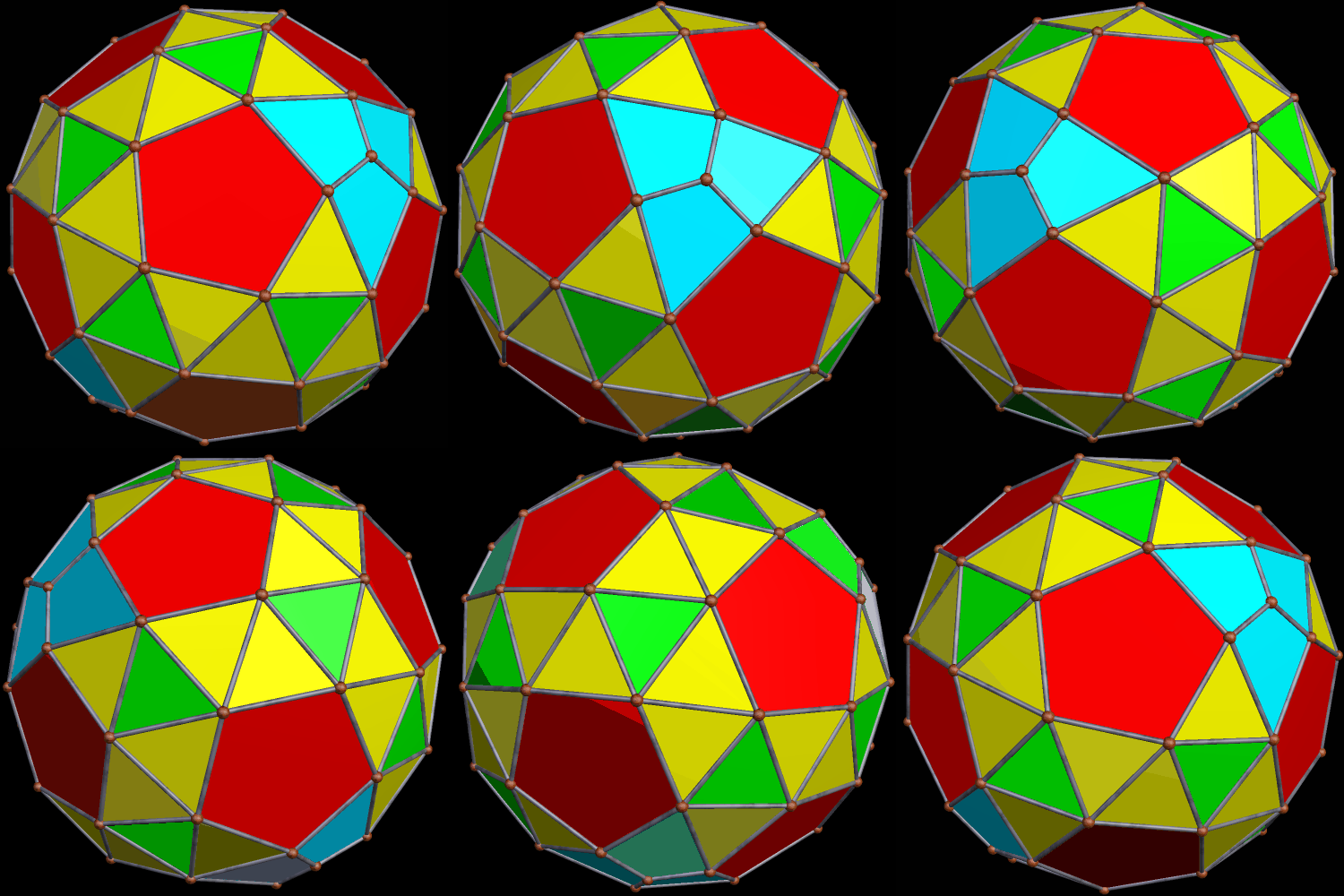
Having done this once (and also changing the colors, just for fun), I did it again, resulting in a snub-dodecahedron-variant featuring two dozen kites. At this level, the positions of the kite-triads correspond to those of the vertices of a cube.
You probably know what’s coming next: adding another dozen kites, for a total of 36, in twelve sets of three kites each. At this point, it is the remaining, non-stellated four-triangle panels, not the kite triads, which have positions corresponding to those of the vertices of a cube (or the faces of an octahedron, if you prefer).
Incoming next: another dozen kites, for a total of 48 kites, or 16 kite-triads. The four remaining non-stellated panels of four triangles each are now arranged tetrahedrally, just as the kite-triads were, when the first dozen kites were added.
With one more iteration of this process, no triangles remain, for all have been replaced by kites — sixty (five dozen) in all. This is also the first “normal” stellation of the snub dodecahedron, as mentioned near the beginning of this post.
From beginning to end, these polyhedra never lost their chirality, nor had it reversed.
I made this using Stella 4d: Polyhedron Navigator, software available here.