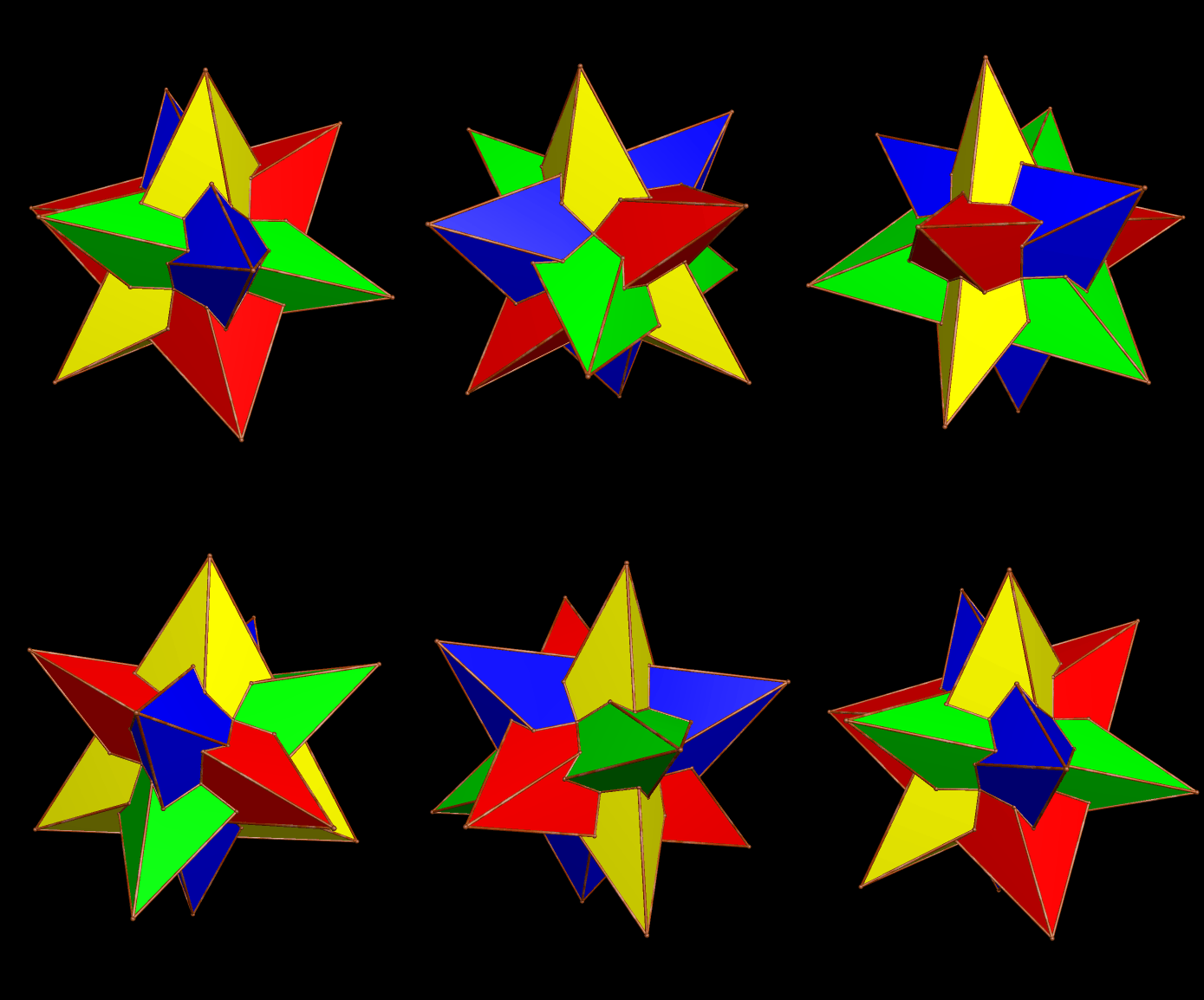
The only irregularity to be found here is that the faces of the dipyramids are isosceles, not equilateral.
Software credit: http://www.software3d.com/stella.php
The only irregularity to be found here is that the faces of the dipyramids are isosceles, not equilateral.
Software credit: http://www.software3d.com/stella.php
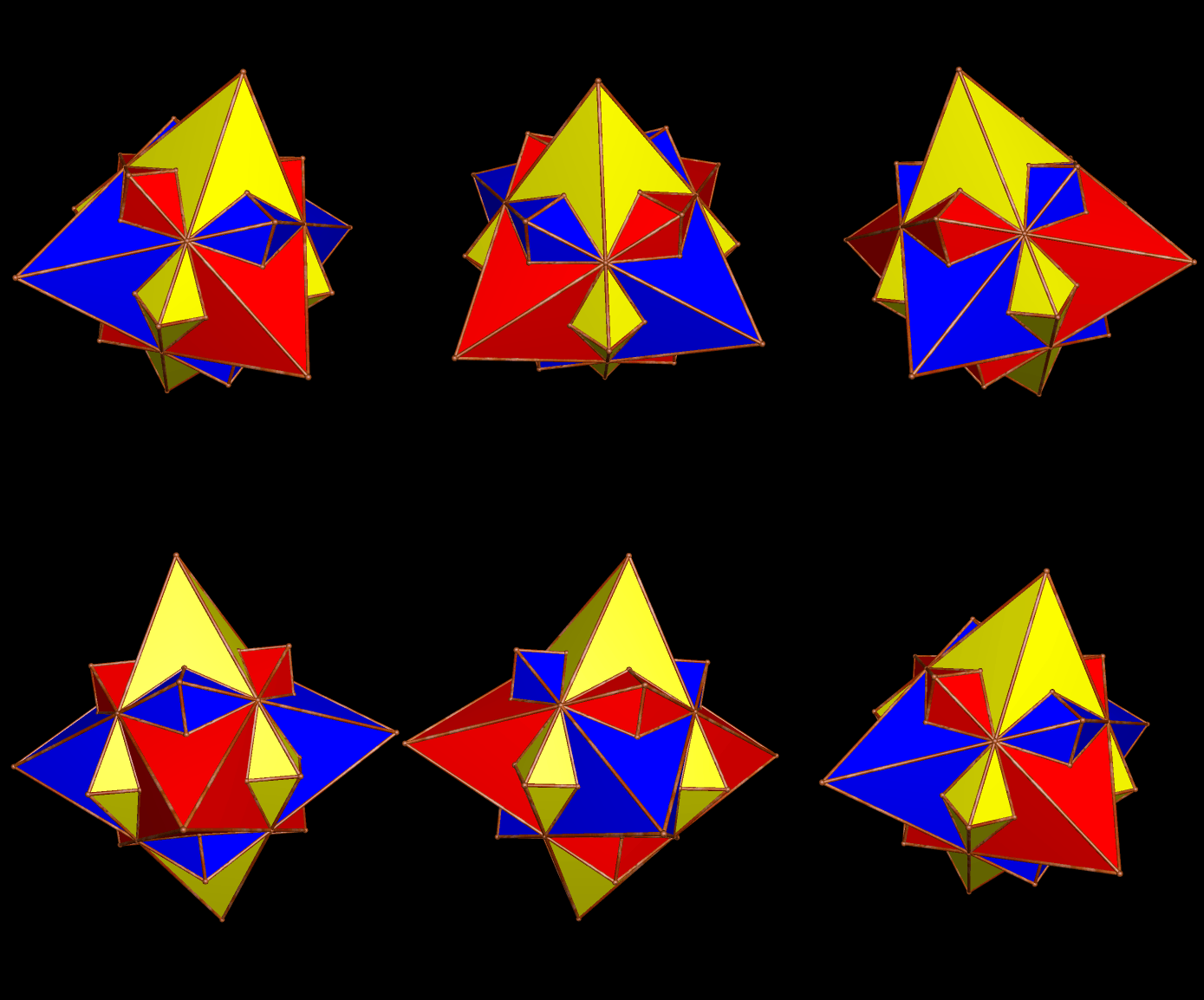
The only irregularity to be found here is that the faces of the dipyramids are isosceles, not equilateral.
Software credit: see this website to try the program I used to make this rotating .gif image. It’s called Stella 4d: Polyhedron Navigator.
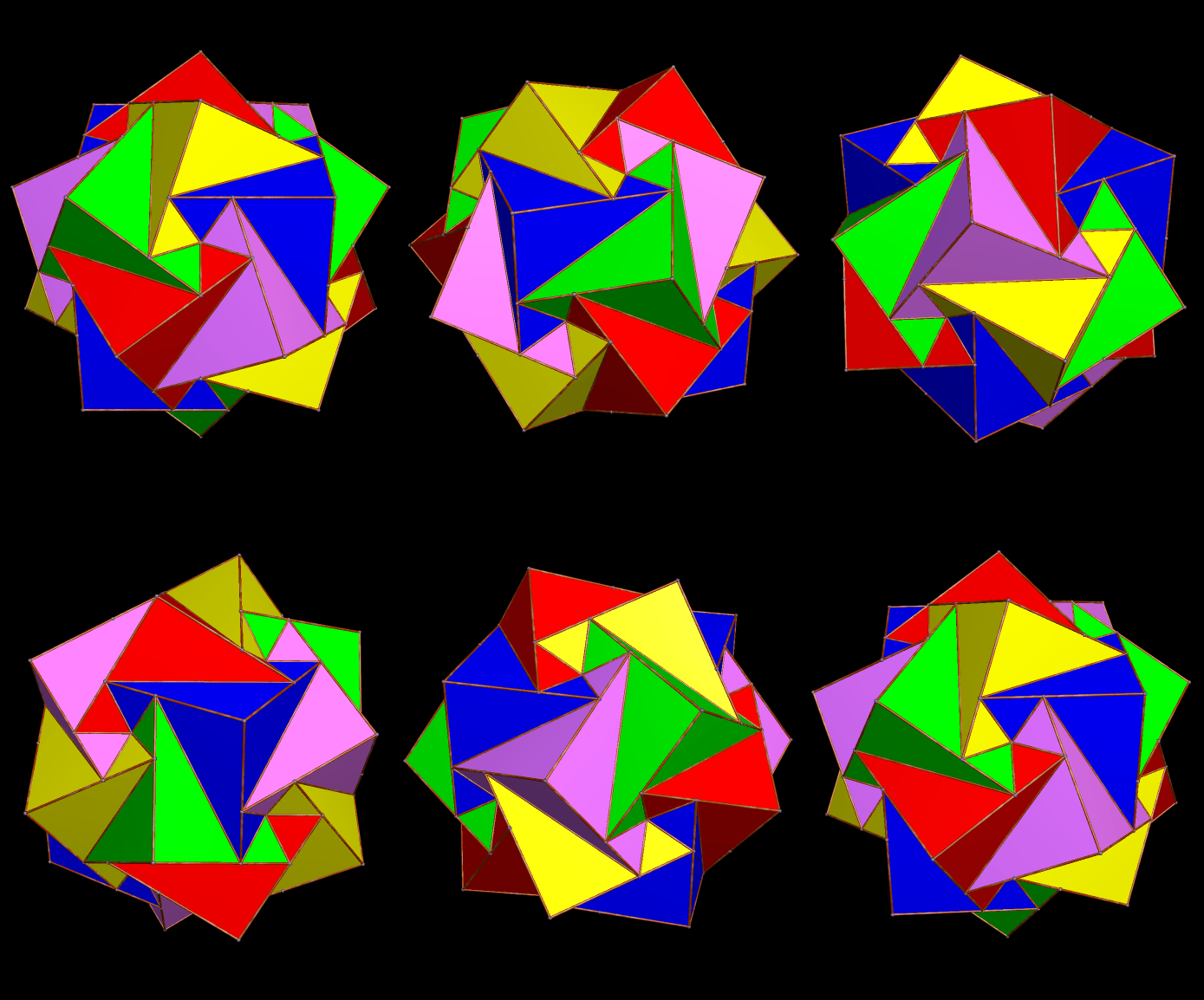
In this compound (unlike the classical compound of five cubes), the cubes are not complete. I found it while repeatedly-stellating the rhombic triacontahedron, which you can see in the previous post.
(Software credit: see http://www.software3d.com/stella.php
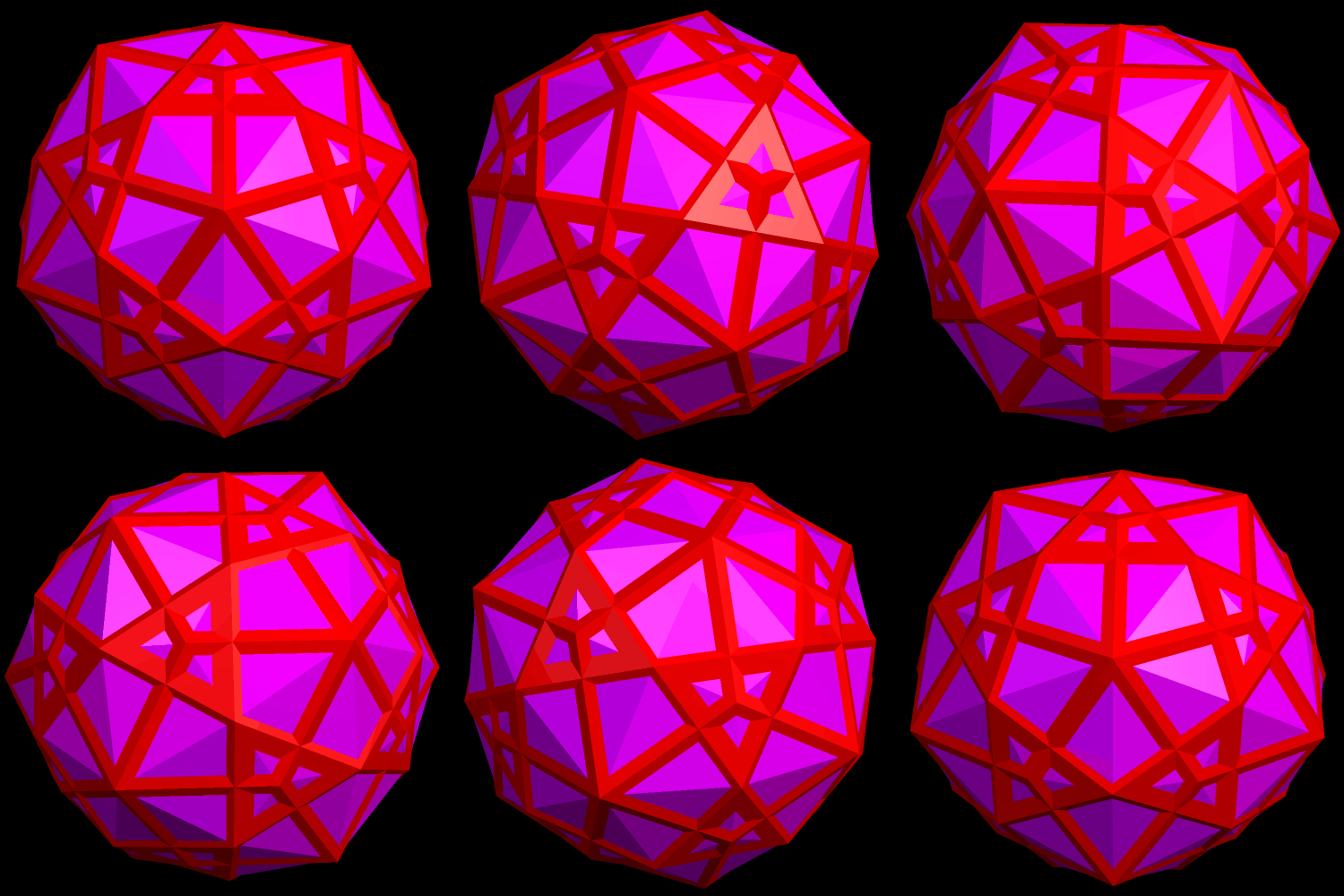
The icosidodecahedron and the rhombic triacontahedron, duals to each other, are the shapes with red edges showing. I made this using Stella 4d, which you may try for free at http://www.software3d.com/stella.php.
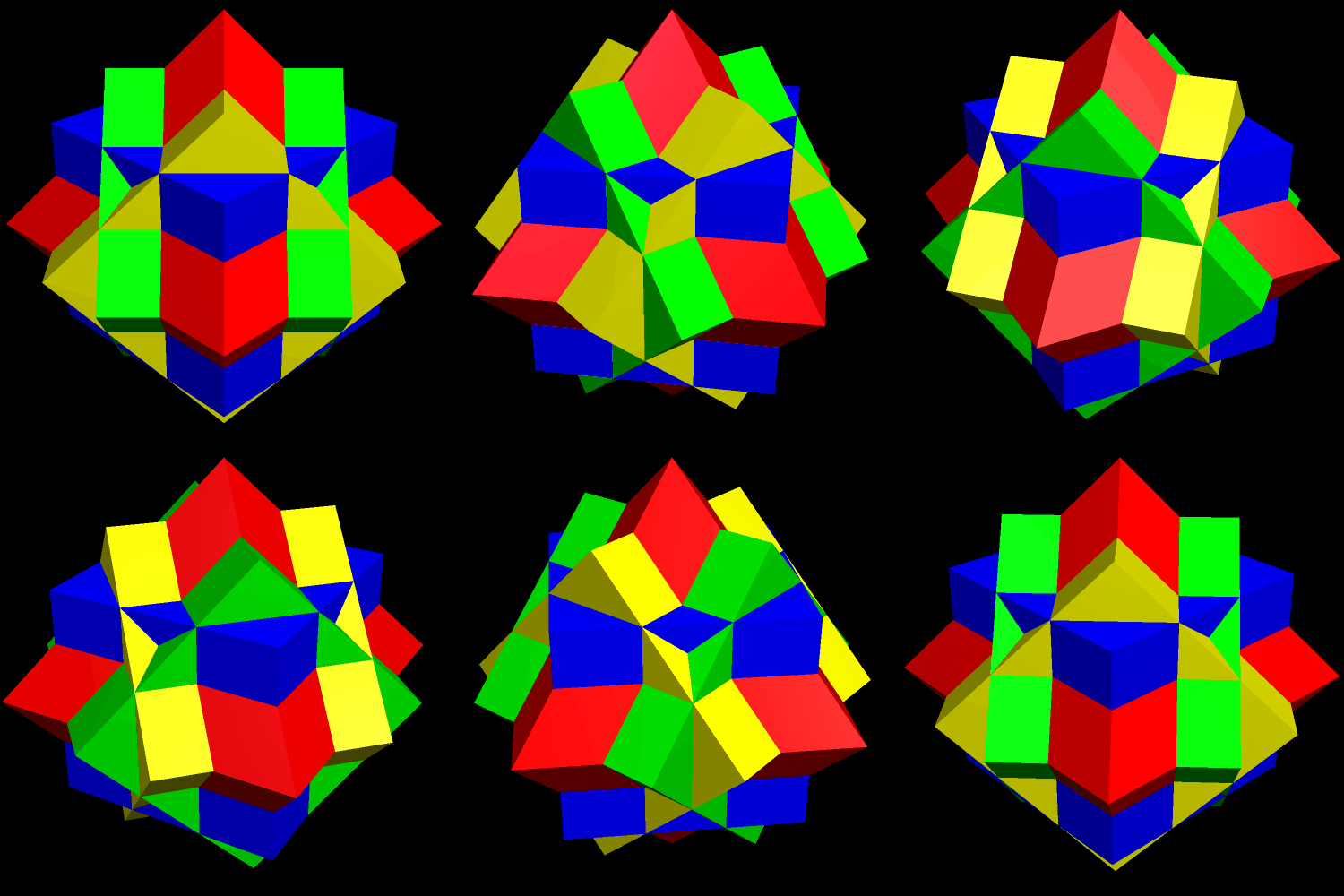
Software used: see http://www.software3d.com/stella.php.
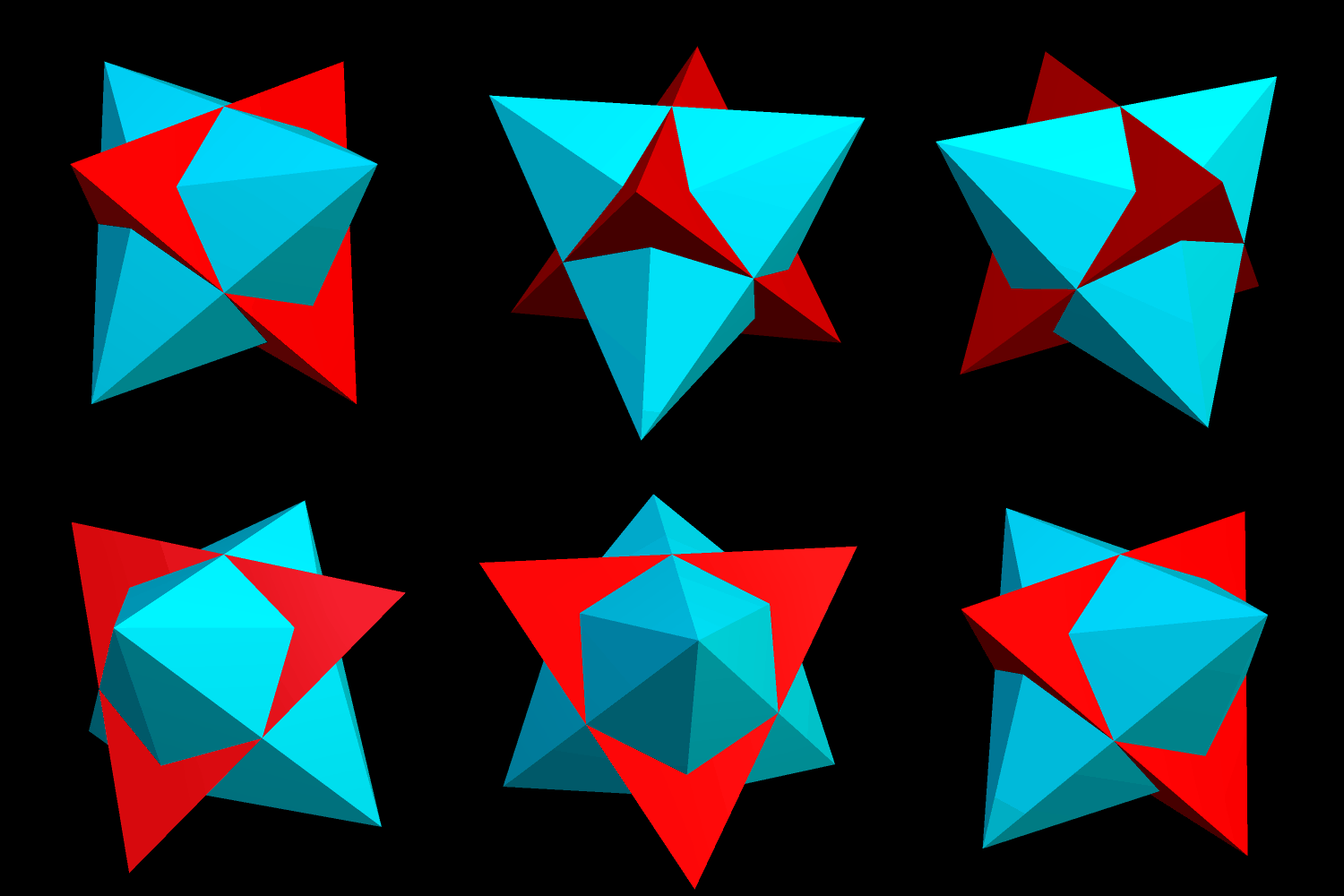
The triakis tetrahedron is the dual of the truncated tetrahedron.
Software used: see http://www.software3d.com/stella.php.

The triakis octahedron is the dual of the truncated cube.
Software used: see http://www.software3d.com/stella.php.
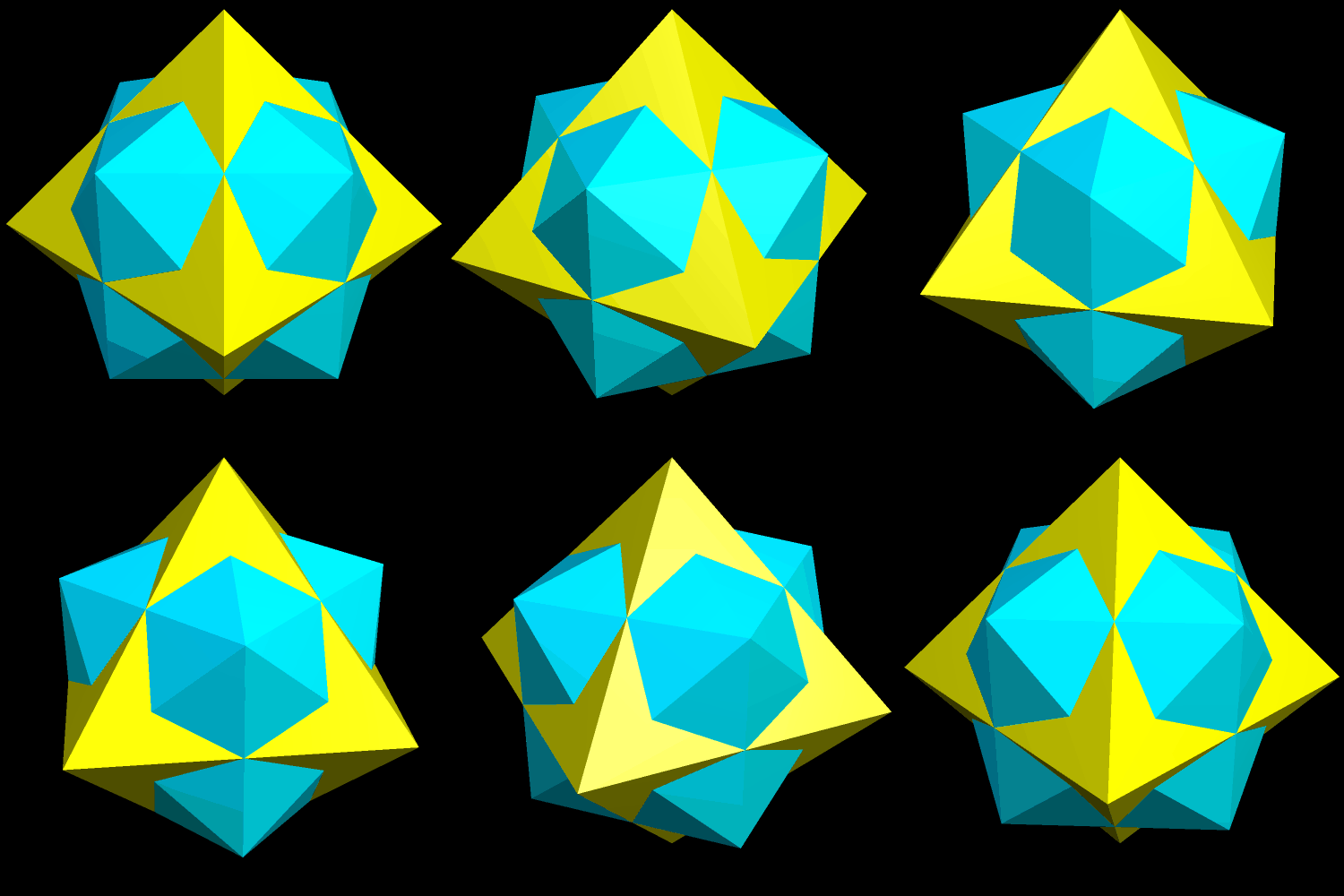
The tetrakis cube is the dual of the truncated octahedron.
Software used: see http://www.software3d.com/stella.php.
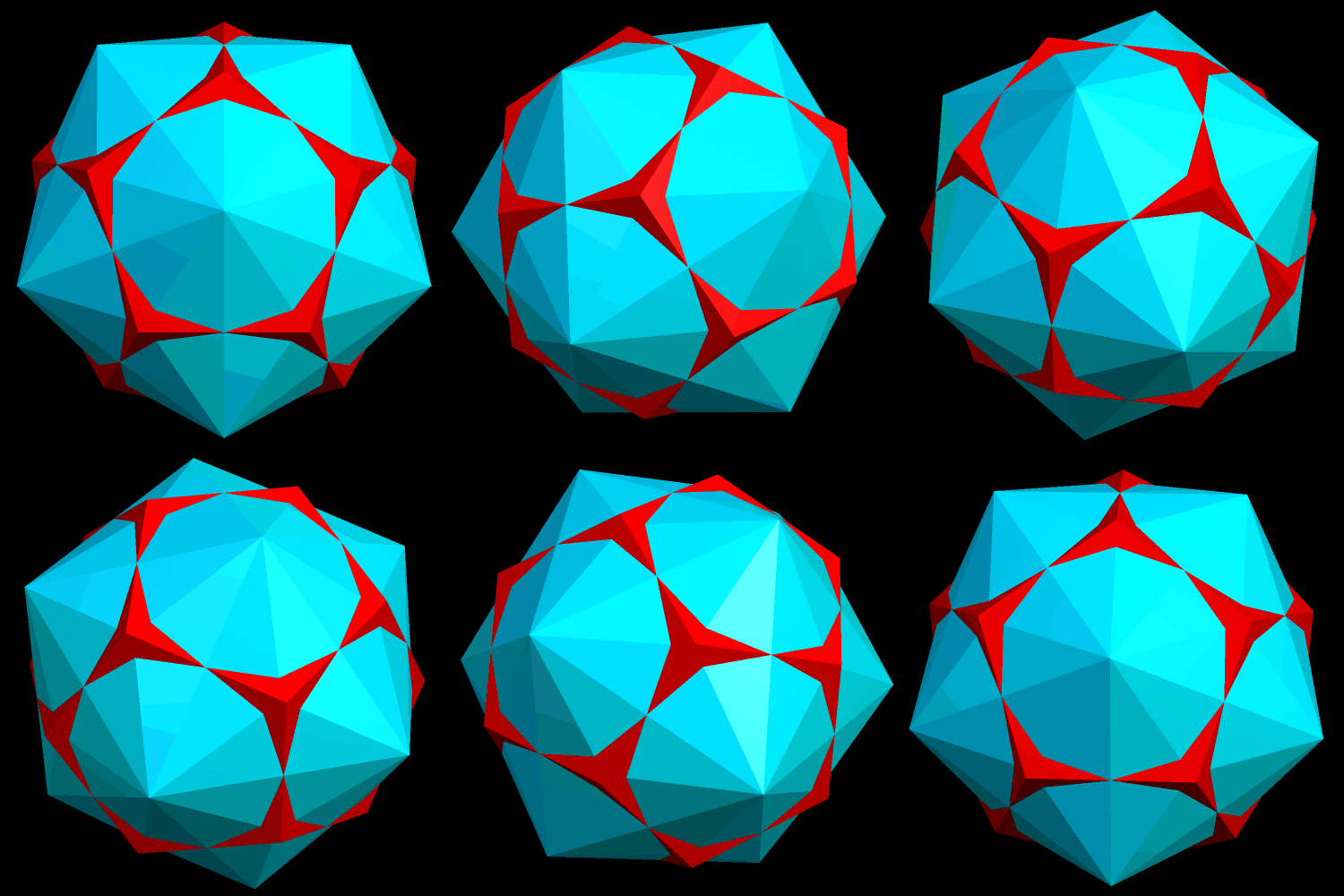
The triakis icosahedron is the dual of the truncated dodecahedron.
Software used: see http://www.software3d.com/stella.php.
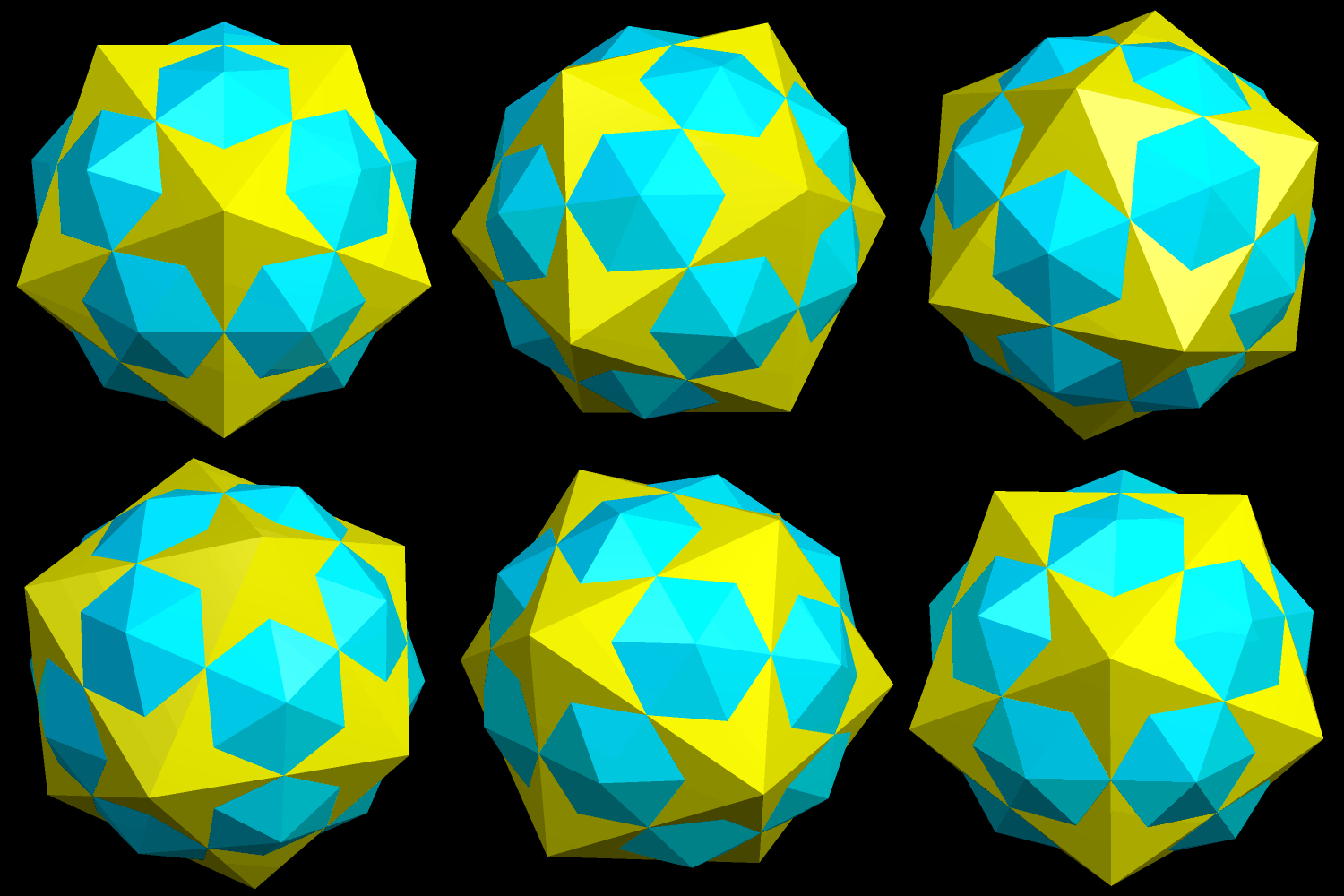
The pentakis dodecahedron is the dual of the truncated icosahedron.
Software used: see http://www.software3d.com/stella.php.
 RobertLovesPi.net