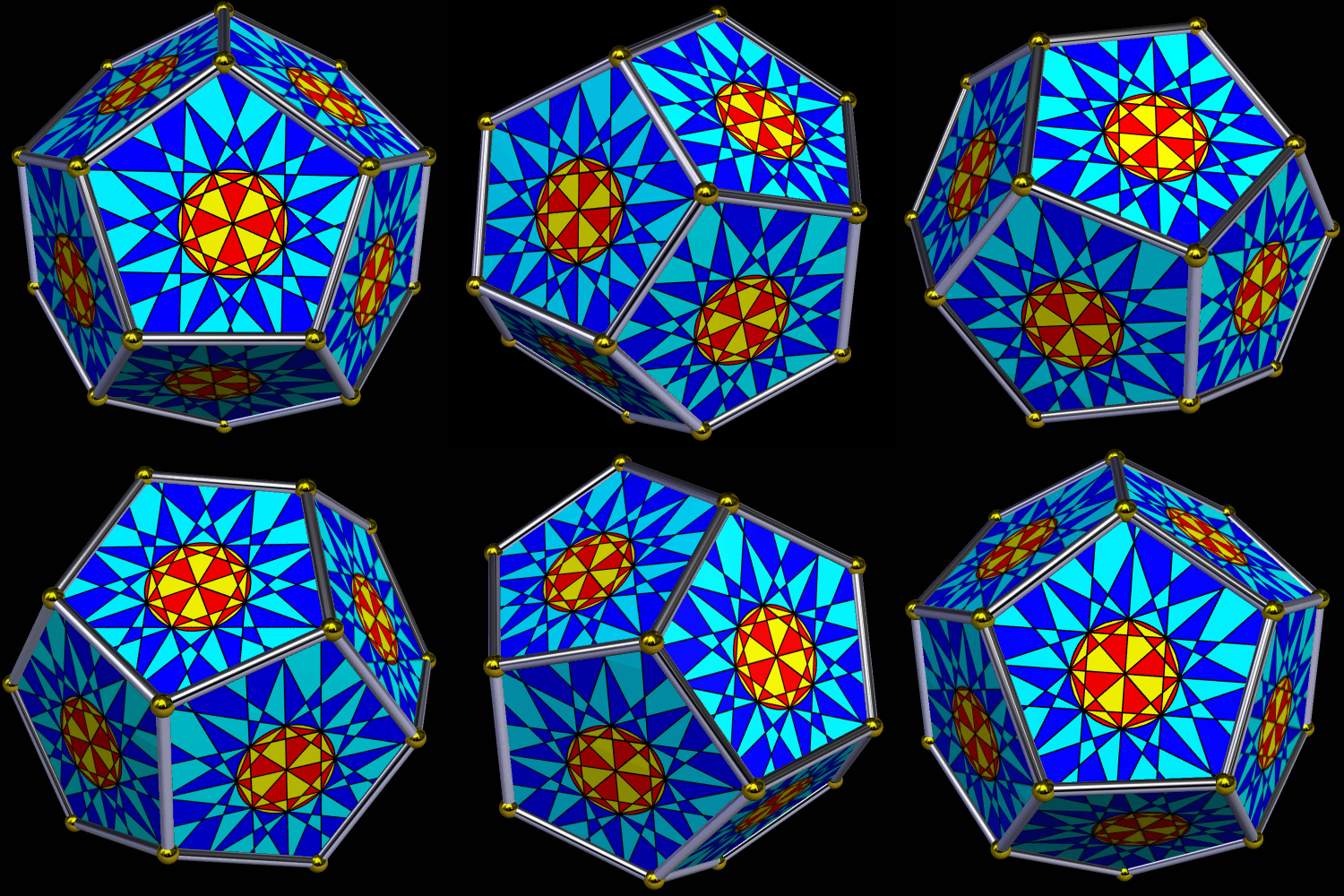
Stella 4d (polyhedral manipulation software) was used to place the image in the previous post on each face of a dodecahedron. The program can do many other things as well — and you may try it for free at http://www.software3d.com/stella.php.
Stella 4d (polyhedral manipulation software) was used to place the image in the previous post on each face of a dodecahedron. The program can do many other things as well — and you may try it for free at http://www.software3d.com/stella.php.

The rhombic enneacontahedron has ninety faces. In this image, the sixty of them which are wide rhombi are decorated with the mandala, 22, from my last post. The narrow rhombi, of which there are thirty, are colored light blue.
This was created using Stella 4d, which you can try for yourself at http://www.software3d.com/stella.php.

This patterns consists of 22 each of two different types of heptagrams, as well as 22 regular heptagons and 22 circles.
Here’s some music for it, by The Flaming Lips: “When Yer Twenty-Two.”
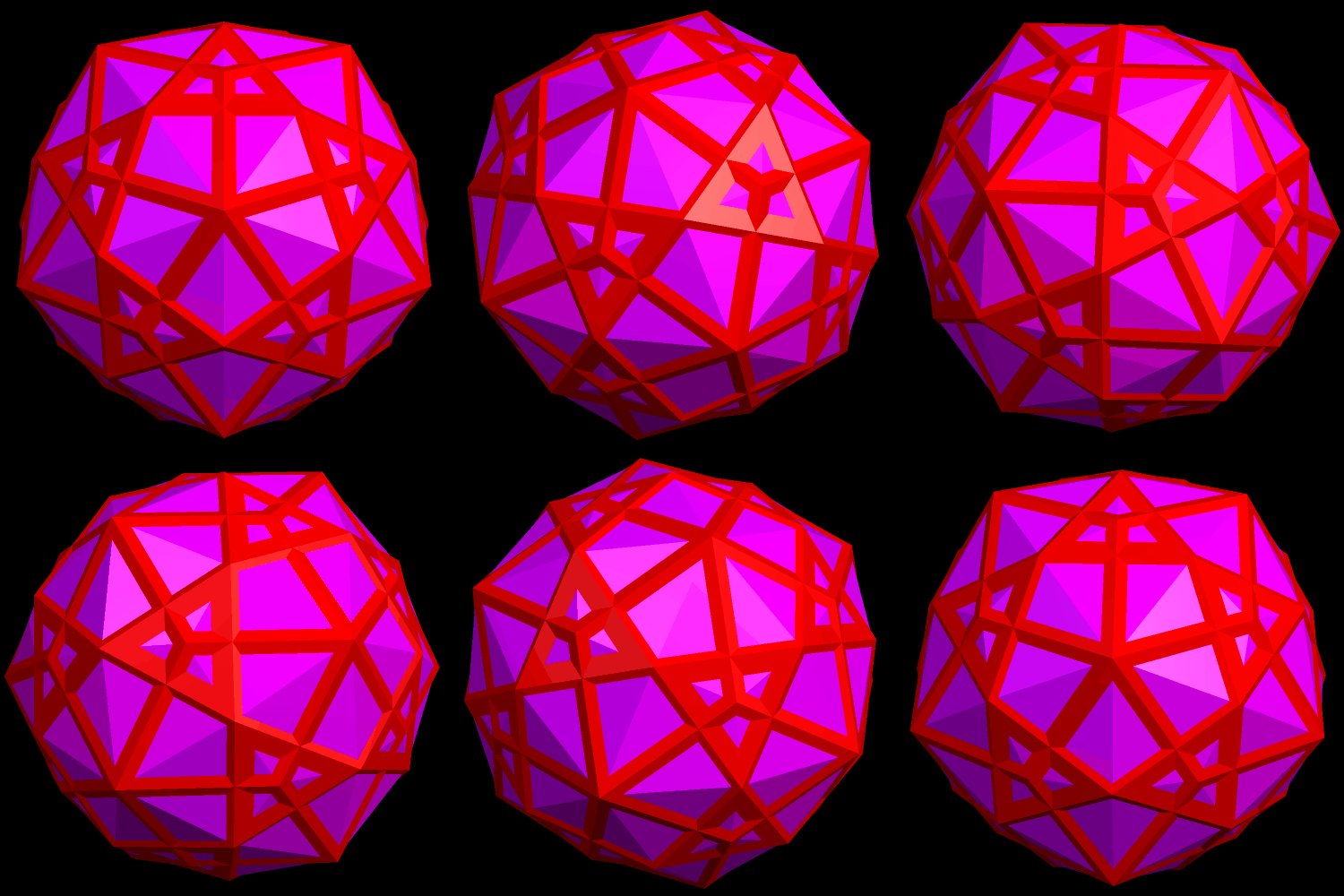
The icosidodecahedron and the rhombic triacontahedron, duals to each other, are the shapes with red edges showing. I made this using Stella 4d, which you may try for free at http://www.software3d.com/stella.php.

To create this using Stella 4d (see http://www.software3d.com/stella.php for free trial demo), I started with a snub cube, added it to its own mirror image, stellated it several times, and then rendered the square faces invisible.
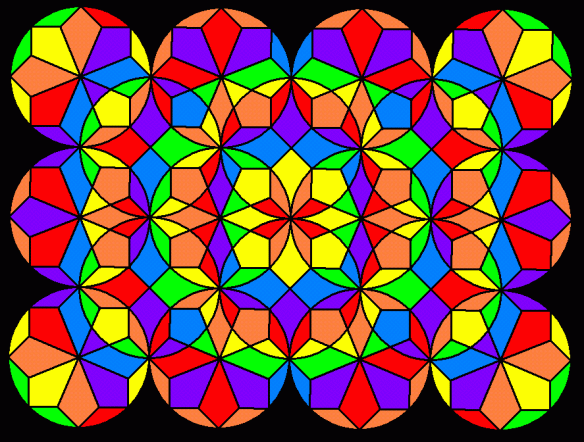
This is based on a picture I found of the ceiling of the Hampton Court Palace, with variations of my own.
As a self-distraction attempt, however, I wish it were working better.
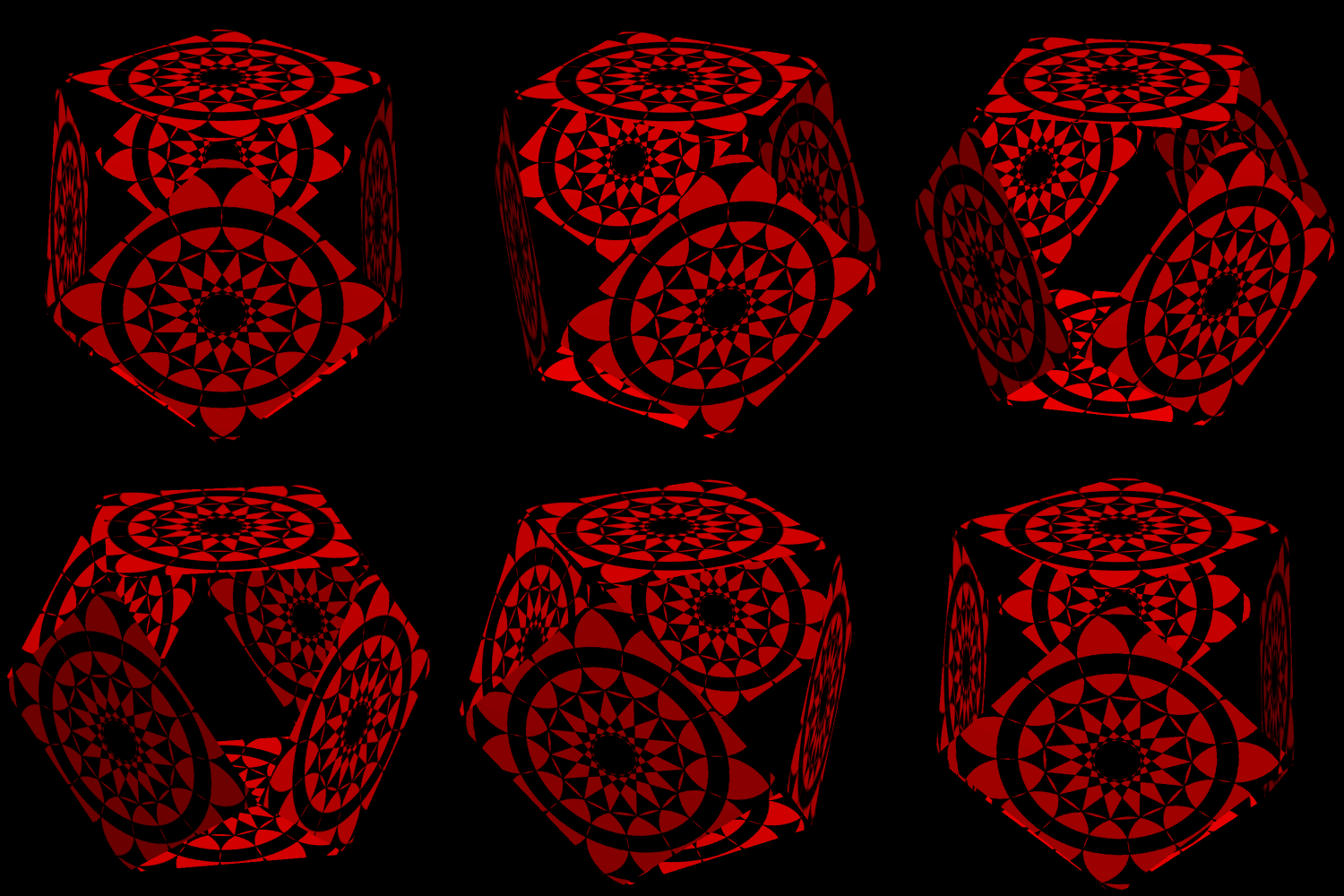
Stella 4d, a program you may try for free at http://www.software3d.com/stella.php, was used to create this rotating image.

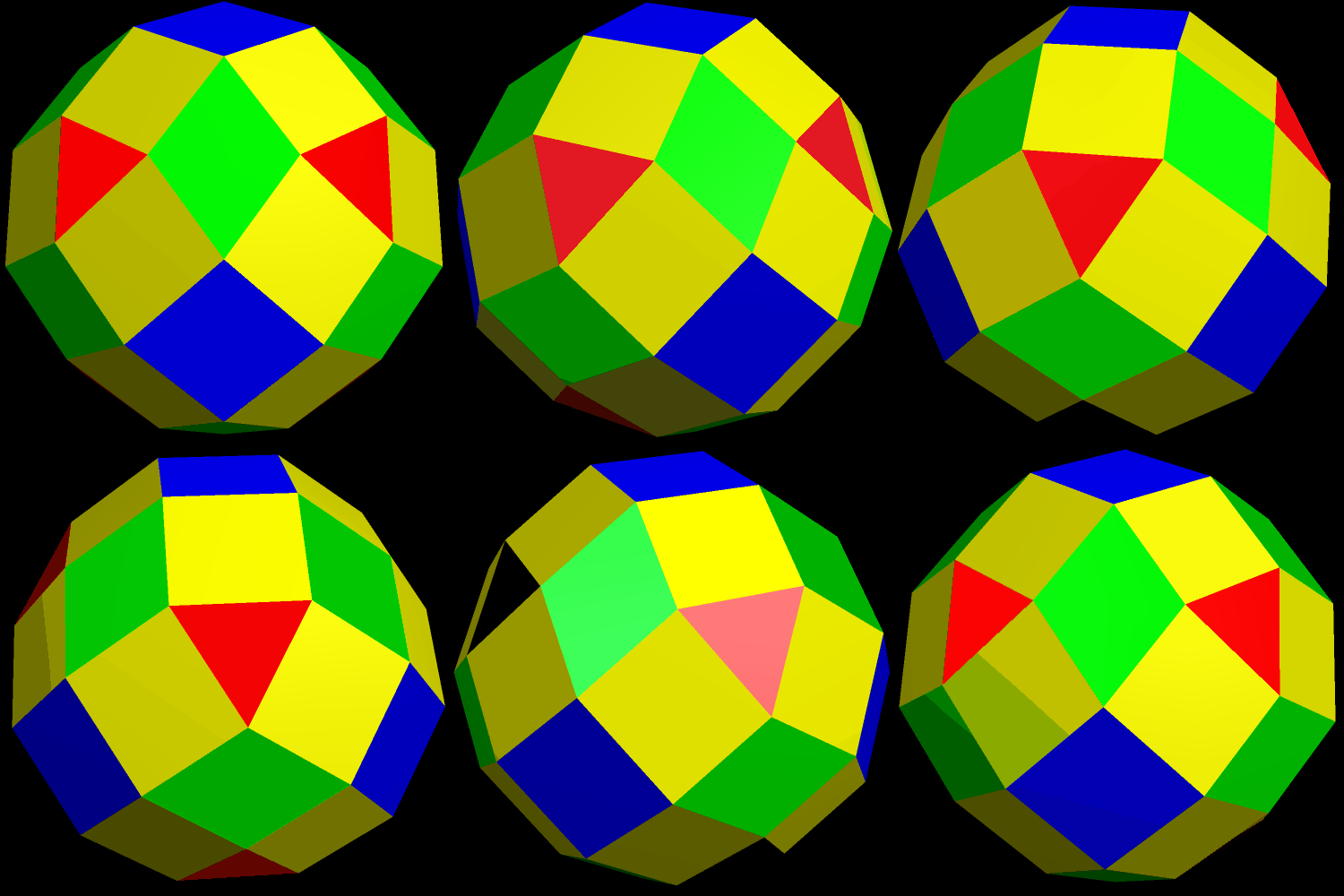
There are many ways to make intermediate forms between dual polyhedra. This was made using the expansion method. The faces of the cuboctahedron (red and blue) were moved outward, as were the green faces of the rhombic dodecahedron, until the meeting of all possible vertices. The yellow rectangles were the spaces created between faces by this expansion.
(Software credit: see http://www.software3d.com/stella.php)
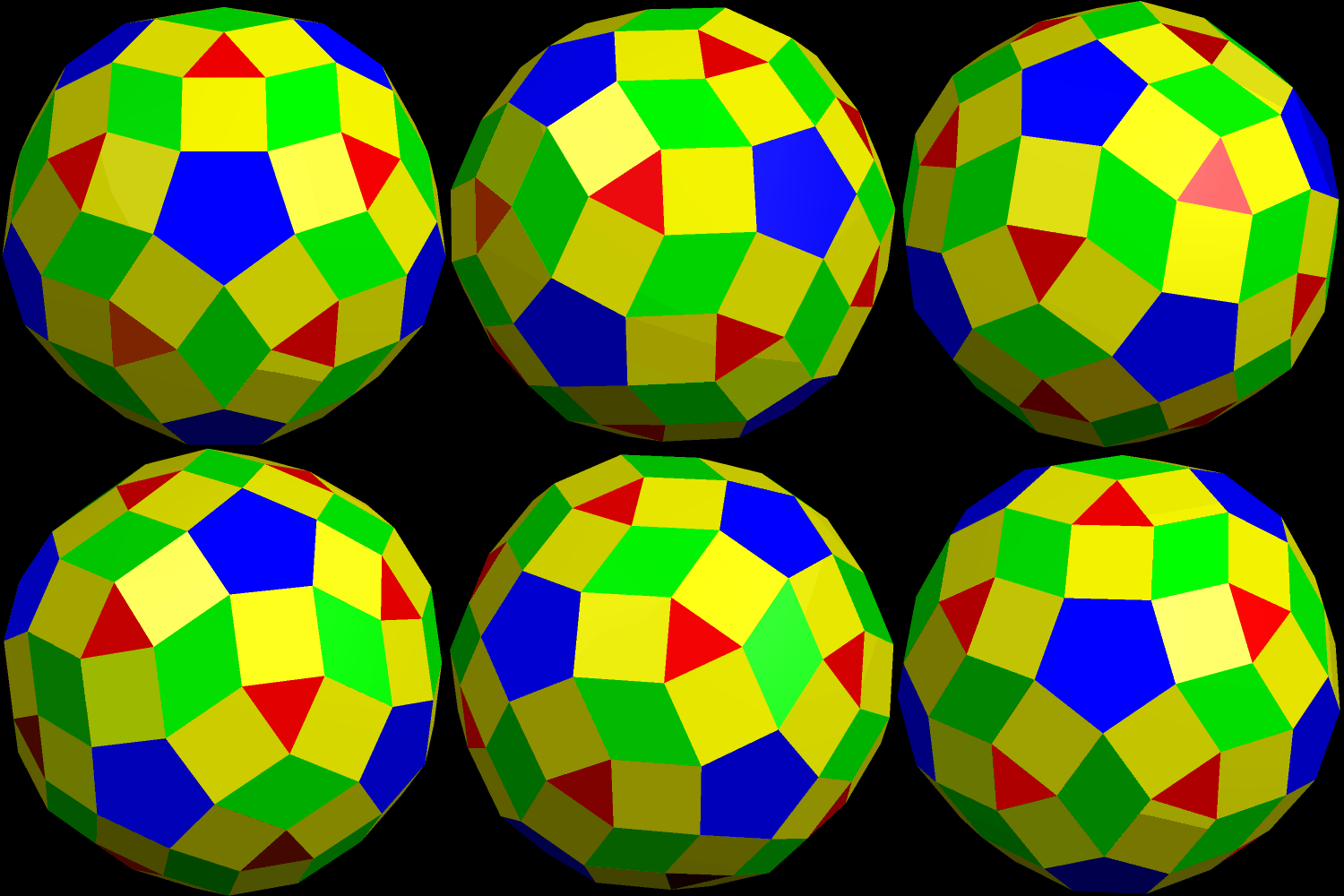
There are many ways to make intermediate forms between dual polyhedra. This was made using the expansion method. The faces of the icosidodecahedron (red and blue) were moved outward, as were the green faces of the rhombic triacontahedron, until the meeting of all possible vertices. The yellow rectangles were the spaces created between faces by this expansion.
(Software credit: see http://www.software3d.com/stella.php)
 RobertLovesPi.net