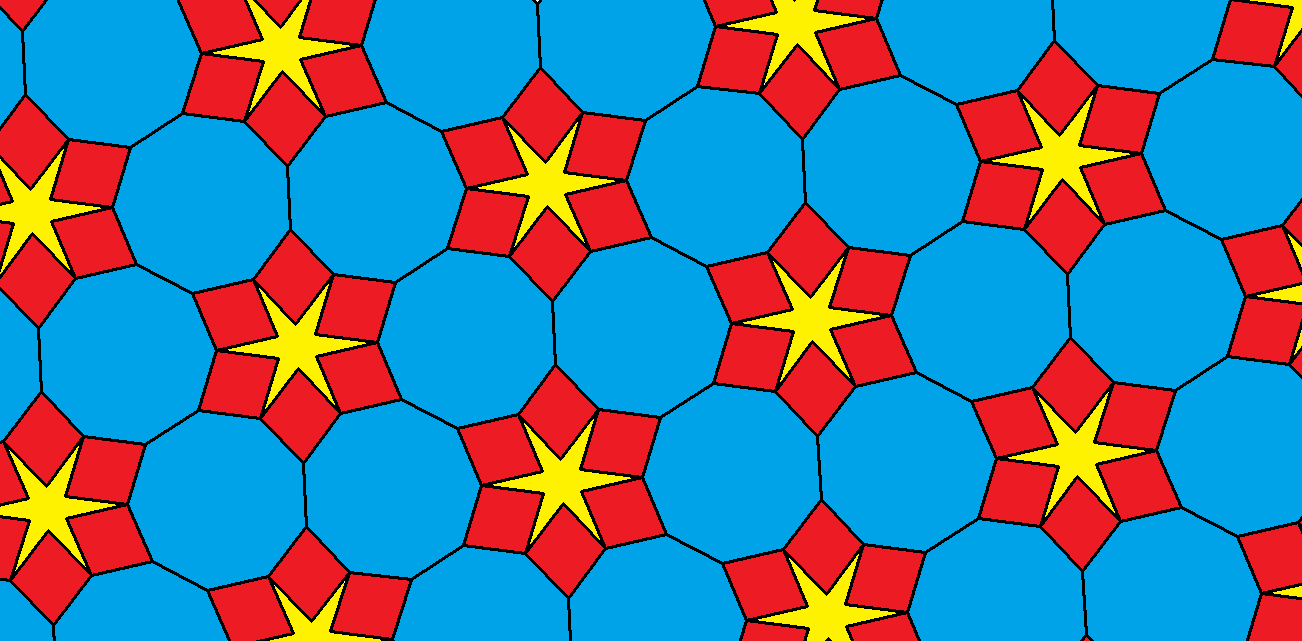
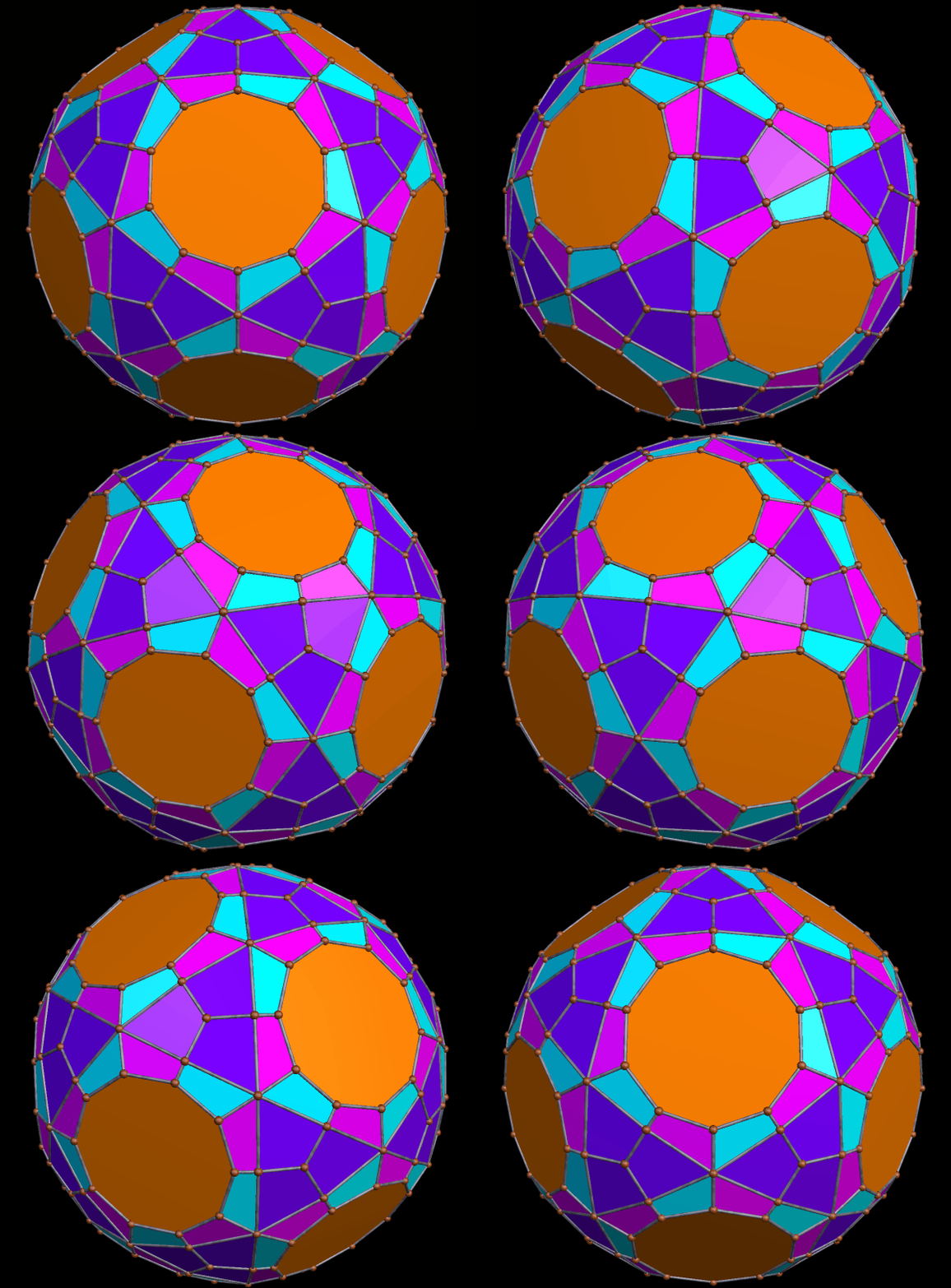
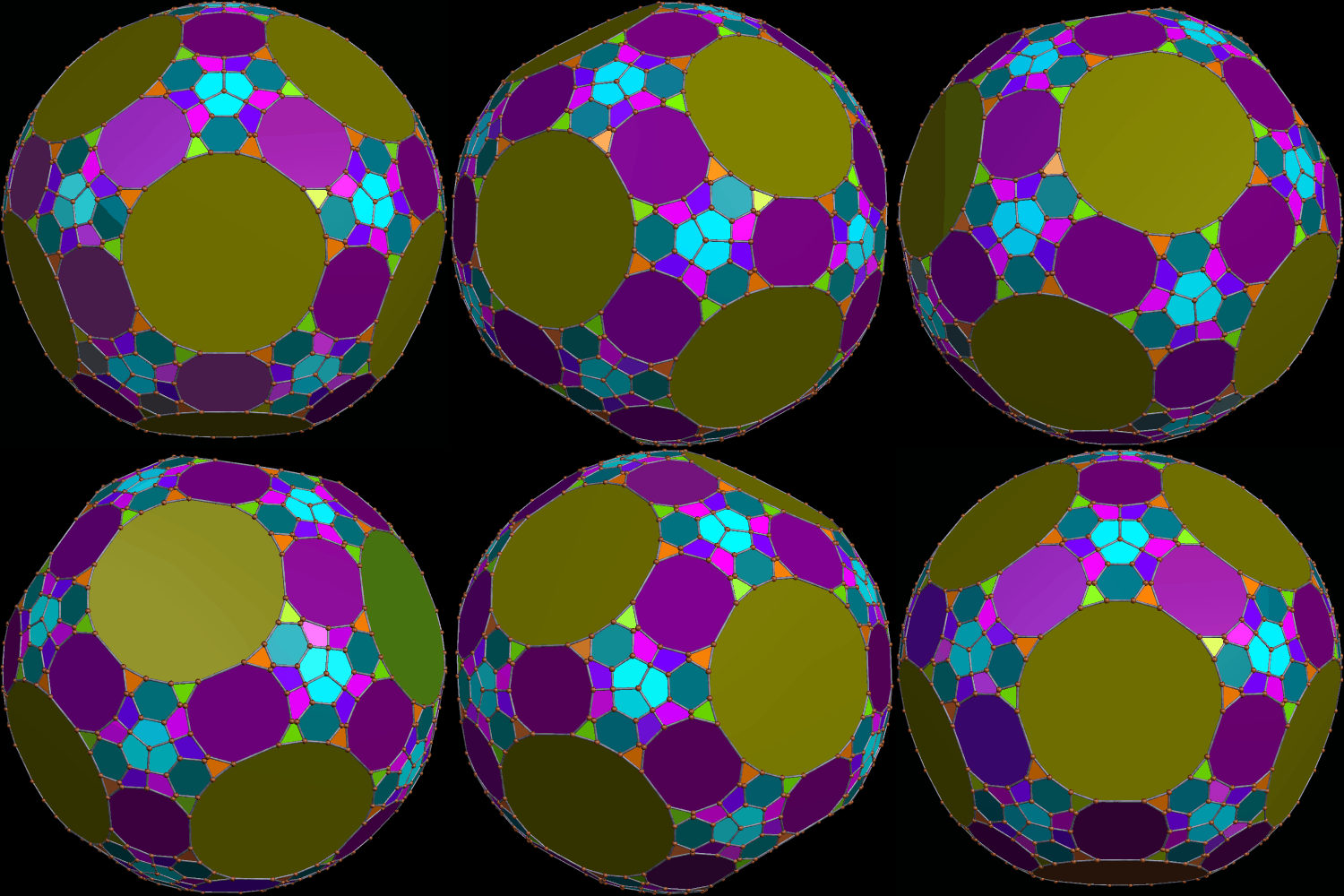
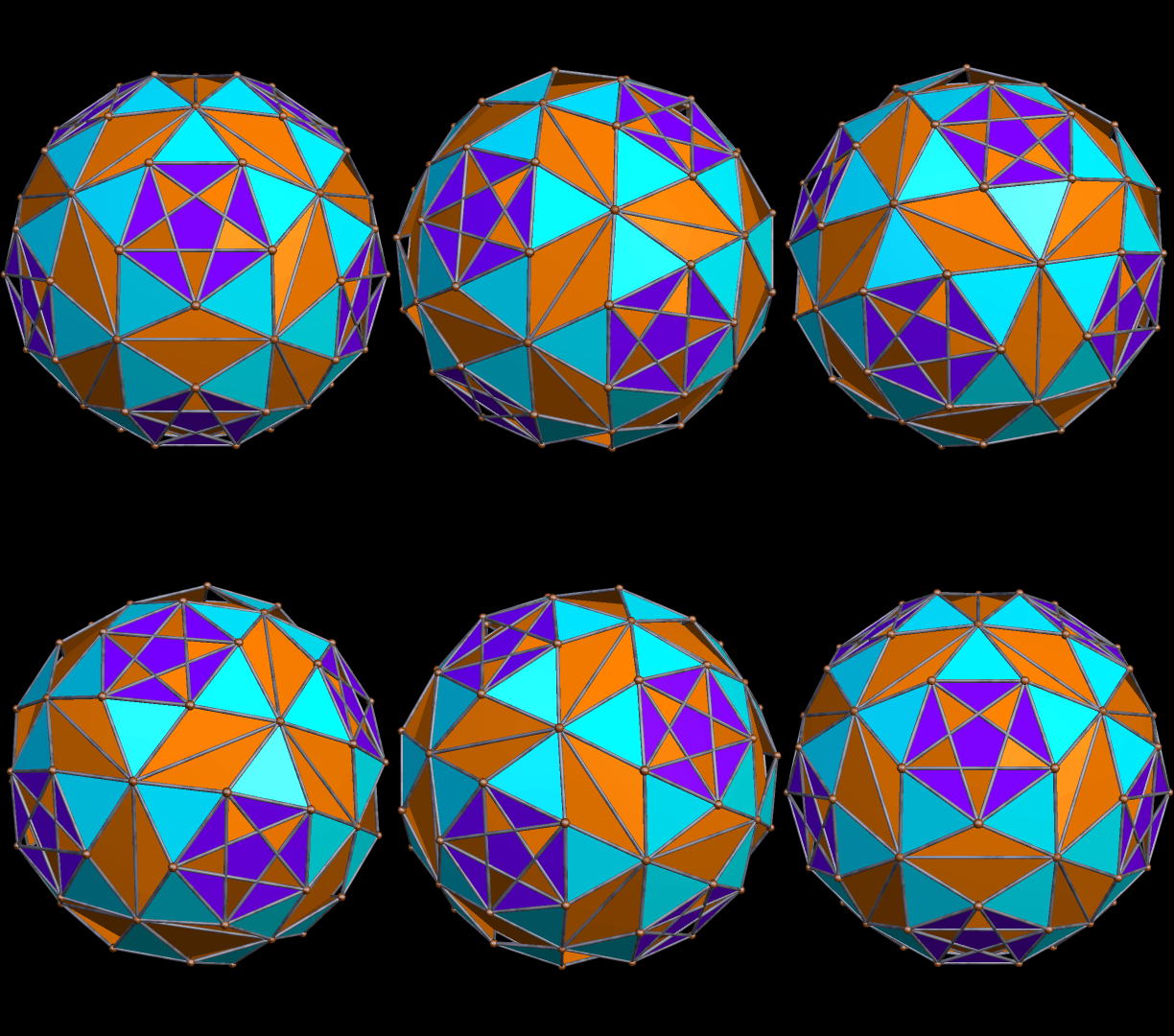
Tessellation Using Regular Enneagons, Rhombi, and Hexaconcave Dodecagons

tess 9 4 12

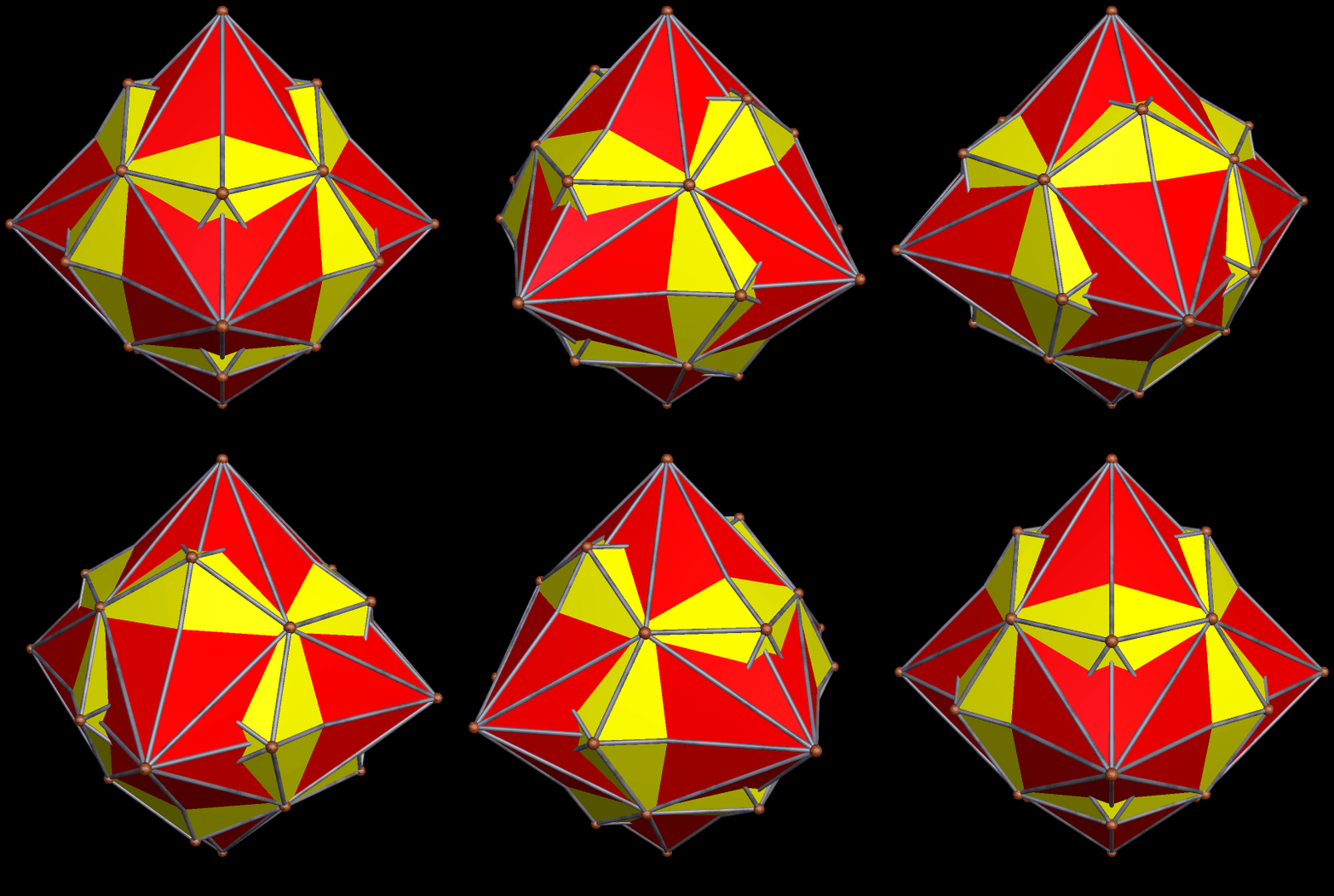
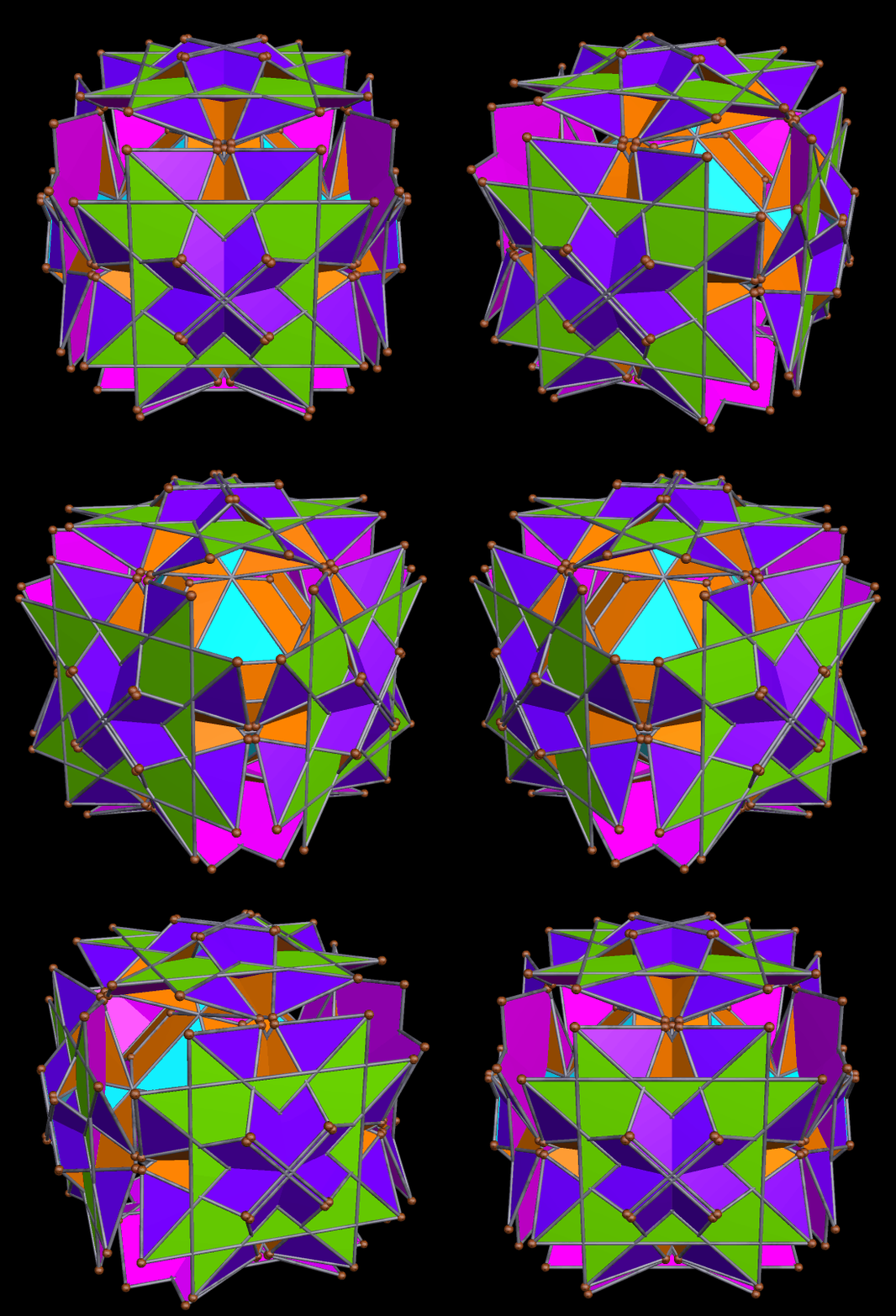
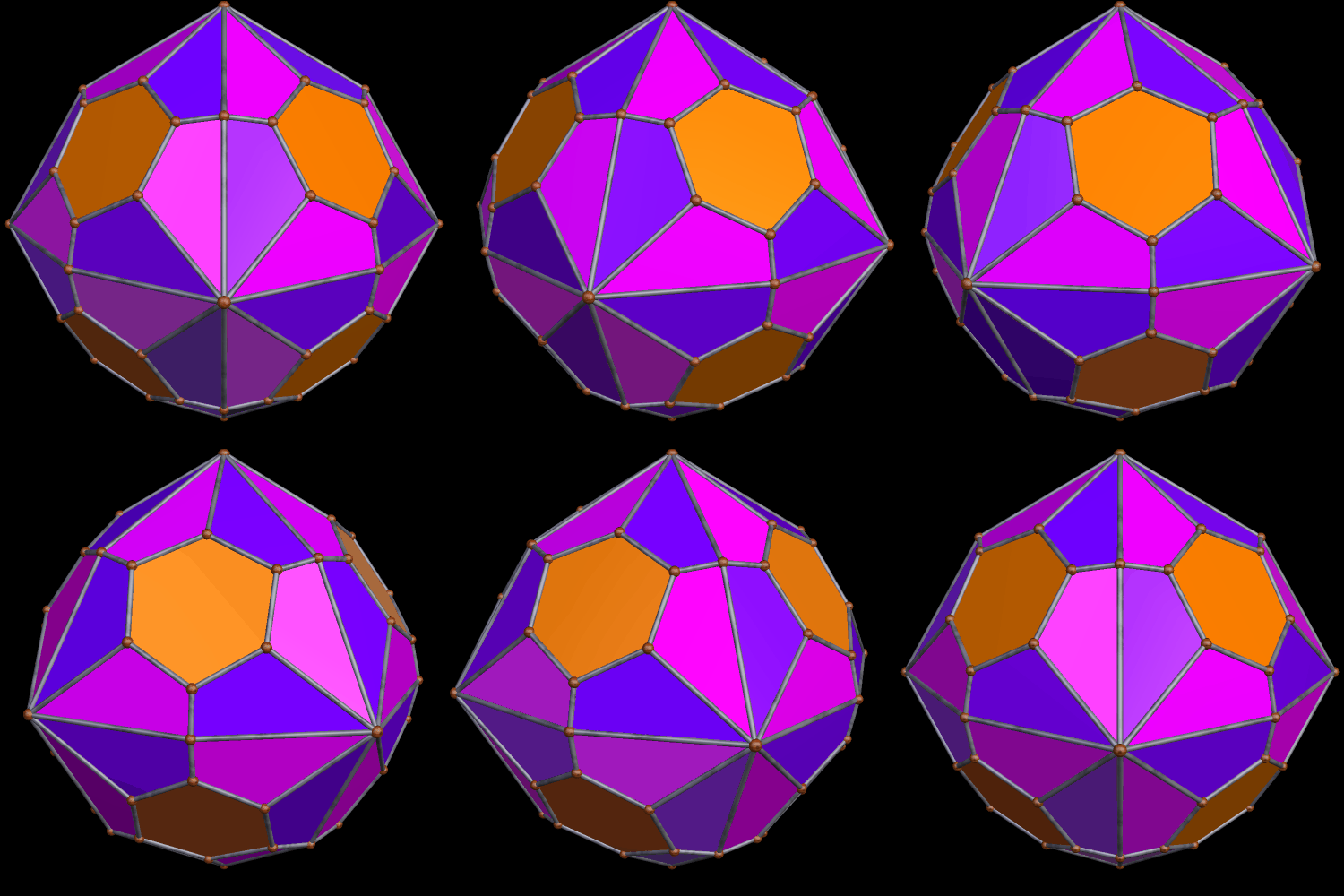
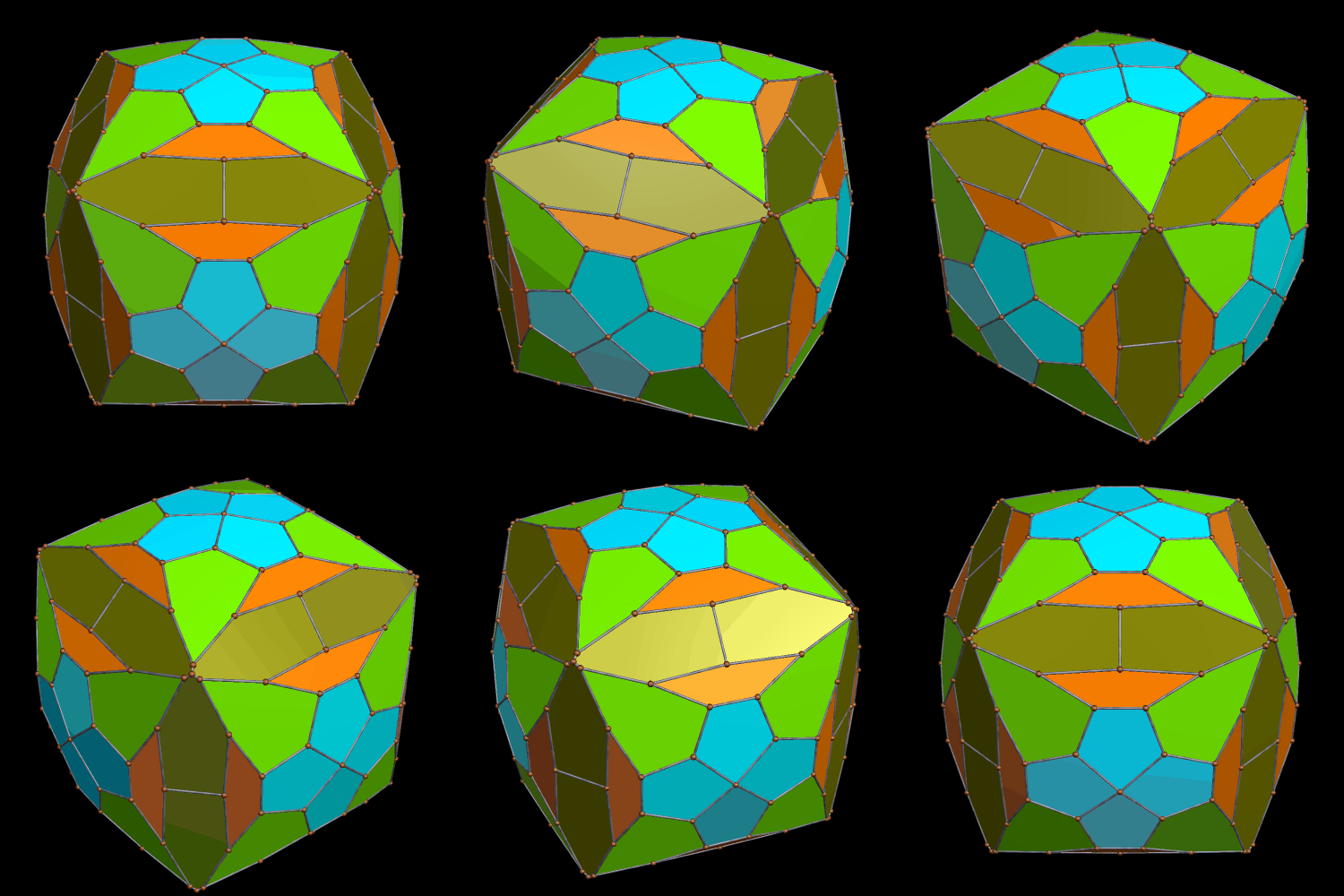
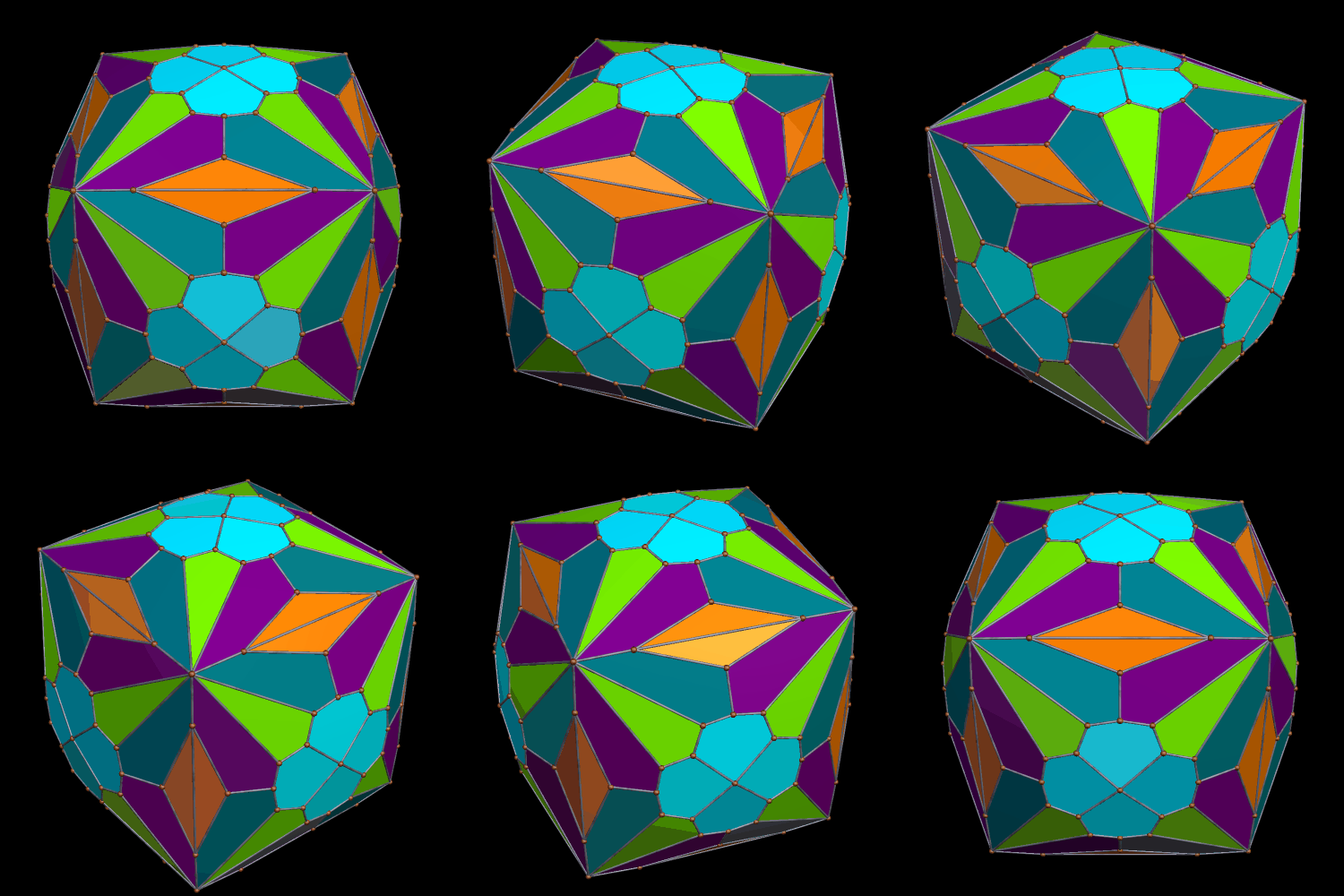
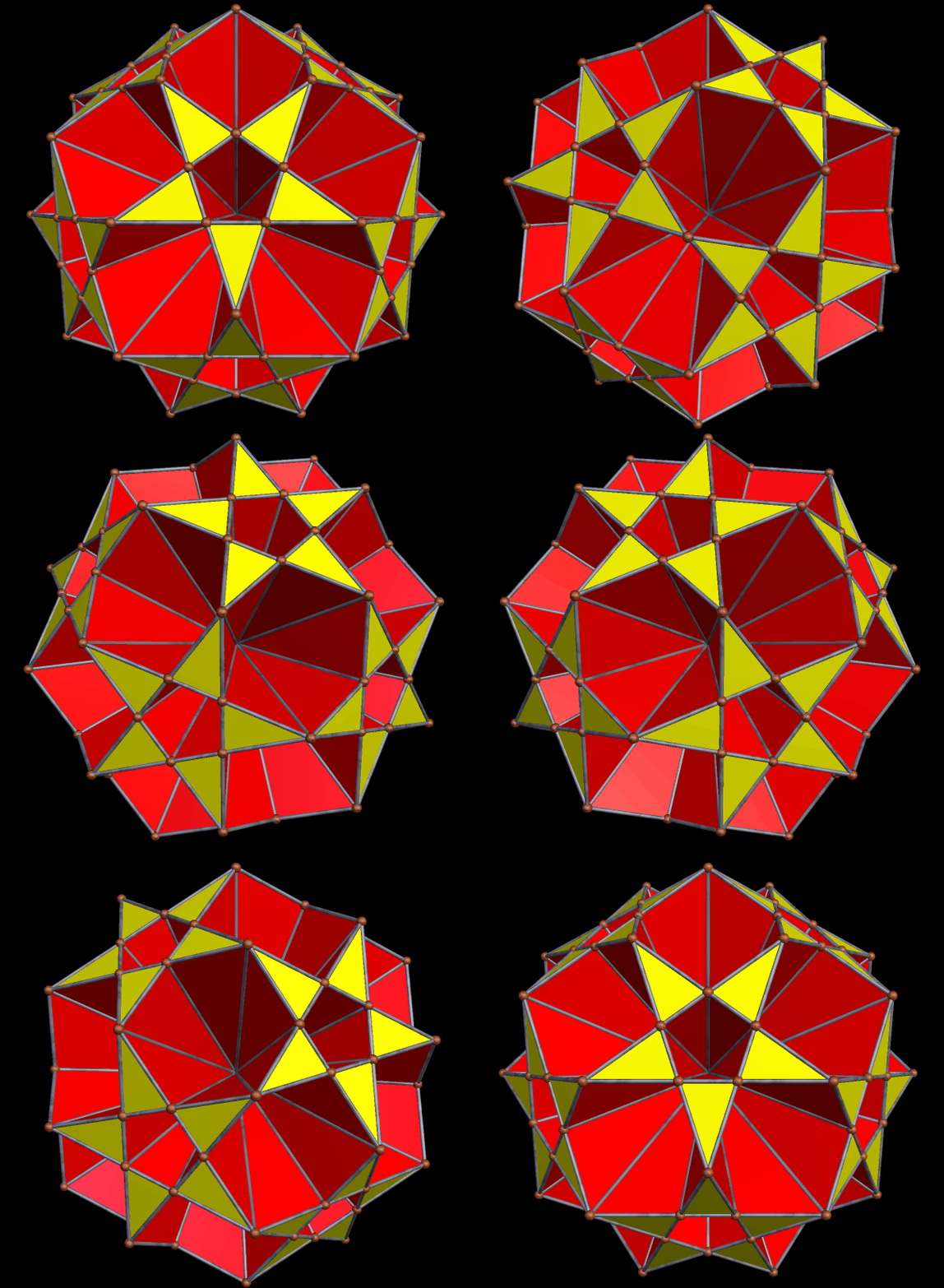
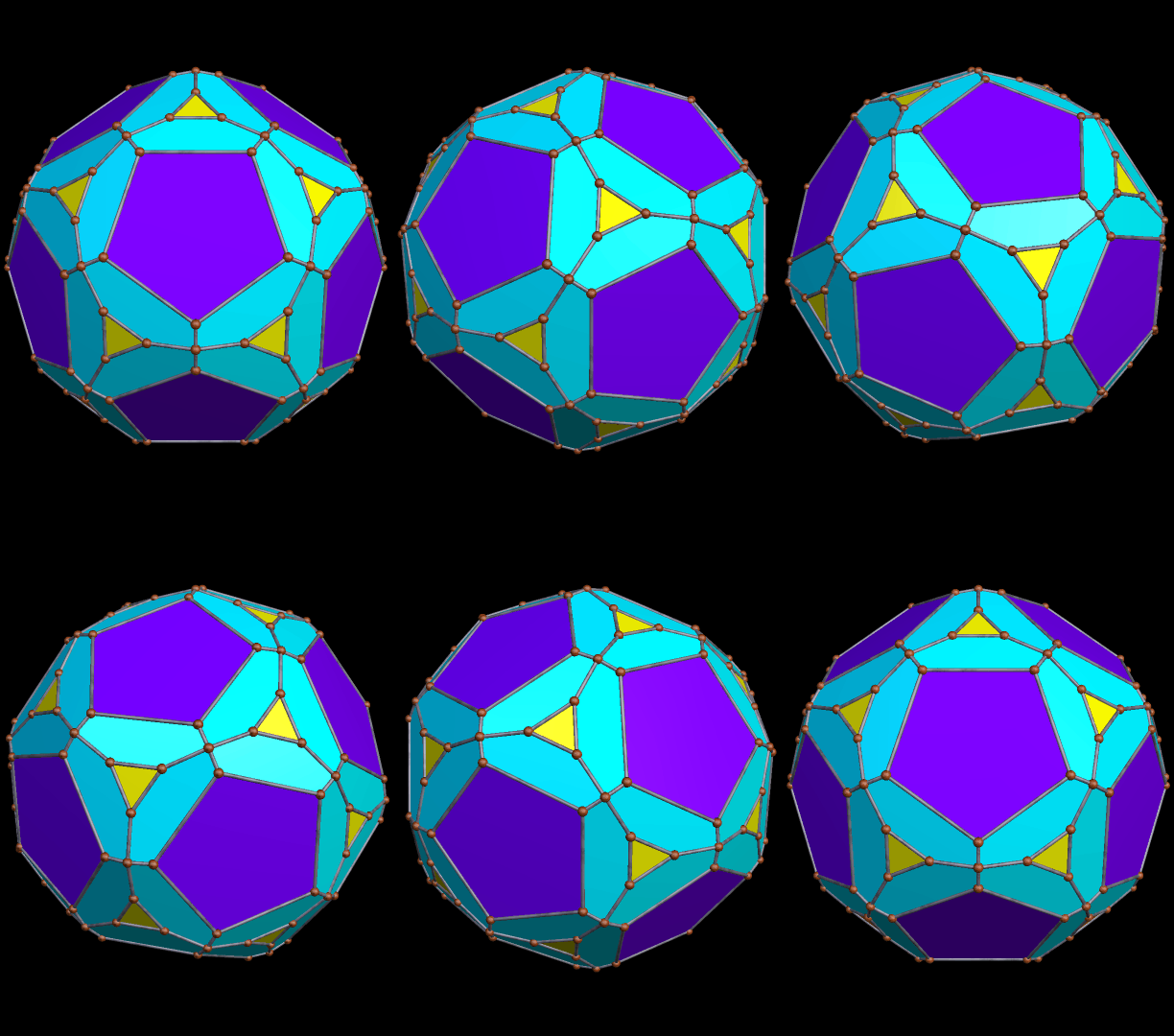
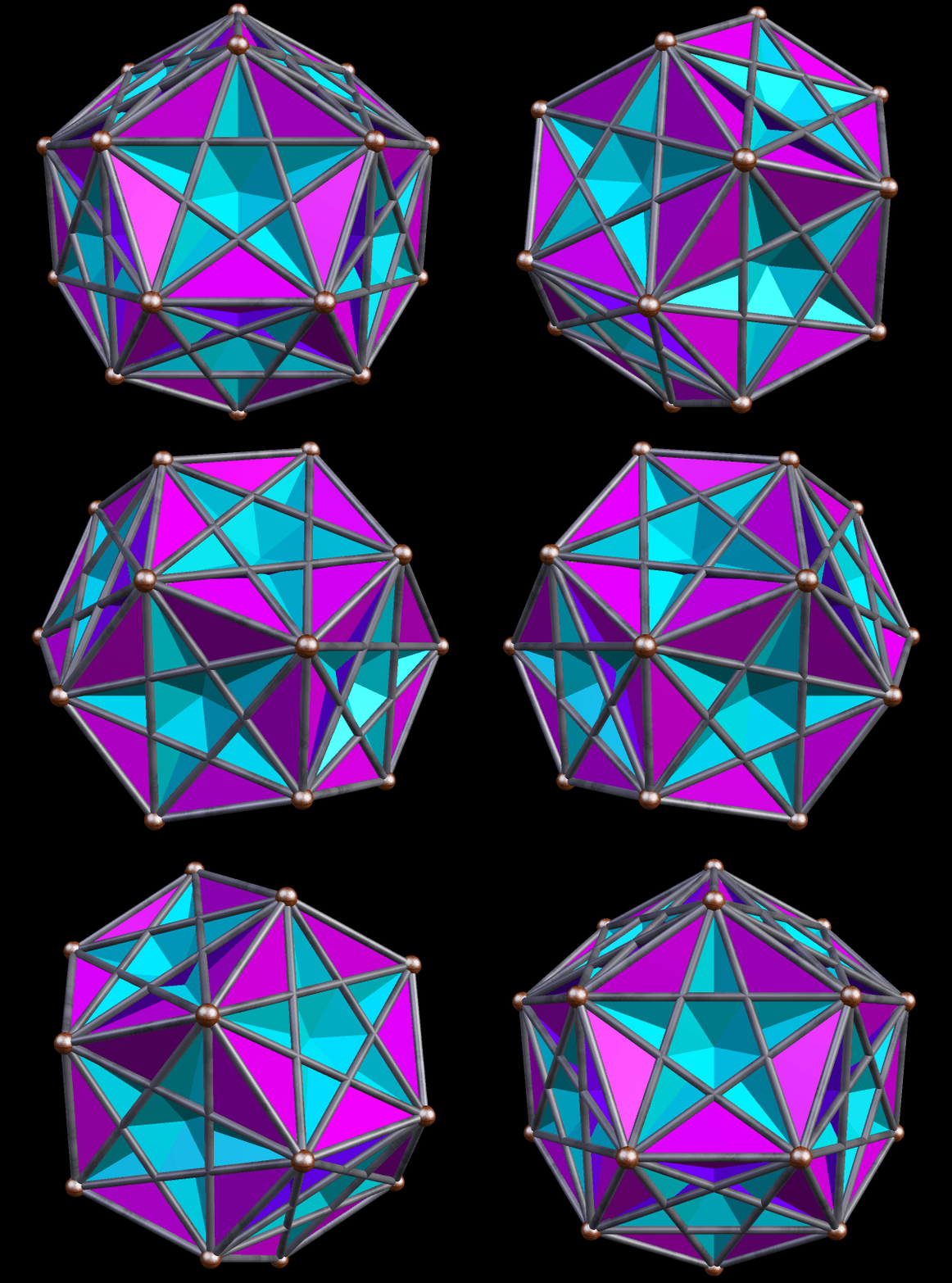
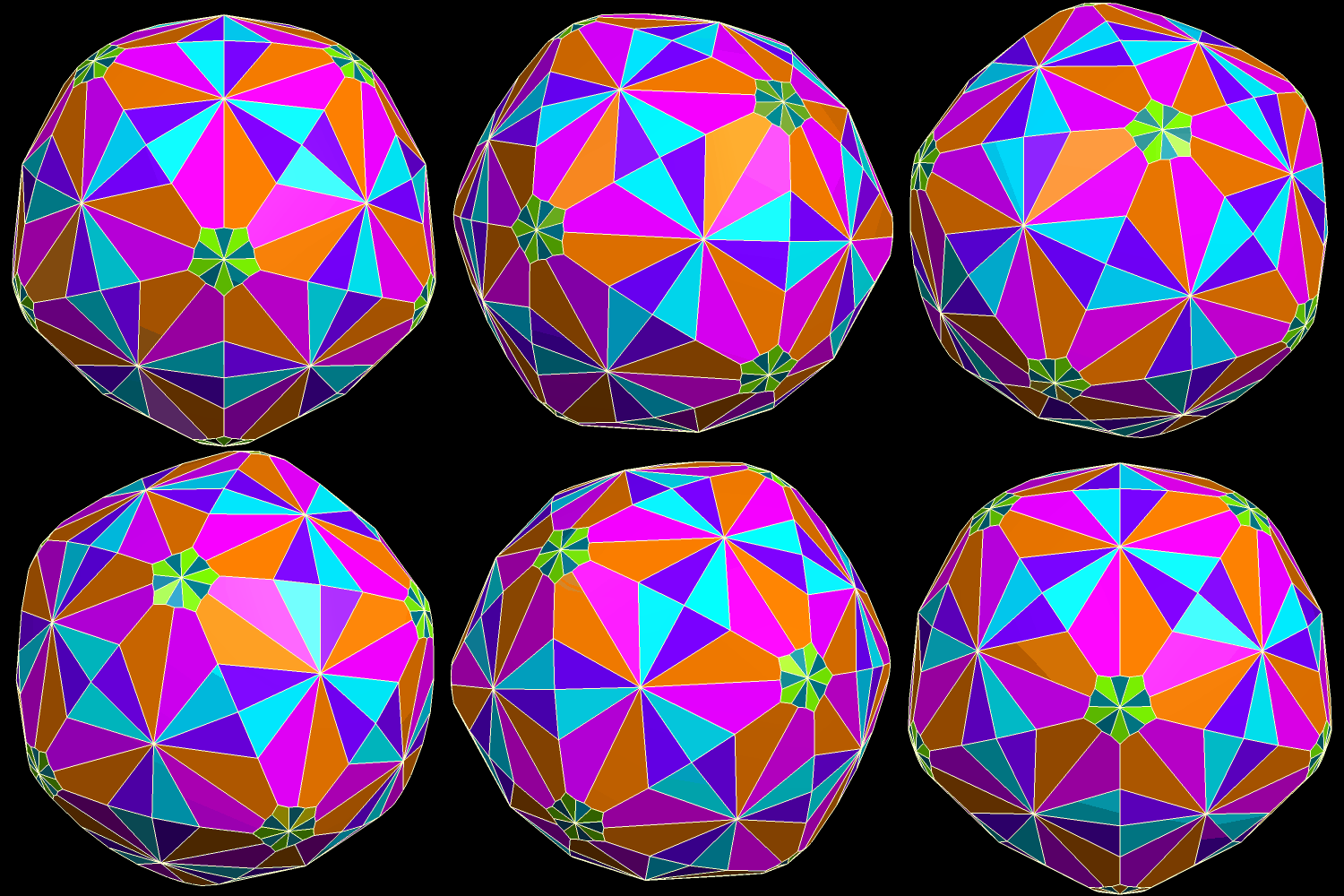
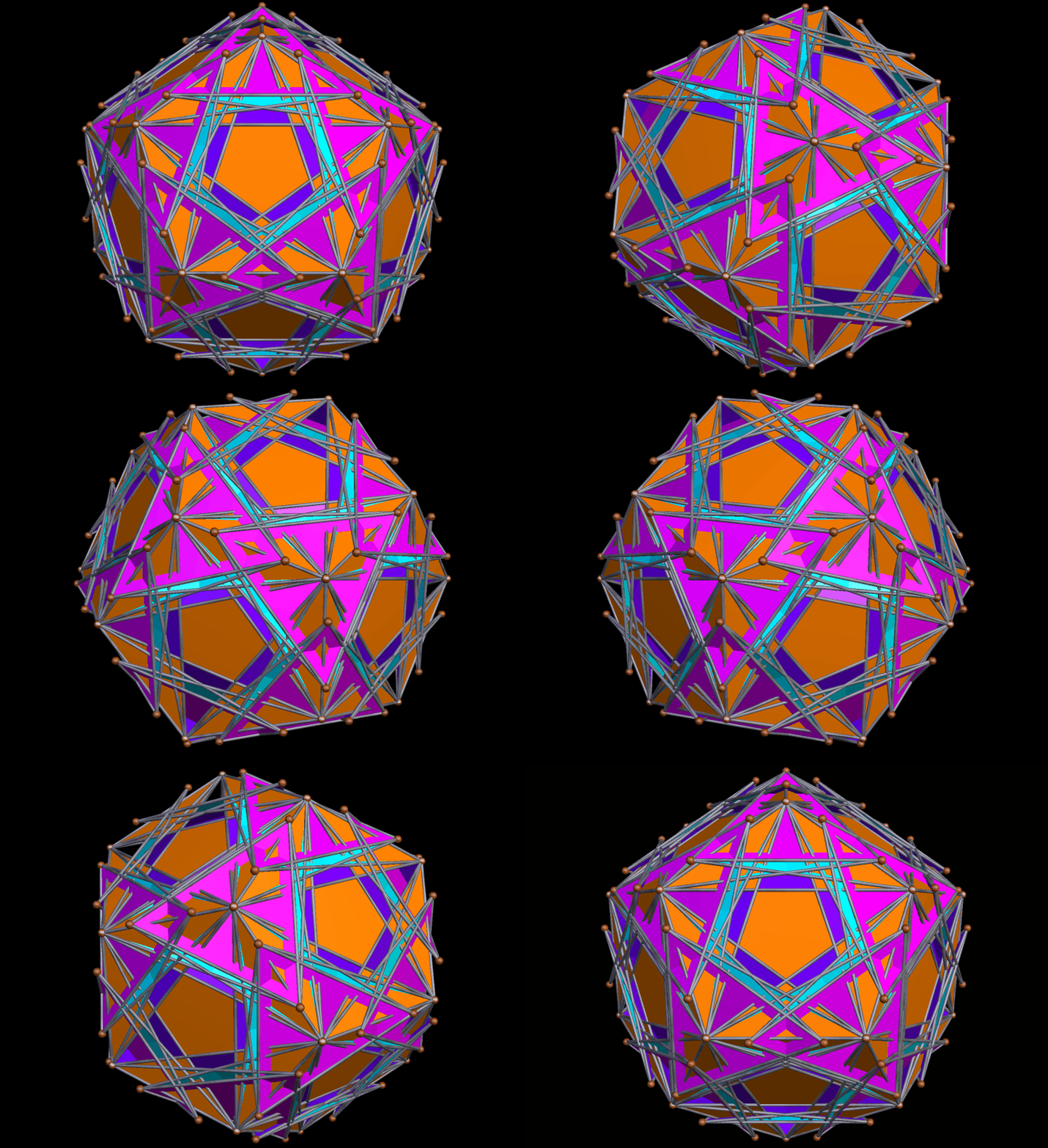
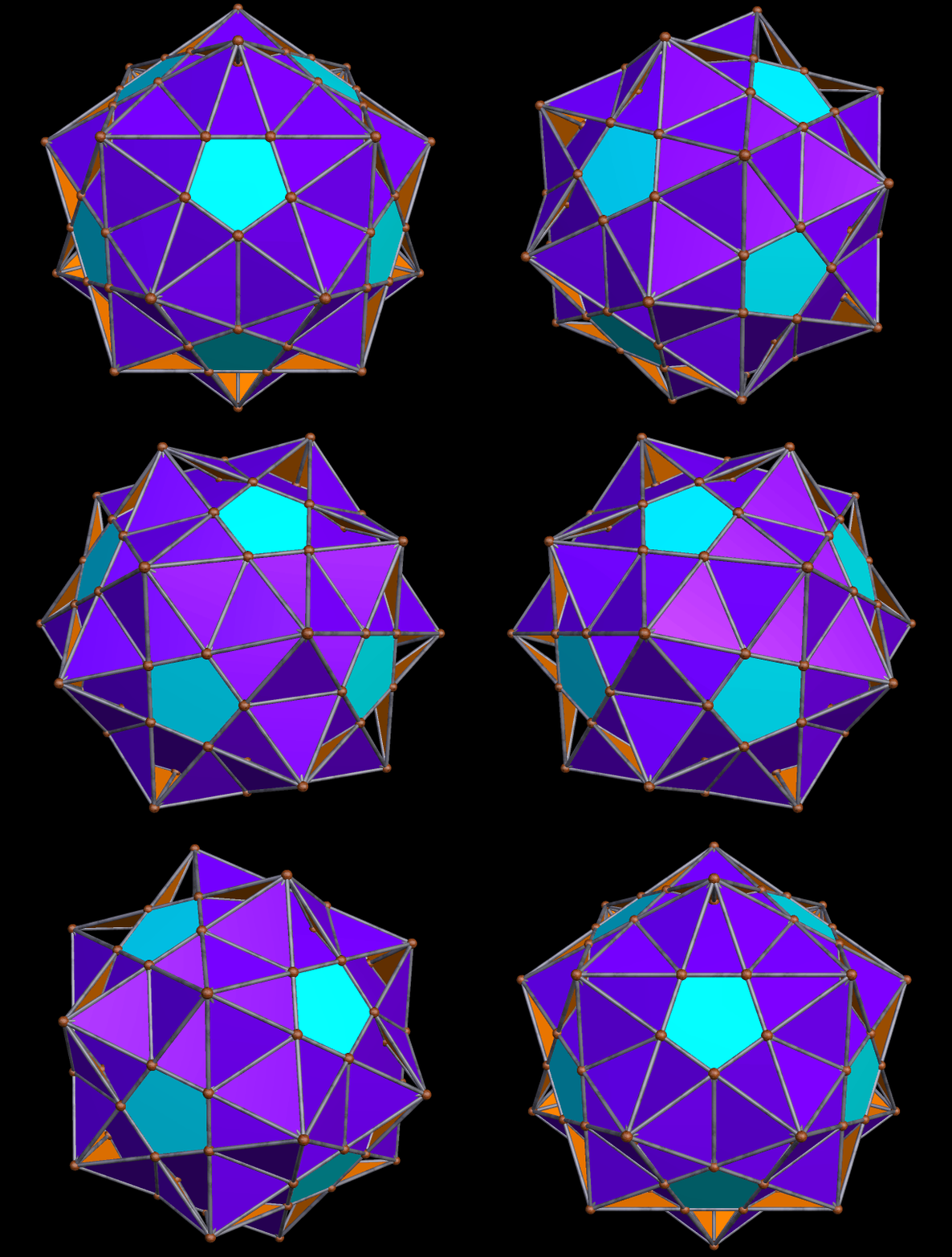
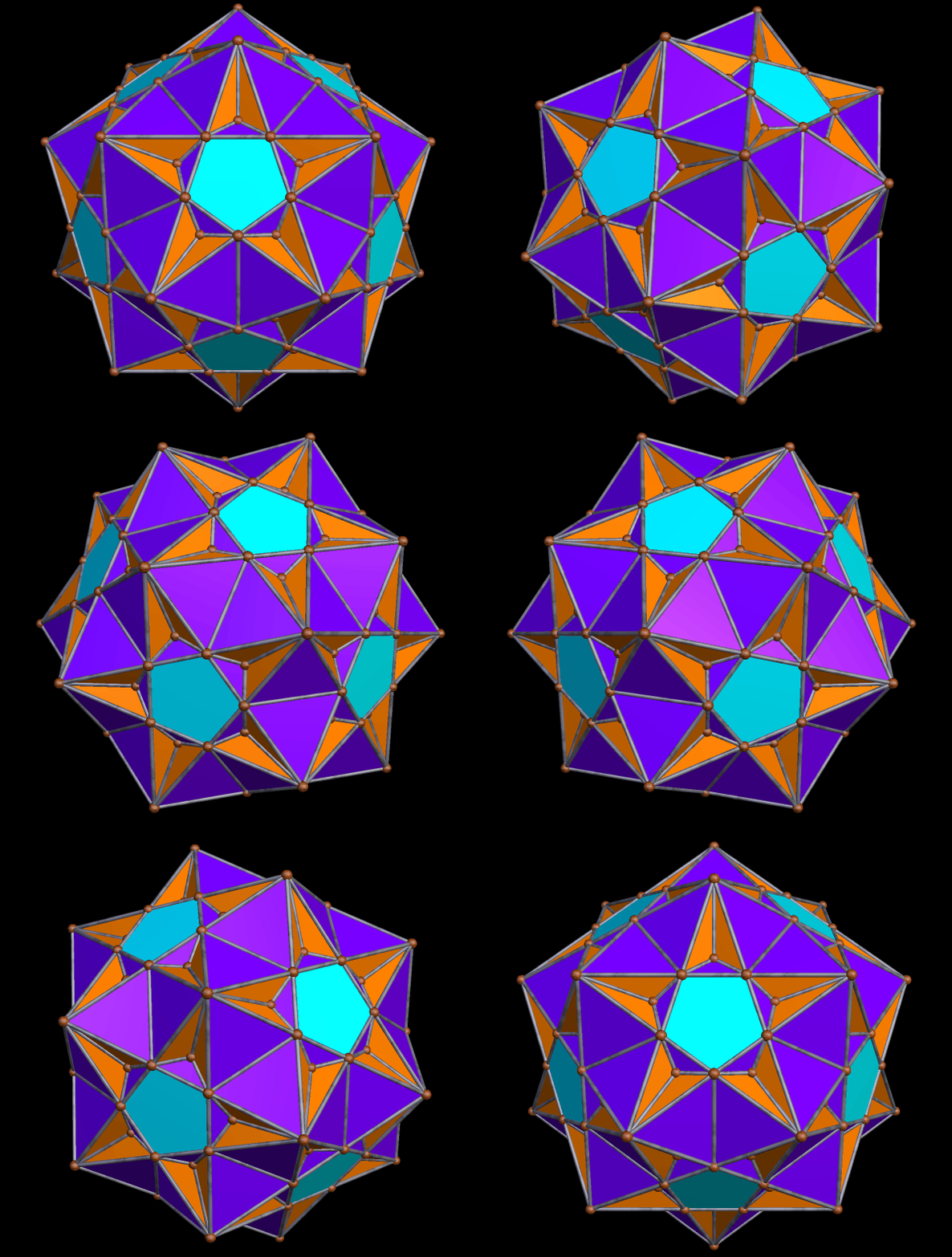
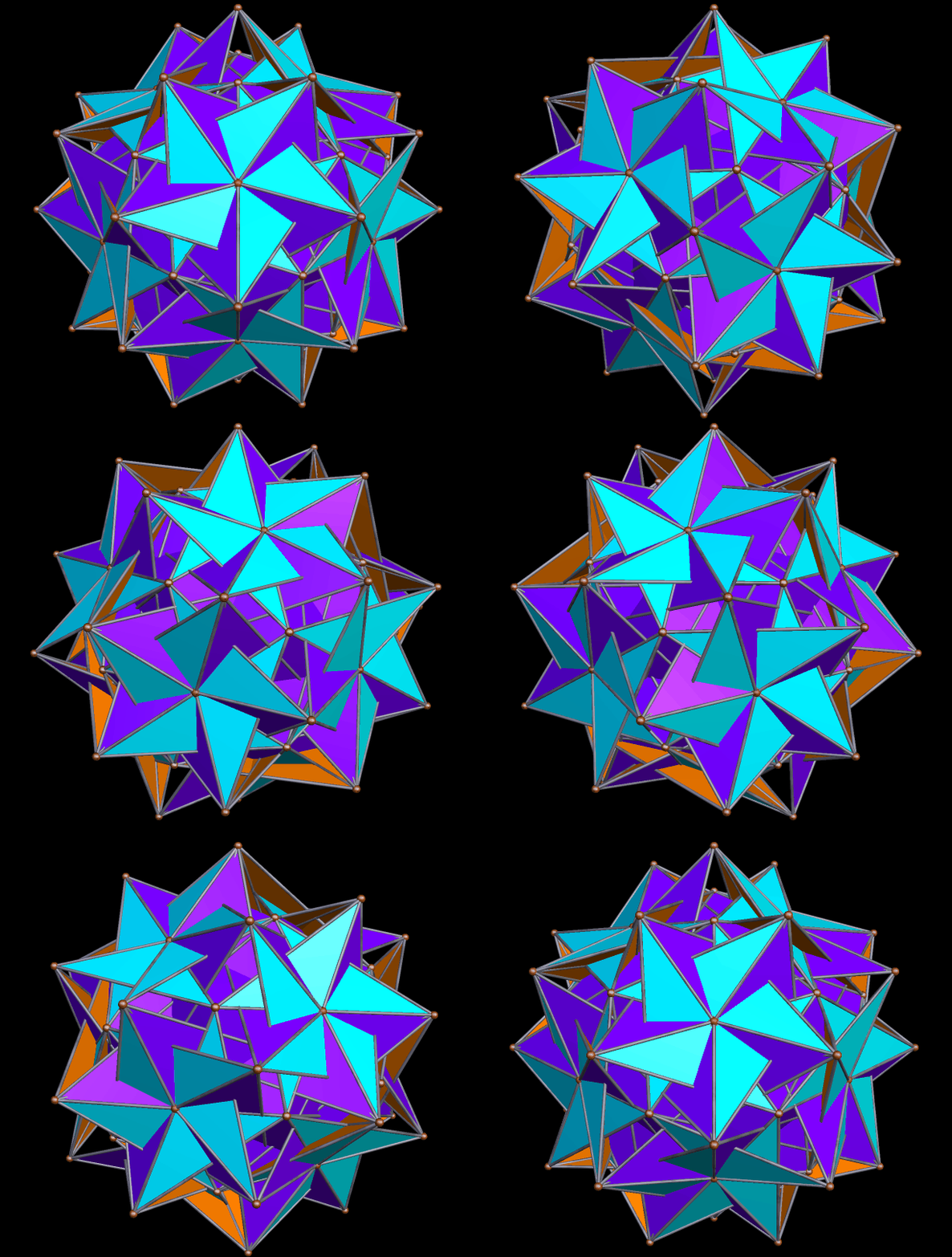
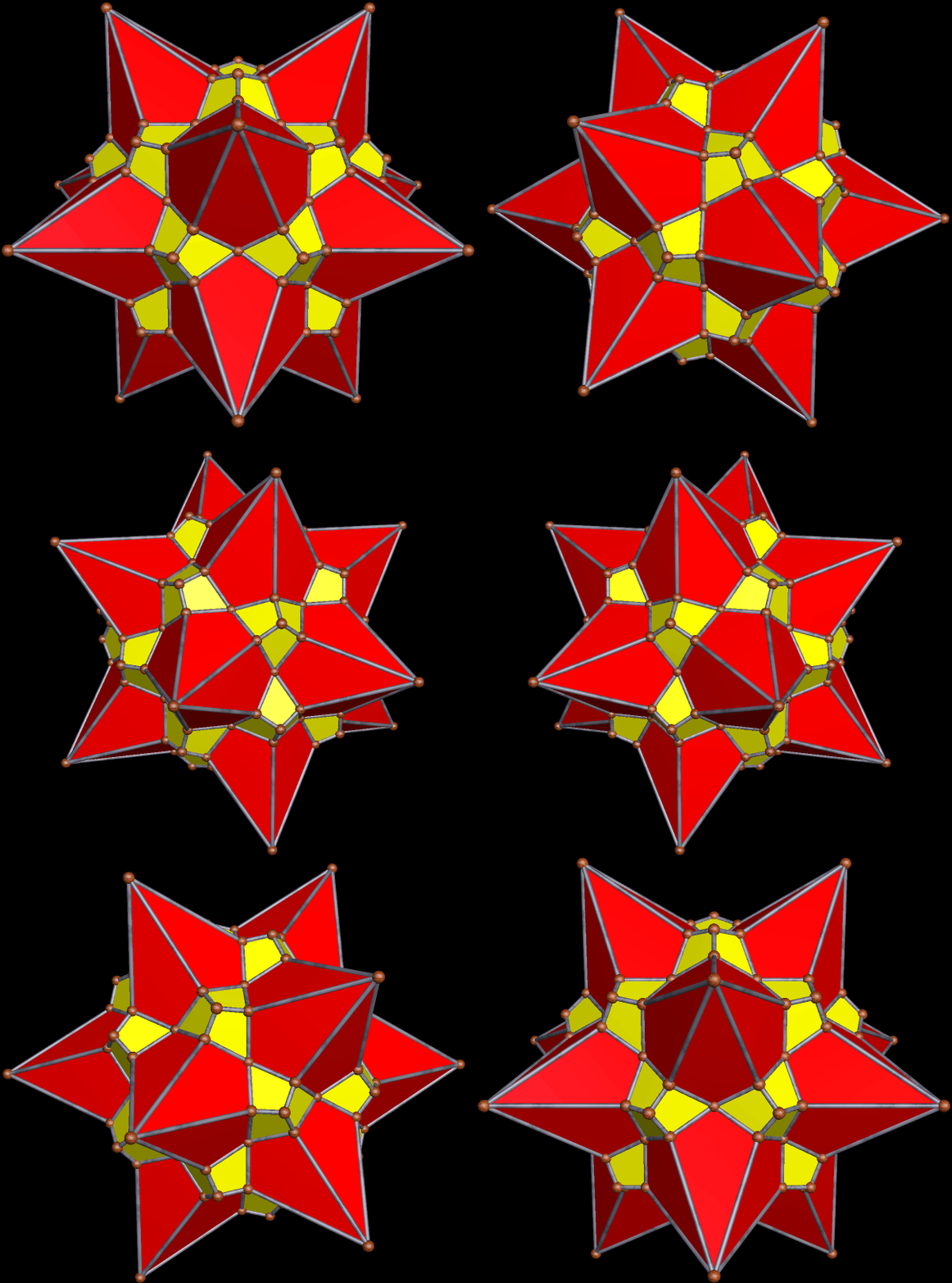
Two Polyhedral Compounds: the Icosidodecahedron with the Truncated Cube, and the Rhombic Triacontahedron with the Triakis Octahedron

Compound of Icosidodeca and Trunc Cube

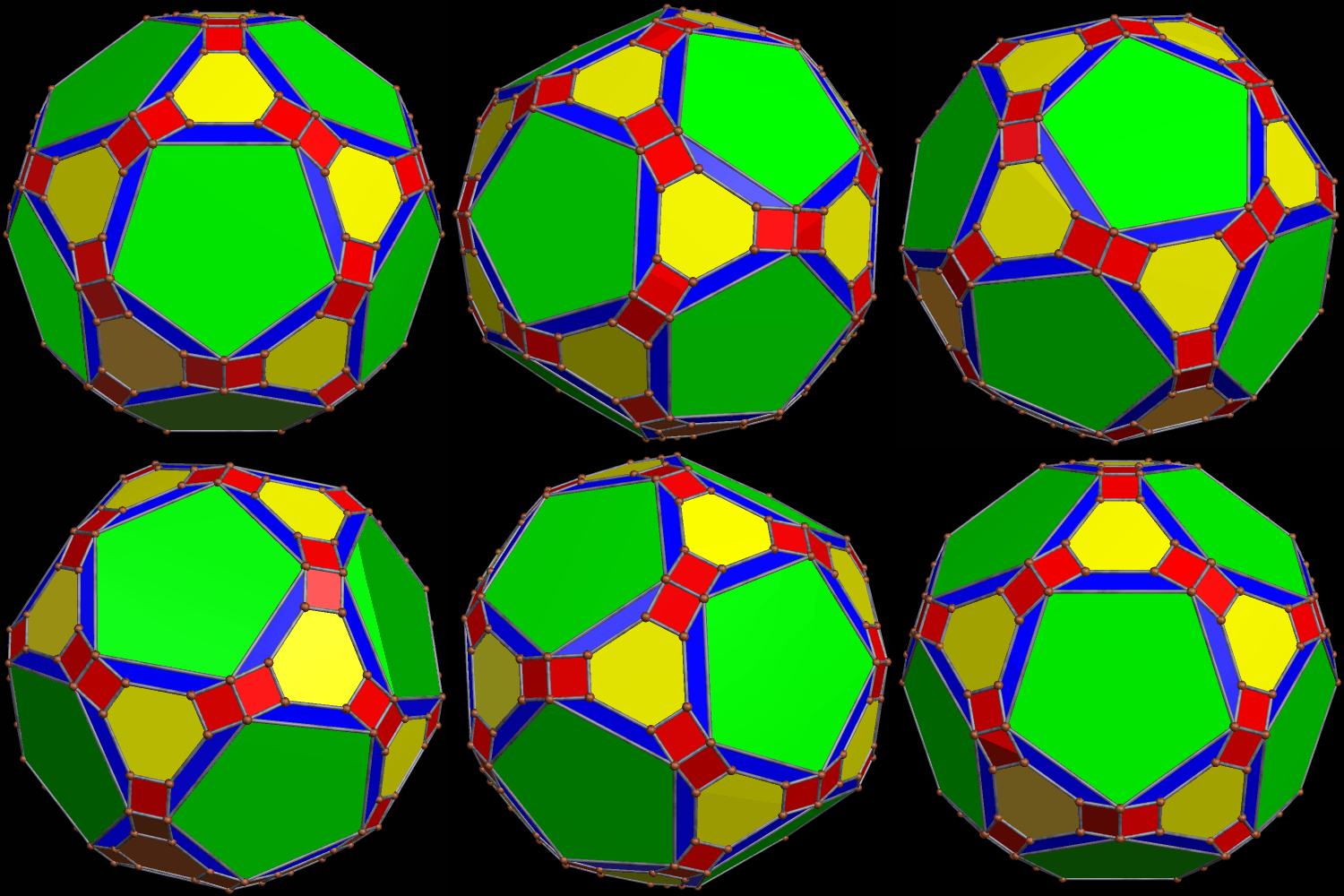
These two compounds, above and below, are duals. Also, in each of them, one polyhedron with icosidodecahedral symmetry is combined with a second polyhedron with cuboctahedral symmetry to form a compound with pyritohedral symmetry: the symmetry of a standard volleyball.

Compound of RTC and Triakis octahedron also pyritohedral

A program called Stella 4d was used to make these compounds, and create these images. It may be purchased, or tried for free, at this website.

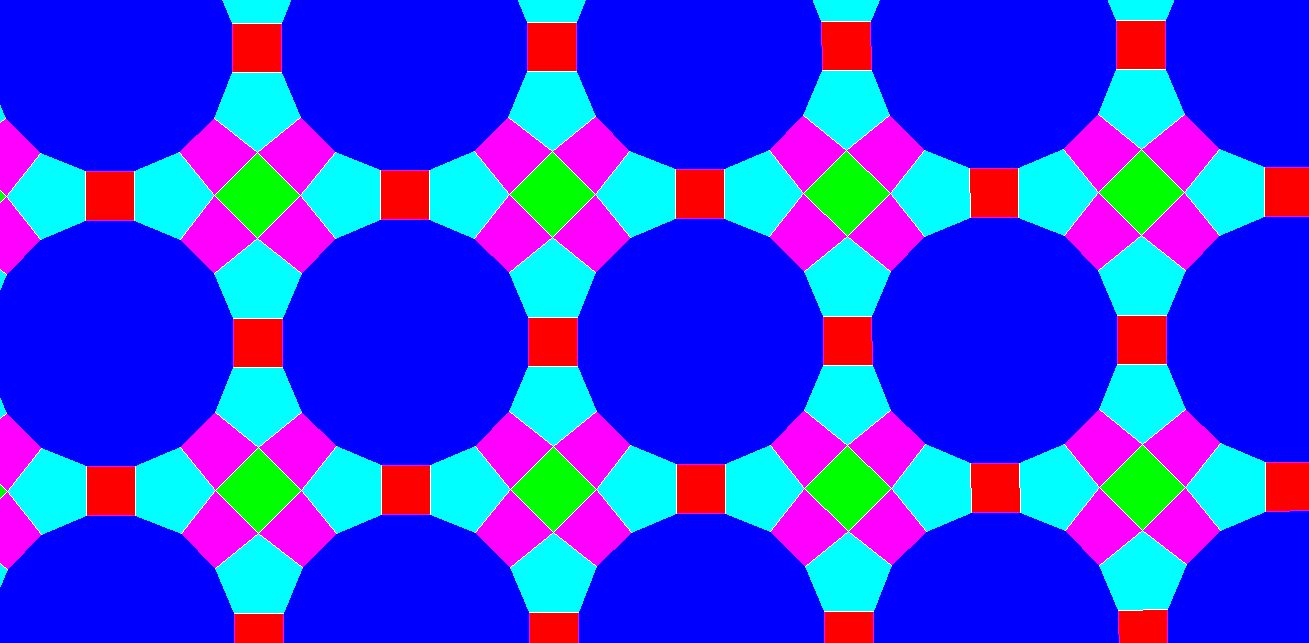
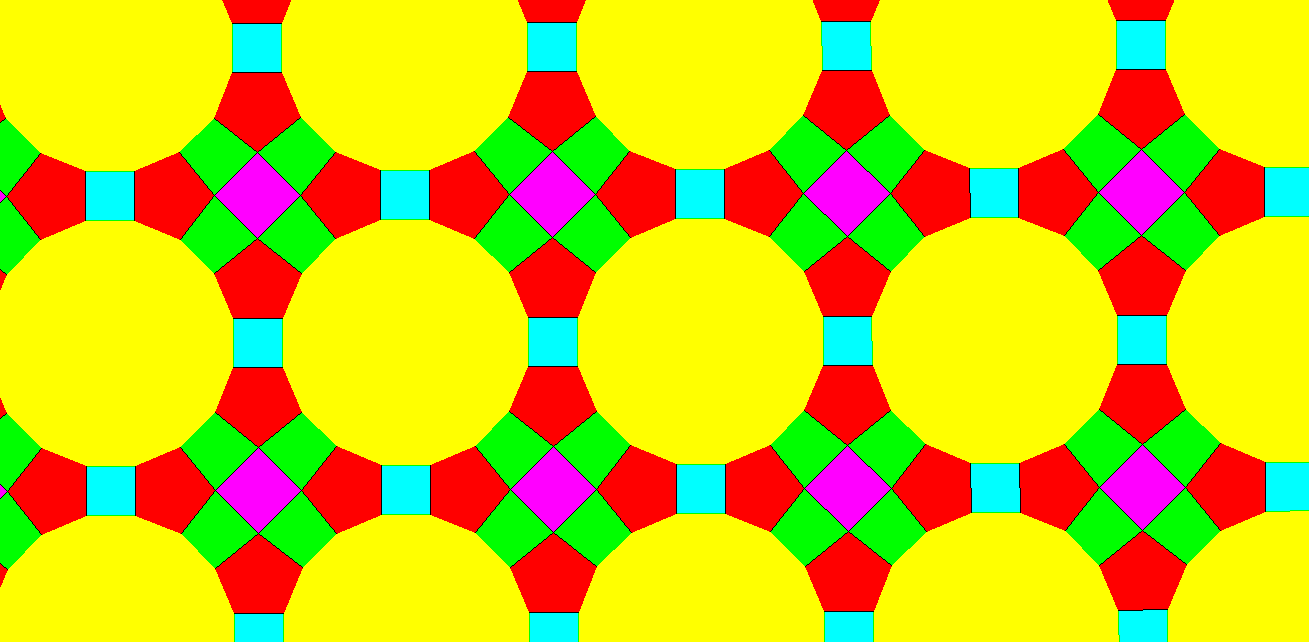
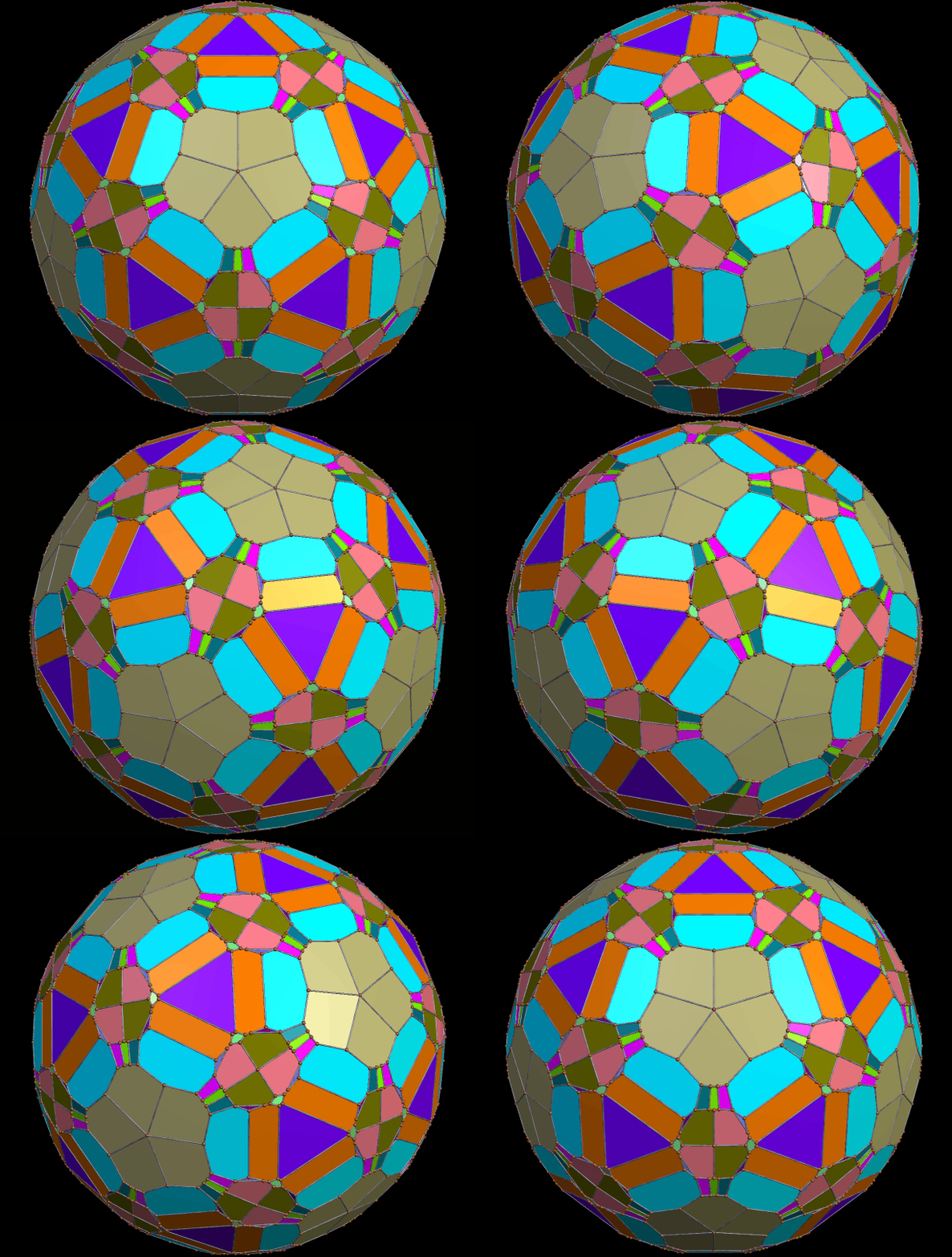
Tessellation Using Regular Hexadecagons, Isosceles Trapezoids, Squares of Two Types, and Convex Pentagons

tess may 19 2015Another version, with the colors inverted:

tess may 19 2015

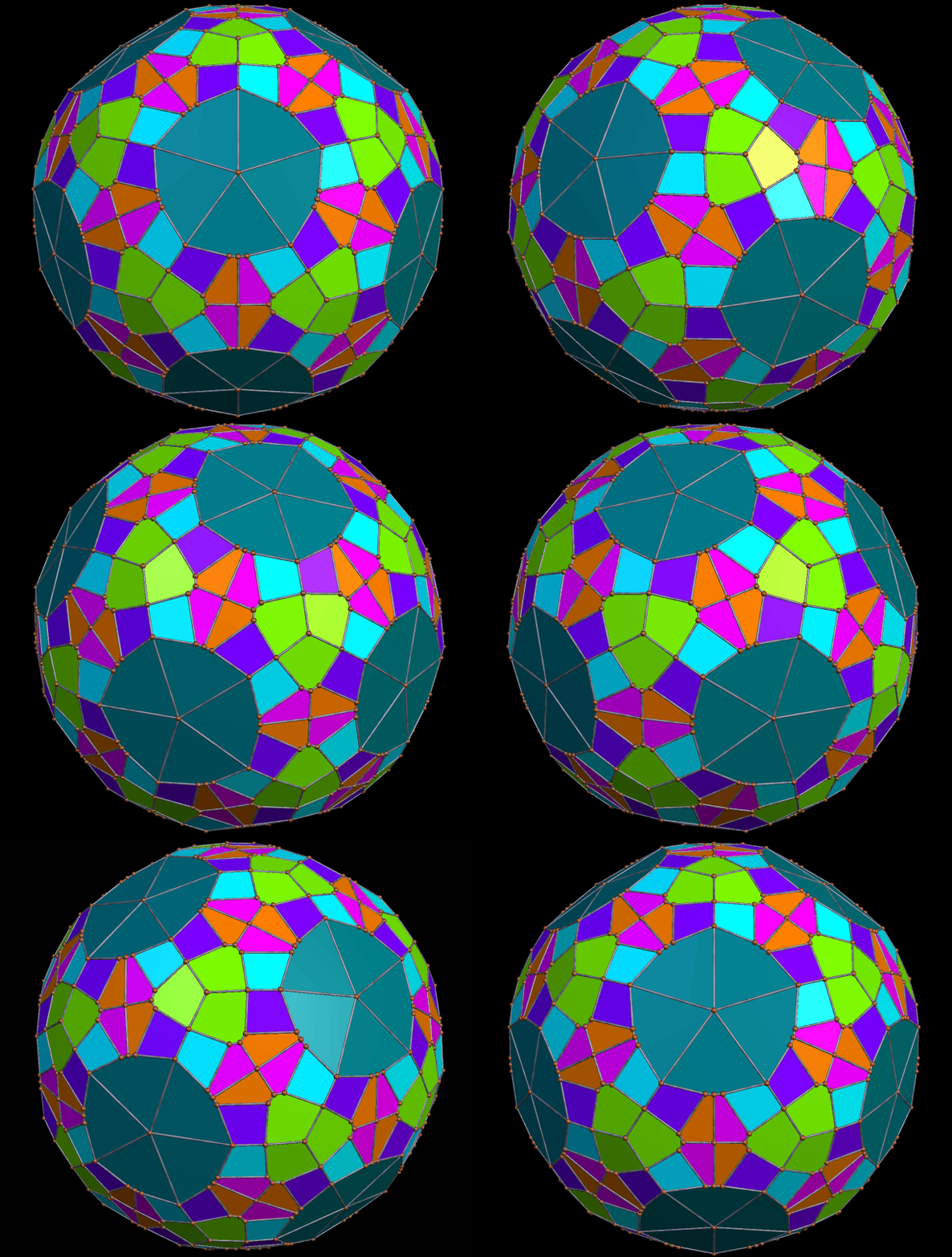
Sixteen Polyhedra with Cuboctahedral Symmetry

weird not goodUnnamed Dual UnnameIYd Dual Unnamed Dual x spring model het oy has tetraicosagons Dual of Convex adshgsdjl Dual of Convehgd x hull Dual hgdyg Convehgd x hull Dual hgdyg Cogddfnvehgd x hull creepy dual badly-truncated great rhombcuboctahedron -- fix it's dual badly-truncated great rhombcuboctahedron -- fix it! Augmented rhombcubocta 8 dodecagons and six octgons etc

I made these using Stella 4d, a computer program available at this website.

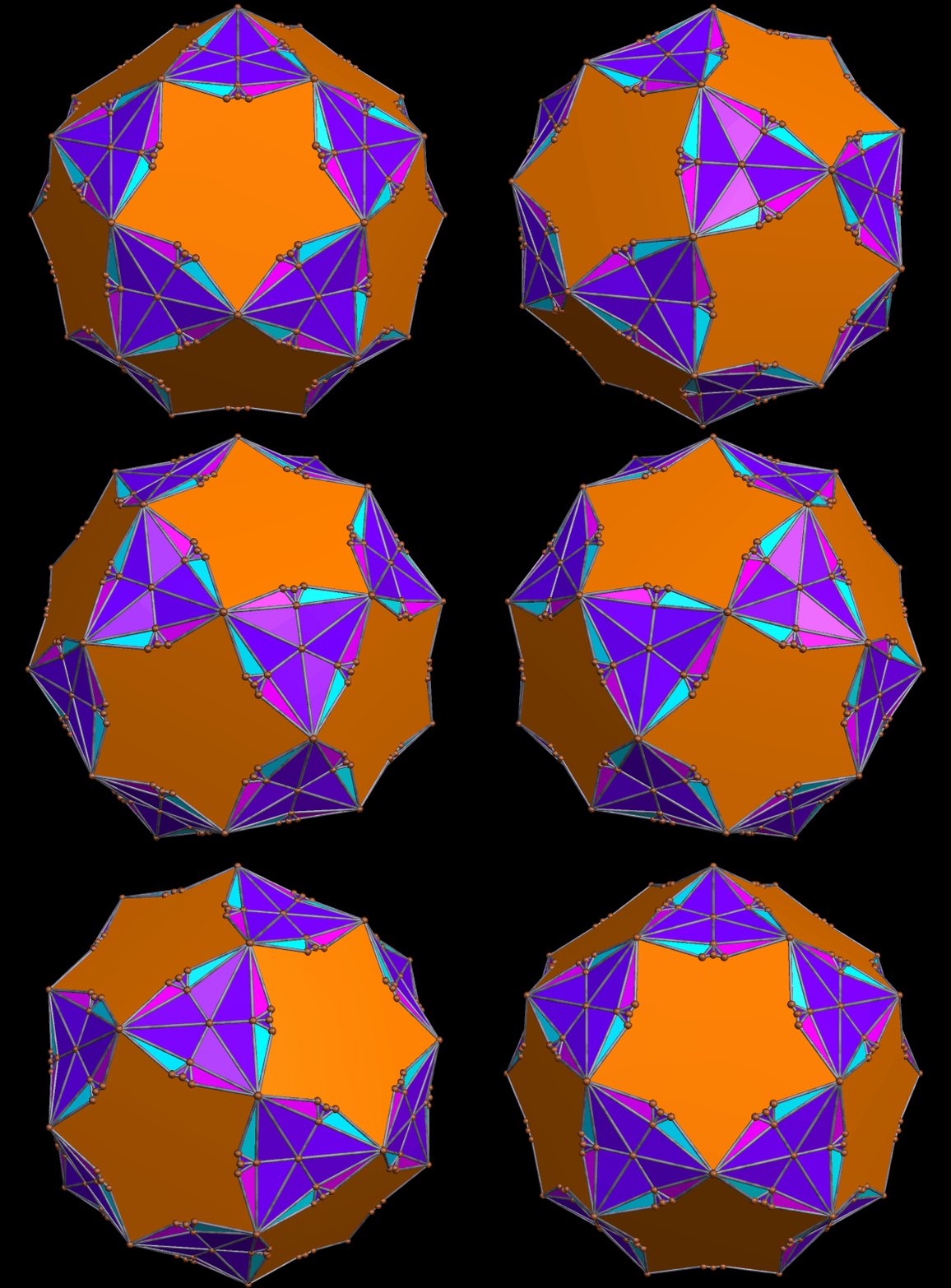
A Chiral Tessellation, Using Regular Dodecagons, Regular Hexagons, Squares, and Rhombi (from 2012)

tess chiral 2012I have several “lost works” that I’m slowly finding and posting, from old jumpdrives, computers, little-known blogs, etc., and this is one of them. I made it in 2012, but few have seen it before now.

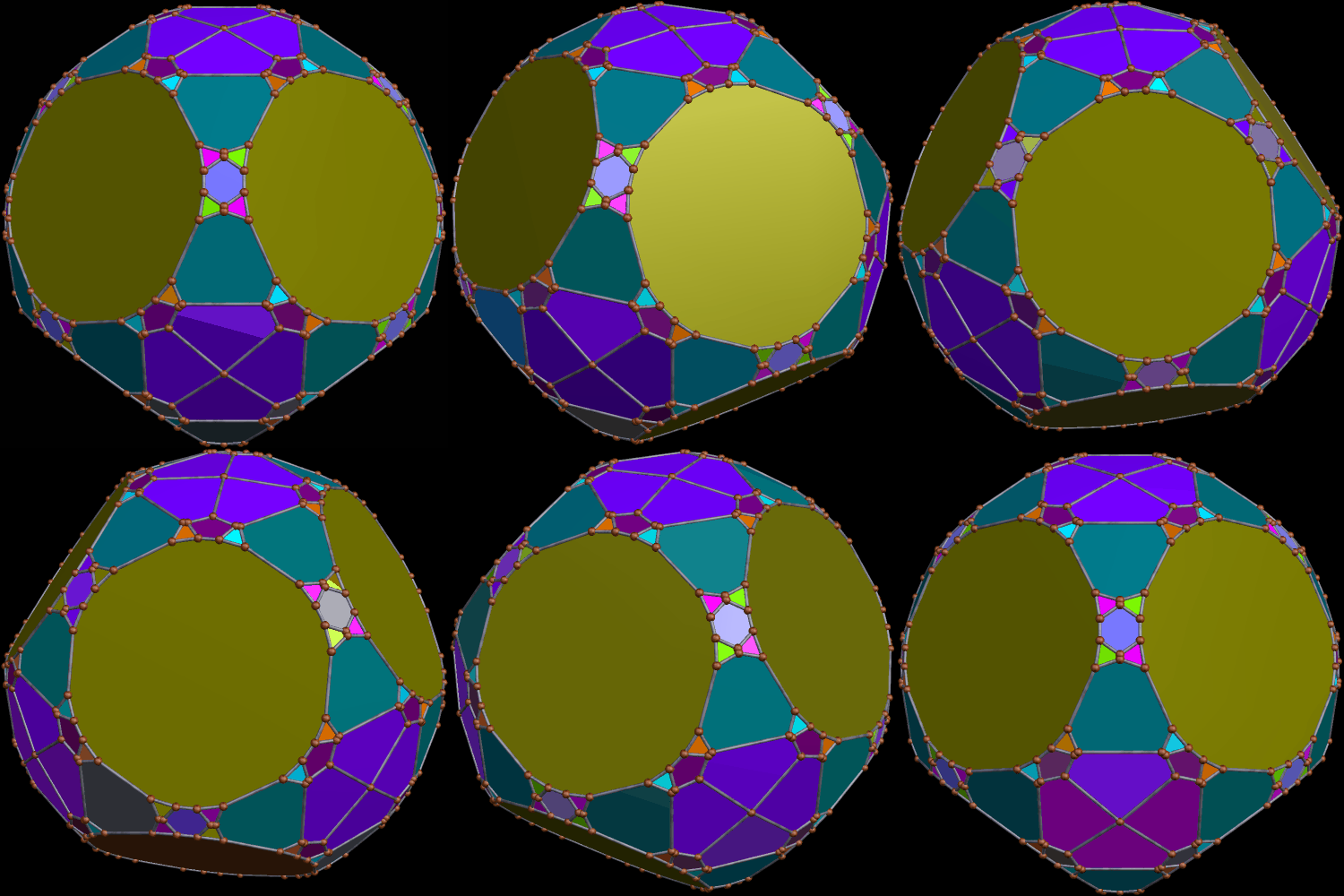
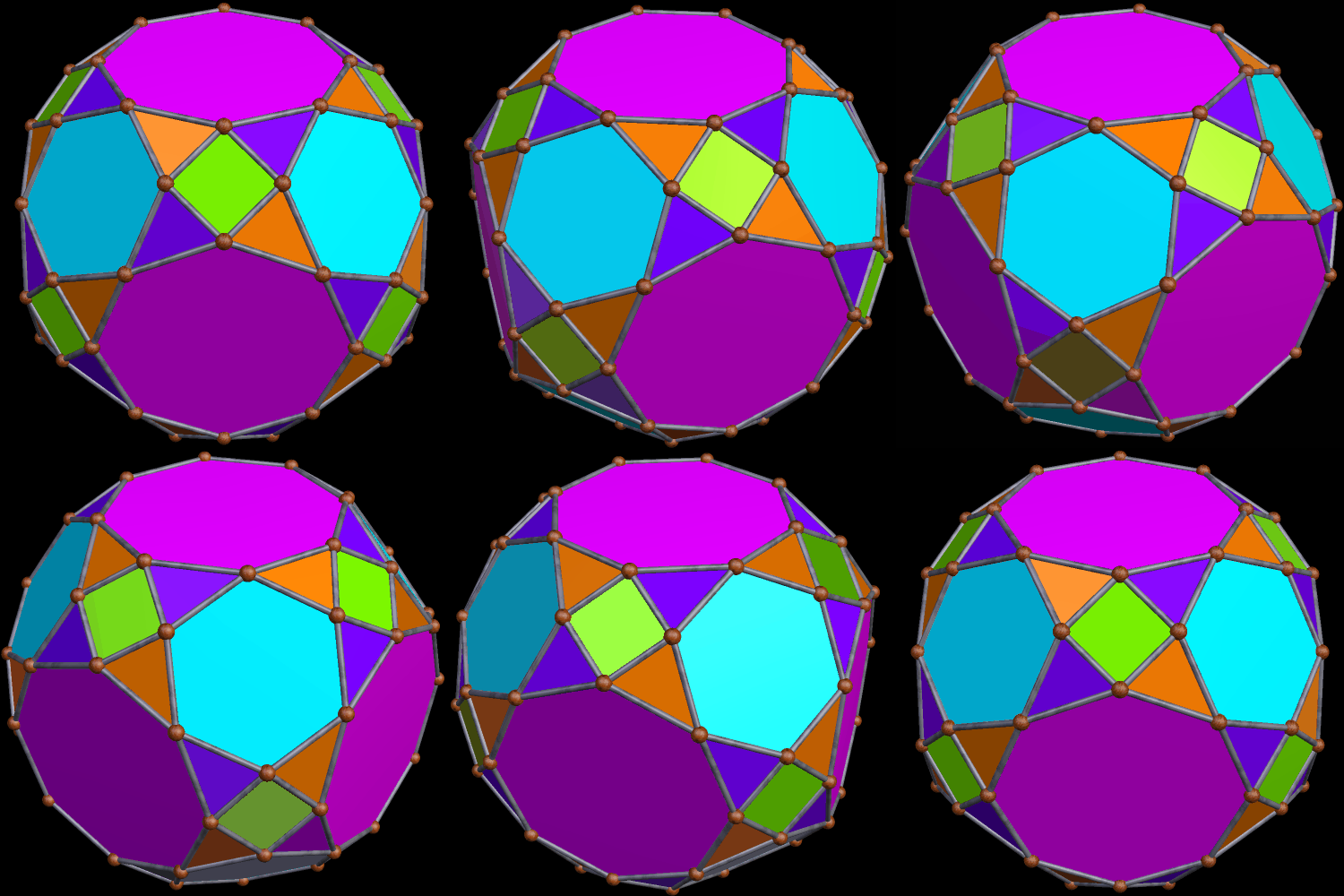
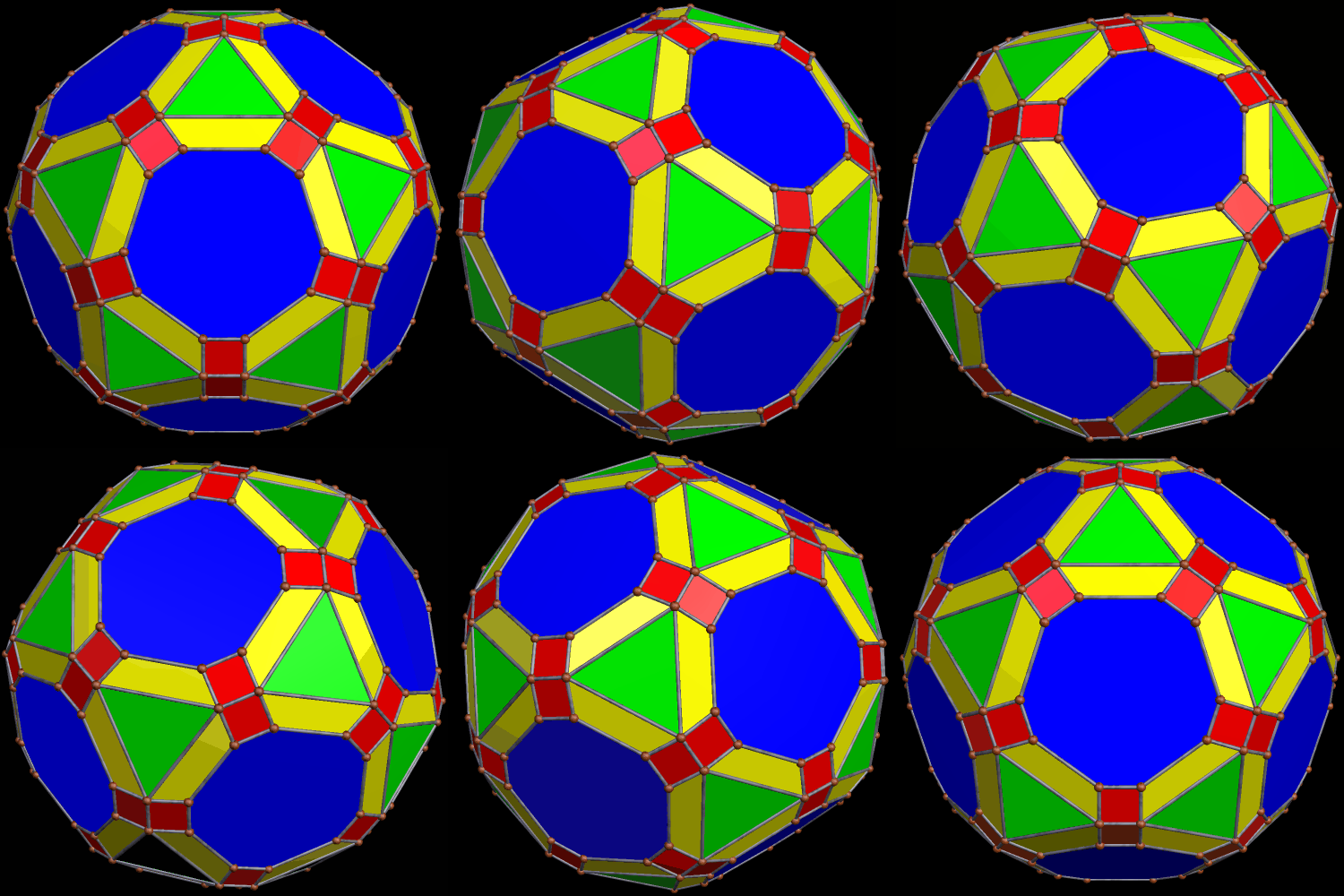
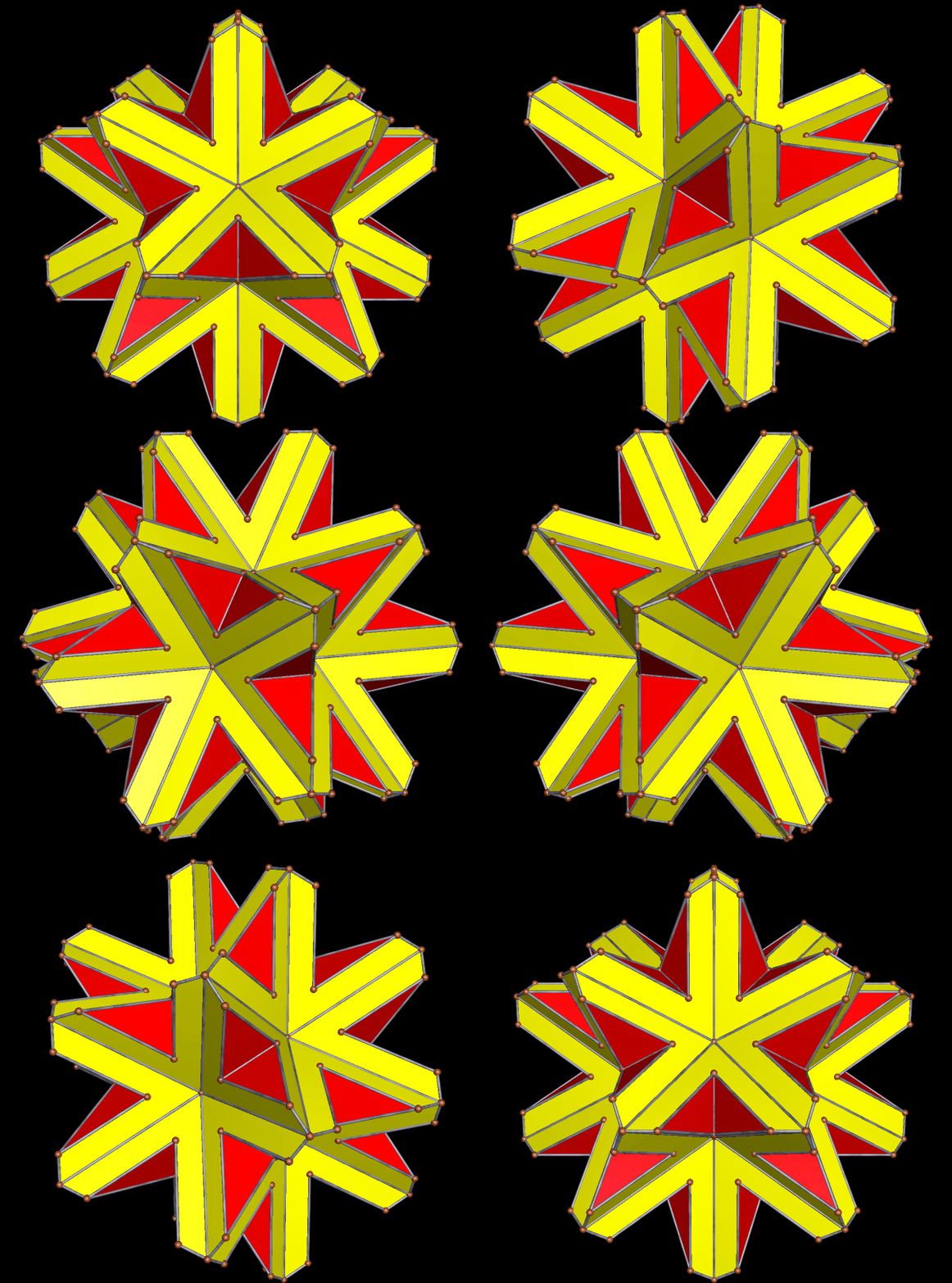
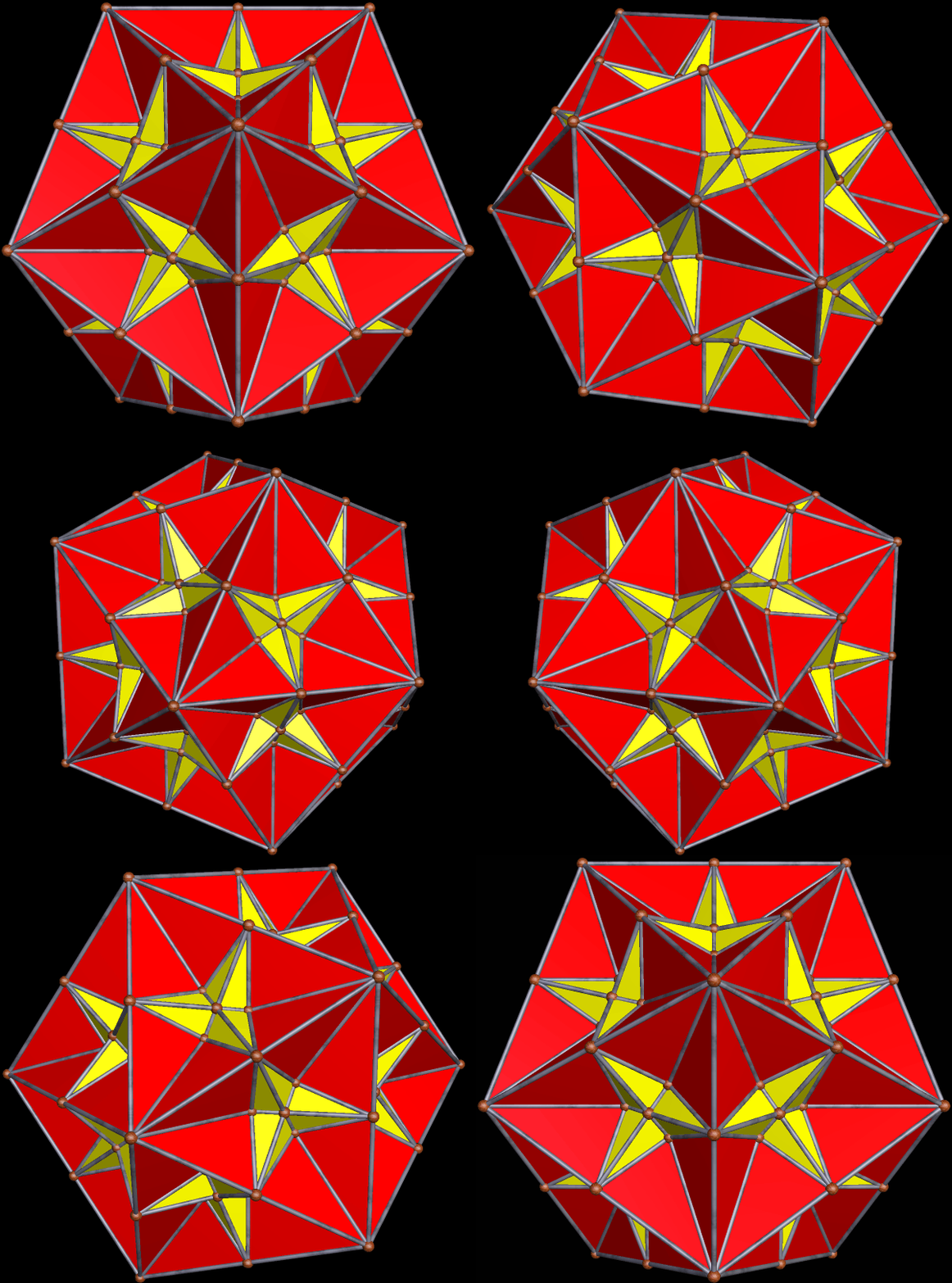
Two Compounds with Pyritohedral Symmetry: the Icosidodecahedron / Truncated Octahedron Compound, and the Rhombic Triacontahedron / Tetrakis Cube Compound

Compound of Icosidodeca and Trunc Octa its pyritohedralCompound of RTC and tetrakis cube its pyritohedral

Stella 4d, a program you can try here, was used to create these two compounds. Both have pyritohedral symmetry: the symmetry of a standard volleyball. The two compounds are also duals.

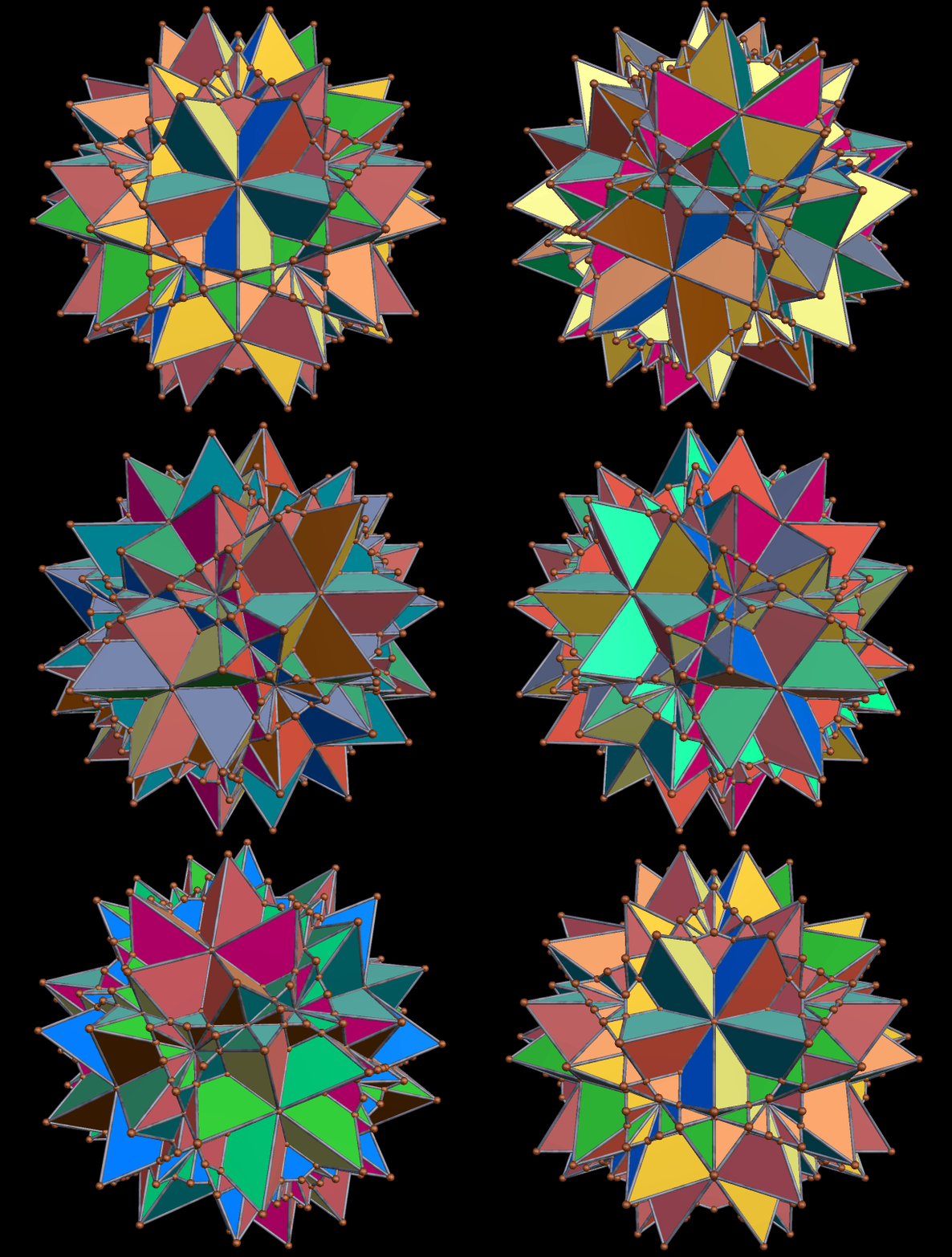
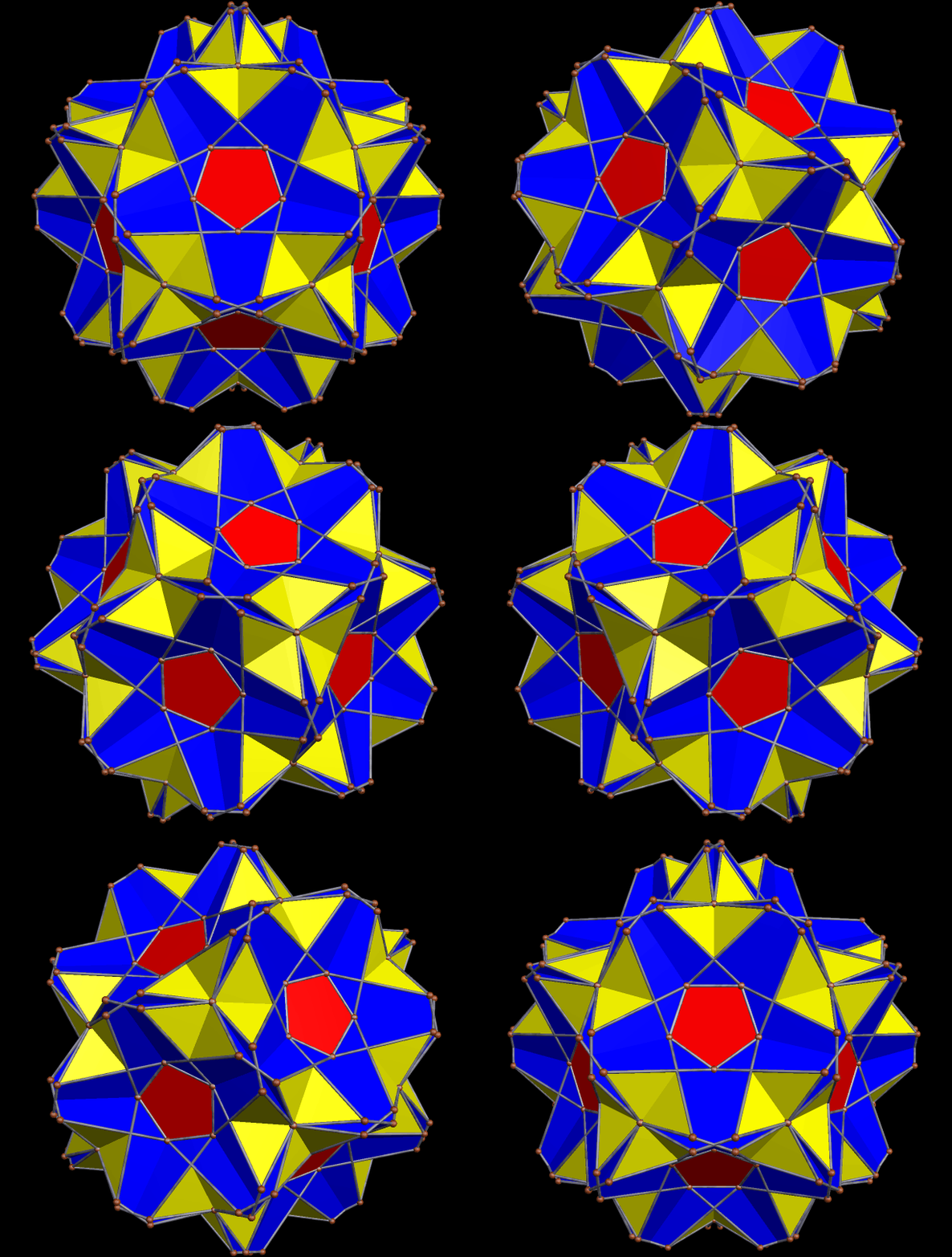
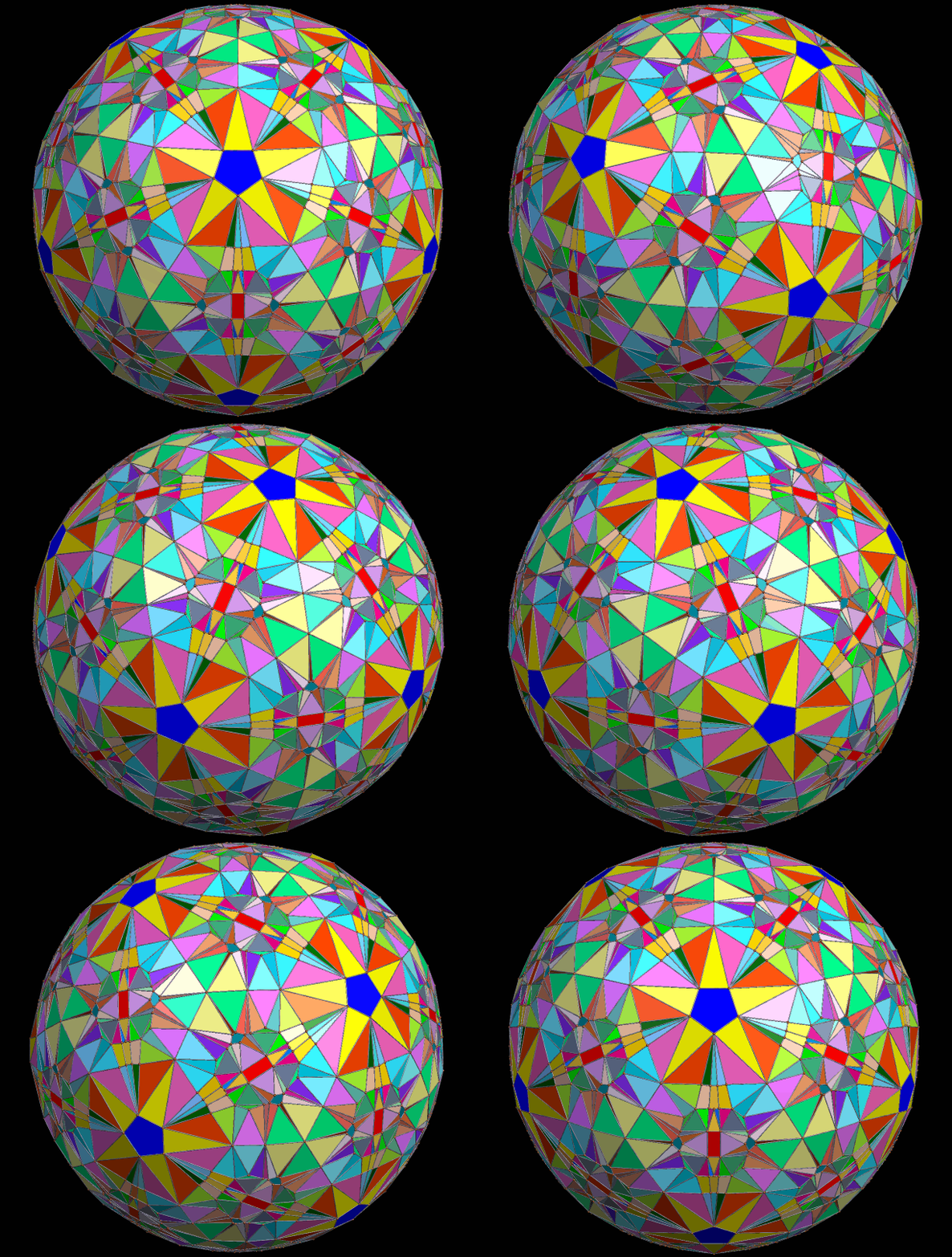
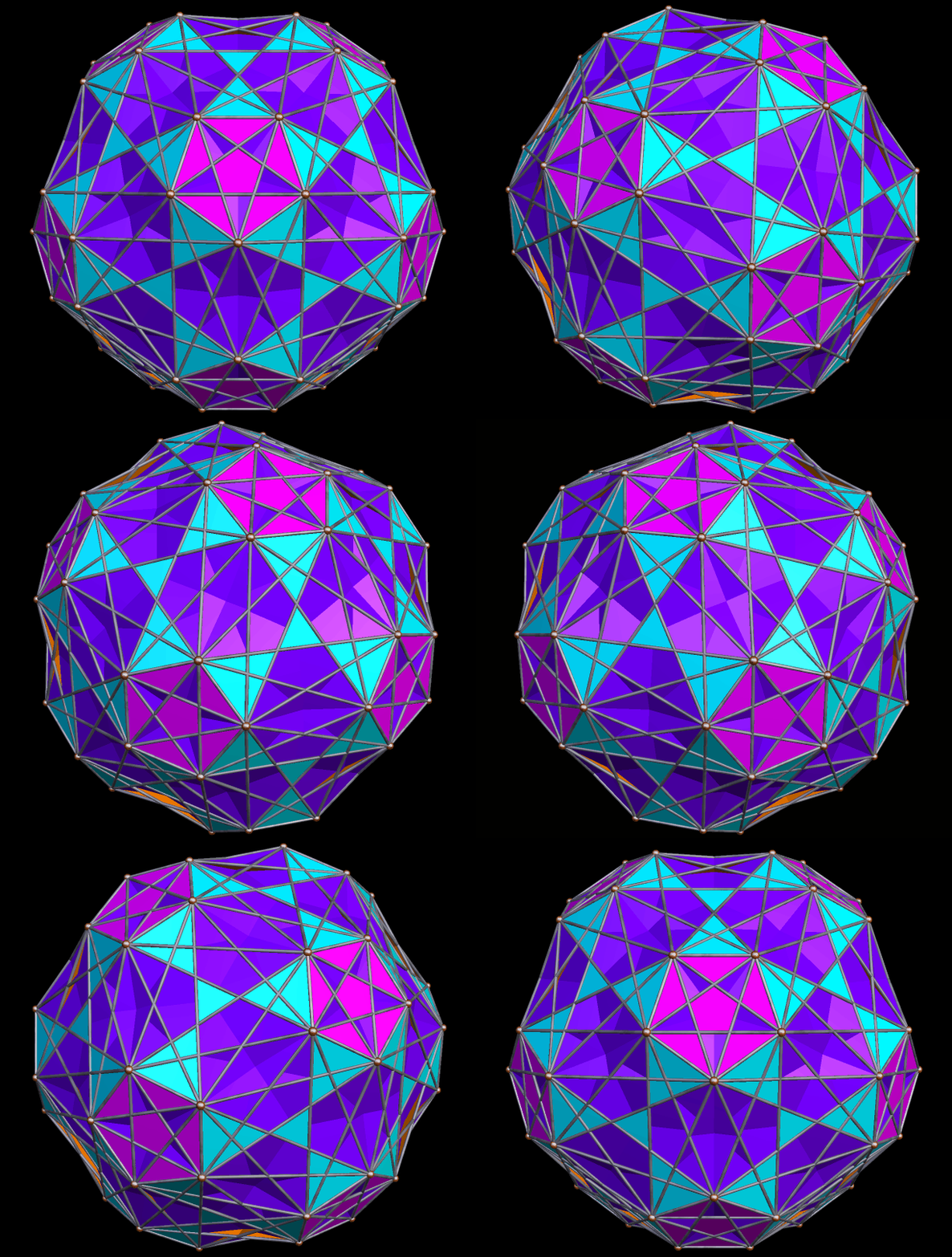
A Large Collection of Polyhedra with Icosidodecahedral Symmetry, Some of Them Chiral

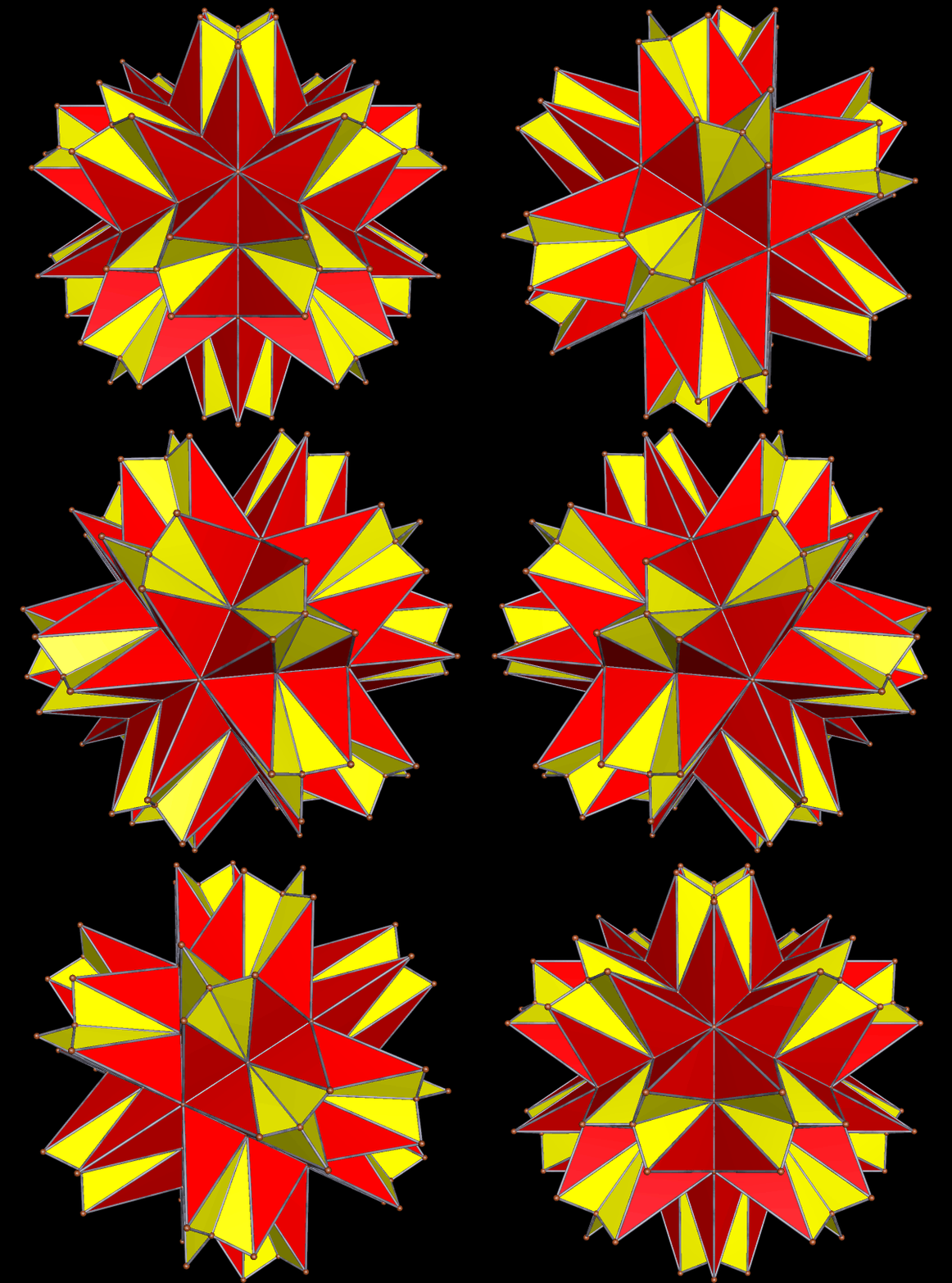
A stellation of a faceted icosidodecahedron
Another nother2 stellation of a faceted icosidodecahedronAnother stellation of a faceted icosidodecahedronFaceted Stellated Triakibvjvsicosa
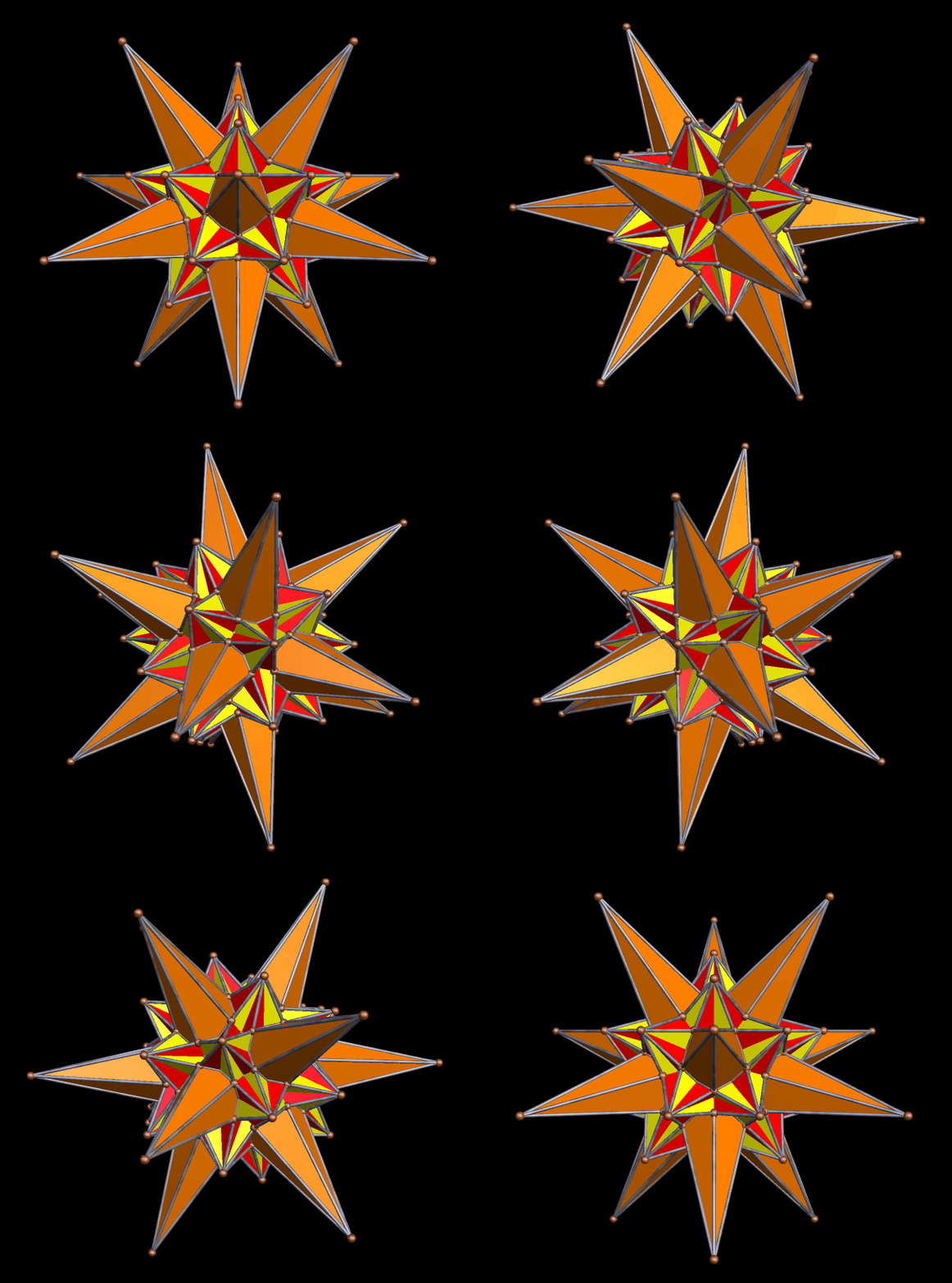
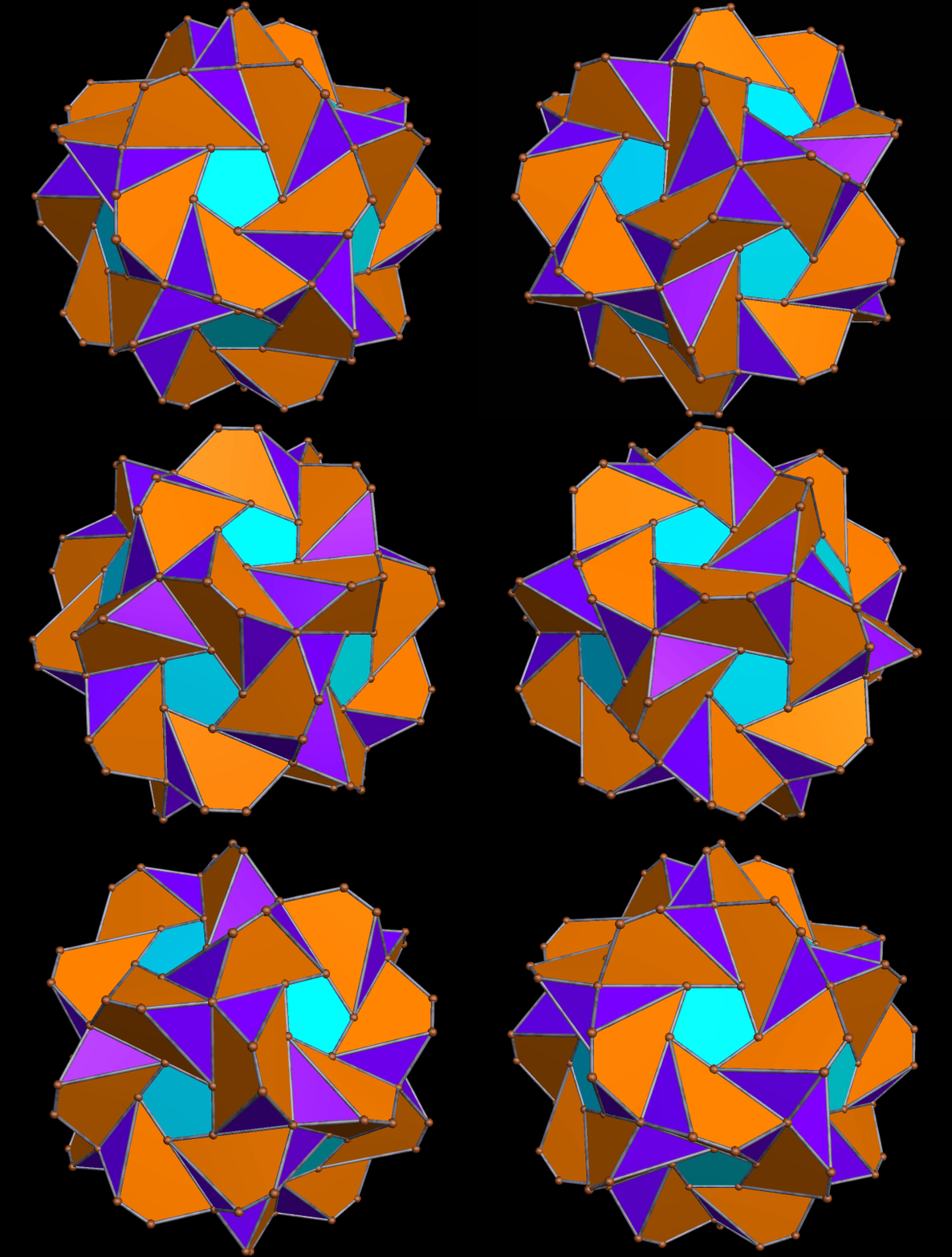
chiral 157th stellation of the icosidodecahedronAnother nother stellation of a faceted icosidodecahedronCompound of enantiomorphic pair of 157th stellations of IDnon-convex snub dodecahedron variantl12 irreg decagons 30 reg octagons 20 reg hexagons 60 isos trapezoids 122 totalll12 pentagon and 80 hexagons92 facesl302 faces including 12 pentadecagonsaug rid 1 of 2 Convex hullaug rid 2 of 2 Convex hullAugmented PHGolyAugmented PHGoly DUALCompound of enantiomorphic pairCompound of enantiomorphnb cnbic pairConsdhffgvex hullConvehxbvhvc hullConvejhfx hullConvenbvx hullConvex dfaljhullConvex hull of the base + dual model for the truncated dodecahedronConvex hullConvexbvhvc hullConvexsdjag hhgfullCoXCVNBnvex hulldual -- Faceted Compound of Compound of enantiomorphic pair and dualDual of Cohkhkjnvex hullDual of Cokhnvex hullDual of Cokjhihhkhkjnvex hullDual of Convex hullDual of Convexnvgxgc hullDual of CoXCVNBnvex hullDual ojhff Convex hullDual ojhjhff Convex hullFaceted Compound of enantiomorphic pairFaceted Convex hullFaceted DnvcualFaceted Dual
Faceted DualsgdhdFaceted DugffalFaceted DuhgdhggffalFaceted Great TriakisicosaFaceted RhombicosidodecgfshfsaFaceted Stellated Faceted DualFaceted Stellated Faceted DuhgdhgalFaceted Stellated Faceted Stellated Poly

I made these using Stella 4d, available here.

A Dodecahedron with Four Symetrically-Truncated Vertices

dodeca with 4 verts truncated tet symm

Dodecahedra have icosahedral (also called icosidodecahedral) symmetry. In the figure above, this symmetry is changed to tetrahedral, by truncation of four vertices with positions corresponding to the vertices (or, instead, faces) of a tetrahedron. The interchangeability of vertices and faces for the tetrahedron is related to the fact that the tetrahedron is self-dual.

[Image created using Stella 4d, available here.]

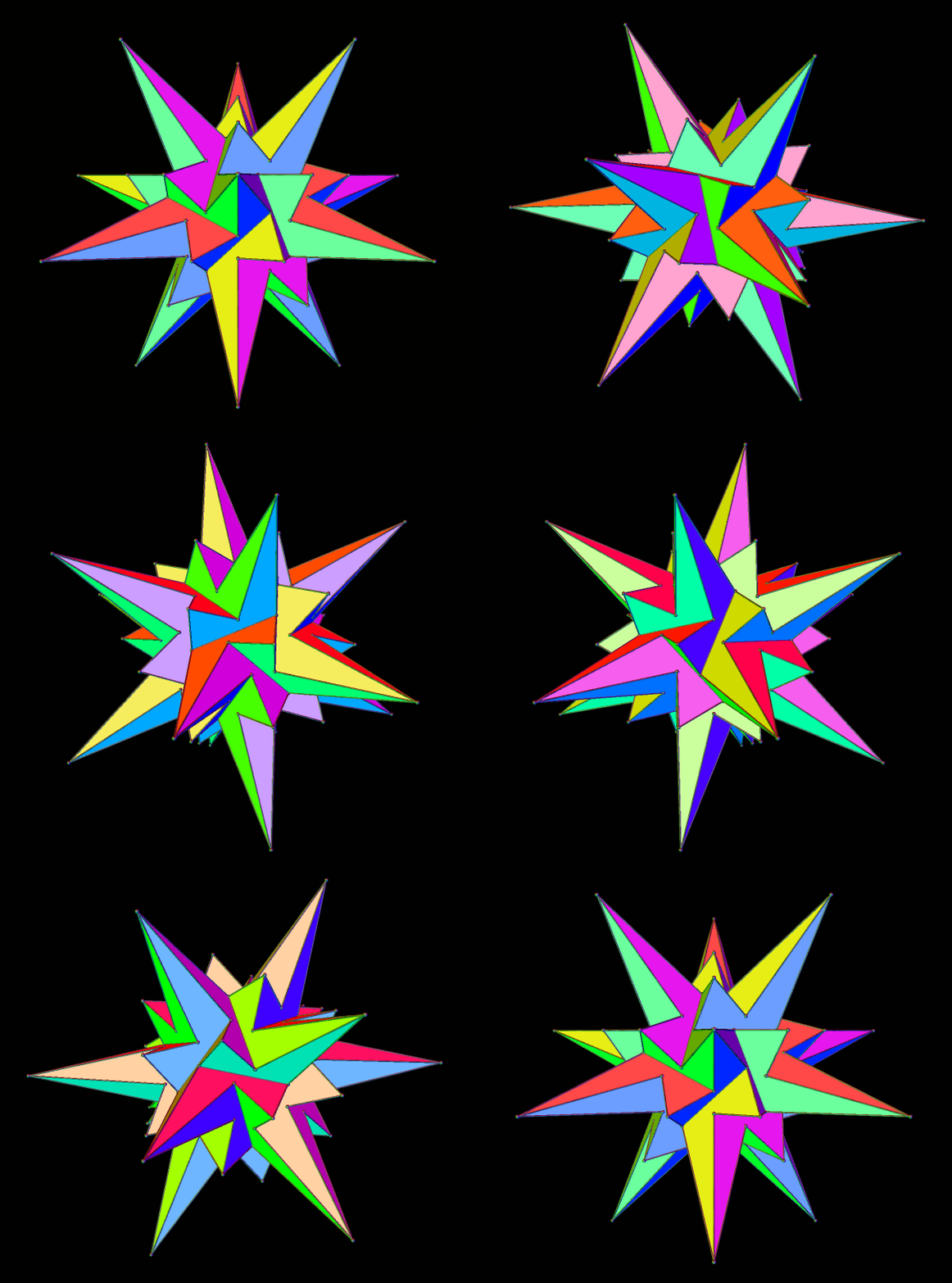
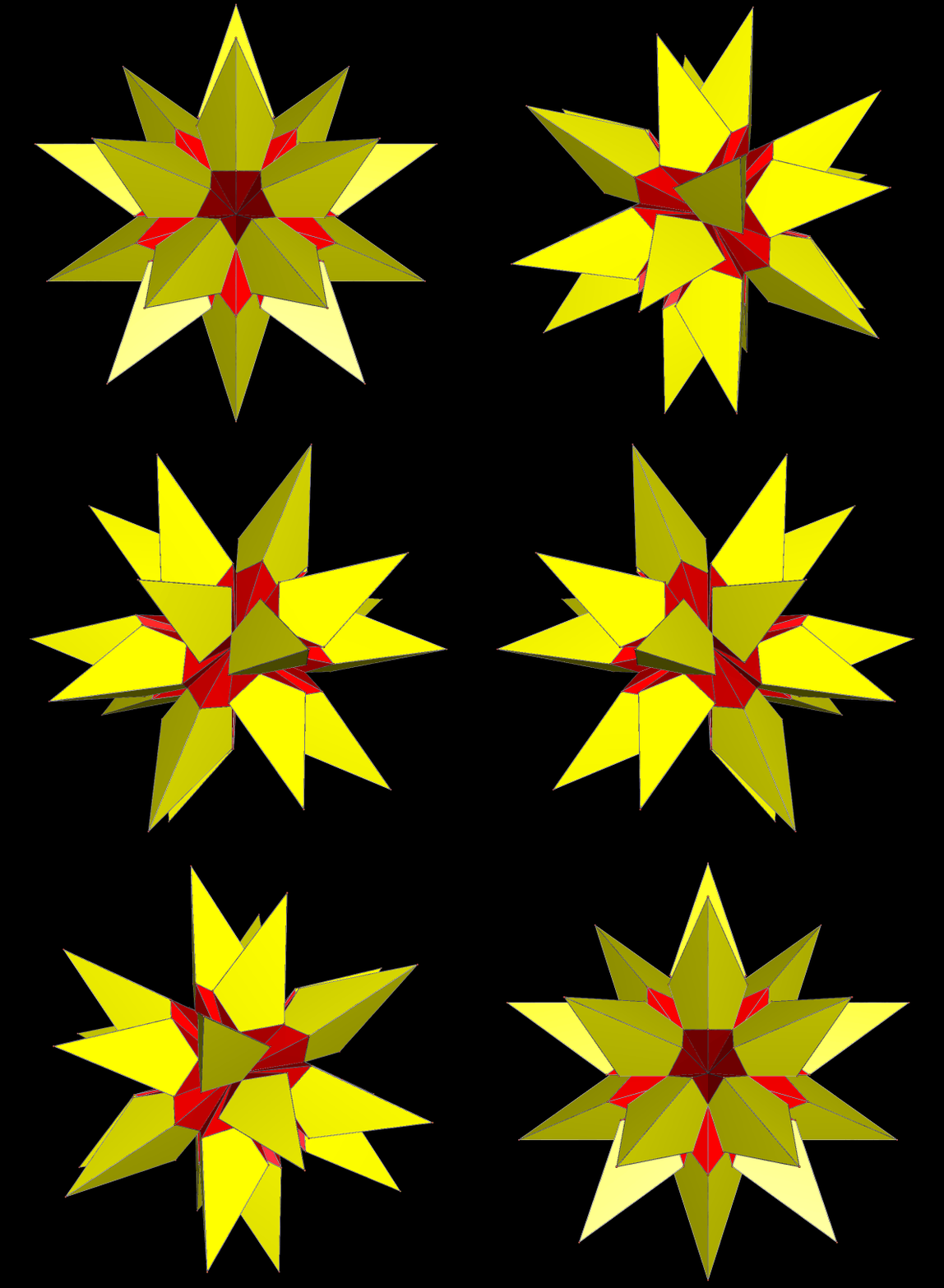
Selections from the Stellation-Series of the Icosidodecahedron

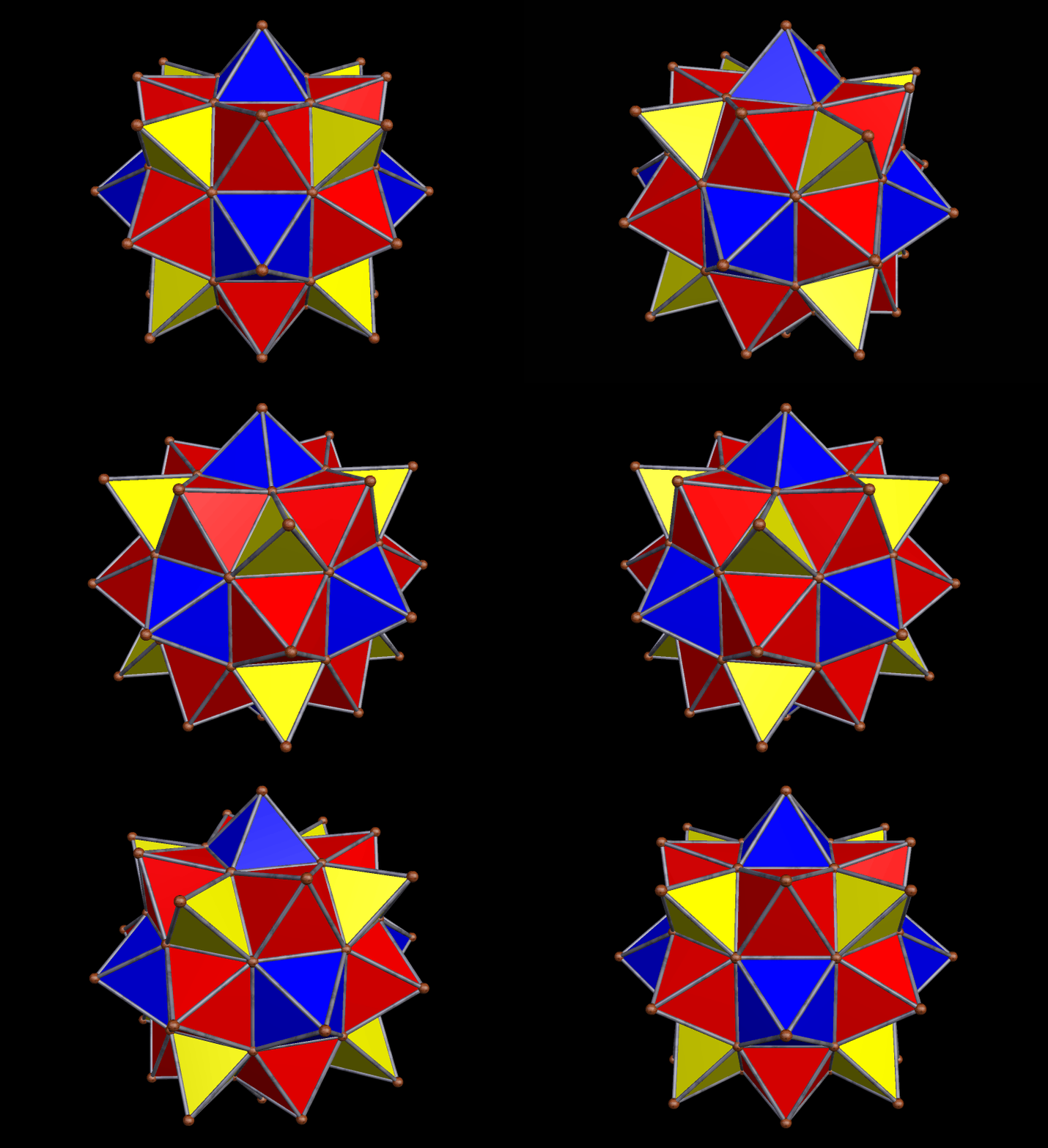
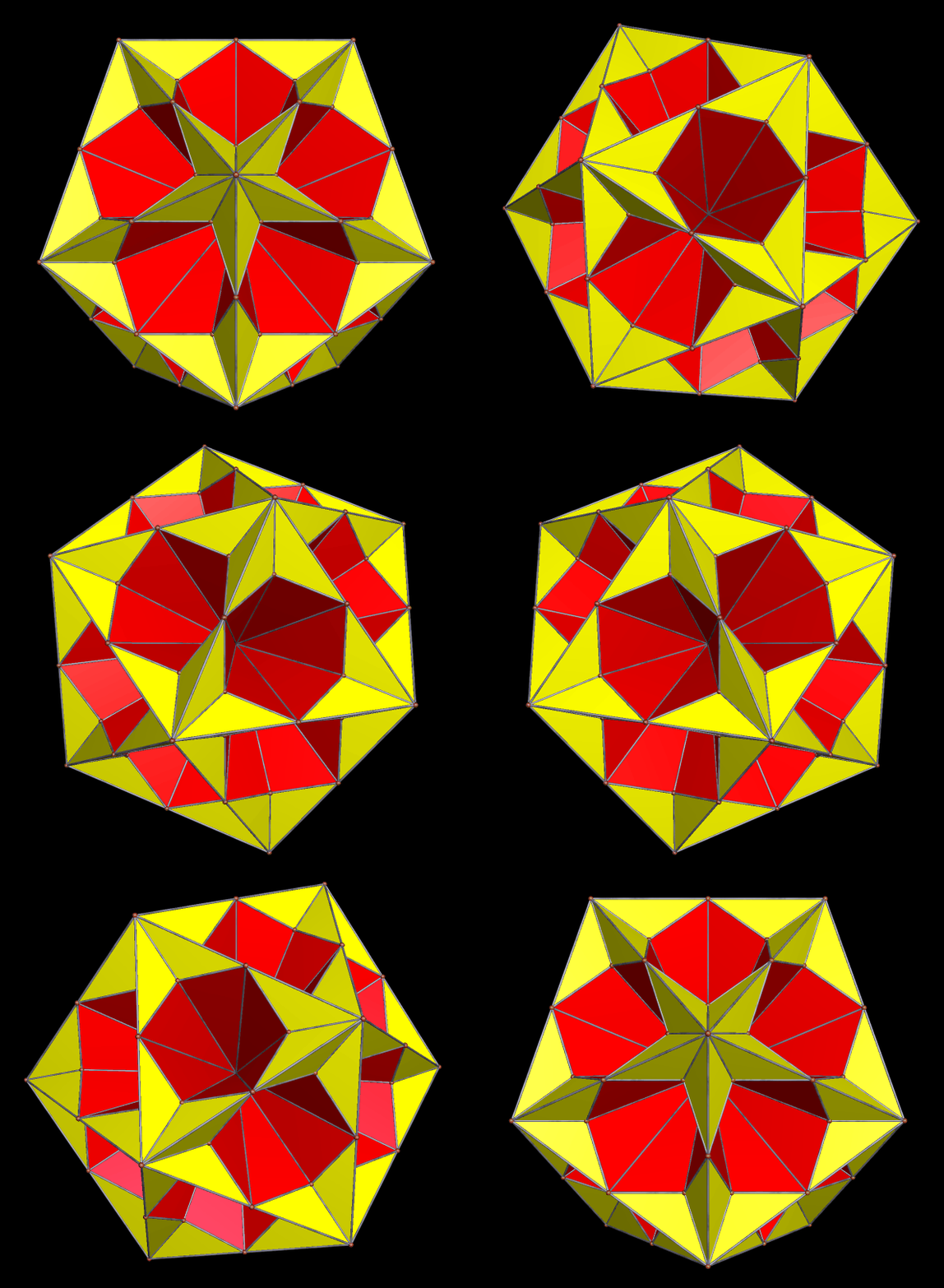
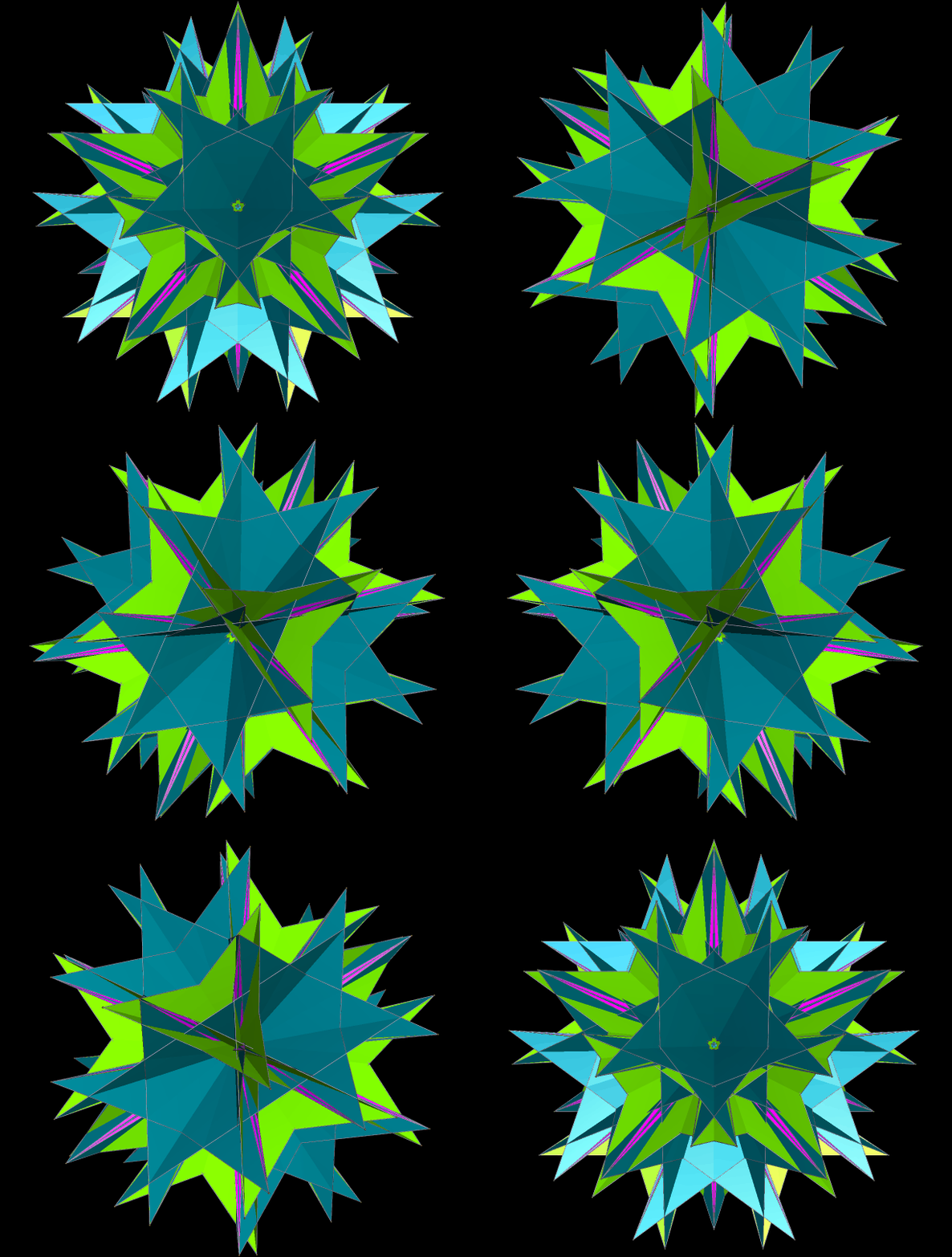
The icosidodecahedron has a long and interesting stellation-series, and you can see the whole thing using Stella 4d, the program I used to make the rotating .gifs here. Rather than keep the scale the same in each frame, I set the program to make the polyhedron as large as possible, while still fitting in the image-box. This creates the illusion that the polyhedra below are “breathing.”

Glimpses of the invisible visible version 20th stellation of the icosidodecahedron

The polyhedron above is the 20th stellation of the icosidodecahedron — the one that appeared as the sole image in the last post here, but with completely different colors. The next one shown is the 31st stellation.

Glimpses of the invisible visible version 31st stellation of the icosidodecahedron

Glimpses of the invisible visible version 55th stellation of the icosidodecahedron

The 55th stellation is immediately above, while the next one is the 69th.

Glimpses of the invisible visible version 69th stellation of the icosidodecahedron

Glimpses of the invisible visible version 84th stellation of the icosidodecahedron

The 84th stellation is immediately above, while the next one is the 89th.

Glimpses of the invisible visible version 89th stellation of the icosidodecahedron

Glimpses of the invisible visible version 106th stellation of the icosidodecahedron

The 106th stellation is immediately above, while the next one is the the 110th.

Glimpses of the invisible visible version 110th stellation of the icosidodecahedron

Glimpses of the invisible visible version 135th stellation of the icosidodecahedron

The 135th stellation is immediately above, while the next one, which is chiral, is the 157th.

Glimpses of the invisible visible version 157th stellation of the icosidodecahedron

New “Near-Miss” Candidate?

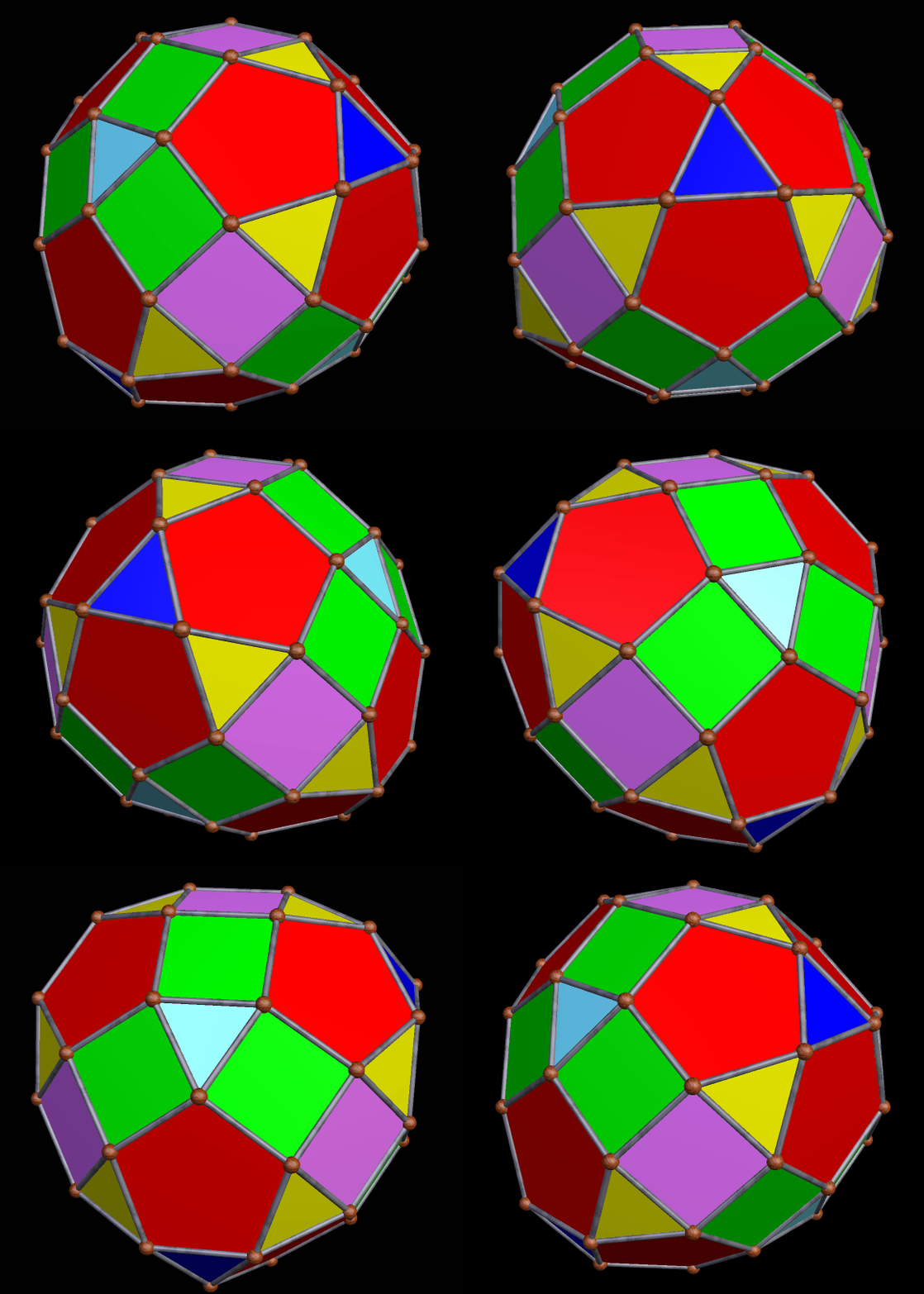
As a proposed new “near-miss” to the Johnson solids, I created this polyhedron using Stella 4d, which can be found for purchase, or trial download, here. To make it, I started with a tetrahedron, augmented each face with icosidodecahedra, created the convex hull of the resulting cluster of polyhedra, and then used Stella‘s “try to make faces regular” function, which worked well. What you see is the result.

nnm

This polyhedron has no name as of yet (suggestions are welcome), but does have tetrahedral symmetry, and fifty faces. Of those faces, the eight blue triangles are regular, although the four dark blue triangles are ~2.3% larger by edge length, and ~4.6% larger by area, when compared to the four light blue triangles. The twelve yellow triangles are isosceles, with their bases (adjacent to the pink quadrilaterals) ~1.5% longer than their legs, which are each adjacent to one of the twelve red, regular pentagons. These yellow isosceles trapezoids have vertex angles measuring 61.0154º. The six pink quadrilaterals themselves are rectangles, but just barely, with their longer sides only ~0.3% longer than their shorter sides — the shorter sides being those adjacent to the green quadrilaterals.

The twelve green quadrilaterals are trapezoids, and are the most irregular of the faces in this near-miss candidate. These trapezoids have ~90.992º base angles next to the light blue triangles, and ~89.008º angles next to the pink triangles. Their shortest side is the base shared with light blue triangles. The legs of these trapezoids are ~2.3% longer than this short base, and the long base is ~3.5% longer than the short base.

If this has been found before, I don’t know about it — but, if you do, please let me know in a comment.

UPDATE: It turns out that this polyhedron has, in fact, been found before. It’s called the “tetrahedrally expanded tetrated dodecahedron,” and is the second polyhedron shown on this page. I still don’t know who discovered it, but at least I did gather more information about it — the statistics which appear above, as well as a method for constructing it with Stella.