Many Rhombi, Many Hexagons

Image

Rhombi, Double Rhombi, and Triple Rhombi

Image

The Icosidodecahedron, as Well as Two Other Polyhedra Made by Augmenting It

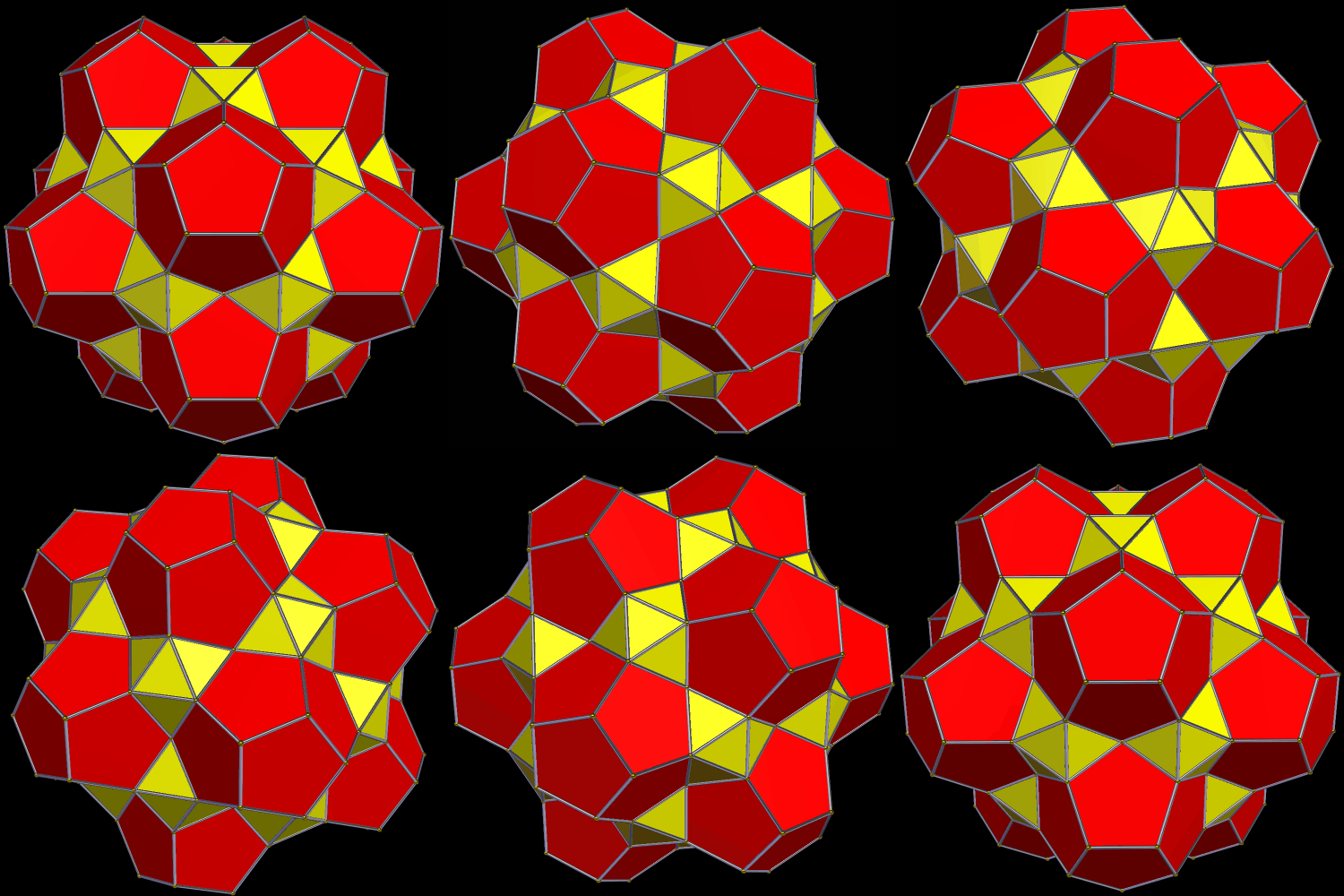
Here’s the icosidodecahedron — one of the Archimedean solids.

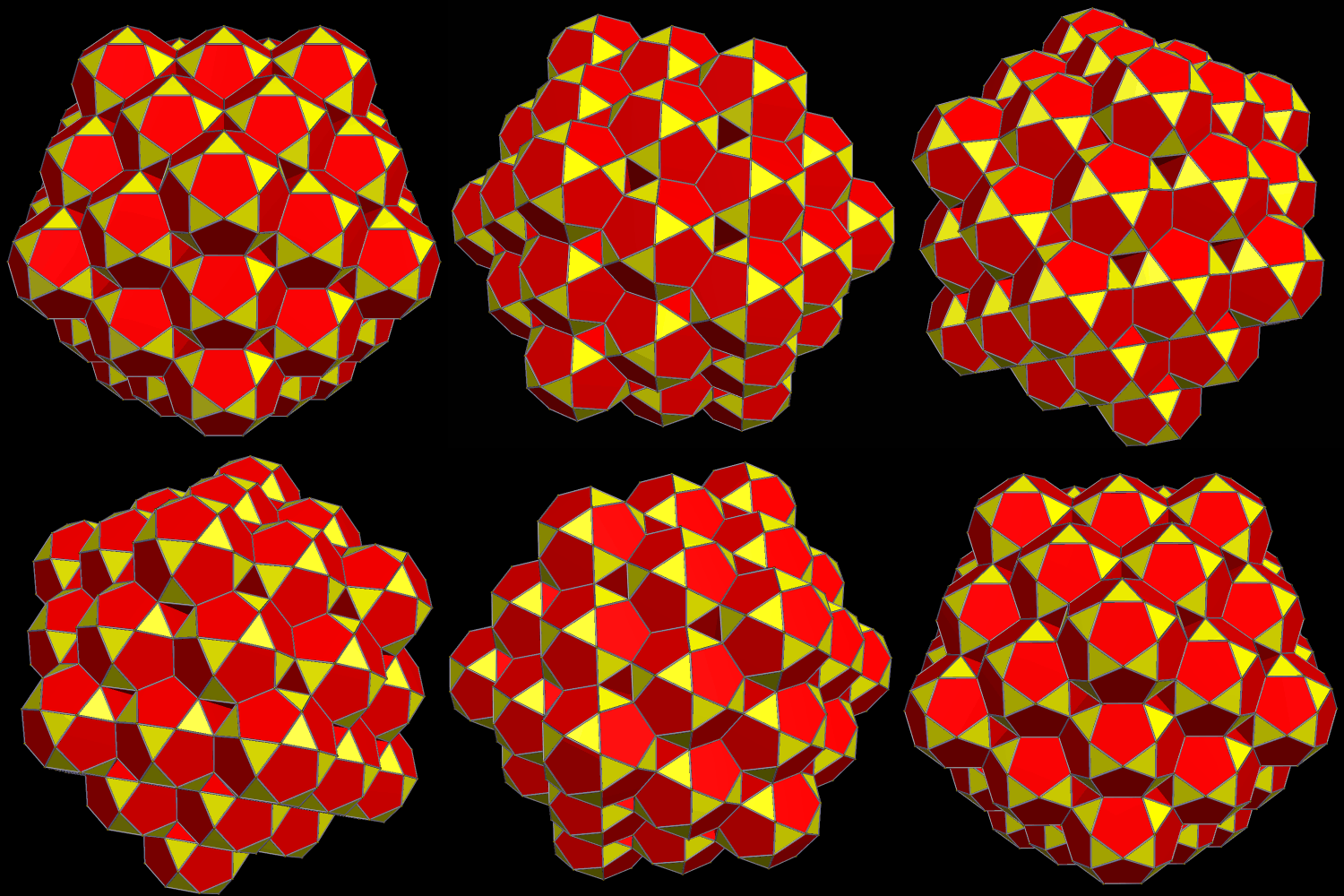
Next, here’s what this solid looks like, if you augment each pentagonal face with a dodecahedron, and each triangular face with an icosahedron.

Finally, here’s what happens if you augment each pentagonal face of this second solid with an icosidodecahedron.

I used Stella 4d: Polyhedron Navigator to create these images. You can try this program, for free, at http://www.software3d.com/Stella.php.

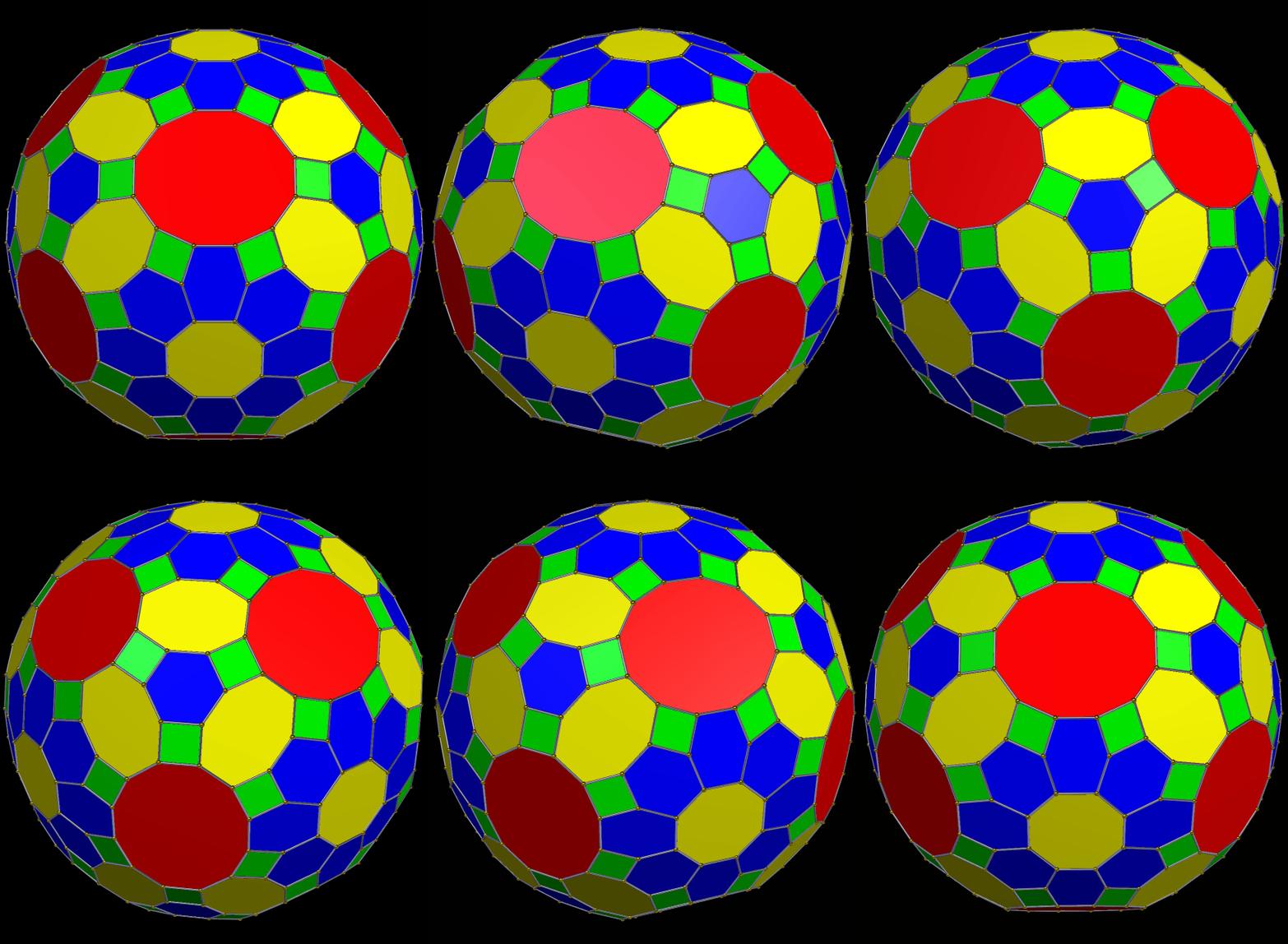
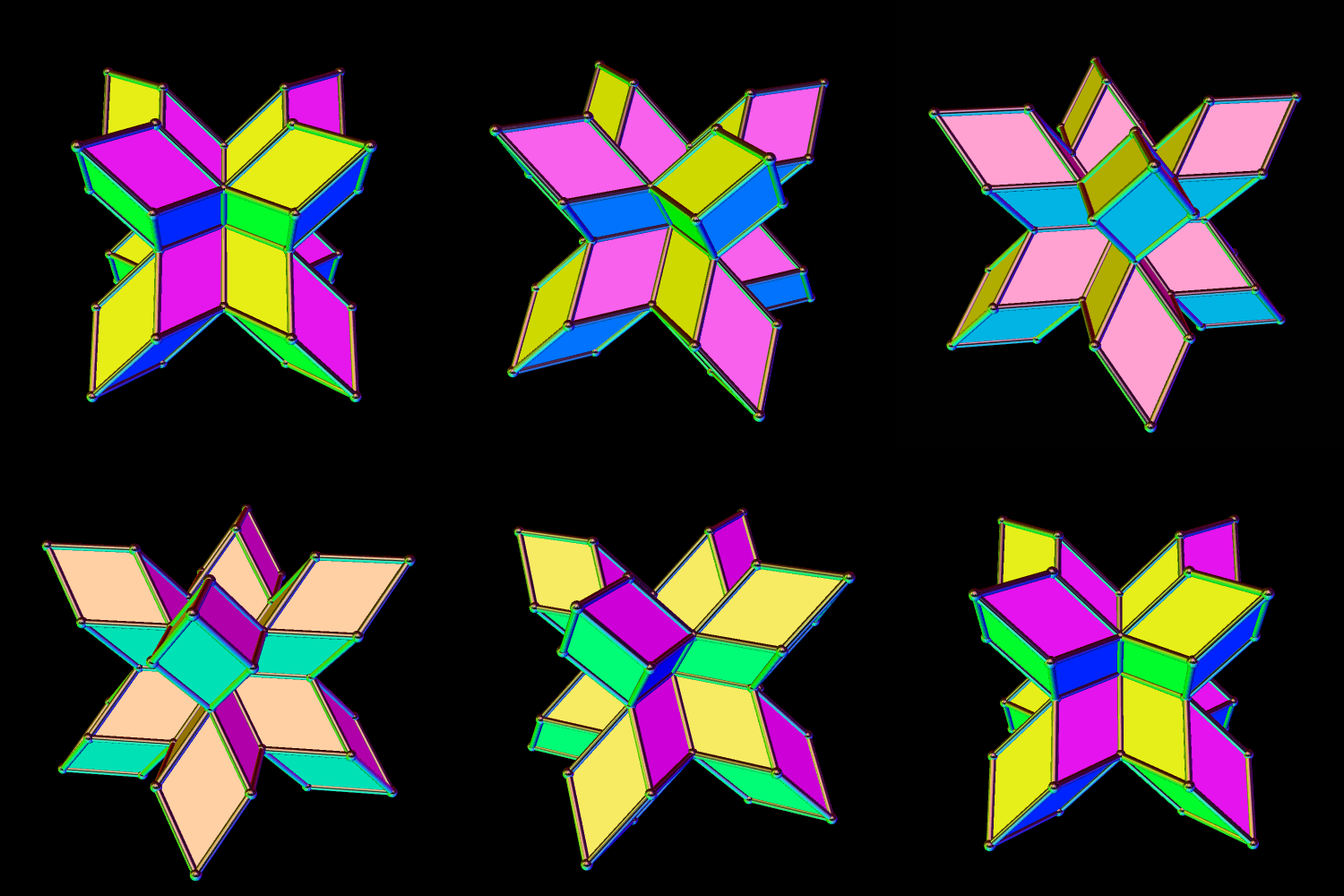
A Zonohedron Based on the Faces, Edges, and Vertices of a Truncated Tetrahedron, as Well as Its Two- and Three-Fold Symmetry Axes, and its XYZ Axes

I made this polyhedron, which has 170 faces, using Stella 4d: Polyhedron Navigator. You may try this program, for free, at http://www.software3d.com/Stella.php.

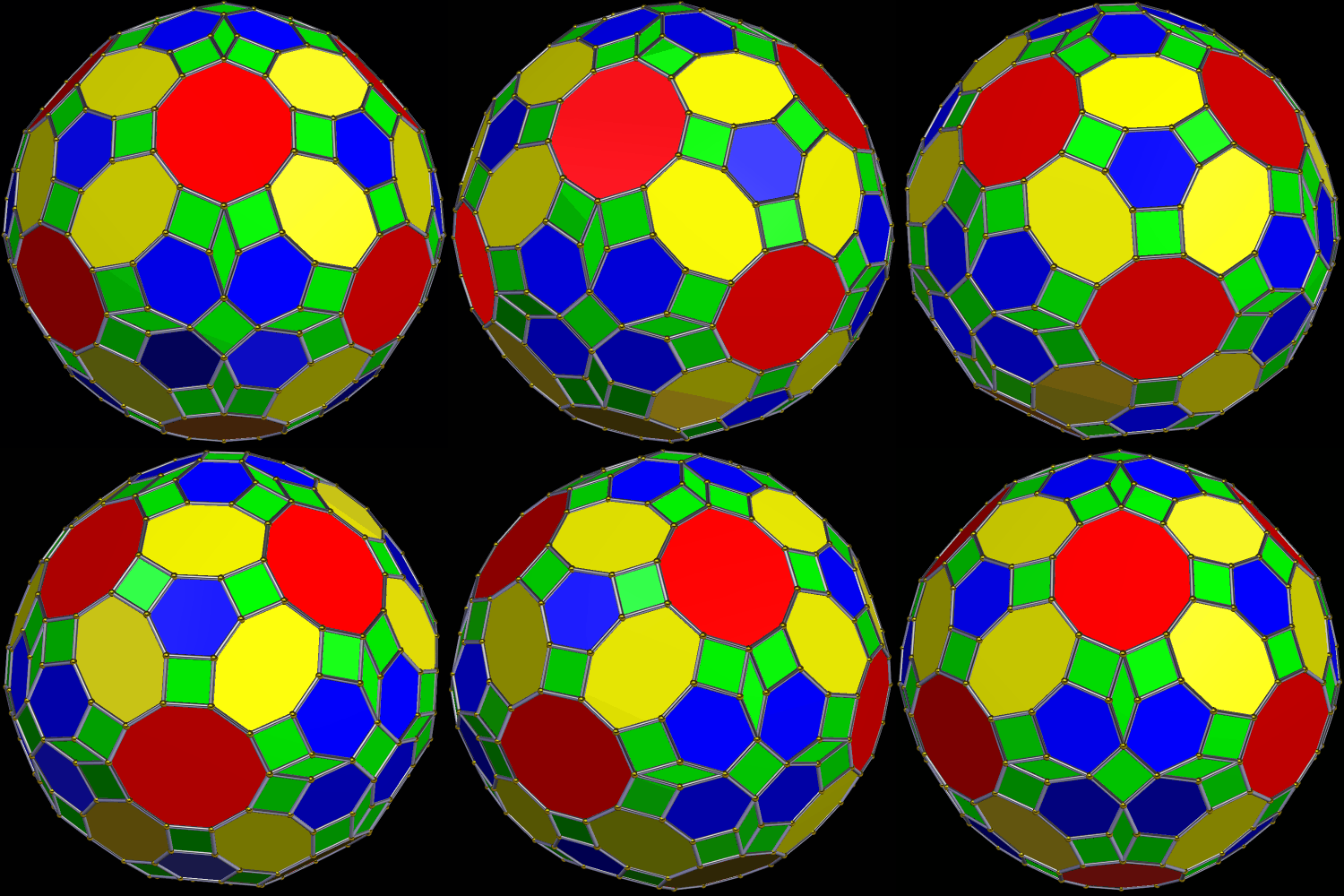
A Zonohedron Based on the Faces, Edges, and Vertices of a Truncated Tetrahedron

I made this model using Stella 4d, which you can try for free at this website.

A Three-Component Compound

I made this compound using Stella 4d, which you can try for yourself right here.

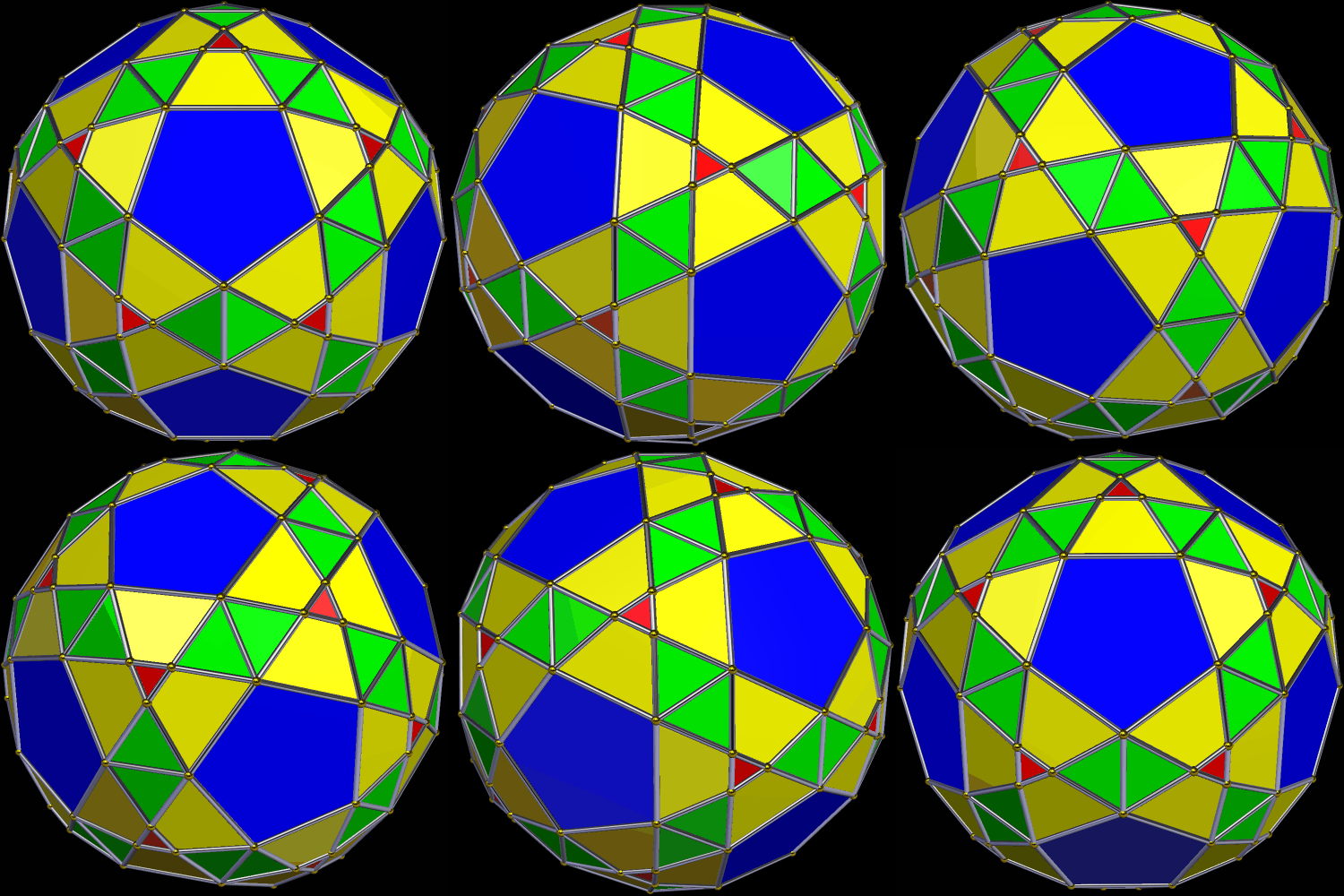
A Polyhedron With 152 Faces, and Icosidodecahedral Symmetry

I made this solid using Stella 4d: Polyhedron Navigator. You can try this program for free at http://www.softwared.com/Stella.php.

The Octahemioctahedron, and Three Views of Its First Stellation

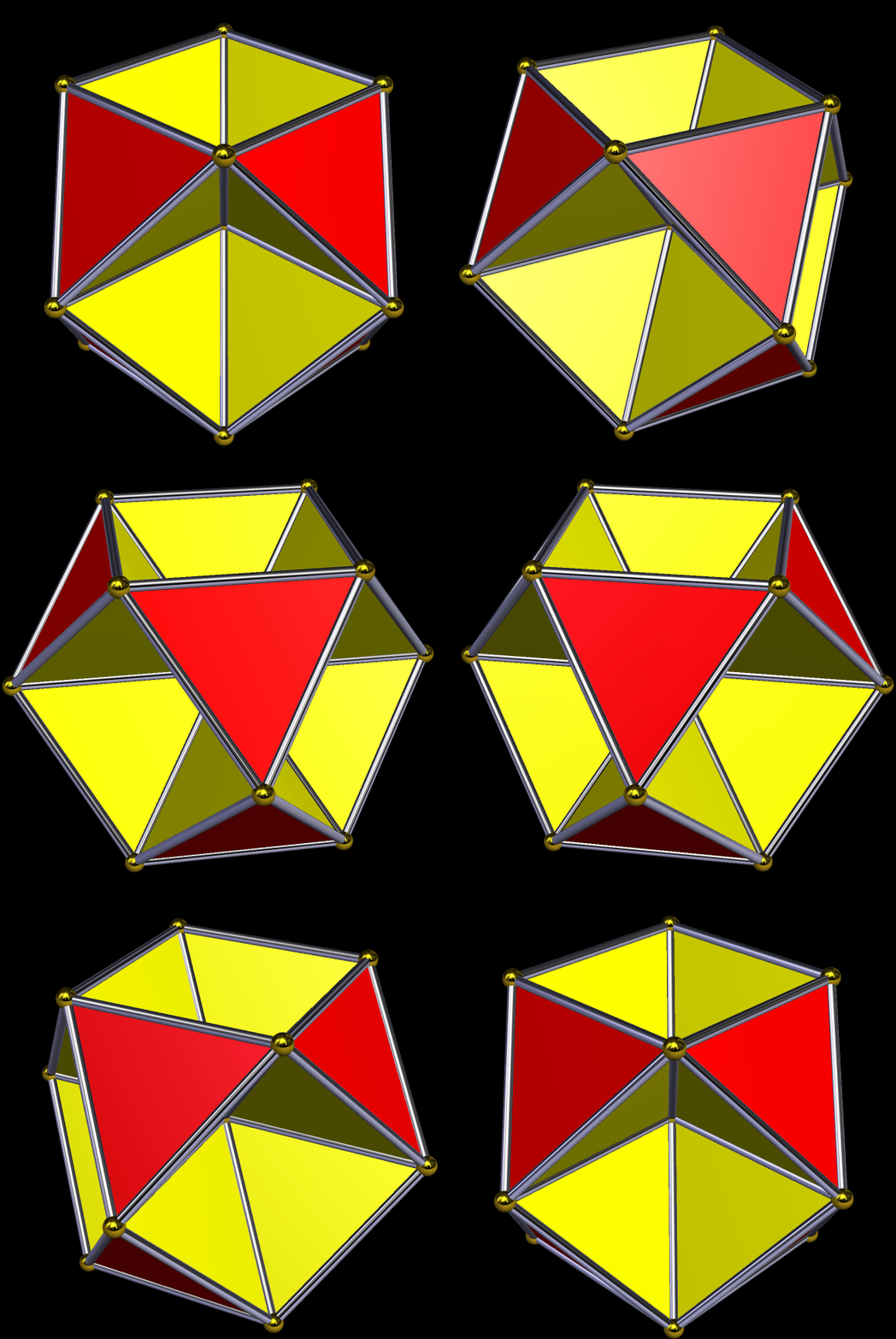
This is the octahemioctahedron, which is one of the uniform polyhedra. It has twelve faces: eight equilateral triangles, and four regular hexagons. The hexagons pass through the center of the polyhedron.

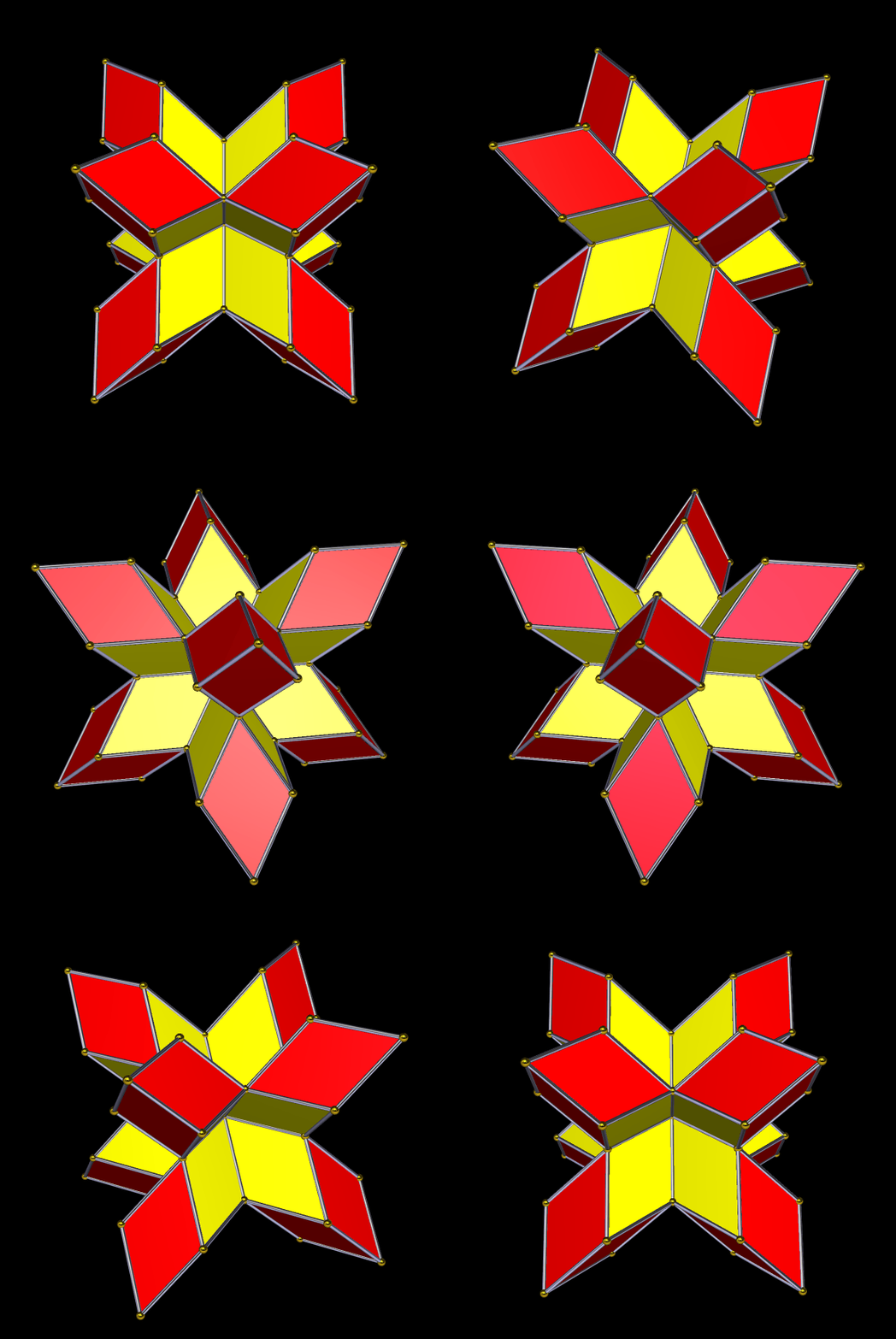
Here’s the first stellation of this polyhedron, colored by face type.

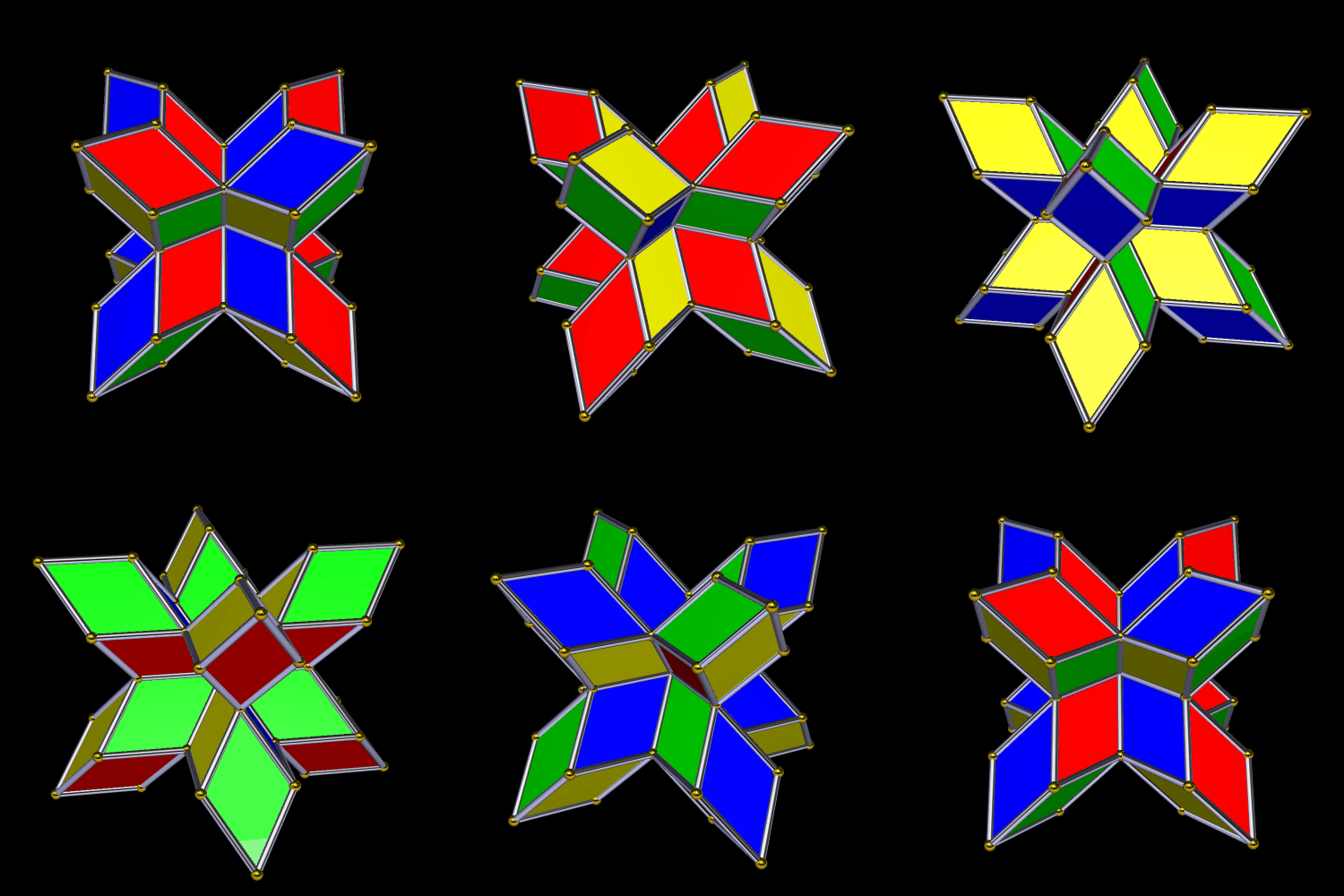
Here’s a second view of this first stellation, colored by face, with parallel faces given the same color.

Finally, here’s this first stellation in “rainbow color mode.”

I used Stella 4d: Polyhedron Navigator to make these images. You can try this program for free at http://www.software3d.com/Stella.php.

The Great Dodecahemiicosahedron, With Two of Its Stellations

Recently (here and here), I blogged about the small dodecahemiicosahedron, along with several of its stellations. Today, I got curious about it’s “big brother,” the great dodecahemiicosahedron, so I looked up the latter with Stella 4d (free trial download available here), examined some of its stellations, and made virtual models of what I found.

First, the great dodecahemiicosahedron itself. The 22 faces of this uniform polyhedron are twelve regular pentagons (shown in yellow) and twenty regular hexagons (shown in red).

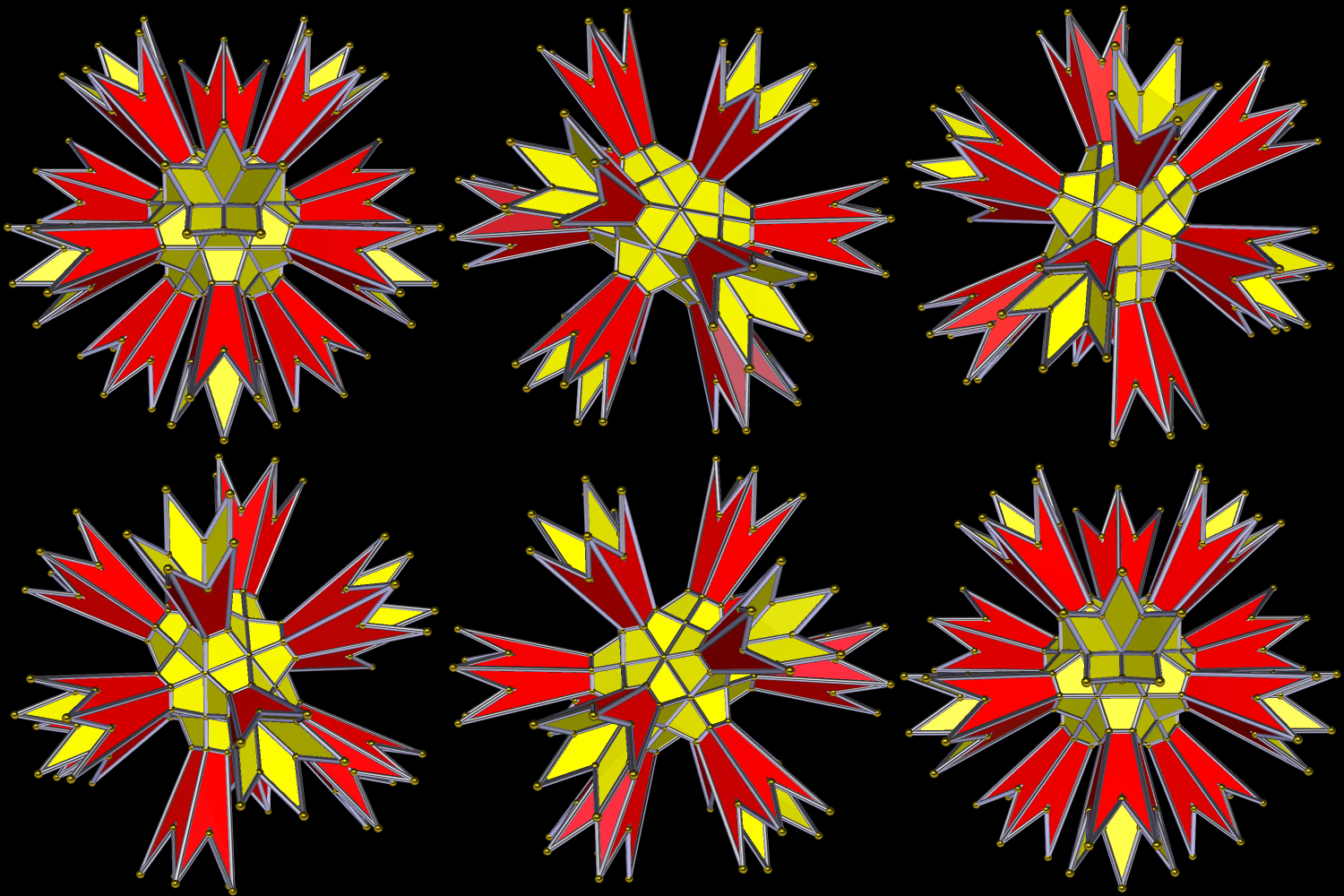
Next, its 30th stellation:

Lastly, the 88th stellation:

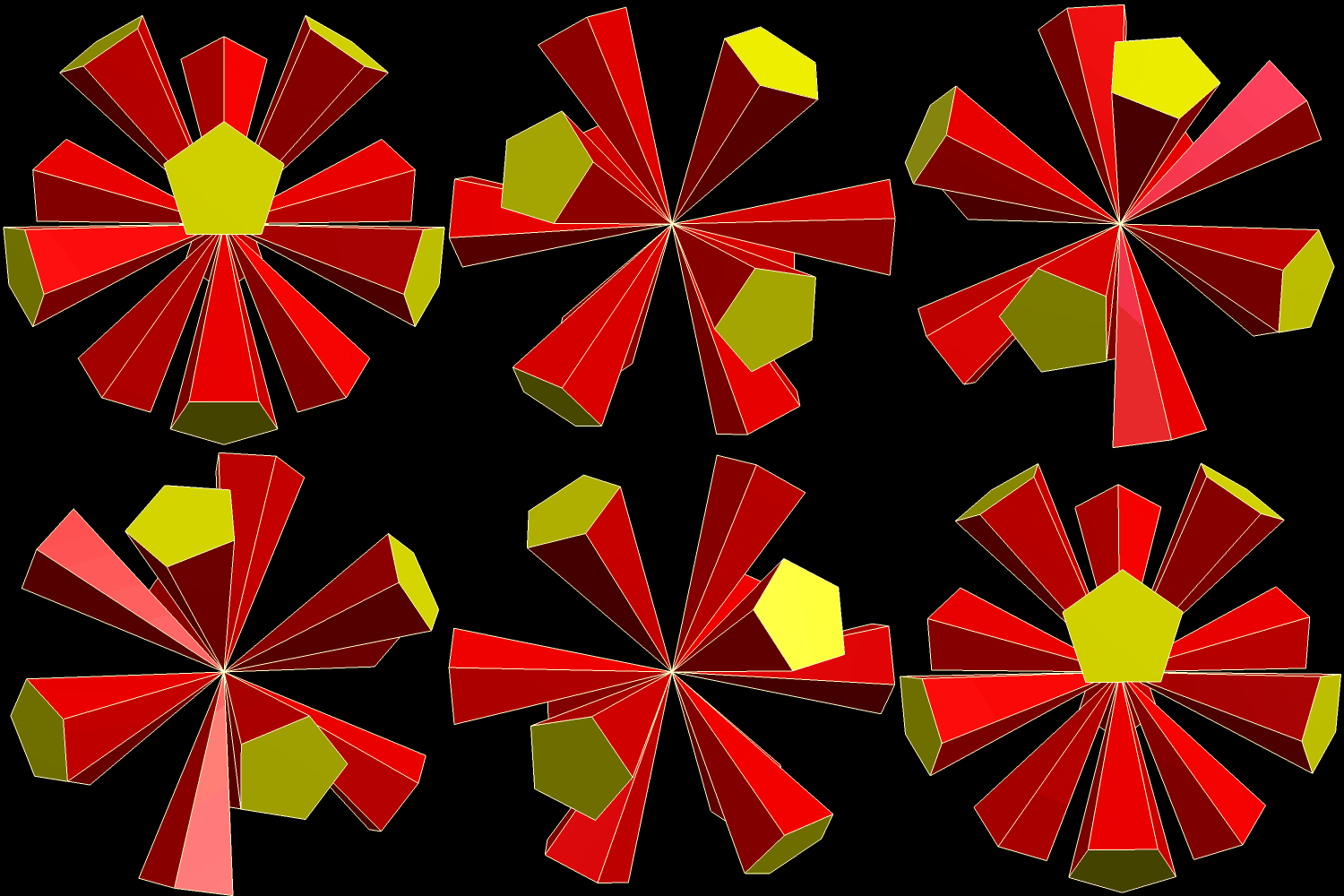
When creating polyhedral models, I usually use gold spheres for vertices, and silver cylinders for edges. However, in this case, that decoration is getting in the way — so here’s the 88th stellation again, without the spheres and cylinders. This way, it really looks like what it is: a dozen tall pentagonal pyramids meeting only at their common vertex.
More Stellations of the Small Dodecahemiicosahedron

In the last post here, I showed off the small dodecahemiicosahedron, along with three of its stellations. I’ve now had time to take a deeper dive into this stellation-series, and I found several more stellations to share. First, the 32nd stellation.

Next, the 38th stellation.

The 40th stellation also caught my eye.

Finally, here’s the 51st stellation of this uniform solid.

I made these models using Stella 4d: Polyhedron Navigator, and you can try this program for yourself, free, at http://www.software3d.com/Stella.php.