
I found this using software you can try for free at http://www.software3d.com/stella.php. It’s one of the many stellations of the dual of the truncated octahedron.
I found this using software you can try for free at http://www.software3d.com/stella.php. It’s one of the many stellations of the dual of the truncated octahedron.

As you can see, this can be continued indefinitely from the center.
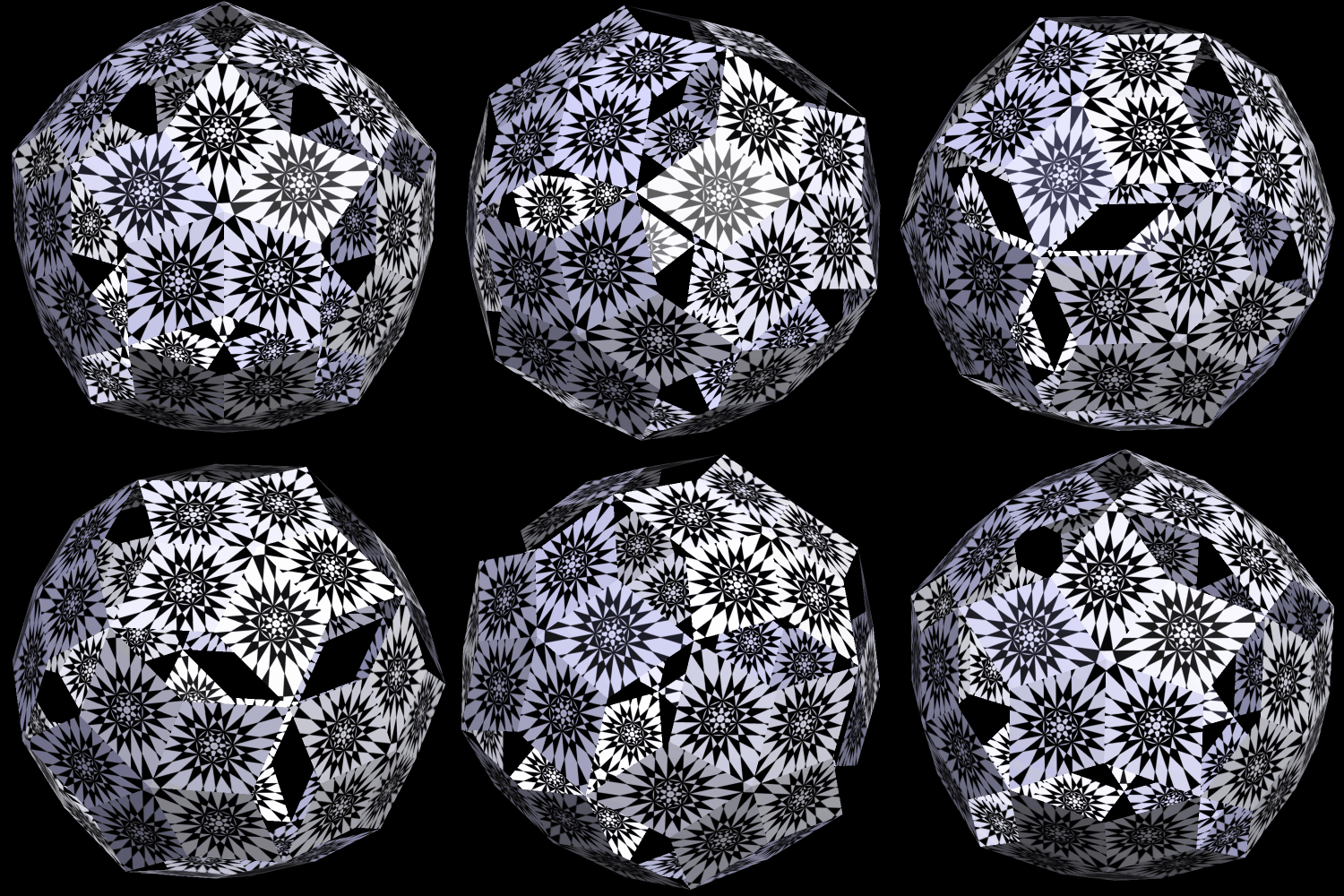
The rhombic enneacontahedron has 90 faces; 30 are narrow rhombi (hidden here), and 60 are wider rhombi (decorated with the op art piece from two posts ago).
Software credit: see the polyhedral software I used at http://www.software3d.com/stella.php — free trial download available.
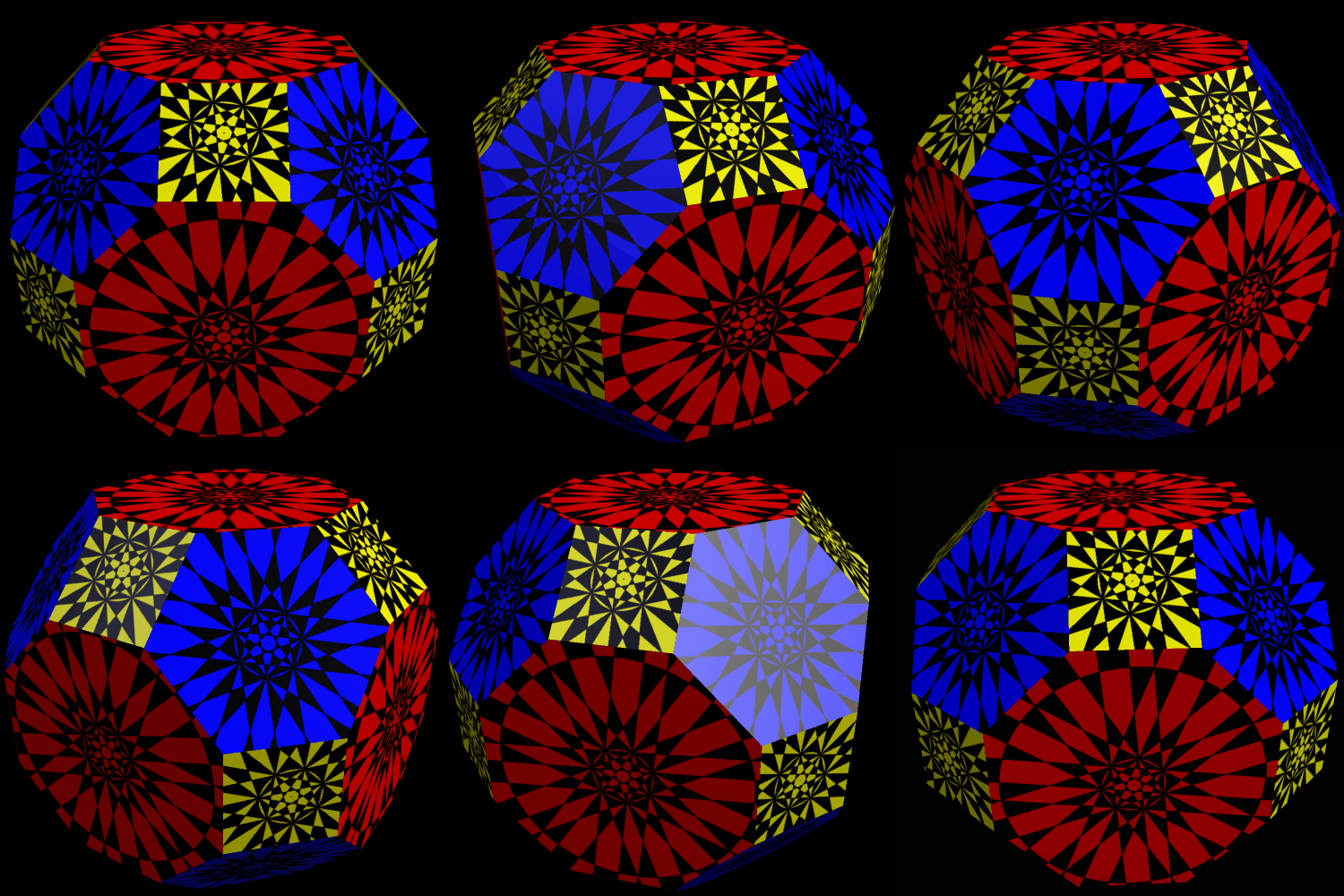
The images on the faces are colorized versions of my last post here. This transfer was accomplished using software you can find at http://www.software3d.com/stella.php.


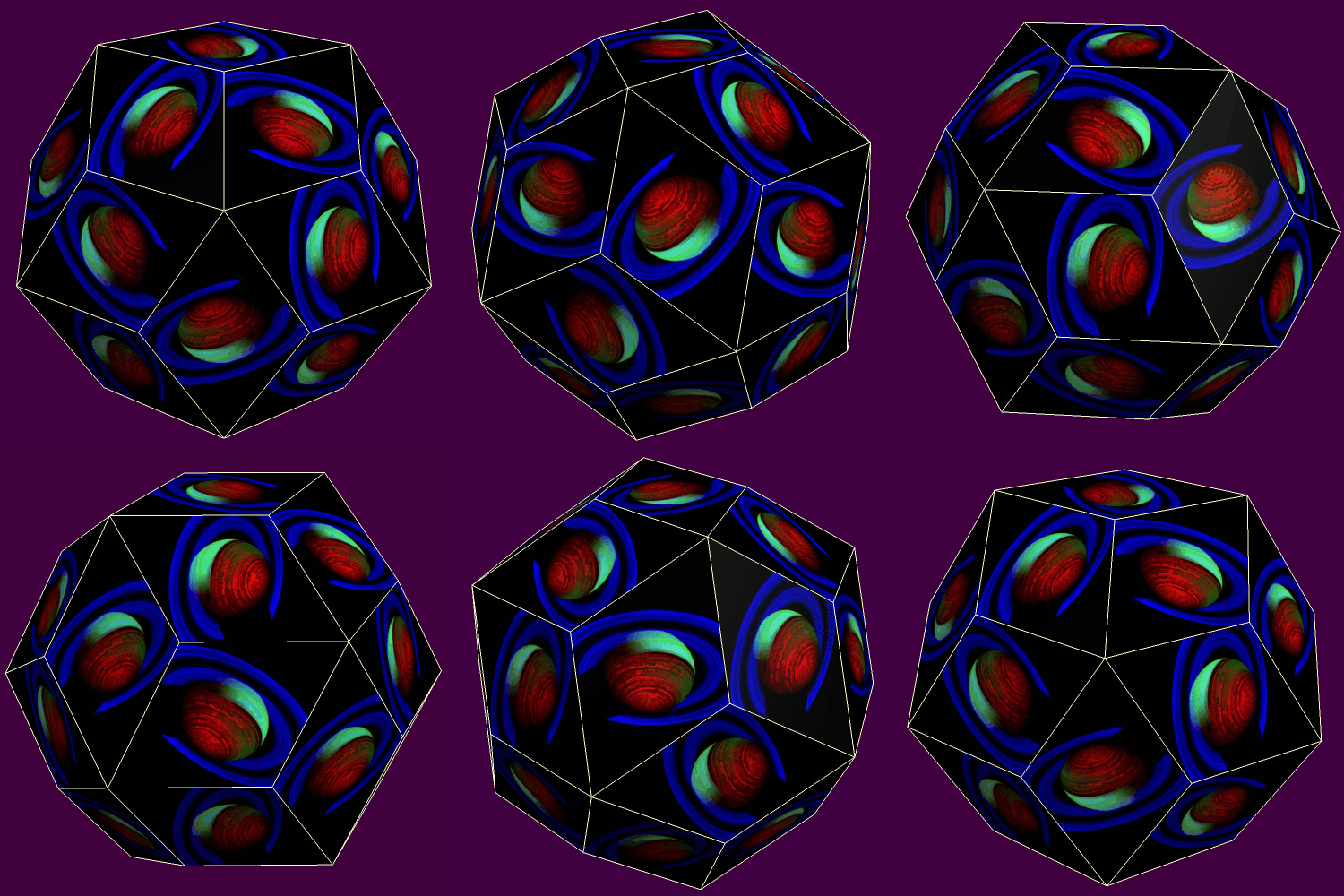
One of many photographs of Saturn provided by the Cassini spacecraft, and then projected onto the faces of a rhombic triacontahedron with the software available at http://www.software3d.com/stella.php.
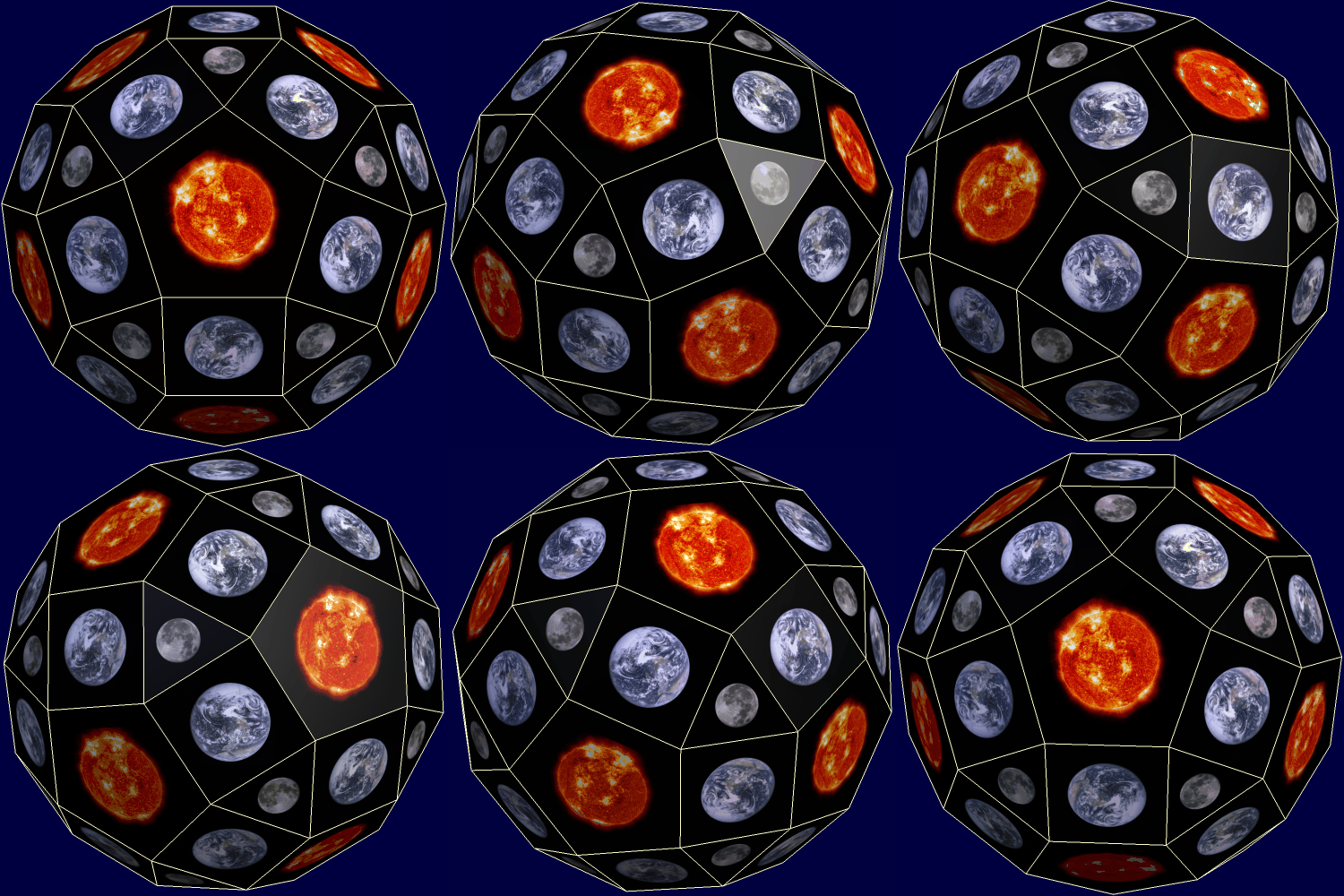
Projecting images on the sun, earth, and moon onto the faces of a rhombicosidodecahedron was accomplished with Stella 4d, software you may try for free at http://www.software3d.com/Stella.php.
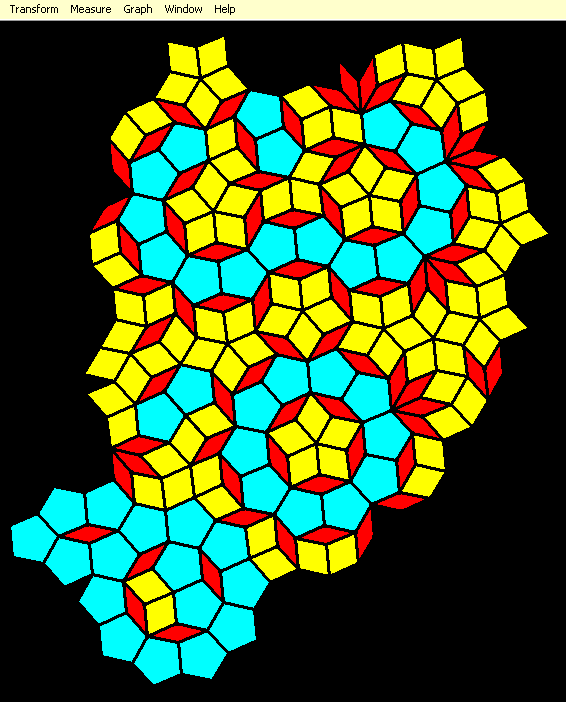
Roger Penrose is famous for many things, including the discovery of aperiodic tilings, the most familiar of which involves two types of rhombus:
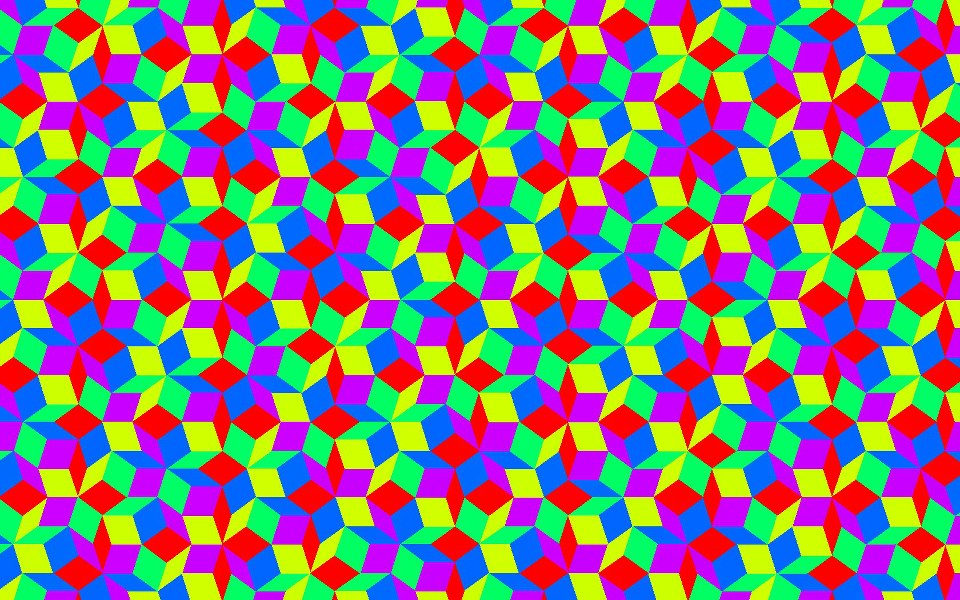
I think I have made a minor discovery about this Penrose tiling, and that is that one can add regular pentagons to it, in varying levels of pentagon-density, as shown in the first image, without it losing its aperiodicity. (I created only the first image, not the second.) I have not, however, proven this, and doubt I will.
Is this conjecture provable? I think so, but I lack the ability to write such a proof myself.
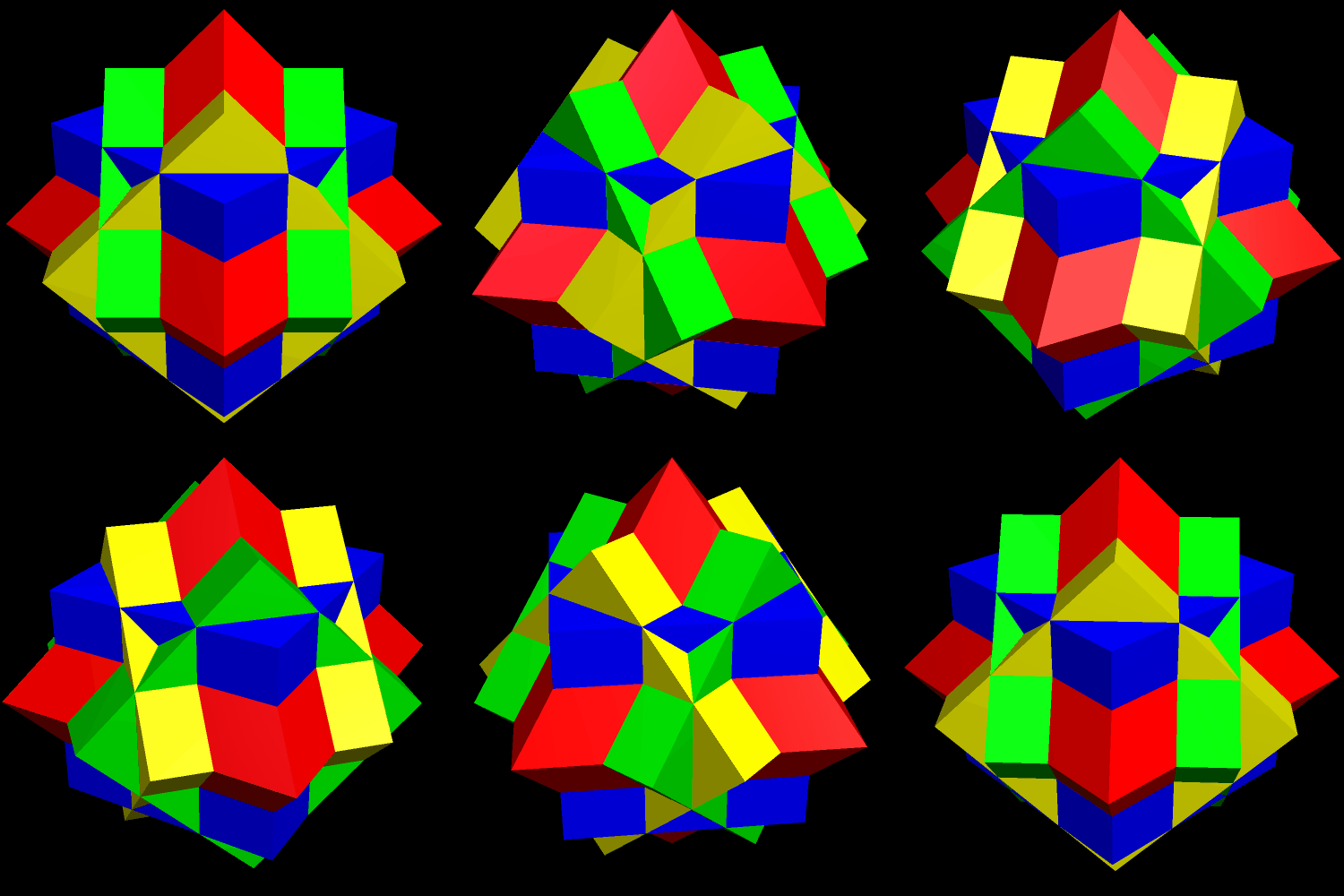
Software used: see http://www.software3d.com/stella.php.
 RobertLovesPi.net