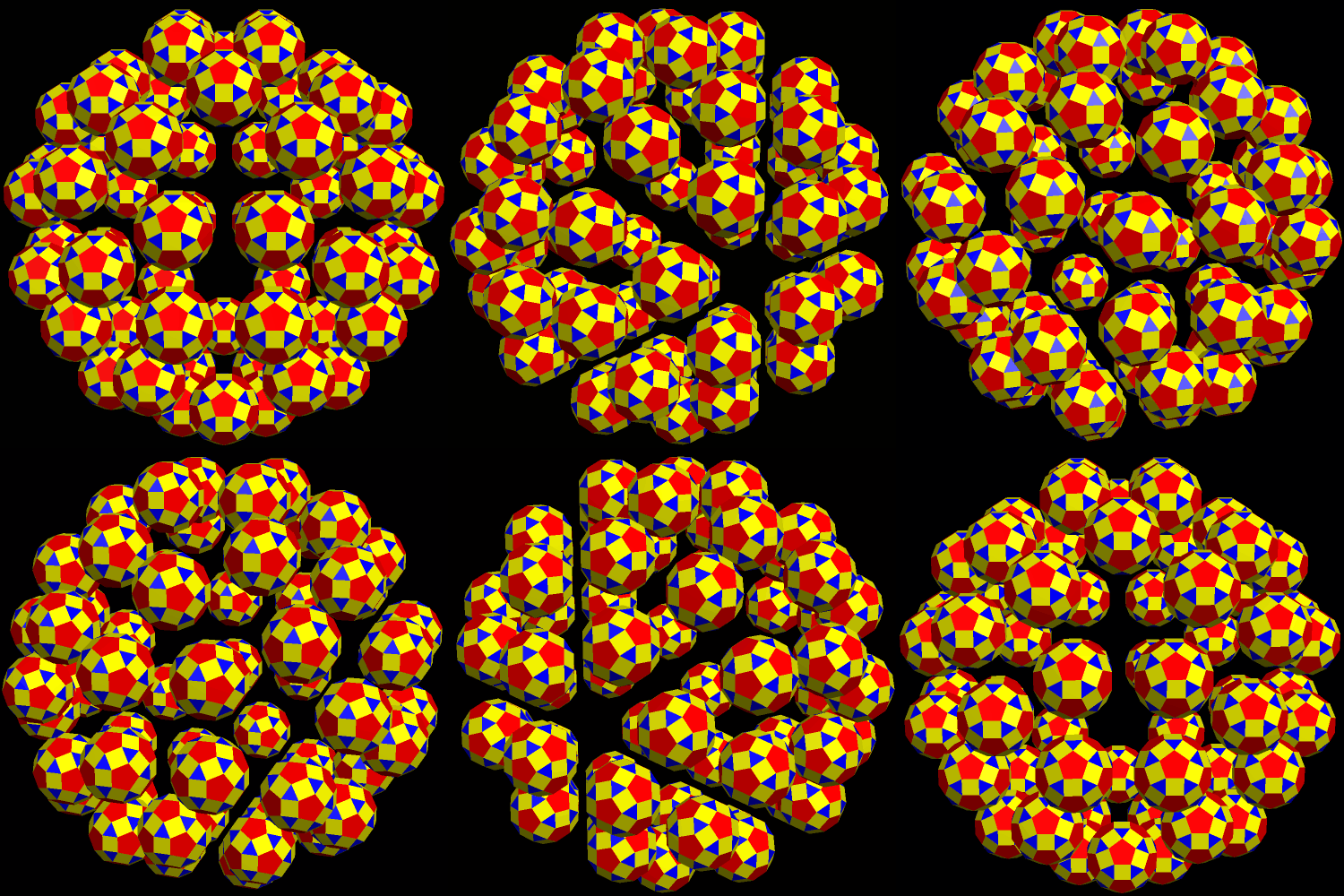
It’s a little-known fact that rhombicosidodecahedra prefer to fly in flocks of sixty, as seen here. I made this using Stella 4d, available at this website.
It’s a little-known fact that rhombicosidodecahedra prefer to fly in flocks of sixty, as seen here. I made this using Stella 4d, available at this website.

I used Geometer’s Sketchpad and MS-Paint to make the designs on the faces, and then assembled the dodecahedron with Stella 4d, a program you may try here.

I made this with Stella 4d, which you can try for yourself at this website.
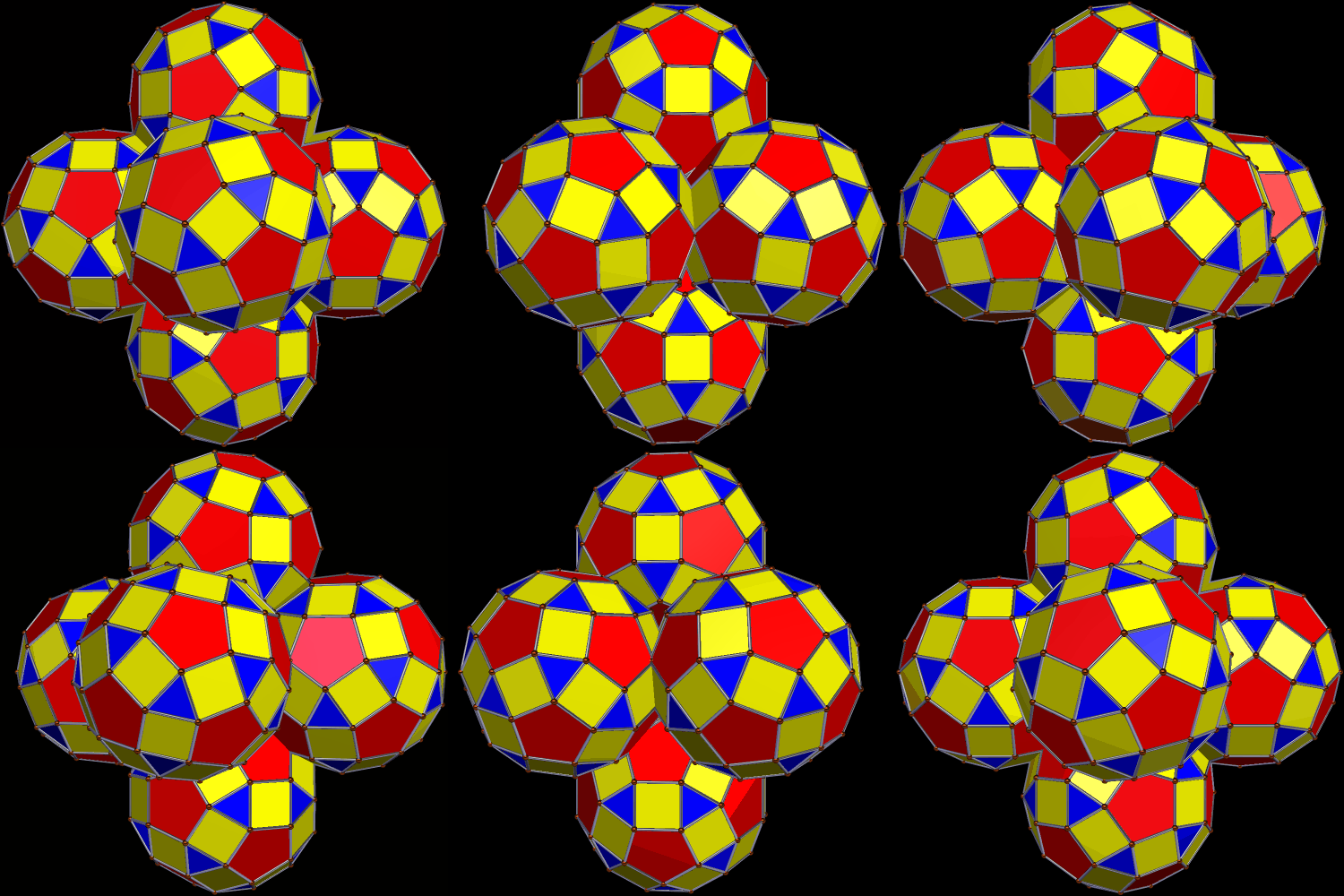
To make this cluster, start with a cuboctahedron, then augment each of its square faces with rhombicosidodecahedra. Although the cuboctahedron has cuboctahedral symmetry, this cluster does not — rather, it has tetrahedral symmetry. I created this using Stella 4d, which is available here.
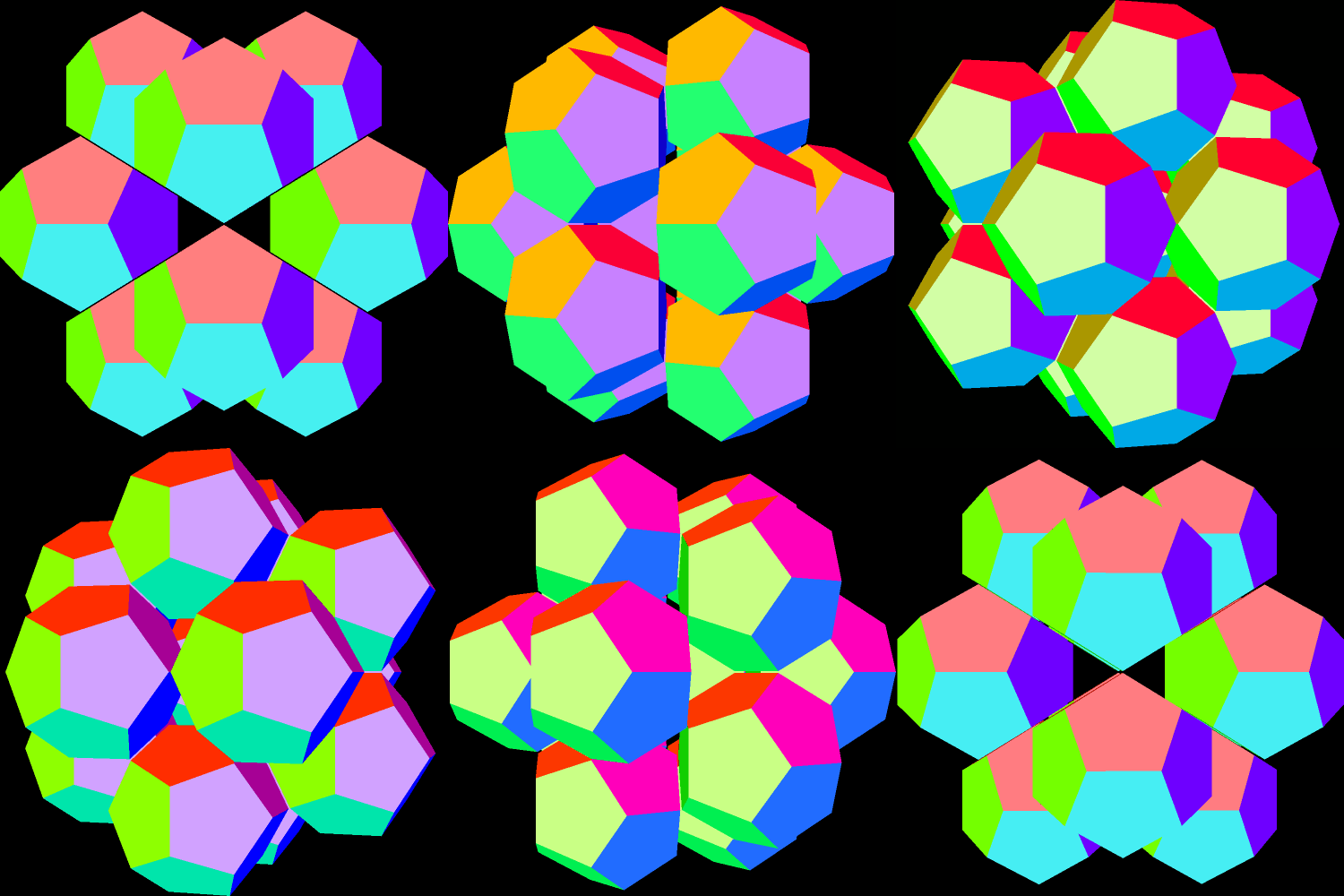
To make this using Stella 4d (available here) I started with an icosahedron, placed a dodecahedron on each of its vertices, then rendered the central icosahedron invisible. The slight pulsating effect is caused by the program fitting the polyhedra tightly into each frame of the animation.
Software used — Stella 4d: Polyhedral Navigator, available as a free trial download at http://www.software3d.com/Stella.php.
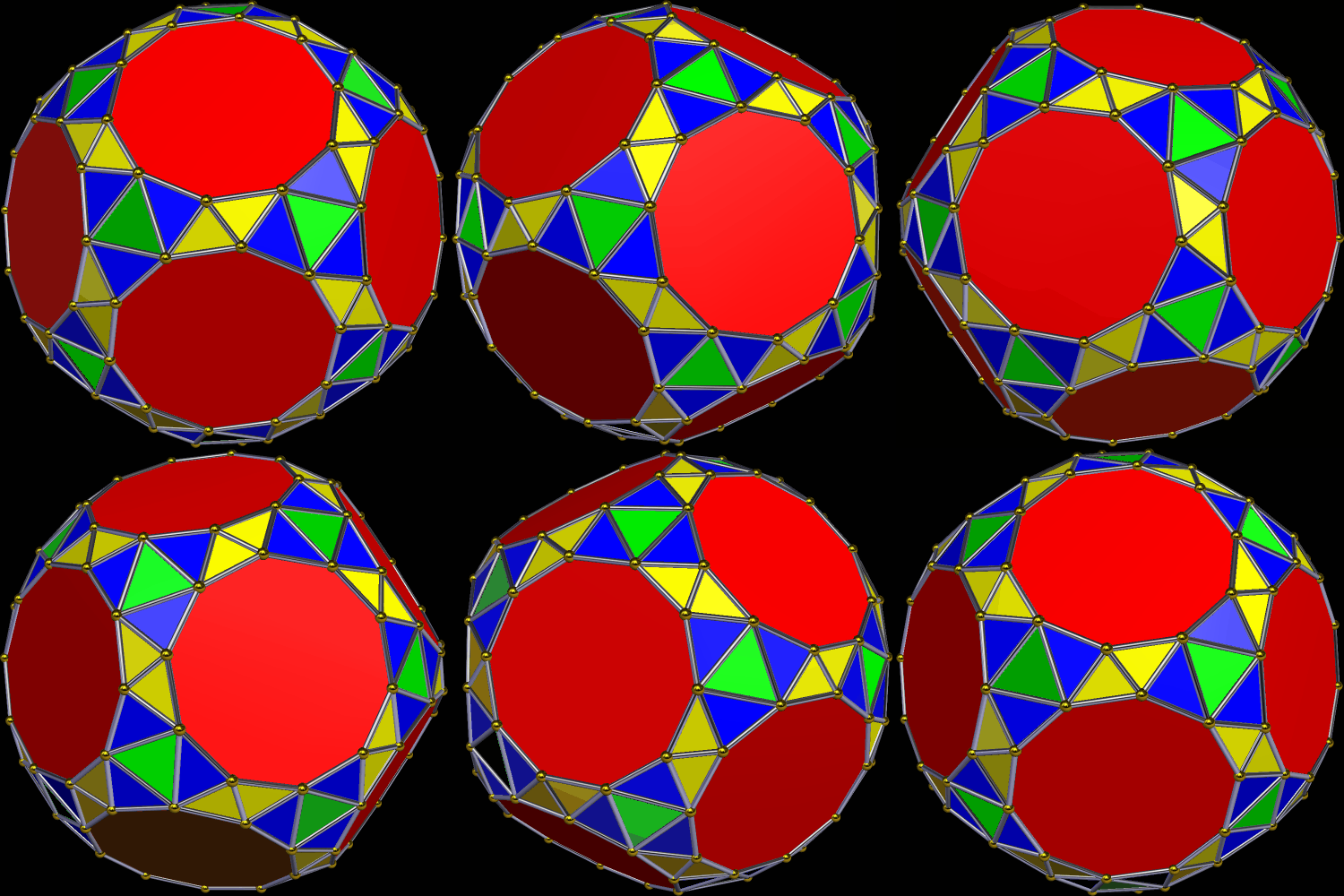
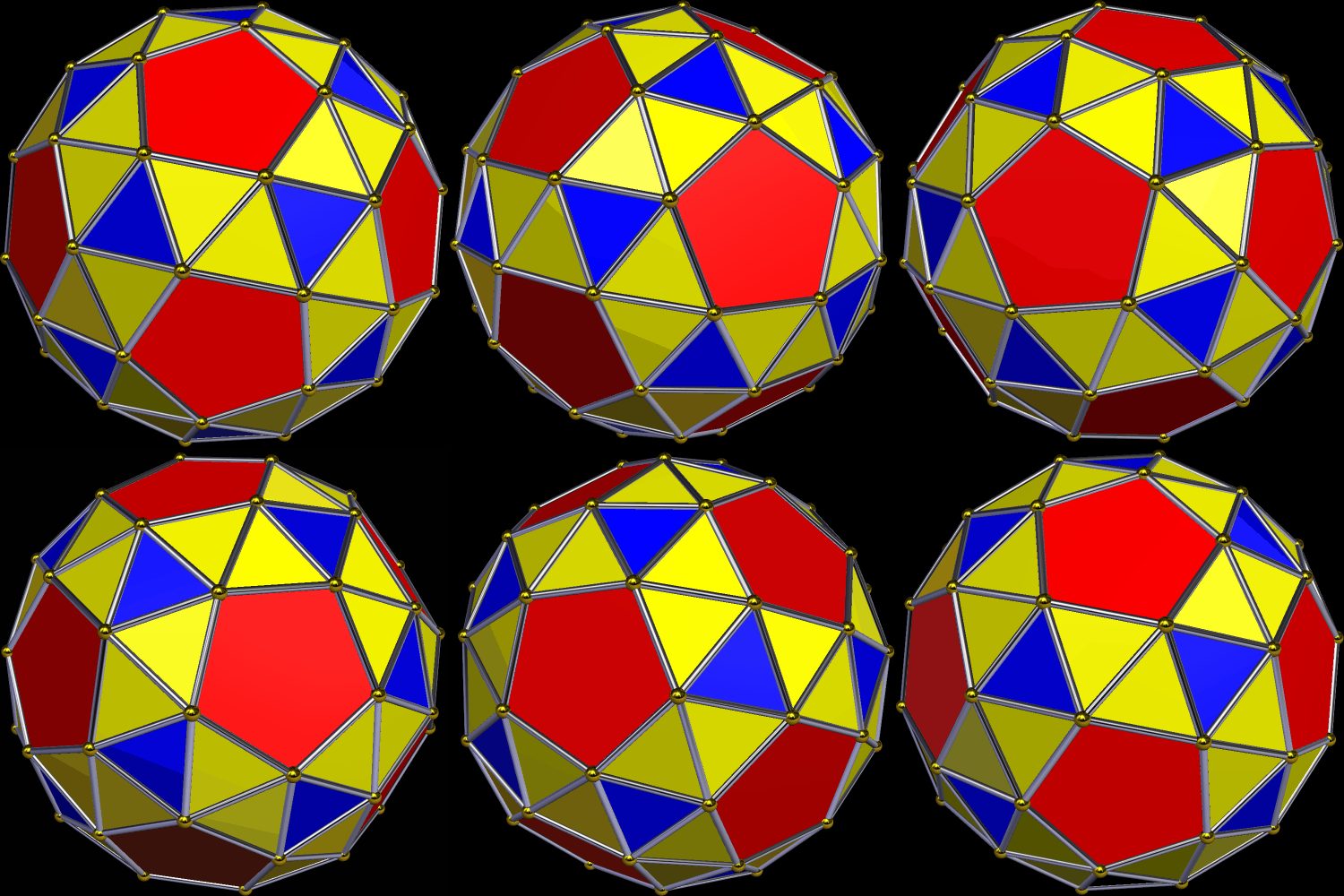
The polyhedron above reminded me of the snub dodecahedron, which is shown below. Both rotating images were made using Stella 4d, which you can try for yourself — with a free trial download available — right here.

This was made using Stella 4d: Polyhedron Navigator, a program available here.
Zonohedra are a subset of polyhedra. In a zonohedron, all the faces are zonogons. A zonogon is a polygon with an even number of sides, as well as having opposite sides both congruent and parallel. This small collection of rotating zonohedra was made using Stella 4d, a program you can try for yourself at this website.
Also, if you want to see a larger version of any one of these zonohedra, simply click on it.


In addition to the 42 regular decagons, the faces of this polyhedron include twenty equilateral triangles, sixty yellow trapezoids, and sixty blue trapezoids. That’s 182 faces in all.
The next picture shows what happens if all of the decagons have the same color, the triangles have another, and the trapezoids are hidden from view.

Both images were created using Stella 4d, software you can try for yourself at this website.
 RobertLovesPi.net