
This is not hollow — the 104 cubes here include those hidden from view inside this octahedral cluster, as well as the ones you can see.
Software used to make this image: Stella 4d, available at www.software3d.com/Stella.php.
This is not hollow — the 104 cubes here include those hidden from view inside this octahedral cluster, as well as the ones you can see.
Software used to make this image: Stella 4d, available at www.software3d.com/Stella.php.

I created this cluster using Stella 4d: Polyhedron Navigator. This program is available at http://www.software3d.com/Stella.php.

I created this cluster by augmenting each face of a tetrahedron with an octahedron, using Stella 4d: Polyhedron Navigator. This program is available at http://www.software3d.com/Stella.php.

Created with Stella 4d, available at http://www.software3d.com/Stella.php.

I made these using Stella 4d, which you can try at http://www.software3d.com/Stella.php. Here is its dual, also:
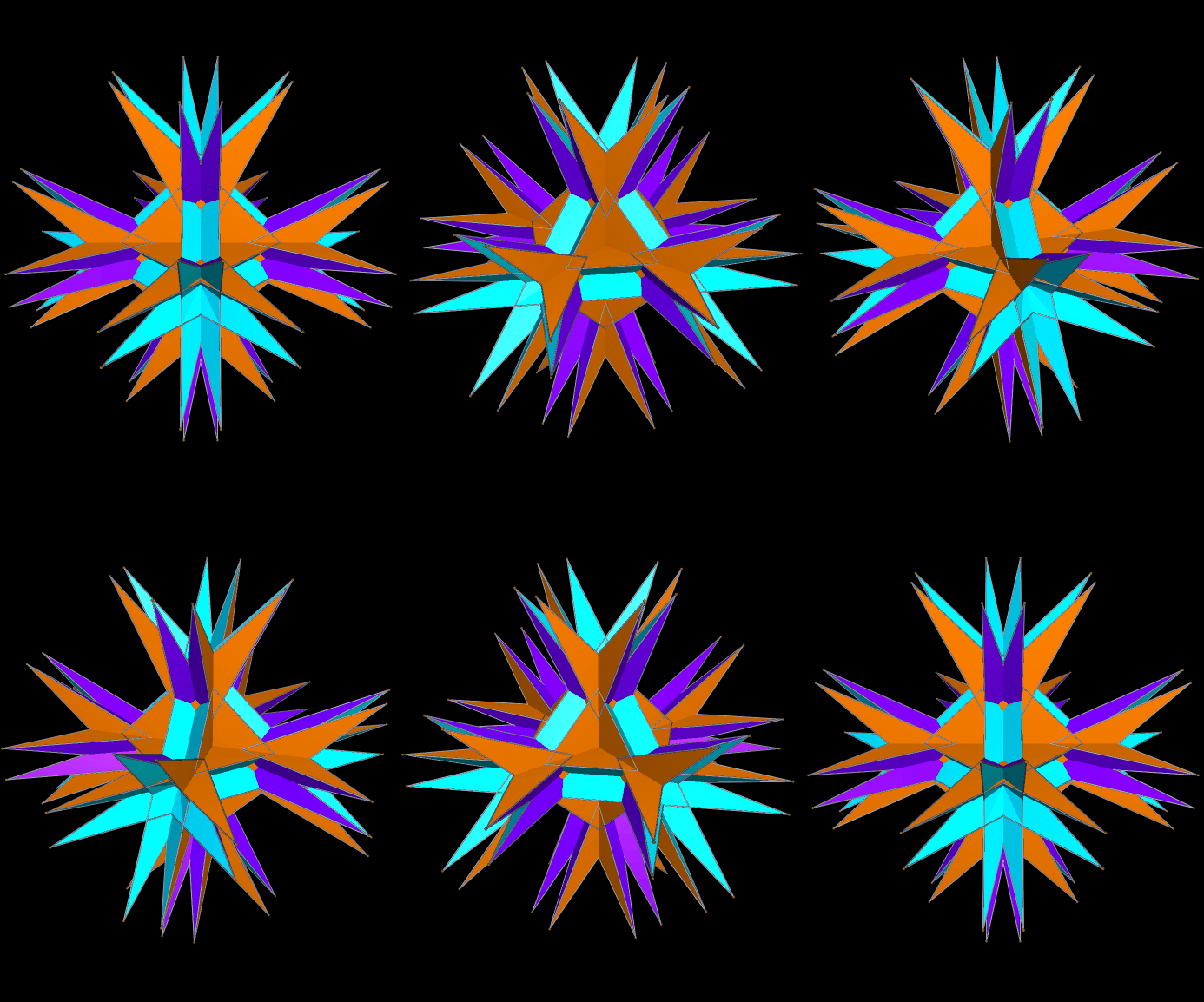

The smaller one may be enlarged with a single click.
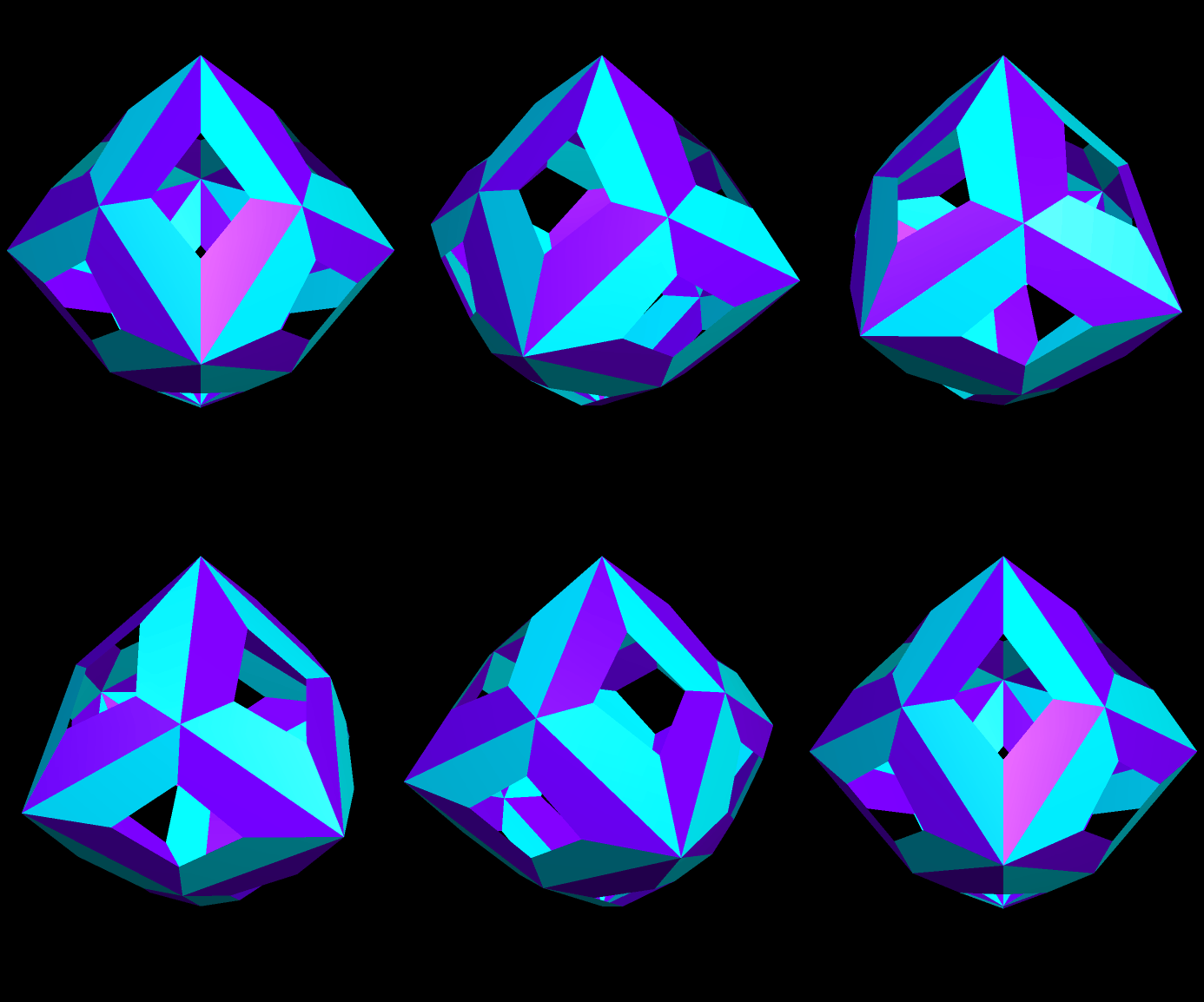
I made these using Stella 4d, which you can find at http://www.software3d.com/Stella.php.
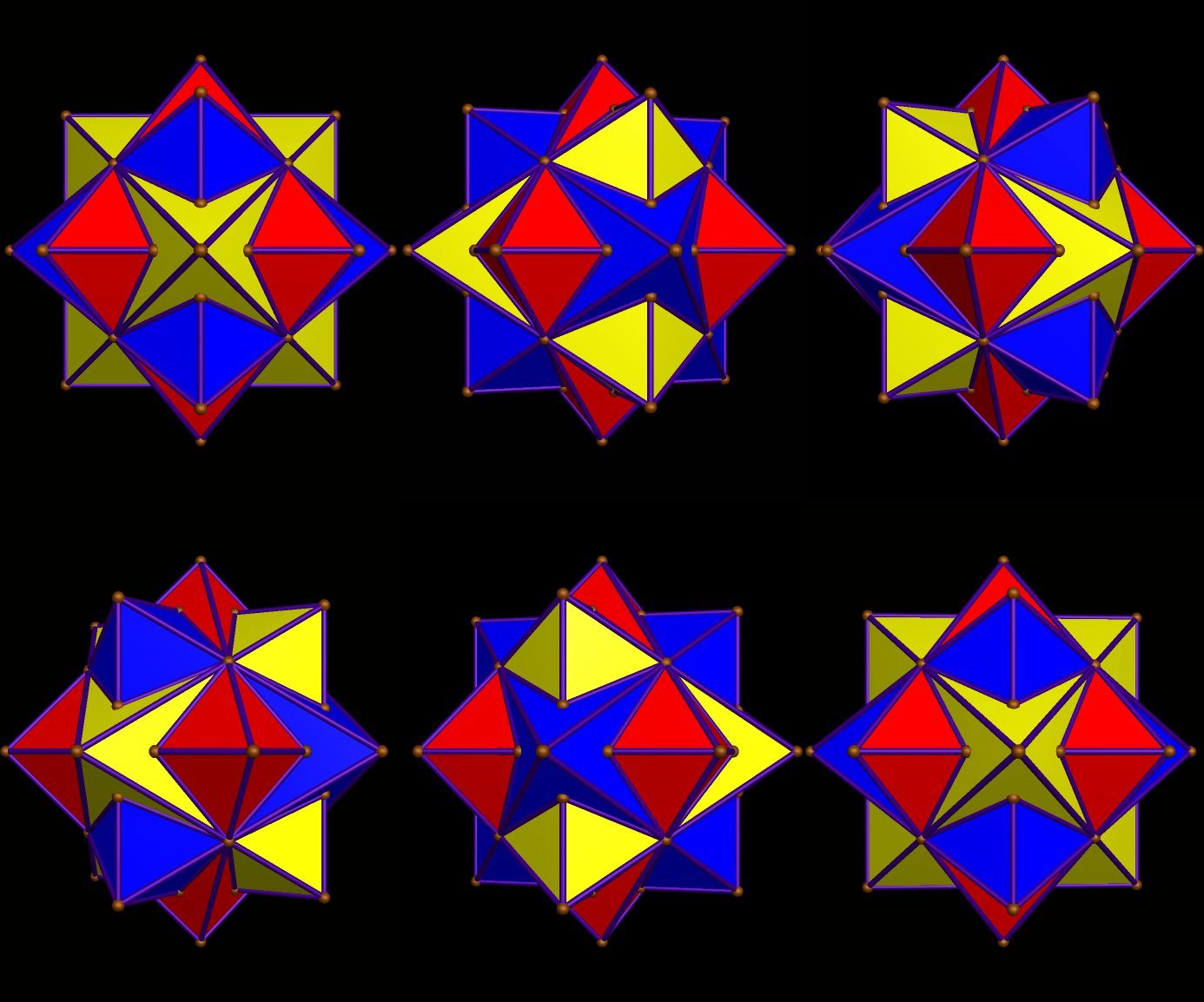
This polyhedral compound is part of the built-in library of polyhedra that comes with Stella 4d: Polyhedron Navigator. You can find this software here: http://www.software3d.com/Stella.php.

This is an octahedron which has had short pyramids excavated from each of its faces. If the pyramids are made taller, their vertices coincide at the octahedron’s center. At that point, unlike in the figure above, the polyhedron’s volume reaches zero — turning it into a special type of polyhedron called a nulloid:
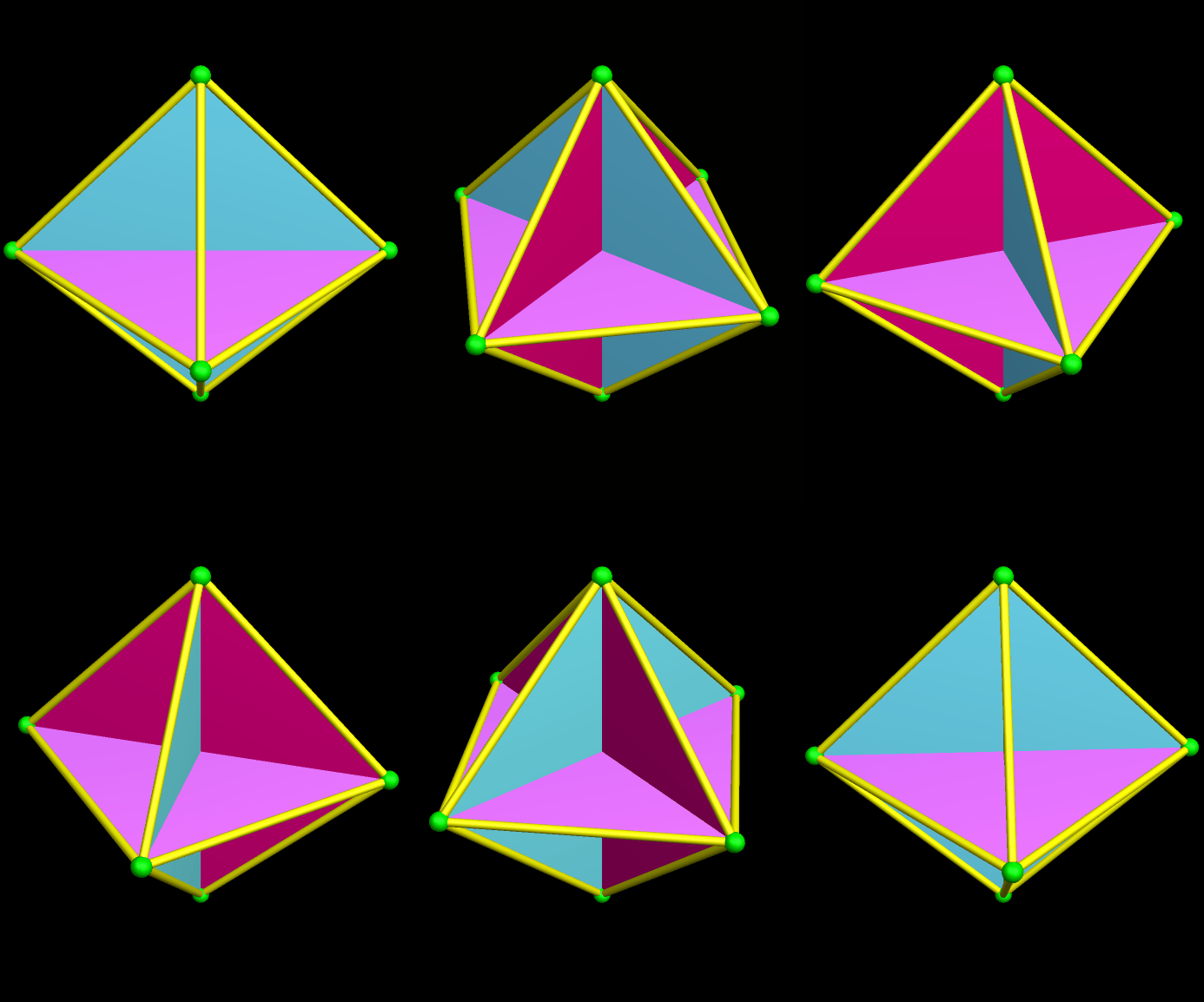
You may click on this second picture to enlarge it, if you wish.
Software credit: I made these images using Stella 4d, which you can find at http://www.software3d.com/Stella.php.
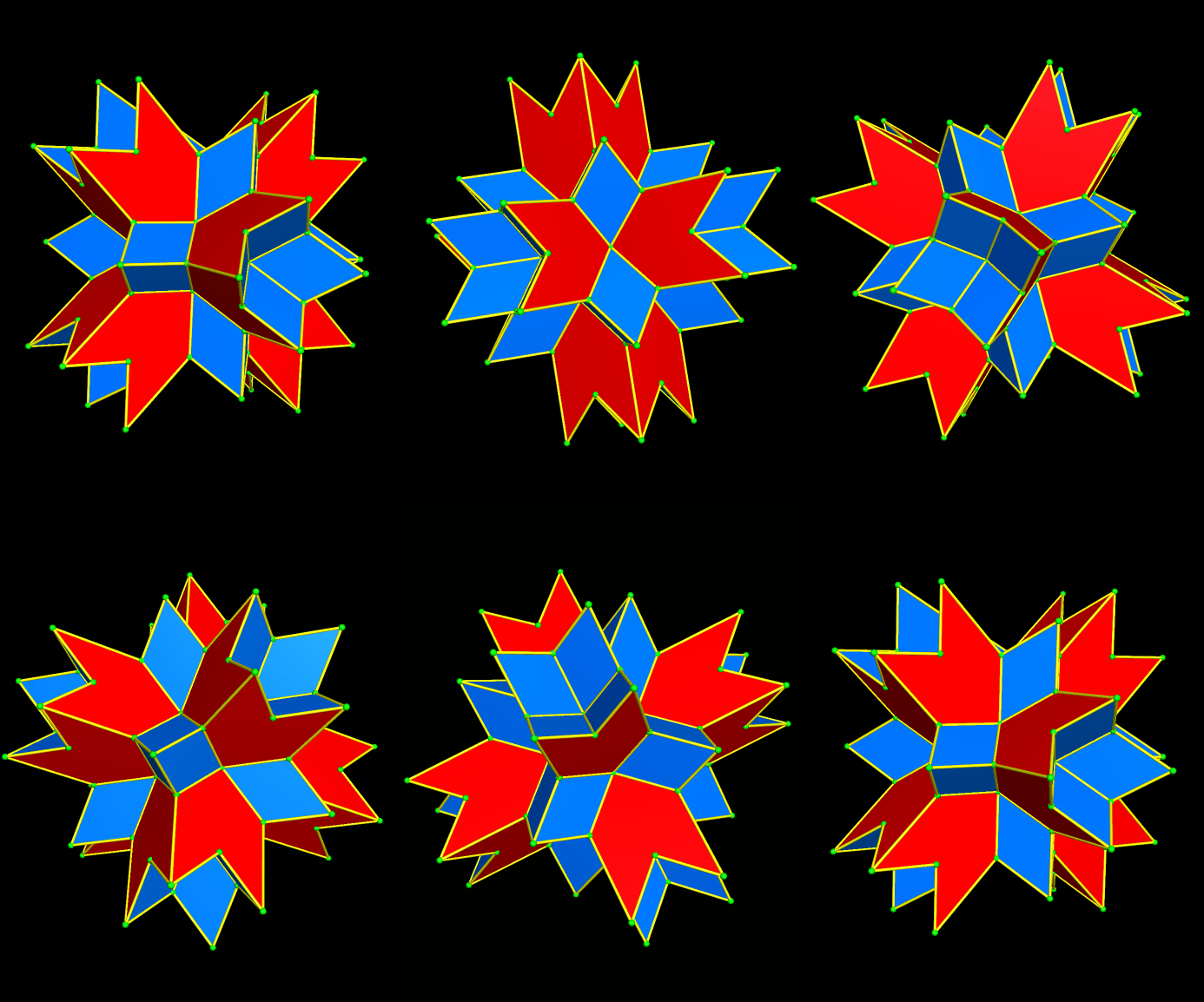
Software credit: I made this using Stella 4d, which you can find at http://www.software3d.com/Stella.php.

The cube and the octahedron are dual to each other, and can be combined to make this well-known compound (below; can be enlarged with a click).
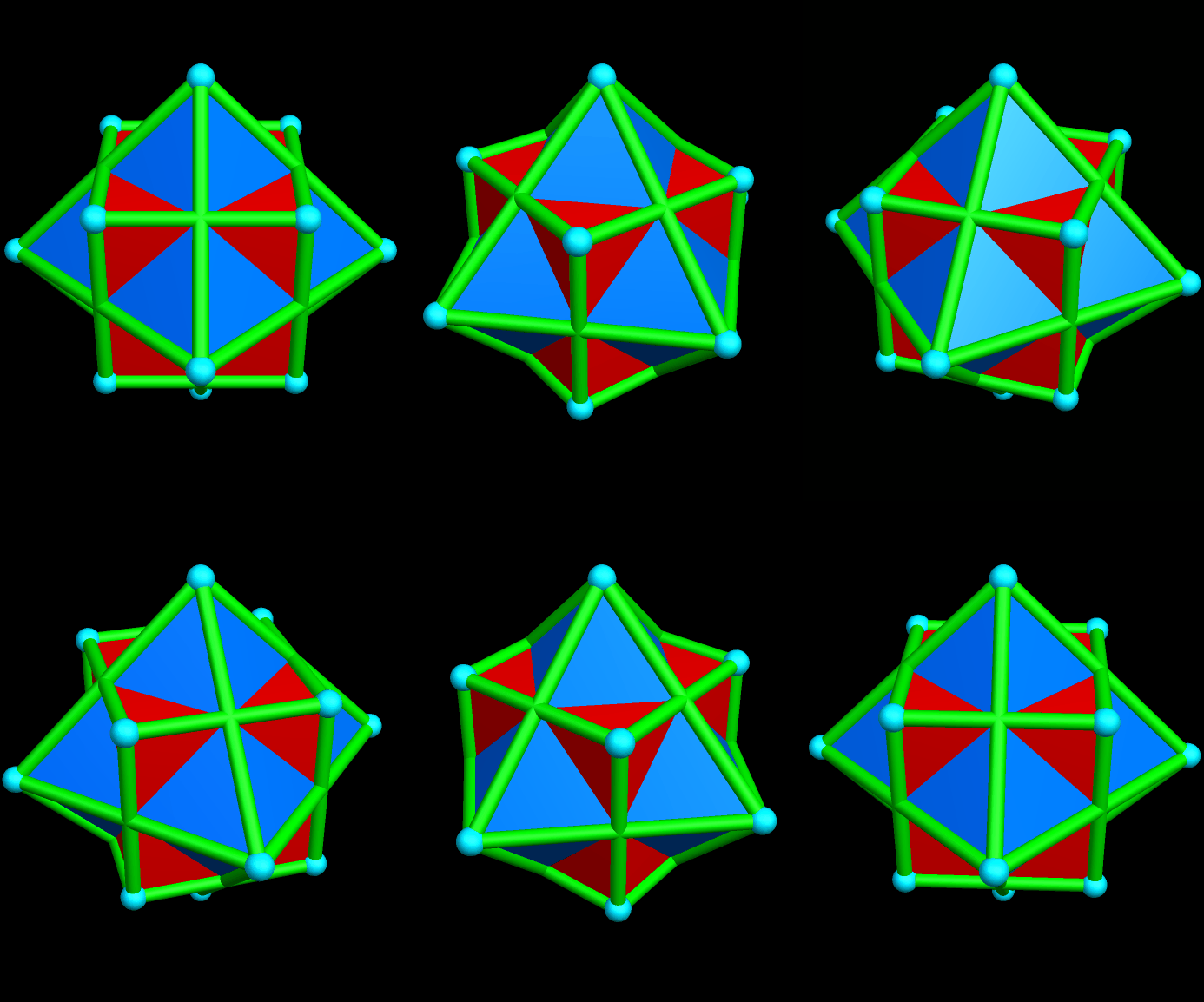
In hyperspace, the analog to the cube is the tesseract, also known the 8-cell, the octachoron, and the hypercube. Its dual is the 16-cell, or hexadecachoron, made of 16 tetrahedral cells. The image at the top is the compound of these two polychora, rotating in hyperspace.
These images were made using Stella 4d, available at http://www.software3d.com/Stella.php.
 RobertLovesPi.net