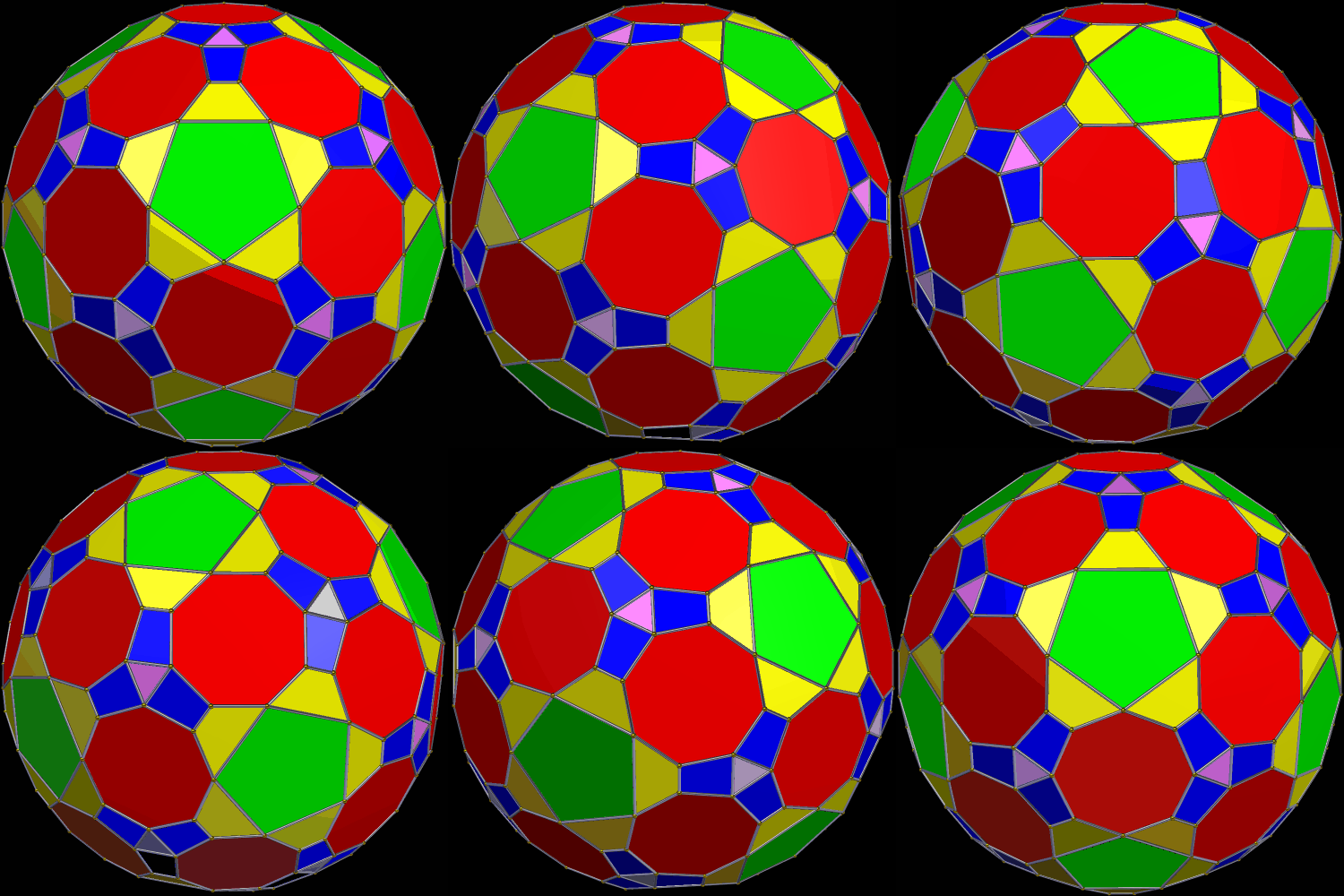
A Symmetrohedron With 182 Faces

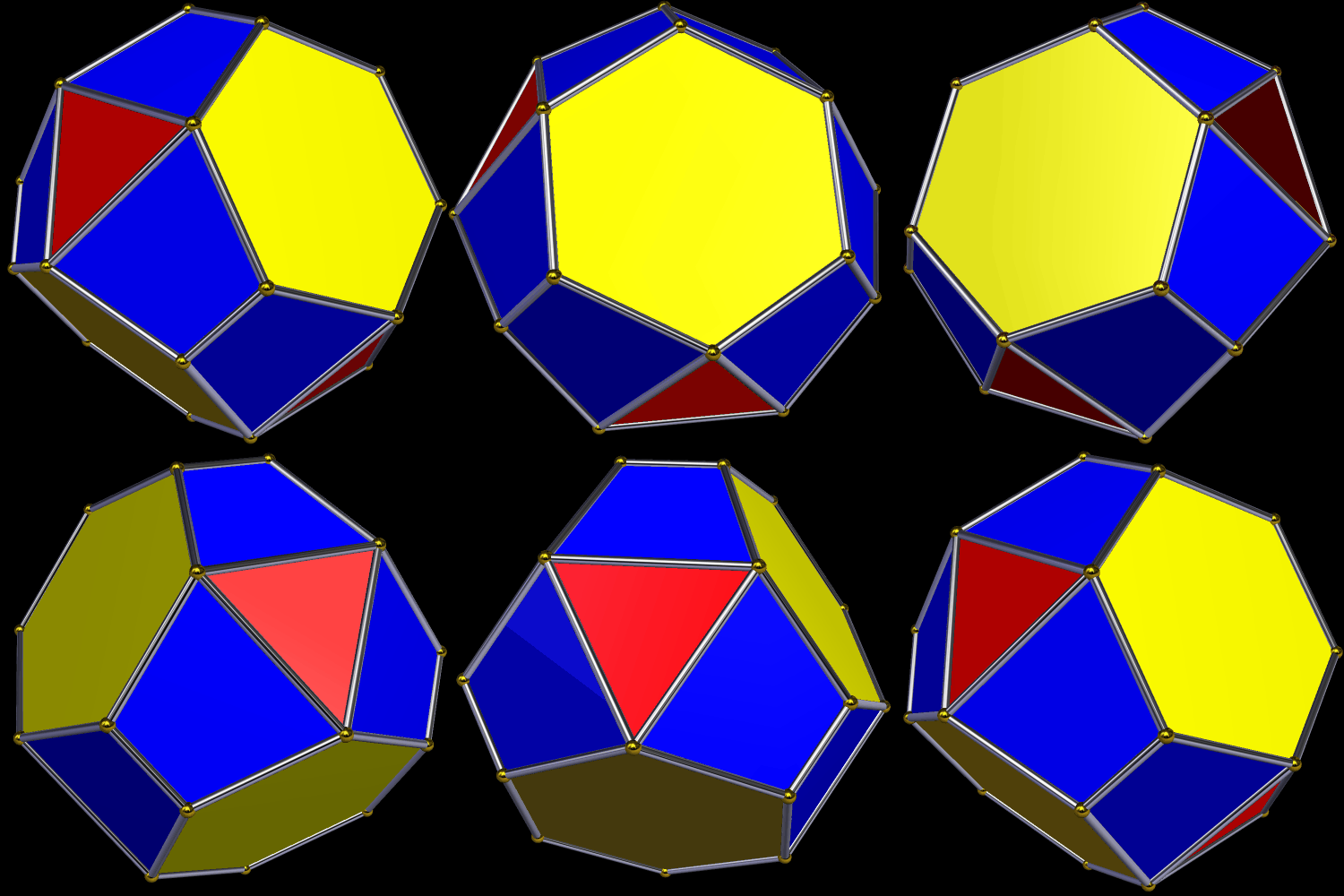
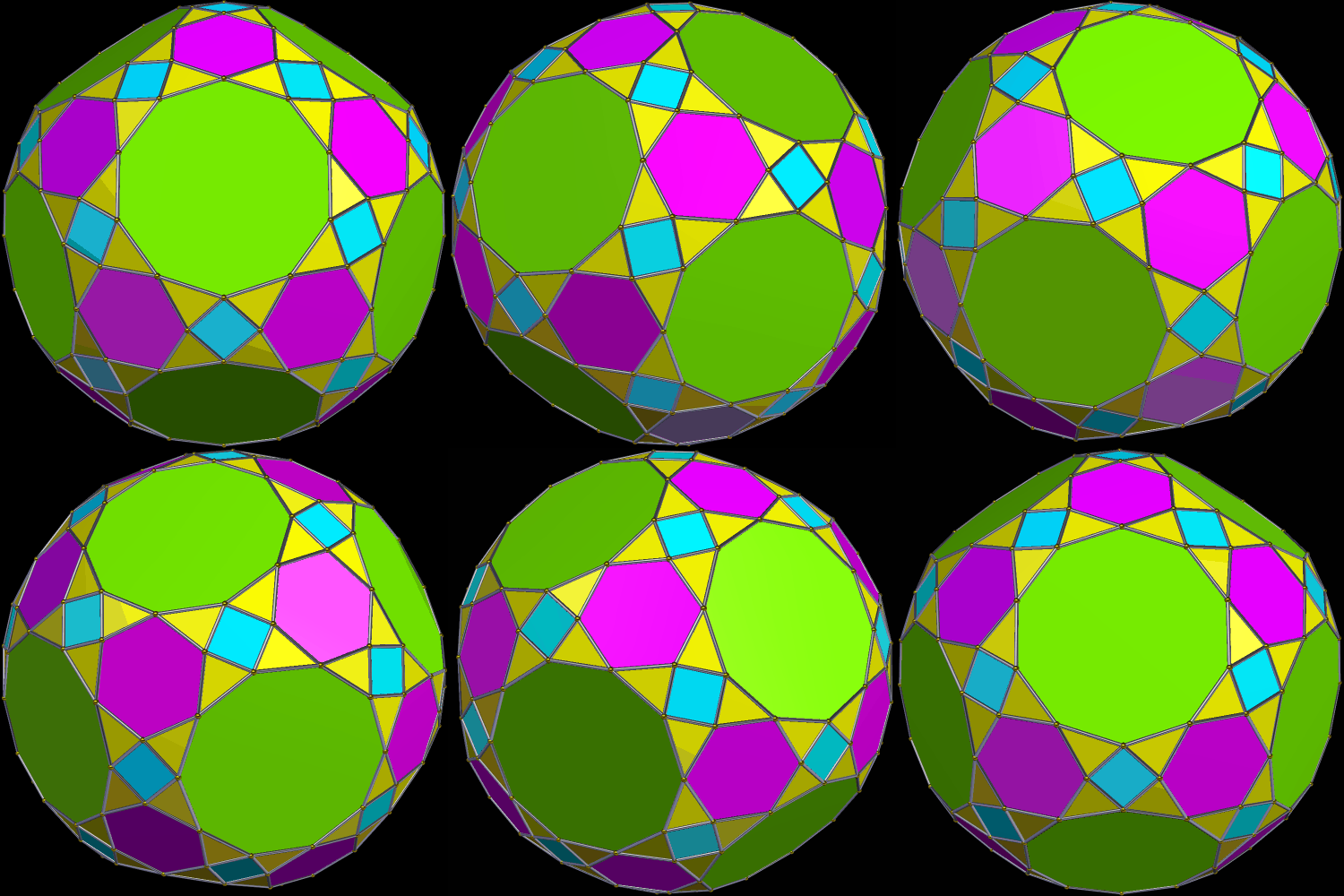
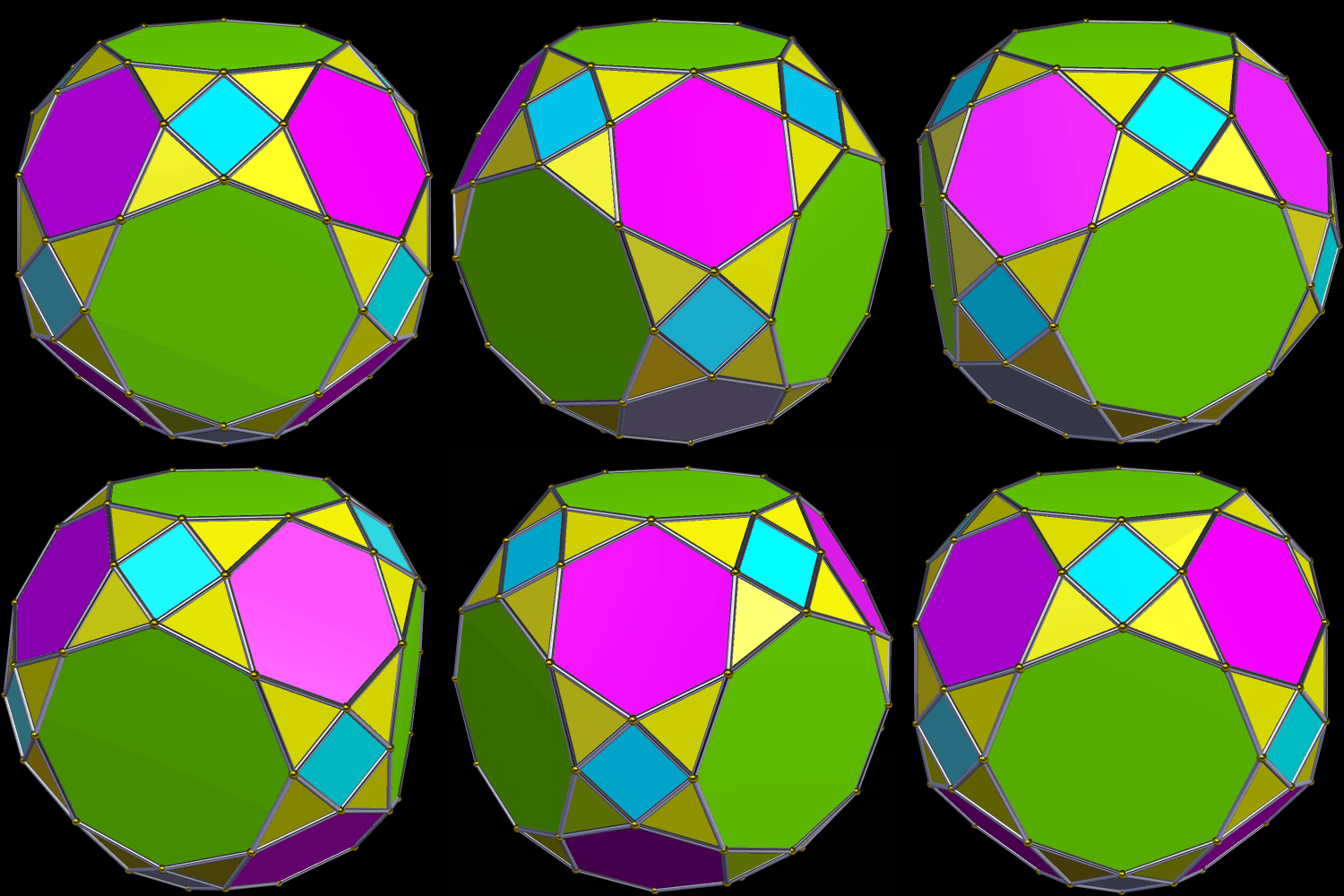
This symmetrohedron’s regular faces are twelve pentagons, thirty octagons, and twenty triangles. Its irregular faces include sixty yellow isosceles trapezoids, as well as sixty blue isosceles trapezoids. That makes 182 faces in all.

I used Stella 4d: Polyhedron Navigator to make this, and you can try this program yourself, as a free trial download, at http://www.software3d.com/Stella.php.
A Twenty-Faced Symmetrohedron With Four Equilateral Triangles, Four Regular Hexagons, and Six “Bowtie” Pairs of Isosceles Trapezoids as Faces

I made this using Stella 4d, which you can try for yourself at this website.

Binary Dodecahedra

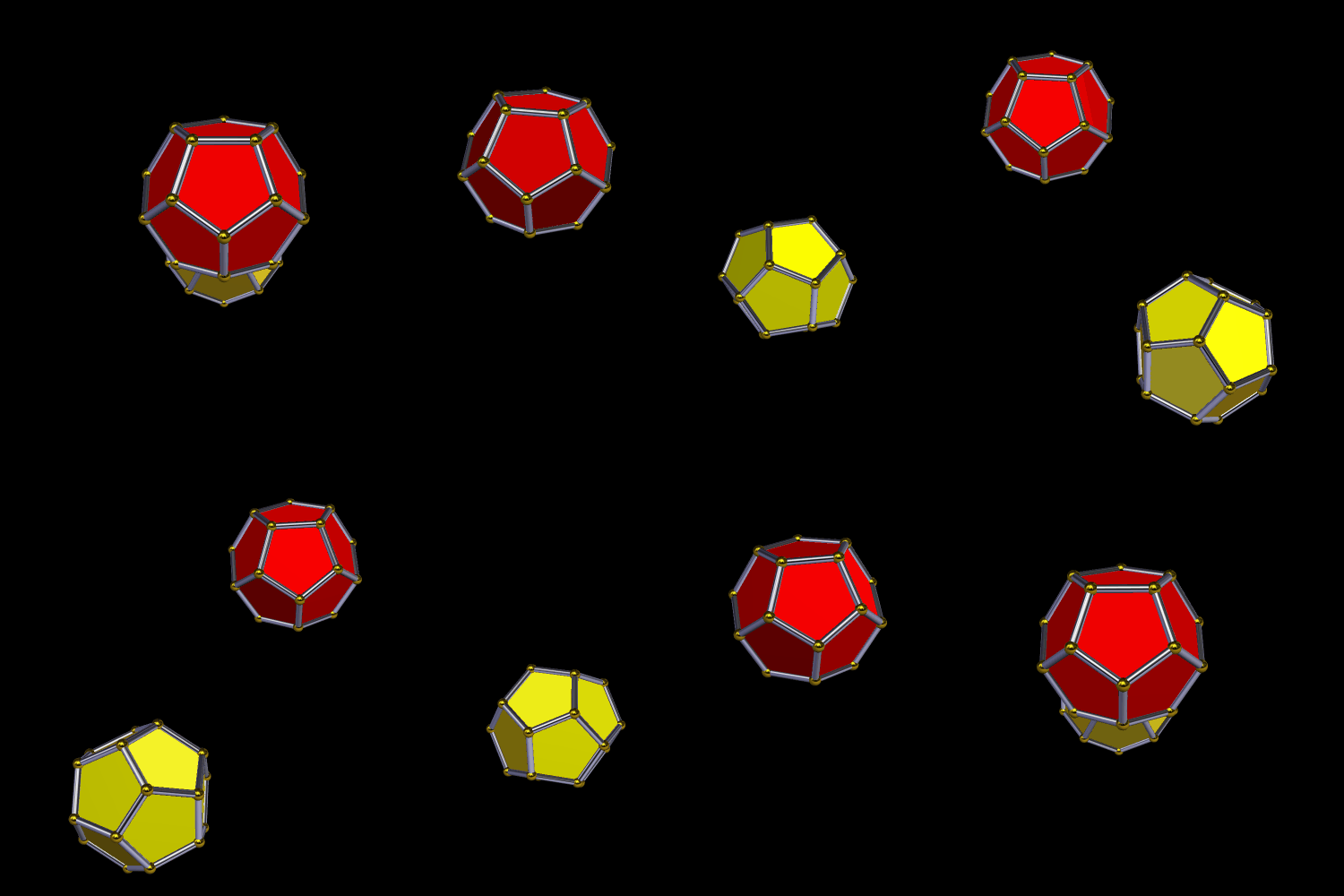
I made this .gif, of two dodecahedra orbiting a common center of mass, using a program called Stella 4d: Polyhedron Navigator. This program may be tried for free at http://www.software3d.com/Stella.php.
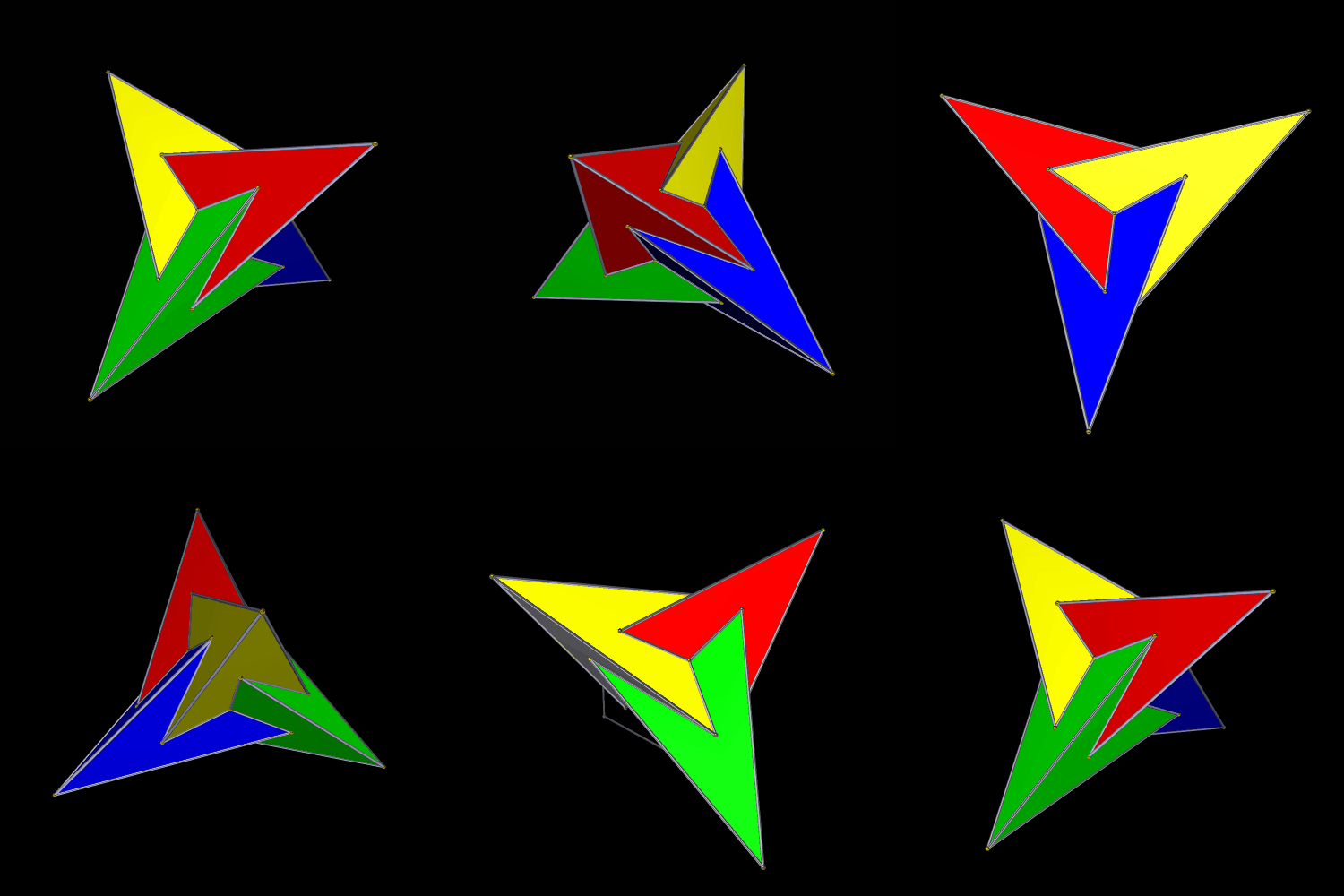
Compound of Four Pyramids

I made this using Stella 4d, which you can try for free right here.

Two Symmetrohedra

Symmetrohedra are symmetric polyhedra with many faces regular, but not necessarily all of them. The symmetrohedron shown above is the dual of the convex hull of the compound of the great rhombicosidodecahedron and its dual, the disdyakis triacontahedron. All of its faces are regular, except for the triangles, which are scalene.

The second symmetrohedron shown here is the dual of the convex hull of the great rhombcuboctahedron and its dual, the disdyakis dodecahedron. Like its “big brother” above, all of this symmetrohedron’s faces are regular, except for the scalene triangles.

These polyhedra were made using Stella 4d, a program you can try for free at this website.

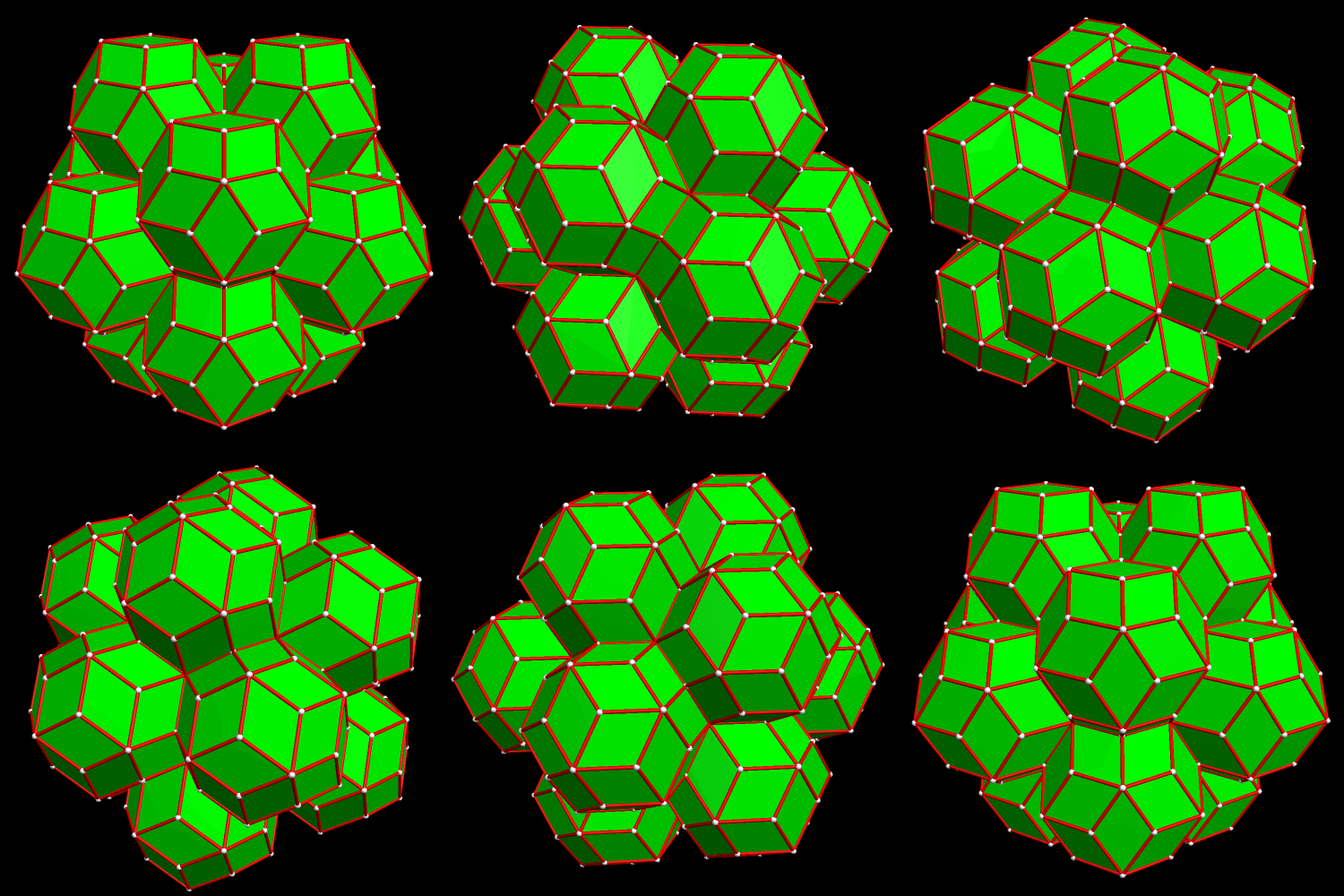
A Cluster of Twelve Rhombic Triacontahedra

To make this, I started with the rhombic hexecontahedron (shown in this post), and then I augmented its twelve indentations with rhombic triacontahedra. I did this using Stella 4d, which you can try for free right here.

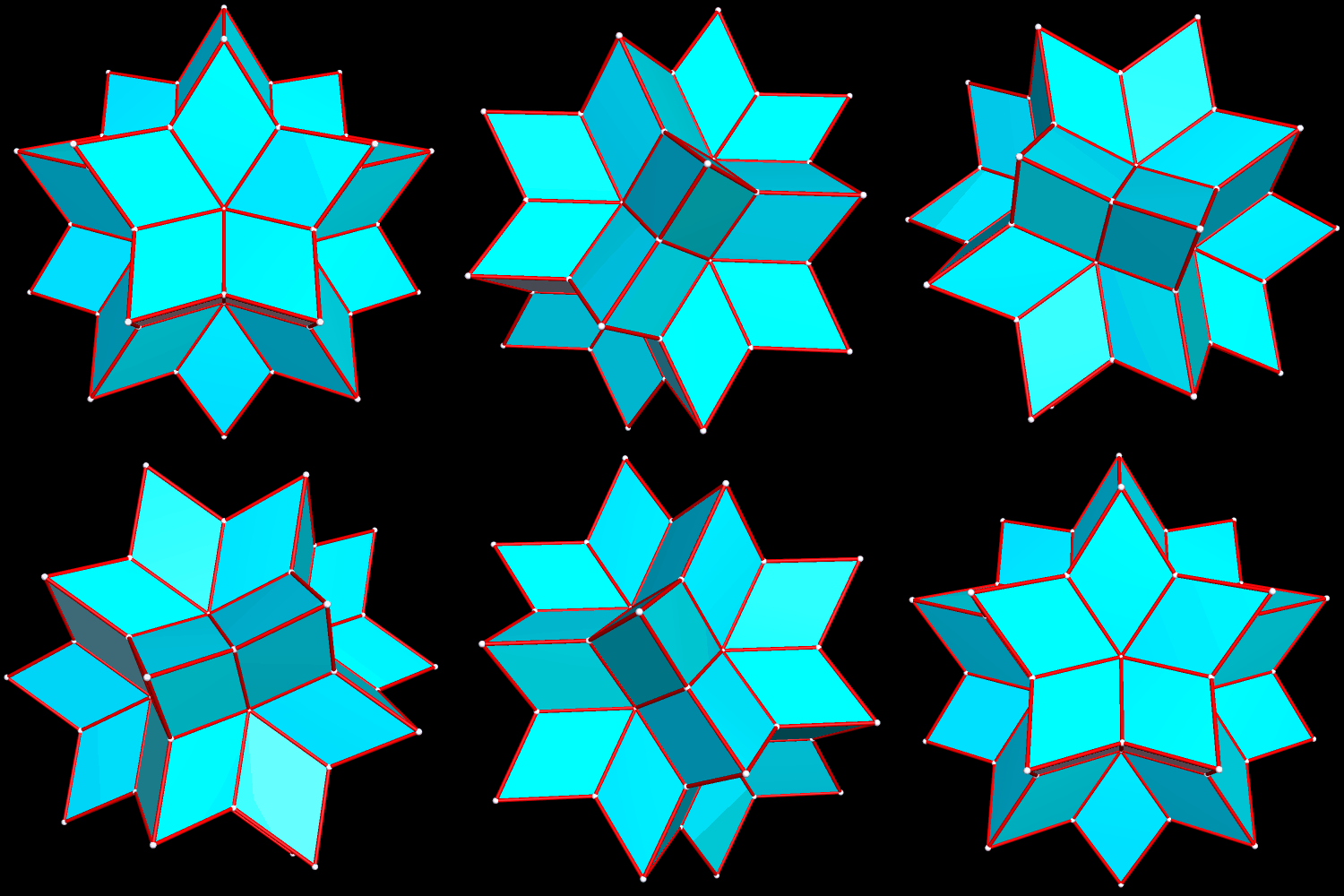
The Rhombic Hexecontahedron

This is the rhombic hexecontahedron. Its faces are 60 rhombi with diagonals in the golden ratio. I made it by starting with a rhombic triacontahedron, then stellating it 26 times. This was done using Stella 4d, a program you can try for free at http://www.software3d.com/Stella.php.
This non-convex polyhedron can also be made using Zome, available at http://www.zometool.com, using all red struts of the same length. This was the reason I made the edges red, and the vertices white (like Zomeballs).

The 12th Stellation of the Cuboctahedron

This image was made using Stella 4d: Polyhedron Navigator. You can try this software for free at http://www.software3d.com/Stella.php.
The 12th Stellation of the Dodecahedron/Icosahedron Compound

I used Stella 4d to make this. You can try this program for yourself, for free, at this website.

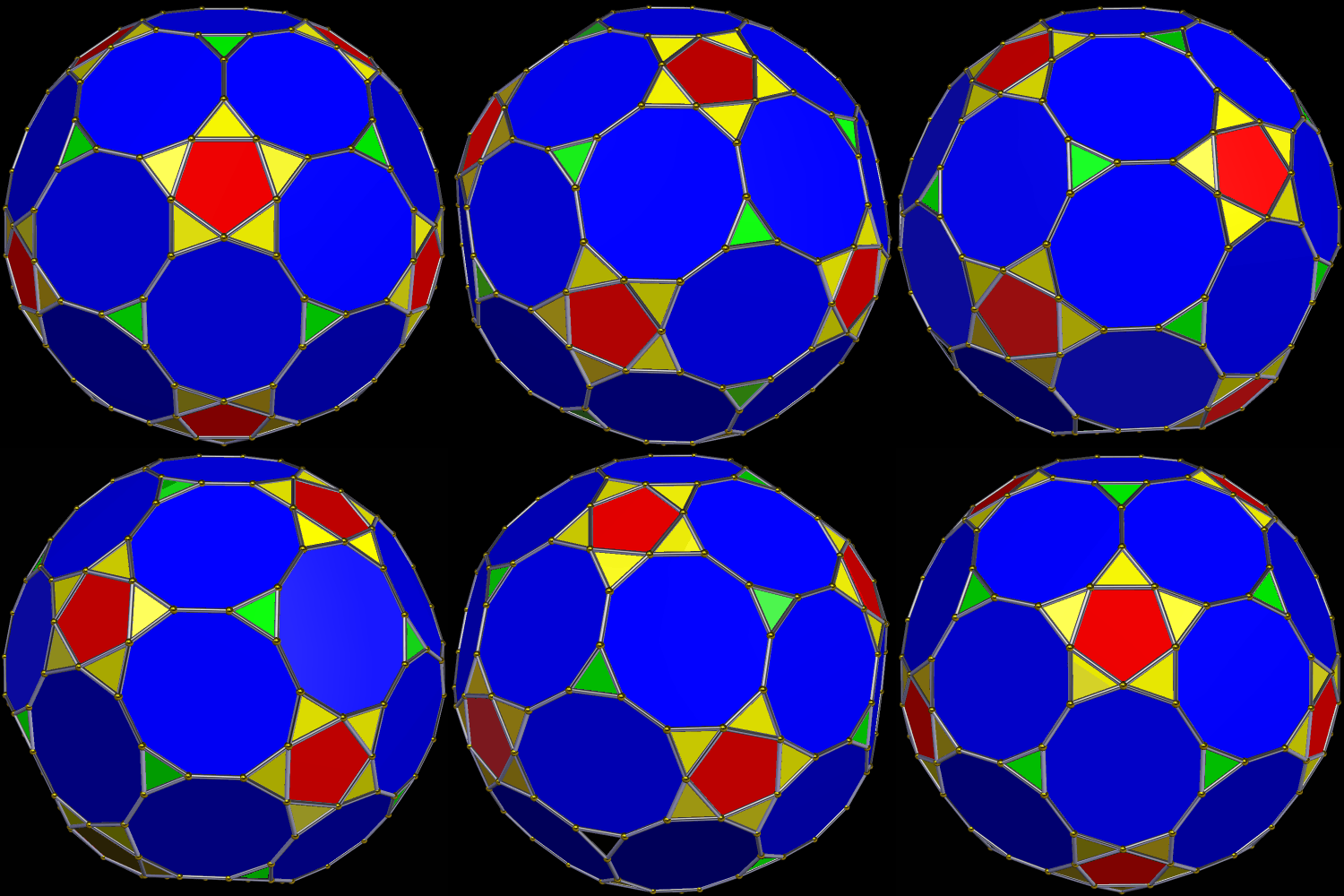
Two Polyhedra Derived From the Icosahedron

The polyhedron above is a zonish icosahedron, with zones added to that Platonic solid based on its faces and vertices. Its faces are twenty equilateral triangles, thirty equilateral decagons, and sixty rhombi. After making it, I used faceting to truncate the vertices where sets of five rhombi met, creating the polyhedron below. It has twelve regular pentagons as faces, with the sixty rhombi of the polyhedron above turned into sixty isosceles triangles, along with the thirty decagons and twenty triangles from the first of these two polyhedra. This second one could be called either a faceted zonish icosahedron, or a truncated zonish icosahedron.

Both of these polyhedra were created using Stella 4d: Polyhedron Navigator, software you can try for free at http://www.software3d.com/Stella.php.