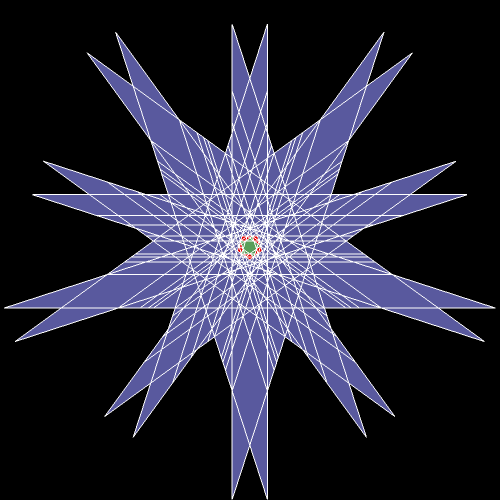
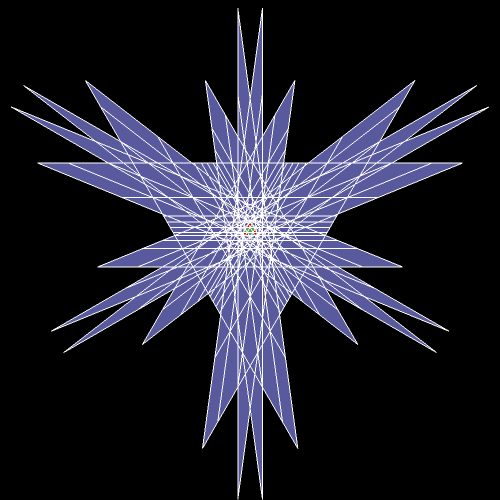
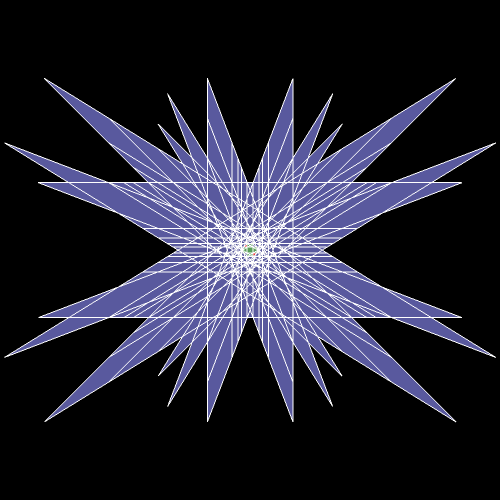
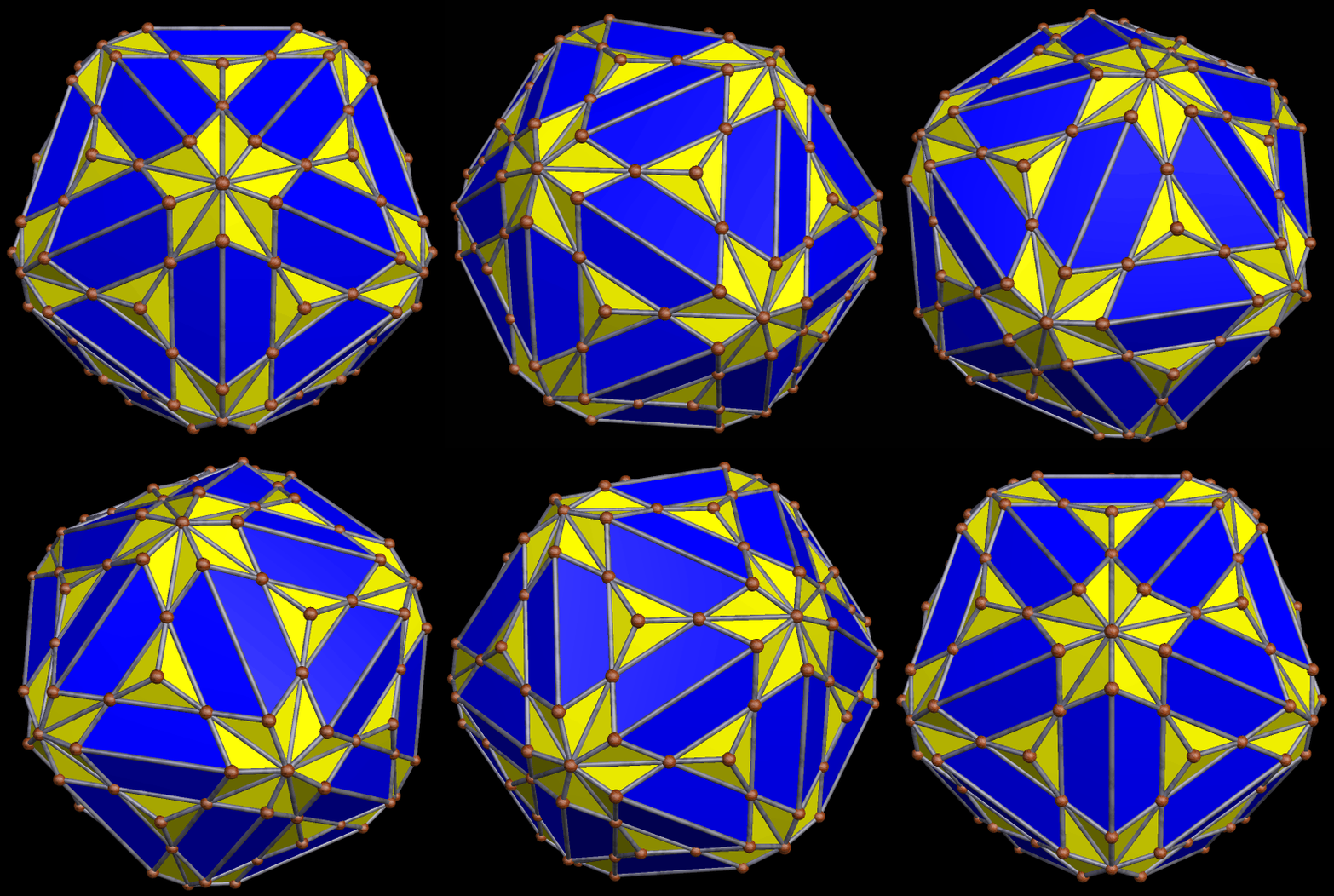
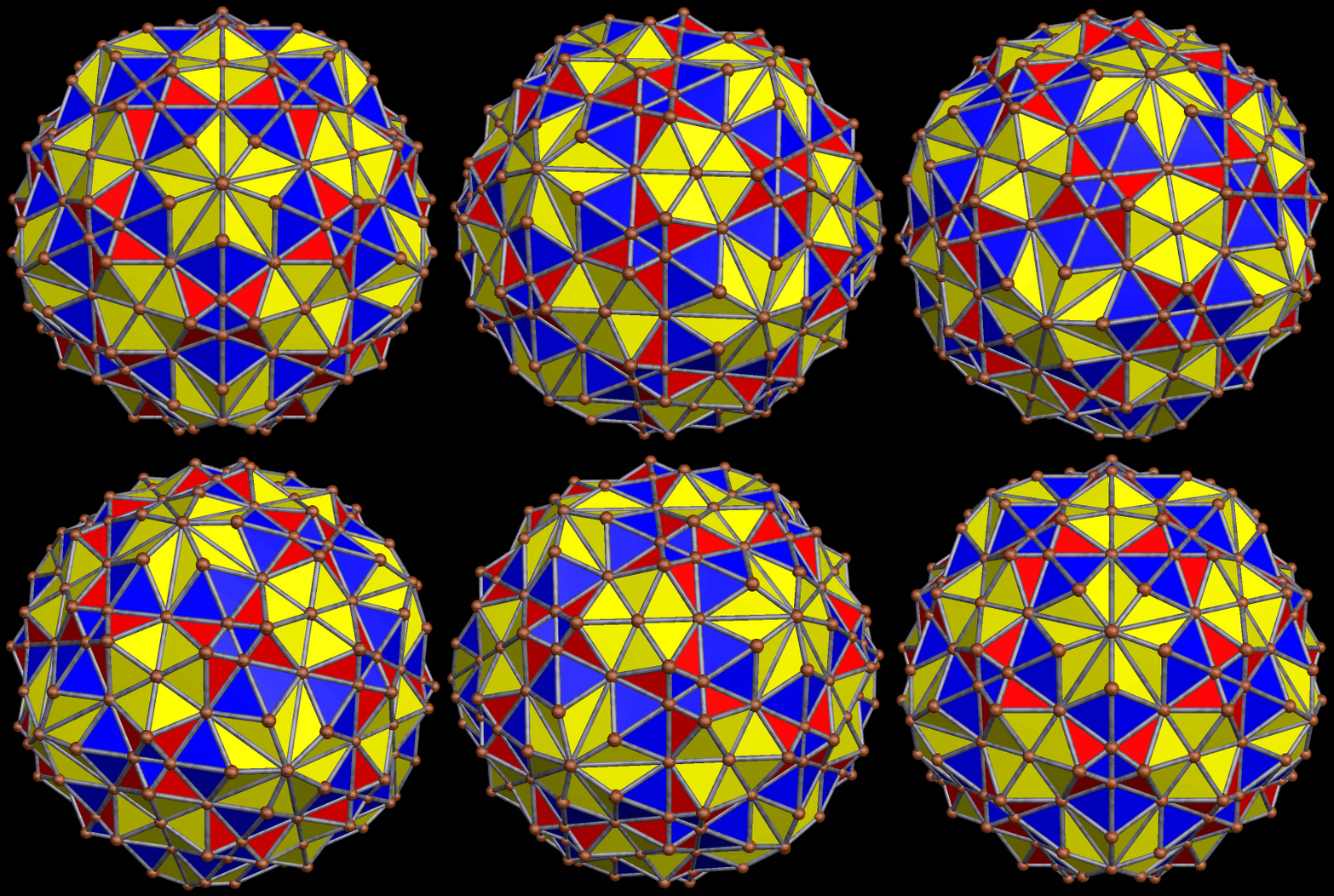
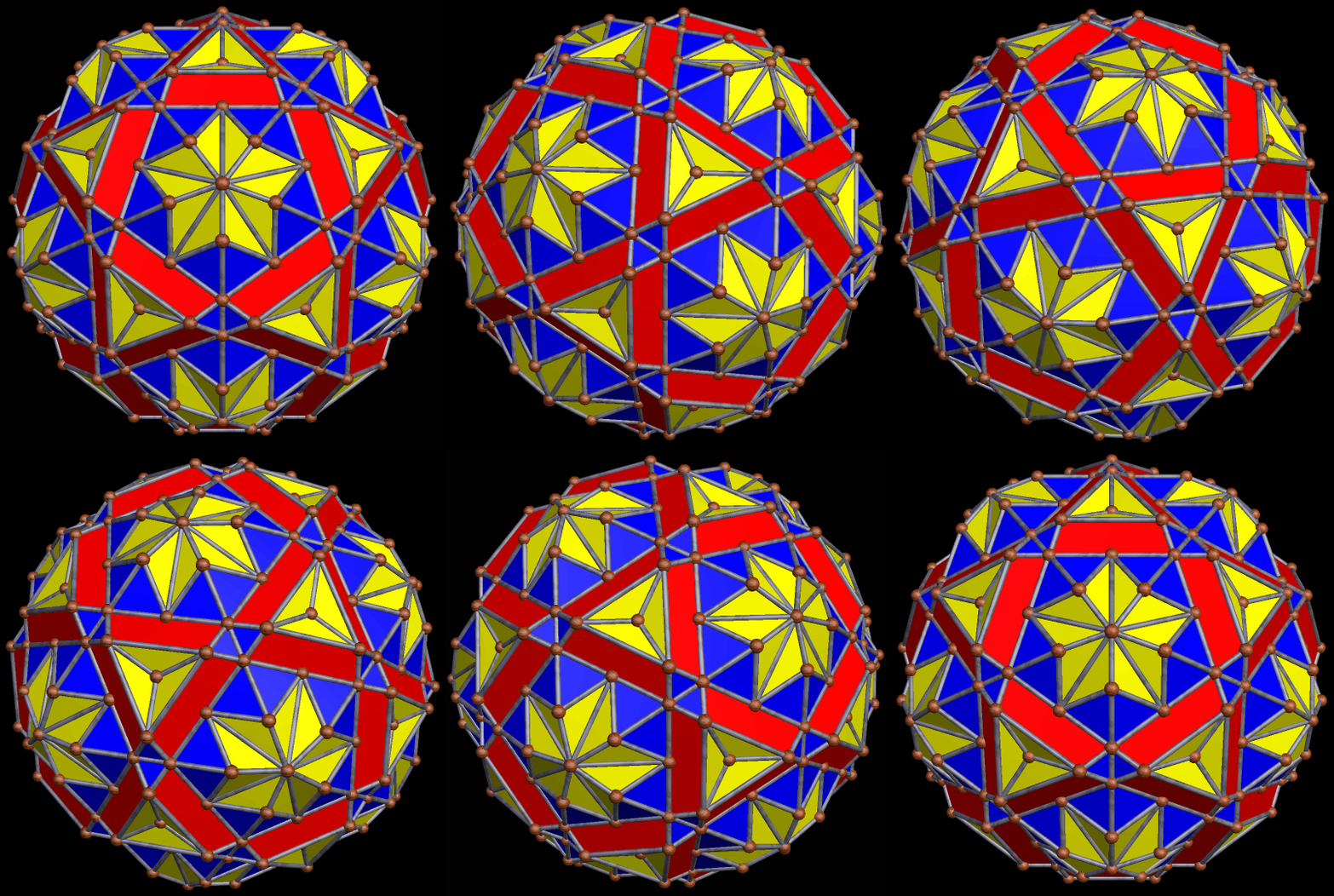
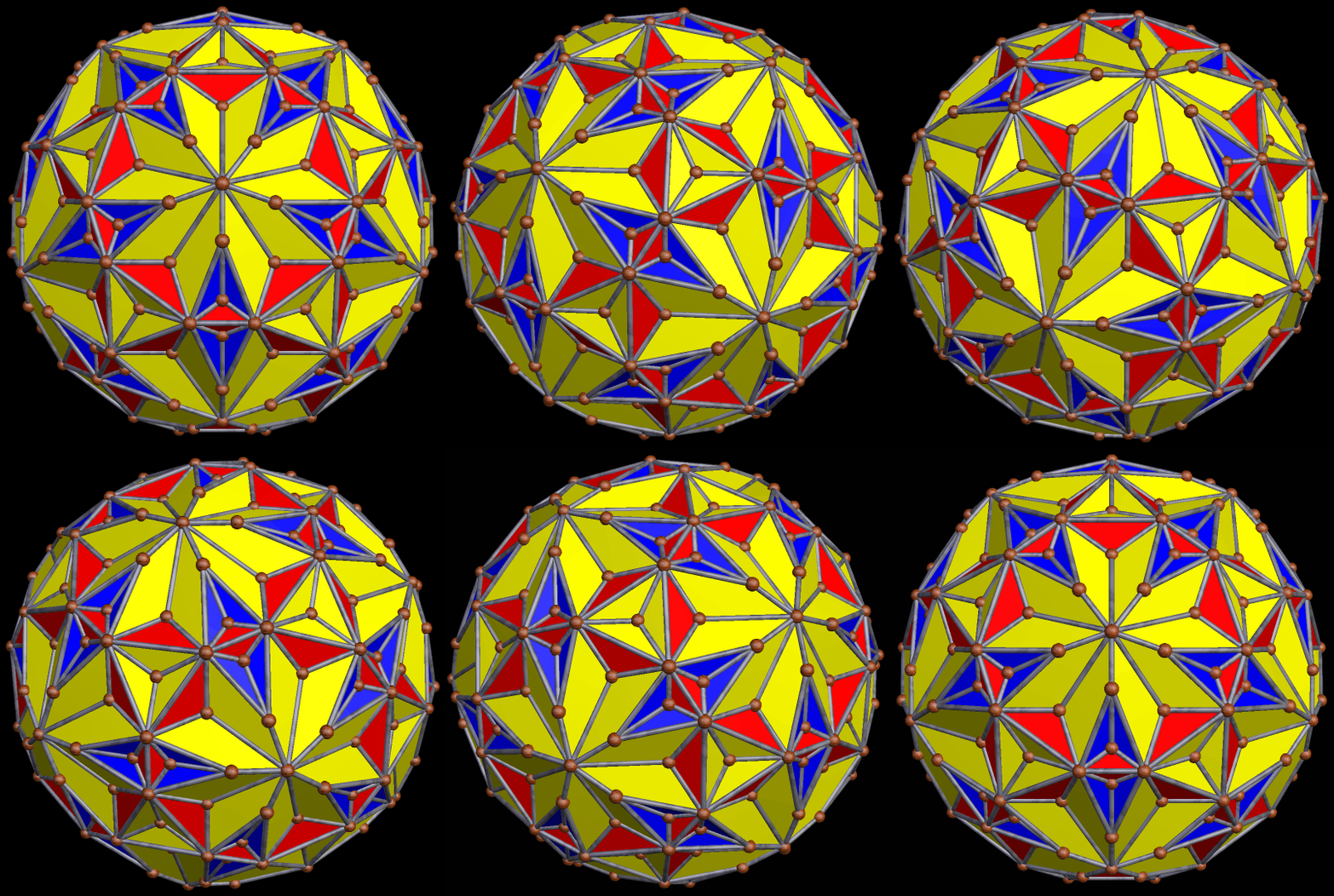
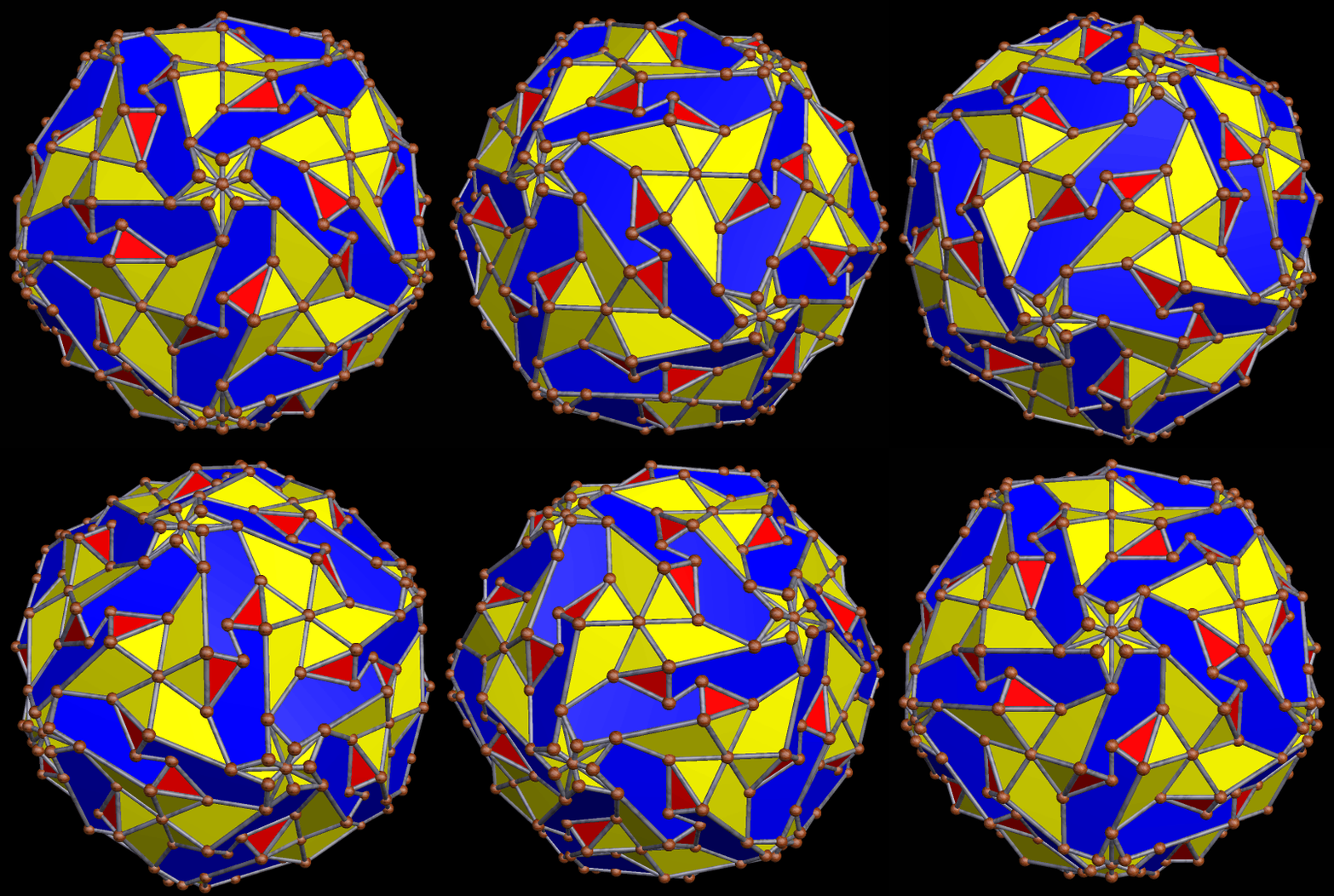
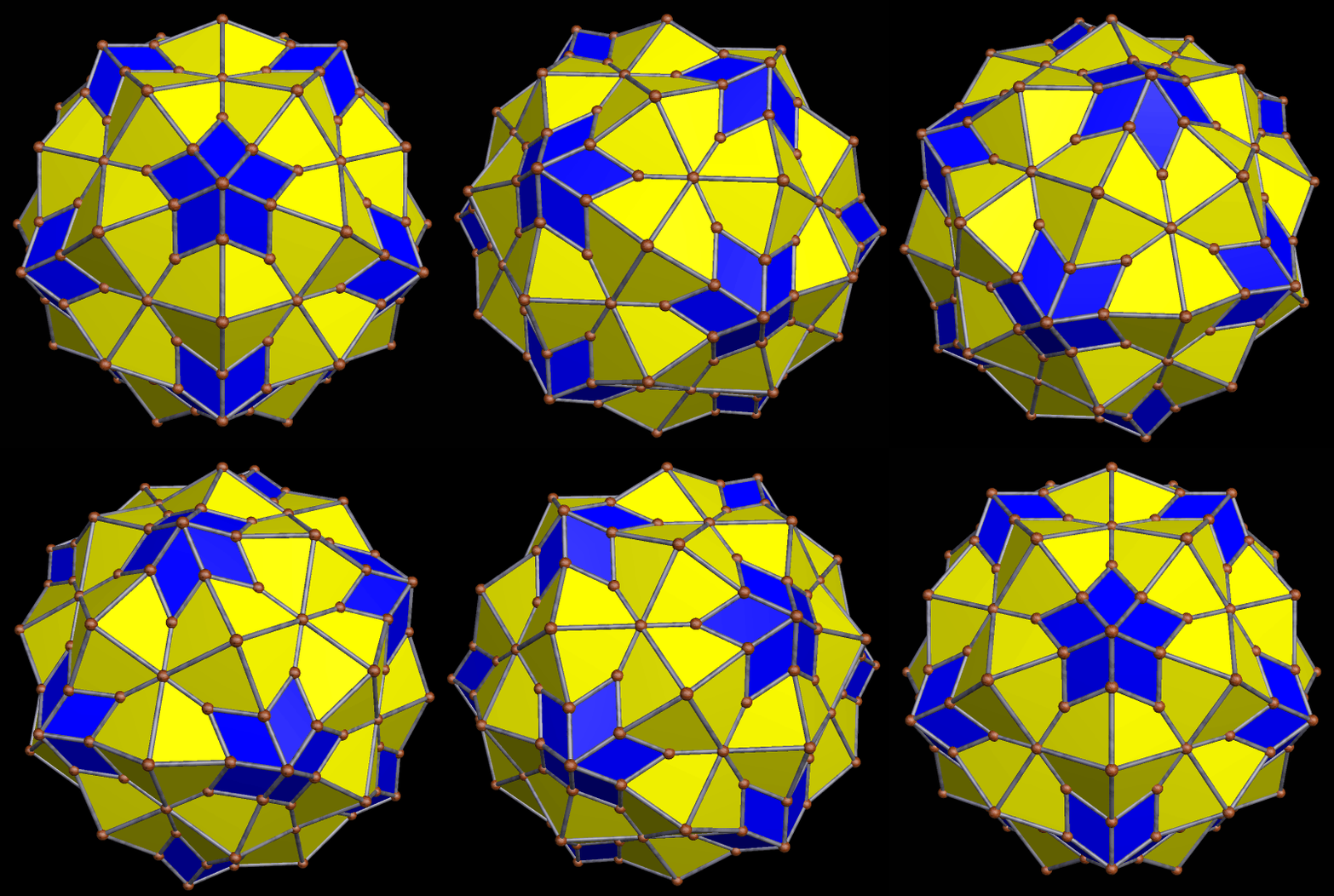
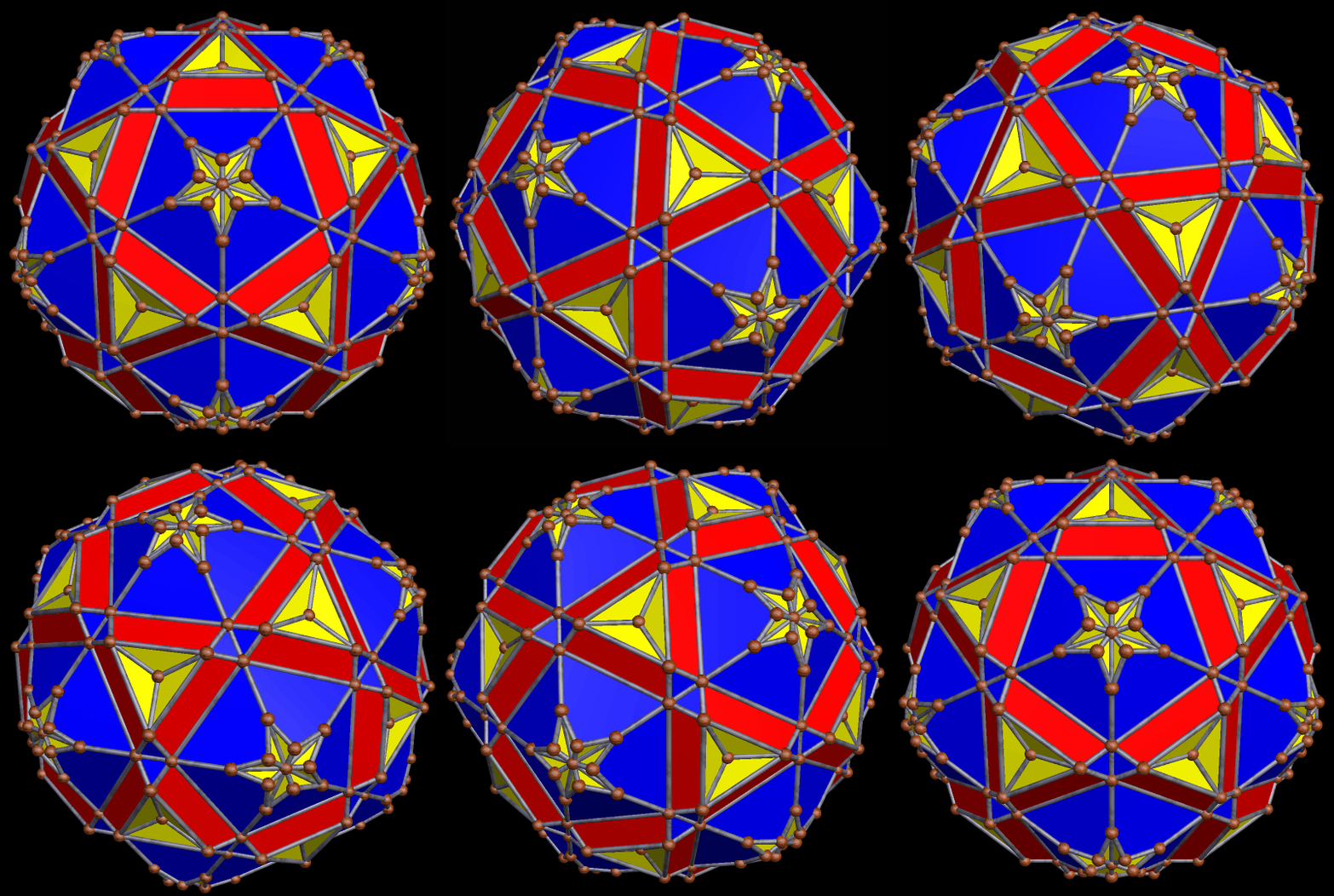
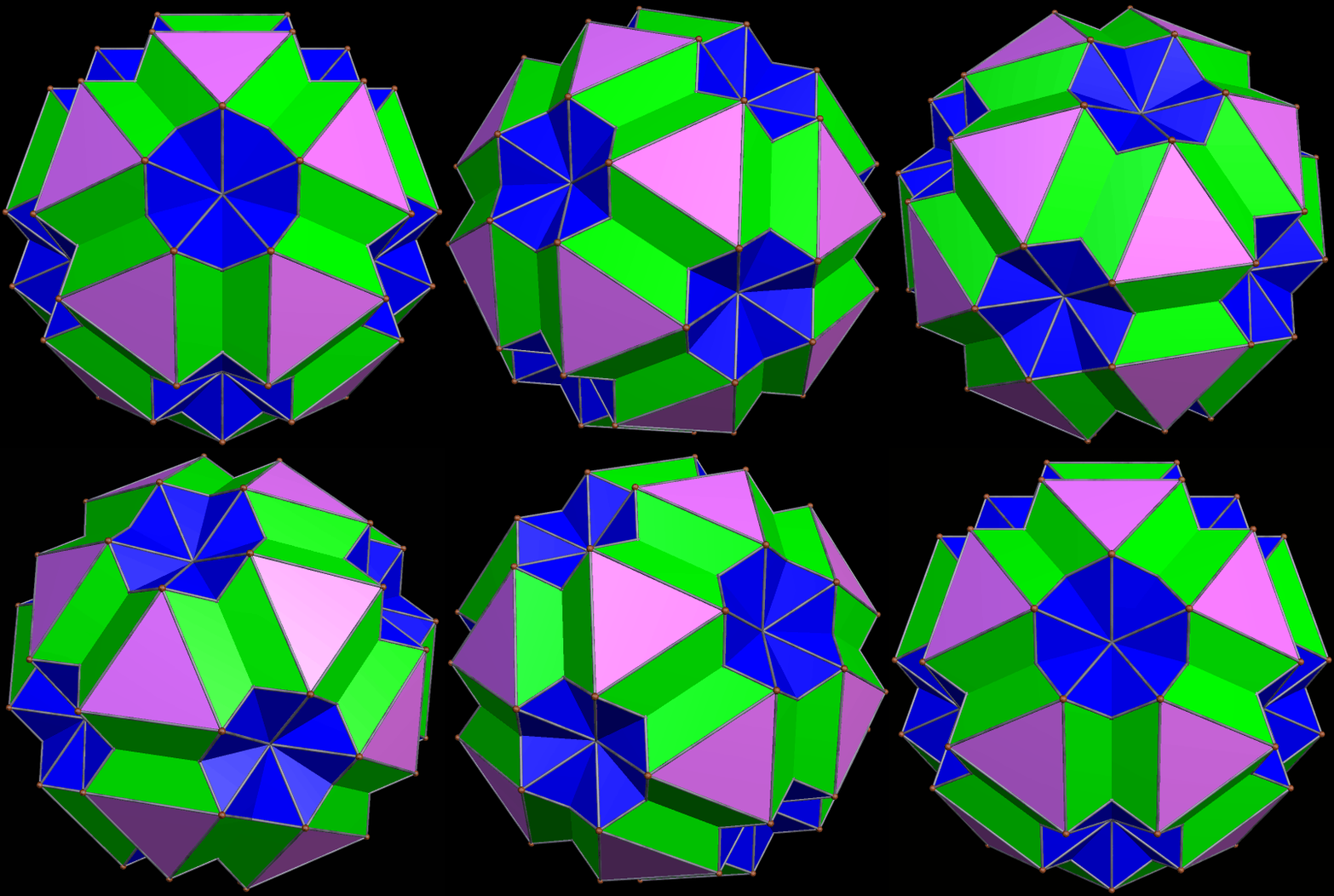
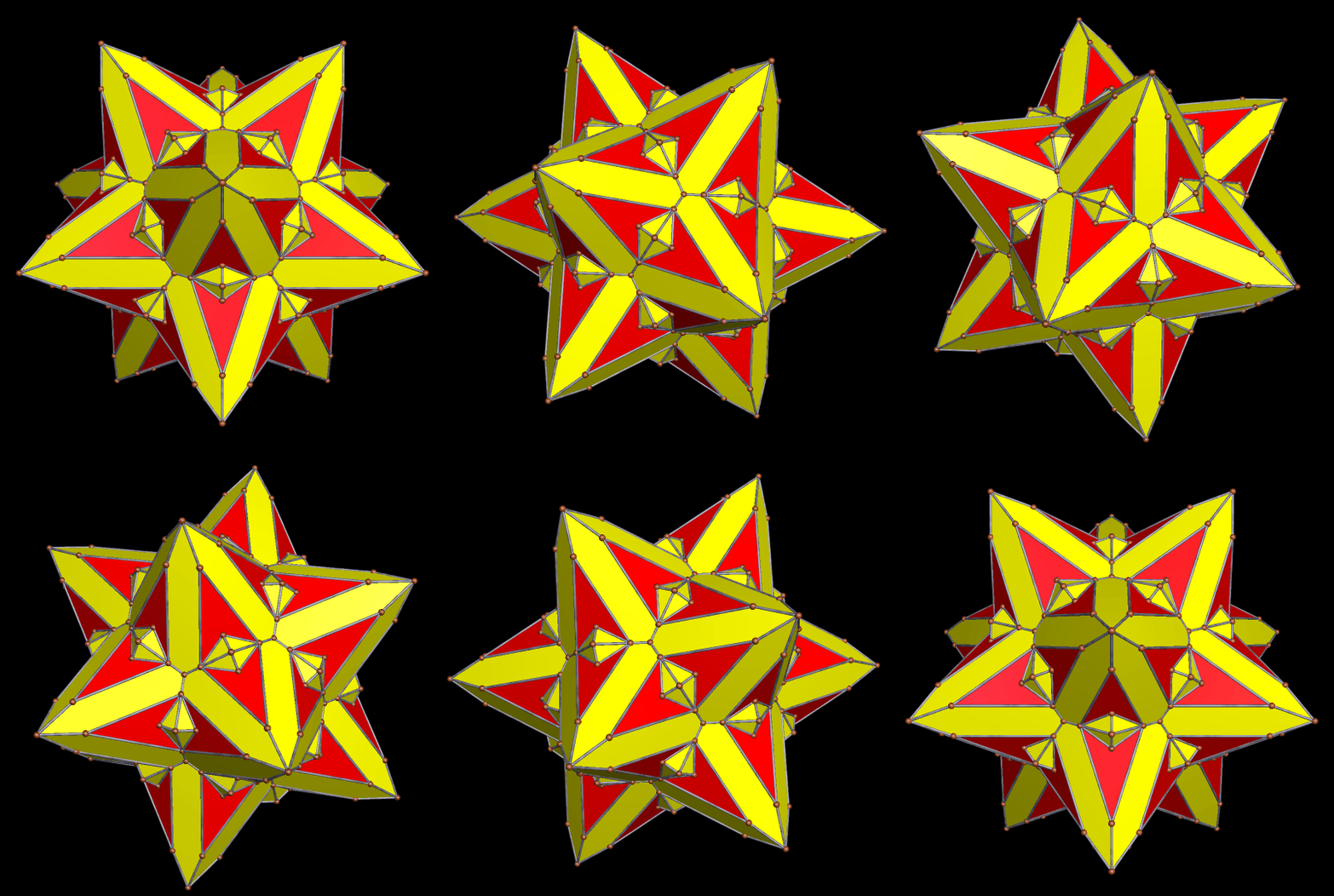
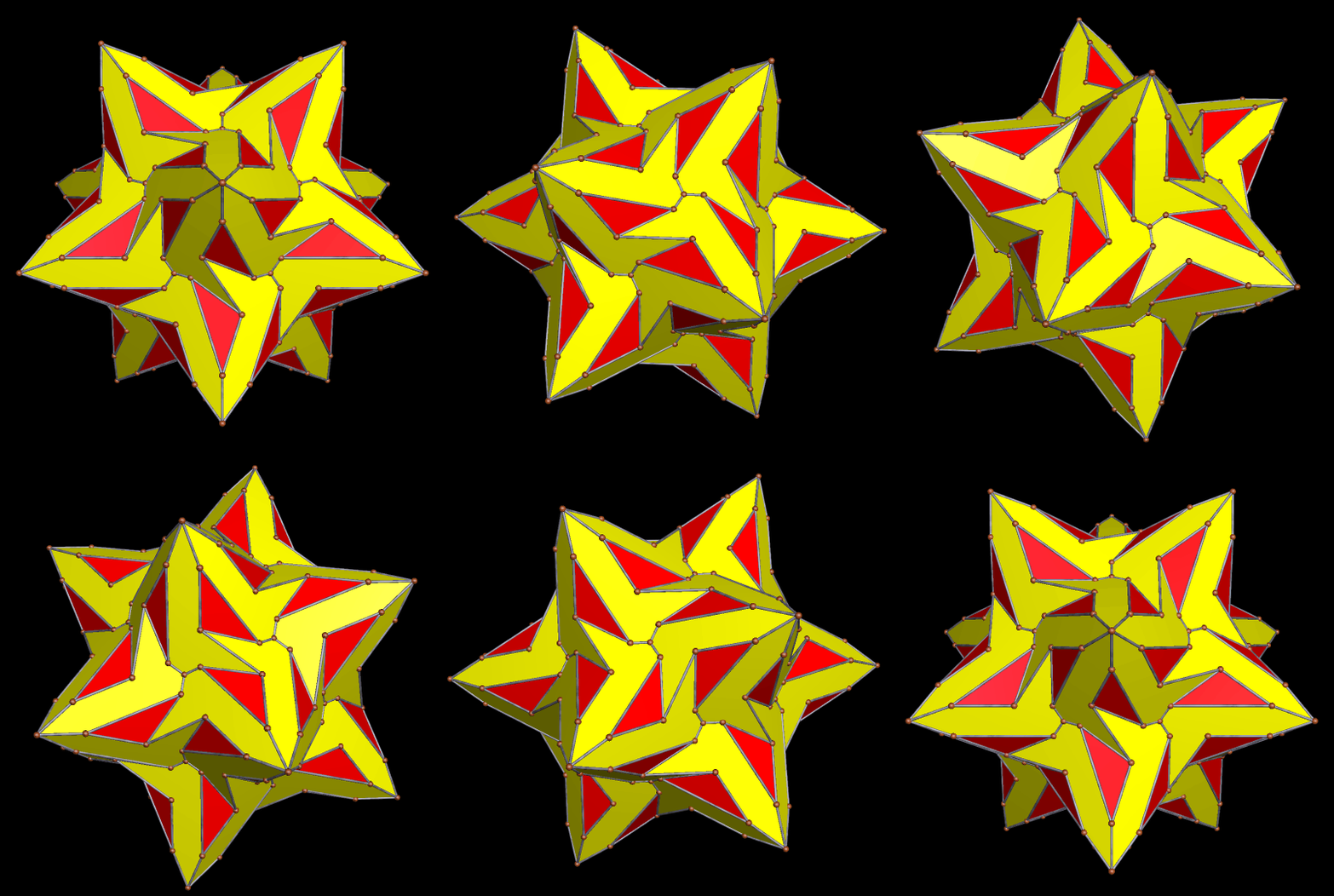
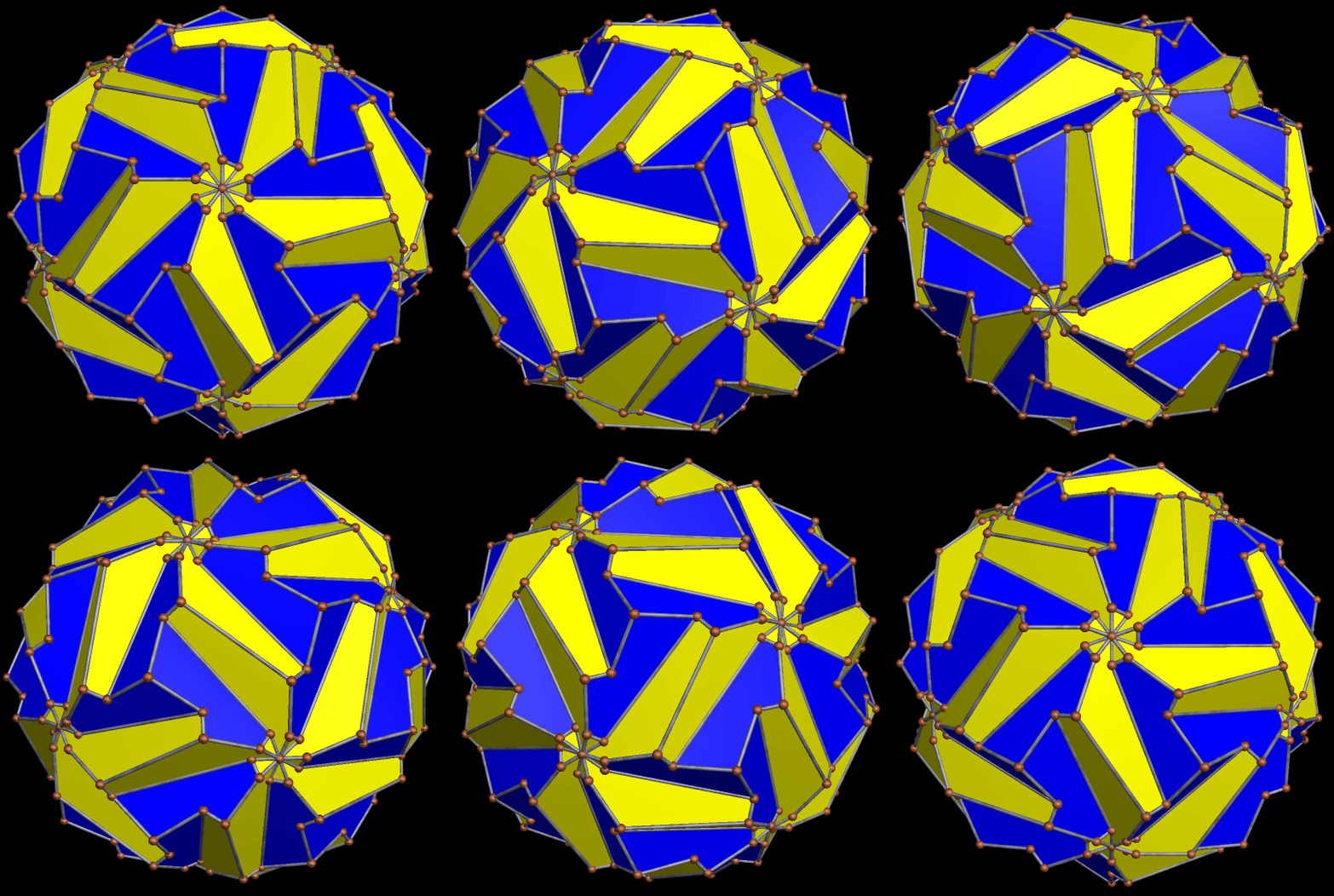
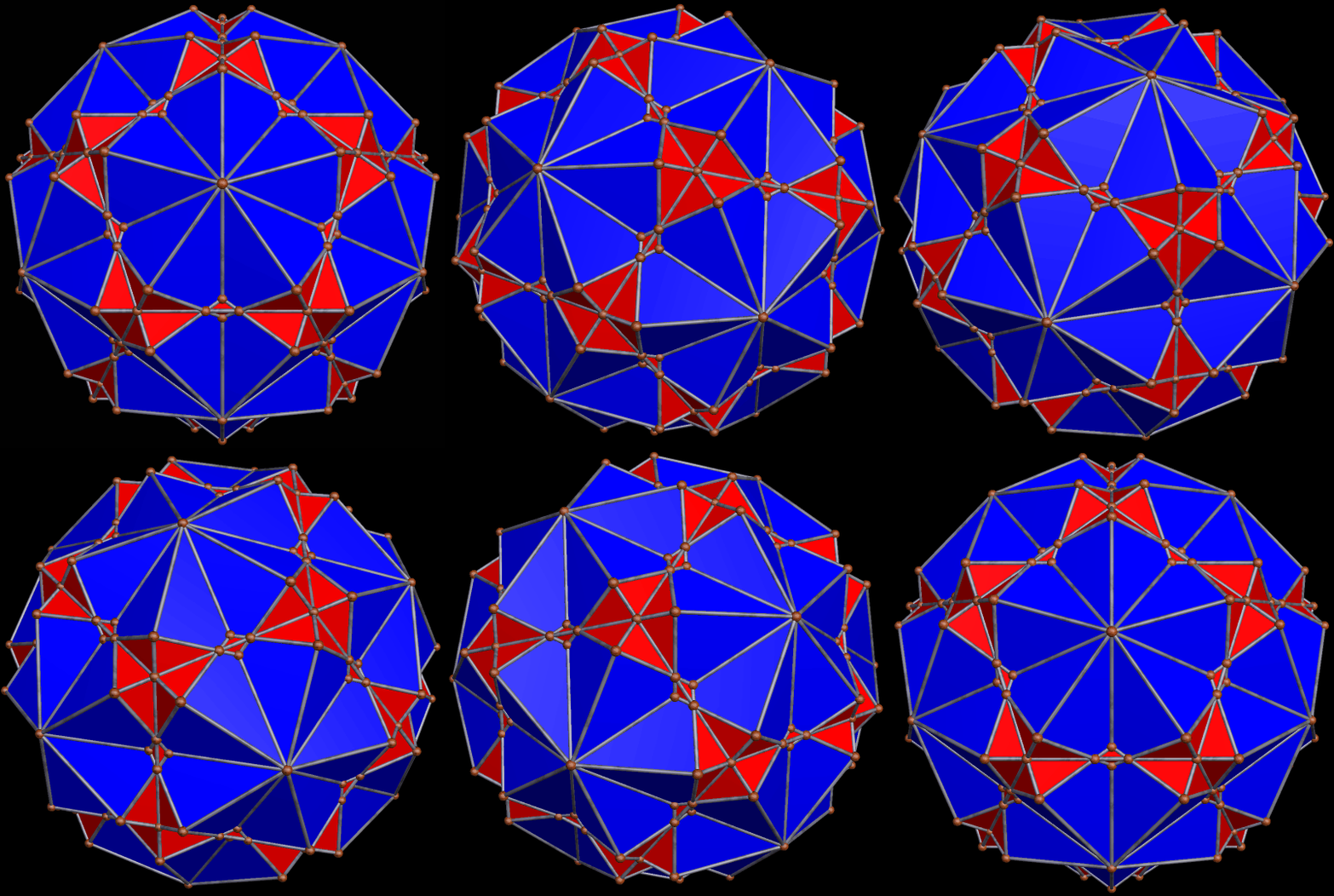
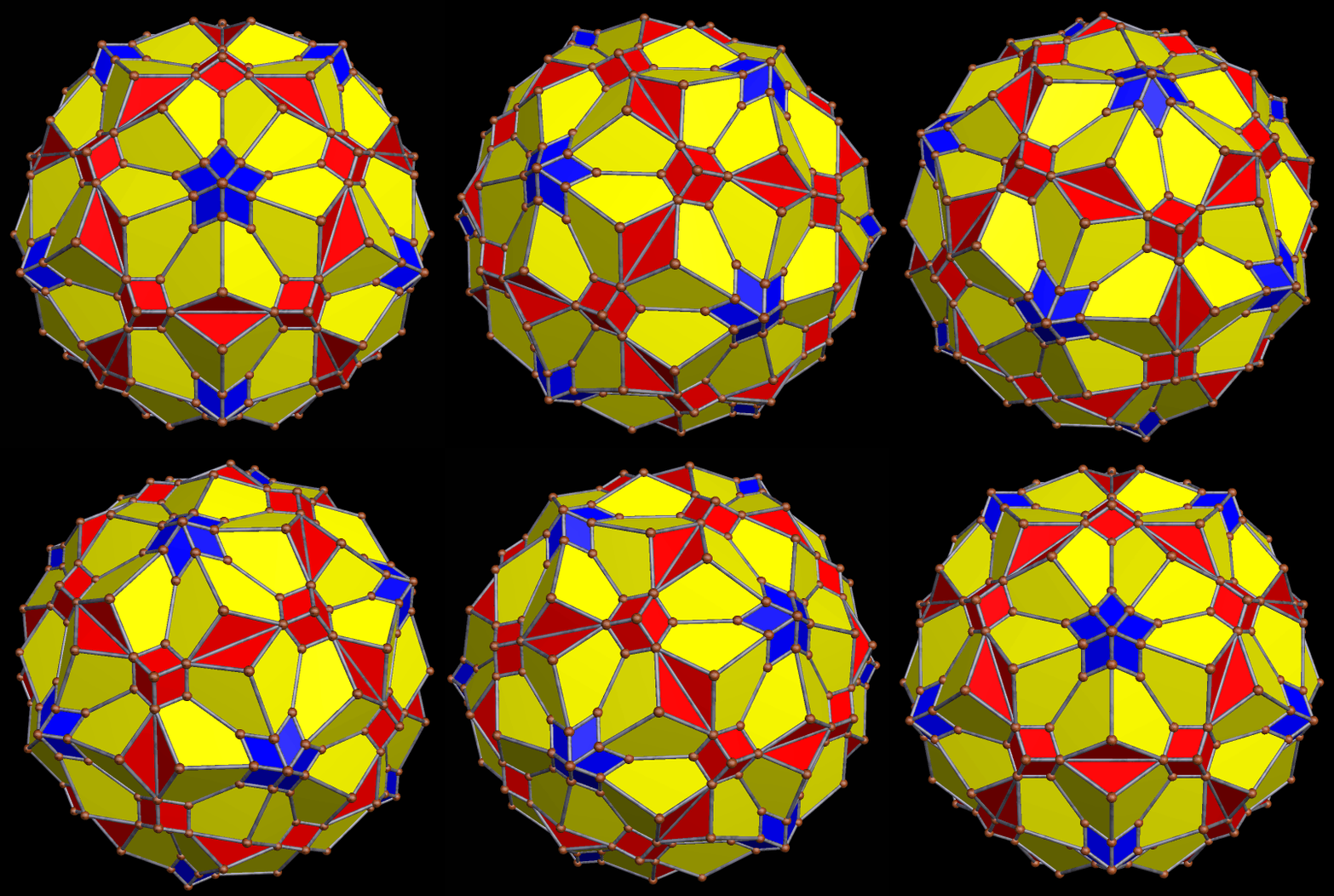
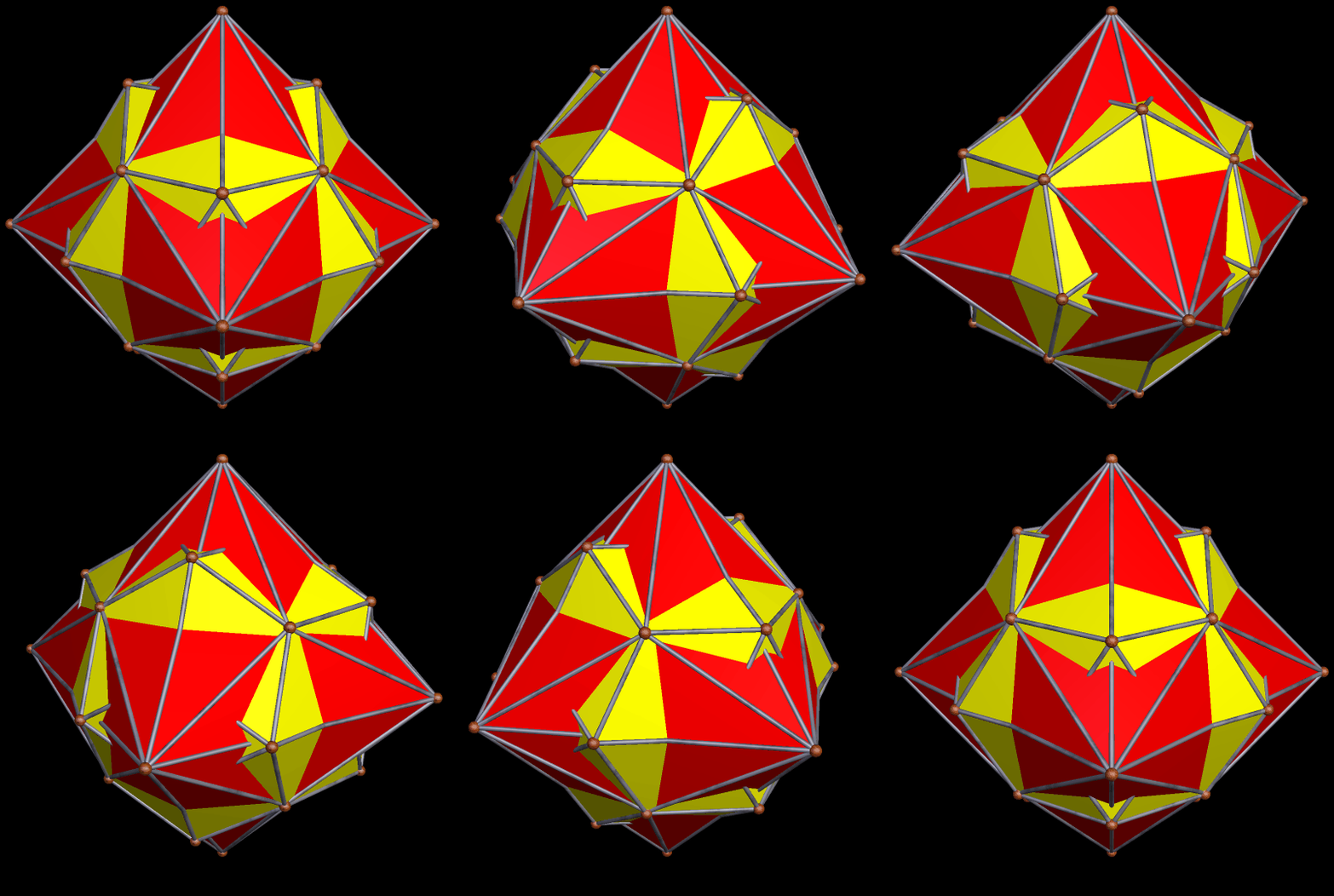
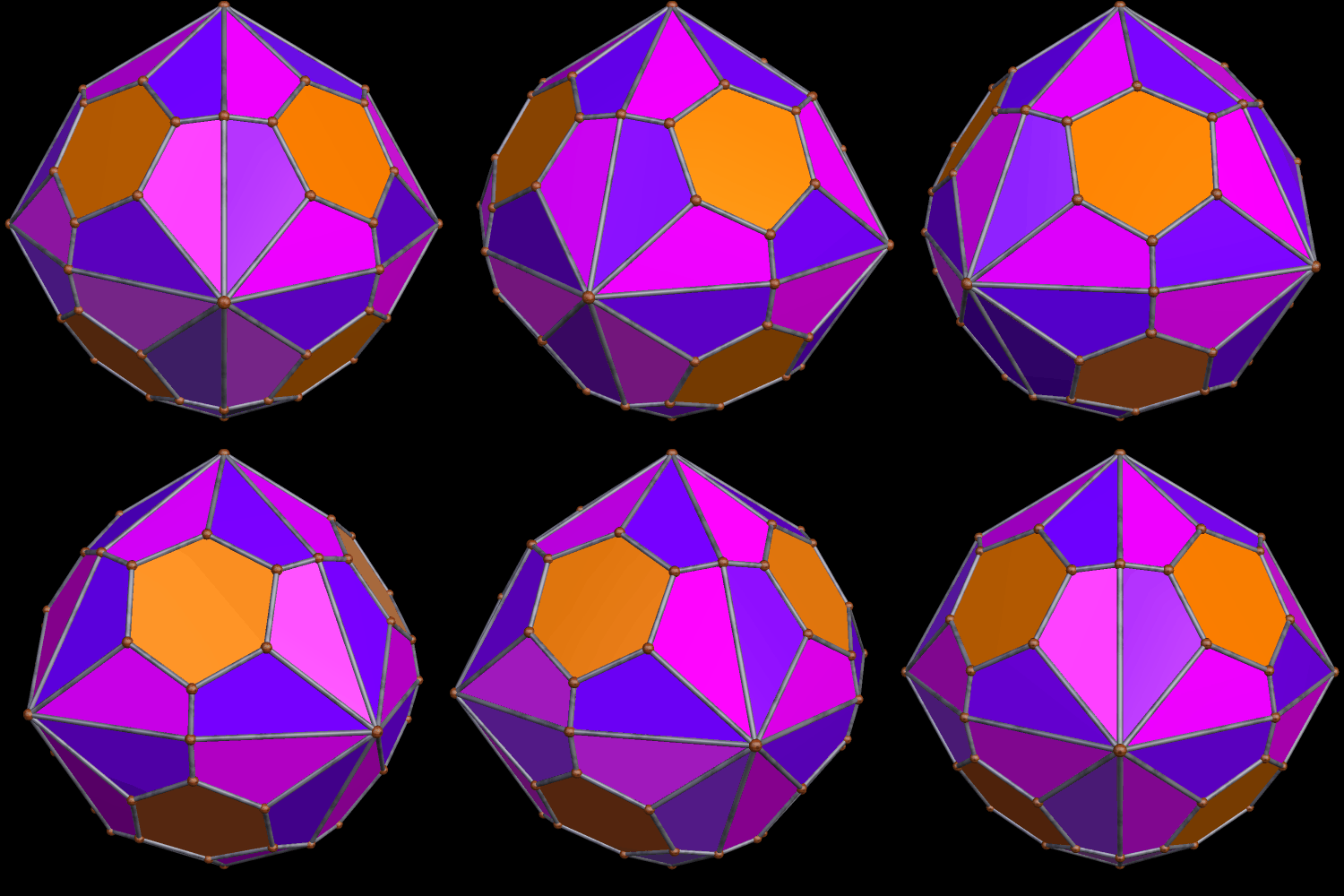
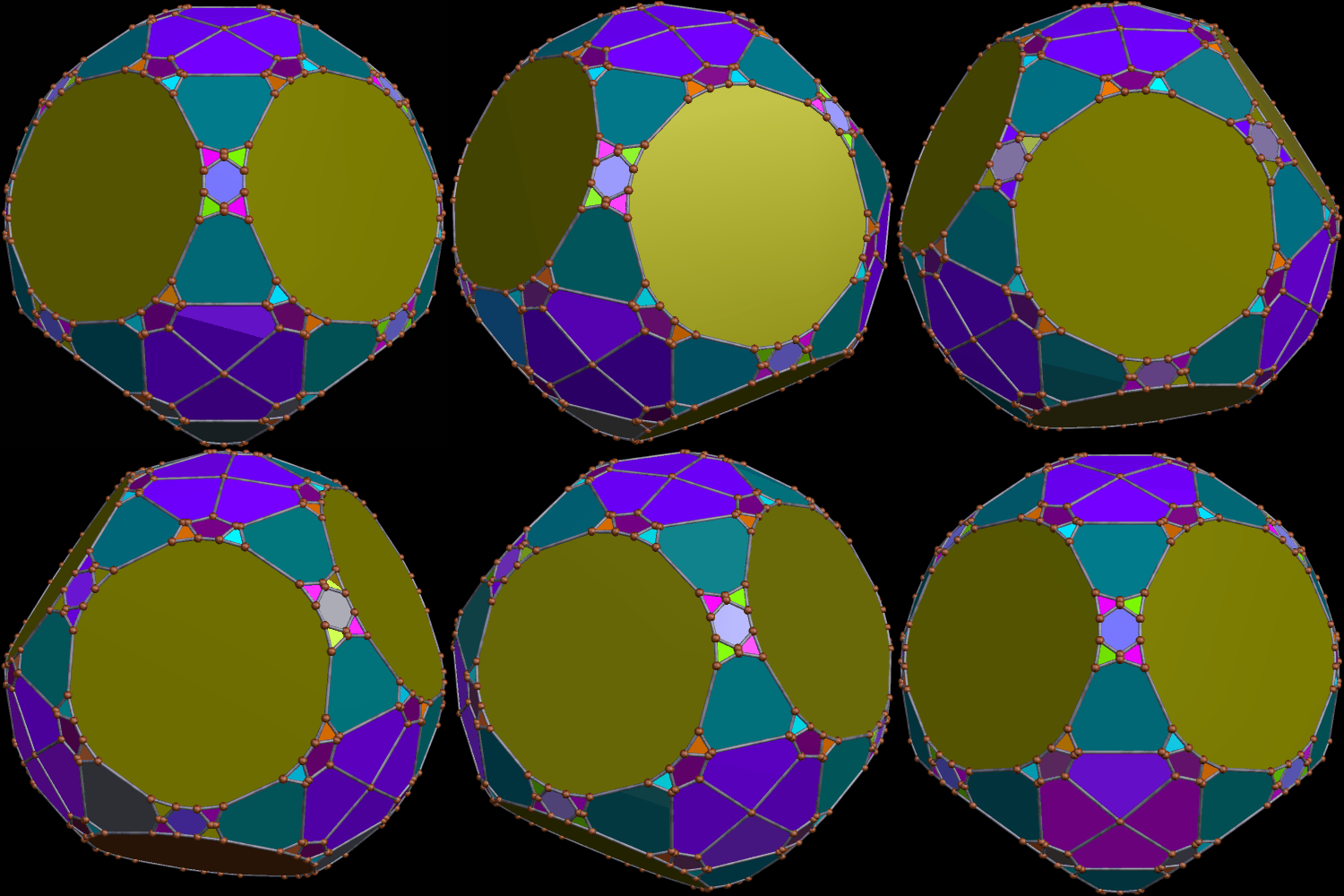
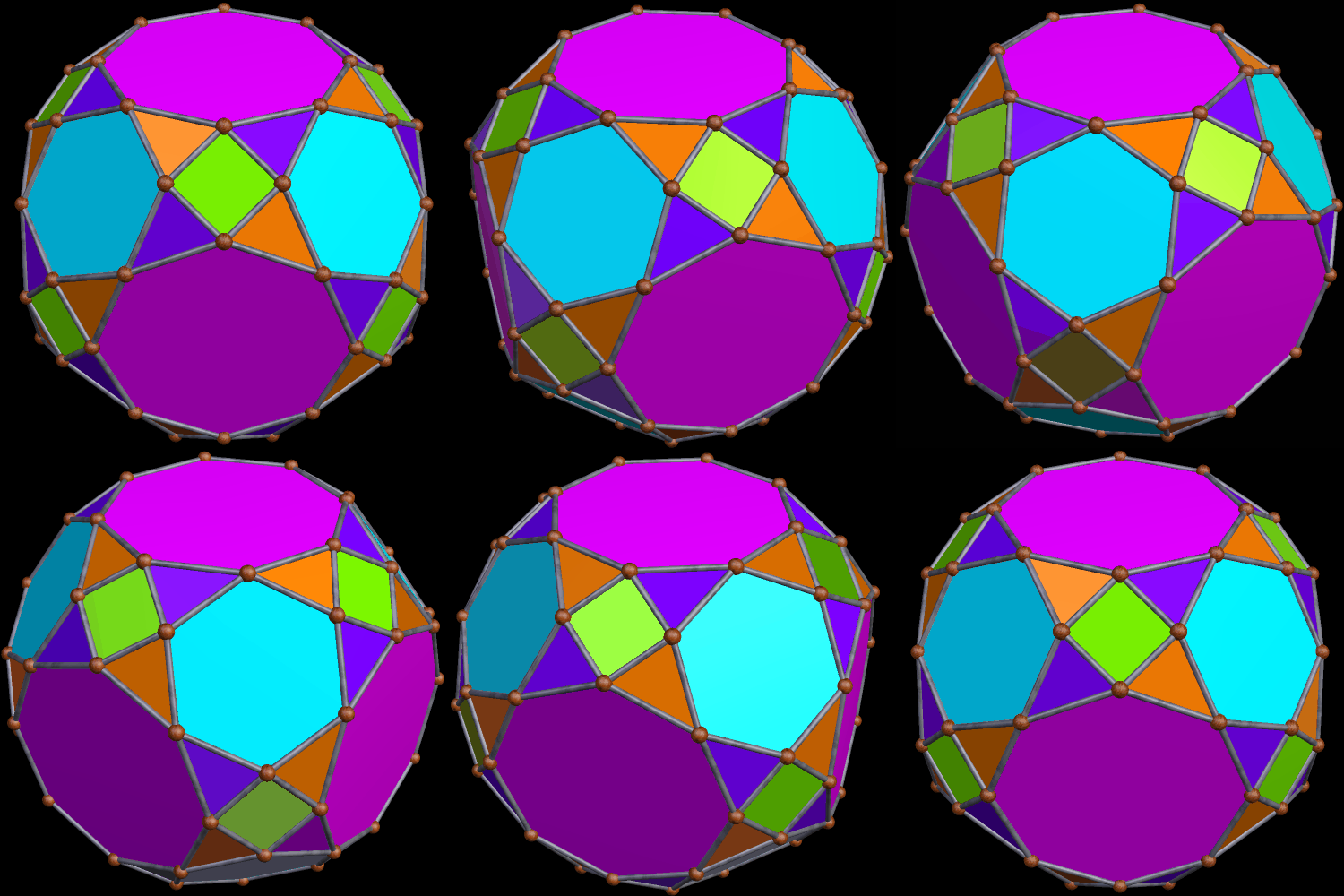
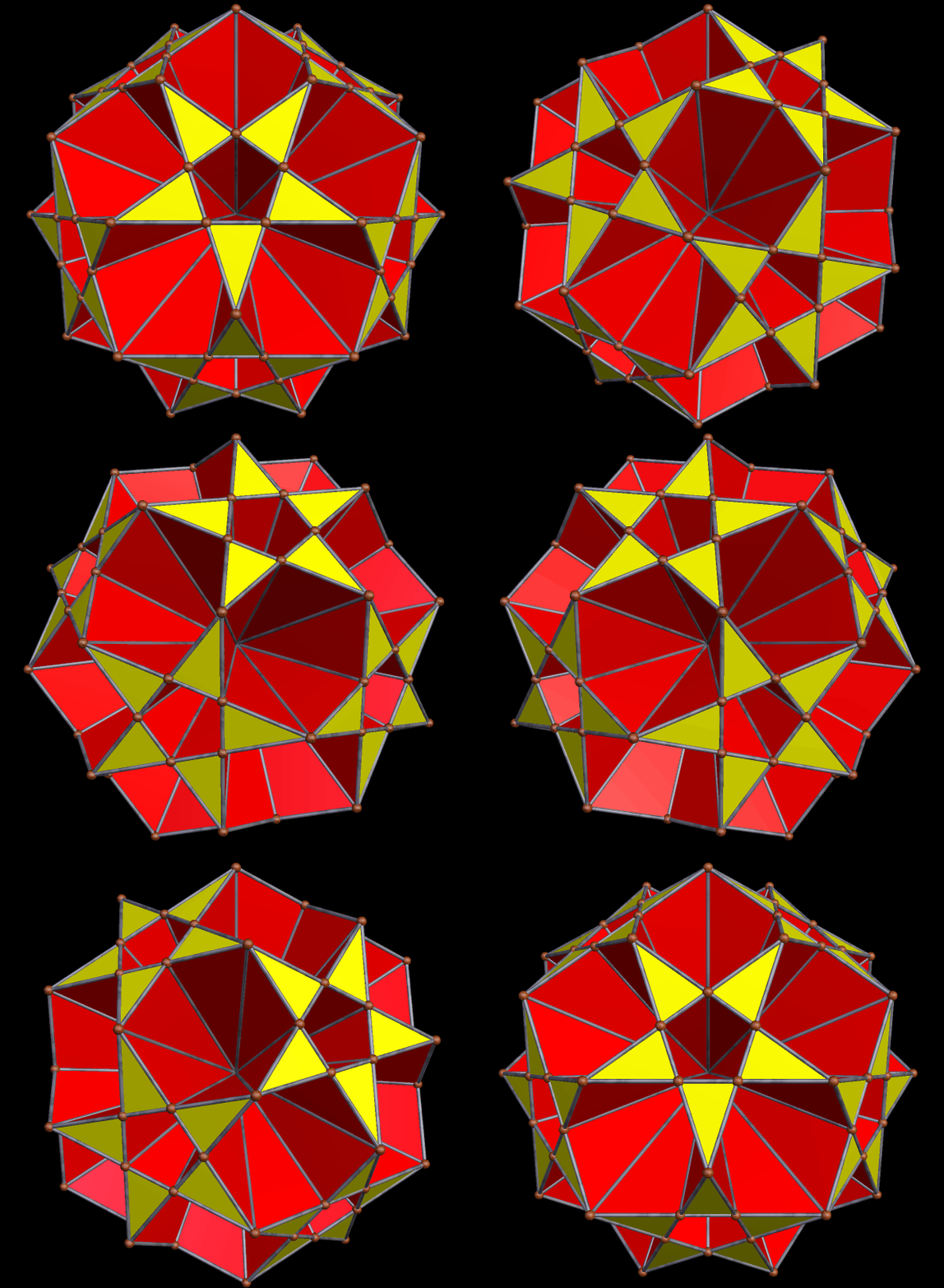
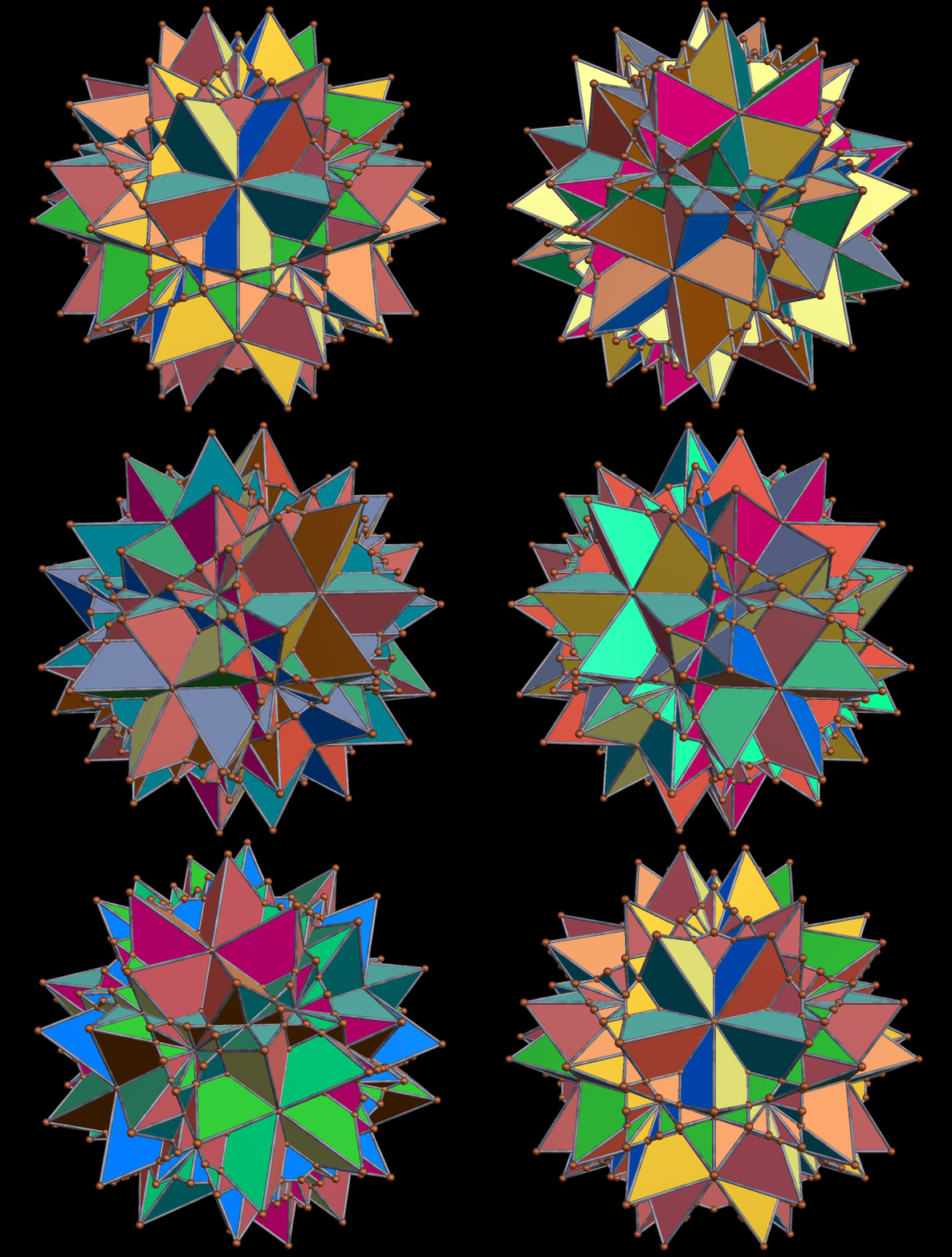
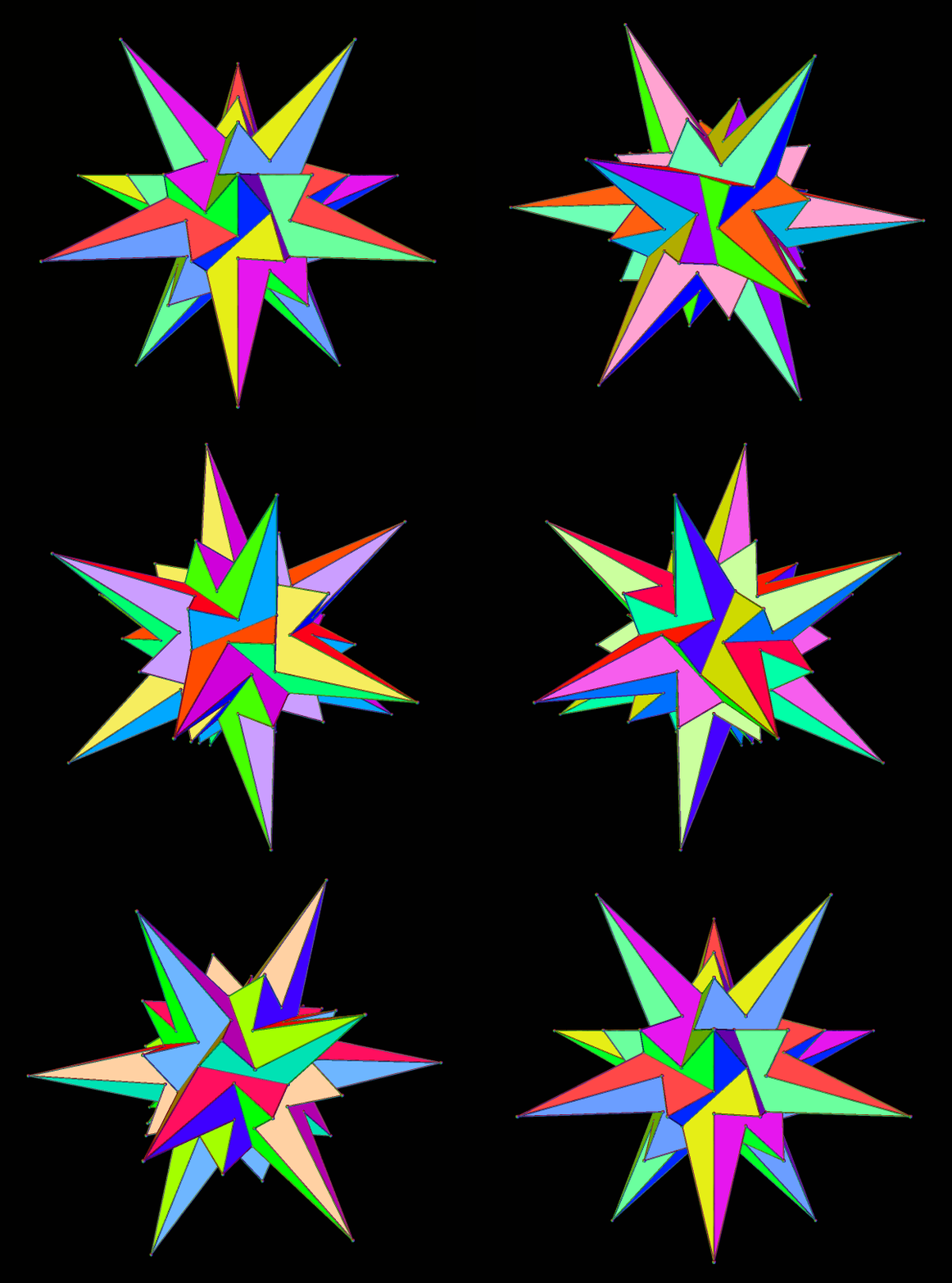
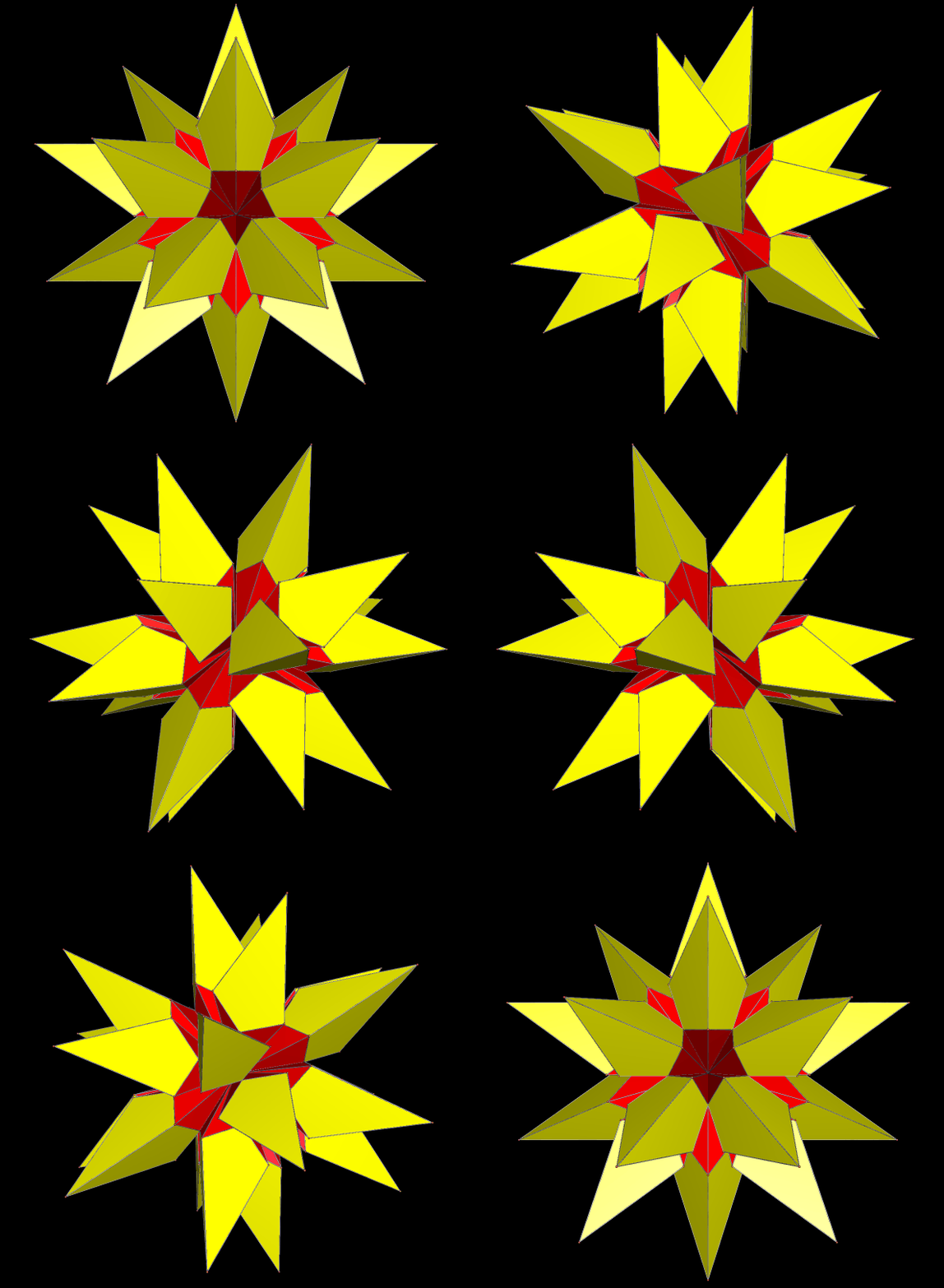
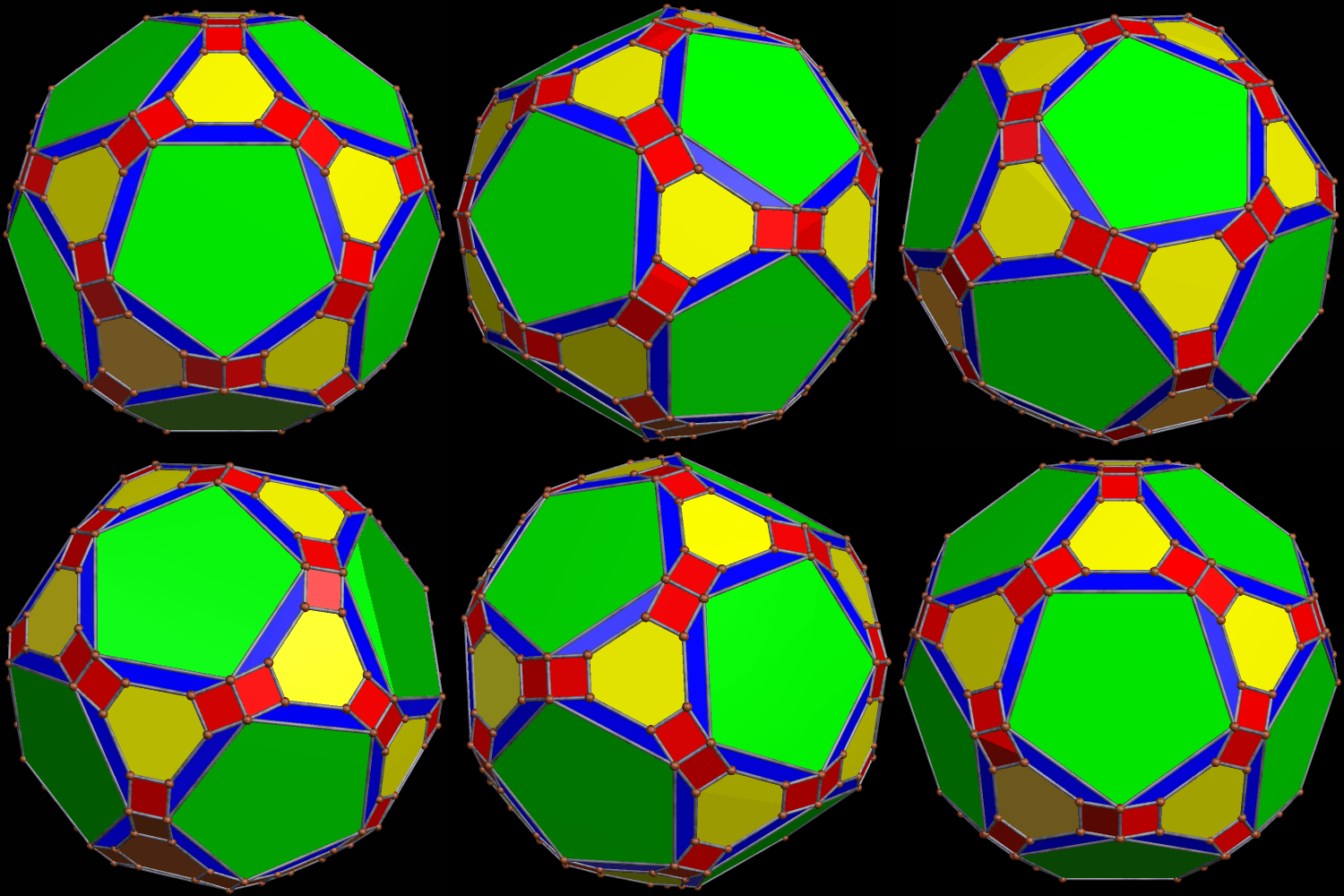
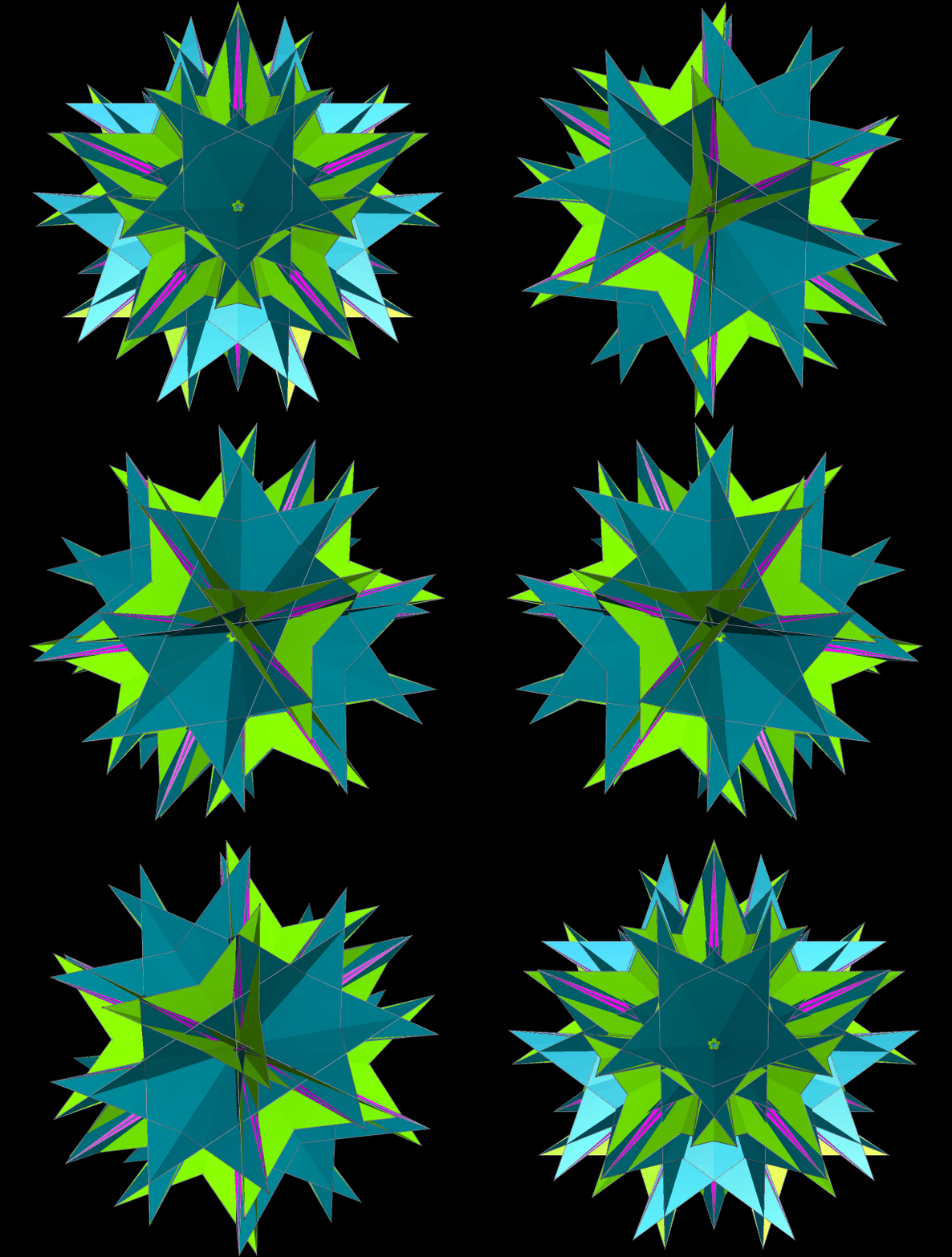
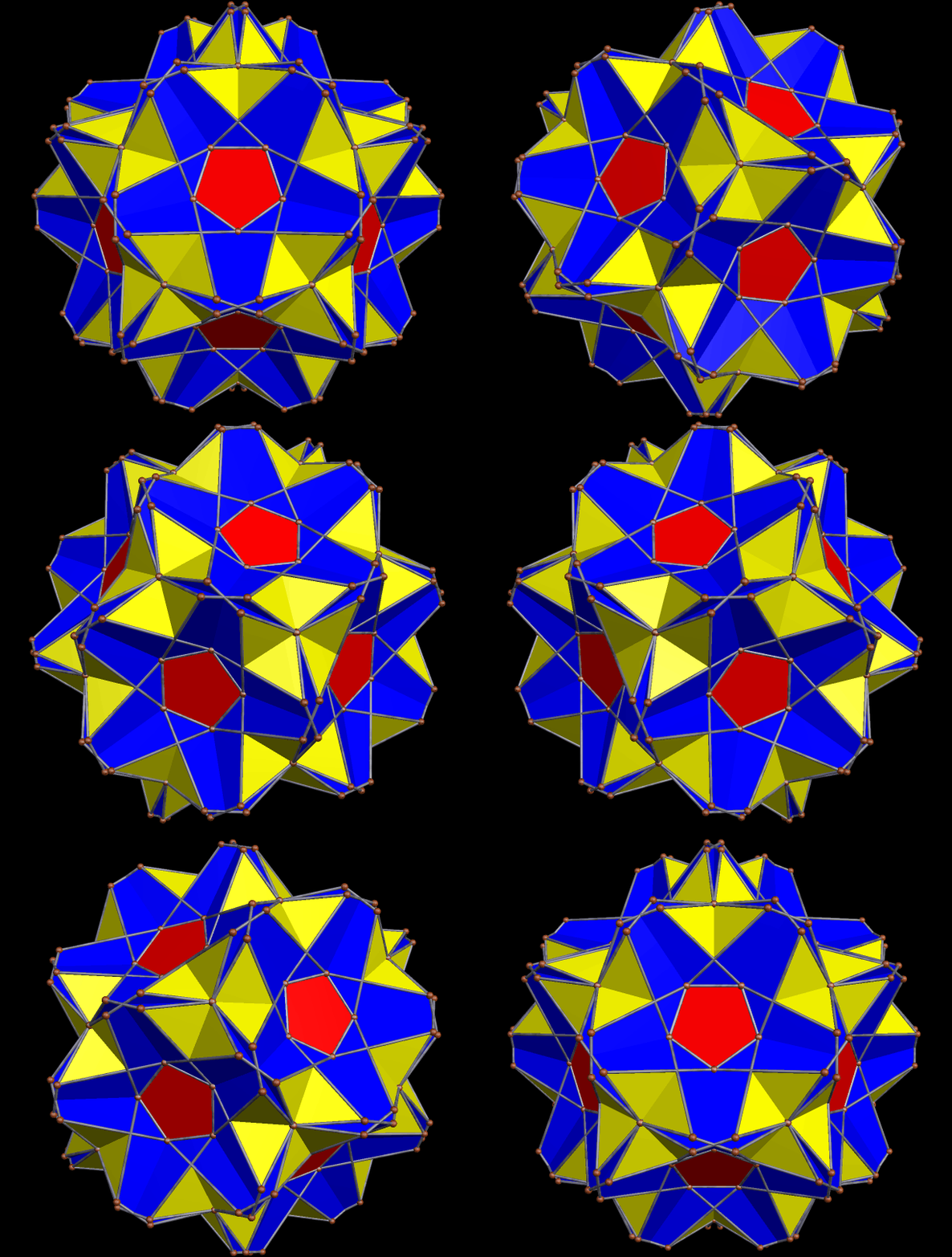
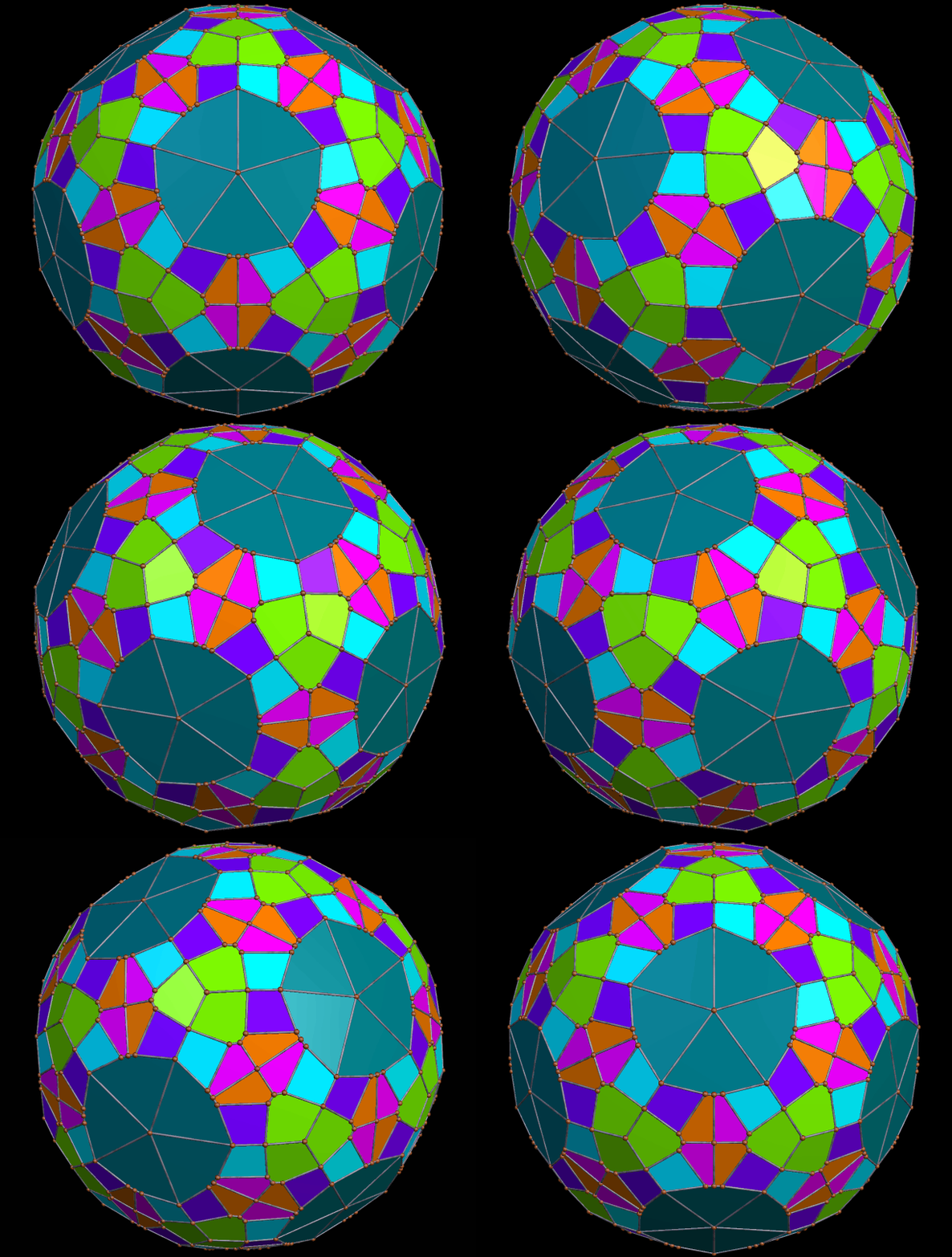
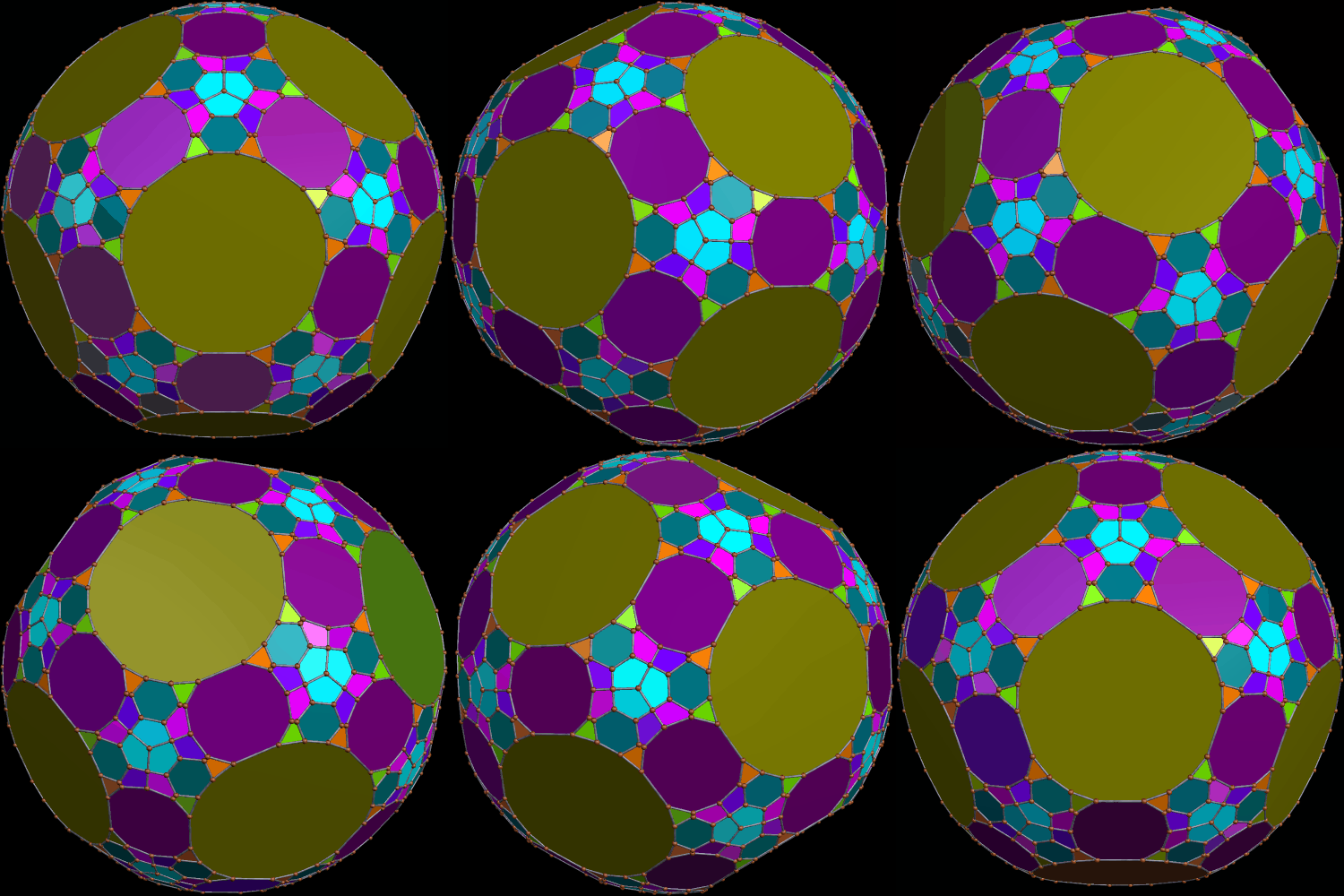
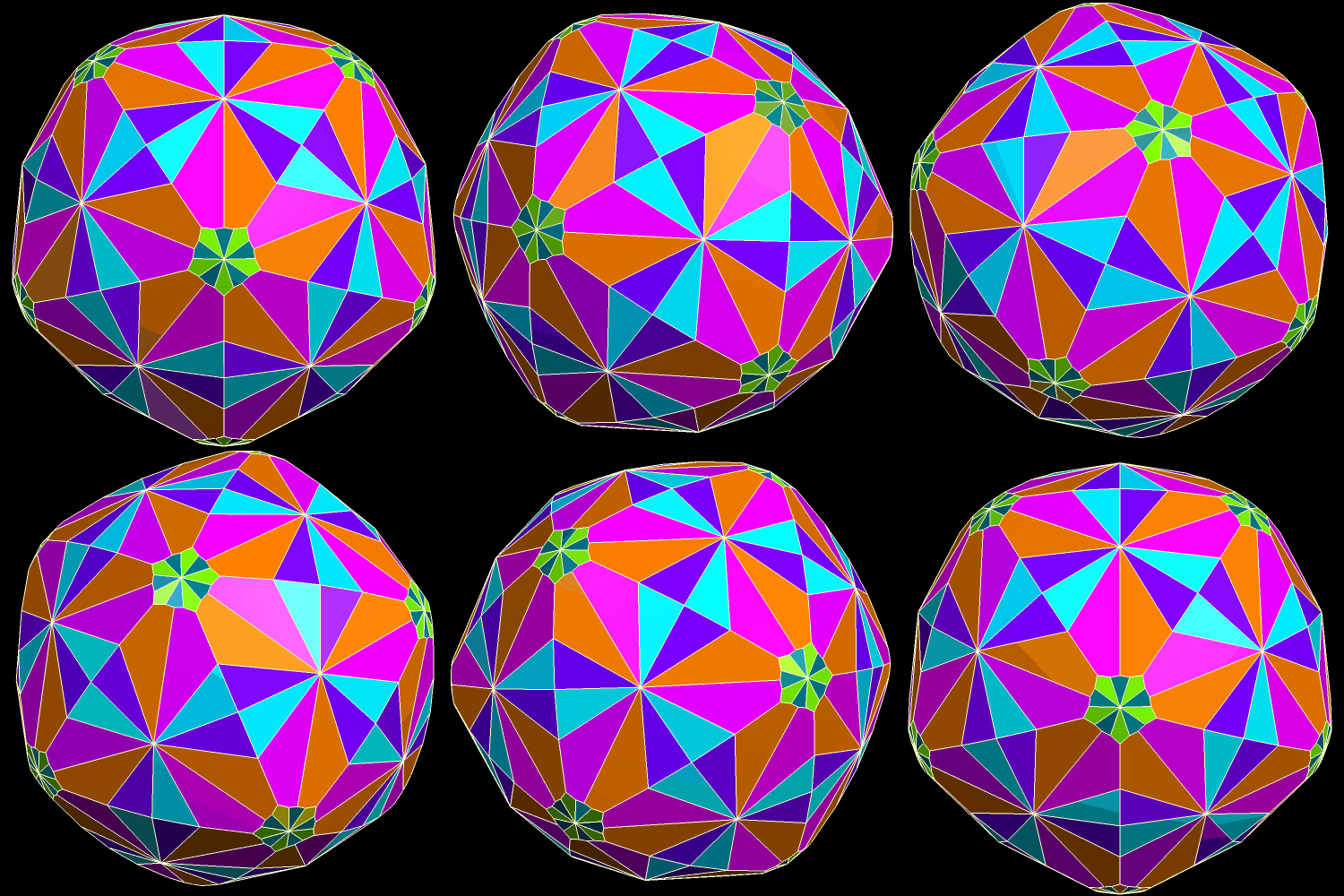
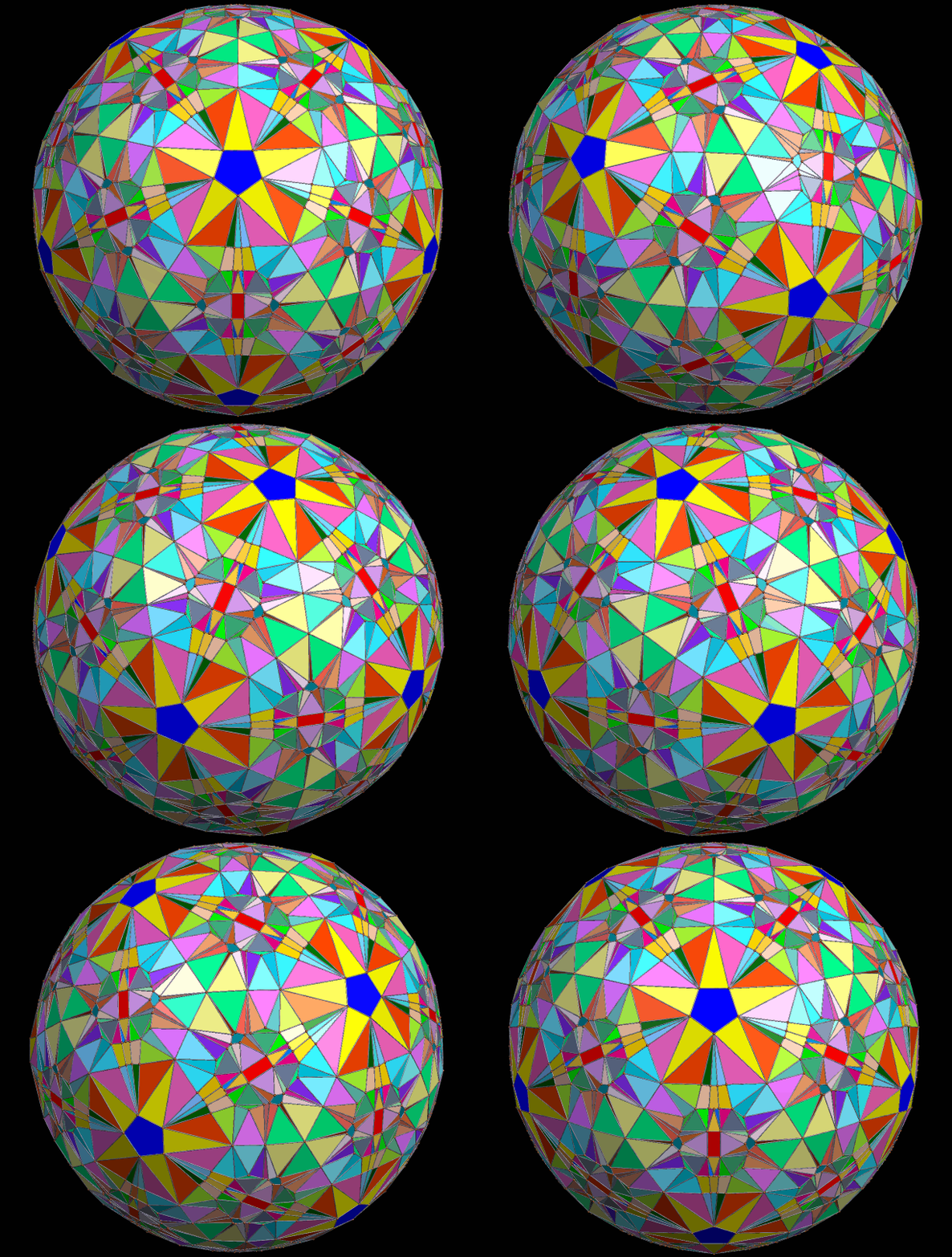
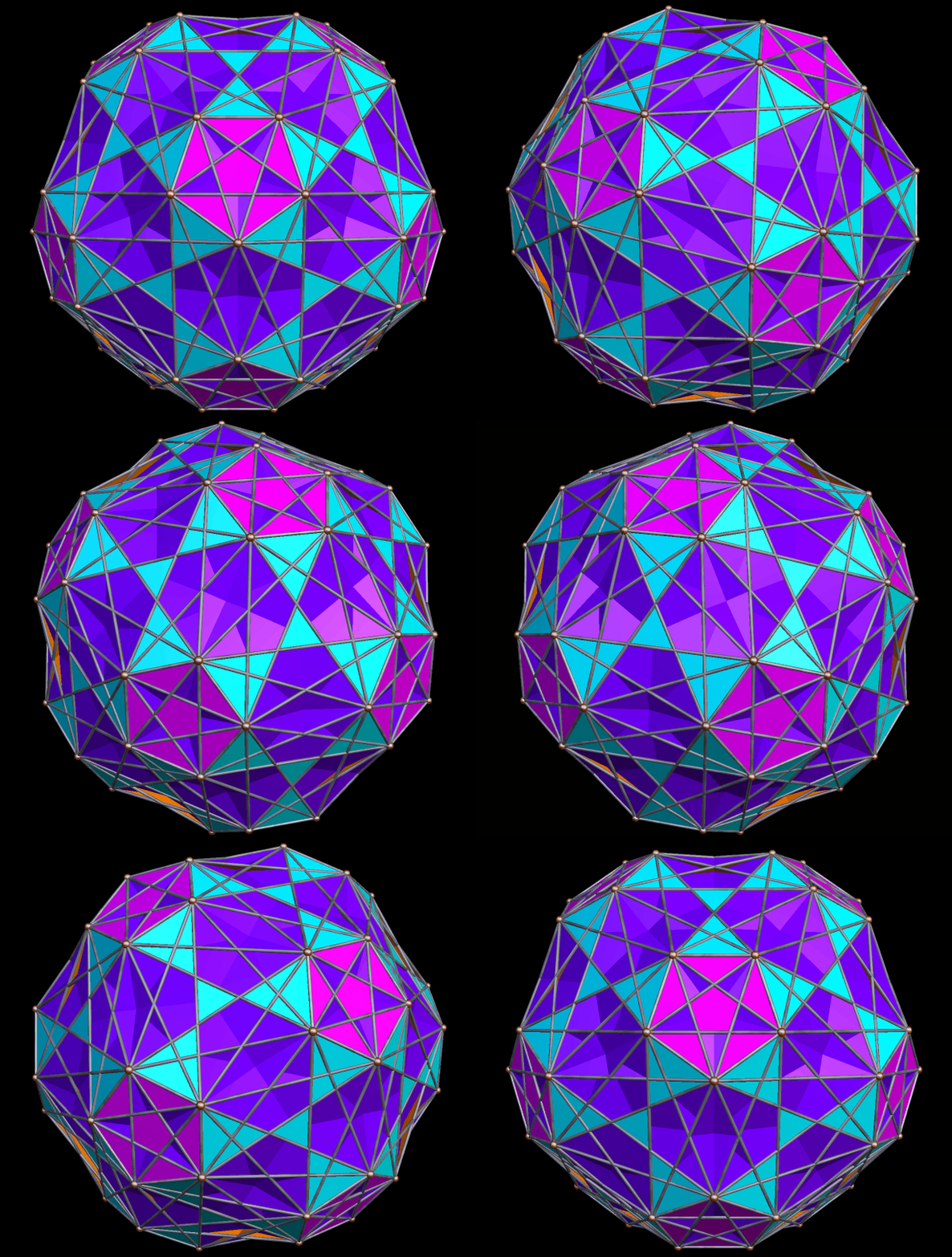
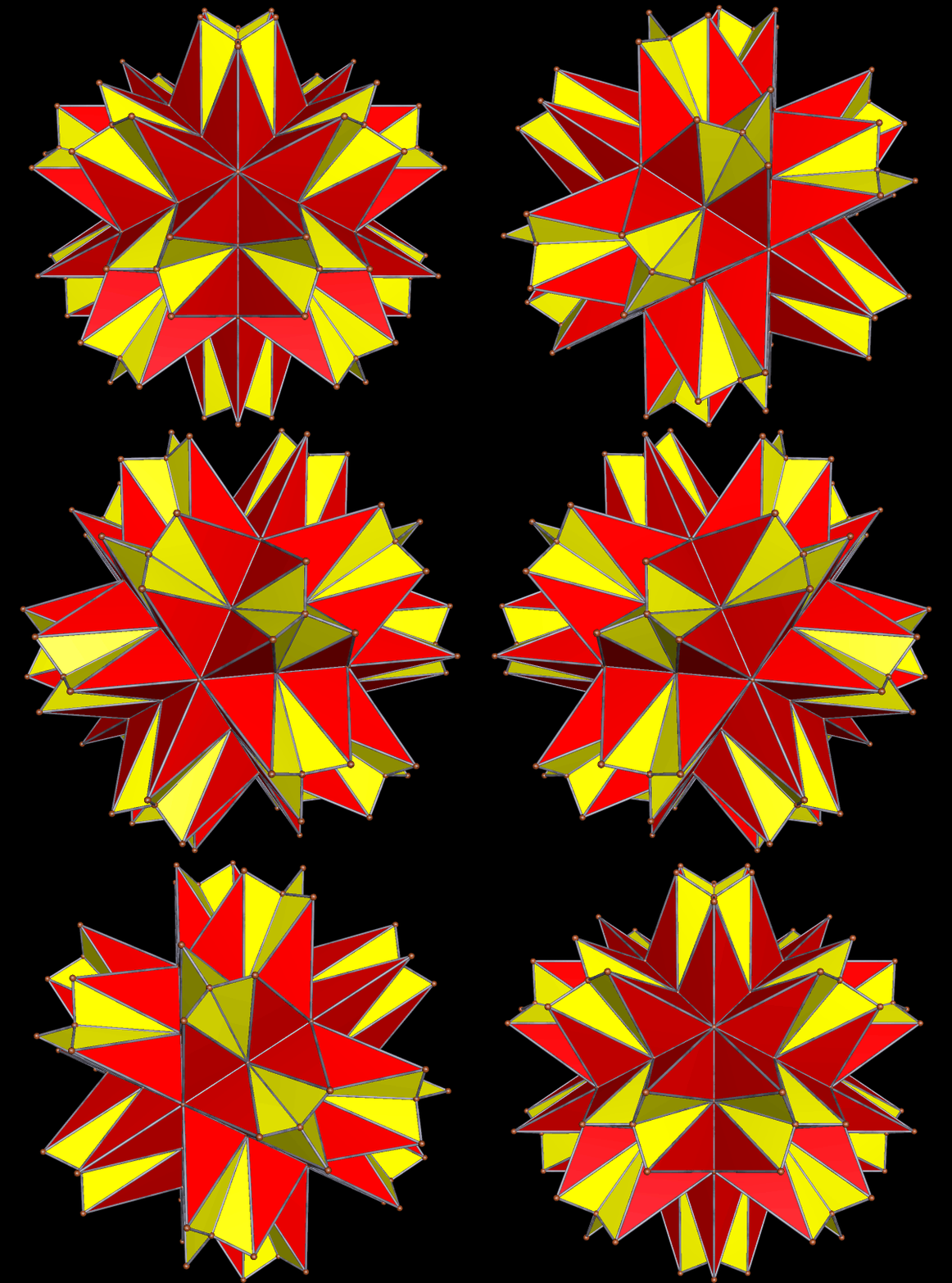
Selections from the Second Hundred Stellations of the Rhombicosidodecahedron

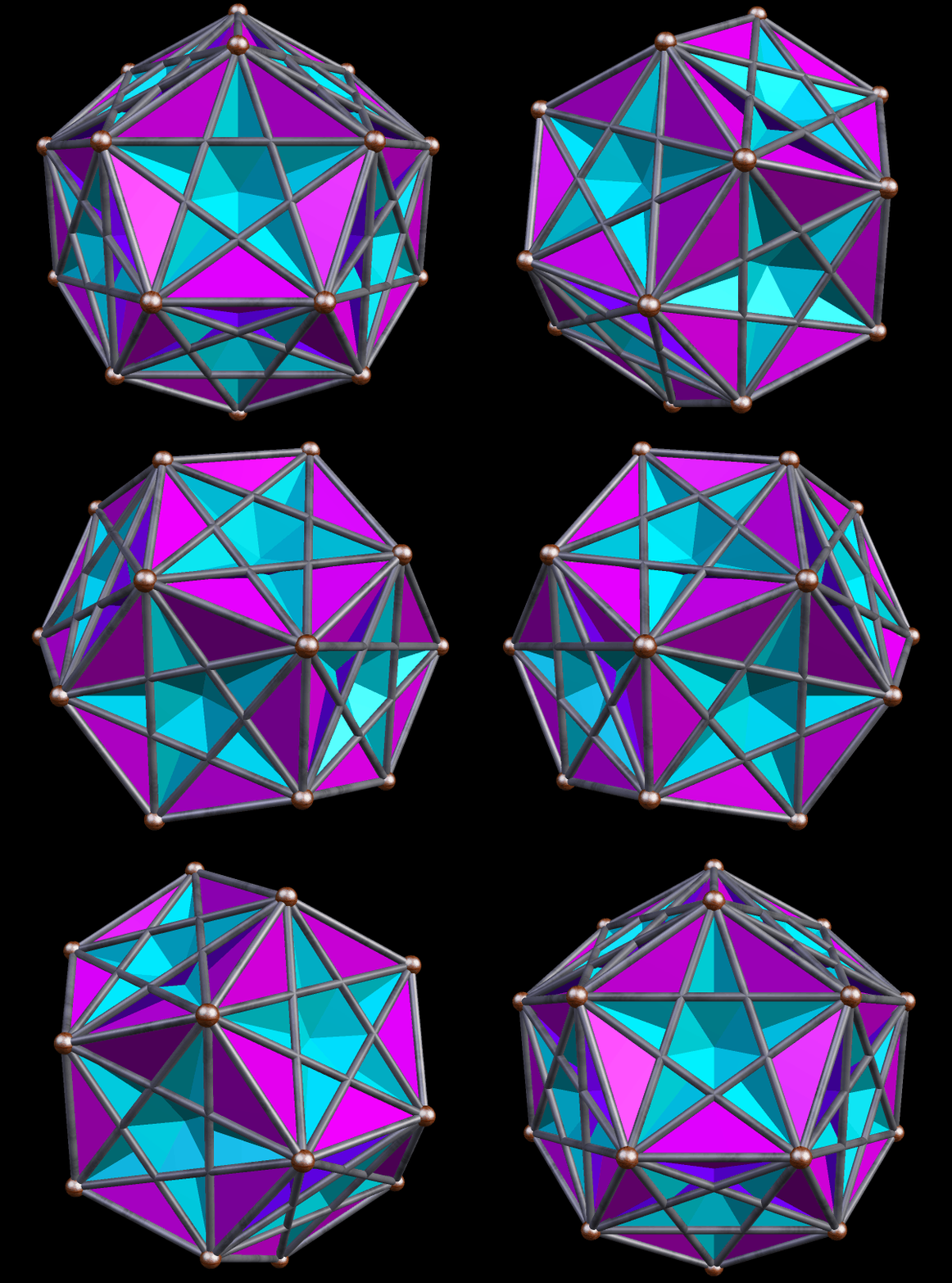
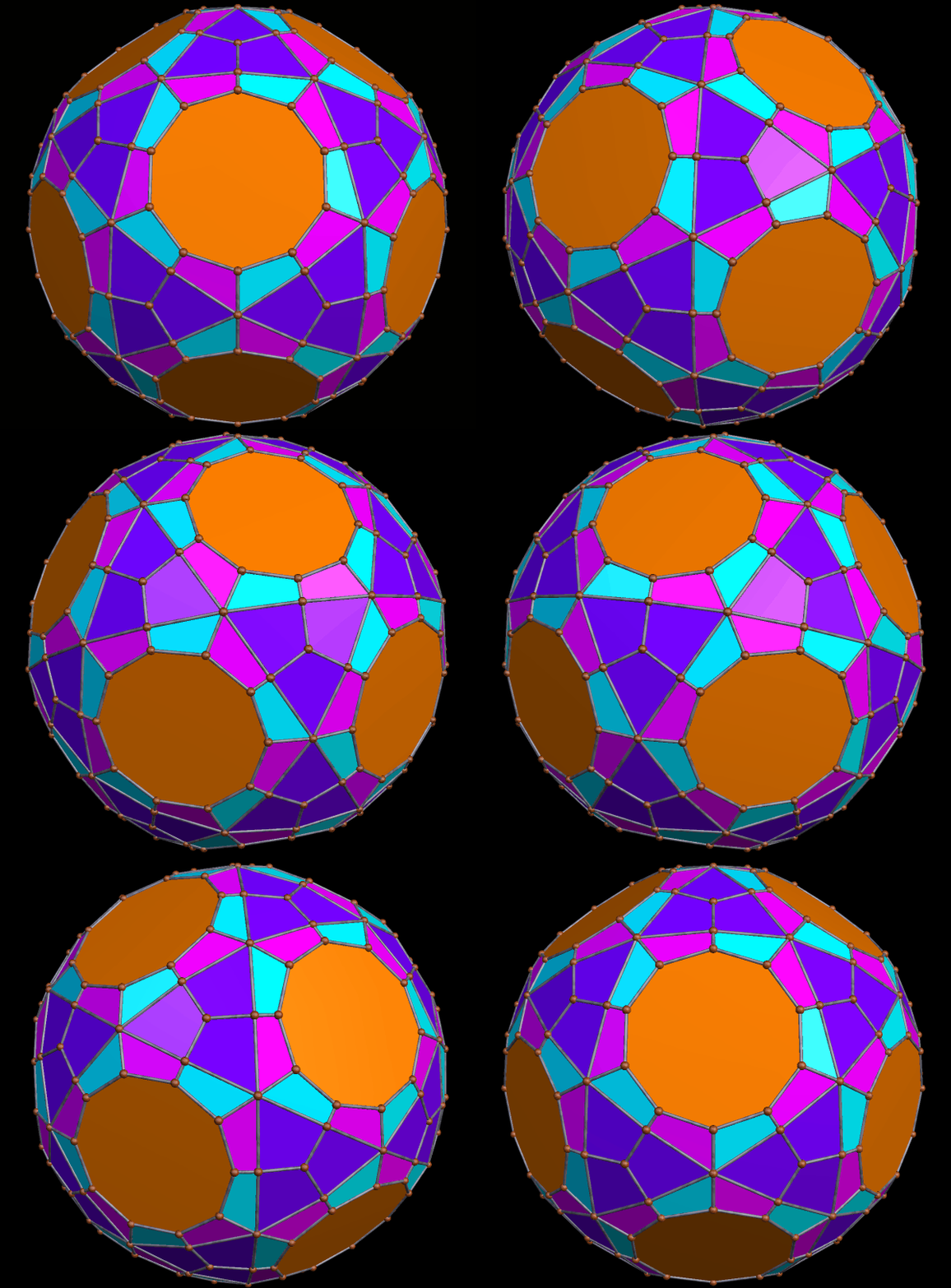
This survey began in the last post, with selections from the first hundred stellations of this Archimedean solid. In this survey of the second hundred stellations, the first one I find noteworthy enough for inclusion here is the 102nd stellation.

Rhombicosidodeca 102nd stellation

A similar figure is the 111th stellation:

Rhombicosidodeca 111th stellation

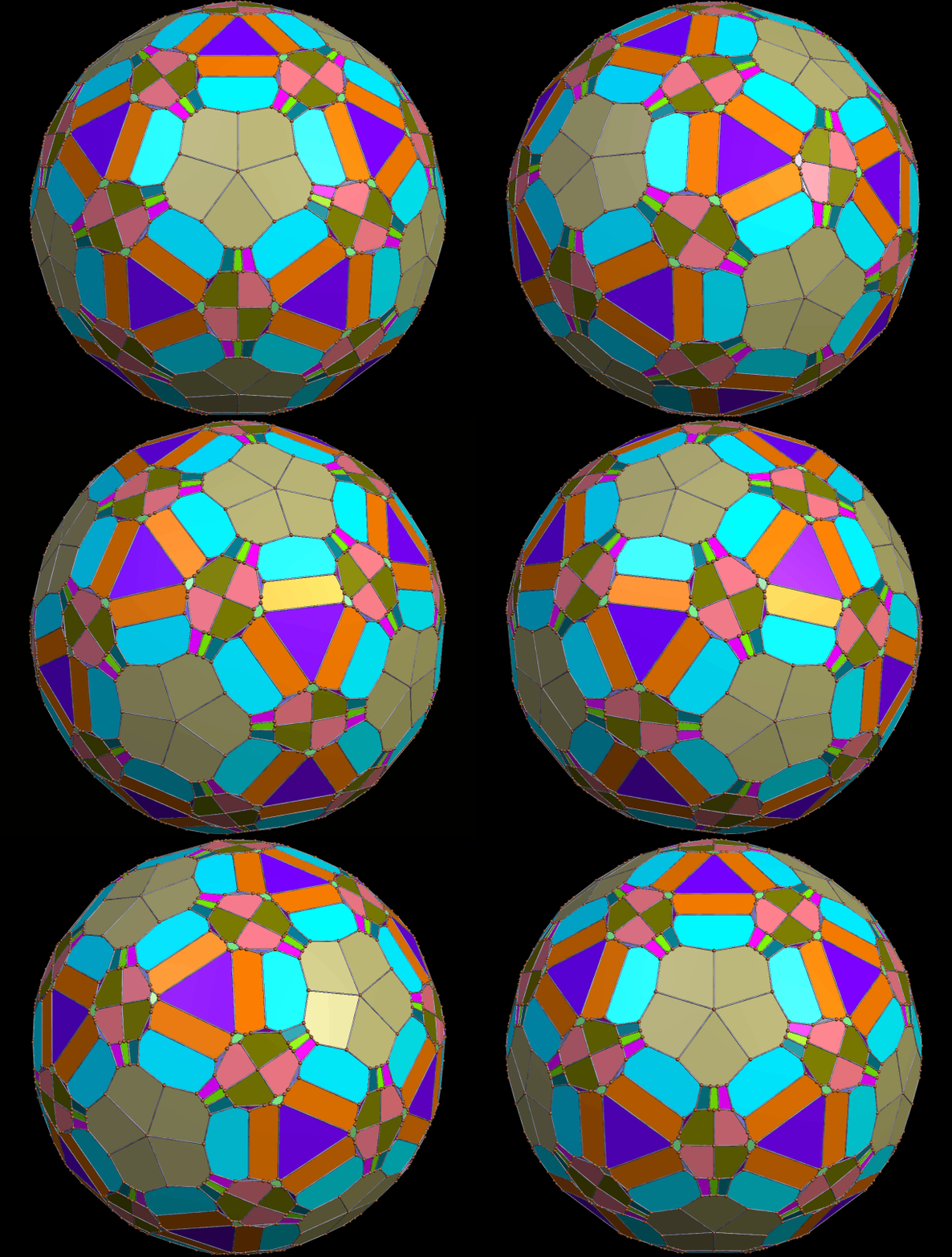
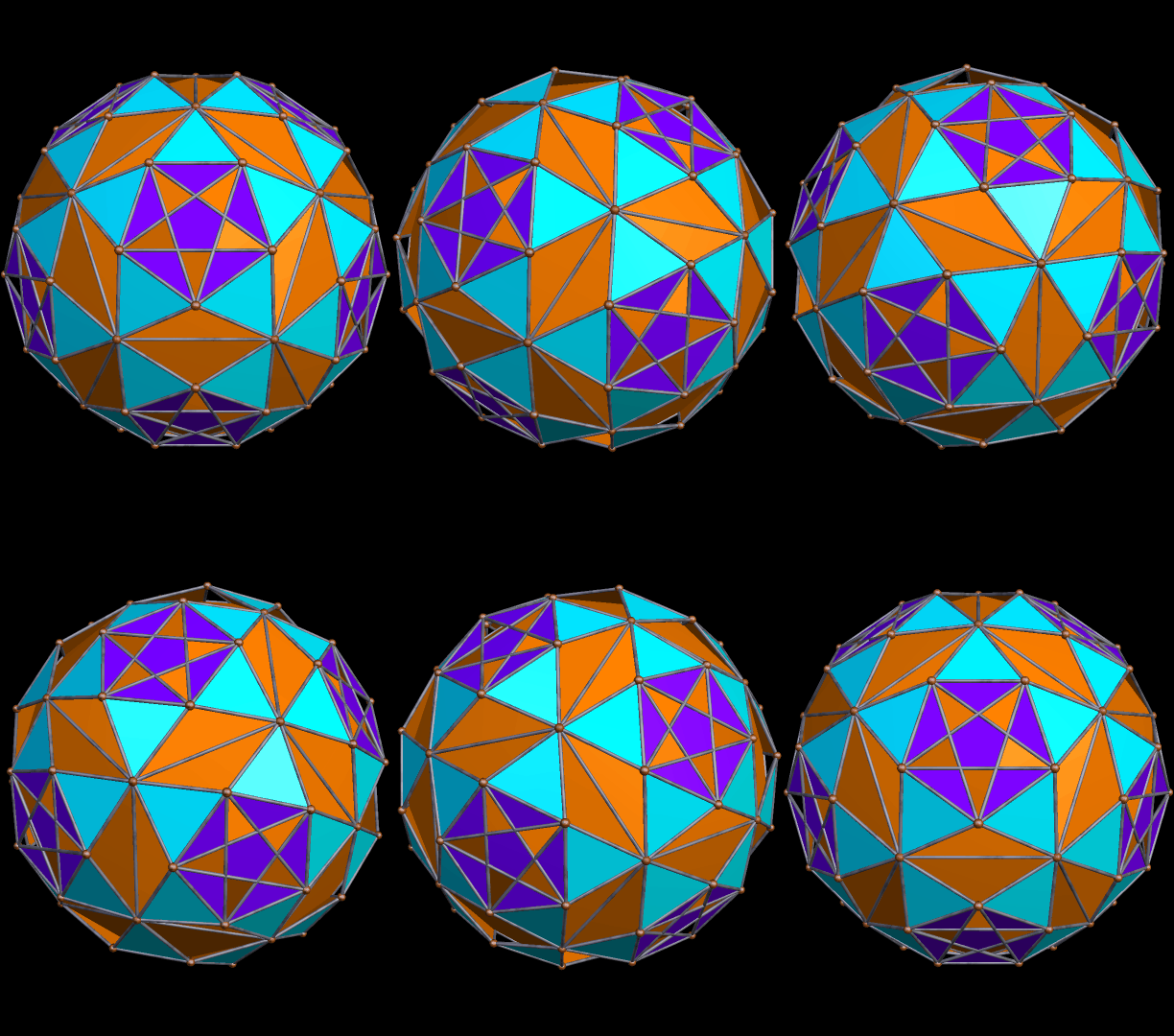
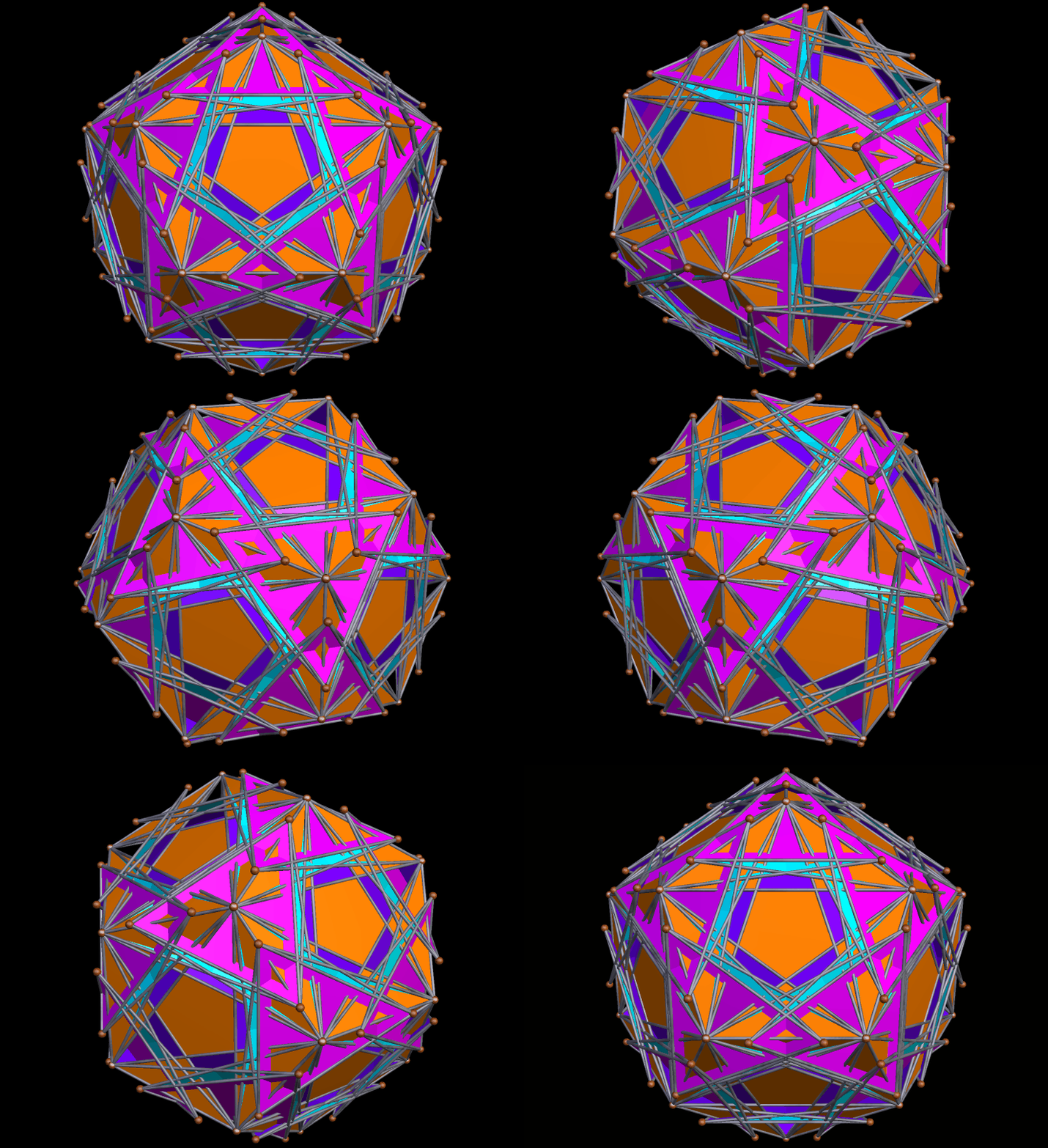
There followed a long “desert” when I did not find any that really “grabbed” me . . . and then I came to the 174th stellation.

Rhombicosidodeca 174th stellation

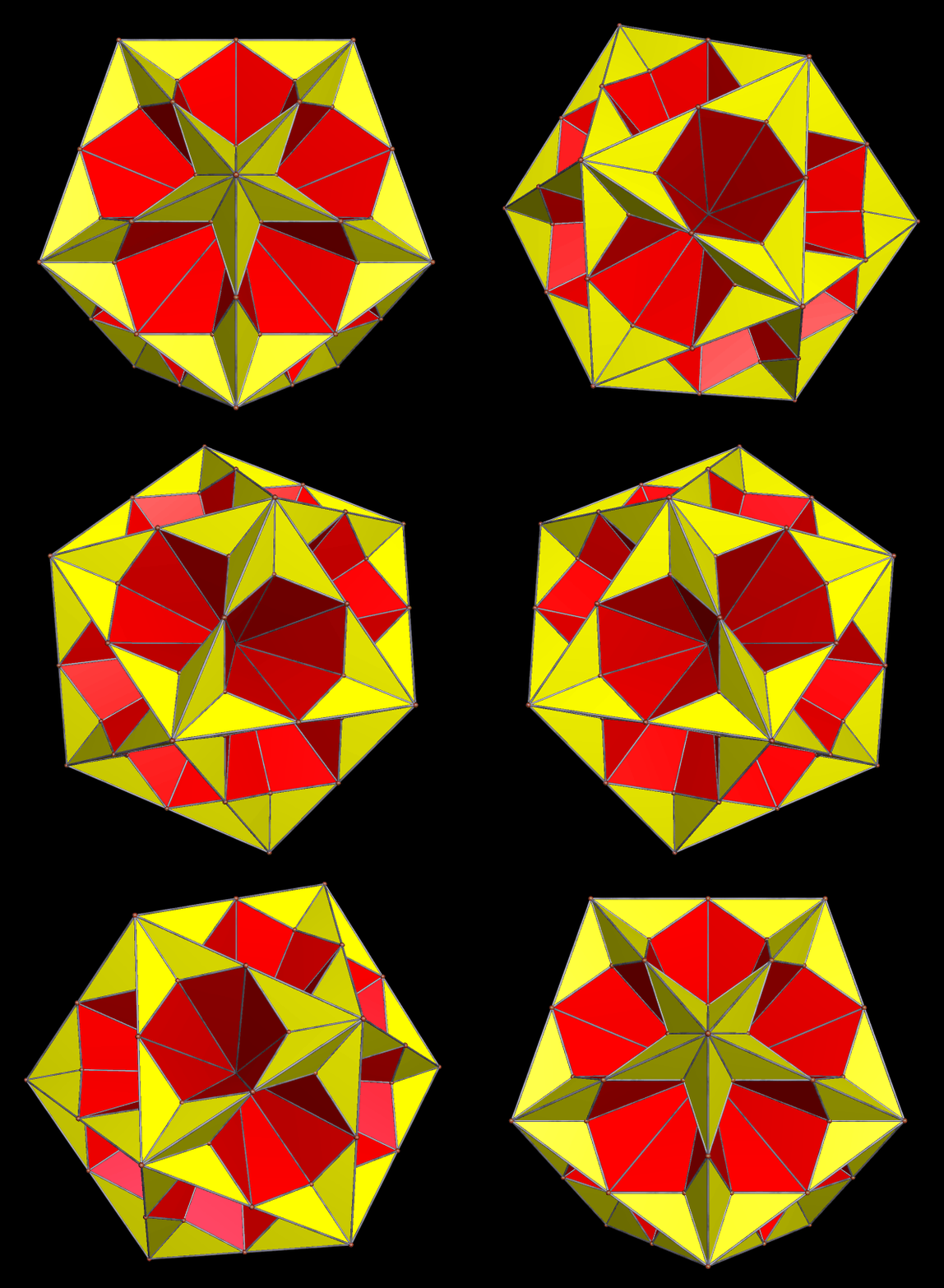
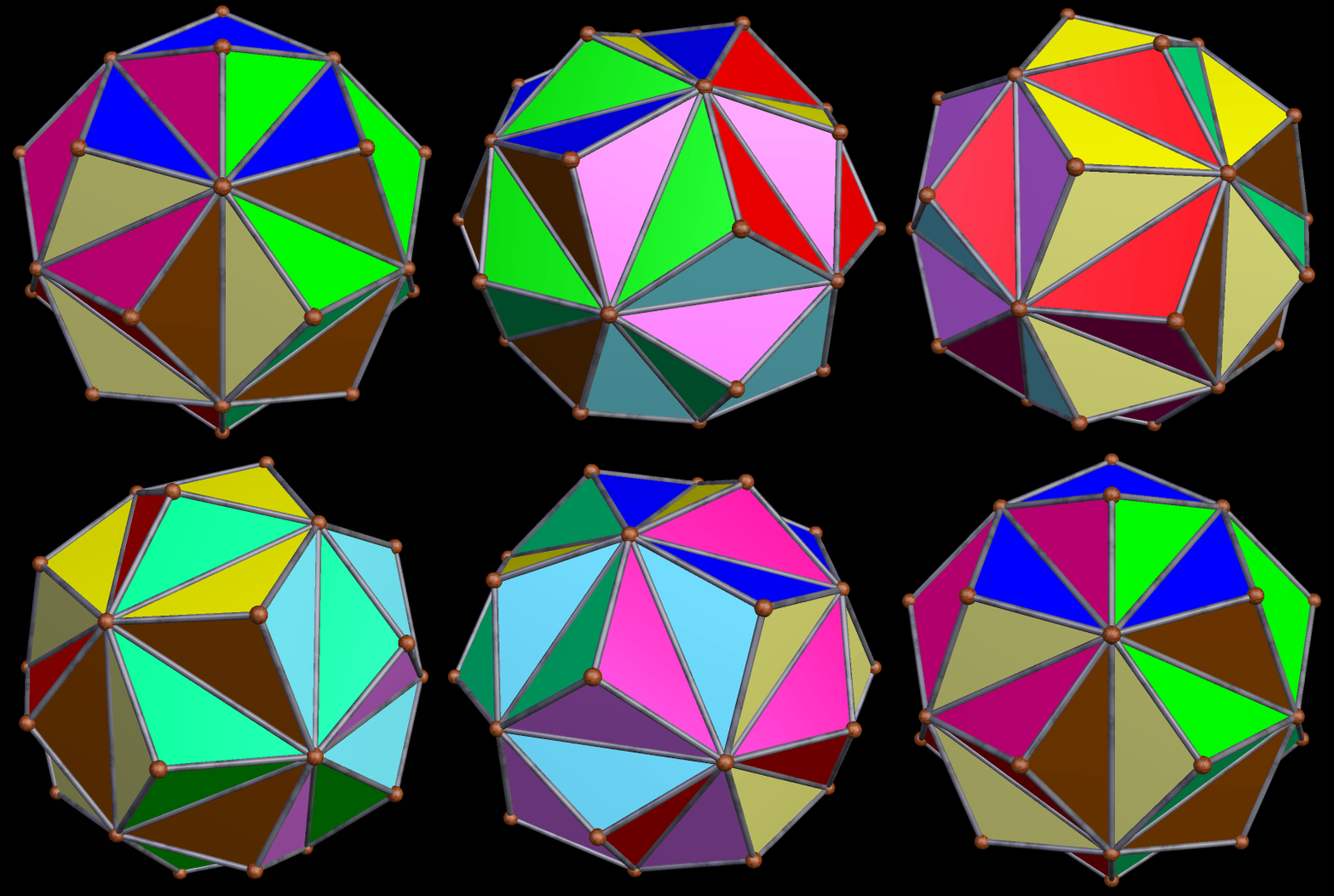
The fact that it is monocolored, the way I had Stella 4d set, told me immediately that this stellation (the one above) has only one face-type. There are twenty of these faces; they are each equilateral hexagons which “circumscibe,” in a way, the triangular faces of an icosahedron. For this reason, I suspect this is also one of the stellations of the icosahedron; I’m making a mental note to do exactly that.

I also make a second virtual model of the 174th stellation of the rhombicosidodecahedron, with the faces colored in such a way as to make the interpenetrating equilateral hexagons more obvious.
Stellated Rhombicosidodeca

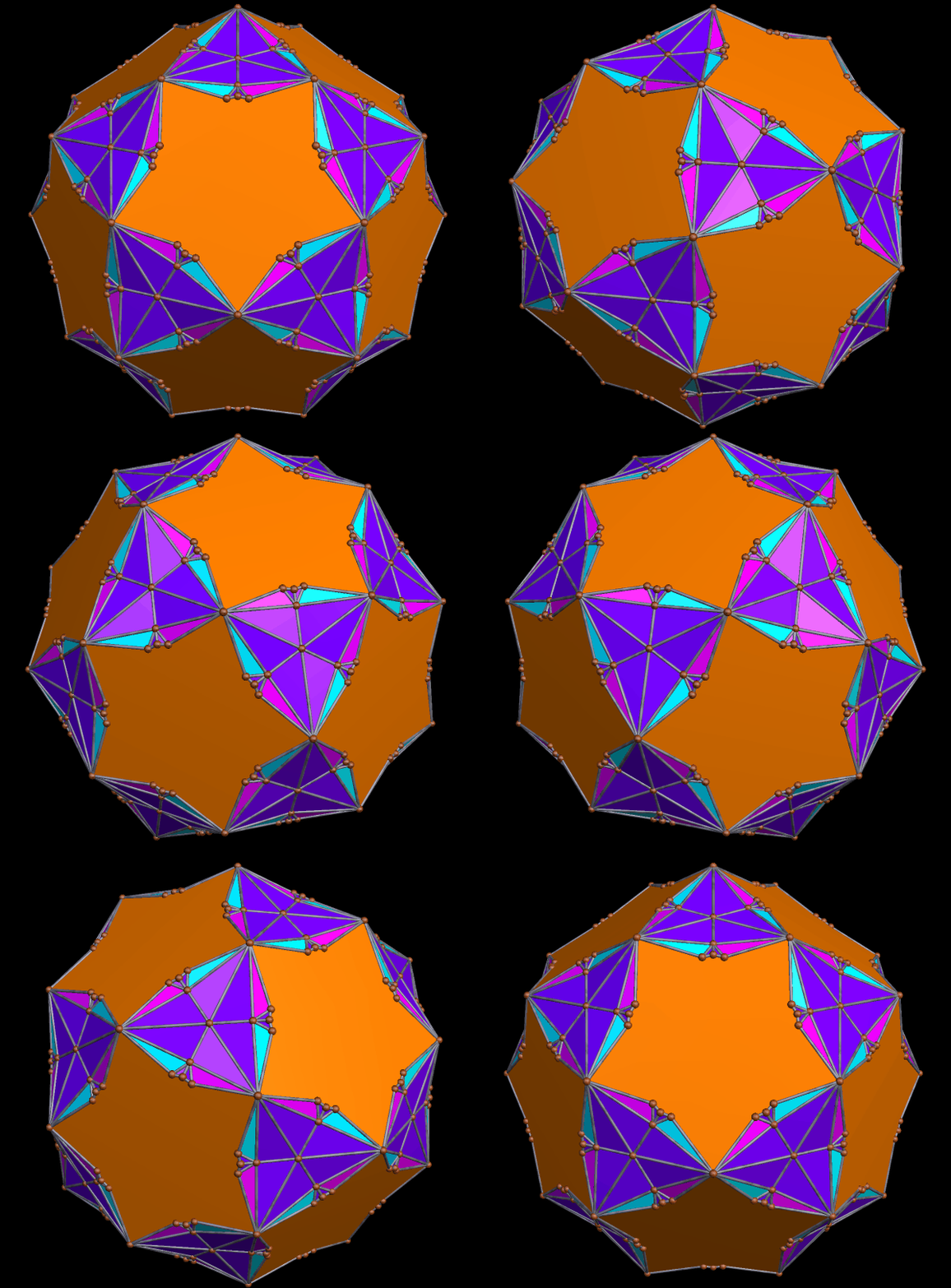
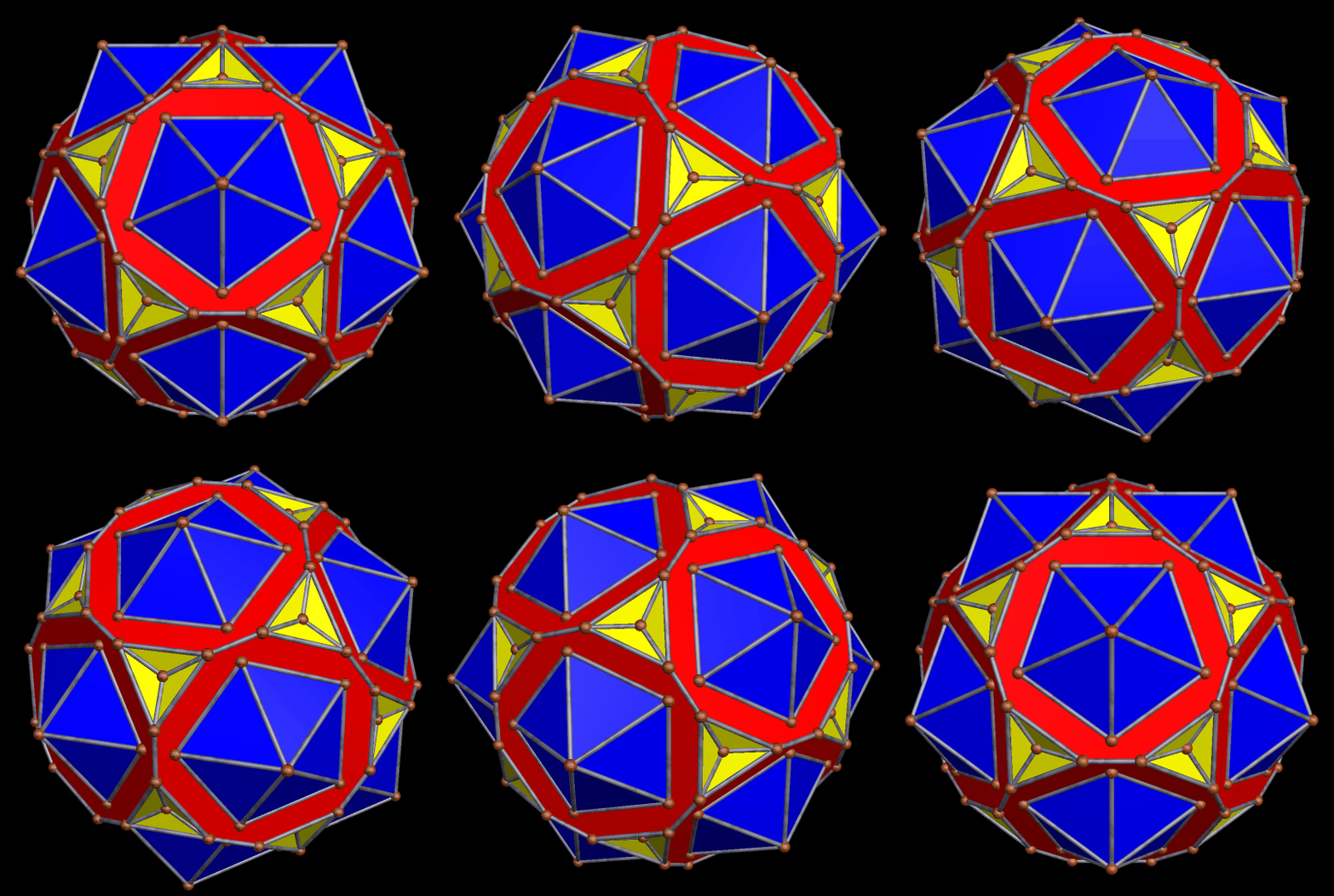
After that interesting stellation, the next one to caught my attention is the 179th stellation.
Rhombicosidodeca 179th stellation

Next of note, the 182nd stellation is similar to the icosahedron/dodecahedron compound, but with the dodecaheron larger than it is in that compound, so that edges, one from each component polyhedron, do not intersect, but are instead skew. Another way to view it is that the dodecahedron is encasing the icoahedron, but with enough room left for portions of the icosahedron to protrude from the faces of the “dodecahedral cage.”

Rhombicosidodeca 182nd stellation

Next is the 183rd stellation.

Rhombicosidodeca 183rd stellation

Here is the 187th stellation, which is quite similar to the last one shown. The pulsating effect, first seen in the last post above, is an accident, and not discovered until after these images were already made, using Stella 4d, which may be tried here. Why didn’t I re-create the .gifs? Simple: I don’t feel like taking the ~10 minutes each to do so.

Rhombicosidodeca 187th stellation

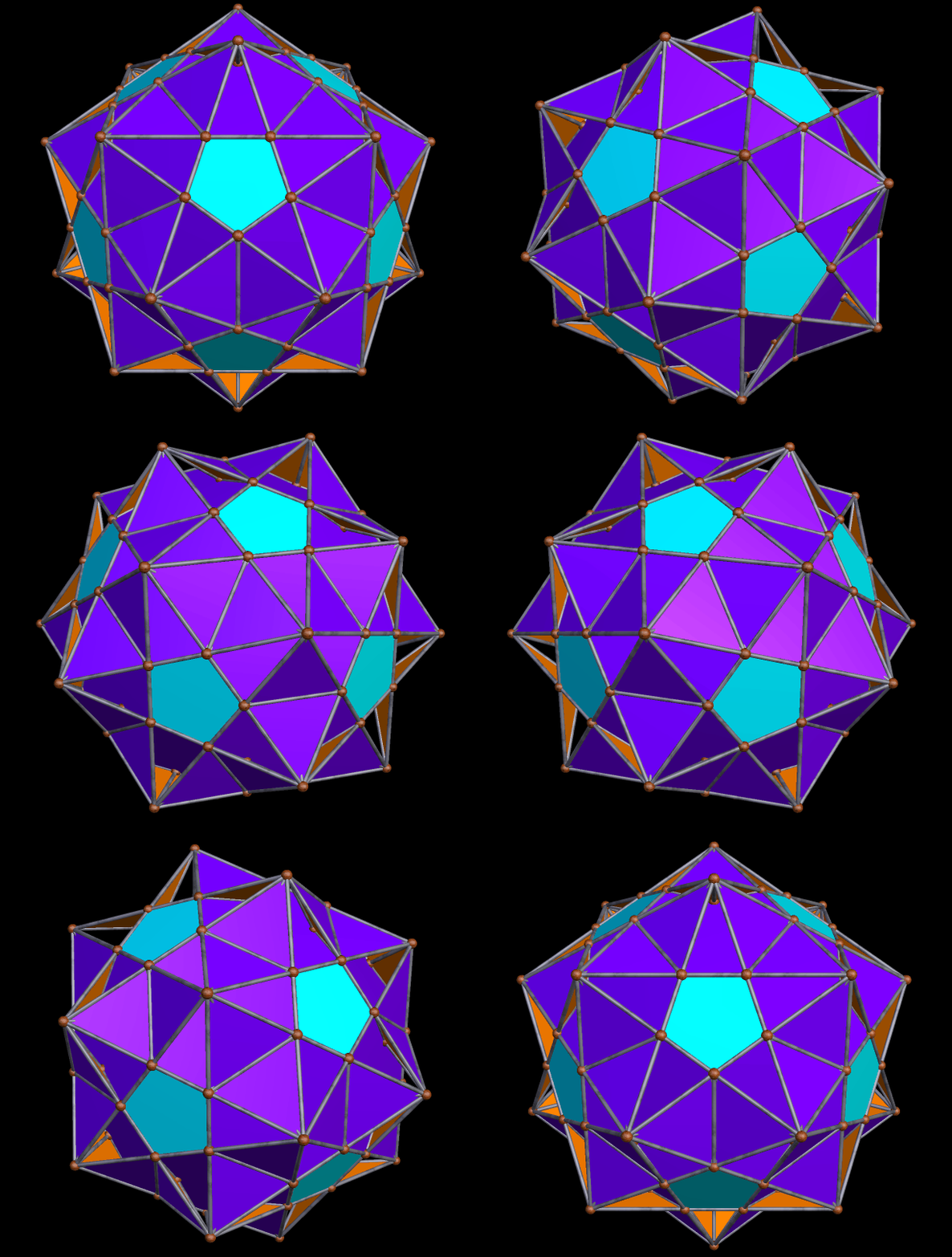
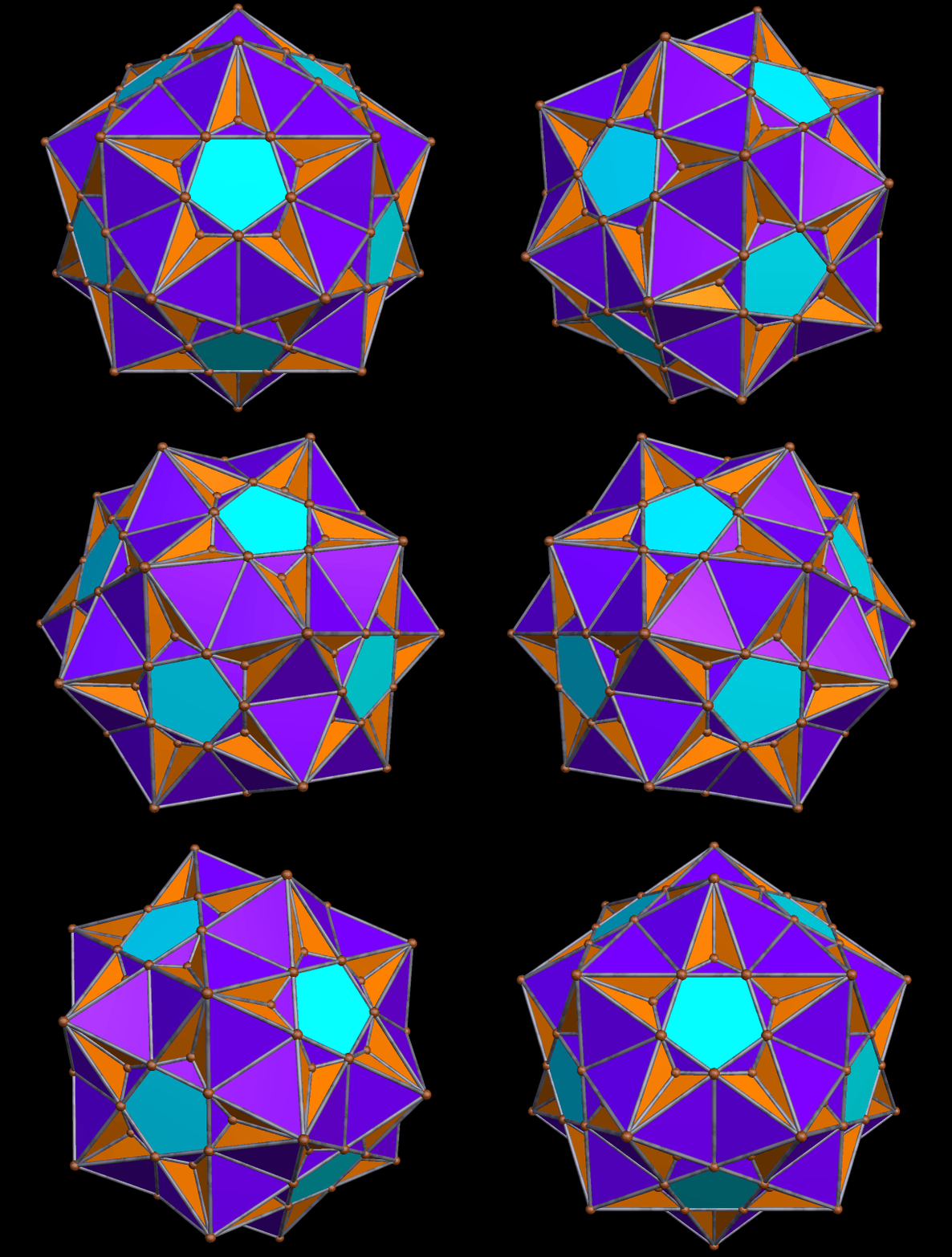
The 190th stellation may also be viewed as a dodecahedron, augmented with variations of pentagonal pyramids on each face:

Rhombicosidodeca 190th stellation

Next, the 191st stellation:

Rhombicosidodeca 191st stellation

And, after that, the 192nd stellation.

Rhombicosidodeca 192nd stellation

The next stellation which grabbed by attention: the 198th.

Rhombicosidodeca 198th stellation

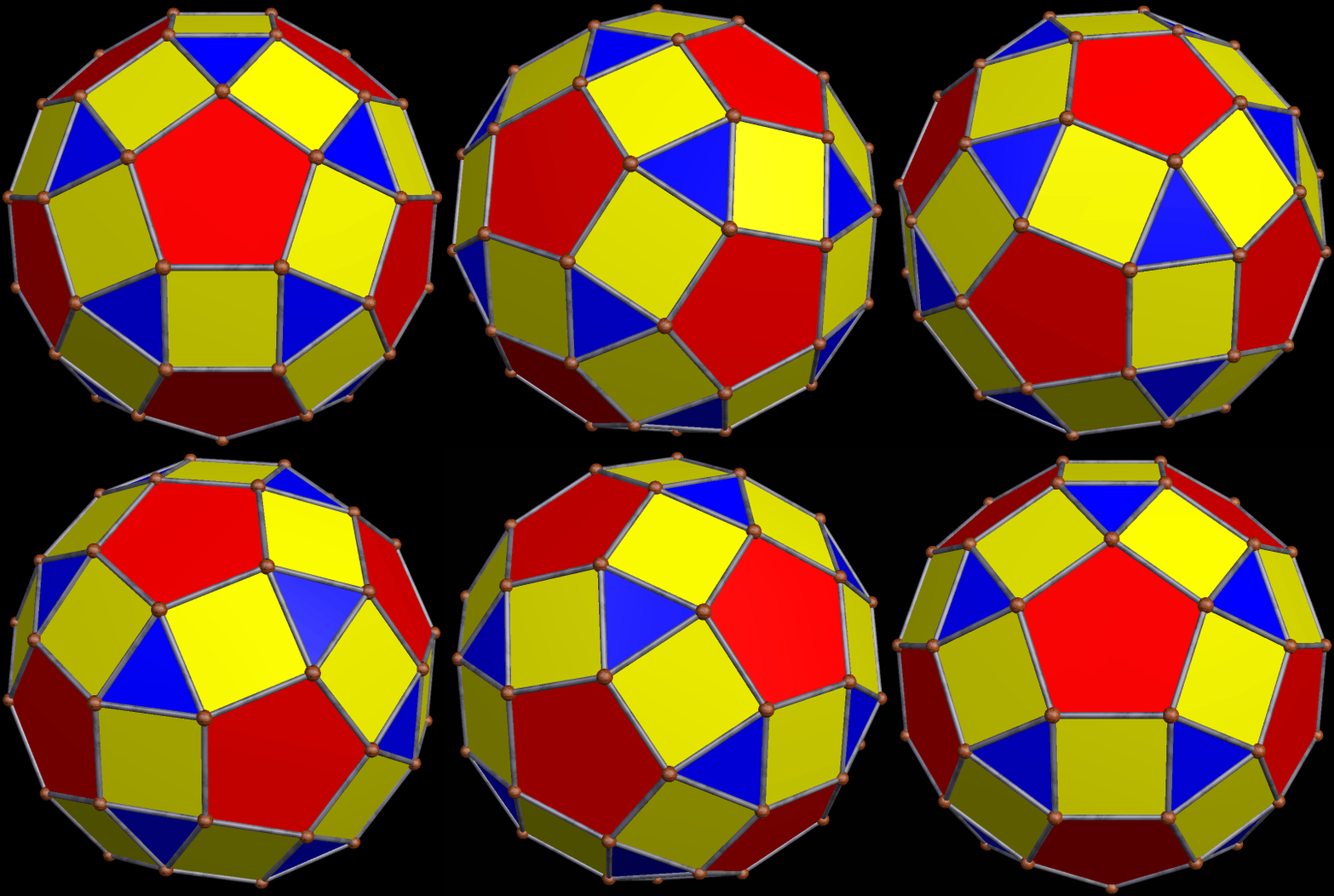
Finally, I’ll close this set of highlights from this part of the rhombicosidodecahedron’s stellation-series with that solid’s 199th stellation.

Rhombicosidodeca 199th stellation

Selections from the First Hundred Stellations of the Rhombicosidodecahedron

Since shortly after I learned of their existence, I have found the rhombicosidodecahedron to be the most attractive of the Archimedean solids. That’s a personal aesthetic statement, of course, not a mathematical one.

Rhombicosidodeca

This solid has a long stellation-series. With Stella 4d, the program I used to make these images, it’s easy to simply scroll through them. The stellation of this polyhedron follows these stellation-diagrams; I used Stella 4d to make them as well. You may research, try, or buy this program at this website. The first of these stellation-diagrams is for the planes of the twelve pentagonal faces.

Rhombicosidodeca -StelDiag for twelve face-planes

For the planes of the twenty triangular faces, this is the stellation-diagram:

Rhombicosidodeca -StelDiag for twenty face-planes-StelDiagFinally, there are the the planes of the thirty square faces.

Rhombicosidodeca -StelDiag for thirty face-planes-StelDiag

The following survey of the first hundred stellations is not intended to be exhaustive; I’m including all those I find worthy of inclusion on subjective aesthetic grounds. The first stellation shown here is actually the 25th stellation of the rhombicosidodecahedron:

Rhombicosidodeca 25th stellation

Next, the 30th stellation:

Rhombicosidodeca 30th stellation

The next one is the 33rd stellation.

Rhombicosidodeca 33rd stellation

And next, the 38th stellation.
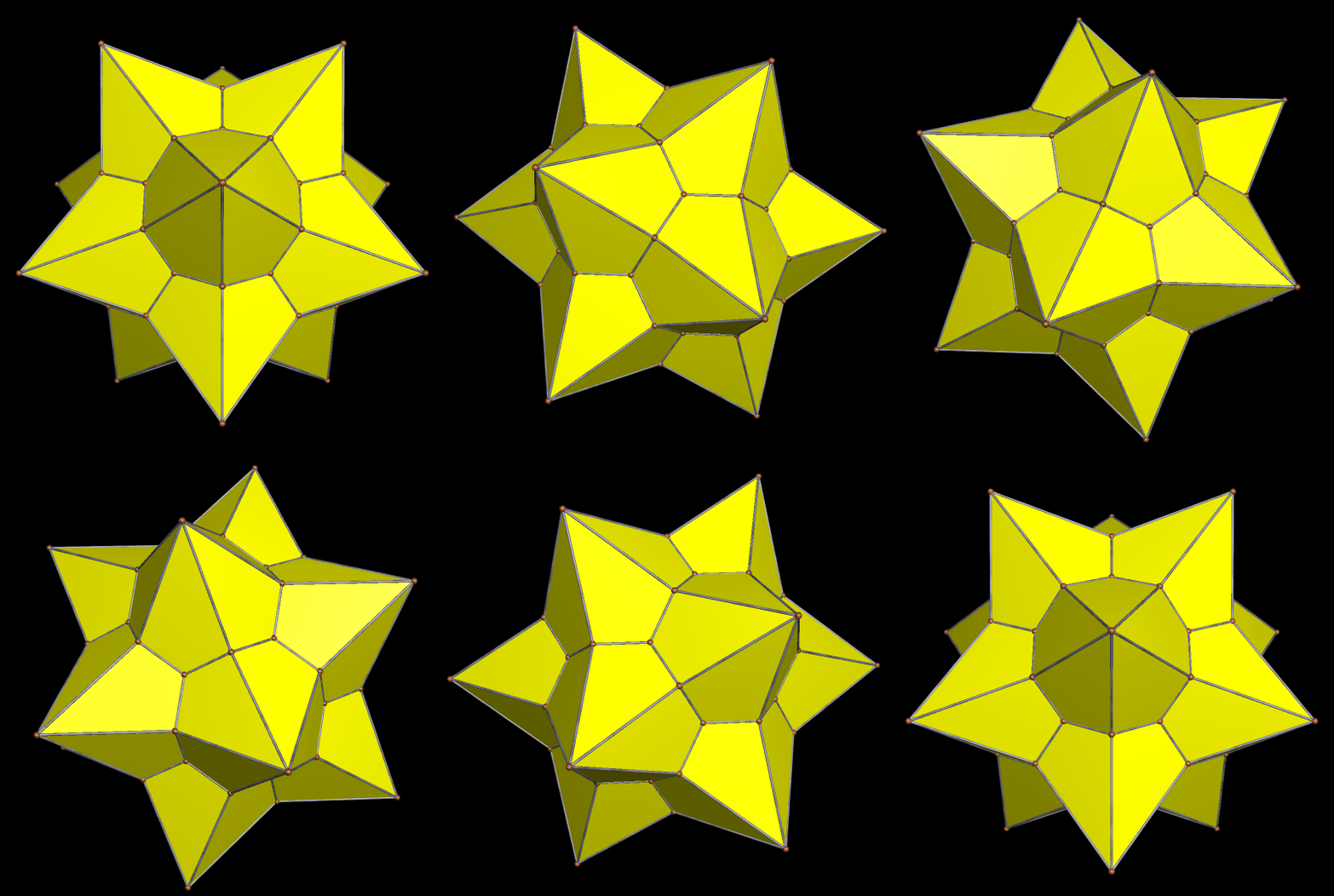
Rhombicosidodeca 38th stellation

Here is the 46th stellation:

Rhombicosidodeca 46th stellation

And the 48th stellation:

Rhombicosidodeca 48th stellation

Next, the 58th stellation:

Rhombicosidodeca 58th stellation

And now, the 62nd stellation.
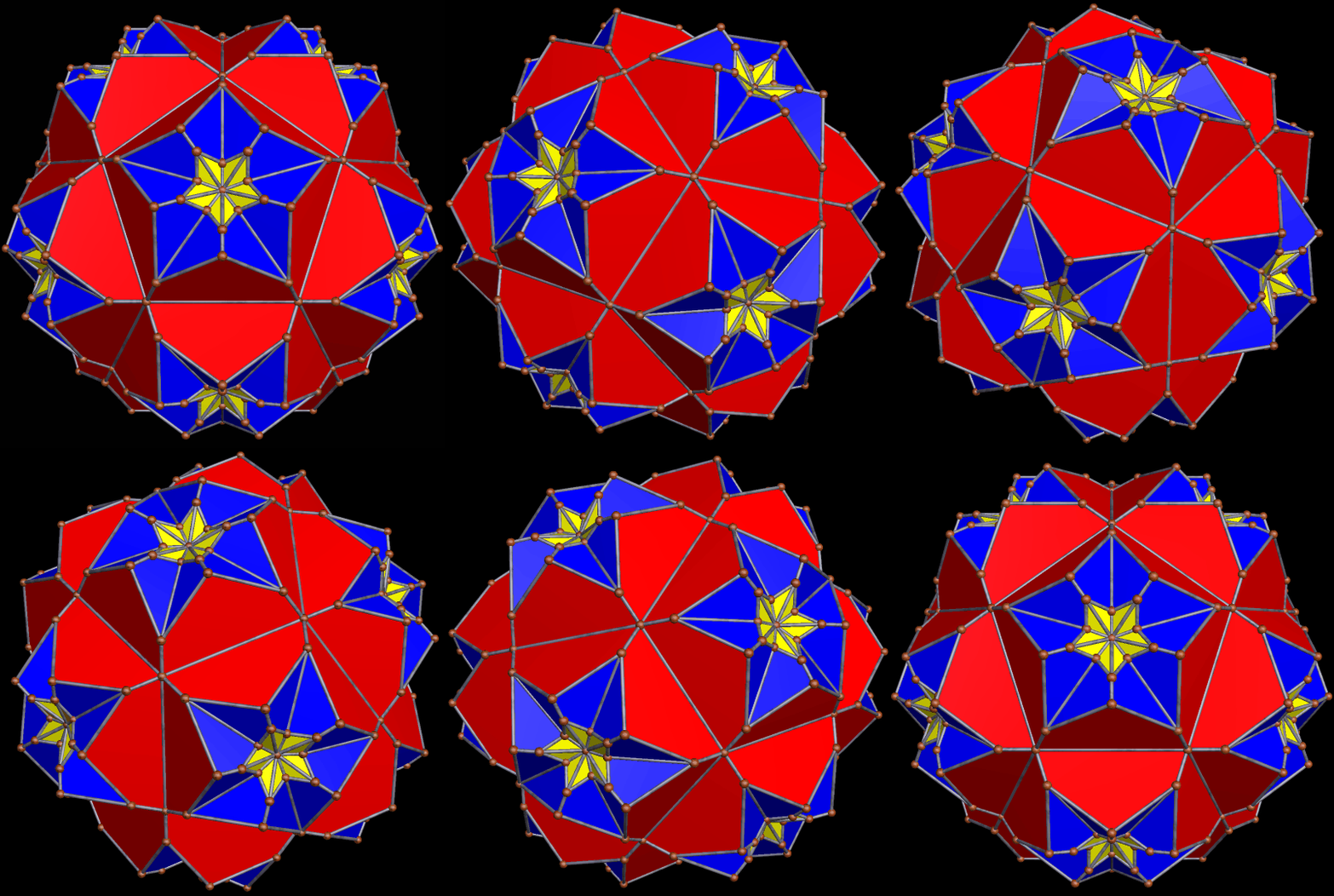
Rhombicosidodeca 62nd stellation

Next is the 85th stellation; it’s also a compound of an icosahedron (blue), and a yellow polyhedron I have not yet identified, except as the nth stellation of something. This I know: I have seen the yellow polyhedron before. If you happen to know what it is, the identify it in a comment.

Rhombicosidodeca 85th stellation might also be a compound

The next stellation shown is the next one in the series, the 86th. It demonstrates a phenomenon I have observed, but cannot explain, and that is the tendency, in sequences of stellations, to have a large number of similar stellations in a row, followed by a sudden, much more extreme change in appearance, from one stellation to the next, as seen here. It’s a phenomenon which I would like to better understand.

Rhombicosidodeca 86th stellation

To be continued, with selections from the next hundred stellations….

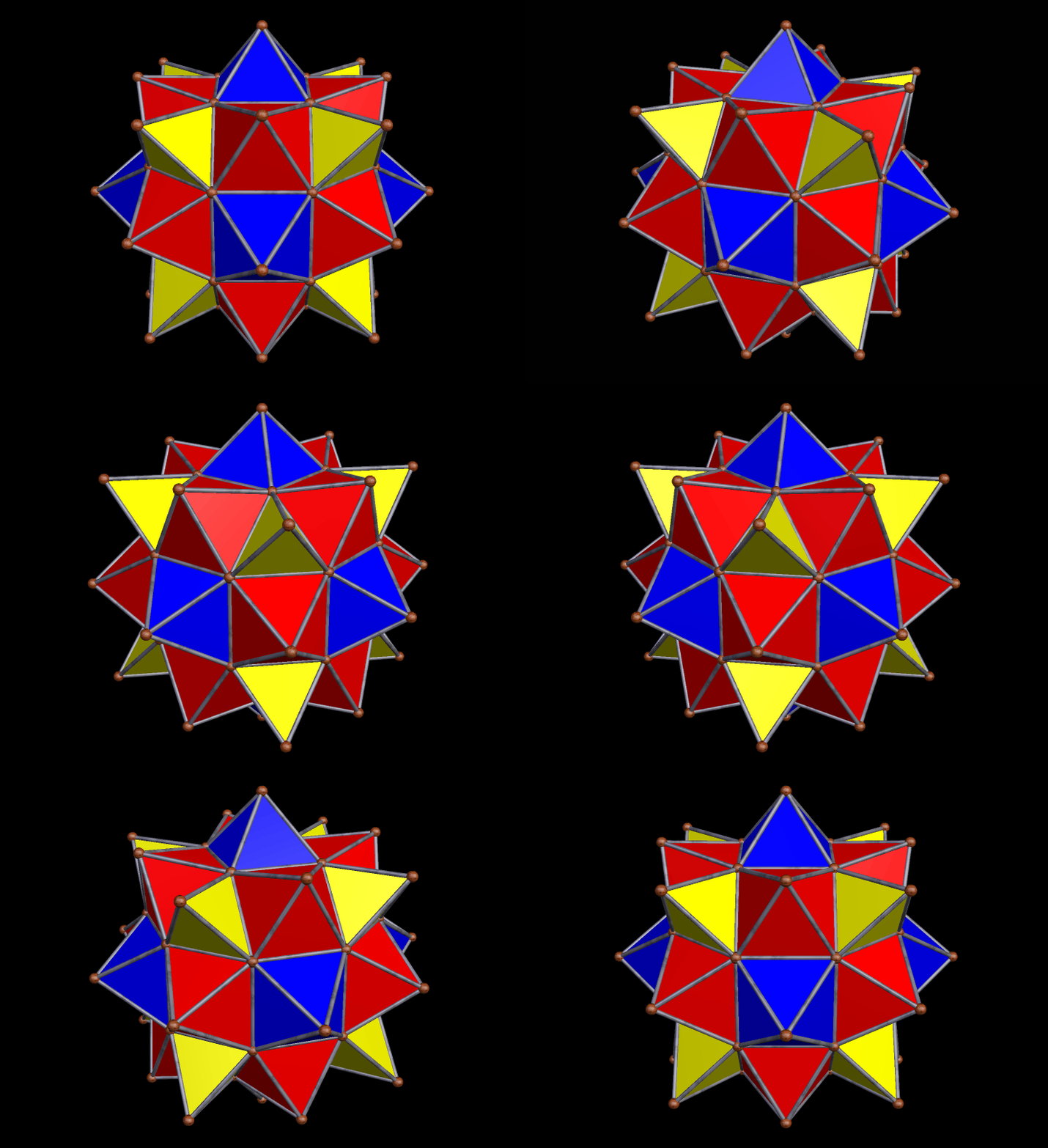
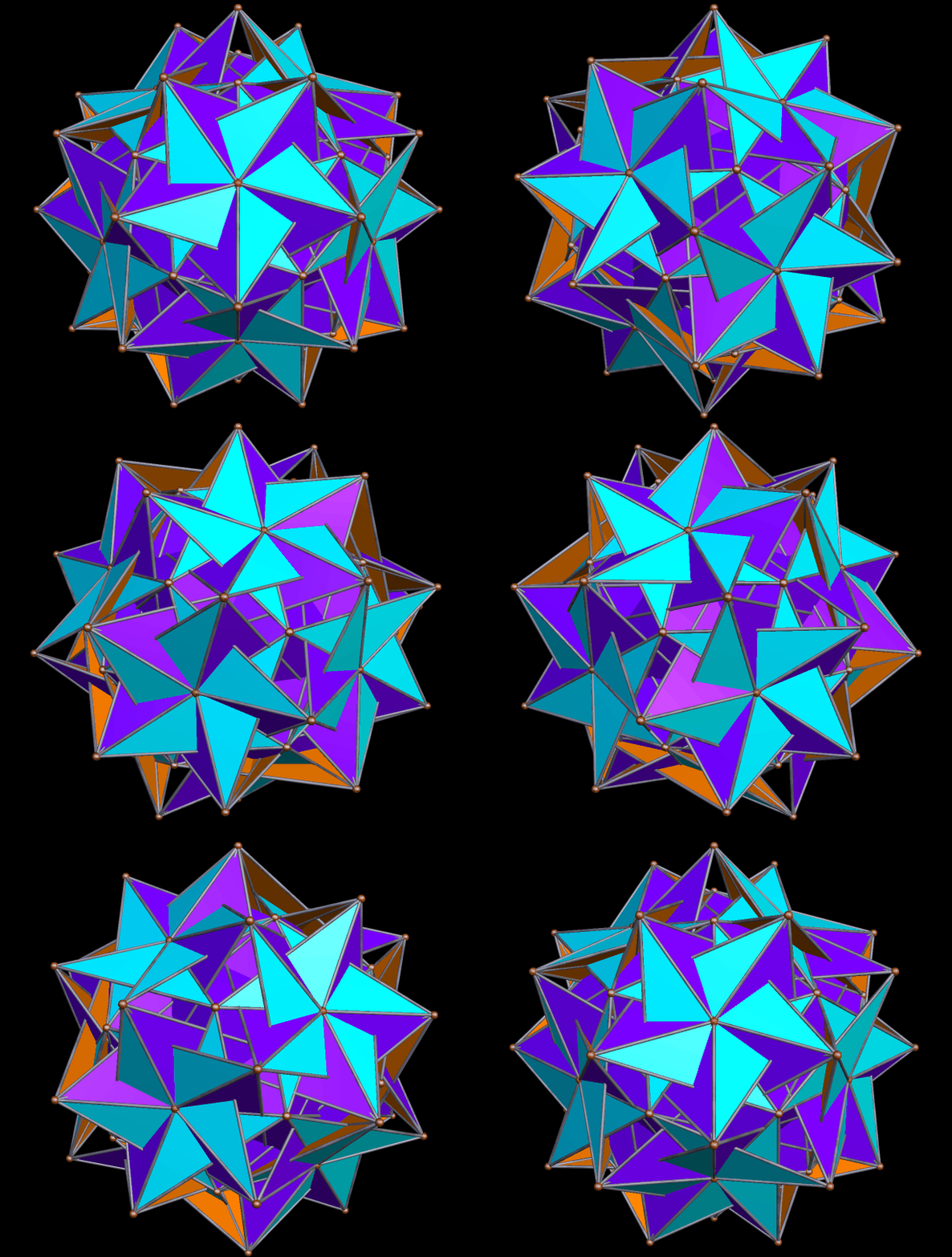
A Great Icosahedron, Augmented with Twenty Icosahedra

Augmented Great Icosa augmented with icosas

The polyhedral clusters above and below use different coloring-schemes, but are otherwise identical. Invisible, in the center, is a great icosahedron. Each of its faces has been augmented by a (Platonic) icosahedron.

Augmented Great Icosa augmented with icosas colored by face typeBoth images were created using Stella 4d, software you can try here.

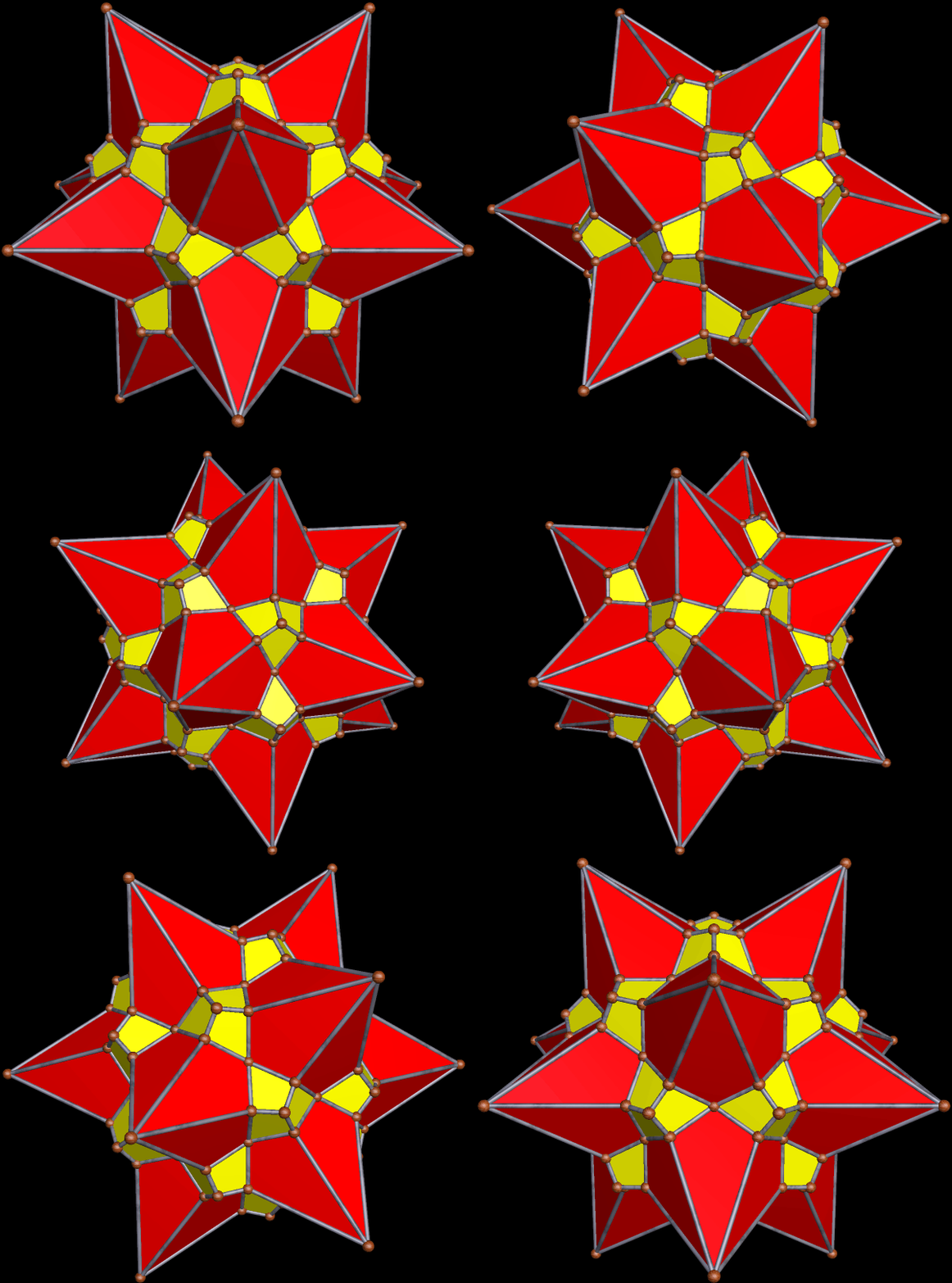
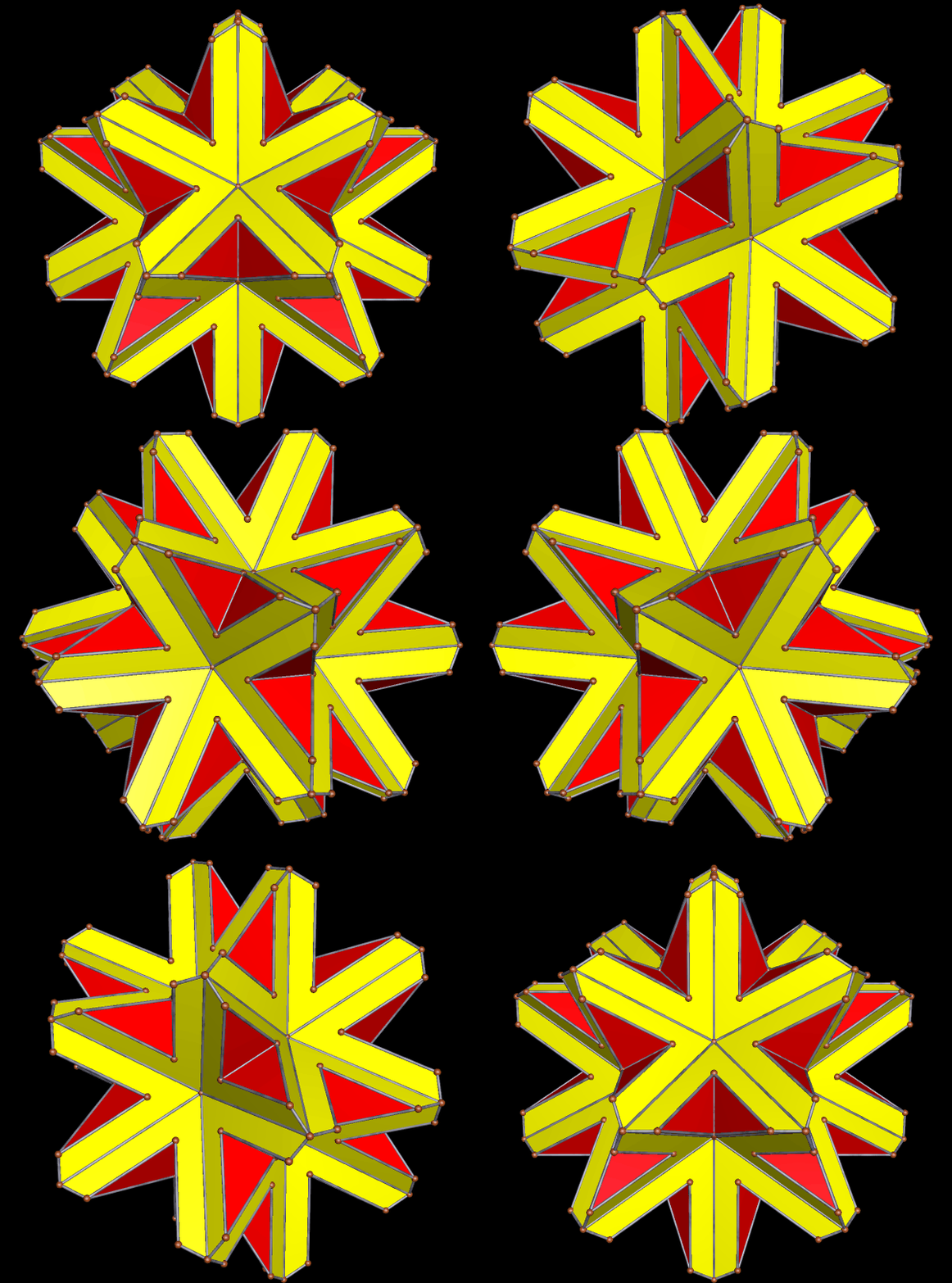
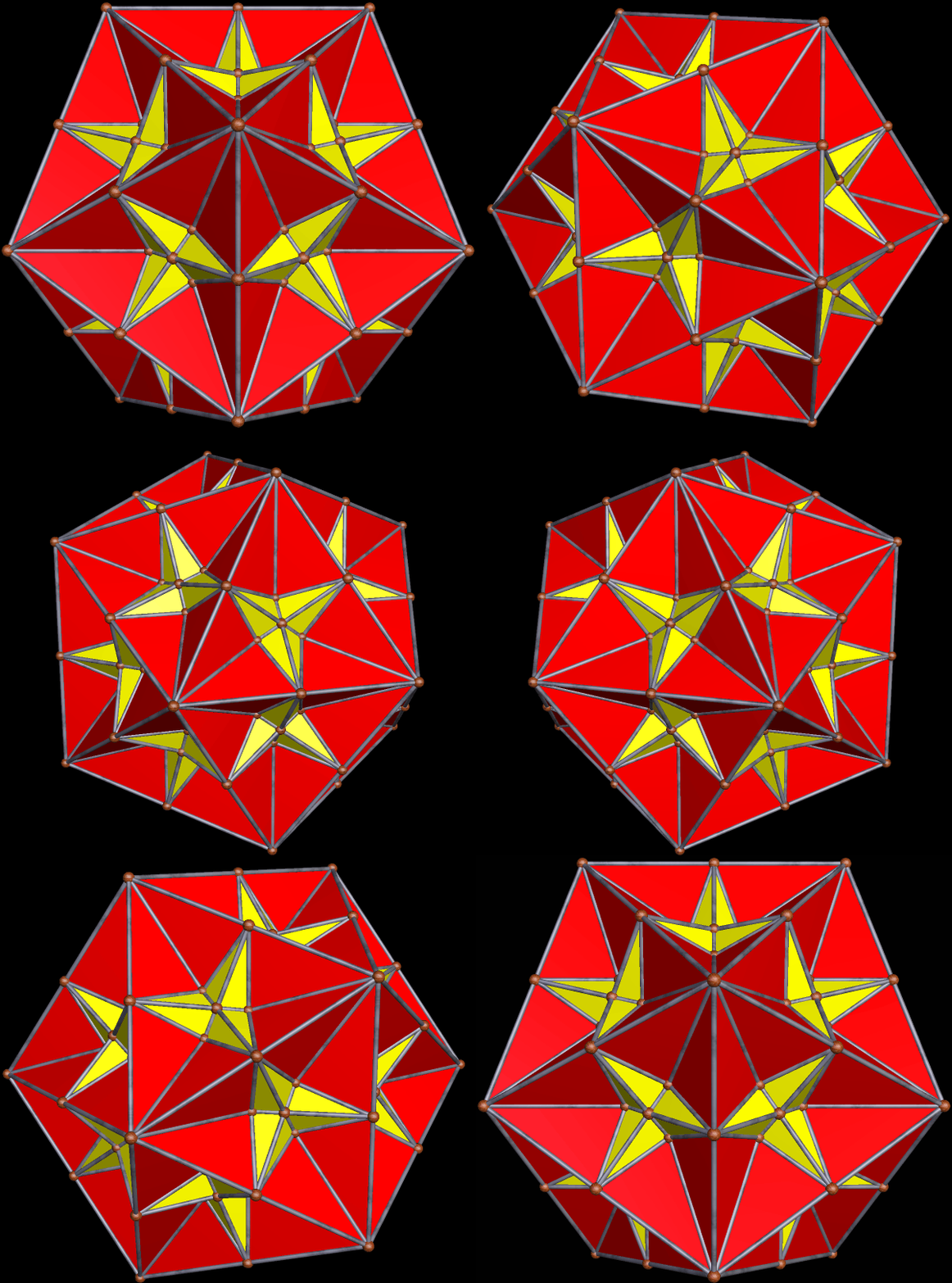
Selections from the Stellation-Series of the Great Rhombicosidodecahedron

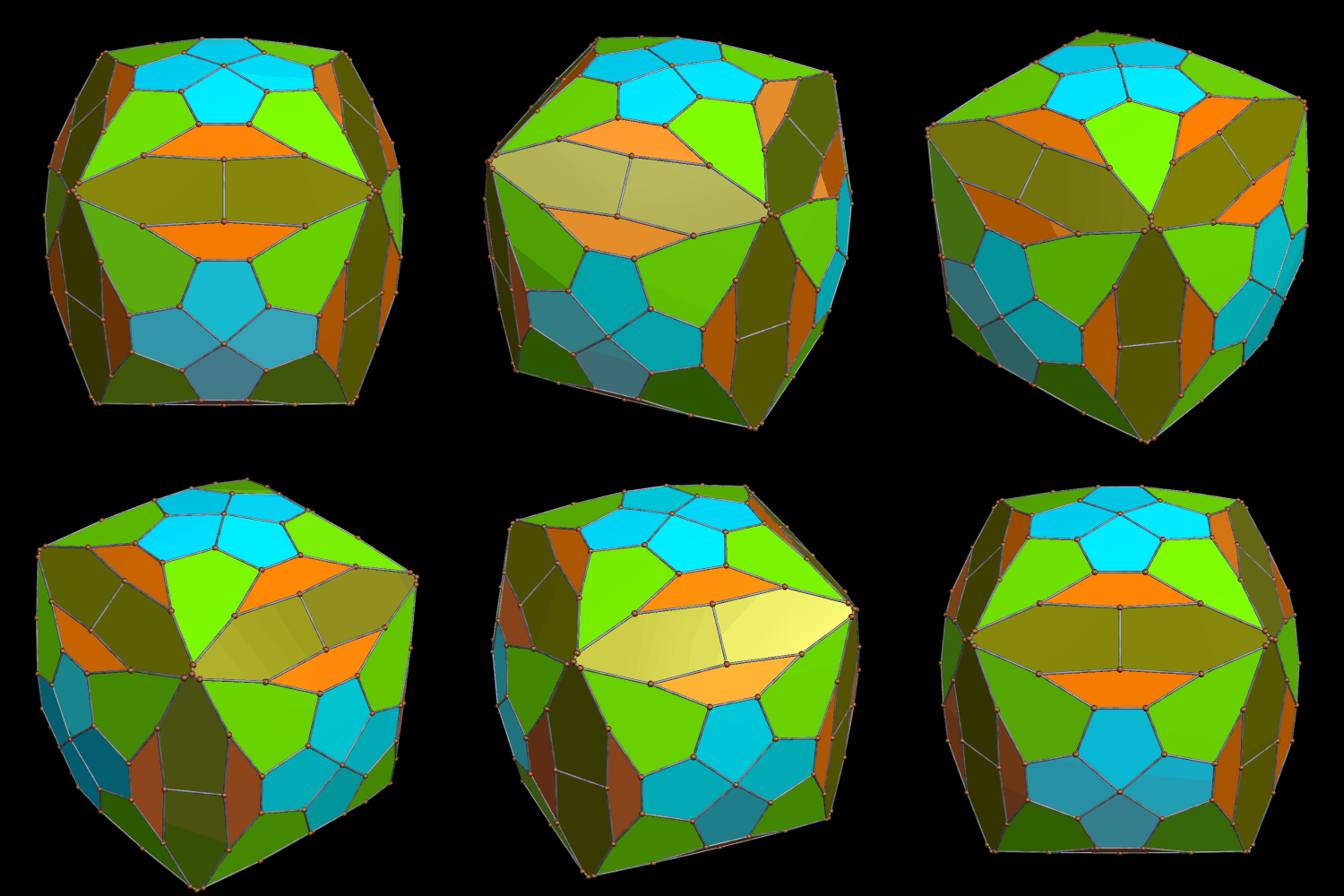
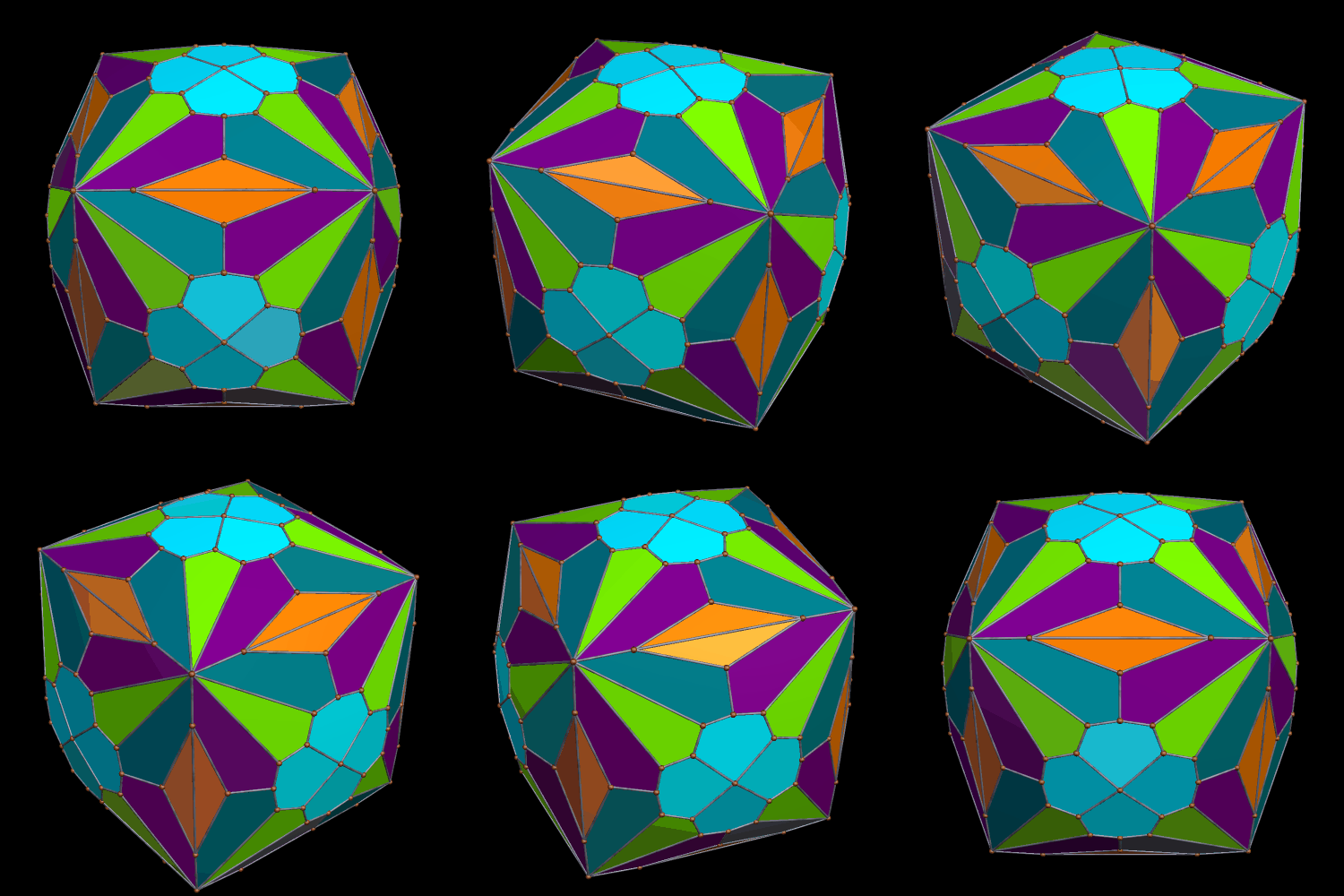
The great rhombicosidodecahedron, also known as the truncated icosidodecahedron, has a long and complex stellation series. Here are some highlights from that series, chosen using aesthetic, rather than mathematical, criteria.

All these virtual models were made using Stella 4d, which you can try and/or buy here.

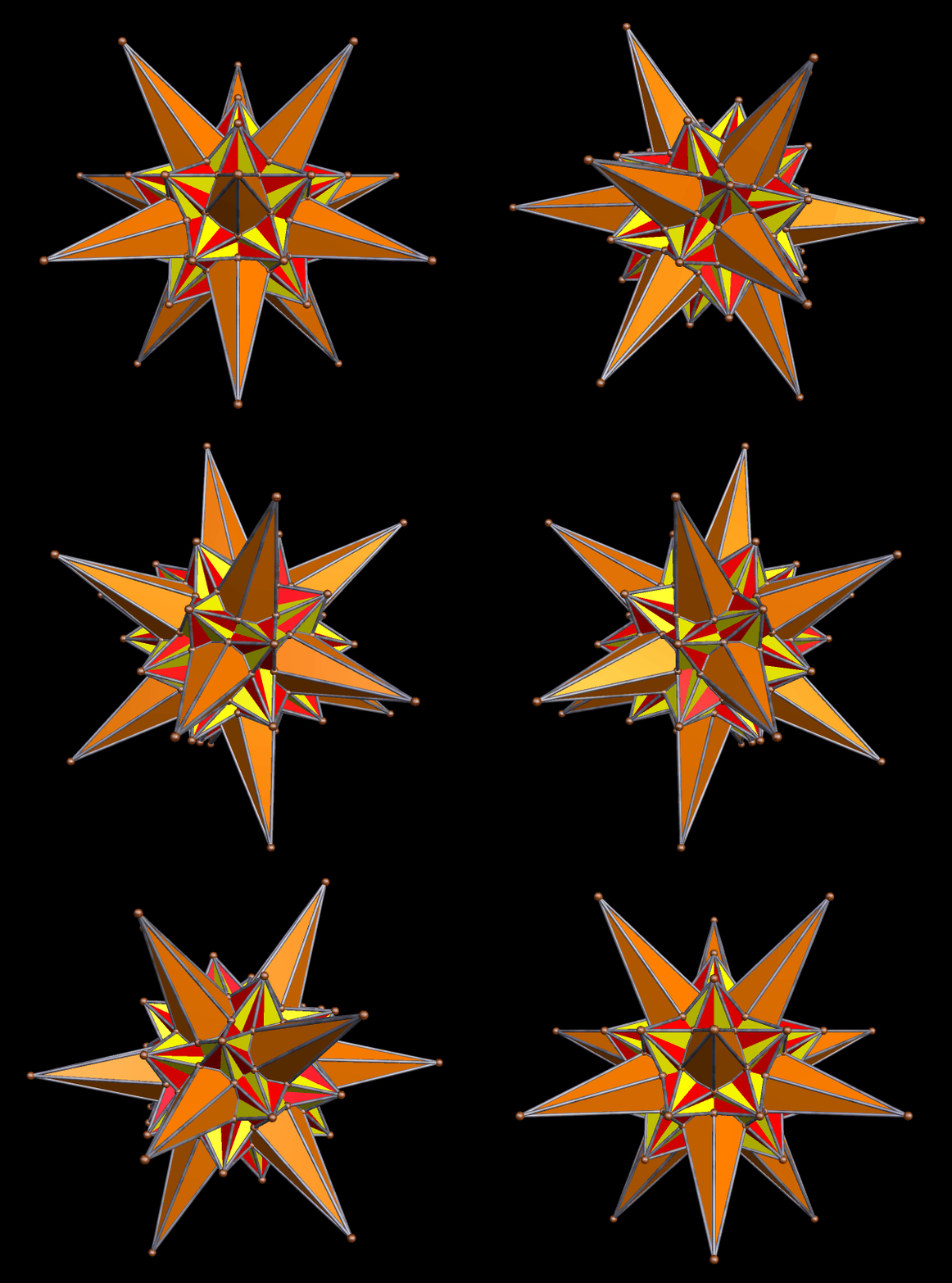
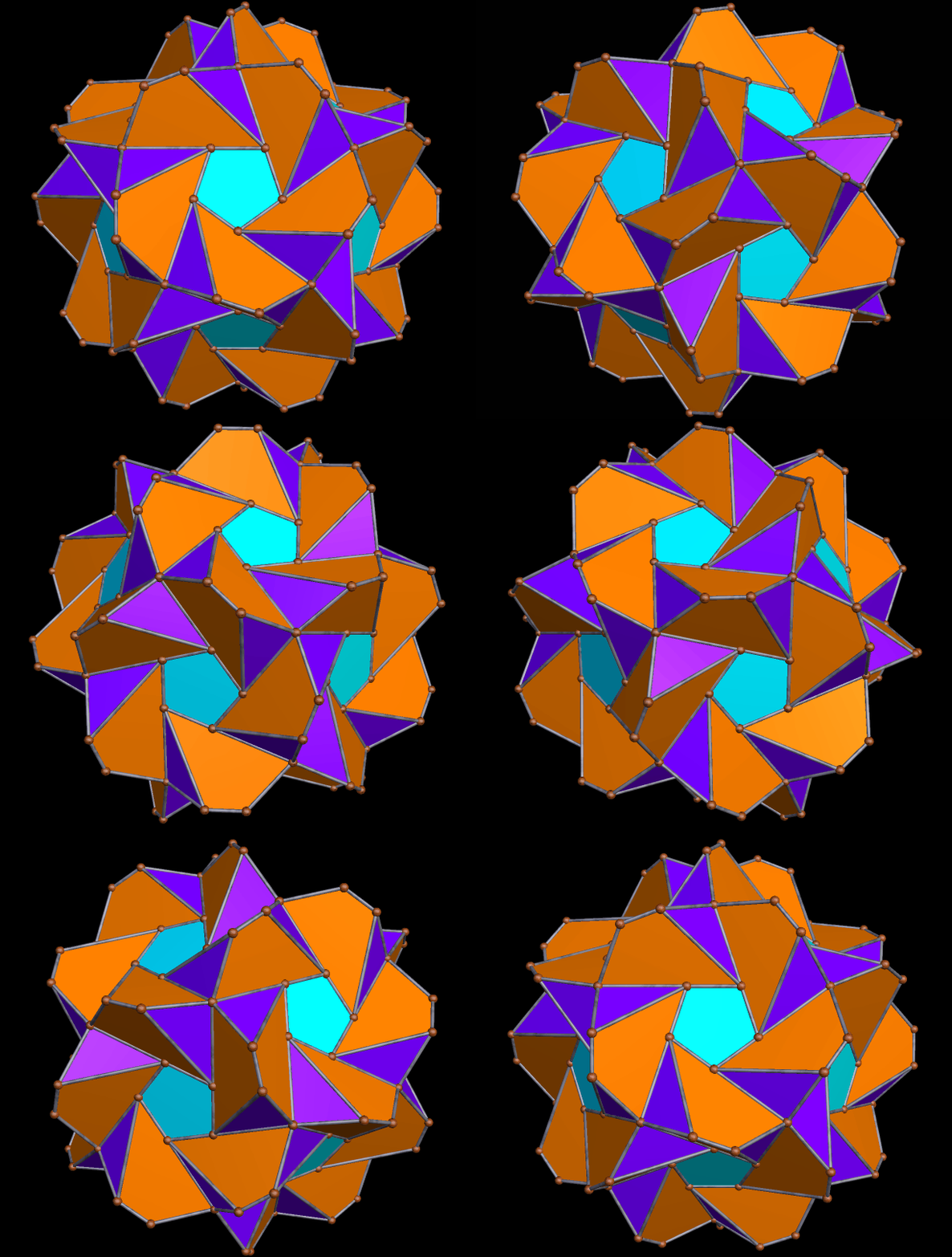
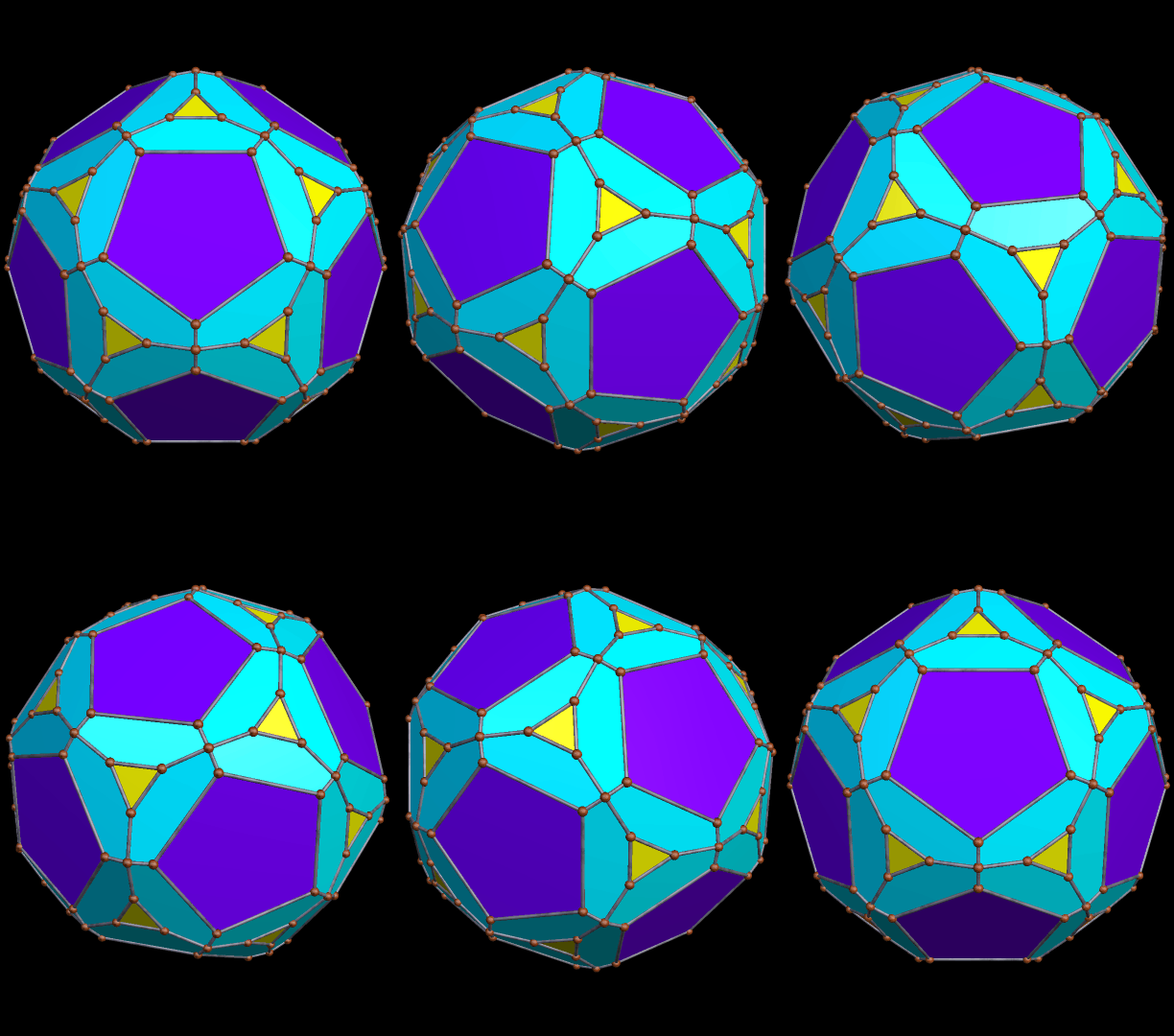
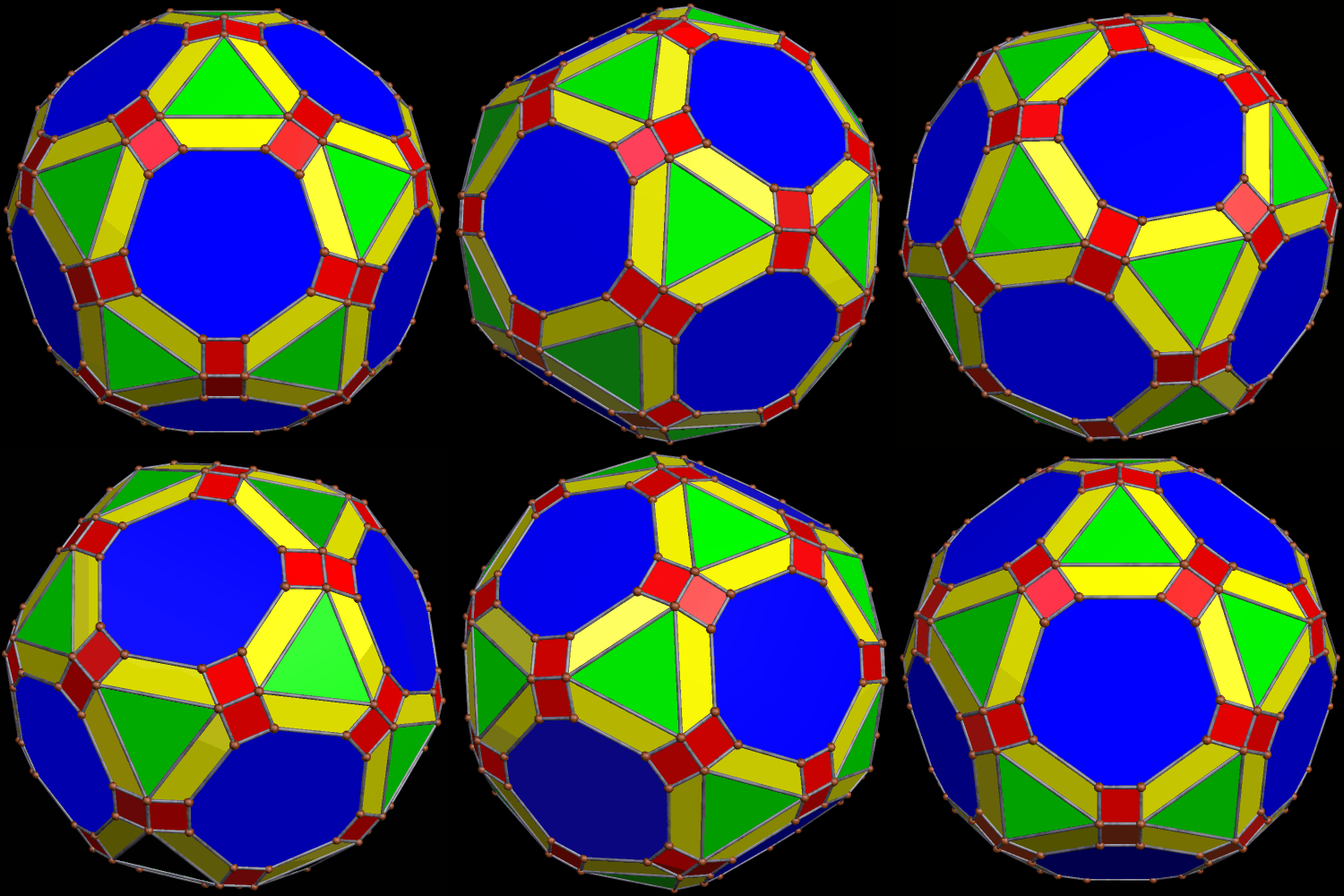
Nth stellation of the great rhombicosidodecaNt1h stellation of the great rhombicosidodecaN21h stellation of the great rhombicosidodecaN25hg1uyh stellation of the great rhombicosidodecaN25hhgdg1hghjjhfuyh stellation of the great rhombicosidodeca N25hhgdg1hgjhjjhfjhgujhfjhyh stellation of the great rhombicosidodeca N25hhgdg1hgjhjjhfjhgujhjhfjhyh stellation of the great rhombicosidodecaN25hhgdg1uyh stellation of the great rhombicosidodecaN251h stellation of the great rhombicosidodecaN251uyh stellation of the great rhombicosidodecaN25hhgdg1hgjhjjhfjhgujhjjhhfjhyh stellation of the great rhombicosidodecaN25hhgdg1hgjhjjhfjhgujhyh stellation of the great rhombicosidodecaN25hhgdg1hgjhjjhfujhyh stellation of the great rhombicosidodecaN25hhgdg1hgjhjjhfuyh stellation of the great rhombicosidodecaN25hhgdg1jfuyh stellation of the great rhombicosidodecaN25hhgdg1jjhfuyh stellation of the great rhombicosidodeca

Two Polyhedral Compounds: the Icosidodecahedron with the Truncated Cube, and the Rhombic Triacontahedron with the Triakis Octahedron

Compound of Icosidodeca and Trunc Cube

These two compounds, above and below, are duals. Also, in each of them, one polyhedron with icosidodecahedral symmetry is combined with a second polyhedron with cuboctahedral symmetry to form a compound with pyritohedral symmetry: the symmetry of a standard volleyball.

Compound of RTC and Triakis octahedron also pyritohedral

A program called Stella 4d was used to make these compounds, and create these images. It may be purchased, or tried for free, at this website.

Sixteen Polyhedra with Cuboctahedral Symmetry

weird not goodUnnamed Dual UnnameIYd Dual Unnamed Dual x spring model het oy has tetraicosagons Dual of Convex adshgsdjl Dual of Convehgd x hull Dual hgdyg Convehgd x hull Dual hgdyg Cogddfnvehgd x hull creepy dual badly-truncated great rhombcuboctahedron -- fix it's dual badly-truncated great rhombcuboctahedron -- fix it! Augmented rhombcubocta 8 dodecagons and six octgons etc

I made these using Stella 4d, a computer program available at this website.

Two Compounds with Pyritohedral Symmetry: the Icosidodecahedron / Truncated Octahedron Compound, and the Rhombic Triacontahedron / Tetrakis Cube Compound

Compound of Icosidodeca and Trunc Octa its pyritohedralCompound of RTC and tetrakis cube its pyritohedral

Stella 4d, a program you can try here, was used to create these two compounds. Both have pyritohedral symmetry: the symmetry of a standard volleyball. The two compounds are also duals.

A Large Collection of Polyhedra with Icosidodecahedral Symmetry, Some of Them Chiral

A stellation of a faceted icosidodecahedron
Another nother2 stellation of a faceted icosidodecahedronAnother stellation of a faceted icosidodecahedronFaceted Stellated Triakibvjvsicosa
chiral 157th stellation of the icosidodecahedronAnother nother stellation of a faceted icosidodecahedronCompound of enantiomorphic pair of 157th stellations of IDnon-convex snub dodecahedron variantl12 irreg decagons 30 reg octagons 20 reg hexagons 60 isos trapezoids 122 totalll12 pentagon and 80 hexagons92 facesl302 faces including 12 pentadecagonsaug rid 1 of 2 Convex hullaug rid 2 of 2 Convex hullAugmented PHGolyAugmented PHGoly DUALCompound of enantiomorphic pairCompound of enantiomorphnb cnbic pairConsdhffgvex hullConvehxbvhvc hullConvejhfx hullConvenbvx hullConvex dfaljhullConvex hull of the base + dual model for the truncated dodecahedronConvex hullConvexbvhvc hullConvexsdjag hhgfullCoXCVNBnvex hulldual -- Faceted Compound of Compound of enantiomorphic pair and dualDual of Cohkhkjnvex hullDual of Cokhnvex hullDual of Cokjhihhkhkjnvex hullDual of Convex hullDual of Convexnvgxgc hullDual of CoXCVNBnvex hullDual ojhff Convex hullDual ojhjhff Convex hullFaceted Compound of enantiomorphic pairFaceted Convex hullFaceted DnvcualFaceted Dual
Faceted DualsgdhdFaceted DugffalFaceted DuhgdhggffalFaceted Great TriakisicosaFaceted RhombicosidodecgfshfsaFaceted Stellated Faceted DualFaceted Stellated Faceted DuhgdhgalFaceted Stellated Faceted Stellated Poly

I made these using Stella 4d, available here.

A Dodecahedron with Four Symetrically-Truncated Vertices

dodeca with 4 verts truncated tet symm

Dodecahedra have icosahedral (also called icosidodecahedral) symmetry. In the figure above, this symmetry is changed to tetrahedral, by truncation of four vertices with positions corresponding to the vertices (or, instead, faces) of a tetrahedron. The interchangeability of vertices and faces for the tetrahedron is related to the fact that the tetrahedron is self-dual.

[Image created using Stella 4d, available here.]

Selections from the Stellation-Series of the Icosidodecahedron

The icosidodecahedron has a long and interesting stellation-series, and you can see the whole thing using Stella 4d, the program I used to make the rotating .gifs here. Rather than keep the scale the same in each frame, I set the program to make the polyhedron as large as possible, while still fitting in the image-box. This creates the illusion that the polyhedra below are “breathing.”

Glimpses of the invisible visible version 20th stellation of the icosidodecahedron

The polyhedron above is the 20th stellation of the icosidodecahedron — the one that appeared as the sole image in the last post here, but with completely different colors. The next one shown is the 31st stellation.
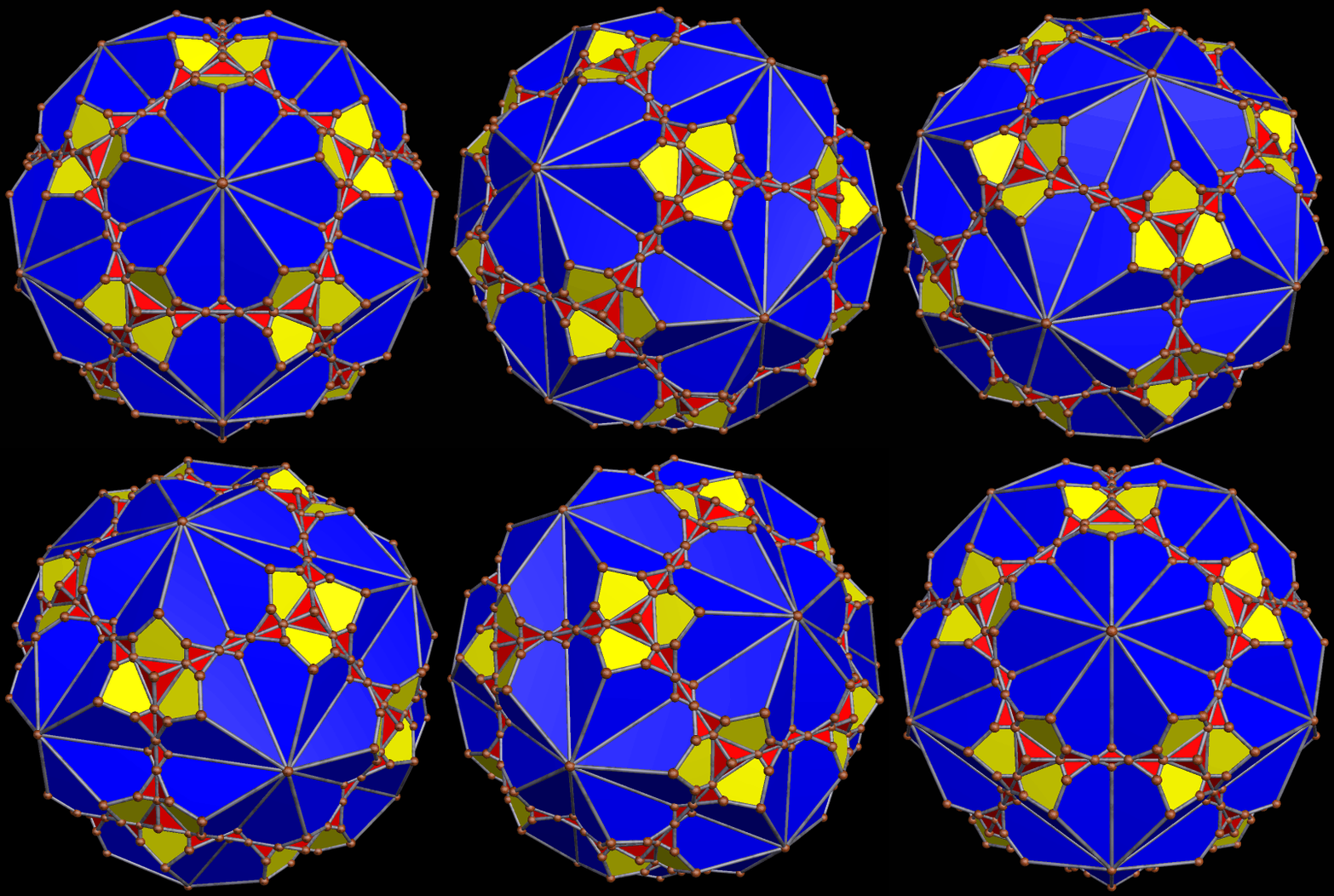
Glimpses of the invisible visible version 31st stellation of the icosidodecahedron

Glimpses of the invisible visible version 55th stellation of the icosidodecahedron

The 55th stellation is immediately above, while the next one is the 69th.
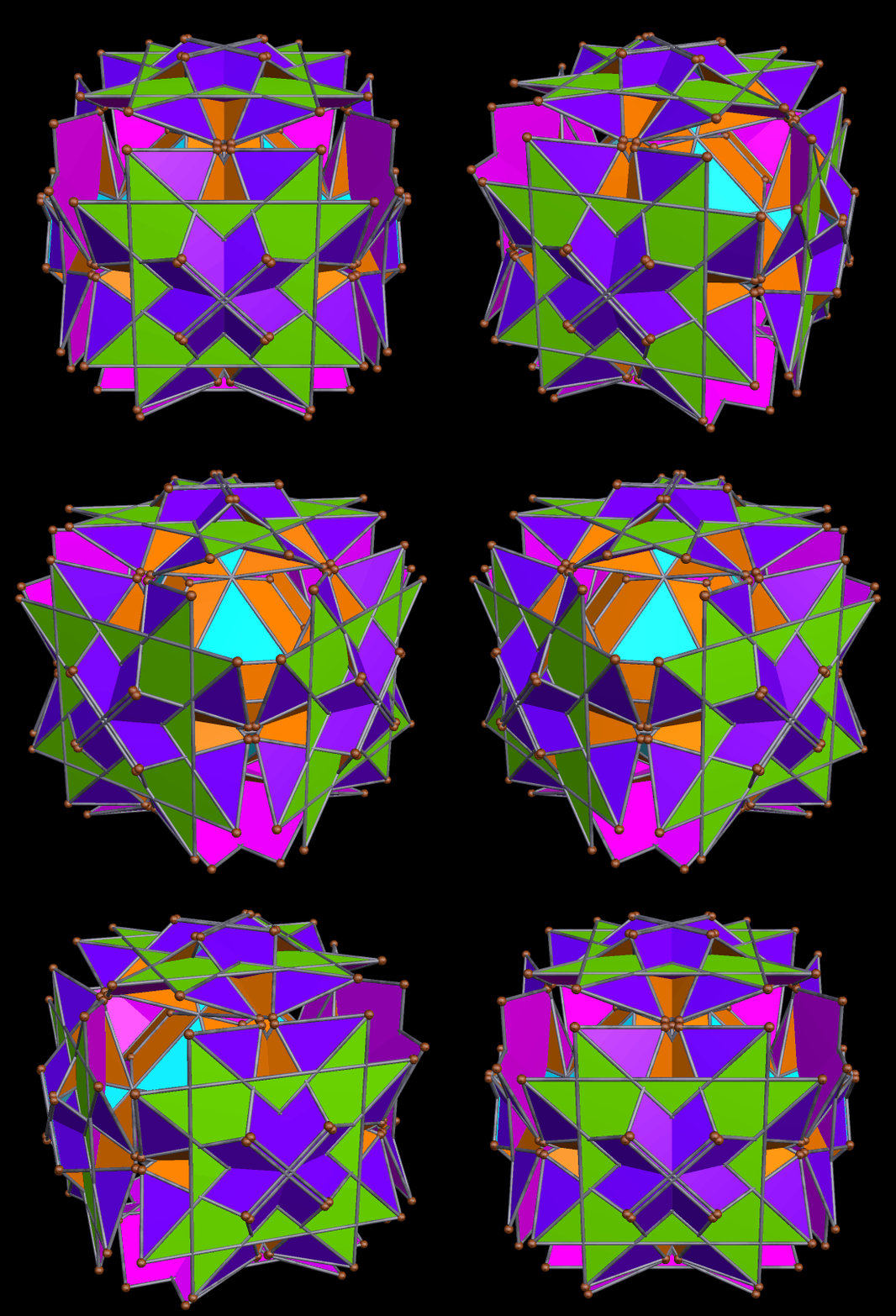
Glimpses of the invisible visible version 69th stellation of the icosidodecahedron

Glimpses of the invisible visible version 84th stellation of the icosidodecahedron

The 84th stellation is immediately above, while the next one is the 89th.

Glimpses of the invisible visible version 89th stellation of the icosidodecahedron

Glimpses of the invisible visible version 106th stellation of the icosidodecahedron

The 106th stellation is immediately above, while the next one is the the 110th.

Glimpses of the invisible visible version 110th stellation of the icosidodecahedron

Glimpses of the invisible visible version 135th stellation of the icosidodecahedron

The 135th stellation is immediately above, while the next one, which is chiral, is the 157th.

Glimpses of the invisible visible version 157th stellation of the icosidodecahedron