
This polyhedron has 20 enneagons and 12+60=72 pentagons (of two types) as faces. I made it using Stella 4d, which is available at http://www.software3d.com/Stella.php.
This polyhedron has 20 enneagons and 12+60=72 pentagons (of two types) as faces. I made it using Stella 4d, which is available at http://www.software3d.com/Stella.php.

The faces of this polyhedron are 12 regular pentagons, 20 equilateral triangles, 30 rhombi, and 60 almost-square trapezoids. I created it with Stella 4d, which is available at this website.

Of the thirty faces of this polyhedron, only the yellow parallelograms are not pentagons. I used Stella 4d to make this; you may try it for free at http://www.software3d.com/Stella.php.
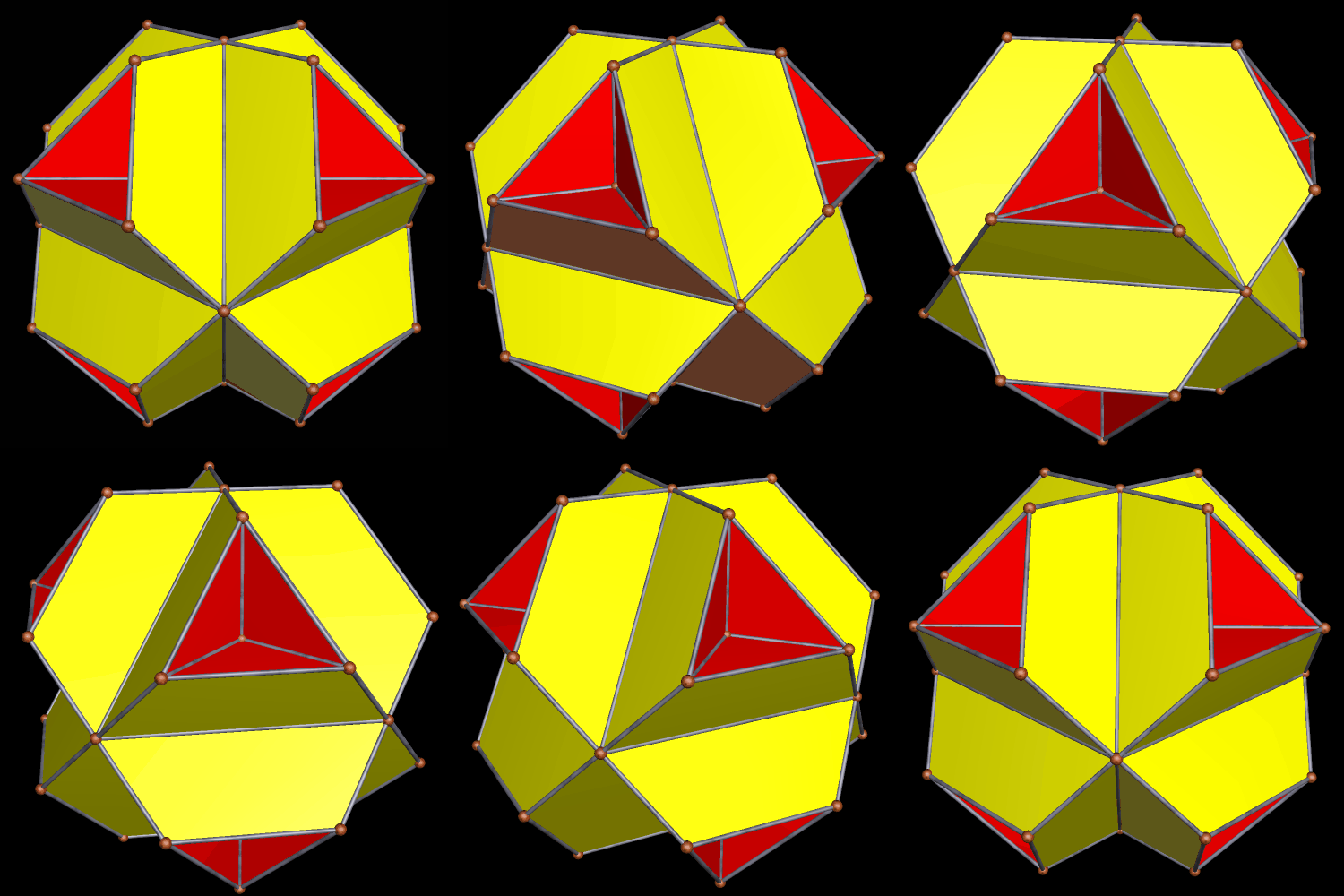
The polyhedron above is the 12th stellation of the truncated cube. The one below is the 14th.

The next one shown is the 18th and final stellation. If stellated again, the result is an ordinary truncated cube.
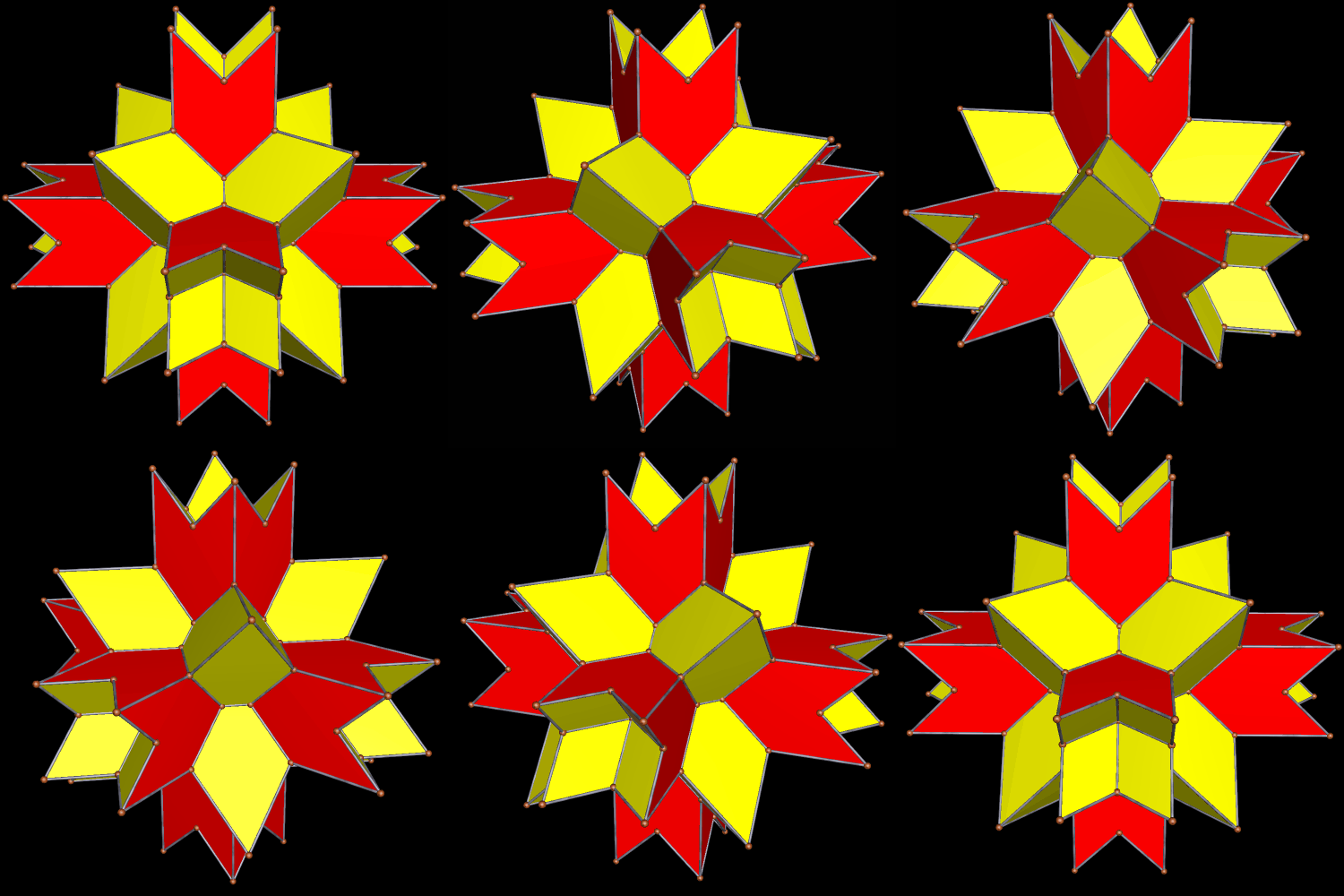
These virtual models were made using Stella 4d, software you may try for yourself at http://www.software3d.com/Stella.php.
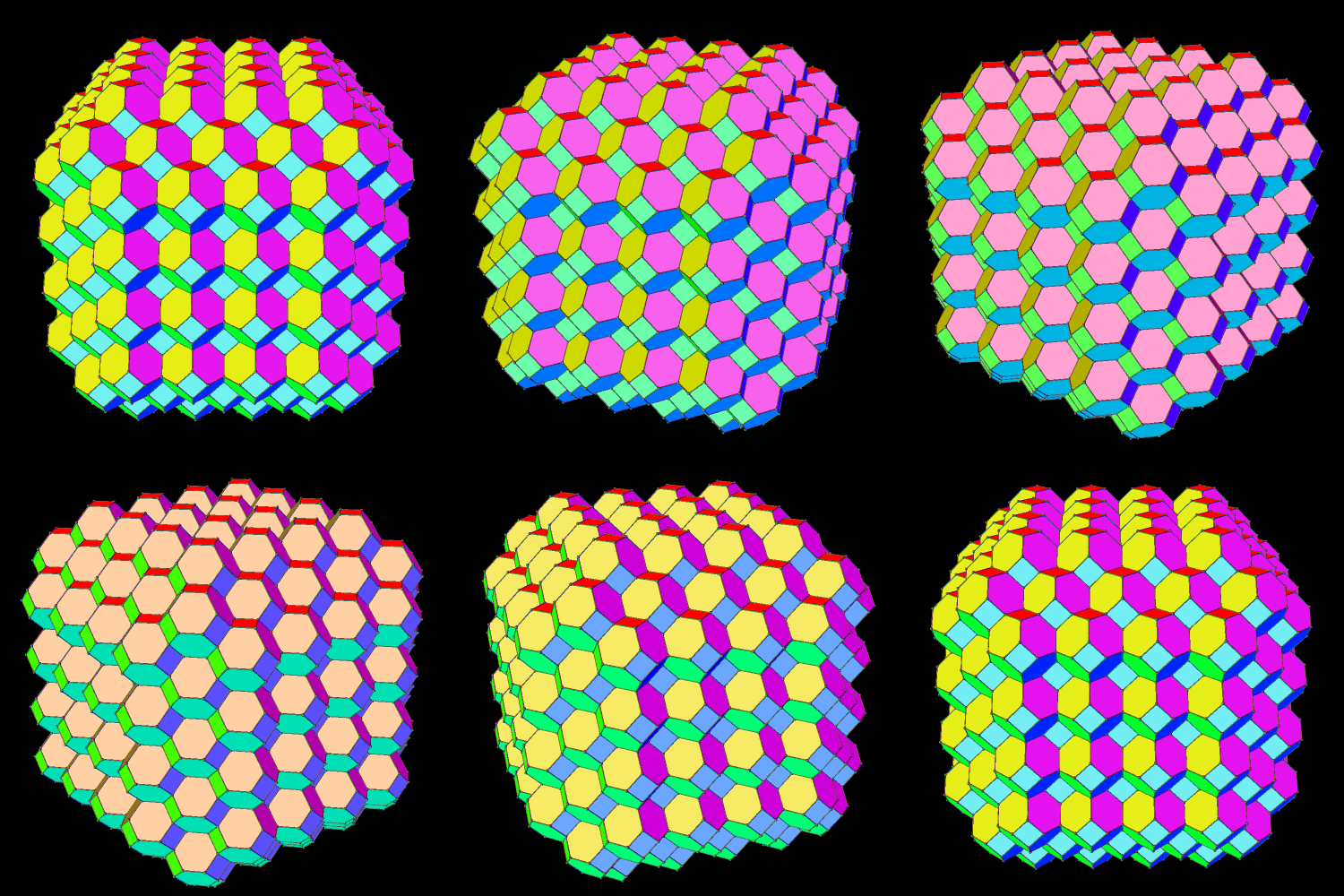
Truncated octahedra are among the special polyhedra which can fill space without leaving any gaps. There are others, as well. This image was created using Stella 4d, software you may try, for yourself, right here. There is a free “try it before you buy it” download available.
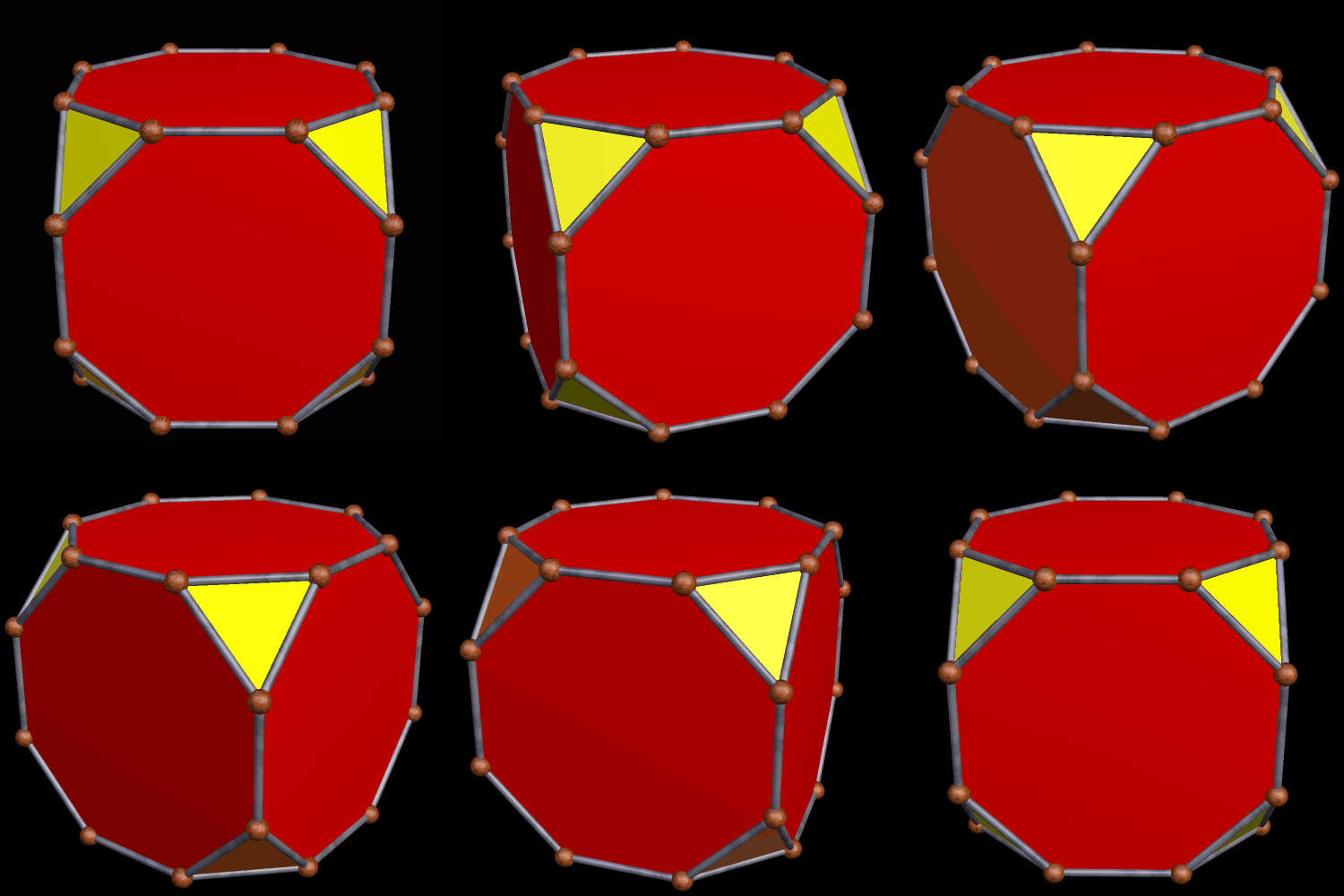
This is the truncated cube, one of the thirteen Archimedean solids.
If the truncation-planes are shifted, and increased in number, in just the right way, this variation is produced. Its purple faces are regular dodecagons, and the orange faces are kites — two dozen, in eight sets of three.
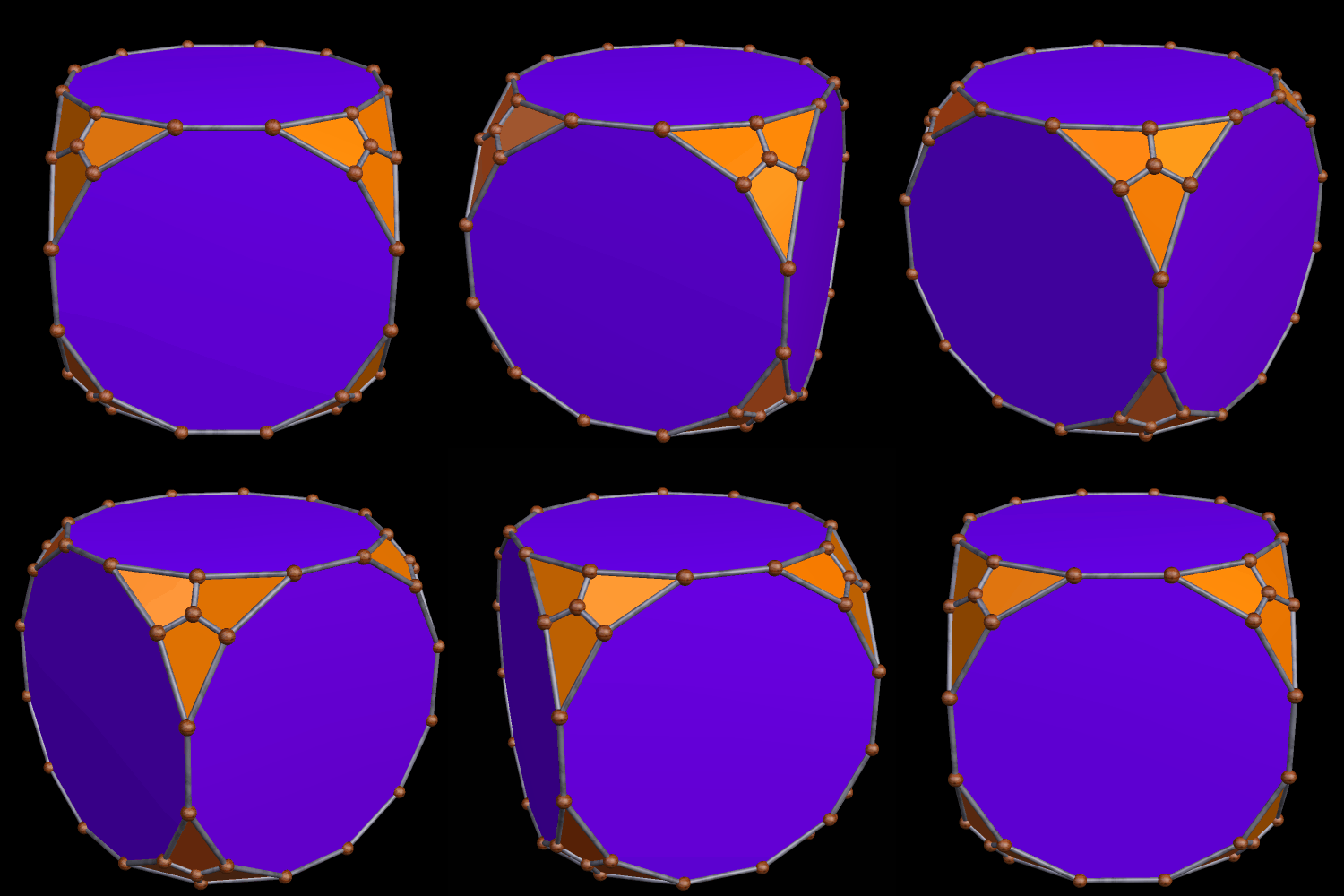
Applying yet another truncation, of a specific type, produces the next polyhedron. Here, the regular dodecagons are blue, and the red triangles are equilateral. The yellow triangles are isosceles, with a vertex angle of ~41.4 degrees.
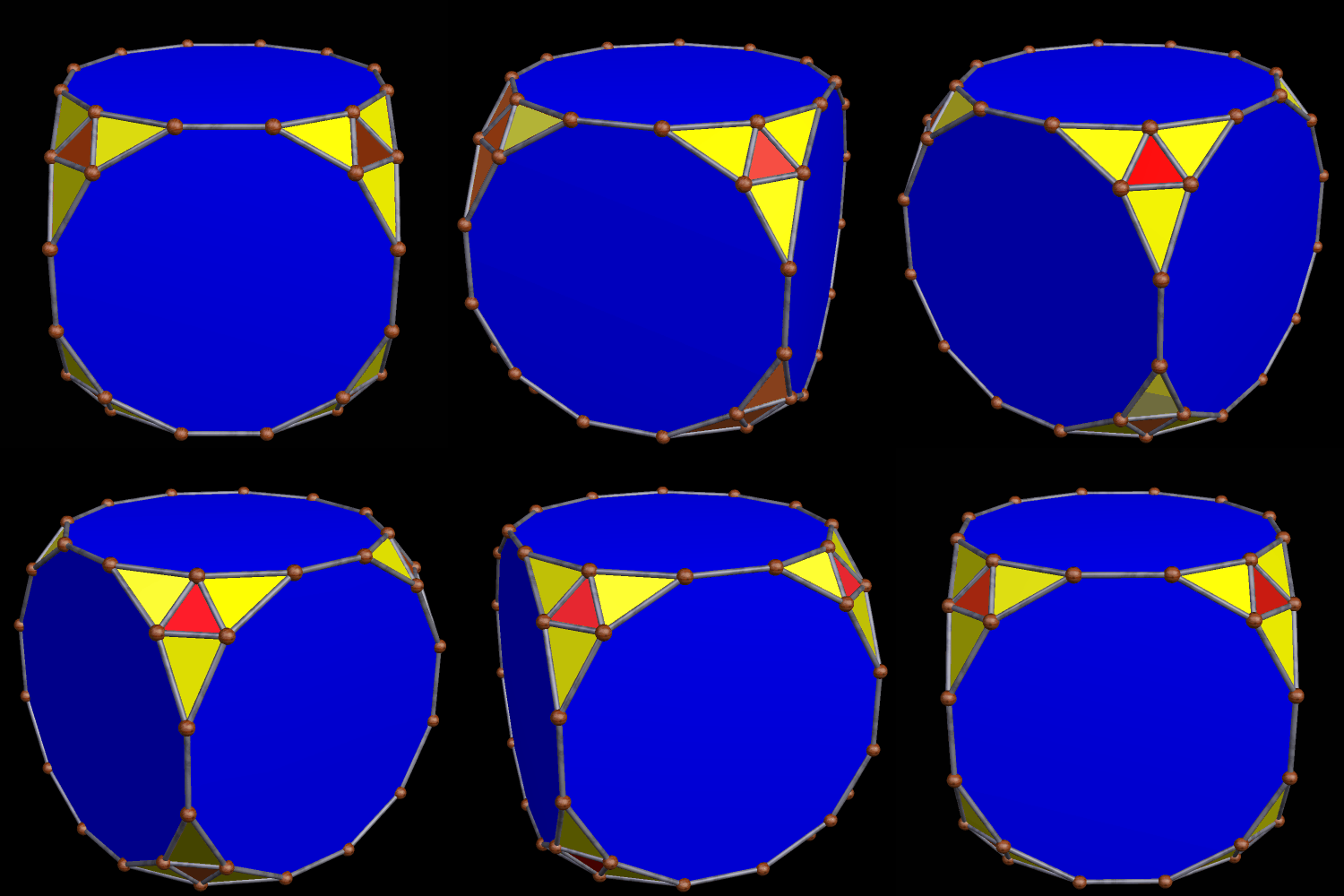
All three of these images were produced using Stella 4d, available at this website.

The yellow faces of this polyhedron are parallelograms, while the red ones are trapezoids. To demonstrate its chirality, here is the compound of it, and its own mirror-image.
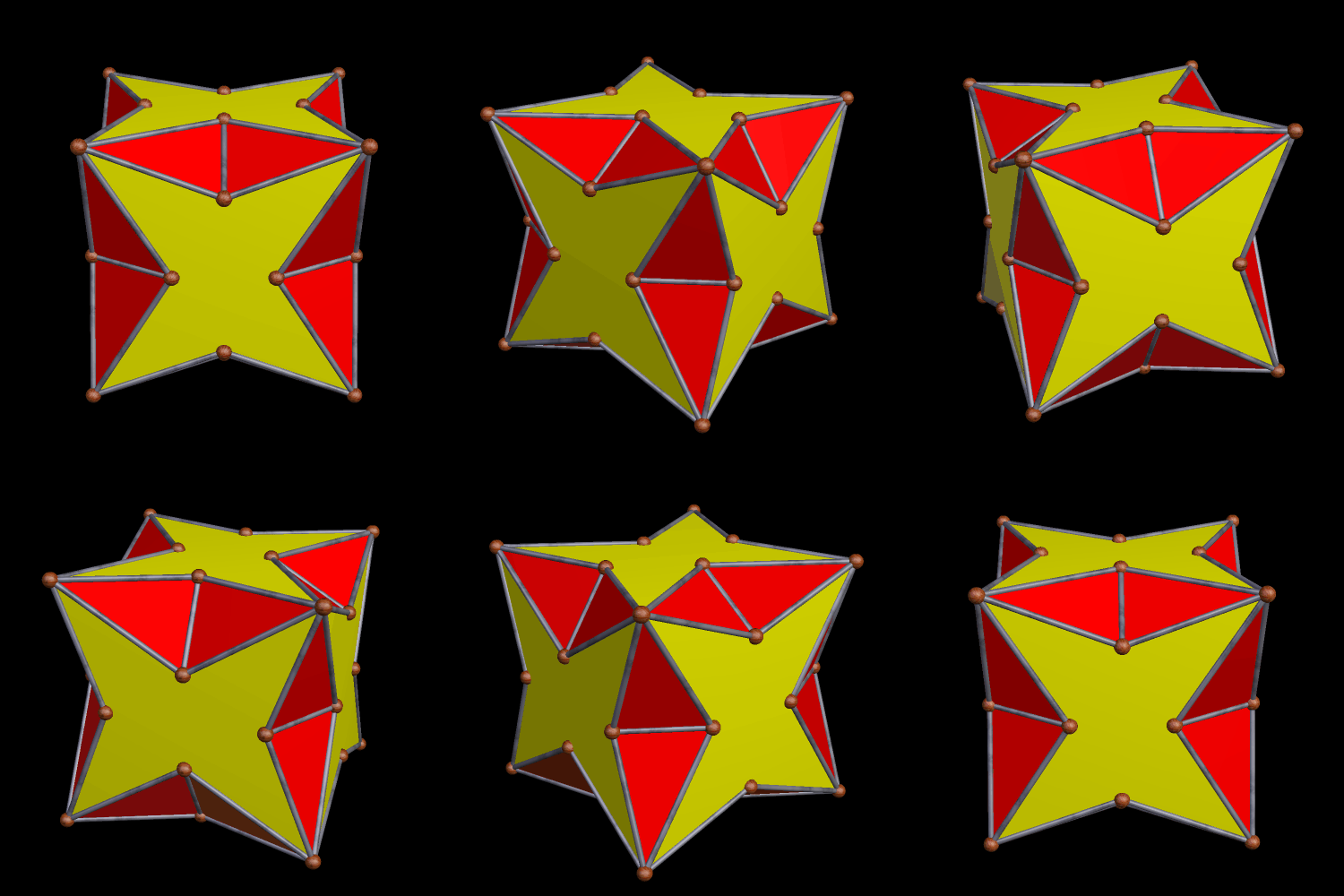
Both of these “virtual polyhedra” were made using Stella 4d: Polyhedron Navigator, a program available at this website. It has a free trial download available.

Created using Stella 4d: Polyhedron Navigator; see this website to try it for yourself!

This polyhedron has been described here as a “bowtie cube.” It is possible to augment its six dodecagonal faces with additional bowtie cubes. Also, the bowtie cube’s hexagonal faces may be augmented by truncated octahedra.
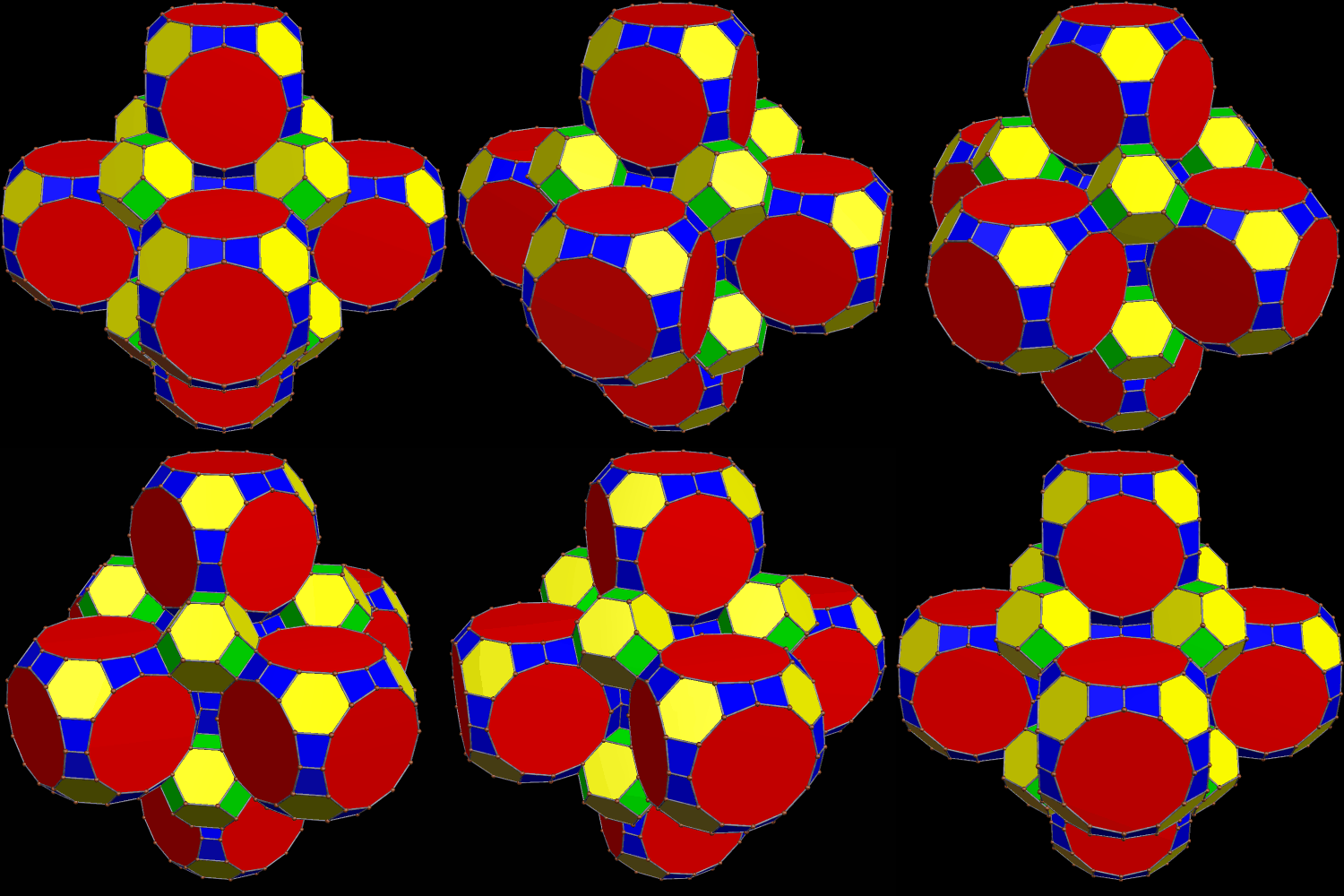
These two polyhedra “tessellate” space, together which square pyramidal bifrustrums, meeting in pairs, which fill the blue-and-green “holes” seen above. This last image shows more of the “honeycomb” produced after yet more of these same polyhedra have been added.

This pattern may be expanded into space without limit. I discovered it while playing with Stella 4d, software you may try for free at this website.
Each of these has a tetrahedron hidden from view in the center.
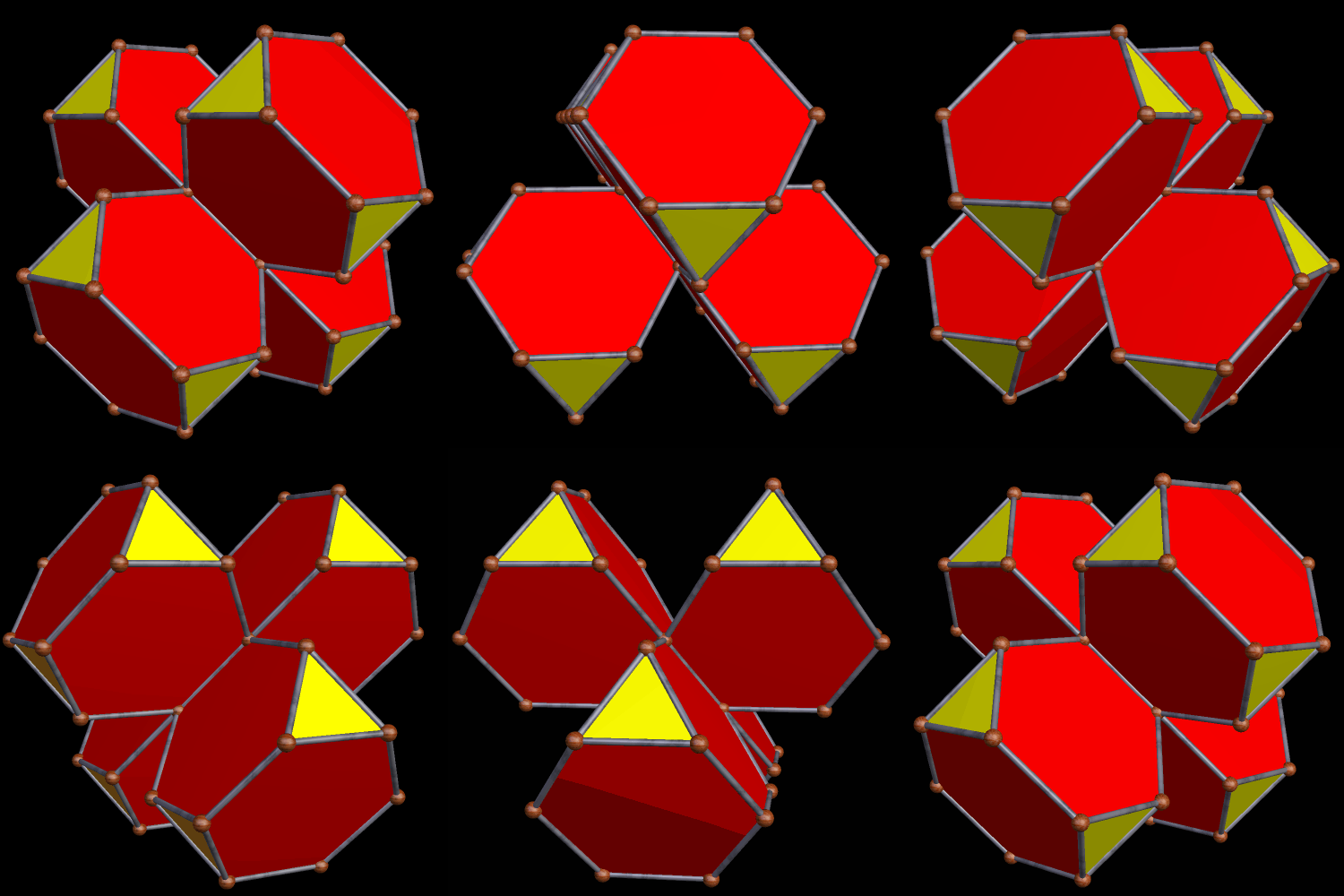
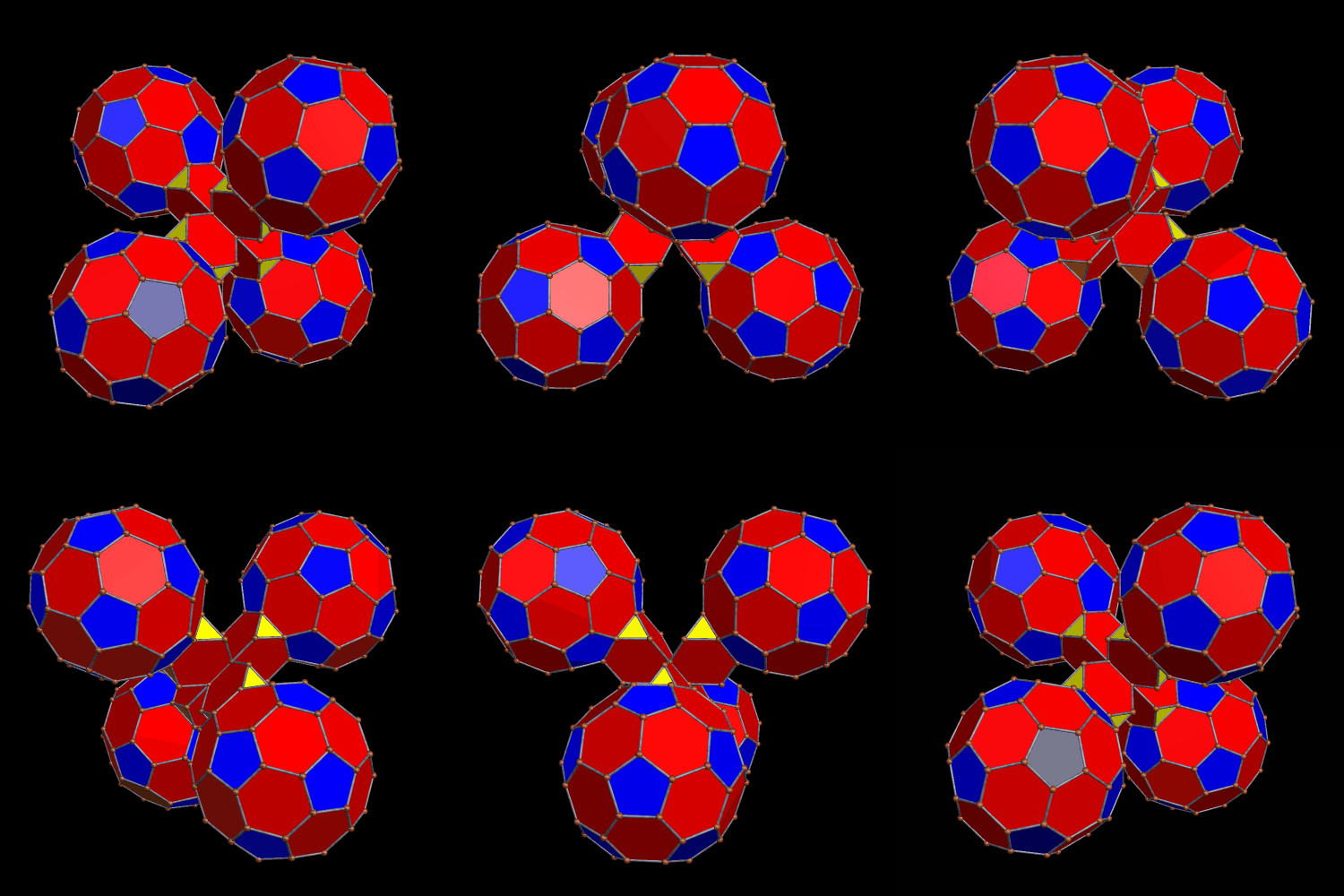
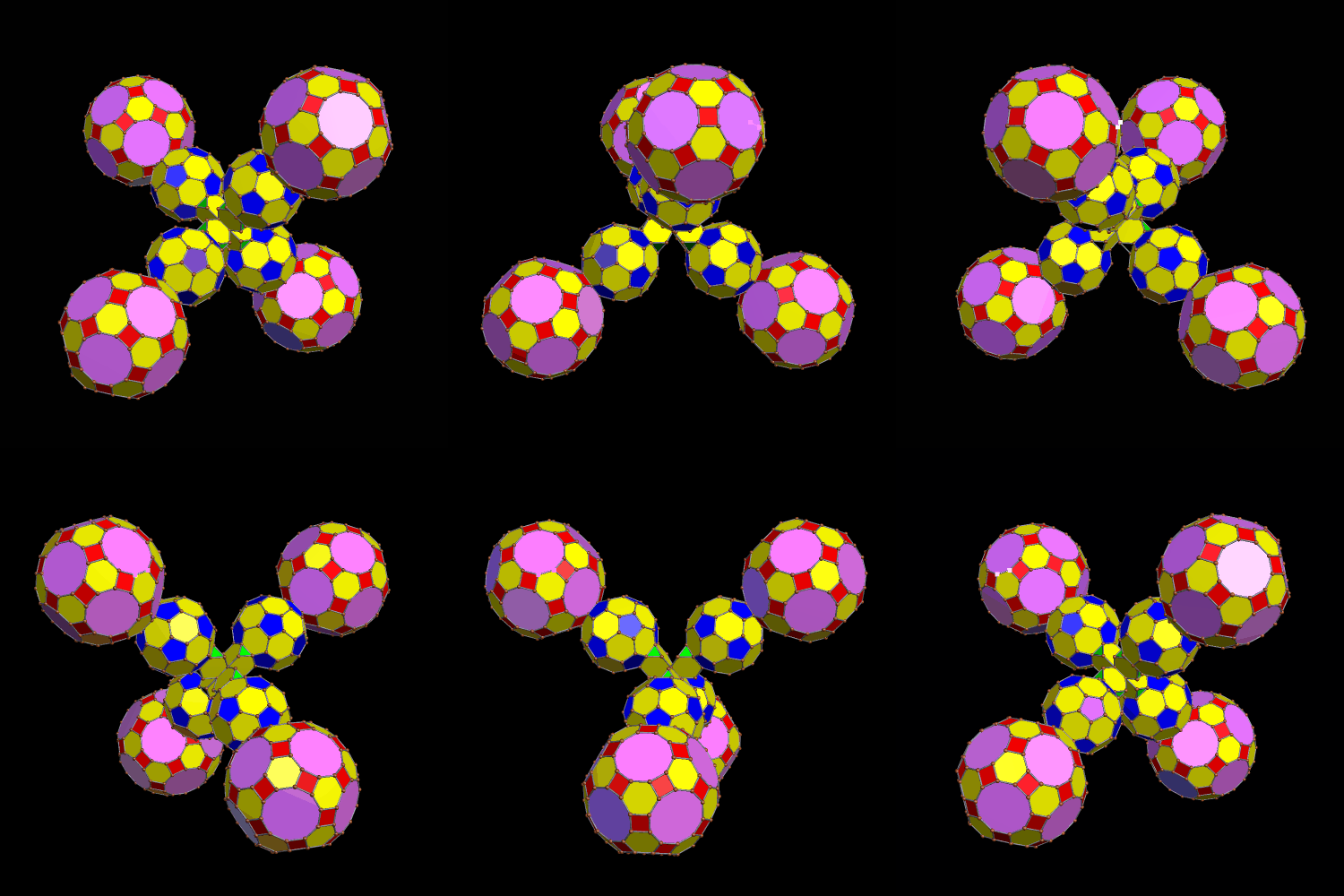
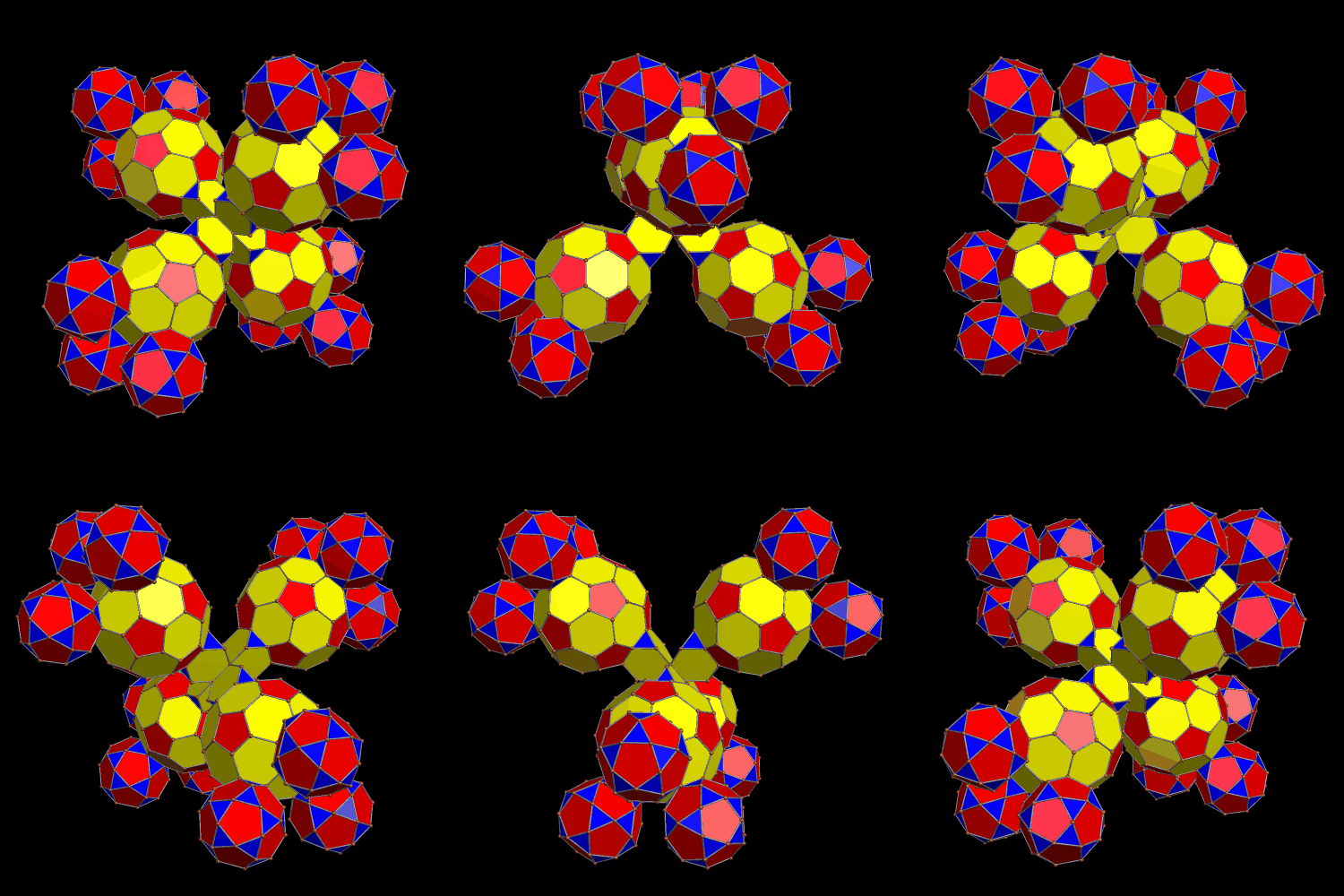
These were made using Stella 4d, which you may try for yourself here.
 RobertLovesPi.net