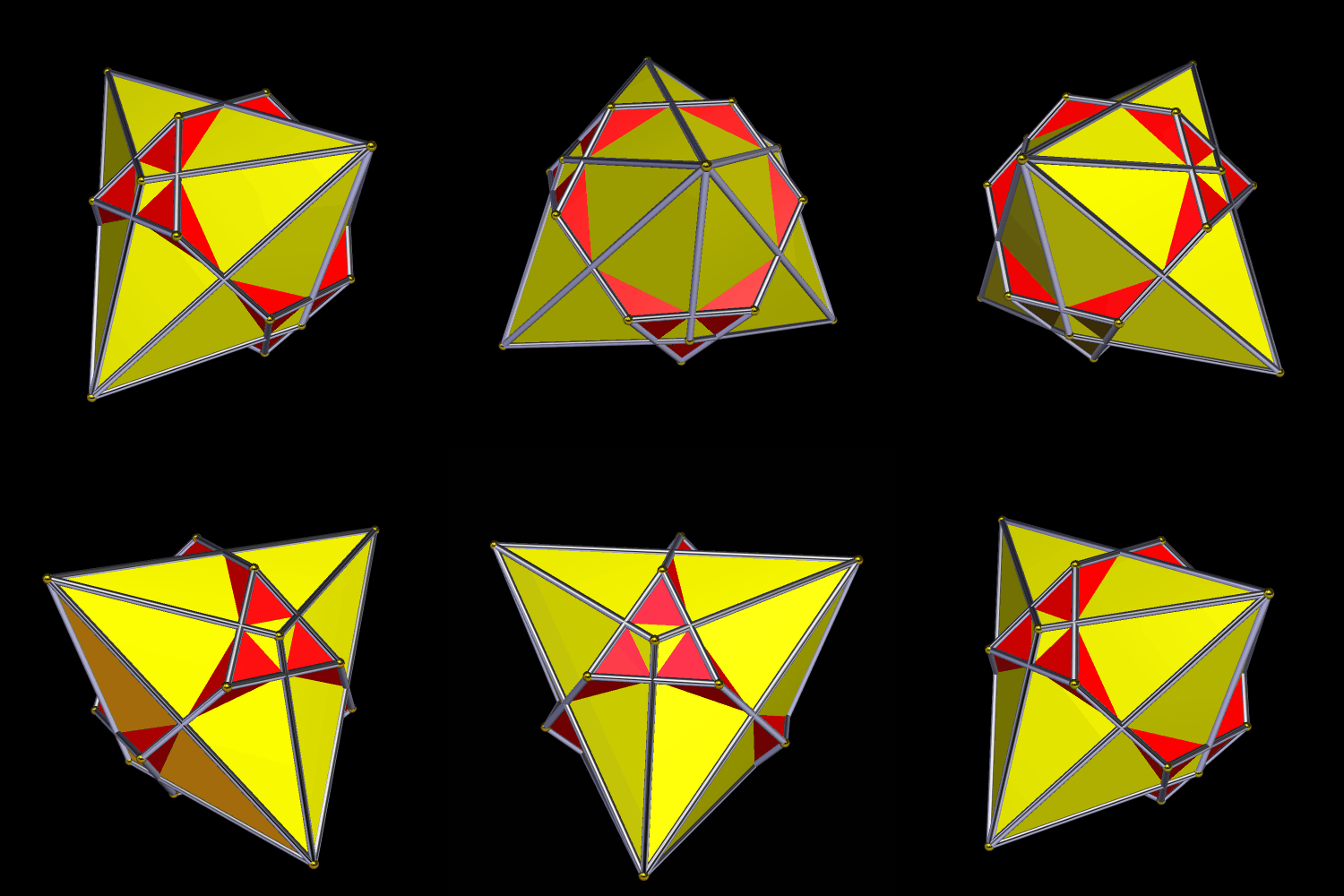
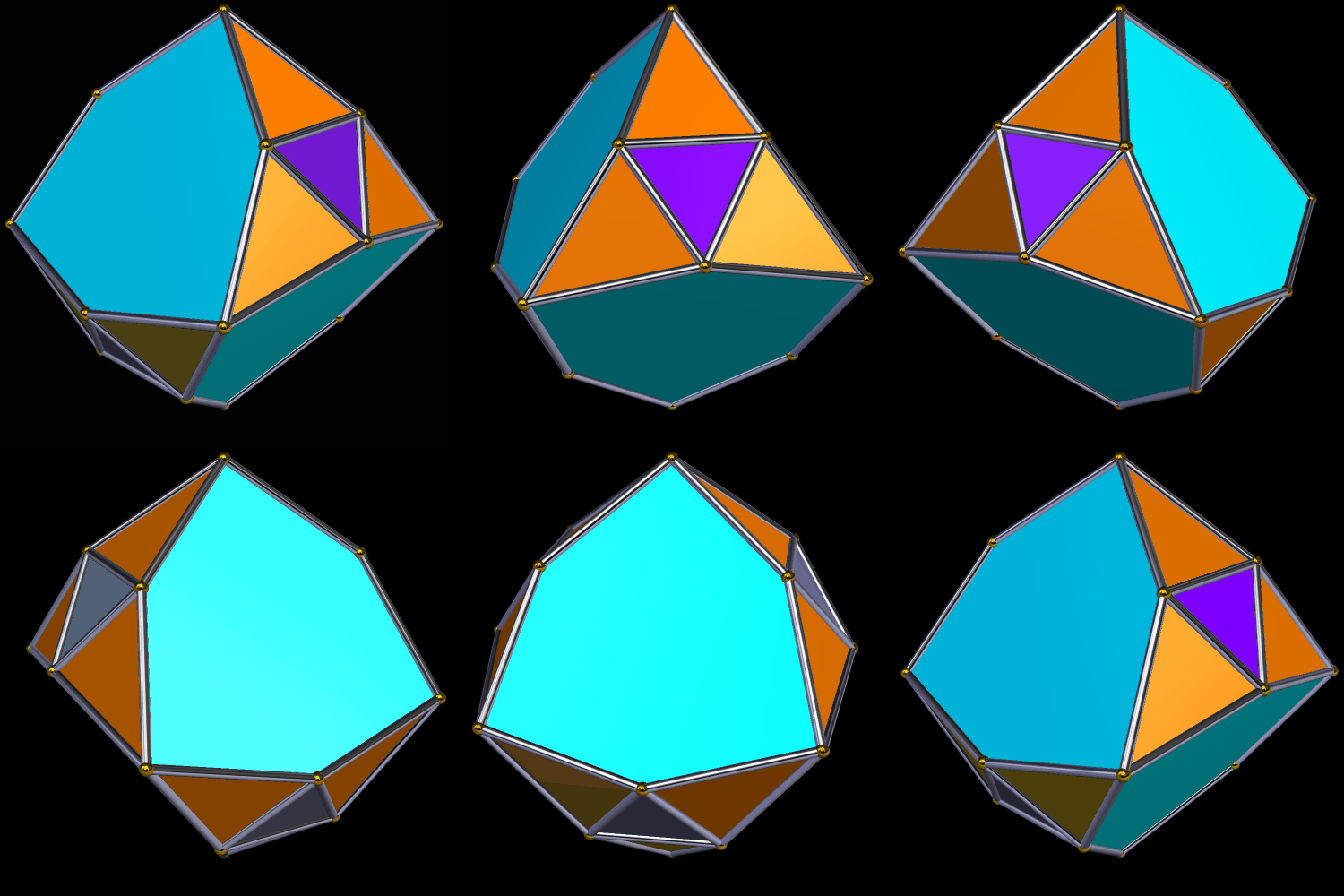
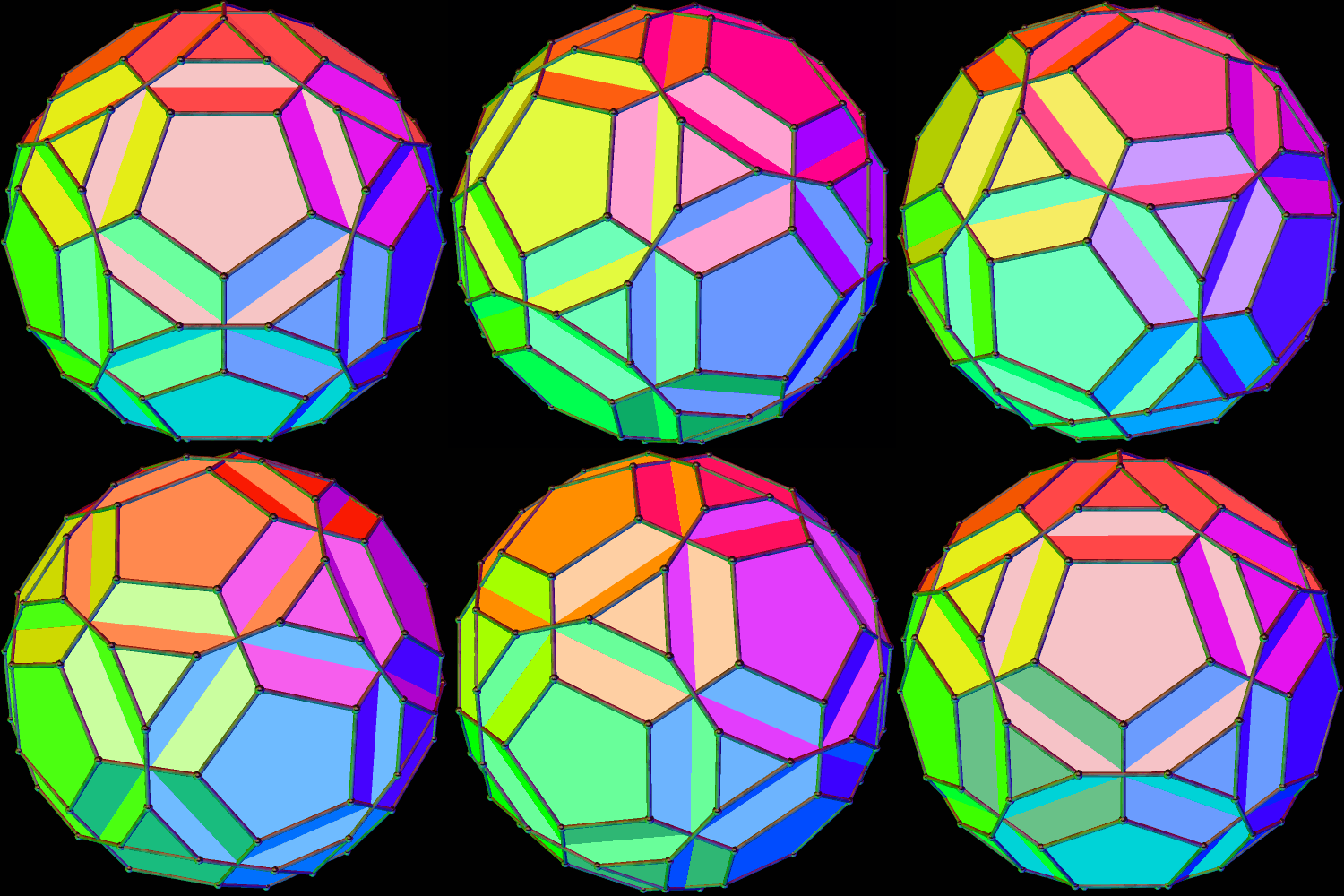
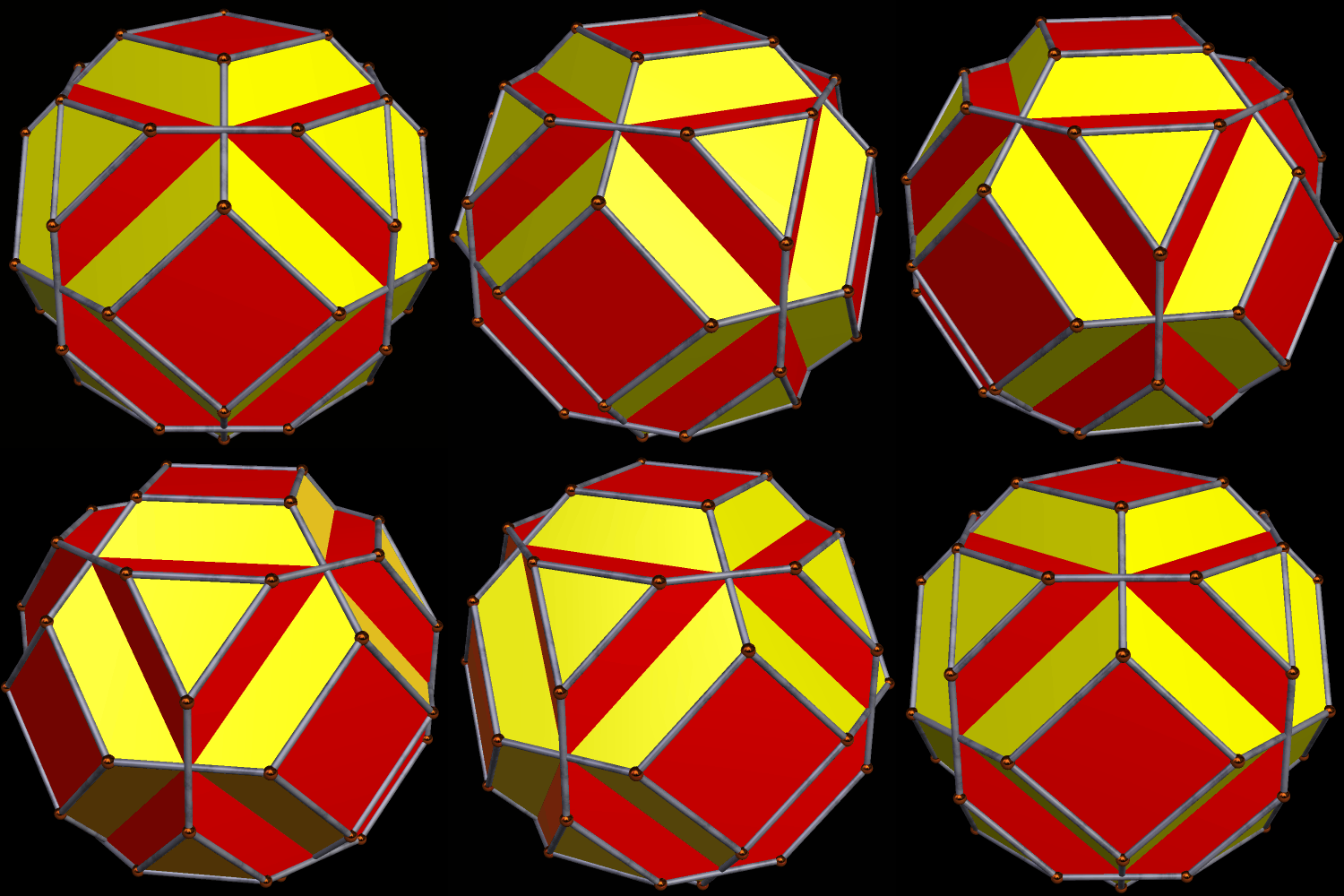
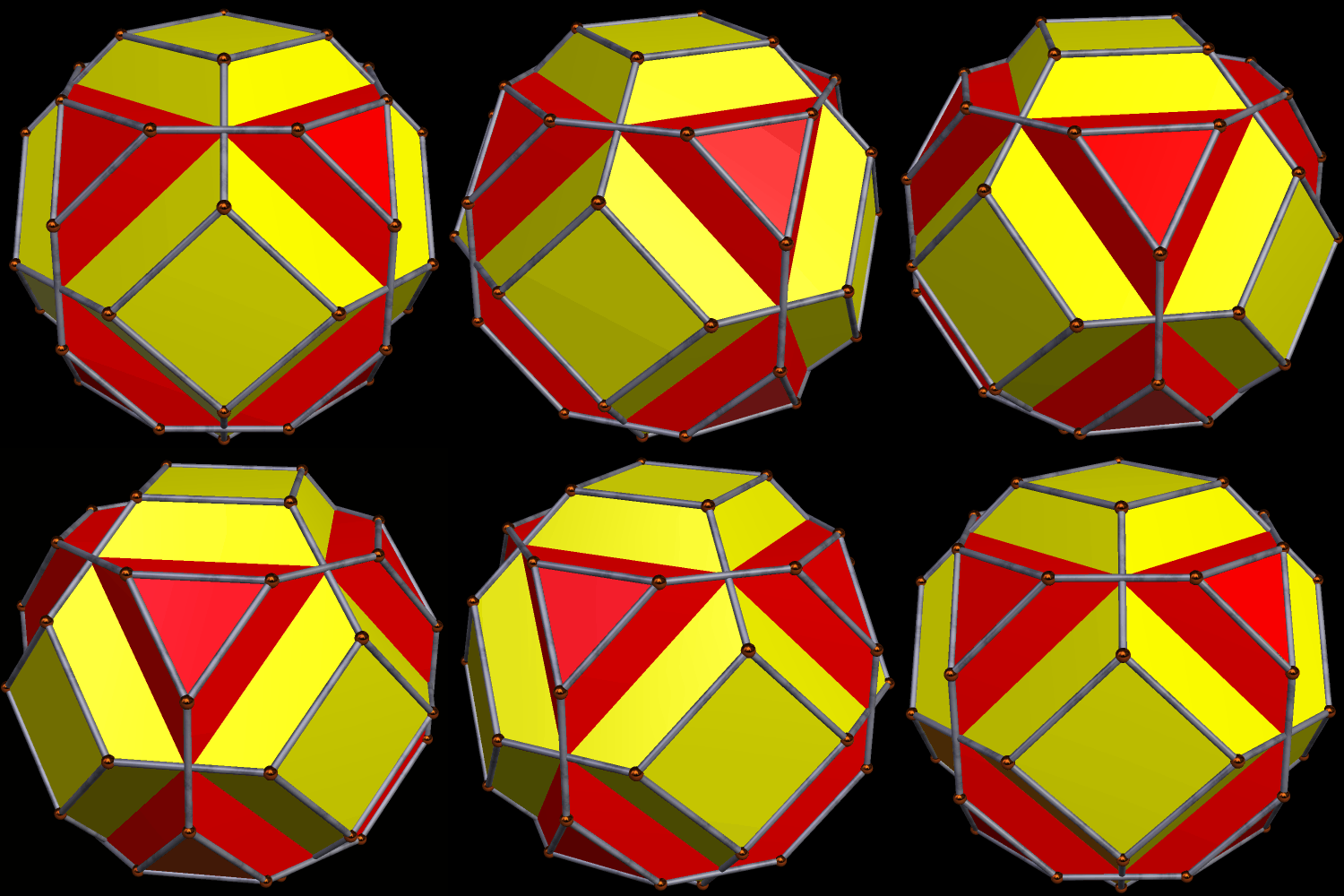
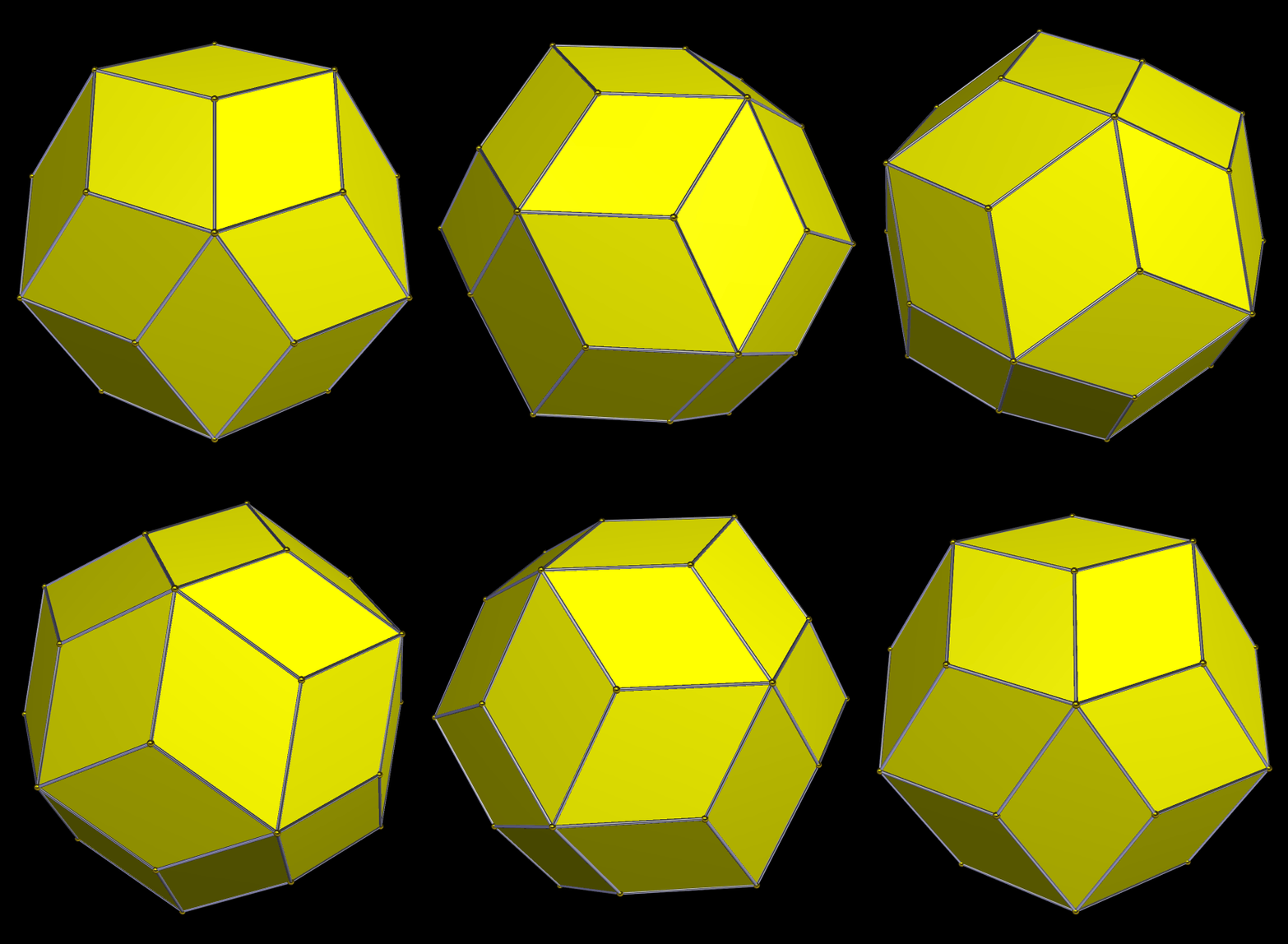
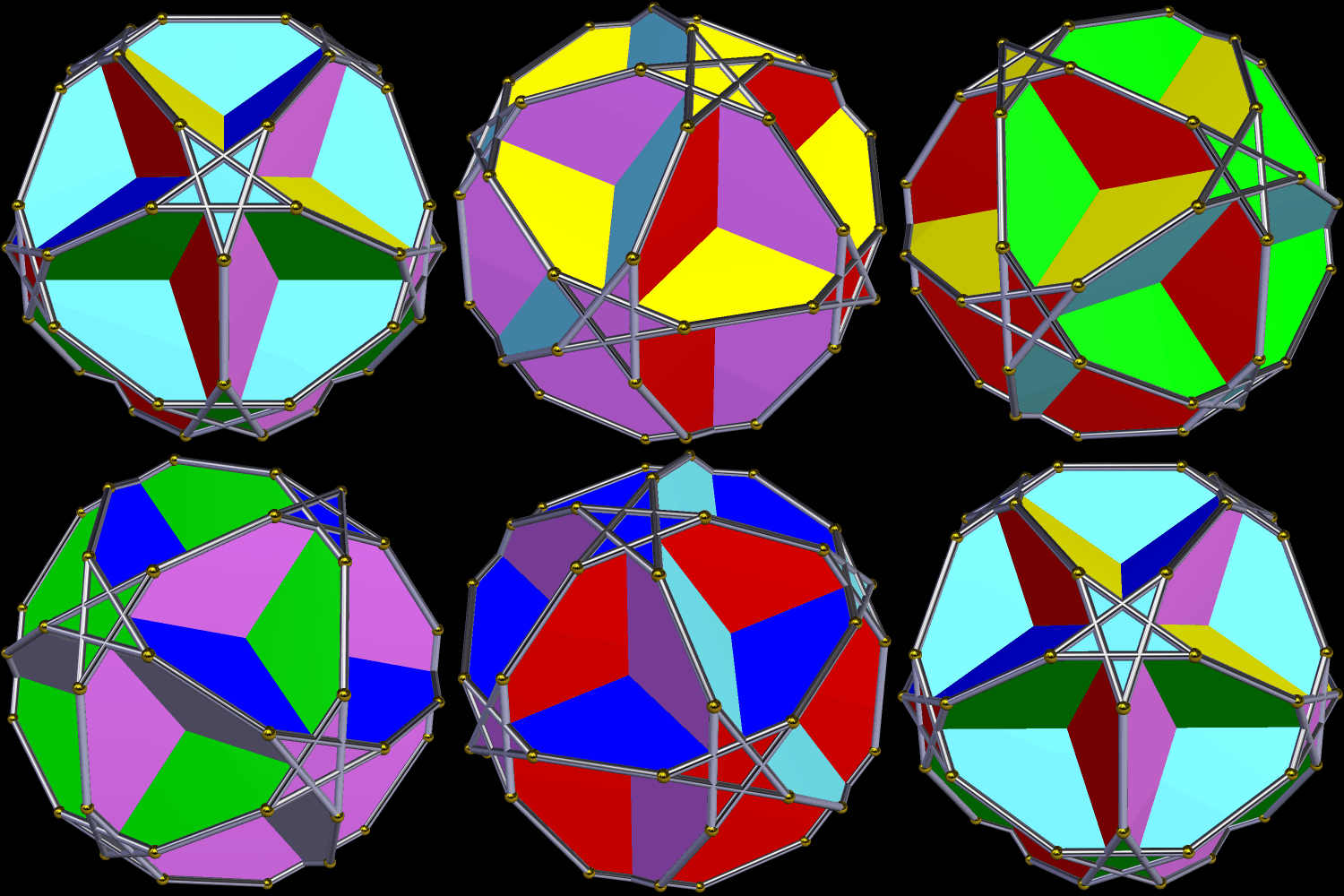
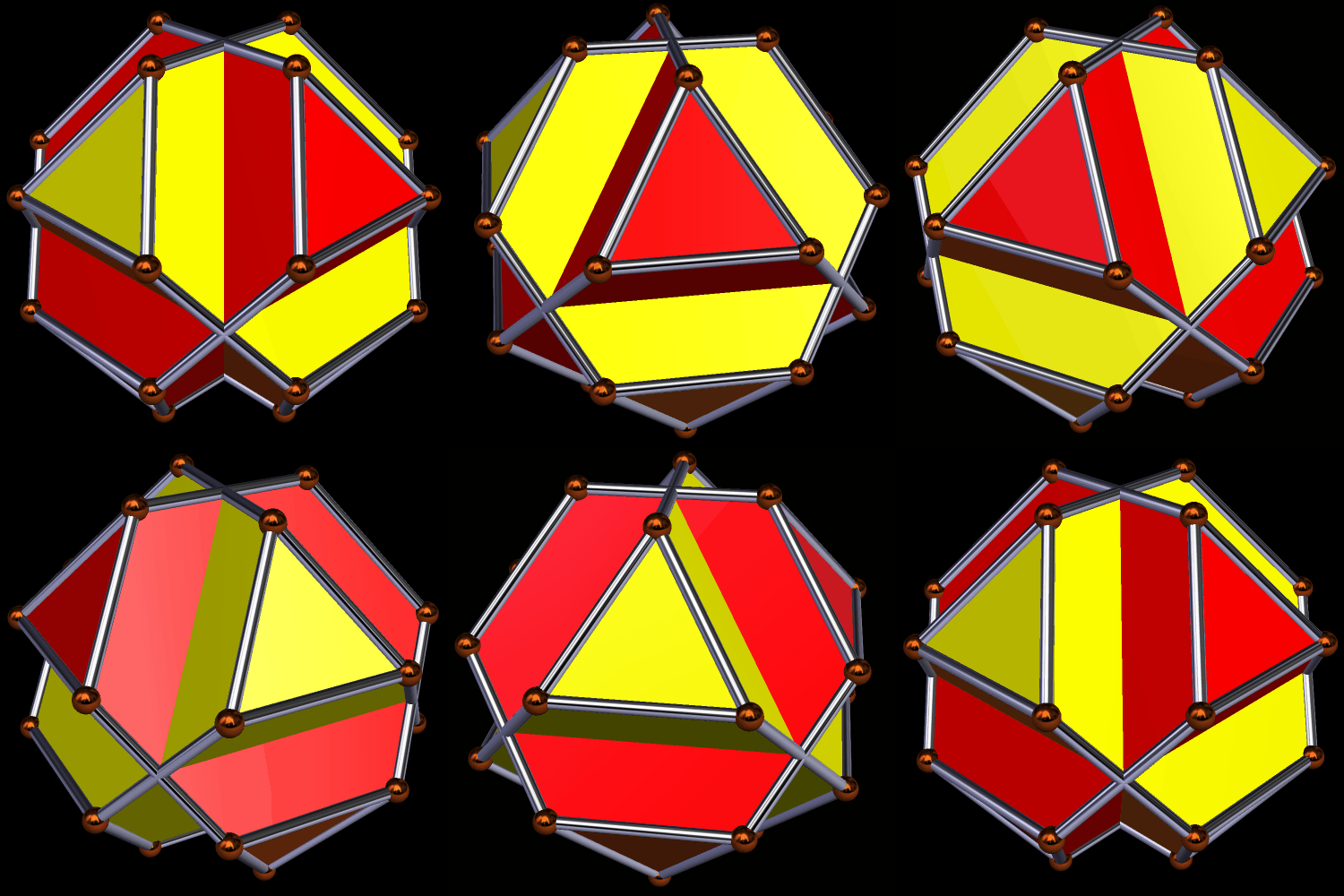
Two Views of a Faceted Truncated Octahedron

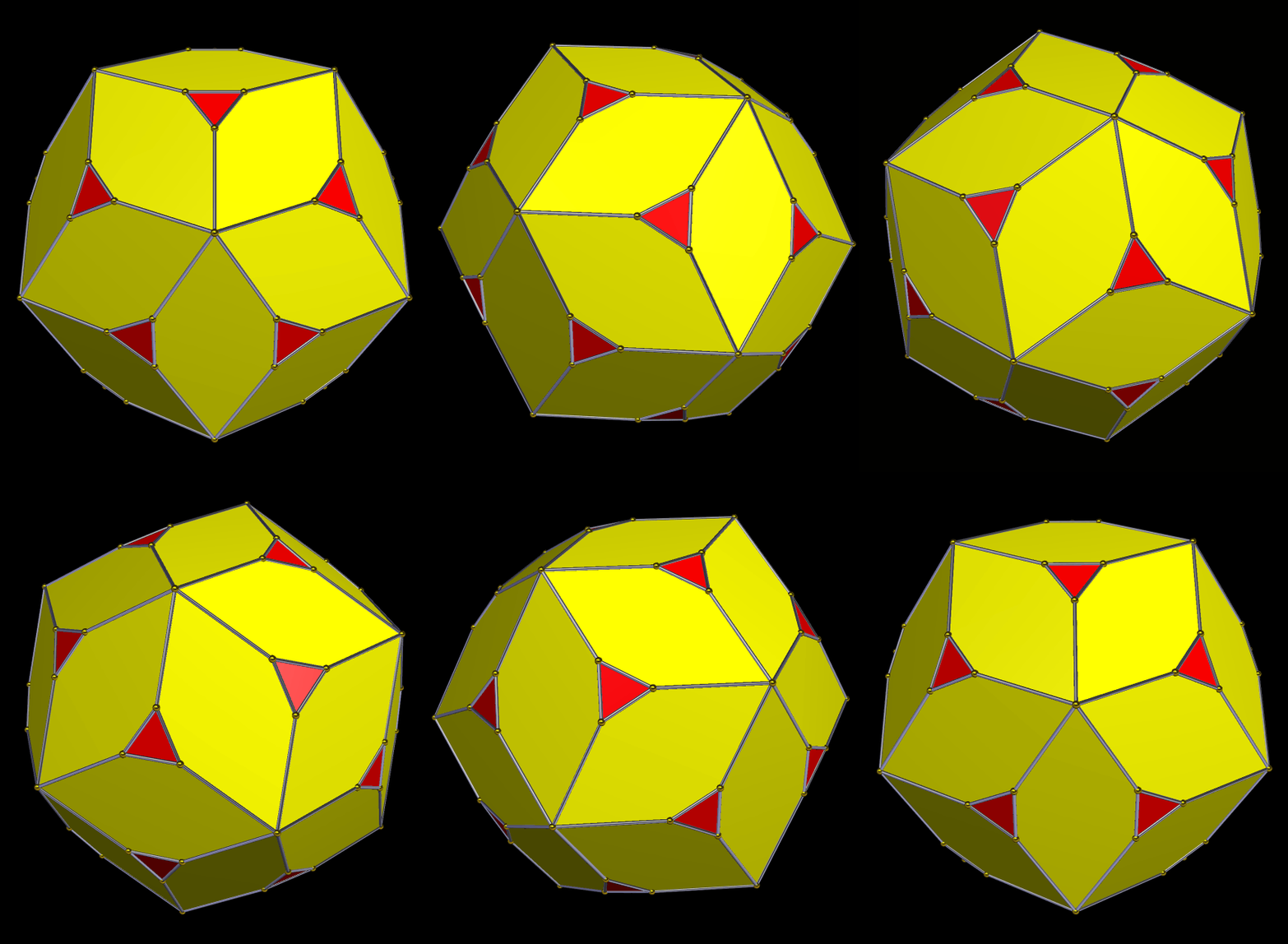
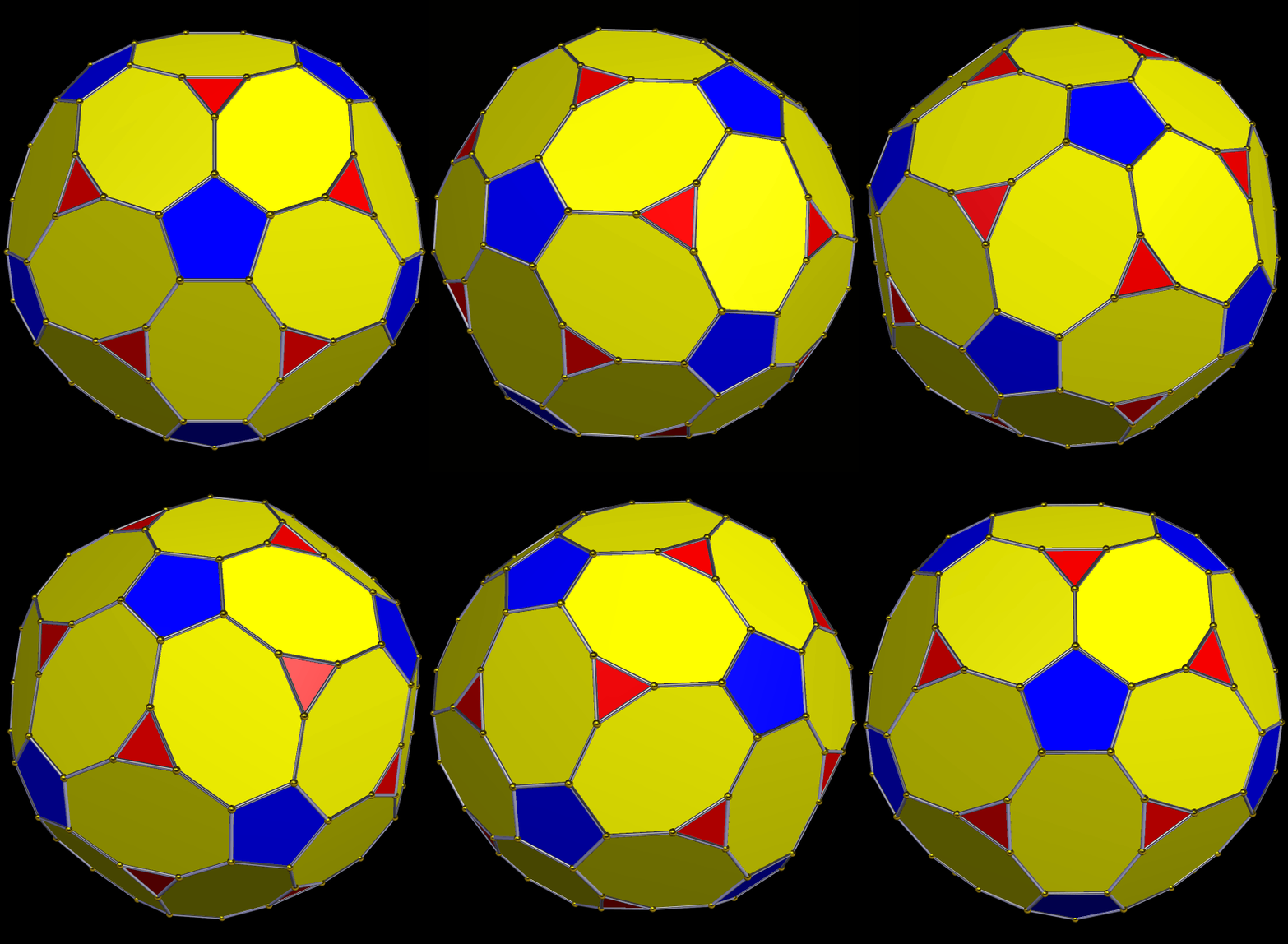
In the image above, the faces of this faceted truncated octahedron are colored by face type. In the one below, the faces are colored by number of sides: blue for triangles, red for quadrilaterals, and yellow for hexagons.

I made these using Stella 4d, which you can try for free at this website.

A Polyhedral Journey, Starting With the Truncated Tetrahedron

Here’s the truncated tetrahedron. It is the simplest of the Archimedean solids.

I decided to “take a walk” with this polyhedron. First, I used Stella 4d (available here) to make the compound of this solid and its dual, the Catalan solid named the triakis tetrahedron.

Next, also using Stella (as I’m doing throughout this polyhedral journey), I formed the convex hull of this polyhedron — a solid made of kites and rhombi.

For the next polyehdron on this journey, I formed the dual of this convex hull. This solid is a symmetrohedron, featuring four regular hexagons, four equillateral triangles, and twelve isosceles triangles.

Next, I used a function of this program called “try to make faces regular.” Some this function works, and sometimes it doesn’t, if it isn’t mathematically possible — as it the case here, where the only thing that remained regular was the equilateral triangles. The hexagons in the resulting solid are equilateral, but not equiangular.

The next thing I did was to examine the dual of this latest polyhedron — another solid made of kites and rhombi, but with broader rhombi and narrower kites.

I then started stellating this solid. The 16th stellation was interesting, so I made a virtual model of it.

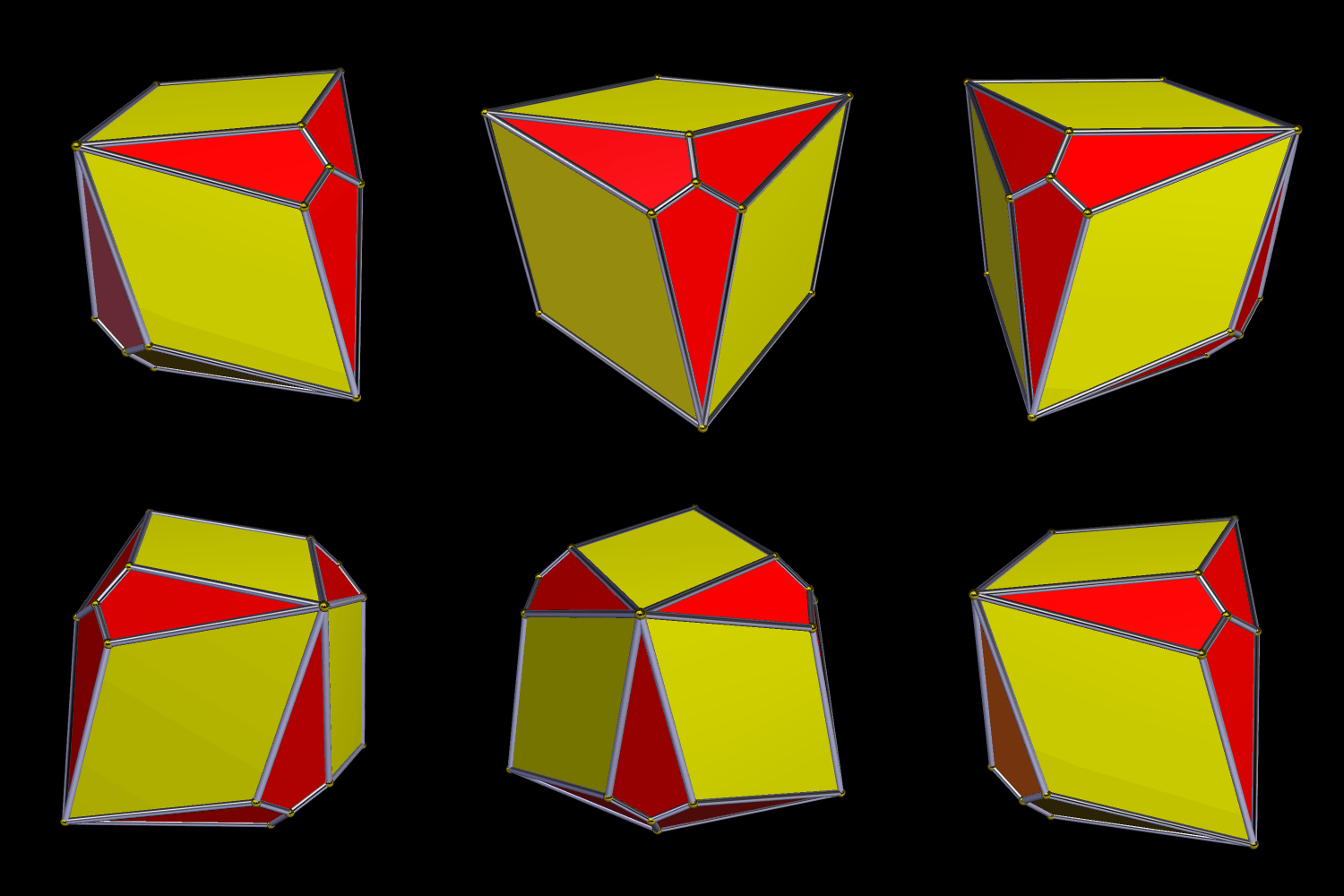
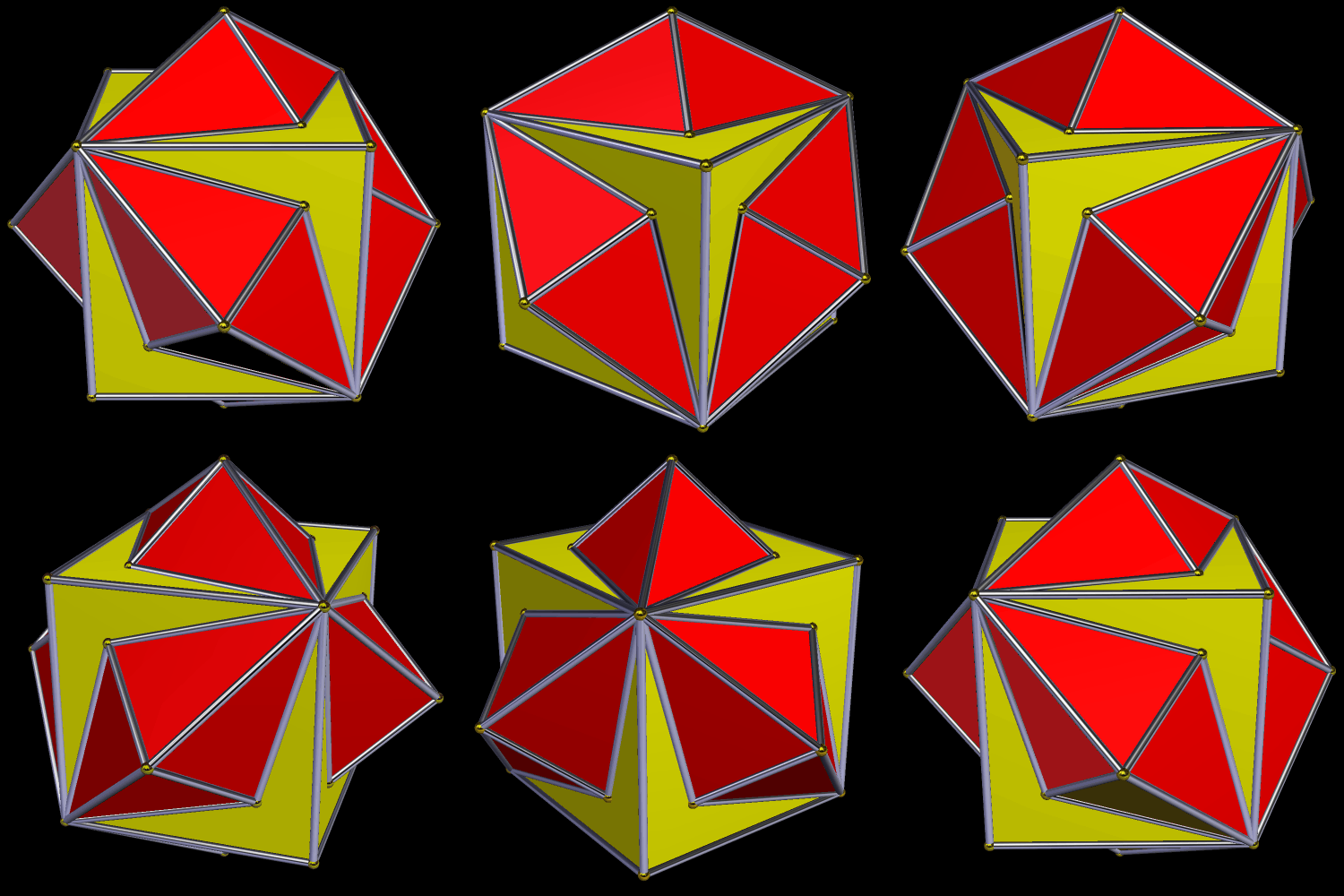
Stellating this twice more formed the 18th stellation, which turned out to be a compound of the cube and a “squished” version of the rhombic dodecahedron. This is when I decided that this particular polyhedral journey had come to an end.

Five Views of the Compound of the Truncated Dodecahedron and the Truncated Icosahedron

When I let Stella 4d (a program you can try for free right here) choose the colors of this compound, here’s what I was shown.

Next, I chose “color as a compound.”

For the third view, I chose “color by face type,” which yields four colors instead of two.

The fourth model shown here shows this compound in “rainbow color mode.”

Finally, the fifth coloring-scheme I tried was “color by face, unless parallel.”

Which one do you like best? My favorite is the third one shown.

Five Views of the Compound of the Truncated Cube and the Truncated Octahedron

When I first made this compound using Stella 4d (available here), these are the colors the software automatically selected.

I wanted to find a better coloring-scheme, so I told Stella to color the model as a compound. Here’s what I got.

Next, I tried “color by face type.” This yields four colors, instead of just two.

I then tried “rainbow color mode,” with this result.

One more try (color by face, unless the faces are parallel) gave me my favorite color scheme for this compound.

Which one do you like best?

Truncating the Rhombic Triacontahedron

This is the rhombic triacontahedron, one of the Catalan solids.

Now here’s the same polyhedron, but with the three-valent vertices truncated, exposing twenty triangular faces.

Here’s what it looks like with only the twelve five-valent vertices truncated.

Finally, here’s the fully truncated rhombic triacontahedron.

I created these polyhedra using Stella 4d, a program you can try for free right here.

Truncating the Rhombic Dodecahedron

This is the rhombic dodecahedron, one of the Catalan solids.

Now here’s the same polyhedron, but with the three-valent vertices truncated, exposing eight triangular faces.

Here’s what it looks like with only the six four-valent vertices truncated.

Finally, here’s the fully truncated rhombic dodecahedron.

I created these polyhedra using Stella 4d, a program you can try for free right here.

The Icositetrachoron and the Truncated Icositetrachoron, Rotating in Hyperspace

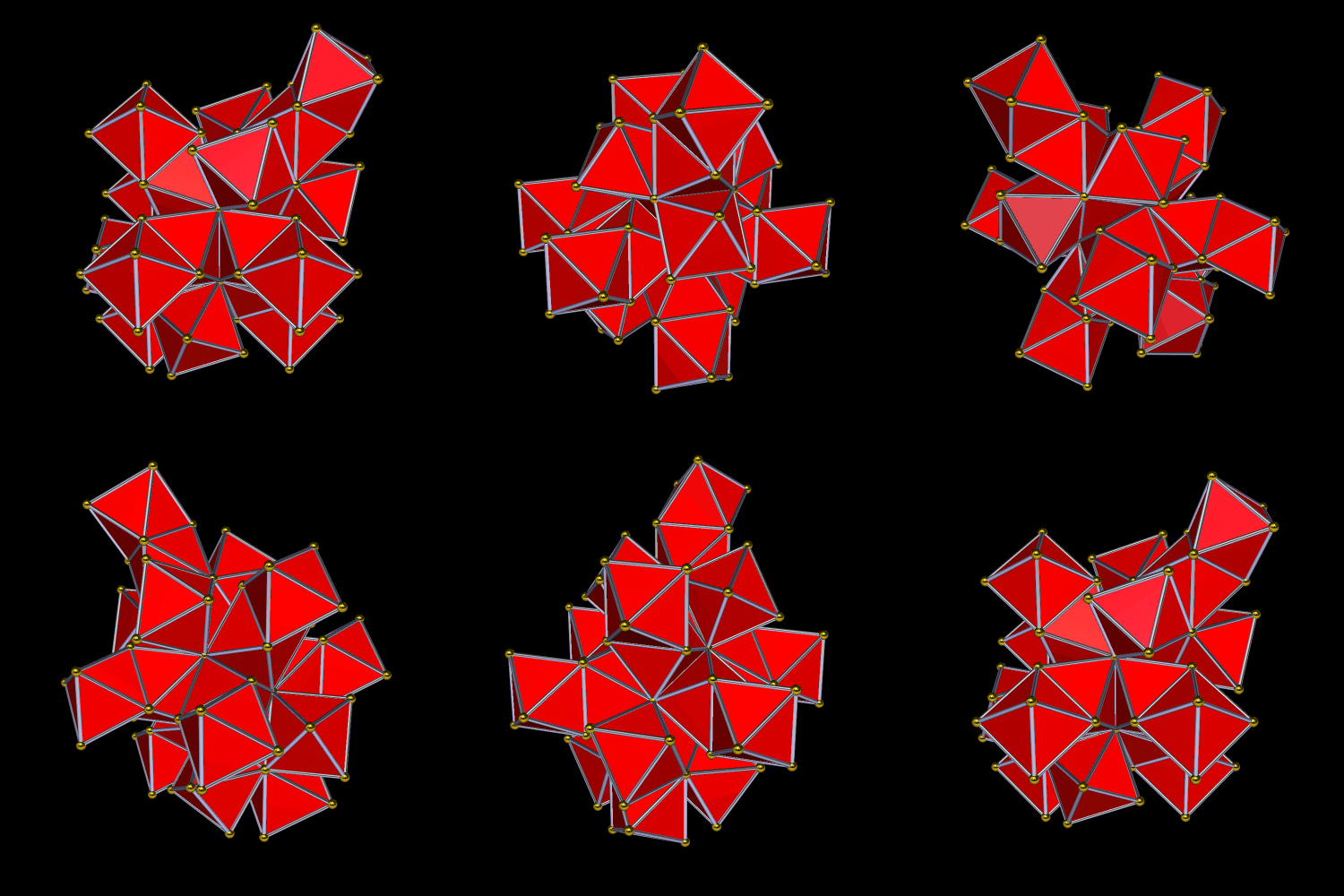
There are six regular, convex four-dimensional polytopes. Five of them correspond on a 1:1 basis with the Platonic solids (as the tesseract corresponds to the cube), leaving one four-dimensional polytope without a three-dimensional analogue among the Platonics. That polychoron is the icositetrachoron, also named the 24-cell and made of 24 octahedral cells. It also happens to be self-dual.

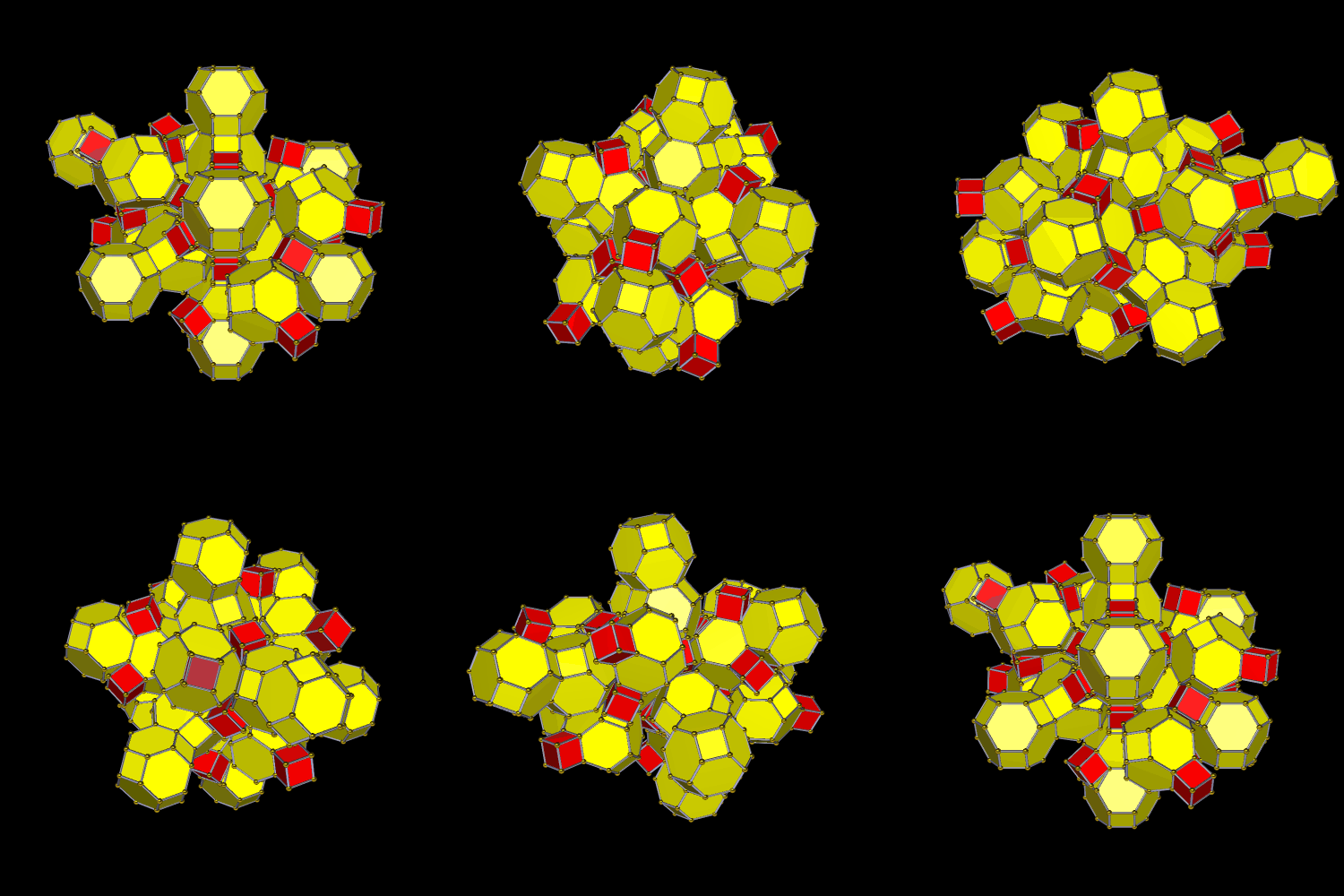
If, in hyperspace, the corners are cut off just right, new cells are created with 24 cubic cells created at the corners, with 24 truncated octahedral cells remaining from the original polychoron. This is the truncated icositetrachoron:

4-dimensional polytopes have 3-dimensional nets. These nets are shown below — first for the icositetrachoron, and then for the truncated icositetrachoron.

I used Stella 4d to create these images. You can try Stella for free at http://www.software3d.com/Stella.php.

The Truncated Great Dodecahedron

To get from the last image posted to this one, I used Stella 4d‘s “try to make faces regular” function. (You can get a free trial download of this program right here.)

This Faceting of the Truncated Icosahedron is Also a Truncation of the Great Dodecahedron

This first version shows this polyhedron colored by face type.

In the next image, only parallel faces share a color. This is the traditional coloring-scheme for the great dodecahedron.

Both images were created with Stella 4d, which is available as a free trial download at this website. Also, the obvious change needed with this polyhedron — making its faces regular — is in the next post.

The Truncated Stella Octangula

This can also be called the compound of two truncated tetrahedra.

Compound of Two truncated tetrahedra

This image was created using Stella 4d, which you can try at this website.