I go by RobertLovesPi on-line, and am interested in many things, a large portion of which are geometrical. Welcome to my own little slice of the Internet.
The viewpoints and opinions expressed on this website are my own. They should not be confused with those of my employer, nor any other organization, nor institution, of any kind.
I can’t tell yet if Mr. Big wants to help or hinder the process of packing, but he sure is in the middle of things. We’ll see when we finish packing, and then the sun goes down, and we head down to Mobile, Alabama (without cats), from central Arkansas. That will be a good place to crash before the second leg of the trip, to the Orlando area. We’re celebrating our 8th wedding anniversary (which was yesterday) with this trip.
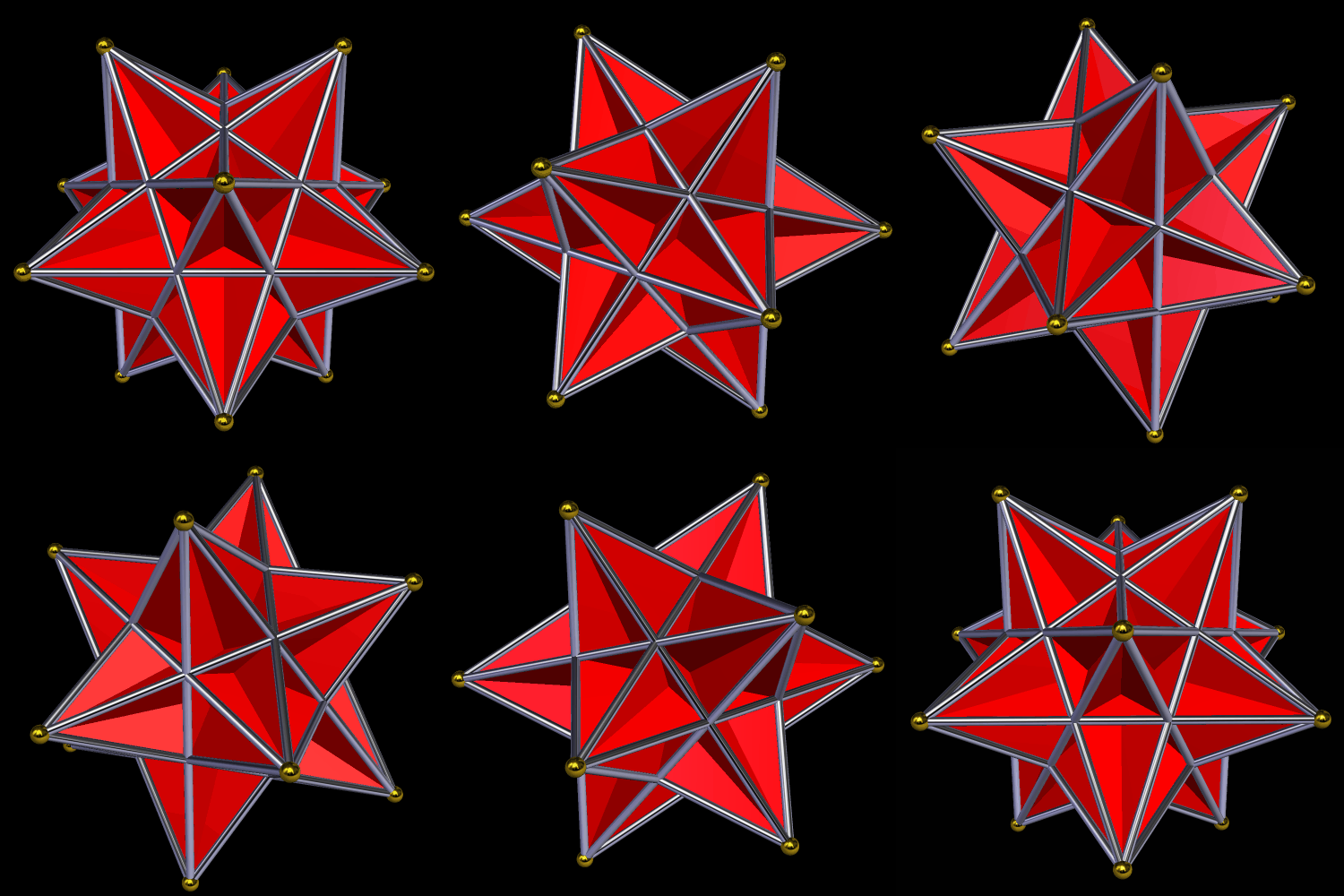
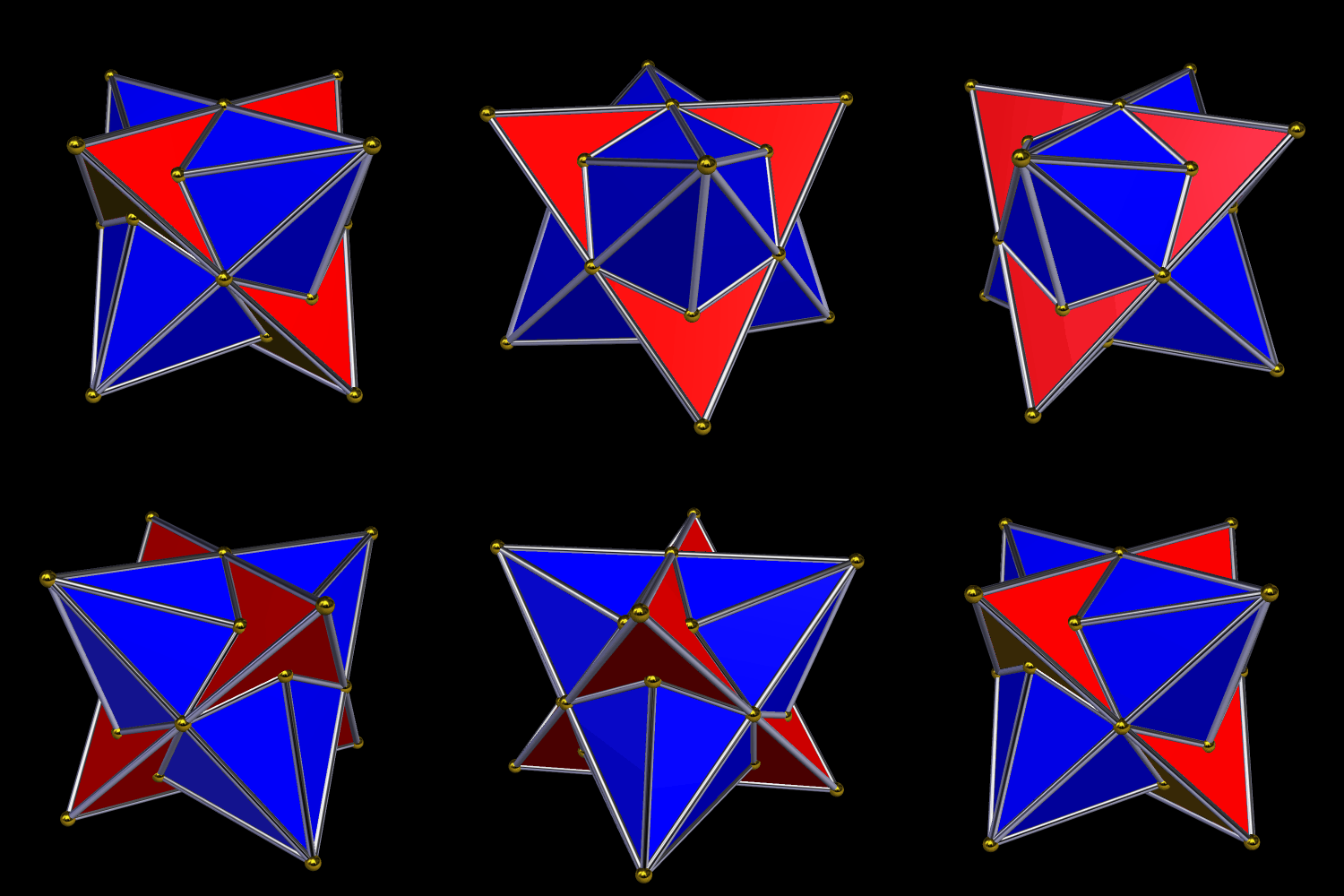
This is the great icosahedron, which is one of the Kepler-Poinsot solids.
All twenty of the faces of the great icosahedron are equilateral triangles. They interpenetrate, so they can be a little difficult to see. Here’s a still view, with one face highlighted.
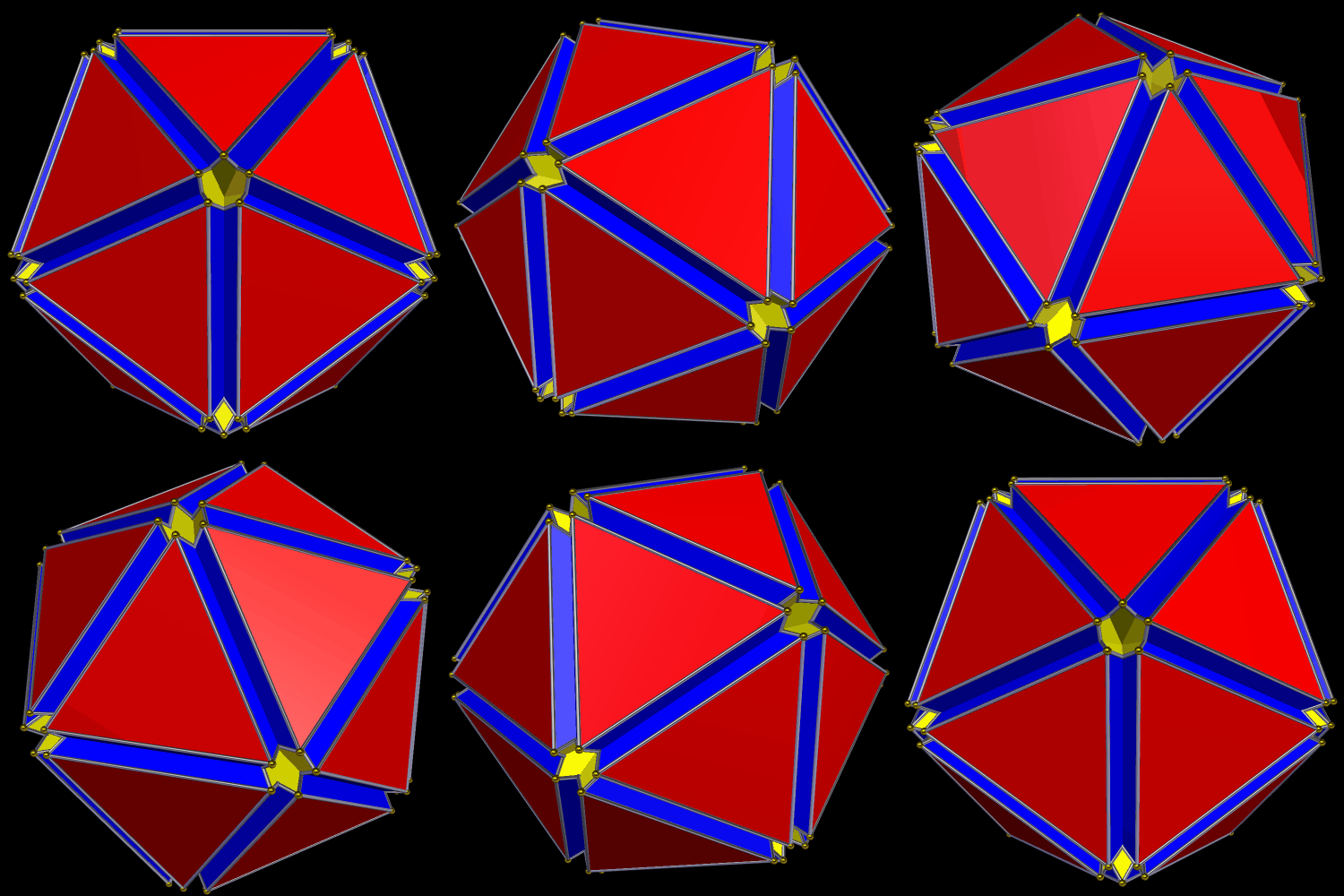
If each of these twenty faces is augmented by a regular triangular antiprism (also known as the Platonic octahedron), here is the result — a variant of the Platonic icosahedron.
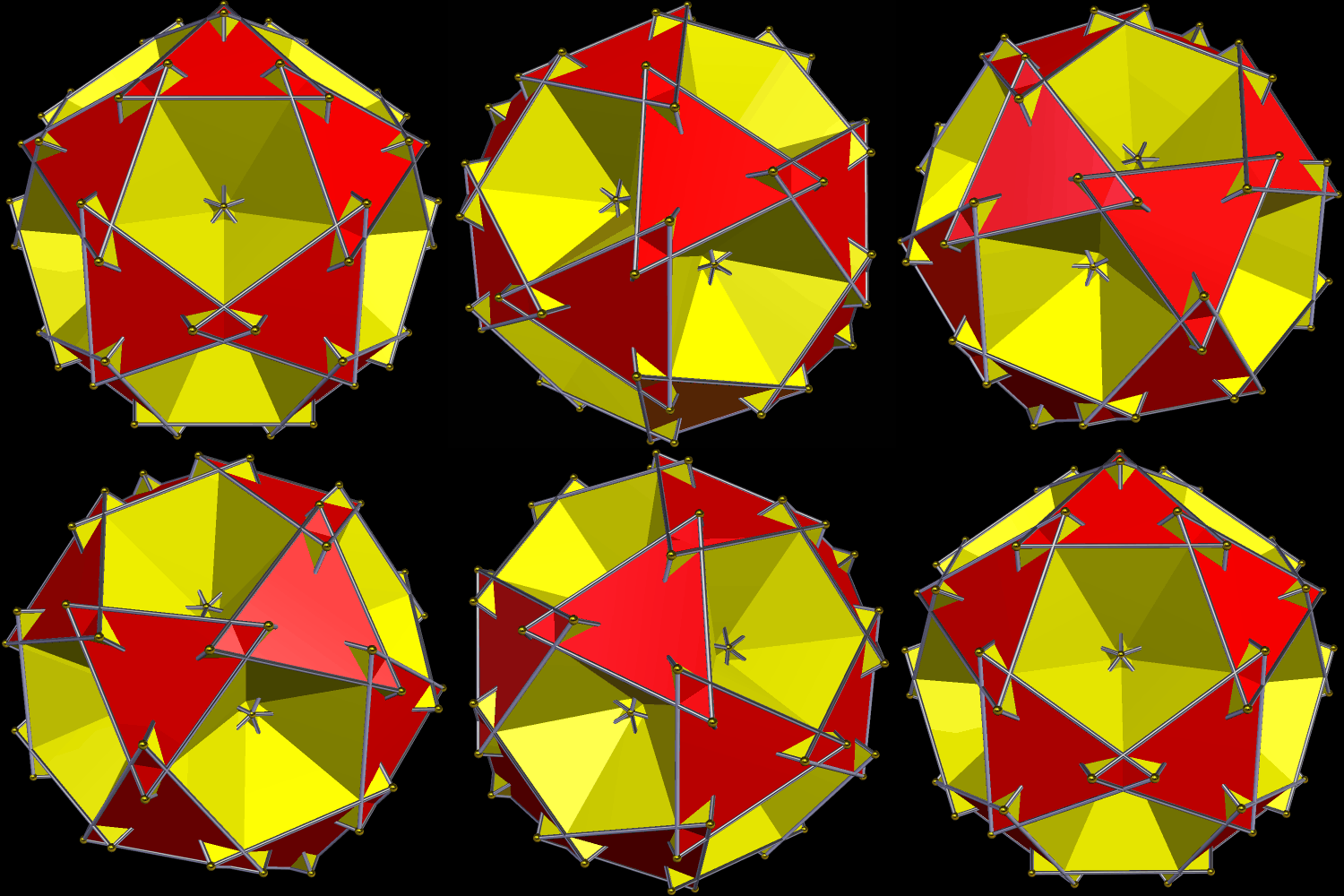
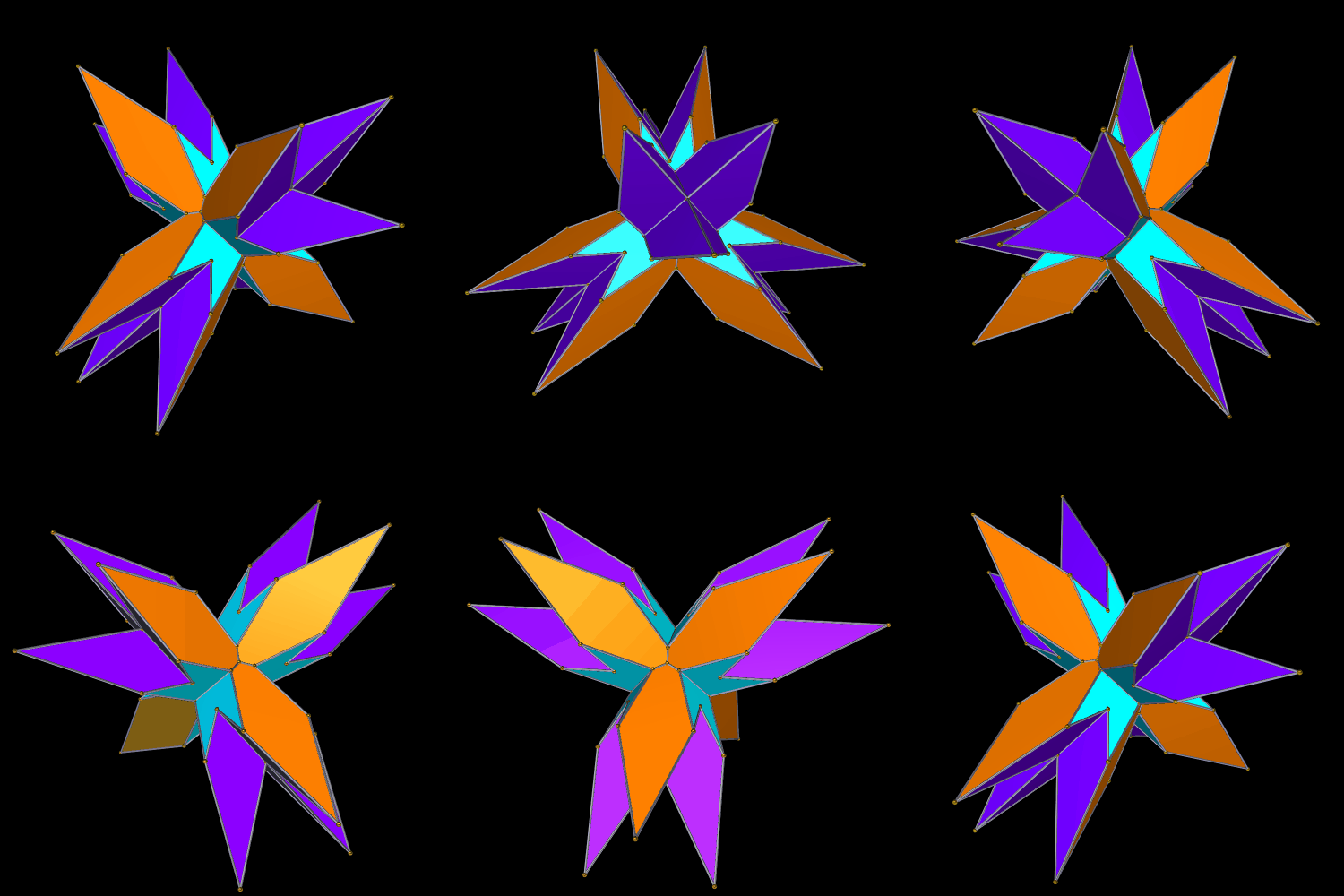
I also tried augmenting the great icosahedron with prisms, and this is the result — a variant of the Archimedean icosidodecahedron.
I made these images using Stella 4d: Polyhedron Navigator, which you can try for free at this website.
I made these videos using my cell phone and a magnetic ball-and-stick polyhedron building system which my wife bought for me. It’s the sticks that have magnets in them, not the steel balls. First, a triangular dipyramid (n = 3). This is the simplest of the dipyramids.
Next, a square dipyramid, also known as an octahedron (n = 4).
Next, for n = 5, the pentagonal dipyramid.
If you limit yourself to dipyramids that have equilateral triangles for faces, that’s the complete set. Here’s what happens when you try n = 6 — the dipyramid has zero height, and collapses into a pair of isosceles trapezoids when lifted.
To get this to work, you’d need to use isosceles triangles, not equilateral ones. The same is true for n = 7 and greater numbers.
“Your order was dropped off. Please refer to this photo your Dasher provided to see where it was left.”
I can’t tell if that round thing in the picture our delivery driver texted to us is the Sun, shining through clouds, or the Moon. Either way, we didn’t want our DoorDash order left there.
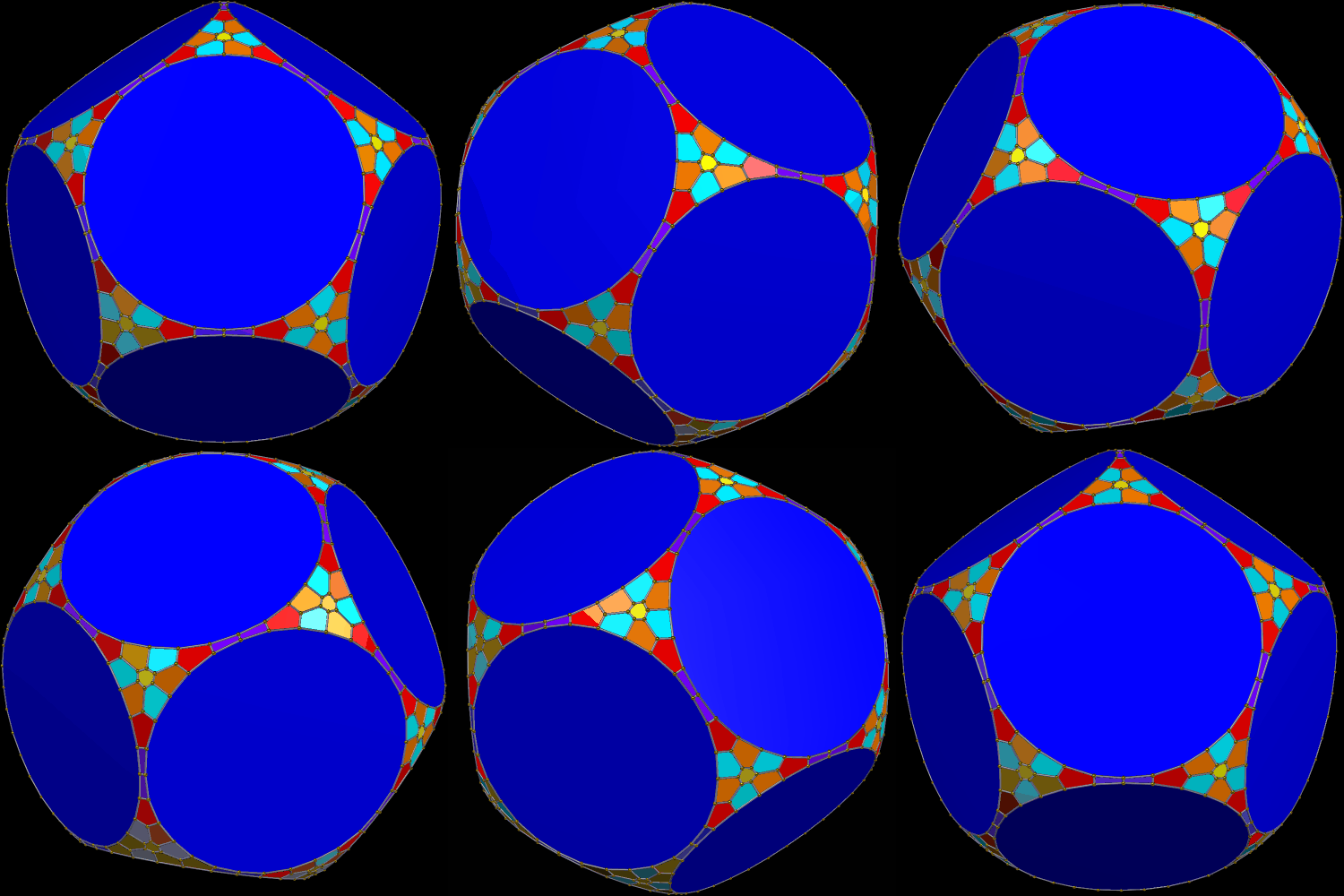
I made this from the Archimedean Great Rhombicosidodecahedron, using a program called Stella 4d. If you’d like to try Stella for yourself, you can do so, for free, at this website: http://www.software3.com/Stella.php.







 RobertLovesPi.net