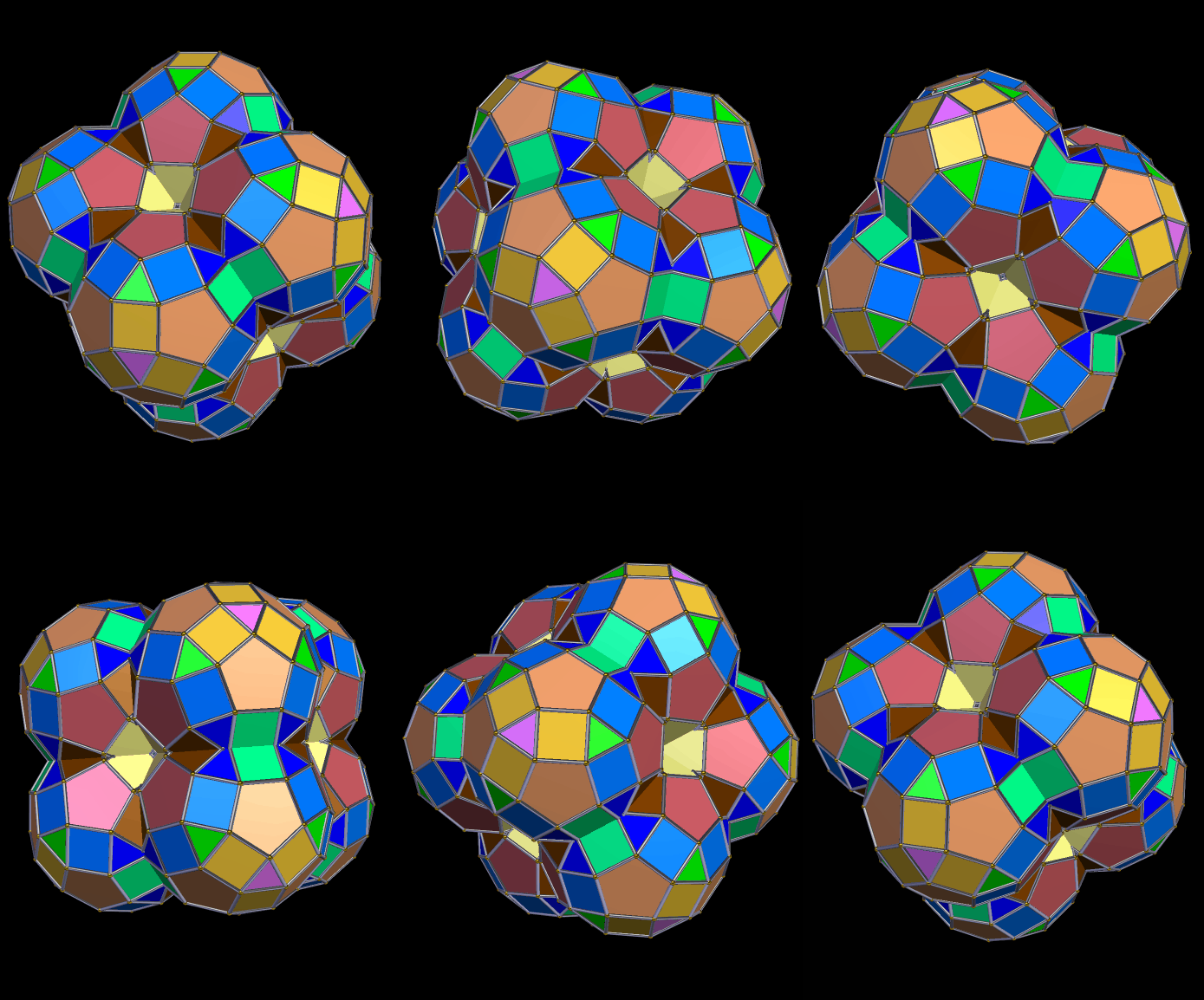
I made this, using Stella 4d, by augmenting each face of an octahedron with a rhombicosidodecahedron. You can give this program a try yourself, for free, at http://www.software3d.com/stella.php.
I made this, using Stella 4d, by augmenting each face of an octahedron with a rhombicosidodecahedron. You can give this program a try yourself, for free, at http://www.software3d.com/stella.php.
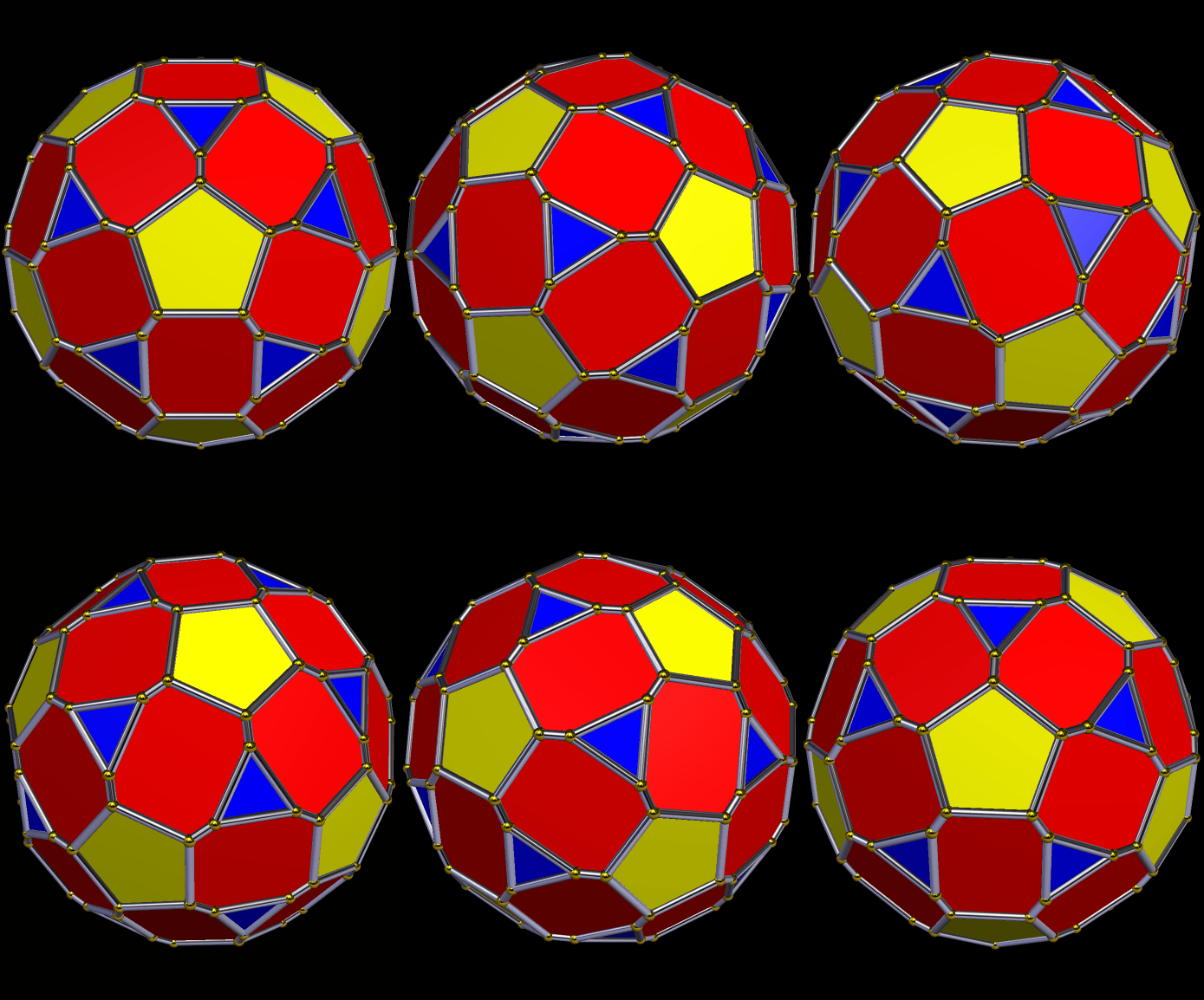
This polyhedron contains the twenty triangles and twelve pentagons of a rhombicosidodecahedron — but they are all smaller than those found in that solid. As a result, the thirty squares of the rhombicosidodecahedron have each become, instead, irregular octagons.
To try the software I use to generate these images, simply visit http://www.software3d.com/stella.php — where a free trial download is available.
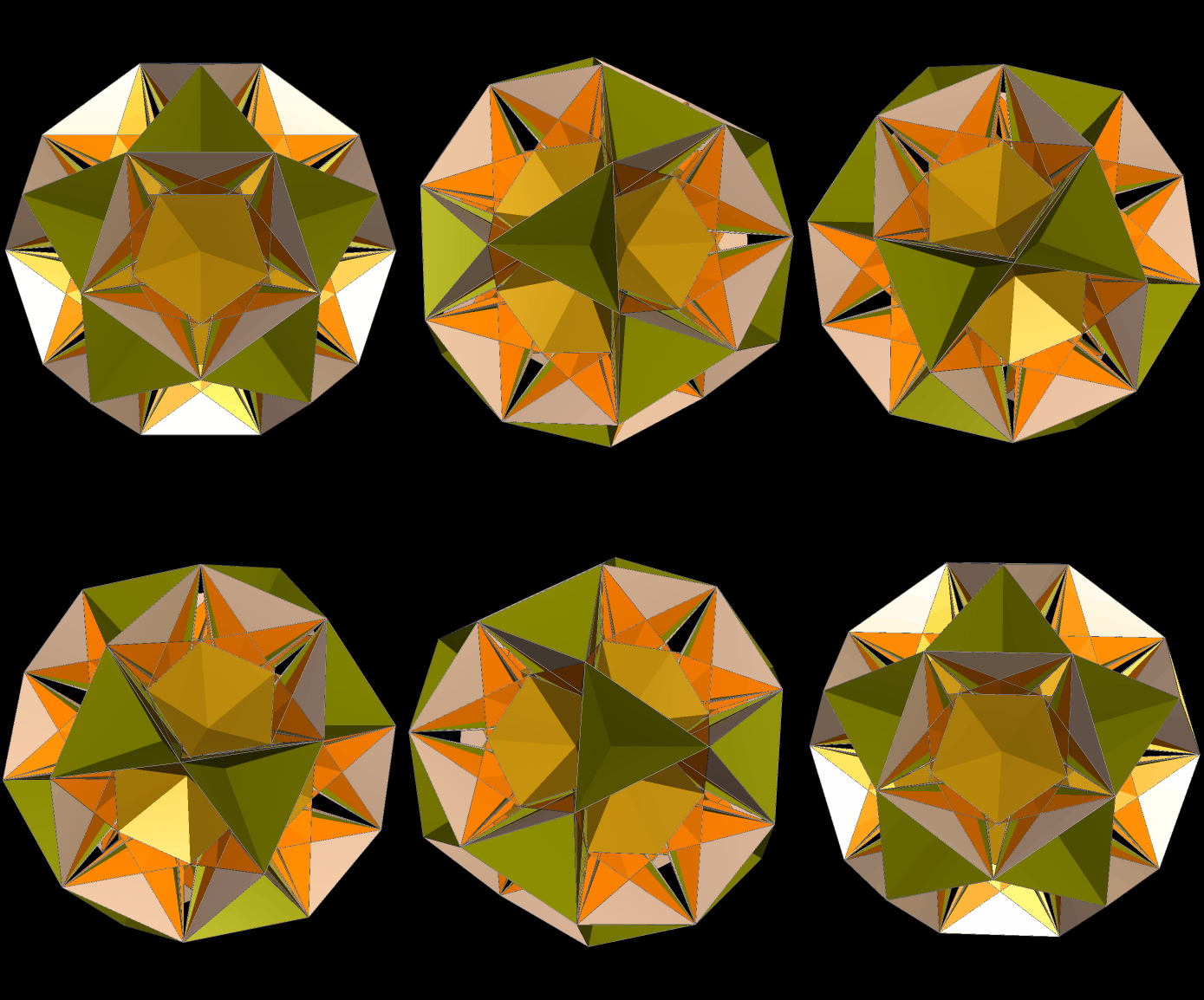
Once I completed the polyhedral cluster seen in the last post, I became curious about its dual, which is what you see here. The overall shape here resembles an icosidodecahedron — the Archimedean solid which is, itself, the dual of the rhombic triacontahedron.
To try the software I use to generate these images, simply visit http://www.software3d.com/stella.php — where a free trial download is available.

Since rhombic triacontahedra can form pentagonal rings, triangular rings, and square rings, I wanted to find out if a rhombicosidodecahedron could be built out of these building blocks. As you can see here, the attempt was a success. Each rhombic triacontahedron which appears here is located at the vertex of a rhombicosidodecahedron.
Software credit: see http://www.software3d.com/stella.php.

If inflation moves point A so far from point B right after the Big Bang that you can’t get to A from B now, then could the matter and energy in all the parts of the universe that we can’t access (because they’re too far away) provide the missing 90+% of the universe that we can’t account for?

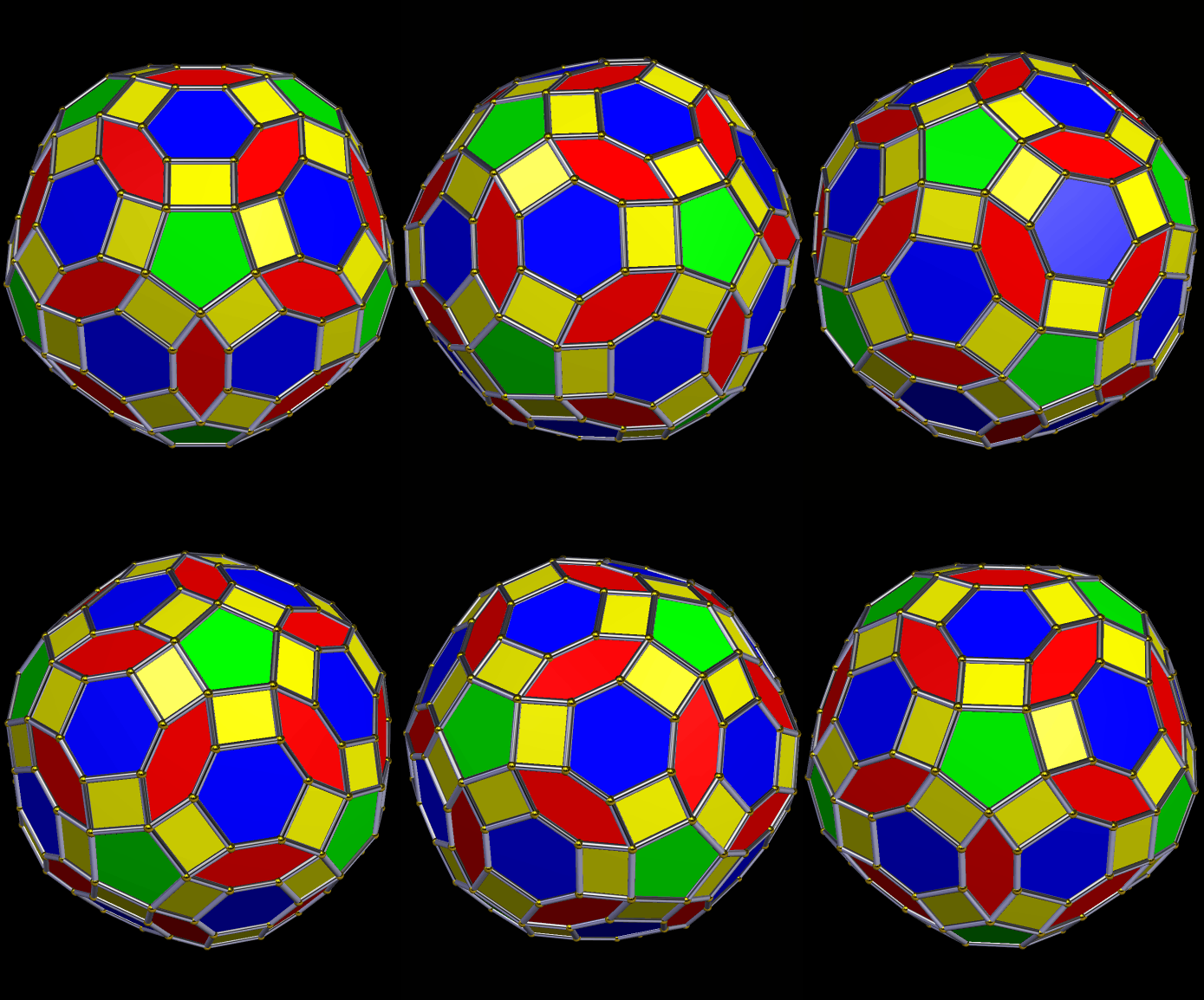
The 122 faces are twenty blue, irregular hexagons; thirty red, irregular hexagons; 60 rectangles, and twelve regular pentagons.
Software credit: just visit http://www.software3d.com.Stella.php, and look for the free trial download of Stella 4d, the program I used to make this rotating image.

The dodecagons are in the same planes as a cube’s faces, so there are six of them. Also, this could be constructed via an unusual truncation of the cube, using three different truncation-planes at each vertex. This polyhedron has thirty faces: the six dodecagons, and twenty-four kites (in eight sets of three).
Software credit: see http://www.software3d.com/stella.php for a free trial download of Stella 4d, the software I used to construct this polyhedron.
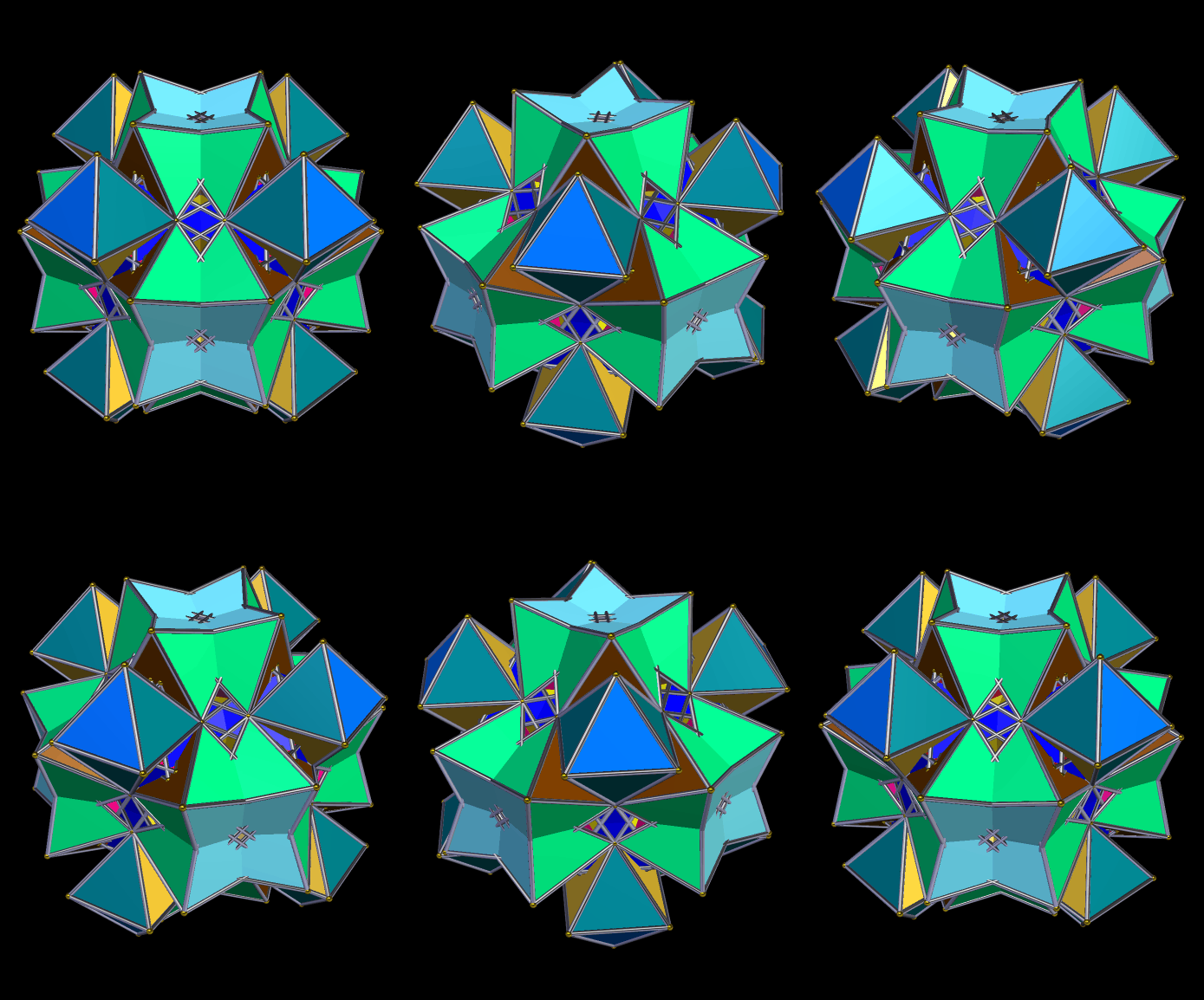
Software credit: see http://www.software3d.com/stella.php for a free trial download of Stella 4d, the software I used to construct this cluster, three deep, of octahedra.
 RobertLovesPi.net