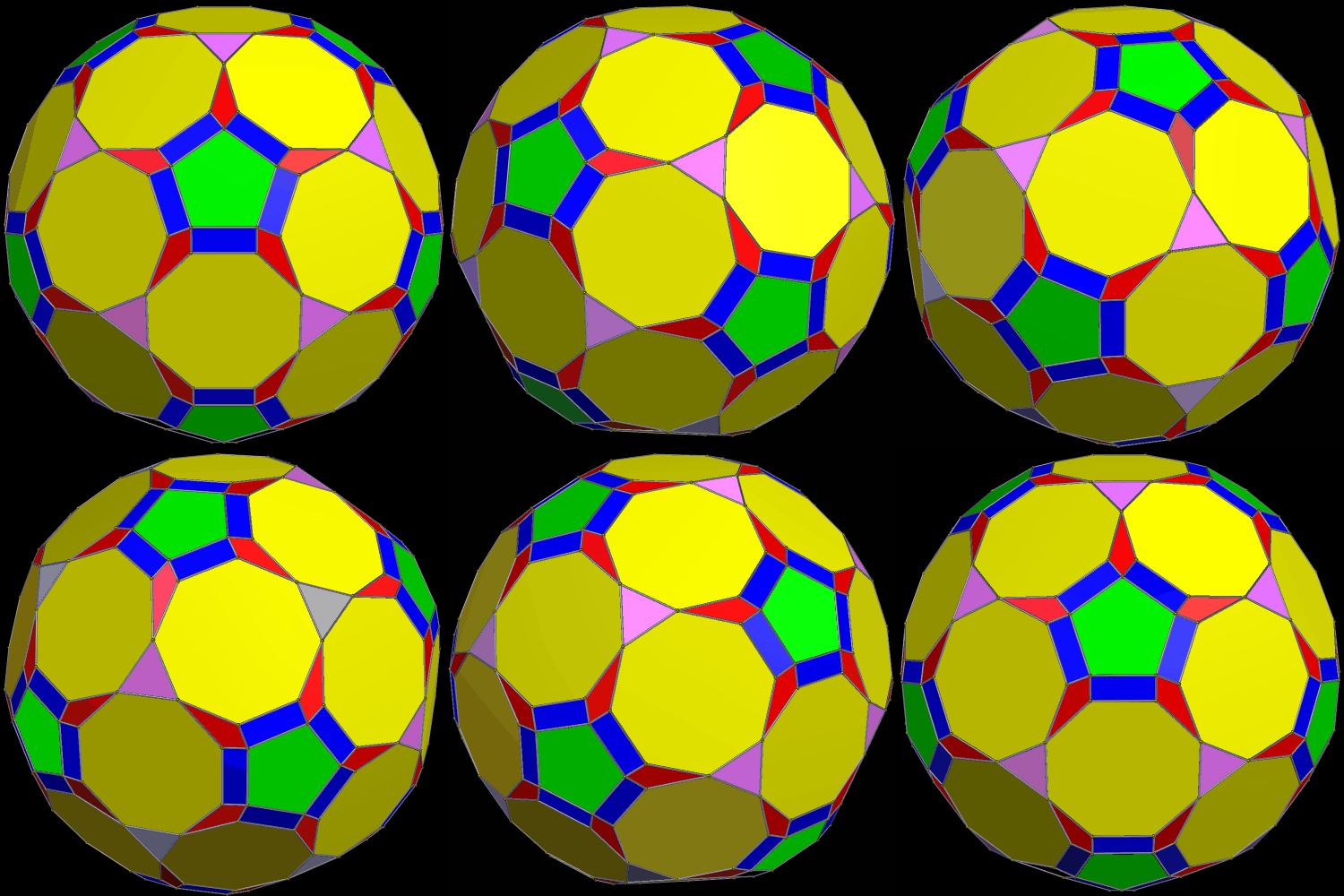
Eight Mandalas in Orbit

The mandalas on the eight hexagonal faces of this truncated octahedron were first seen in the blog-post immediately before this one. The six square faces have been hidden, creating holes in their places.

I used Geometer’s Sketchpad and MS-Paint to make this pattern, based on a ring of twenty-two hendecagons. The work of projecting this image onto a polyhedron, as well as making this rotating .gif image, was performed using another program, Stella 4d: Polyhedron Navigator. If you’d like to try Stella for yourself, there’s a free trial download available at http://www.software3d.com/Stella.php.
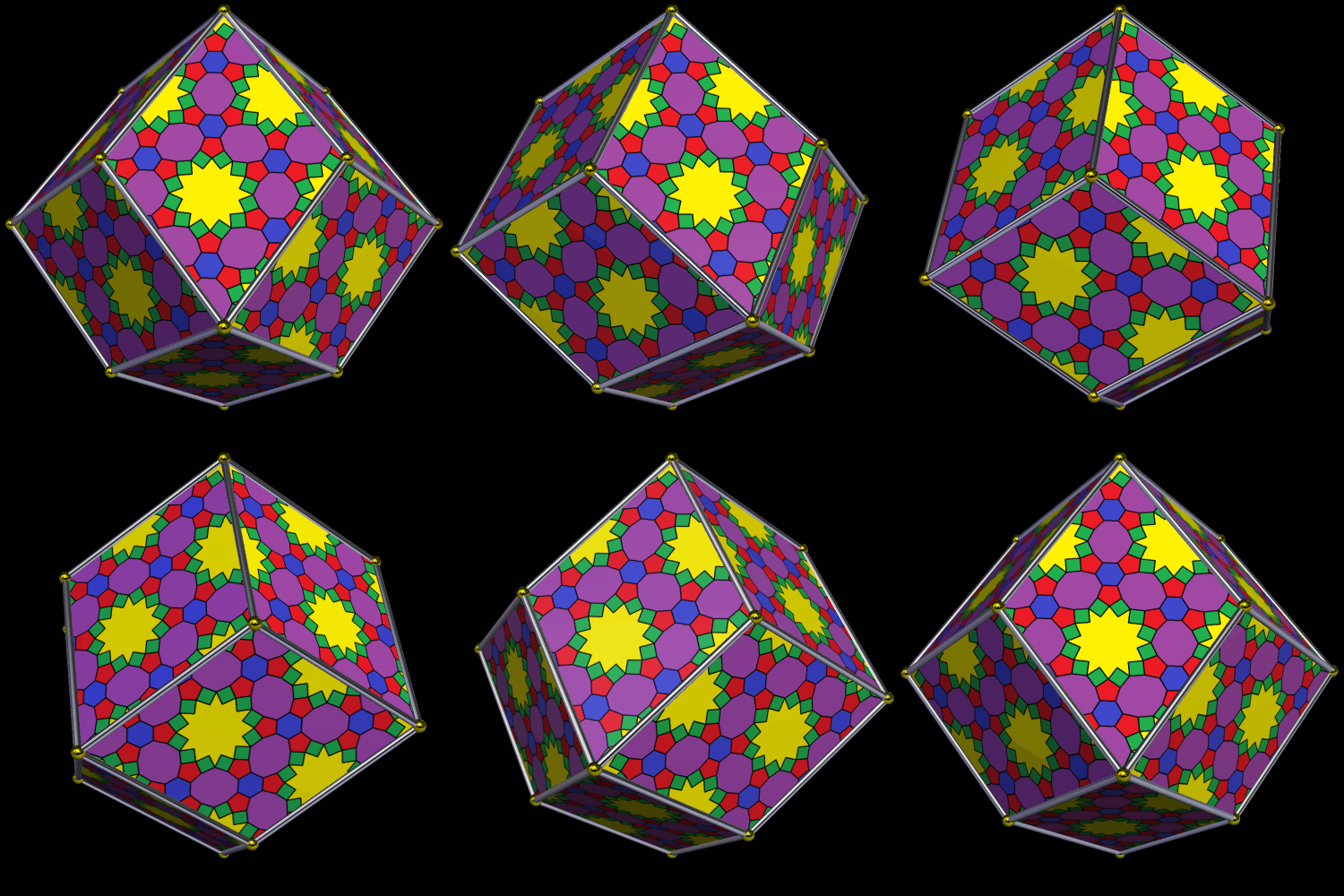
Two Rhombic Polyhedra with Tessellated Faces

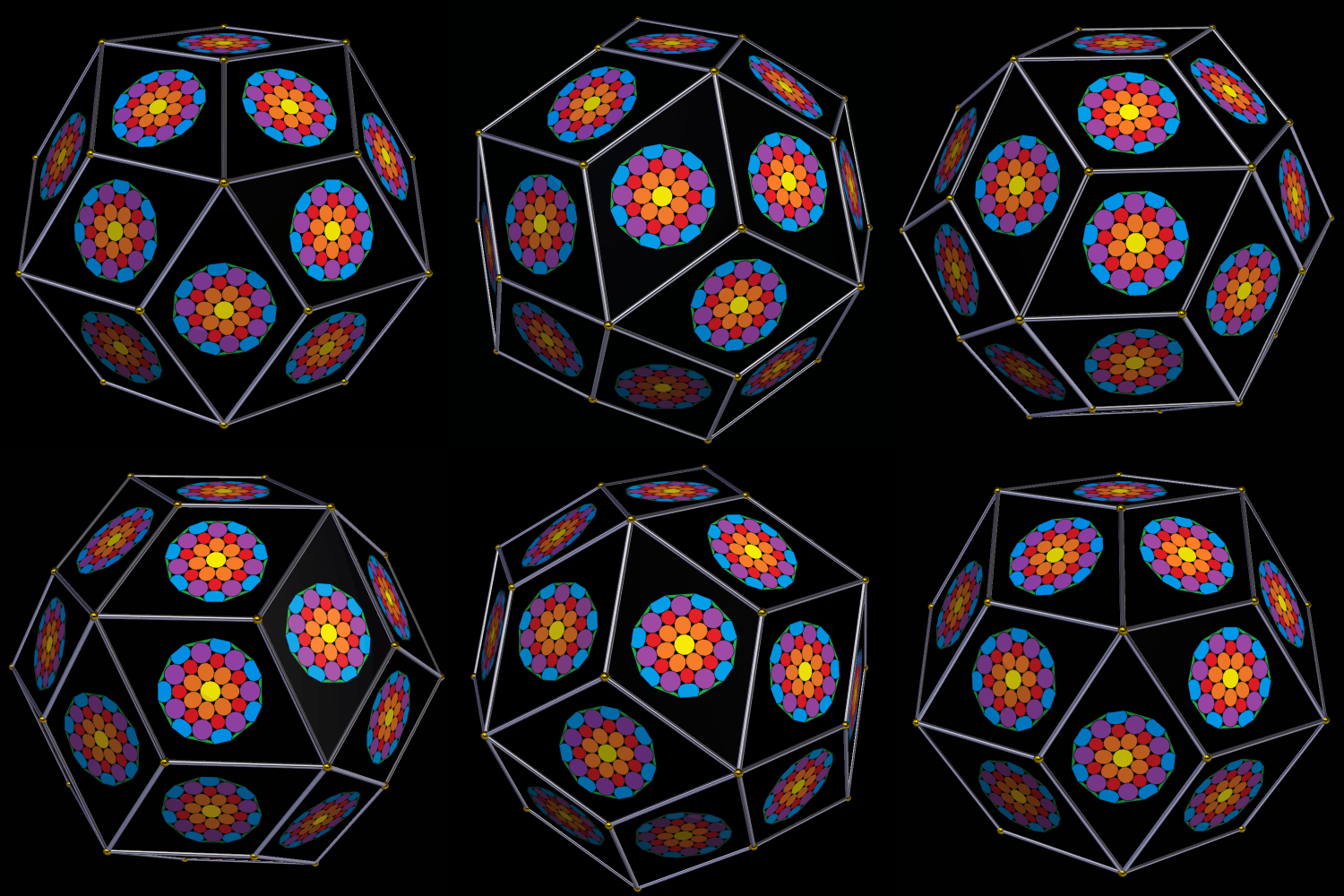
These polyhedra are the rhombic dodecahedron (above), and the rhombic triacontahedron (below).

I made both of these using Stella 4d, which you can try for free at http://www.software3d.com/Stella.php. The tessellation on the faces of these polyhedra first appeared right here on this blog, in the post just before this one.

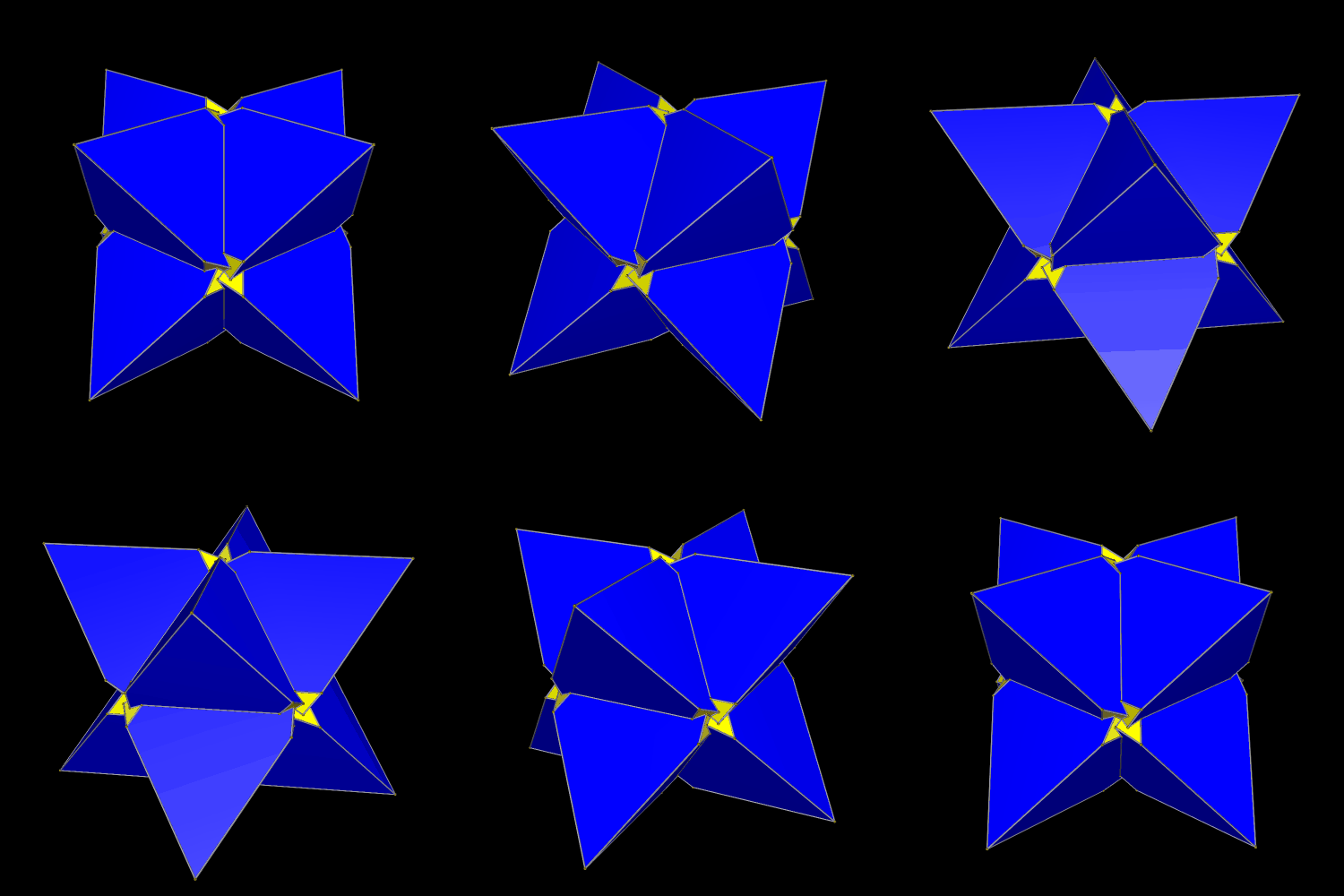
Five Variants of the Compound of Two Tetrahedra

This is the compound of two tetrahedra, also known as Johannes Kepler’s Stella Octangula.

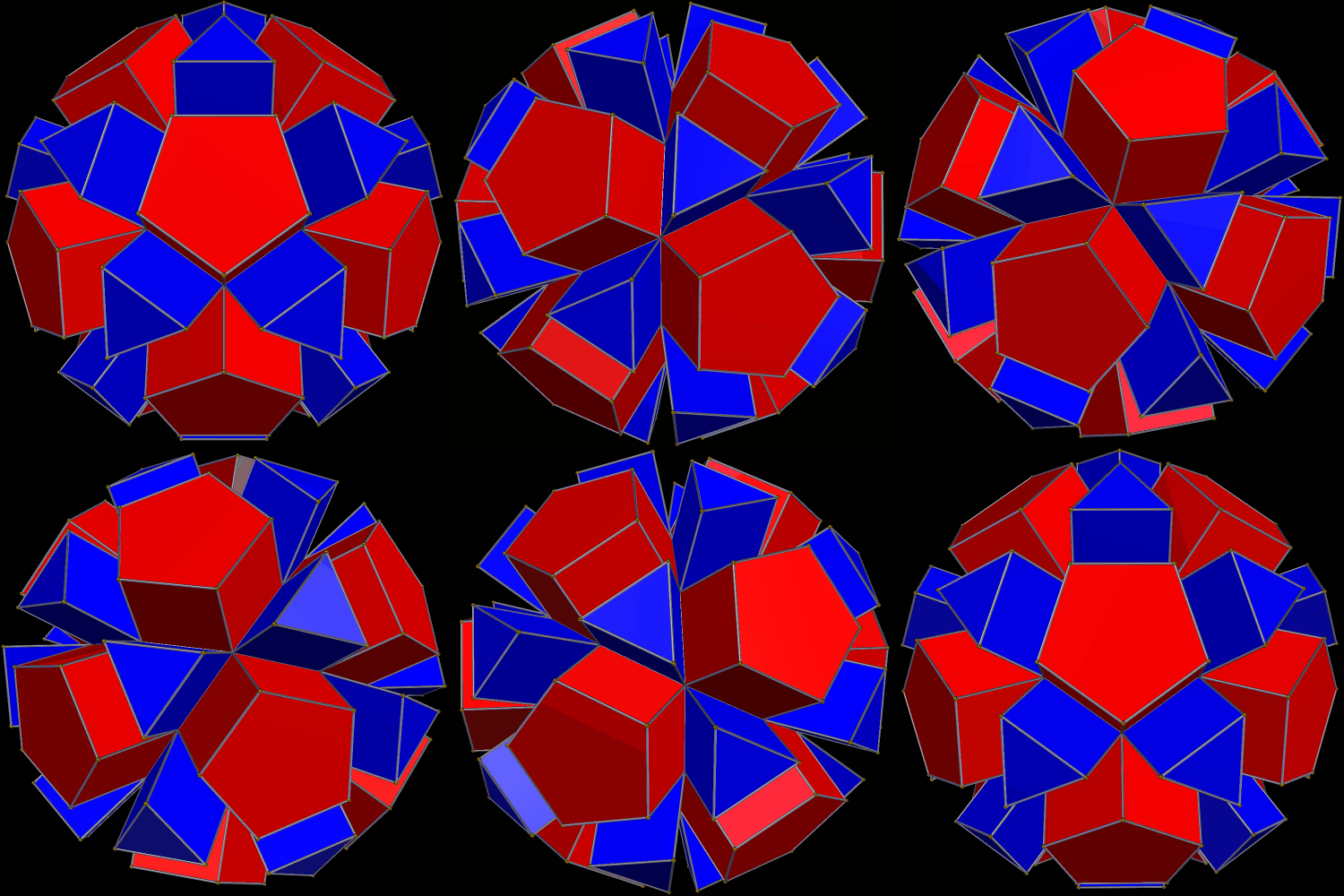
I found the five variations of this polyhedral compound shown below, located deep within the stellation-series of the great rhombicuboctahedron.

These .gif images were all made using Stella 4d, a program you can try for free at http://www.software3d.com/Stella.php.

A Dozen Great Dodecahedra, Surrounding a Central Great Dodecahedron

I made this with Stella 4d: Polyhedron Navigator, a program you can try for free at http://www.software3d.com/Stella.php.
Expanding the Icosidodecahedron

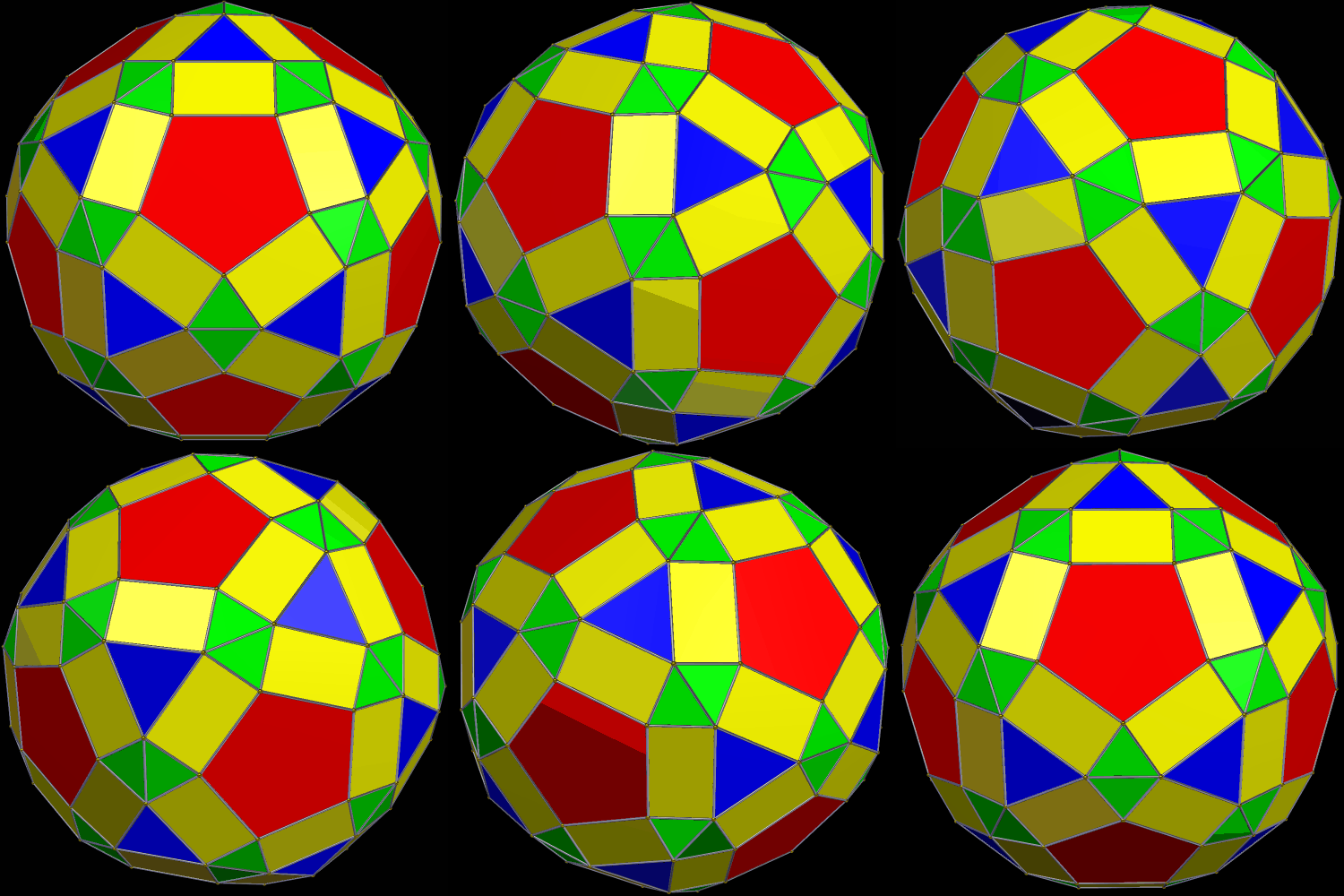
This is the icosidodecahedron. It’s one of the thirteen Archimedean solids. To make an expanded version of it, I first augmented each of its faces with a prism.

Next, I formed the augmented icosidodecahedron’s convex hull.

This expanded icosidodecahedron has the twelve pentagonal faces (shown in red) and twenty triangular faces (shown in blue) of the original icosidodechedron. It also has sixty rectangular faces (yellow), and sixty isosceles triangles (shown in green). That’s a total of 152 faces.

To do all of this, I used a program called Stella 4d. If you’d like to try Stella for yourself, for free, just visit this website: http://www.software3d.com/Stella.php.

A Rhombic Triacontahedron, Decorated with Geometric Artwork

To make this rotating .gif, I navigated to the rhombic triacontahedron in Stella 4d, and then loaded images onto its thirty faces, with the image being the one I blogged in the post right before this one. This program, Stella, has a free trial download you can get right here.

The 15th Stellation of the Compound of a Dodecahedron and an Icosahedron

I made this using Stella 4d, which you can try for free at http://www.software3d.com/Stella.php.

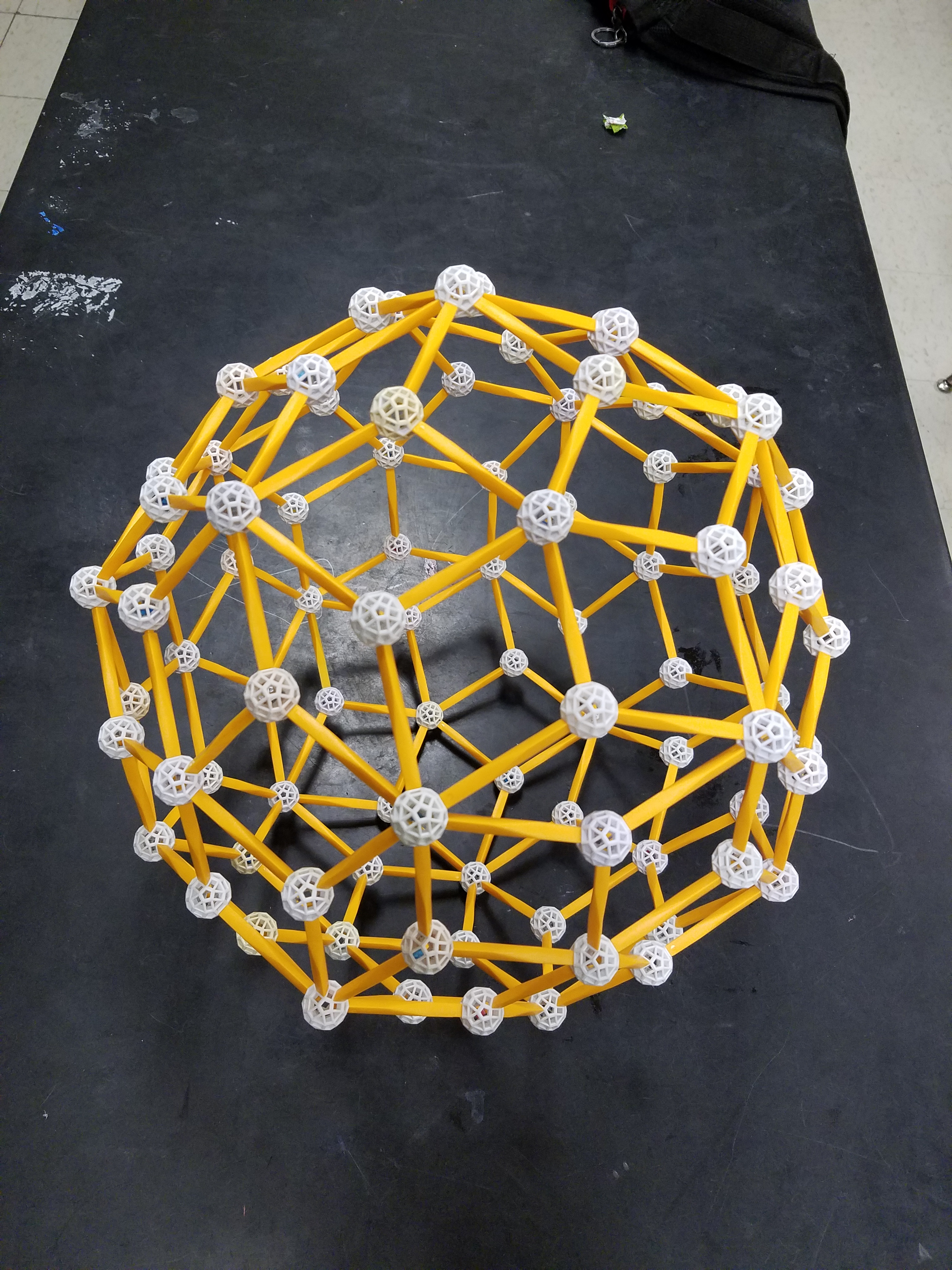
A Rhombic Enneacontahedron, Made of Zome

Zome is a ball-and-stick modeling system which can be used to make millions of different polyhedra. If you’d like to get some Zome for yourself, just visit http://www.zometool.com.

A Symmetrohedron Featuring Regular Octagons, Pentagons, and Triangles

The only irregular faces in this polyhedron are the quadrilaterals (kites and rectangles). I made it using Stella 4d, which you can try for yourself — for free — at http://www.software3d.com/Stella.php.

A Zonohedron Which Is Also a Symmetrohedron

I made this using Stella 4d, which you can try for free at http://www.software3d.com/Stella.php.

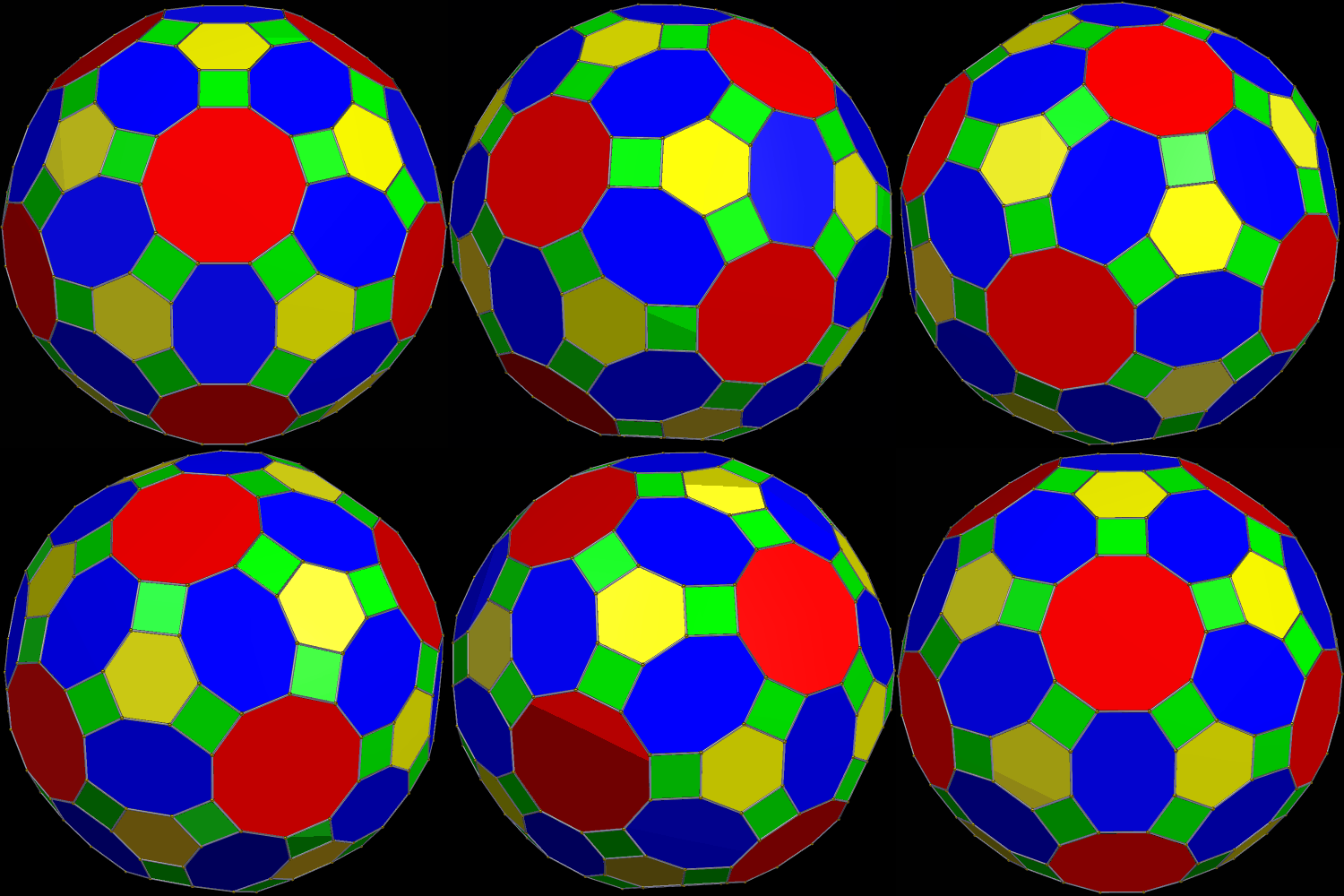
This zonohedron is based on the icosidodecahedron / rhombic triacontahedron compound — more specifically, on its edges. Twelve faces are regular decagons, twenty are regular hexagons, sixty are squares, and the only irregular faces are the thirty equilateral octagons. That’s 122 faces in all.