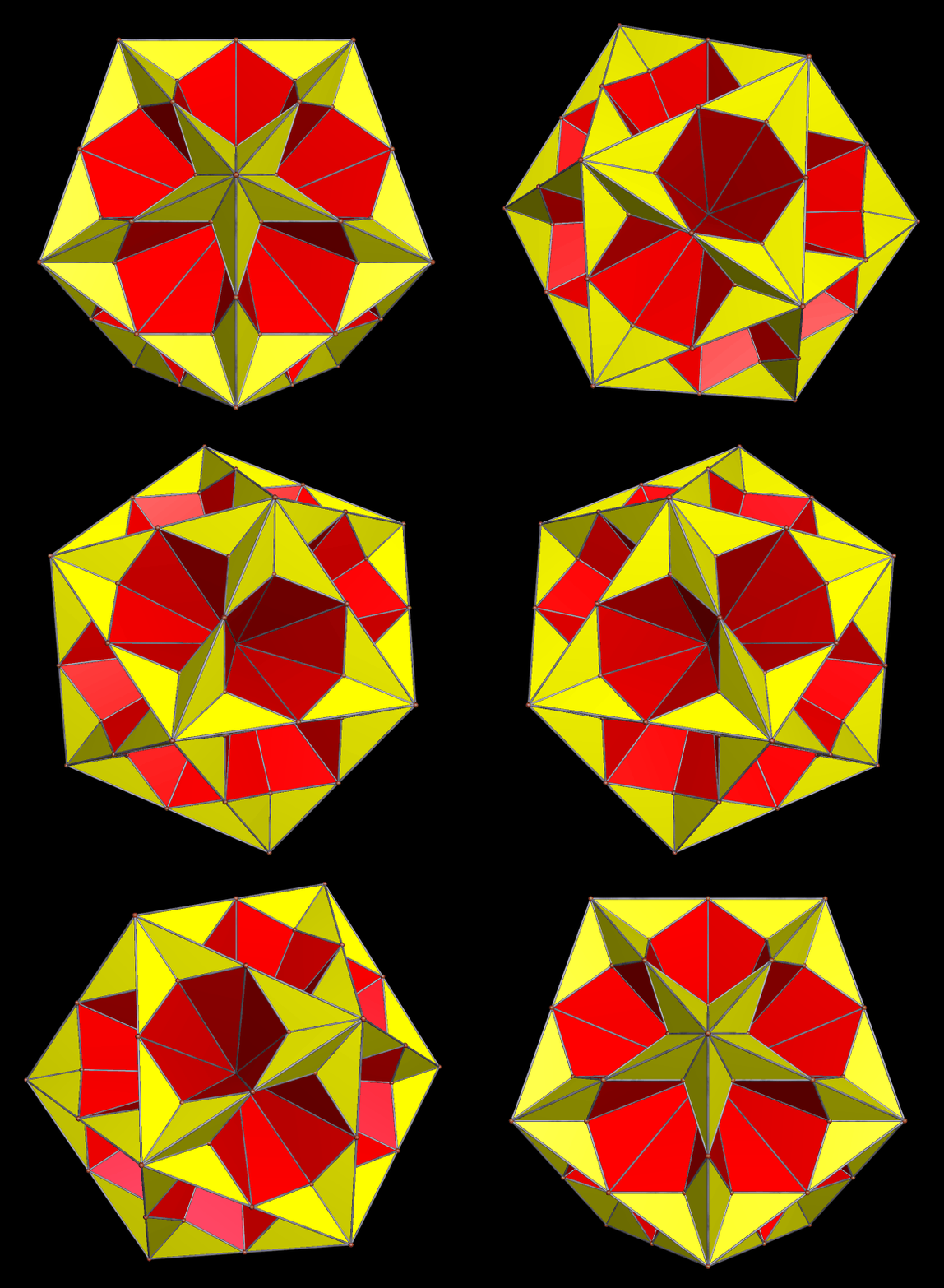
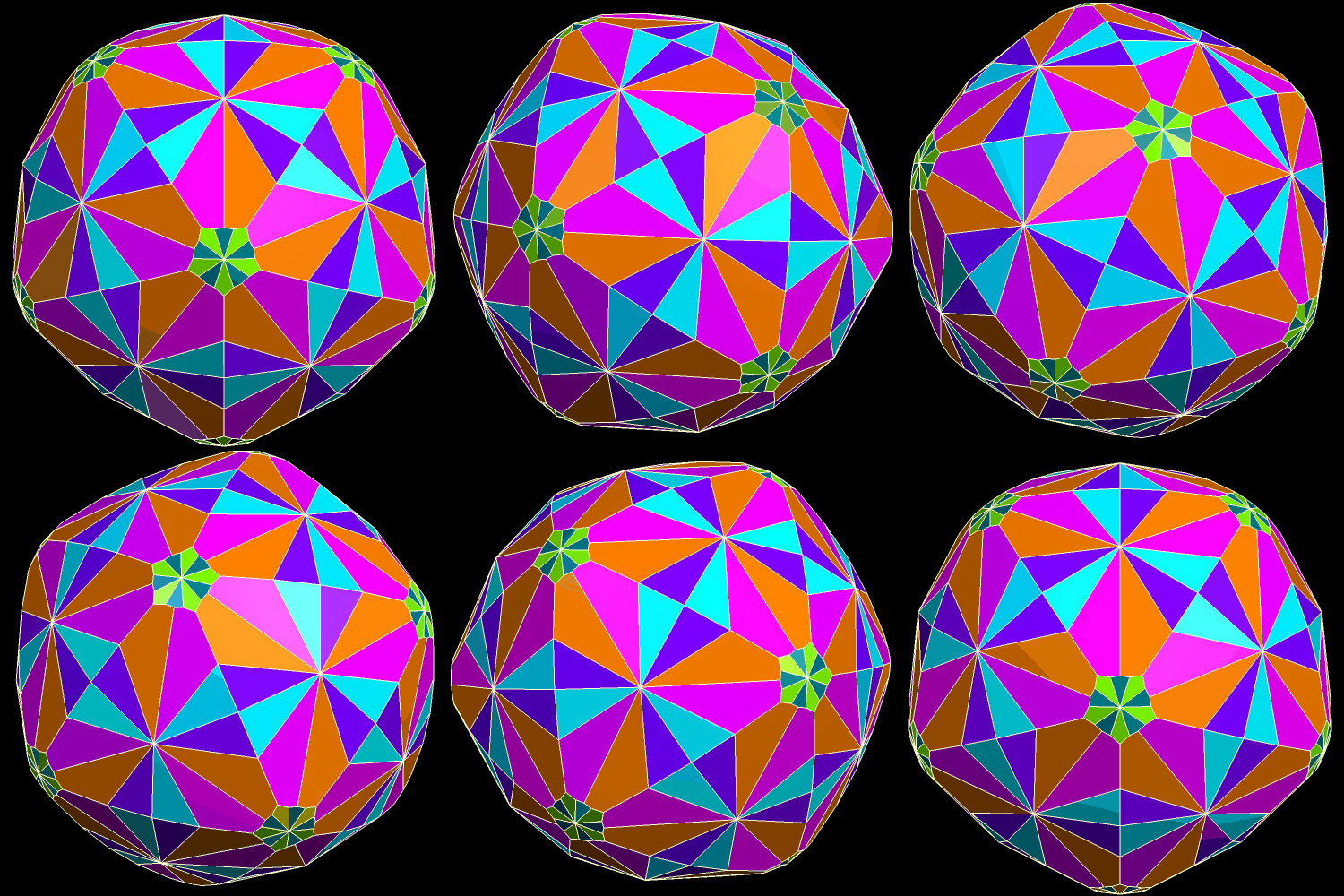
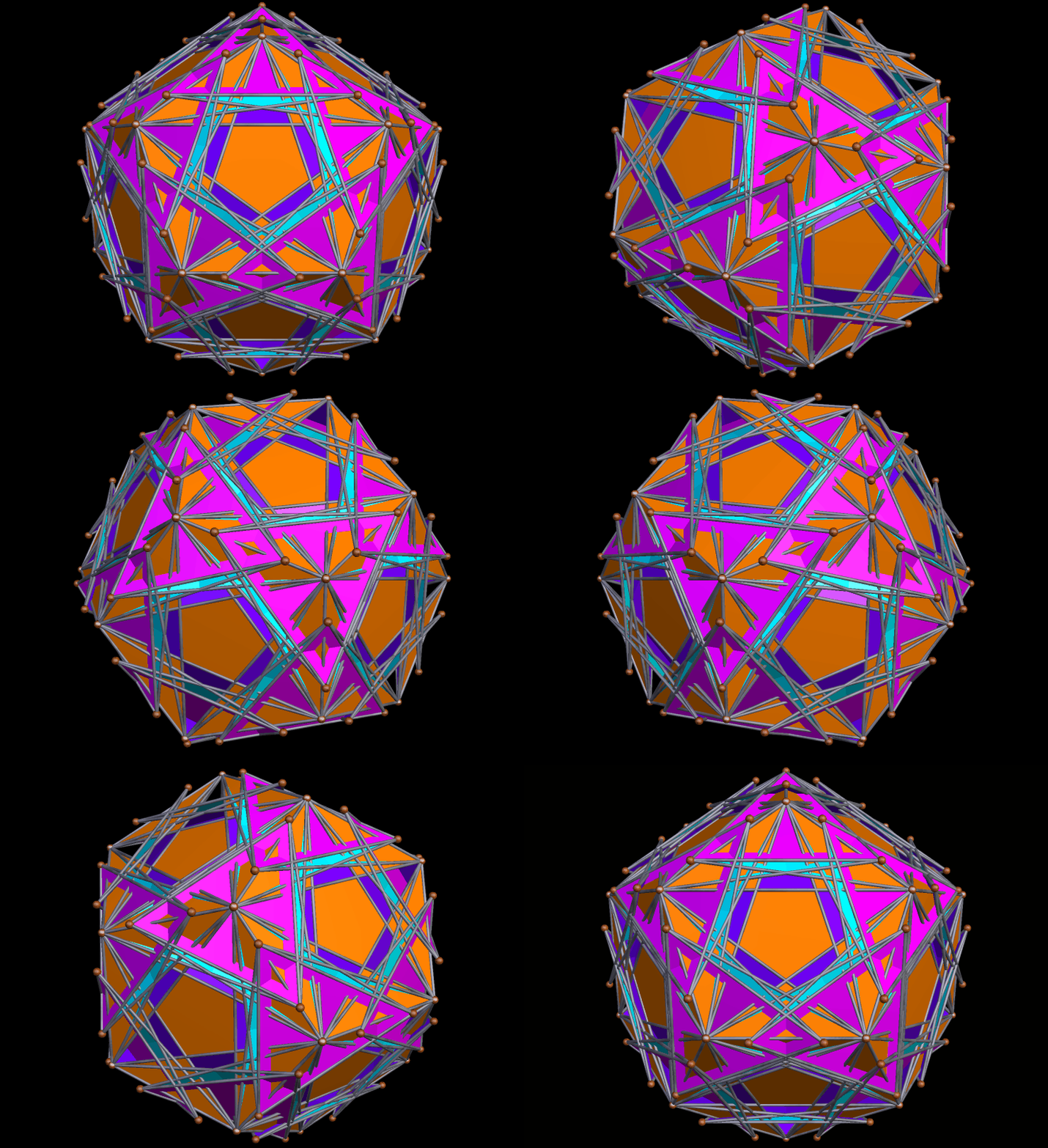
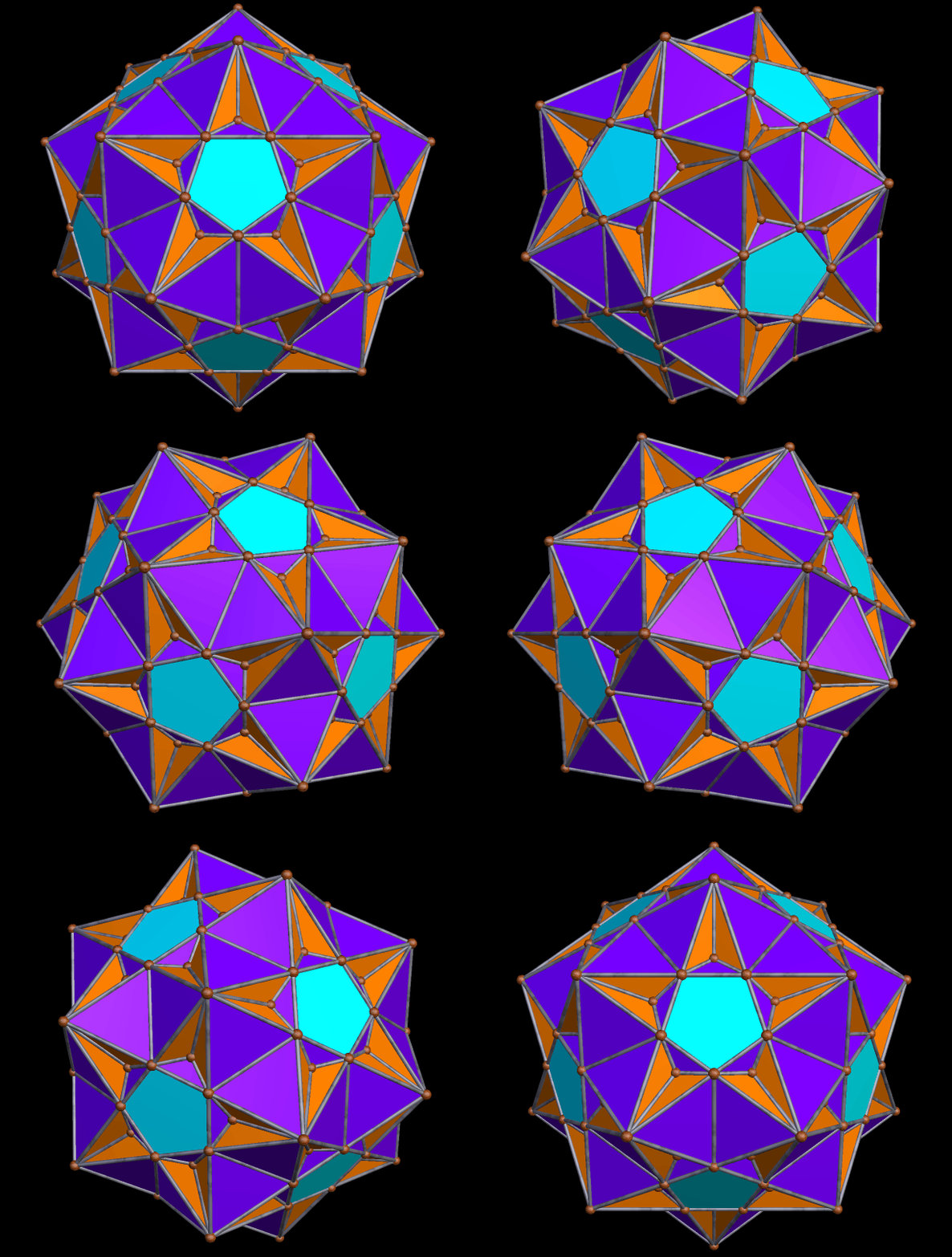
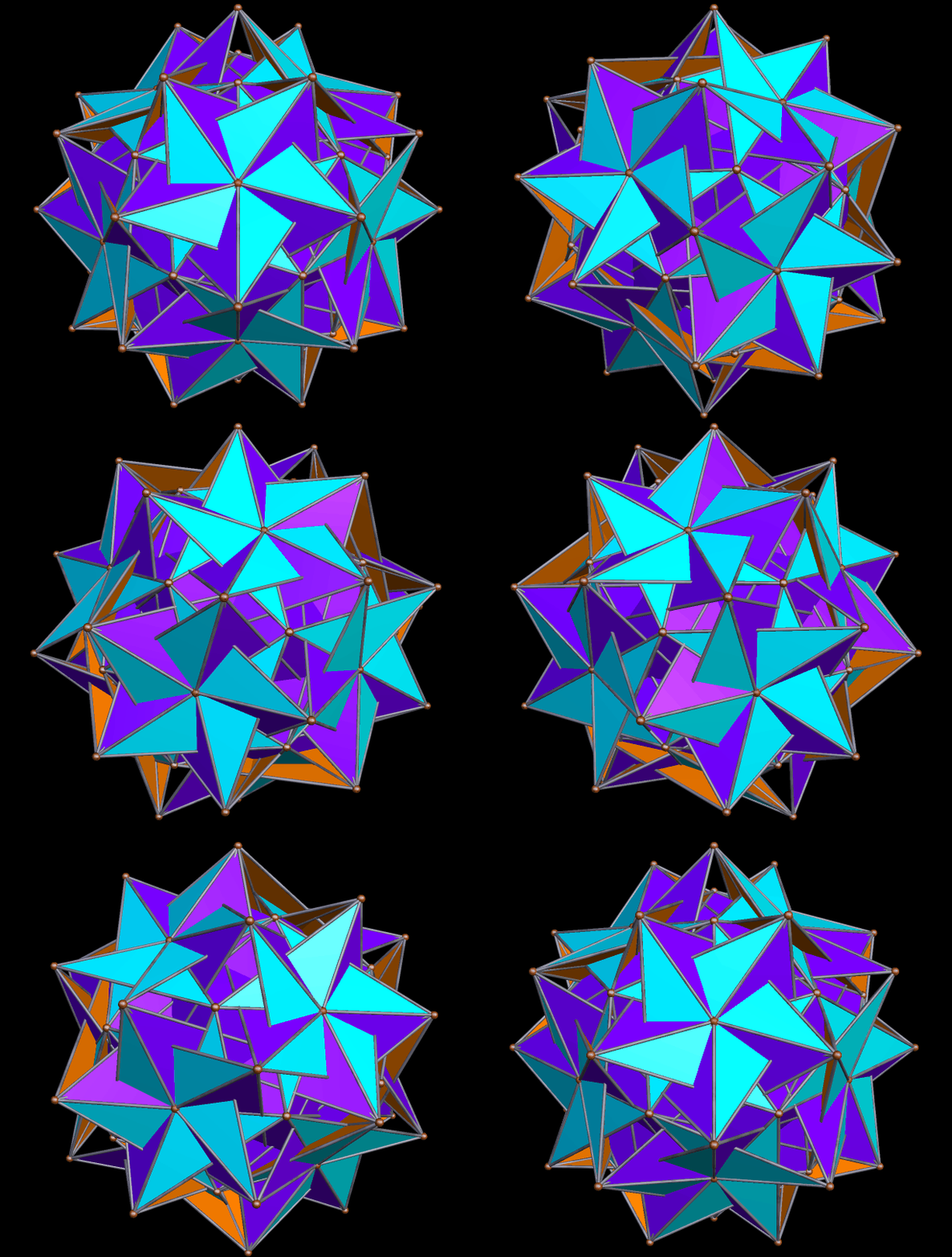
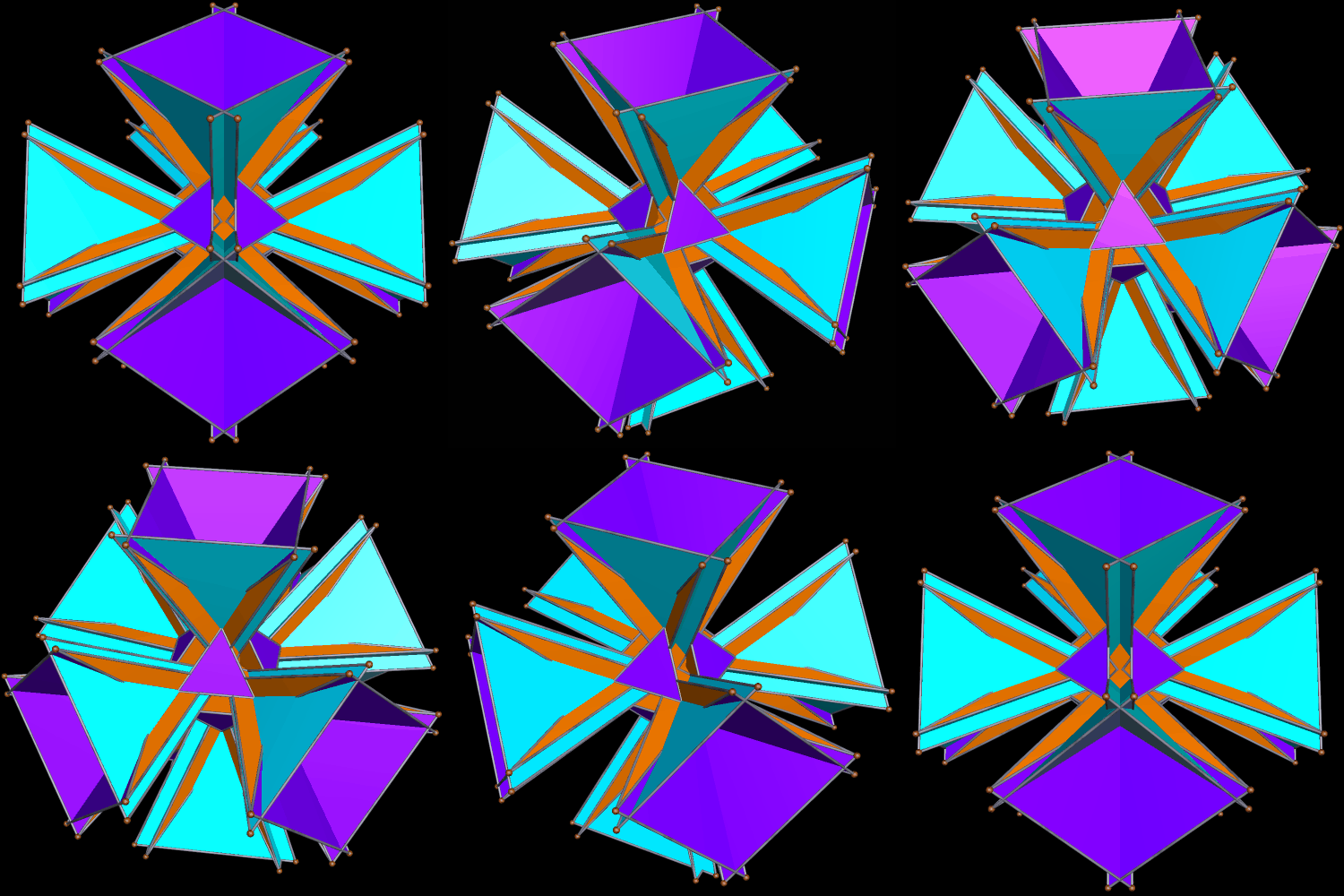
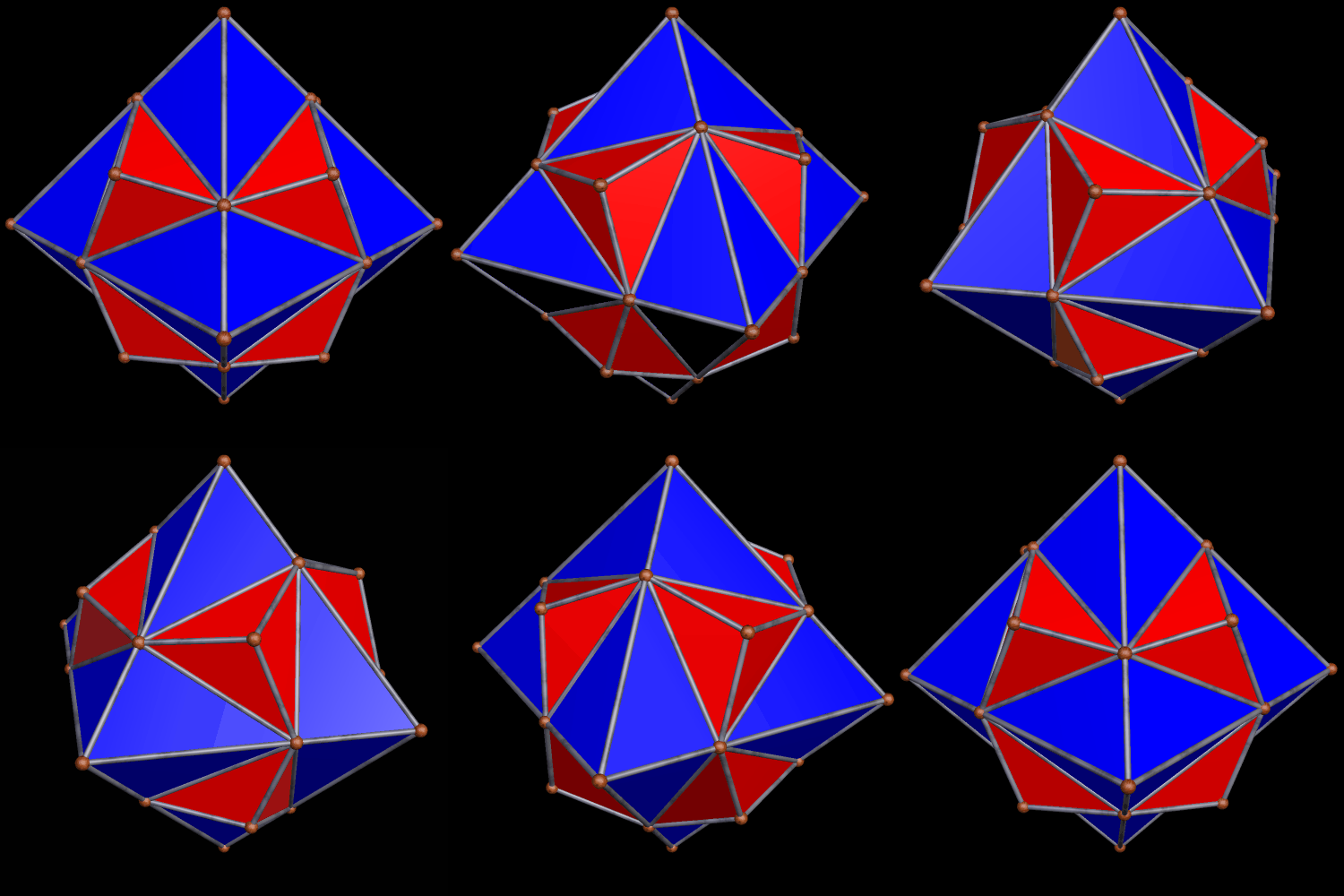
A Compound of the Octahedron, and a Pyritohedral Dodecahedron

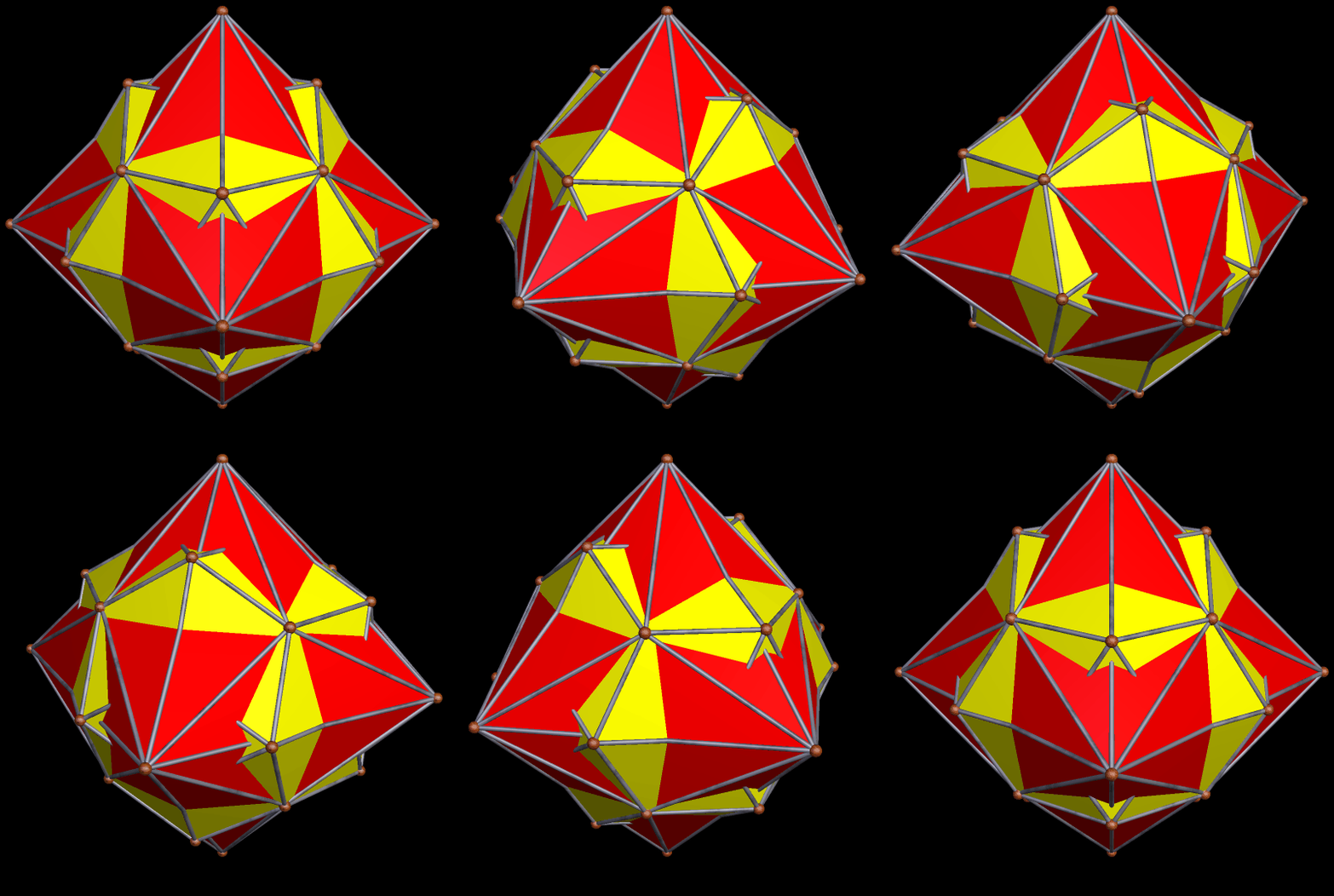
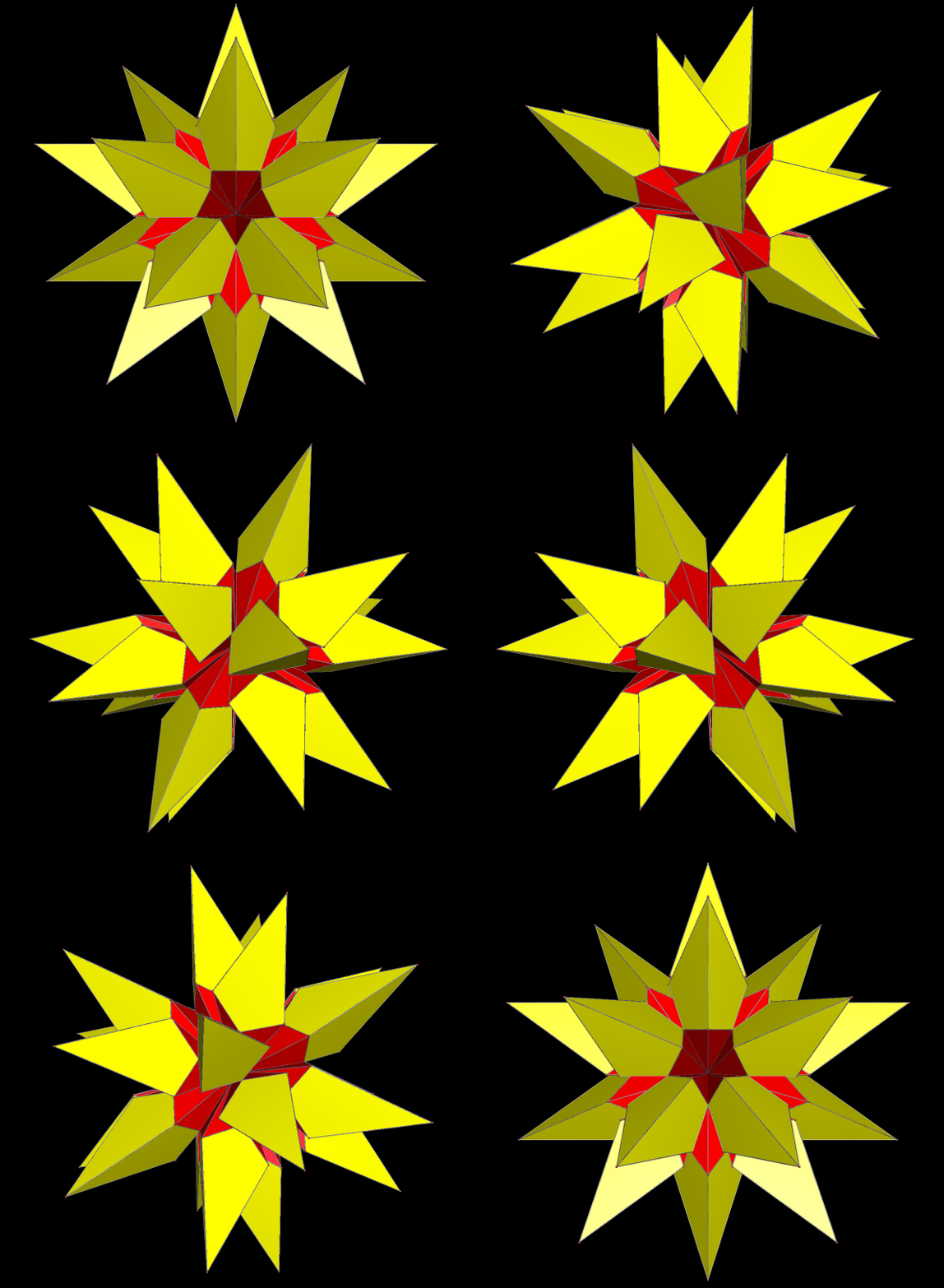
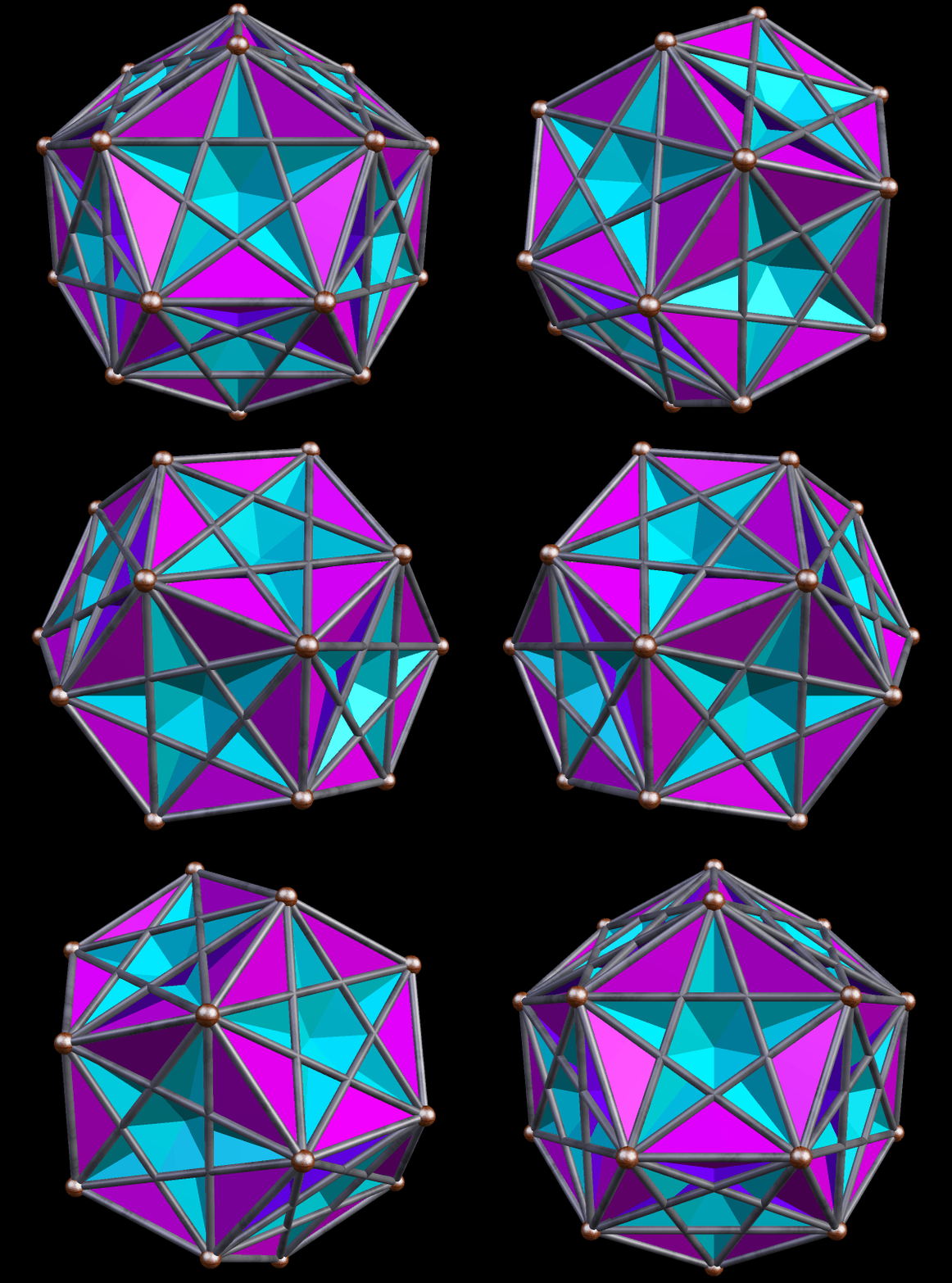
Compound of octa and pyritohedral dodeca

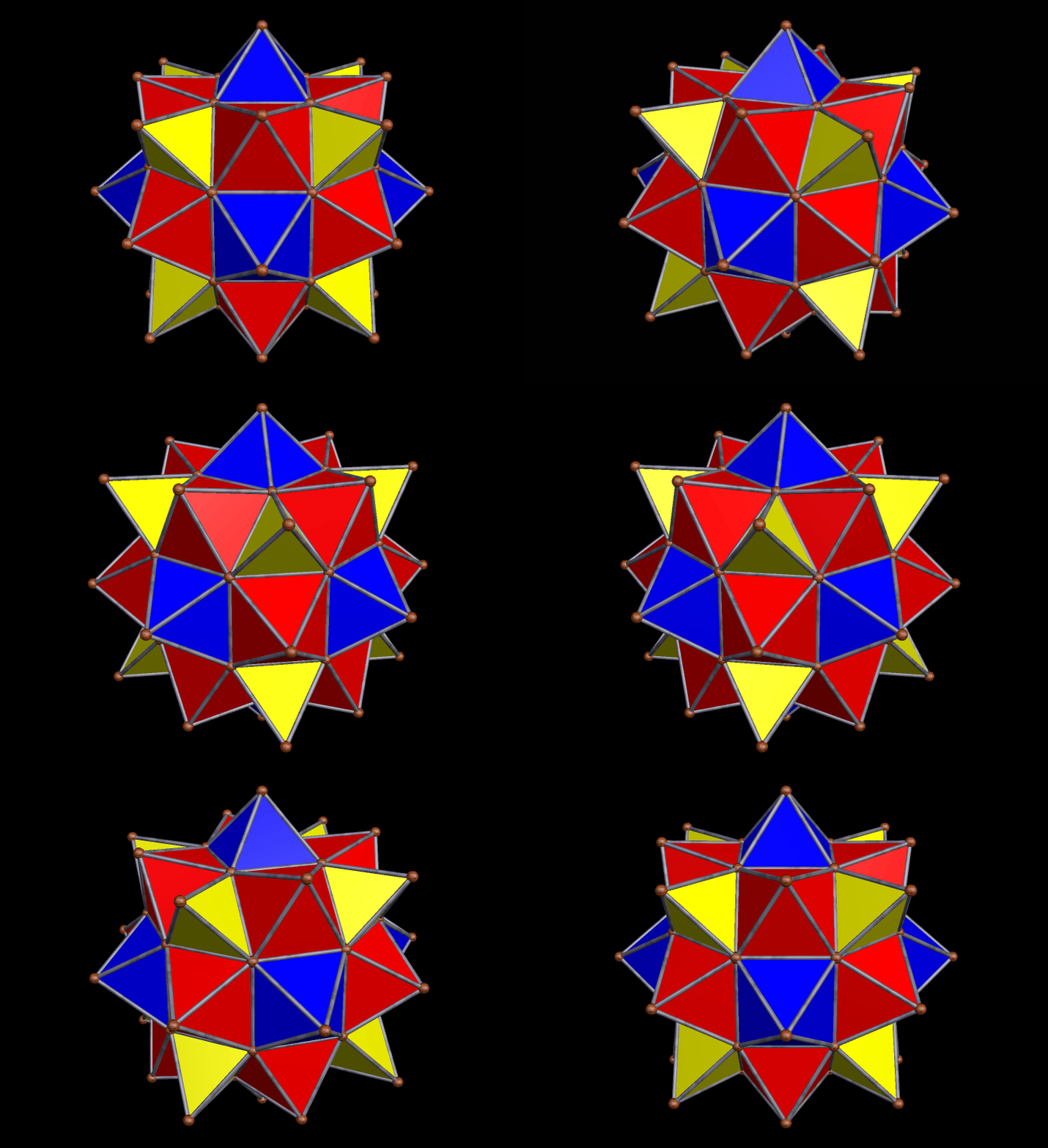
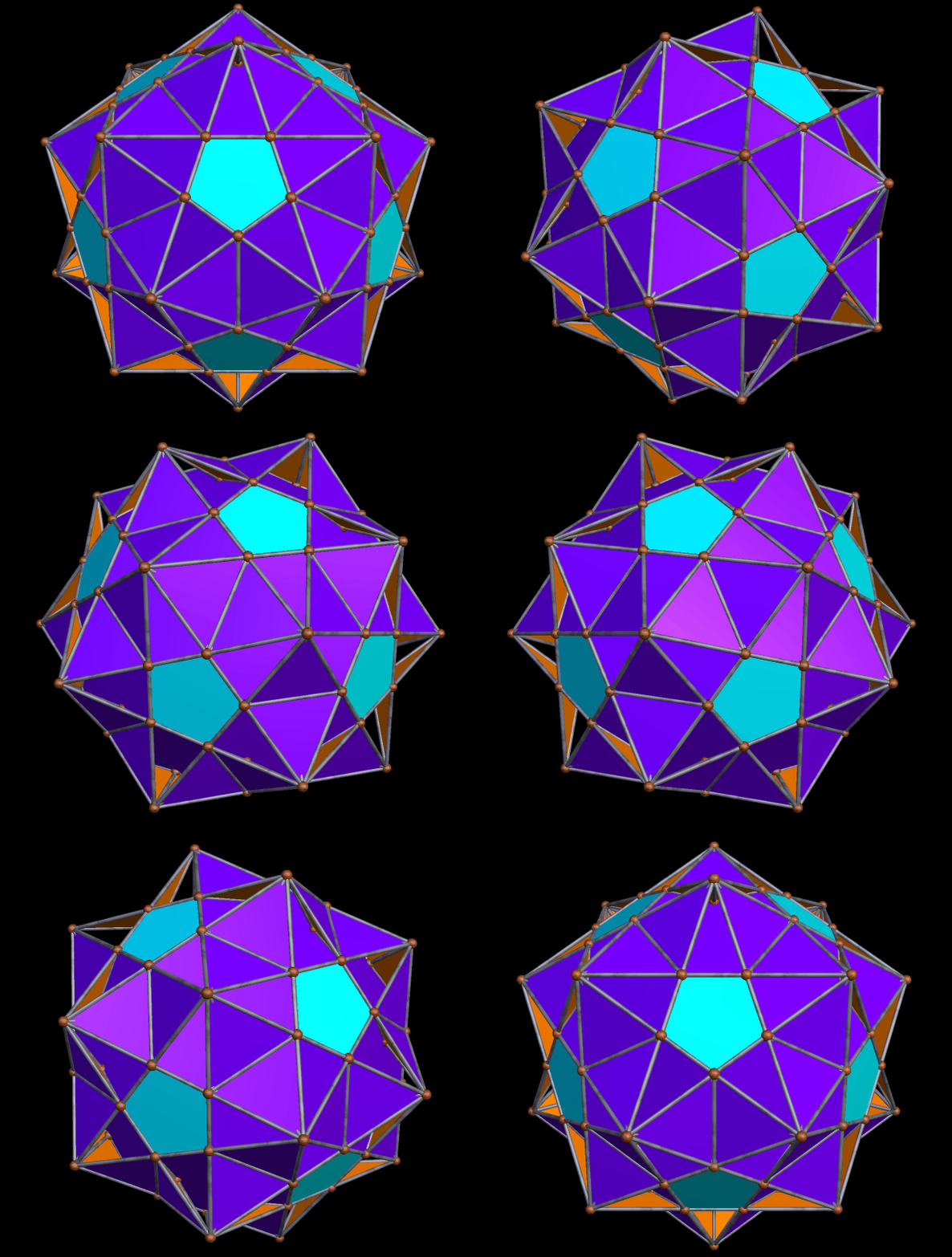
This compound is the first I have seen which combines a Platonic solid (the blue octahedron) with a pyritohedral modification of a Platonic solid. Here’s what a pyritohedral dodecahedron looks like, by itself:

pyritohedral dodecahedron

Stella 4d: Polyhedron Navigator was used to make these — software you can try right here: http://www.software3d.com/Stella.php.

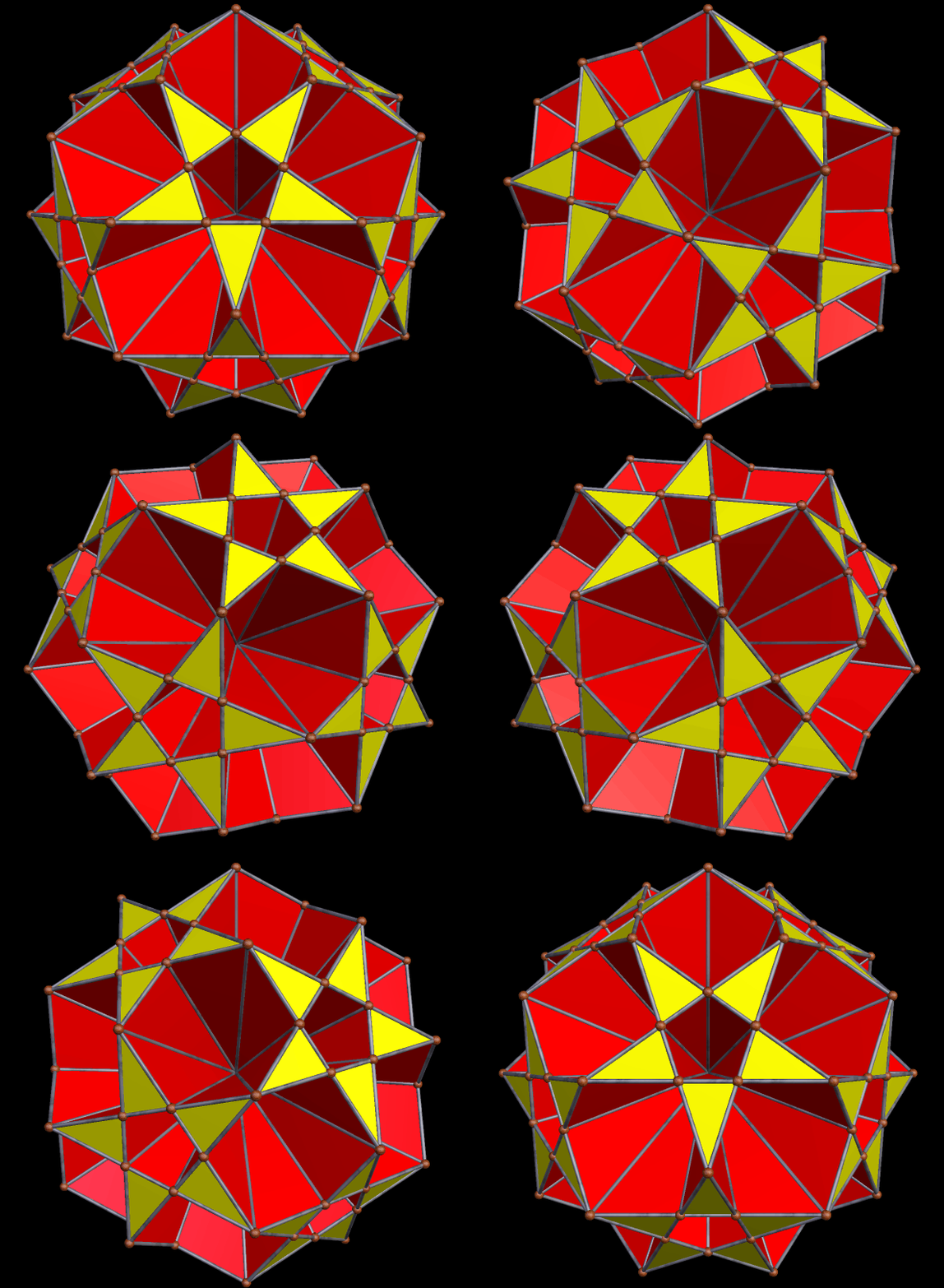
A Hybrid Polyhedron: The “Offspring” of Jessen’s Icosahedron and the Great Dodecahedron

I stumbled upon this interesting hybrid of two well-known polyhedra, while simply playing around with Stella 4d, the software I use to make these rotating polyhedral images (you can try a free trial download of it here).
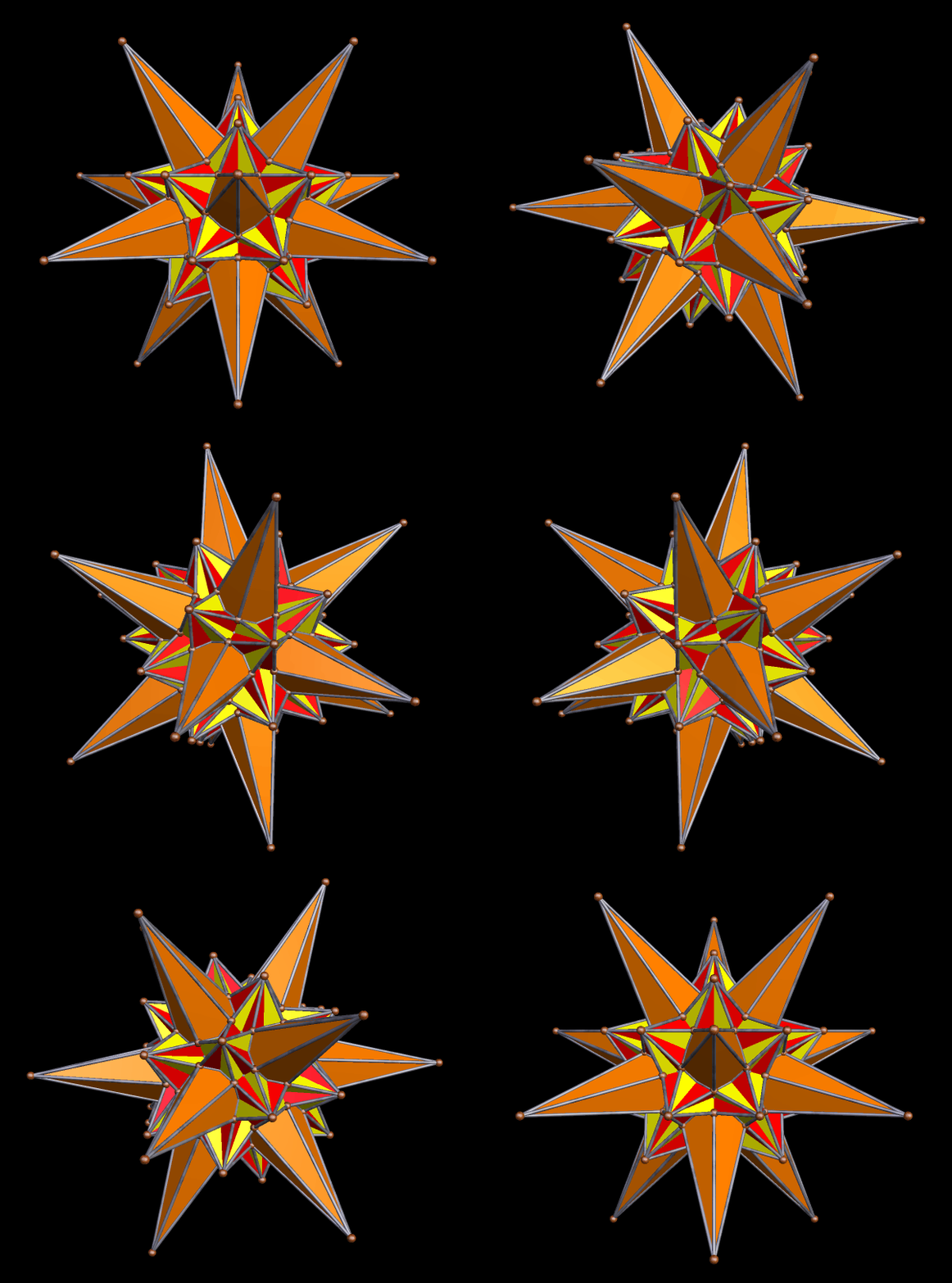
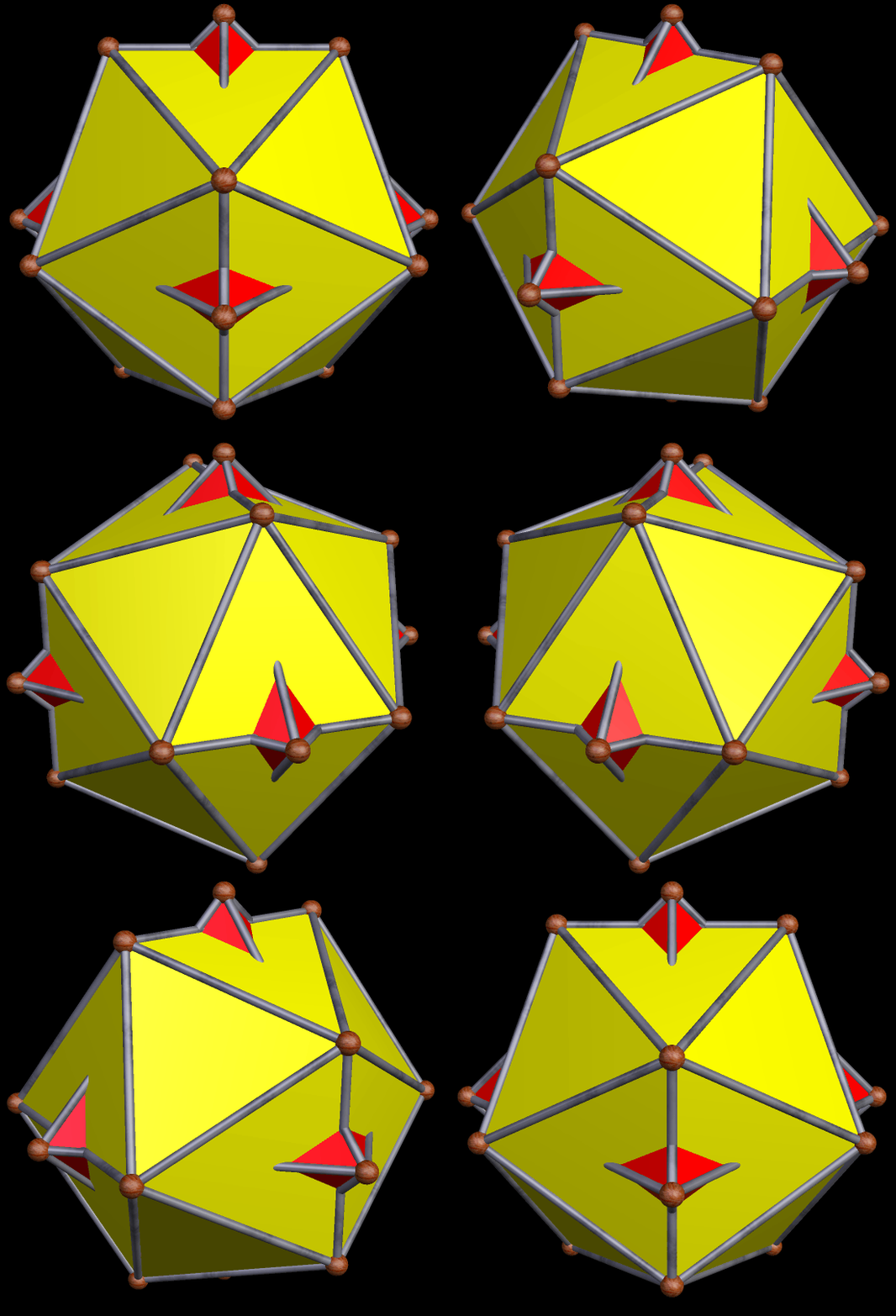
Jessens icosa meets the great dodeca

The faces of the above polyhedron are twelve modified regular pentagons, each with a triangular piece removed which contained one of the pentagon’s edges. Therefore, it would also be correct to refer to these modified pentagons as non-convex hexagons. These modified pentagons interpenetrate, so all that can be seen are triangular “facelets” — the parts of the faces which are not hidden inside the polyhedron. Each of these facelets is a golden gnomon (an obtuse, isosceles triangle with a base:leg ratio which is the golden ratio), and these golden gnomons come in two sizes. The larger ones were “inherited” from Jessen’s icosahedron, and there are twelve of them. The smaller golden gnomons, on the other hand, were “inherited” from the great dodecahedron, and are twenty-four in number, in eight sets of three. Like Jessen’s icosahedron itself, but unlike the great dodecahedron, this hybrid has pyritohedral symmetry.

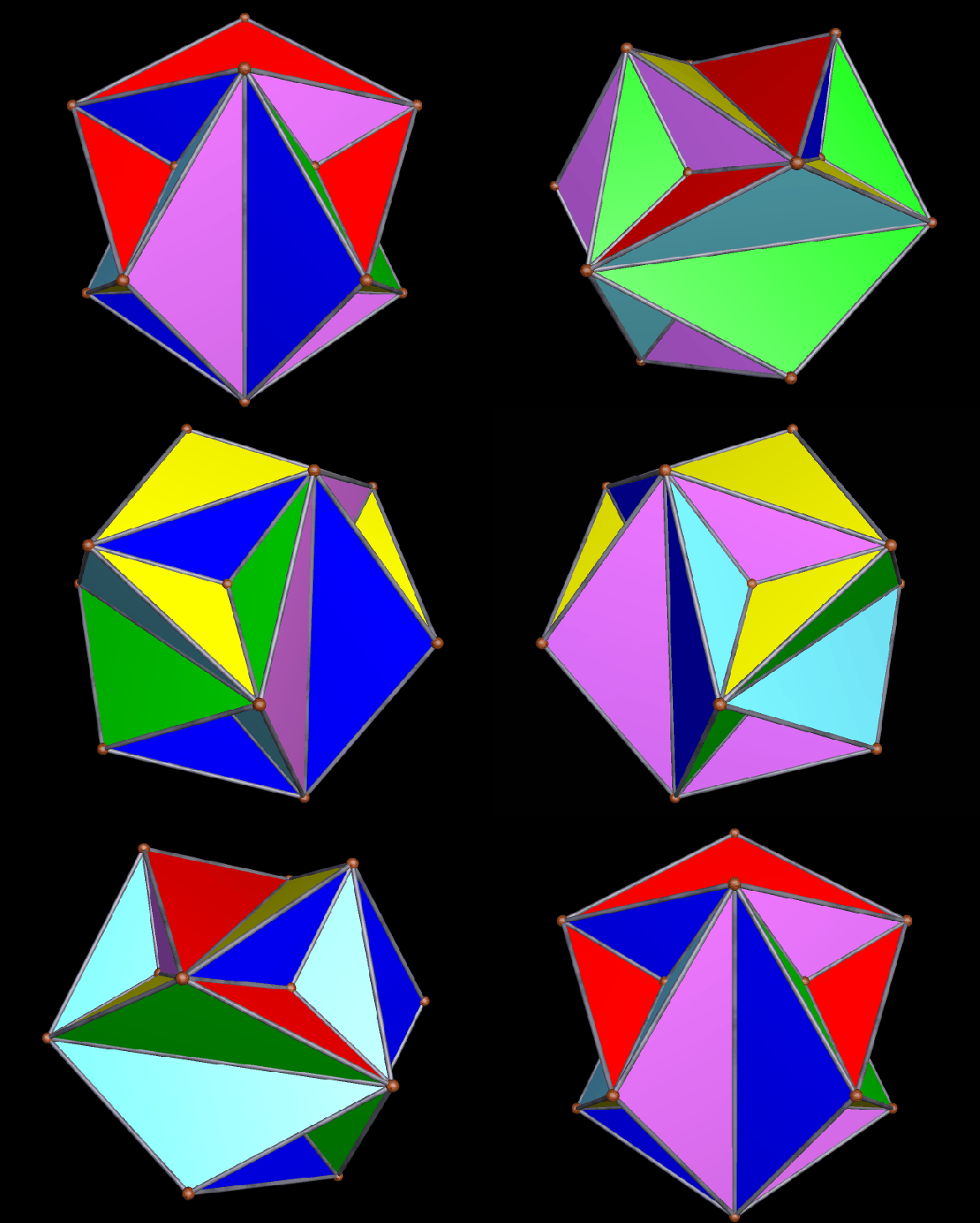
For more information about Jessen’s icosahedron, please visit this site at Wolfram Mathworld. Also, here is an image of Jessen’s icosahedron, one of the two “parents” of the hybrid above.
Jessens Icosa

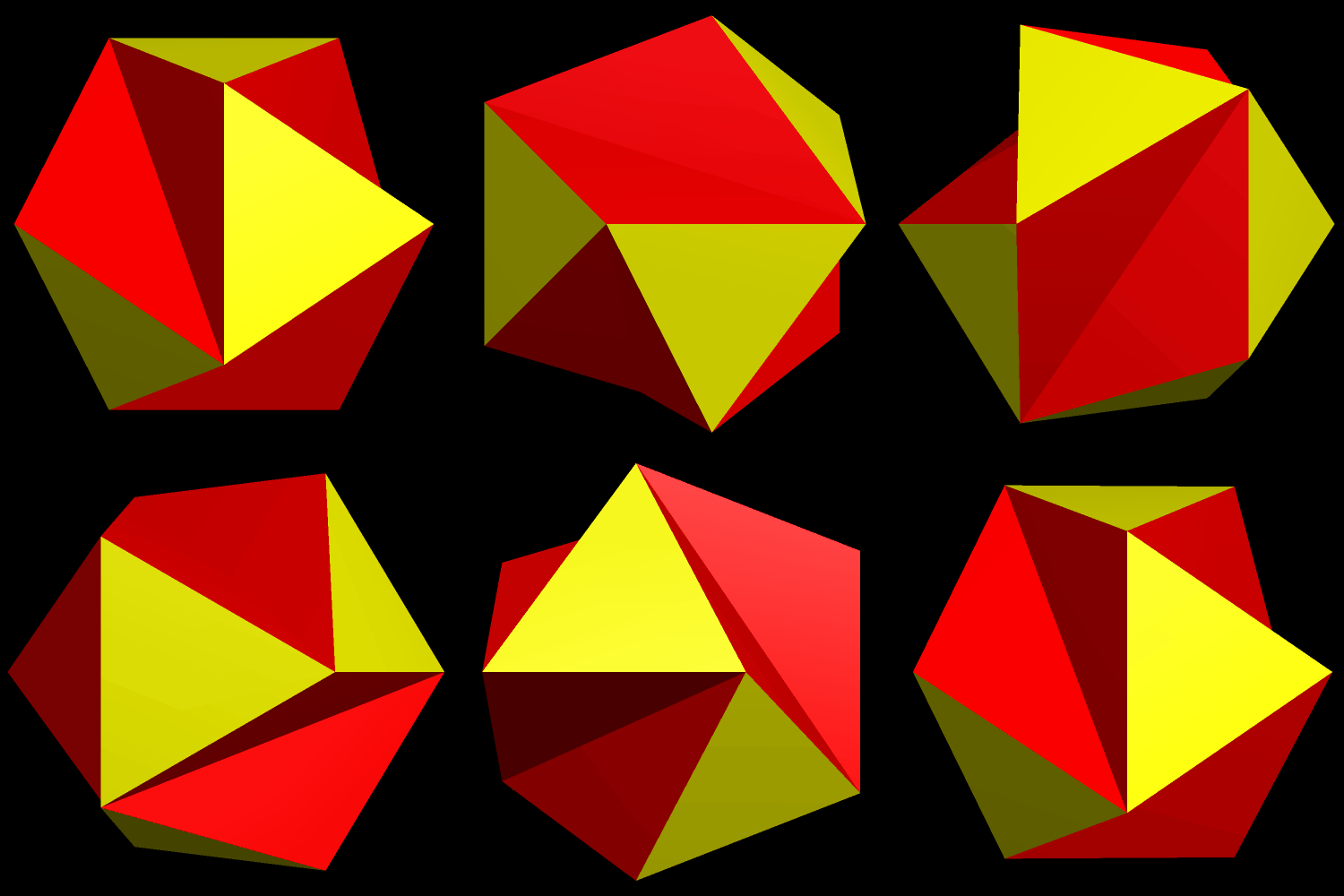
While Jessen’s icosahedron is a relatively new discovery (Børge Jessen revealed it to the world in 1967), the hybrid’s other “parent,” the great dodecahedron, has been known for much longer; Louis Poinsot discovered it in 1809, according to this source. Here’s an image of the great dodecahedron.

Great Dodeca

As you can see, the smaller golden gnomons found in the hybrid above were “inherited” from the great dodecahedron, while the larger ones came from the six indented face-pairs found in Jessen’s icosahedron.

A well-known property of Jessen’s icosahedron is that it is “shaky,” unlike most polyhedra, which are rigid. A physical model of Jessen’s icosahedron, made from paper and tape, can, in fact, be collapsed to form an octahedron. While I suspect that a physical, paper-and-tape model of this newly-discovered hybrid polyhedron would share these properties (“shakiness,” and at least some degree of collapsibility), I have not (yet) tested this conjecture.
Two Polyhedral Compounds: the Icosidodecahedron with the Truncated Cube, and the Rhombic Triacontahedron with the Triakis Octahedron

Compound of Icosidodeca and Trunc Cube

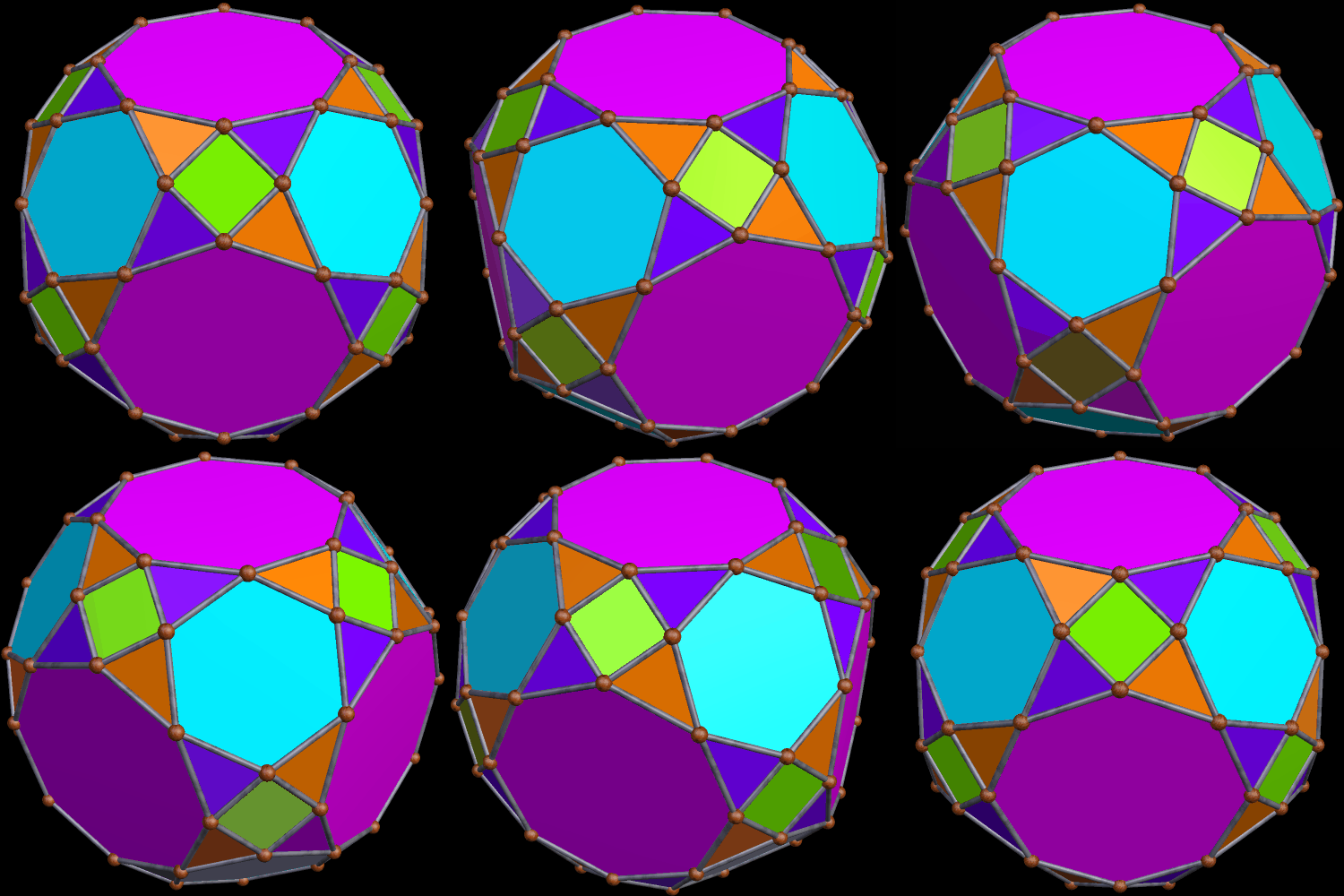
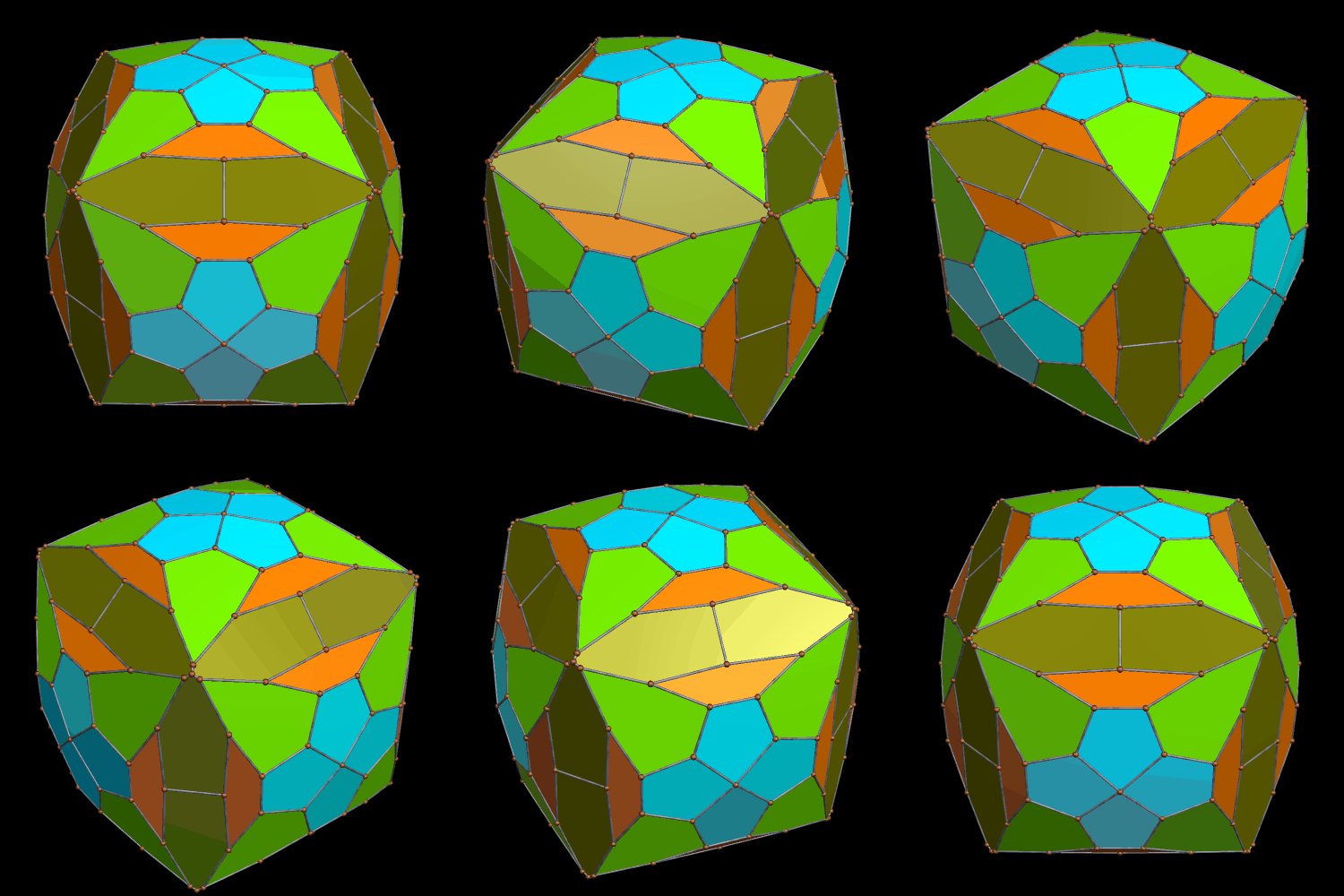
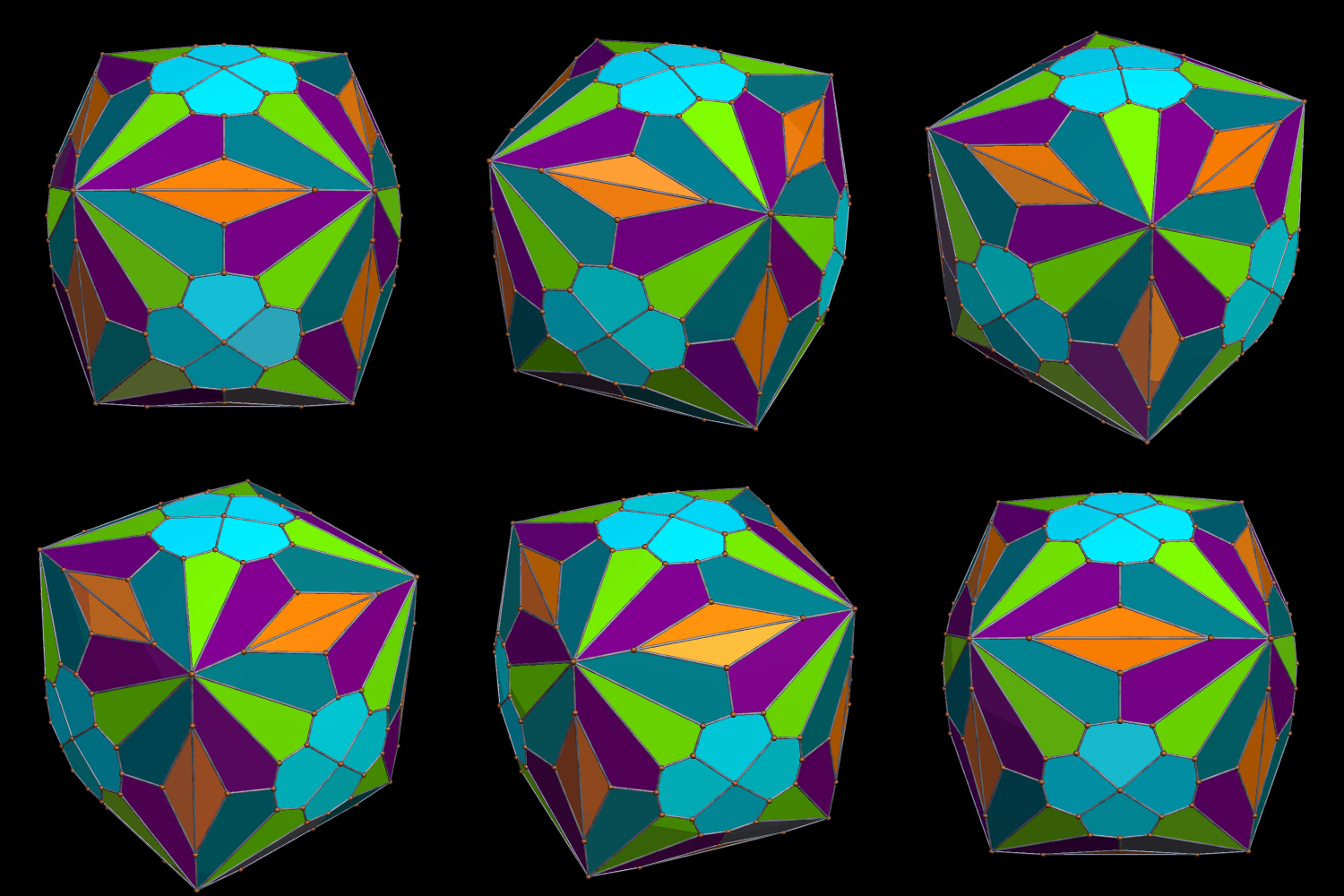
These two compounds, above and below, are duals. Also, in each of them, one polyhedron with icosidodecahedral symmetry is combined with a second polyhedron with cuboctahedral symmetry to form a compound with pyritohedral symmetry: the symmetry of a standard volleyball.

Compound of RTC and Triakis octahedron also pyritohedral

A program called Stella 4d was used to make these compounds, and create these images. It may be purchased, or tried for free, at this website.

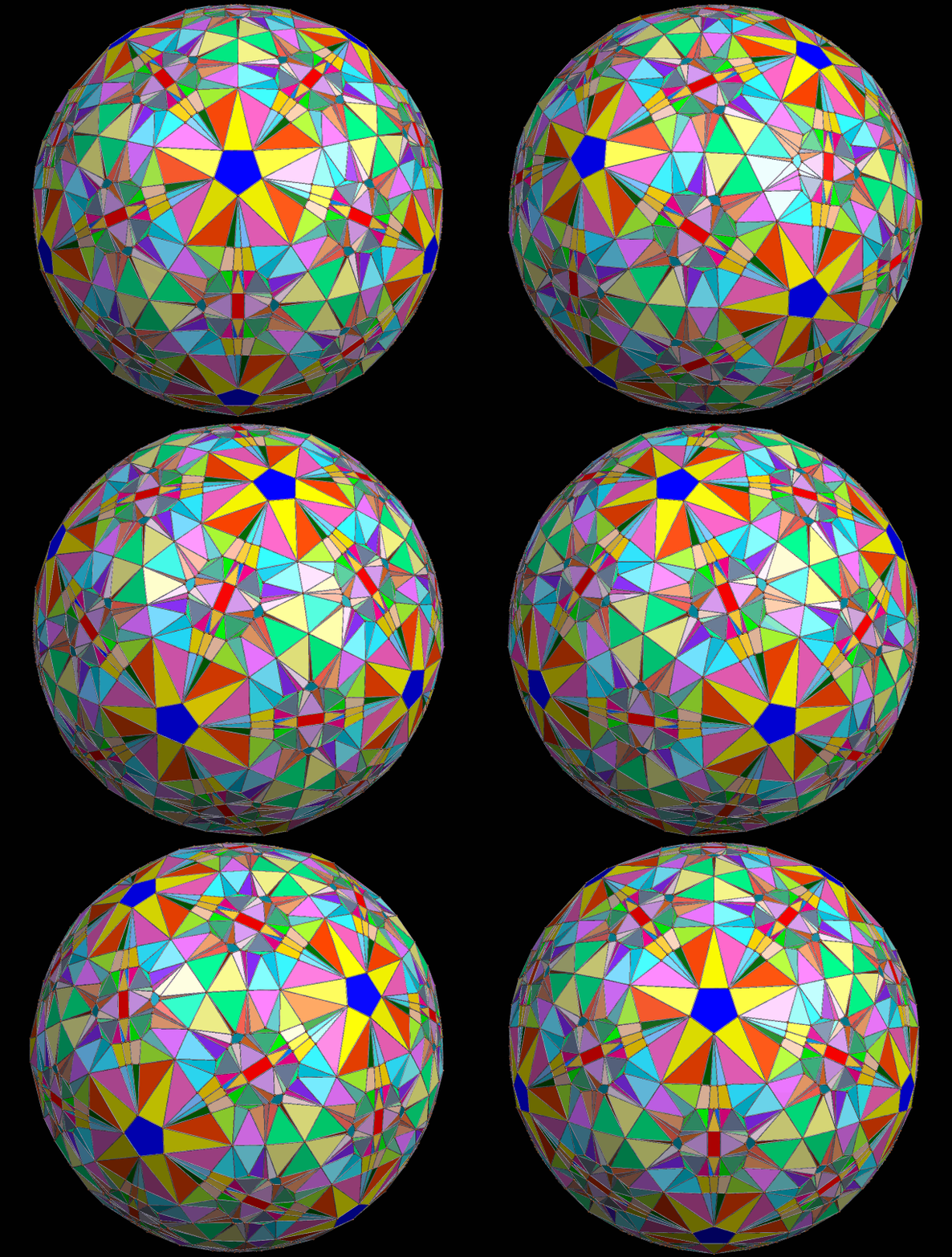
Sixteen Polyhedra with Cuboctahedral Symmetry

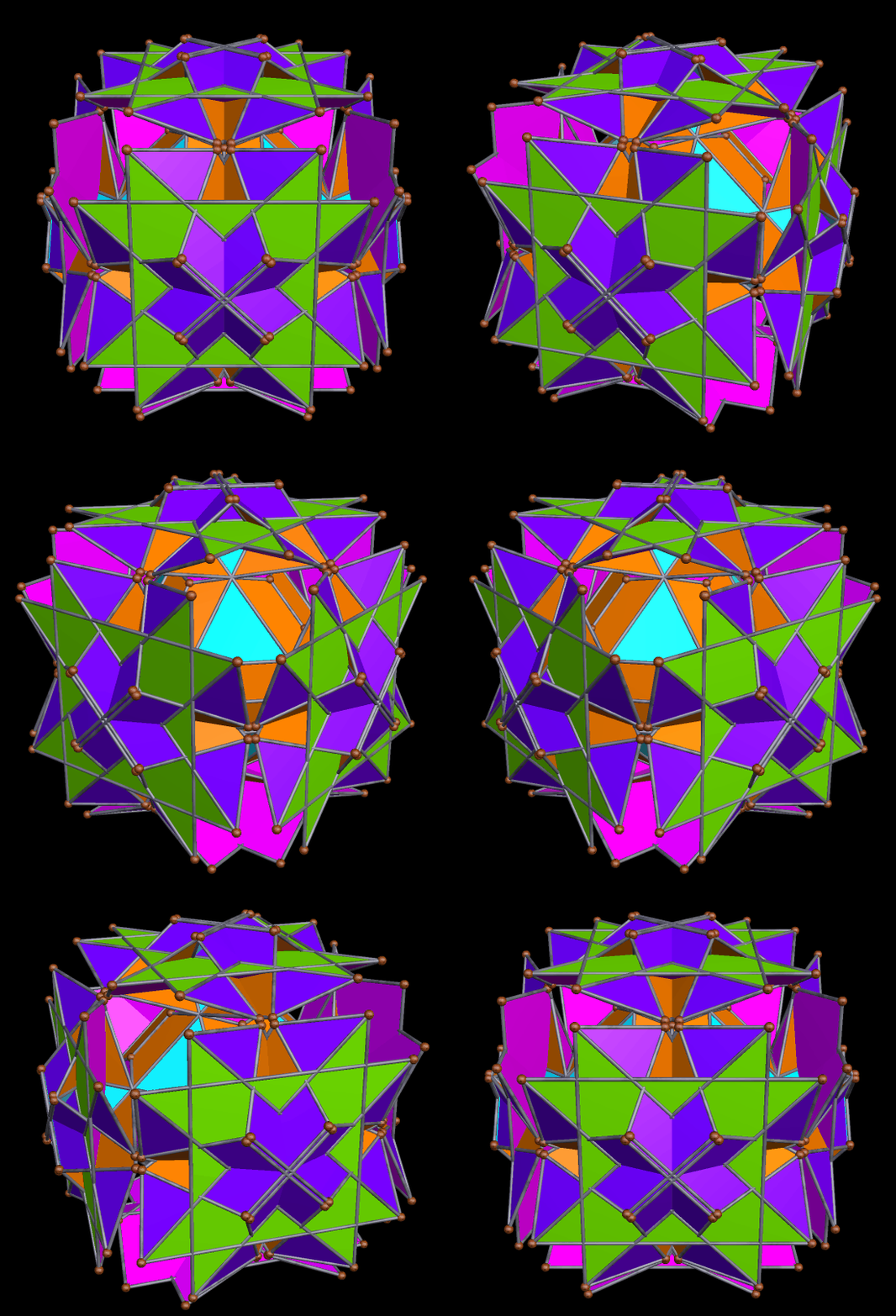
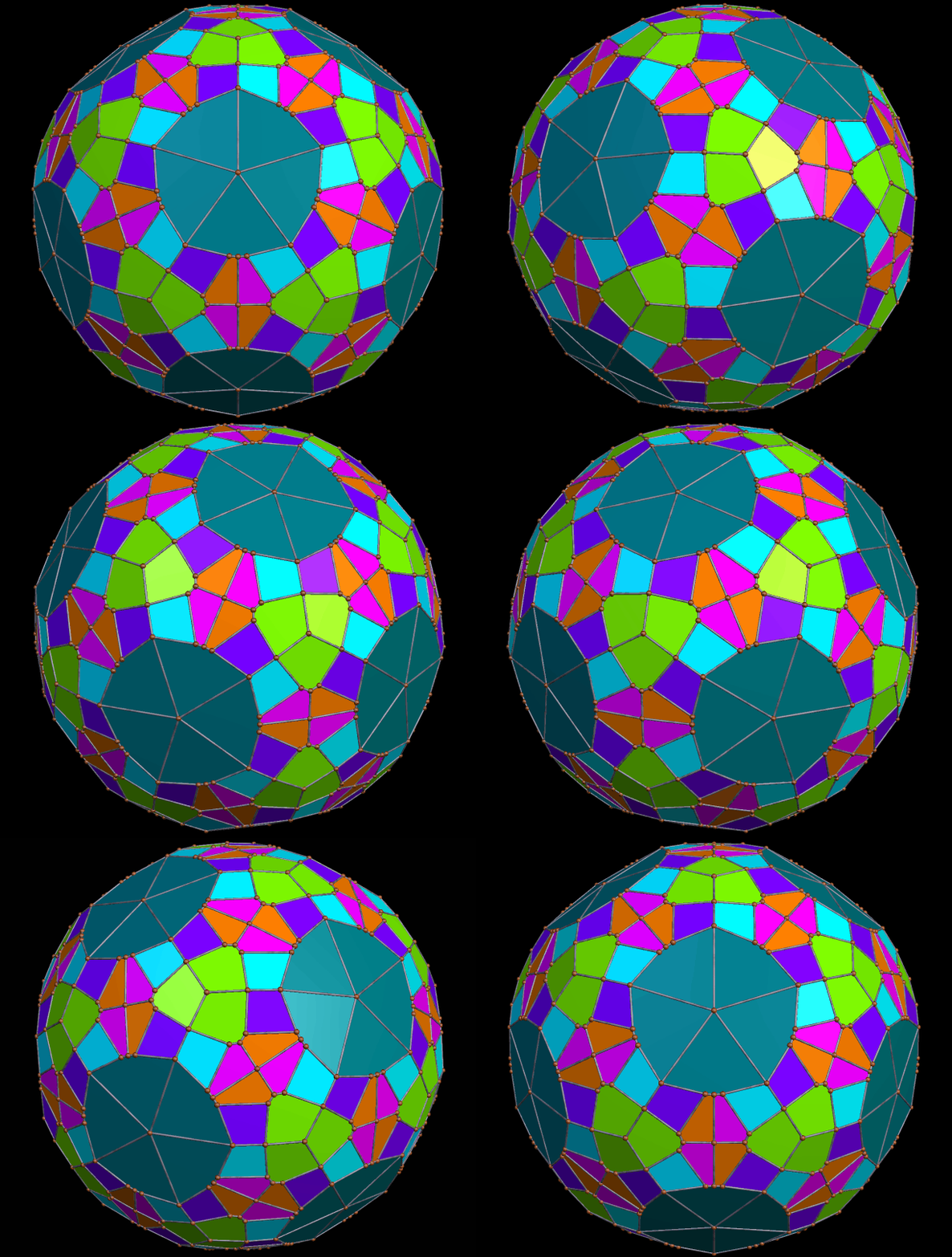
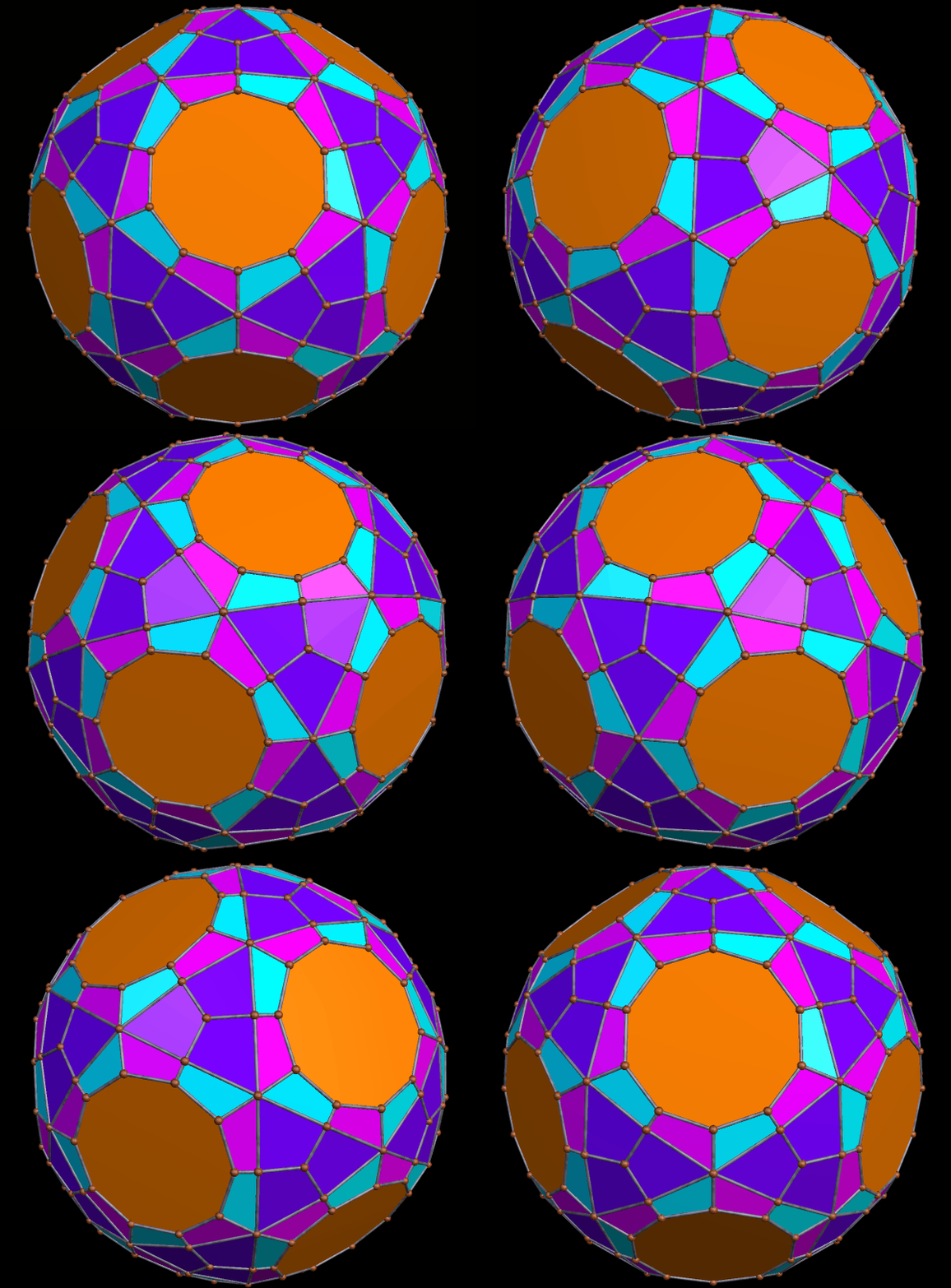
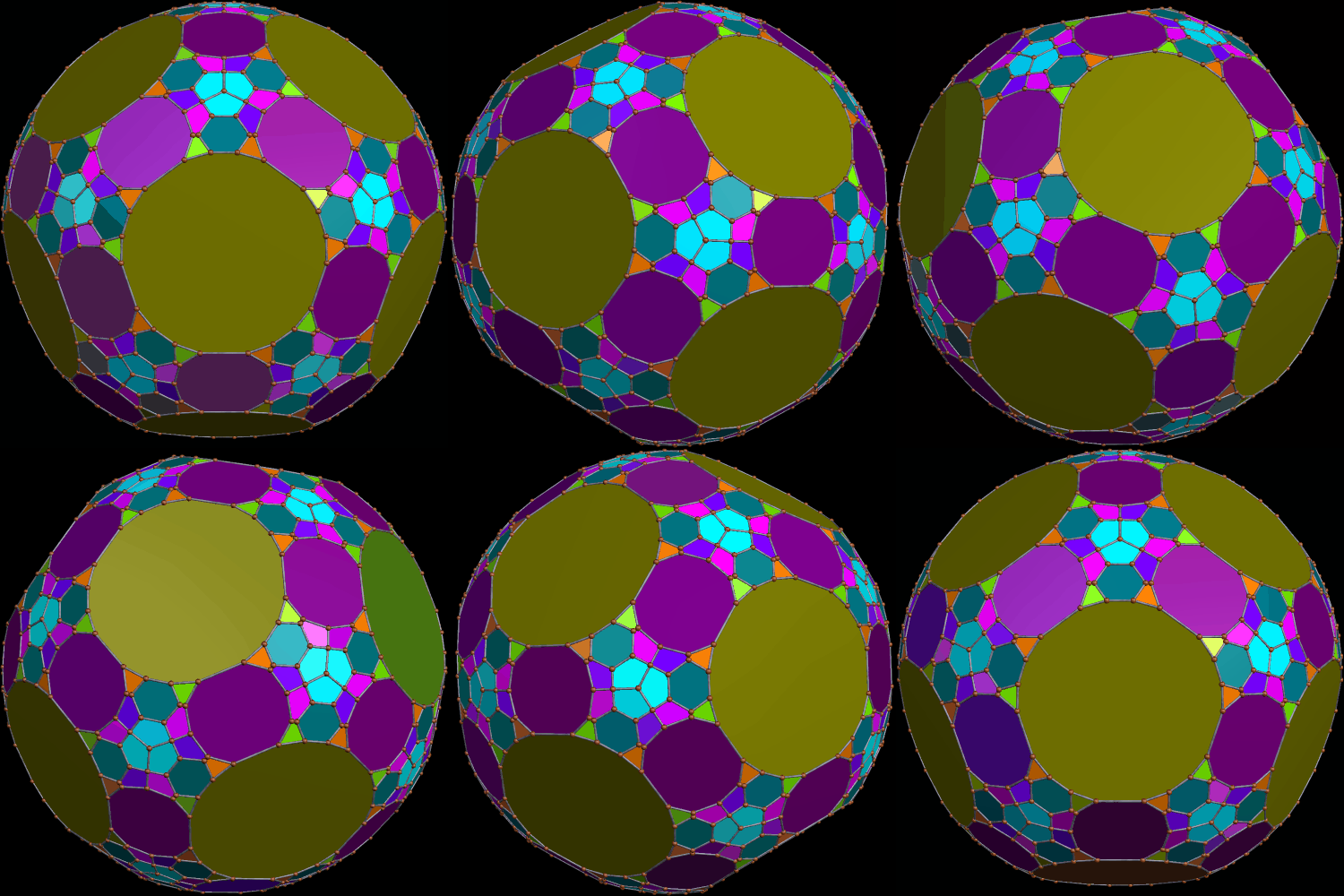
weird not goodUnnamed Dual UnnameIYd Dual Unnamed Dual x spring model het oy has tetraicosagons Dual of Convex adshgsdjl Dual of Convehgd x hull Dual hgdyg Convehgd x hull Dual hgdyg Cogddfnvehgd x hull creepy dual badly-truncated great rhombcuboctahedron -- fix it's dual badly-truncated great rhombcuboctahedron -- fix it! Augmented rhombcubocta 8 dodecagons and six octgons etc

I made these using Stella 4d, a computer program available at this website.

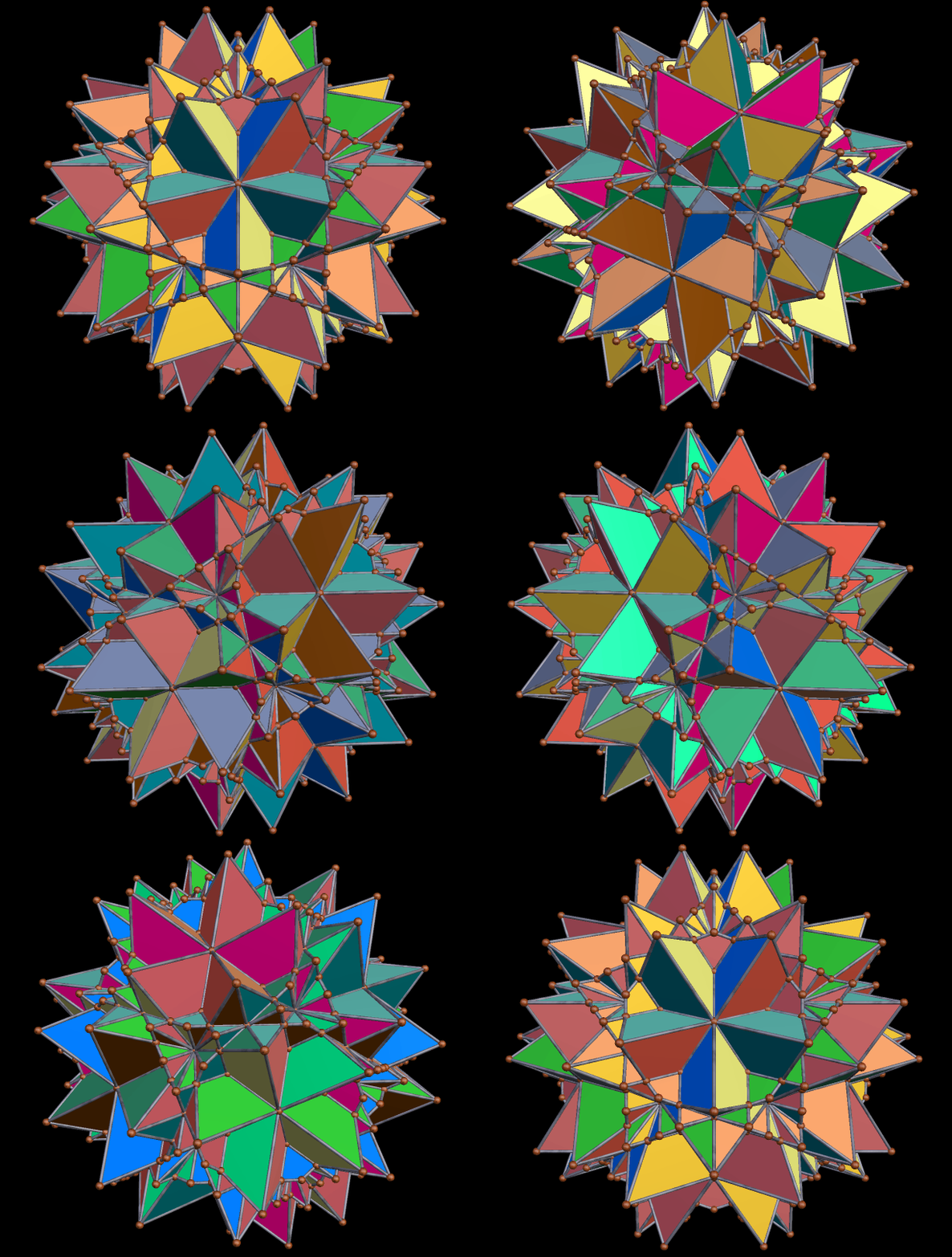
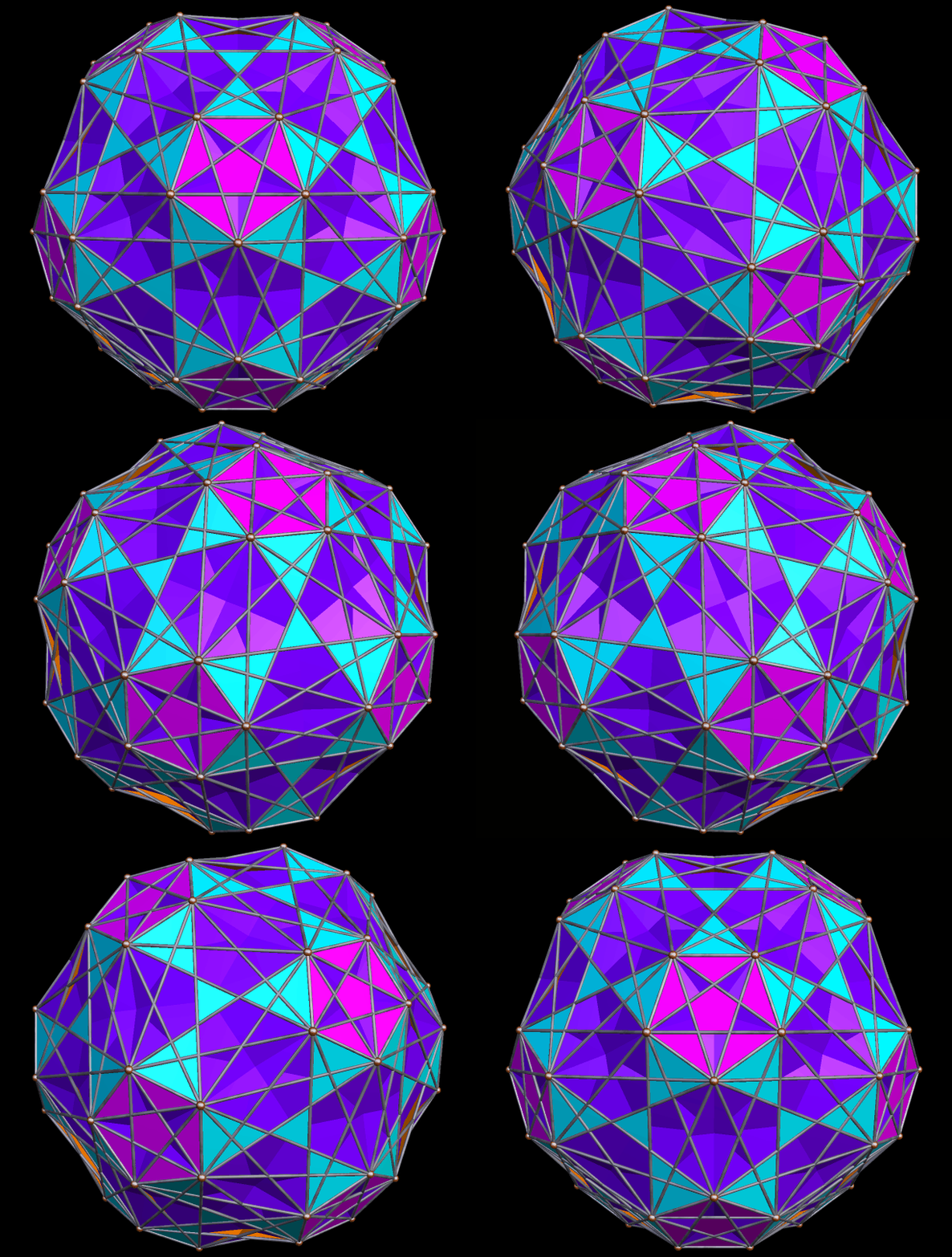
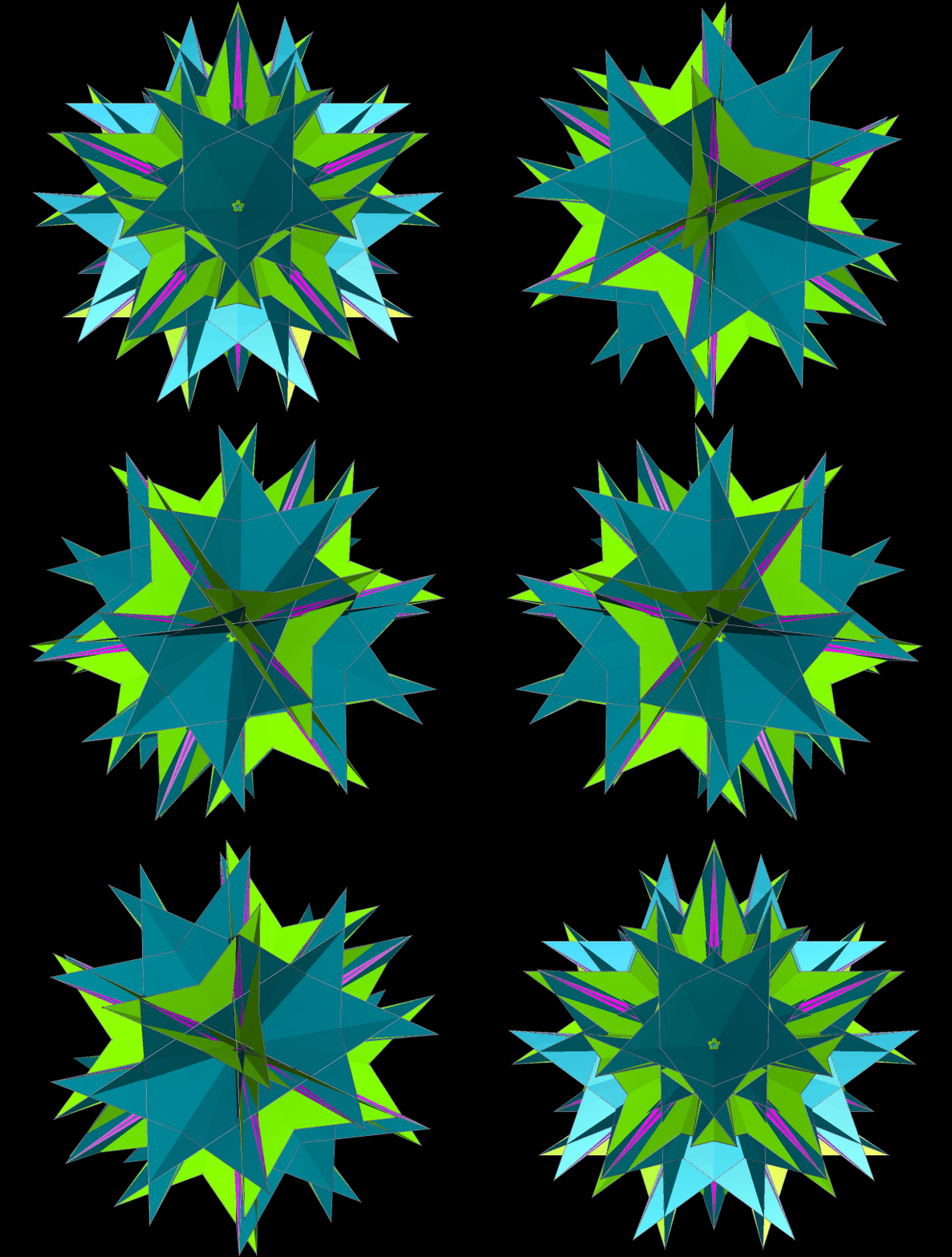
A Large Collection of Polyhedra with Icosidodecahedral Symmetry, Some of Them Chiral

A stellation of a faceted icosidodecahedron
Another nother2 stellation of a faceted icosidodecahedronAnother stellation of a faceted icosidodecahedronFaceted Stellated Triakibvjvsicosa
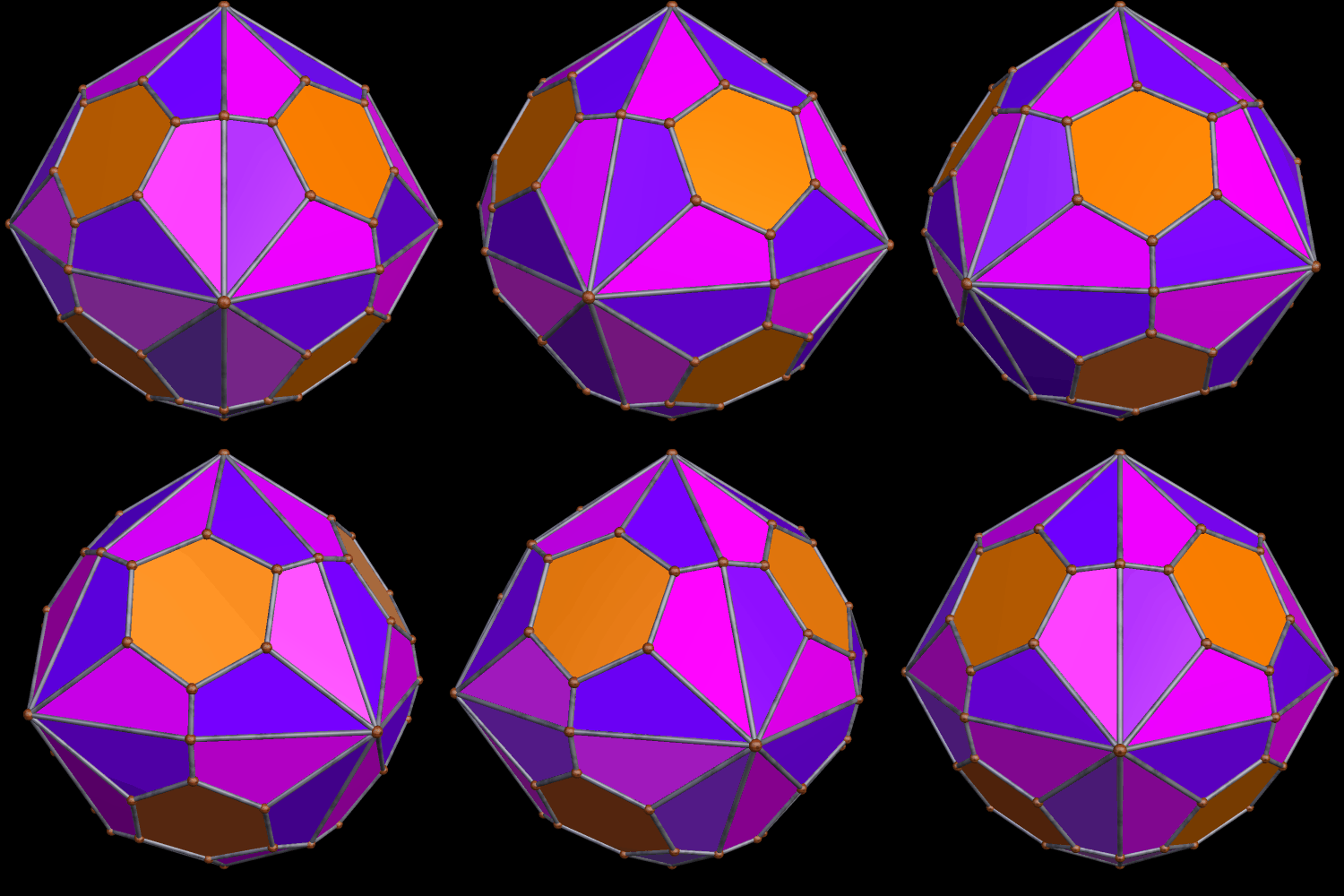
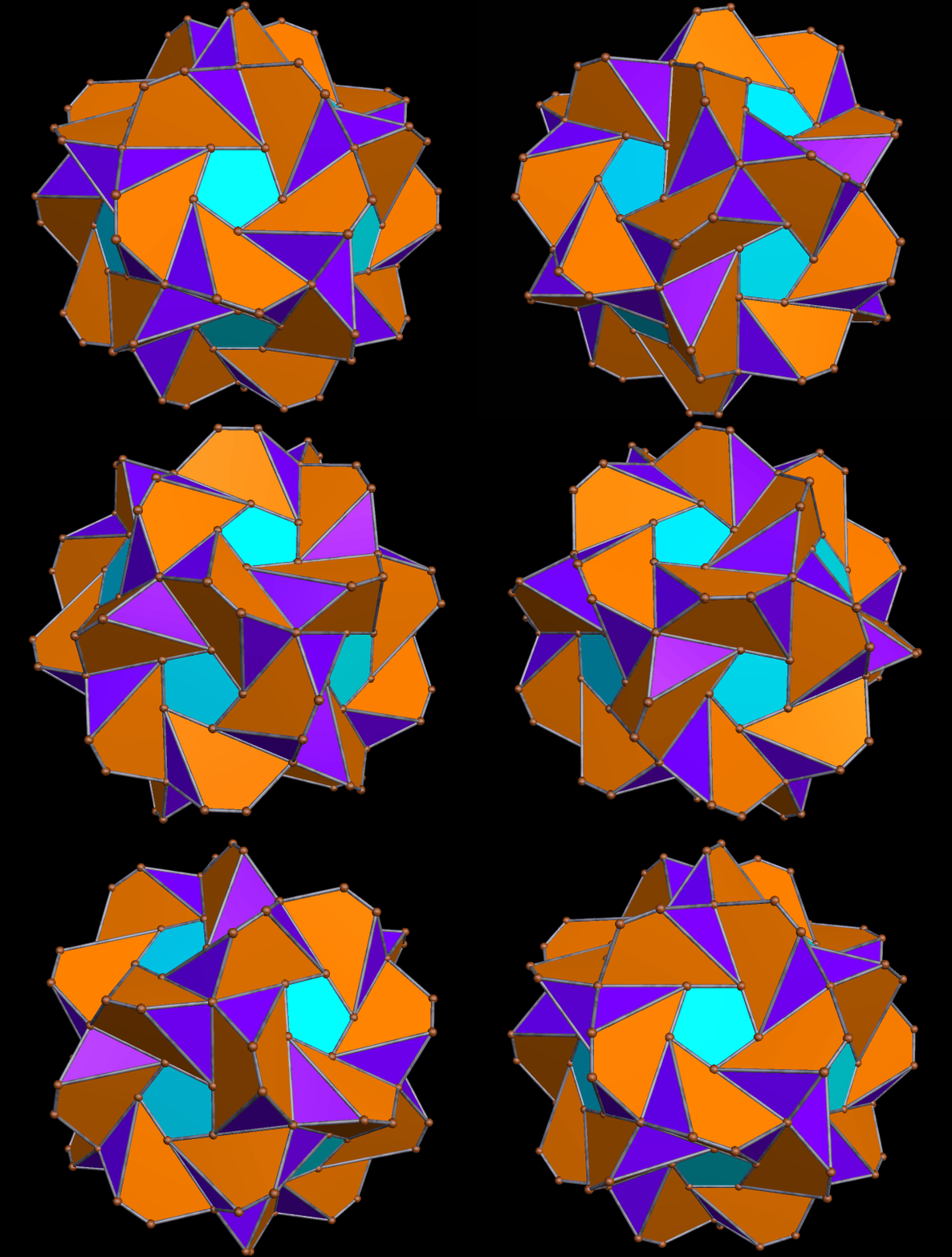
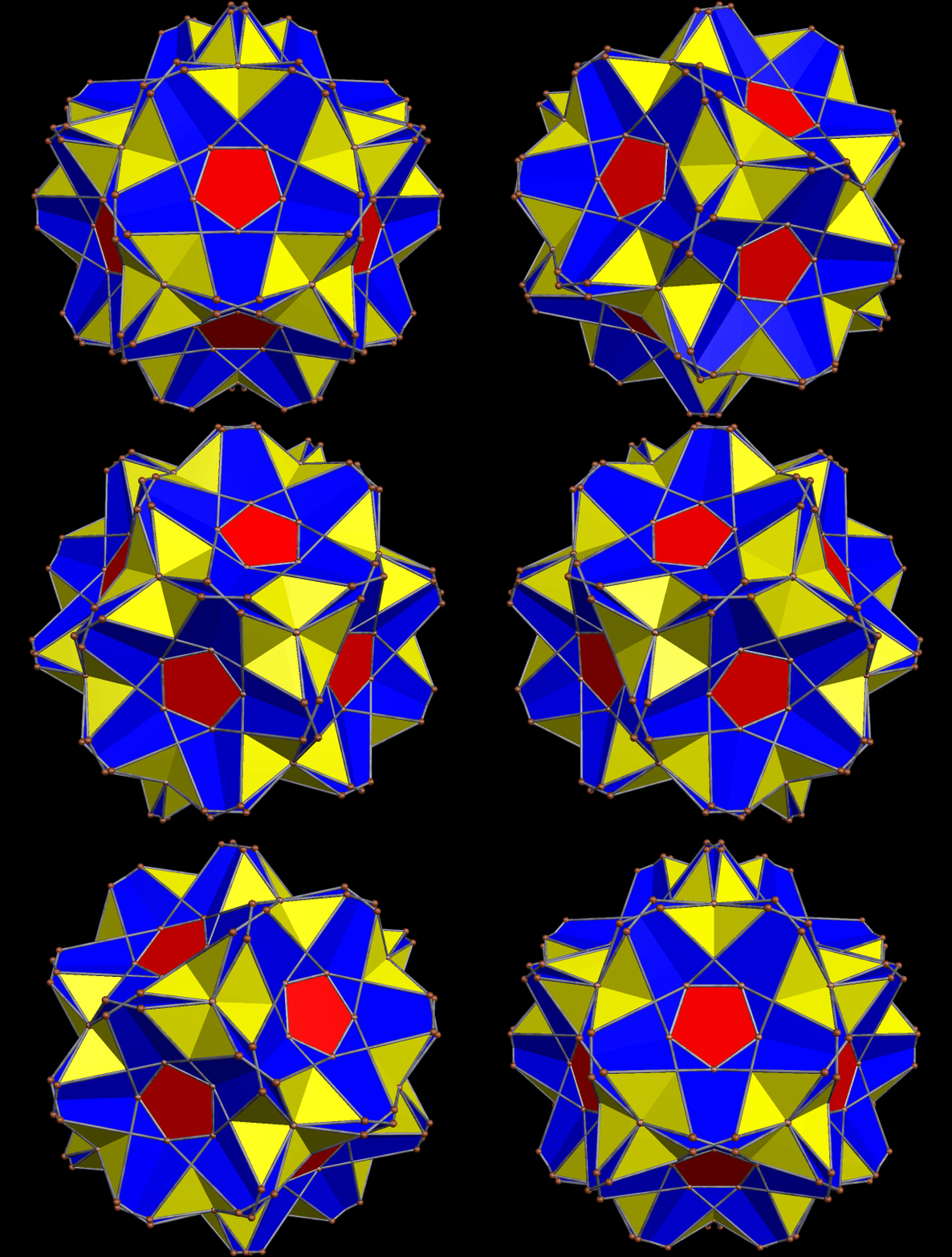
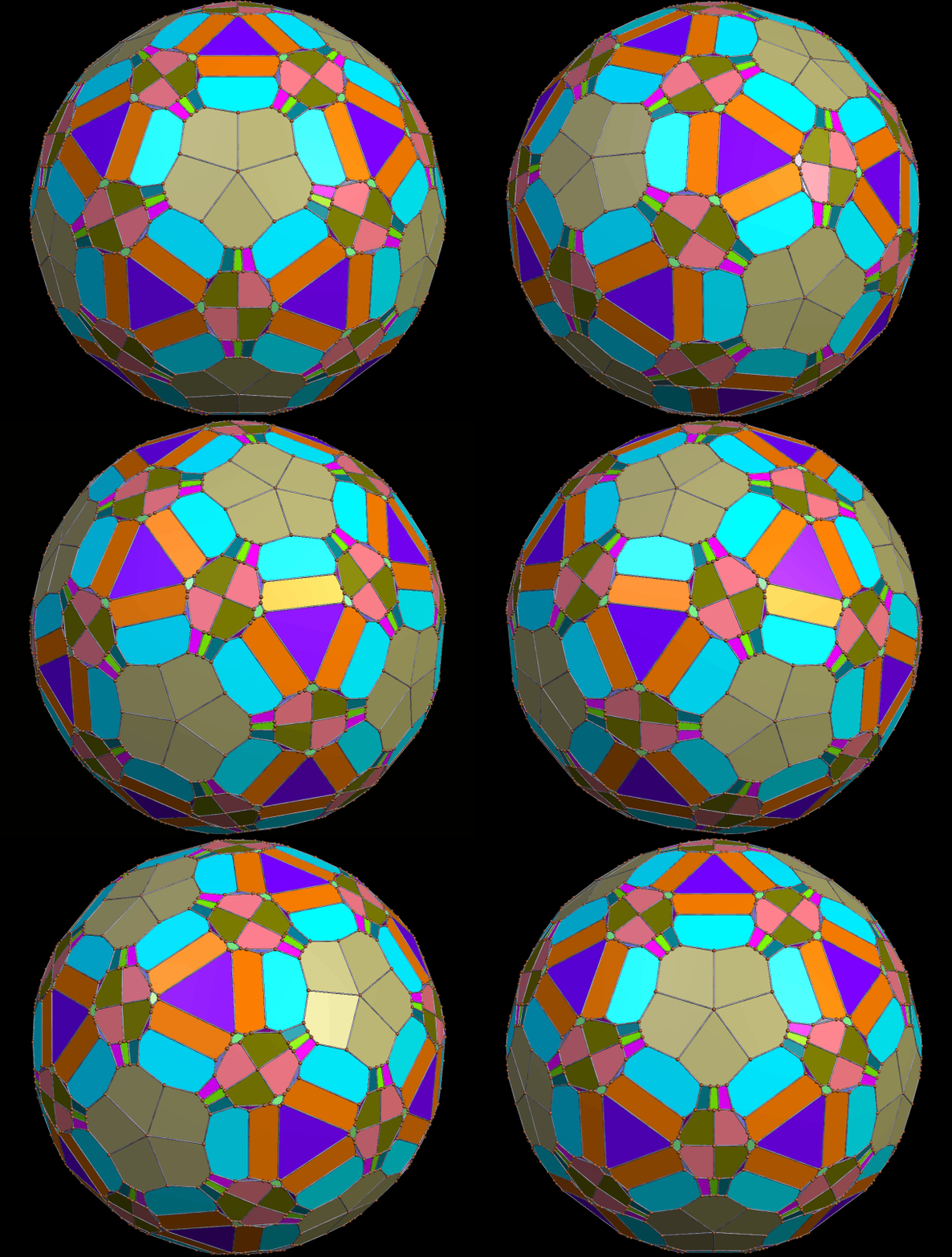
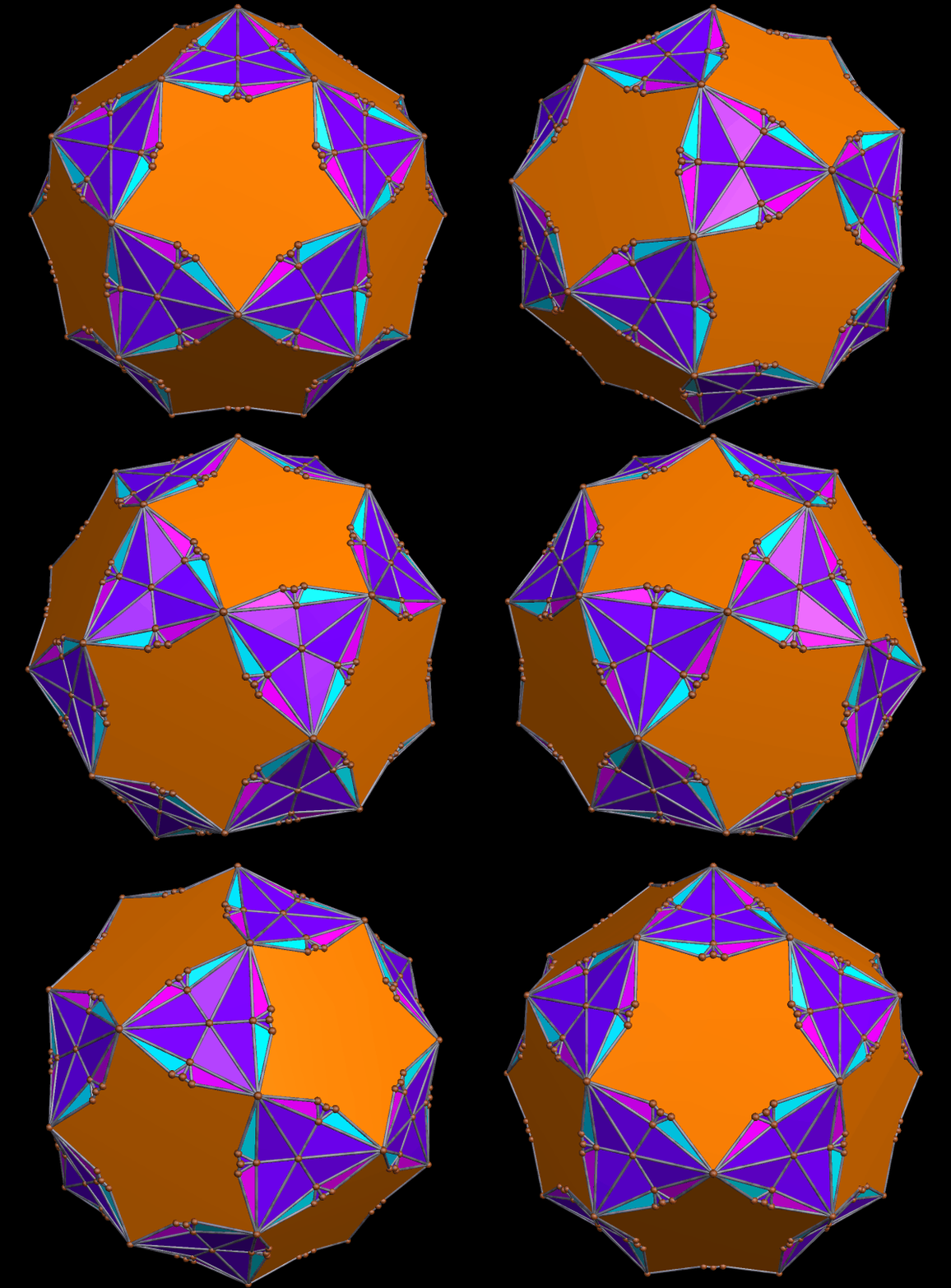
chiral 157th stellation of the icosidodecahedronAnother nother stellation of a faceted icosidodecahedronCompound of enantiomorphic pair of 157th stellations of IDnon-convex snub dodecahedron variantl12 irreg decagons 30 reg octagons 20 reg hexagons 60 isos trapezoids 122 totalll12 pentagon and 80 hexagons92 facesl302 faces including 12 pentadecagonsaug rid 1 of 2 Convex hullaug rid 2 of 2 Convex hullAugmented PHGolyAugmented PHGoly DUALCompound of enantiomorphic pairCompound of enantiomorphnb cnbic pairConsdhffgvex hullConvehxbvhvc hullConvejhfx hullConvenbvx hullConvex dfaljhullConvex hull of the base + dual model for the truncated dodecahedronConvex hullConvexbvhvc hullConvexsdjag hhgfullCoXCVNBnvex hulldual -- Faceted Compound of Compound of enantiomorphic pair and dualDual of Cohkhkjnvex hullDual of Cokhnvex hullDual of Cokjhihhkhkjnvex hullDual of Convex hullDual of Convexnvgxgc hullDual of CoXCVNBnvex hullDual ojhff Convex hullDual ojhjhff Convex hullFaceted Compound of enantiomorphic pairFaceted Convex hullFaceted DnvcualFaceted Dual
Faceted DualsgdhdFaceted DugffalFaceted DuhgdhggffalFaceted Great TriakisicosaFaceted RhombicosidodecgfshfsaFaceted Stellated Faceted DualFaceted Stellated Faceted DuhgdhgalFaceted Stellated Faceted Stellated Poly

I made these using Stella 4d, available here.
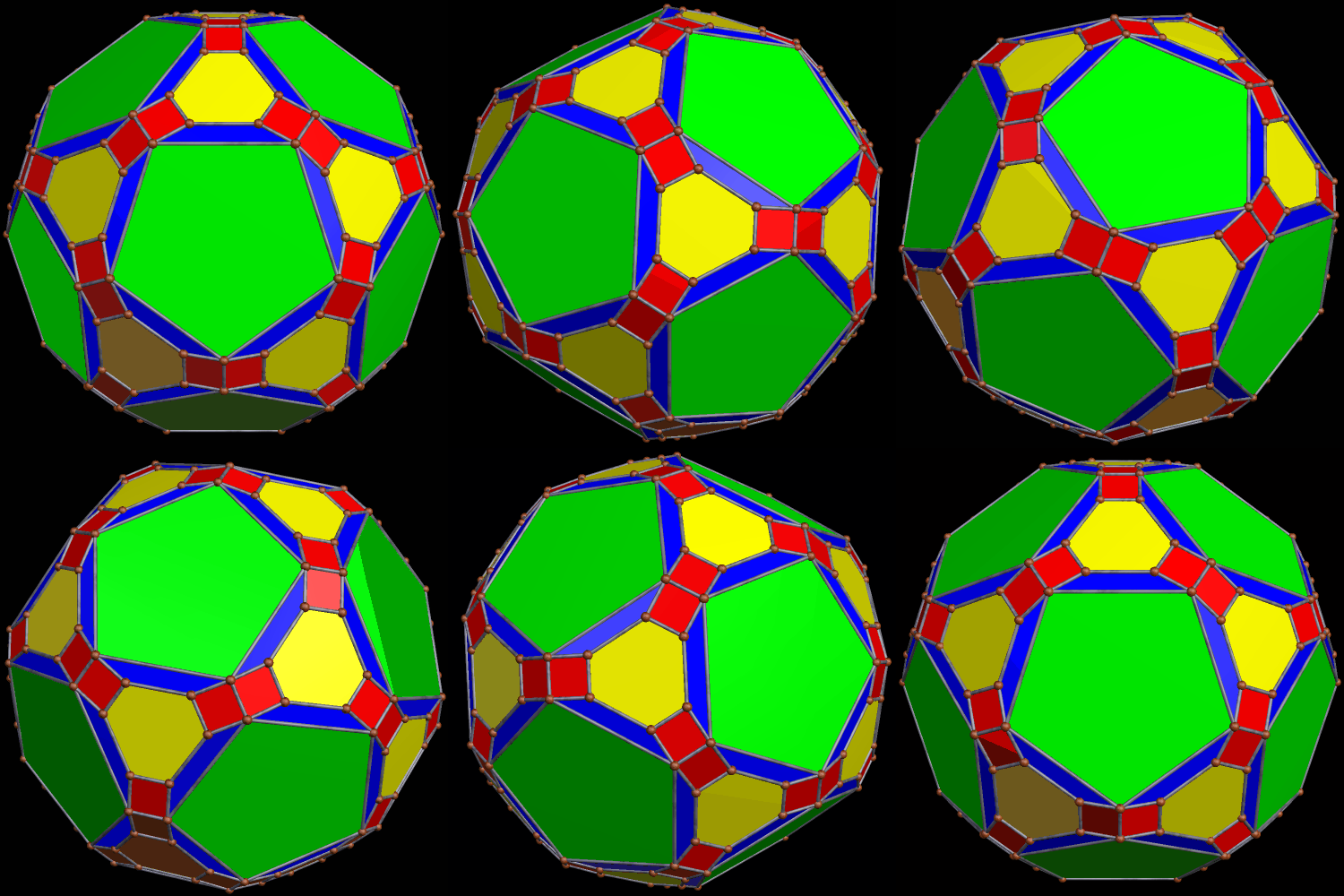
A Dodecahedron with Four Symetrically-Truncated Vertices

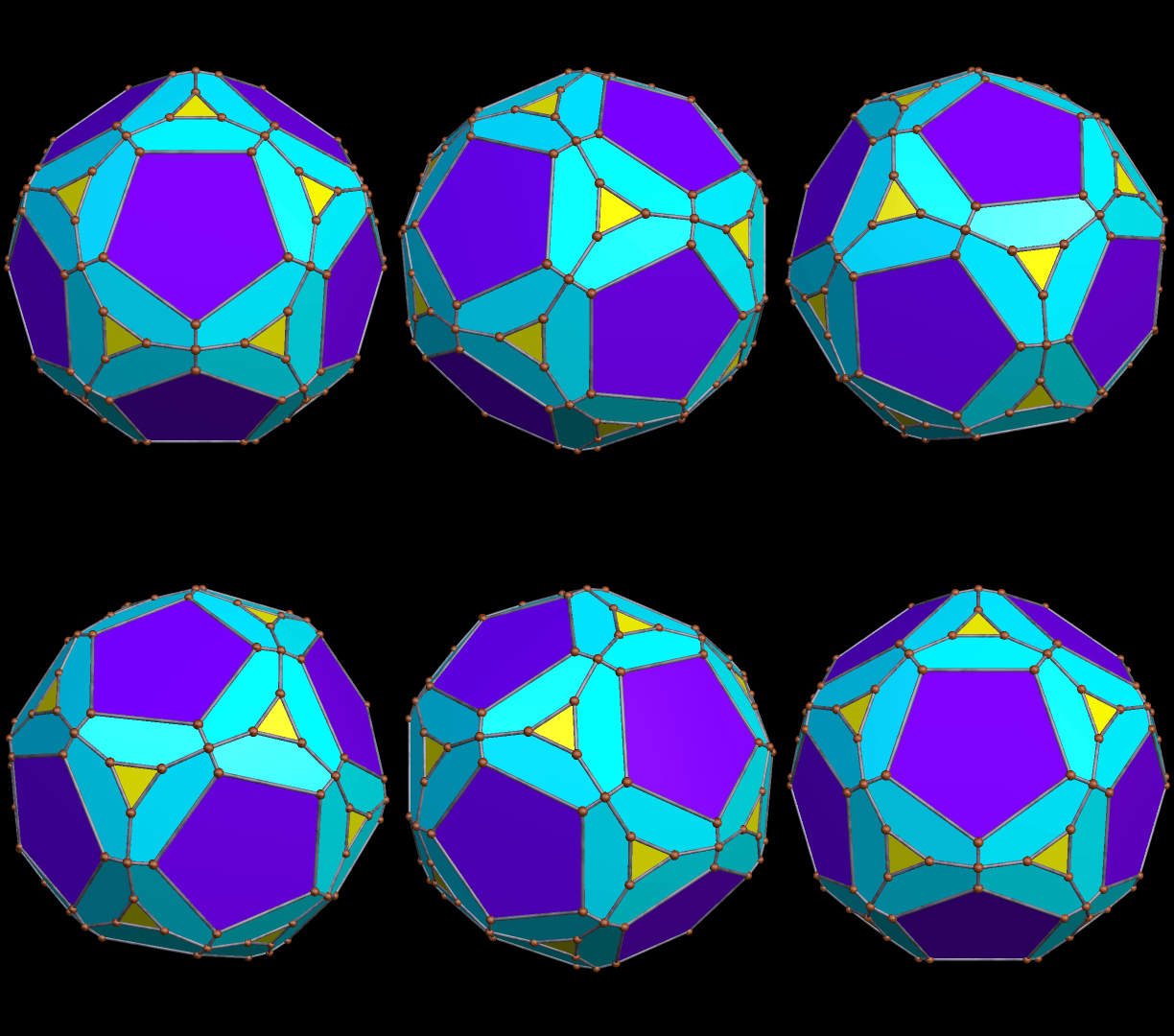
dodeca with 4 verts truncated tet symm

Dodecahedra have icosahedral (also called icosidodecahedral) symmetry. In the figure above, this symmetry is changed to tetrahedral, by truncation of four vertices with positions corresponding to the vertices (or, instead, faces) of a tetrahedron. The interchangeability of vertices and faces for the tetrahedron is related to the fact that the tetrahedron is self-dual.

[Image created using Stella 4d, available here.]

Symmetrically Shattering Glass

Symetrically shattering glass

Created with Stella 4d, available here.

Non-Convex and Cuboctahedral

nc and coCreated with Stella 4d, available here.
Combining Octahedral and Icosahedral Symmetry to Form Pyritohedral Symmetry

Compound of Octa and Icosa

Pyritohedral symmetry, seen by example both above and below, is most often described at the symmetry of a volleyball:

volleyball-306791_640

[Image of volleyball found here.]

To make the rotating polyhedral compound at the top, from an octahedron and an icosahedron, I simply combined these two polyhedra, using Stella 4d, which may be purchased (or tried for free) here.

In the process, I demonstrated that it is possible to combine a figure with octahedral (sometimes called cuboctahedral) symmetry, with a figure with icosahedral (sometimes called icosidodecahedral) symmetry, to produce a figure with pyritohedral symmetry.

Now I can continue with the rest of my day. No matter what happens, I’ll at least know I accomplished something.

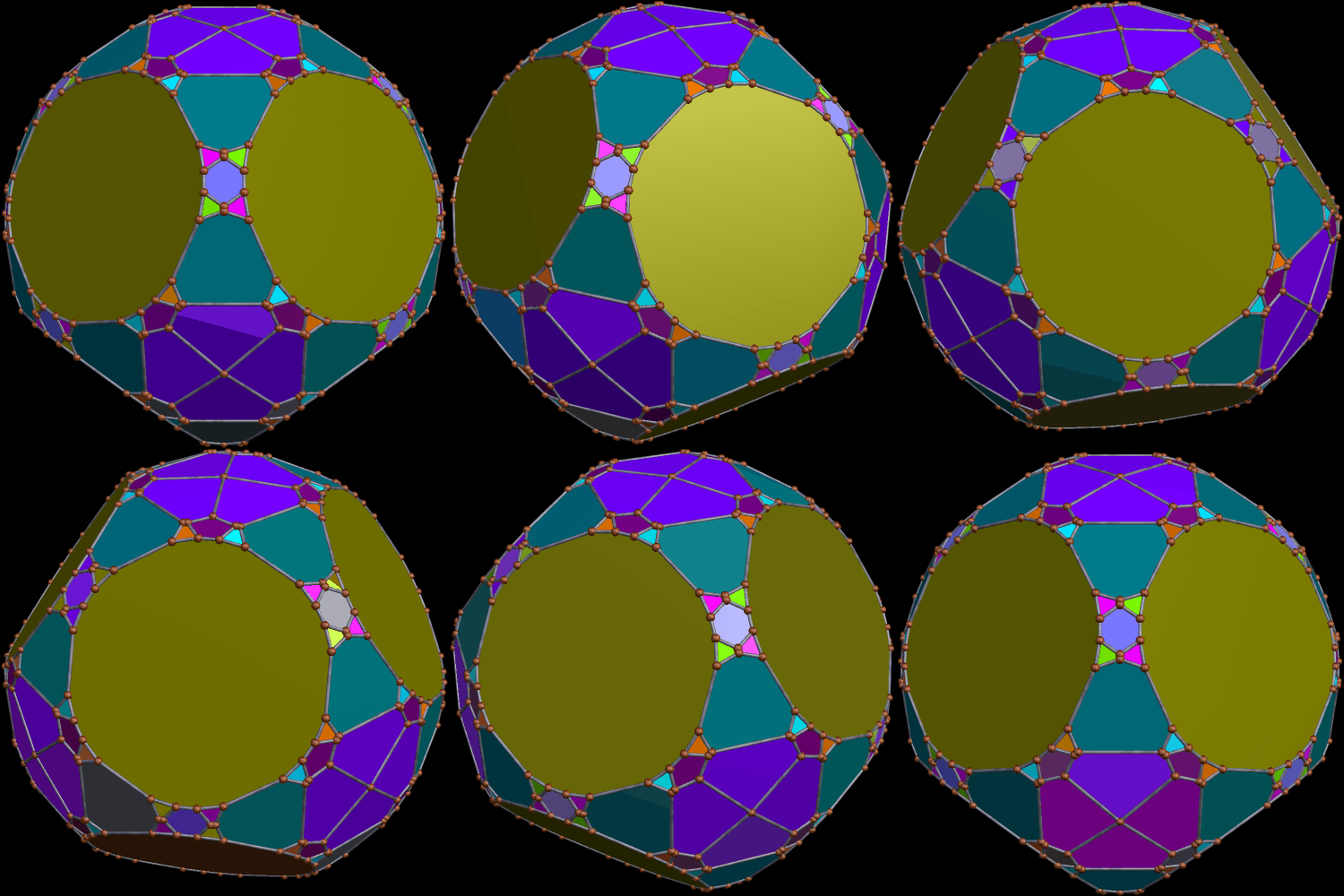
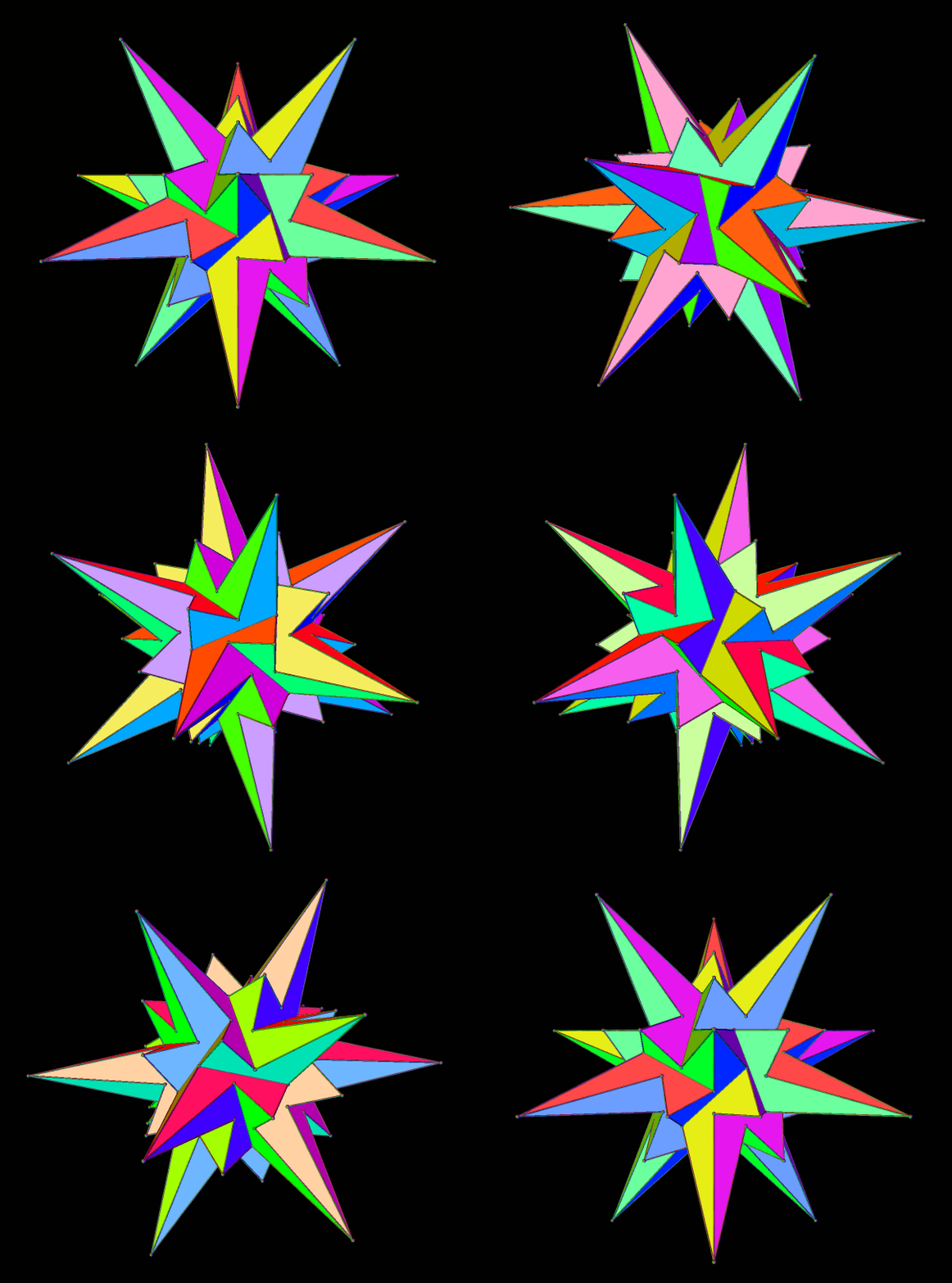
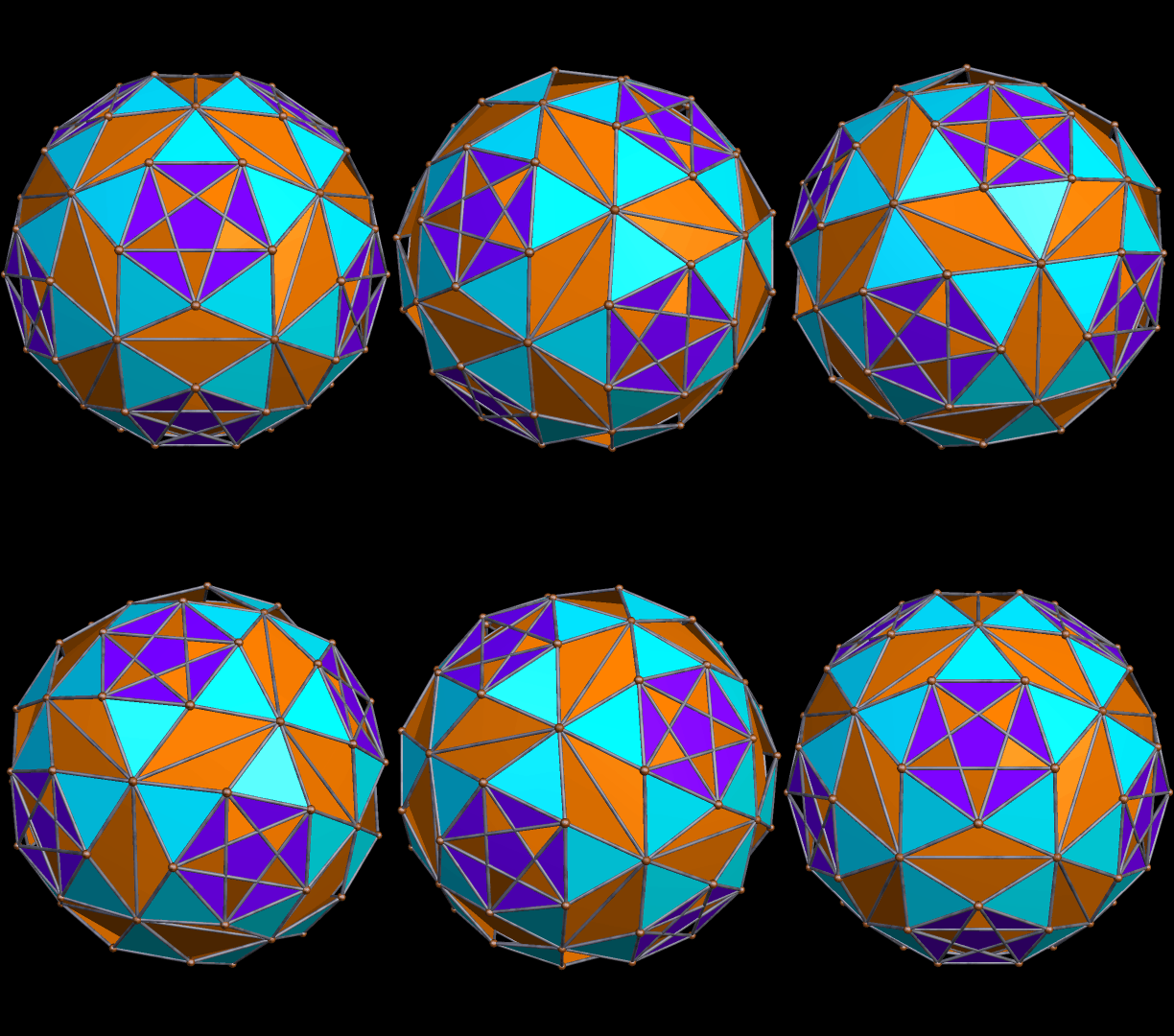
A Non-Convex Polyhedron with Cuboctahedral Symmetry

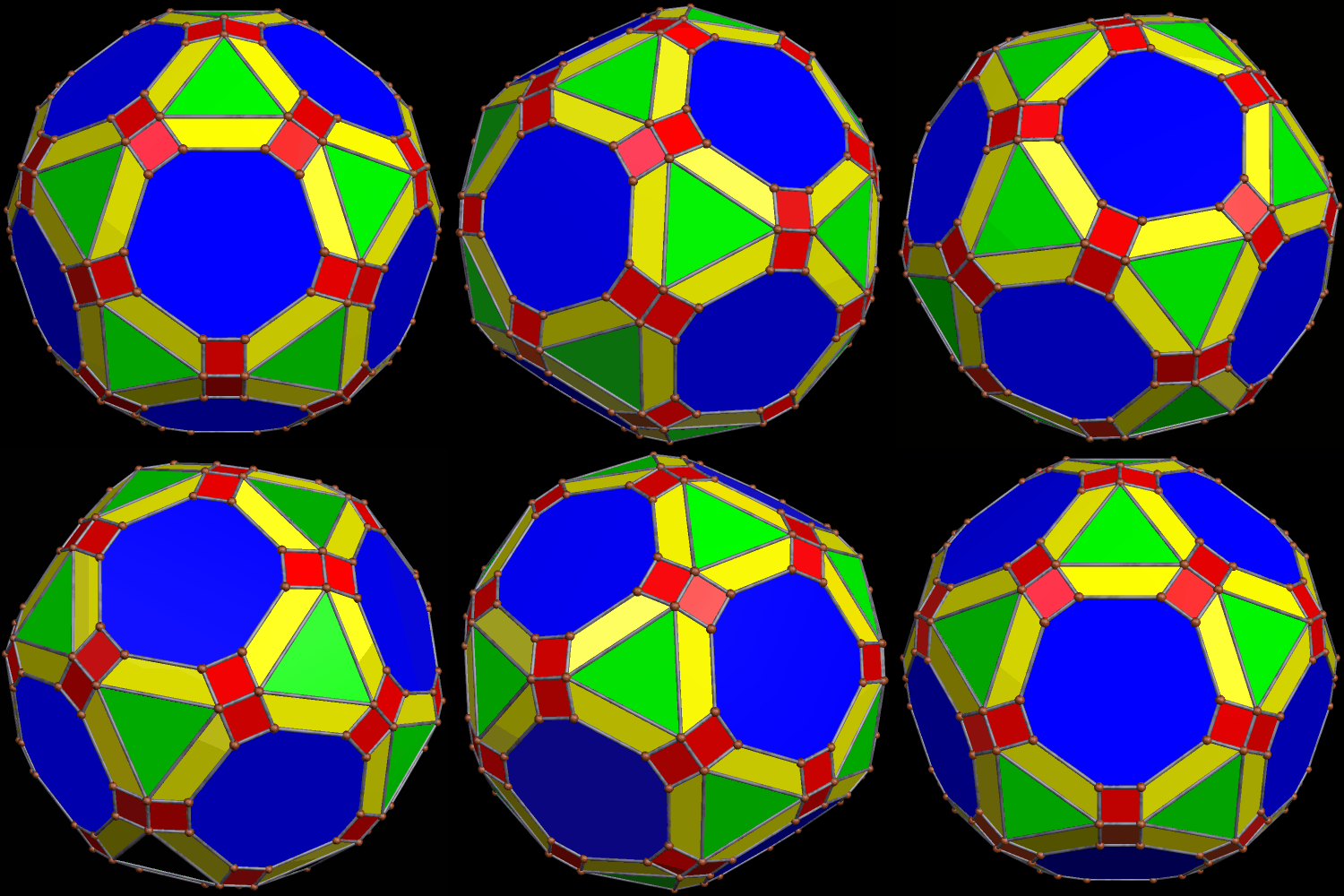
co symm and nc

I used Stella 4d to make the polyhedron above, and you can try this software for yourself here.