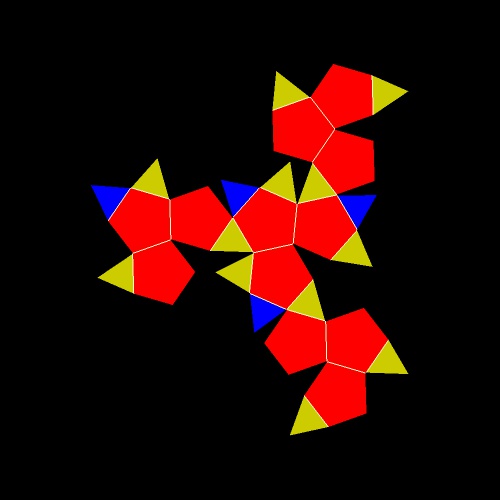
The tetrated dodecahedron is a near-miss Johnson solid. It was first discovered in 2002 by Alex Doskey. I then independently rediscovered it in 2003, and named it, not learning of Doskey’s original discovery for several years after that.
It has 28 faces: twelve regular pentagons, arranged in four panels of three pentagons each; four equilateral triangles (shown in blue); and six pairs of isosceles triangles (shown in yellow). All edges of the tetrated dodecahedron have the same length, except for the shared bases of these isosceles triangles, which are approximately 1.07 times as long as the other edges. This polyhedron has tetrahedral symmetry.
(All images here were produced using Stella 4d, which you may try for free, after downloading the trial version from this website: www.software3d.com/Stella.php.)
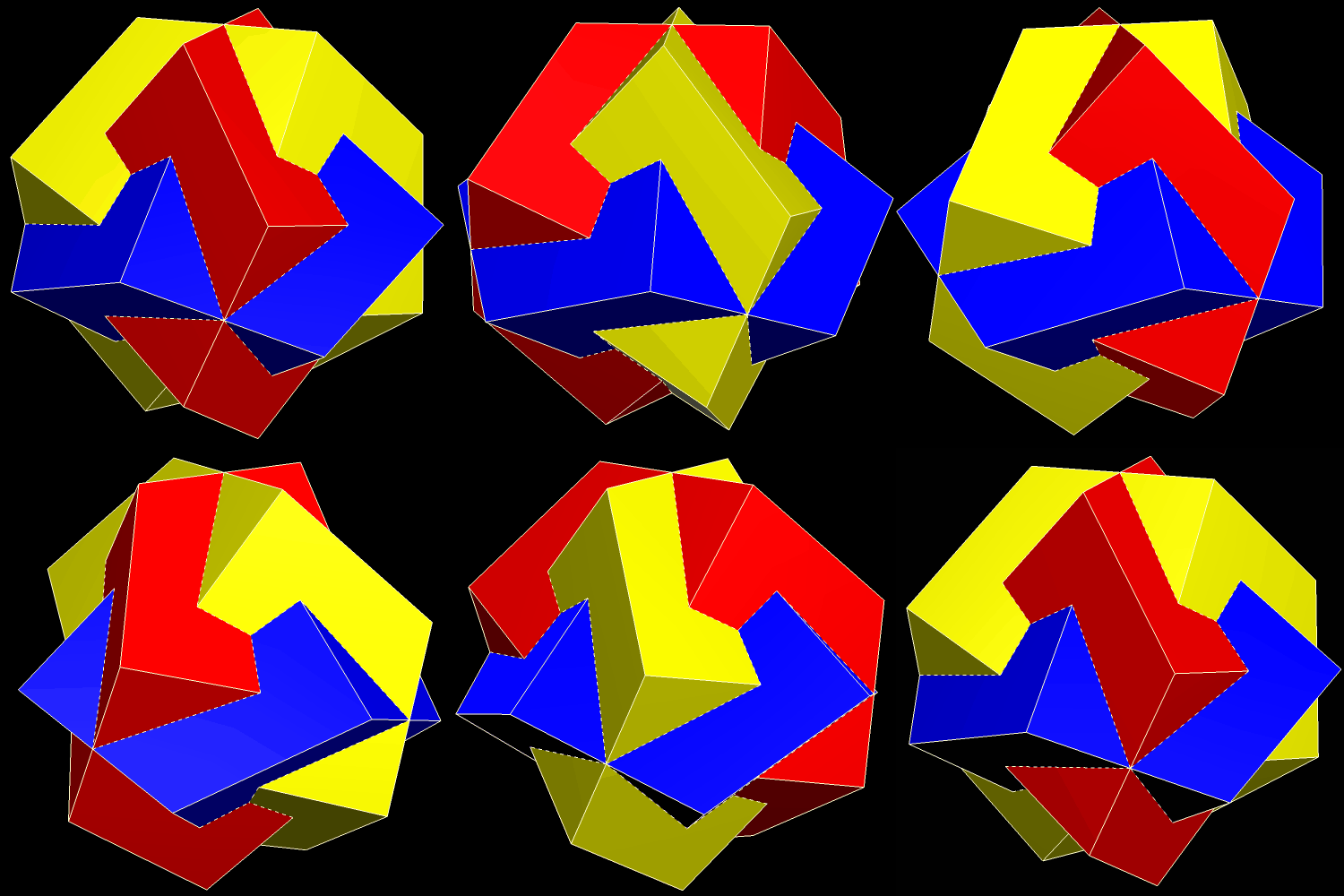
One always hopes the ring closes, but sometimes it doesn’t. Perhaps if the rhombic enneacontahedra were oriented differently? I may have to examine this further.
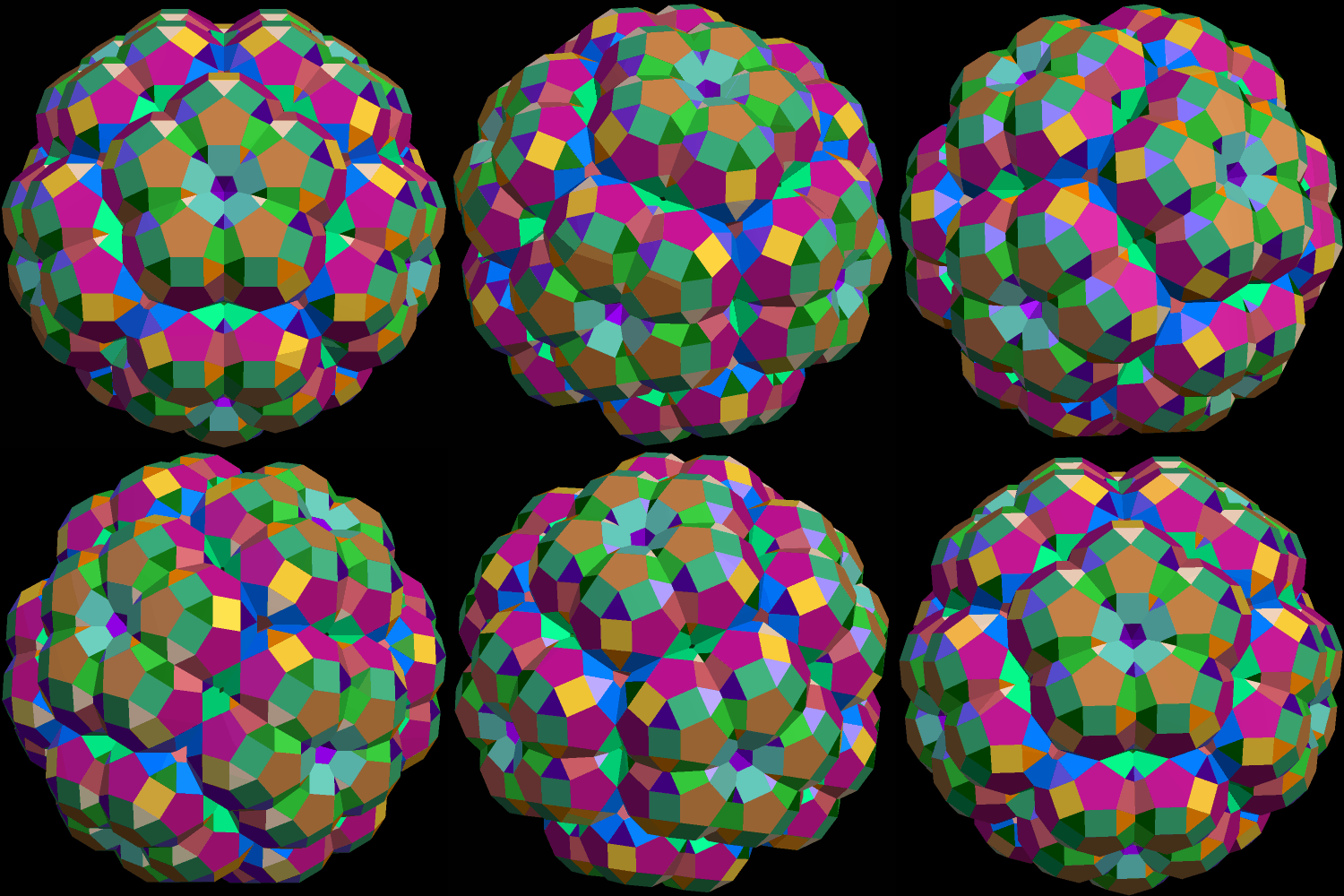
It’s made of rhombicosidodecahedra, and has the overall shape of a rhombicosidodecahedron as well. To make it, I started with the polyhedron in the last post, and then augmented each green pentagonal face with a rhombicosidodecahedron. I used software available here: http://www.software3d.com/stella.php.
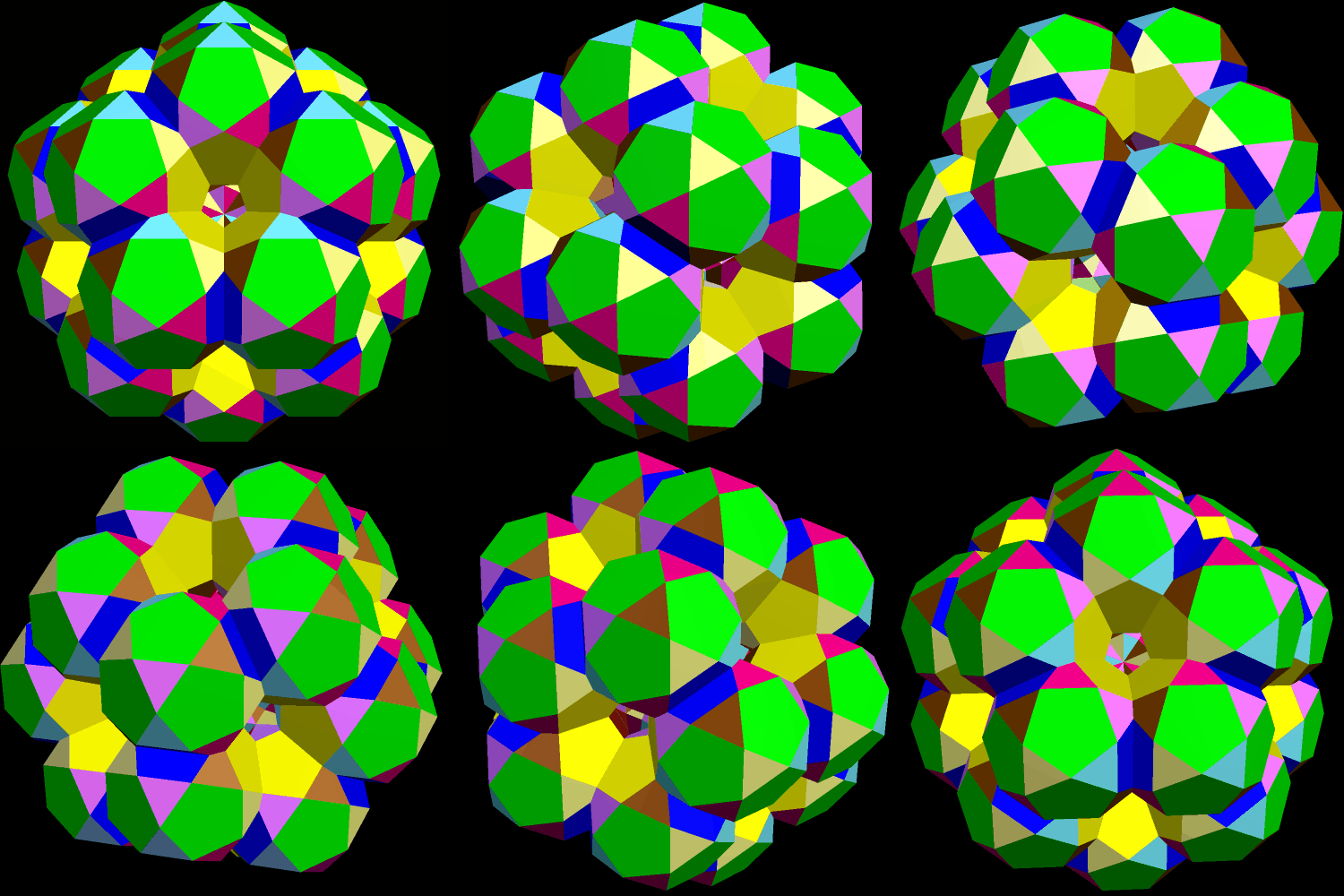
To obtain this polyhedron, I took the one from the last post, and then augmented the twenty outermost triangles with icosidodecahedra. The fact that this new cluster has the overall shape of a dodecahedron caught be by surprise.





 RobertLovesPi.net