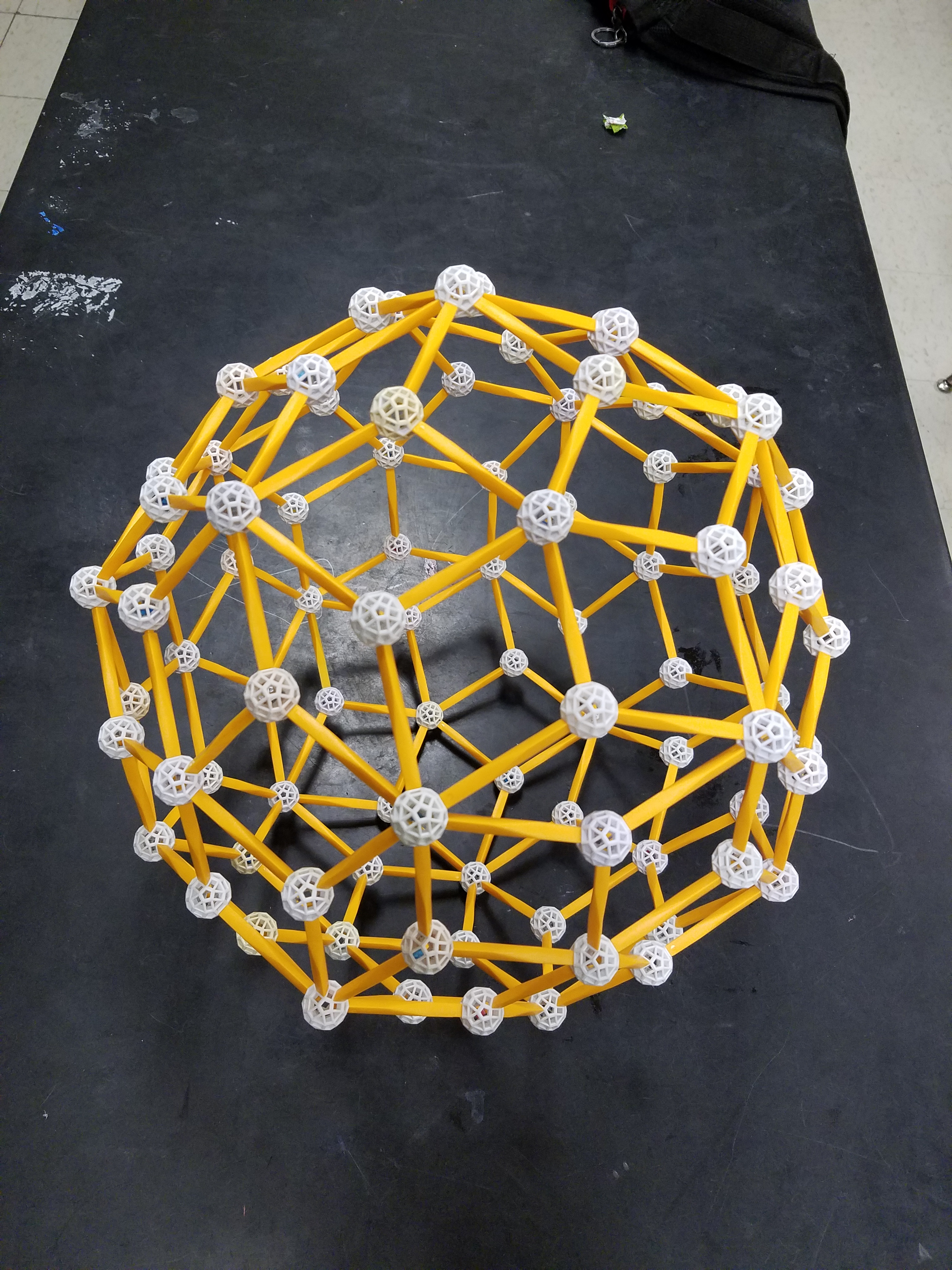
Zome is a ball-and-stick modeling system which can be used to make millions of different polyhedra. If you’d like to get some Zome for yourself, just visit http://www.zometool.com.

Zome is a ball-and-stick modeling system which can be used to make millions of different polyhedra. If you’d like to get some Zome for yourself, just visit http://www.zometool.com.
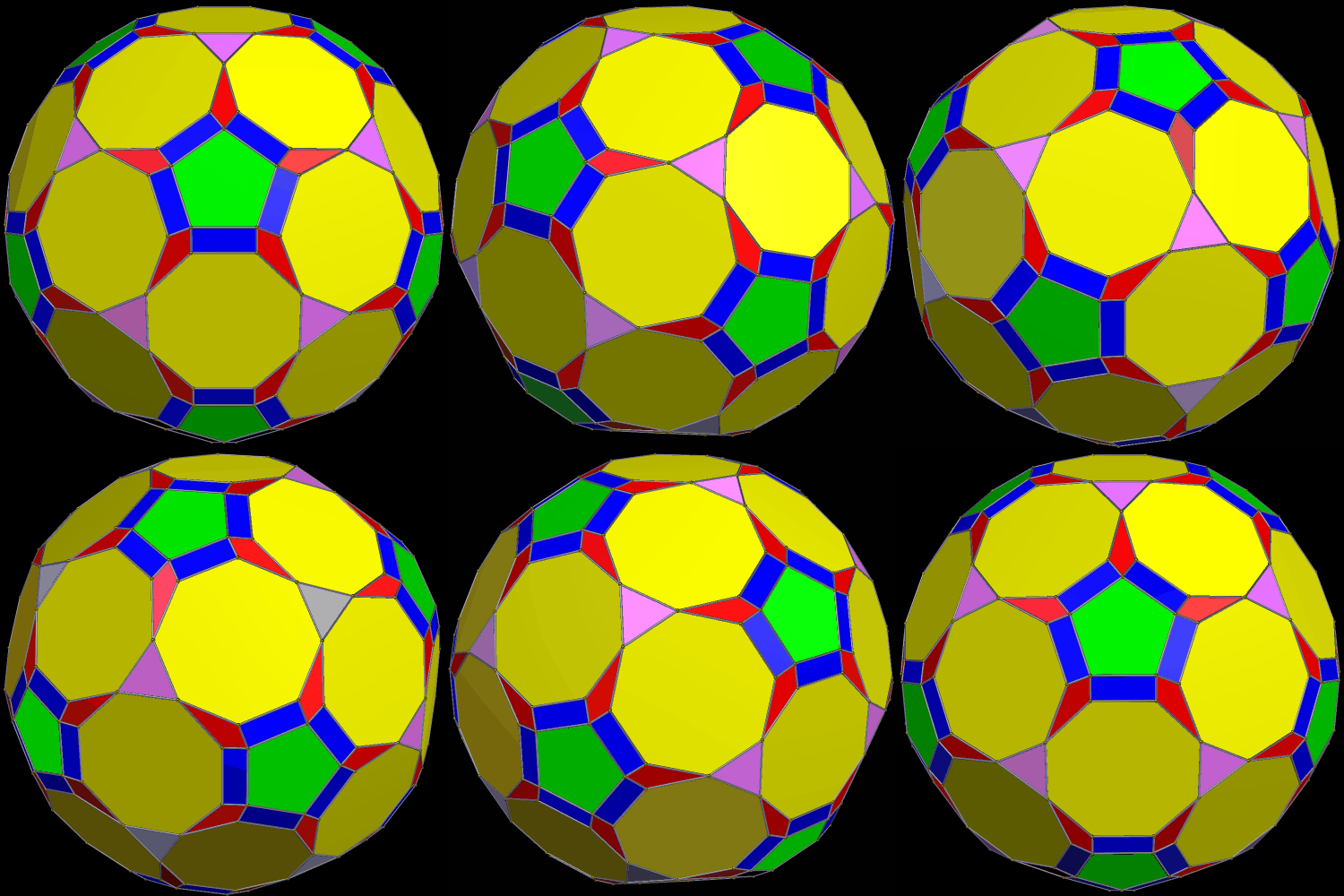
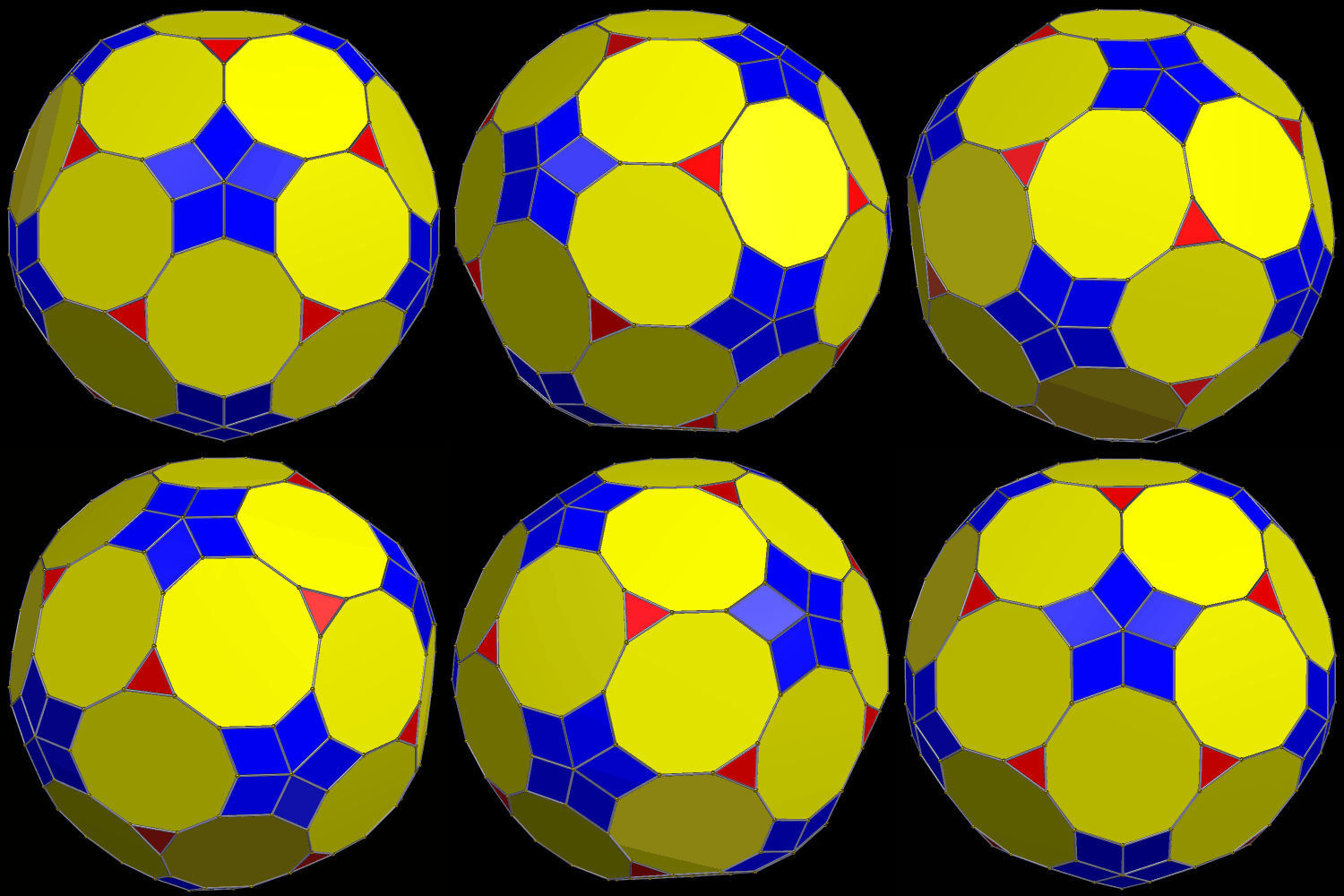
The only irregular faces in this polyhedron are the quadrilaterals (kites and rectangles). I made it using Stella 4d, which you can try for yourself — for free — at http://www.software3d.com/Stella.php.
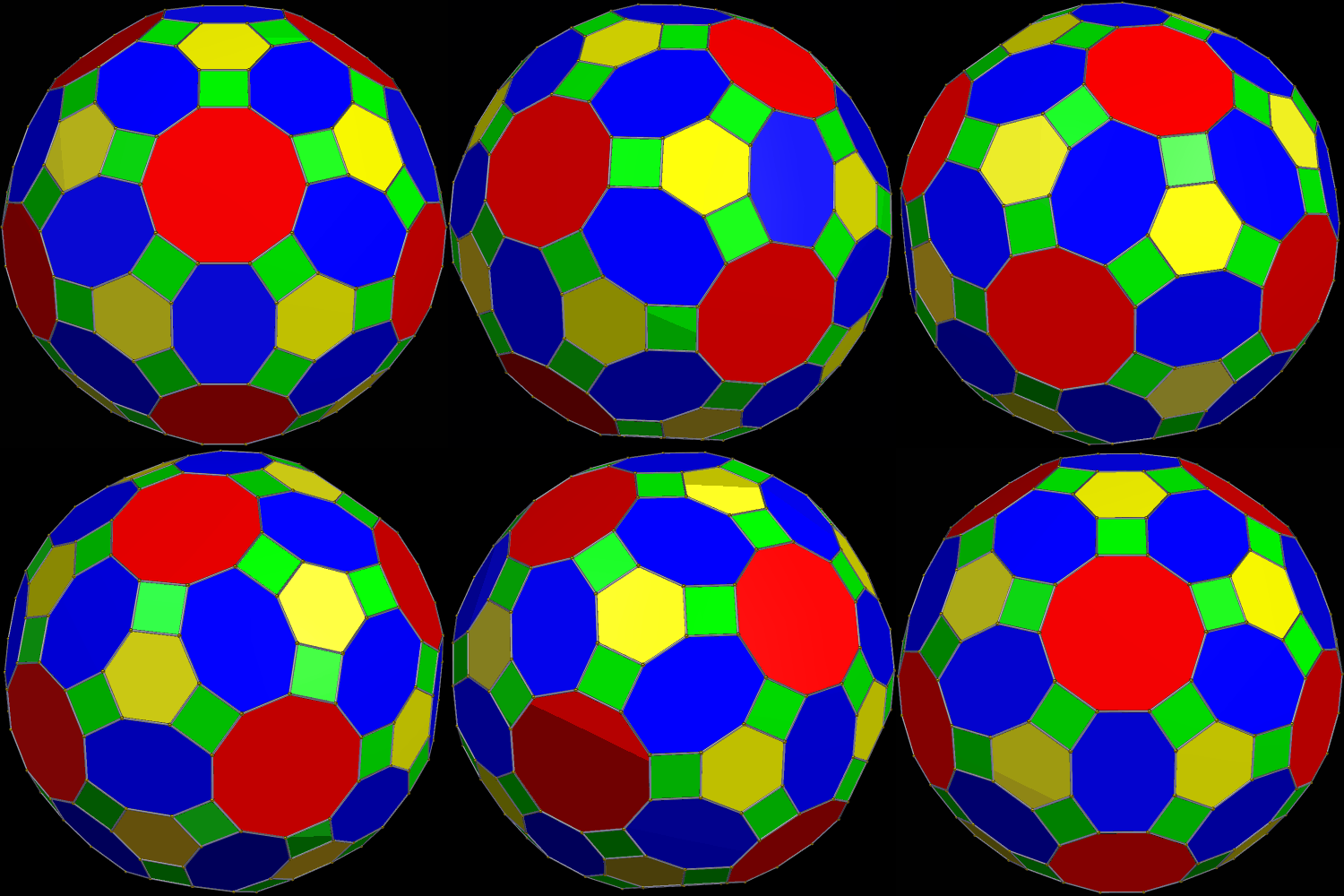
This zonohedron is based on the icosidodecahedron / rhombic triacontahedron compound — more specifically, on its edges. Twelve faces are regular decagons, twenty are regular hexagons, sixty are squares, and the only irregular faces are the thirty equilateral octagons. That’s 122 faces in all.


After I’d posted this, a helpful friend on Facebook told me the official name of the first polyhedron shown here — a pentalofted chamfered dodecahedron.
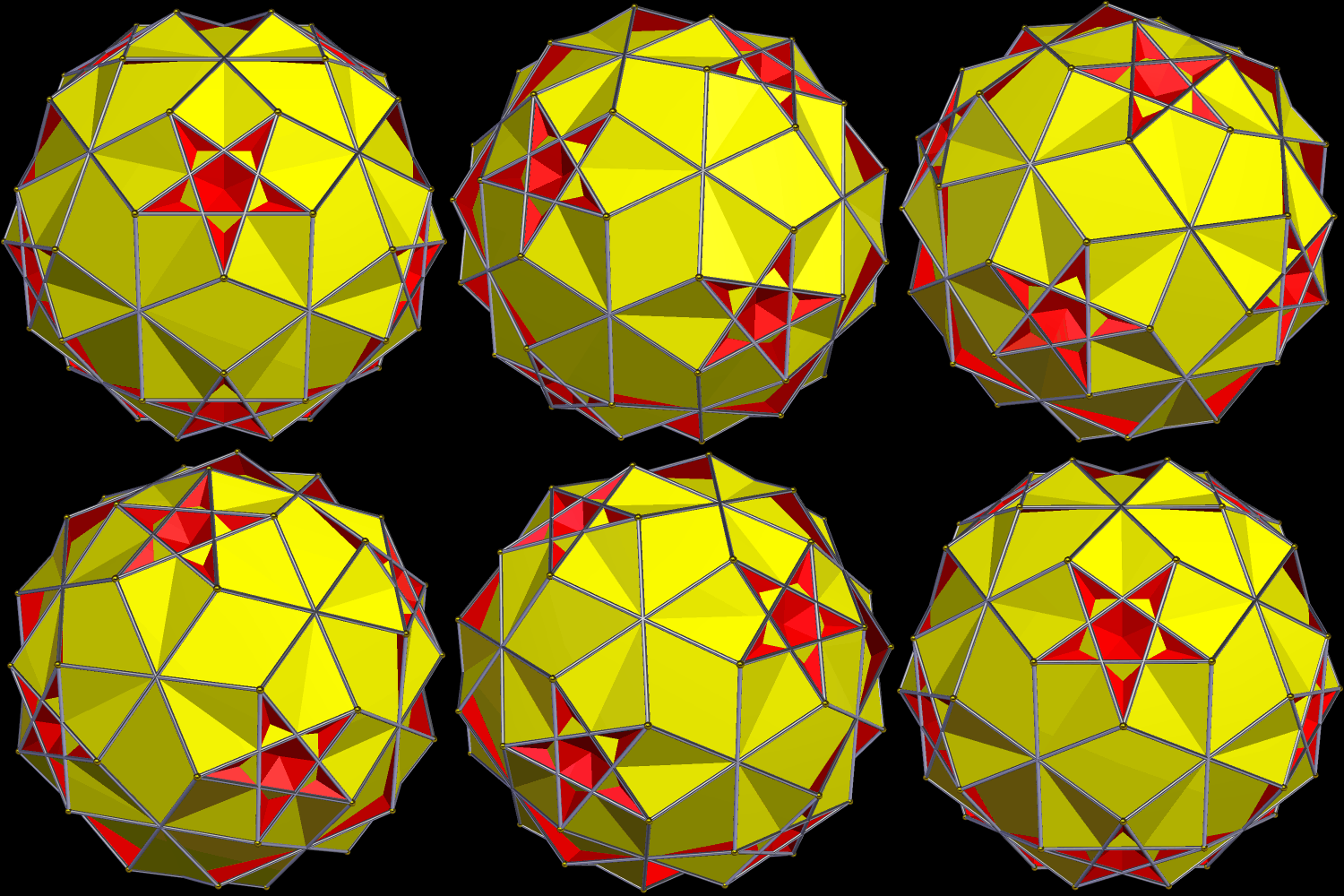


These images were created using Stella 4d, which you can try for free at http://www.software3d.com/Stella.php.
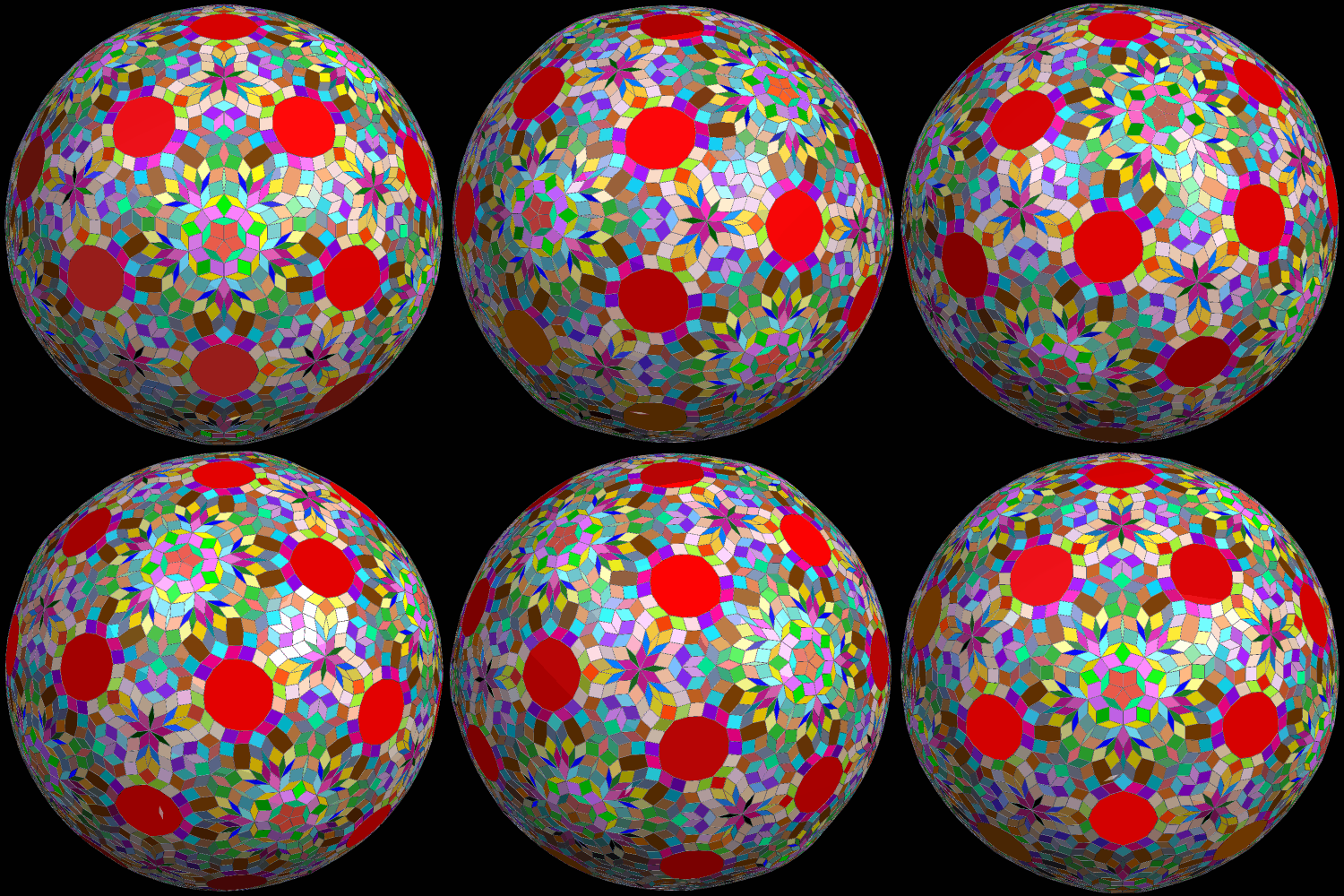
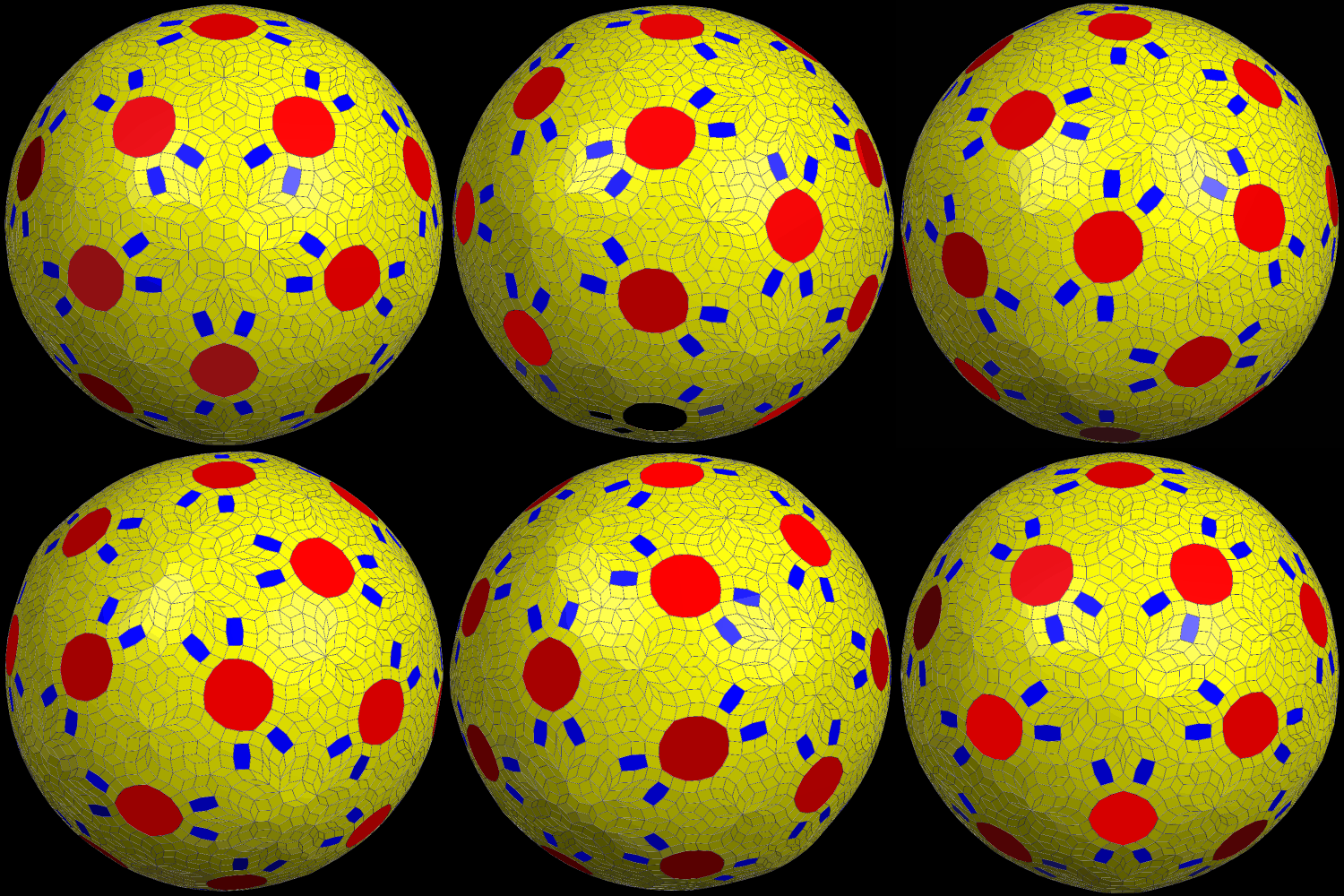
Both of these images were created using Stella 4d: Polyhedron Navigator, which you can try for yourself, free, at http://www.software3d.com/Stella.php.

This is the Google calendar, which I invented in 14 AG. I was born in 30 BG, and it is now 21 AG. The calendar used most often in the West has several serious flaws — the lack of a year zero is but one of them. On this calendar, Google Year Zero is the year Google first went on-line (1998 CE, on the Western calendar). Each new year on the Google calendar begins on January 1st, as billions of people are already used to. This calendar is offered to all, as a secular replacement for the multiple, culture-specific calendars we are using now.
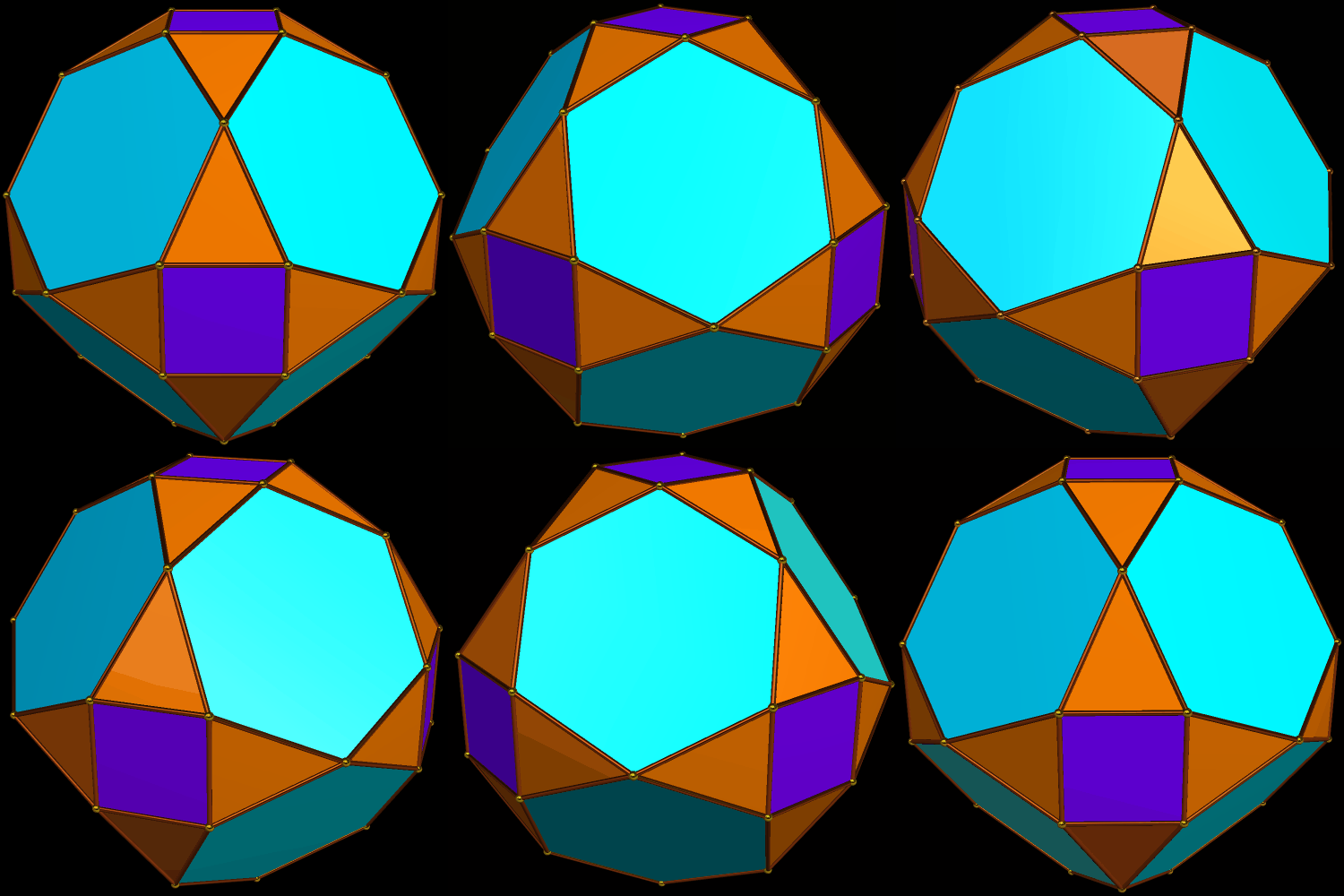
I made this using Stella 4d: Polyhedron Navigator. You may try this program for yourself, for free, at http://www.software3d.com/Stella.php.
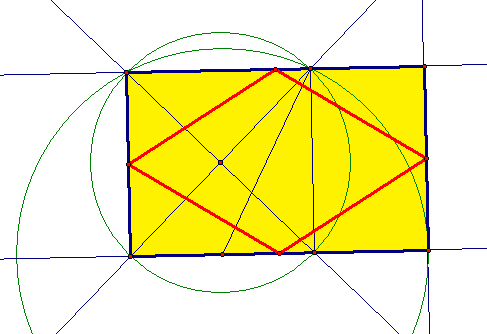
There’s a special rhombus which is called the “golden rhombus,” because its diagonals are in the golden ratio. To construct it with compass and straight edge, you first construct a golden rectangle (shown with blue edges and a yellow interior), and then connect the midpoints of its sides to form a rhombus (with edges shown in red).
Several polyhedra can be made which use golden rhombi as their faces. The most well-known of these polyhedra is the rhombic triacontahedron, which has 30 such faces. It is the dual of the icosidodecahedron.

If the rhombic triacontahedron is stellated 26 times, the result is the (non-convex) rhombic hexecontahedron. It has 60 golden rhombi as faces.
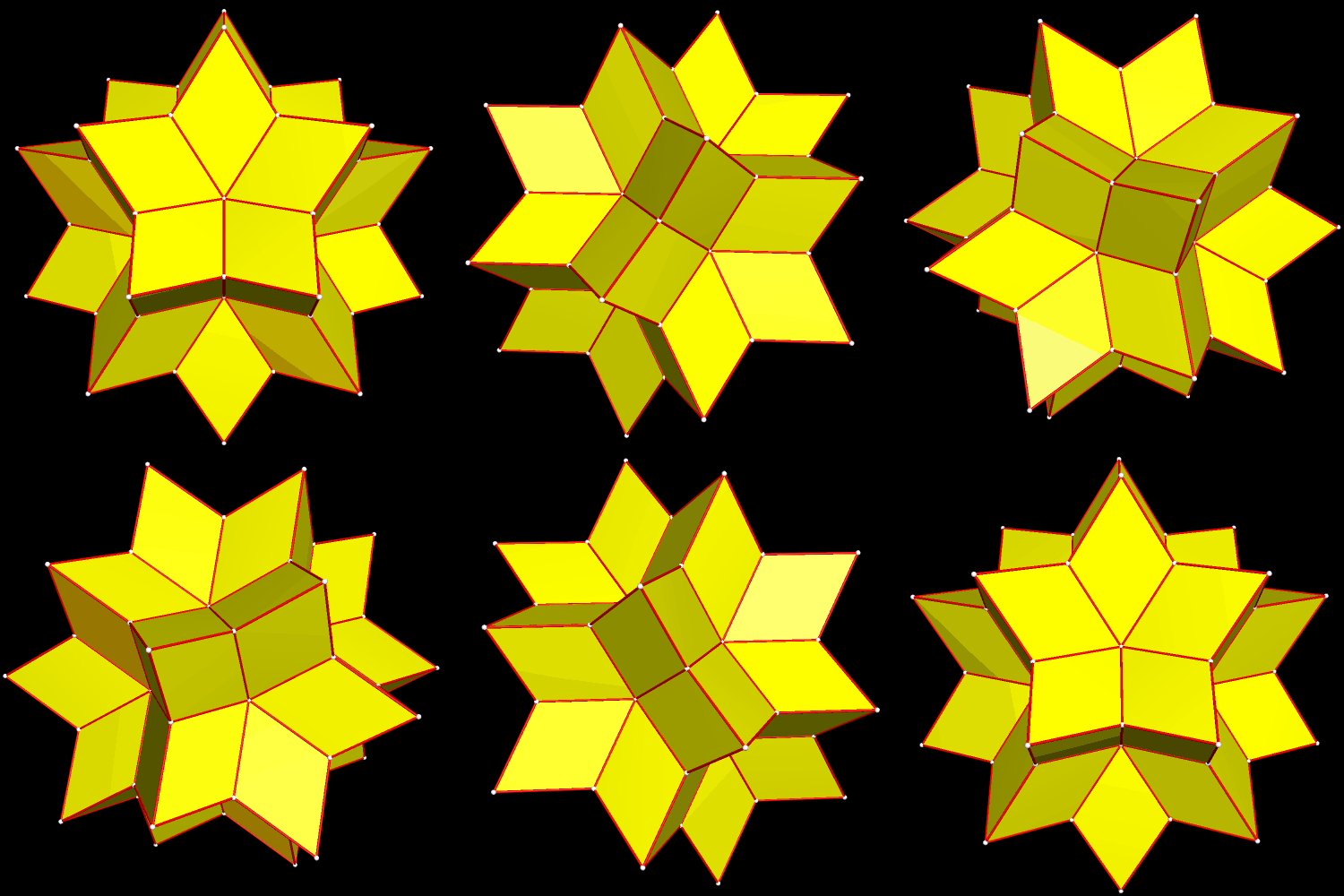
Both of these polyhedra can be constructed with Zometools (available at http://www.zometool.com). With white Zomeballs and red Zomestruts, these polyhedra look a lot like this:
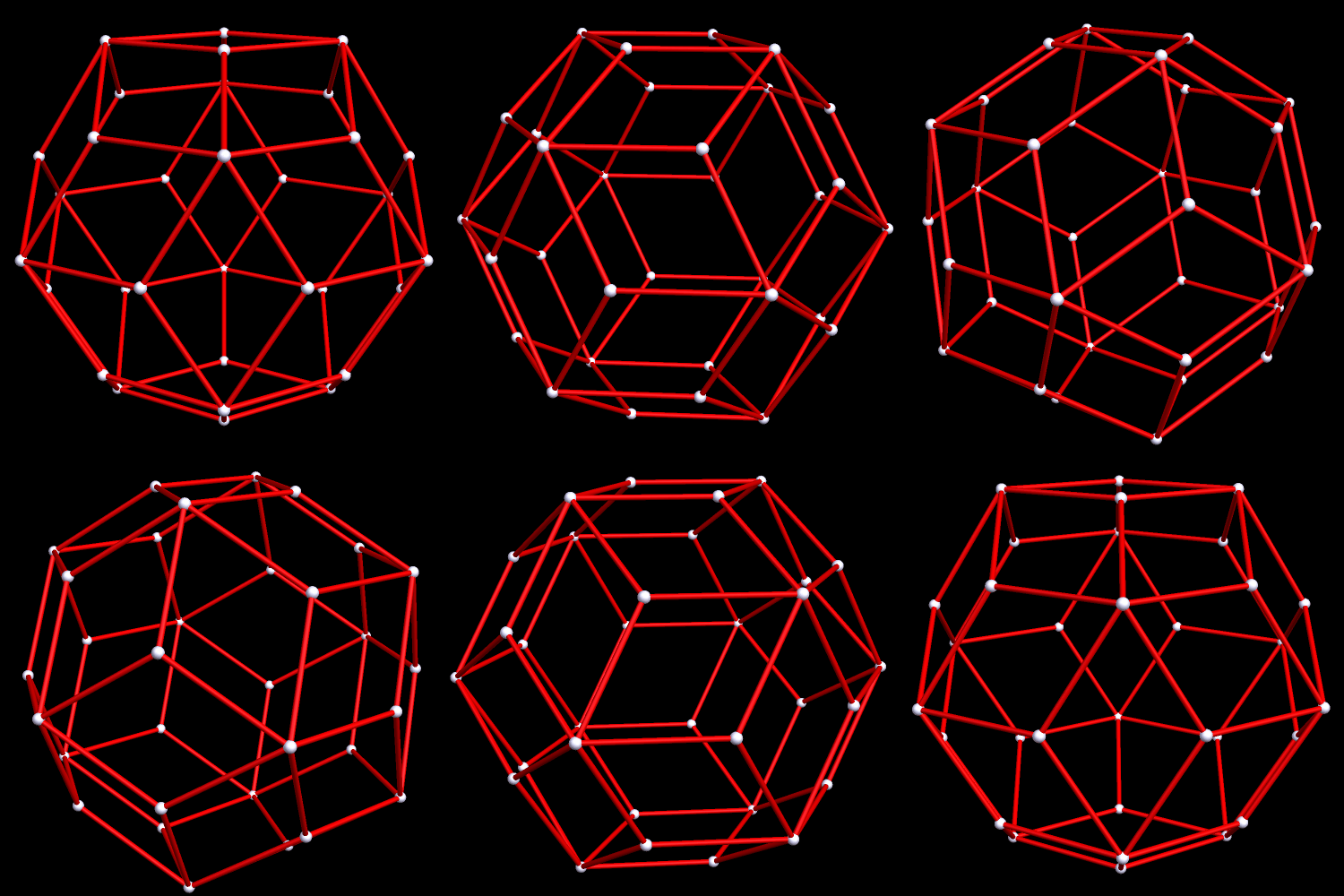
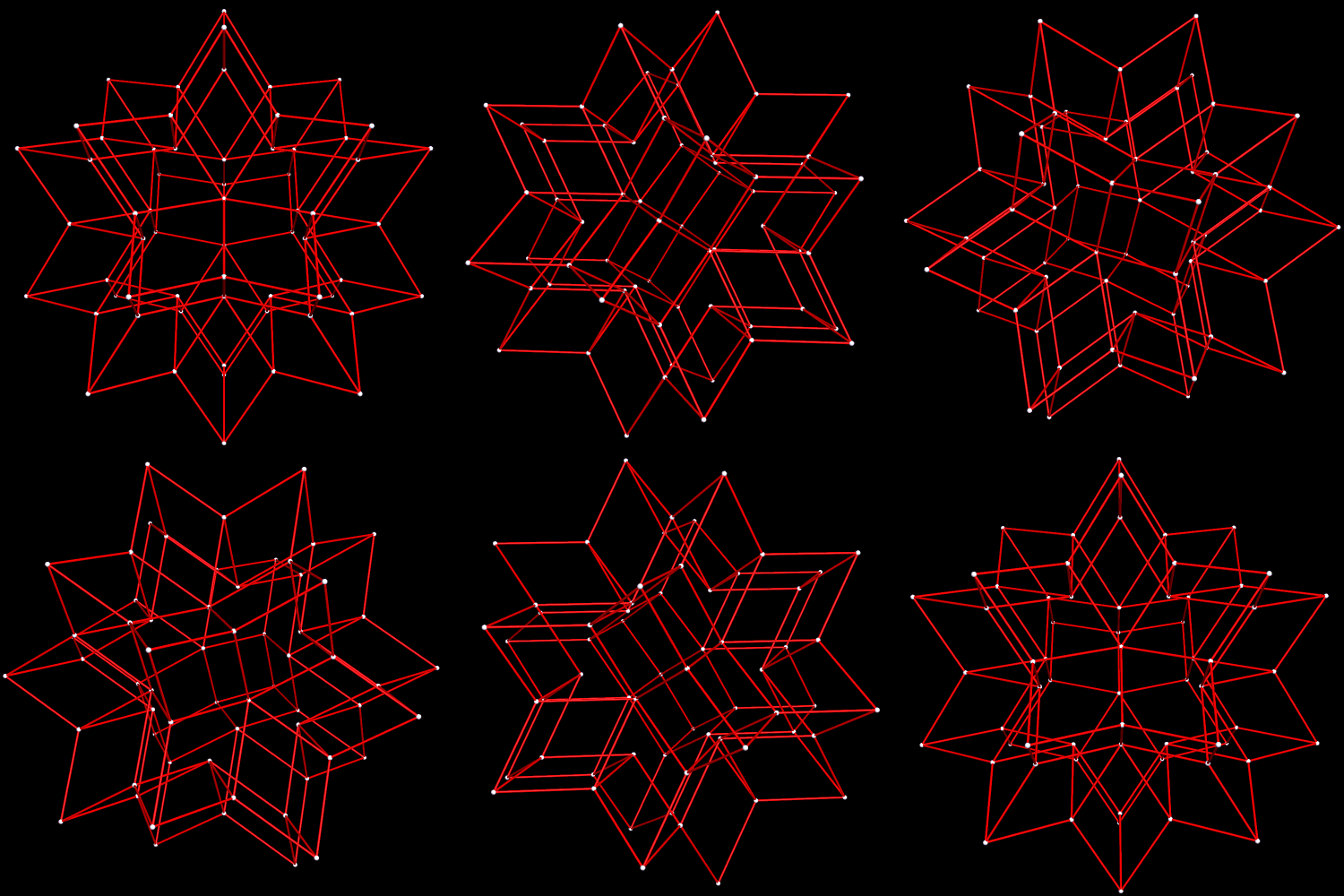
The flat image at the top of this post was created using Geometer’s Sketchpad and MS-Paint. The four rotating polyhedral images were created using Stella 4d: Polyhedron Navigator, which you can purchase, or try for free, at http://www.software3d.com/Stella.php.
 RobertLovesPi.net