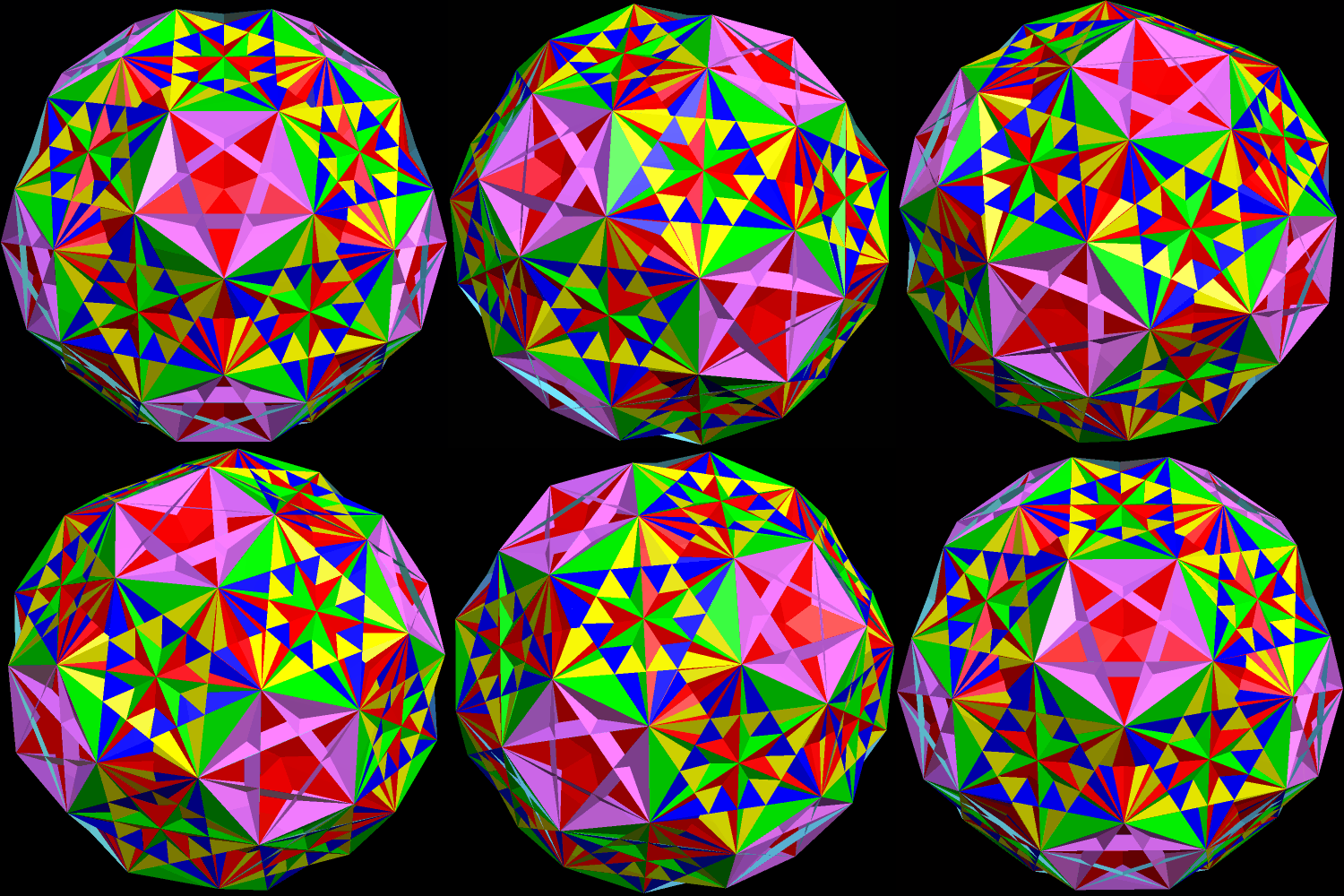
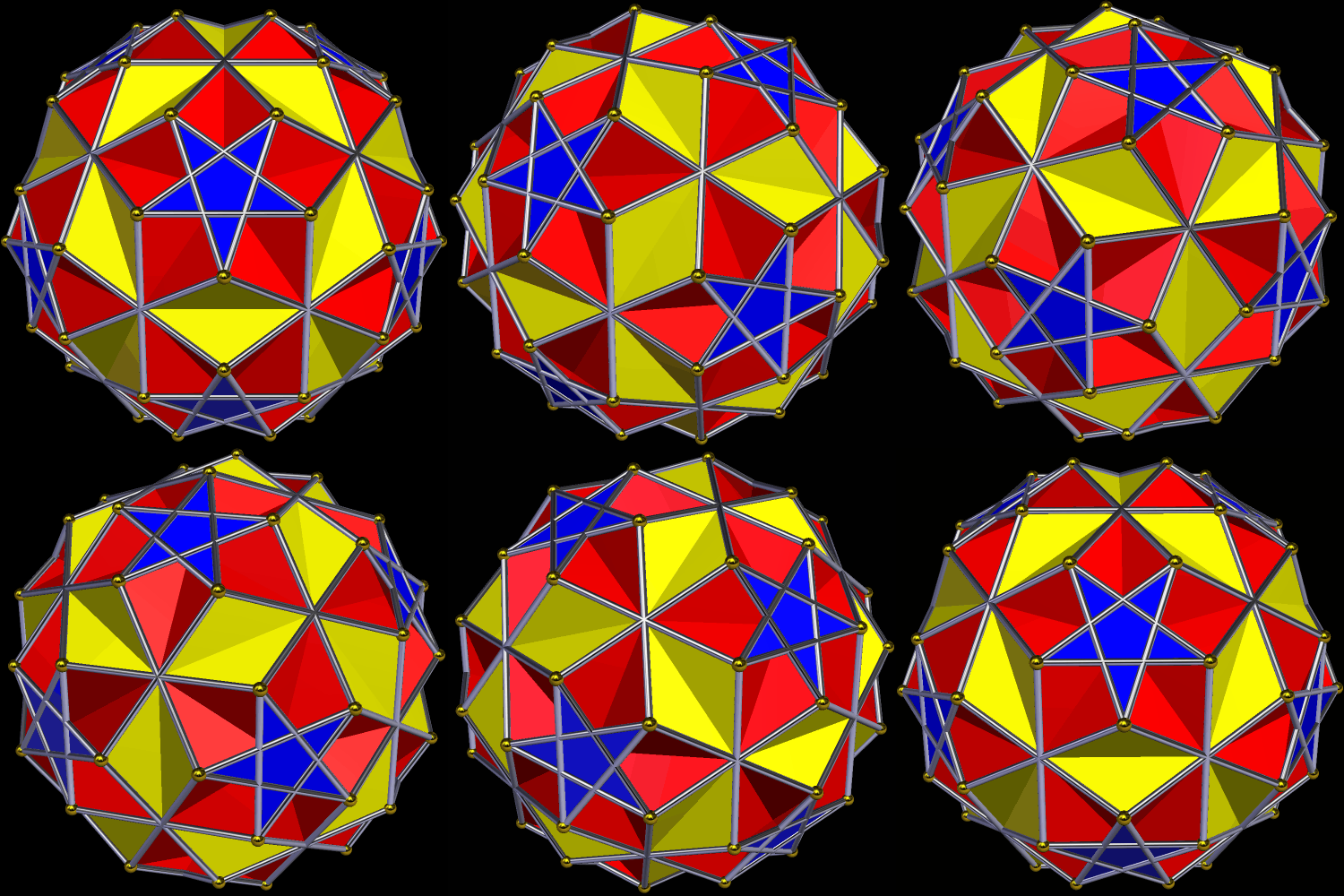
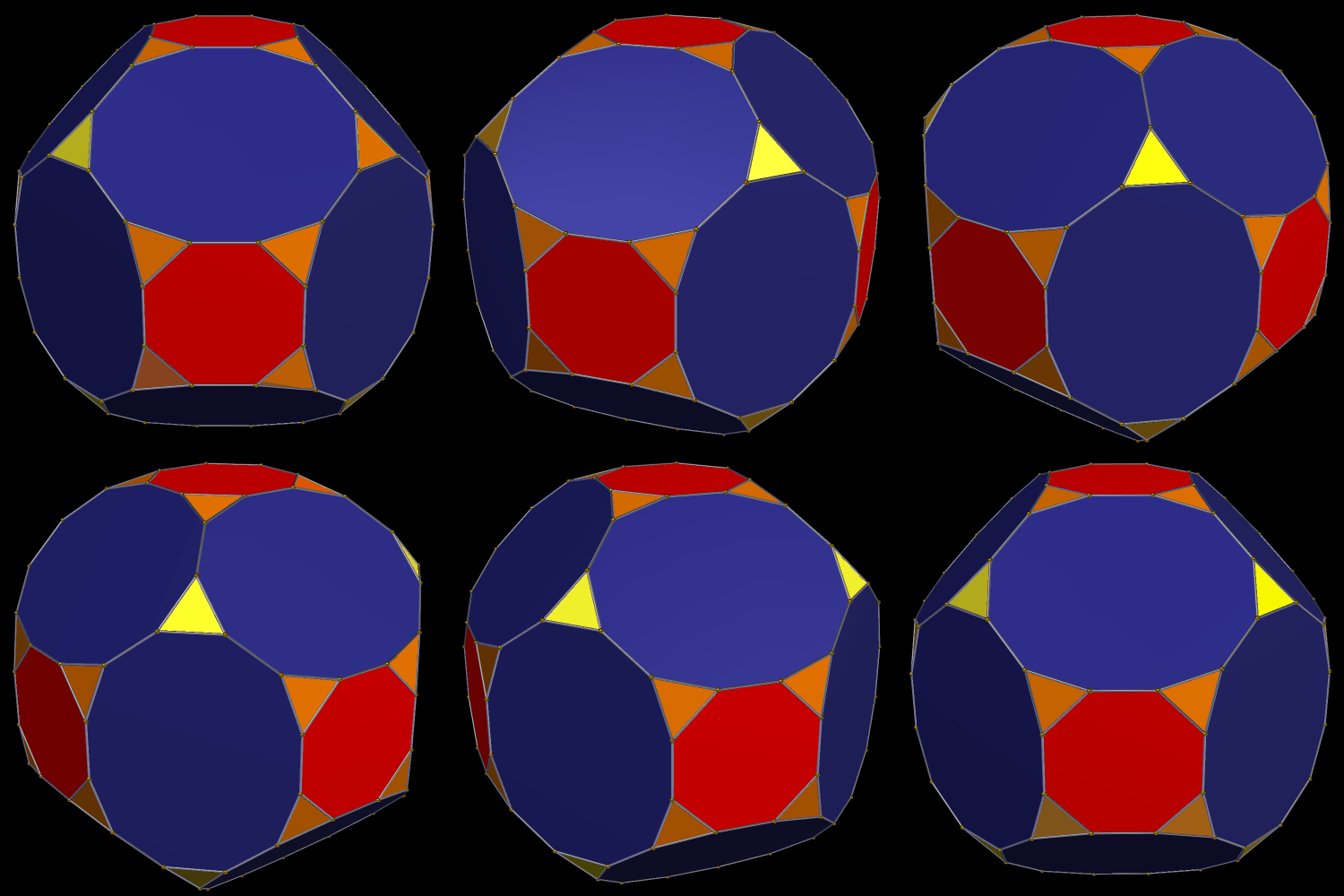
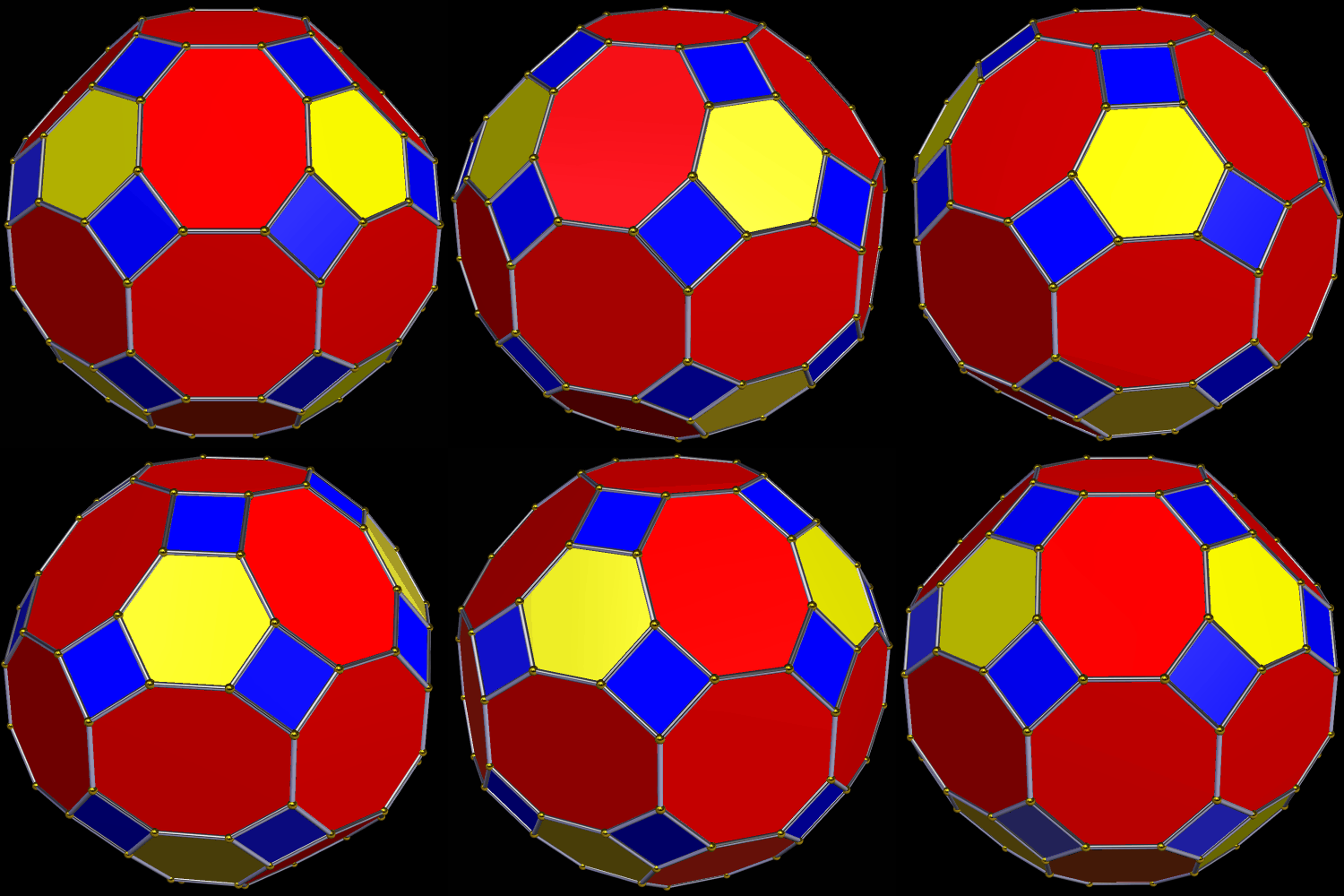
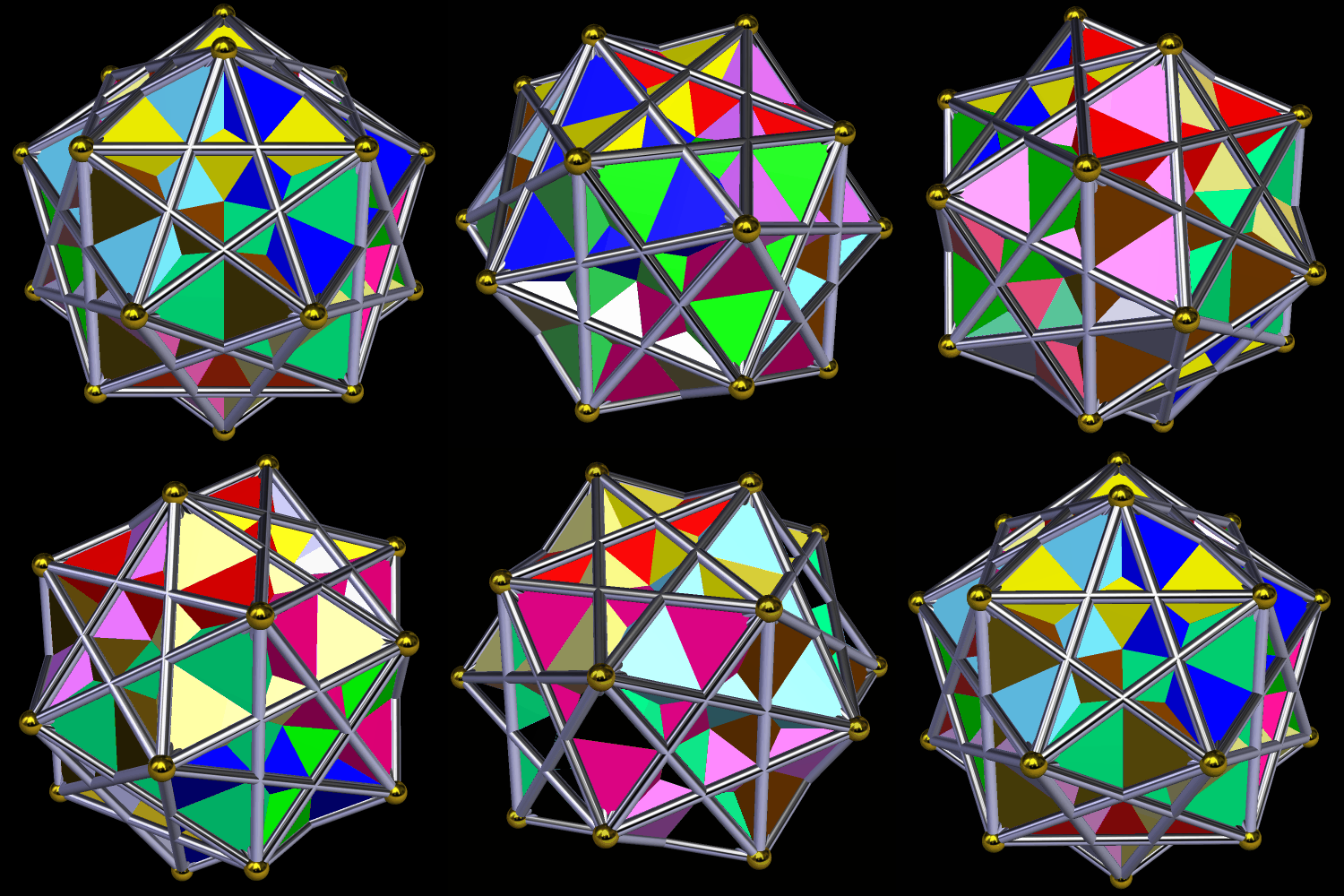
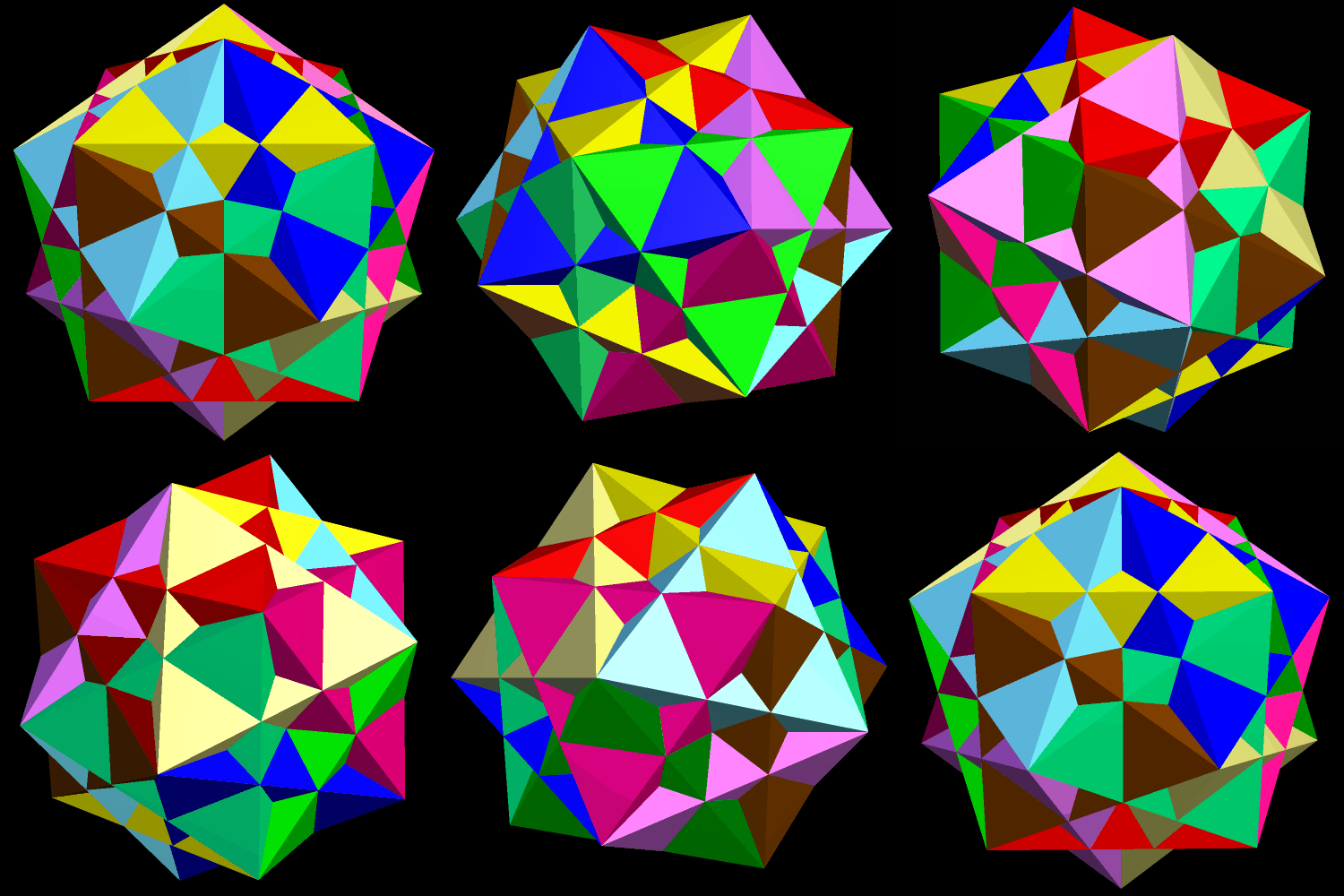
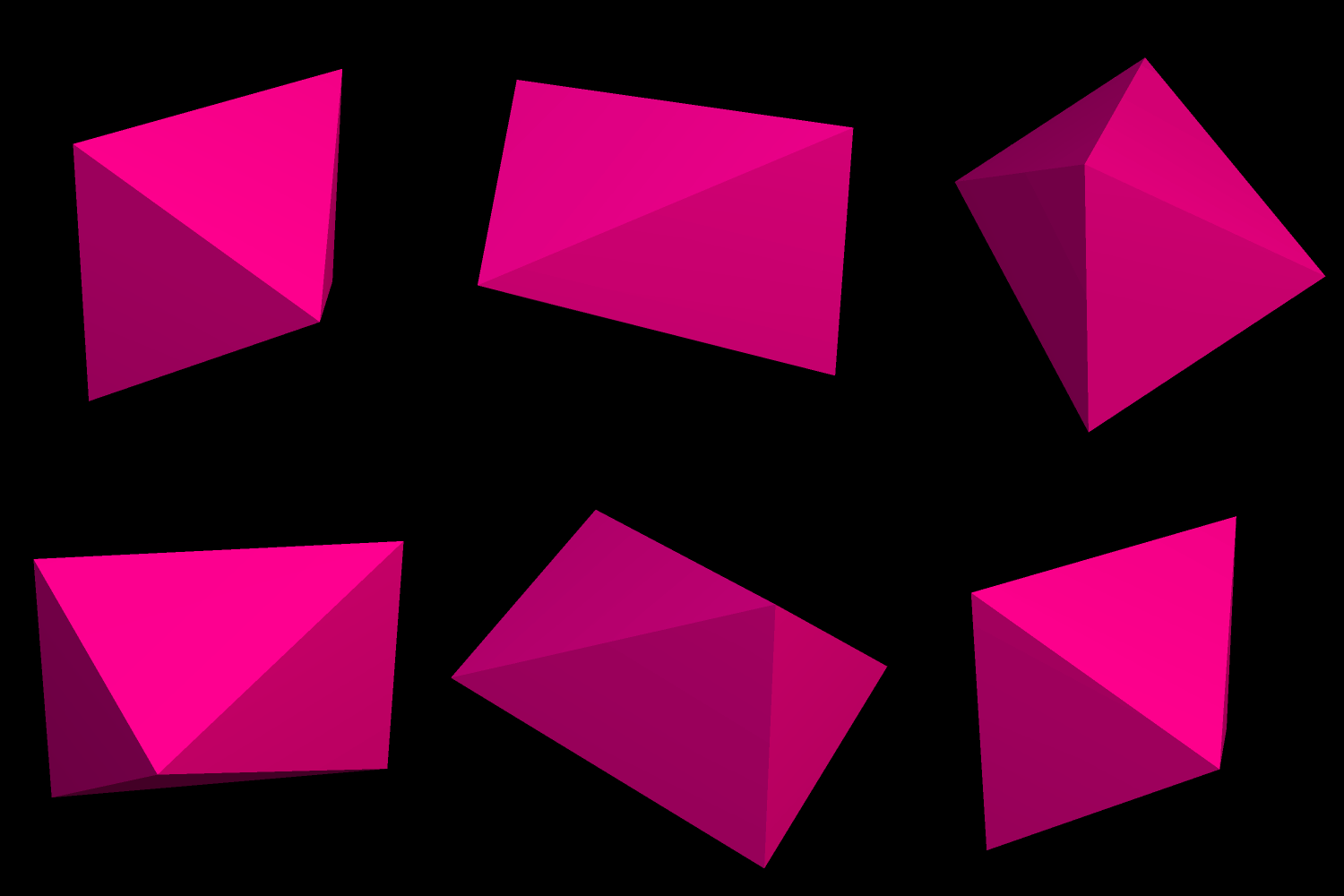
The Compound of the Octahedron and the Small Stellated Dodecahedron

compound of the small stellated dodecahedron and the octahedron

I made this rotating virtual model using Stella 4d: Polyhedron Navigator, which you can try for yourself at http://www.software3d.com/Stella.php. This solid is different from most two-part polyhedral compounds because an unusually high fraction of one polyhedron, the yellow octahedron, is hidden inside the compound’s other component.

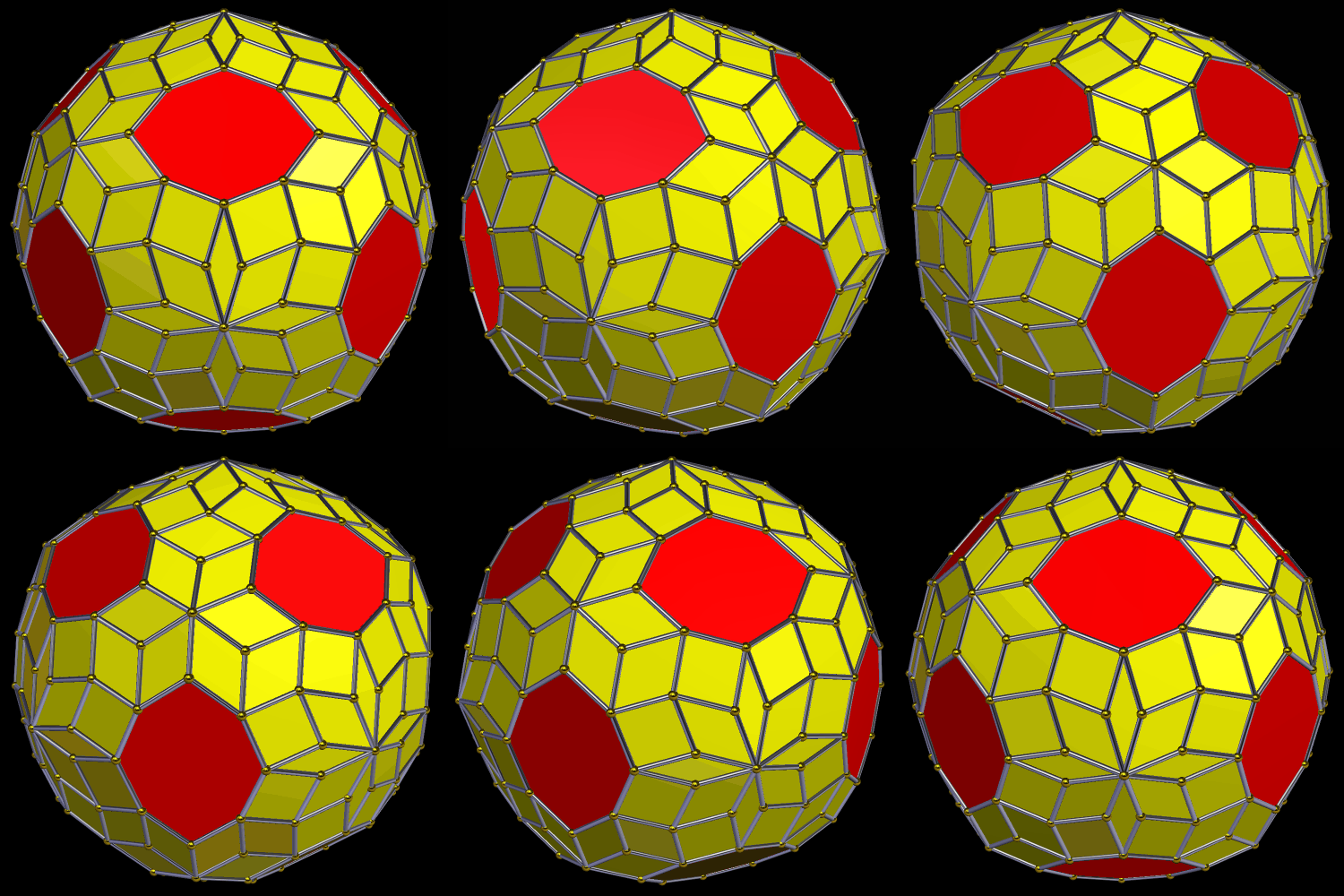
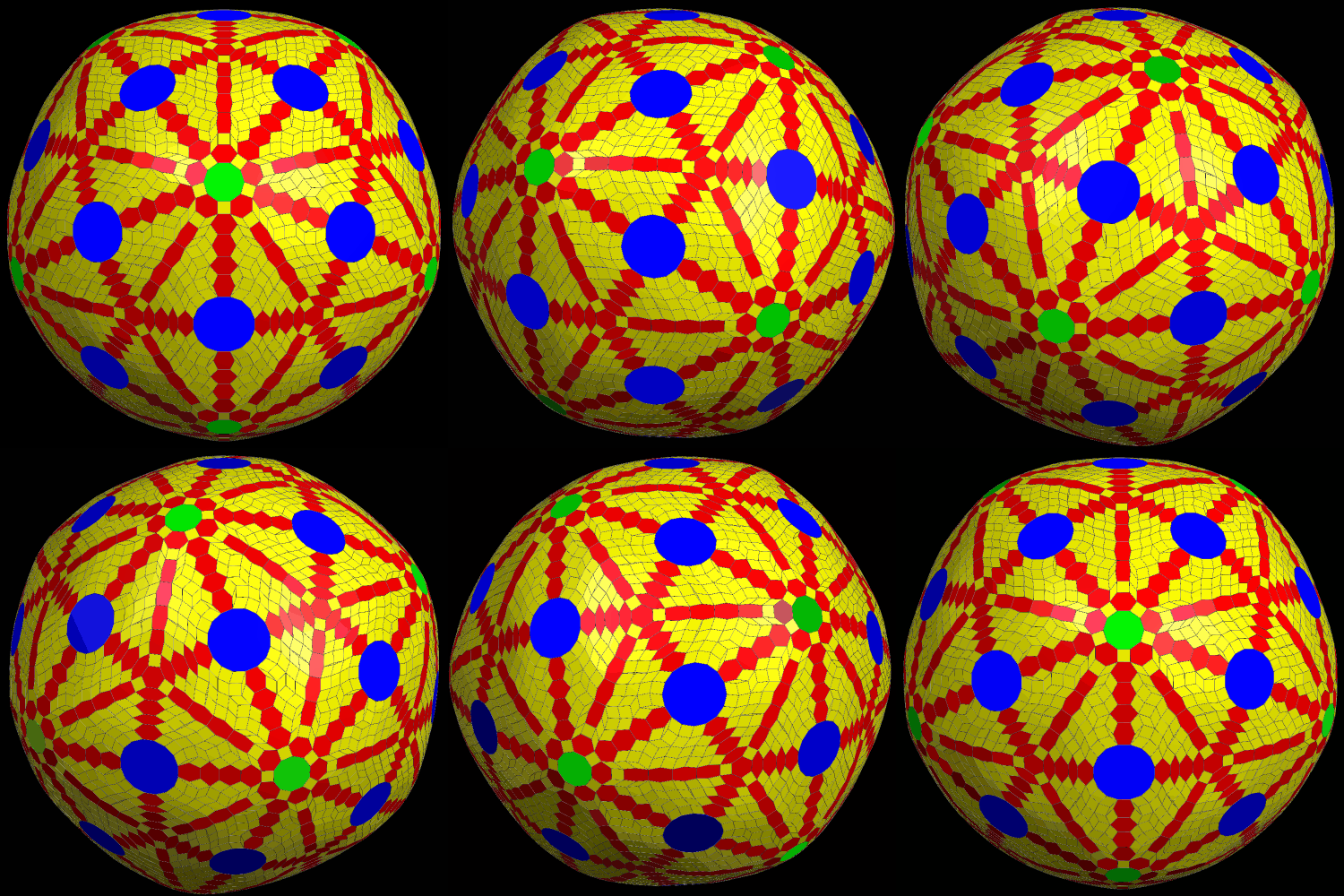
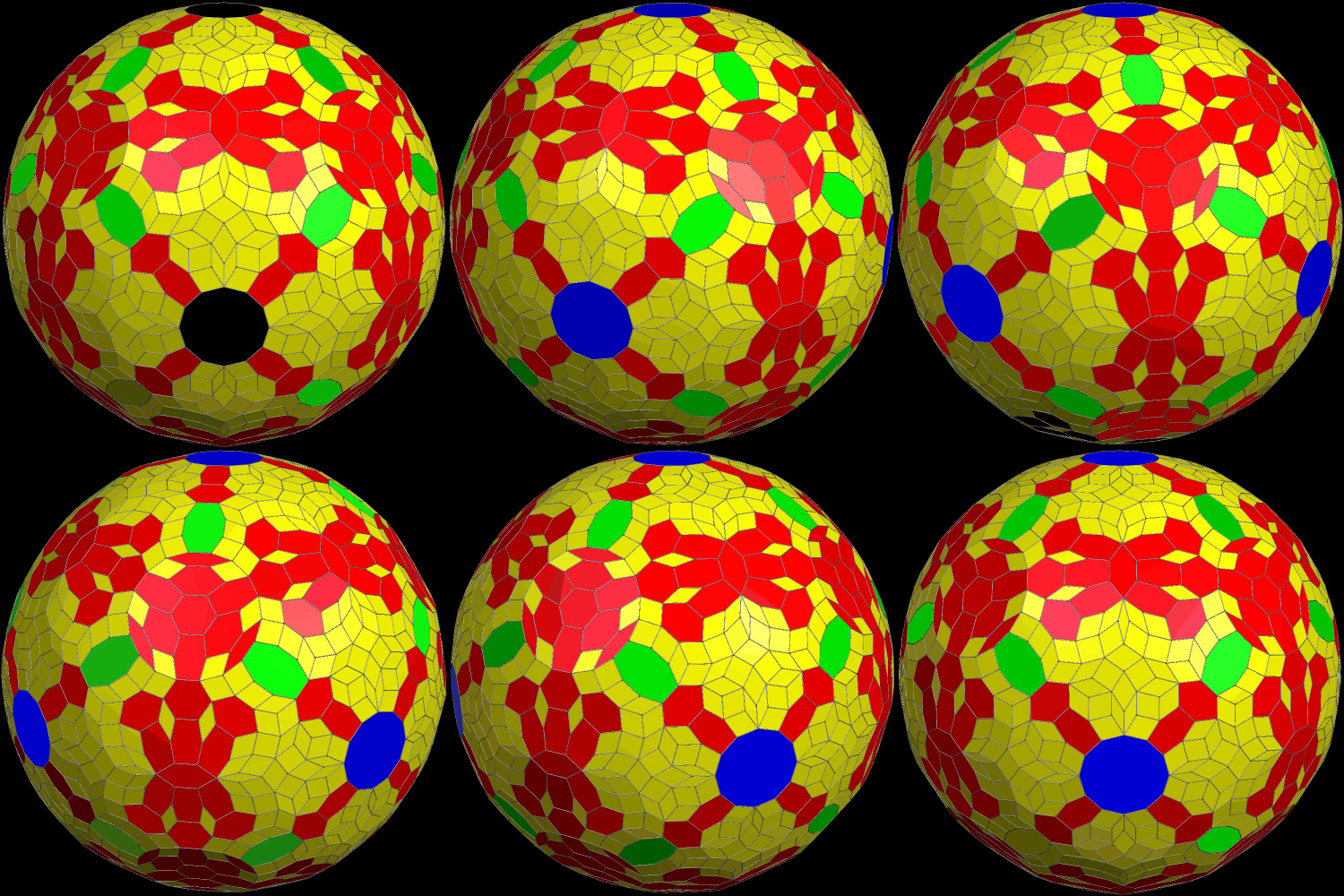
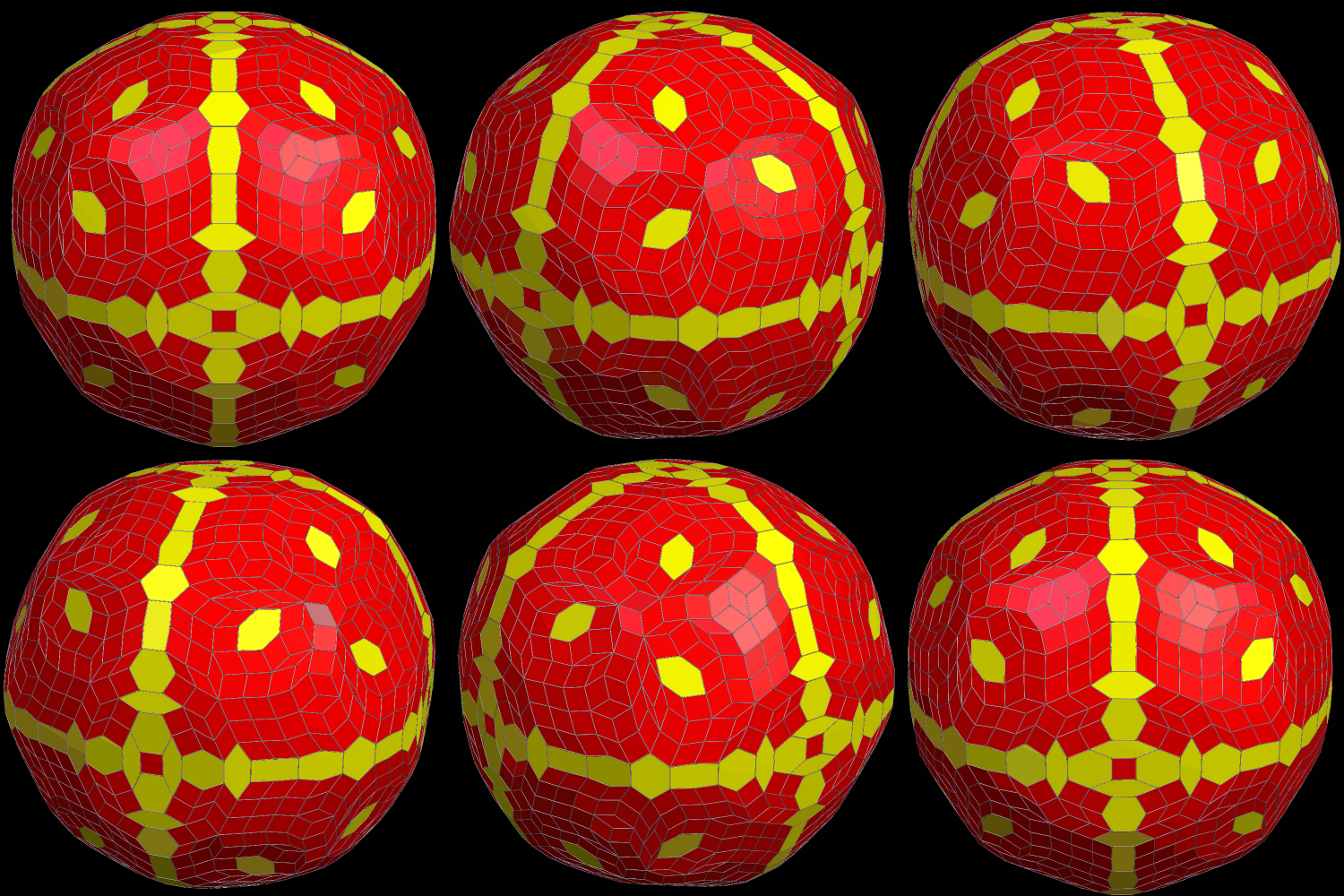
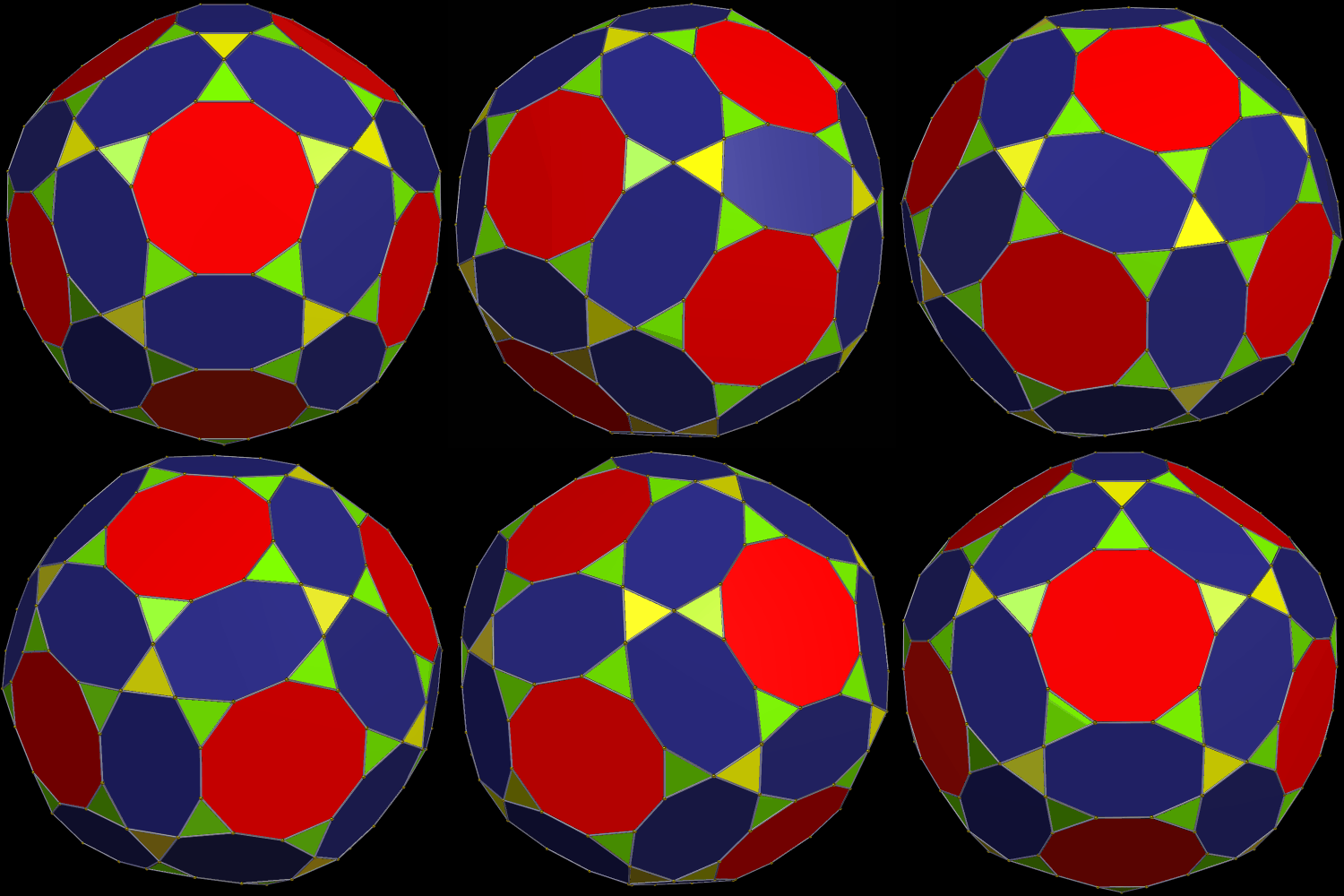
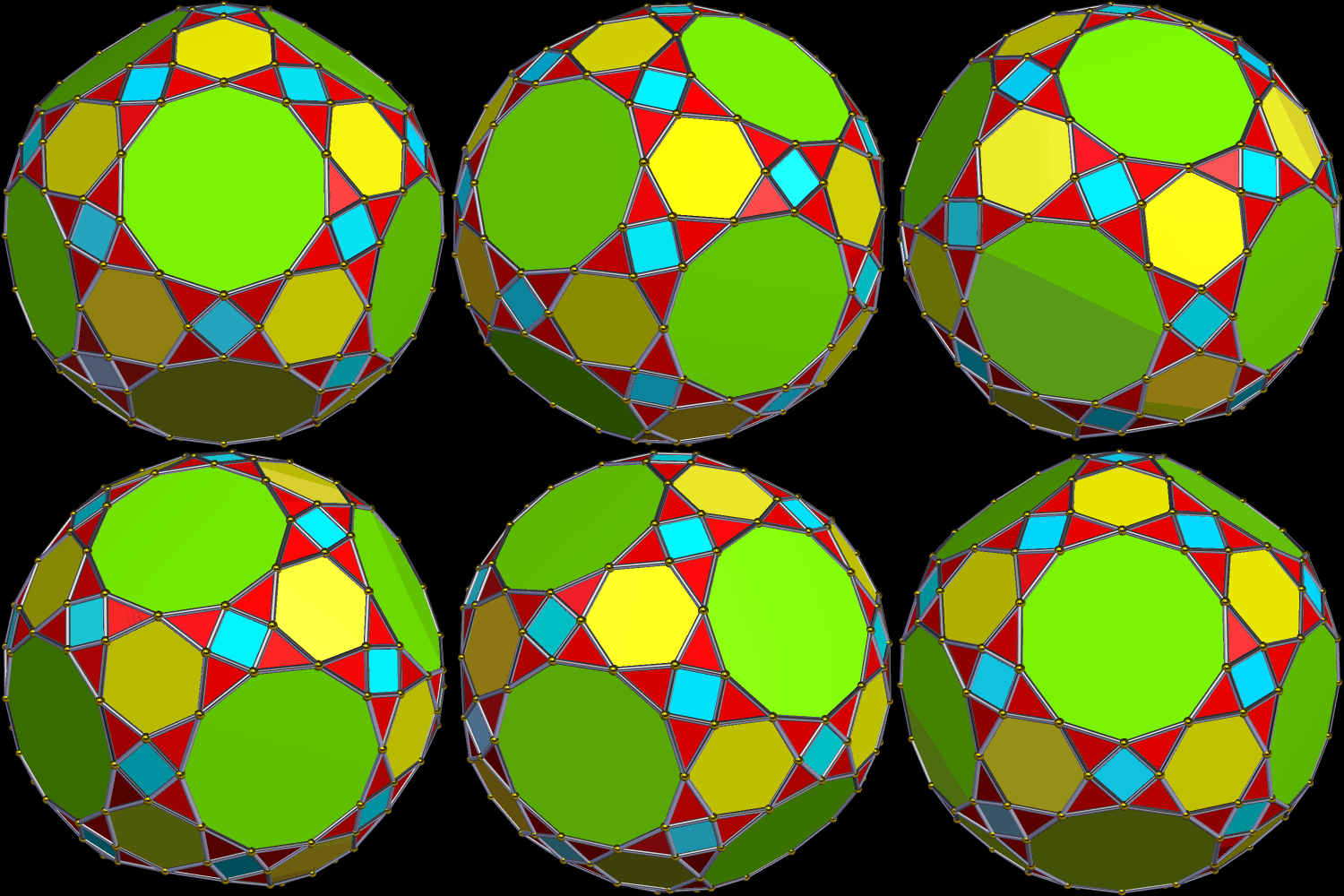
A Zoo of Zonohedra

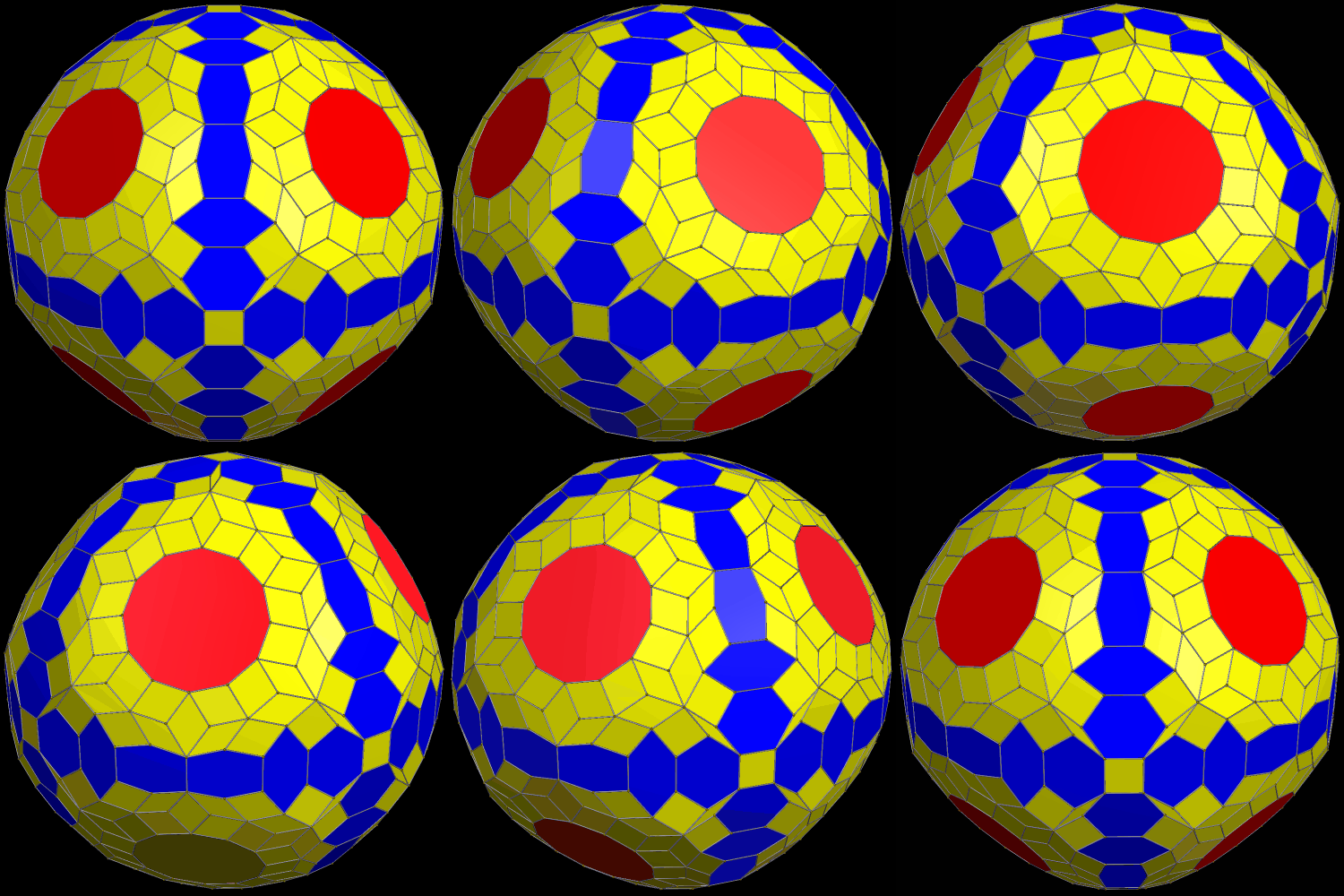
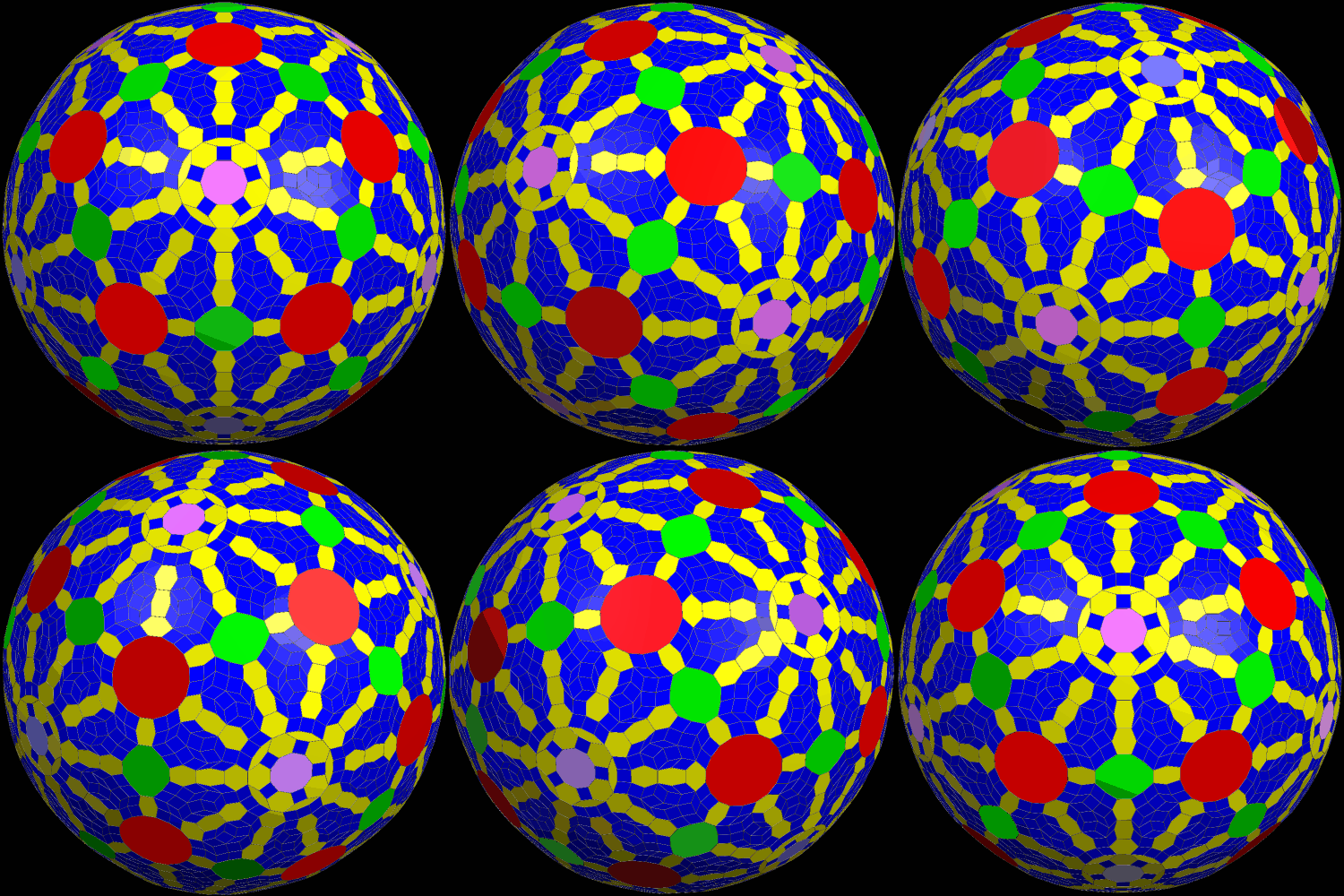
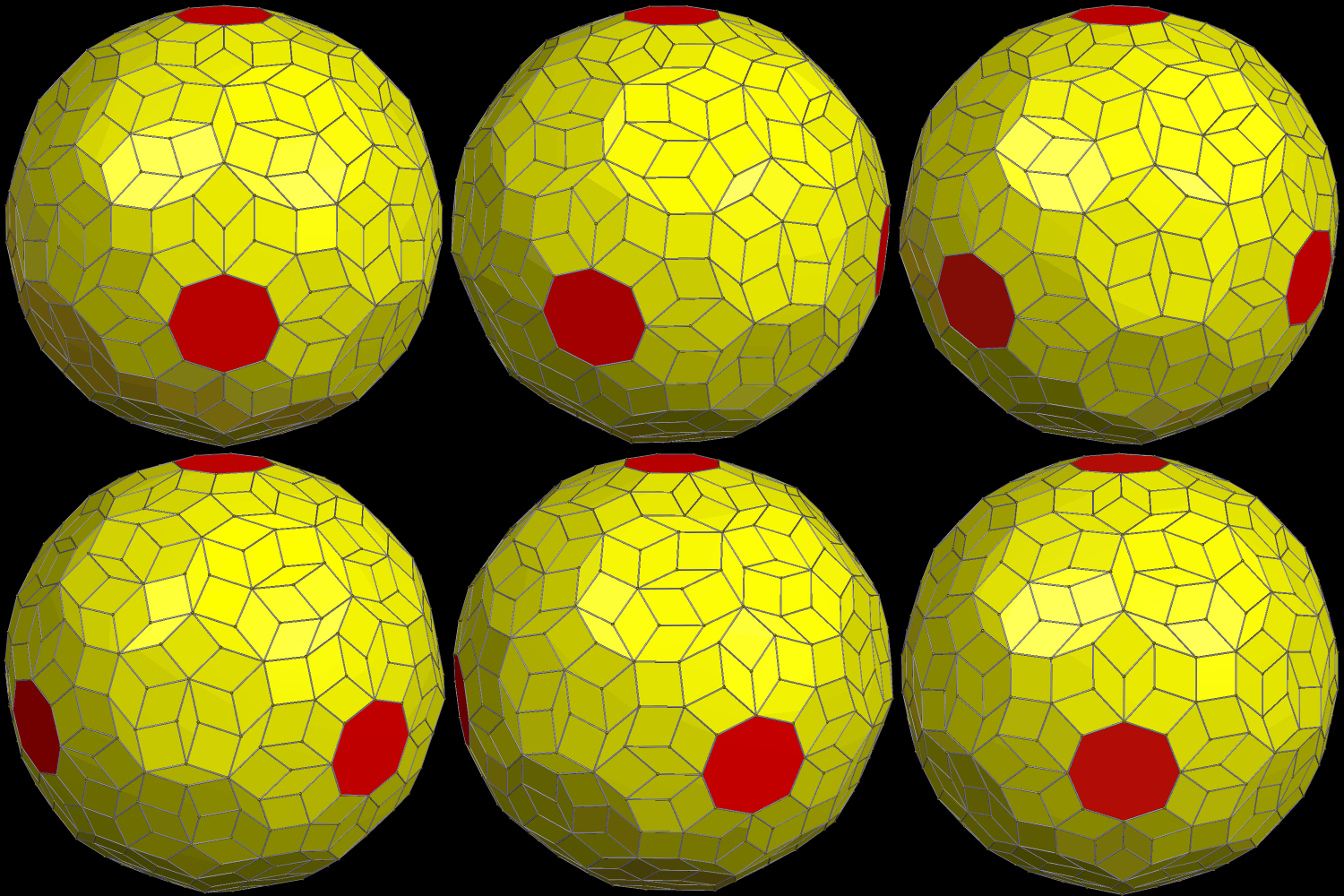
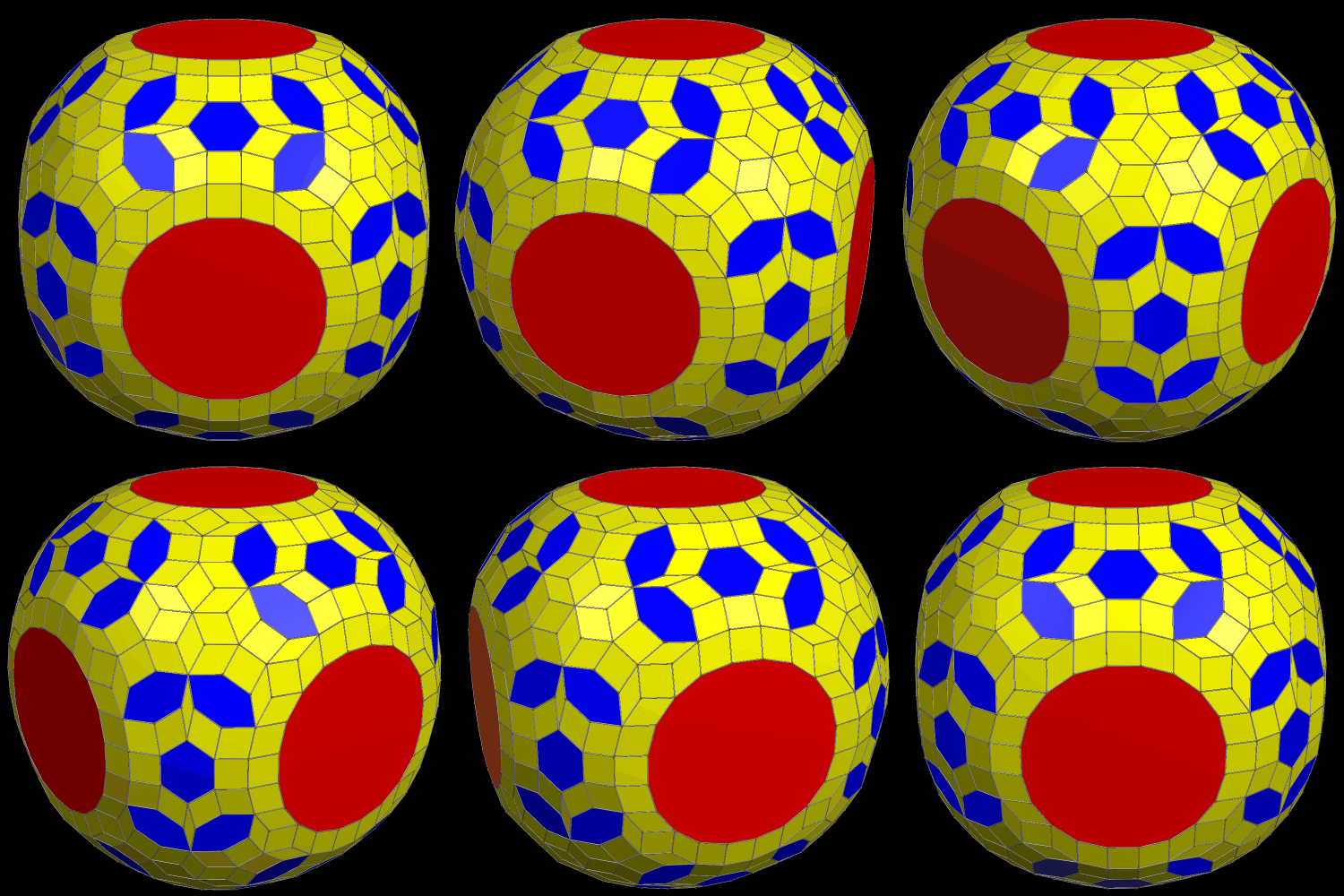
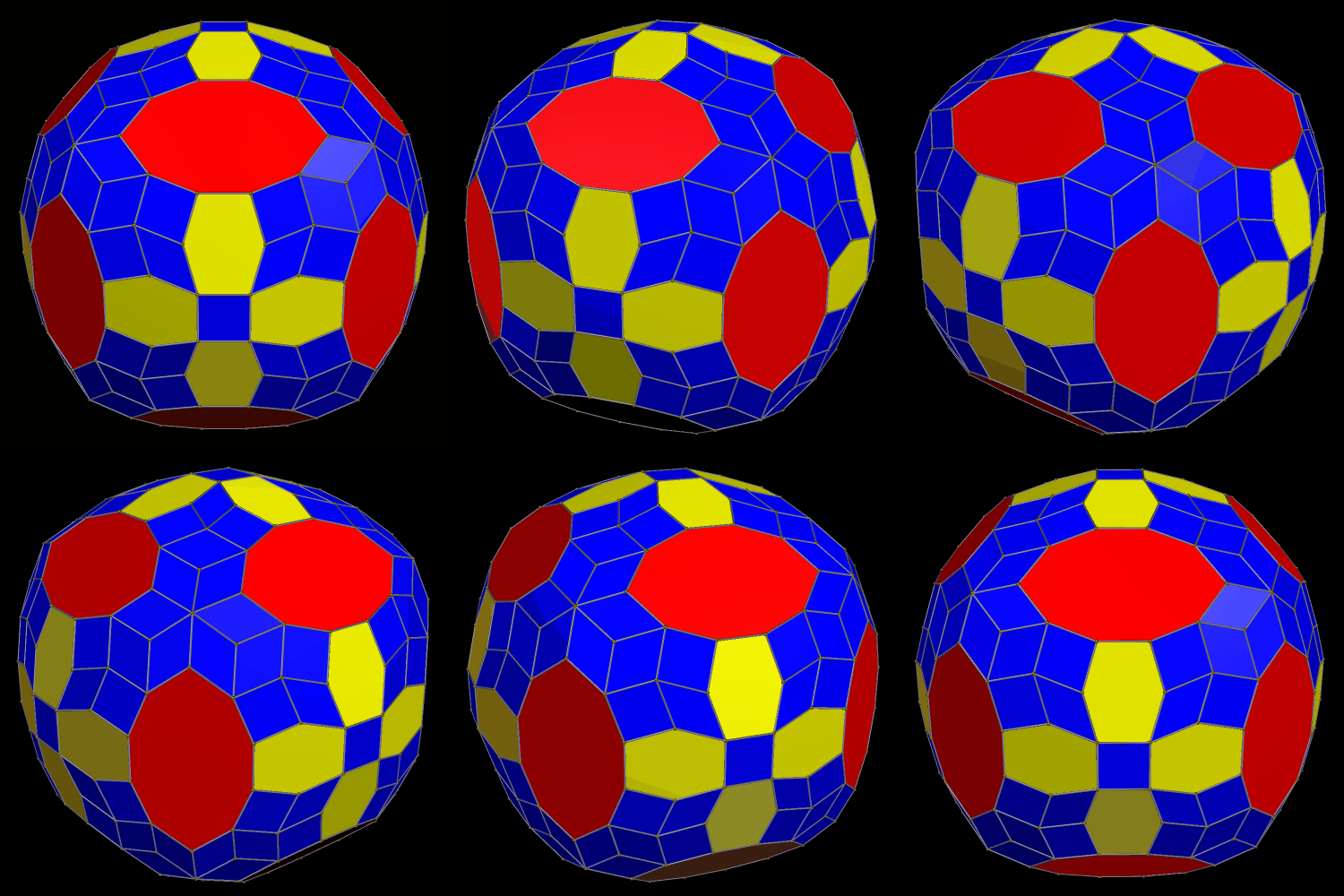
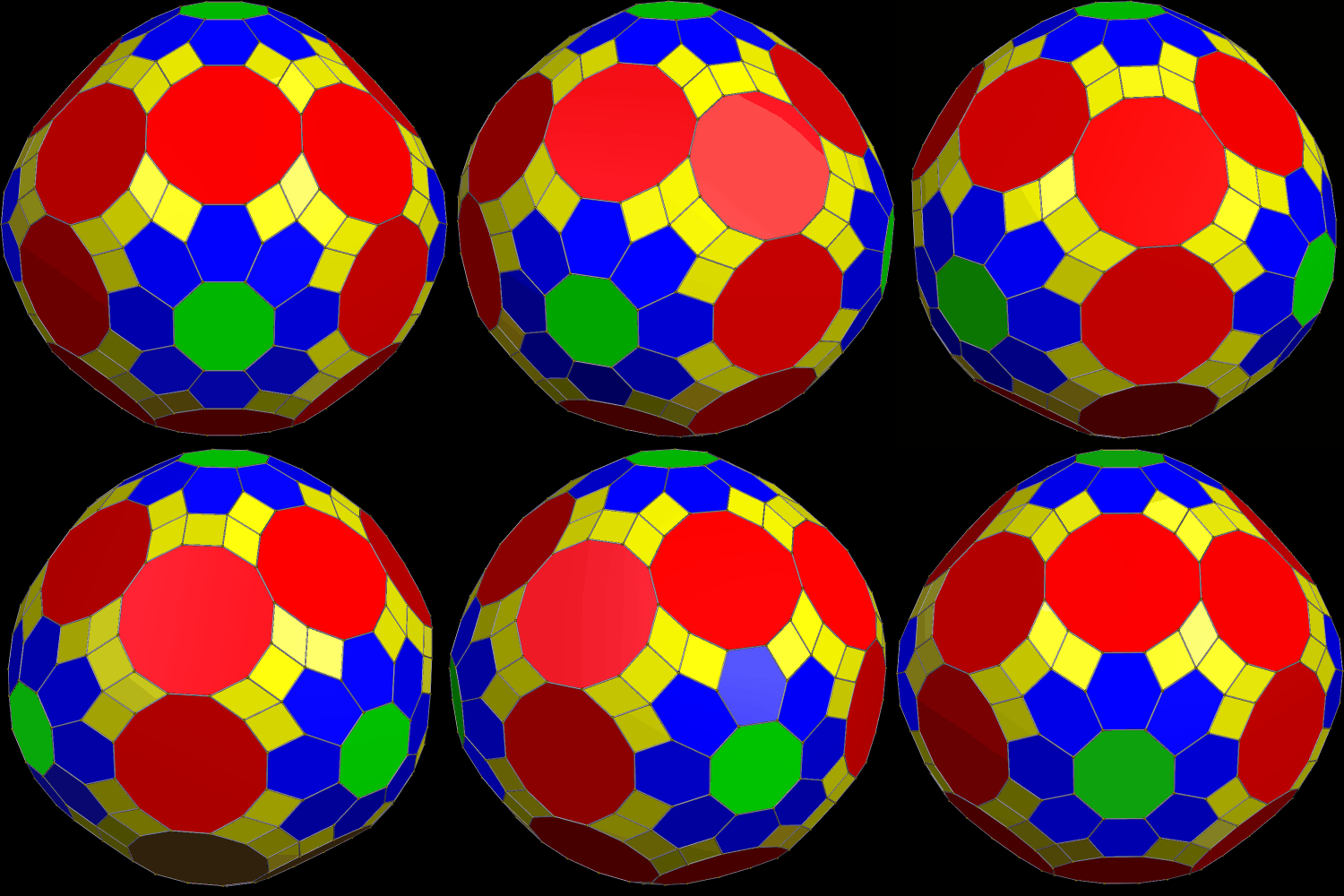
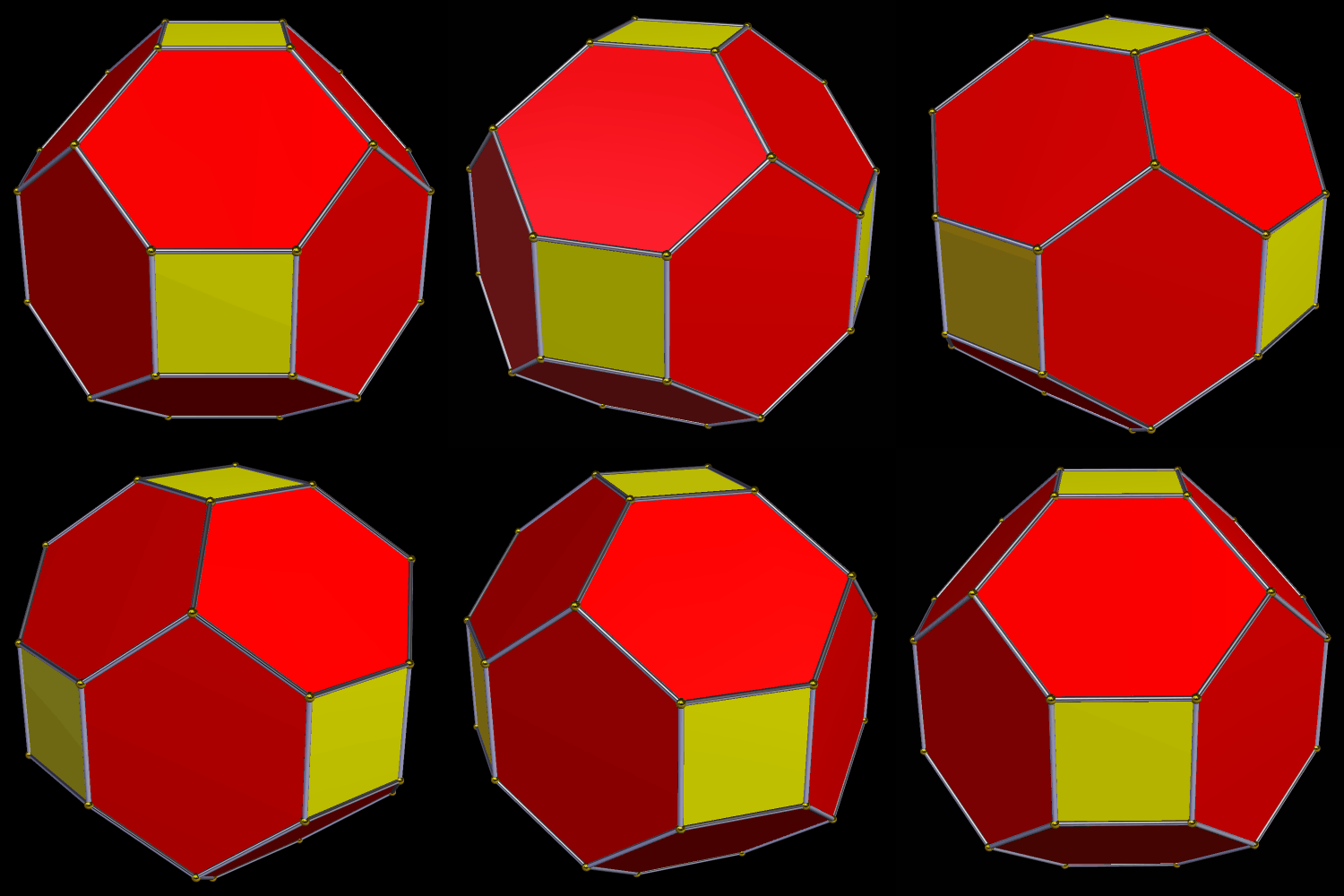
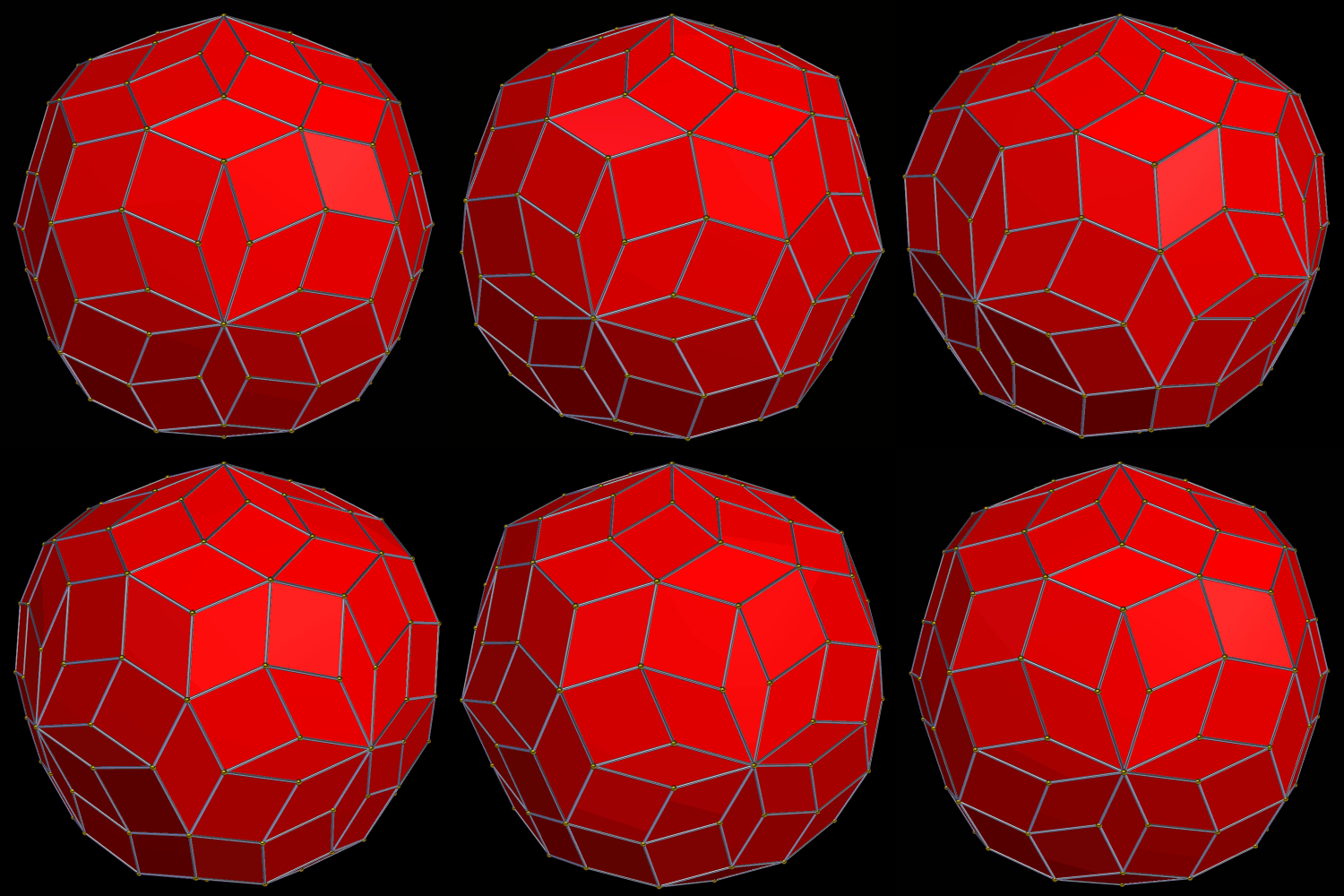
Zonohedra are a subset of polyhedra with all faces in pairs of parallel and congruent zonogons. Zonogons are polygons with sides which occur only as parallel and congruent pairs of line segments. As a consequence of this, the faces of zonohedra must have even numbers of sides.

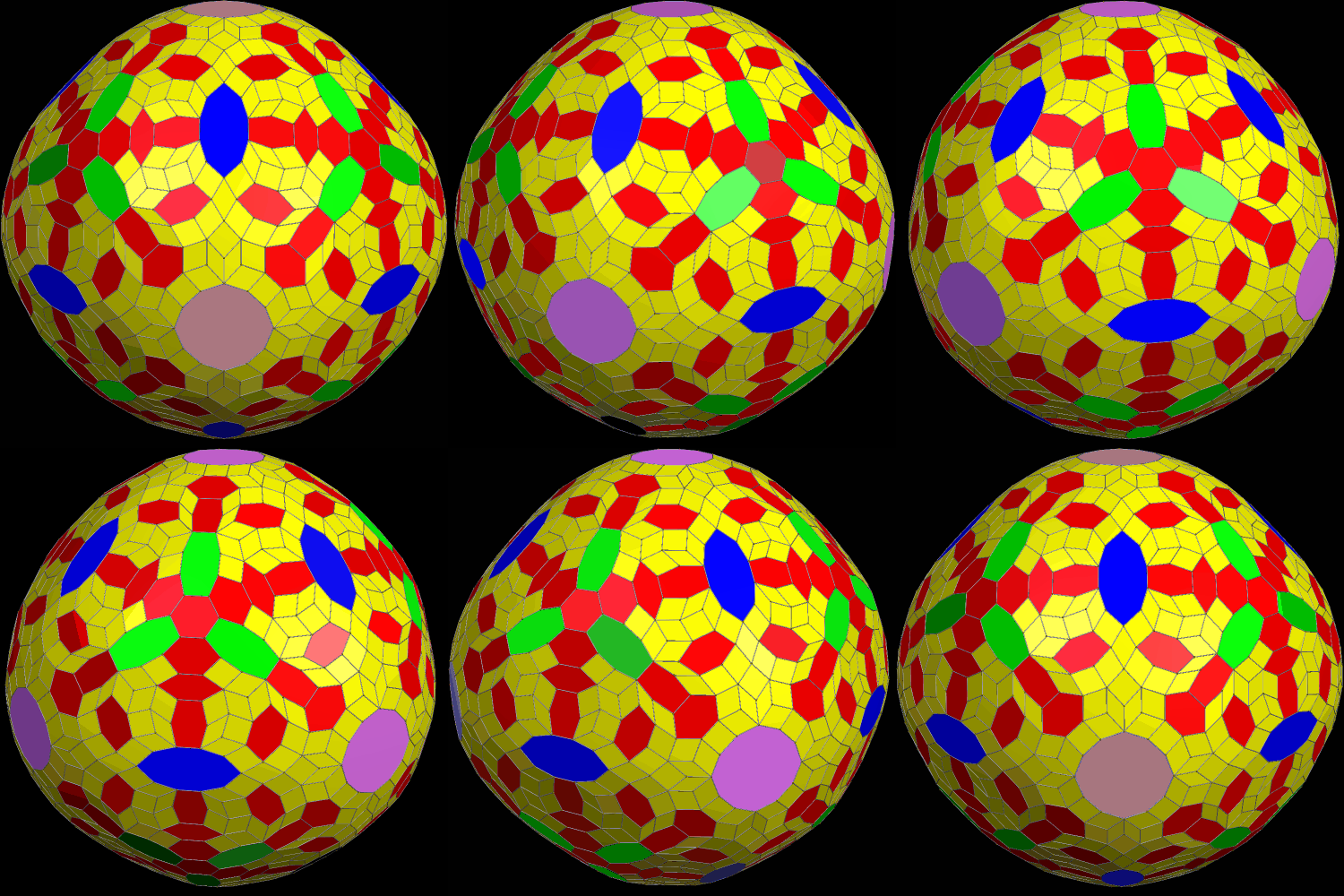
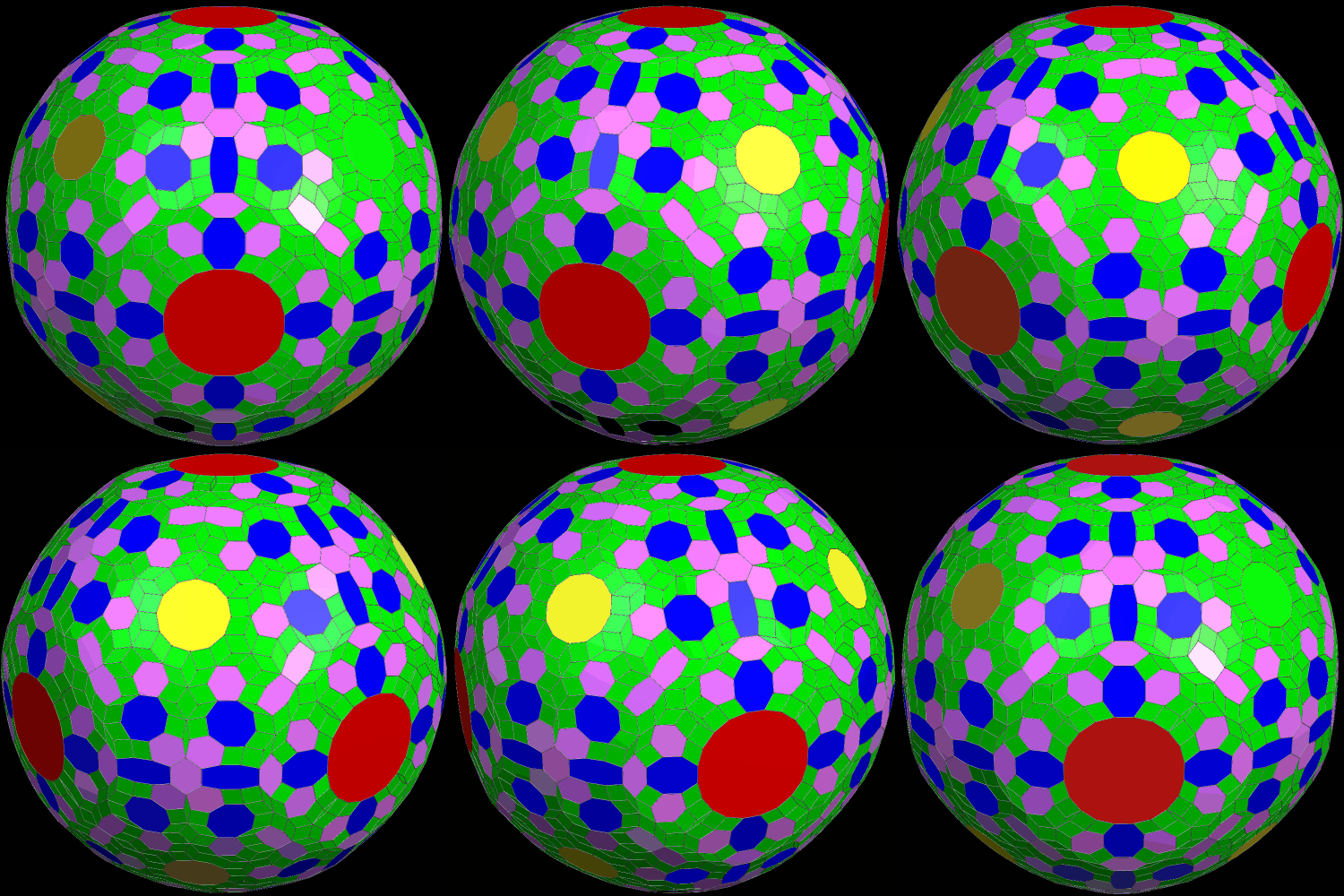
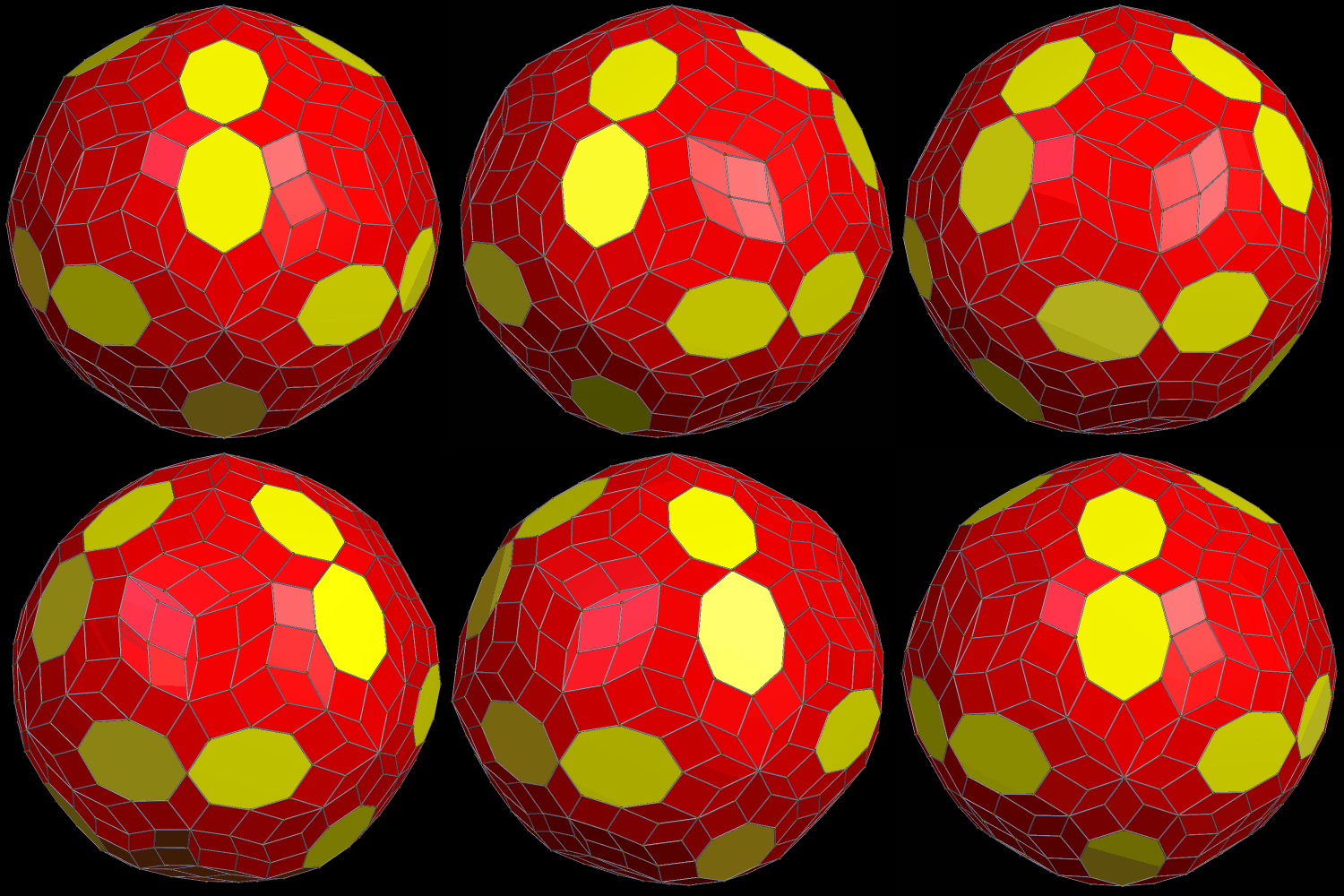
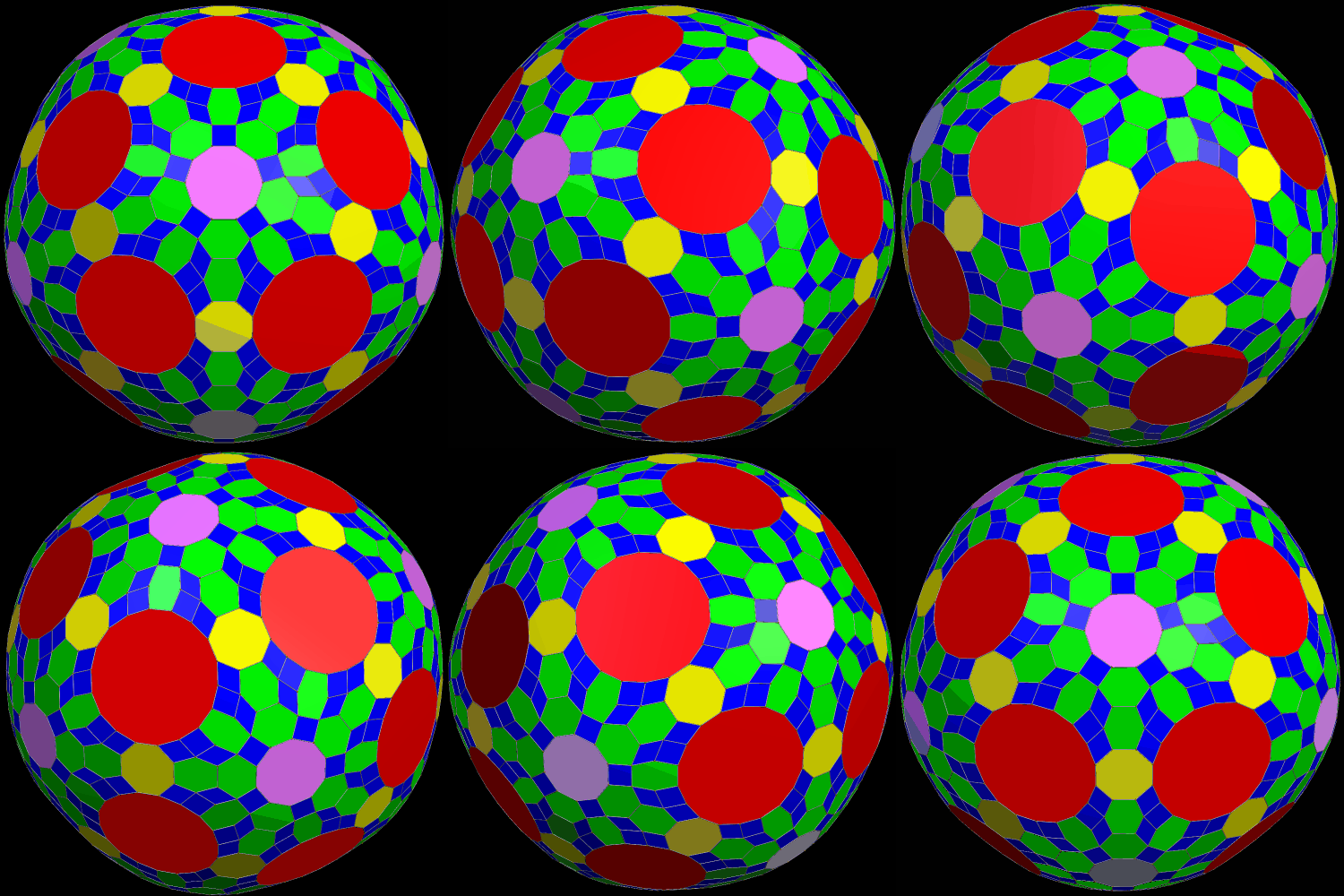
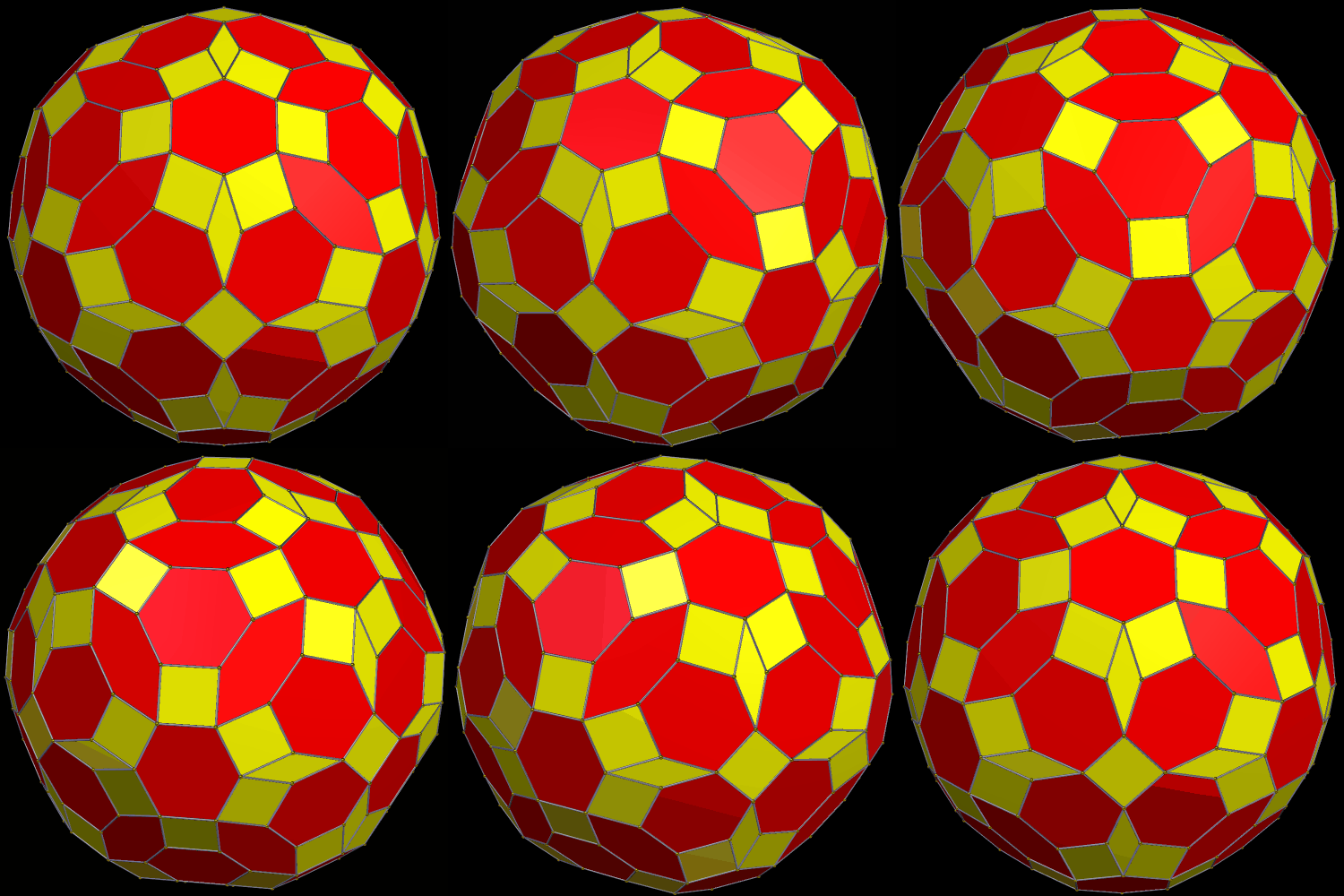
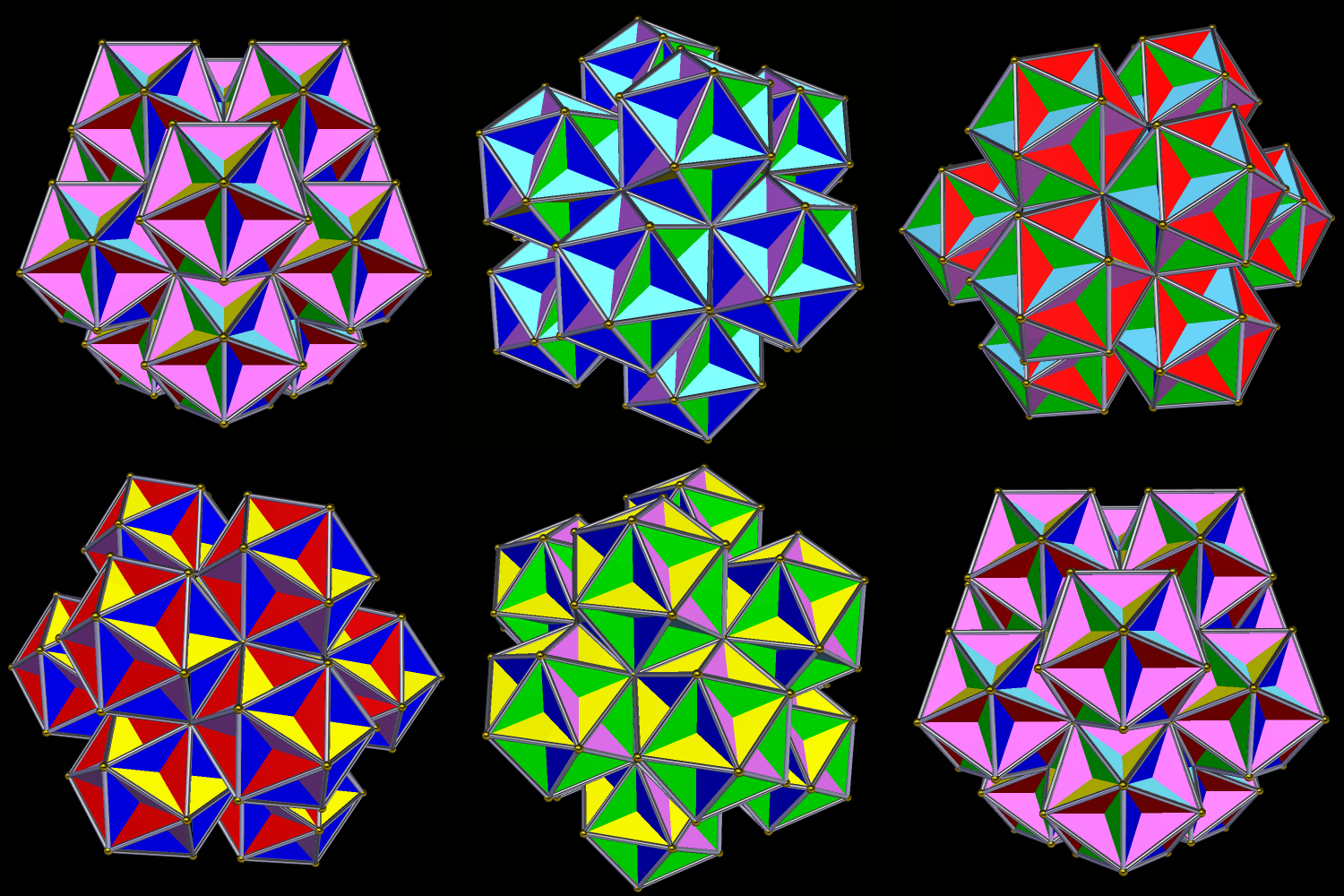
Considering all the restrictions on zonohedra, it may be surprising that there is so much variety among them. Every polyhedron shown in this post is a zonohedron. The colors are chosen so that all four-sided zonogons have one color, all six-sided zonogons have a second color, and so on.

Octagon-dominated zonohedron.gif

Zonohedrified Cobvjnvex hull.gif

Zonohedrified Conjhvjvvex hull.gif

Zonohedrified Conjhvvex hull.gif

Zonohedrified Connbvj,njkvex hull.gif

Zonohedrified Convb bvvex hull.gif

Zonohedrified Convehckhcx hull.gif

Zonohedrified Convex hull  186 faces.gif

Zonohedrified Convex hull 132 faces

Zonohedrified Convex hull 138 faces.gif

Zonohedrified Convex hull 306 faces colored by number of edges per face.gif

Zonohedrified Convex hull features octadecagons.gif

Zonohedrified Convex hull.gif

Zonohedrified Convex hullygduyd.gif

Zonohedrified Cube 2.gif

Zonohedrified Ochjgta.gif

Zonohedrified Octa 2

Zonohedrified Octa 3.gif

Zonohedrified Octa z.gif

Zonohedrified Octa.gif

Zonohedrified Pmhgcholy.gif

Zonohedrified Polly.gif

Zonohedrified Poly.gif

Zonohedrified Snub Cube.gif

Zonohedrified tet.gif

Zonohedrified Trunc Dodeca featuring octadecagons.gif

Zonohedrified Trunc Dodeca.gif

Zonohedrified Trunc Tetra vef.gif

Zonohedrified Trunc Tetra.gif

Zonohedrified Trunc Tetrahedron.gif

I made all of these using Stella 4d: Polyhedron Navigator. This program may be tried for free at this website.

Seven Different Facetings of the Truncated Icosahedron

Trunc Icosa.gif

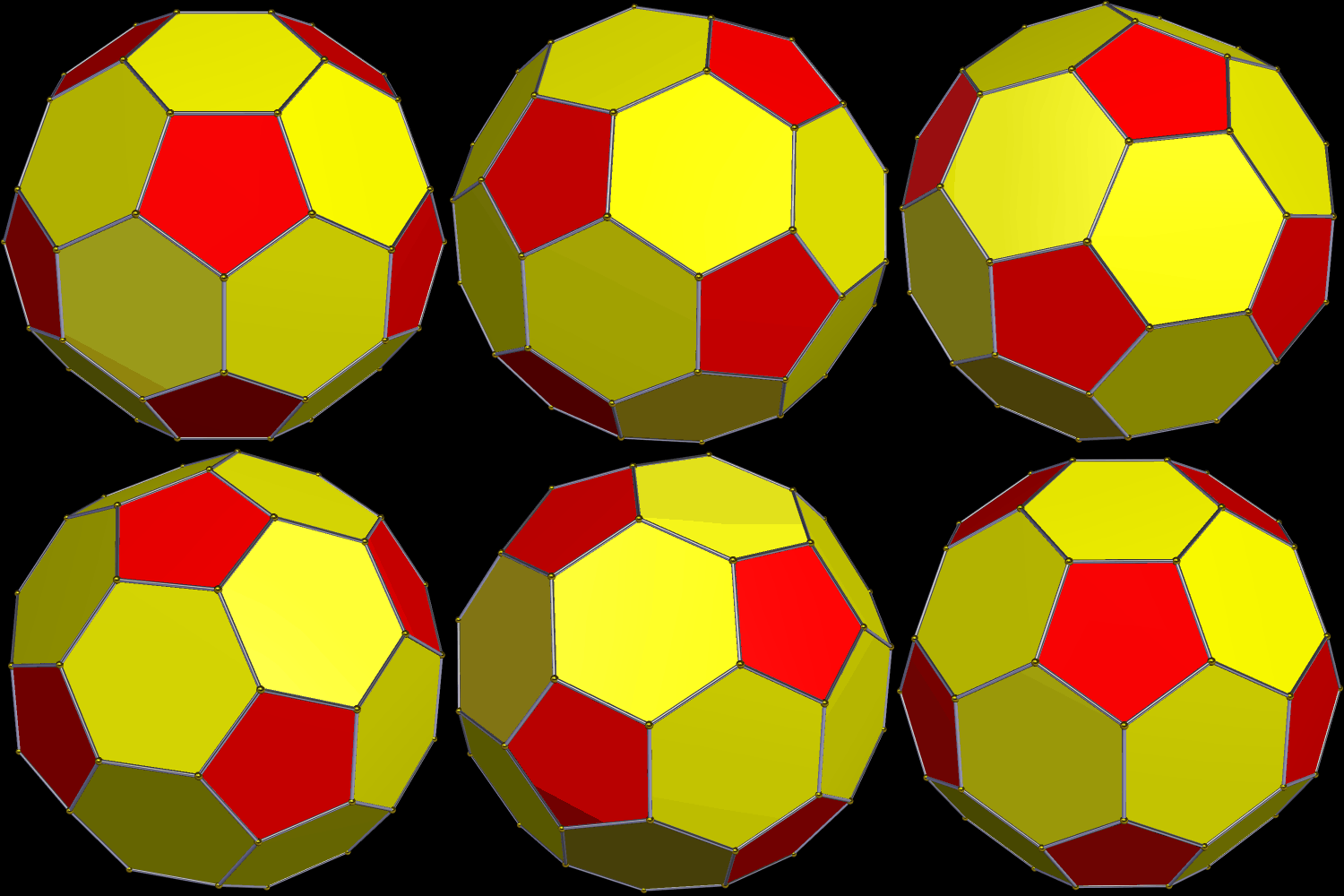
The polyhedron above is the truncated icosahedron, widely known as the pattern for most soccer balls. In the image below, the faces and edges have been hidden, leaving only the vertices.

Trunc Icosa vertices only

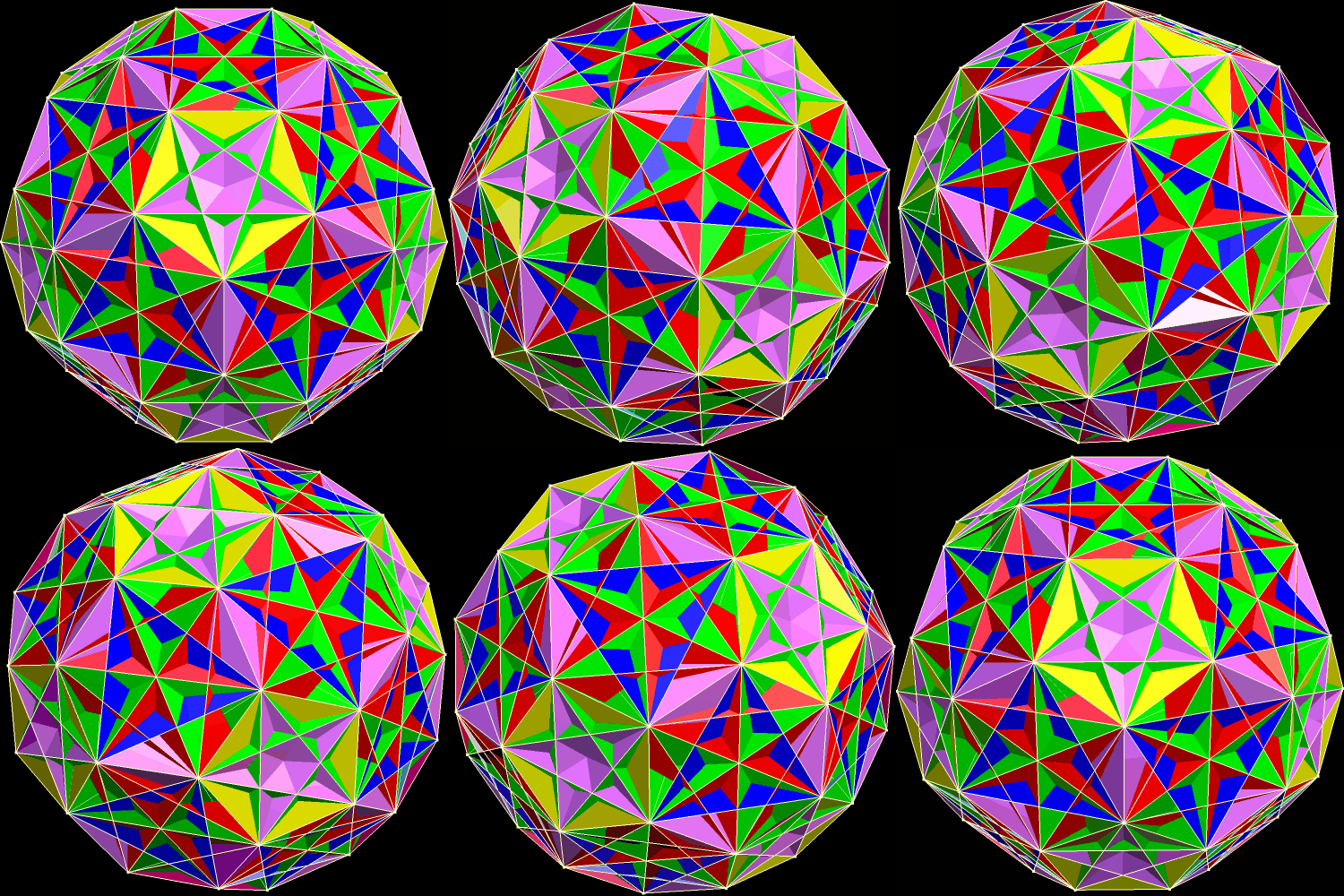
To make a faceted version of this polyhedron, these vertices must be connected in novel ways, creating new edges and faces. There are many faceted versions of this polyhedron, of which seven are shown below.

Faceted Trunc Icosa

Faceted Trunc Icosa 8

Faceted Trunc Icosa 7

Faceted Trunc Icosa 5.gif

Faceted Trunc Icosa 4.gif

Faceted Trunc Icosa 3

Faceted Trunc Icosa 2.gif

I used Stella 4d to make these polyhedral images, and you’re invited to try the program for yourself at http://www.software3d.com/Stella.php.

Four Symmetrohedra

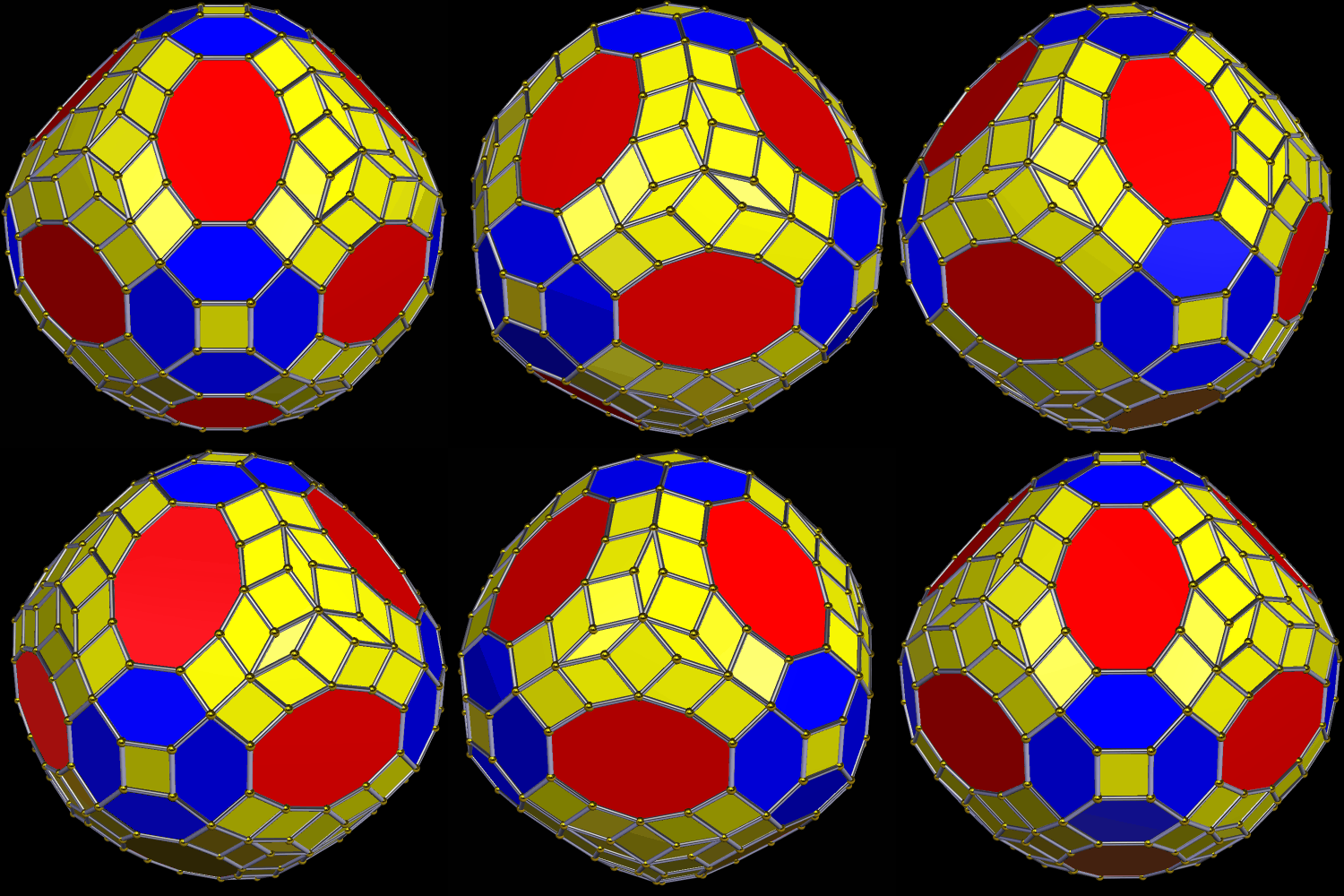
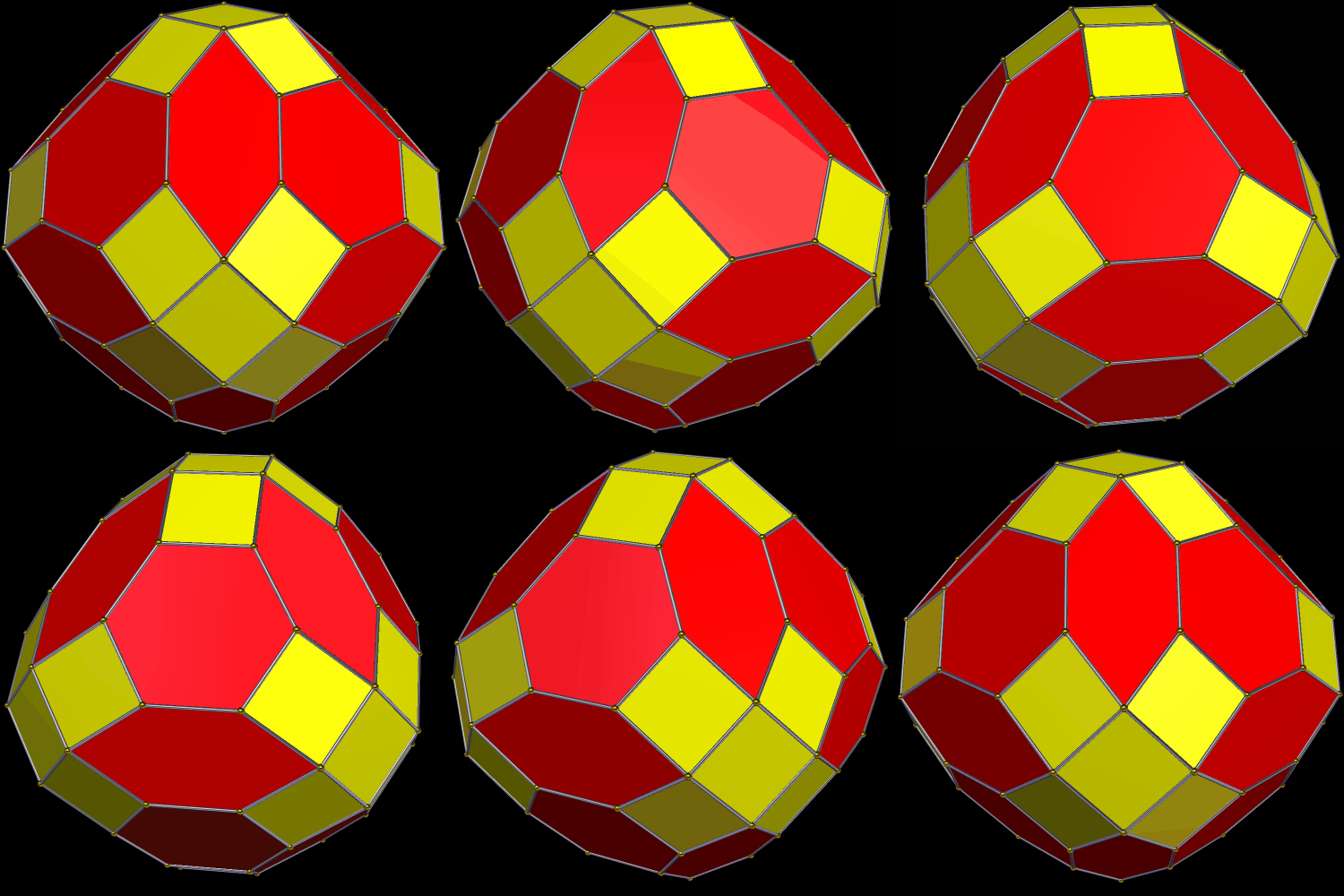
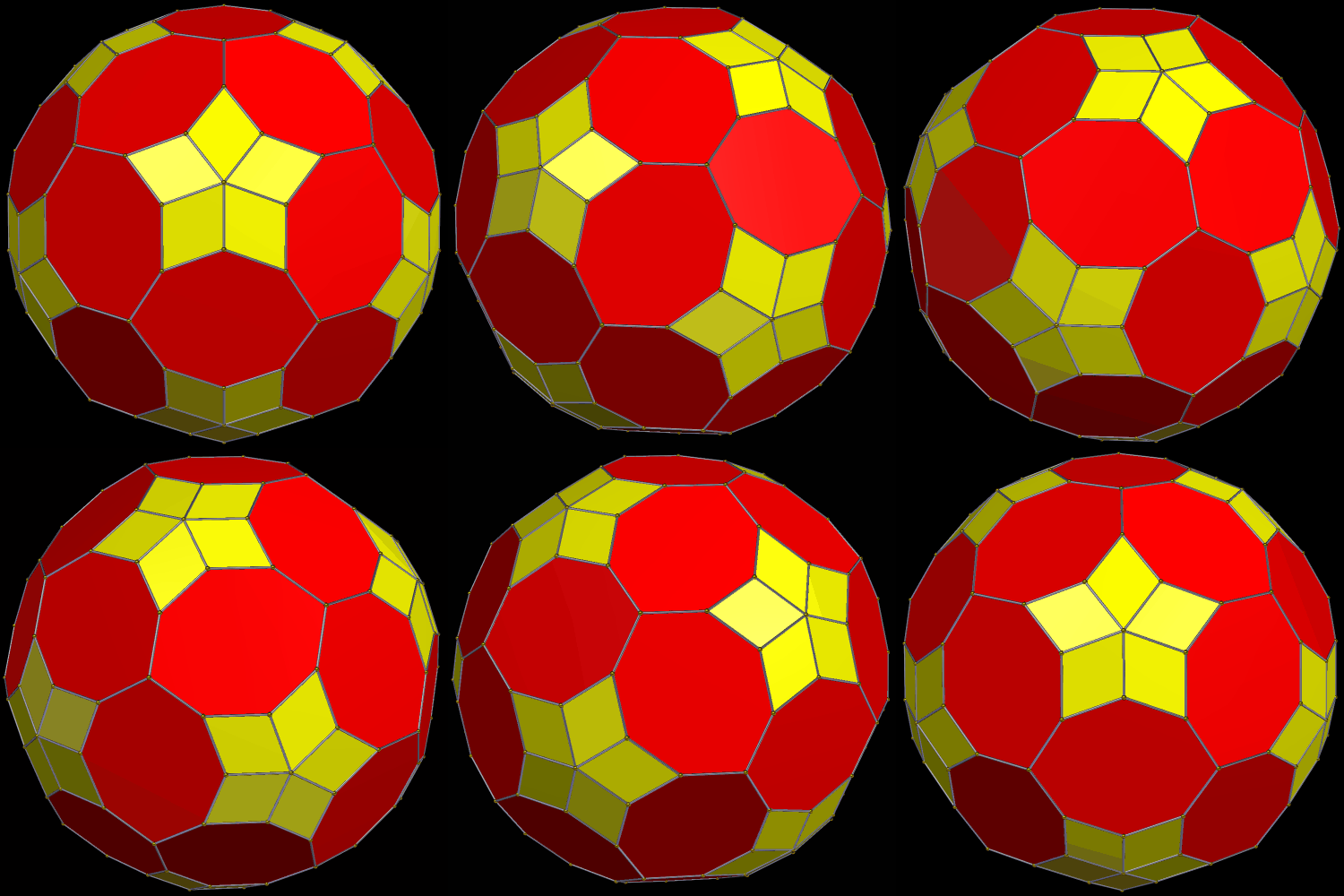
Symmetrohedra are polyhedra with some form of polyhedral symmetry, all faces convex, and many (but not all) faces regular. Here are four I have found using Stella 4d, a polyhedron-manipulation program you can try for yourself at http://www.software3d.com/Stella.php.

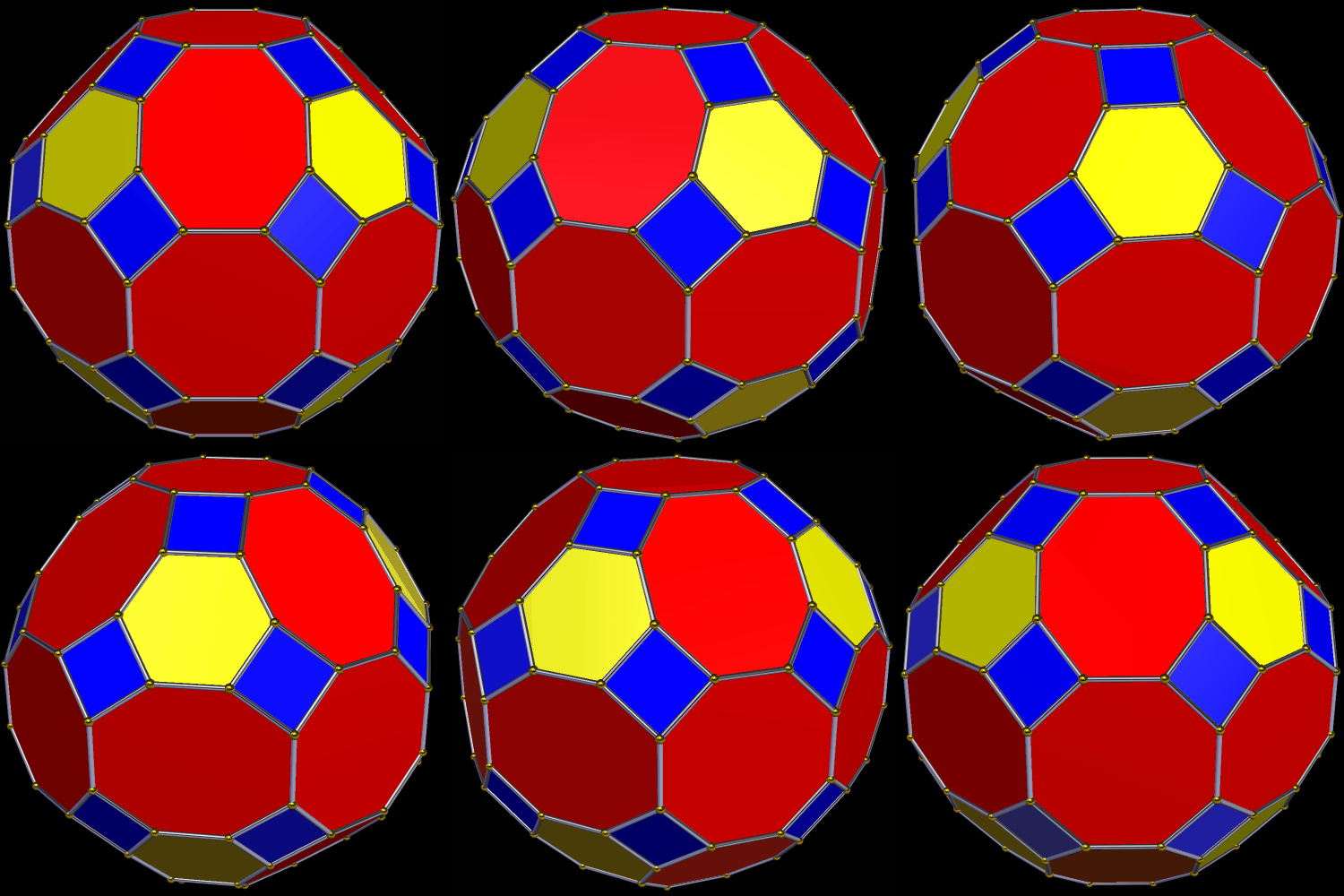
octagons and elongates dodecagons.gif

Octagon-dominated zonohedron

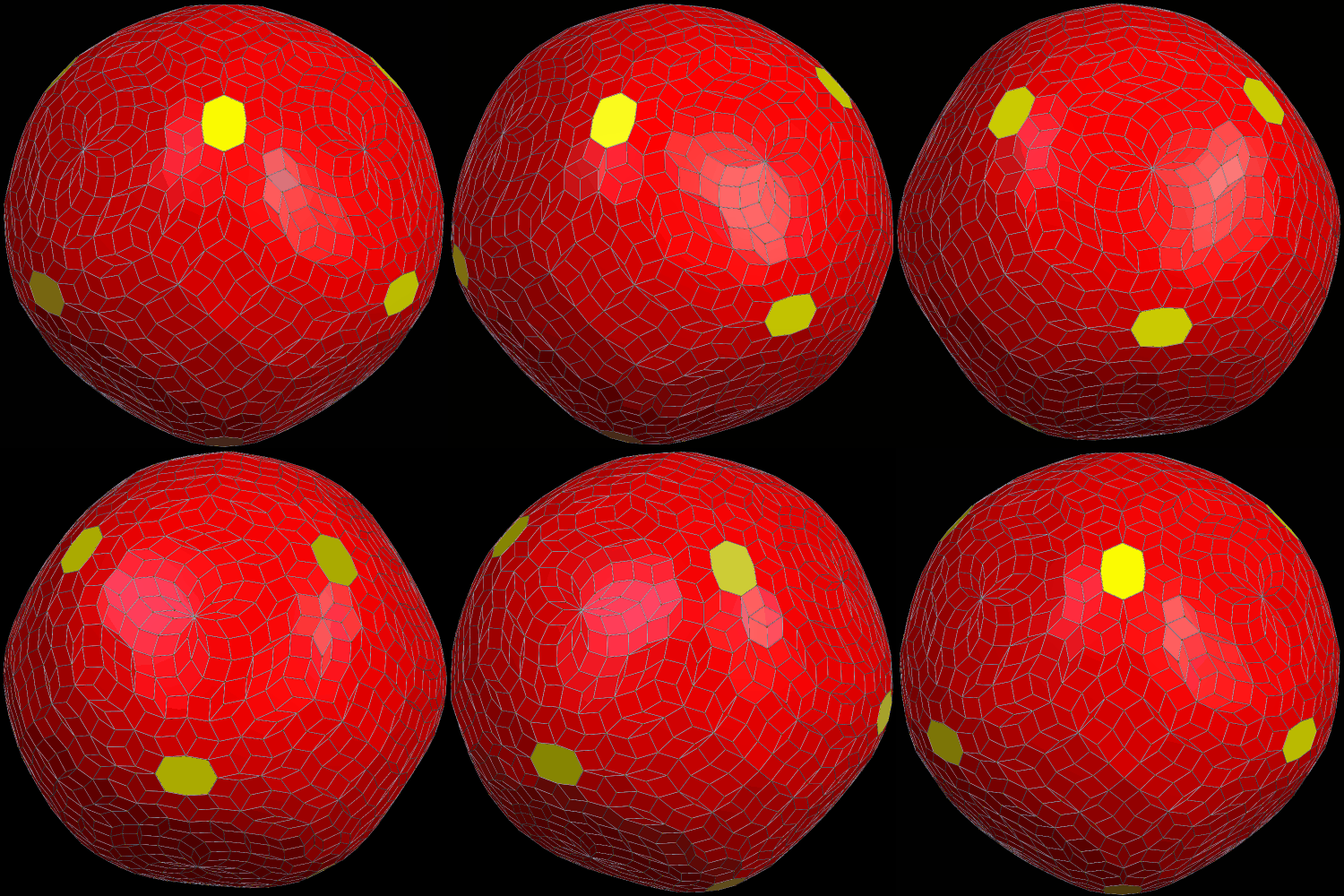
regular decagons and triangles, plus elongated octagons.gif
dual of GRID and dual's compound's convex hull 182 faces incl 12 deca 20 hexa 30 squares and 120 triangles

The second of these symmetrohedra is also a zonohedron, and is colored the way I usually color zonohedra, coloring faces simply by number of sides per face. That is why some of the red octagons in that solid are regular, while others are elongated. The other three symmetrohedra are colored by face type, with the modification that the fourth one’s scalene triangles are all given the same color.

These symmetrohedra were all generated using Stella 4d, a program you may try for yourself at http://www.software3d.com/Stella.php.

Some Ten-Part Polyhedral Compounds

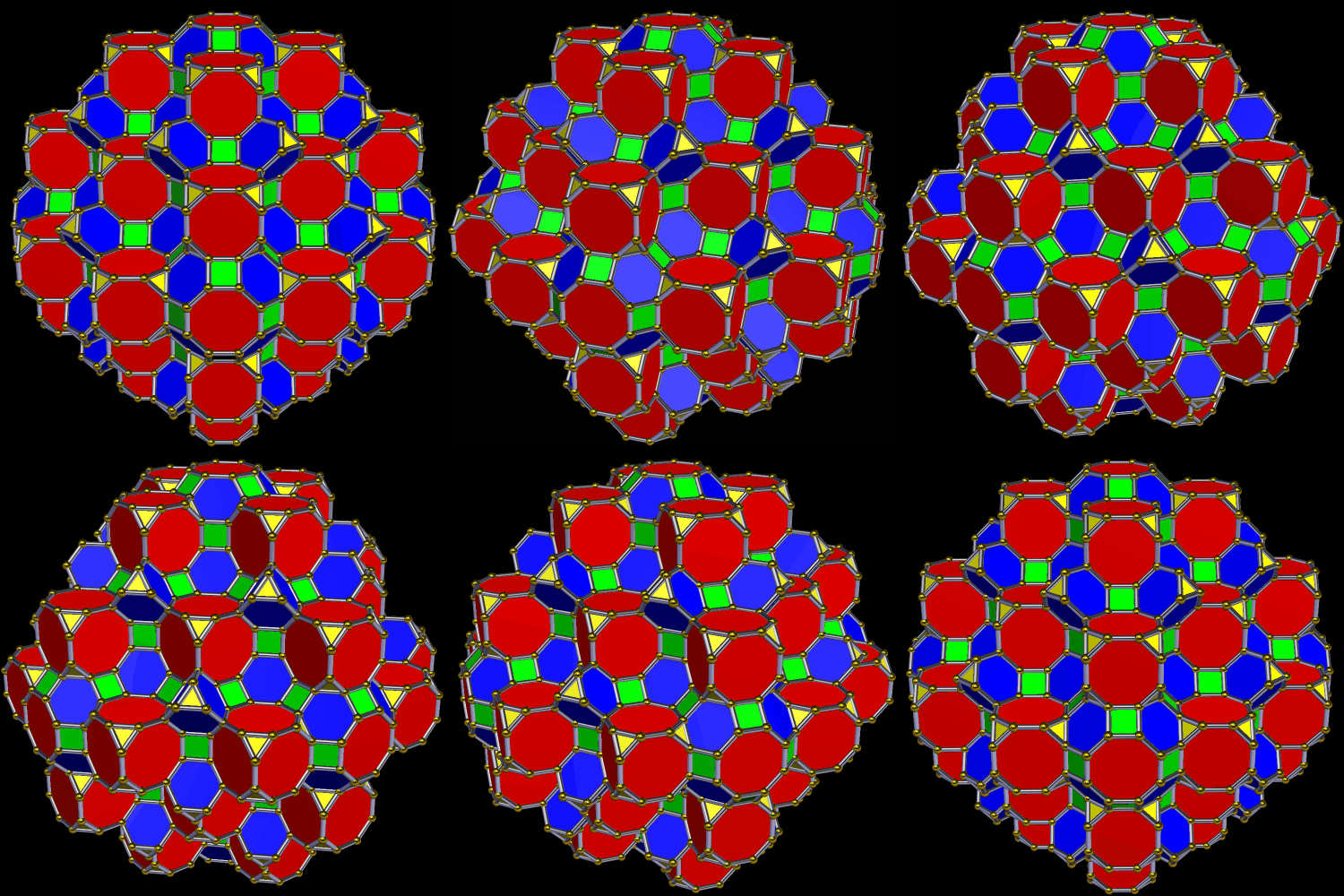
While examining different facetings of the dodecahedron, I stumbled across one which is also a compound of ten elongated octahedra.

Faceted Dodeca and compound of ten elongated octahedra.gif

Here’s what this compound looks like with the edges and vertices hidden:

Faceted Dodeca and compound of ten elongated octahedra without edges and vertices.gif

Next, I’ll put the edges and vertices back, but hide nine of the ten components of the compound. This makes it easier to see the single elongated octahedron which is still shown.

Faceted Dodeca one part of ten with edges and vertices.gif

Here’s what this elongated octahedron looks like with all those vertices and edges hidden from view.

Faceted Dodeca one part of ten.gif

I made all these polyhedral transformations using Stella 4d, a program you can try for yourself at this website. Stella includes a “measurement mode,” and, using that, I was able to determine that the short edge to long edge ratio in these elongated octahedra is 1:sqrt(2).

The next thing I wanted to try was to make the octahedra regular. Stella has a function for that, too, and here’s the result: a compound of ten regular octahedra.

compound of ten regular octahedra.gif

My last step in this polyhedral exploration was to form the dual of this solid. Since the octahedron’s dual is the cube, this dual is a compound of ten cubes.

compound of ten cubes.gif

Augmenting the Dodecahedron with Great Dodecahedra

These two polyhedra are the dodecahedron (left), and the great dodecahedron (right).

Since the faces of both of these polyhedra are regular pentagons, it is possible to augment each of the dodecahedron’s twelve faces with a great dodecahedron. Here is the result.

Augmented Dodeca.gif

I used Stella 4d to make these images. You may try this program for yourself at http://www.software3d.com/Stella.php.

Using Rhombic Triacontahedra to Build an Icosidodecahedron

These two polyhedra are the icosidodecahedron (left), and its dual, the rhombic triacontahedron (right).

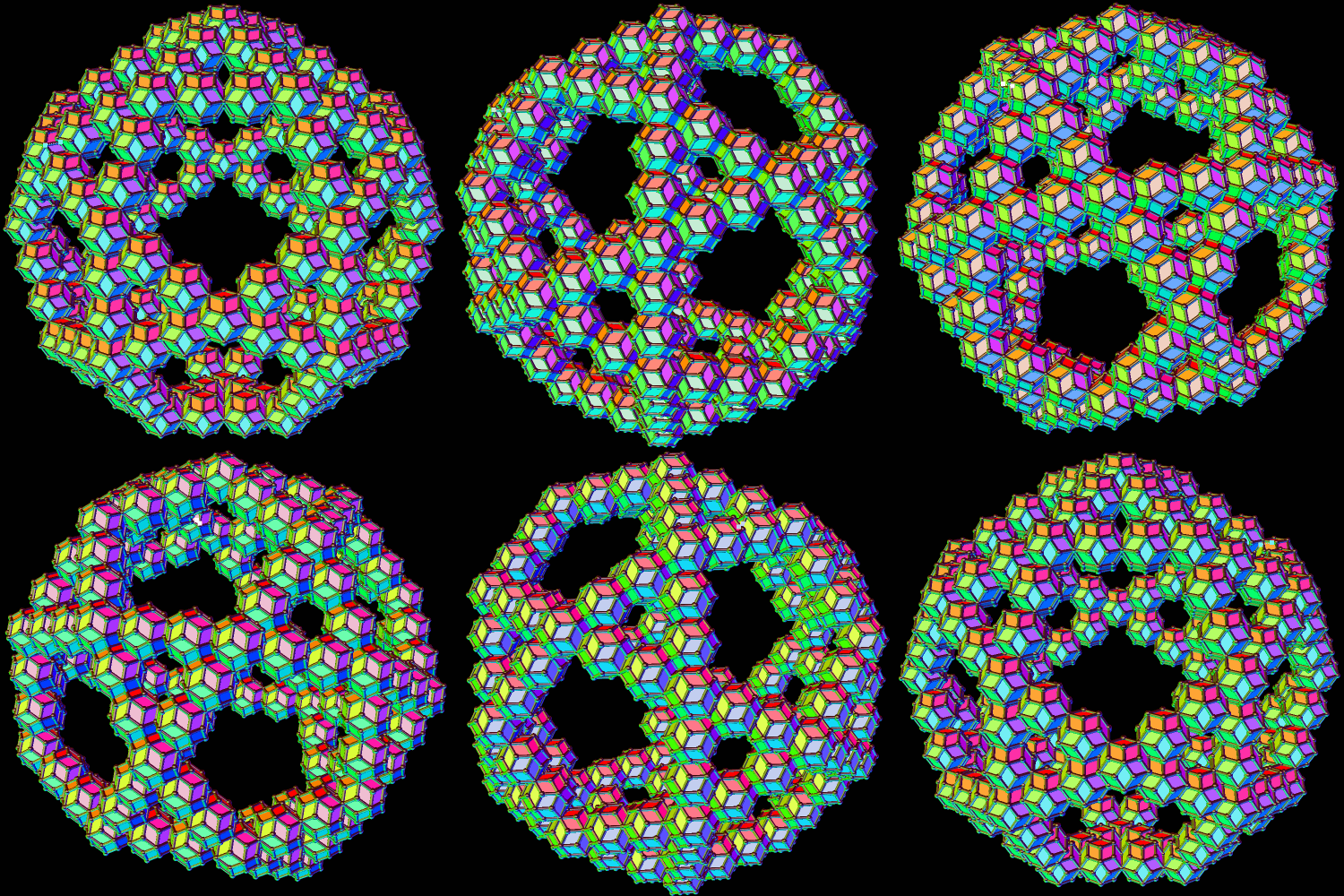
One nice thing about these two polyhedra is that one of them, the rhombic triacontahedron, can be used repeatedly, as a building-block, to build the other one, the icosidodecahedron. To get this started, I first constructed one edge of the icosidodecahedron, simply by lining up four rhombic triacontahedra.

ID of RTCs edge

Three of these lines of rhombic triacontahedra make one of the icosidodecahedron’s triangular faces.

ID of RTCs triangle

Next, a pentagon is attached to this triangle.

ID of RTCs pent and triangle

Next, the pentagonal ring is surrounded by triangles.

ID of RTCs star.gif

More triangles and pentagons bring this process to the half-way point. If we were building a pentagonal rotunda (one of the Johnson solids), this would be the finished product.

ID of RTCs pentagonal rotunda.gif

Adding the other half completes the icosidodecahedron.

ID of RTCs complete.gif

All of these images were created using Stella 4d: Polyhedron Navigator. You may try this program yourself, for free, at http://www.software3d.com/Stella.php. The last thing I did with Stella, for this post, was to put the finished model into rainbow color mode.
ID of RTCs complete rainbow.gif

Augmenting the Icosahedron with Great Icosahedra

These two polyhedra are the icosahedron (left), and the great icosahedron (right).
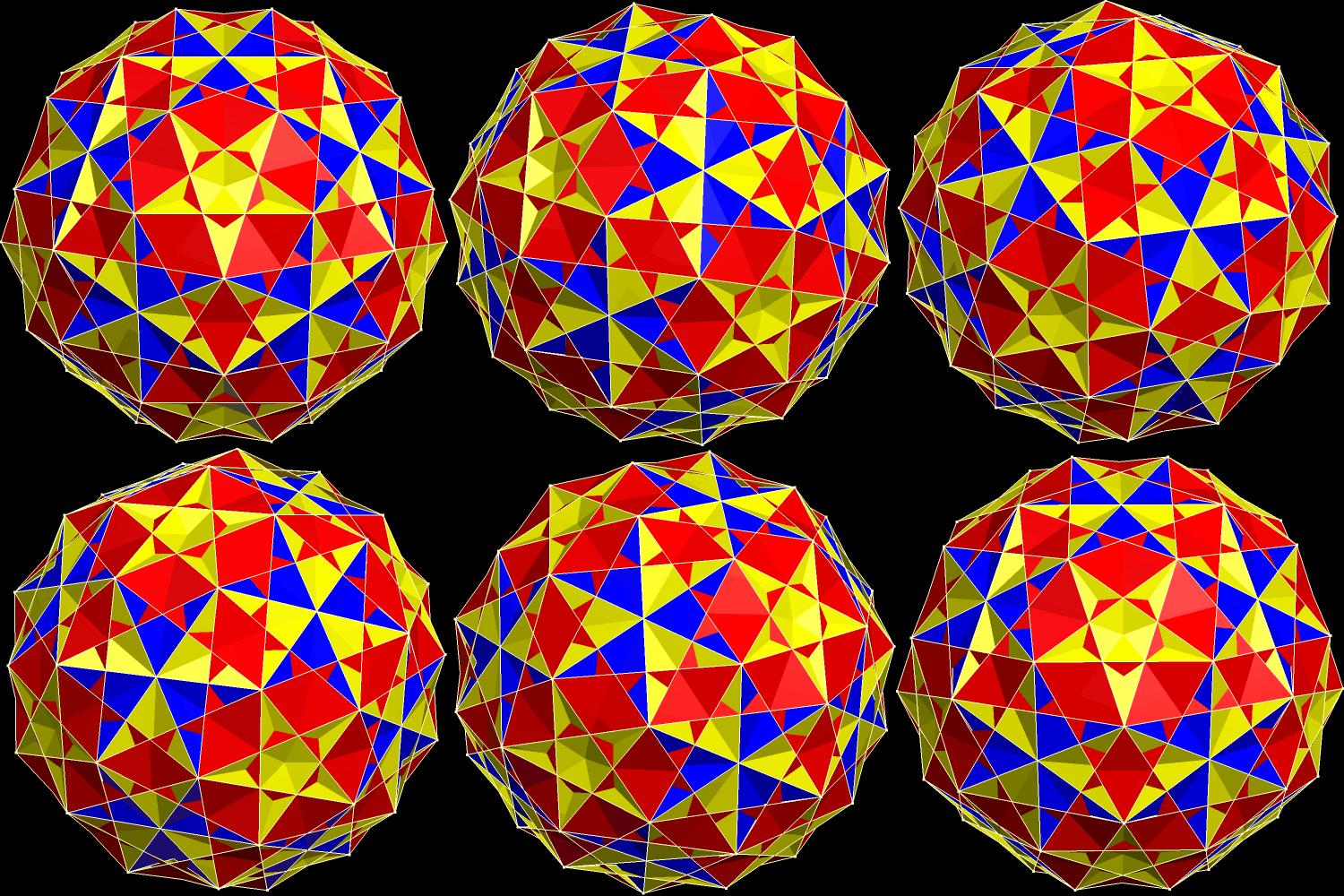
 

Since the faces of both of these polyhedra are equilateral triangles, it is possible to augment each of the icosahedron’s twenty faces with a great icosahedron. Here is the result.

Augmented Icosa with 20 great icosas.gif

I used Stella 4d to make these images. You may try this program for yourself at http://www.software3d.com/Stella.php.

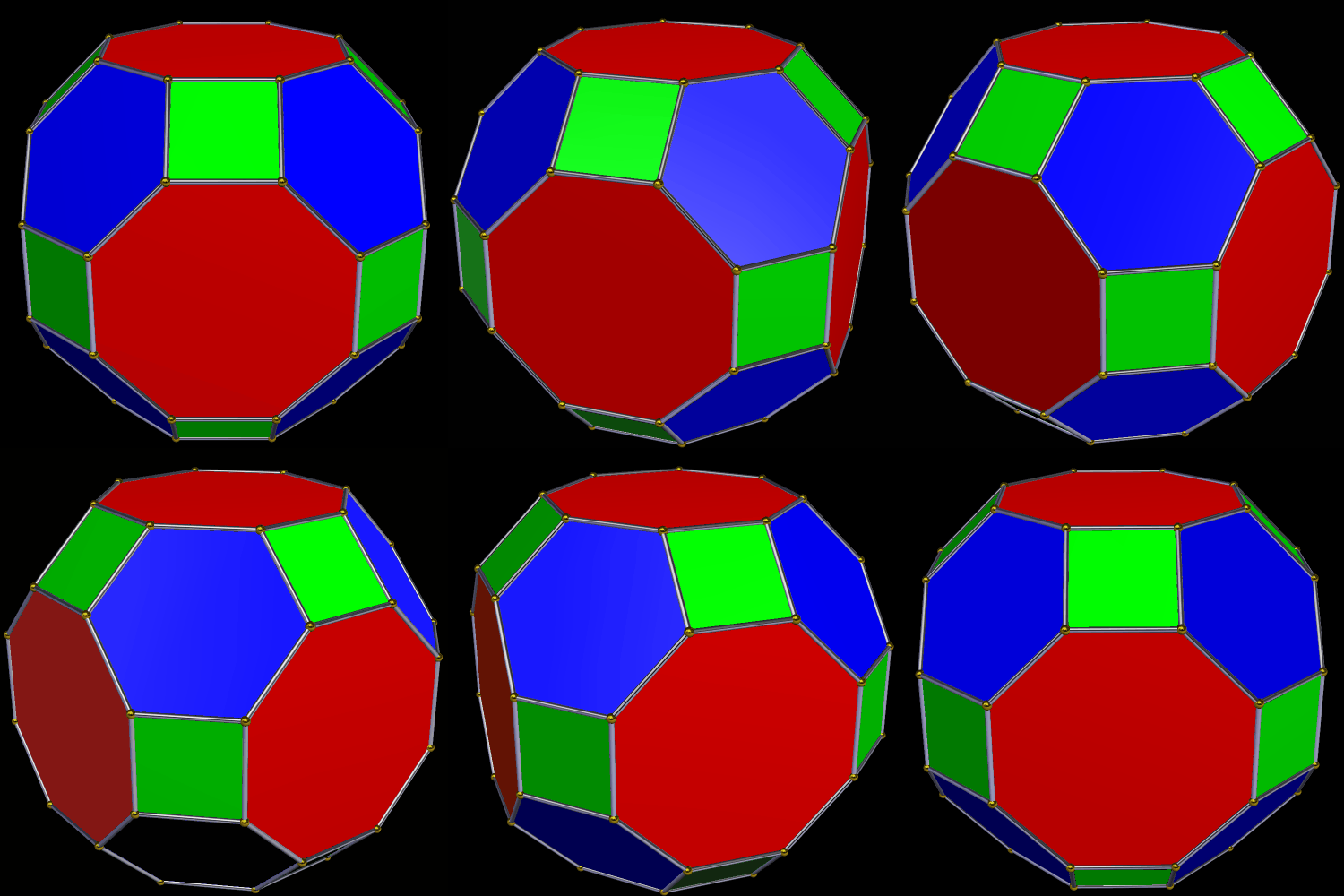
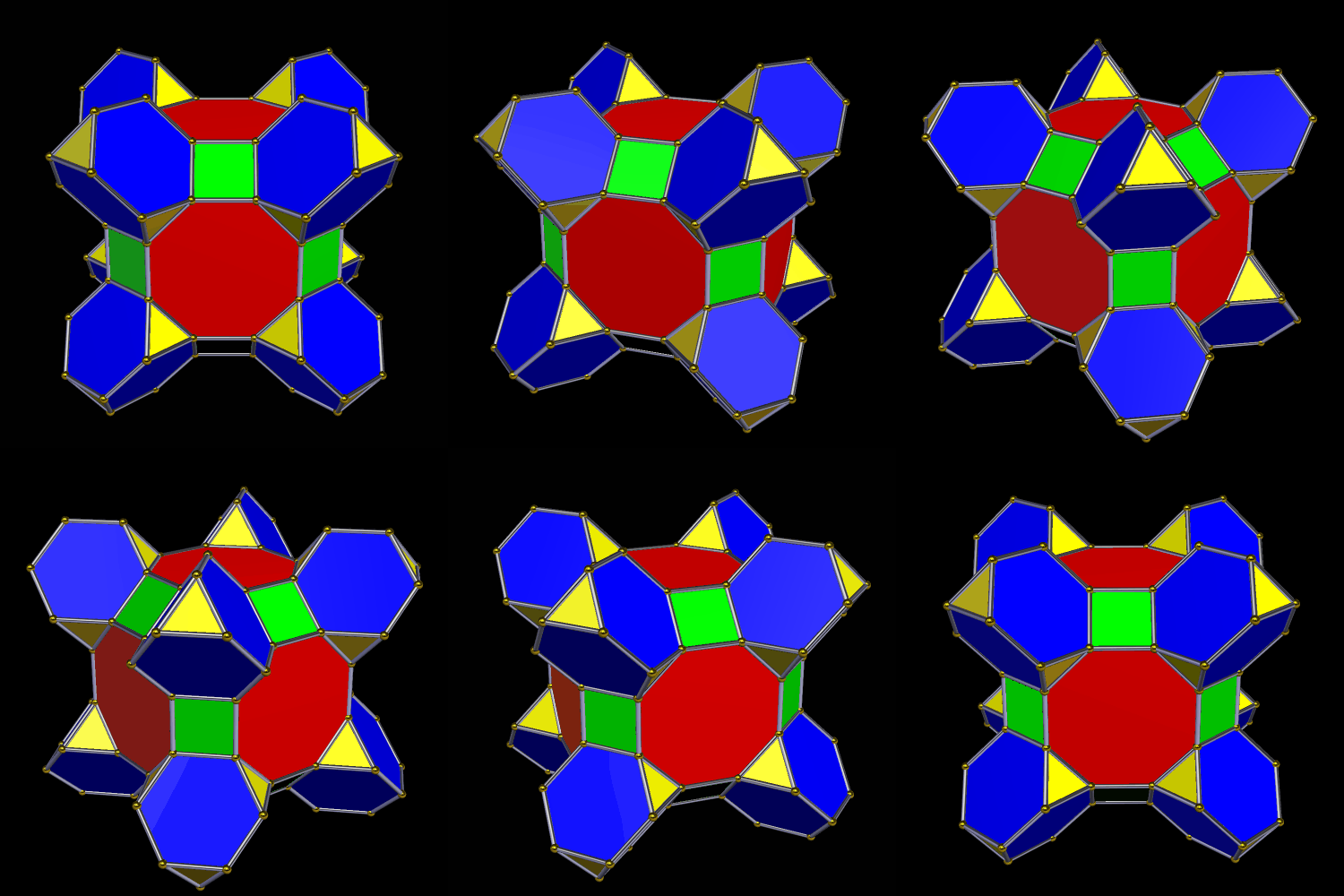
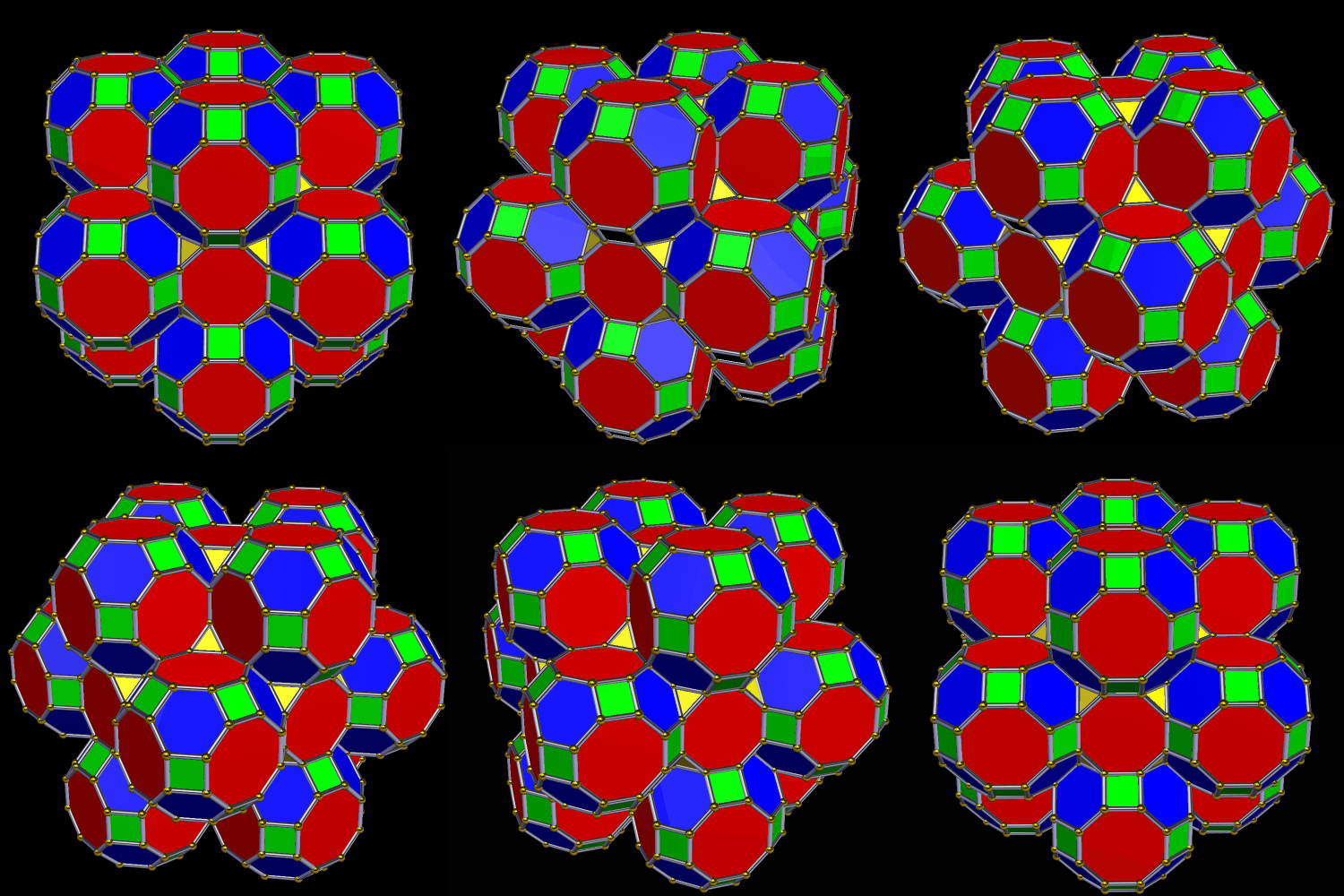
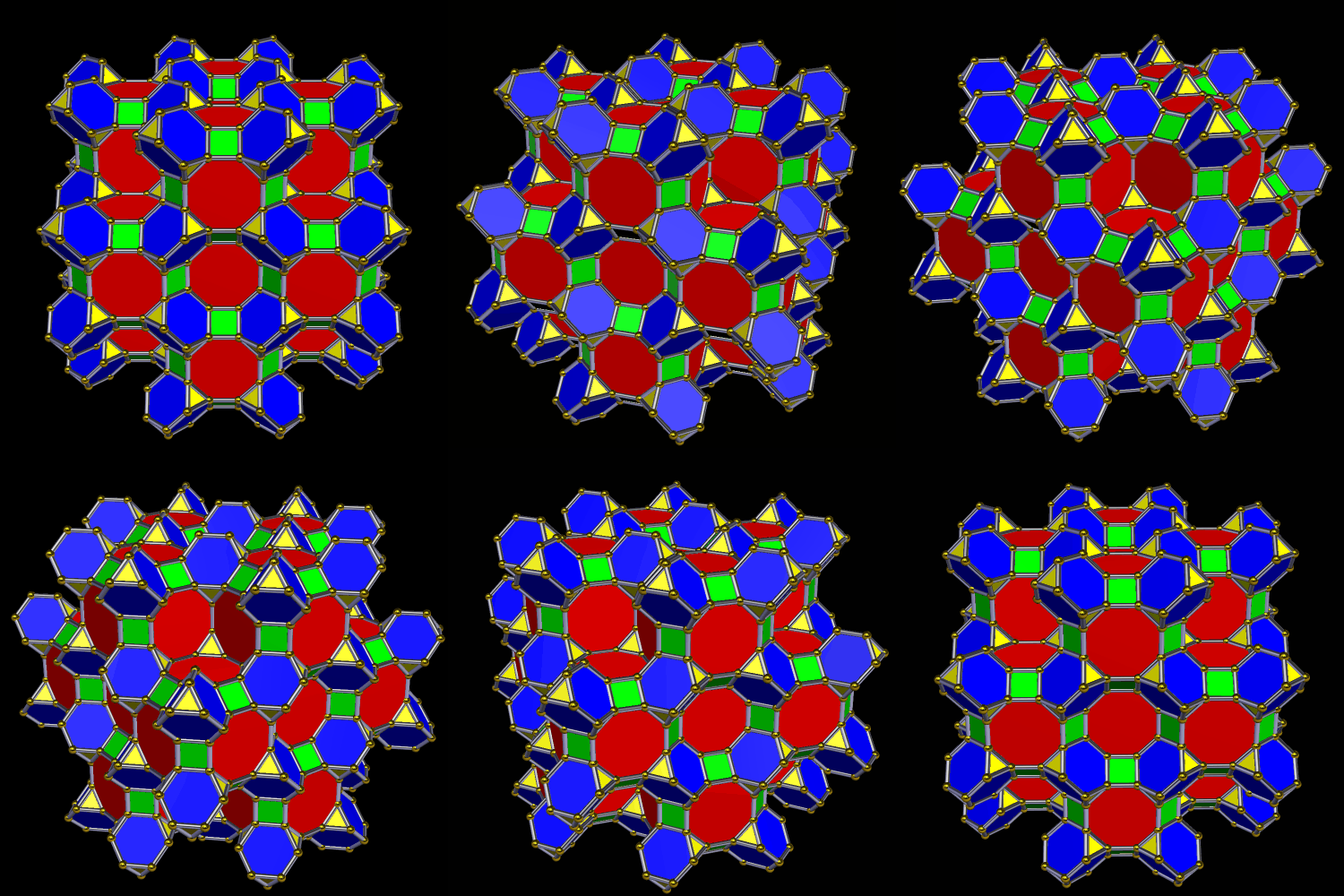
Three Archimedean Solids Which Fill Space Together: The Great Rhombcuboctahedron, the Truncated Tetrahedron, and the Truncated Cube

To start building this space-filling honeycomb of three Archimedean solids, I begin with a great rhombcuboctahedron. This polyhedron is also called the great rhombicuboctahedron, as well as the truncated cuboctahedron.

Trunc Cubocta honeycomb core

Next, I augment the hexagonal faces with truncated tetrahedra.

Trunc Cubocta honeycomb core plus 1.gif

The next polyhedra to be added are truncated cubes.

Trunc Cubocta honeycomb core plus 2

Now it’s time for another layer of great rhombcuboctahedra.

Trunc Cubocta honeycomb core plus 3

Now more truncated tetrahedra are added.

Trunc Cubocta honeycomb core plus 4

Now it’s time for a few more great rhombcuboctahedra.

Trunc Cubocta honeycomb core plus 5

Next come more truncated cubes.

Trunc Cubocta honeycomb core plus 6

More great rhombcuboctahedra come next.

Trunc Cubocta honeycomb core plus 7

More augmentations using these three Archimedean solids can be continued, in this manner, indefinitely. The images above were created with Stella 4d: Polyhedron Navigator, a program you may try for yourself at http://www.software3d.com/Stella.php.

A Compound of an Octahedron and a Pyritohedral Dodecahedron

compound of a pyritohedral dodecahedron and an octahedron

I made this using Stella 4d: Polyhedron Navigator. You can try this program for free at http://www.software3d.com/Stella.php.