
I made this variant of the truncated octahedron using Stella 4d: Polyhedron Navigator. You may try this program for free at http://www.software3d.com/Stella.php.
I made this variant of the truncated octahedron using Stella 4d: Polyhedron Navigator. You may try this program for free at http://www.software3d.com/Stella.php.
To make this polyhedron, I started with a snub dodecahedron. Next, I augmented all triangular faces of it with prisms, then took the convex hull of the result. Finally, I used Stella 4d‘s “try to make faces regular” function on the convex hull.

If you’d like to try the trial version of Stella for yourself, the website to visit is http://www.software3d.com/Stella.php.
Just like I did in the first part of this two-part post, I’m starting with the snub dodecahedron’s 43rd stellation.

This time, though, this polyhedral exploration is going in another direction. In the image below, the yellow kites seen above are shown augmented with prisms. The height of the prisms is equal to the average edge length of those kites.
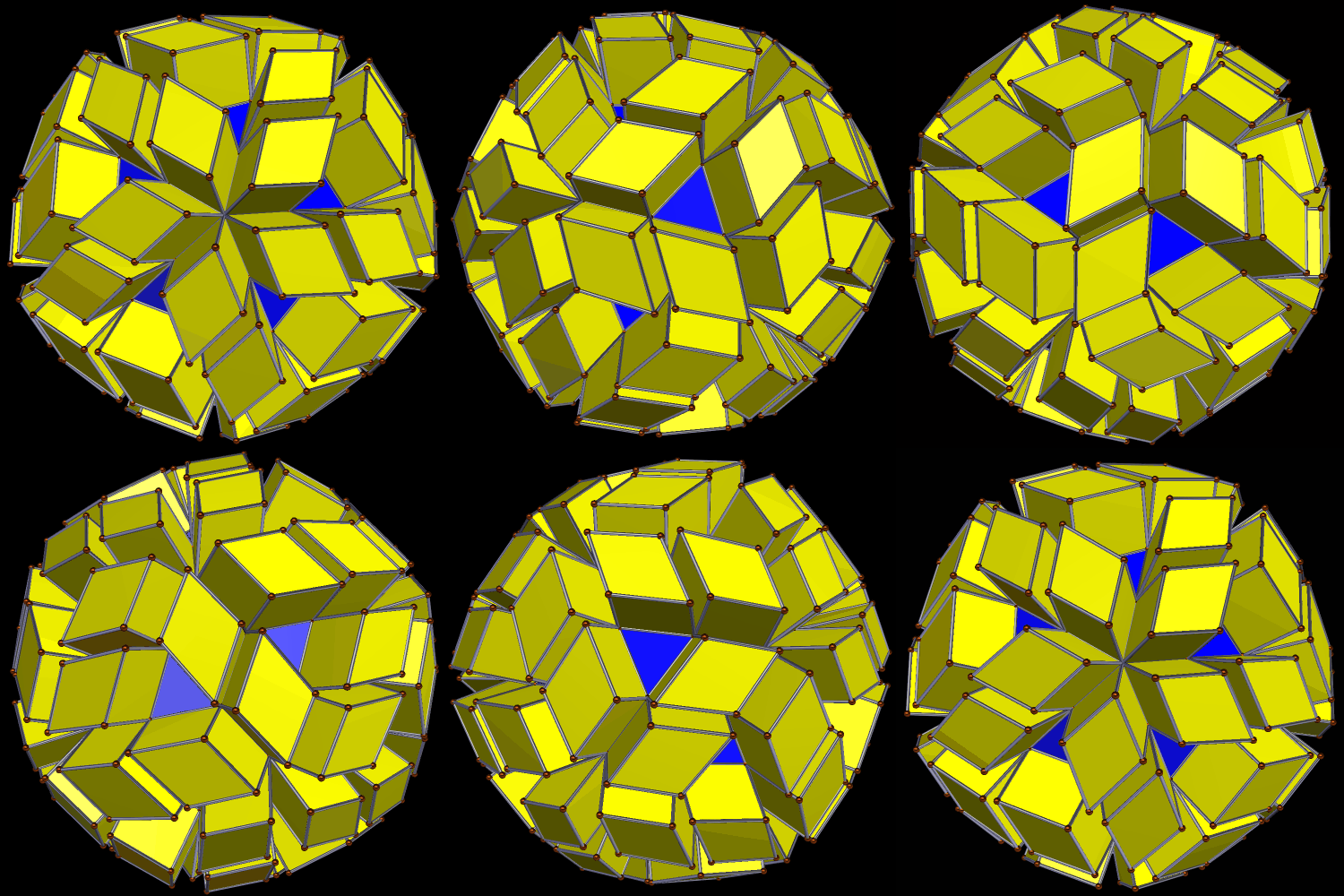
Creating the convex hull of this augmented polyhedron is the next step.

The program I’m using to make these changes to polyhedra is called Stella 4d (it’s available here). The next step is using a function of Stella called “try to make faces regular.” The result is shown below.
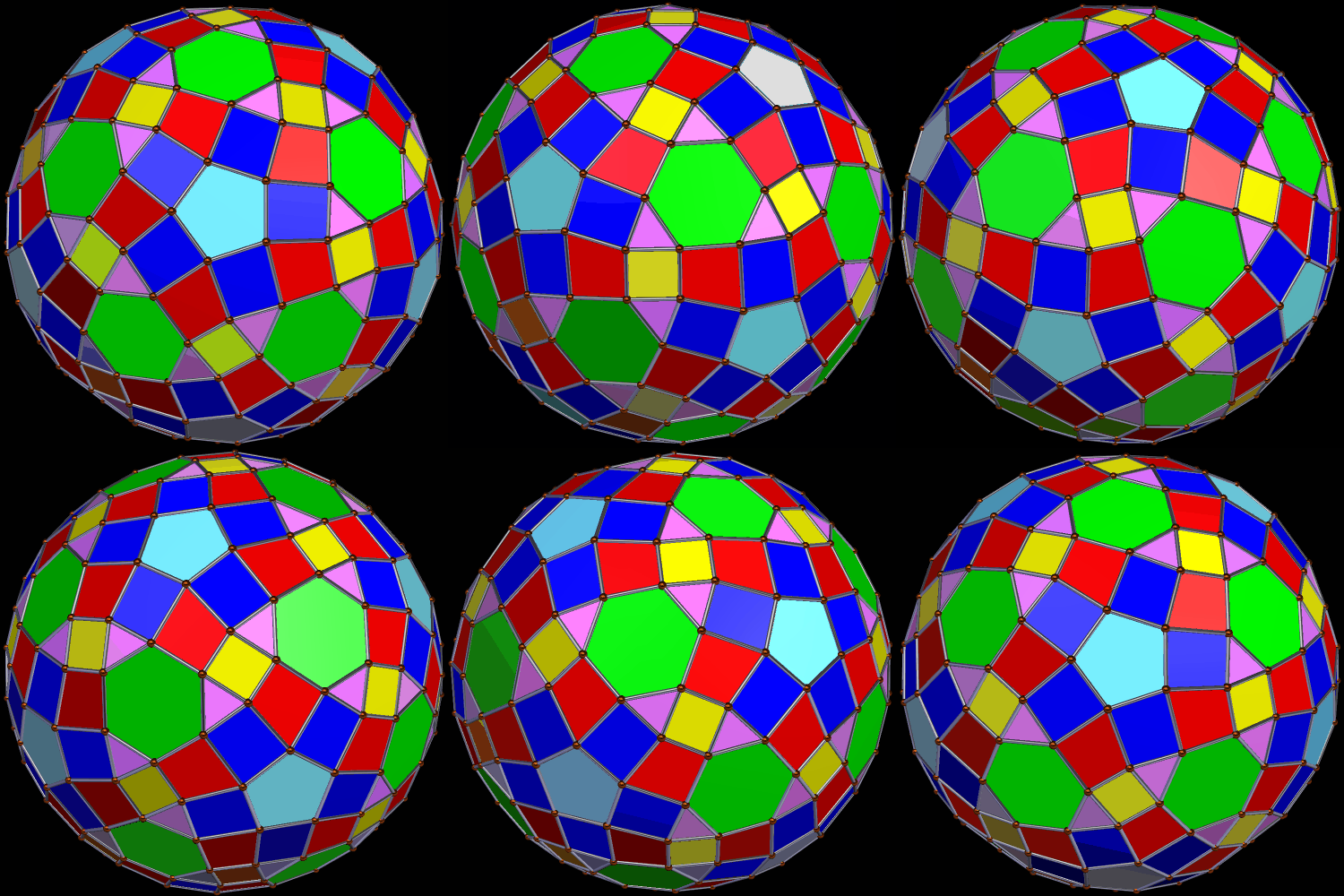
Finally, I’m adjusting the coloring scheme so hexagons, pentagon, and triangles each get their own color, with a fourth color used for all three types of quadrilateral.
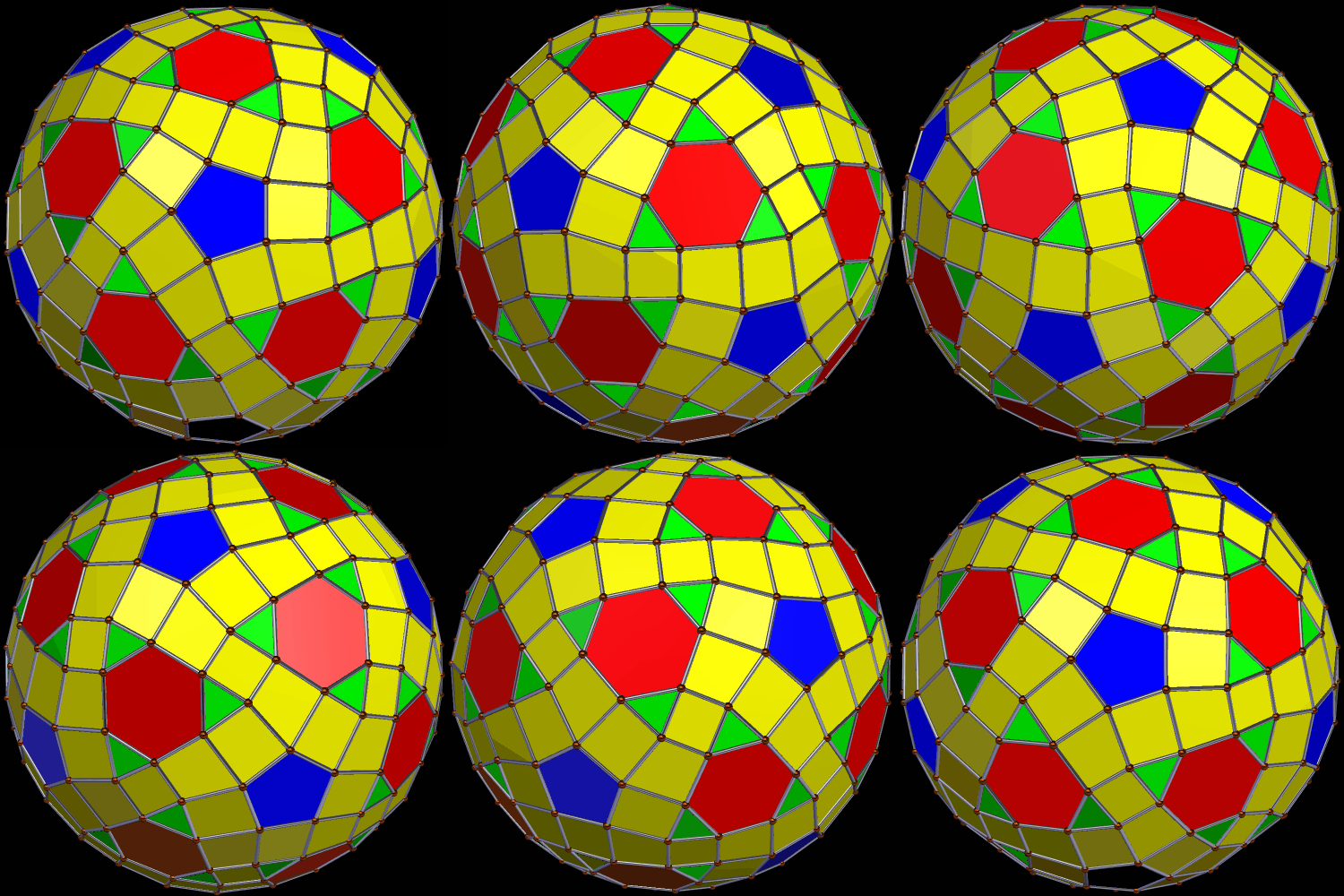
Because I like this result, I’m stopping here.
If you stellate the snub dodecahedron 43 times, this is the result. The yellow faces are kites, not rhombi.

Like the snub dodecahedron itself, this polyhedron is chiral. Here is the mirror-image of the polyhedron shown above.

Any chiral polyhedron may be combined with its own mirror-image to create a compound.

This is the dual of the snub dodecahedron’s 43rd stellation.

This dual is also chiral. Here is its reflection.

Finally, here is the compound of both duals.
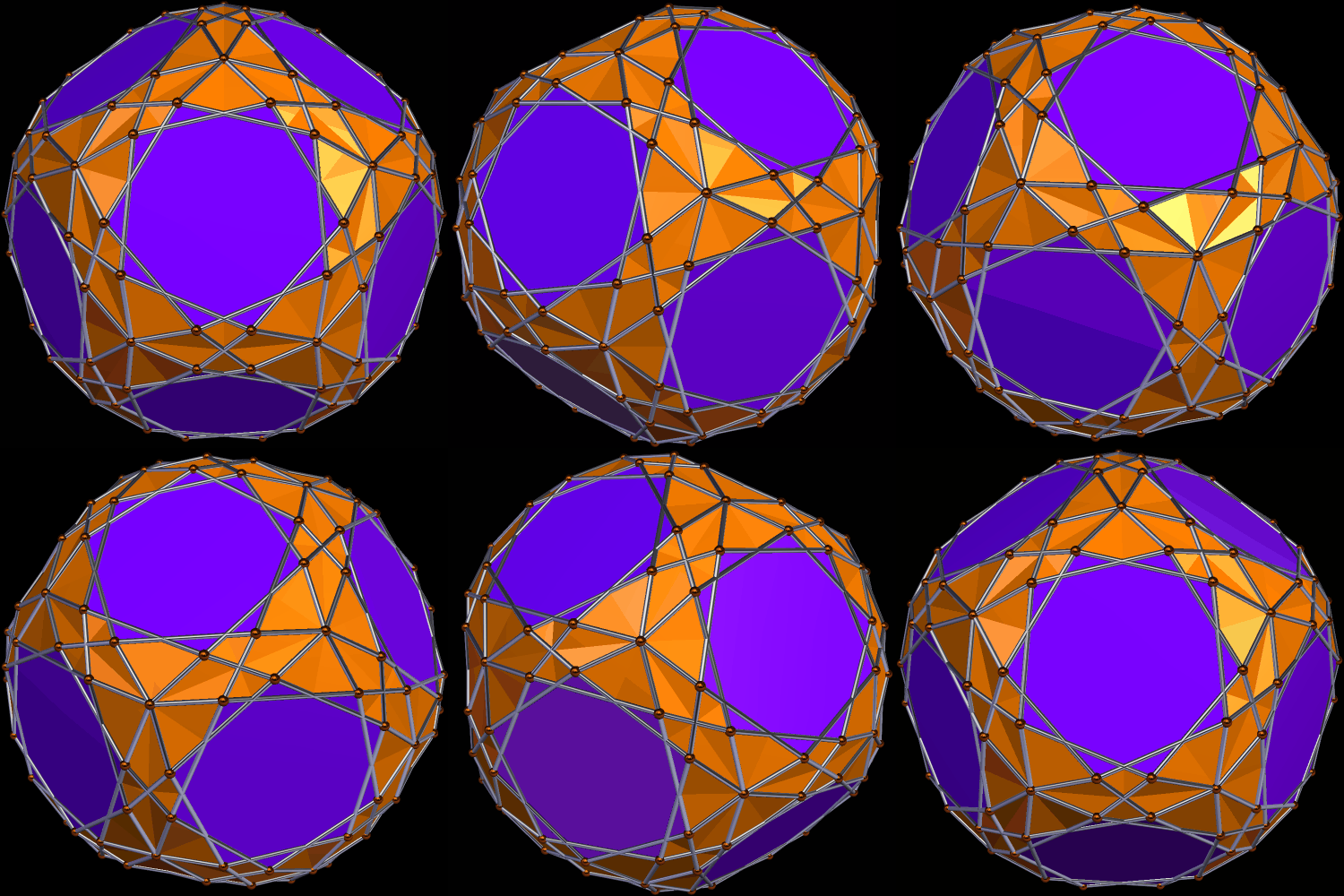
I used Stella 4d: Polyhedron Navigator to create these images. You may try this program for yourself at http://www.software3d.com/Stella.php.

I made this using Stella 4d: Polyhedron Navigator, which you may try for free right here.
This is the truncated dodecahedron. It is one of the Archimedean solids.
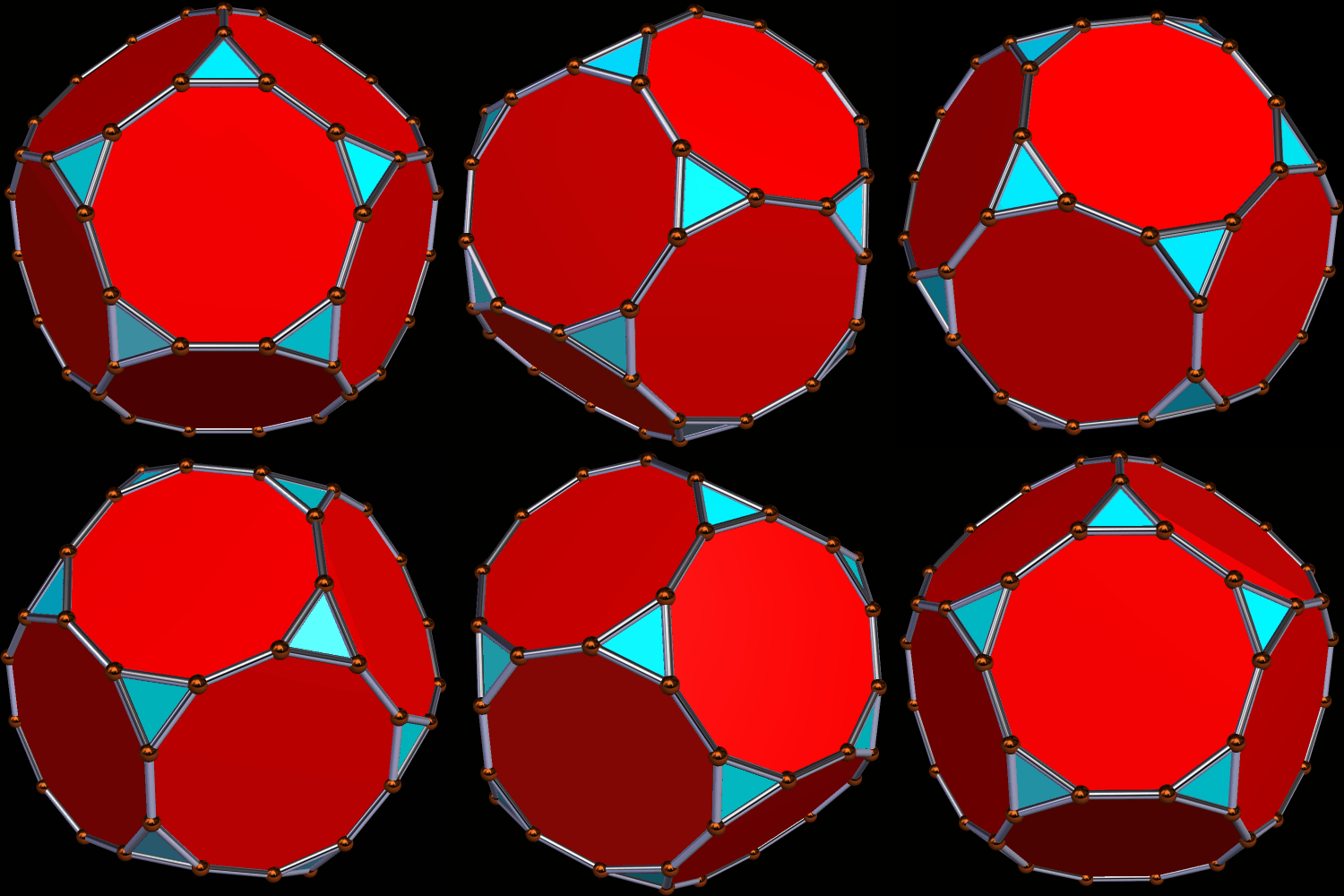
This polyhedron has a long stellation-series, from which I selected several on aesthetic grounds. The figure immediately below is the truncated dodecahedron’s 16th stellation.
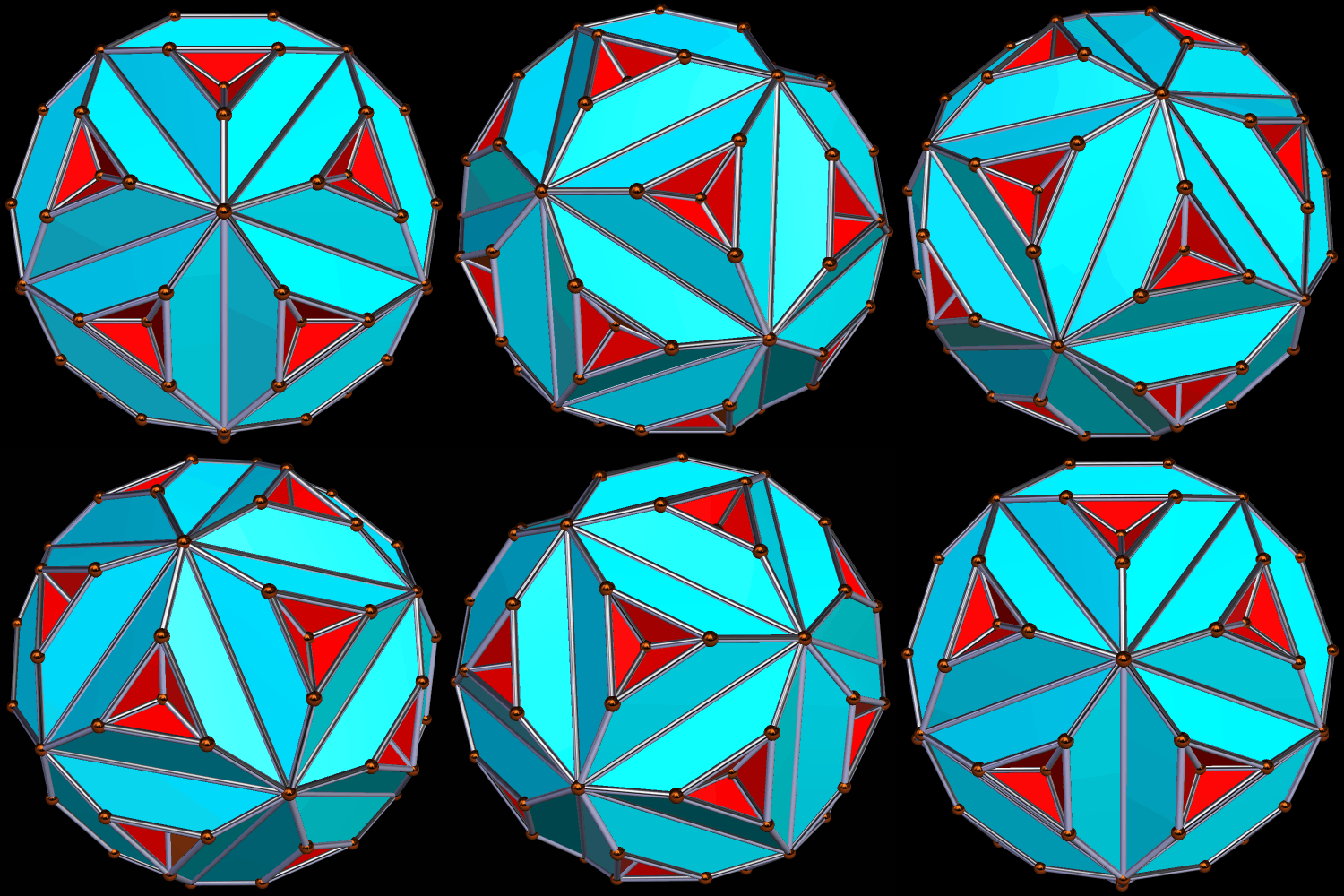
Here is the 21st stellation.
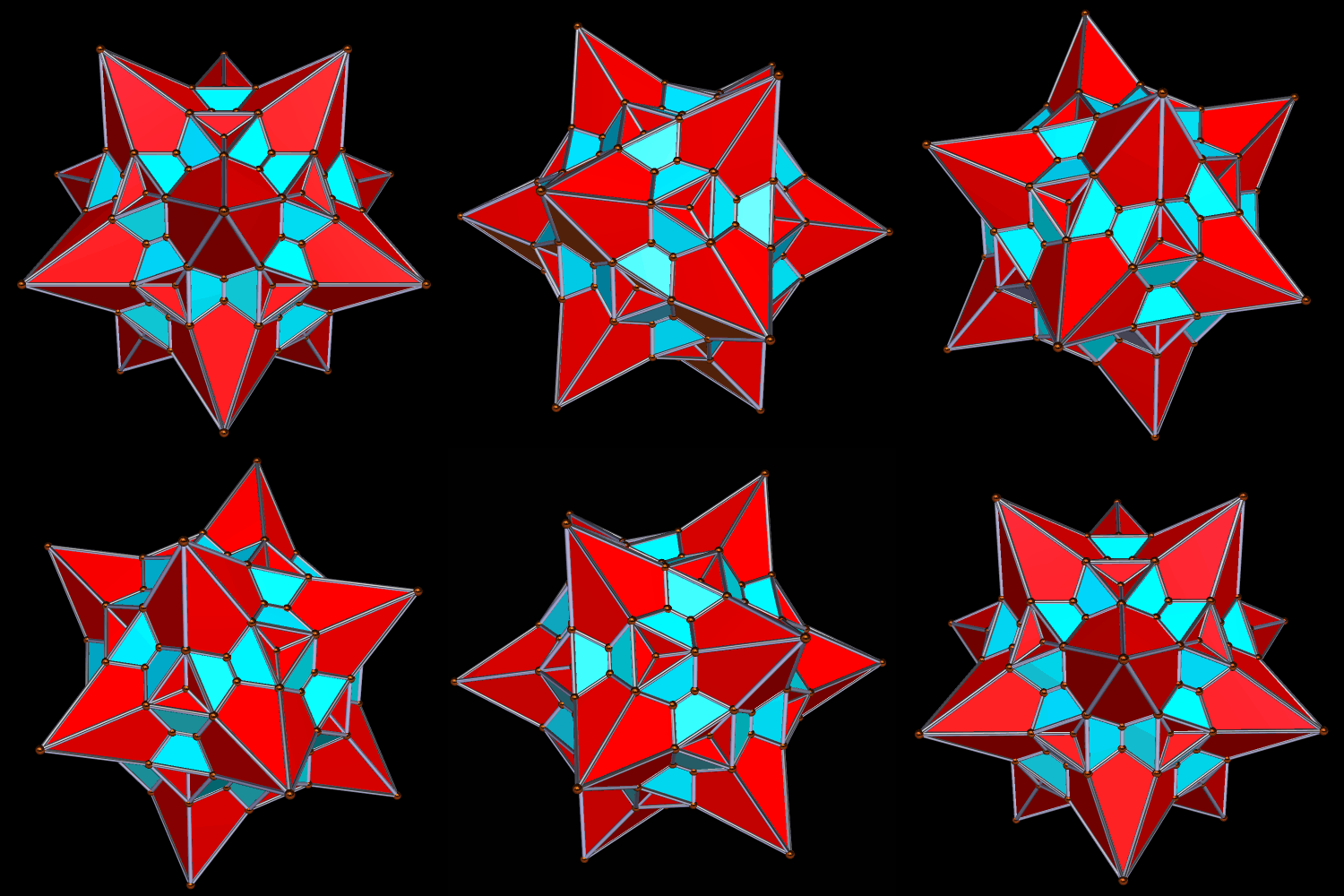
It’s easy to stellate polyhedra rapidly, and make many other changes to them, with Stella 4d: Polyhedron Navigator. You can try it for free at http://www.software3d.com/Stella.php.

The stellation shown immediately above is the 25th, and the one shown immediately below is the 27th.

Here is the next stellation: the 28th. Unlike the ones shown above, it is chiral.
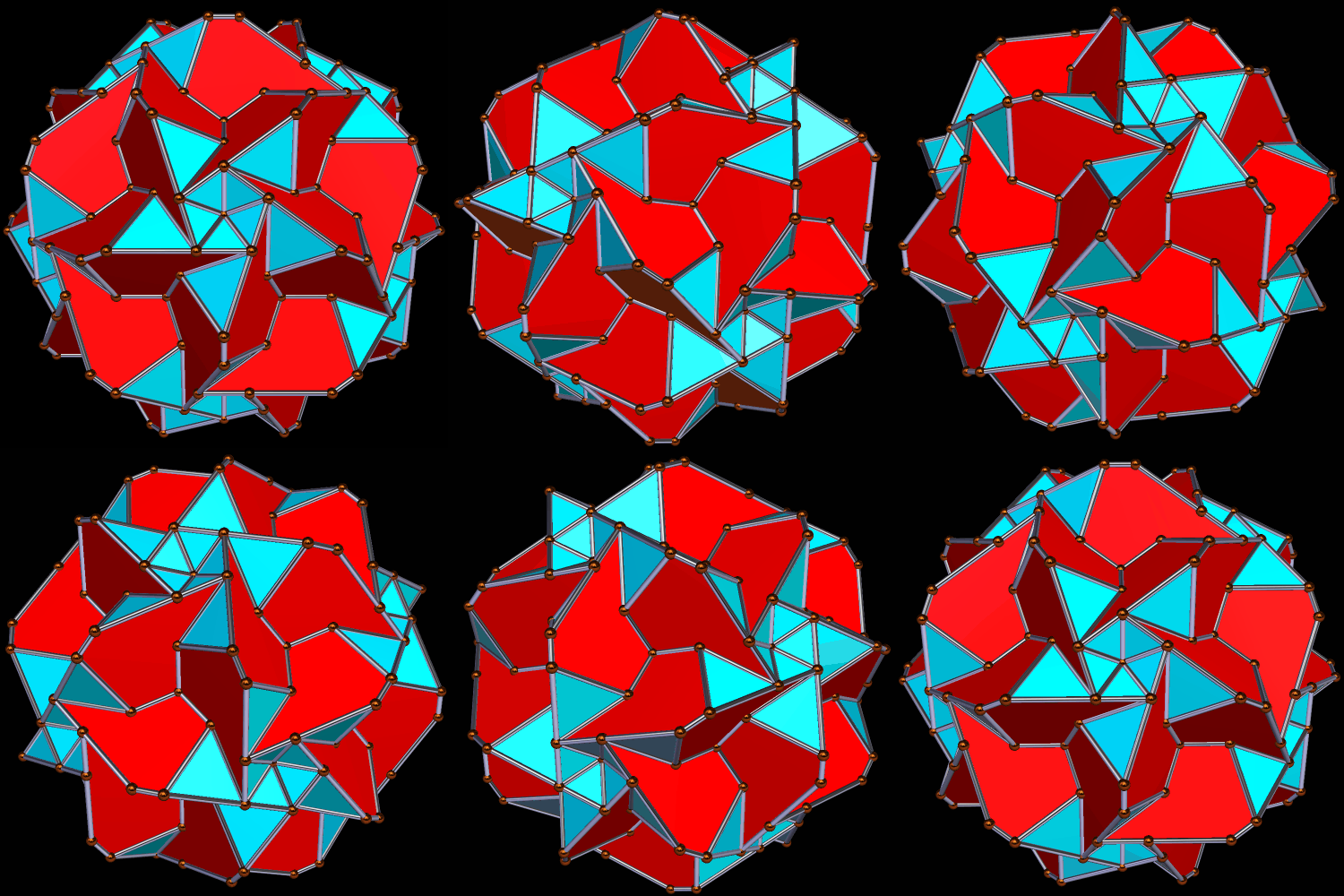
This is the truncated dodecahedron’s 31st stellation.

This one is the 38th stellation.
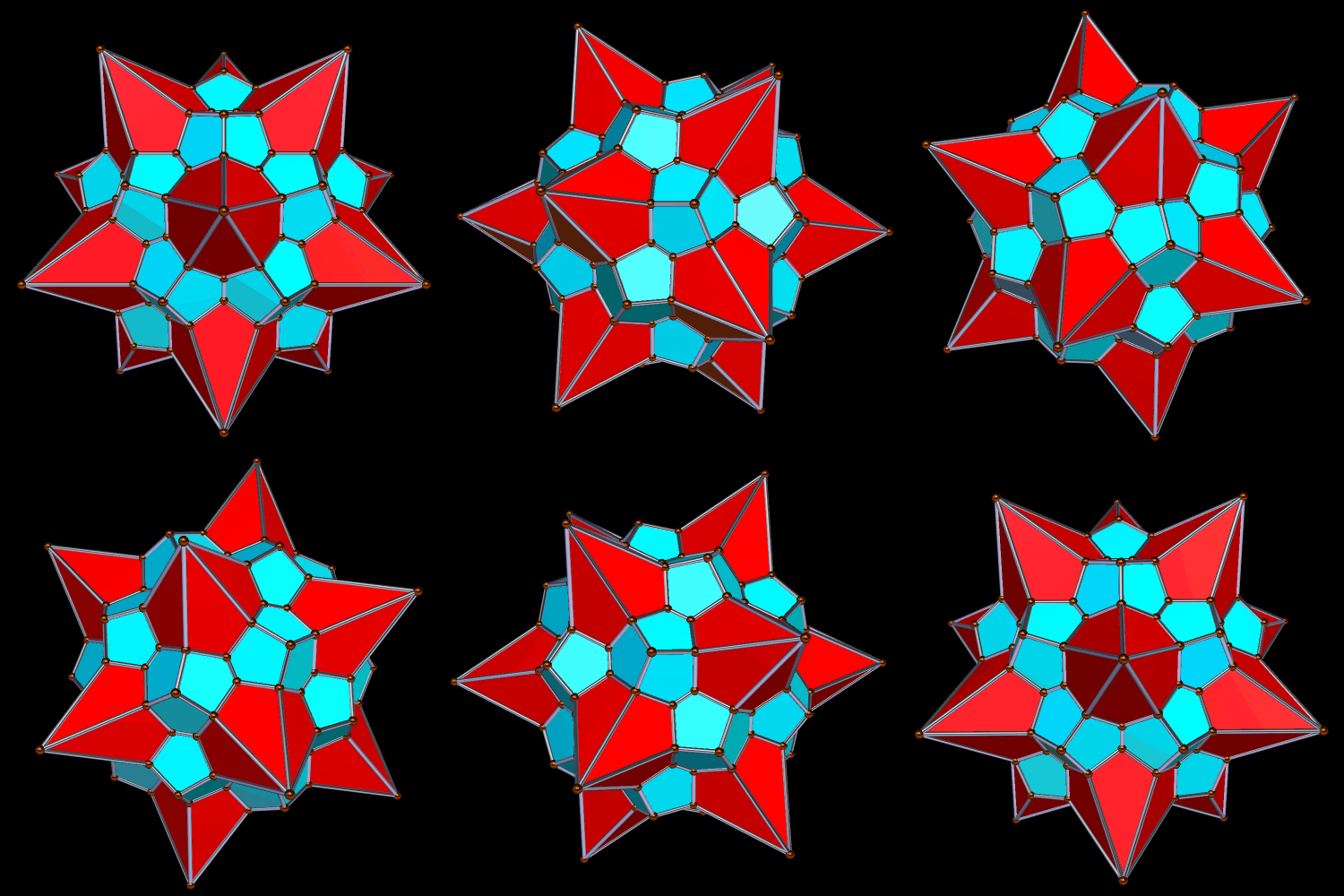
This one is the 44th.

The last one shown here is called the truncated dodecahedron’s final stellation because, if it is stellated once more, it returns to the original truncated dodecahedron.
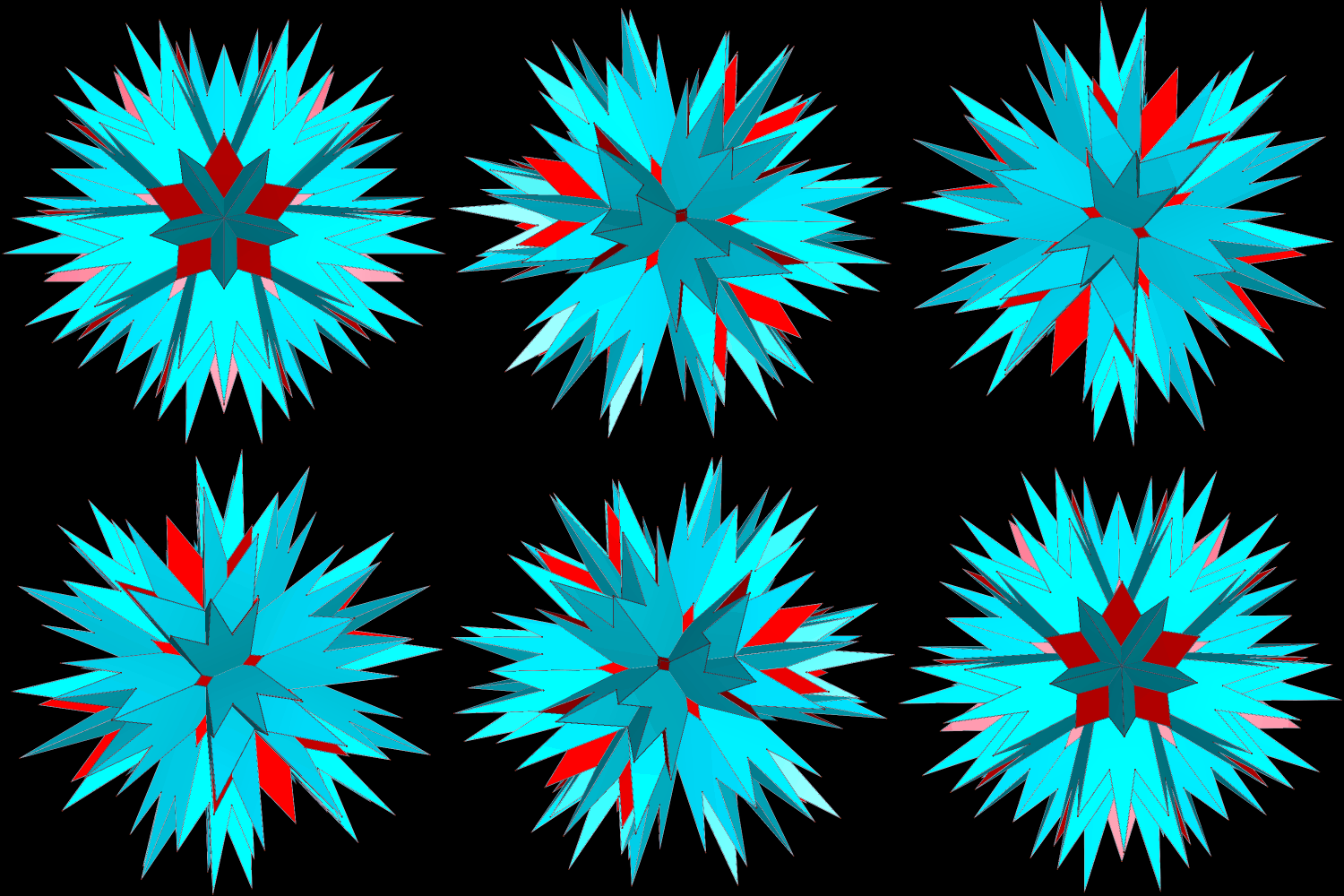


Software used to make these gifs: Stella 4d, available here.

This is the three-dimensional version of what is called a tessellation in two dimensions. It fills space, and can be continued in all directions.
Software used: Stella 4d, available here.
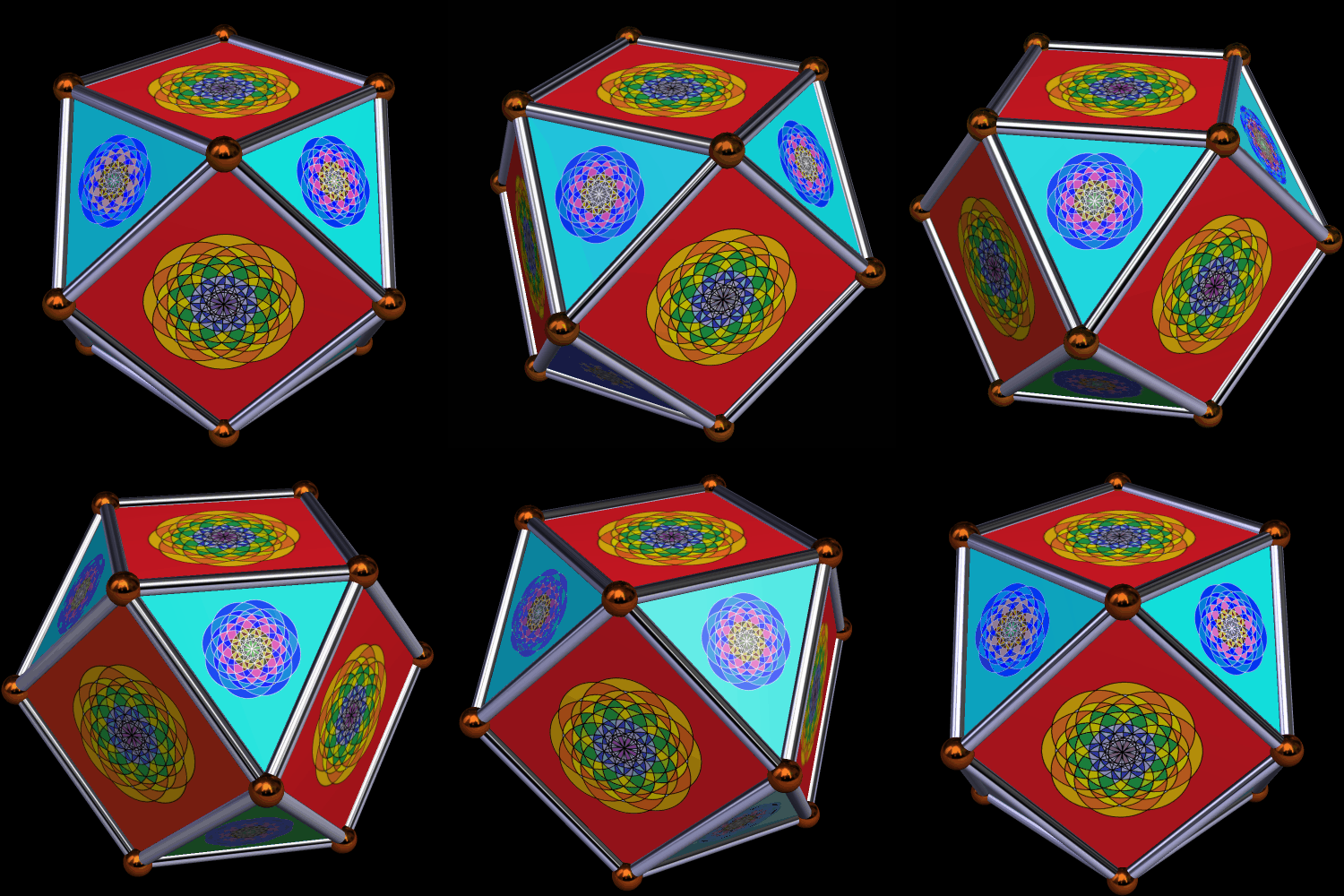
I used three programs to make this: Geometer’s Sketchpad, MS-Paint, and Stella 4d. The third of these may be tried for free at http://www.software3d.com/Stella.php.

 RobertLovesPi.net