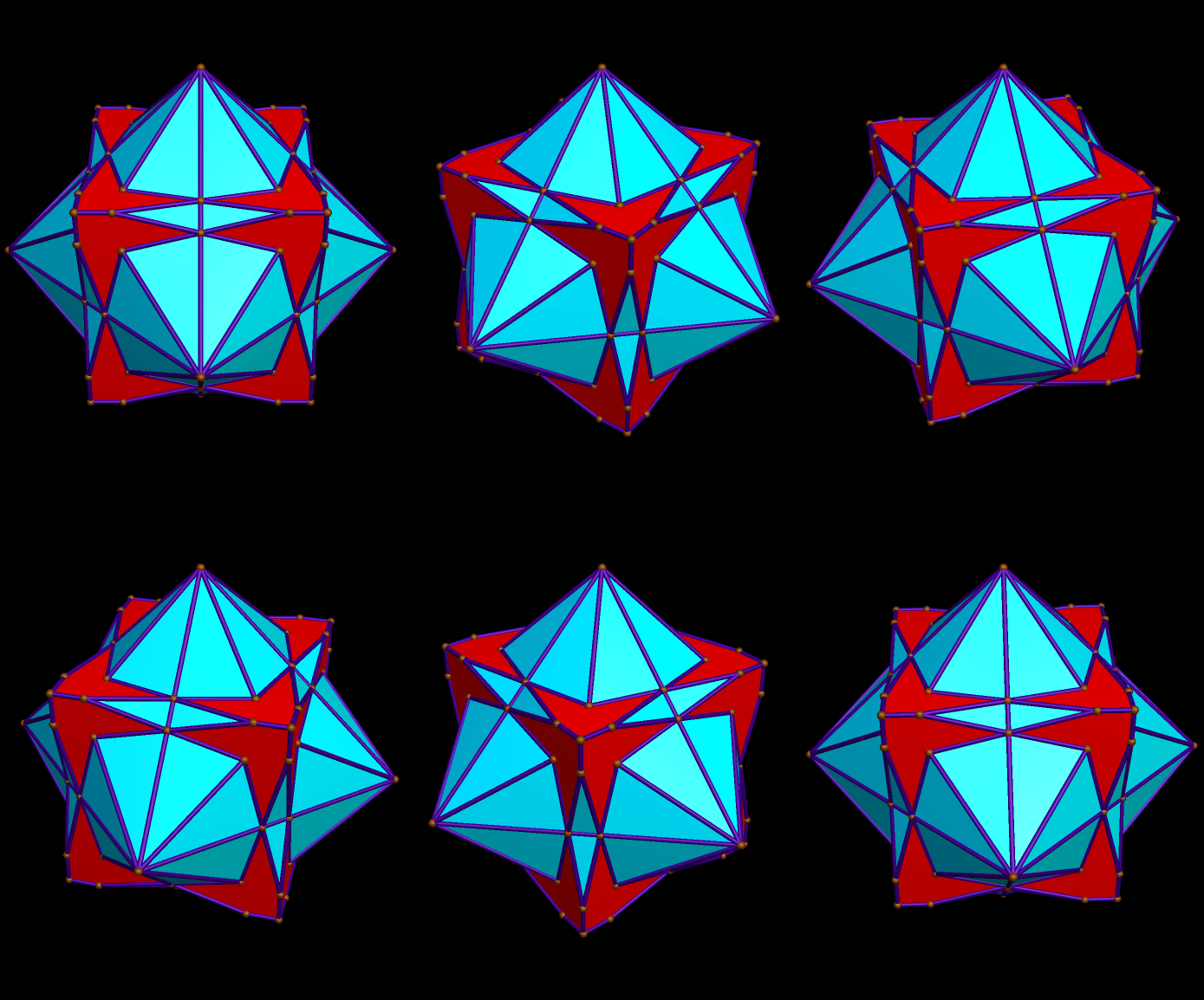
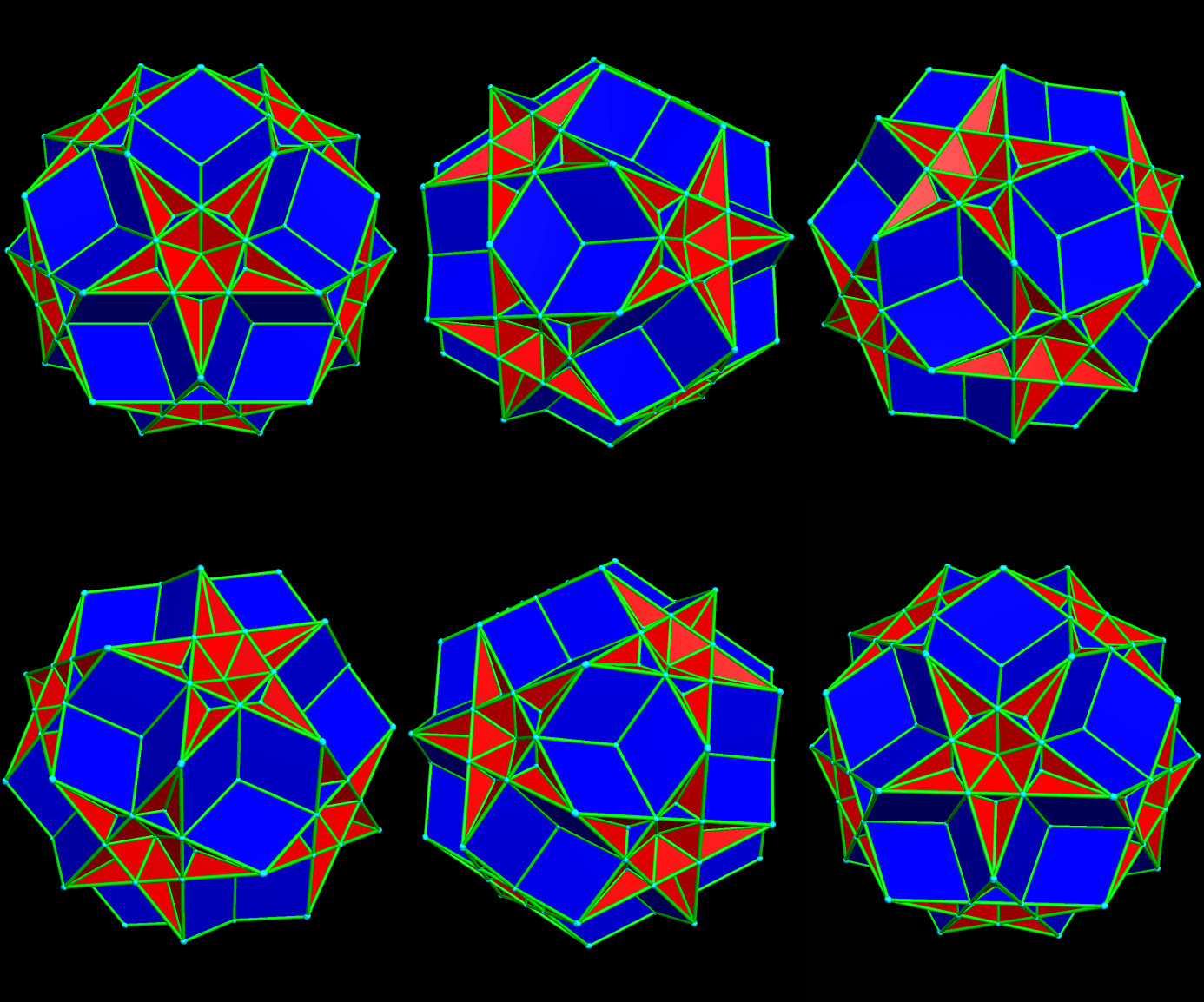
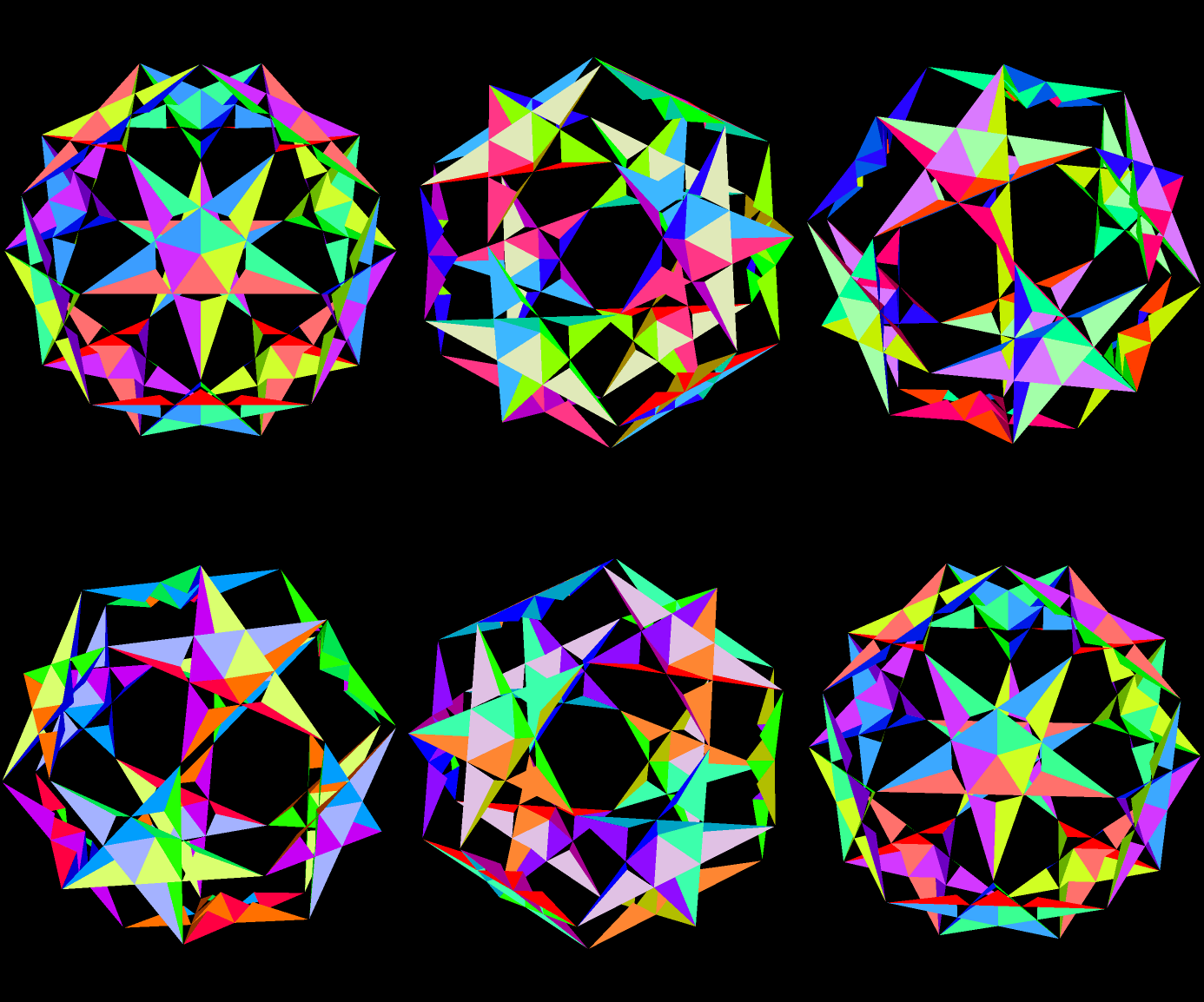
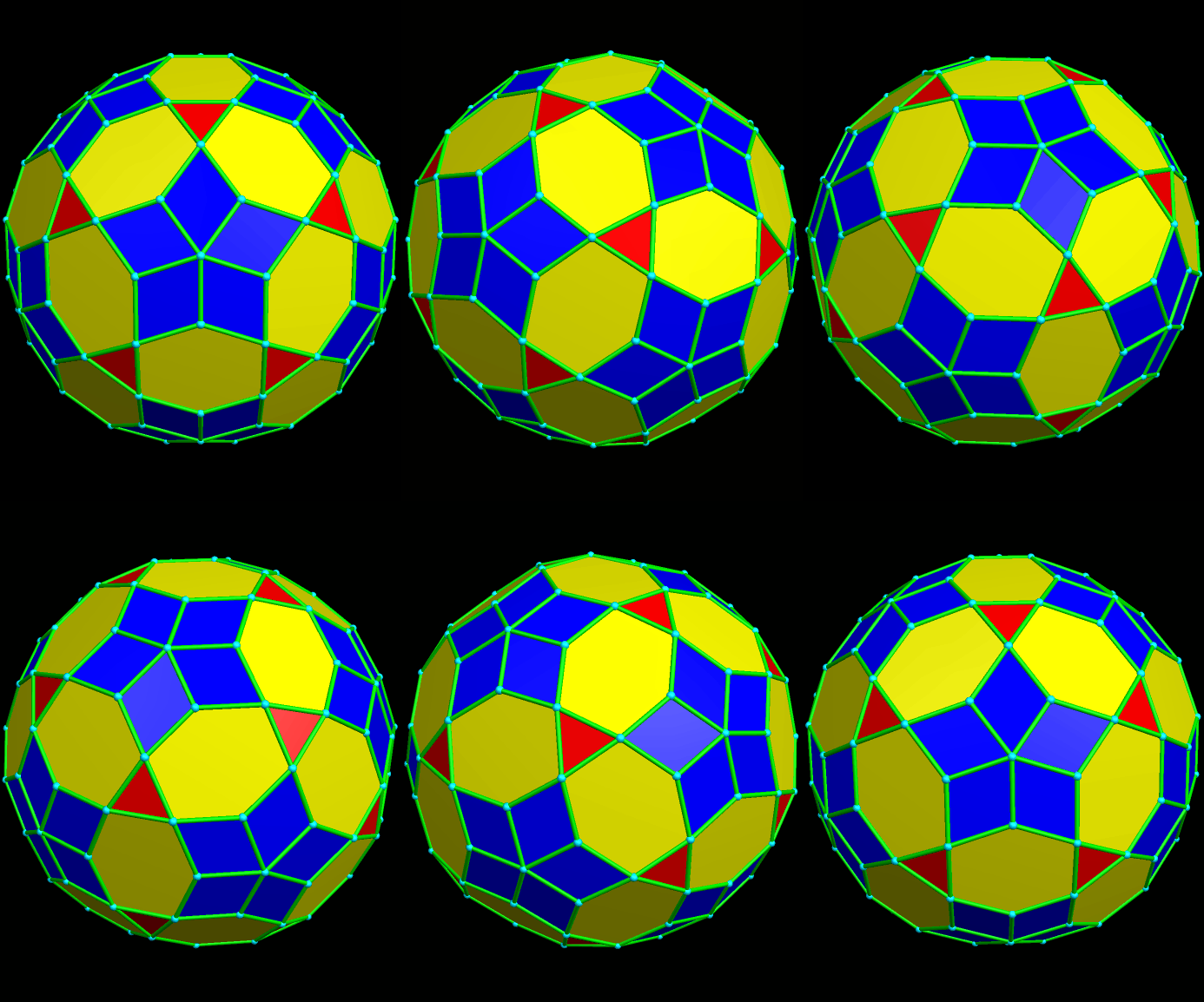
The Dual of the Enantiomorphic Pair of Polyhedra from the Last Post

Image

The Dual of the Enantiomorphic Pair of Polyhedra from the Last Post

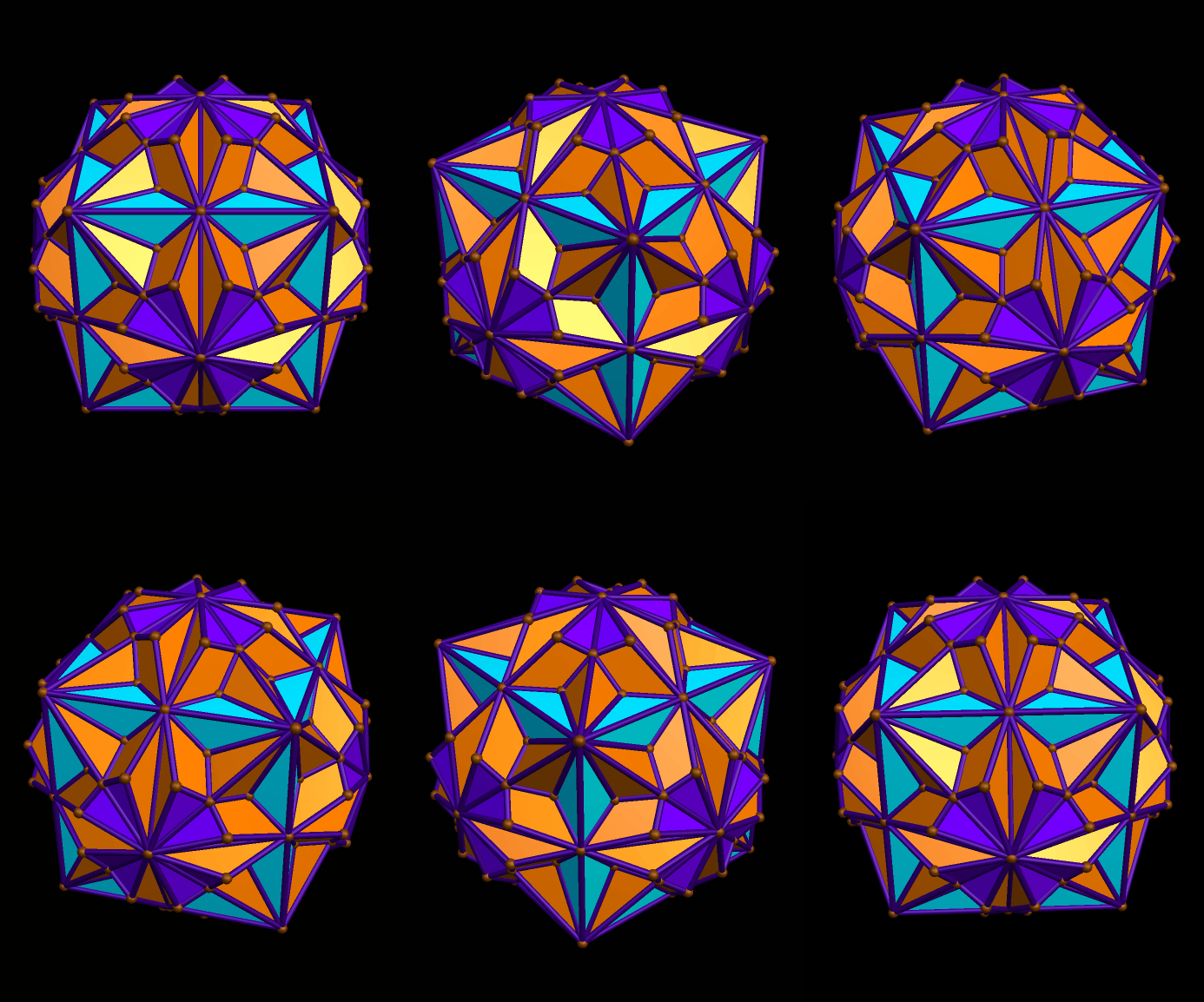
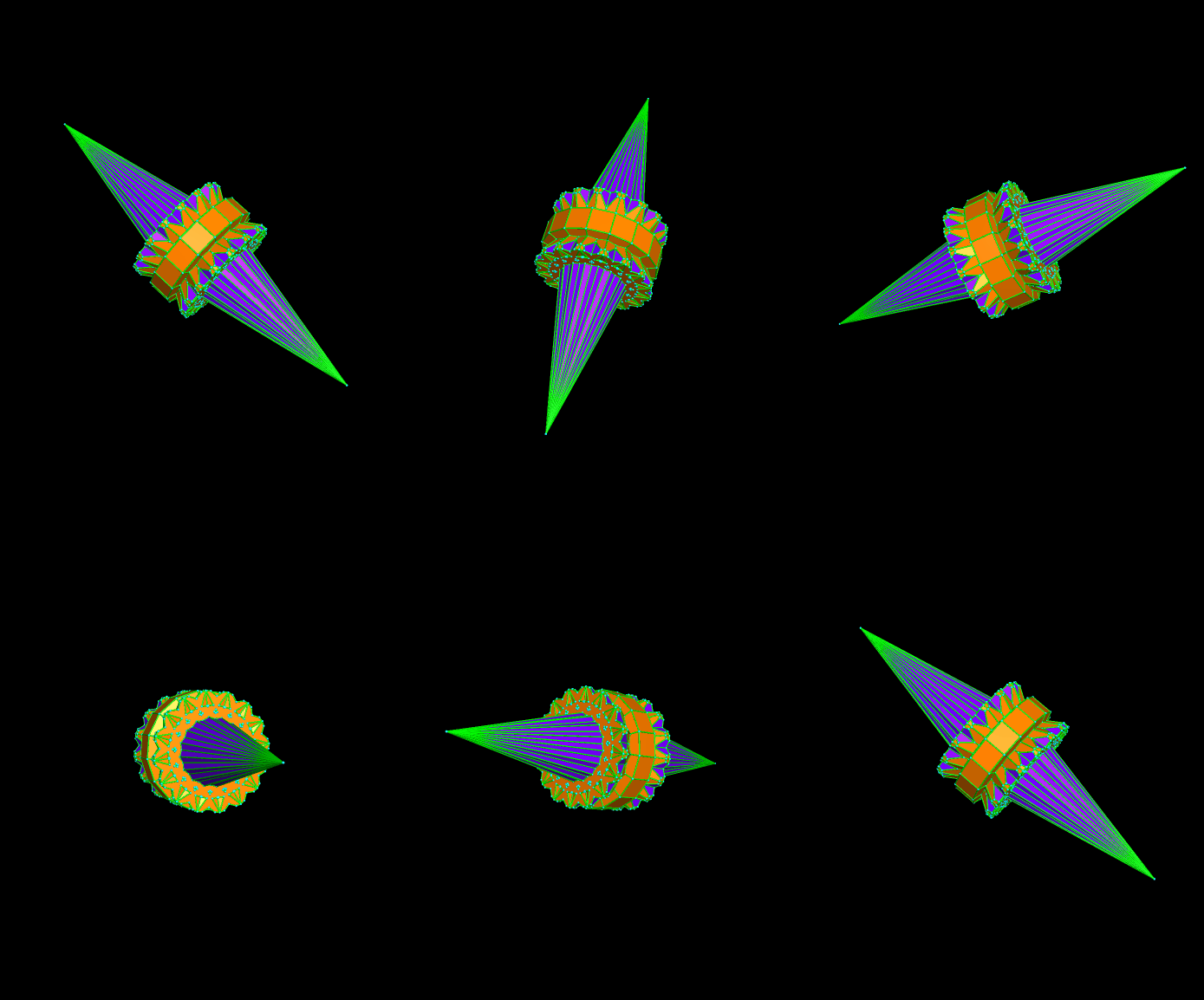
The last post had two images, and this is the dual of the second one. I was therefore surprised when I ran into this while playing around with Stella 4d, a program which allows easy polyhedron manipulation. (See http://www.software3d.com/stella.php for free trial download.)

Why did it surprise me?

Well, isn’t a polyhedron. for one thing. It is a collection of irregular and concentric polygons which intersect, but they don’t meet at edges. This doesn’t normally happen, so it requires explanation. I figured it out pretty quickly.

I’ve been using the loosest possibly definition for “faceting,” not insisting that faces meet at each edge in pairs, and even making some faces invisible in order to see the interior structure of the “polyhedra.” Since this breaks the faceting-rules, it isn’t surprising that the dual would fail to be a true polyhedron.

That’s my guess, anyway.

An Excavated Octahedron with Non-Zero Volume, and an Octahedral Nulloid

Image

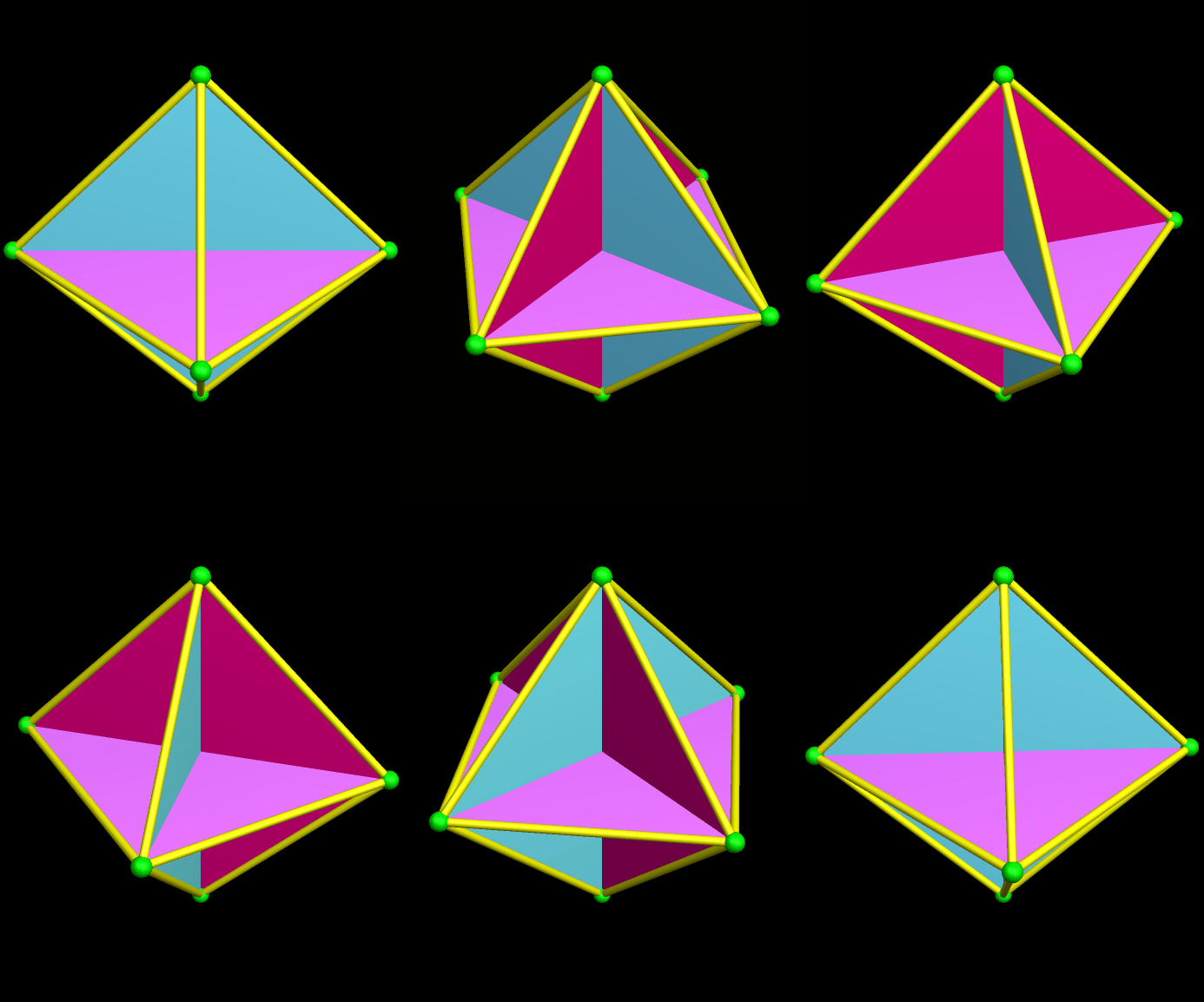
An Excavated Octahedron, and an Octahedral Nulloid

This is an octahedron which has had short pyramids excavated from each of its faces. If the pyramids are made taller, their vertices coincide at the octahedron’s center. At that point, unlike in the figure above, the polyhedron’s volume reaches zero — turning it into a special type of polyhedron called a nulloid:

Tetrahemihexa

You may click on this second picture to enlarge it, if you wish.

Software credit: I made these images using Stella 4d, which you can find at http://www.software3d.com/Stella.php.

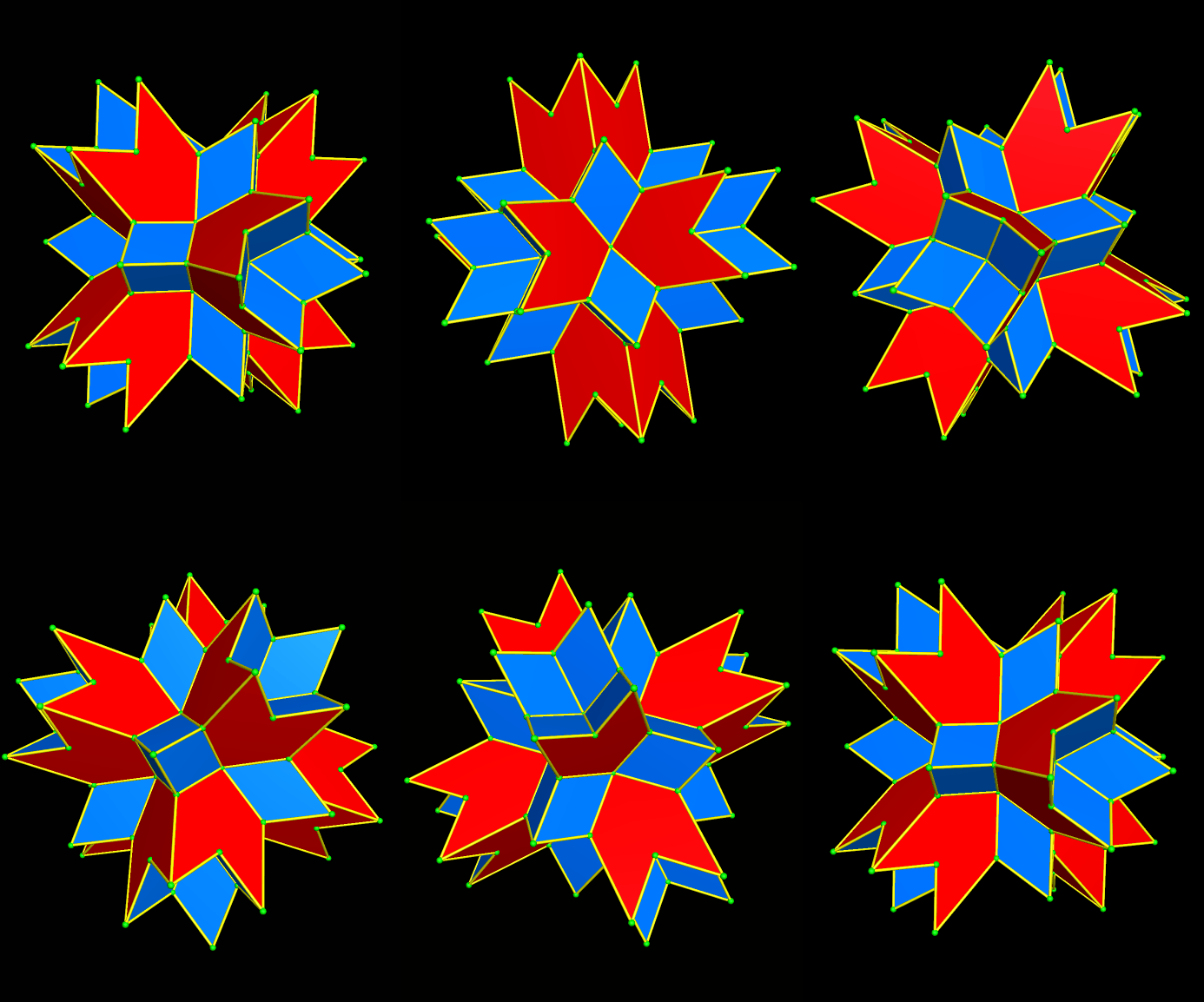
The Ninth Stellation of the Cube/Octahedron Compound

Image

The Ninth Stellation of the Cube/Octahedron Compound

Software credit: I made this using Stella 4d, which you can find at http://www.software3d.com/Stella.php.

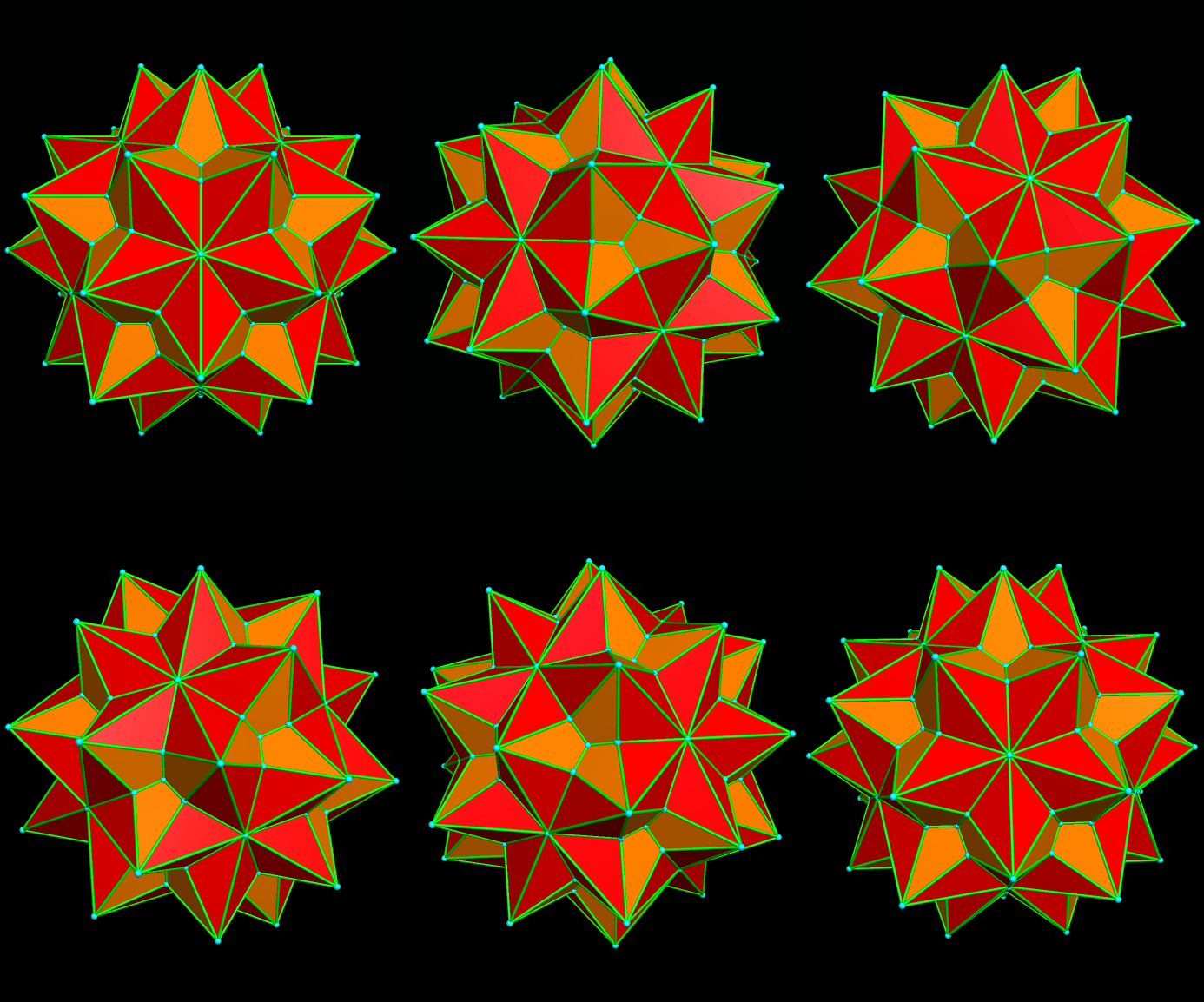
The Twelfth Stellation of the Icosahedron/Dodecahedron Compound

Image

The Twelfth Stellation of the Icosahedron/Dodecahedron Compound

Software credit: I made this using Stella 4d, which you can find at http://www.software3d.com/Stella.php.

Three Unusual Polyhedral Compounds

Image

Three Unusual Polyhedral Compounds

The other two appear smaller here, but can be enlarged with a single click.

hybrid

All three were created using software called Stella 4d, which you may find at http://www.software3d.com/Stella.php.

strange compound

Two Versions of a Stellated Polyhedron with Icosidodecahedral Symmetry

Image

Two Versions of a Stellated Polyhedron with Icosidodecahedral Symmetry

The next image was produced by rendering all the blue faces above invisible, and then changing the color-scheme to “rainbow color mode.” For both of these stellated polyhedra, the convex hull would simply be an icosidodecahedron (not shown here).

Stellated DFGACoNBCnvex hull

These images were both created using Stella 4d, which you can try and/or buy at www.software3d.com/Stella.php.

Faced-Based Zonish Versions of the Icosahedron and the Icosidodecahedron

Image

Faced-Based Zonish Versions of the Icosahedron and the Icosidodecahedron

I’ve had some success lately finding near-misses to the Johnson solids by making face-based zonish versions of various polyhedra. These were found during that search, and are certainly not near-misses, but I still find them interesting, primarily due to their symmetry. Like the others, they were found using Stella 4d, which you can try or buy at http://www.software3d.com/Stella.php.

The top image was formed by making this modification to the icosahedron, and the one below (which you can enlarge with a click) was created by doing the same thing to an icosidodecahedron.

zid

Two Repeatedly-Stellated Polyhedral Compounds Which Are Dipolar

Image

Two Repeatedly-Stellated Polyhedral Compounds Which Are Dipoles

Both of these were created using Stella 4d, available at http://www.software3d.com/Stella.php. To enlarge the second image, simply click on it.

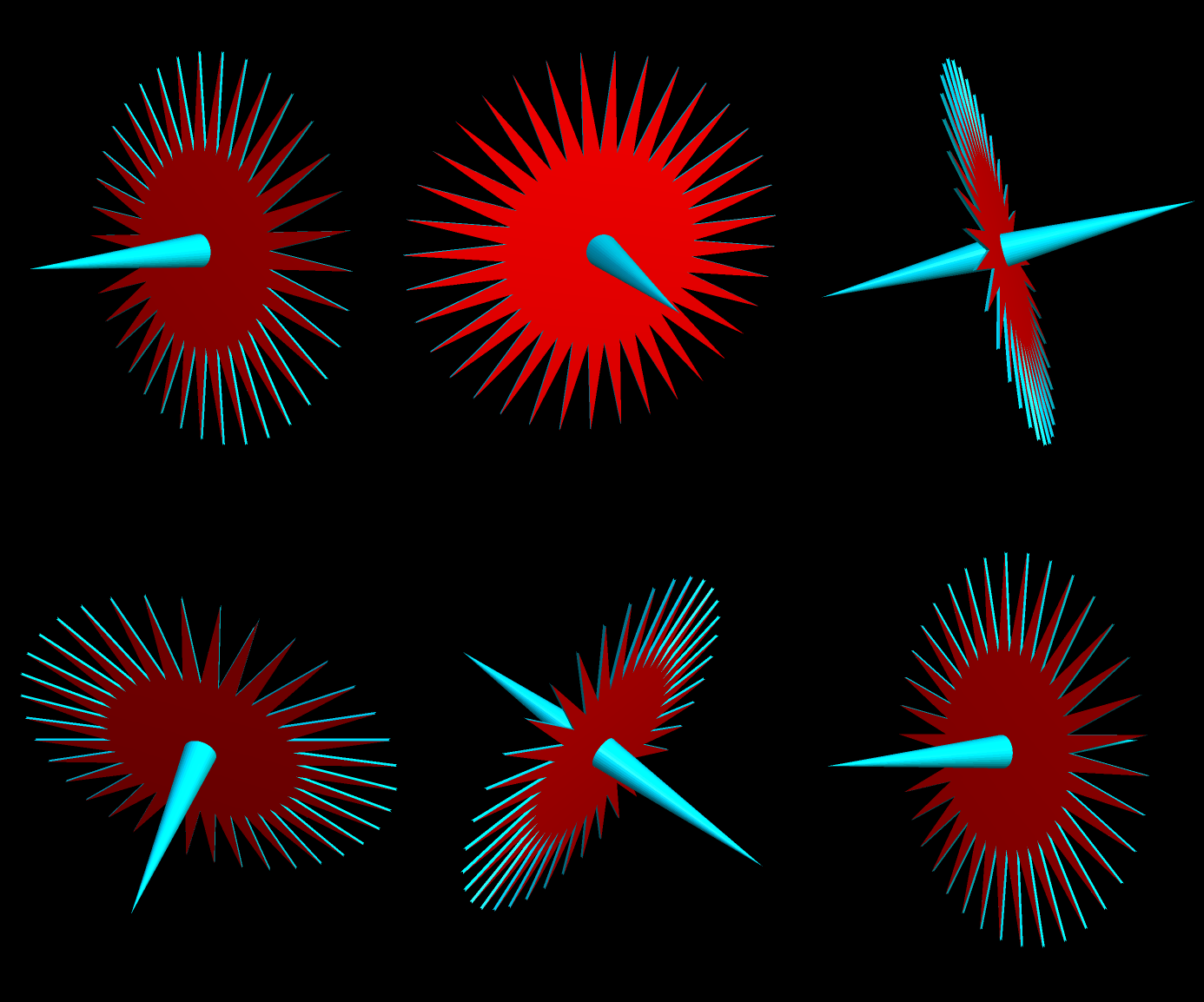
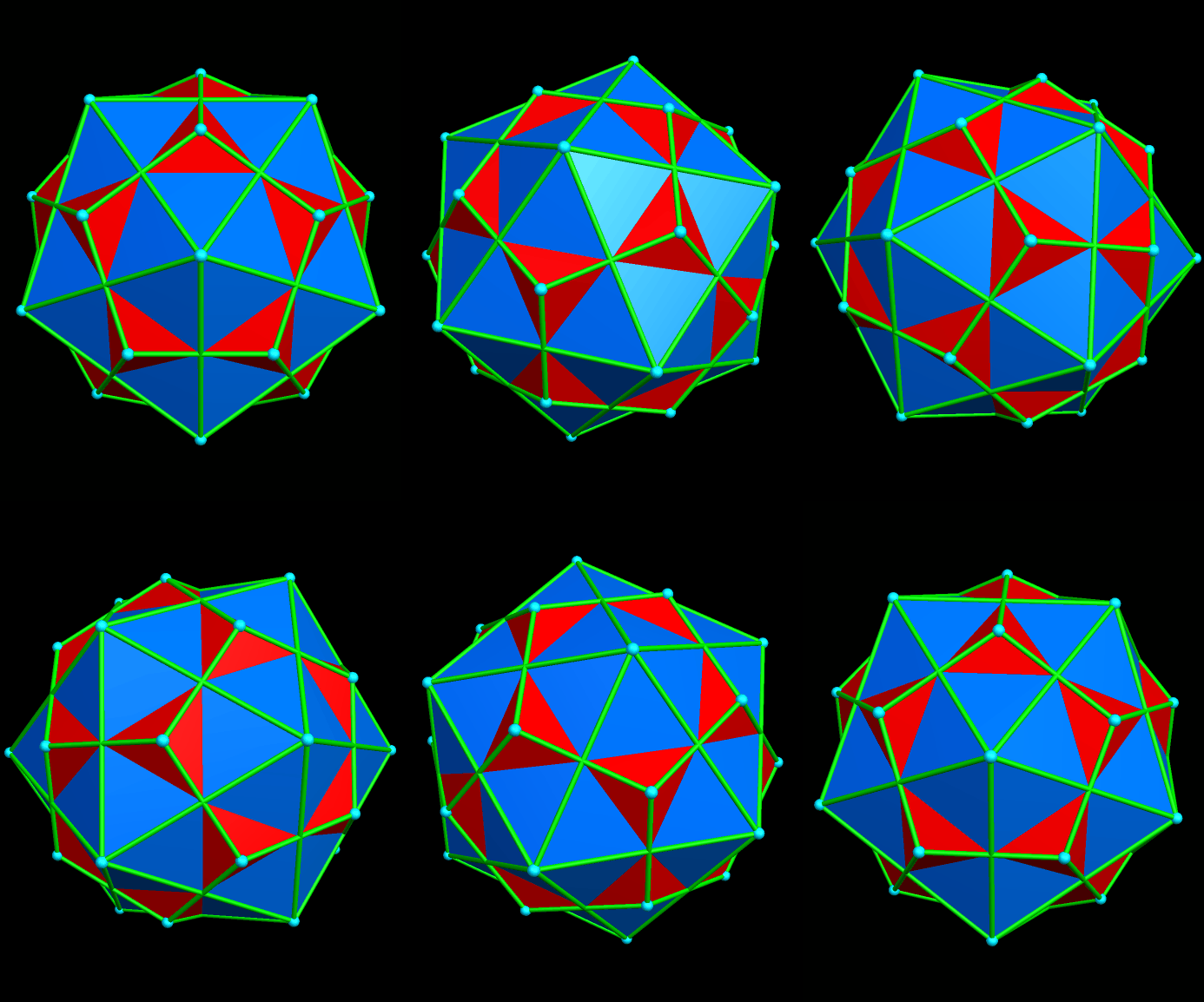
Compound of 36- Prism and dual

Two Versions of an Icosidodecahedron-Variant

Image

Two Versions of an Icosidodecahedron-Variant

The two versions differ in their coloring-scheme, and, also, the pentagons and blue almost-triangles (actually irregular hexagons) are hidden in the second version, which you can make larger with a click:

Convex huSDGFDNll

Both images were created using Stella 4d, which you can try or buy at http://www.software3d.com/Stella.php.

The Hyperspace Analog of the Dodecahedron/Icosahedron Compound

Image

The Hyperspace Analog of the Dodecahedron/Icosahedron Compound

The dodecahedron and the icosahedron are dual to each other, and can be combined to make this well-known compound.

Icosa

In hyperspace, the analog to the dodecahedron is the hyperdodecahedron, also known as the 120-cell, as well as the hecatonicosachoron. Its dual is the 600-cell, or hexacosichoron, made of 600 tetrahedral cells. The image at the top is the compound of these two polychora, rotating in hyperspace.

These images were made using Stella 4d, available at http://www.software3d.com/Stella.php.