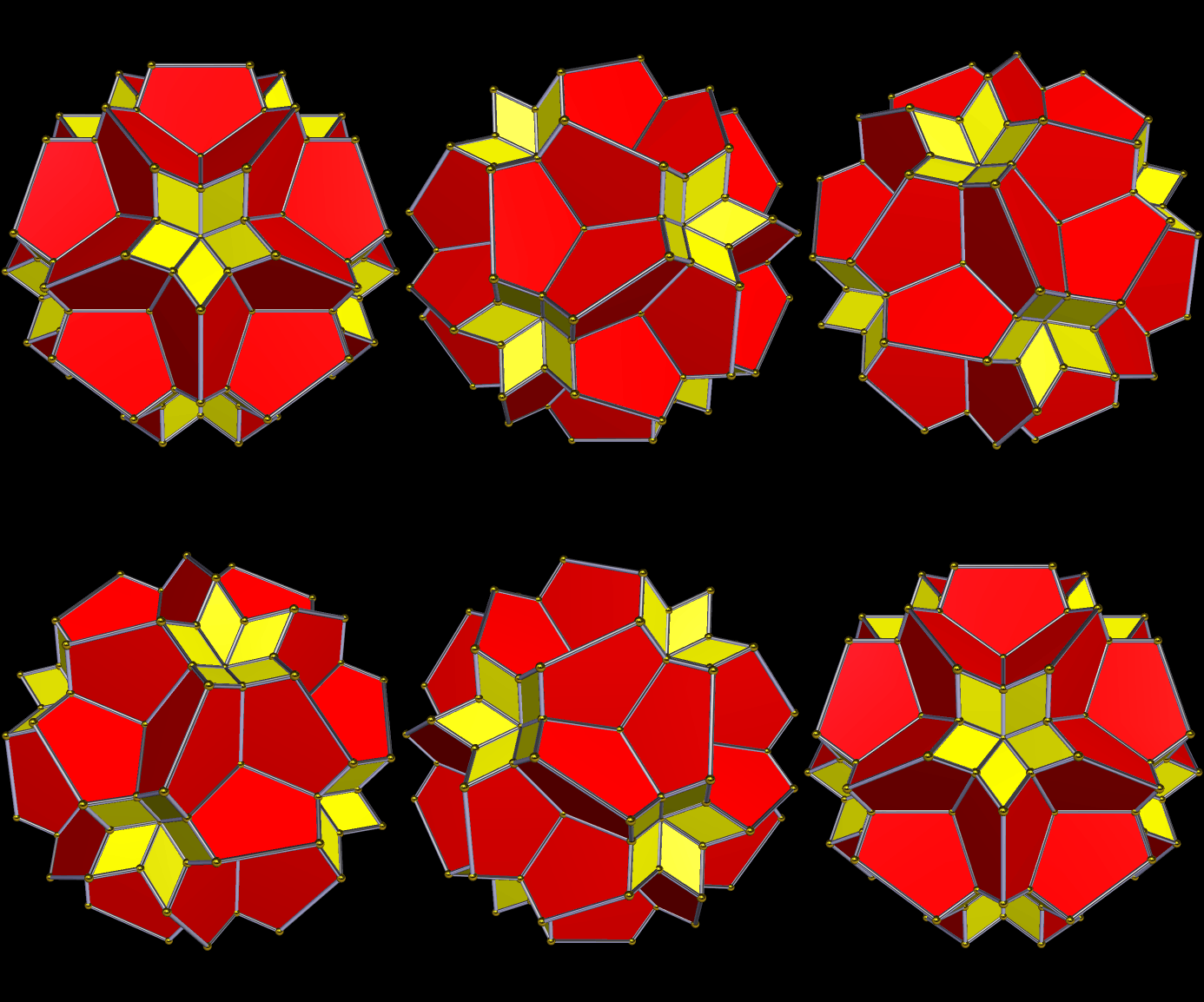
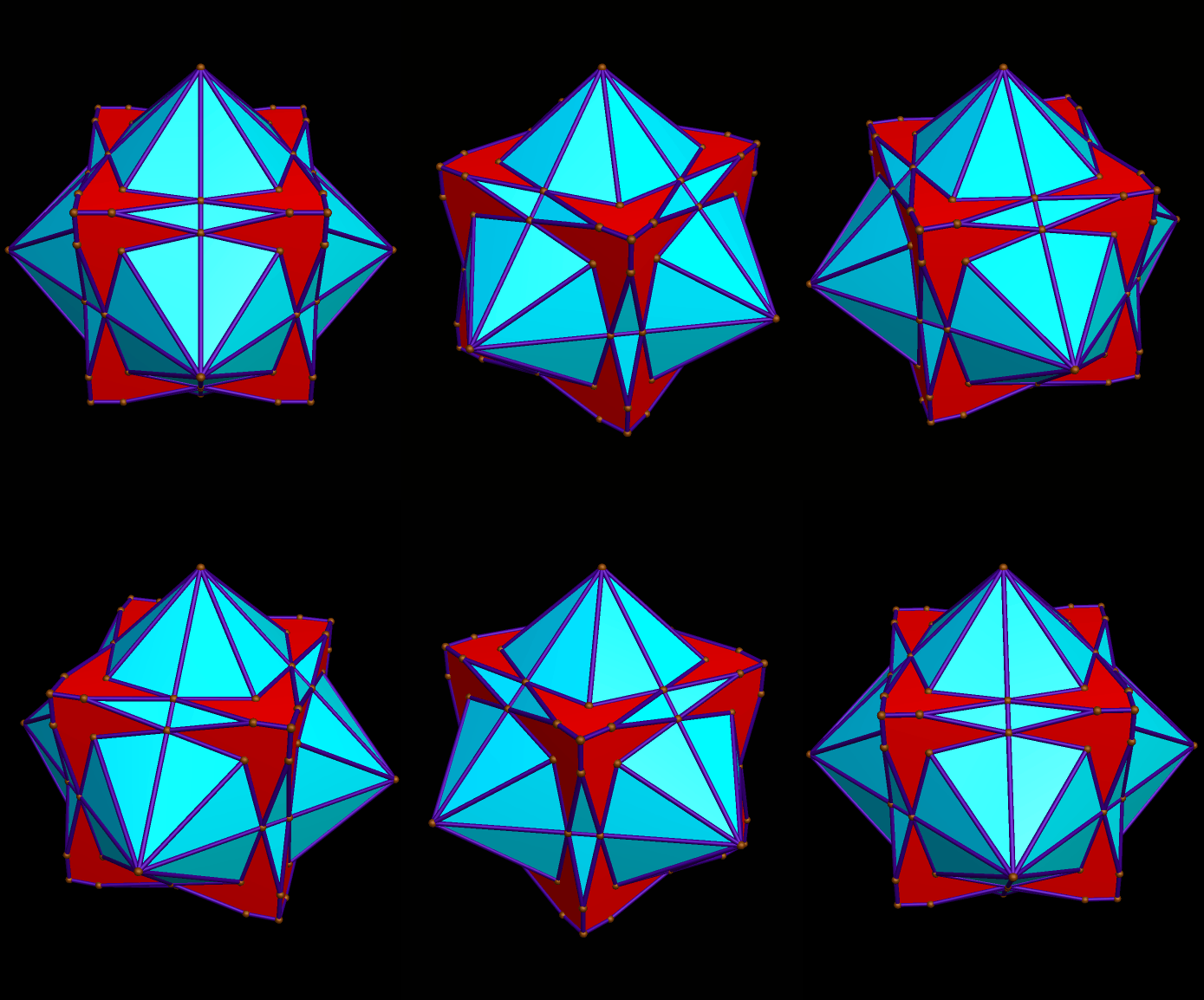
The icosidodecahedron’s 24th stellation is above, and the 32nd, then the 36th, are below.


I made these images using Stella 4d, a program you can find at www.software3d.com/Stella.php.
The icosidodecahedron’s 24th stellation is above, and the 32nd, then the 36th, are below.
I made these images using Stella 4d, a program you can find at www.software3d.com/Stella.php.

I stumbled upon this while using Stella 4d to modify existing polyhedra. You may find this program at http://www.software3d.com/Stella.php.
Some of these polyhedra have “normal” cuboctahedral symmetry, while others have the chiral variant of that symmetry-type — in other words, the same type of symmetry found in the snub cube.
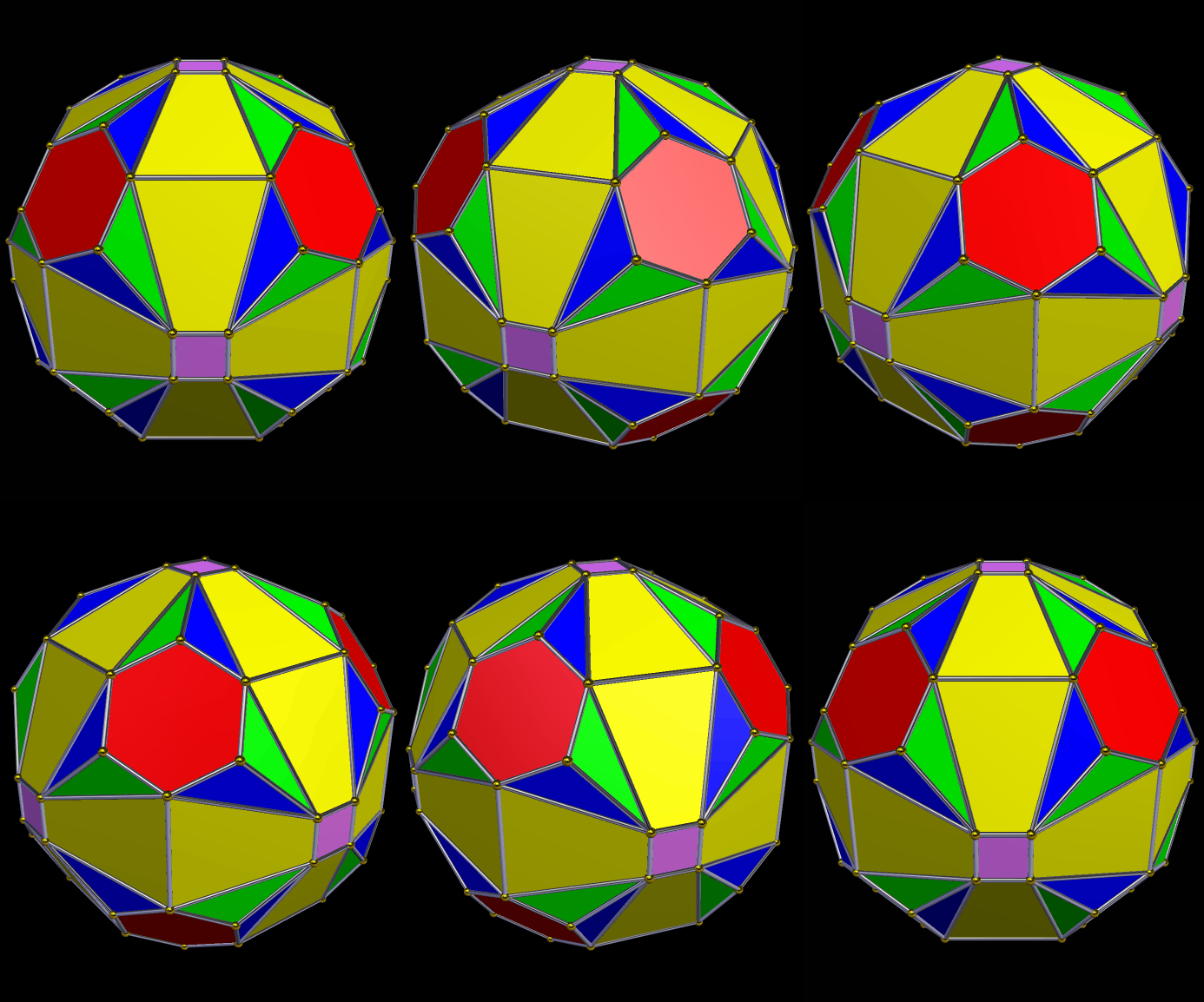
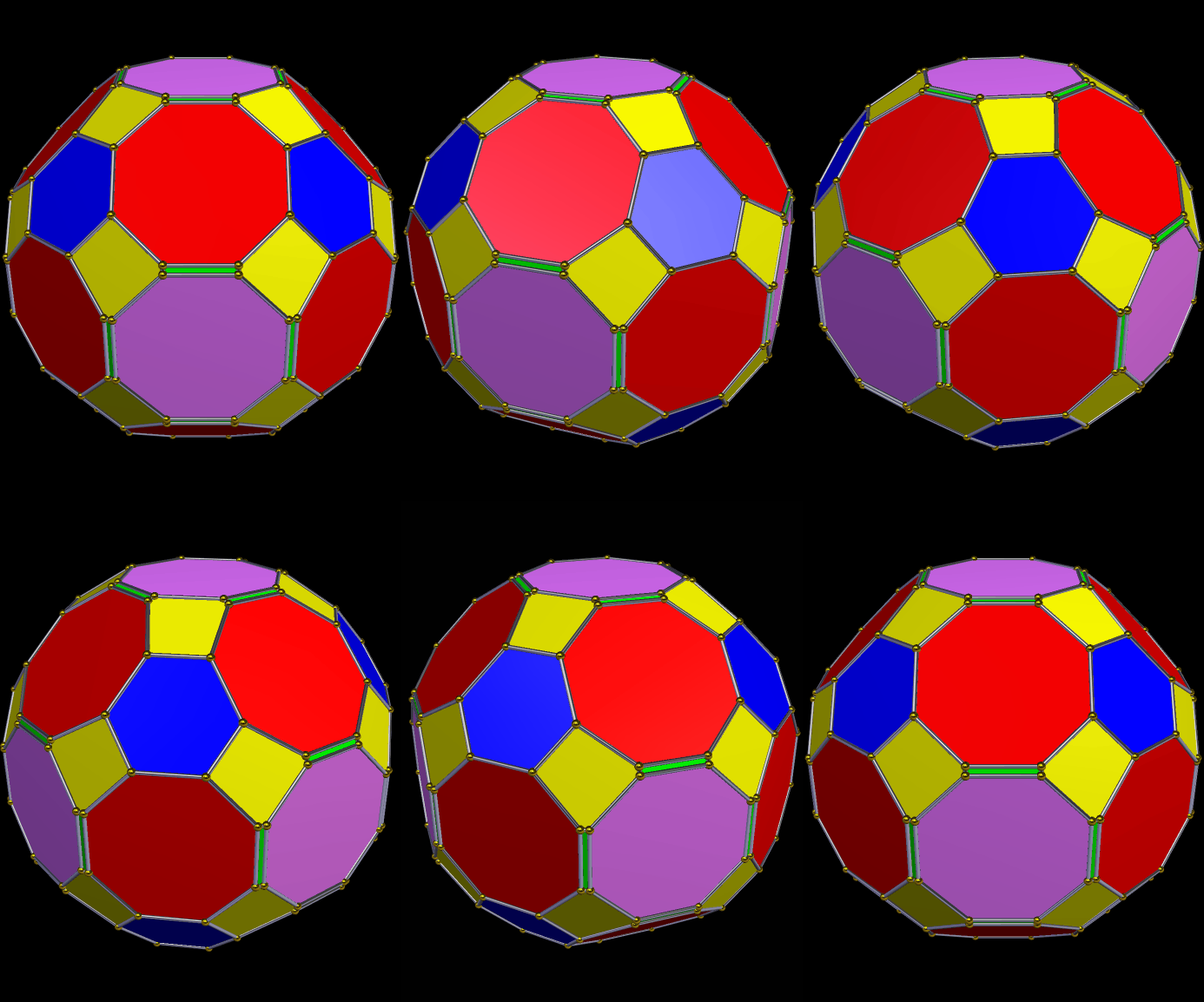


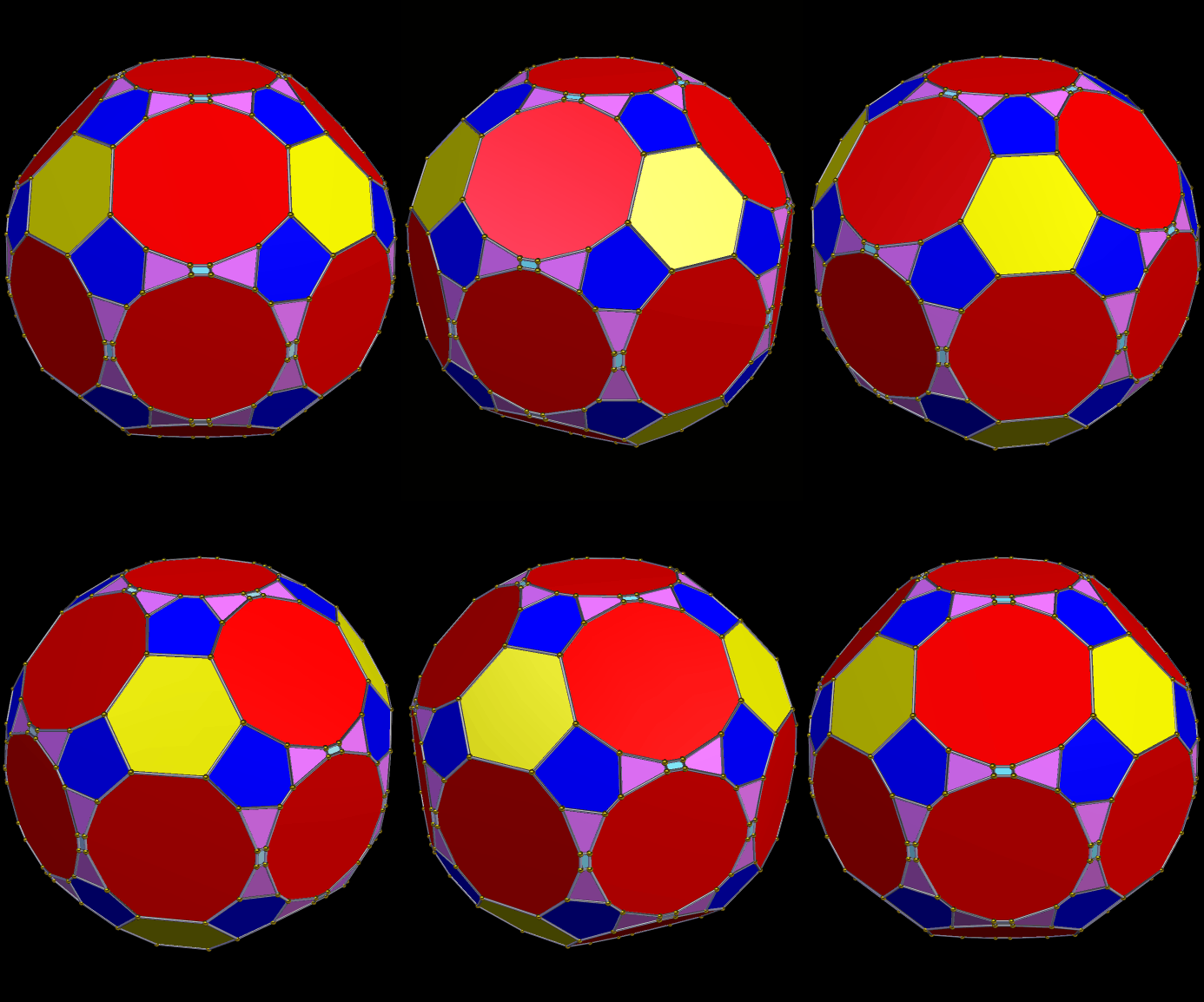
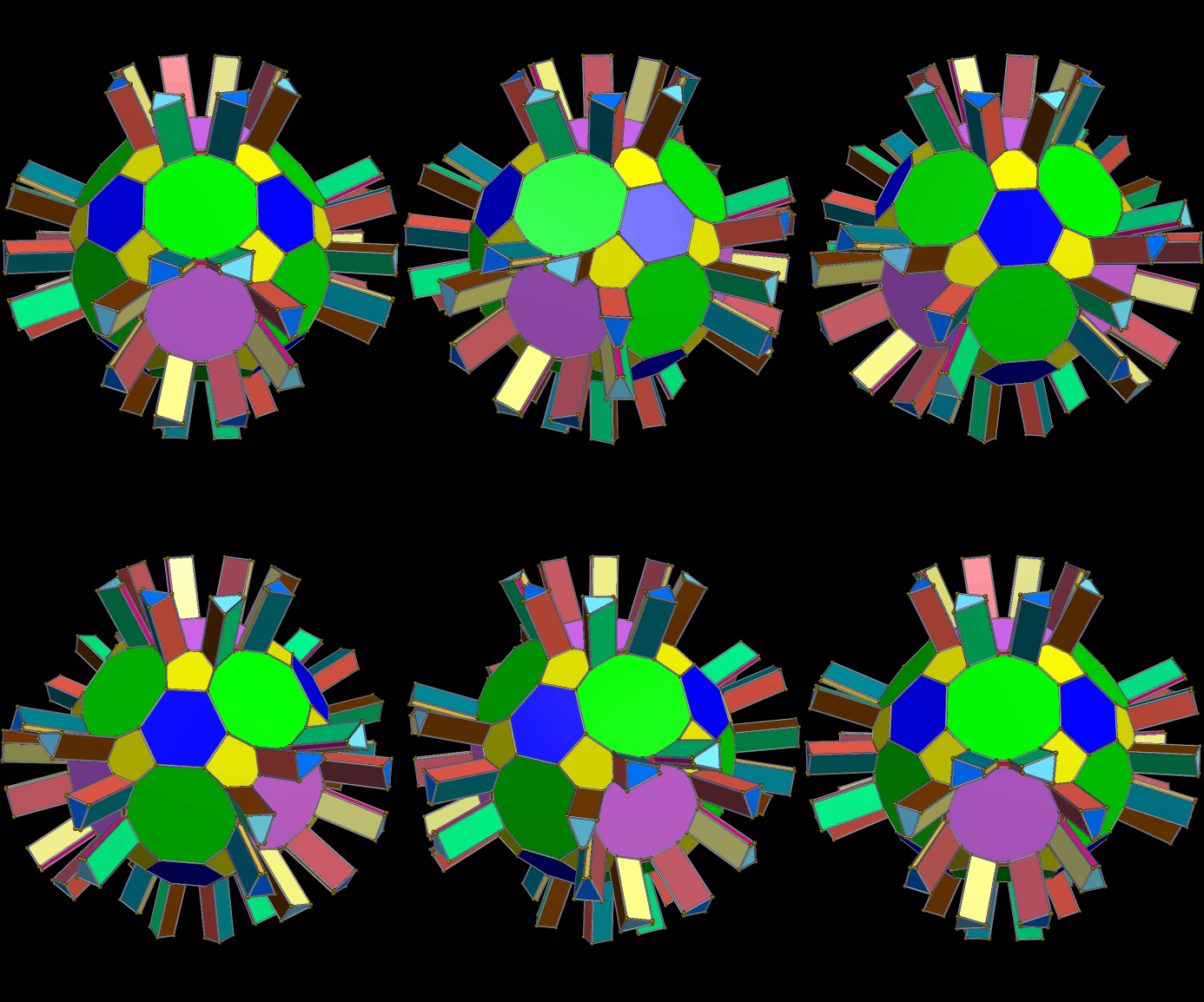
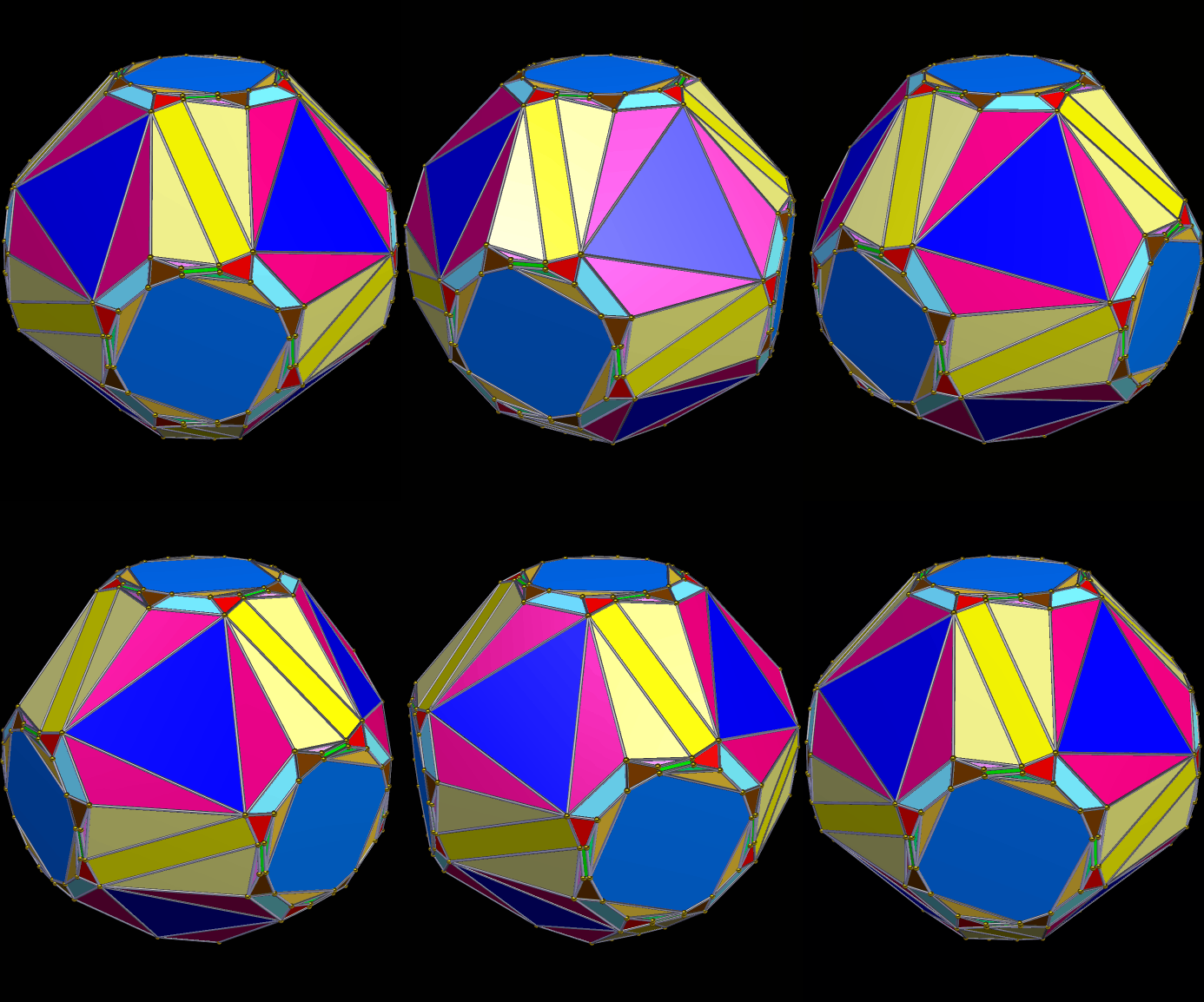


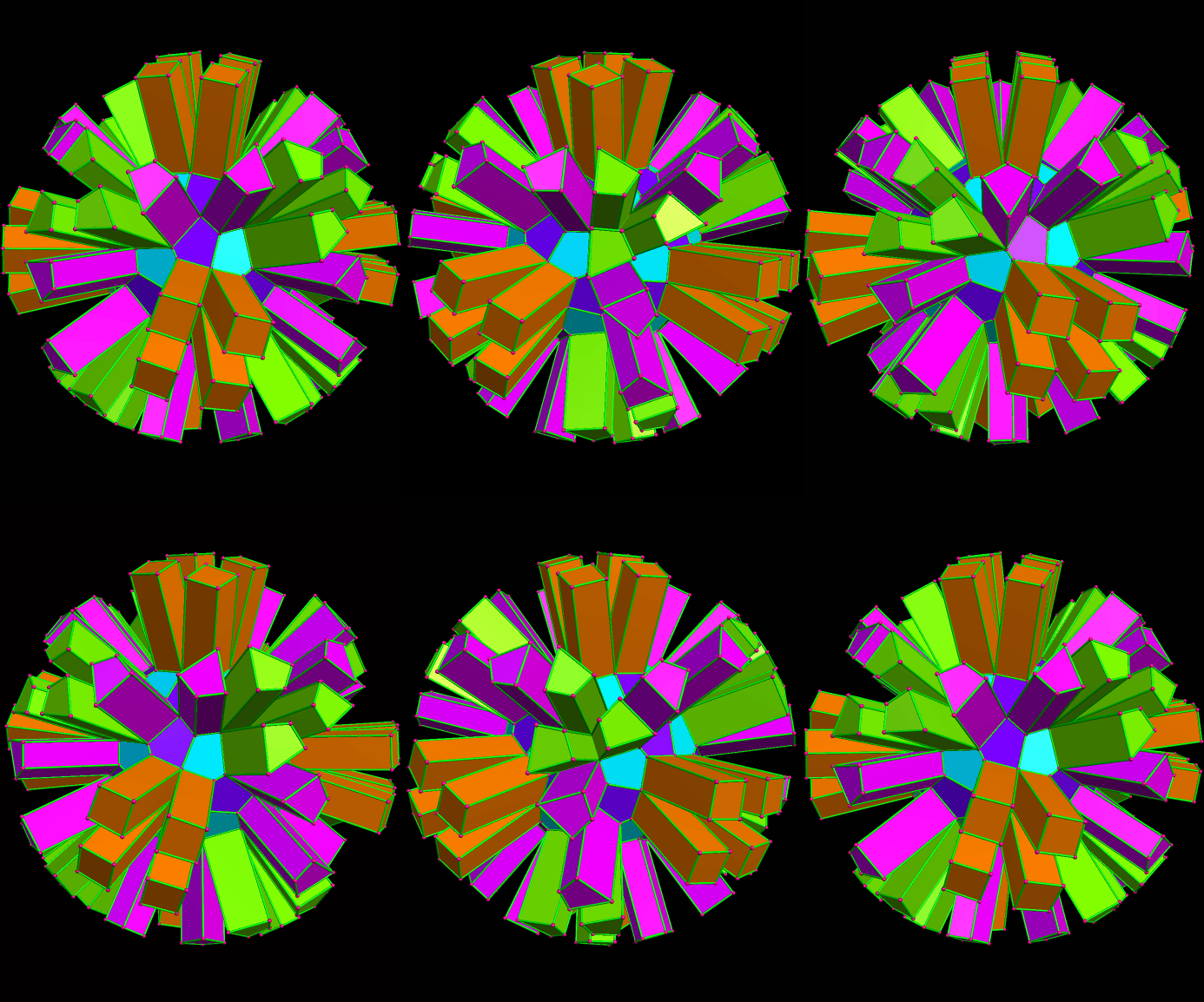


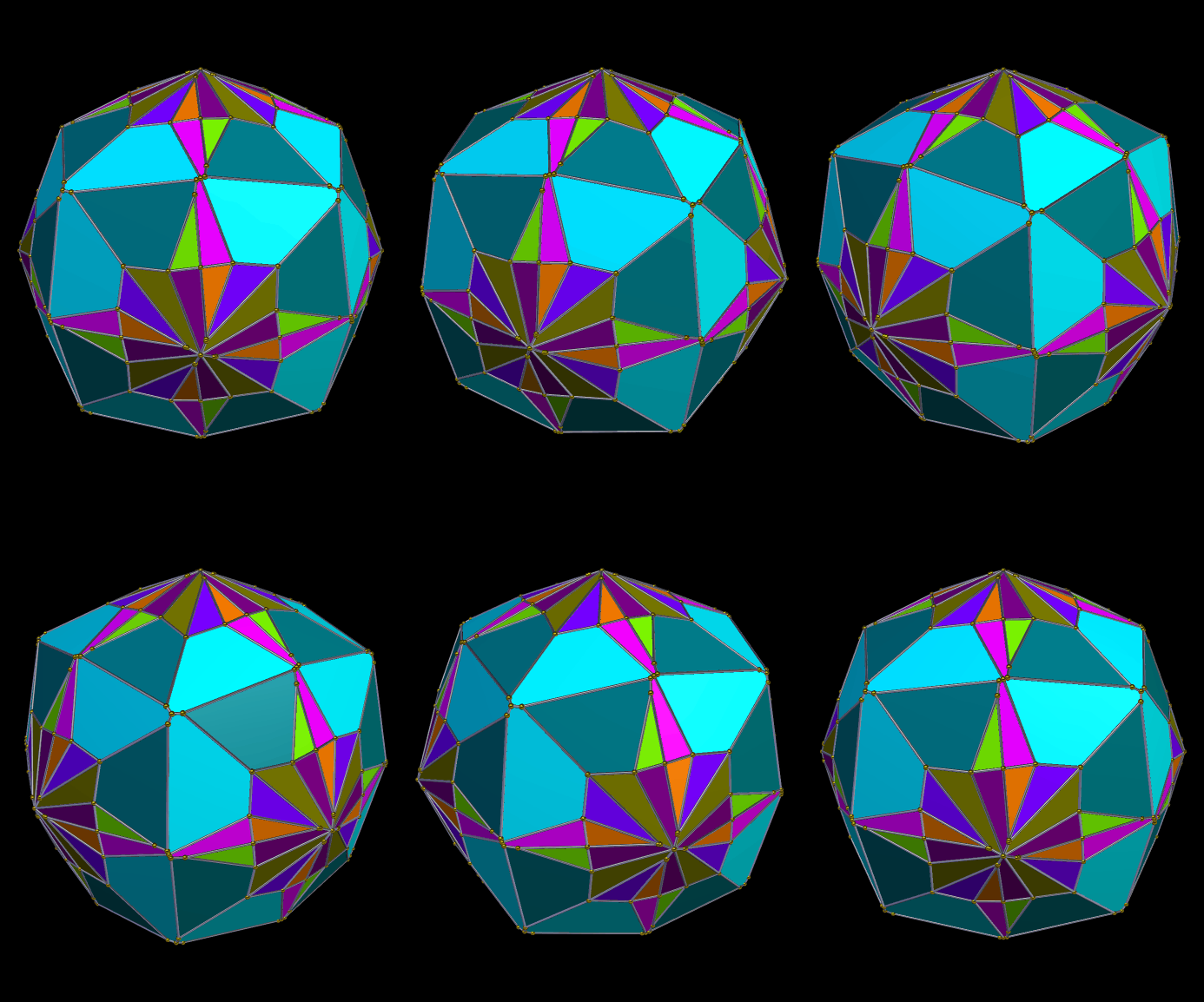


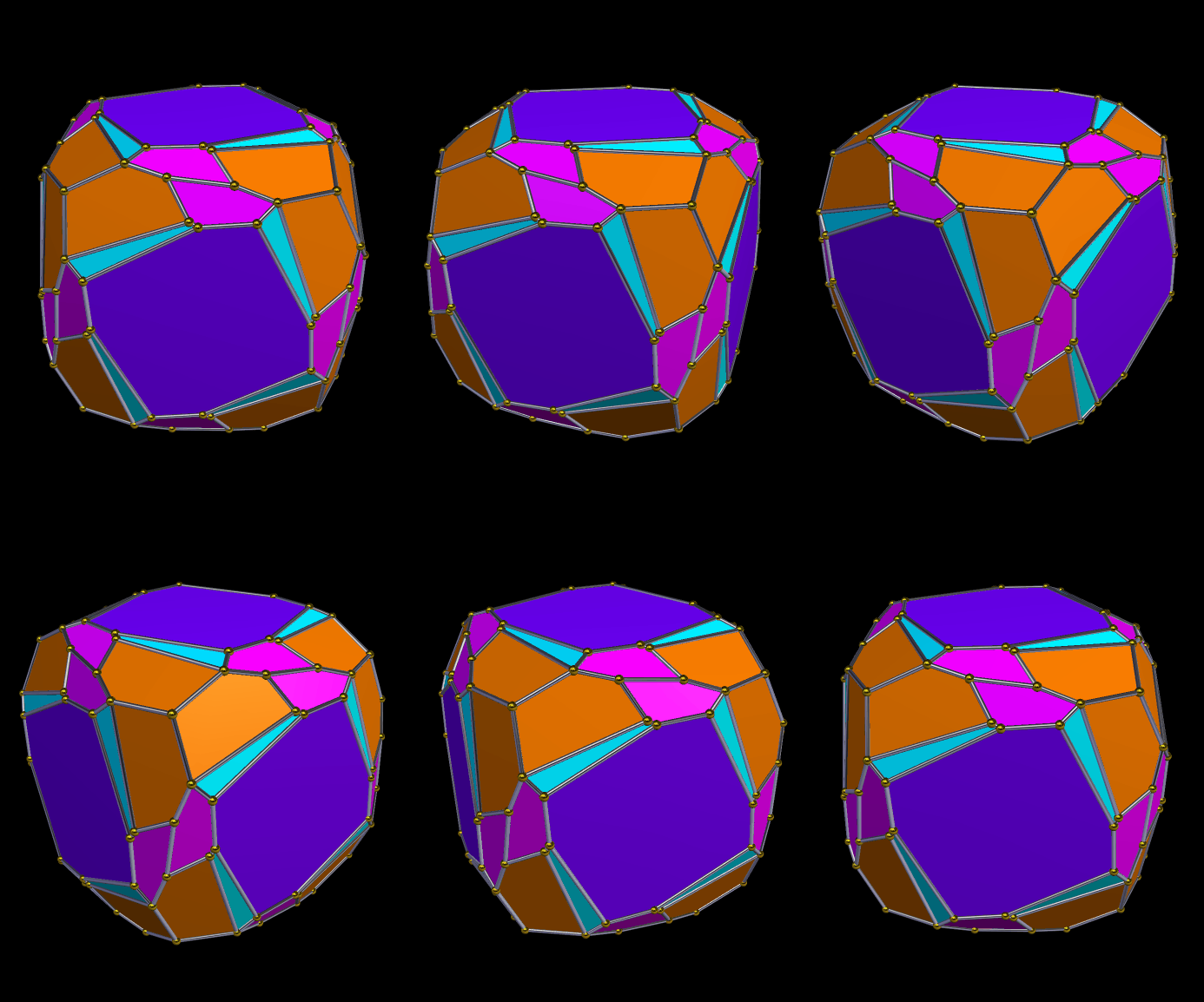
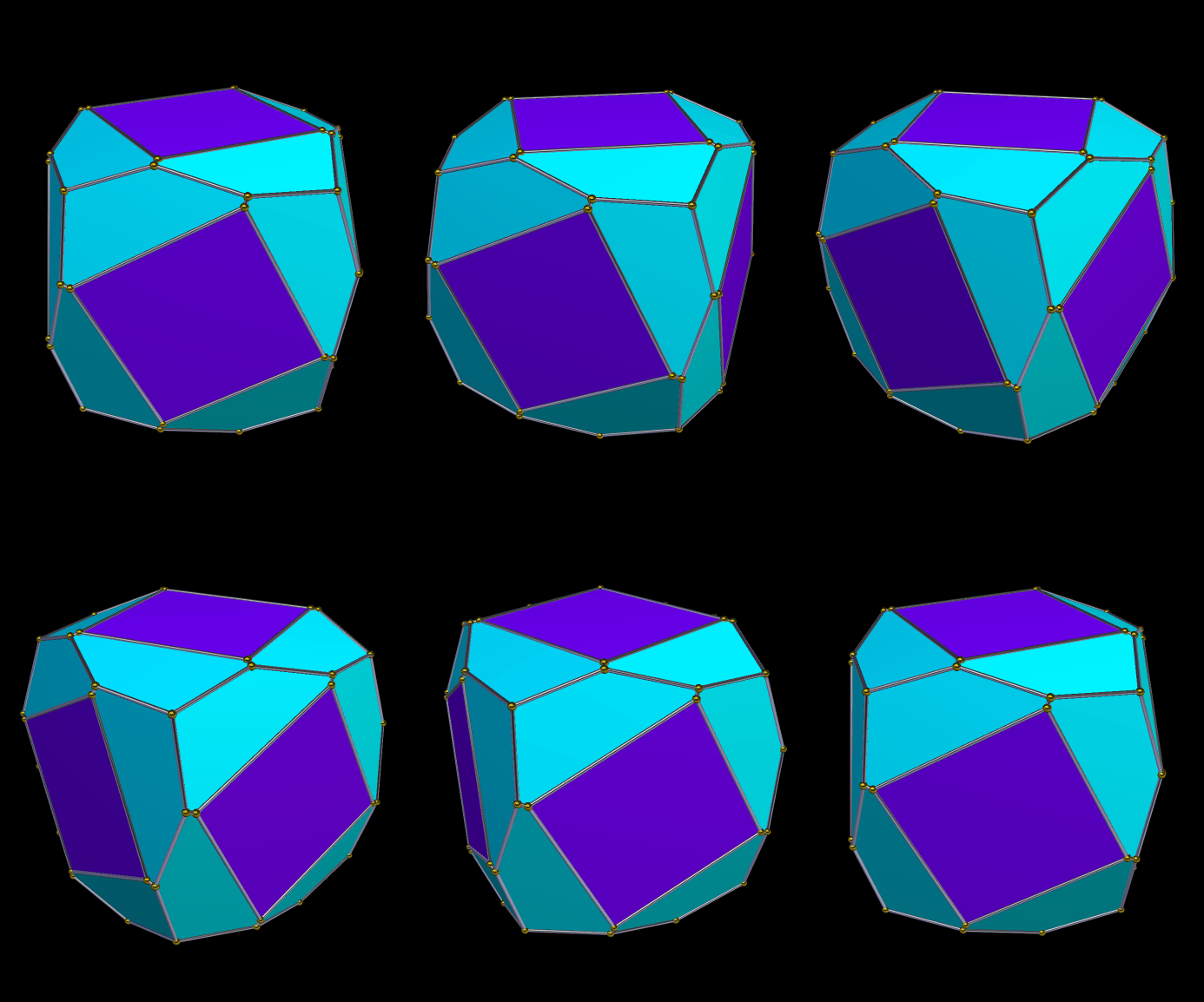

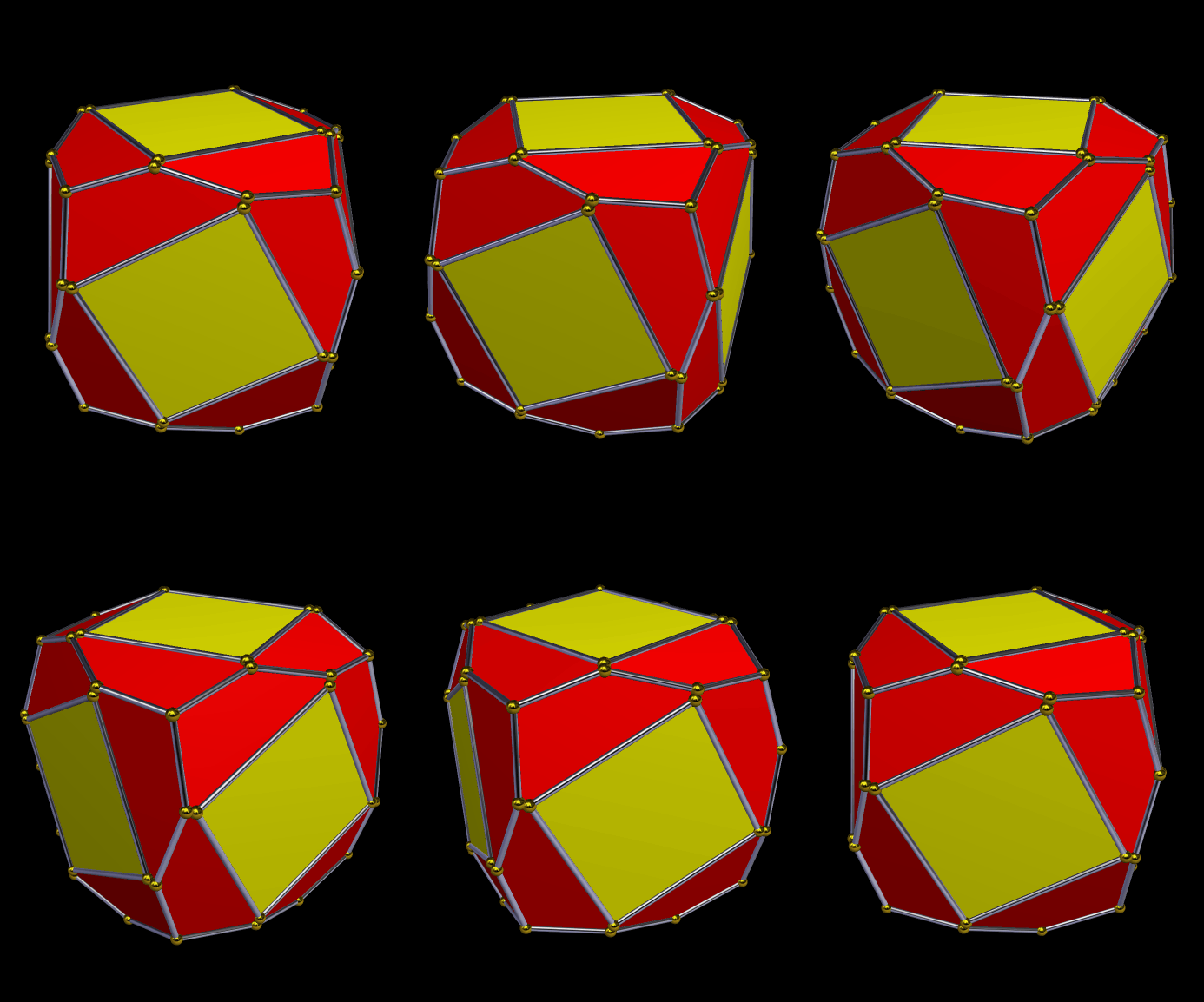

I used Stella 4d: Polyhedron Navigator to make these images, and you can find that program at http://www.software3d.com/Stella.php.
There are a lot of websites devoted to polyhedra. Here are some of the best.
This one is run by Jonathan Bowers: http://www.polytope.net/hedrondude/home.htm.
Here’s the portal-page to George Hart’s pages, with links to a LOT of cool stuff he’s made: http://www.georgehart.com/.
I don’t know who runs this one: http://polyhedra.org/poly/
This one is Robert Webb’s. He’s the person who wrote Stella 4d, the program I use most often on my own blog to create polyhedral images: http://www.software3d.com/Gallery.php. (Also, while we do share a first name, he is not the same person as me, as a few readers of my blog have thought in the past.)
Craig Kaplan has a page of links to other pages of his, right here: http://www.cgl.uwaterloo.ca/~csk/projects/. Of those, my favorites are the sections on John solid near-misses (http://www.cgl.uwaterloo.ca/~csk/projects/nearmisses/), as well as on symmetrohedra: http://www.cgl.uwaterloo.ca/~csk/projects/symmetrohedra/
Jim McNeill’s polyhedra site is here: http://www.orchidpalms.com/polyhedra/
Here’s a good one, but I don’t know its creator’s full name: http://colinspics.org/index.htm
Finally, one by Vladimir Bulatov: http://www.bulatov.org/polyhedra/index.html
This is definitely not a complete list. If you know of other good polyhedron-oriented websites, please leave links to them in a comment on this post.

The dodecahedron’s edges pass through the purple squares (edge midpoints) and red hexagons (vertices), and have blue decagons above their pentagonal face-centers. The blue decagons’ centers also mark the vertices of the triangular faces of the icosahedron, each of which has a purple square as a side-midpoint, and a red hexagon over its face-center. The rhombic triacontahedron’s faces have blue decagons at the vertex of each acute angle, and red hexagons at the obtuse angle vertices, with purple squares above the rhombic faces’ centers.
I used Stella 4d to make this image, and you can find that program at http://www.software3d.com/Stella.php.
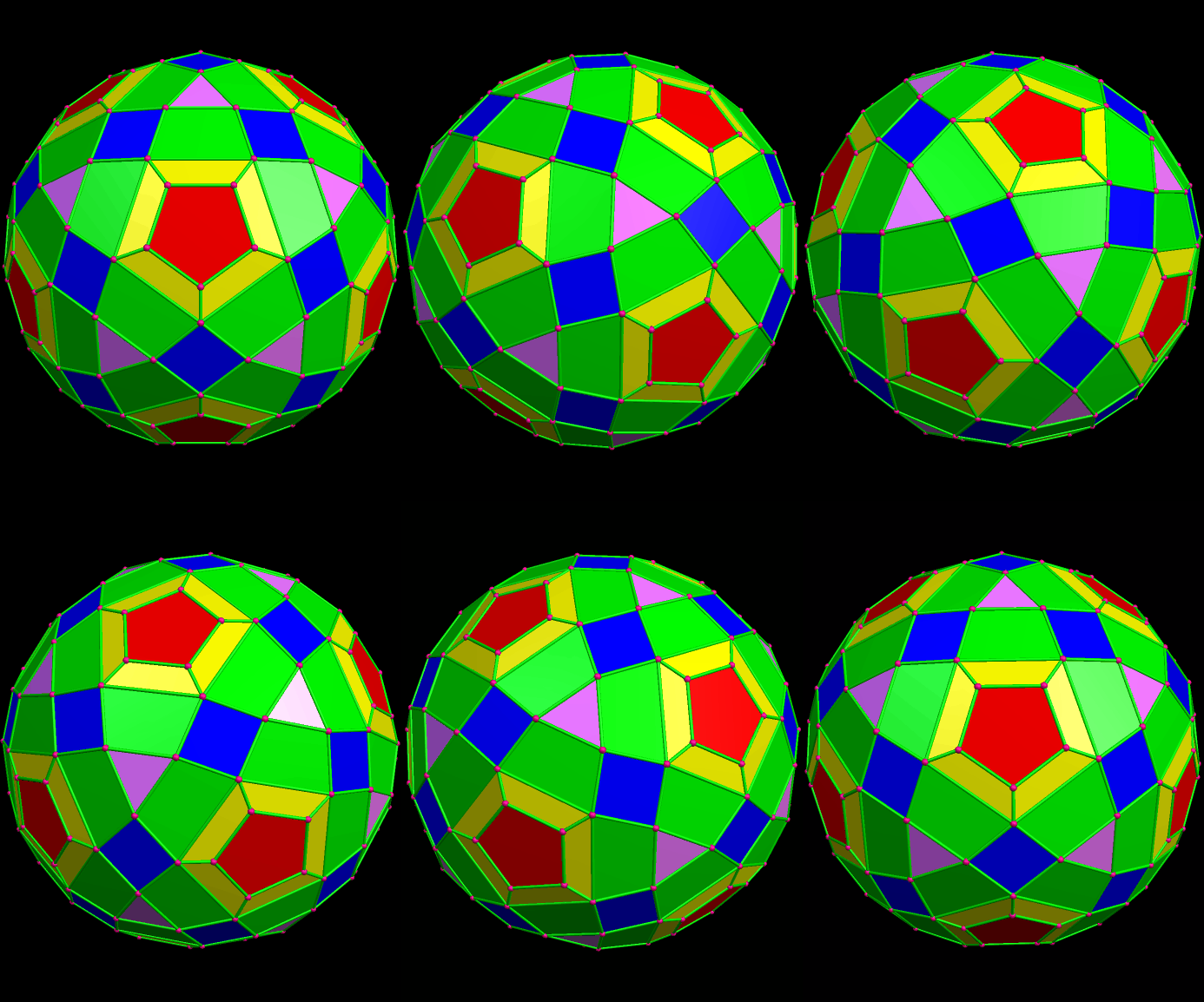
Click on the smaller pictures, if you wish to enlarge them, one at a time.


Those last two were duals of each other. The next two are as well.


These next two are duals, as are the pair that follows them.


I’ll finish with one more dual pair.


All of these were made using Stella 4d: Polyhedron Navigator, which is available at http://www.software3d.com/Stella.php.
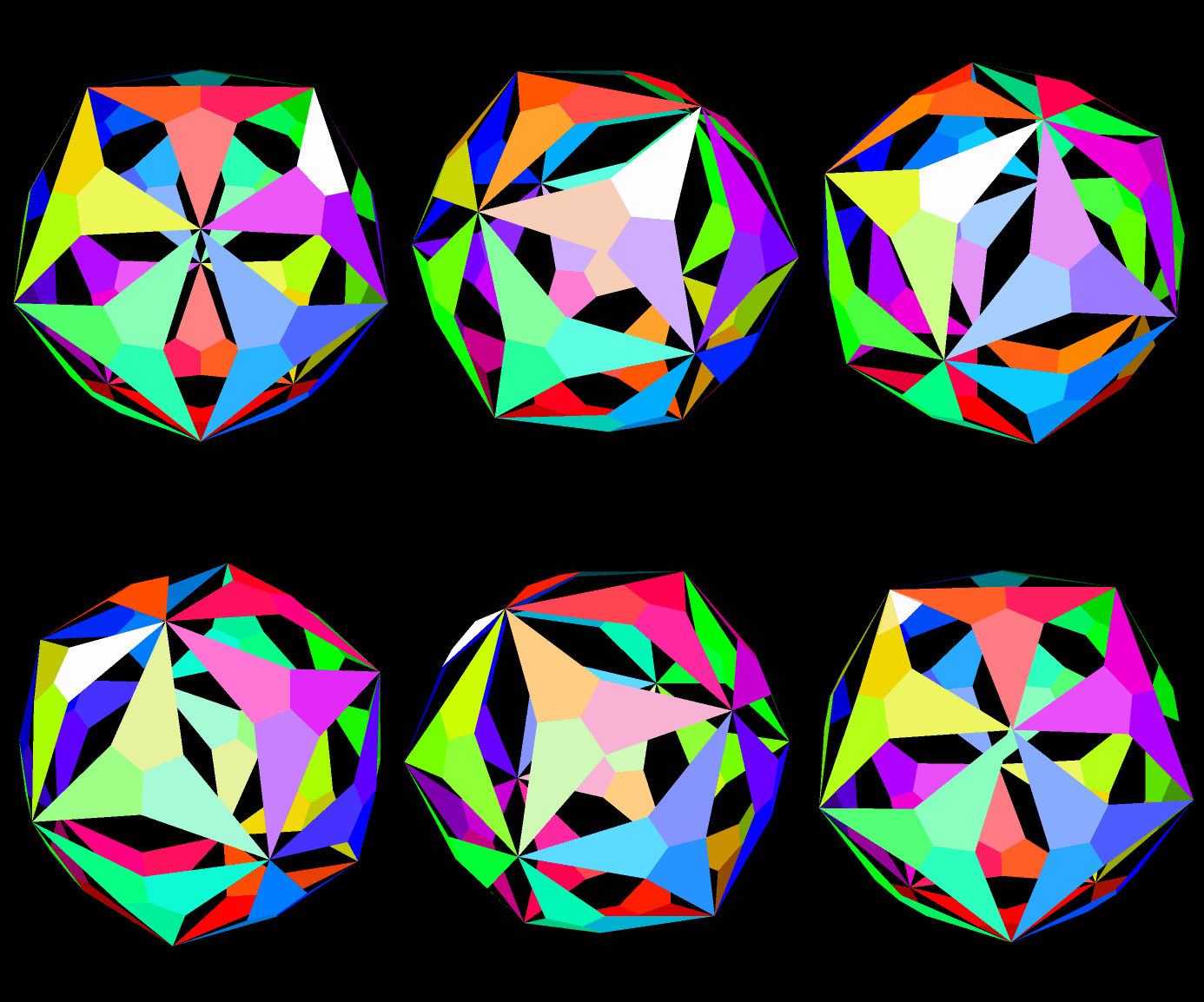
Created using Stella 4d, software available at http://www.software3d.com/Stella.php.
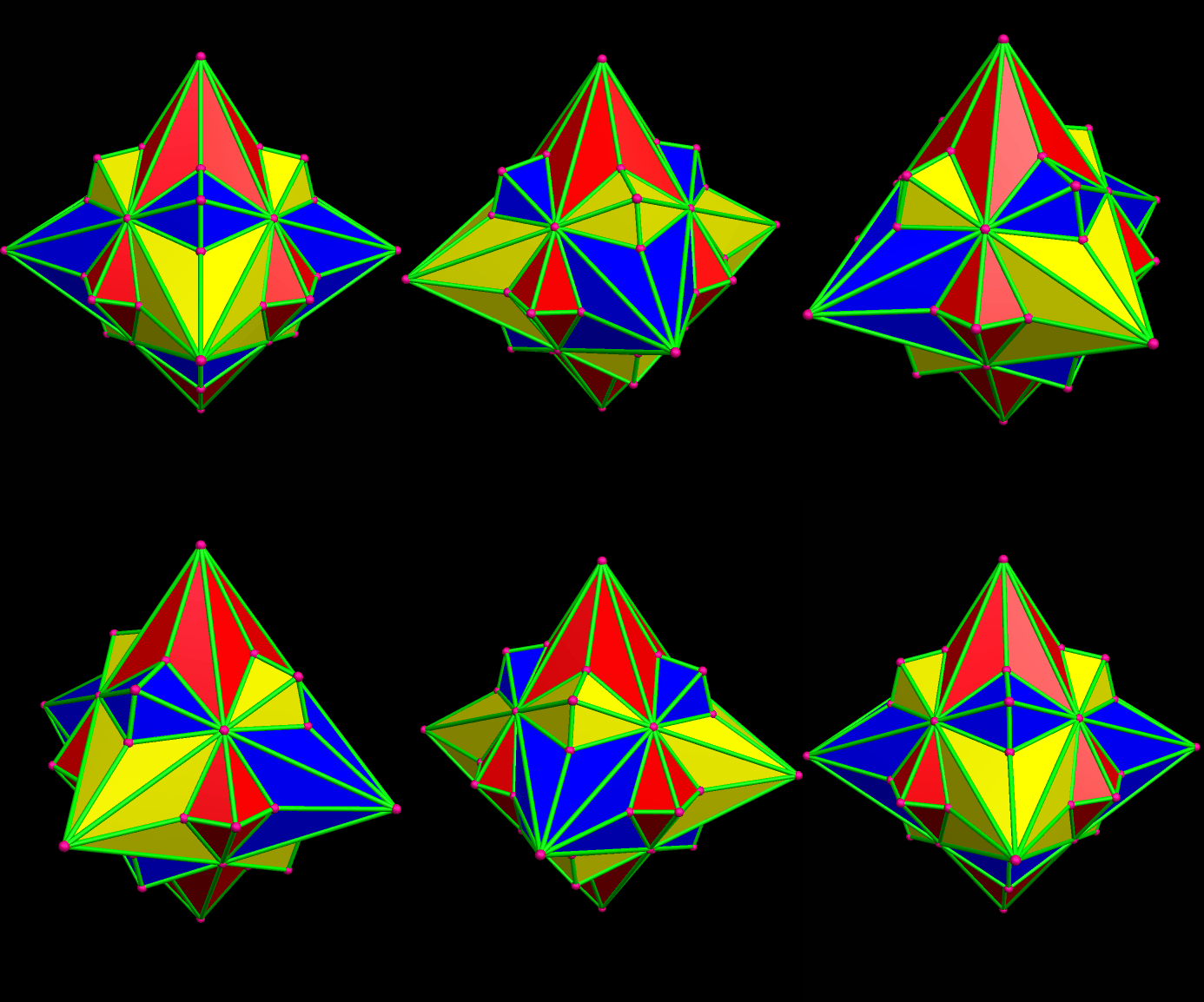
Software credit: see http://www.software3d.com/Stella.php for the software used (Stella 4d) to make this image. A free trial download is available.
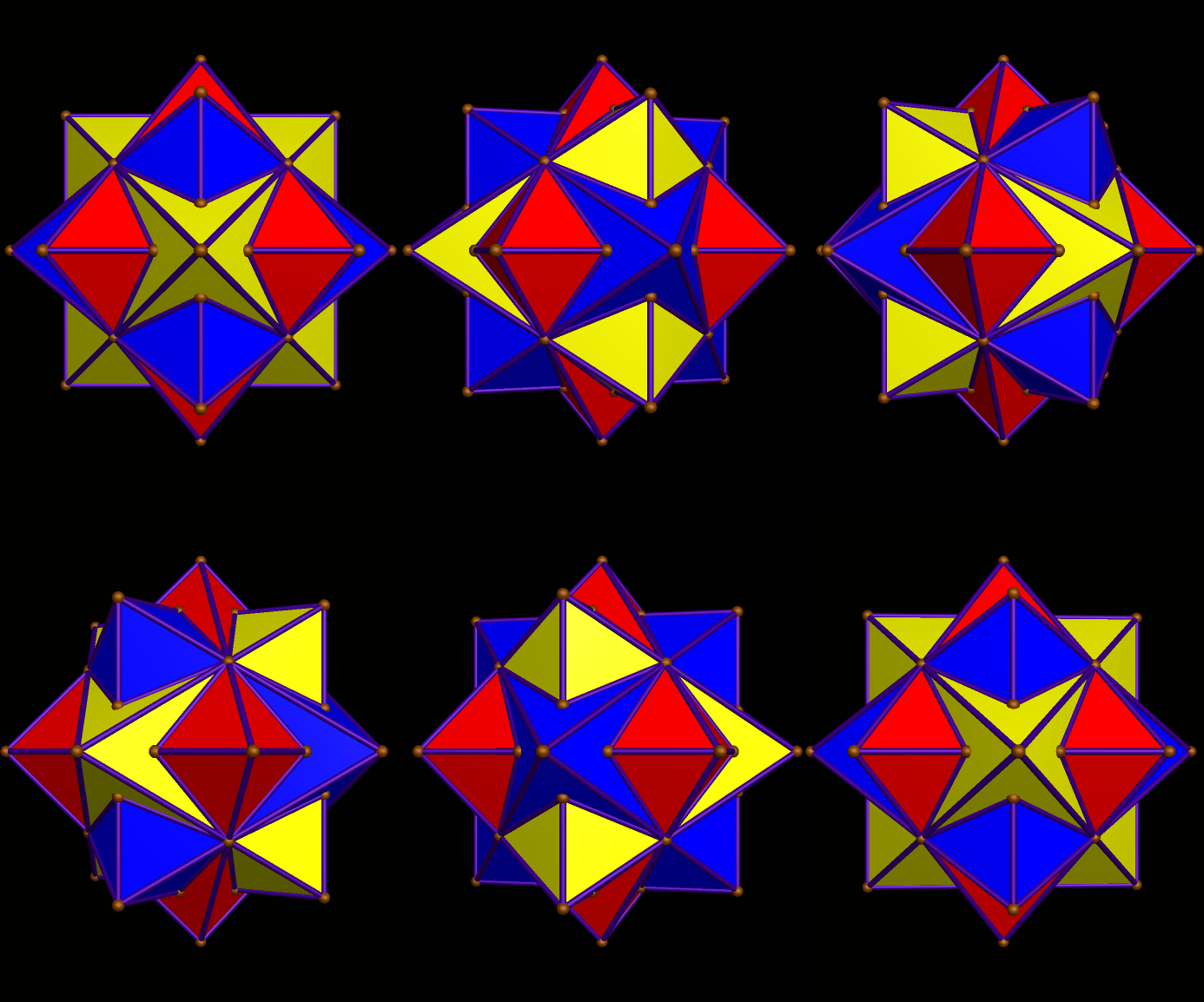
This polyhedral compound is part of the built-in library of polyhedra that comes with Stella 4d: Polyhedron Navigator. You can find this software here: http://www.software3d.com/Stella.php.
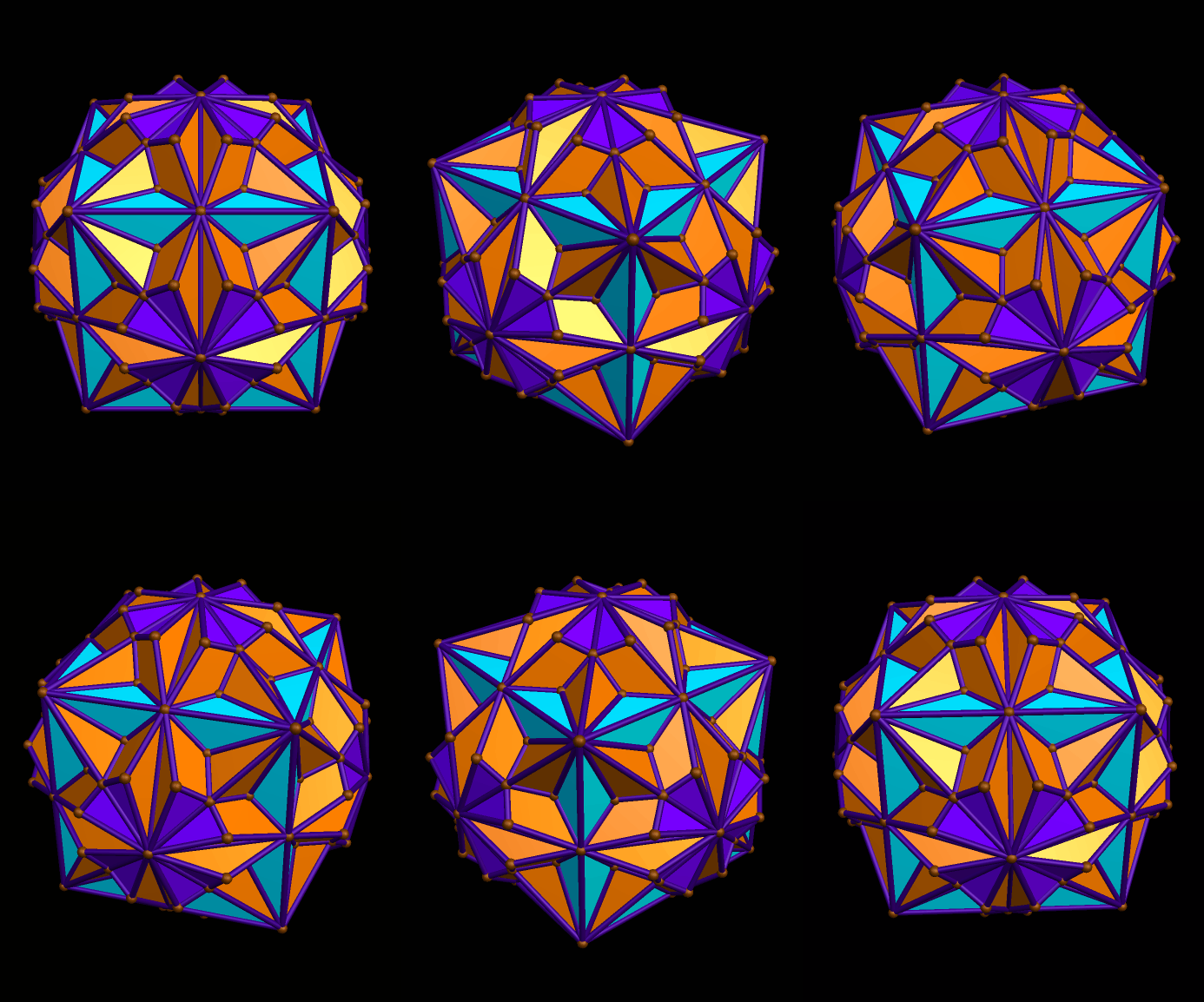
The other two appear smaller here, but can be enlarged with a single click.

All three were created using software called Stella 4d, which you may find at http://www.software3d.com/Stella.php.
 RobertLovesPi.net