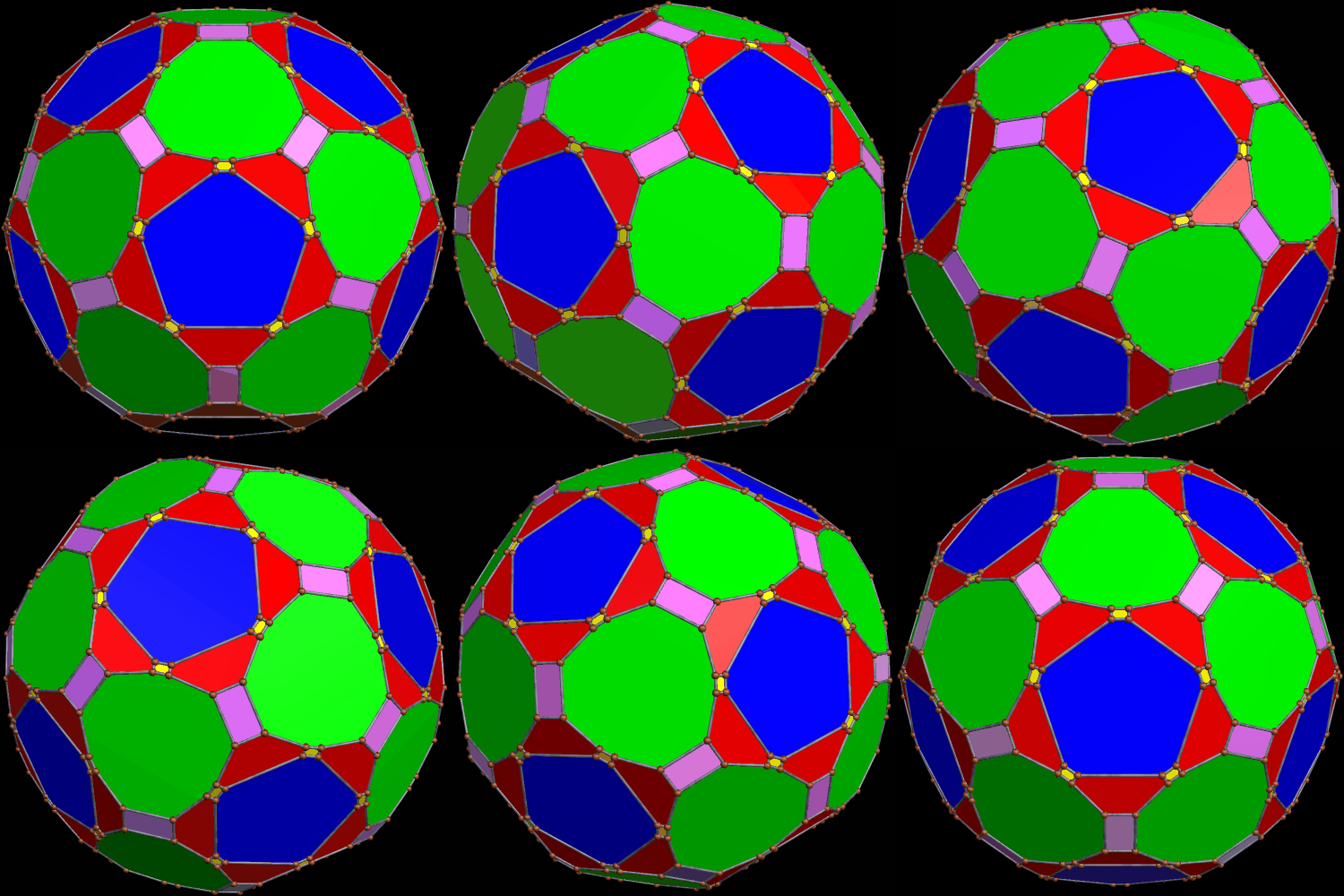
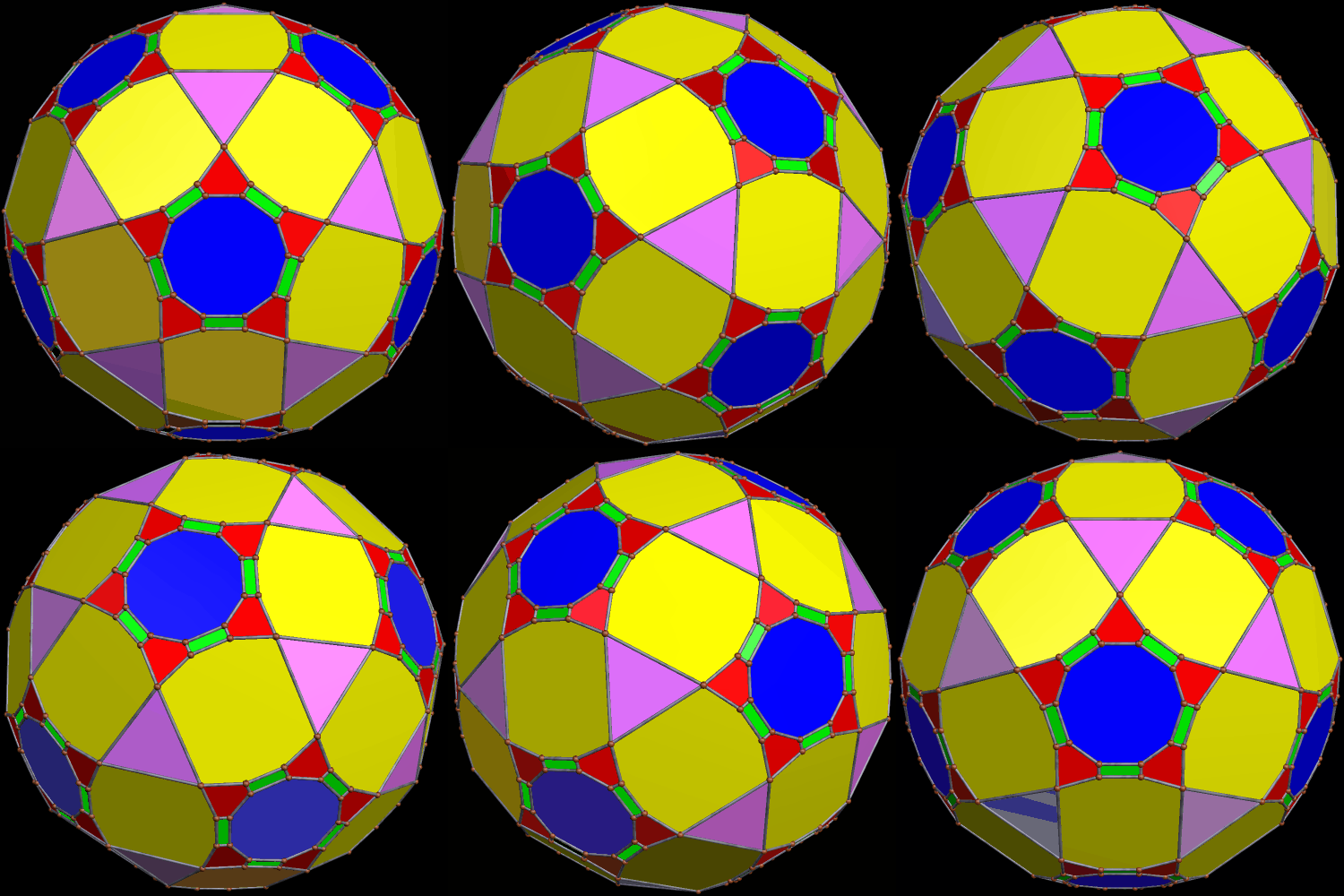
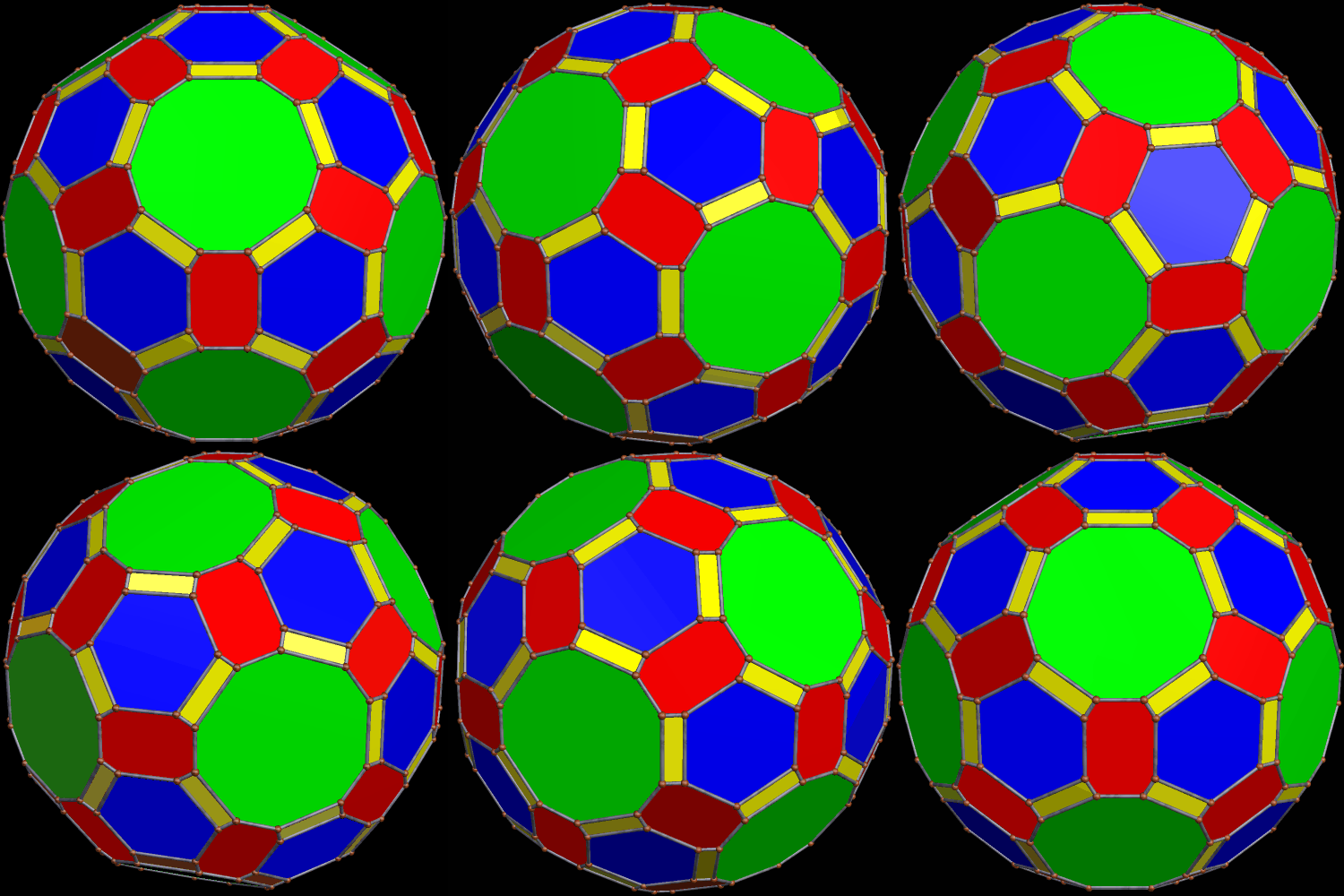
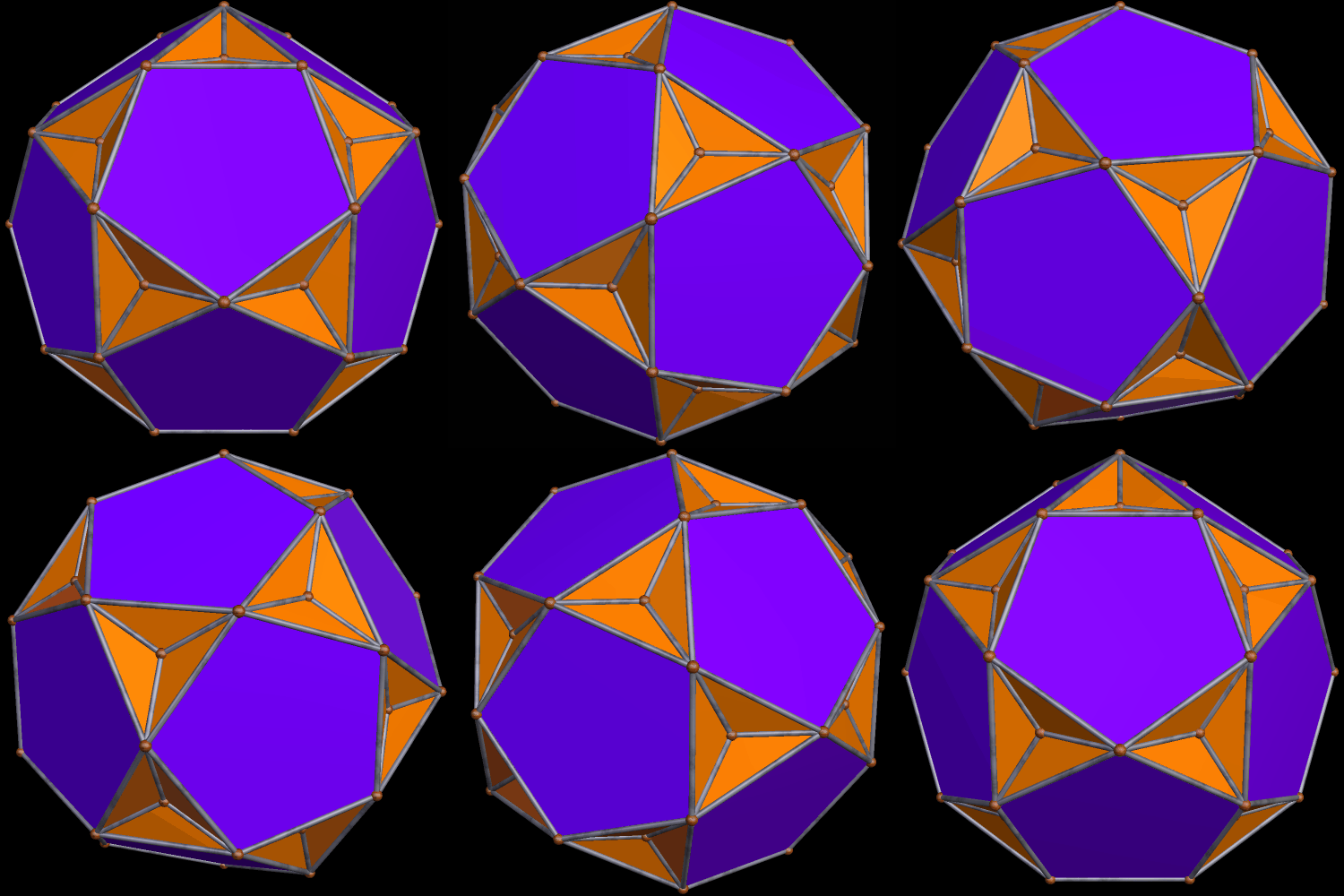
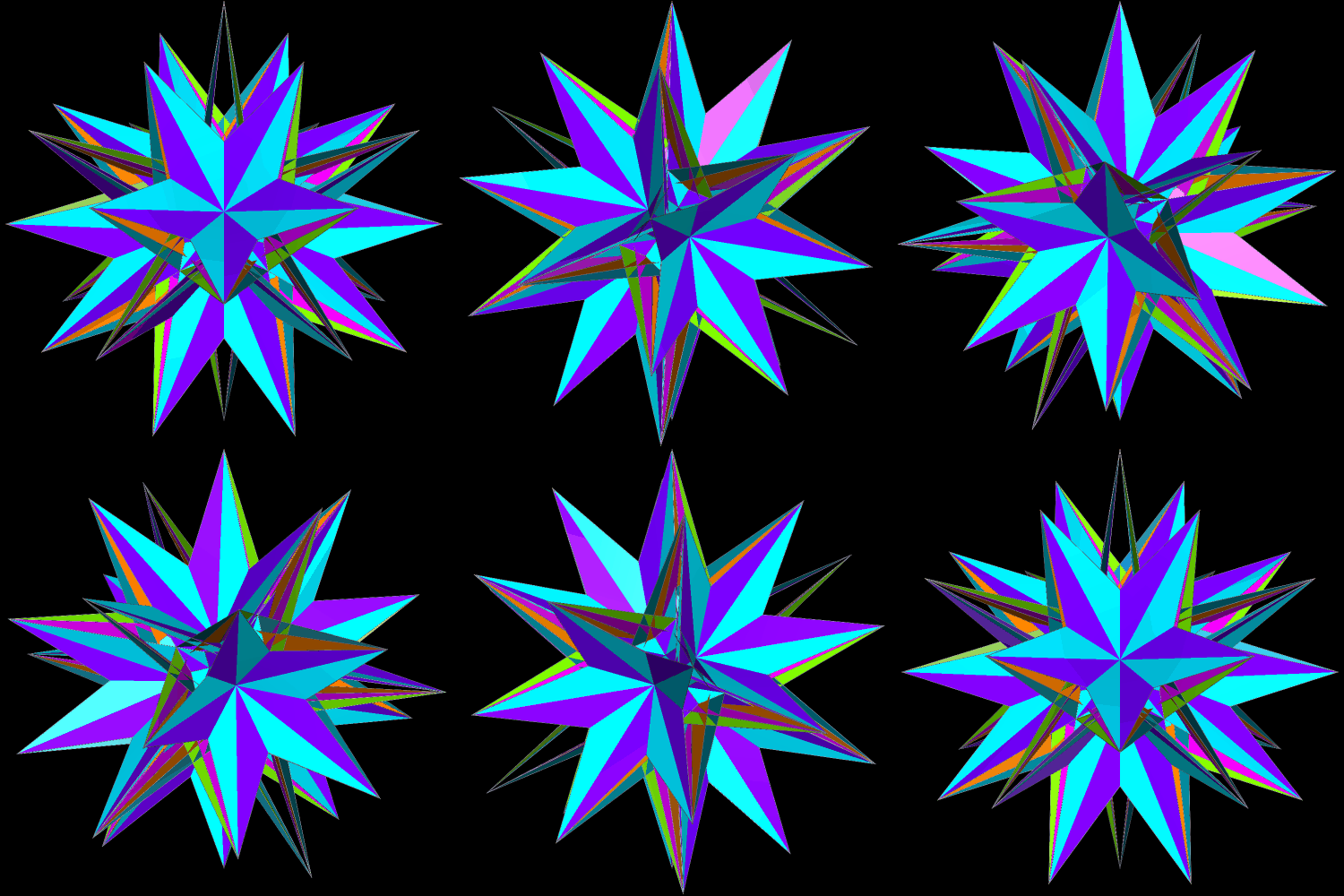
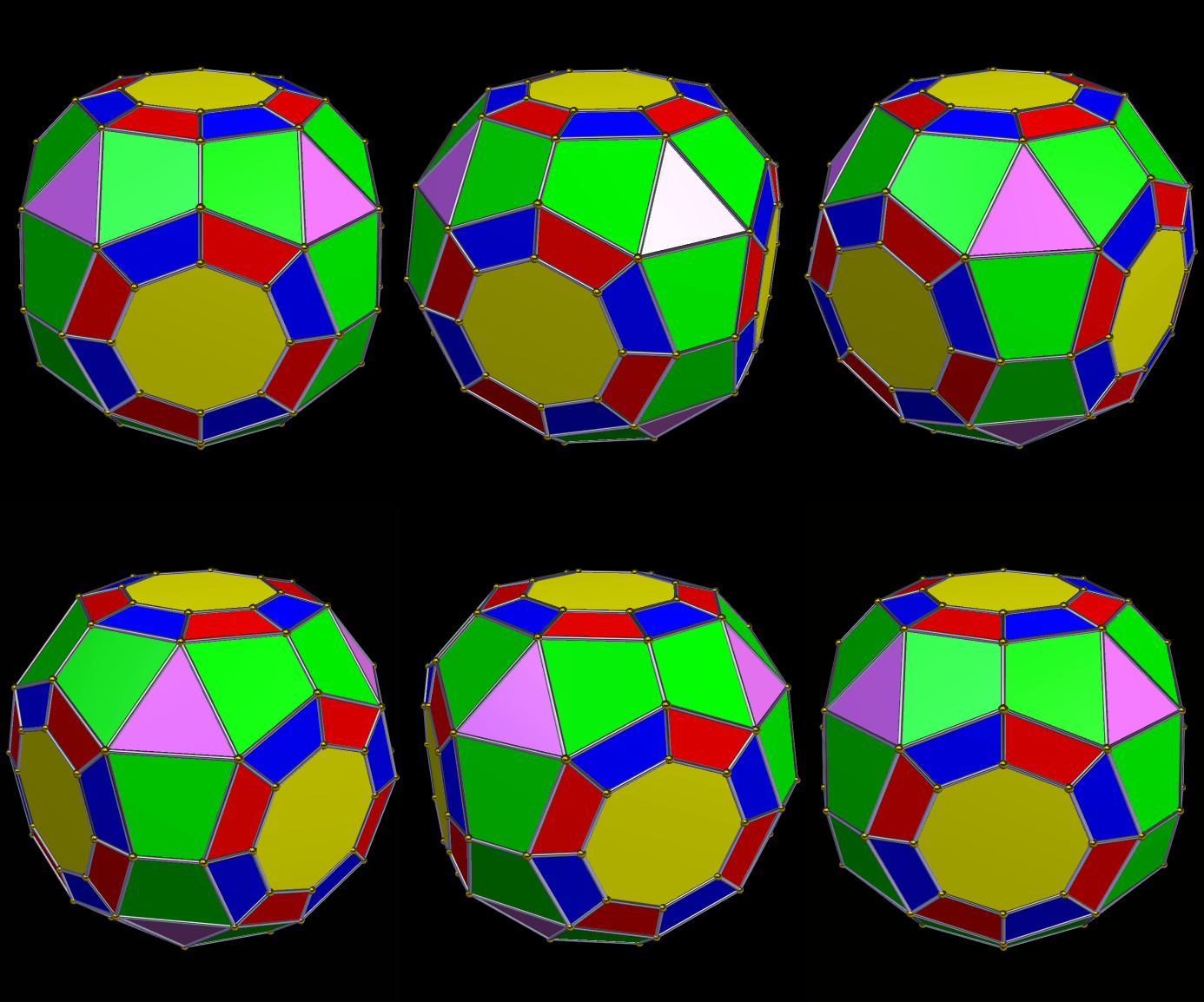
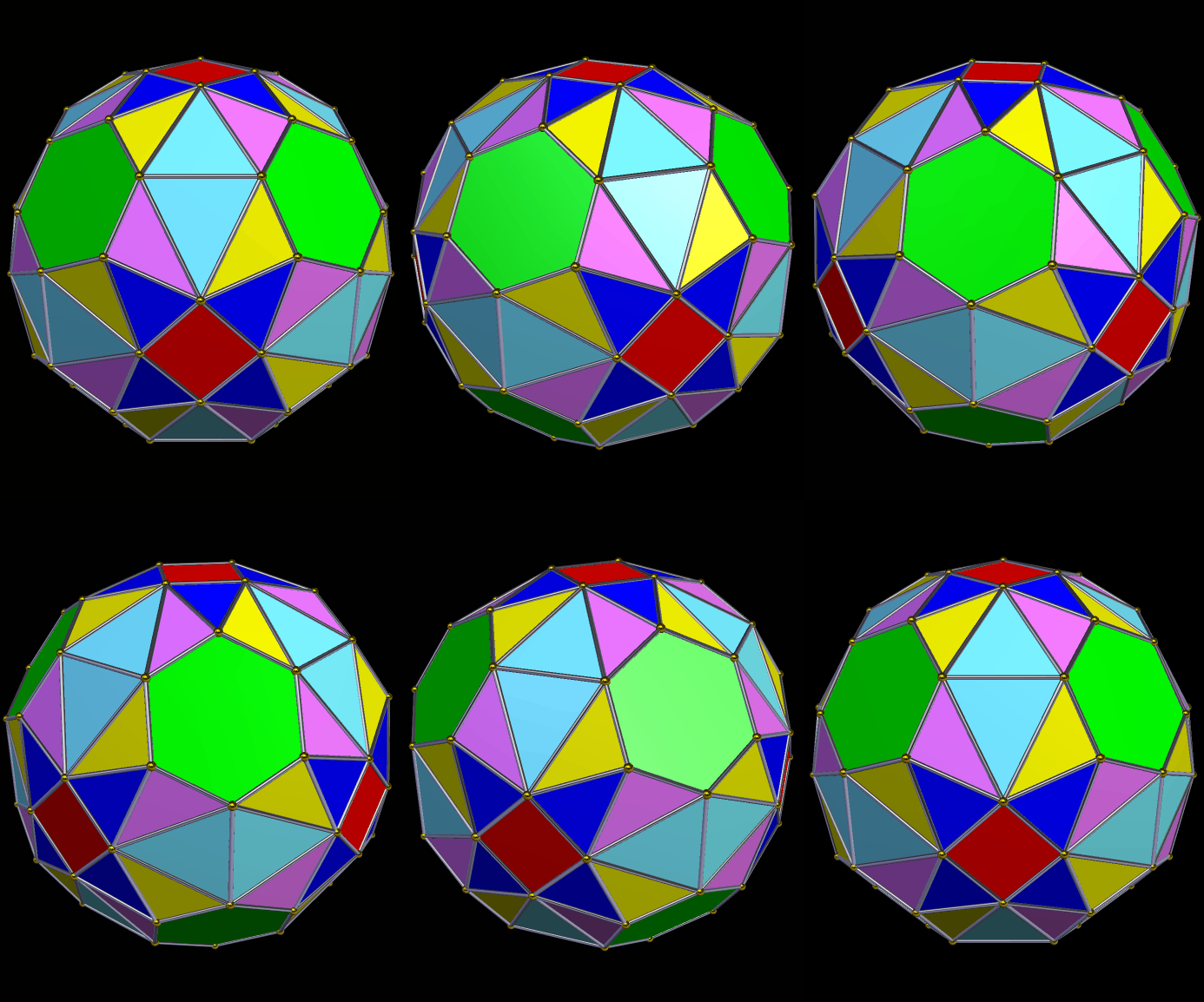
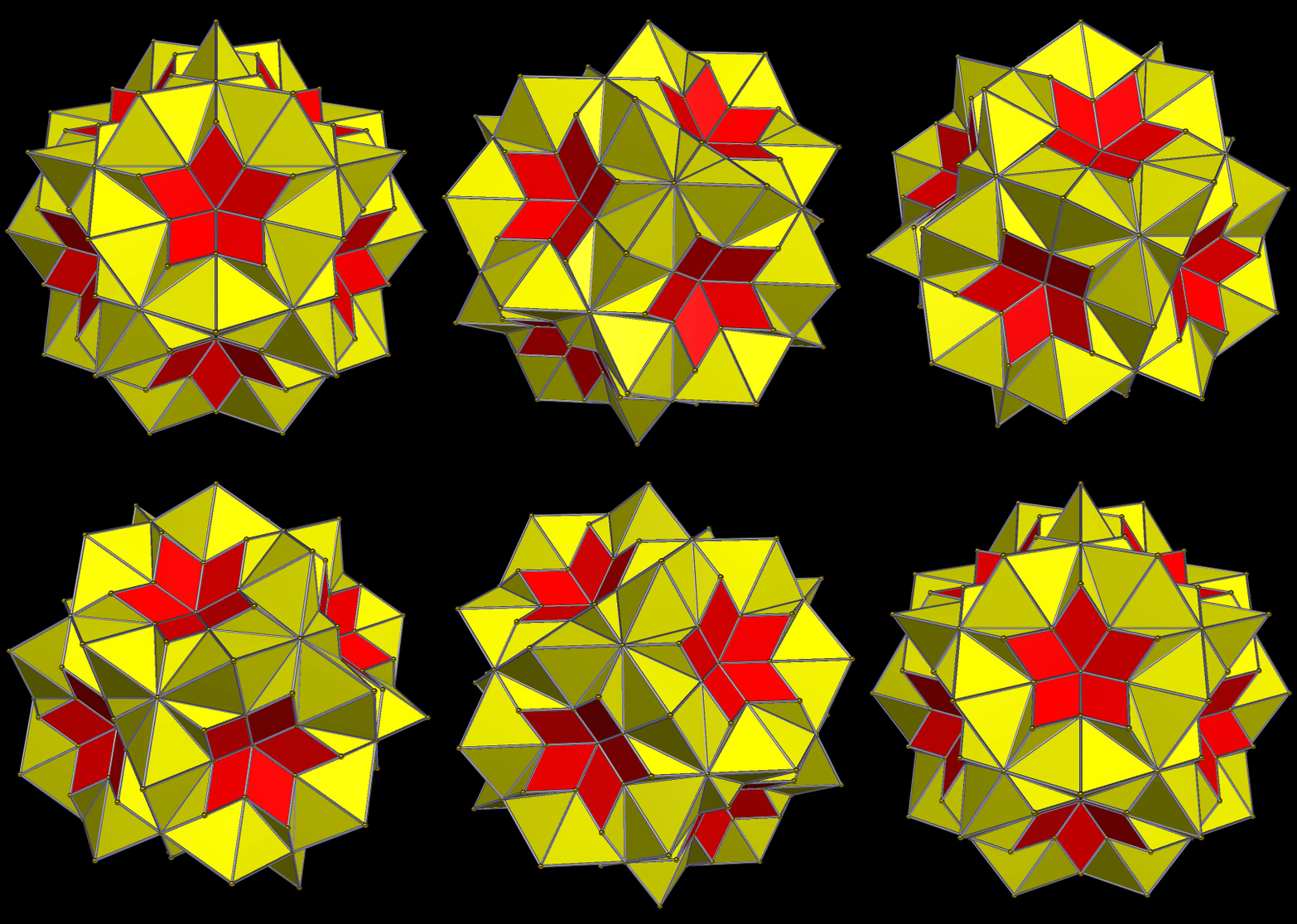
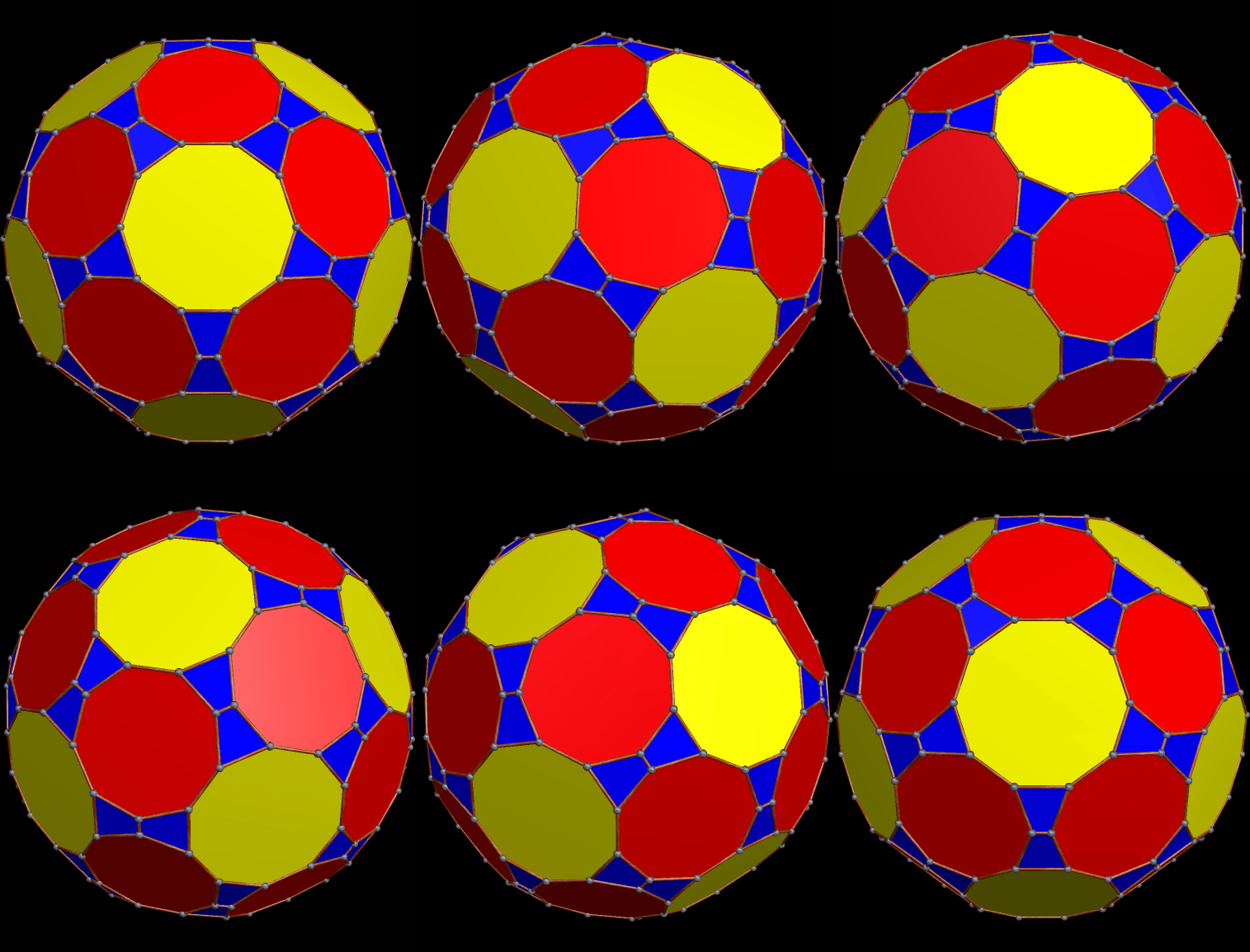
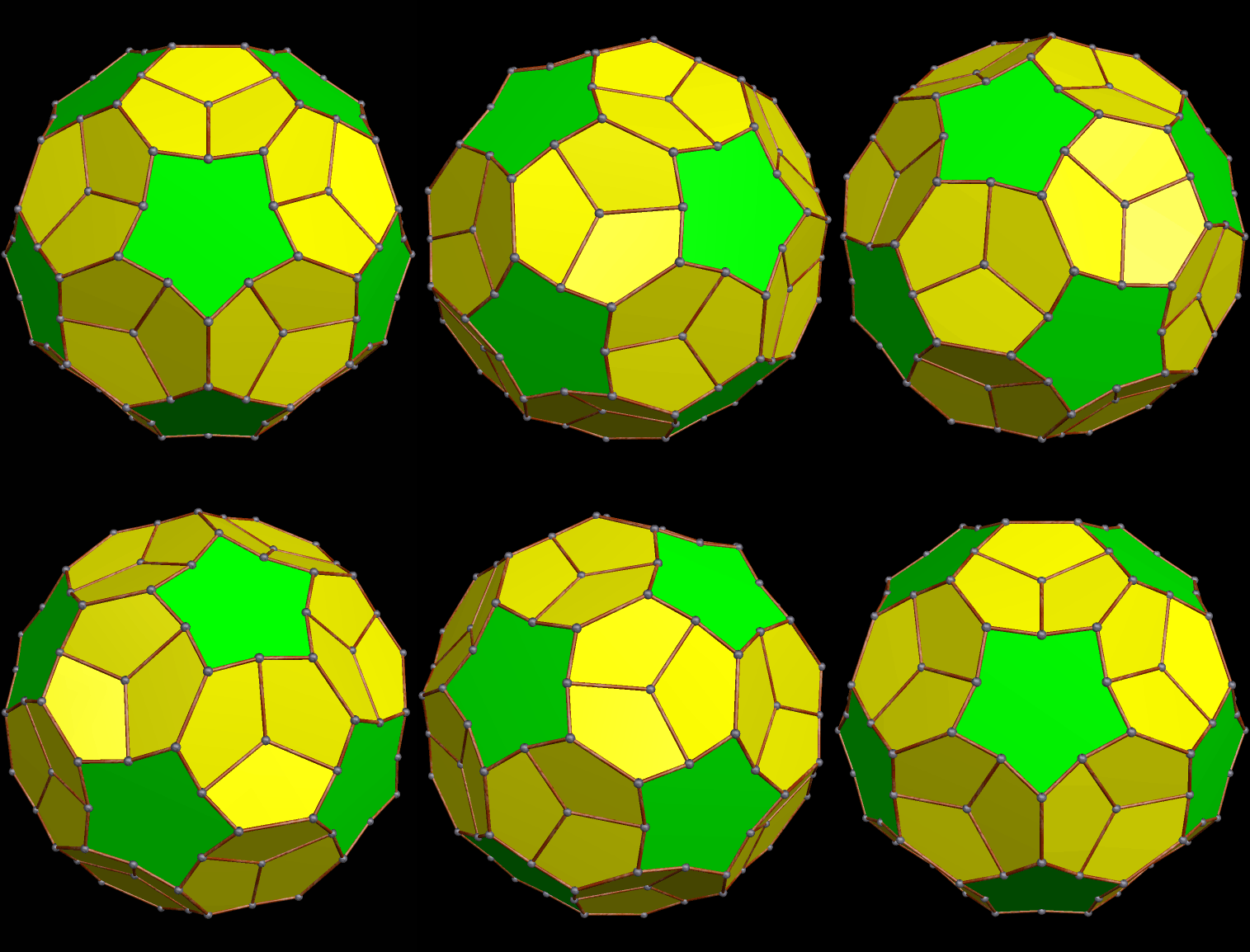
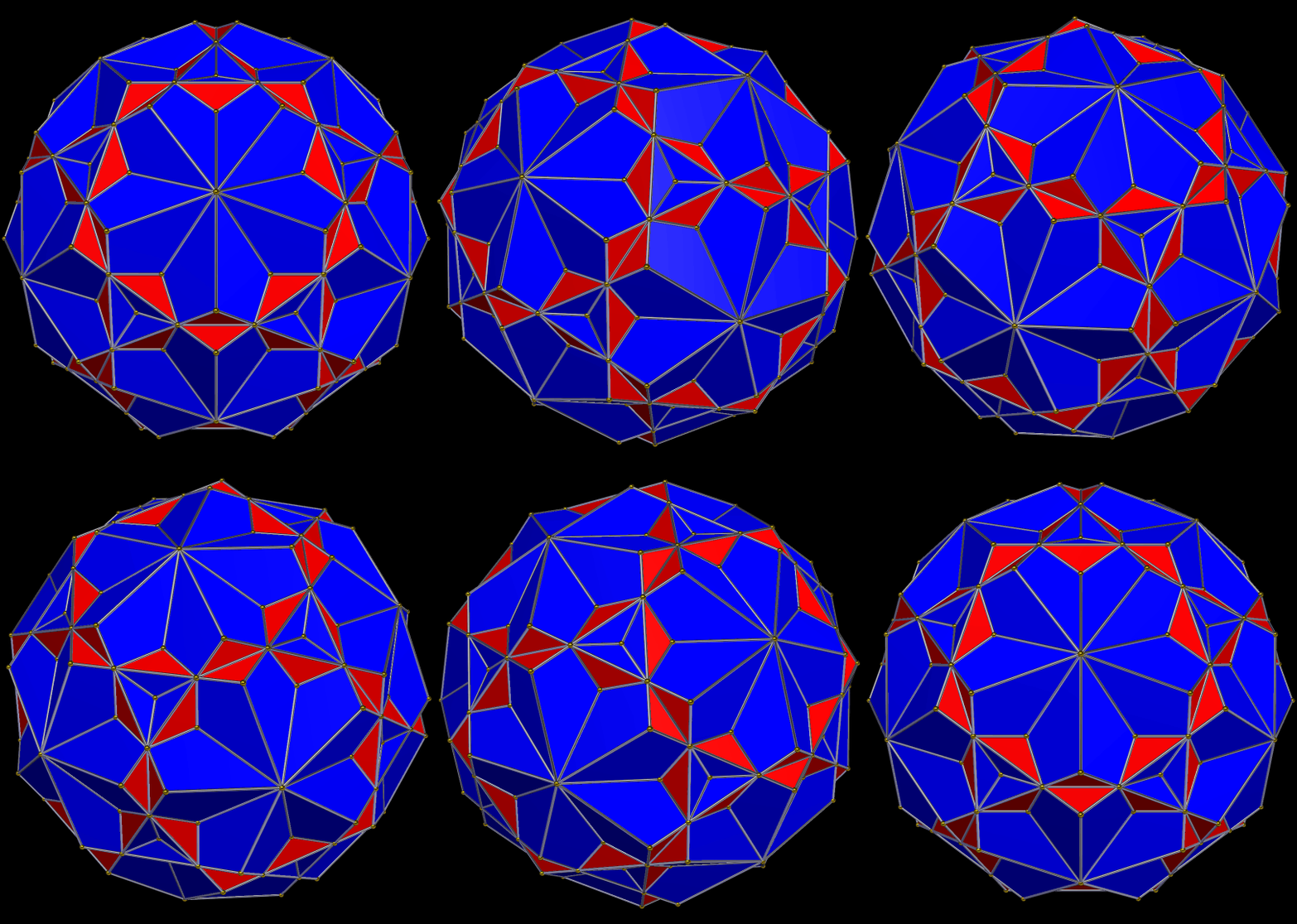
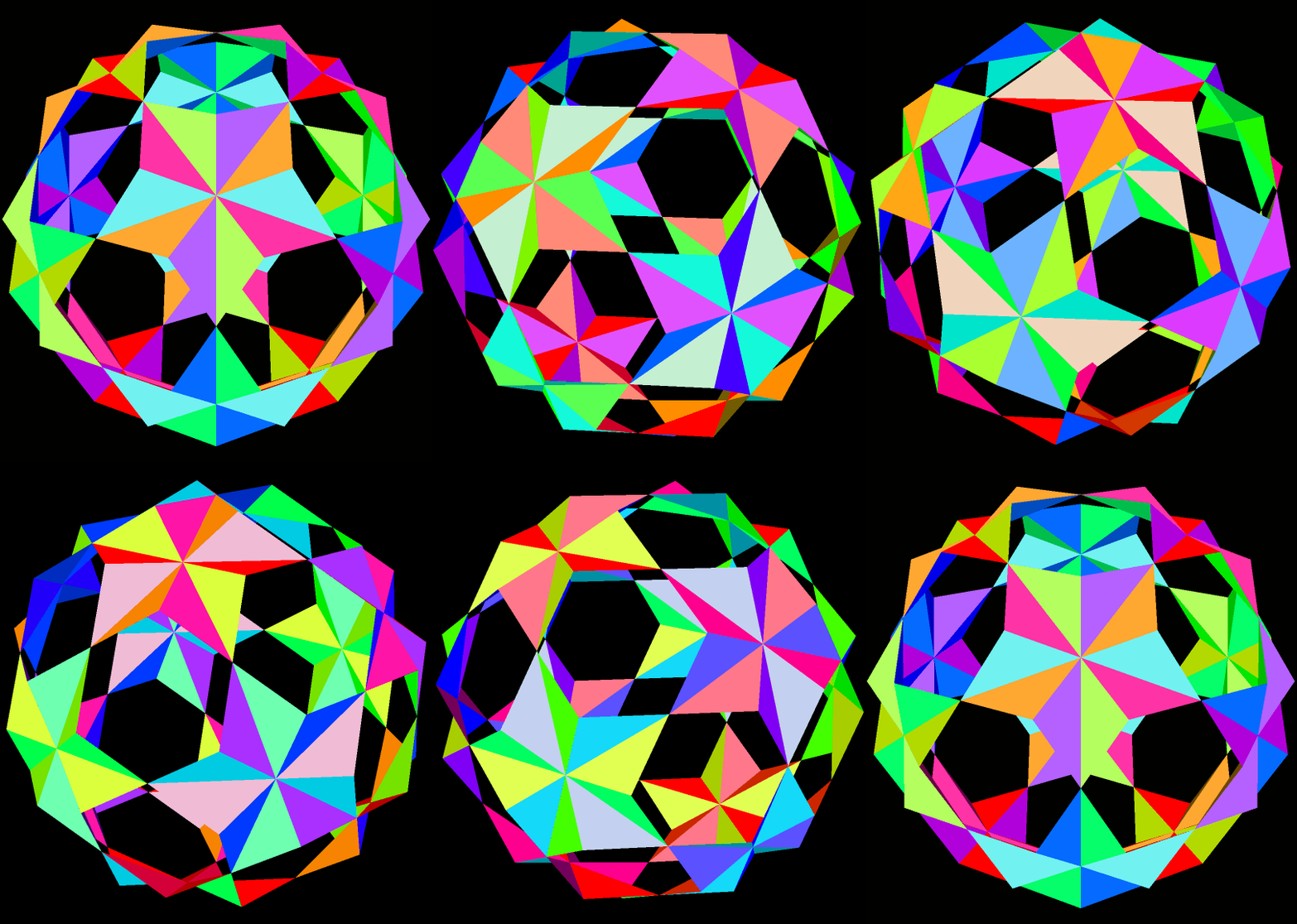
Octagons, Hexagons, and Squares

octagons hexagons squares

A Survey of Polyhedra with Pyritohedral Symmetry

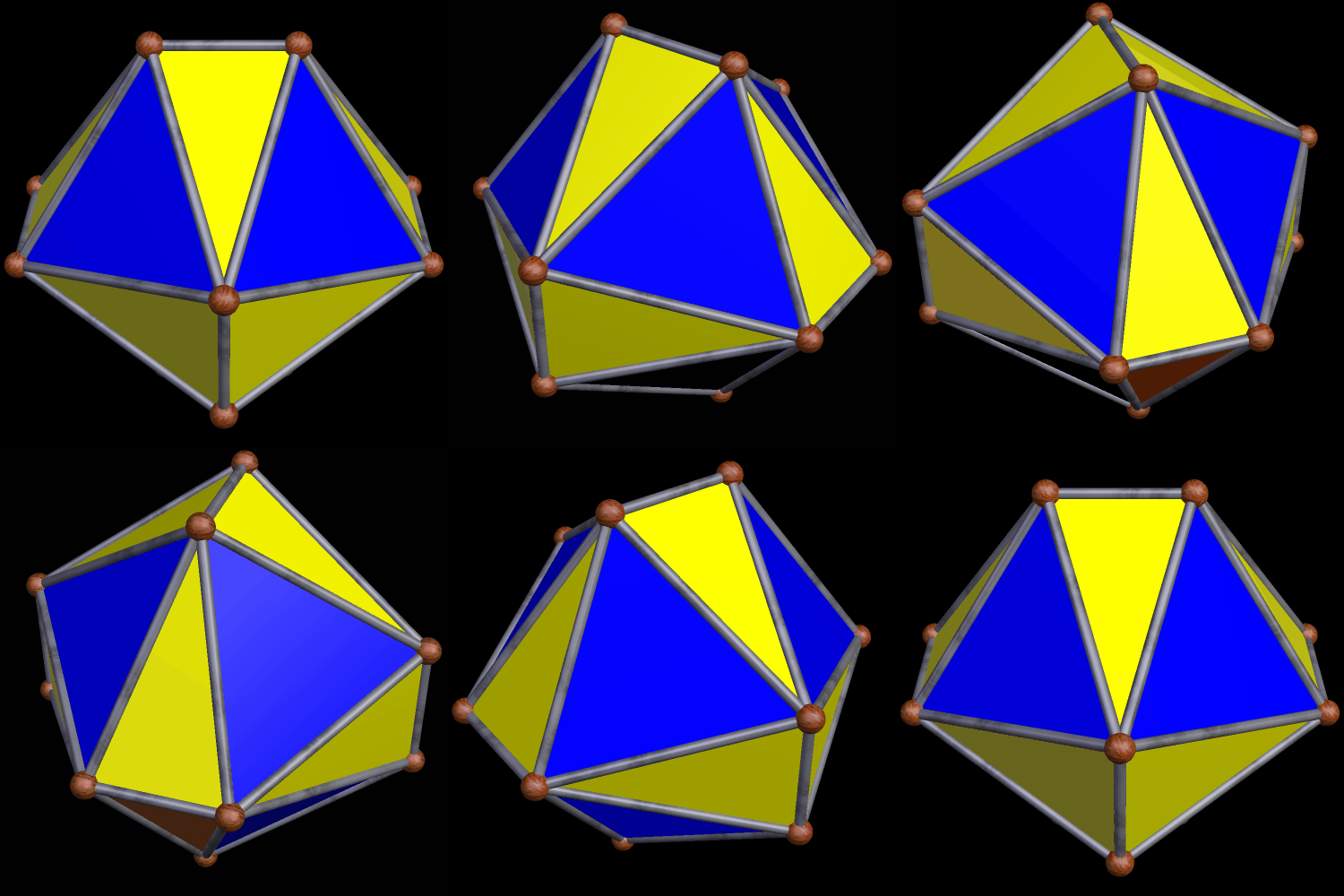
The simplest way for many to understand pyritohedral symmetry is simply to realize that it is the symmetry of the seams in a volleyball. The first time I encountered this unusual symmetry-type was in the golden icosahedron I blogged about here, a figure which much resembles this pyritohedral icosahedron, except the dozen isosceles triangles in this one have a leg-to-base ratio which is not the golden ratio.

non golden pyritohedral icosahedron

Earlier today, I went on a search for polyhedra with pyritohedral symmetry. I found several, but the worthwhile findings from the search are far from exhausted. Here are some others I found, exploring and manipulating polyhedra using Stella 4d, which you can try at this website.

another pyritohedral version of an icosahedronIn the version of the pyritohedral icosahedron above, the twelve green triangles have become heptagons which use very short sides to approximate triangles. The one below is of a similar figure, but one in which truncations has happened, so I call it a truncated pyritohedral icosahedron.
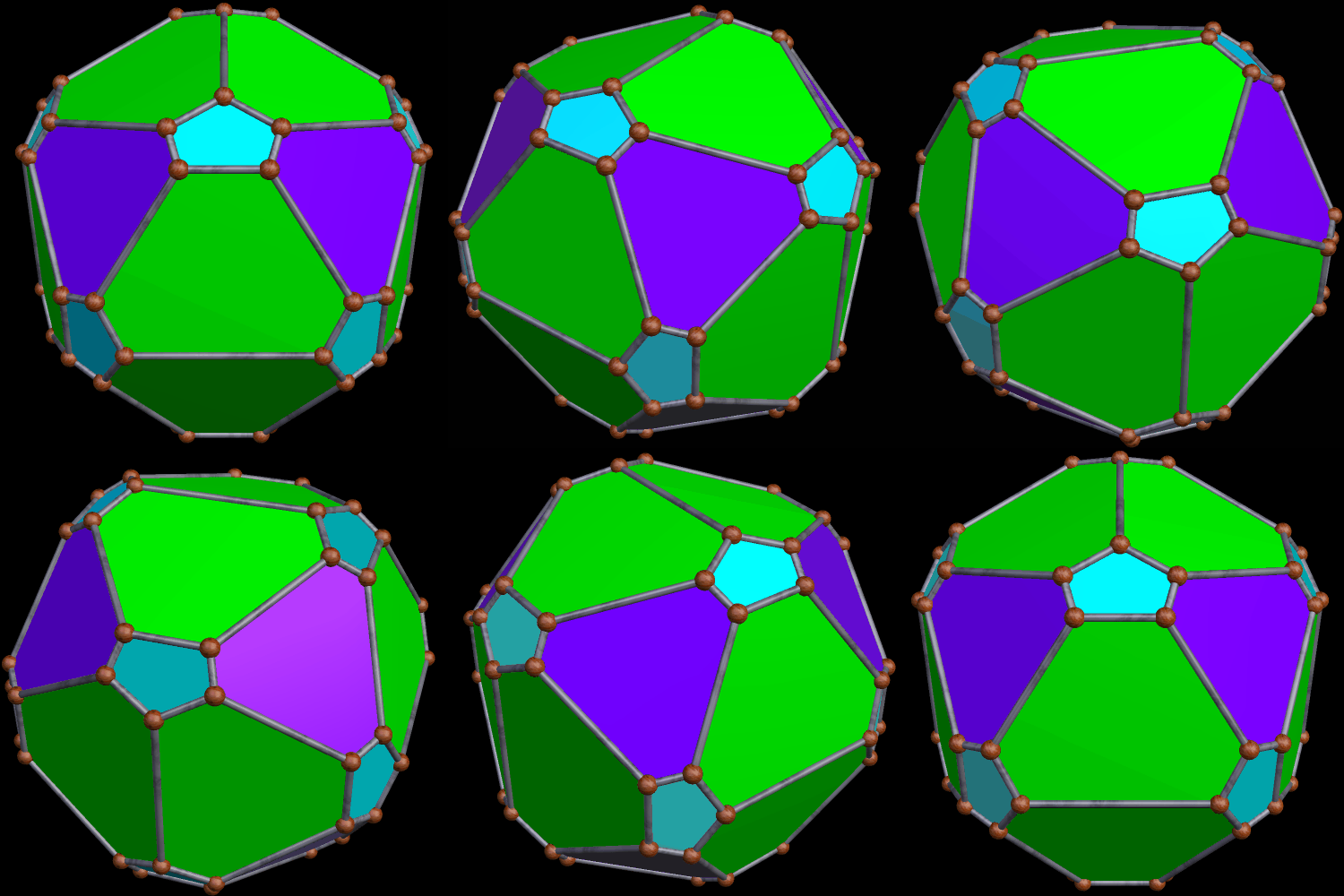
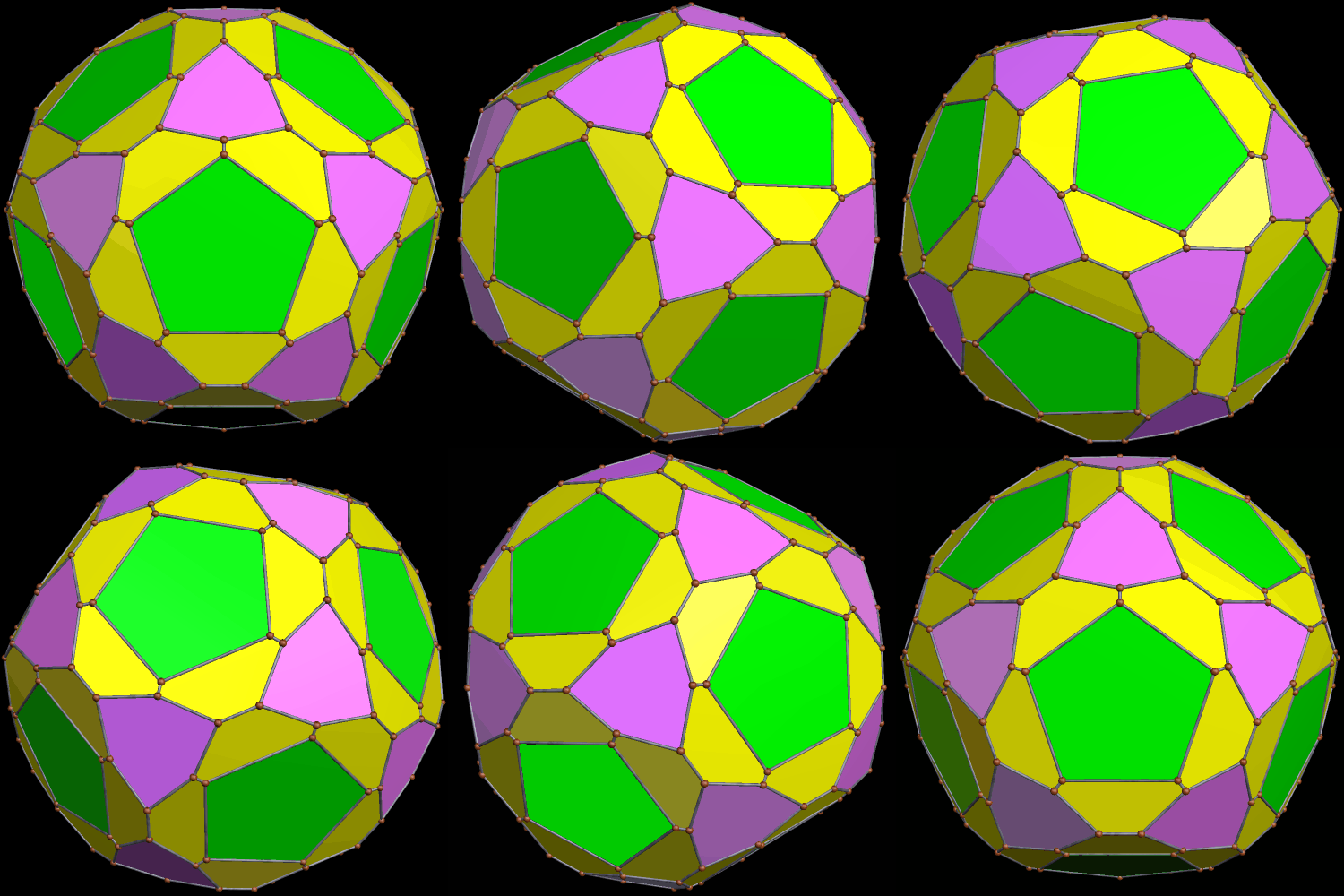
pyritohedral version of a truncated icosahedron

There also exist many pyritohedral polyhedra based, more or less, on the cube. These are a few I have found:
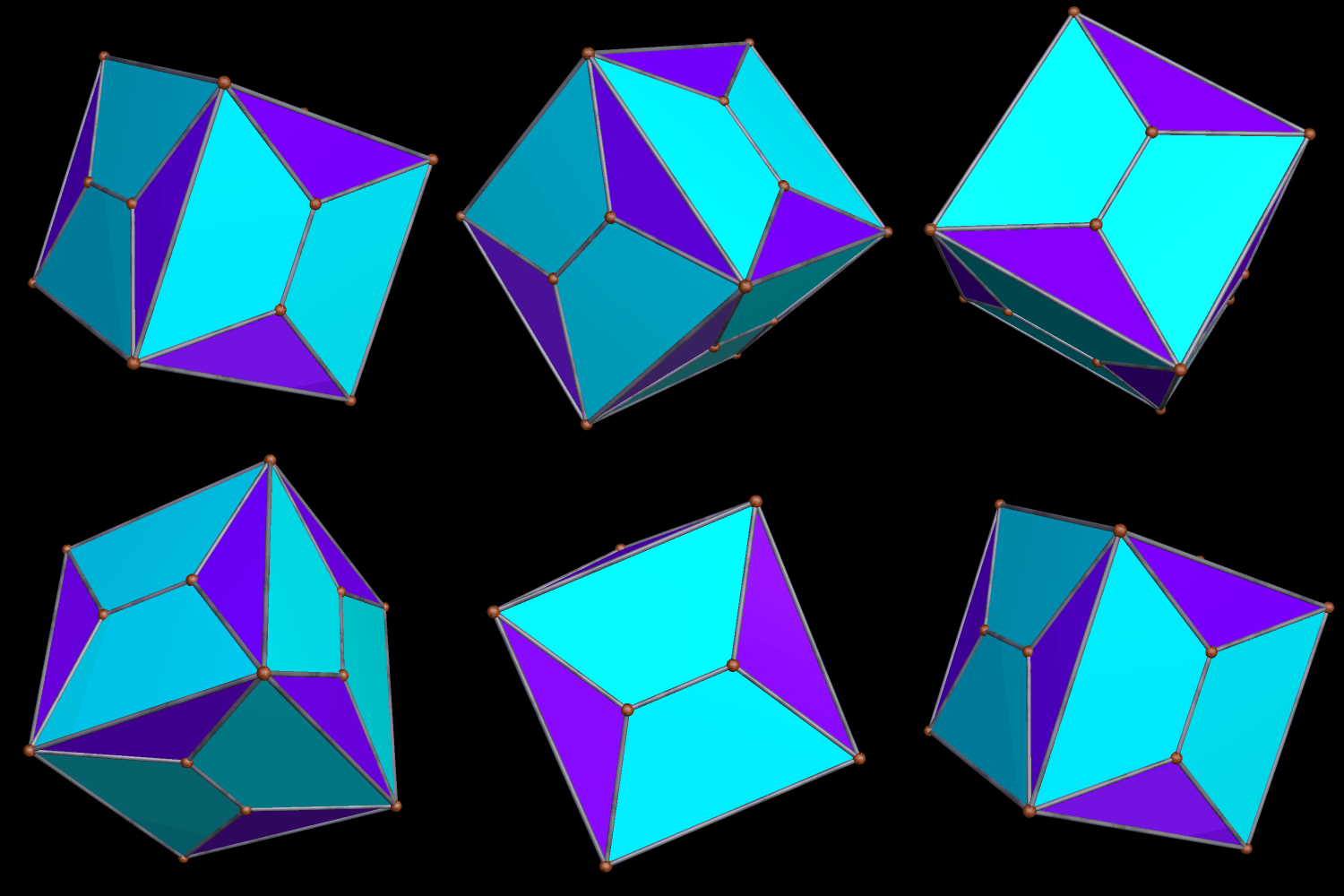
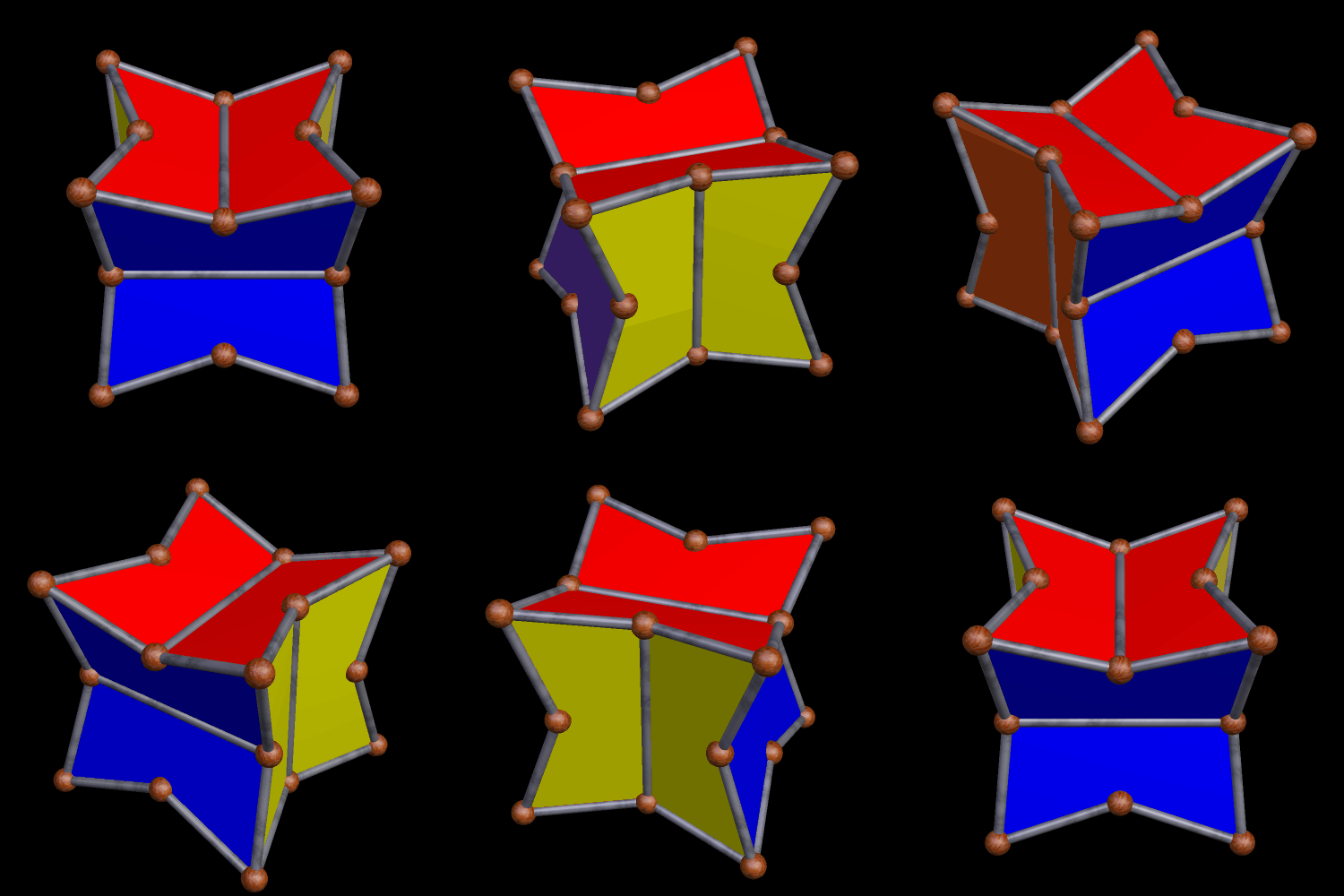
pyritohedral cube

pyritohedral cube variant

another pyritohedral cube

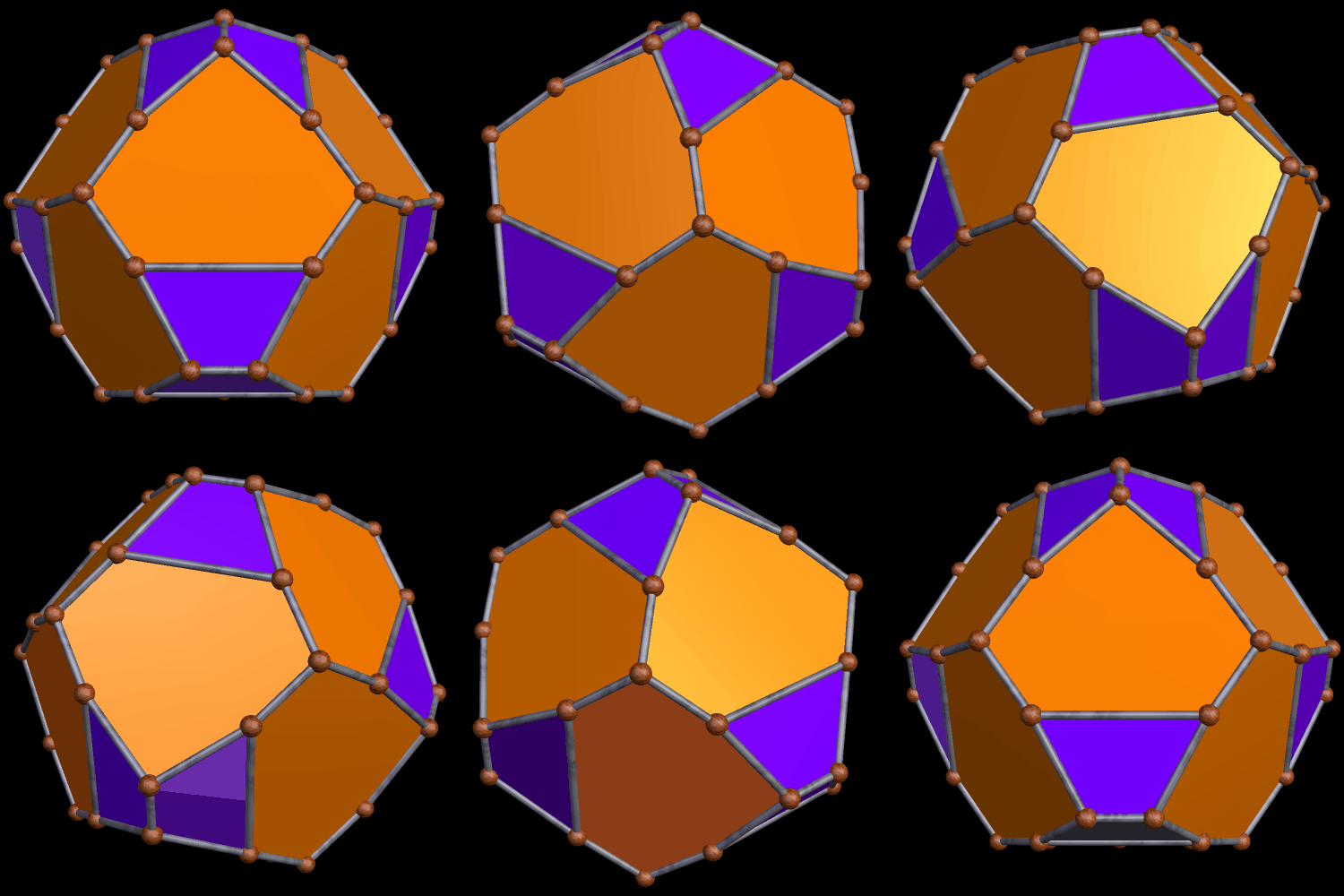
Now, is this next one a pyritohedral cube, or a pyritohedral dodecahedron? A case could be made for either, so it inhabits a “gray zone” between varying categories.
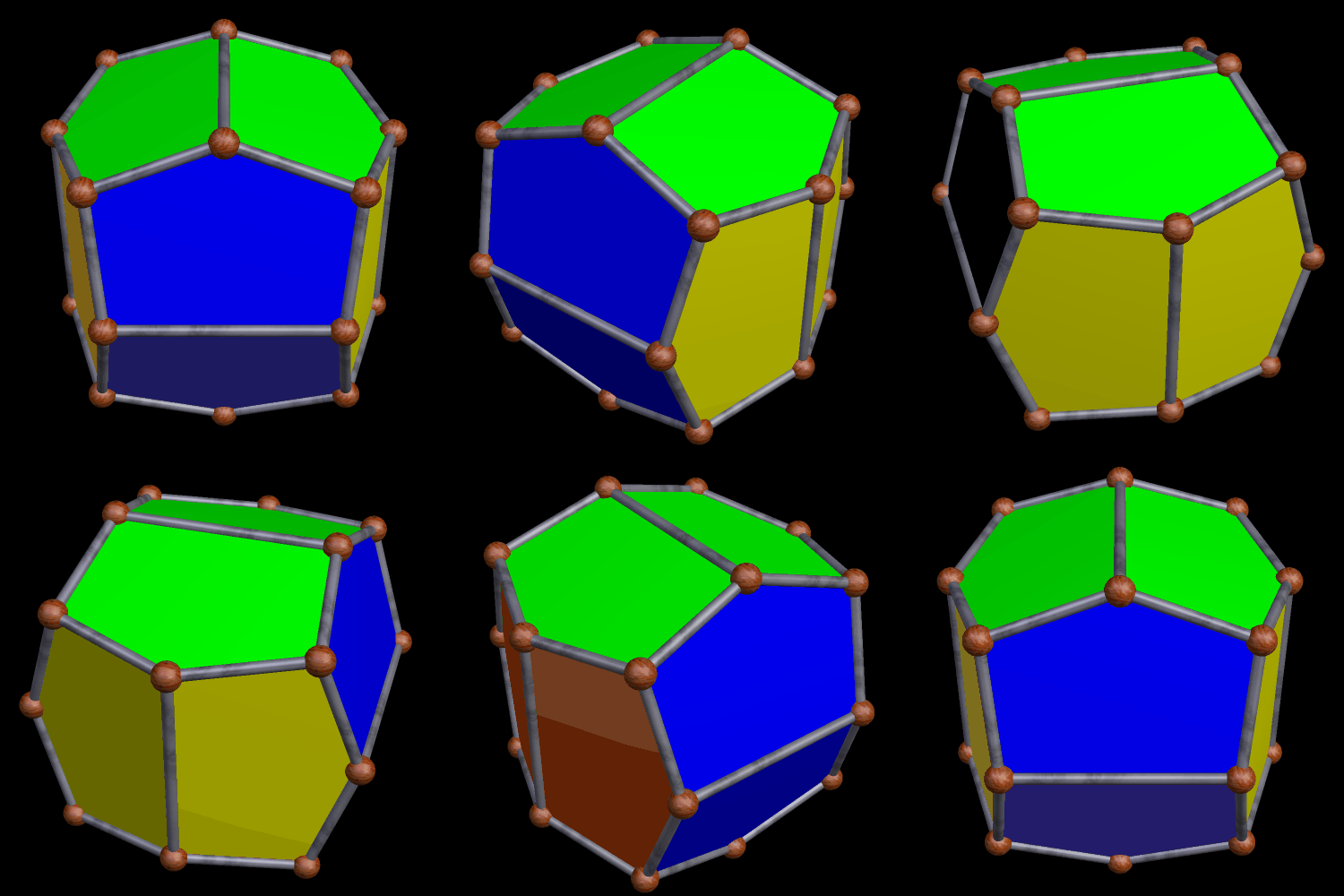
pyritohedral dodecahedron

Here is a pyritohedral icosidodecahedron:
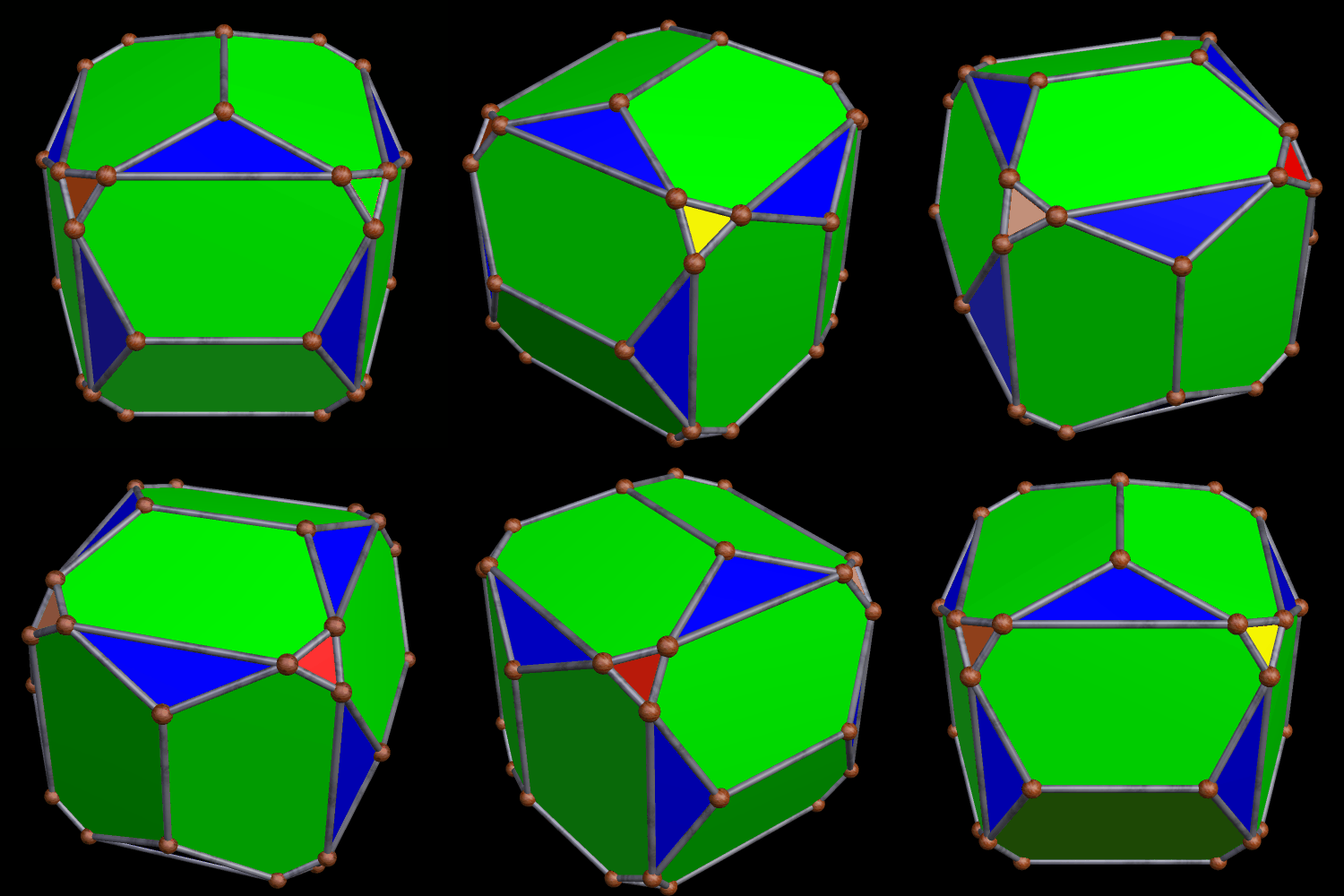
pyritohedral icosidoecahedronl

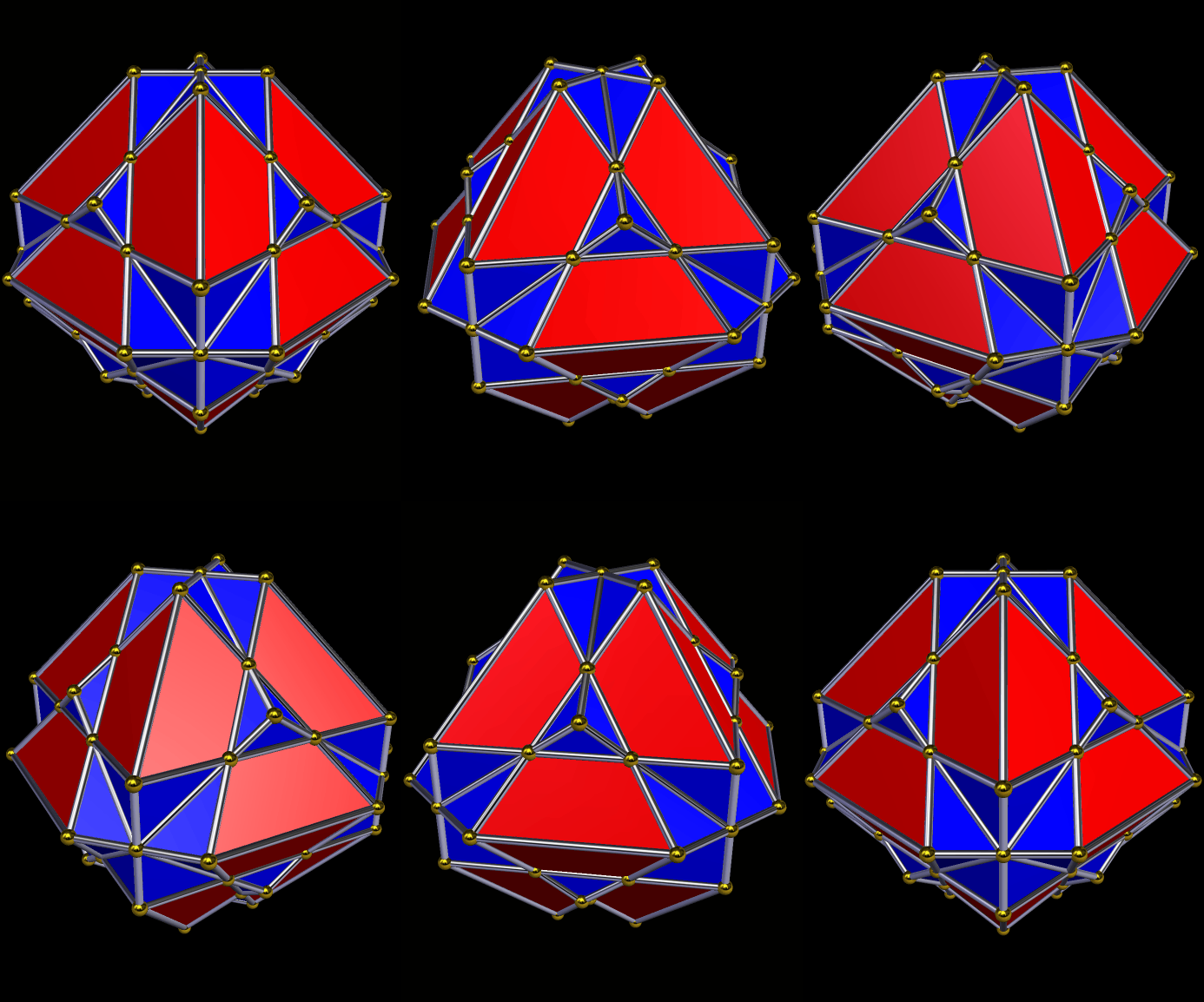
This one could probably be described in multiple ways, also, but it looks, to me, like a rhombic dodecahedron with its six four-valent vertices being double-truncated in a pyritohedral manner, with pairs of isosceles trapezoids appearing where the truncations took place.

Convex hull of icosahedron plus CO

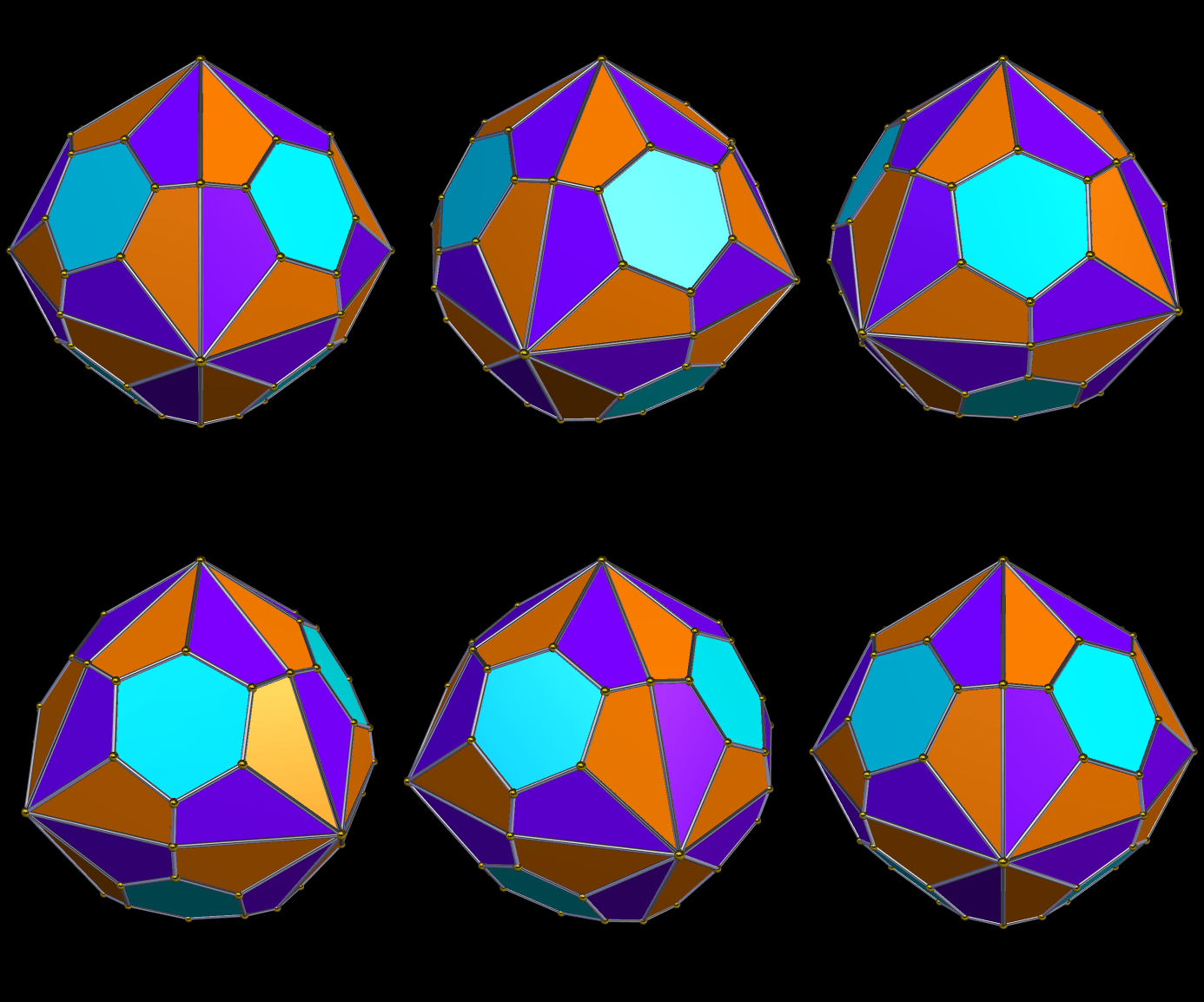
One thing that this one, and the last, have in common is that the largest faces are heptagons. It appears to be a pyritohedral dodecahedron which has been only partially truncated.

12 helptagons and 8 trianlgesl

This survey could not have been performed without a program called Stella 4d, which I rely on heavily for polyhedral investigations. It may be purchased, or tried for free, at http://www.software3d.com/Stella.php.
Thirty-Three Polyhedra with Icosidodecahedral Symmetry

Note:  icosidodecahedral symmetry, a term coined (as far as I know) by George Hart, means exactly the same thing as icosahedral symmetry. I simply use the term I like better. Also, a few of these, but not many, are chiral.

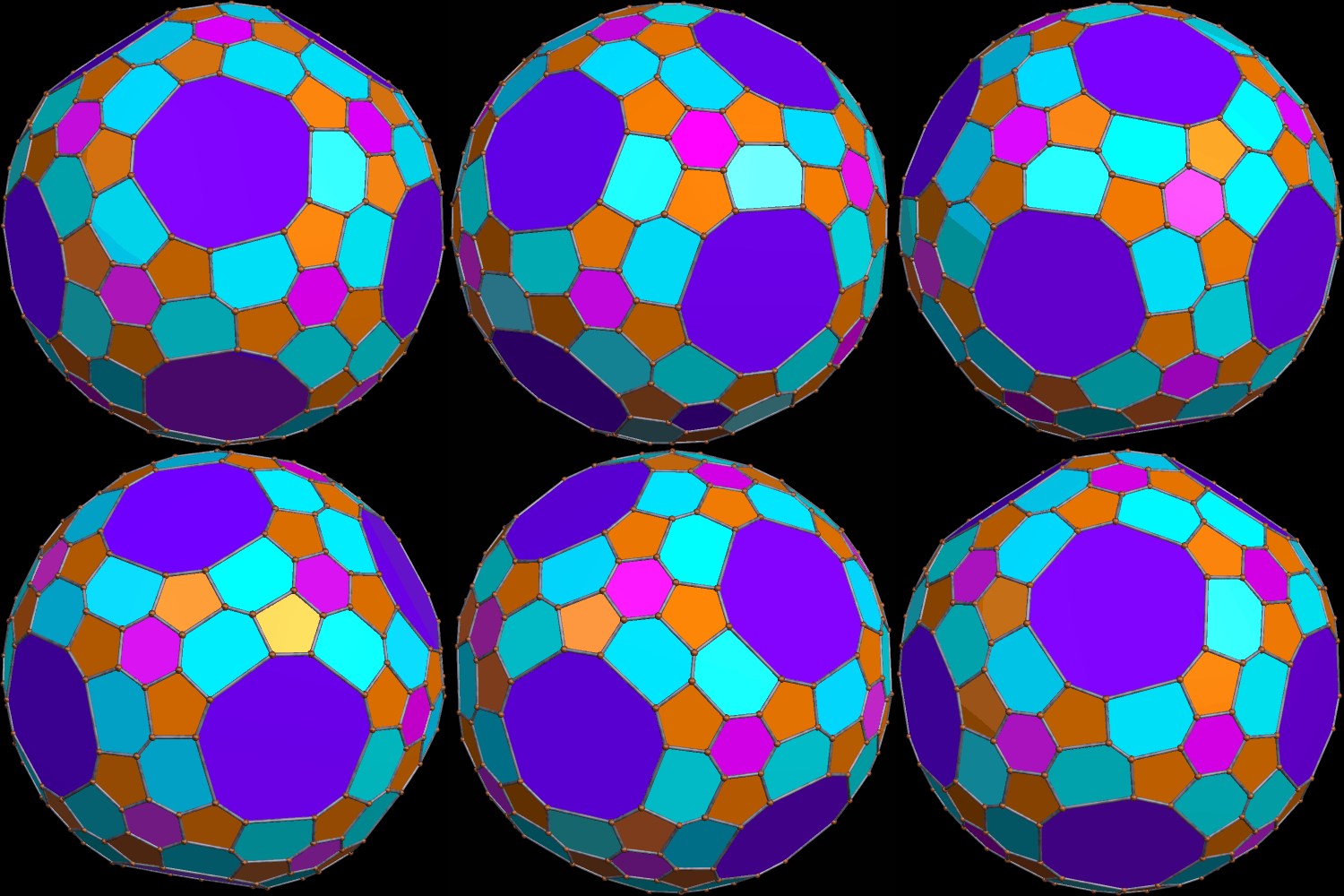
15 reg decagons 30 reg hex 120 trapsl

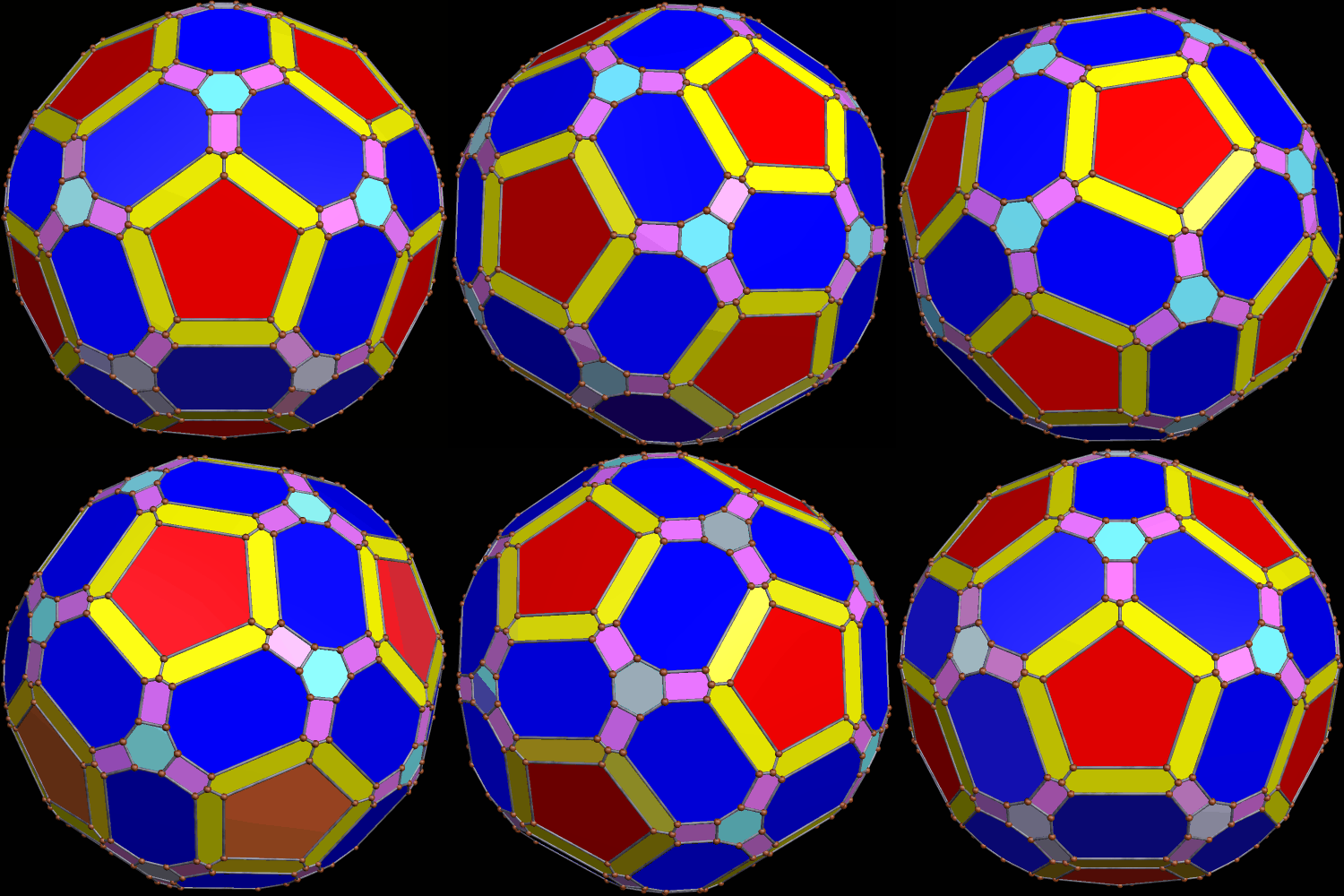
15x5 20x61 30x62 120x5 182 total

20x9 12x5 and 60x6 and 60x5 total 152

360 triangles

362 faces 12x10 20x18 30x10' 60x7 60x3 and 120 tiny triangles

480 triangular faces

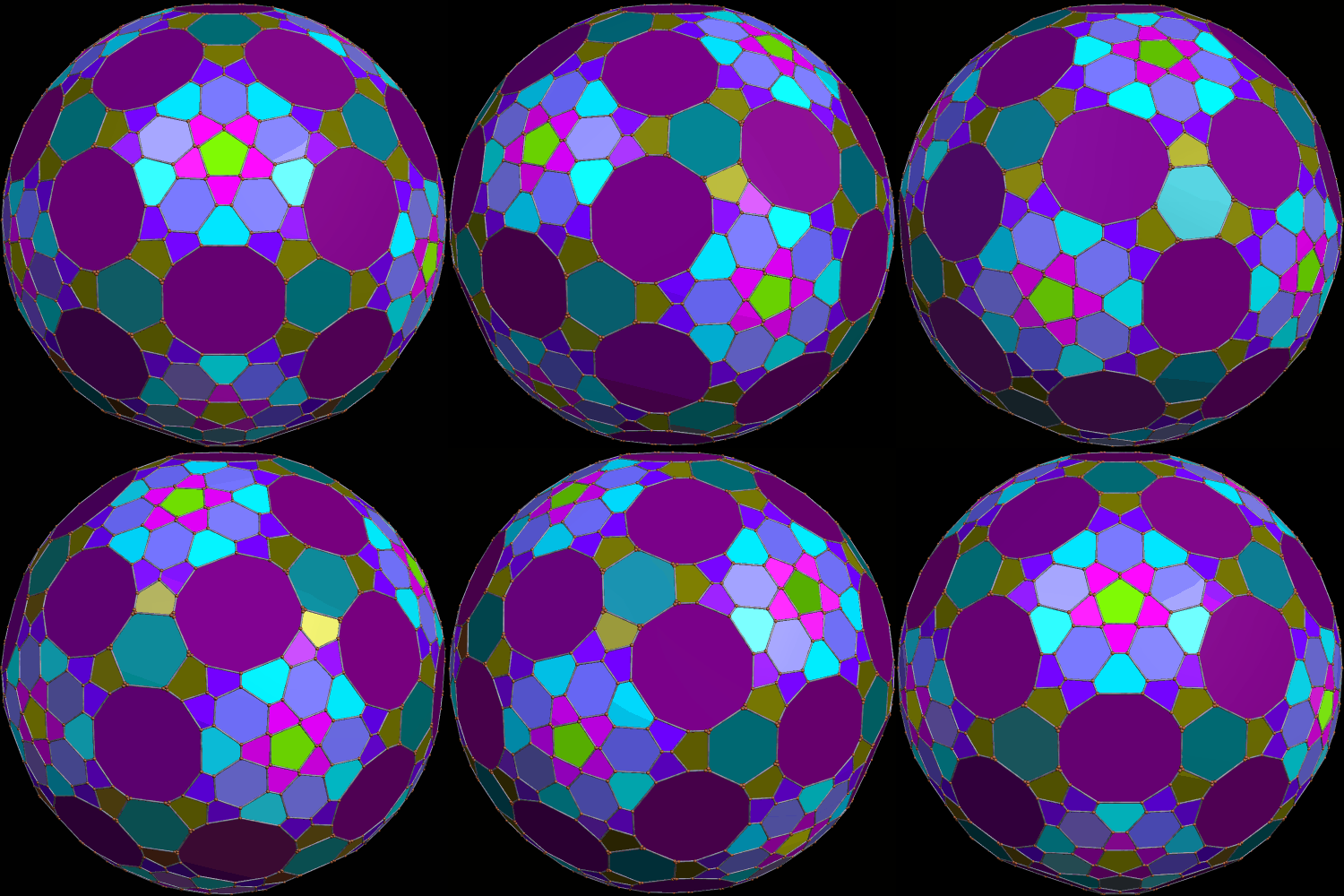
542 faces incl 30x16 20x12 60x6 60x6' 12x5 60x7 120x5 and 120 timy triangles

c240

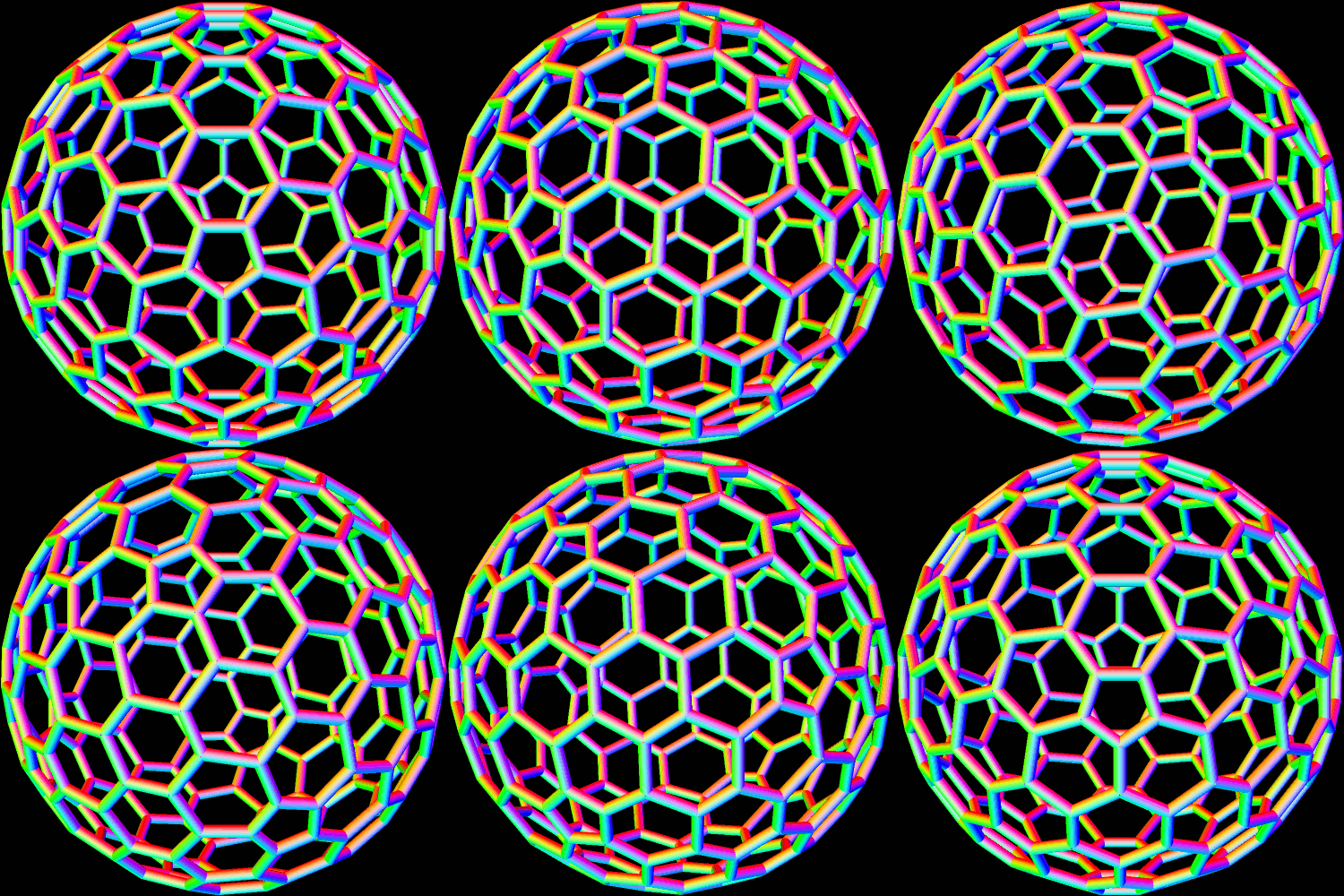
The images directly above and below show the shape of the most symmetrical 240-carbon-atom fullerene.

c240rb

chiral convex hull Convex hull

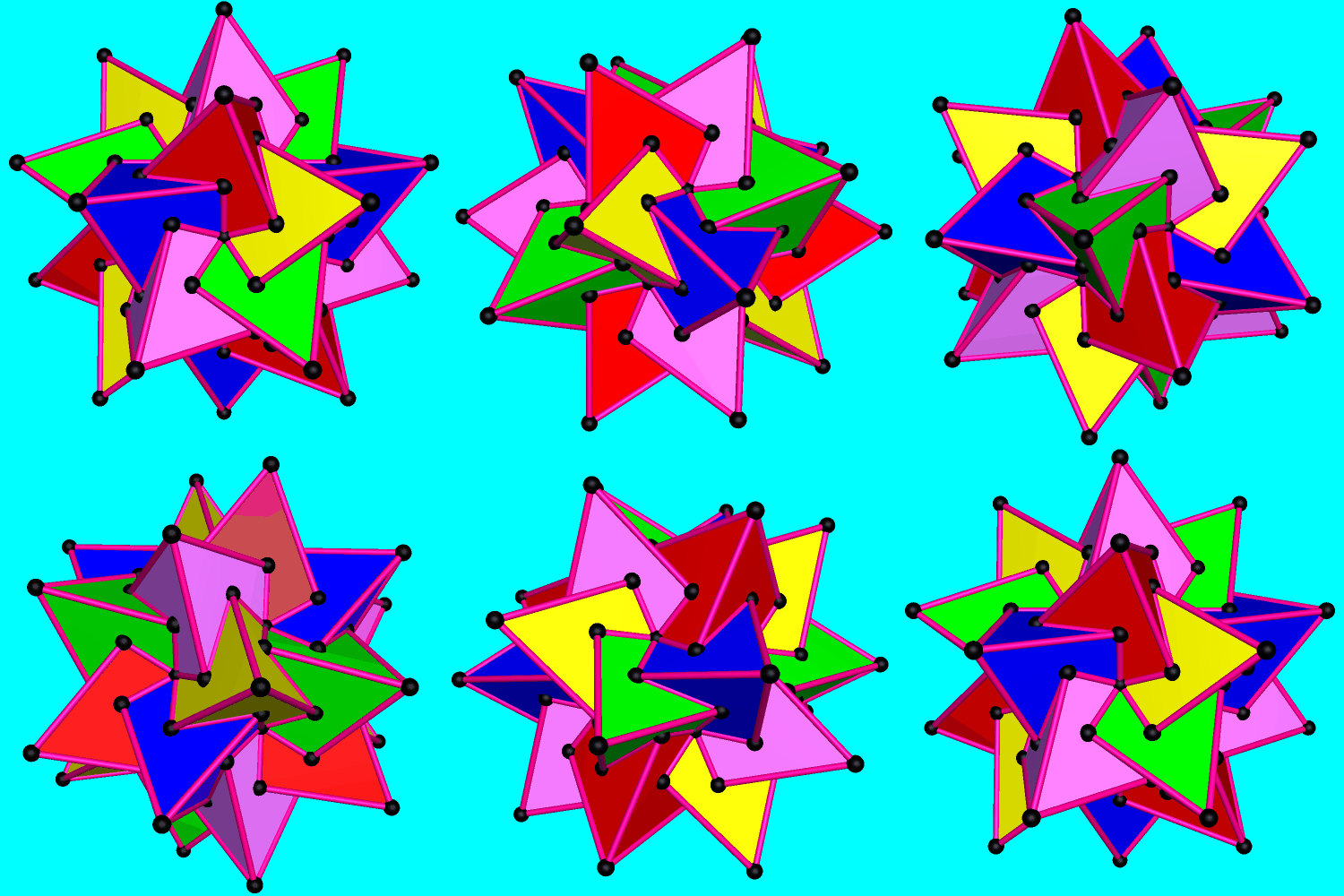
compound five tet

The image above is of the compound of five tetrahedra. This compound is chiral, and the next image is the compound of the compound above, and its mirror-image.

Compound of enantiomorphic pair

Comvnvex hjsdgaull

Conhgvedsfasdfx hull

Convedsfasdfx hull

Convex hjsdgaull

Convex hulfsgl

Convex hullll

Dual of Cjhfonvex hull

Dual of Convex hull

Dual of Convex hullb

dual of kite-variant of snub dodec

Faceted Convex hull augmentation with length 5 prisms

Faceted Convex hull

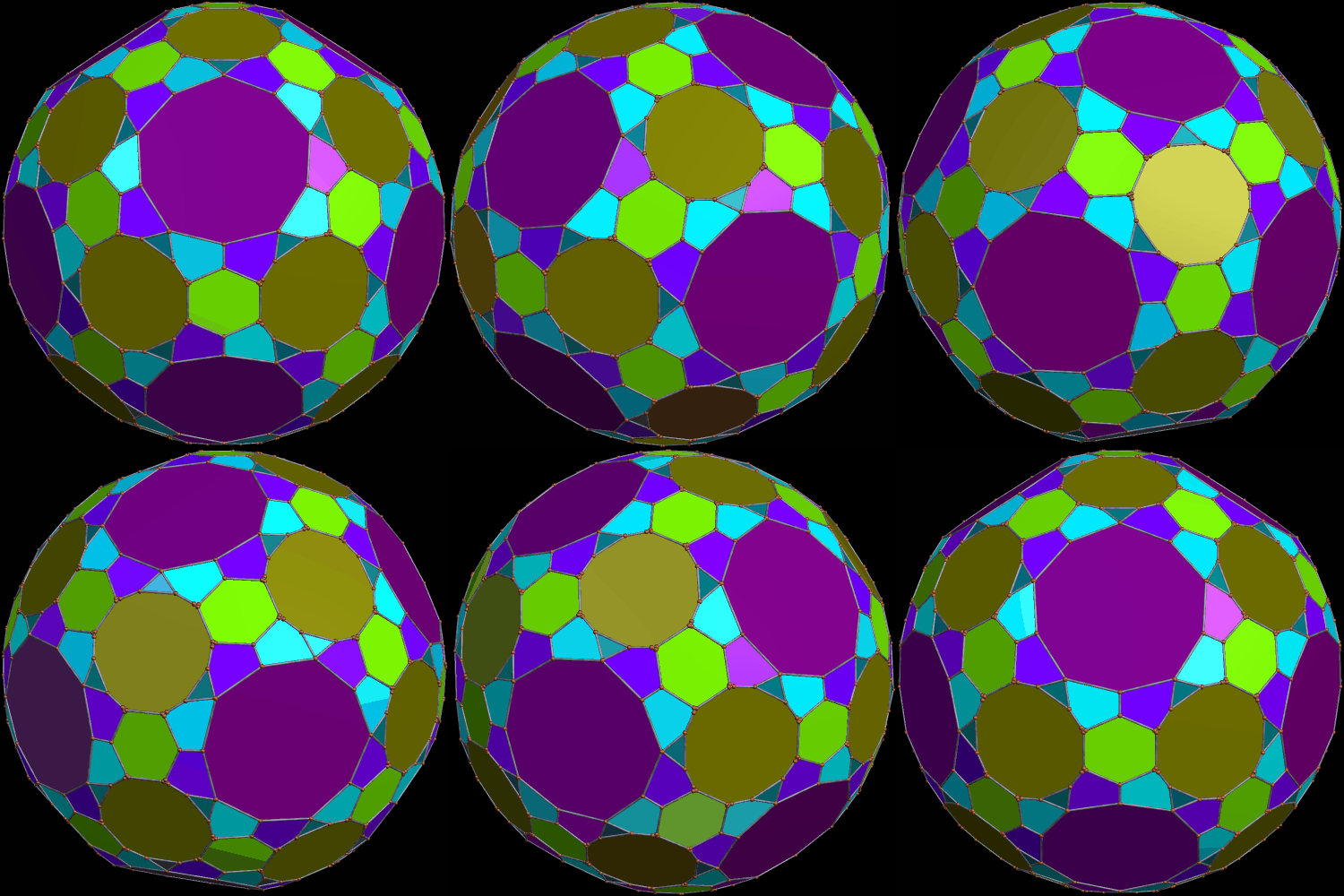
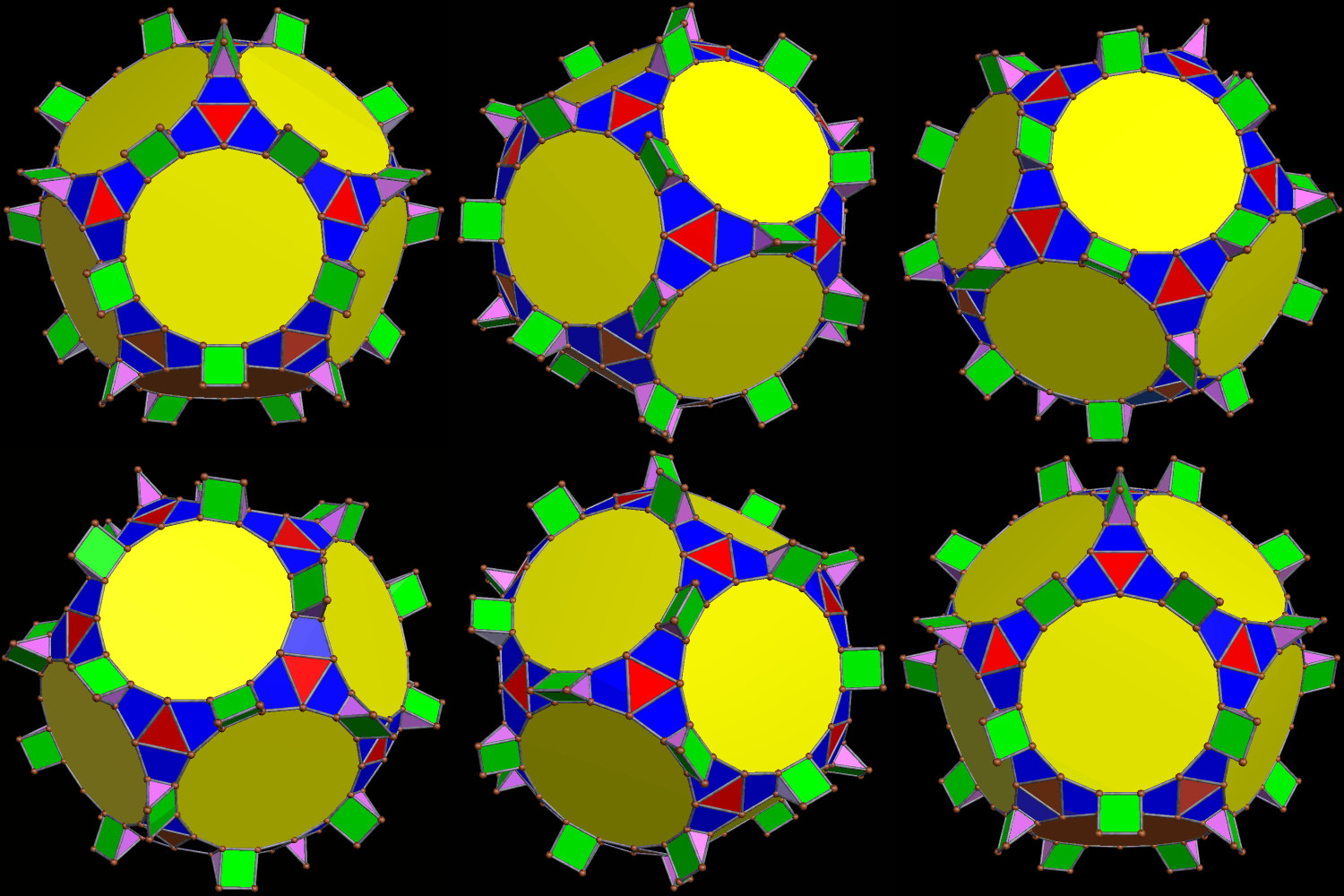
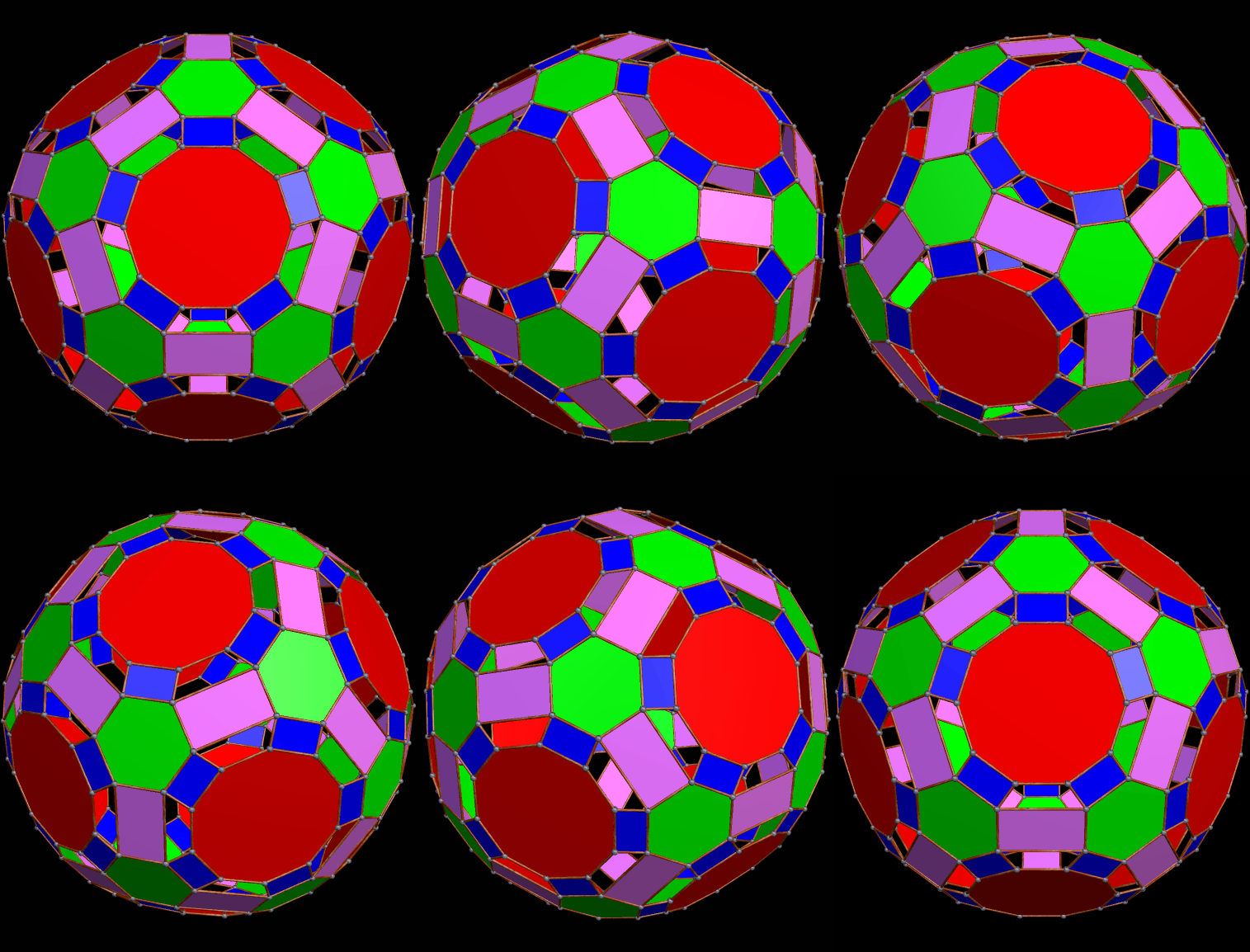
features twenty reg dodecagons 12 reg pents 60 kites 60 rectangles

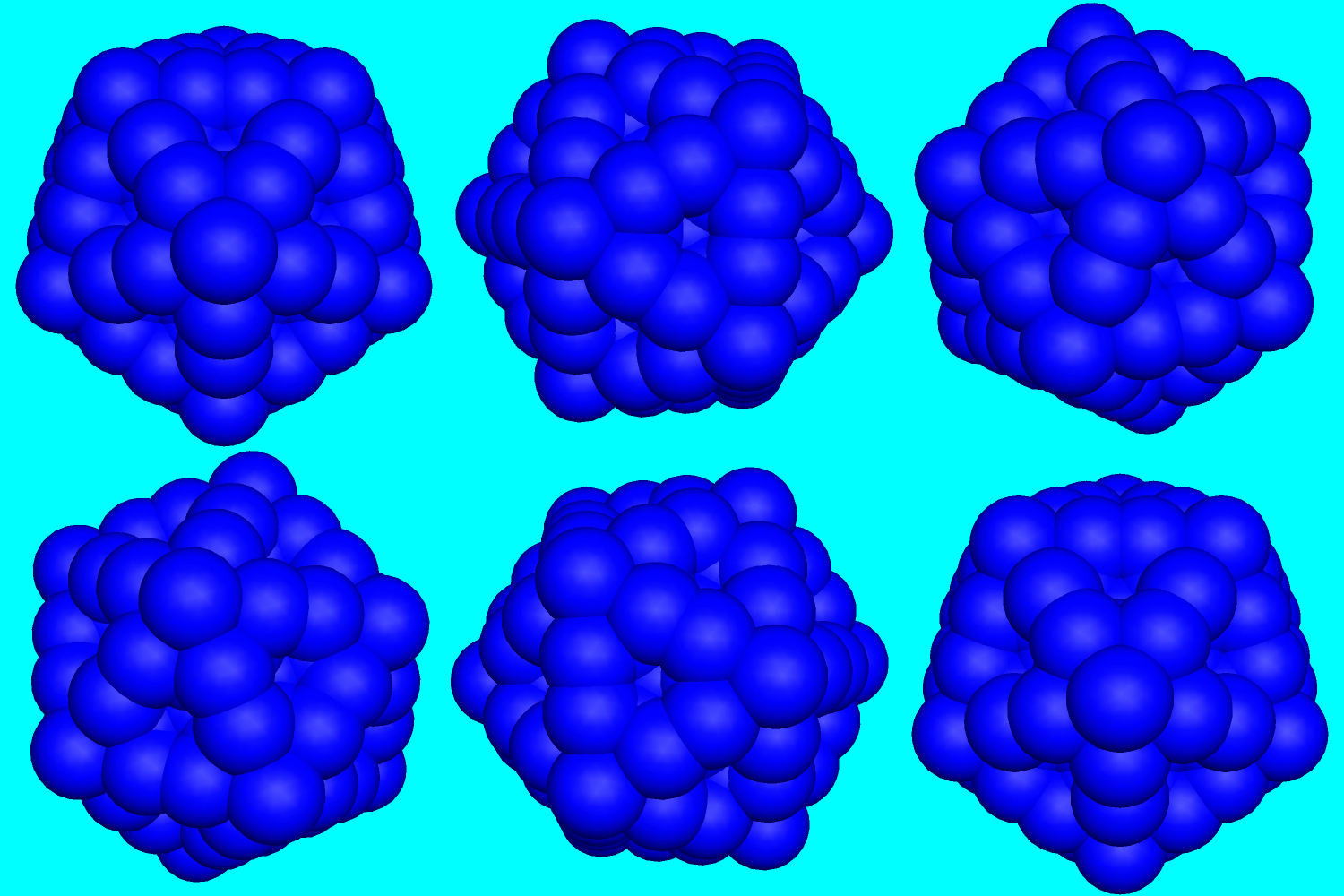
In the next two, I was experimenting with placing really big spheres at the vertices of polyhedra. The first one is the great dodecahedron, rendered in this unusual style, with the faces rendered invisible.

great dodec

icosa

icosa variant

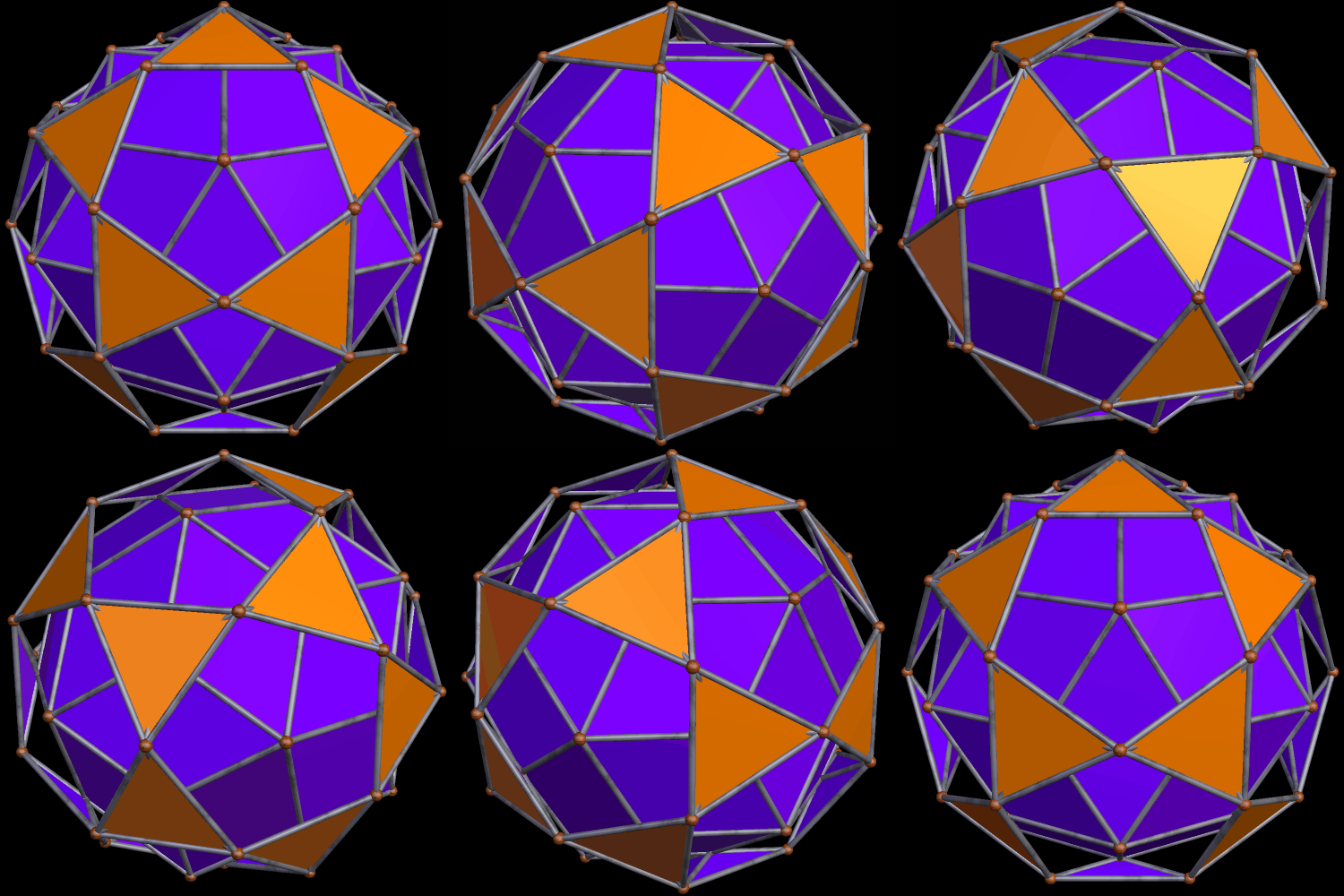
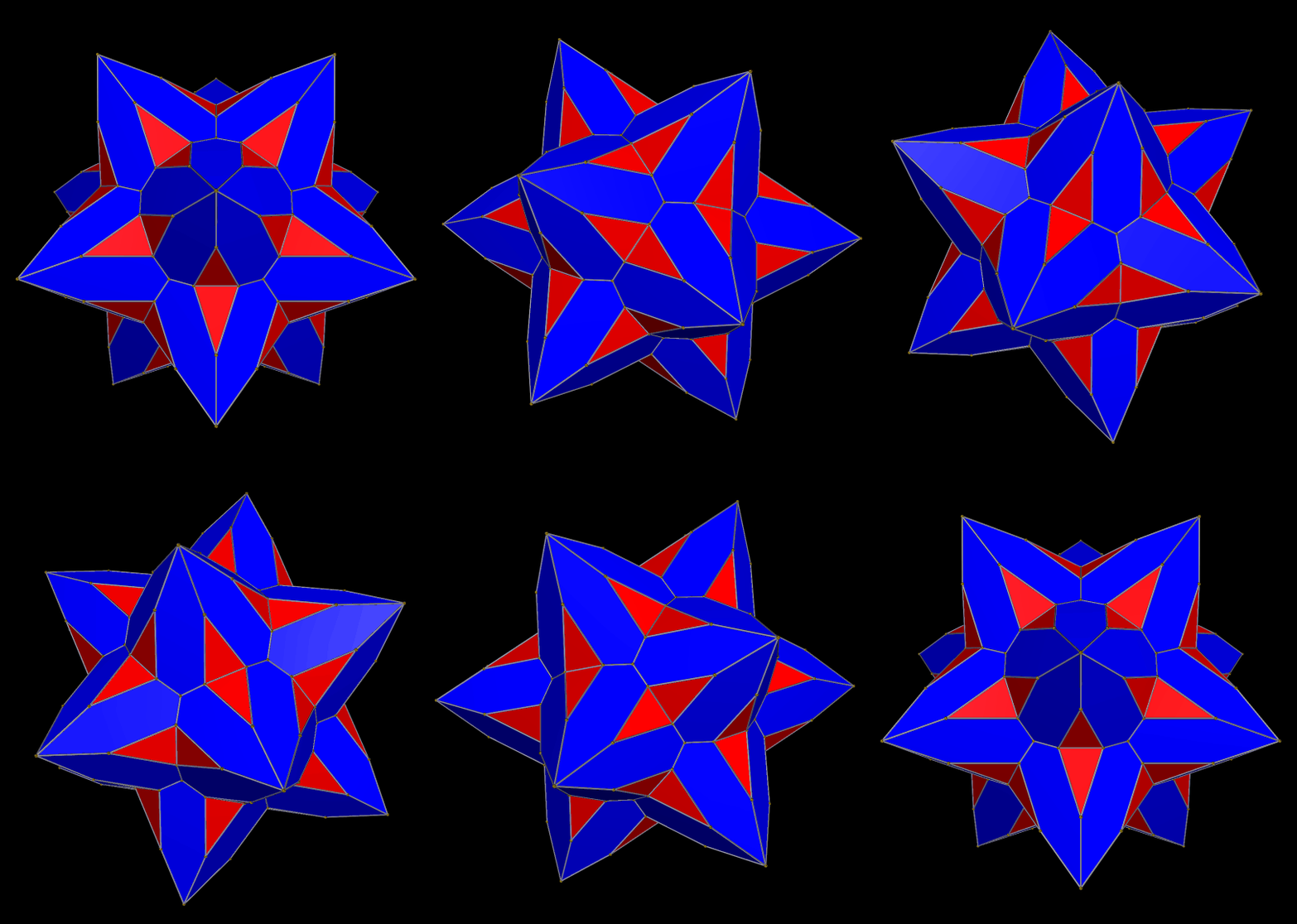
kites and triangles

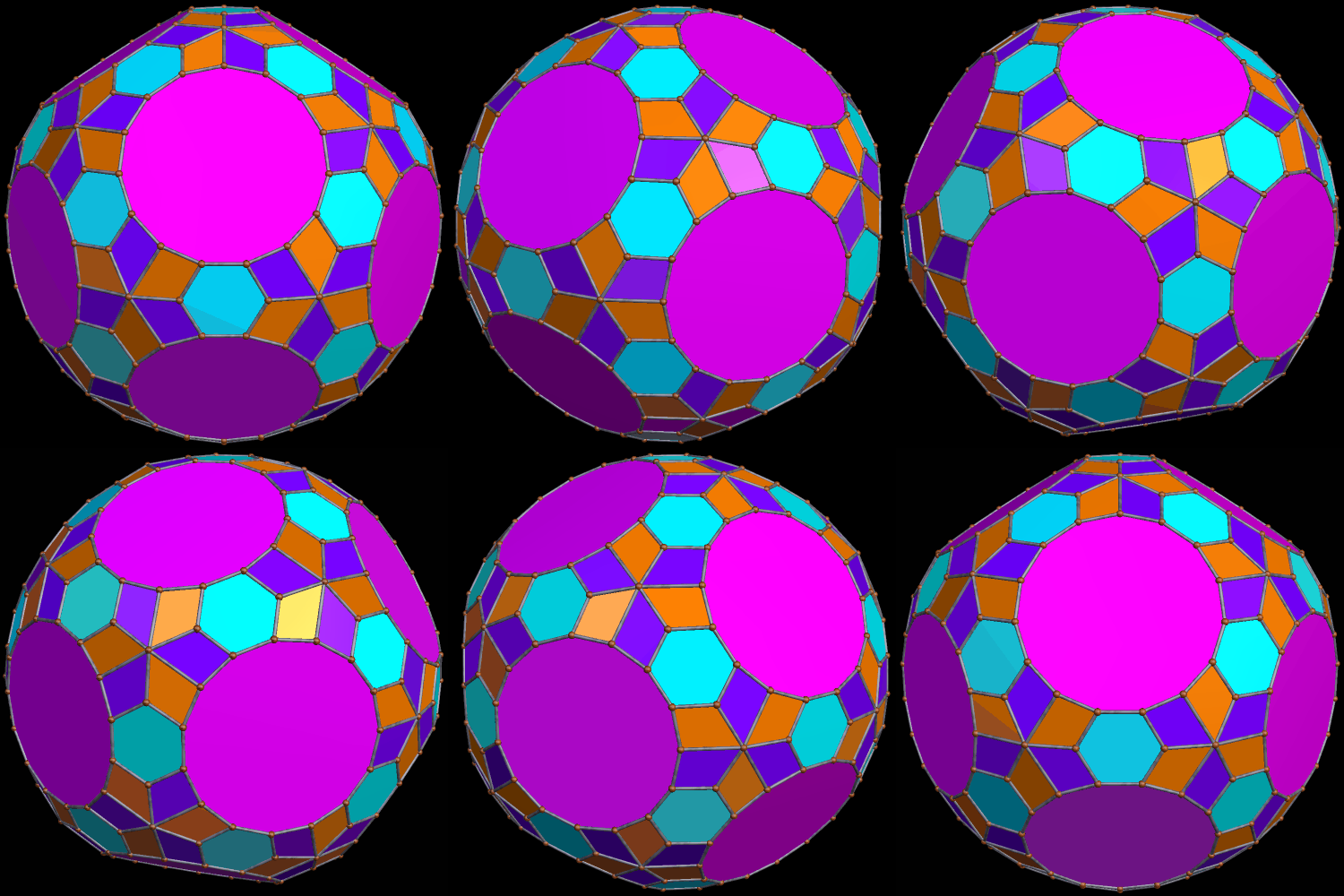
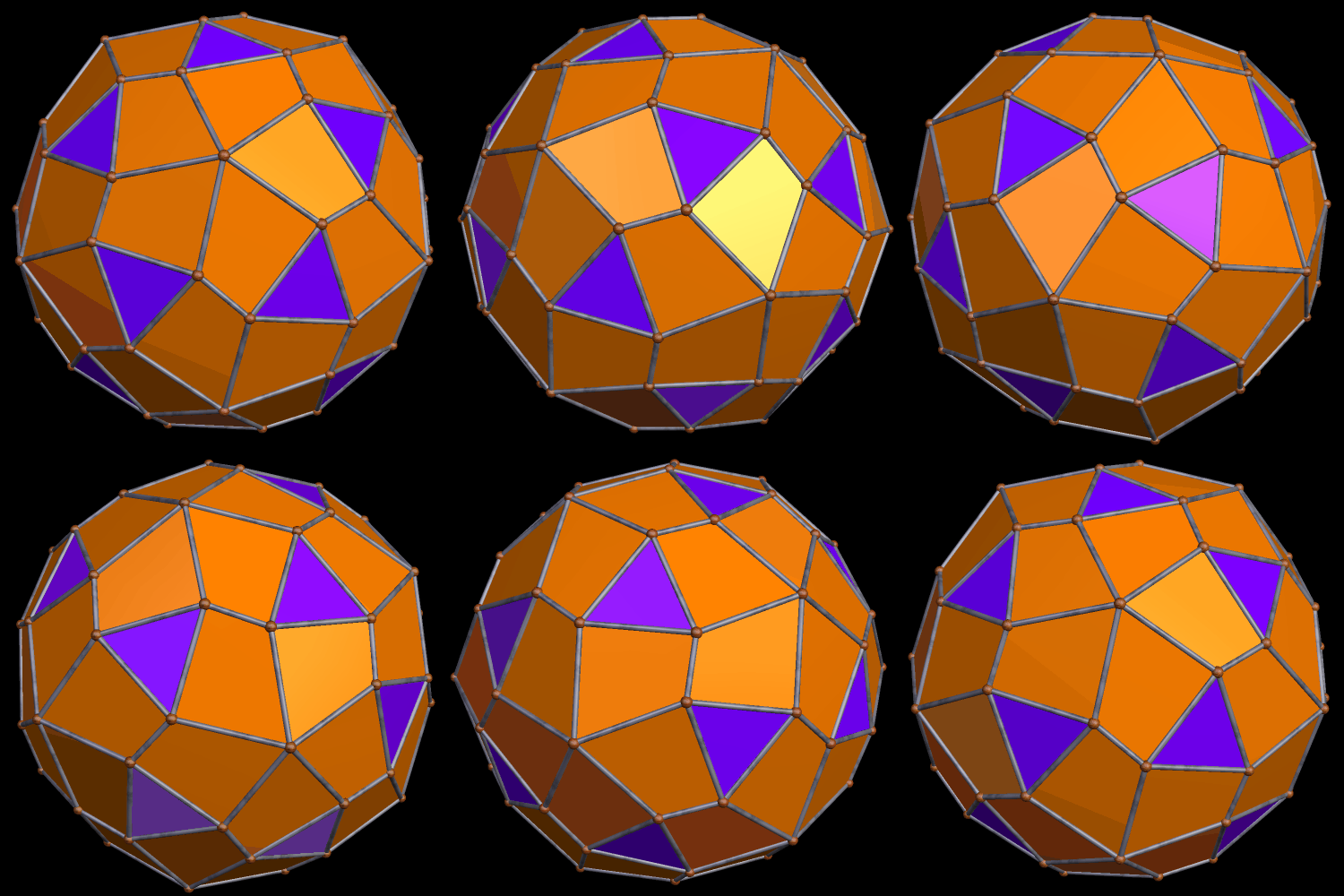
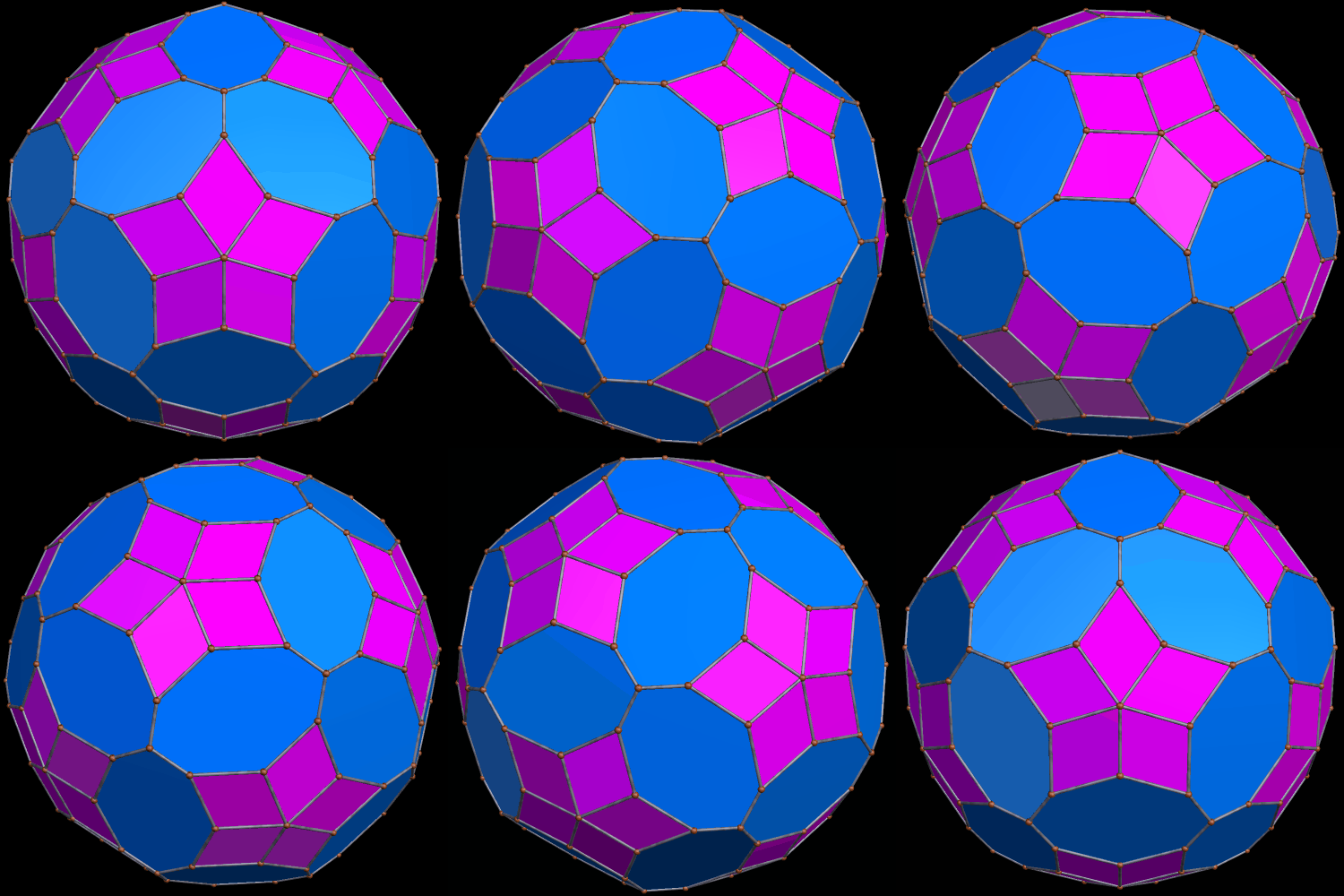
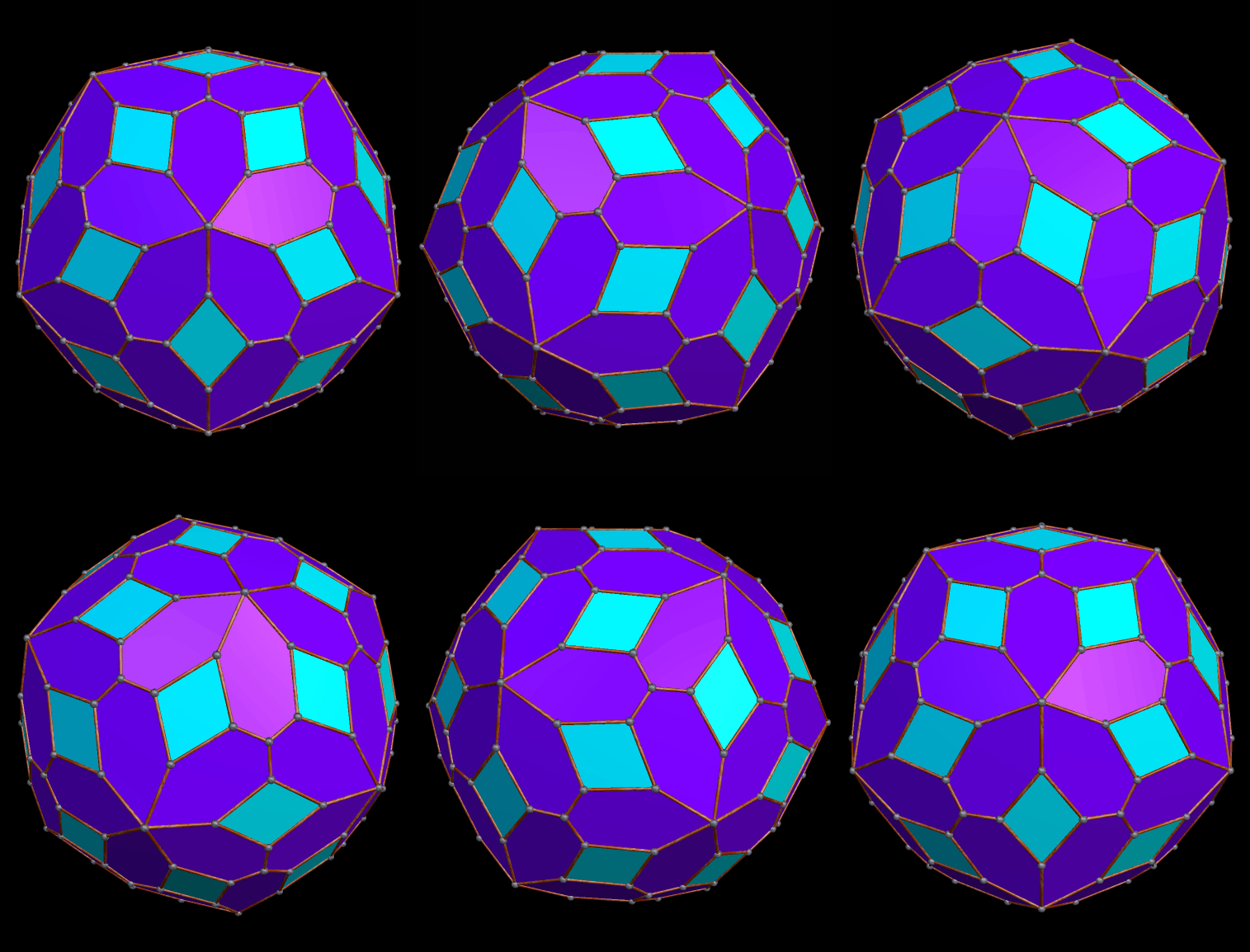
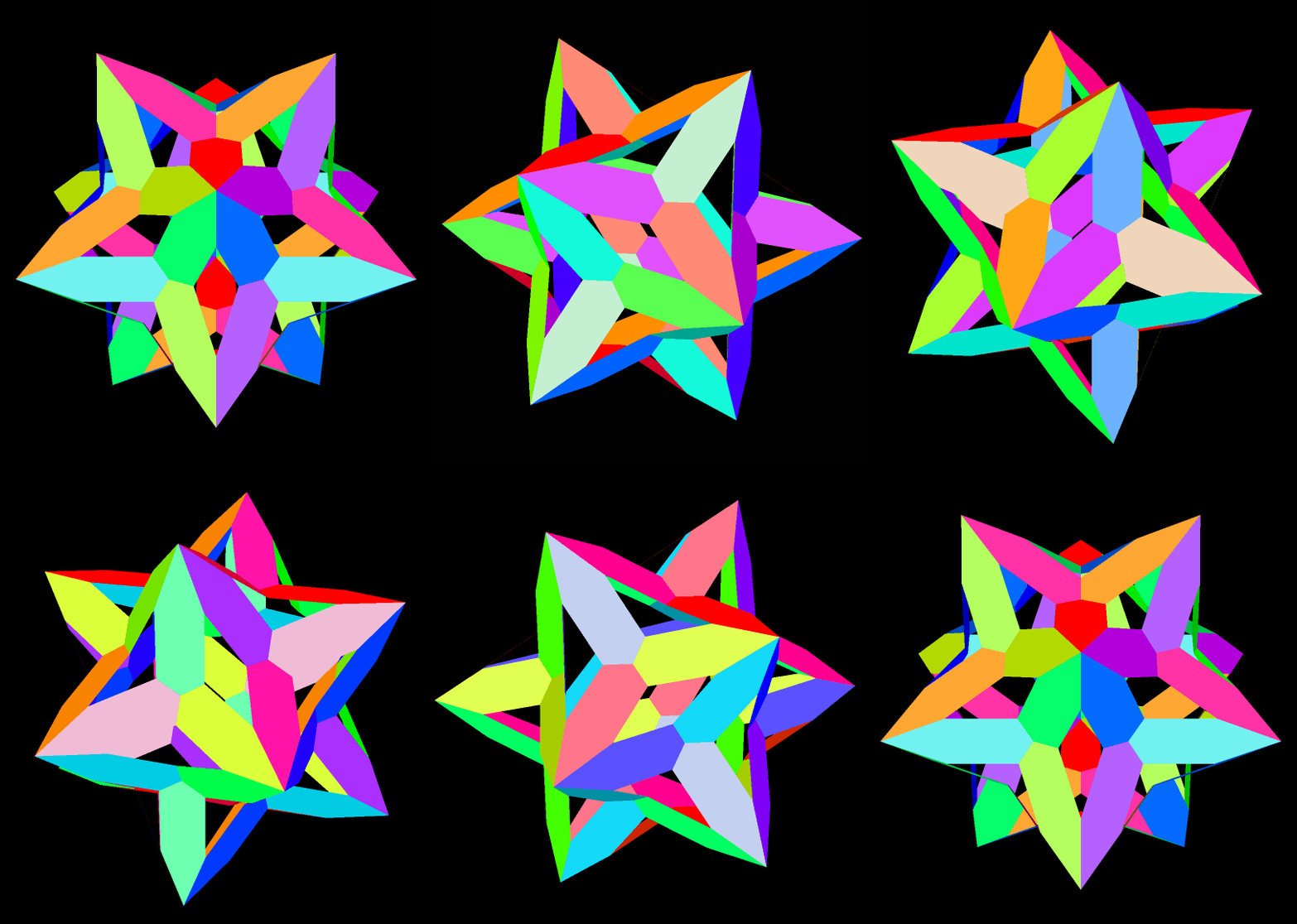
rhombi and octagons

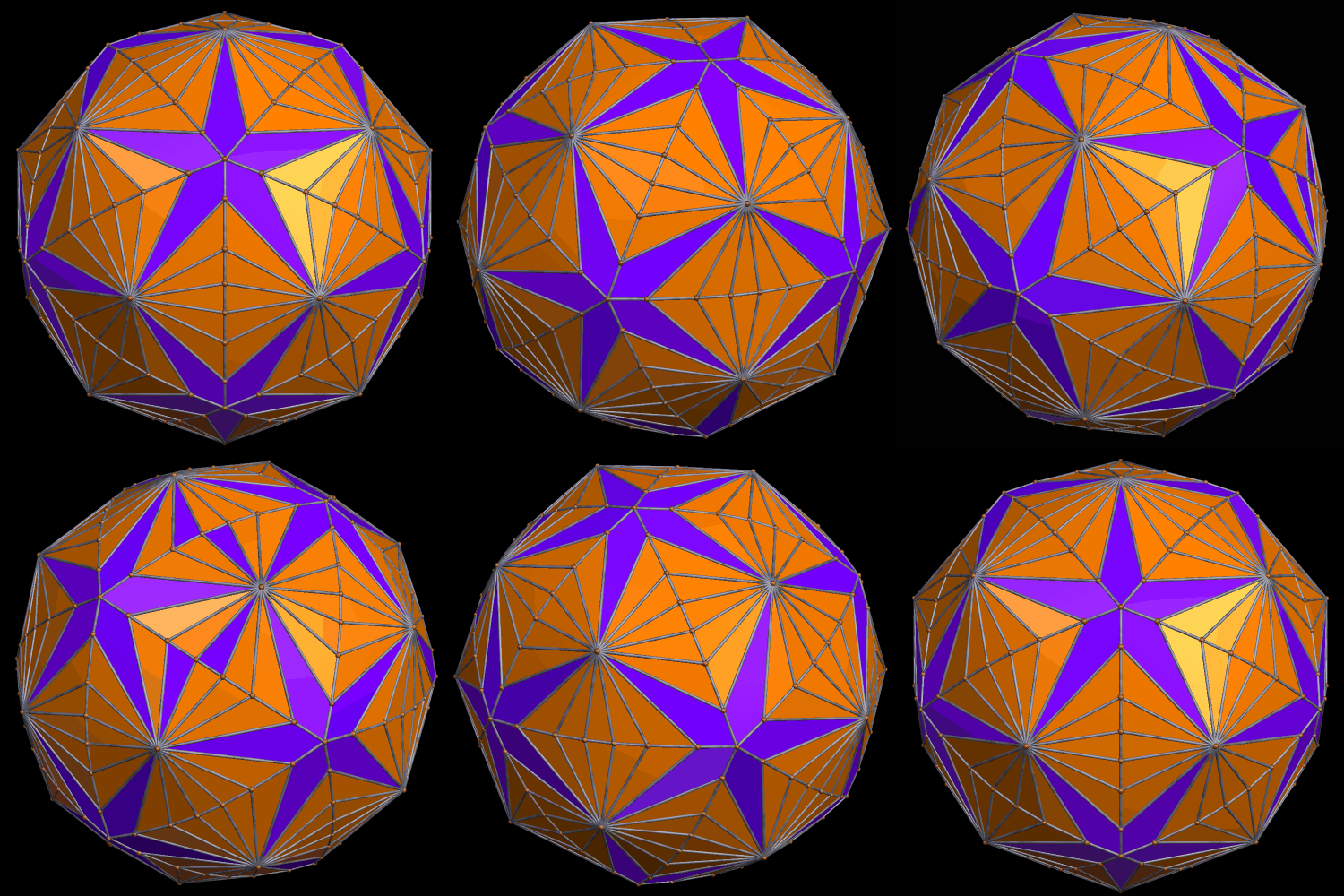
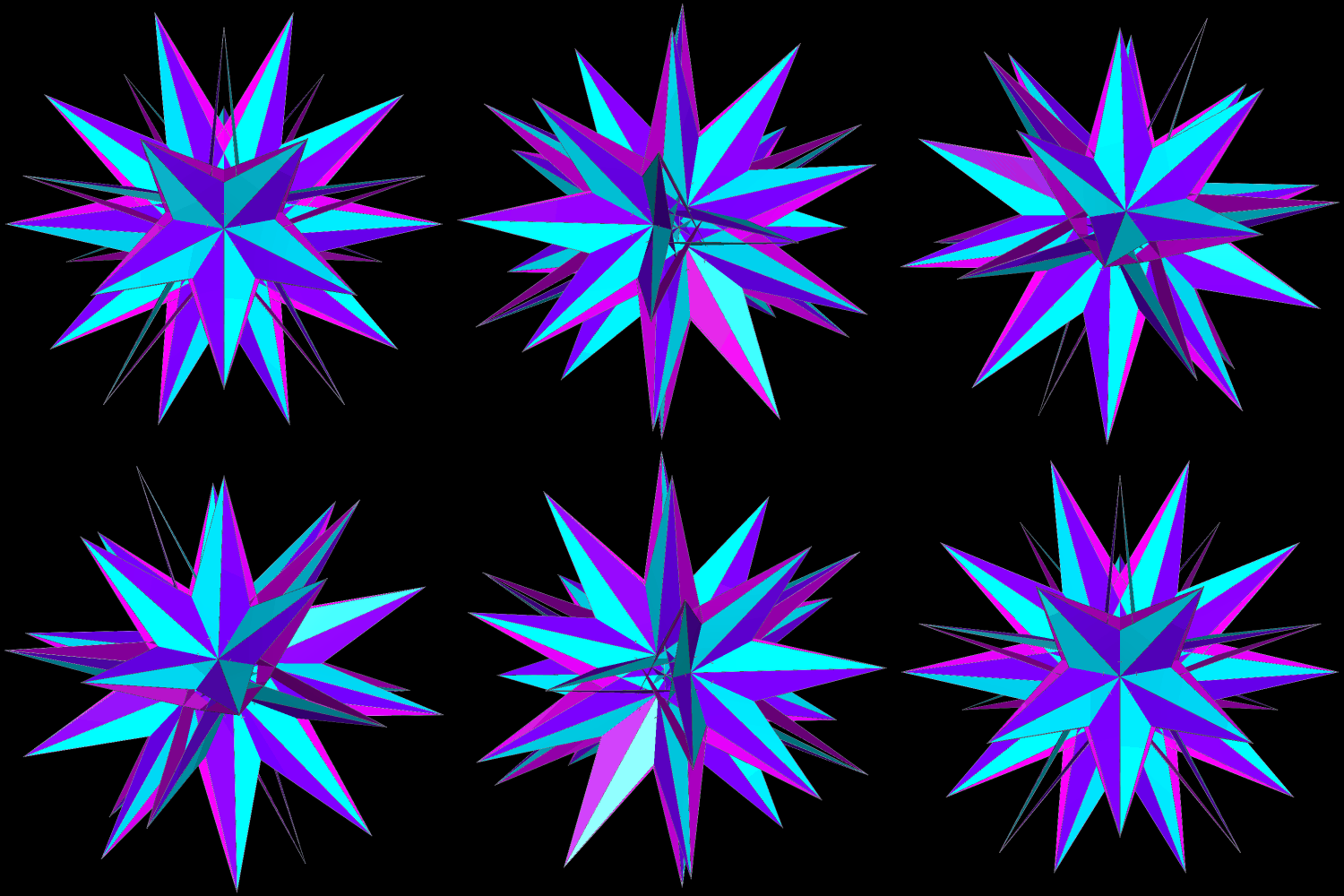
Stellated Poly

Unnsdgjfamed

Unnsdgjfasdagmed

I made these using Stella 4d: Polyhedron Navigator. You may try this program for free at http://www.software3d.com/Stella.php.

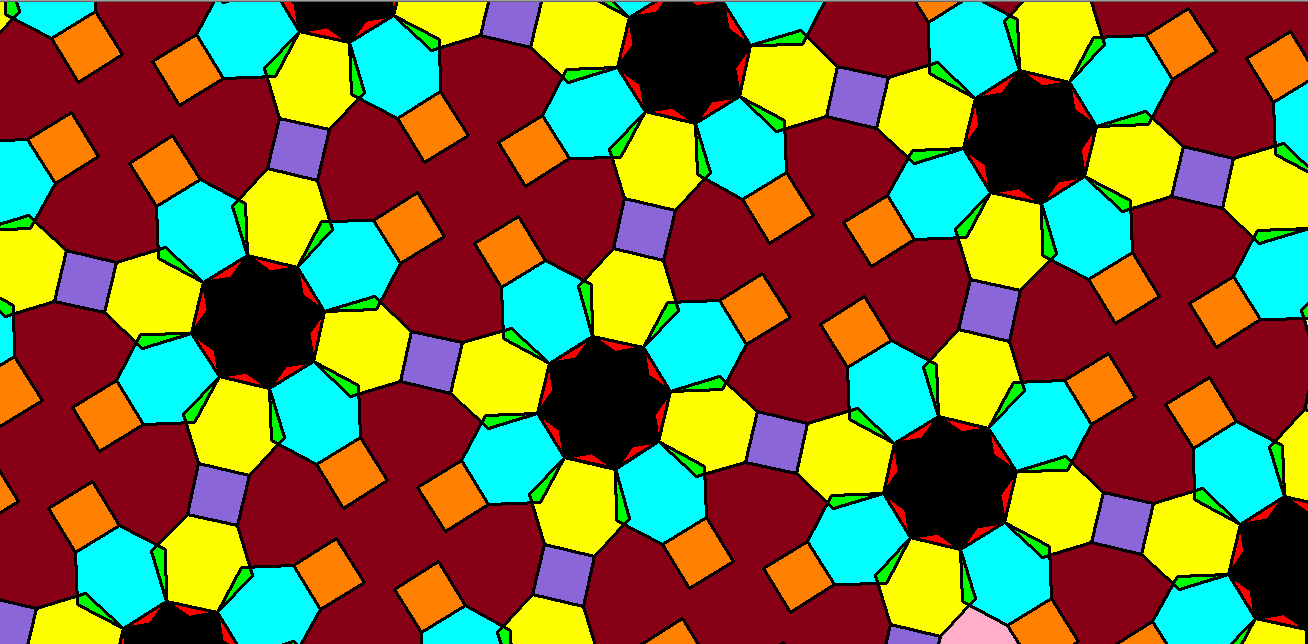
A Radial Tessellation of Regular Decagons and Bowtie Hexagons

decagon and bowtie hexagons

This tiling-pattern could be continued indefinitely, while still maintaining its five-fold radial symmetry, giving it the overall appearance of a pentagon.

Four Non-Convex Polyhedra with Icosidodecahedral Symmetry

Unnamed Dhgual

pretty

Dual of Augmented Convex hull

unholy messl

All of these were made with Stella 4d, a program you can find at http://www.software3d.com/Stella.php.

On Icosahedra, and Pyritohedral Symmetry

Icosa pyrito & two tets

In this icosahedron, the four blue faces are positioned in such a way as to demonstrate tetrahedral symmetry. The same is true of the four red faces. The remaining twelve faces demonstrate pyritohedral symmetry, which is much less well-known. It was these twelve faces that I once distorted to form what I named the “golden icosahedron” (right here: https://robertlovespi.wordpress.com/2013/02/08/the-golden-icosahedron/), but, at that point, I had not yet learned the term for this unusual symmetry-type.

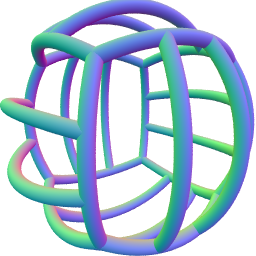
To most people, the most familiar object with pyritohedral symmetry is a volleyball. Here is a diagram of a volleyball’s seams, found on Wikipedia.

Volleyball_seams_diagram

Besides the golden icosahedron I found, back in 2013, there is another, better-known, alteration of the icosahedron which has pyritohedral symmetry, and it is called Jessen’s icosahedron. Here’s what it looks like, in this image, which I found at http://en.wikipedia.org/wiki/Jessen%27s_icosahedron.

Jessen_icosahedron

The rotating icosahedron at the top of this post was made using Stella 4d, a program which may be purchased, or tried for free (as a trial version) at http://www.software3d.com/Stella.php.
Two Views of a Mandala with Fivefold Symmetry

Euclidean Mandala with construction lines

Euclidean Mandala without construction lines

A Polyhedral Boomerang, in Flight

boomerang

Most of the polyhedra I post here have one of the symmetry-types which are collectively called “polyhedral” symmetry: tetrahedral, cuboctahedral, icosidodecahedral, or chiral variants of these. For polyhedral representations of most real-world objects, though, such as this one, these symmetry-types must be abandoned.

Image credit:  I made this using Stella 4d, available at www.software3d.com/Stella.php.
A Collection of Rotating Polyhedra with Cuboctahedral Symmetry

I have received a request to slow down the rotational speed of the polyhedral models I make and post here, and am going to try to do exactly that. First, though, I need to empty my collection of already-made image files which haven’t yet been posted, so that I can start again, with models which rotate more slowly, after deleting all the “speedy” ones. From my backlog of polyhedral images to post, then, here are some which have cuboctahedral symmetry.

Convex hull

Convexhgdfb hull

Compound of jhfjhdgdtuare-based pyramids

stellated Compound of Cubocta and dual

Unnamed Duhgddal

This last one actually has the symmetry of a snub cube — a chiral variant of “normal” cuboctahedral symmetry.

Convsdgtagaqex hull

All these images were created using Stella 4d:  Polyhedron Navigator. If you’d like to try this program for yourself, the website to visit for a free trial download is www.software3d.com/Stella.php.

A Collection of Rotating Polyhedra with Icosidodecahedral Symmetry

I’ve received a request to slow down the rotational speed of the polyhedral models I make and post here, and am going to try to do exactly that. First, though, I need to empty my collection of already-made image files which haven’t yet been posted, so that I can start again, with models which rotate more slowly, after deleting all the “speedy” ones. From my backlog of polyhedral images to post, then, here are most of the ones with icosidodecahedral symmetry.

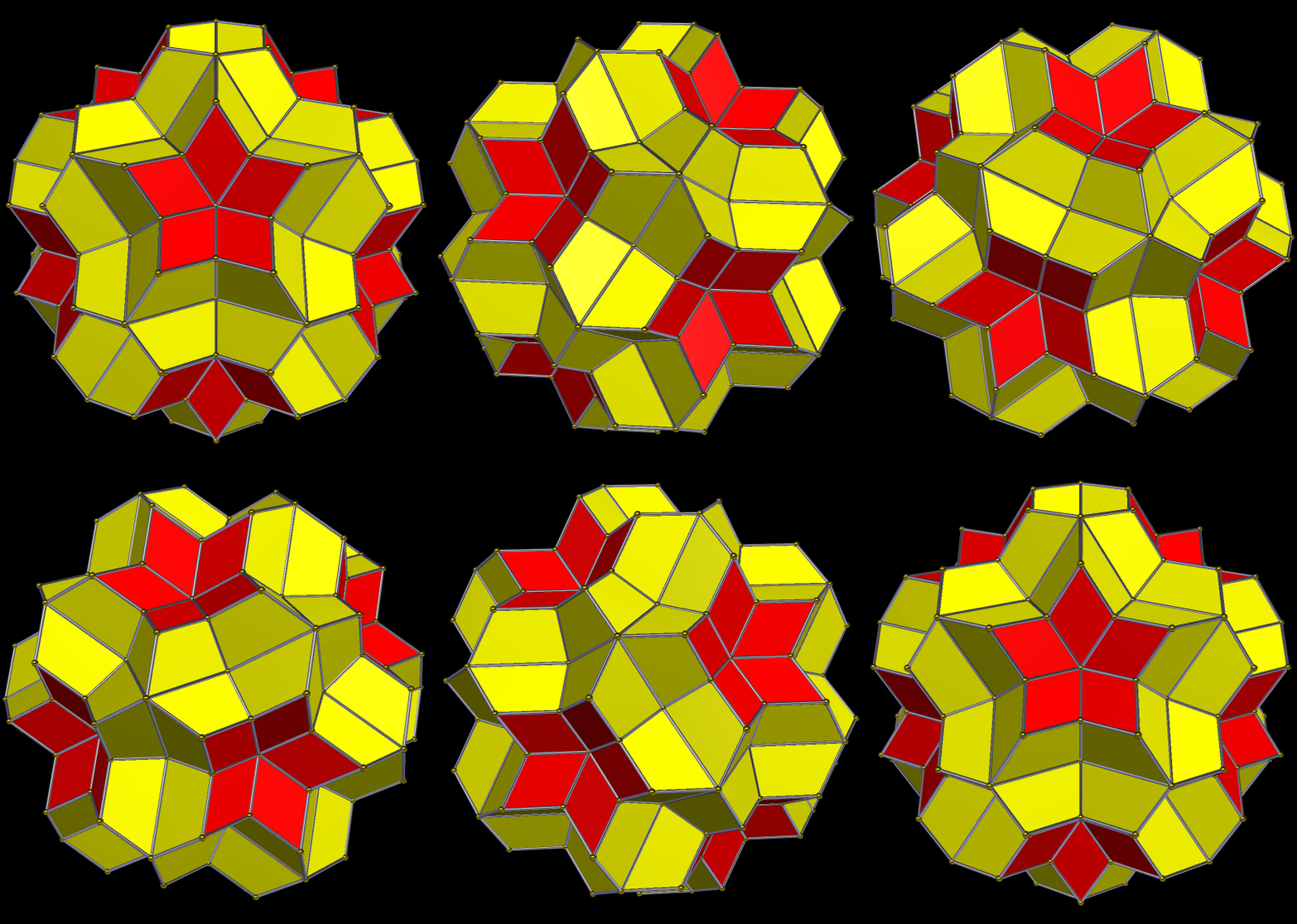
60 hexagons and 30 rhombi

60 rhombi and 120 trapezoids92 faces including 20 enneagons120 of traingle A and 120 of triangle B and 60 rhombi for 300 faces in all

The next one shown has 362 faces — the closest I have come, so far, to a polyhedron with a number of faces which matches the number of days in a year.

362 faces close to a year

big Convex hull

bowtie polyhedron with 20 enneagons and 12 decagons

Convex hhgdull

cool

cool too

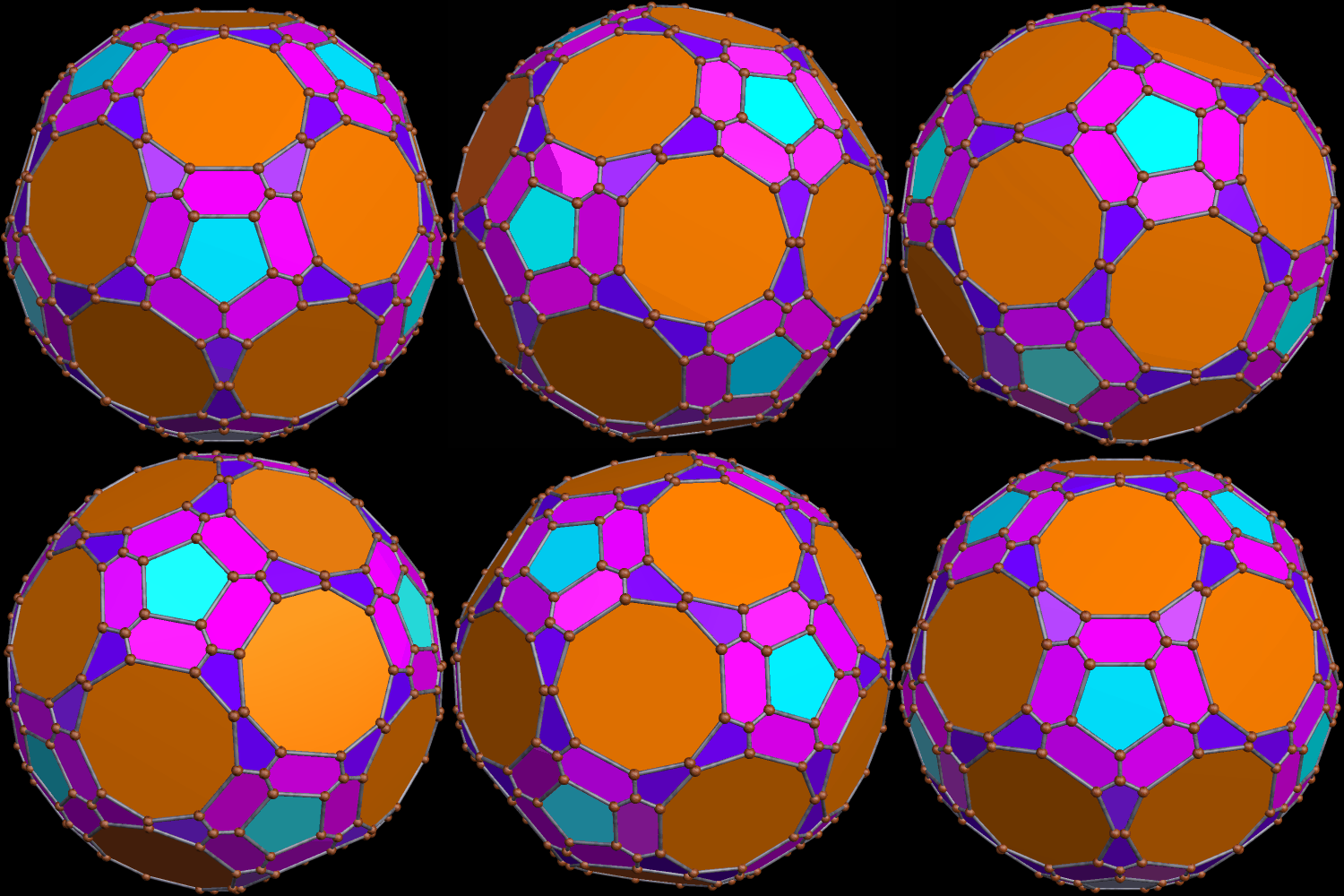
irregular pentagons and hexagons

The next one is a variant of the rhombic enneacontahedron, with that polyhedron’s wide rhombic faces replaced by kites, and its narrow rhombi replaced by pairs of isosceles triangles.

kite and triangle variant of the REC

multiple stellated pentagonal dokaiheptacontahedrongif

stellated

Stellated Convex hull

Stellated Convex hull 2

Stellated Convex hull 3I call this next one a “thrice-truncated rhombic triacontahedron.”

Thrice-truncated RTCIn the remaining polyhedral images in this post, some faces have been rendered invisible. I do this, on occasion, either so that the front and back of the polyhedra can be seen at the same time, or simply for aesthetic reasons.

CoGSHSnvex hhgdull

Expanded GRID shell

Stellated Convex hull 2b

Stellated Convex hull 3b

All of these images were created using Stella 4d:  Polyhedron Navigator. If you’d like to try this program for yourself, the website to visit for a free trial download is www.software3d.com/Stella.php.