Seven Different Facetings of the Truncated Icosahedron

Trunc Icosa.gif

The polyhedron above is the truncated icosahedron, widely known as the pattern for most soccer balls. In the image below, the faces and edges have been hidden, leaving only the vertices.

Trunc Icosa vertices only

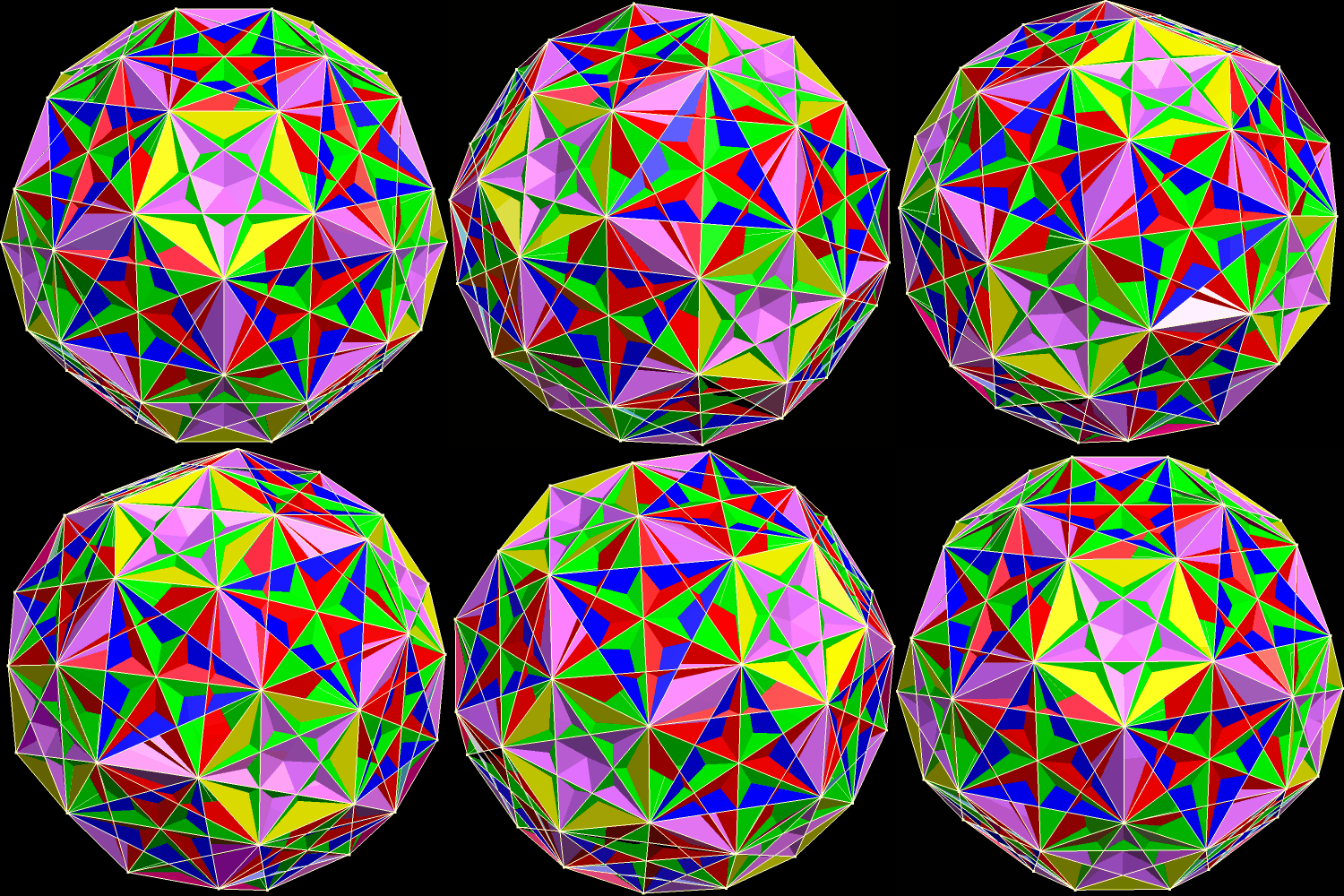
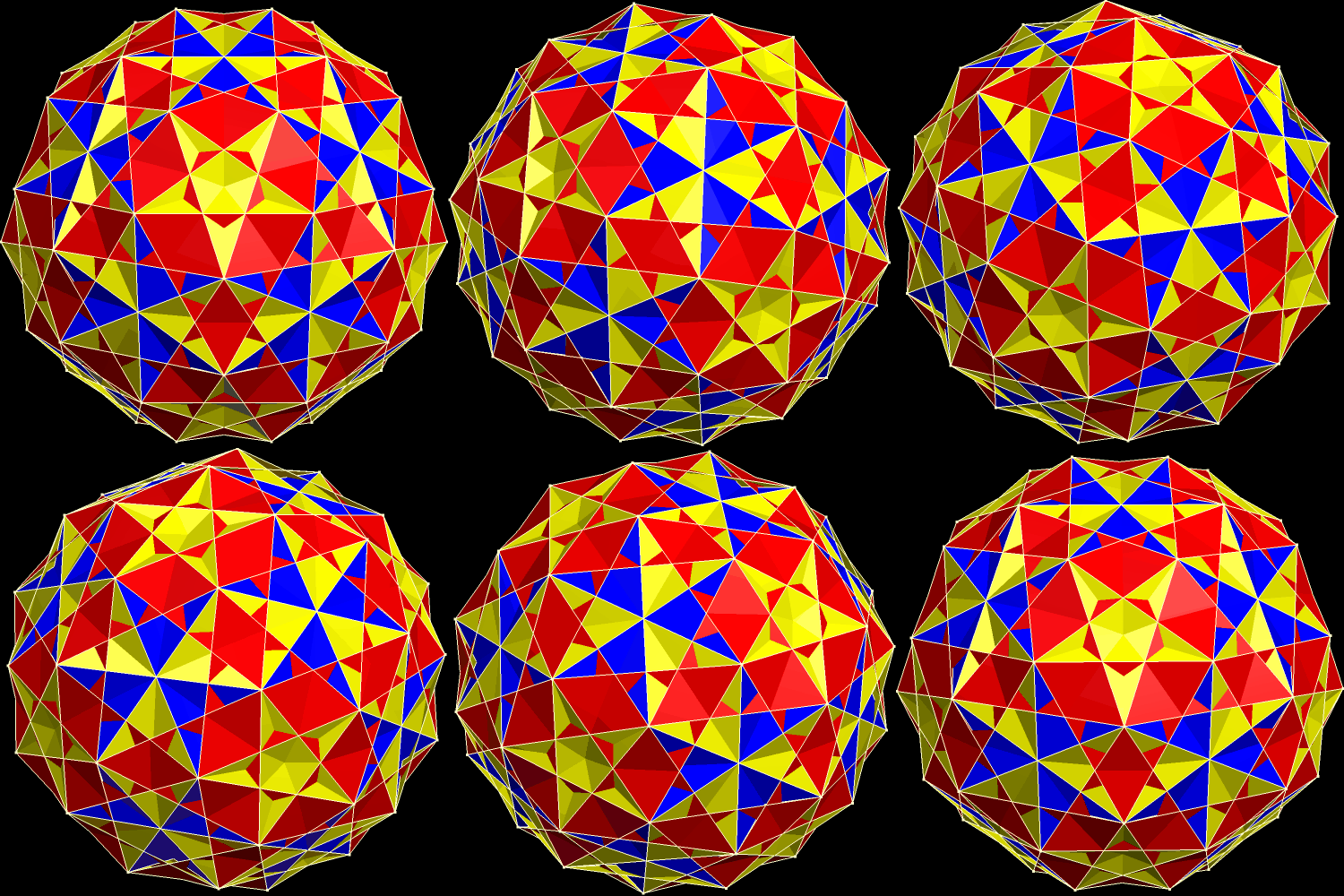
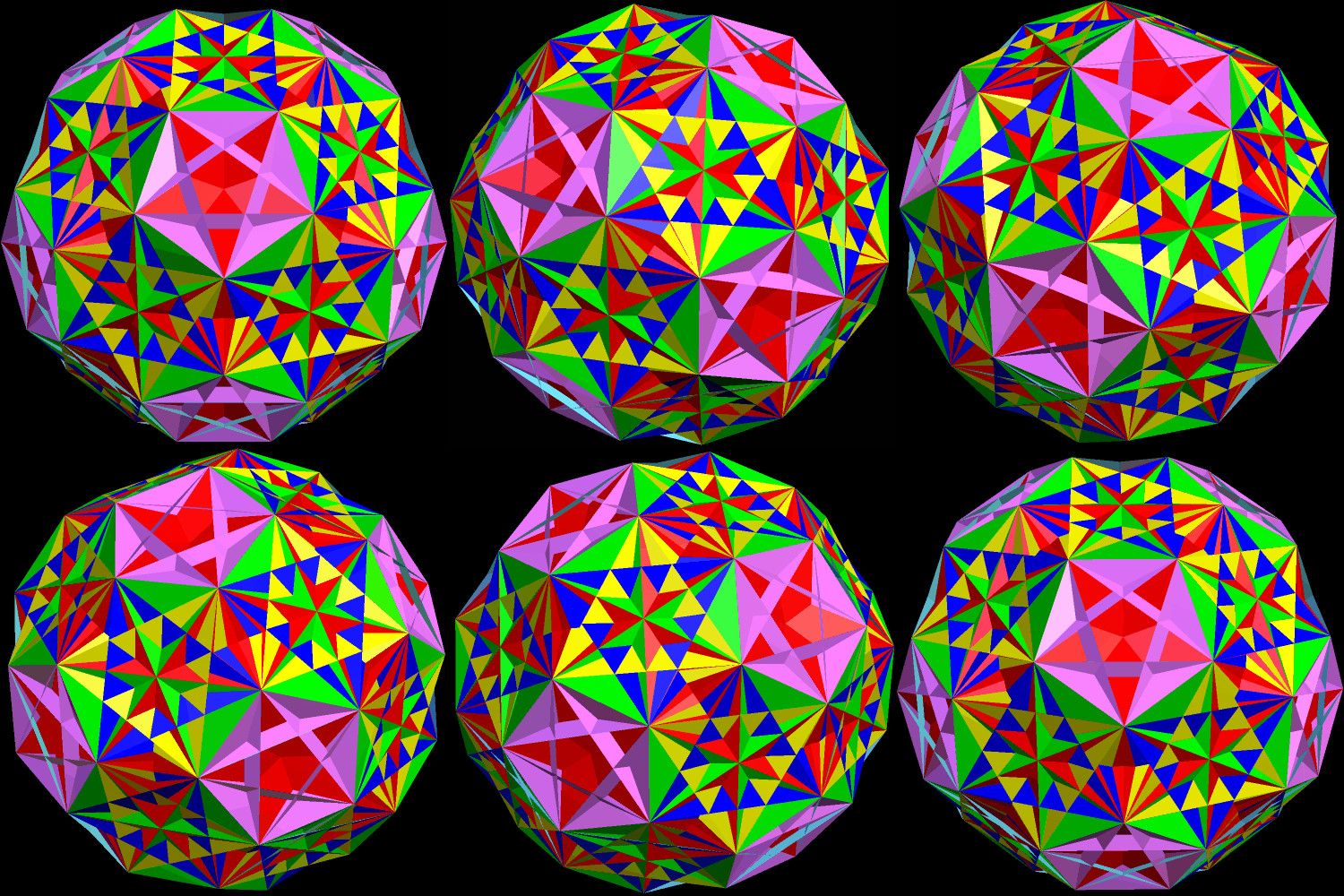
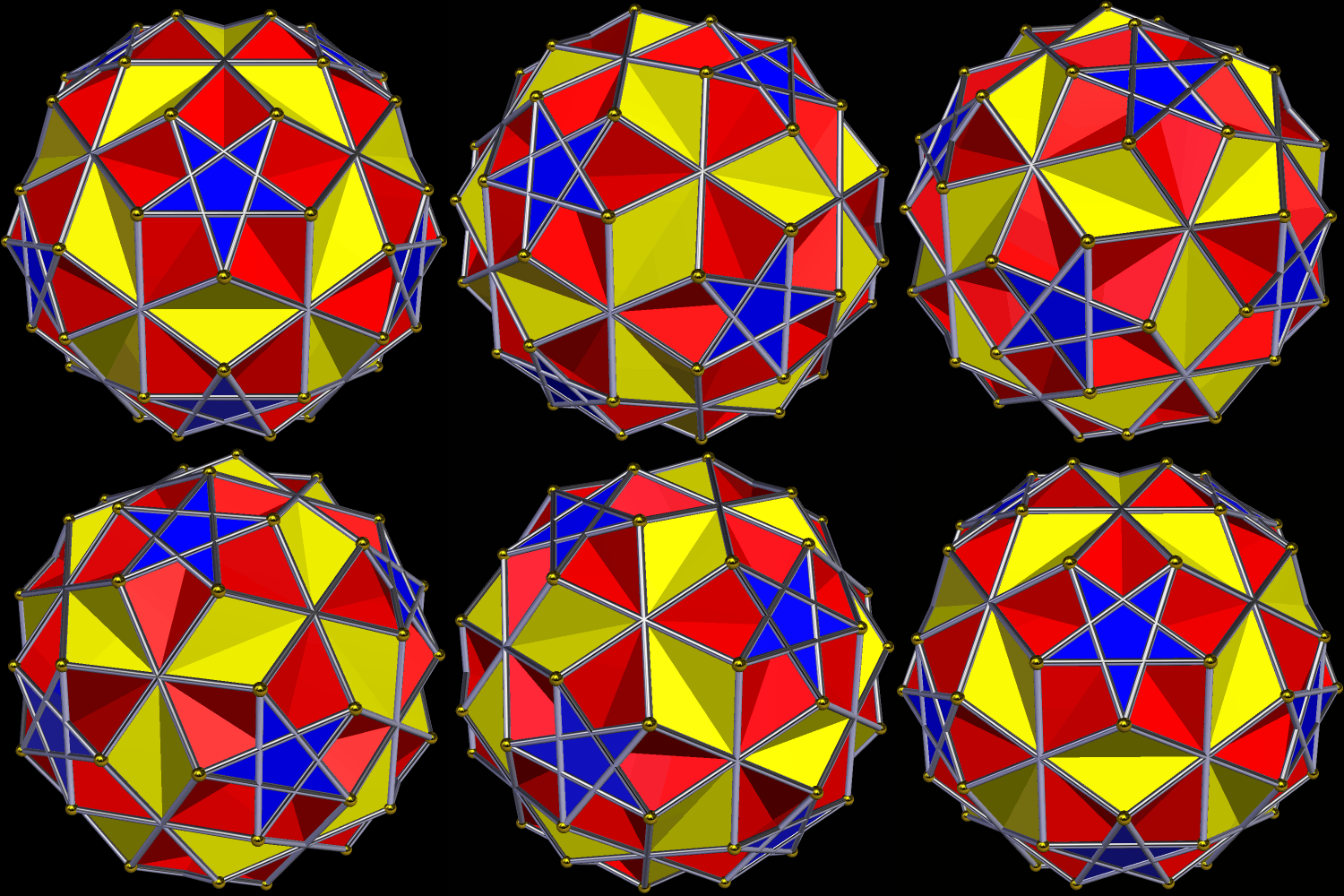
To make a faceted version of this polyhedron, these vertices must be connected in novel ways, creating new edges and faces. There are many faceted versions of this polyhedron, of which seven are shown below.

Faceted Trunc Icosa

Faceted Trunc Icosa 8

Faceted Trunc Icosa 7

Faceted Trunc Icosa 5.gif

Faceted Trunc Icosa 4.gif

Faceted Trunc Icosa 3

Faceted Trunc Icosa 2.gif

I used Stella 4d to make these polyhedral images, and you’re invited to try the program for yourself at http://www.software3d.com/Stella.php.

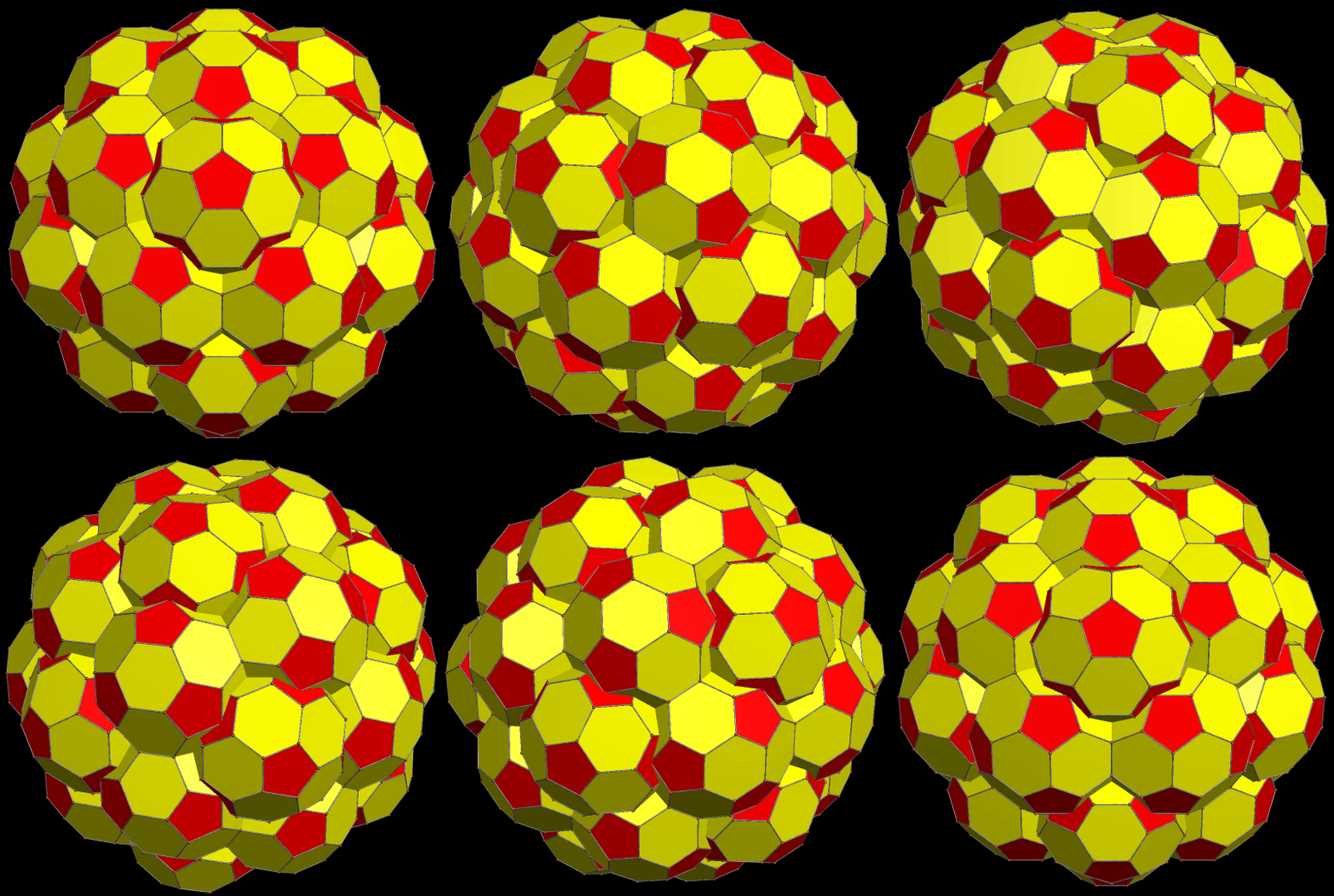
A Faceted Truncated Icosahedron

Faceted truncated icosahedron

This is one of many possible facetings of the truncated icosahedron. I made it using Stella 4d, which you can try for yourself at this website: http://www.software3d.com/Stella.php.
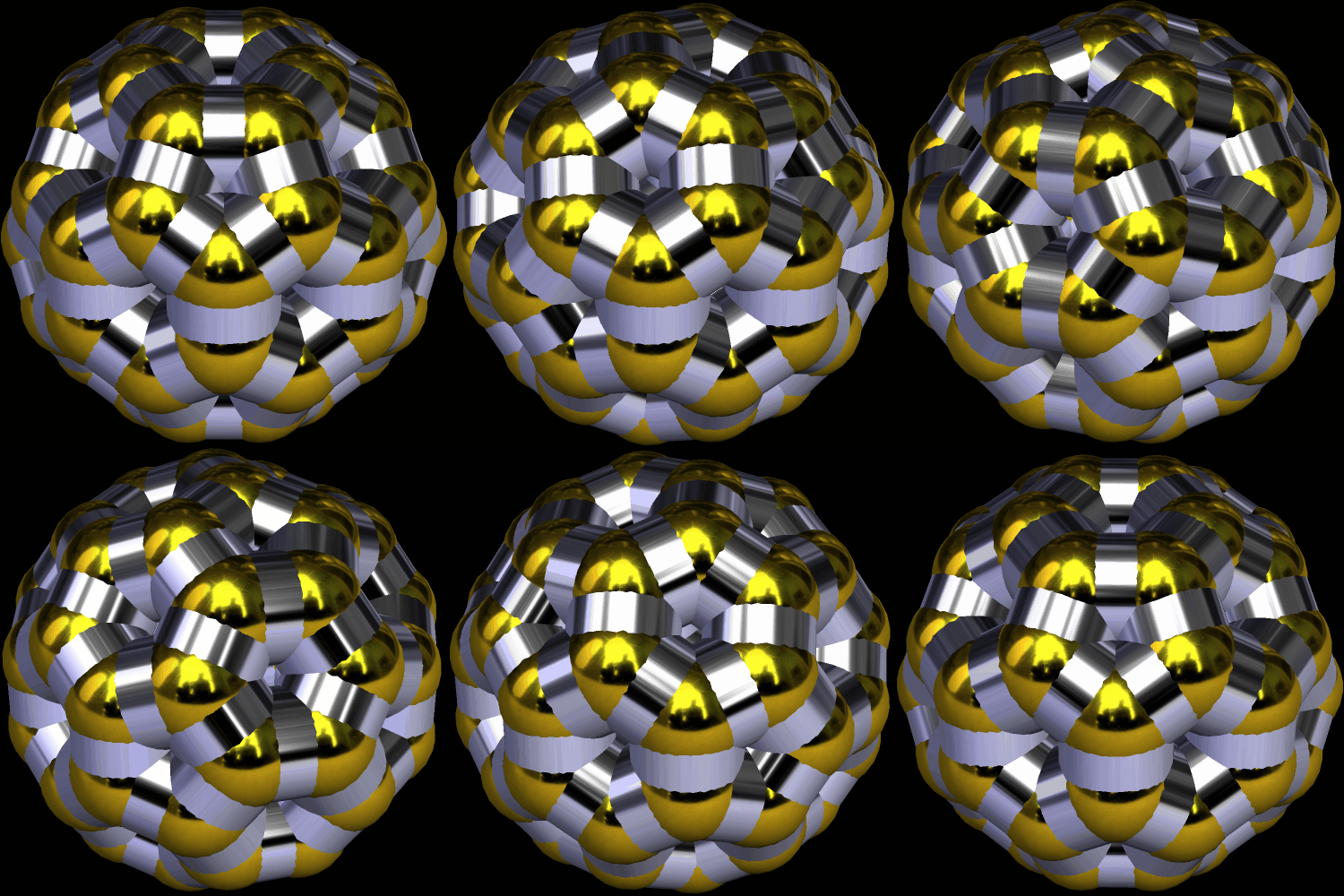
A Truncated Icosahedron, Formed By Silver Pipes, and Gold Fastenings

Trunc Icosa gold and silver

I made this precious-metal version of the truncated icosahedron using Stella 4d, a program which is available here: http://www.software3d.com/Stella.php.
A Cluster of 33 Truncated Icosahedra

Augmented Trunc Icosa

There is one truncated icosahedron at the center of this cluster, and each of its 32 faces is augmented with another truncated icosahedron, for a total of 33. I built this cluster using Stella 4d, software available here.

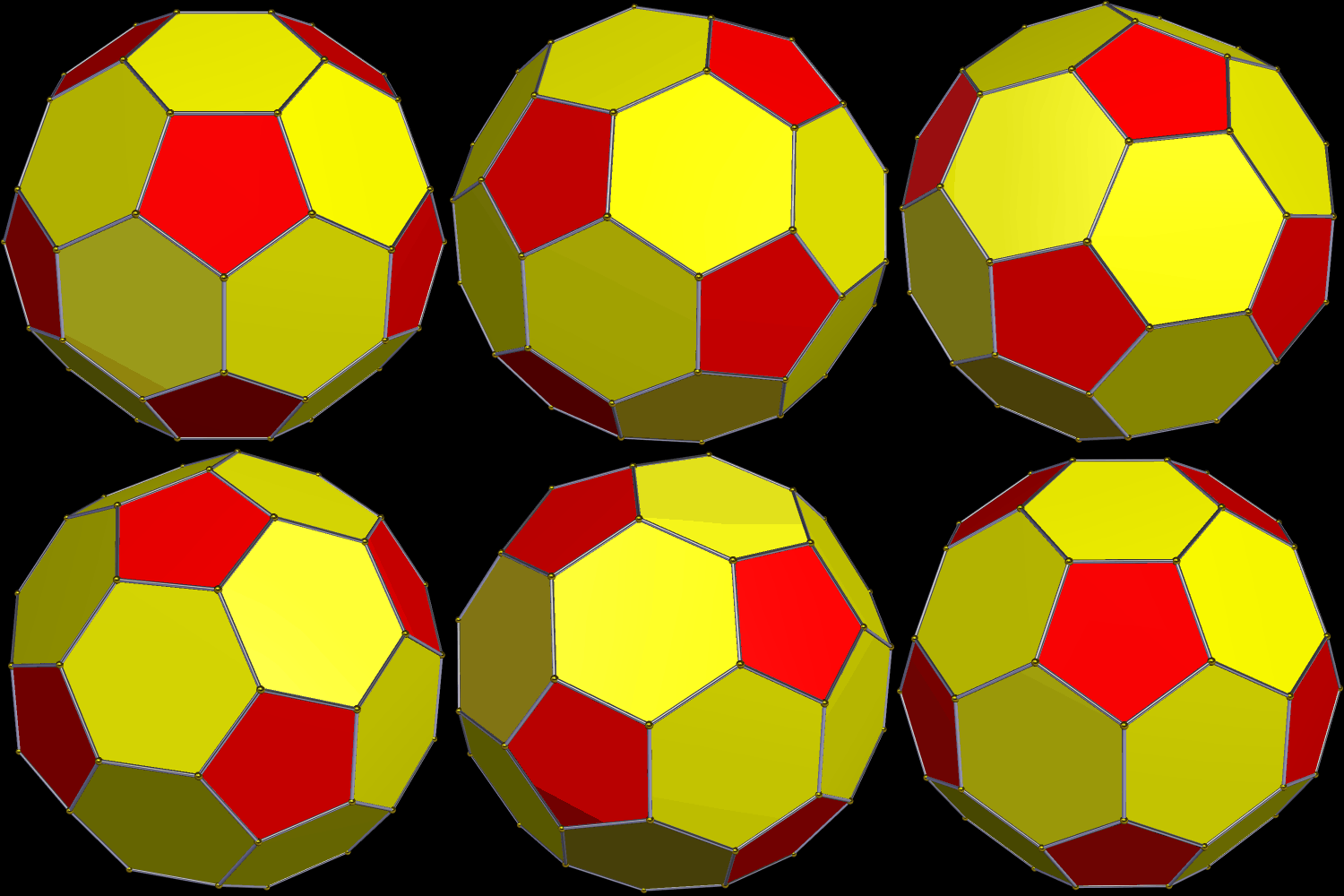
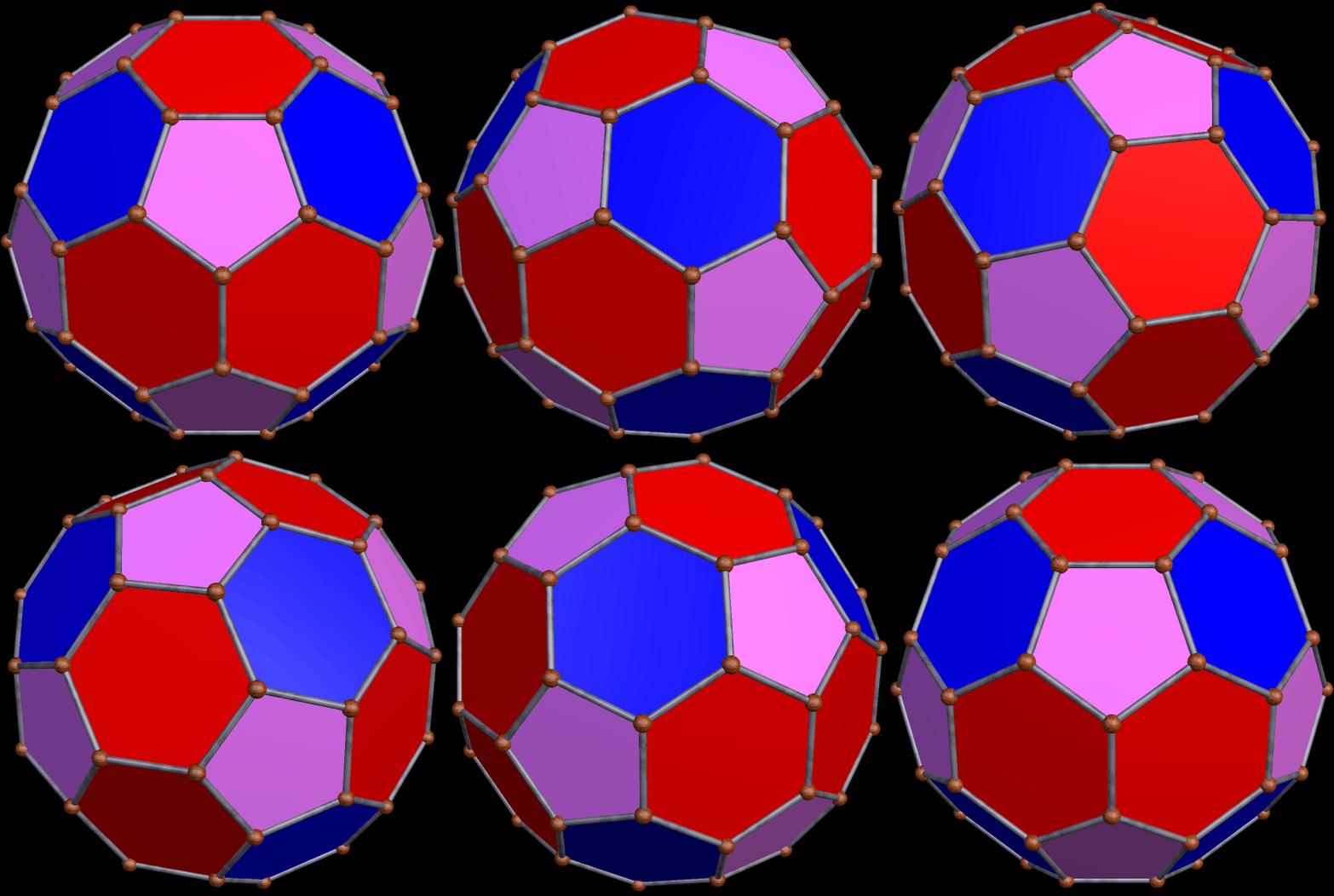
A Pyritohedral Coloring-Scheme for the Truncated Icosahedron

pyritohedral coloring of the truncated icosahedron

While the polyhedron above, informally known as the “soccer ball,” has icosidodecahedral symmetry, its coloring-scheme does not. Instead, I colored the faces in such a way that the coloring-scheme has pyritohedral symmetry — the symmetry of a standard volleyball. This rotating image was made with Stella 4d, a program you can buy, or try for free, right here: http://www.software3d.com/Stella.php.

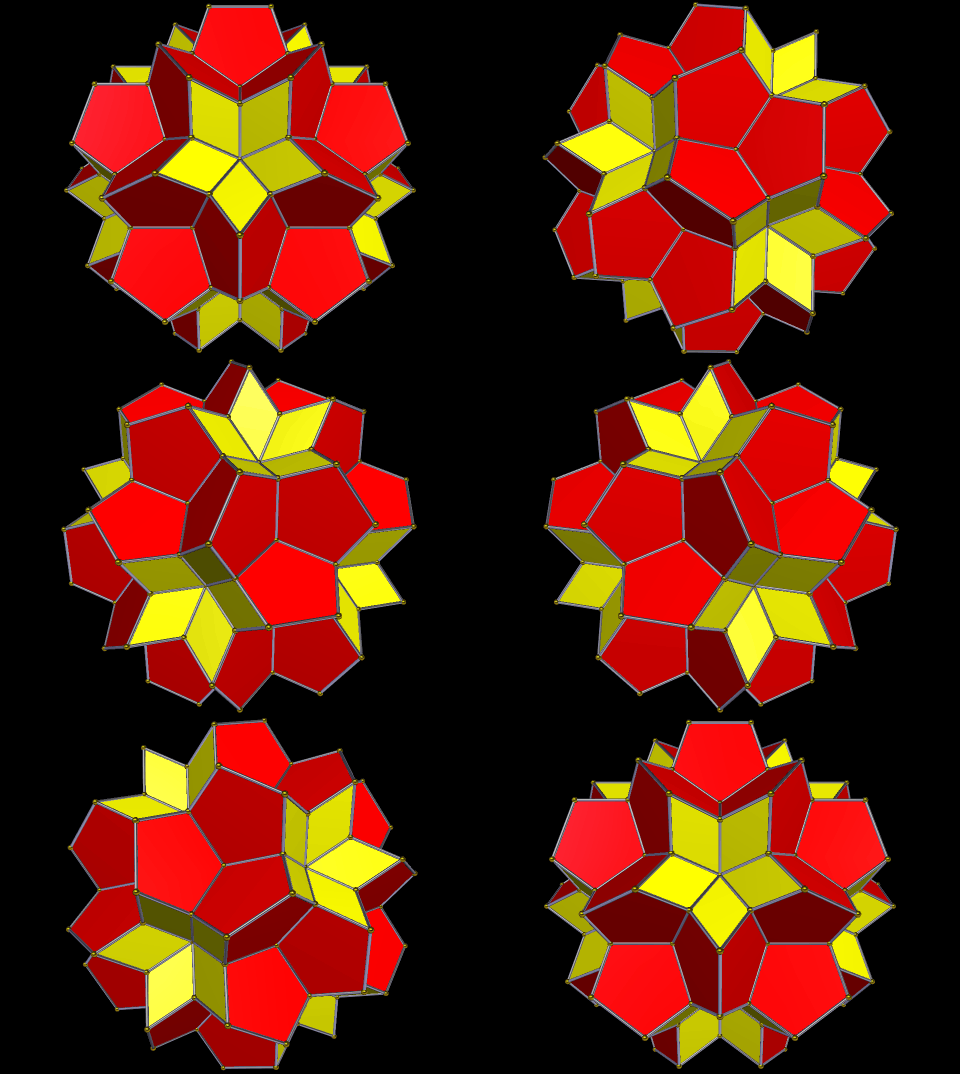
The Compound of the Truncated Icosahedron and the Rhombic Triacontahedron

Compound of Rhombic Triaconta and Trunc Icosa

I put these two polyhedra together using Stella 4d: Polyhedron Navigator. If you’d like to try this program yourself, for free, this website is the one to visit: http://www.software3d.com/Stella.php.

A Truncated Icosahedron, with Hexagons Augmented By Triangular Pyramids, in a Chiral Pattern

chirally augmented trunc icos

I made this using Stella 4d: Polyhedron Navigator, software available here.

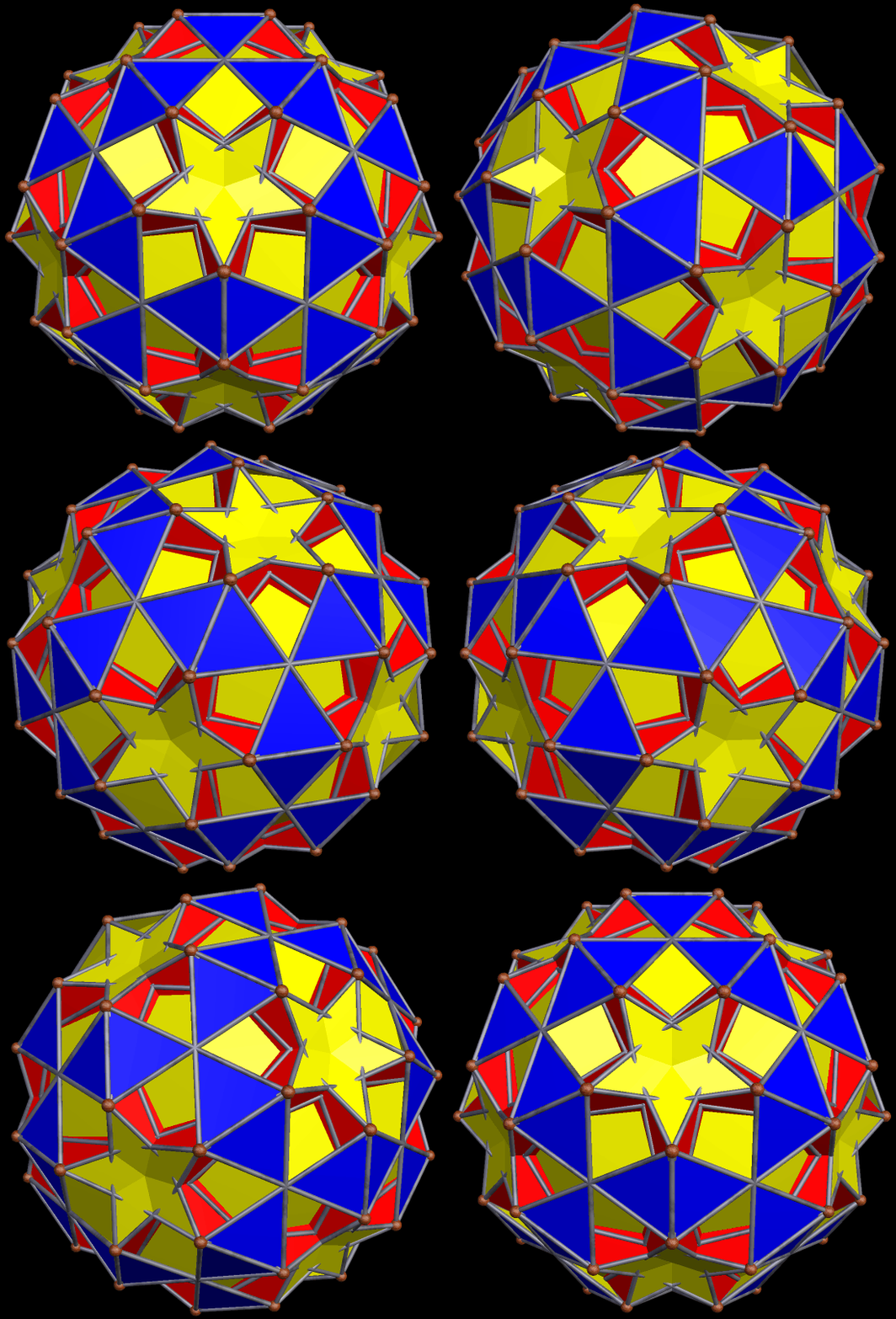
Two of Many Possible Facetings of the Truncated Icosahedron

Faceted Trunc Icosa

I made these faceted polyhedra, both facetings of the truncated icosahedron, using Stella 4d, software available here.

Faceted truncated icosahedron

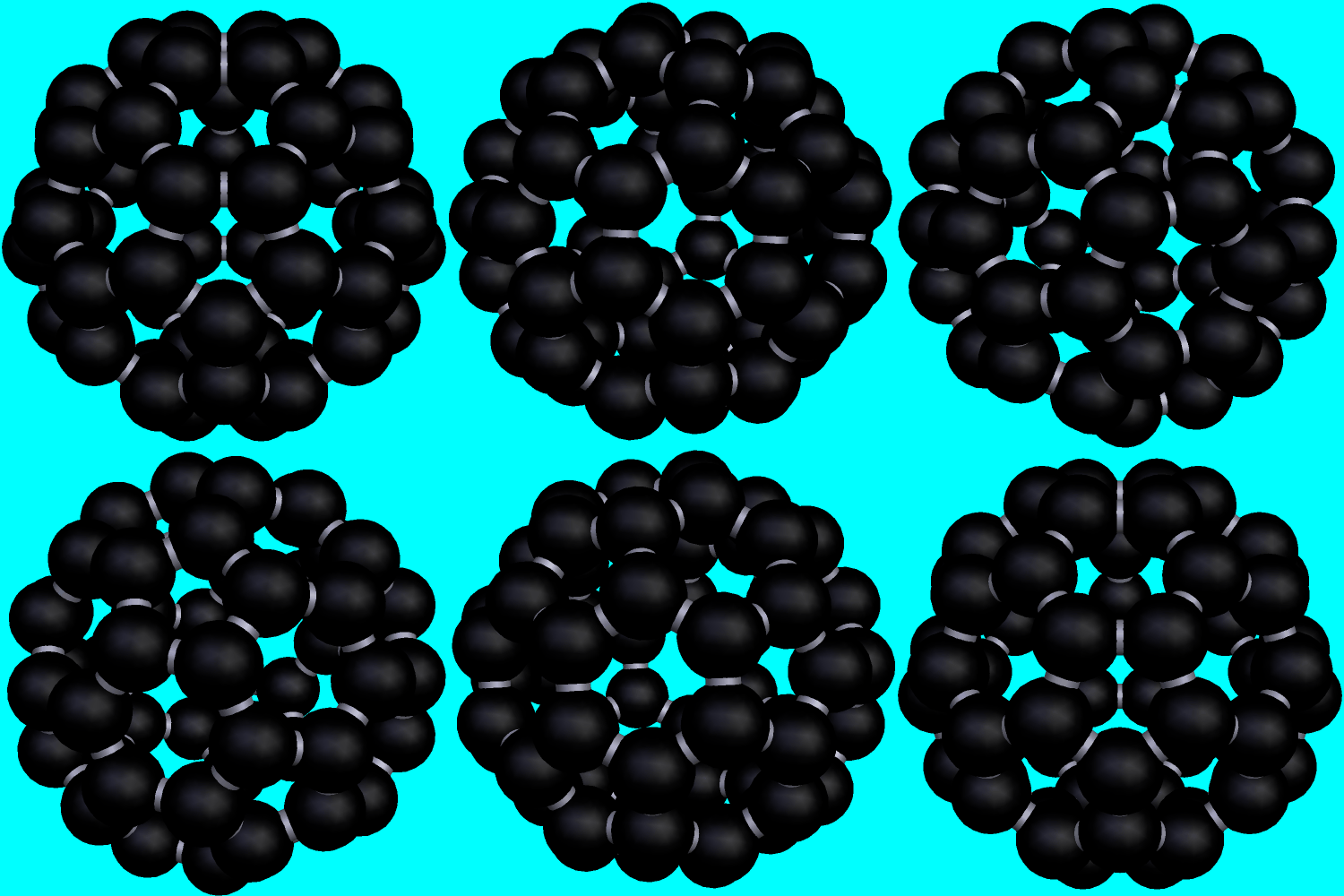
Buckminsterfullerene Molecular Models: Three Different Versions

Buckminsterfullerene, a molecule made of 60 carbon atoms, and having the shape of a truncated icosahedron, is easily modeled with Stella 4d: Polyhedron Navigator (see http://www.software3d.com/Stella.php to try or buy this program). The first image shows the”ball and stick” version used by chemists who want the bonds between atoms to be visible.

Trunc Icosa
The second model is intermediate between the ball-and-stick version, and the space-filling version, which follows it.

Trunc Icosa2

Here’s the “closely packed” space-filling version, taken to an extreme.

Trunc Icosa3

Which version better reflects reality depends on the certainty level you want for molecular orbitals. A sphere representing 99% certainty would be larger than one for 95% certainty.

Four Stellations of the Truncated Icosahedron

The truncated isocahedron has an interesting (and long) stellation series. Here are some of the stellated forms of this polyhedron which I find particularly interesting and attractive, starting with its 41st stellation.

41st stellation Trunc Icosa

This one is the 42nd stellation:

42nd stellation Trunc Icosa

Jumping far ahead in the series, this is the 126th stellation:

126th stellation Trunc Icosa

And, finally, the 148th stellation.

148th stellation Trunc Icosa

All four images were produced using Stella 4d:  Polyhedron Navigator. You can try this program for yourself at www.software3d.com/Stella.php.