
I made this using Stella 4d: Polyhedron Navigator. You can try this program for free at http://www.software3d.com/Stella.php.
I made this using Stella 4d: Polyhedron Navigator. You can try this program for free at http://www.software3d.com/Stella.php.
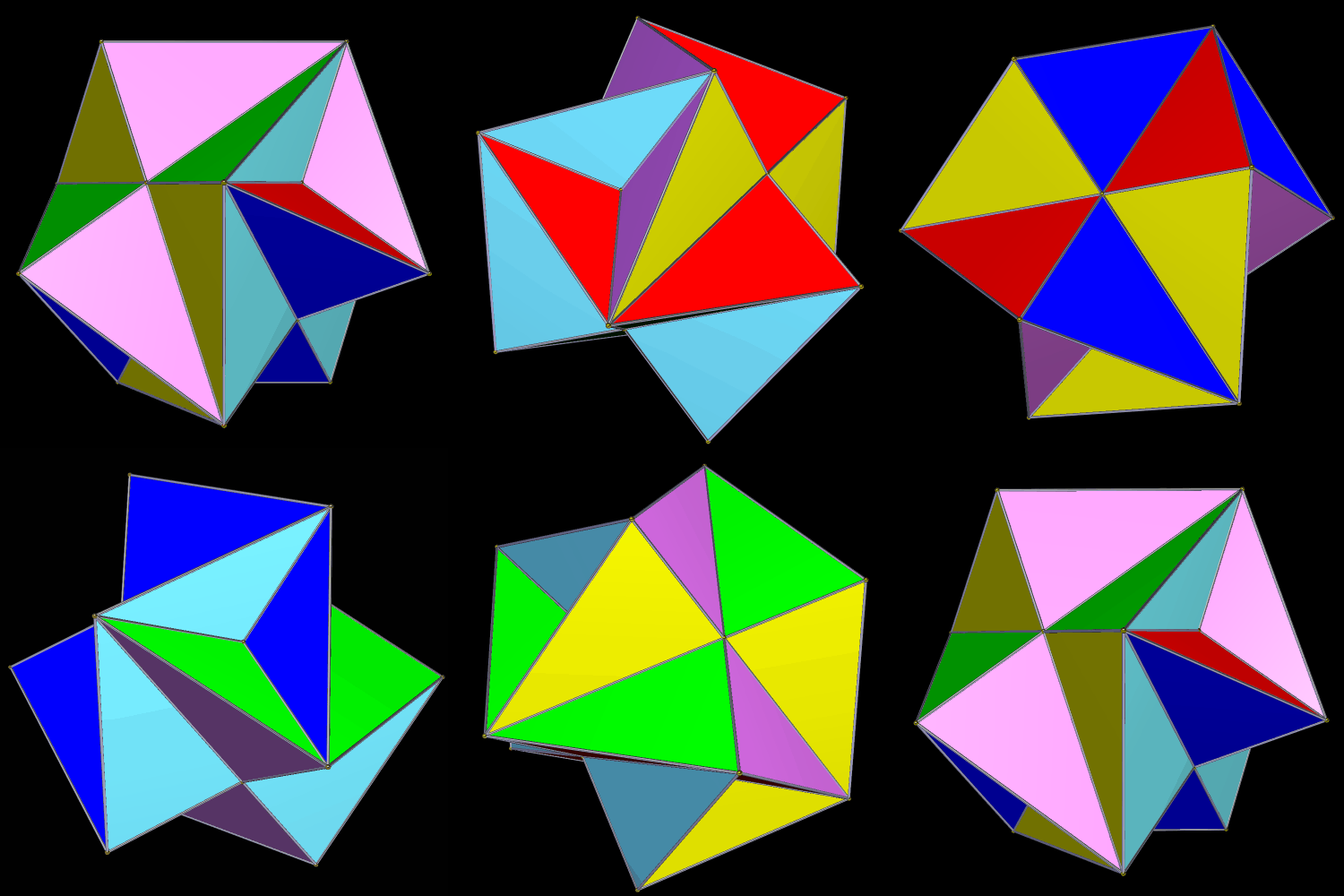
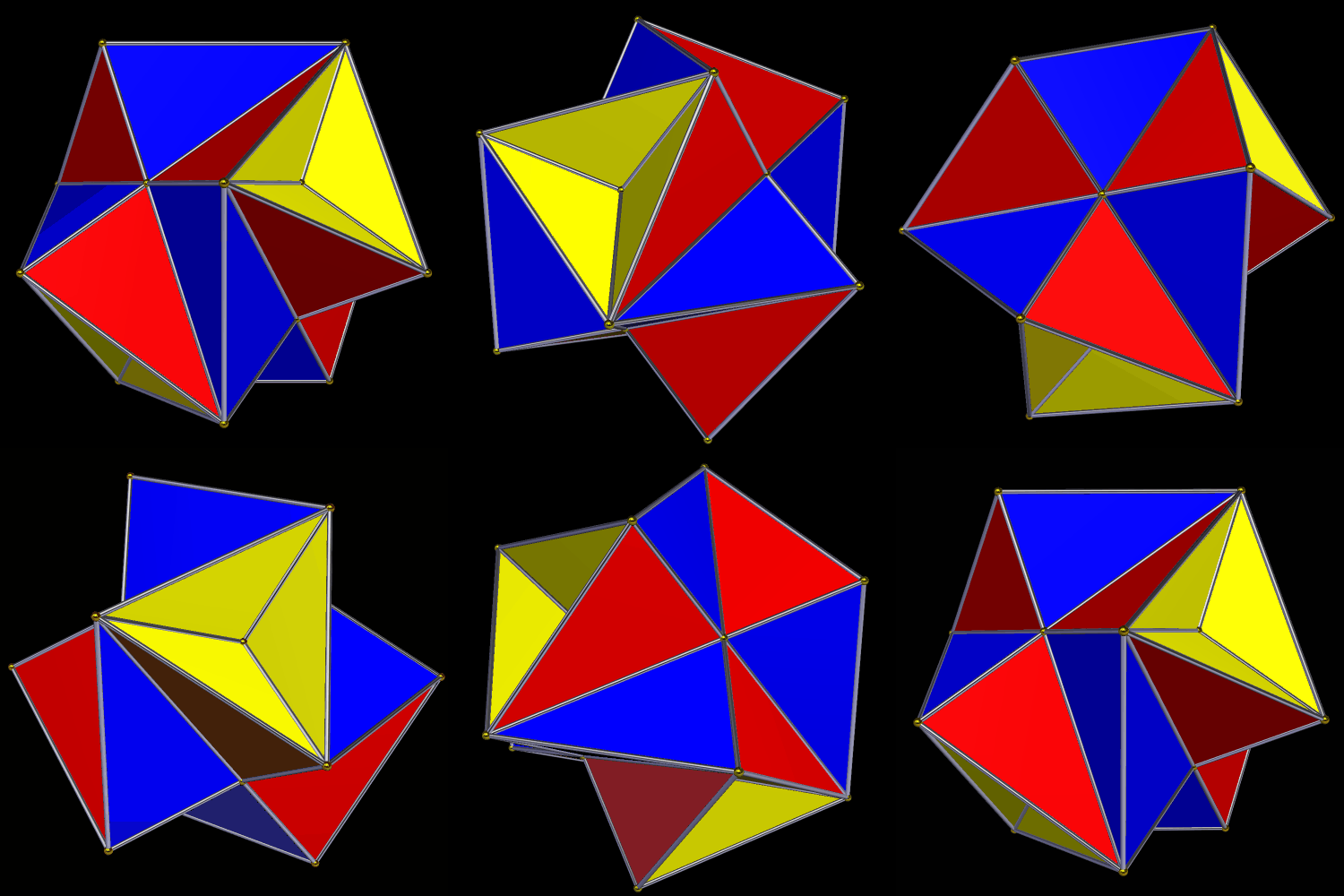

To make this polyhedron, I first changed the symmetry-type of a dodecahedron from icosahedral to tetrahedral, then stellated it twice. This was done using Stella 4d, a program you may try for free at http://www.software3d.com/Stella.php.
Shown below are the snub dodecahedron and its dual, the pentagonal hexecontahedron.


Seeking a way to make a “new” polyhedron (one never seen before), I augmented each face of the orange dual, above, with prisms. These prisms have a height equal to twice the average edge length of their bases.

Next, I used the software I use to manipulate polyhedra (Stella 4d, available here) to create the convex hull of this augmented pentagonal hexecontahedron.

Finally, I used Stella’s “try to make faces regular” function, and obtained this result, which I liked enough to stop here. There’s no way for me to know with certainty that this polyhedron has never been seen before, of course, but that didn’t stop me from having fun making it.

This is the truncated dodecahedron. It is one of the Archimedean solids.
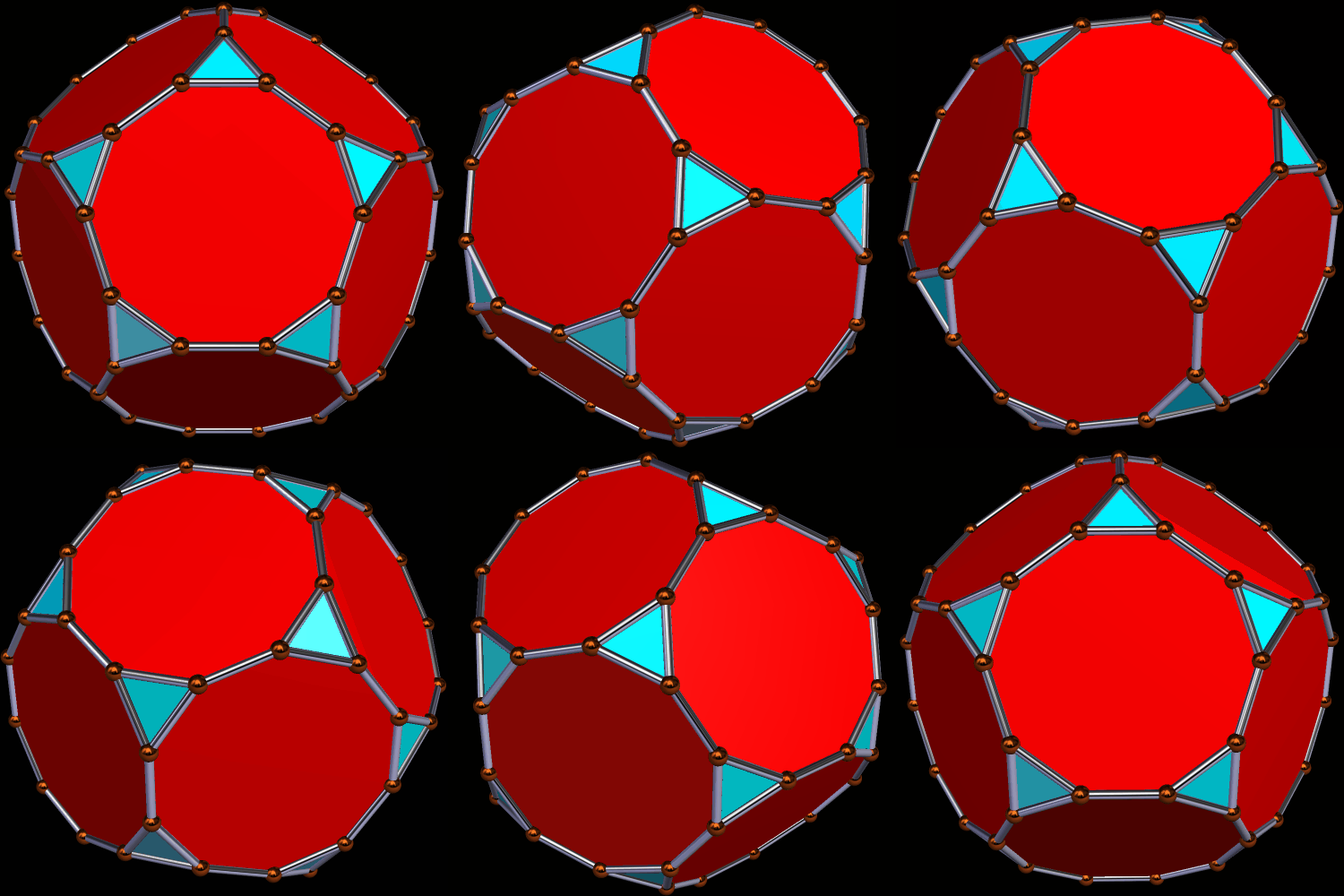
This polyhedron has a long stellation-series, from which I selected several on aesthetic grounds. The figure immediately below is the truncated dodecahedron’s 16th stellation.
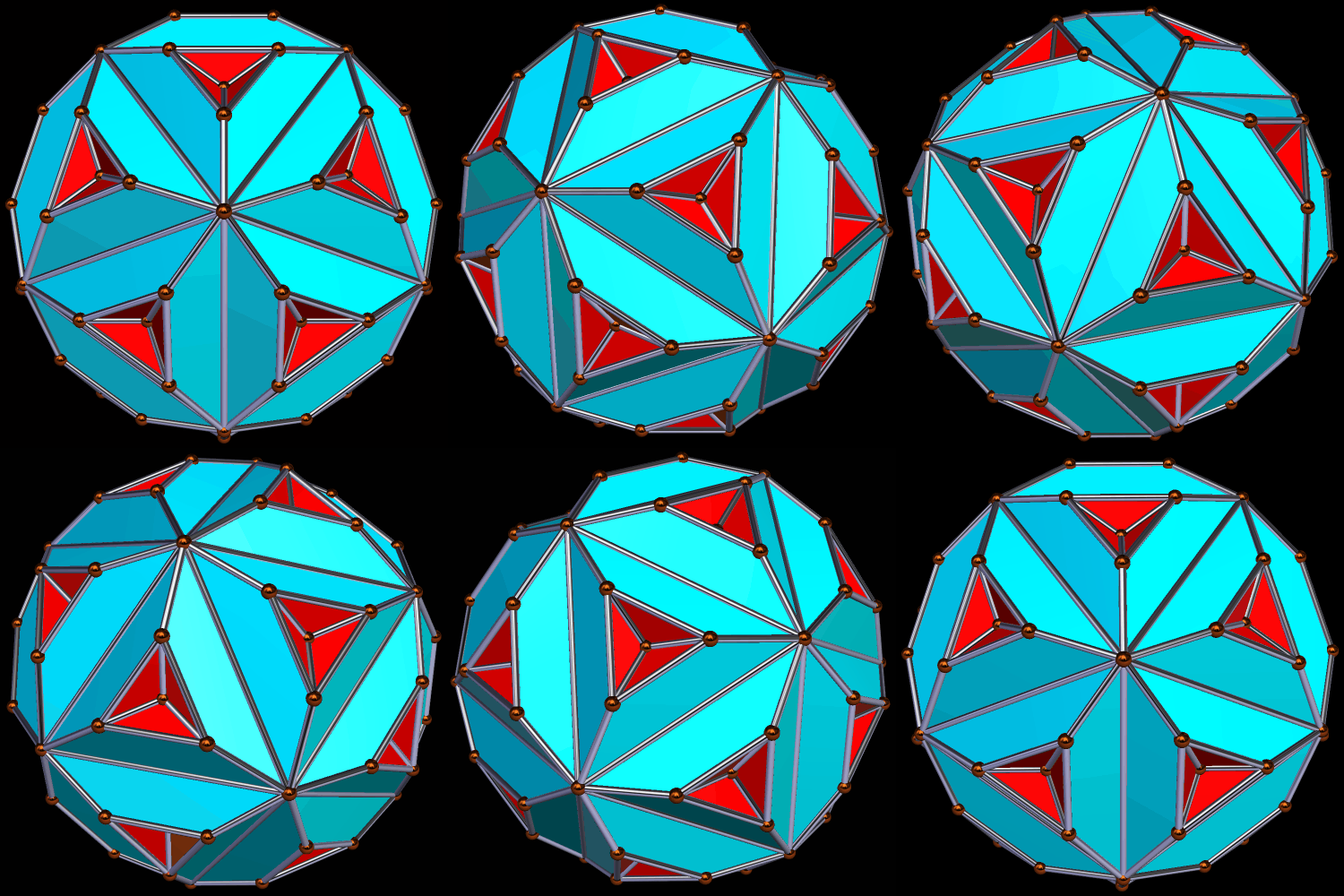
Here is the 21st stellation.
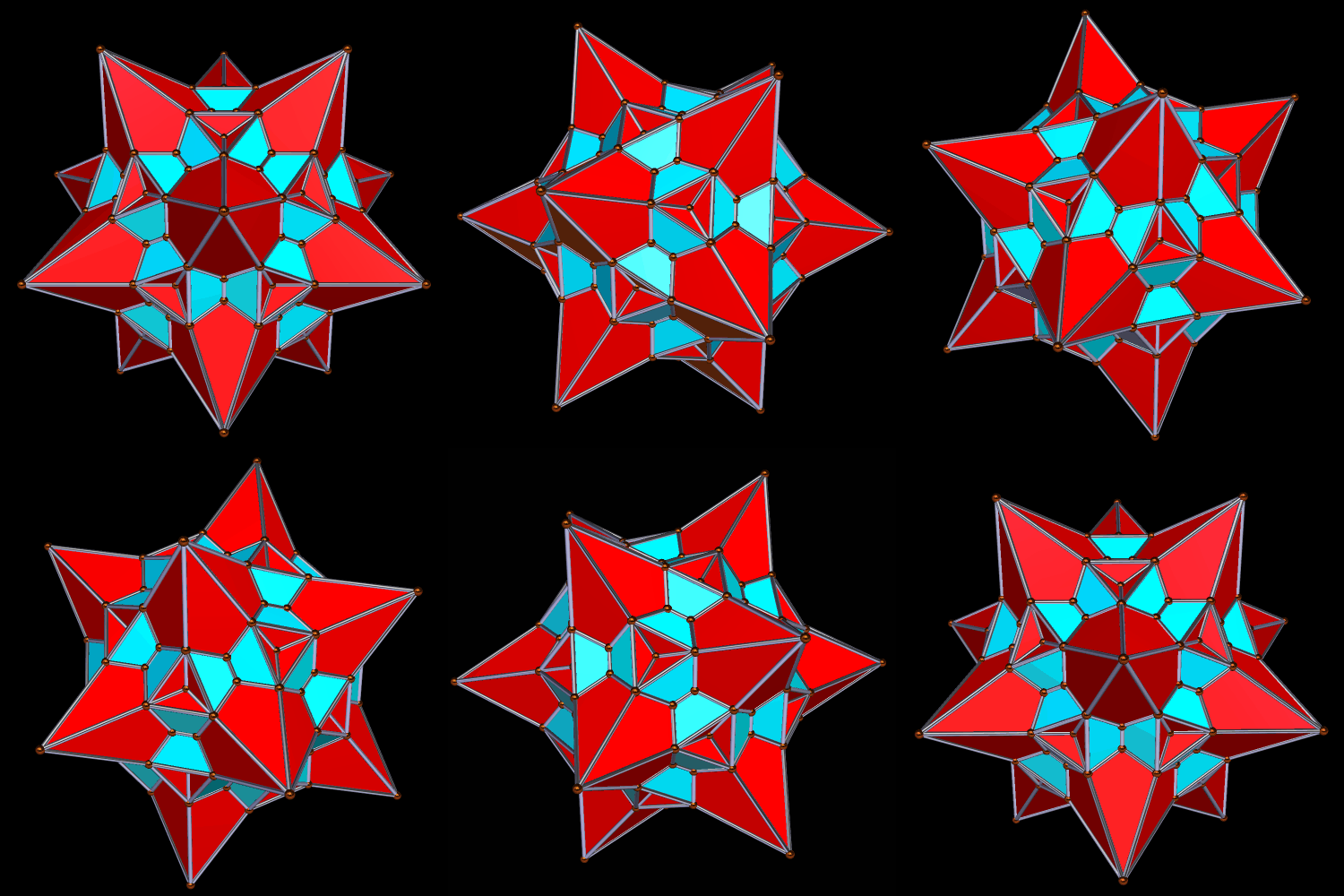
It’s easy to stellate polyhedra rapidly, and make many other changes to them, with Stella 4d: Polyhedron Navigator. You can try it for free at http://www.software3d.com/Stella.php.

The stellation shown immediately above is the 25th, and the one shown immediately below is the 27th.

Here is the next stellation: the 28th. Unlike the ones shown above, it is chiral.
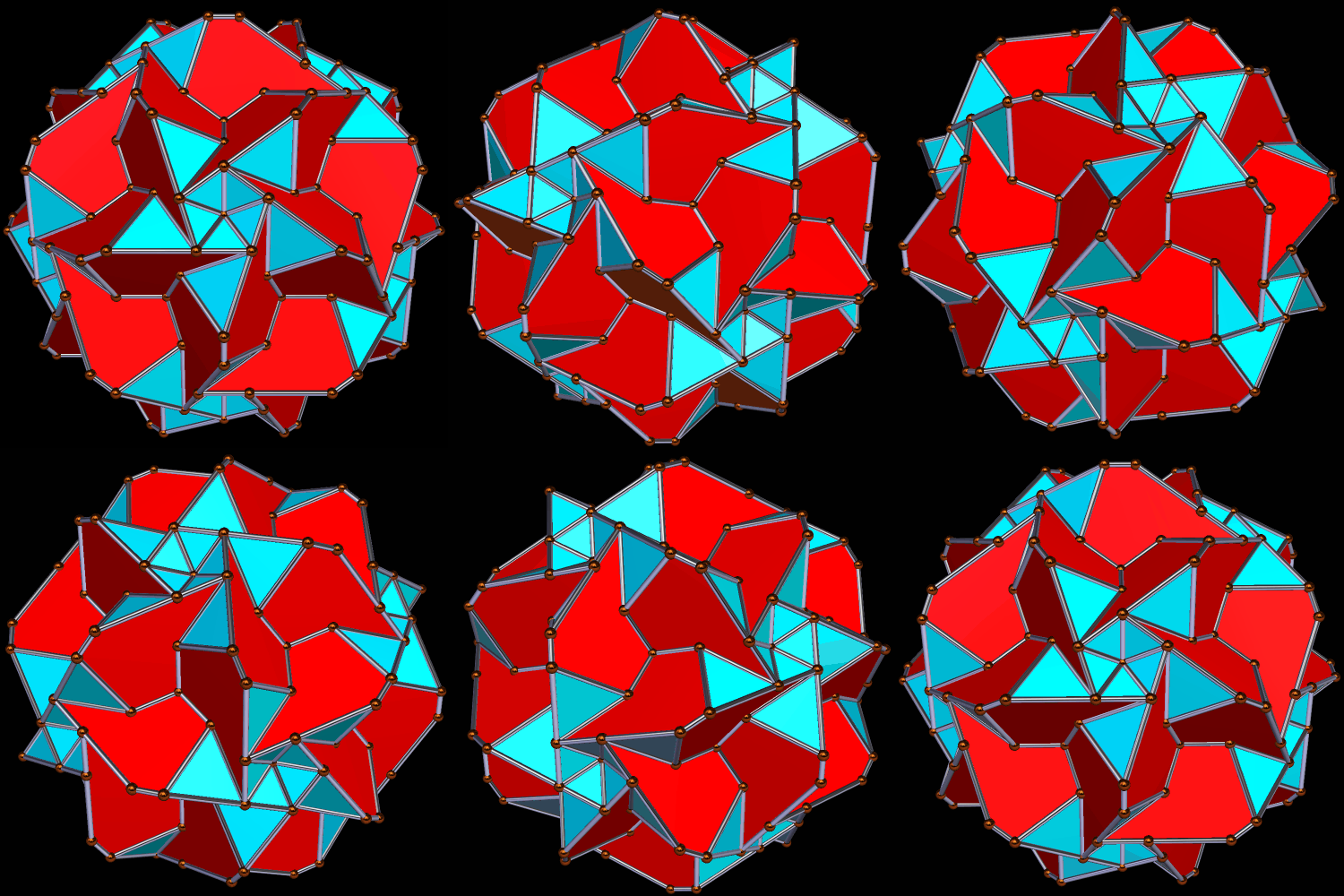
This is the truncated dodecahedron’s 31st stellation.

This one is the 38th stellation.
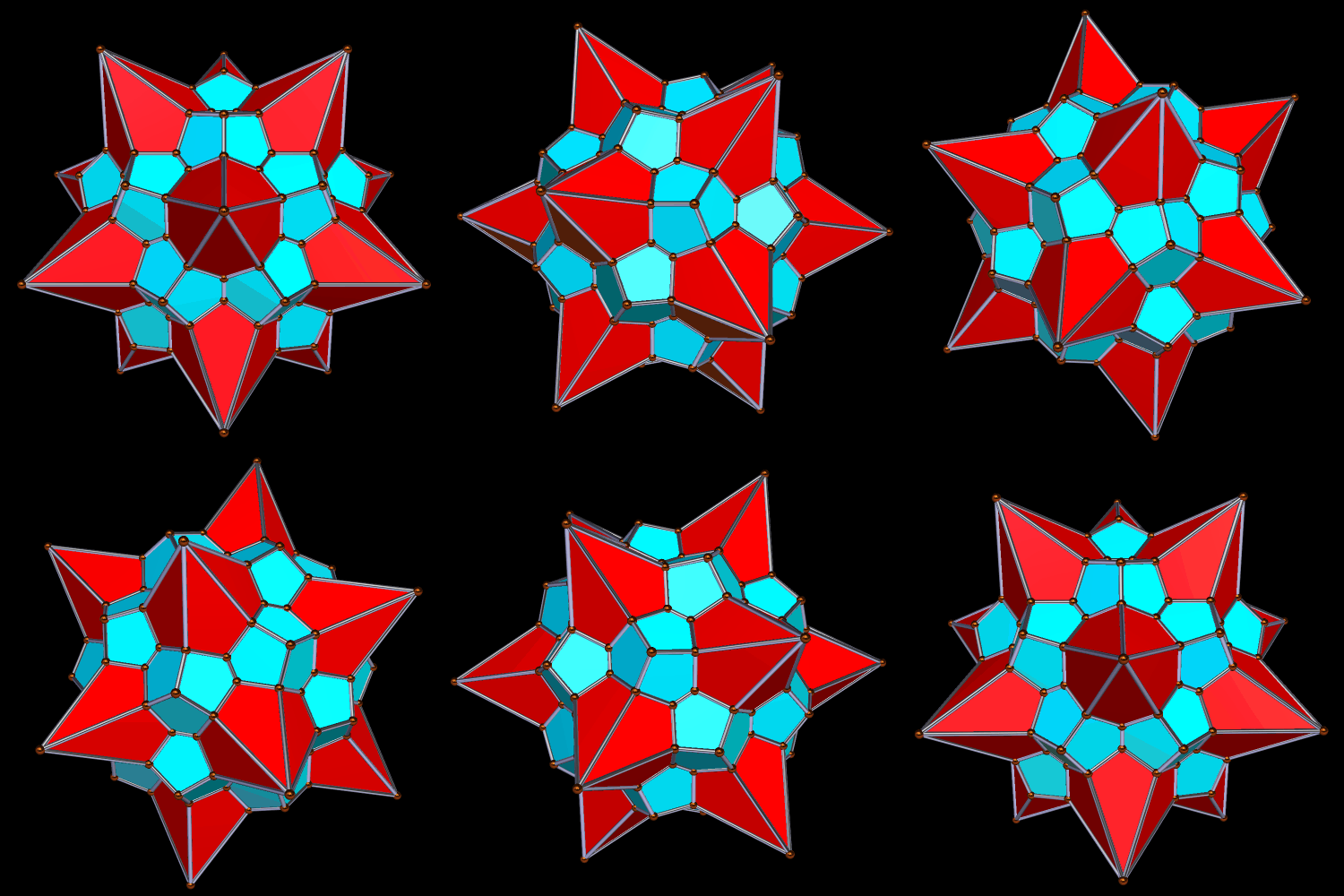
This one is the 44th.

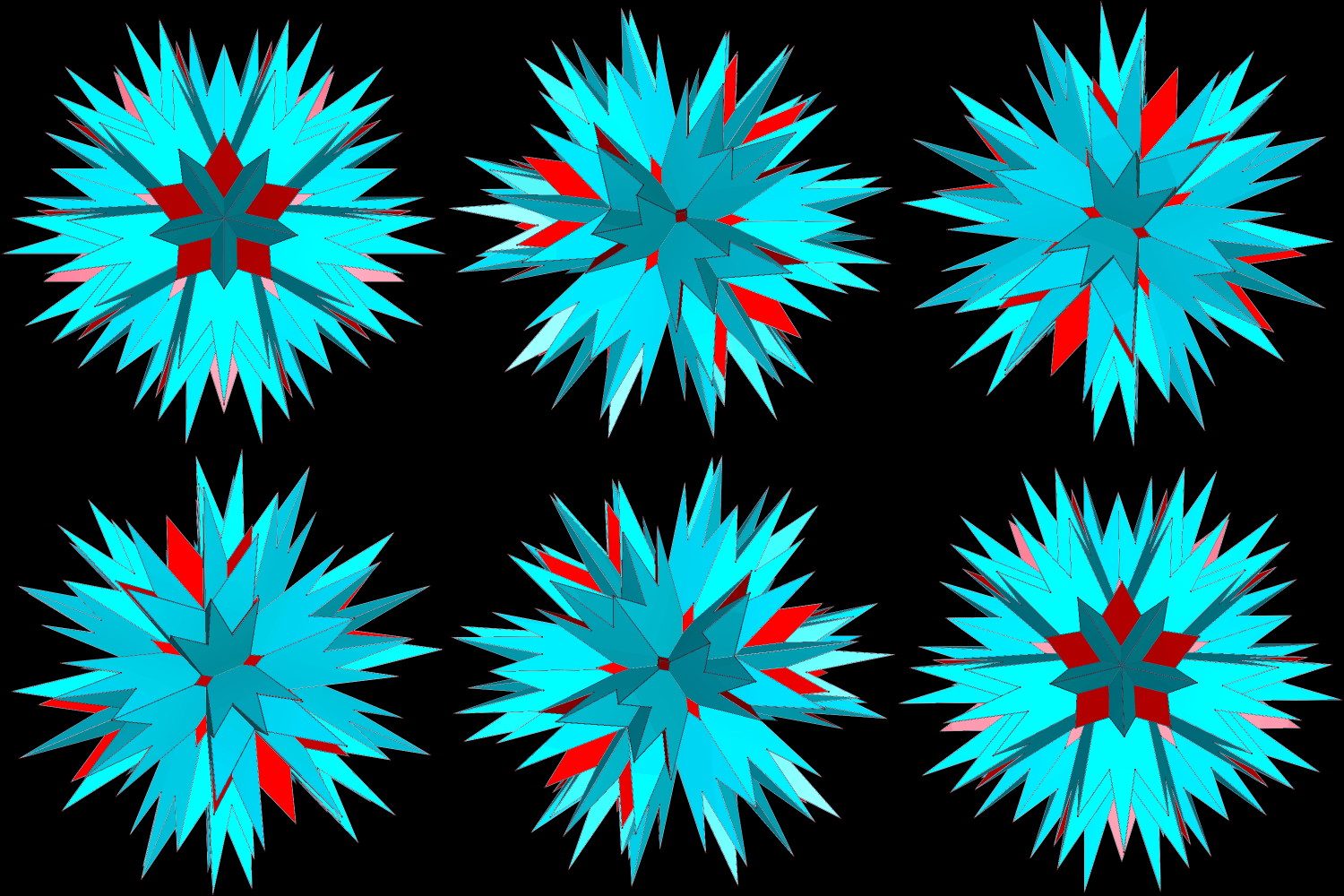
The last one shown here is called the truncated dodecahedron’s final stellation because, if it is stellated once more, it returns to the original truncated dodecahedron.

I used Geometer’s Sketchpad and MS-Paint to make the designs on the faces, and then assembled the dodecahedron with Stella 4d, a program you may try here.
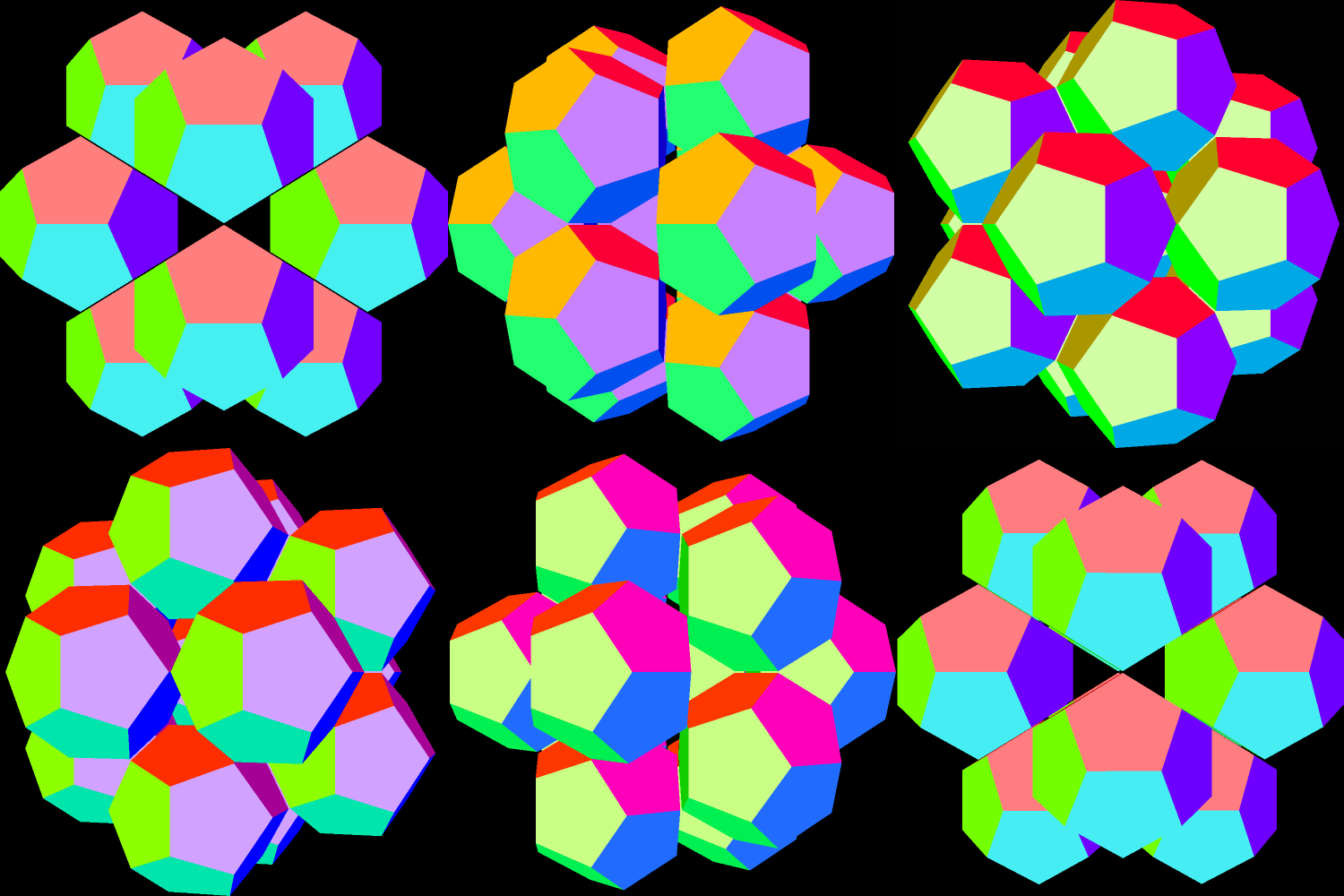
To make this using Stella 4d (available here) I started with an icosahedron, placed a dodecahedron on each of its vertices, then rendered the central icosahedron invisible. The slight pulsating effect is caused by the program fitting the polyhedra tightly into each frame of the animation.

The polyhedra at the vertices are rhombic triacontahedra, and the yellow edges are elongated rhombic prisms. This was made using Stella 4d, software you may try for free at this website.

After using Geometer’s Sketchpad and MS-Paint to make the image on the faces (seen alone in the last post), I then used Stella 4d: Polyhedron Navigator to project these images onto a red dodecahedron, and create this .gif. Stella is available, including as a free trial download, at http://www.software3d.com/Stella.php.
I made this by stellating a dodecahedron repeatedly, but doing so with Stella 4d, the polyhedral-manipulation software I use (available here), set to use tetrahedral symmetry, rather than the higher-order icosahedral symmetry (which I often call “icosidodecahedral” symmetry) inherent to Platonic dodecahedra.

The same polyhedron appears below, but with the coloring-scheme, rotational direction, and rotational speed all set differently.


 RobertLovesPi.net