Making show never did prize me when soberfied, but that undescribed me that day, and, for that mistake, payment was failsafely, fullwise, and painly made. Tranqued with Euphenol, selfbought at the official dispensing-machine on Convenience Corner, right after worktime, methought melooked mighty brave strolling wrongway homewise on my hands, feet toepointed at the otherseyes, down a steel walkway crowded with those farmore sensehaving, so neither of my LifeLine© MagnetShoes touched metal, but as soon as Unitility’s gravsynths fritzed surprising, I felt notimpressive, floating rapidly away from the crowd.
Weightlessness bit me mid-handspring, and sent me flying, but I was too headspun to realize predicamental situation until my homehalf of our Megalopolis already could be seen in entireness, several deathfalls away. Soon my home fragment of ShatteredEarth looked only littlemuch bigger than neighbor skyrocks, and the cities otherfolk in othercities had built on them, as our own beforefolk had built Megalopolis. Wheezing suddenly brought meself realizing: the thinning air would set me freesome if Unitility’s repairs took much longer. Time passed, and bleakness grew as hope thinned. I watched Megalopolis, overcrowded skyrock of ours, rotate in the . . . or was it me rotating? I couldn’t figure out how to tell, and this added “headache” to growing problemlist.

My bubble of air biggifying as it bled away spacewise I could see, for this bubble was debrislittered, spaced evenish out here, but more crowded nearer our skyrock — paper, waterblobs, cloudpuffs, disoriented pigeons, half-eaten McFood left behind — but no other people out in the thinning bubble, just my sad self, now far away from safeness anykind. Apparently Euphenol overleaped me earlier, and, thus obliviated, I ended up the only fool I could see with sufficient maltimed stupidity to fall off the world. Most got away in shuttles, justvisible and receding to vanishment, or simply stayed inside the cubicles in our towers to safely outwait events, while a few on the surface I could only barelysee, with muchwise squinting. Each flailed arms, but all safely stuck to home skyrock by safety magnets at their feet. Unitility blackouts never lasted overlong, especially for gravservice; they’d likely live, not being me that day, for the air stayed thicker nearer to our skyrock, leaking only slowly from its insulasafed towers.
Luck having clearwise left me, my flightpath then entered the last raincloud in the thinning Megalopolis atmosphere, and instantly drenched I startled, from ends of my floating hair to toestips, moisture entering even my feetboots with their nowuseless safetymagnets that seemednow mocking me. It was frigid inside the cloud, and I watched in sockhorror as the water on my hand start freezing, ice spreading over my skin and standardissue clothiform, at about a centimeters per heartbeat, from multiple locations. Even though I wasn’t speaking, mouthchatter quicklike so bad made me fear teethcracks from the constantlike repeated impactstrikings. Remembering last dental torture-session determined me not to endure that level of pain while in my likely lastseconds, so clenched my teeth together determined, hardwise, to stopchatter, and this worked. At least one thing was on path, myway, now.
Not long, though. Leaving the cloud on the otherside, pressuregrowing inside me forced mouth fullopen, and more air than I knew I had speedily left, from both lungbottoms, up allway. I could hear bubbling from somewhere inside, wondered what and exactly where it was, then deciding not to know indeed was the better. Dental painmemories were now distanced as new pain eclipsed it hereandnow, from the vacuum conditions approaching. Newpain competed with growing dizzisorientation from samecause. Closed my eyes, notwishing seeing.
Suddenrealizing closing eyes seriously mistaken, started vomitmuch, then realized eyes were frozenshut while finishing uneating afterlunch’s, then lunch’s, then wakefast’s McFood. Panicked clawing at eyes quickly got one open partwise. It was enough permitting seeing, but liking what seen not happened. Big, bulging silver eye was growing towards me full of quickness, already filling most all of what I could see. It had iris lavished every color everseen and some hadn’t before, and the pupil, while small, clearly pointed in no other direction than me. Could an eye that large see all people? Surely, but at that moment its focus was clearly on me, leaving others forgotten for what moments remained of my consciousness. I shook my head, and the illusion was shattered; I thensaw what it had morphed from, which was the thing we still called the Moon, full bright now. Why did we still call it the Moon, I wondered, since the known pieces of ShatteredEarth now orbited it, not otherway aroundwise?
Coldifying broke as sudden heat grew backside my head, diverting focus from the Moon and all the skyrocks closeful enough to seeing. Turning around freefalling not close to easy, but I did it — was by swimming-motions against what air remained, making seen the heatsource: the Sunstar, unaffected by lastcentury’s Earthshatter. Sunstar then grewsize, as fading consciousness sent hallucinavision back myway, until the morphing orb grew even larger than my previous Moon-based vision of One Big Eye staring at onlyme. As I thought these weirdthoughts, the sun started changing its appearance, growing eyes everyway around.
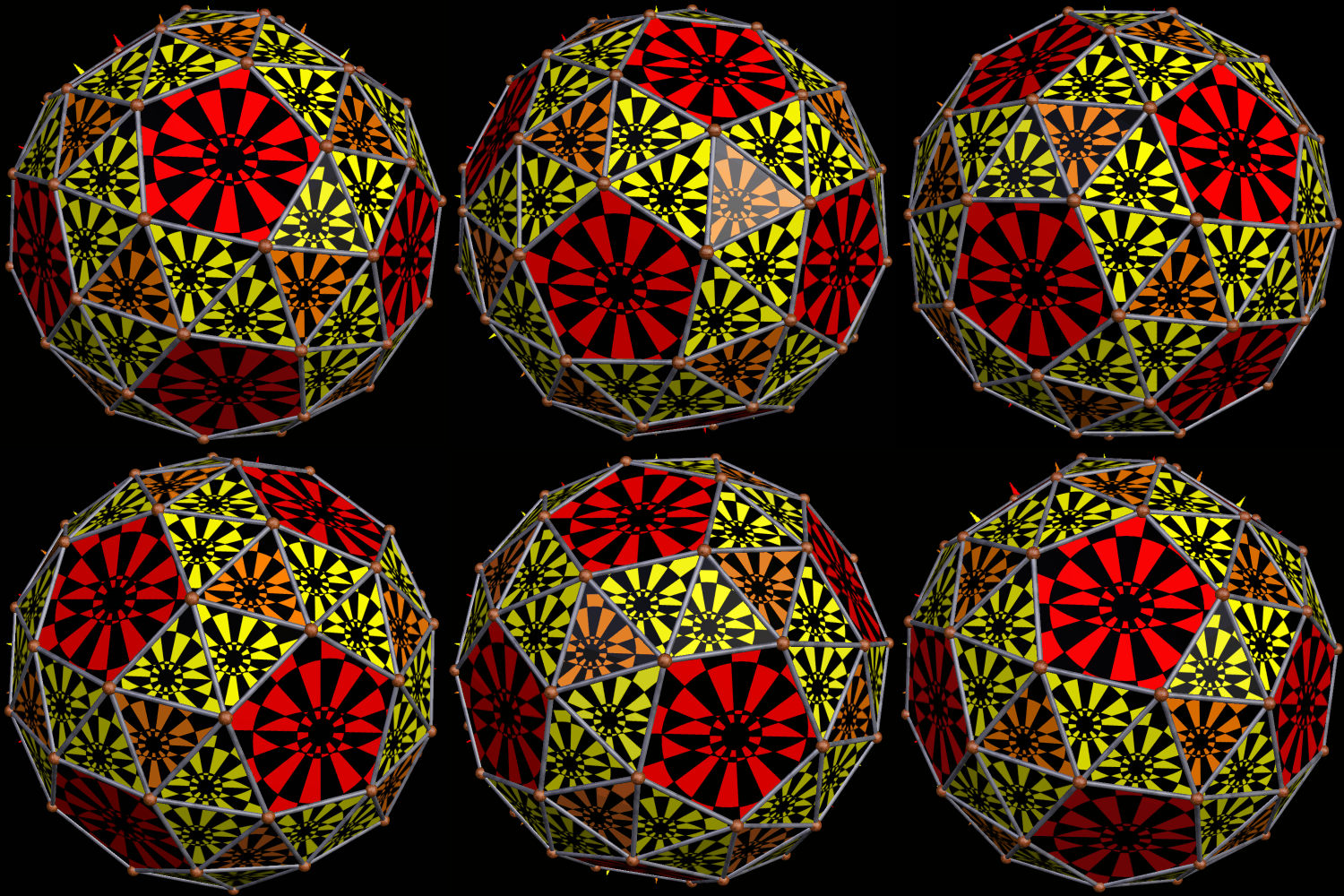
Feelinglike unexpectedly challenged, but voiceless with breathloss, I could but headshout at what I saw, but did so loudlymuch, enough to deafen a t’path, had one unlucked near: Die! Die! Die! I can stare anyone down! For a moment, triumph filled me as my headshouting seemlyworked — the sun greyed out, and then vanished altogether. I saw nothingness! The Sunstar itself was defeated!
No, idiot, you just selfblinded, staring at the Sunstar! This thought, my most rational of allday, made me attempt screamreacting, but the mere wisps of air remaining were not enough to allow sonics from my effort. All I selfgained was an increase in the bodywide painstabbings, to levels I never knew everhappened.
In the darkness, another eye appeared, like the ones I had seen on the Sunstar, but based on nothing but rememberings now, since I could see nothingcept. There were changing swirlsparks everywhere within it, timed precisely with the growing pounding from within my skull and chest. Panic didn’t happen, but only because of the dizzycalm which sometimes happens from lackoxy. I got lost wondering what a headpop might feel like. Would I just puff away, like a candleblown, or would I painfully feel the bursting of each nerve and blood vessel? Detachment was now extreme, muchso that I carednot which. The eye got nearmuch, so that I should have been able to reachtouch the pupil, but my arms weren’t listening to brainorders to move. I fell then, tumbling, into eyecenter, a pupil far wider than my own height.
My contactmoment with its cornea’s thickslime covering provoked a spasm of the entire eye, scaring me to new levels. Meter-thick eyelids rushed toward me from twindirections opposite. My last heartbeat was deafening, in literality — I heard nothing more. Time remained for only a silent finalthought. What a way to lose a staring contest: death by Sunblink —
# # #
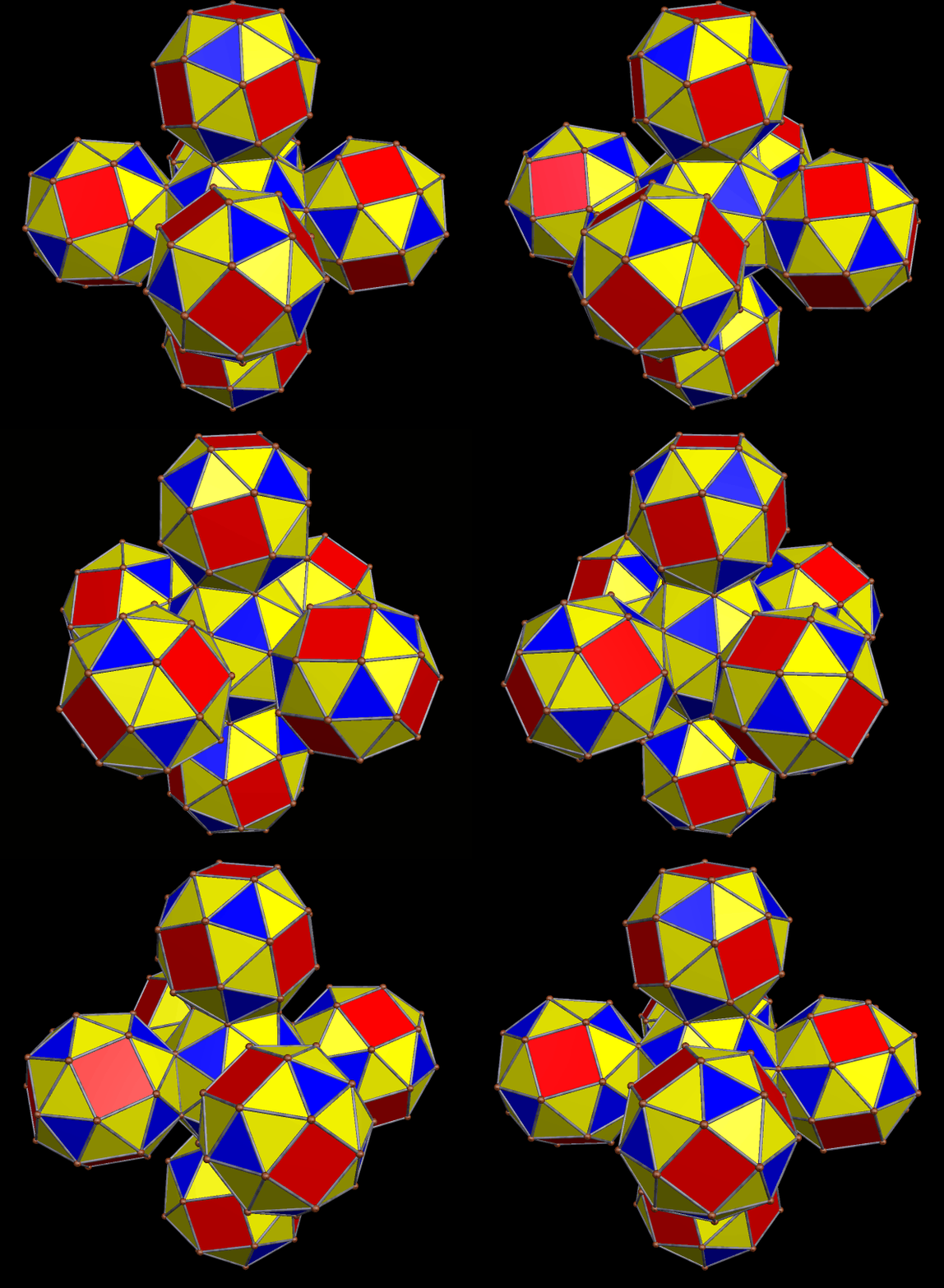
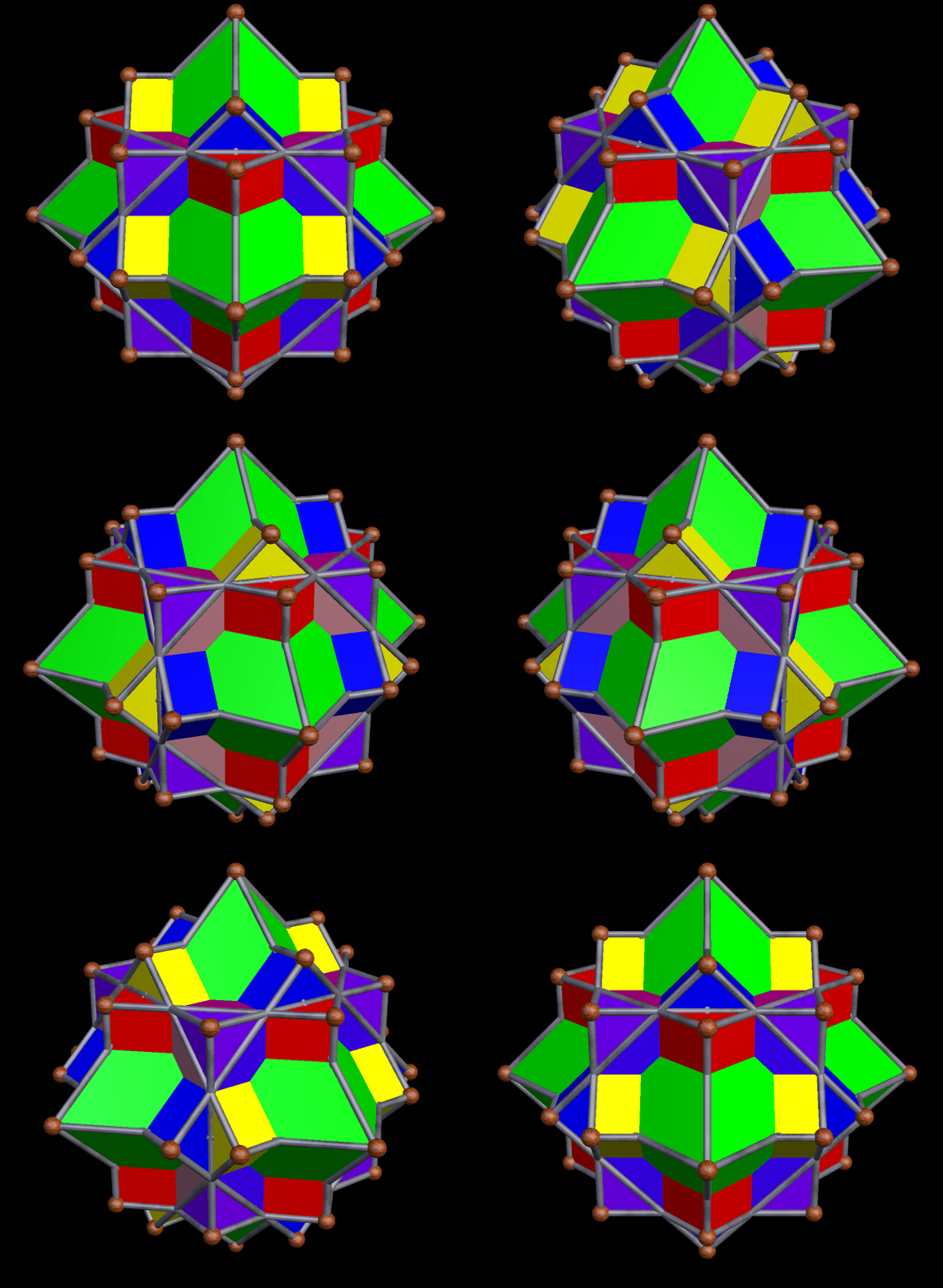
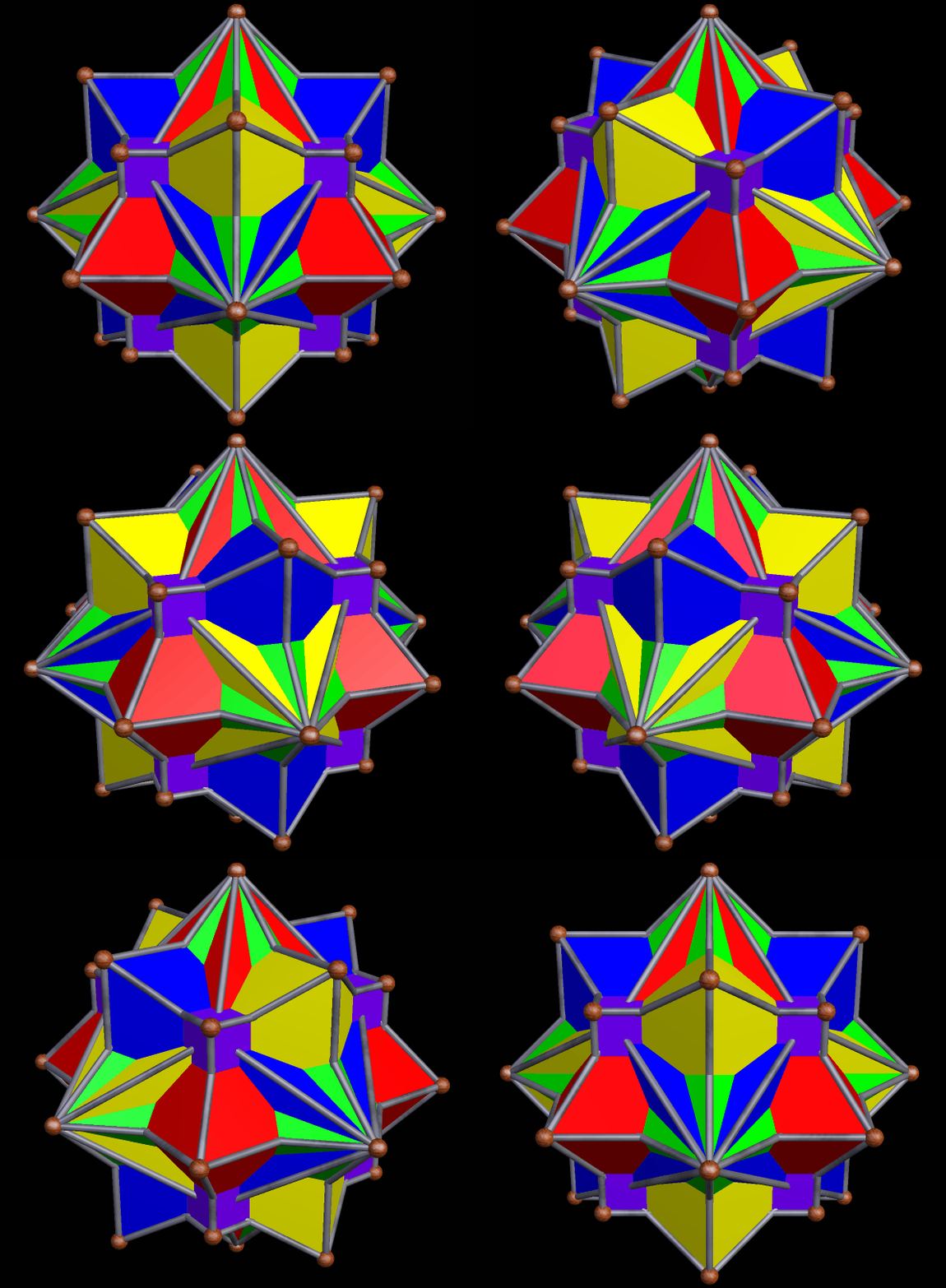
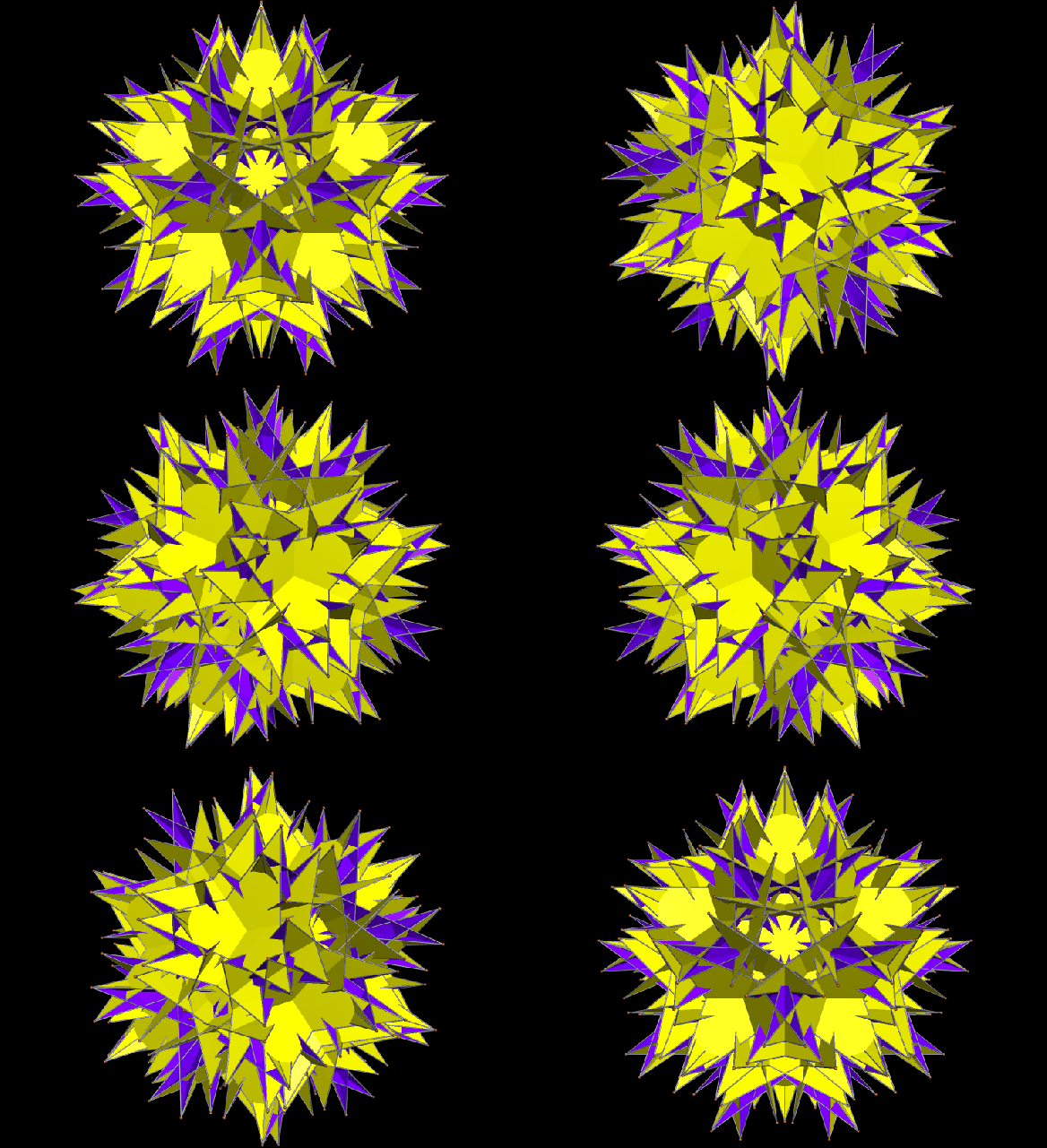
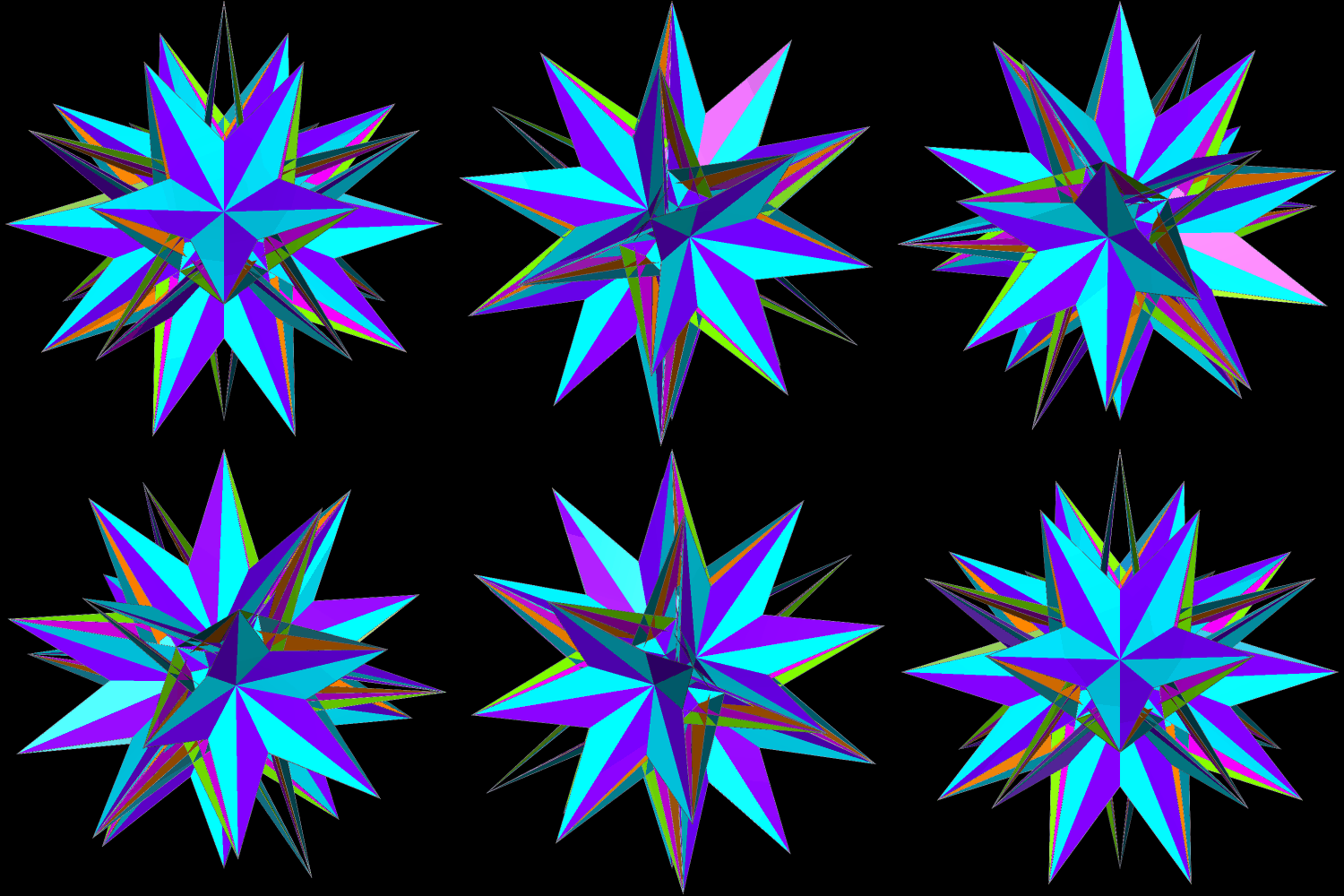
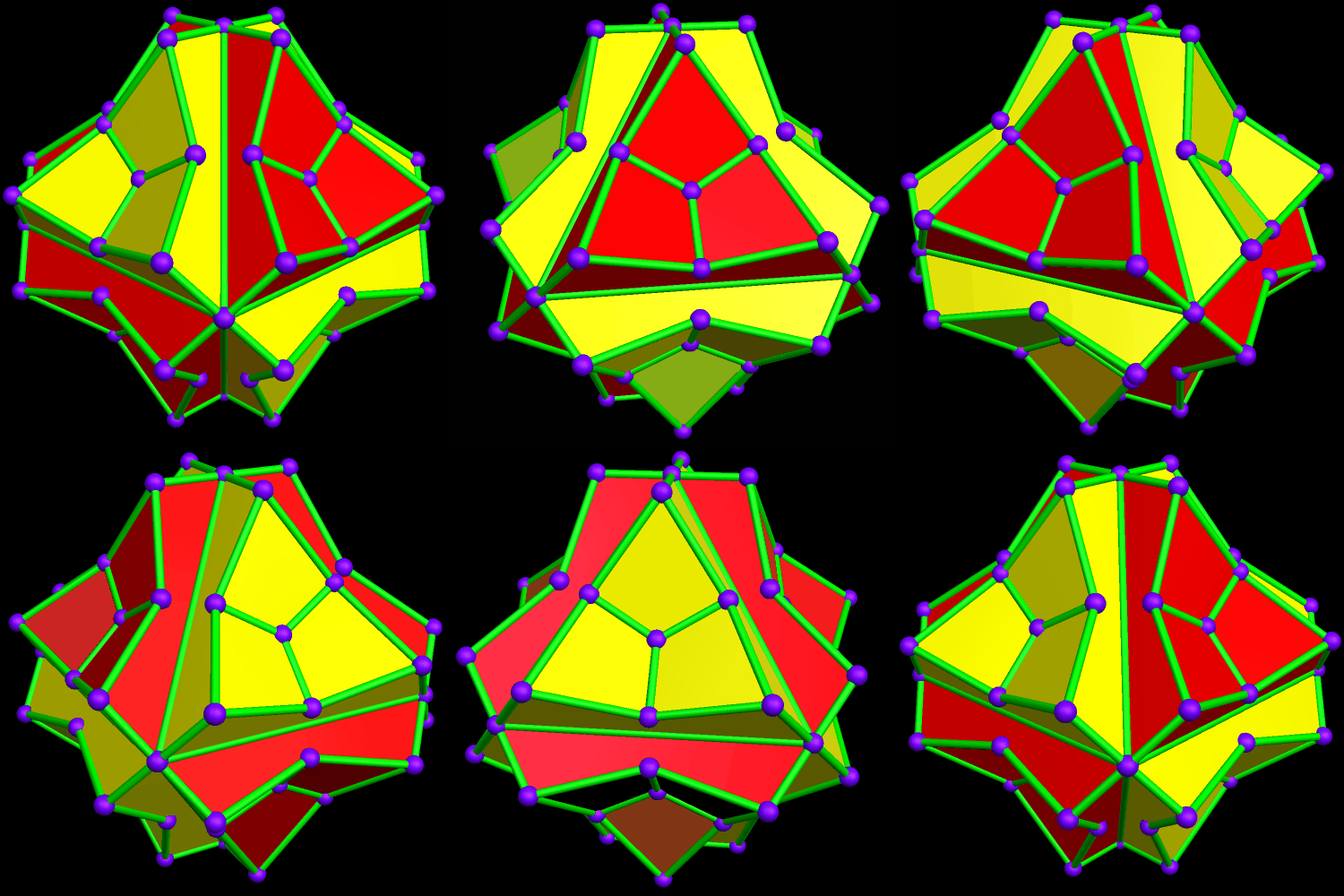
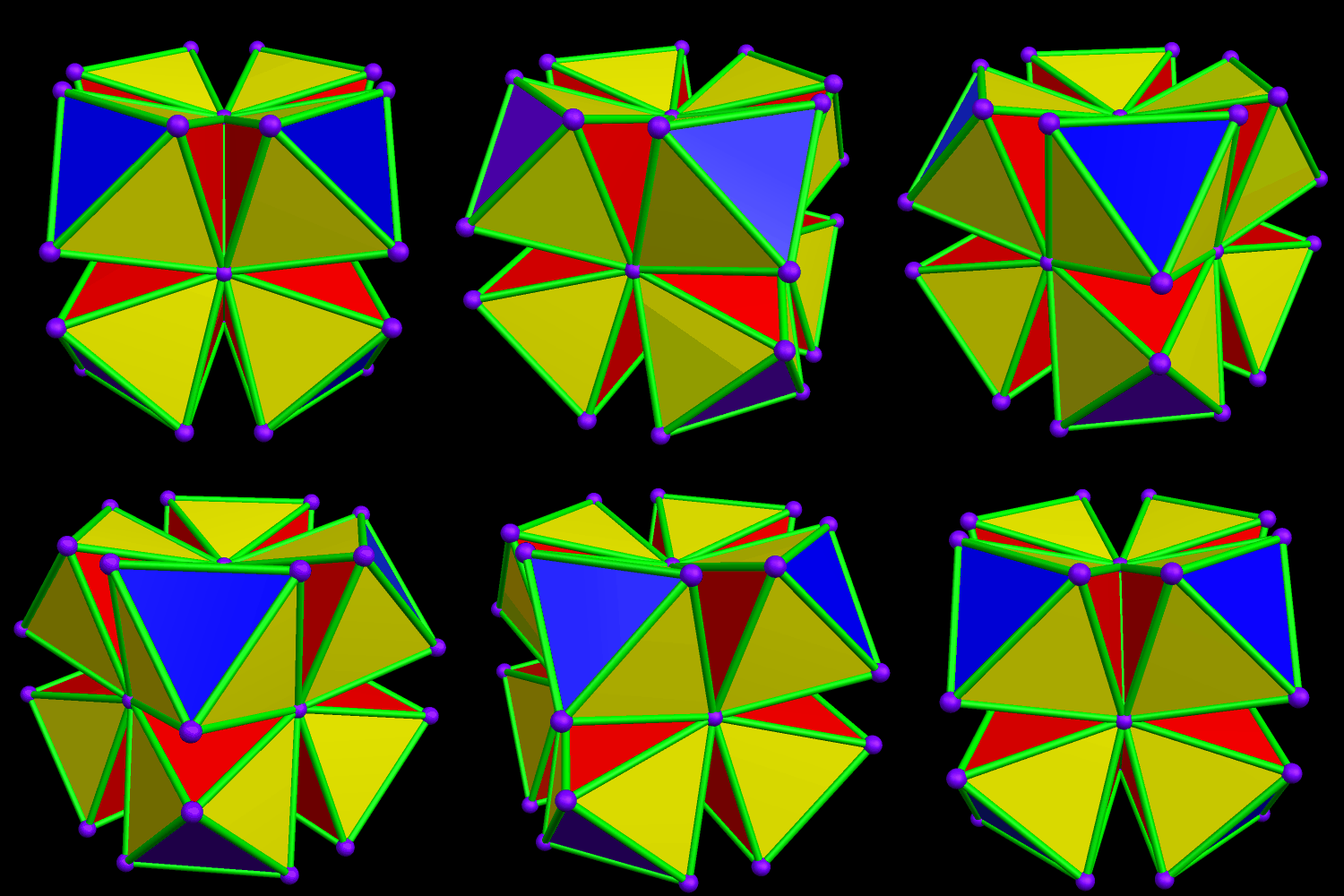
[The images above were made with Stella 4d, available here. Geometer’s Sketchpad and MS-Paint were also used, as well as a background image, which I altered, from this website.]
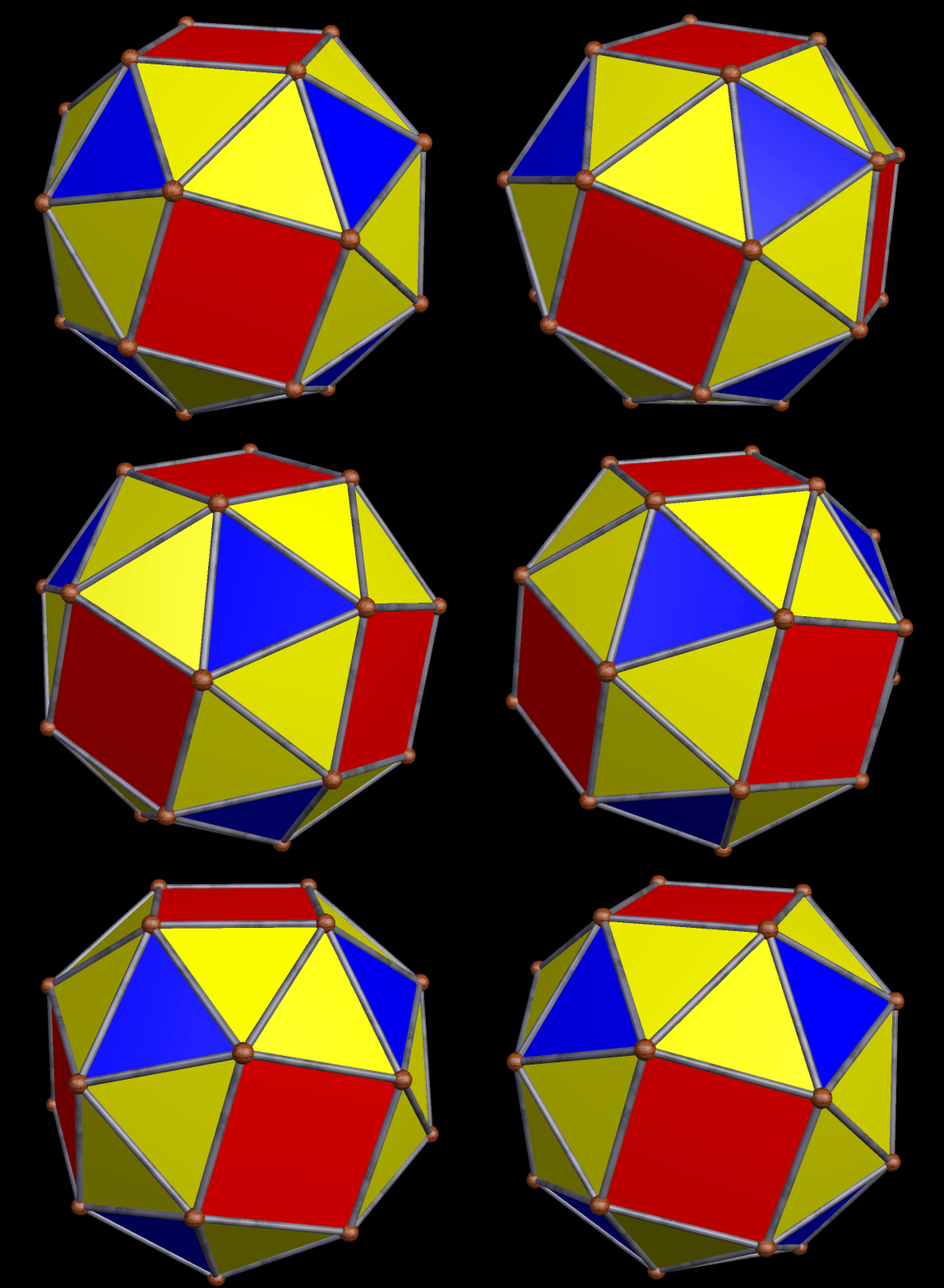 To avoid unnecessary confusion, the same direction of rotation is used throughout this post. Apart from that, though, the image below, “Snub Cube B,” is the reflection of the first snub cube shown.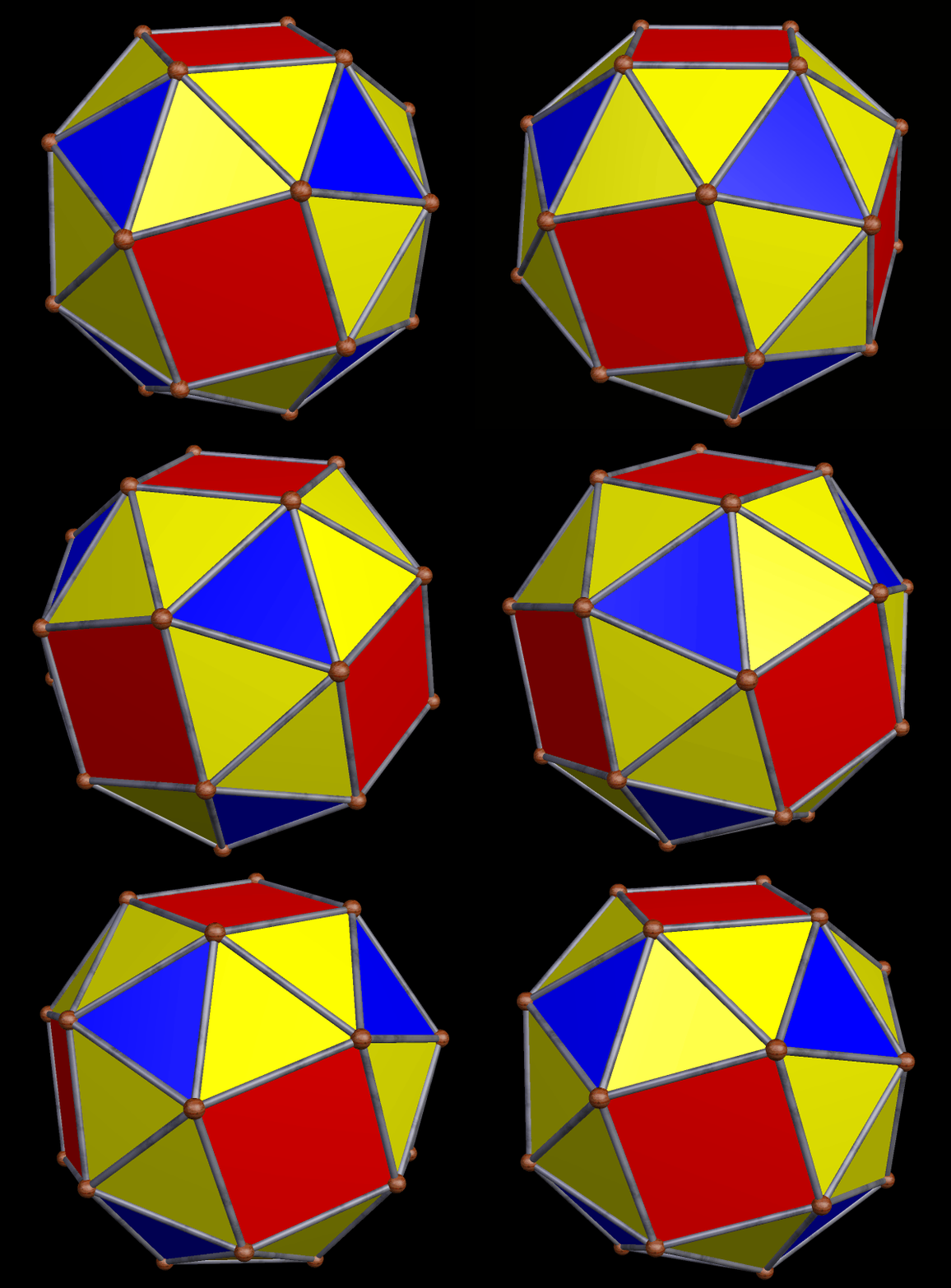













 RobertLovesPi.net